Environmental pollution

“Humankind has not woven the web of life. We are but one thread within it. Whatever we do to the web, we do to ourselves. All things are bound together. All things connect.”

~ Chief Seattle

What is environmental pollution ?

Is it degrading our lifestyle ?

How can we improve our environment ?

Let’s get through the topic .

Introduction
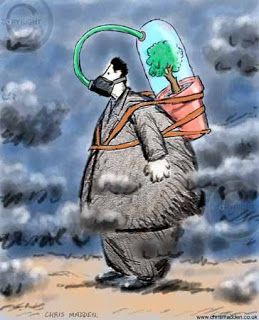
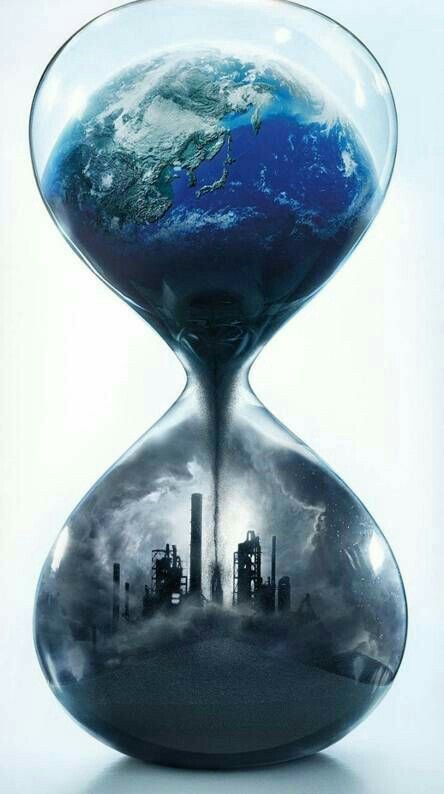
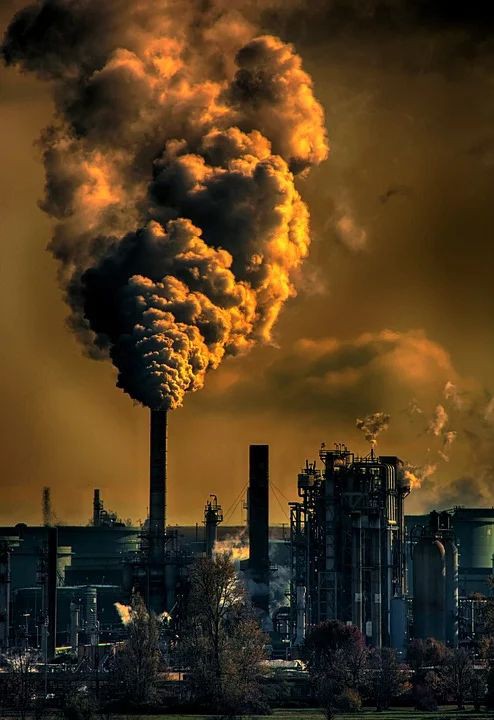
One of the greatest problems that the world is facing today is that of environmental pollution, which is causing grave and irreparable damage to the natural world and human society with about 40% of deaths worldwide being caused by water, air and soil pollution and coupled with human overpopulation has contributed to the malnutrition of 3.7 billion people worldwide, making them more susceptible to disease.

Environmental pollution is defined as “the contamination of the physical and biological components of the earth/atmosphere system to such an extent that normal environmental processes are adversely affected.”

From: Environmental Management, 2017

We all are well known about the word Environmental pollution . It is not some kind of new phenomenon , yet it is a greatest problem facing by our society . Still , people are avoiding the topic to its utmost.

Environmental pollution is one of the most serious global challenges. Wild-type organisms have a slower degradation rate of hazardous materials.

Both developed and developing nations share this burden together, though awareness and stricter laws in developed countries have contributed to a larger extent in protecting their environment.

Reasons behind environmental pollution

  • The Burning of Fossil Fuels. Industrial Emission.
  • Indoor Air Pollution.
  • Wildfires.
  • Microbial Decaying Process.
  • Transportation.
  • Open Burning of Garbage Waste.
  • Construction and Demolition.
  • Urbanization and industrialization. Since the era of industrial revolution, man has continued to introduce hazardous materials into the environment at an alarming rate.Mining and exploration.
  • Agricultural activities.
  • Particulate matter.
  • Plastics.
  • Energy production.
  • Deforestation.
  • Mining.
  • Over population.
  • Increase in global average temperature.

Effects of environmental pollution
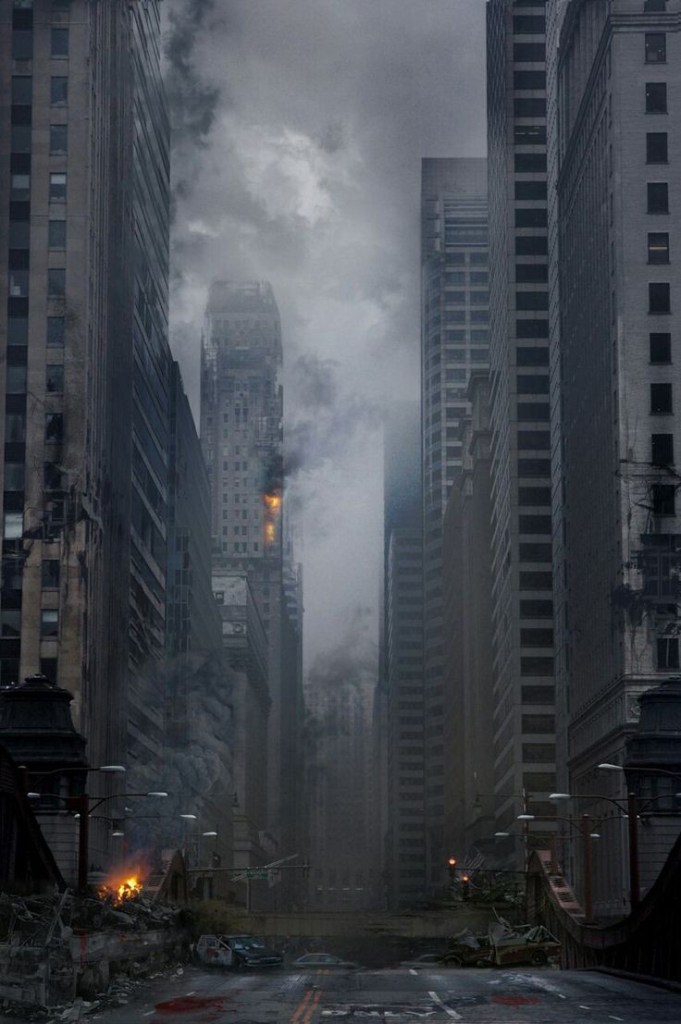
Environmental pollution is an incurable disease . It can only be prevented.

Barry commoner

1. Effects on Humans. The effects of environmental pollution on humans are mainly physical, but can also turn into neuro-affections in the long term. The best-known troubles to us are respiratory, in the form of allergies, asthma, irritation of the eyes and nasal passages, or other forms of respiratory infections. Other rarer diseases include hepatitis, typhoid affections, diarrhea, and hormonal disruptions.

2. Effects on Animals . Environmental pollution mainly affects animals by causing harm to their living environment, making it toxic for them to live in.

3. Effects on plants . As for animals, plants, and especially trees, can be destroyed by acid rains (and this will also have a negative impact on animals as well, as their natural environment will be modified), ozone in the lower atmosphere block the plant respiration, and harmful pollutants can be absorbed from the water or soil.

Solutions for environmental pollution.

  • Evironment planning.
  • Shifting to eco-friendly transportation.
  • Air pollution must involve moving away from fossil fuels, replace them with sustainable fuels .
  • Solar power .
  • Wind power.
  • Go green.
  • Storage facilities for solid waste.
  • Environmental friendly products.
  • Policies implimentation for environmental pollution.
  • We also need to work on electromagnetic radiation (ER) reduction.
  • Awareness through mass media.
  • More green parks and areas.
  • Environmental education, etc,.

“We say we love flowers, yet we pluck them. We say we love trees, yet we cut them down. And people still wonder why some are afraid when told they are loved.”

~ Paul Morley

Link
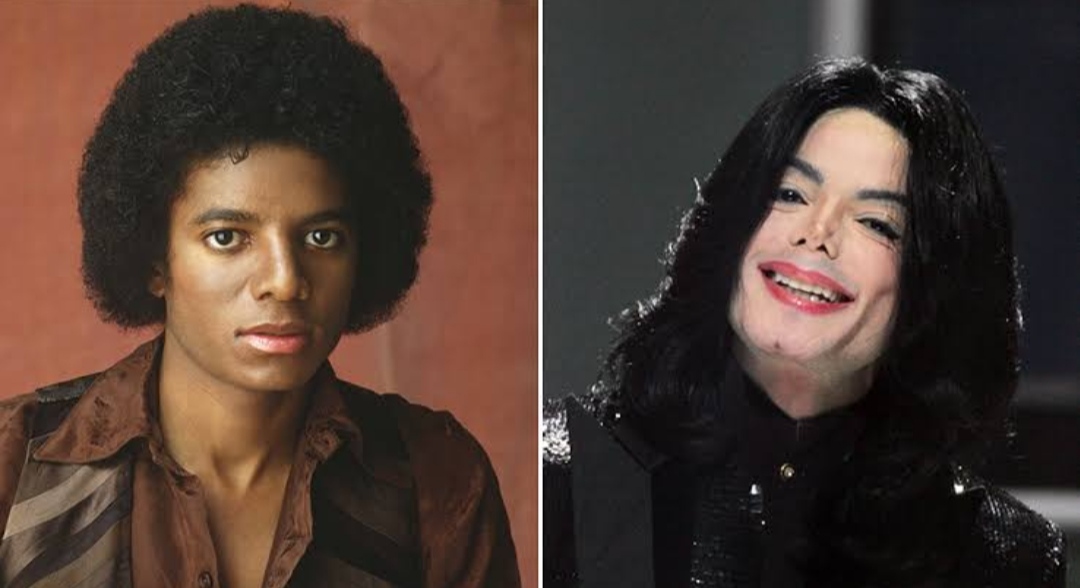
Michael Jackson

Michael Joseph Jackson(1958-2009) also popularly known as Michael Jackson,was an American singer, songwriter, and dancer. He is famously known as king of pop,he is regarded as one of the most significant cultural figures of the 20th century. 

His contributions to music, dance, fashion, and philanthropy, made him a global figure.

He influenced many people, many genres across the world through stage and video performances.

His popularized dance moves like moon walk , still this complicated dance gestures is creating popularity, records.He is the most awarded music artist in history.

Jackson is one of the best selling music artists of all time, with estimated sales of over 350 million records worldwide. For his incredible contribution to music,dance he was honoured with 15 Grammy awards, six Brit awards, a golden globe award, and 39 Guinness world records.

Michael Jackson, also known as most commercially successful entertainers of all time. At the age of 50, Michael Jackson passed away,at his home in Los Angeles, California, after suffering from cardiac arrest caused by a fatal combination of drugs given to him by his personal doctor.

INCREDIBLE INDIA

Indian culture is the heritage of social norms, ethical values, traditional customs, belief system, political systems, artifactcs and technologies that originated in or are associated with the Indian subcontinent. Over the centuries, there has been a significant fusion of cultures between Buddhists, Hindus, Muslims, Jain, sikhs and various tribal population in India.

>Importance of Indian Culture :

Indians are proud of its culture. In our country it is traditional to respect elders, be truthful and honest and also to help out others in need. It is also considered traditional to celebrate our cultural festivals and religious activities with the family and neighbours.

>Indian culture and values :

The two most tenents of Indian culture are Human Values and Holism. Human values refer to moral, spiritual and ethical values whereas Holism means unity.

>Features of Indian culture :

Unity in diversity, tolerance , longevity and continuity , amalgamation of spirituality and materialism.

India is the land of ‘UNITY IN DIVERSITY’, and our dances are no different. Different forms of dances find origin of different parts of the country, and they are a way of representation of the particular culture from which they originate.

INDIAN CULTURE IS VERY RICH AND DIVERSE AND TEACHES US TO BE TOLERANT TO OTHERS.

EXTERNAL REFERENCE

•India and World Cultural Heritage

•India’s intangible cultural heritage

ONAM- THE HARVEST FESTIVAL

ONAM – the festival of colour in Kerala

Onam is one of the famous festivals of the colourful India. It is actually a major event  of kerala. The people inside and outside of Kerala enjoy it too much. It is a harvest festival . 

According to history, Onam has a long religious context and history of Kerala. According to an earlier reference , Onam is found in Maturaikkaci – a Sangam ers Tamil poem. It says that when games and duels were held in Madurai temple , immolation was sent to the temple , then  the people wore new clothes and celebrated it. On the other hand , in the 9th-century according to Pathikas and Ballads by Periyazharwar , Onam is celebrated as offerings to Vishnu God with feasts and community events. 

According to Kurup  , Onam is a historical hindu-temple based cultural festival which is celebrated for many days. This is a harvest festival and its significance is of 2 Hindu-legends, Mahabali legend and Parashurama legend.

According to the Malayalam calendar Chingam is the 1st month  and the Onam is celebrated in this month. It is marked as the Malayalam New Year. It is celebrated over 10 days and concludes with Thiruvonam. The ten days are sequentially known as Atham, Chithira, Chodhi, Vishakam, Anizham, Thriketta, Moolam, Pooradam, Uthradam and Thiruvonam. The first and the last day are particularly important in Kerala and to Malayalee communities elsewhere.

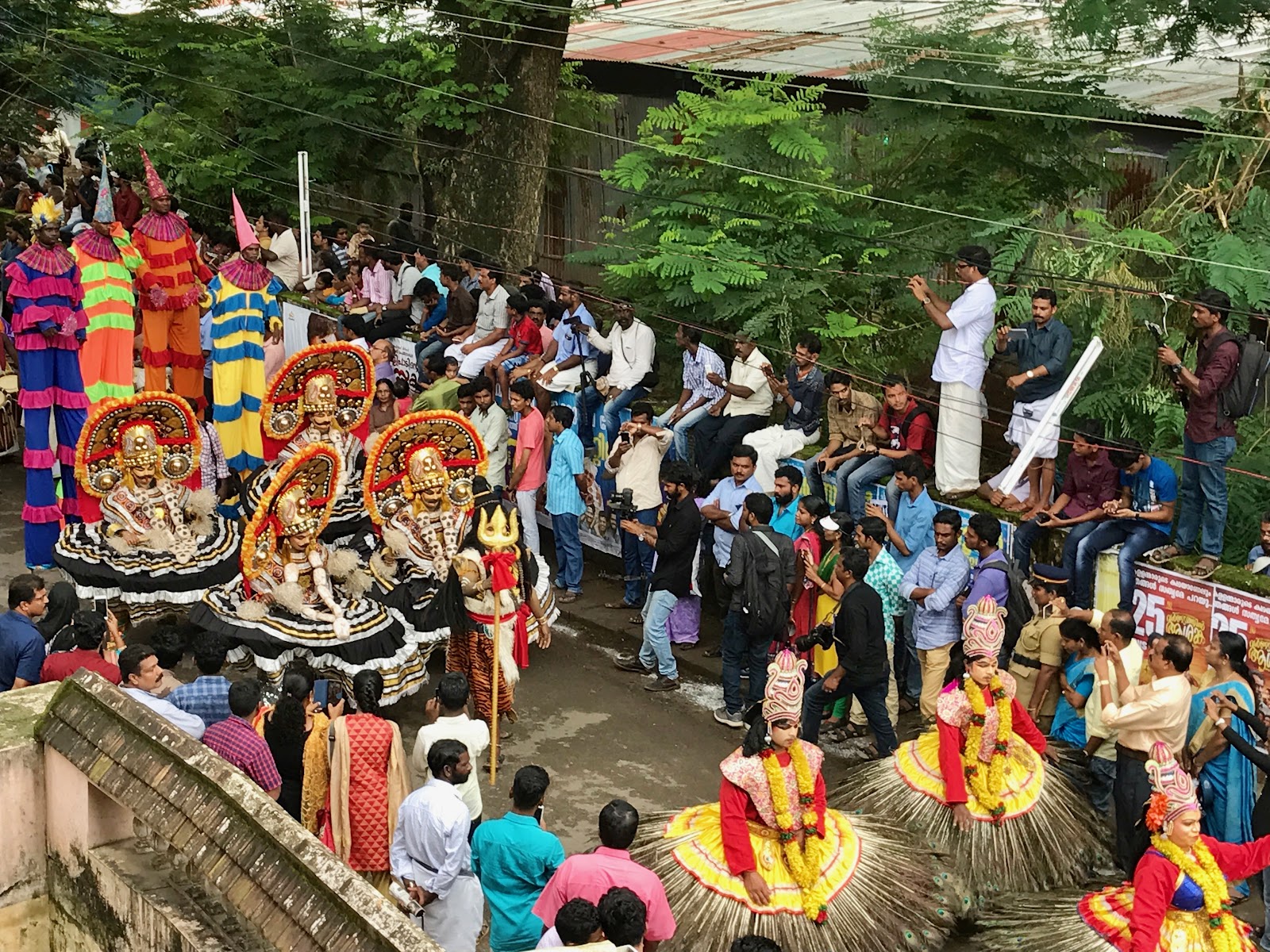
The 1st day of this festival is Atham ws marked at Vamanamoorthy Thrikkakara temple in Kochi. This temple is the focal center of this festival and the abode of Mahabali legend with raising their festive flag. There are celebrated the parades and those are colourful ,whimming  and floating.

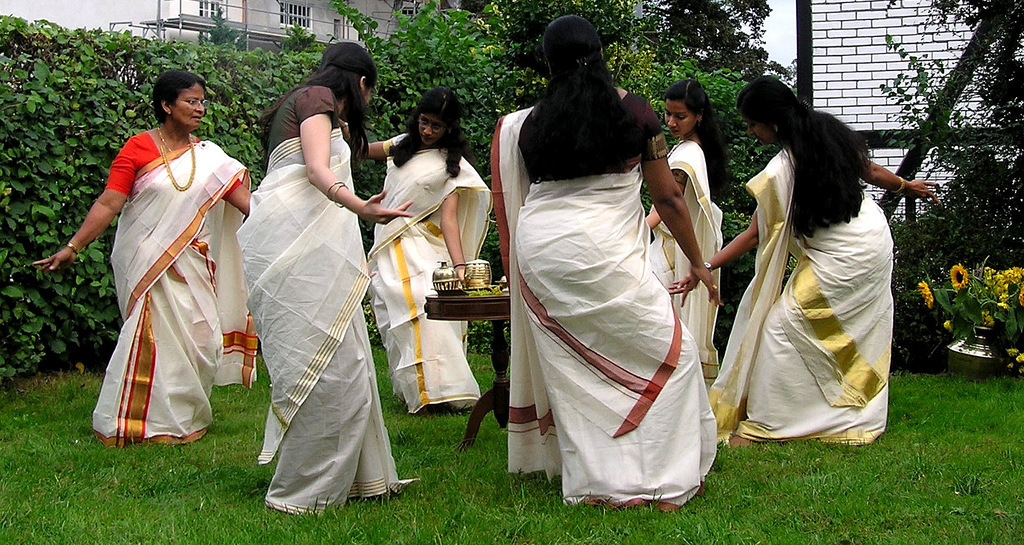
On other days there are celebrated different types of events like boat races which are most popular and stunning , different types of cultural programmes , martial arts, dance, rangoli etc.  People celebrate their times in those days by shopping, donating time or food for the charities and spending quality times with family. The men and women wear their traditional dress . Basically women wore Kasavu saree on this day. 

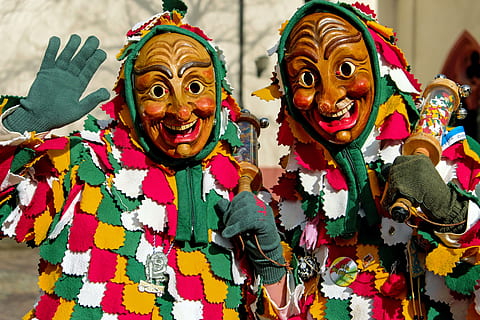
At Tripunithura near Kochi the Onam is celebrated with a grand procession which is called ‘Athachamayam’ , it is also addressed by ‘Thripunithura Athachamayam’. There are elephant marching, drum beats and other music , floats, folk art forms and colourful dressed people and with their masks which is wonderful. According to Kerala history the Kochi king conducted a grand military procession which has now become a state-supported event

There are epic scenes from Mahavarat and Ramayana in this traditional float procession . There are also themes from the Bible .From Tripunithura to the Vamanamoorthy Temple in Thrikkakara, Ernakulam district , is the traditional path. It is  the temple of Vishnu in his Vamana (dwarf) avatar. After arrival at the temple, the marchers offer a prayer.

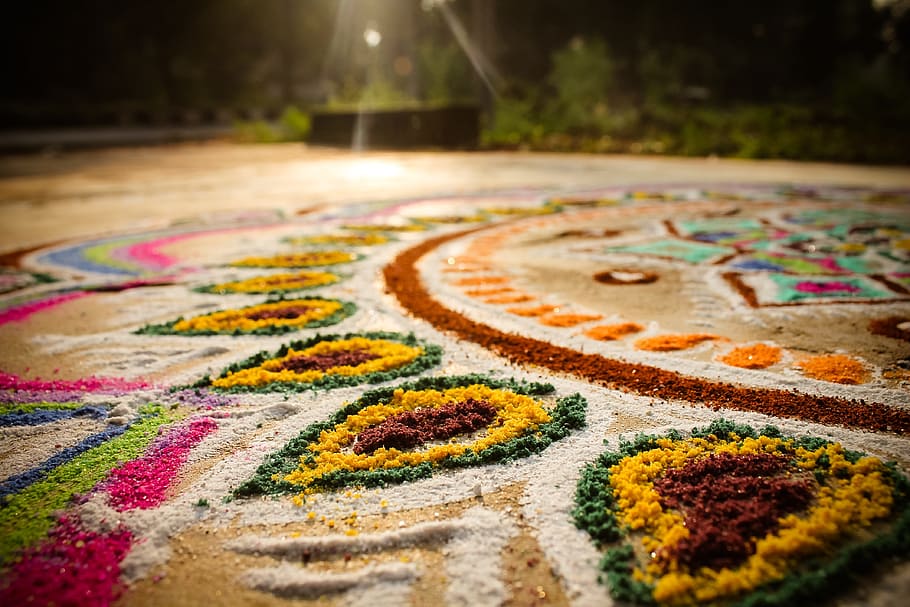
In this festival ‘Pookalam’ , which is called floral rangoli in general, is an attraction. It is known as Onapookalam or Pookalam. There are so many types of flower, basically marigold is the main blossom. It is decorated particularly at the entry point and temple premises like a flower mat. On Atham the Pookalam is called Athspoo and for this day it is comparatively small in size. It grows in size gradually with each day of this festival. In this Pookalam the Dasapushpam (10 types of flower) is used. In Kerala Pookalam competitions are common everywhere on Onam day.

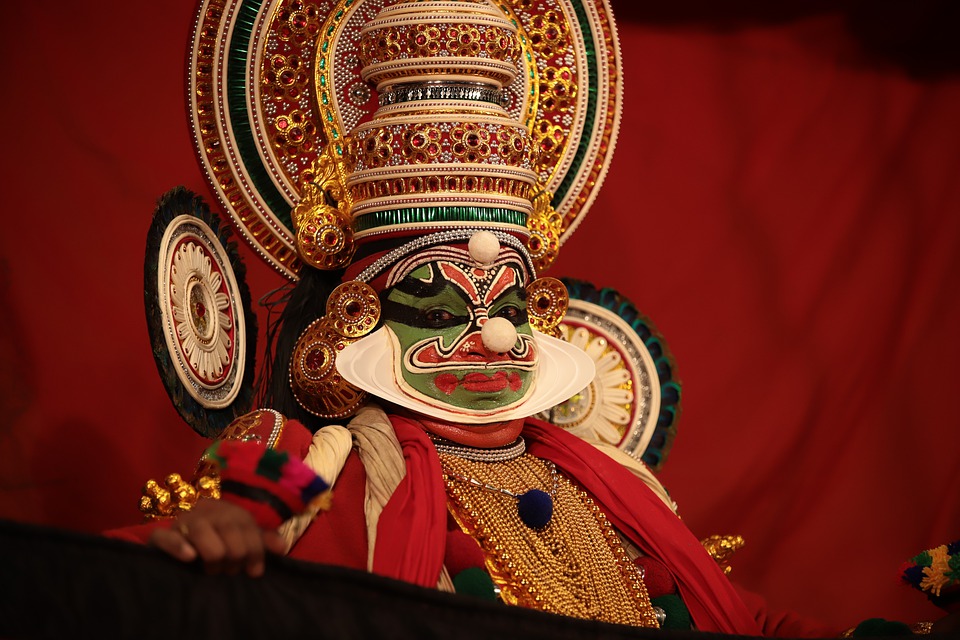
In this festival there are so many types of traditional dance performed like Kathakali , Pulikali, Kummattikali, Thumbi Thullal, Onam Kali etc. Thiruvathira Kali is a women’s dance, where they circle around a lamp. Kummattikali , which is a colorful-mask dance. In Thrissur, festivities include a procession consisting of caparisoned elephants surrounded by Kummatikali dancers. Onam Kali is a form of dance where players circle around a pole or tree or lamp,dance and sing songs from the Ramayana and other epics.  Kathakali is the most famous dance type. 

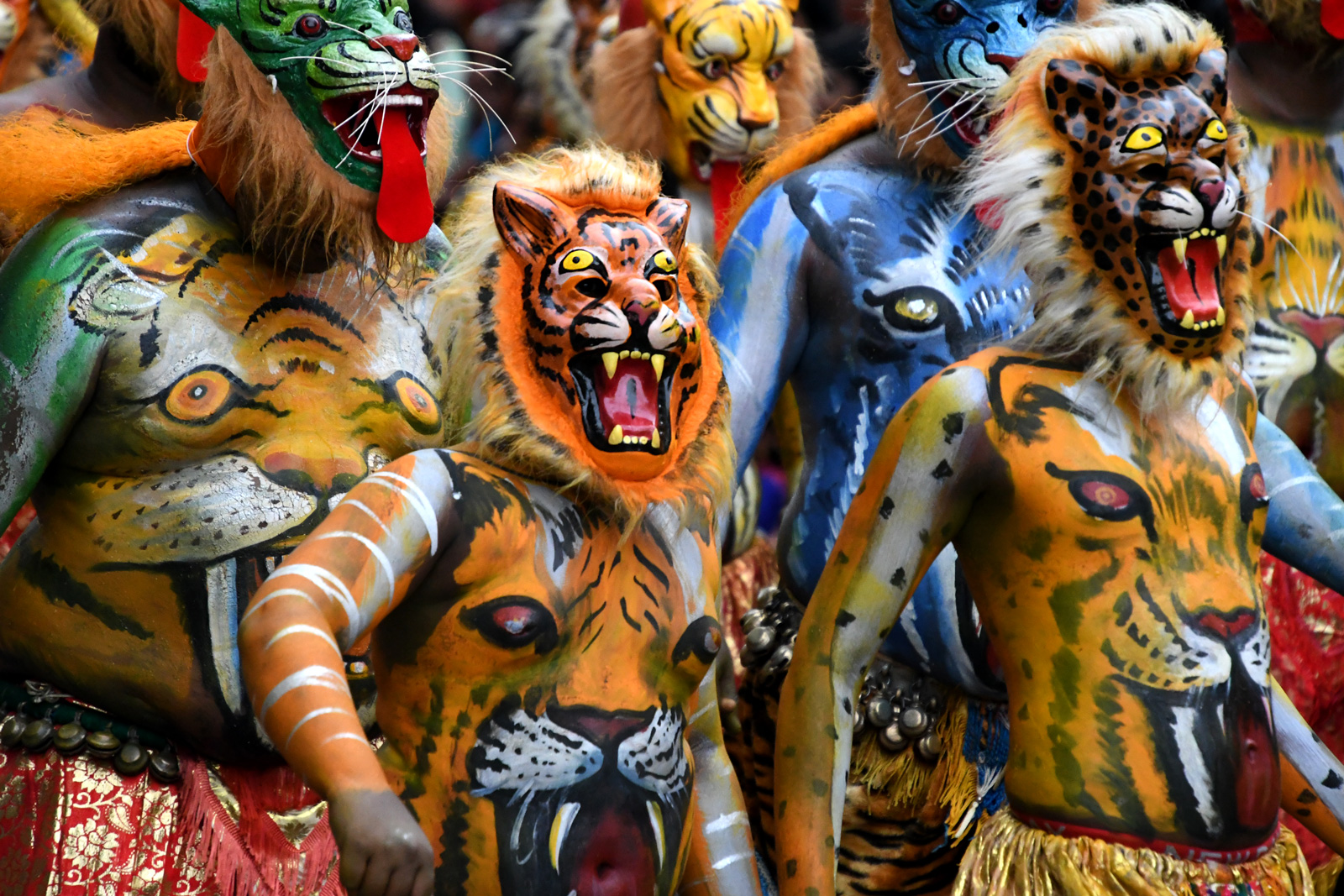
Pulikali is a different type of dance which is known as Kaduvakali during this festival where the performer is painted like tigers in bright yellow, red and black, and dances to the beats of instruments like Chenda and Thakil. It is a type of folk dance.

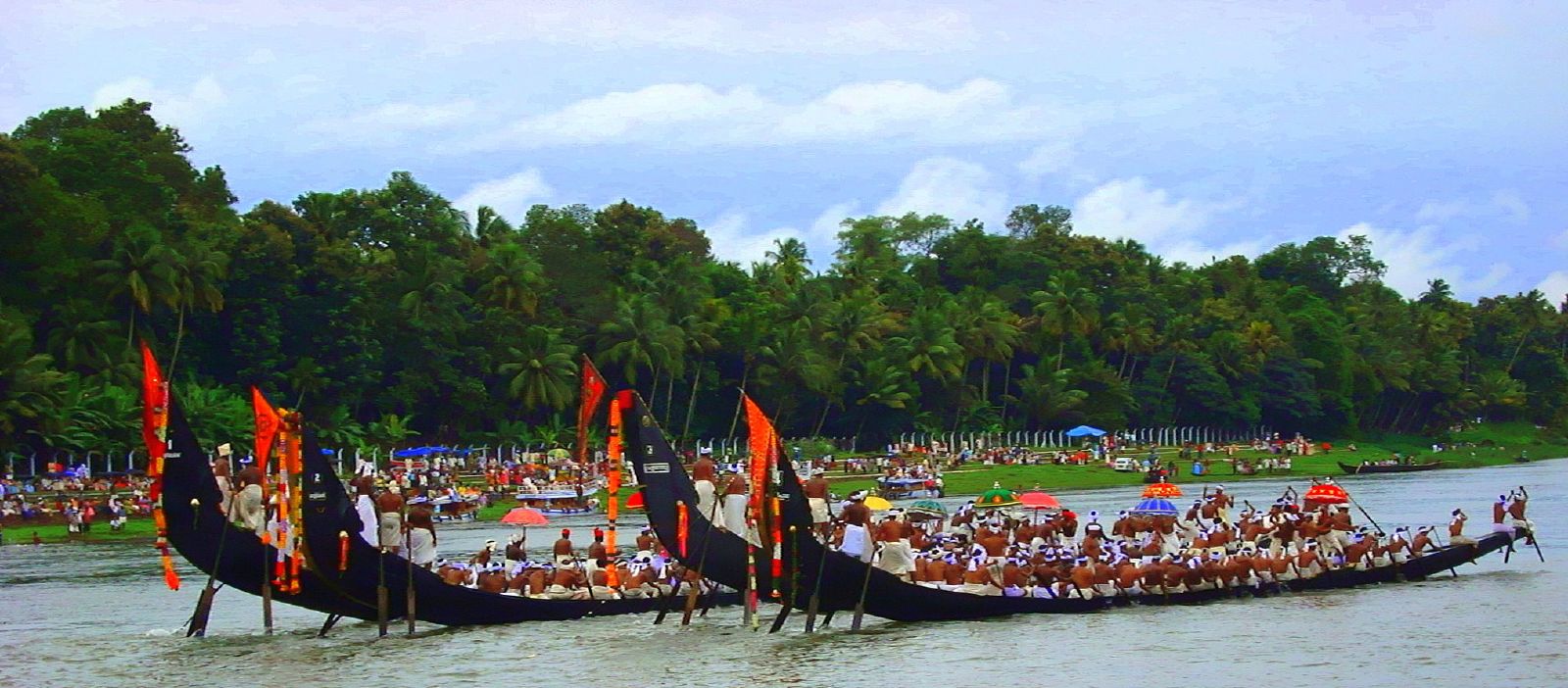
Another amazing part of this festival is Vallamkali which is a snake boat race. In this boat race numerous oarsmen row huge snake-shaped boats and men and women come from far and near to watch and cheer the snake boat race through the water. Particularly it happened on the Pampa River.

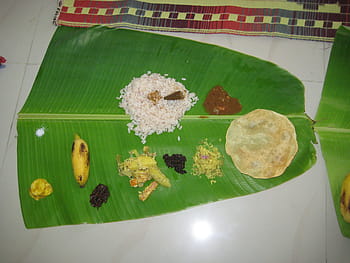
The Onam sadya, which is the feast, is  another amazing part of Thiruvonam and it is observed in every Keralite attempt . Chips , Sharkaraveratti ,Pappadam, various vegetable and soups such as Injipuli, Thoran, Mezhukkupuratti, Kaalan, Olan, Avial, Sambhar, Dal served along with a small quantity of ghee, Erisheri, Moloshyam, Rasam, Puliseri, Kichadi and Pachadi, Moru , Pickles both sweet and sour, and coconut chutney are the menu.

So it is the very interesting festival of our colourful India which is more colourful and delightful to us.

DANCE

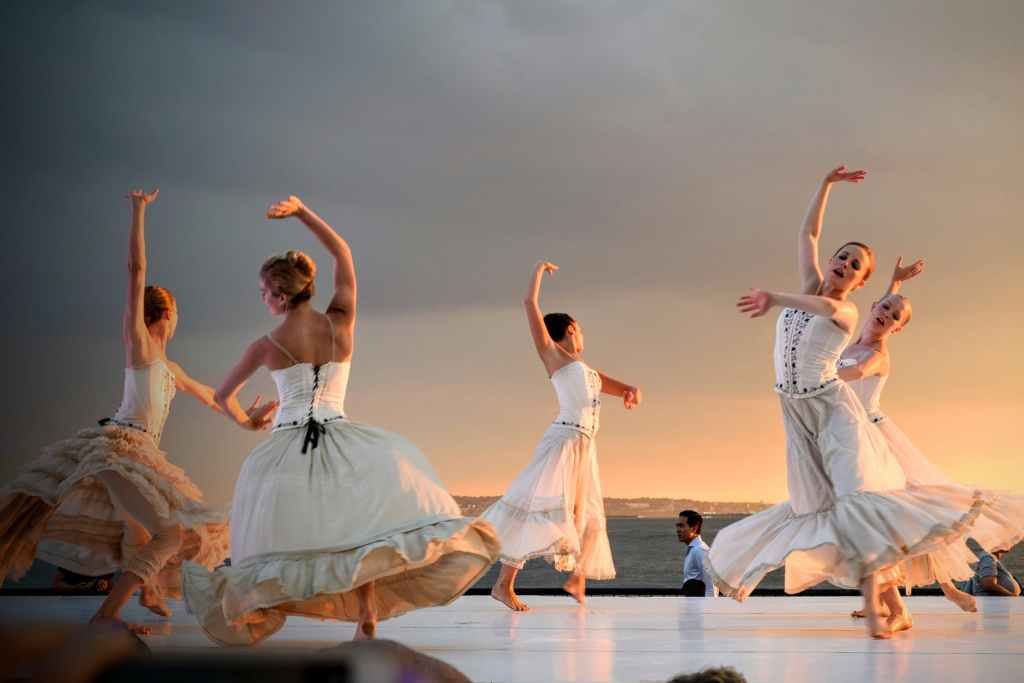
Dance is a performing art form consisting of sequence of movements , improvised or selected . The movement has aesthetic and symbolic value .

Dance in India comprises of numerous styles of dance . They are mainly classified in classical and folk dance.

As with other aspect of Indian culture different forms of dance are originated from different parts of India, developed inbibed elements from other parts of country .

Classical dance of India is developed a type of dance drama that is a form of a total theater. The dancer acts out a story through gestures. Most of the classical dance of India extract stories from hindu mythology . Each form represents the culture of a particular region or group of people . Some of the classical dance forms are like Bharatnatyam, Kathakali, Kuchipudi etc.

Folk dance are numerous in number ang style and vary according to the local trade of the respective State .Folk dance plays a significant role in rural areas as the expression of the daily work and rituals of village communities . Some of the folk dance forms are like bhangra ,garba etc

In India dance encompasses a wide range of dance activities currently performed . It includes experiment ing with existing classical and fork forms of dance by various artists.

Benefits of dance

• Improve condition of heart and lungs .

• Increases muscular strength , endurance and fitness.

• Increases aerobic fitness.

• Weight management.

• Better co-ordination and flexibility.

Dancing is a Long Journey without any Destination

Summer vacations of young school children open up a whole new arena of hobbies for them to indulge in. These kids enroll themselves in various classes like dancing, singing, arts and craft, and sports. Although dancing is one of the primary activities, not many children these days opt for classical dance styles. Most of them prefer Freestyle or Bollywood. While no dance form is less than another, a few of them are losing their place in society. Lost in today’s times is one such dance form, Kuchipudi.

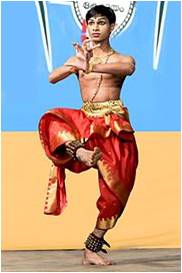
Kuchipudi, one of the eight classical dance styles of India, is a dance-drama performance art that originated in Andhra Pradesh in the Kuchelapuram village of Krishna, about 65km from Vijayawada. It is the only classical dance form that gains its name from a geographic location where it grew largely as a product of the Bhakti Movement in the early seventeenth century A.D.

danceThe history of Kuchipudi can further be traced back to the 1st century B.C. but the more popular stories are from 1502 A.D. According to some local legends, an orphan boy adopted the name Sidhendra Yogi acquiring higher studies, and one day when he asked God to help him cross a river, he vowed to devote his life to religious affairs. He then began to teach Brahmin boys devotional dance which was called Natya Shastra (which translated to offerings to God). In those days Kuchipudi was performed once in a year but was cautiously kept out of the reach of Devadasis. Even today in some coastal areas of Andhra Pradesh Kuchipudi is not accessible by all; it is still performed by all-male troupes.
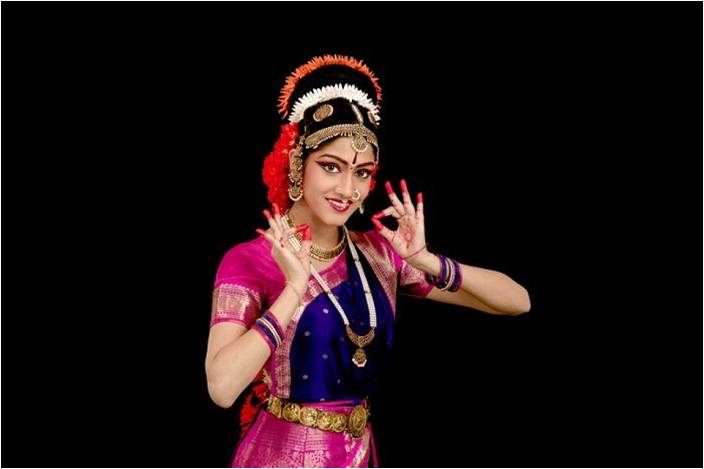
Kuchipudi today is known for its quick footwork, expressive eye movement, dramatic characterization, and spirited narrative. It is a representation of a fine combination of Nritta, Nritya, and Natya. The performer has to be skilled in speech, dance, and mime.

Earlier Kuchipudi was never a solo affair. Men and boys underwent rigorous training in abhinaya, music, and dancing. The sutradhar (director) played the key role and men played the roles of both the genders. Now it is fast becoming a solo affair enriched by the advent of female dancers.

dance 2With its lilting music and flowing music, Kuchipudi performances are a delight to watch. The beautiful costumes and light makeup of the artists contribute to their vibrant stage presence. While a male wears a dhoti, a female is adorned with a sari that is stitched with a pleated cloth that opens like a hand fan when the dancer stretches or bends her legs while portraying spectacular footwork. Traditional jewelry like a metallic waist belt is used along with ghungroos for producing rhythmic sounds. The eye expressions are given extra importance by outlining them with black kajal.

Indrani Bajpai and Yamini Krishnamurti kept Kuchipudi alive through public performances garnering not only new students but also making it known on the national and international stature. Names like Haleem Khan, Yamini Reddy, Atisha Pratap Singh, and Kalpalathika are trying to keep up with the tradition with their contributions.

Image COurtesy: GOOGLE