Transform Commercial Spaces with Stylish Glass Installations

Daily writing prompt
How do you feel about cold weather?

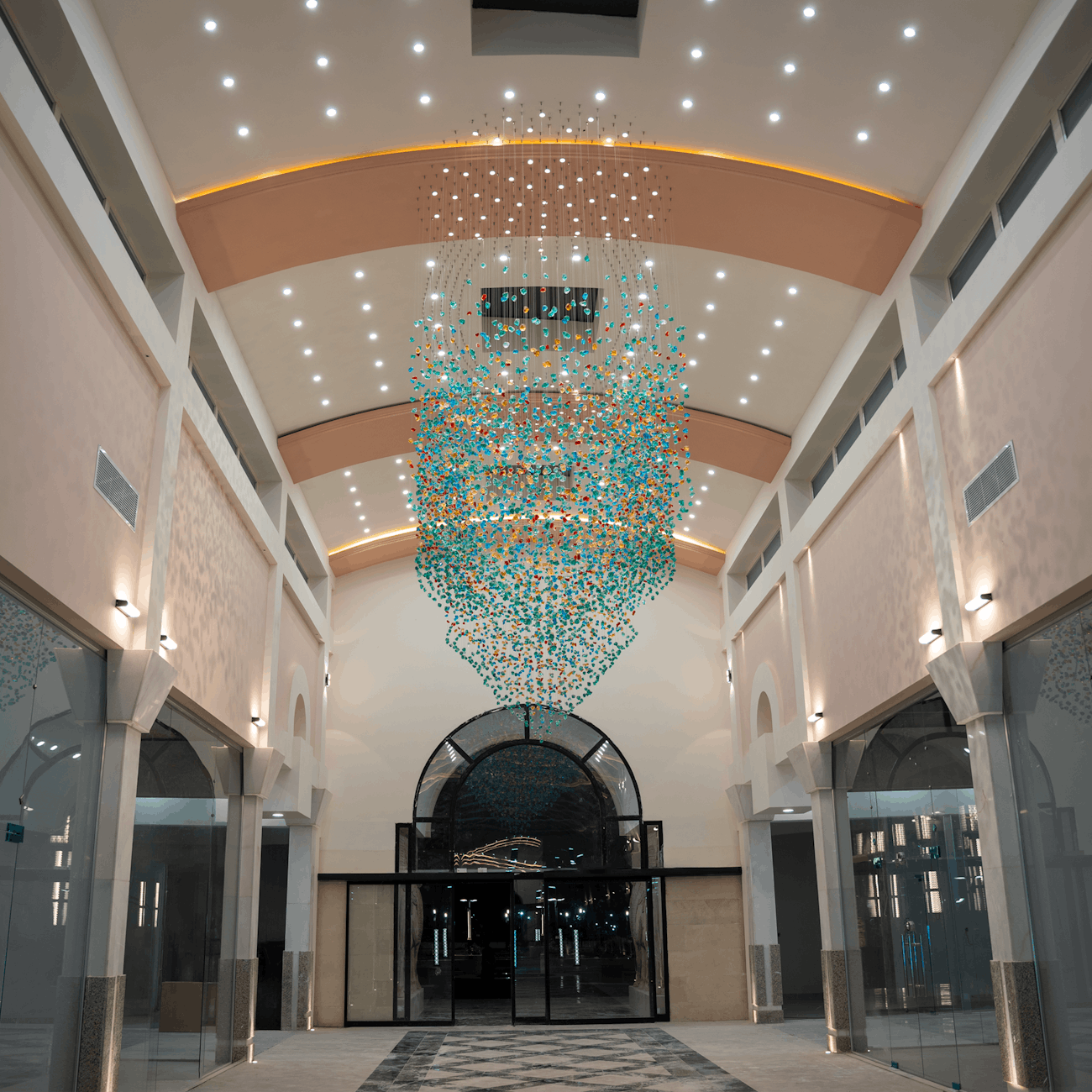
Glass installations are redefining commercial spaces, combining modern aesthetics with functionality. Whether you’re redesigning an office, a storefront, or a large retail environment, glass is steadily becoming a go-to material for architects and business owners alike. From sleek interiors to energy-efficient windows, the possibilities are endless. 
But what exactly makes glass installations so impactful, and how can they transform commercial spaces? This blog takes a closer look at the benefits of stylish glass installations and how they add measurable value to your commercial establishment. 

Why Glass is the Material of Choice 

Photo by Ansar Muhammad on Pexels.com

1. A Modern Aesthetic for Professional Settings 

Glass installations instantly lend a contemporary look to any space. They create an open and inviting atmosphere by making spaces appear larger, brighter, and more polished. Imagine walking into a commercial building with floor-to-ceiling glass walls that allow natural light to flood in. It gives off a sense of professionalism and innovation that instills confidence in visitors and employees alike. 


For Michigan businesses looking to upgrade, commercial window installation has become a popular option for modernizing outdated office designs. 

2. Boost Employee Productivity & Satisfaction 

Natural light isn’t just a trend in design; it’s scientifically proven to enhance employee performance. Studies show that workplaces with ample daylight improve mood, reduce stress, and even increase focus. Adding glass windows or partitions can create a bright, airy ambiance while maintaining a sense of privacy in targeted areas. 

For example, frosted or tinted glass meeting rooms ensure confidentiality without making the walls feel restrictive or closed off. 

3. Energy Efficiency Done Right 

Stylish glass installations don’t just look great; they can significantly improve energy efficiency. High-quality glass installations, especially double-pane or low-emissivity (low-E) windows, help regulate indoor environments by preventing heat loss in winter and keeping interiors cool in summer. 

This is particularly beneficial for commercial spaces in Michigan, where fluctuating weather demands durable and energy-efficient solutions. Upgrading your windows can reduce electricity costs and promote sustainability

4. Better Connectivity Through Transparency 

Glass as a design element also fosters a sense of connectivity and collaboration. By replacing solid walls with transparent or semi-transparent glass partitions, teams can feel more connected while still enjoying their own distinct workspaces. 

For retail environments, glass storefronts visually connect your business to passing foot traffic. Clear, wide windows offer a sneak peek into what your store offers, creating an inviting first impression that draws customers inside. 

Innovative Glass Solutions for Any Commercial Application 

Glass Doors & Entrance Systems 

Upgrading your entrance with glass doors adds sophistication and functionality, offering an upscale appeal. Automatic or sliding glass doors ensure easy access while maintaining a seamless look. 

Glass entrances are particularly effective for businesses such as high-end boutiques, banks, and corporate offices where first impressions really matter. 

Interior Glass Walls & Partitions 

Transform the interior dynamics of your space with stylish glass partitions. Whether you’re crafting an open-concept office or dividing larger retail sections, glass walls provide flexibility without sacrificing light or openness. 

For added privacy, consider etched or frosted glass options. These provide a sleek, modern look while shielding sensitive areas from view. 

Custom Glass Storefronts 

Your storefront is a reflection of your brand, and nothing speaks volumes like a custom-designed glass storefront. Glass makes it easy to showcase products and entice new customers without overwhelming your space with heavy fixtures. 

Whether it’s a café, retail boutique, or beauty studio, your bespoke glass storefront can set you apart from competitors. 

Skylights & Overhead Glass Features 

Go beyond simple window installations and explore skylights or overhead glass panels. These design elements allow even more natural light into your space, creating a dramatic and refreshing effect. Ideal for spacious interiors such as showrooms, atriums, and event venues, overhead glass can be a real game-changer. 

What to Look for in Commercial Glass Installation 

To truly transform your space, the quality and expertise of the installation are crucial. When considering professionals for your commercial window installation in Michigan, keep these factors in mind:

  • Experience with Custom Designs: Ensure your installer understands your brand’s unique needs and delivers tailored glass solutions. 
  • Durability & Safety Standards: Commercial glass must meet building codes and safety regulations, guaranteeing long-term reliability. 
  • Energy Efficiency: Opt for installers who specialize in energy-efficient glass options with proven benefits like temperature regulation and reduced energy bills. 
  • Ongoing Support: Choose providers offering maintenance and post-installation support to ensure your investment lasts for years to come. 

Elevate Your Commercial Space Today 

Glass isn’t just a building material; it’s a design statement. Stylish glass installations bring a host of benefits, from enhanced aesthetics and natural light to improved energy efficiency and employee well-being. Whether you’re upgrading your office or reinventing your storefront, integrating glass in your designs can deliver unparalleled results. 

If you’ve been considering professional commercial window installation in Michigan, now is the perfect time to get started. Partner with expert installers who share your vision and watch as your space is transformed into a modern, functional work of art. 

Vernacular Architecture: A Comprehensive Guide

Daily writing prompt
What are your favorite physical activities or exercises?

Vernacular architecture refers to a style of building that is rooted in local traditions, materials, and construction techniques. It evolves organically over time, reflecting the culture, climate, and lifestyle of the people in a specific region. Unlike modern or formal architecture, which often follows standardized designs, vernacular architecture is deeply connected to its surroundings, embodying sustainable and community-driven practices.

Photo by Rachel Claire on Pexels.com

Key Characteristics of Vernacular Architecture

  1. Use of Local Materials:
    • Builders use materials readily available in the environment, such as mud, timber, stone, bamboo, or thatch.
    • This not only reduces costs but also minimizes the environmental impact.
  2. Climatic Responsiveness:
    • Structures are designed to adapt to local weather conditions. For instance, thick mud walls provide insulation in hot climates, while sloped roofs are common in regions with heavy rainfall.
  3. Cultural Expression:
    • Reflects the customs, beliefs, and social practices of the local community.
    • Ornamentation and layout often have symbolic or ritualistic significance.
  4. Sustainability:
    • Low environmental footprint due to the use of natural and renewable materials.
    • Passive cooling and heating techniques reduce reliance on energy-intensive systems.
  5. Adaptability:
    • Structures are often modified over generations to suit changing needs and lifestyles.

Historical Context of Vernacular Architecture

Vernacular architecture has been practiced since ancient times and varies significantly across the globe. Each region developed its unique style based on:

  • Geography and Resources: Coastal areas often use shells or coral stones, while mountainous regions rely on stone and wood.
  • Climate: Hot arid zones feature courtyards and thick walls, while cold regions emphasize insulation and compact layouts.
  • Cultural Practices: Religious beliefs, rituals, and social structures shape the design and use of spaces.

Examples of Vernacular Architecture Around the World

  1. India:
    • Havelis of Rajasthan: Intricately carved mansions with courtyards to combat extreme heat.
    • Kerala Houses: Sloped roofs and verandas suited for heavy monsoons.
    • Bhunga Houses of Kutch: Circular structures with mud walls, resistant to earthquakes.
  2. Japan:
    • Minka Houses: Wooden structures with sliding panels and thatched roofs, designed for flexibility and climatic adaptation.
  3. Africa:
    • Zulu Huts: Beehive-shaped structures made of grass and wood, ideal for the subtropical climate.
    • Adobe Houses: Mud-brick constructions seen in North African deserts, offering excellent insulation.
  4. Europe:
    • English Cottages: Stone and thatch houses designed for cold weather.
    • Alpine Chalets: Wooden houses with steep roofs to shed snow.
  5. South America:
    • Chilean Rucas: Cone-shaped huts made from natural fibers, used by the indigenous Mapuche people.
    • Amazonian Malocas: Communal structures using palm leaves and bamboo.

Climatic Adaptations in Vernacular Architecture

Hot and Arid Climates:

  • Thick walls and small windows reduce heat gain.
  • Courtyards enhance air circulation and cooling.
  • Whitewashed exteriors reflect sunlight.

Tropical Climates:

  • Large overhangs and verandas provide shade.
  • Elevated structures prevent flooding and improve ventilation.

Cold Climates:

  • Compact layouts retain heat.
  • Use of insulating materials like wood or thick stone.
  • Fireplaces and central hearths provide warmth.

Rainy Climates:

  • Sloped roofs to drain rainwater quickly.
  • Raised plinths to protect from flooding.

Modern Relevance of Vernacular Architecture

  1. Sustainability:
    • With growing concerns over environmental degradation, vernacular practices offer insights into eco-friendly construction.
    • The use of local materials reduces transportation emissions and costs.
  2. Resilience:
    • Many vernacular techniques are inherently disaster-resistant, such as earthquake-proof Bhunga houses or flood-adaptive stilted homes.
  3. Cultural Preservation:
    • Reviving vernacular architecture helps preserve intangible heritage and traditional craftsmanship.
  4. Affordable Housing:
    • Cost-effective construction methods make it suitable for low-income housing projects.

Challenges in Practicing Vernacular Architecture Today

  1. Urbanization:
    • Rapid urban growth often sidelines traditional practices in favor of modern construction methods.
  2. Loss of Traditional Knowledge:
    • The decline in skilled artisans and transmission of traditional techniques poses a significant challenge.
  3. Perception Issues:
    • Vernacular architecture is sometimes viewed as outdated or unsuitable for contemporary lifestyles.
  4. Material Scarcity:
    • Depletion of local resources, like timber and clay, affects the viability of traditional practices.

Future of Vernacular Architecture

Vernacular architecture is seeing a resurgence, especially in sustainable design movements. Architects and planners are integrating traditional principles with modern technologies to create hybrid designs that meet contemporary needs while respecting the environment. Some notable examples include:

  • Earthship Biotecture: Combines vernacular earth-building techniques with renewable energy systems.
  • Green Roofs and Walls: Inspired by traditional vegetative insulation techniques.

Conclusion

Vernacular architecture is more than just a building style—it is a testament to humanity’s ability to harmonize with nature while meeting functional and cultural needs. As the world grapples with climate change and resource scarcity, revisiting these age-old practices can guide us toward sustainable and resilient built environments. Integrating vernacular principles with modern design approaches will not only preserve this invaluable heritage but also provide innovative solutions for a sustainable future.

Scope for Bachelor of Architecture (B.Arch) Course

Daily writing prompt
What is something others do that sparks your admiration?

The Bachelor of Architecture (B.Arch) is a professional undergraduate degree designed for individuals passionate about planning, designing, and constructing buildings and other physical structures. With the rapid pace of urbanization, technological advancements, and a growing focus on sustainable development, the demand for skilled architects has grown exponentially. This article explores the scope, opportunities, and career prospects for students pursuing a B.Arch course.


1. Overview of the B.Arch Course

The B.Arch program is a five-year degree course blending theoretical knowledge with practical skills in architecture. It covers diverse topics, including:

  • Architectural Design and Principles
  • Building Materials and Construction Techniques
  • Urban Planning and Landscape Architecture
  • Sustainable and Green Architecture
  • Computer-Aided Design (CAD) and Building Information Modeling (BIM)

This holistic approach equips students with the skills to design aesthetically pleasing, functional, and sustainable structures.


2. Career Opportunities After B.Arch

A degree in architecture opens up diverse career opportunities in various domains. Here are some of the prominent career paths:

a. Professional Practice

Graduates can become licensed architects by registering with professional bodies like the Council of Architecture (COA) in India. This allows them to design residential, commercial, or public buildings and work as independent consultants or join architectural firms.

b. Urban Planner

Urban planning involves designing and developing efficient, sustainable cities. Architects with a focus on urban design can work with government bodies, private organizations, or international agencies to address challenges in urbanization and infrastructure.

c. Landscape Architect

Specializing in landscape architecture enables graduates to design outdoor spaces such as parks, gardens, and recreational areas that harmonize with the natural environment.

d. Sustainable Design Specialist

With the growing emphasis on green buildings and energy-efficient designs, architects specializing in sustainability are in high demand to create eco-friendly structures.

e. Academics and Research

Those with a passion for teaching can pursue advanced studies (M.Arch or Ph.D.) and contribute to architectural education and research.

f. Interior Designer

Architects with a flair for interiors can transition into designing functional and aesthetic interior spaces for homes, offices, and public spaces.

g. Real Estate Development

Graduates can work as project managers or consultants in real estate firms, overseeing the design and execution of large-scale residential and commercial projects.


3. Emerging Trends in Architecture

a. Smart Cities and Infrastructure Development

The global push towards smart cities has created significant opportunities for architects to design intelligent, technology-driven urban spaces.

b. Sustainable Architecture

The need for energy-efficient and environmentally friendly designs has led to a surge in demand for architects skilled in sustainable practices and materials.

c. Digital Architecture

Architects are leveraging advanced tools like virtual reality (VR), augmented reality (AR), and AI-driven design software to revolutionize how buildings are conceptualized and built.

d. Heritage Conservation

Preserving cultural and historical sites is a growing field that requires architects to balance restoration with modern requirements.


4. Skills Required for Success

To excel in the field of architecture, students should develop the following skills:

  • Creative Thinking: Essential for innovative and aesthetic designs.
  • Technical Proficiency: Knowledge of CAD, BIM, and structural analysis tools.
  • Problem-Solving Abilities: Addressing client needs and environmental challenges.
  • Project Management: Overseeing budgets, timelines, and resources.
  • Communication Skills: Collaborating with clients, engineers, and contractors.

5. Job Market and Salary Prospects

The architecture field offers lucrative salary packages, which vary depending on experience, location, and specialization:

  • Entry-Level: ₹3–6 lakhs per annum in India or $40,000–$60,000 globally.
  • Mid-Level: ₹6–12 lakhs per annum or $60,000–$90,000 globally.
  • Senior-Level: ₹12–25 lakhs per annum or $90,000–$150,000 globally. Experienced architects and those working in niche fields like sustainable design or urban planning often command higher salaries.

6. Future Prospects

The B.Arch course offers a promising future due to:

  • Increasing urbanization and the demand for infrastructure development.
  • Growing awareness of climate change, driving the need for sustainable architecture.
  • Expanding real estate and construction industries worldwide.
  • Government initiatives like the Smart Cities Mission in India and global green building movements.

7. Higher Education and Specialization

After completing a B.Arch degree, graduates can pursue advanced studies to specialize in areas such as:

  • Master of Architecture (M.Arch) in Urban Design, Landscape Architecture, or Interior Design.
  • Certifications in sustainable design or advanced software like BIM.
  • Ph.D. programs for academic and research careers.

8. Challenges in the Field

While the scope of architecture is vast, it comes with challenges:

  • Meeting client expectations while adhering to budget constraints.
  • Keeping up with evolving technologies and building regulations.
  • Balancing aesthetics with functionality and sustainability.
  • Handling competition in a saturated market.

9. Conclusion

The B.Arch course is a gateway to a fulfilling career for those with a passion for creativity, design, and problem-solving. With growing urbanization and the focus on sustainable development, architects are increasingly playing a pivotal role in shaping the future of our built environment. The wide-ranging opportunities in professional practice, research, and academia make B.Arch a highly rewarding career choice.

Photo by Andrea Piacquadio on Pexels.com

NICDC and CEPT University hold workshop on sustainable design for administrative buildings in India’s new greenfield industrial Smart Cities

Daily writing prompt
What historical event fascinates you the most?

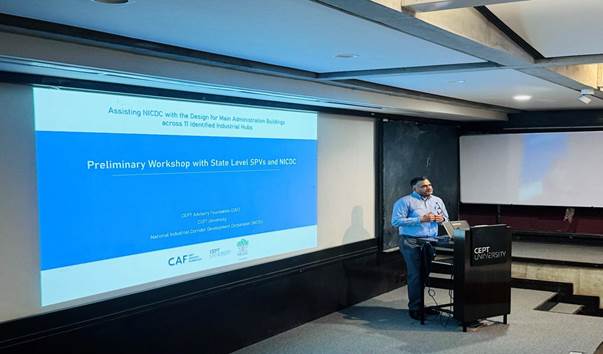
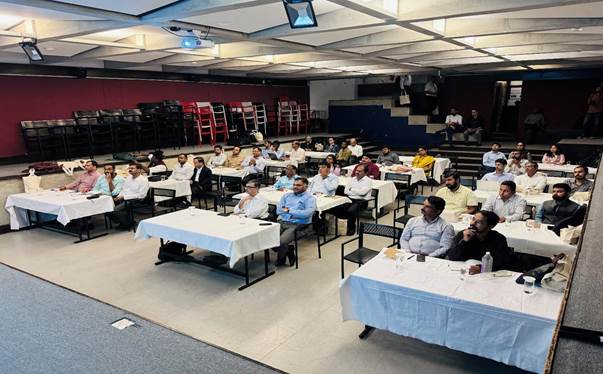
The National Industrial Corridor Development Corporation Limited (NICDC), under the administrative control of the Department for Promotion of Industry and Internal Trade (DPIIT), Ministry of Commerce and Industry, Government of India, in collaboration with the CEPT Advisory Foundation (CAF) of  the Centre for Environmental Planning and Technology (CEPT) University, organised a workshop to discuss the sustainable design of administrative buildings for 12 new greenfield industrial smart cities recently approved by the Government of India. This first-of-its-kind workshop, held on October 24, 2024, at the CEPT University campus in Ahmedabad, Gujarat, focused on highlighting sustainable design concepts such as biophilic architecture, integrated and inclusive planning, energy efficiency, and climatic bio-massing.

It has been envisioned that administrative buildings in these futuristic smart cities will embody these advanced principles to create uniquely designed structures that contribute to eco-friendly urban landscapes.The workshop was held to inspire Special Purpose Vehicles (SPVs) and state officials to participate in discussions on emerging technologies and sustainable practices on both national and global levels.

Participants engaged in two detailed sessions during the workshop. In the initial session, the emphasis was placed on the value of good design and its role in creating appealing, functional workspaces. Distinguished architects demonstrated exemplary projects to showcase the advantages of innovative designs, while open discussions were held on the latest design trends and implementation challenges. This session was led by renowned professionals, including Ms. Aparna Khemani from Gensler, Mr. Bedanta Saikia from Edifice, and Mr. Ambrish Arora from Studio Lotus.

In the second part of the workshop, the CAF team outlined a robust and transparent process for procuring architectural services. This presentation emphasized the importance of balancing quality and cost in commissioning competent designers through a reliable and thorough process. This session was facilitated by Mr. Prasad Jasti from Jacobs and Mr. Avanish Pendarkar, Center Head, CEPT Urban Planning and Design Foundation – CoE.

CEO and MD, NICDC, Shri Rajat Kumar Saini, IAS, stressed the significance of developing unique, iconic administrative buildings in the industrial smart cities being established under the National Industrial Corridor Development Programme. The aim of these industrial corridors is to create dynamic zones that stimulate industrial growth, improve logistics, and foster eco-friendly environments. Shri Saini expressed the NICDC’s vision of collaborating with CEPT University and CAF to develop resilient cities equipped to meet the needs of future generations.

CAF Director, Mr. Darshan Parikh, highlighted the importance of this collaboration with NICDC and SPVs, emphasising that CAF is committed to supporting NICDC in realising the vision of iconic buildings across designated locations. Mr. Parikh added, “Together, we aim to work collaboratively to bring the best design competencies for the development of these iconic administrative buildings”.

The workshop concluded with state officials gaining a deeper understanding of the nuances involved in designing and planning context-specific, innovative administrative buildings. This initiative represents a step toward the goal of Viksit Bharat,  showcasing the pivotal role that architecture, culture, design, planning, technology, research play in building a robust and sustainable future.

NICDC, formerly known as the Delhi Mumbai Industrial Corridor Development Corporation, is responsible for developing greenfield industrial smart cities with manufacturing as the primary economic driver, as part of the National Industrial Corridor Development Programme.

CEPT Advisory Foundation (CAF) is a section 8 (non-profit) company that focuses on advisory projects, constituted in November 2023. CAF offers services across nine thematic centres, including urban planning, transport, infrastructure, and water supply and sanitation. Its portfolio includes over 200 projects, ranging from development and strategic plans to feasibility studies and development control regulations.

***

What are different Types and Design of Blinds

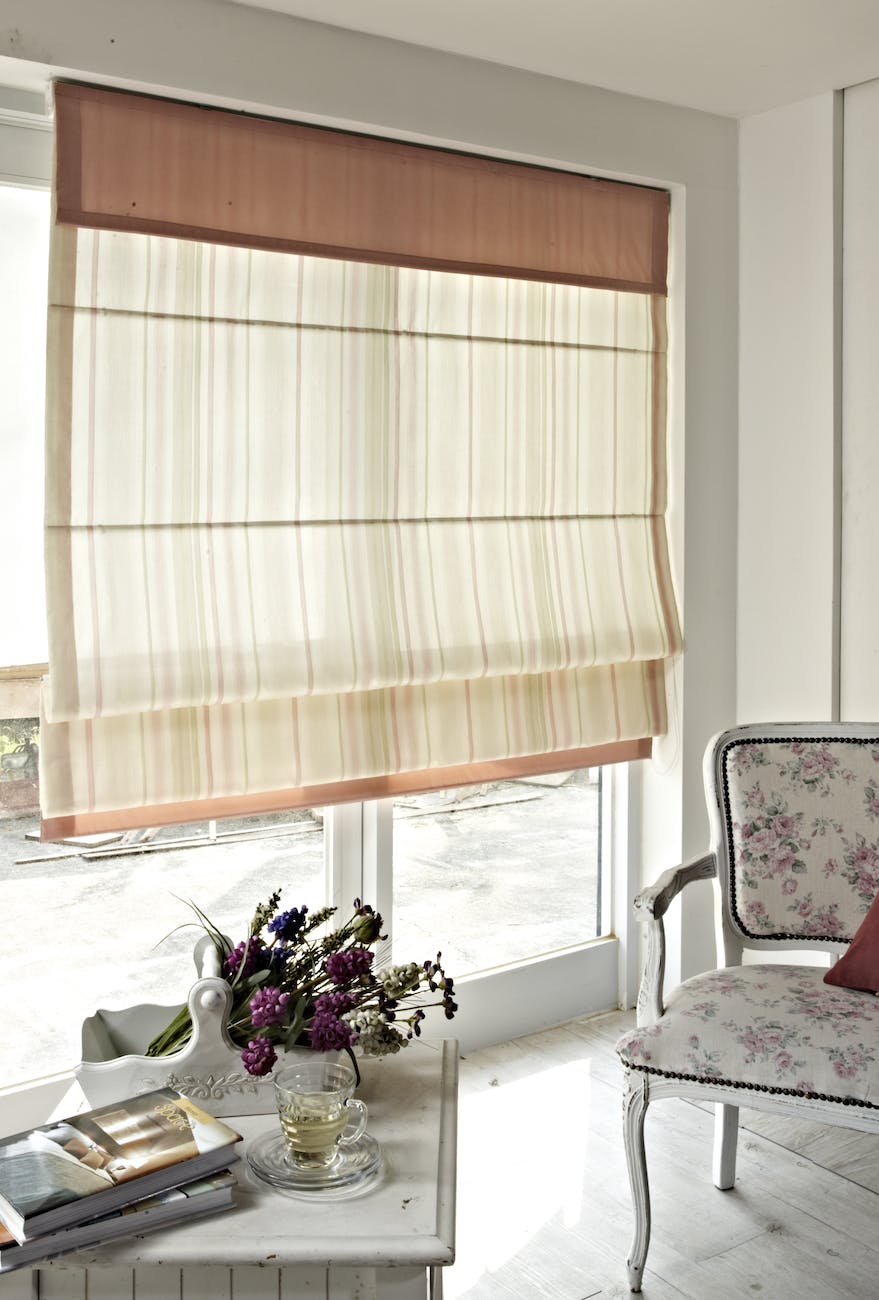
  One of the popular item to make home and offices look nice is blinds. Blinds are versatile window coverings that serve both functional and aesthetic purposes in homes and offices. They offer control over privacy, light, and temperature while also contributing to the overall interior design. Peterjohn.co.uk provides different types of Blinds come in various designs, allowing individuals to choose the perfect option to suit their needs and style preferences.

Here are some of the most popular types and designs of blinds:

Photo by Pixabay on Pexels.com
  1. Vertical Blinds:
    • Vertical blinds consist of individual slats that hang vertically from a track.
    • They are an excellent choice for large windows and sliding glass doors.
    • Available in various materials, including fabric, vinyl, and wood, allowing for customization.
  2. Horizontal Blinds:
    • Horizontal blinds have slats that run horizontally and can be adjusted to control light and privacy.
    • Common materials include aluminum, wood, and faux wood.
    • Venetian blinds are a popular type of horizontal blind with wider slats.
  3. Roman Blinds:
    • Roman blinds are made of fabric that folds up into neat horizontal pleats when raised.
    • They create an elegant and soft look in any room and are great for bedrooms and living areas.
  4. Roller Blinds:
    • Roller blinds consist of a single piece of fabric that rolls up and down using a pulley system.
    • They are simple and functional and come in a wide variety of patterns and colors.
  5. Pleated Blinds:
    • Pleated blinds have a concertina-like structure and are made from pleated fabric.
    • They are perfect for adding texture and style to windows, especially in contemporary interiors.
  6. Cellular or Honeycomb Blinds:
    • These blinds are designed with a unique honeycomb structure that traps air, providing excellent insulation.
    • They are energy-efficient and help regulate indoor temperatures.
  7. Bamboo and Woven Wood Blinds:
    • These blinds are crafted from natural materials such as bamboo, reeds, and grasses.
    • They add a warm and earthy feel to interiors and are often used in eco-friendly designs.
  8. Panel Blinds:
    • Panel blinds consist of large fabric panels that slide horizontally along a track.
    • They are ideal for covering large windows and creating room dividers in open spaces.
  9. Motorized Blinds:
    • Motorized blinds can be controlled remotely or through a smart home system.
    • They offer convenience and can be programmed to adjust automatically based on time of day or sunlight levels.
  10. Blackout Blinds:
    • Blackout blinds are designed to block out all light and are perfect for bedrooms or home theaters.
    • They often have special light-blocking features and are available in various styles.
  11. Custom Blinds:
    • Many blinds can be customized to fit specific window sizes and design preferences.
    • Custom options include fabric choices, color, slat width, and decorative elements.

Blinds play a significant role in interior design, providing both functionality and aesthetics. When choosing blinds for your space, consider factors like light control, privacy, insulation, and style to find the perfect blinds that complement your decor and meet your needs.

Top Ten Conferences in the World

 Identifying the absolute top ten conferences in the world is subjective and can vary depending on the field, relevance, impact, and attendee experience. However, here’s a diverse list that often garners significant attention and participation:

  1. CES (Consumer Electronics Show): Held annually in Las Vegas, CES is a premier global event for showcasing cutting-edge consumer technologies, innovations, and trends across various industries.

  2. World Economic Forum Annual Meeting (WEF Davos): An influential gathering of global leaders, business tycoons, policymakers, and intellectuals in Davos, Switzerland, discussing key economic, political, and societal issues.

  3. TED (Technology, Entertainment, Design) Conference: Known for its powerful talks on diverse topics, the TED Conference brings together thought leaders, innovators, and influencers sharing inspiring ideas and stories.

  4. SXSW (South by Southwest): Held in Austin, Texas, SXSW is a multifaceted event encompassing technology, music, film, and culture, attracting a diverse global audience.

  5. Mobile World Congress (MWC): A leading event in the mobile technology industry held in Barcelona, MWC showcases the latest advancements in mobile devices, networks, and technology trends.

  6. Web Summit: Europe’s largest tech conference gathering global tech leaders, startups, and innovators discussing emerging technologies, entrepreneurship, and digital transformation.

  7. IEEE International Conference on Robotics and Automation (ICRA): A prestigious conference in the field of robotics and automation, attracting researchers, engineers, and industry professionals worldwide.

  8. American Association for Cancer Research (AACR) Annual Meeting: A significant conference in oncology and cancer research, featuring cutting-edge research and discussions on cancer prevention and treatment.

  9. International Conference on Machine Learning (ICML): One of the prominent conferences in machine learning and artificial intelligence, gathering researchers and experts to discuss the latest advancements.

  10. United Nations Climate Change Conferences (COP): These annual global events bring together countries, organizations, and stakeholders to address climate change and environmental sustainability.

Each of these conferences has its unique focus, audience, and impact within its respective field, attracting a diverse range of attendees and speakers from around the world. The significance of these conferences often lies in their contribution to knowledge exchange, networking opportunities, and shaping global discussions and innovations.

Customized Book Cover Design Services

 “EduPub” offering custom book cover design services.

Custom Book Cover Design Services:

1. Tailored Visual Identity:

Custom book cover design services aim to create a visual identity for a book that aligns with its content, genre, and target audience. Designers work closely with authors or publishers to understand the essence of the book and its intended market.

2. Professional Designers:

Reputable custom book cover design services, like those that may be offered by EduPub, often employ professional graphic designers with expertise in creating visually appealing and marketable book covers. These designers understand the importance of aesthetics in attracting potential readers.

3. Genre-Specific Design:

Different genres have distinct visual cues and expectations. Custom book cover designers consider these genre-specific elements to ensure that the cover effectively communicates the book’s genre and appeals to the right readership.

4. Collaborative Process:

The design process is typically collaborative, involving communication between the author, publisher, and the design team. Authors may provide input on themes, color schemes, and imagery, and designers incorporate these preferences into the cover.

5. Concept Development:

Custom book cover design often includes the development of multiple concepts or drafts. Authors or publishers can review these concepts and provide feedback before finalizing the design. This iterative process ensures that the final cover meets the expectations and vision of the client.

6. Branding Consistency:

For authors with multiple works, maintaining consistency in cover design contributes to a recognizable author brand. Custom book cover design services may offer options for series branding to create a cohesive visual identity across a body of work.

7. Print and Digital Compatibility:

A well-designed book cover should be visually appealing in both print and digital formats. Custom book cover designers consider the technical requirements for various platforms, ensuring that the design is effective whether viewed on a physical book or a digital device.

8. Market Research:

Designers may conduct market research to understand current trends and consumer preferences in book cover design. This insight helps in creating covers that are not only visually striking but also aligned with market expectations.

9. High-Quality Images and Typography:

The use of high-quality images, graphics, and typography is crucial in custom book cover design. Designers pay attention to details such as font selection, color schemes, and image resolution to create a polished and professional cover.

10. Delivery of Design Files:

Once the custom book cover design is finalized, the design files are delivered to the author or publisher in the required formats for printing and digital distribution.

For specific details about EduPub’s custom book cover design services, it is recommended to contact through mail to editor@edupub.org or editor@pen2print.org

How Firebug Helps You Design Your Blogger Blog

  For most bloggers, the idea of adjusting the coding of their blog to improve the user experience is daunting at best and often quite frightening. HTML5, CSS, and other coding elements are their own virtual language and for the average Blogger user looking to update a personal blog, the automatic settings are about as good as it gets. What if there was a better way to code a blog, whether a beginner or a pro, that could be done within the browser itself?

If you’re using Firefox or Chrome, then you should also be using Firebug. It allows you to code your website in real time, so you can maximize the UX of your blog in no time at all.

You No Longer Need To Edit Through Blogger!

If you’ve ever tried to update a Blogger theme through the editing functions of the website, then you know how difficult it can be. You can preview your designs, but you can’t save any changes to officially see what is going to happen with your site until you publish the edits. If you’ve missed just one line of code or forgotten one small element, you’re going to have to go back into the editing matrix, find the error, update it again, and repeat until you have a responsive blog once again.

What Firebug allows you to do is see all of those elements that make up a website in real time. Instead of editing and then publishing, you can edit in real time and see updates happen, all without affecting the user experiences of visitors that are coming to your site while you’re editing. You can change the fonts, colors, or virtually anything else within the design of the site quickly and see the results of your work as it happens. Don’t like it? Just undo your changes.

It’s really that easy!

Using Firebug to Customize CSS in Blogger

This guide will show you how to modify the CSS code of a Blogger template. Usually, the Blogger Template CSS style declarations are editable through the style.css file, found between the  and  tags.

To download Firebug and get more details regarding its powerful features, visit: Firebug for Firefox, or if you are using Chrome, get the Firebug Lite app. I would recommend to use Firefox, which is more complete and quick, but, nevertheless, both work the same.

Once Firebug is installed, a small bug icon will be available in the upper right of your Web browser’s address bar. Clicking it, a horizontally split screen will be shown at the bottom of the browser’s window. The page will continue to show in the upper half, while the lower half will show the HTML of the current web page.

firebug

To customize any web element from a Blogger template, just click either on the Firebug icon in the toolbar, or the “Inspect Element with Firebug” item in the context menu. Next, click the blue cursor button to Inspect and place the cursor right over the element to customize.

For example, let’s say that we want to change the title of the “Blog Archive” gadget. After we clicked the inspect button, mouse over the “Blog Archive” title which will be highlighted as shown in the screenshot below. To change this element, click on it:

inspect element using firebug

Now that we decided which element we want to change, right click on the “Style” panel and select the “Add rule” option:

add CSS rule in firebug

This will give the class or the id of the highlighted element – in our case, the heading of the Blog Archive (#BlogArchive1 > h2). To edit this rule that we just added, click anywhere near the left curly bracket that will open a text box, so that we can type a new CSS declaration:

firebug css declaration

And here comes the fun part. Let’s say that we want to make the title red. We will type color and hit Enter, then we will type the color value or the red text and hit Enter. We will also set the set the font size to 20px, text alignment to center (text-align: center) and make the text underlined (text-decoration: underline):

modify blogger css with firebug

The cool thing about Firebug is that when modifying any CSS property, you can see the results directly applied on the page. So, after adding these declarations, we’ll see a big red underlined title for our Blog Archive gadget (see in the screenshot above).

To apply this CSS rule on a Blogger template, just select it beginning from the right curly bracket and to the #(id) or .(class) symbol, then right click it and Copy the CSS code.

copy firebug css rule

Before making any change, it’s highly recommended to make a backup of your current template. Go to “Template” and click the “Backup/Restore” button on the upper right side. On the same “Template” location, click on the “Customize” button and navigate to “Advanced” > “Add CSS”. Paste the CSS rule that you just copied into the CSS box:

add firebug css to blogger template

Click the “Apply to blog” button on the upper right corner to save the changes and view your blog.

Firebug Also Gives You One Distinct Advantage…

One of the best reasons to install Firebug into Chrome or Firefox is that it allows you to emulate some of your favorite website designs quickly and easily. Instead of hiring a web designer to do the work, which could cost you thousands, you can simply start Firebug and see what the CSS styles are for your favorite site. This allows you to create a similar widget.

From there, all you’ve got to do is change the coding to make the design elements work under the rules of your own custom.css. This means you can make easy design changes to your Blogger blog without having to go through all of the menus and editing functions so that your template can truly be your own. Do you have some work to do? Sure – but Firebug does all of the primary work for you.

All you’ve got to do is have a creative mind and a few minutes to make changes to the coding design. Whether you’ve been coding for years or are just starting your first blog, this is definitely the best way to make sure that your visitors have the best experience possible!

India Art Architecture Design Biennale

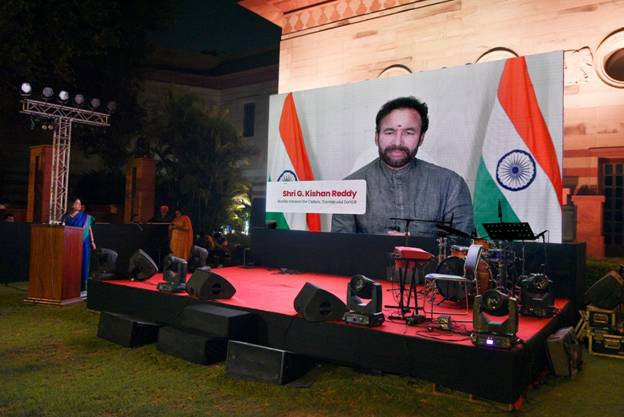
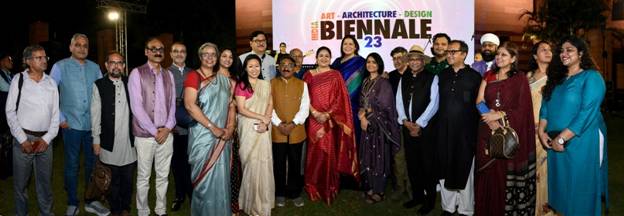
 Ministry of Culture organized the curtain raiser event for the India Art Architecture Design Biennale (IAADB ‘23) last evening at the National Gallery of Modern Art, Delhi along with the Logo launch for the Biennale.

In a video message, Shri. G Kishan Reddy, the Union Minister for Culture, Tourism, and DONER, announced that the Ministry of Culture is hosting its inaugural India Art Architecture Design Biennale in December 2023, with events scheduled in Delhi, Mumbai and Bengaluru. He extended his best wishes for the Biennale’s success.

Minister of State for External Affairs and Culture Smt. Meenakashi Lekhi delivered the key note address for the event. She stated that, “the India Art Architecture Biennale promises to stand as a beacon in India’s vibrant festival tapestry aiming to showcase the nation’s architectural and artistic brilliance on the global stage. This Biennale mirrors the grandeurs of International counterparts and promises not just inspiration but also pure enchantment. The Biennale will initiate dialogues, innovation & collaboration by bringing together grassroot artisans and contemporary designers thereby furthering the creative economy”.

Smt. Mugdha Sinha, the Joint Secretary, provided an overview of the upcoming Biennale in her opening remarks. She revealed that the Biennale is scheduled to take place from 9th to 15th December 2023, at the iconic Red Fort. The event will explore various themes through exhibitions and panel discussions, with each day centred around a specific theme, curated by experts in the field. The themes encompass topics such as doors and gateways, enchanting gardens, awe-inspiring stepwells, majestic temple architecture, modern wonders of independent India, the contemporary face of indigenous design, and the role of women in architecture.

Additionally, it was mentioned that the India Art Architecture Design Biennale 2023 will serve as a precursor to India’s participation in the Venice Biennale 2024, fostering a comprehensive dialogue among practitioners and professionals in the realms of art, architecture, and design. The Biennale aims to bring traditional grassroots artists and contemporary designers, curators, architects, and thought leaders to the forefront, transcending age, gender, and genre boundaries. Furthermore, it was noted that the Biennale aligns with the vision of the Prime Minister and will mark the launch of the Development of Cultural Spaces project at the Red Fort.


The event witnessed a significant turnout with diplomats, artists, architects, designers, curators, government officials, gallerists, and museum professionals in attendance. The evening was enhanced by the captivating performance of the jazz quartet ‘Capital Three’.

For the latest information and updates, please follow the official Instagram page of the India Art, Architecture and Design Biennale at @iaadb2023.

***

Using Modeling and Simulation to Test Designs and Requirements

 Modeling is an efficient and cost-effective way to represent a real-world system. A model can represent key aspects of the system, including the underlying requirements, the components, and how those components communicate with one another. The model can be simulated, enabling designers to test designs before hardware is available, or to test conditions that are either difficult or expensive to replicate in the real world. Iterating between modeling and simulation can improve the quality of the system design early, reducing the number of errors found later in the design process.

Despite these advantages, designers who heavily rely on hand coding do not always take full advantage of modeling and simulation. Setting up tests can be difficult and time-consuming, and when separate tools are used for each domain, it can be challenging to obtain a system-level view of the design. As a result, defects that could have been found in the modeling and simulation phase are often found during the implementation phase, when defects are more expensive to fix.

These issues are addressed in Simulink®, a platform for modeling and simulation. Simulink supports not only multidomain modeling but also simulation, with its own set of ordinary differential equation (ODE) solvers. A fundamental advantage of using Simulink is that you can represent different domains, including control systems, state machines, and environmental models, in one model, and then run simulations within Simulink to verify that the model is built correctly. As the simulation runs, you have access to simulation analysis capabilities, such as data displays, state animation, and conditional breakpoints. After the simulation is completed, you can analyze any logged data with MATLAB® scripts and visualization tools.

In this article, we describe a workflow for building a component model from requirements, simulating and testing that component model, and then connecting it to a system-level model for further simulation and testing. To illustrate this workflow we will build and test the fault detection, isolation, and recovery (FDIR) component of the HL-20, a re-entry vehicle designed by NASA to complement the Space Shuttle orbiter. We will connect our component to a system-level model that includes environmental models, flight controls, and guidance, navigation, and controls (GN&C) systems, and then simulate the system-level model to validate its behavior.

What are Basic Elements of Design

The basic elements of design are fundamental components that artists, designers, and creators use to build and compose their work. These elements form the foundation of visual communication and are crucial in conveying messages, creating aesthetically pleasing compositions, and evoking emotions. The primary elements of design include:

  1. Line: The basic building block in design, lines can be straight, curved, thick, thin, vertical, horizontal, or diagonal. They can define shapes, create patterns, and lead the eye through an artwork.

  2. Shape: Shapes are formed by enclosed lines. They can be geometric (circles, squares, triangles) or organic (irregular and freeform). Shapes establish the structure of a design.

  3. Color: Color is one of the most powerful elements. It evokes emotions, sets the mood, and adds vibrancy to a design. Primary colors (red, blue, yellow) mix to create secondary colors (orange, green, purple), and further mixing produces a spectrum of colors.

  4. Texture: Texture refers to the surface quality of an object. It can be actual (tactile) or implied (visual). Texture adds depth and visual interest to designs.

  5. Value: Value is the lightness or darkness of tones or colors. It helps in creating contrast, defining shapes, and adding dimension to a design.

  6. Space: Space refers to the area within, around, or between elements in a design. It can be positive (occupied by elements) or negative (empty). Proper use of space helps in organizing and emphasizing elements.

  7. Form: Form is the three-dimensional aspect of shapes, creating objects that appear solid and occupy space. It’s crucial in sculpture, architecture, and any design that needs to convey volume.

These elements don’t exist in isolation; they interact and combine to create effective designs. For instance, the use of different colors can enhance the perception of shapes, while lines and shapes together form the structure of a composition.

Understanding and skillfully utilizing these elements enable designers to create compelling visuals, communicate messages effectively, and evoke specific emotions or responses from their audience.

Contemporary Fashion: The Minimalist’s Coverbook

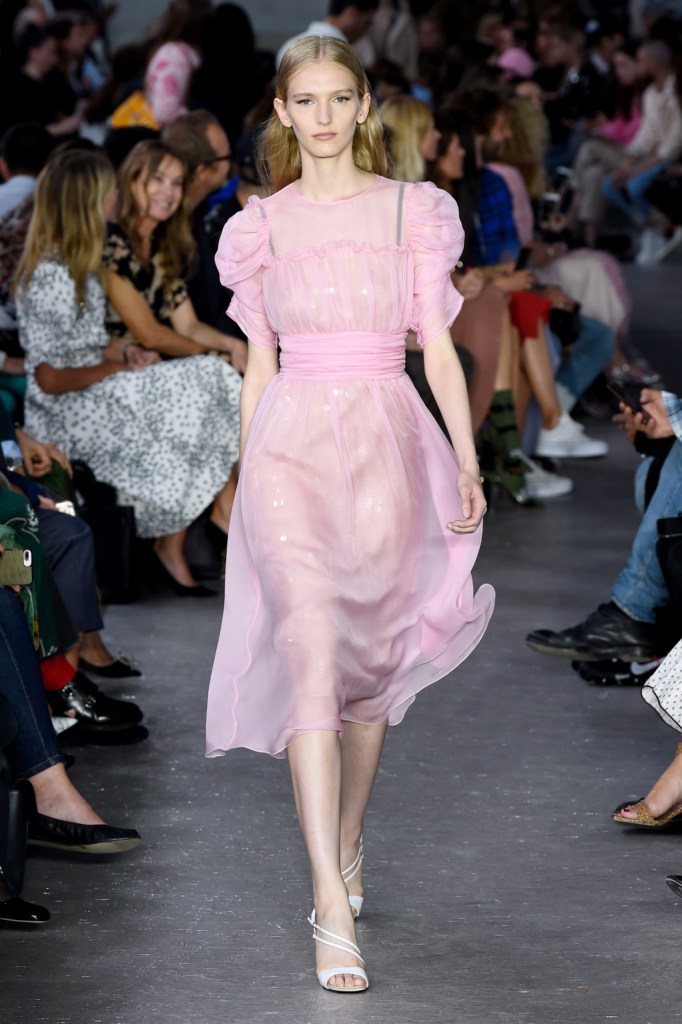
Models walk the runway at the 3.1 Phillip Lim Fashion Show during Mercedes-Benz Fashion Week Fall 2015 at Skylight Clarkson SQ. on February 16, 2015 in the Brooklyn borough of New York City.

Introduction

The sense of fashion never goes out-of-date for a true fashionista. Among the Millions of fashion lingos in today’s market , one that often dominantly buzzes around, is the term “Contemporary Fashion”.Meant to describe labels with a designer aesthetic and more accessible price points and we use the term “accessible” loosely, with most pieces averaging out around $500 , the term means big bucks where the fashion industry’s concerned, having become one of the biggest areas people spend their money in the last few years.

What Contemporary Fashion Is

Contemporary apparel is clothing that is accessible, in price and in terms of the way people wear it. The contemporary category often contains more modern-style clothes compared to the higher end luxury market. The voice of the contemporary industry is a bit more modern and a tad younger. Contemporary brands appeal to both the luxury shopper and the new breed of aspirational shopper.  This tier has become a go-to for women who can no longer justify shelling out huge amounts of cash on designer garb. It is also appealing to people bored of regular fashion and who are prepared to spend that little bit extra for something that will last.

A great contemporary brand is one with a unique look and feel. Garments and accessories will have interesting construction details and a good-quality finish. The collections are in line with seasonal trends but also incorporate signature items that consumers immediately recognize and associate with the designer brand.

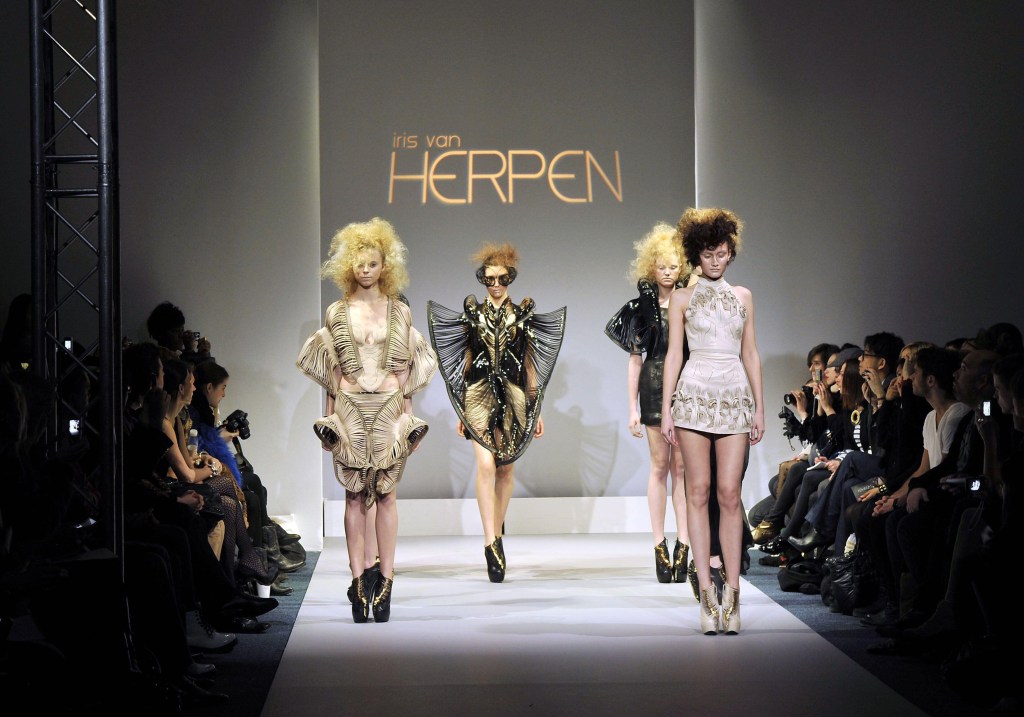
A Harpen Fashion Show

Is It Futurist: The Sustainability Question

In fashion, the term ‘futuristic’ is often used to describe avant-garde clothing designs. It could refer to several things, such as the clothing’s method of production, the materials used, or the garment’s design. Futurism can even refer to the 20th century Italian art movement, and indeed, this movement addressed the problem of designing fashion for the 20th century. We would learn much by examining Futurist fashions in order to understand its legacy in relation to contemporary fashion designers viewed as futuristic today. This paper will review this legacy by looking at five specific examples—Italian Futurists and their contribution to classless and genderless fashion; French designer Yves Saint Laurent’s iconic minidress inspired by the De Stijl art movement; fashion designed specifically for women with active lifestyles; technological advancement and space exploration seen in the designs of André Courrèges and Pierre Cardin; and advancements in textile manufacturing during the late 20th and early 21st century in relation to Karl Lagerfeld, Donatella Versace, and Hussein Chalayan. This leads to the primary analysis of Iris van Herpen and other contemporary designers including Noa Raviv and Neri Oxman. Their designs will be discussed in relation to the problem of labelling fashion as futuristic.

A Paris Georgia Apparel

Challenges of Contemporary Fashion

The contemporary brands fashion market is clearly brimming with a high level of competition. The up-and-coming contemporary designers are forced to continuously compete with older, established luxury brands in the targeting of the younger generation of consumers. The contemporary market began out of consumers’ need and want to own versatile clothing that could be worn on a daily basis.  Stylish consumers were hungry for locating a head-to-toe outfit that luxury brands create, but could be sold at a more reasonable tag.

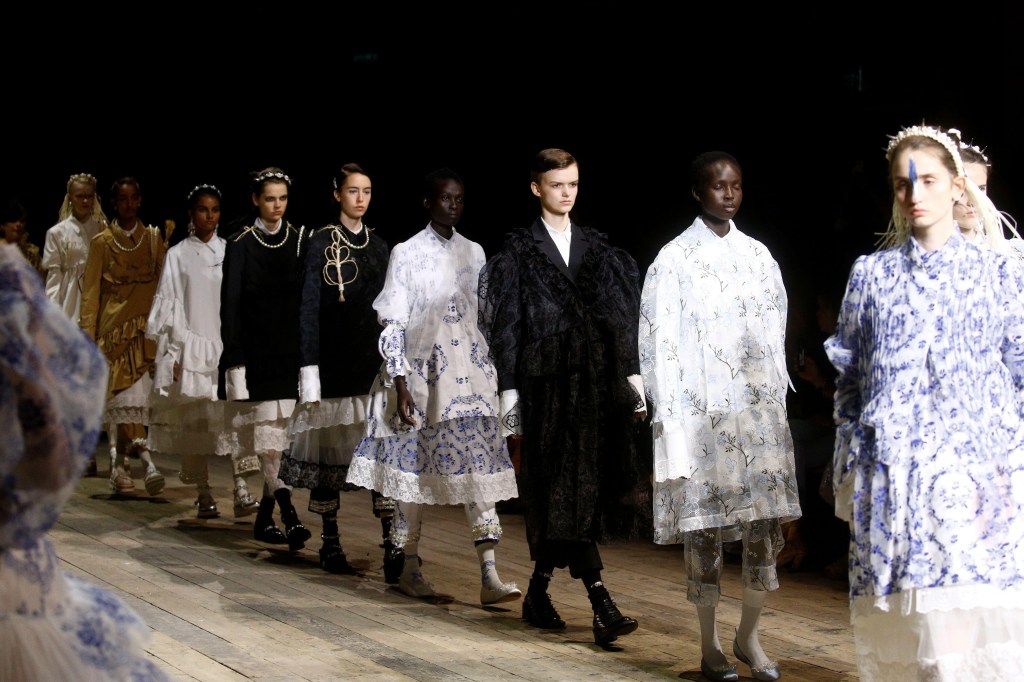
Simone Racha Catwalk Show at London Fashion Week

Scopes of Contemporary Fashion

Due to the fact that contemporary brands appeal to several groups of consumers, this industry will continue to see global opportunities. Fashion editors and industry insiders agree that contemporary brands have stolen the limelight and are helping to bridge the gap between luxury brands and main street.

Not only will contemporary labels allow you to up your designer arsenal without forcing you to exist on an exclusively Kraft Dinner diet, but the pieces are also constructed with everyday wear in mind (no couture-like assembly required). Not to mention that contemporary lines still boast that oh-so-coveted designer aesthetic and quality craftsmanship—perfect if you’re looking to break away from the usual suspects in fast fashion retail.

Famous Contemporary Fashion Designers and Their Works

Carven: Founded in 1945 in Paris, Carven has enjoyed a resurgence since the hiring of designer Guillaume Henry in 2009, who transformed the house from old-school couturier into the cool girl’s label du jour.

Carven Spring 2014 ready-to-wear collection
Carven Fall-Winter 2015-16 collection

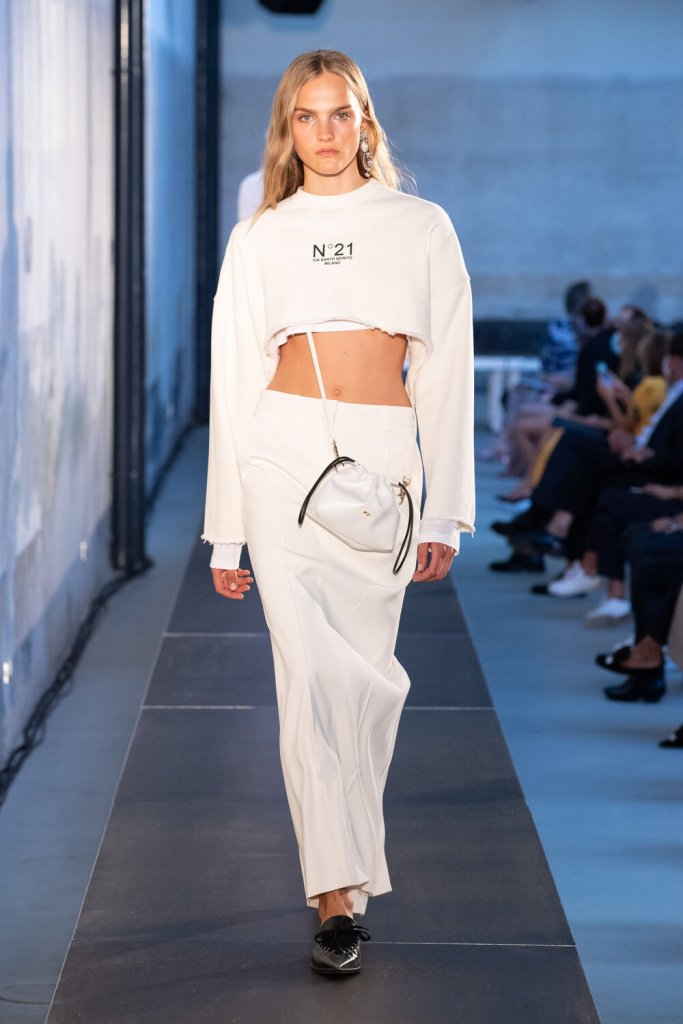
N°21:  Started in 2010 in Milan by designer Alessandro Dell’Acqua, the brand offers a smorgasbord of whimsical designs that can be effortless.

N°21 Spring- Summer 2018 collection
N°21 Spring-Summer 2021 collection

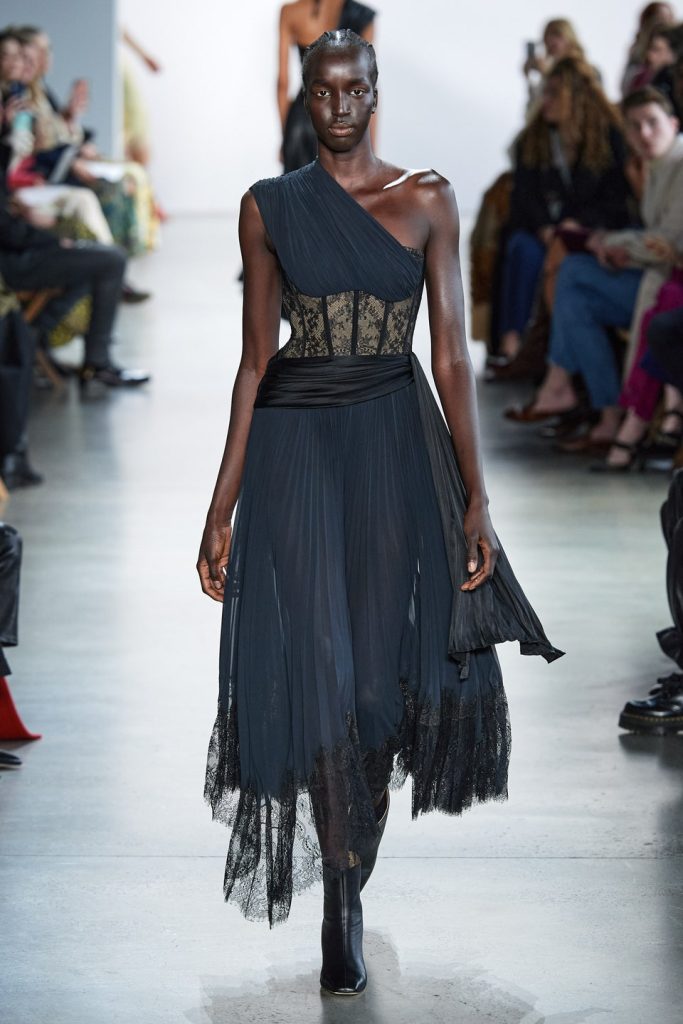
Jonathan Simkhai: Starting from NYC His first womenswear collection was shown in 2010, where Simkhai debuted his take on dressing for today’s cosmopolitan woman. A master at tailoring oversized pieces to flatter the female form, his designs run the gamut from exaggerated boxer shorts to basketball jerseys.

Simkhai Fall 2017 collection
Simkhai Fall 2020 ready-to-wear collection

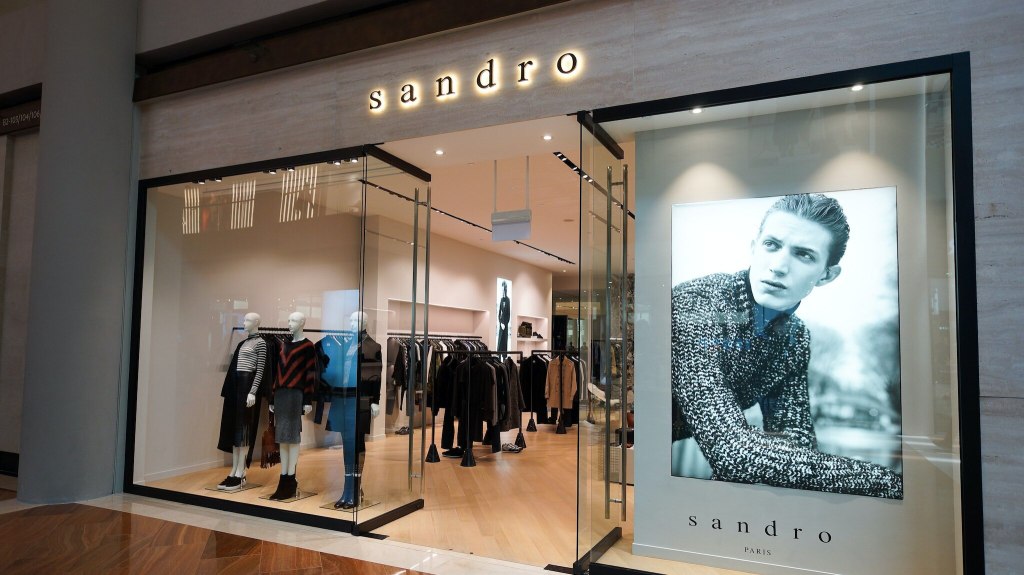
Sandro : Launched by husband-and-wife duo Didier and Evelyne Chétrite, Sandro is a well-known and popular brand in the contemporary market.  Since its launch in 1984 (in the Marais district of Paris), the label has gathered a cult following with women charmed by its insouciant, season less separates and rock’n’roll aesthetic. Sandro has stores worldwide in places such as New York and Japan, and a flagship store based in Covent Garden, central London.

A Sandro Store
Sandro Spring-Summer 2021 Menswear Collection

Conclusion

Consumers want to feel like they own something special and unique. They want exclusive quality labels that are not mass produced, yet are still affordable.  It is important to keep in mind that this category is less expensive then higher tiers such as Haute Couture, but the prices are clearly higher than budget collections.The changing demographic of fashion consumers and the rise of contemporary brands. To stay in the game, luxury fashion marketers must compete on a global scale.

BIOMIMICRY

Kira hunt is a landscape technologist working in Canada and specializing in park design, structural detailing, and heritage interpretation. Now, she works on biomimicry and learning strategies from nature that can improve our cities and bring us closer to the natural world.

WHAT IS BIOMIMICRY?

Biomimicry means to imitate life, i.e., design inspired by nature. This is a kind of approach that can be used in various forms of fields such as anthropology, architecture, etc.

The creation of Velcro

  • Velcro was inspired by the burrs of the Burdock plant. In 1941 a Swiss engineer named George de Mestral was hunting in the Jura mountains in Switzerland when he noticed small burrs from what was later identified as the Burdock plant stuck to his pant legs and covering his dog’s fur. Hence the hooks of the burr were replicated into the Velcro and hence a reusable fastener was created.
  • But this isn’t considered a biomimicry success as Velcro is harmful to nature because of its plastic content, so it could be better as it harms the environment. She calls it a shallow example of biomimicry.

The principle of circularity

Most Biomimicry practitioners follow life’s principle of circularity. They compound the resources and energy of nature. It is believed that energy is never exactly used up by a single product, only stored for a period of time. So recycling products can help the division of that energy and eventually lead it back to its source.

Similarly, if we protect the earth, care for the living systems, and green the society, the favor would be returned. We would get fresh and clean air, water, diverse food, and healthy places for people to live in. If we harm nature, by the principle of circularity we are harming ourselves. n life do to keep the earth life-sustainable?

To prevent this, what should humans do?

Mass manufacturing of short-termed usage products causes an increase in landfills. The circular economy works on this sector of designing products that have minimal to no wastage or pollution. Reusing the products will lead to healthy natural systems.

A good design always follows THE THREE Rs:

  • Reduce: Reduce purchasing and creating products that contain chemicals and particles that are harmful to the environment.
  • Reuse: try to reuse a product in multiple ways. Reusing natural resources leads to lesser consumption and a more sustainable way of living.

Recycle. Recycle a product to continue with existing materials.

How does life support life on earth?

The chemicals and combinations used by nature are friendly. The simplest elements are used the most. The human industry uses double the number of elements that are more toxic. Nature’s elements are biodegradable.

For example, the manufacturing industry uses plastic, foil, and paper and glues them together because of their different contributions for a cup. Individually, these components can be recycled, but when bonded together, they are impossible to be recycled. Whereas, a crab shell- retains moisture, is sturdy, and protects the crab. The only difference between the two products is that the crab shell is biodegradable and a single unit.

Do we really need to import products and resources from the other side of the world when we could make do with recycling waste materials itself?

We are at a unique point in time where we have the tools necessary to find the strategy of nature and to emulate the structures of the living world. Finding new materials to use would be a big sustainability win. 

  • Using products that can be made using biomass. This can help support regenerative and circulative economies. Using biomass for 3d printing can help us focus on different regions that can have their own niches. Coastal cities can take advantage of seafood waste, etc.

Conclusion

Kira Hunt advises engineers and designers to look for organisms that are solving problems that they want to solve and learn from them. We can bring in new ideas and reimagine the human activity with the living system that supports us!

8 Clothing Tips No Woman Should Ever Miss

1. Old things must go

Open up your closet and take a good look at your clothes. You should ask yourself one simple question – if you were in a store right now, what items from your closet would you buy? It’s a very simple and quite efficient game you should play once in a while. 

2. Shop with a plan

You’ll definitely spend a lot of time searching for the right outfit. In order to be efficient and be happy with your choice, you should go shopping with a proper hairstyle, makeup and shoes, so you can see the bigger picture

3. Extend the life of your cashmere

The first step towards a long and happy life of an item made out of cashmere is purchasing a quality item. 

4. Be smart when you buy a jacket

Purchasing jackets, coats and blazers has just one rule – it needs to fit your shoulders. If it’s too tight or too wide, leave it in the store. Because this is one thing that’s very difficult to alter.

5. Make clothes work for you

You know how some people simply know how to wear the right clothes? There’s no mystery there, and actually, you could pull it off, too, by just thinking about what you’re wearing a little bit more. It all depends on how your body is built.

6.Having trouble with jeans?

The first rule of buying jeans, no matter the type, is that when you’re in doubt regarding the size, you should always go with the smaller size – they’ll stretch after only two washes.

7.Treat yourself like a queen

You’ve probably heard about something called beauty sleep, and you should know it isn’t a myth. So, invest in your beauty and health by encasing your bed with pure silk.

Design Thinking

How did we end up here? In a technologically advanced era? With people that are aware of our progression towards a more electronically-enabled environment? Would it be possible without asking simple questions and analyzing?

Design thinking has been helping us solve problems and develop for personal, national, even global use. Design thinking is a systematic approach of empathizing with the user, observing problems, and creating innovative solutions. Human beings have limited brainpower. Due to habituation, our brains convert everyday things into habits to make space for learning new things. It’s a human tendency to get used to everything that we see every day normally.

It would be exhausting to notice everything as if it was for the first time. But you would have to notice the littlest details for user empathy and problem-solving. All great innovators in literature, art, music, science, engineering, and business have practiced it. Observing and noticing takes practice and constant thought. You could start by consciously putting effort into staying a beginner.

Design thinking has been conveniently divided into five steps: empathize, define, ideate, prototype, test.

The process begins with empathizing with the user: finding more about the concerns to gain a deeper understanding. Then, we proceed to define the problem statement and brainstorm ideas that could potentially solve.

Always try and reiterate the problems and questions. Always try to find a new perspective that could’ve been missed. Then we make a prototype after checking feasibility, functionality, user-friendliness, and other factors and test how it works with people.  Now, the steps do not have to be followed in the same order, depending upon the success rate of each step, you could repeat previous steps too.

Design thinking is important because it is the cause of innovation. It instills observation skills and helps in tackling creative challenges. Over the last decade, the practice of design thinking has made its way into a variety of other disciplines and industries. It is not only for designers or artists, it is for anyone or anything looking for improvement.

It is about seeing the invisible problem. It’s usually about looking broader and looking closer. Focusing on how things ought to be versus how things are.

Sometimes the solution to the problem is very basic and simple. Think younger, think about things as if they are new and you are looking at them for the first time. Think every day about how I can experience the world better.

It is essential to standout and think out of the box, to try and introduce new things, which might have been impossible due to the lack of technological and electronic advancement. We have all imagined what the future could possibly look like. There could be massive changes in how a city looks, functions, and develops. But, surely, this would be a result of design thinking shaping the experiences of innovators.