Five Feet Apart: The Book Review

Cover of Five Feet Apart

Introduction

Love can happen to anyone at anywhere, even at a hospital. Five Feet Apart by Rachael Lippincott ( co-authored with Mikki Daughtry and Tobias Iaconis) is such an endearing, engaging and modern-age young adult novel. Talking about the difficulties of life and love while struggling with a inherited chronic disease, is artistically presented in this book. This novel appeals a demand for its readers to think the priorities of a normal life, that often a person with persistent sickness fails to enjoy. The Book Five Feet Apart is adapted into a movie under the same title with Haley Lu Richardson and Cole Sprouse as lead characters.

About The Authors

Rachael Lippincott is the coauthor of All This Time,  New York Times bestseller Five Feet Apart, and She Gets the Girl and the author of The Lucky List. She holds a BA in English writing from the University of Pittsburgh.

Rachael Lippincott

Mikki Daughtry is an American screenwriter and Young Adult Fiction  author. She is best known for writing, along with writing partner Tobias Iaconis, the films The Curse of La Llorona  (2019), Five Feet Apart  (2019) and Nightbooks  (2021).

Mikki Daughtry and Rachael Lippincott

Storyline of The Novel

The story evolves around two teenagers Stella Grant and Will Newman. Stella is a chronically ill teen with Cystic Fibrosis (CF). She’s been in and out of hospitals for lengthy treatments most of her life. A rule-follower and control freak, Stella is careful to take her medications on time and do whatever is needed to maintain her treatment regimen. Only then can she hope for a lungs transplant. She maintains a website through which tens of thousands of viewers follow her journey. Her friend, Poe, who also has CF, is a patient at the same hospital. They communicate frequently, but often via text. Individuals with CF must remain 6 feet apart at all times to avoid sharing life-threatening germs. Will  is a new patient at the hospital. His wealthy mother has arranged for him to participate in clinical trials all over the world. Nothing has helped. Will’s problem is worse than Stella’s and Poe’s. On top of CF, he has a condition called B. cepacia, which will deplete his lung function rapidly. This condition makes him ineligible for a lung transplant and far more dangerous to other CF patients.

Stella and Will meet at the hospital, and almost immediately fall in love with each other. If Stella catches this disease, she will get crossed off the list of people that can get new lungs and start a new life. This makes the relationship between the two very difficult since they must refrain from touching or even approaching each other closer than 6 feet. The more the two fall in love, the more tempting it is for them to break the rules and come closer, hold hands, or even kiss. Poe is a secondary character that is best friends with Stella and provides great support for her. The two have been friends since the age of 6, and are very close emotionally, but haven’t ever been close physically because of CF.

Haley Lu Richardson as Stella Grant and Cole Sprouse as Will Newman in Five Feet Apart movie (2019)

Analysis of The Storyline

Rachael Lippincott delivers an intriguing, emotional, well-plotted and well-written read here with relatable and likeable characters that readers can’t help but to fall in love with. The story is told in alternating perspectives between Stella and Will in a thoroughly enjoyable narrative manner. They complimented each other so well that both of their situations and feelings towards each other ring true.

While there are predictable elements in Five Feet Apart by Rachael Lippincott, as a whole it is tender, emotional and heartfelt. Its easy to root for these characters. The romance may be sudden but given the circumstances, it makes sense and their interactions felt genuine. With heart and humour, Five Feet Apart by Rachael Lippincott is a good read.

Five Feet Apart movie (2019)

Criticism of The Storyline

The book flows very well and is very fast-paced. It is fun to read and is entertaining enough to read in one sitting. The authors used modern and teenage language by incorporating informal conversations ( and sometimes slangs) which adds lucidity to the novel and overall improves the readability. The authors did a good job explaining the disease that the two protagonists have which makes the book easy to understand even to the readers with no prior knowledge of the Cystic Fibrosis disease.

Five Feet Apart is a book that will move you to tears at times. It is heart-felt and gives light to the seriousness of Cystic Fibrosis. The authors included a lot of detail, writing about the daily struggles and tasks that the patients if CF have to go through. Every author tries to write in a way that makes it so the reader can live through the book and Lippincott, Daughtry, and Iaconis do a beautiful job at this. The reader can really feel the emotions of the characters and this is why the book is so gripping. You’re so engrossed in the story that you must know how it ends, with the hope that Stella and Will can conquer anything. This book is touching and definitely worth reading.

Scene from Five Feet Apart movie (2019)

Conclusion

This book is recommended to modern-age readers and fans of YA romance because the book tells you that even if you stand different and have difficulties to deal with in your life and health, you can still find love, even at places it is least expected to be found in general. This book is a definitely good romance novel that takes two people that think that they don’t have anything in common to them falling in love.

VACCINE TECHNOLOGY

BY DAKSHITA NAITHANI

ABSTRACT

The immune system is a system that operates 24 hours a day, seven days a week to keep assaults at bay and diseases at bay. The whole system is made up of organs, tissues, and a variety of cell types that work together to defend the body. Immune cells must be able to tell the difference between native and non-native cells and proteins. Microbial cells have antigens that serve as identifiers. Antigens can induce an immune response in the human body. Each species has its own set of characteristics. Vaccines function by inducing an antibody memory response in the body without producing illness. As a result, you build immunity without becoming sick. It must include at least one antigen from the target species to trigger a response.

INTRODUCTION TO VACCINE TECHNOLOGY

A vaccination, often known as an immunisation, is a biological substance that protects people from disease-causing microorganisms. They make advantage of our immune system’s built-in ability to fight infection.

They’re produced from the same pathogens that cause the disease. They have, however, been destroyed or reduced to the point that they are no longer a source of it. Certain medicines just contain a part of the microorganism.

This is why they work so well as medications. They don’t treat or cure diseases like conventional medications; instead, they prevent them. They deceive the immune system that it has been invaded by a real intruder. When real germs enter our bodies, the same thing happens, but you don’t become ill. If you ever come into touch with a pathogen, your immune system will remember it and eradicate it before it can damage you.

TYPES

Vaccines are made using a number of techniques. Various vaccine types need different techniques to development. Antigens can be used in a variety of ways, including:

These can be delivered by a needle injected into the human skin, or ingested orally or through the nasal route.

LIVE (CHICKEN POX AND MMR)

Attenuated vaccines can be made in a variety of ways. All methods involving the transmission of a virus to a non-human host result in a virus that can be recognised by the immune system but cannot replicate in humans. When given to a human, the resulting will not be able to proliferate sufficiently to cause disease, but it will protect the individual from infection in the future. Its protection outlasts that of a dead or inactivated vaccination in most cases.

INACTIVATED (POLIO VIRUS)

A pathogen is inactivated using heat or chemicals to create this sort of vaccination. Because destroyed viruses are unable to replicate, they cannot revert to a more virulent form capable of causing disease. They are, however, less effective than live vaccines and are more likely to require renewals in order to acquire long-term protection.

RECOMBINANT (HPV)

They have been genetically modified in a lab. This method may be used to duplicate a certain gene. The HPV vaccine may be tailored to protect against strains that cause cervical cancer.

SUBUNIT (INFLUENZA AND ACELLULAR PERTUSSIS) AND CONJUGATE VACCINES (HAVING ONLY PIECES OF THE PATHOGEN)

Subunit vaccines use only a fraction of a target pathogen to elicit a response. This can be accomplished by isolating and administering a specific pathogen protein as a stand-alone antigen.

Conjugate vaccines, like recombinant vaccines, are made up of two different components. The “piece” of microbe being supplied would not typically elicit a substantial reaction on its own, but the carrier protein would. The bacterium is not the sole cause of the disease, but when combined with a carrier protein, it can render a person resistant to subsequent infections.

TOXOIDS (DIPHTHERIA AND TETANUS)

Some diseases are caused by a toxin produced by bacterium rather than by the bacterium themselves. Toxoids are inactivated toxoids that are used in vaccinations. Toxoids are classed as killed vaccines, although they are sometimes given their own category to emphasise the fact that they include an inactivated toxin.

DEVELOPMENT AND PRODUCTION

Vaccine development is a lengthy process that involves both public and private parties and takes almost a decade. Millions of individuals receive them each year, and the most of them have been in use for decades. Before being included in a country’s vaccination programme, they must undergo extensive testing to ensure their safety. Each vaccine in development must first go through screenings and evaluations to determine which antigen should be utilised to elicit a reaction. This step is completed without the use of humans. Animals are used to assess the safety and disease-prevention potential of experimental vaccinations.

STAGE 1

It takes around 2-4 years to produce and necessitates some fundamental research. Antigens, whether natural or synthetic, are identified by scientists and may help in disease prevention or therapy. Antigens might be virus-like particles, attenuated viruses or bacteria, weakened bacterial toxins, or other pathogen-derived substances.

STAGE 2

Using tissue or cell-culture techniques and animal testing, studies assess the candidate vaccine’s safety or ability to elicit an immune response. Animal topics include fish, monkeys, and mice. These studies give an idea of what to expect in terms of cellular responses in people. This period often lasts 1-2 years.

PHASE I TRIALS

The vaccine is administered to a small number of volunteers to determine its safety, confirm that it induces a reaction, and determine the optimum dosage. This round of testing is carried out on young, healthy adult participants. The goals are to determine the type and number of reactions generated by the candidate vaccine, as well as to assess the candidate vaccine’s safety.

PHASE II TRIALS

The vaccine is then given to several hundred participants to assess its safety and ability to elicit a response. Participants in this phase share the same traits as the vaccine’s intended recipients. Several studies are often undertaken during this phase to test various age groups and vaccination formulations. In most studies, a non-vaccinated group is included as a comparison group to check if the changes in the vaccinated group were due to chance or medicine.

PHASE III TRIALS

The goal is to assess vaccine safety in a large group of patients. Certain rare side effects may not have showed themselves in the low numbers of people tested in the first phase. Thousands of volunteers are given the vaccination compared to a similar number of individuals who did not receive the injection but received a comparator product to assess the vaccine’s efficacy against the illness. It is meant to protect against and to examine its safety in a much bigger group of people. To guarantee that the performance findings are applicable to a wide variety of persons, the bulk of phase three trials are conducted across various countries and different sites within a country.

PHASE IV TRIALS

Firms may conduct optional studies following the launch of a vaccine. The producer may do additional testing to determine the vaccine’s safety, efficacy, and other potential applications.

REVERSE VACCINOLOGY

Reverse vaccinology is the use of genetic information combined with technology to make vaccines without the use of microorganisms. It assists in the study of an organism’s genome for the purpose of identifying novel antigens and epitopes that may be utilised as prospective candidates. This method has been around for at least a decade. By unravelling the entire genomic sequence, it is possible to determine what molecules make up the genomic sequence. Without needing to grow the pathogen for a longer amount of time, candidate antigens can be discovered.

Reverse vaccinology has been used to create vaccines for meningococcal and staphylococcal diseases all over the world. Infections are caused by Staphylococcus bacteria, which can be found on the skin or in the nose of even healthy persons. The bacteria Neisseria meningitidis causes a serious infection of the thin covering of the brain and spinal cord.

PRODUCTION QUALITY CONTROL AND COMMERCIALIZATION

Vaccines are biological compounds that are frequently hybridised and complex to understand. They are made through a succession of manufacturing and formulation steps, with the finished product often containing a large number of component items. As a result, unlike a tiny molecule medicine, the finished product is impossible to classify. This needs a highly controlled production system as well as a personnel capable of performing such processes on a continual basis. Control testing takes over two years and occupies more than half of the time in the subsequent manufacturing process.

 STEP 1- PRODUCTION

Following clinical trials, when a vaccine reaches the pre-approval stage, it is evaluated by the applicable regulatory authority for quality, safety requirements.

STEP -2 MAKING

Businesses will create development plans for a vaccine on their own. Once a vaccine is approved, production begins to pace up. The antigen has been rendered inactive. All of the components are mixed to make the final product. The entire process, from testing to manufacturing, can take a lengthy time to complete.

STEP- 3 PACKAGING

It is then bottled in glass vials and packed for safe cold storage and transportation once it is produced in bulk. It must be able to resist severe temperatures as well as the dangers associated with international shipping. As a result, glass is the most often used material for vials since it is robust and can keep its integrity under severe extrinsic factors.

 STEP- 4 STORAGE

When it is excessively hot or cold, it loses its effectiveness and may even become inert. Vaccinations can be destroyed or rendered dangerous to use if kept at the improper temperature. Most vaccinations must be kept chilled between 2 and 8 degrees Celsius, necessitating the use of specialist medical freezers.

STEP-5 SHIPPING

They are transported out using particular equipment so as to maintain its integrity. Lorries deliver them from the airport to the warehouse cool room after supplies arrive in the market. New innovations have resulted in the development of portable devices that can keep vaccines cold for several days without the need of power.

QUALITY CONTROL

Once they are given out, authorities continuously check for – and assess the severity of – any potential side effects and responses from the recipients. Safety is a top priority, with frequent reviews and post-approval clinical trials reporting on its effectiveness and safety.

CAREER SCOPE

There are several prospects in vaccine research and development, clinical trials, vaccine manufacturing, and public distribution. These jobs are available at universities, companies, government laboratories and agencies, hospitals, and on the front lines of vaccine distribution all around the world. When different components of a project are handled by different groups at the same time in industry, greater teamwork is usually required, whereas a scientist in an academic lab may be a lone worker overseeing all parts of a project.

The balance between creative science and all of the business administration that comes with securing money, maintaining a budget, and overseeing other scientists or assistants is the most challenging aspect.

 Research allows scientists to work on a project that has the potential to have a direct influence on public health, whether it’s on a lab bench, a production line, or to support a clinical trial.


Global Warming- Heating the mind to stress

Photo by Pixabay on Pexels.com
Photo by Guillaume Falco on Pexels.com

It is happening every summer that we find it hotter than the last one. Ever wondered why?

It is not because we can’t tolerate heat but try to blame it all on the season. It is a real phenomenon taking place namely, Global Warming. It points to the increasing heat in the atmosphere and on the surface of the Earth due to the presence of pollutants and carelessness of people.

The problem is increasing manifold with no concern among the people. They are continuing to use products which are harmful for the health of our planet and cause damage and depletion of its ecosystem.

The presence of smoke and melting of Glaciers clearly signals the need to conserve the environment. The issue is we notice the Smog covering the atmosphere and obstructing our vision during winters, but do not find reasons and solutions to it. We read and listen news about the Glaciers melting out rapidly but do not try to find out the reasons behind the same. Even when we know the problem, we leave it all to the government to sort it out for us. However it is equally important for us to participate in them and support the authorities which are working for it. Only few can’t solve a problem created by us all. We all are responsible for it and should work towards the solution. The pollution has been created because we all use ACs, refrigerators, Private vehicles or any of such products which emit pollutants harming the ecosystem. Industries are growing, so is the pollution. The ozone layer is depleting bringing in harmful sun rays that cause skin diseases, cancer, cataract. We are aware about them but still don’t work for them which is completely foolish. We are keeping ourselves in the dark. The effects may not be visible to the careless eyes now but it would lead to long term consequences which can destroy Life on the planet.

Photo by Pixabay on Pexels.com

Talking about the present, this increased heat on the surface of the Earth is affecting the mental health in a way. It becomes too hot during the summers and too cold during the winters which is all due to the Global Warming. These adversities of the climate affect the mind and the thinking skills of a human. They affect other life forms as well but focusing on the humans, they affect our power of mind.

You might have heard “Too much of anything is not good”. It implies in this situation as well. It’s important for it being hot in summers and cold during winters but too much of them affects the lifestyle. Our body is designed to adapt the natural changes that take place automatically but the changes in the nature that are happening due to our carelessness go against the environment, which is unfavorable for us as well. We cannot hold on to much of heat. It starts moving to our brain from the upper body surface and affects out mental capability.

Anger is the most observed and typical example to prove it. You must have seen people getting angry on small things, during the day, which is because they already handle load of work which is now being complemented by the harmful heat of the day. The sun rays affect the mind. The difference is, it is positive when in limits but converts to negative when exceeds the requirements of the human body. The stress shoots up and you might feel headache very often.

What are germs?

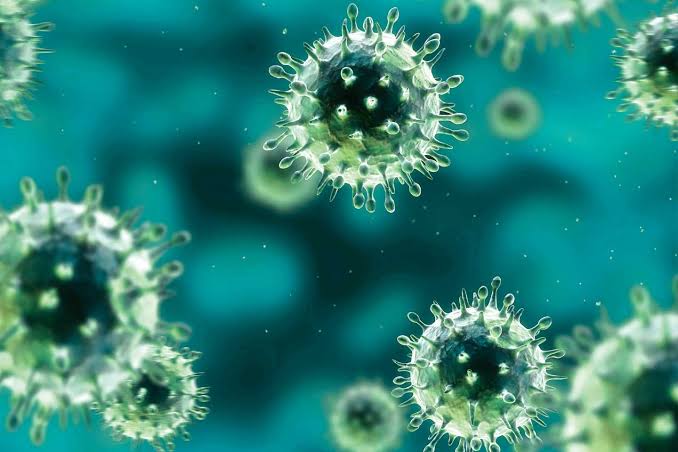
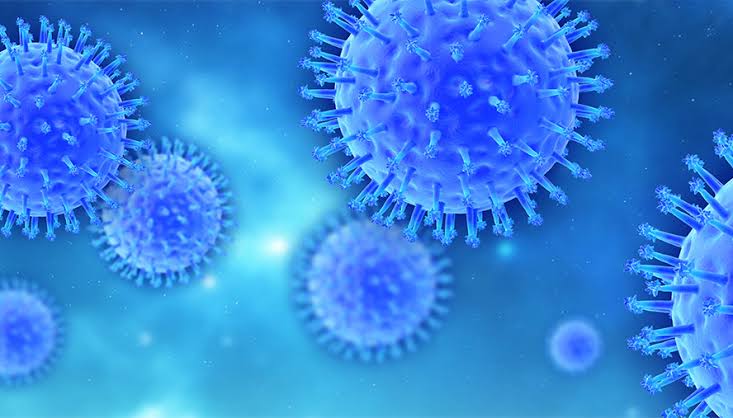
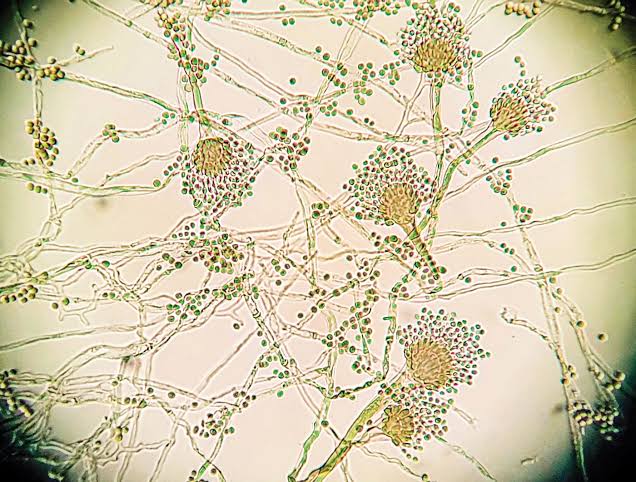
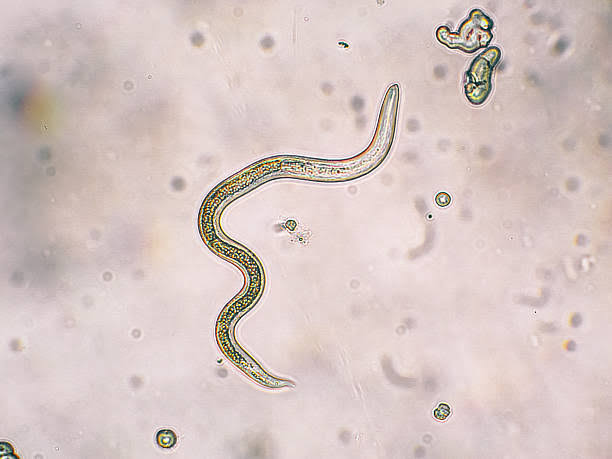
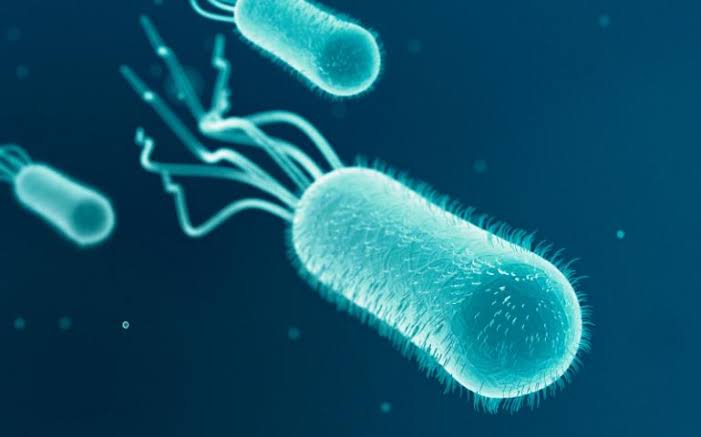
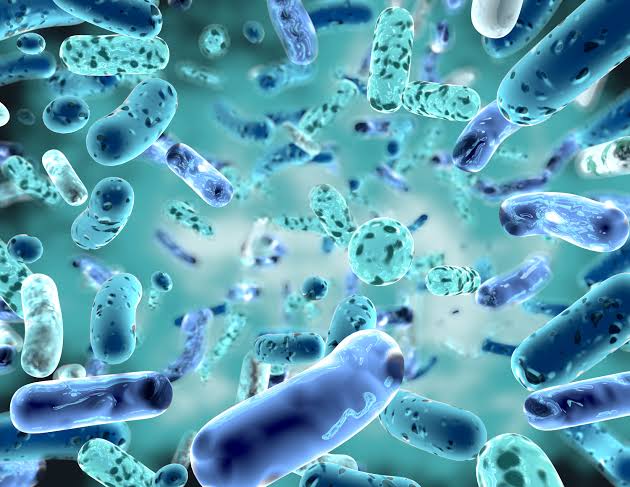
The term “germ” encompasses an army of tiny terrors, including viruses, fungi, parasites, and bacteria. These “pathogens” all have the ability to spread from victim to victim(called a host). Germs are so small you can see them only through a microscope. They look like spiky blogs, oozing spirals,hairy hotdogs, or other microscopic monsters.

Why are germs bad for us?

These microorganisms hitch a ride into our bodies on the food we eat, in the air we breathe, or through a variety of other methods. Once they have invaded our personal spaces, germs reproduce and create toxic waste, which triggers our body’s most repulsive reactions. They make us sniffle, upchuck, run to the toilet, break out in rashes and fevers, and suffer even more unpleasant symptoms.

How do we get sick from viruses?

Most viruses are frail little things ( unlike bacteria and fungi, viruses are not even alive ) that can multiply only inside a living host ( including animals, plants, and even bacteria). There they spread overwhelming and attacking the host’s immune system and causing all sorts of nasty symptoms. Colds, flus, chicken pox, immune disorders, and measles are caused by viruses. Among the worst is a Ebola, which triggers bleeding and is fatal more than half the people who catch it.

How do we get sick from fungi?

Fungi are microscopic molds, yeasts, and other plant like pathogens that thrive in wet, warm places like our armpits, our belly buttons, and the dank spaces between our toes. They feed on our respect and dead tissues and produce stinky wastes that irritate our skin.

How do we get sick from parasites?

This ghastly germ group includes itty-bitty insect larvae, amoebas, and one celled organisms called Protozoa that live in nasty food, damp soil, or dirty water. Parasites depend on a living host for their survival. They sneak into our bodies in tainted water and food, costing of all sorts of gastrointestinal gripes: diarrhoea, vomiting, upset stomachs, and worse. Malaria – common diseases that causes chills, shaking, and fevers – is spread by a parasite passed in mosquito bites. These life-sucking relationships are often the stuff of nightmares.

How do we get sick from bacteria?

Unlike viruses, bacteria are living single celled organisms that can reproduce both outside and inside the body. Like all living things, bacteria create waste -microscopic poops that can act as a poison inside the host. You can blame sore throat, ear infections and tooth-tartar buildup on bacteria. One of the most famous bacteria is Escherichia coli. This rod shaped micorbe lives deep in your intestines, the body’s busiest bacterial neighborhood. Harmful ones make you puke for days.E.coli strains produce an important vitamin. That’s right – some bacteria are actually good for you!

How many bacteria are inside our body right now?

Your body is built of trillions of itty-bitty living blobs, called cells, that work together to make you you. But for every cell you call your own, ten foreign bacteria cluster around or near it. You are a microbe metropolis! Scientists call these communities of foreign bacteria your body’s “flora”, and no two people host the same mix of microorganisms. In fact, scientists are beginning to think of your flora as just another organ.

Can we see these bacteria?

No, they are microscopic. But you can certainly smell them. Like any living thing, bacteria eat, reproduce,die, and create waste which can make your life stink – literally !(Bacteria are the source of bad breath and body odor.)

Benefits of Bacteria

Your gut reaction might be to wrinkle your nose at the thought of bacteria inside your guts, but it turns out that many so-called good bacteria are essential to your health, the survival of life on Earth, and the making of tasty foods. Behold, the benefits of a microscopic allies…

Health boosting

Your body’s microbes support your immune system, which fights sickness.

Plant feeding

Blue-green algae and other types of bacteria convert the nitrogen in the air into compounds plants can use.

Food processing

Micorbes in our innards play a huge role in the digestive process, helping us absorb nutrients and vitamins from our food.

Food making

Bacteria are a vital ingredient in the process of turning milk into yogurt and tasty cheeses. The holes in Swiss cheese are created by carbon dioxide bubbles exhaled by bacteria during the cheese making process.

Planet Cleaning

Bacteria breakdown dead animals and plants, which “decompose” into nutrients for the living.

References :

WHY?-Answers to everything, Image publications.

HEADACHE

Headache is a common problem that does not allow us to concentrate on our work. Nothing can take away the throbbing pain that headache causes. It may be caused due to injury, stress, eye strain, anxiety, or other medical conditions. Headache is called Cephalgia in medical terms. Many people suffer this discomfort frequently and don’t pay attention to it. But this simple headache may cause serious illnesses if left untreated. 

WHAT HAPPENS DURING A HEADACHE?

Our brain can recognize pain in various parts of the body. A headache is caused by the swelling of the blood vessels present in and around the brain. Most headaches occur in the nerves and muscles of the head and neck region. These nerves and muscles generate signals and send them to the brain which makes us feel the pain.

TYPES OF HEADACHES

Headaches are of two types – Primary headache and Secondary headache.

PRIMARY HEADACHE

There are types of primary headaches. However, some common types include

  1. Tension headache – It is the most common type which is caused due to stress and tension in the muscles of the head. It may start with a slow onset of moderate pain. It usually hurts on or around both sides of the head, in the back neck, and head. It usually goes away on its own but sometimes may need a pain reliever. For prolonged pain and chronic conditions, a doctor’s advice is required.
  2. Migraine – Migraine headaches are associated with throbbing pain along with some symptoms like nausea or vomiting, sensitivity and can last for several hours to few days. It may be caused also due to genetic reasons. Rescue medicine is prescribed by doctors to get immediate relief from the pain and preventive medicines to prevent future occurrences.
  3. Clustered headache – It is least common when compared with the other two types. It is characterized by sudden pain in any one side of the head and face. It occurs multiple times in a day and stays for 1-3 hours each time. It may be caused due to alcohol intake or tobacco usage. Treatment includes lifestyle changes and prescribed medication by the doctor.

SECONDARY HEADACHE

Secondary headaches occur because of any underlying issue or mental condition. It must be diagnosed and treated as soon as possible as it may create life-threatening situations at times. It may be caused due to bleeding of the blood vessels in the brain, tumors, abscesses, or high blood pressure. Symptoms include pain during changing postures, chewing food, etc. There are many subtypes of this headache according to the affected area and symptoms. It must be given at most care to avoid worsening of the condition.

SITUATIONS THAT NEED IMMEDIATE HELP

Sometimes headaches may be a symptom of a serious issue and occur to warn us of the disorder. If it is accompanied by drowsiness, seizures or fits, changes in vision, etc. then immediate consultation of a physician is mandatory.

CARE AND CURE

  • A healthy balanced diet of fruits and vegetables may help to stay fit and reduce the intensity.
  • Stress management relaxations and lifestyle changes can bring betterment.
  • Some counter medicines could be taken and soothing herbs such as peppermint, eucalyptus, flax seeds reduce pain as they have pain-relieving properties.

FEVER

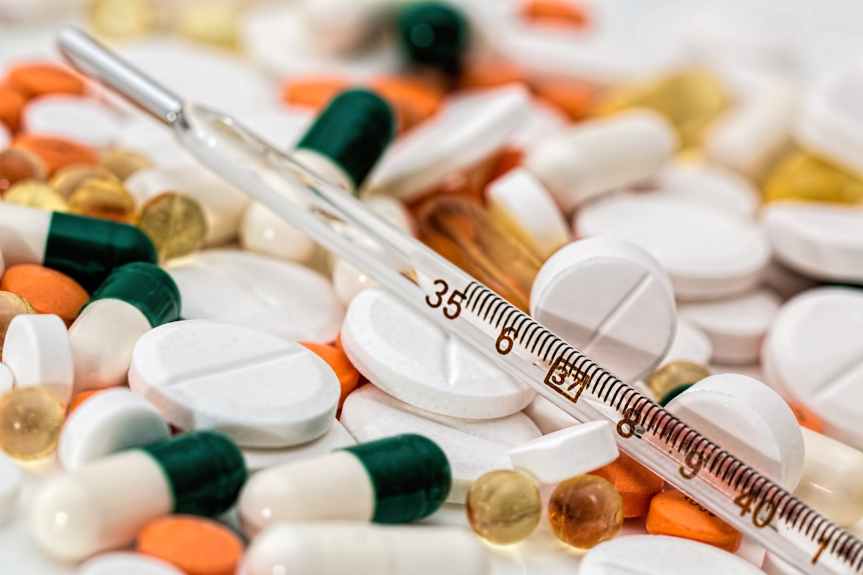
Fever is the sudden rise in body temperature. It is a signal that our body gives us that something bad is happening inside our body. It is a normal reaction or response of our immune system. Whenever a foreign particle enters our body and infects the cells, our antibodies fight against it. It is our body’s way of giving alerts by increasing the normal temperature. Fever is also called Pyrexia or Controlled Hyperthermia. When the body temperature goes to 100o F (38o C) or more, we consider it as a significant temperature rise. If it persists for more than 24 hours, the causes of it should be suspected, diagnosed, and treated. 

WHEN SHOULD WE TAKE IT SERIOUSLY?

Fever is just a normal function of our body that lets us know the correct response against an infection. But it should be taken care of especially in children or infants if there are symptoms like

  • Temperature is 102o F or more and if it continues for more than 36 hours.
  • Cold, cough, and loss of appetite.
  • Chills and night sweats.
  • Fever accompanied by vomiting and diarrhea.
  • Weakness, dizziness, body ache, or fatigue.
  • Having seizures or fits with high temperature.
  • Cough, sore throat, mucus accumulation, and chest tightness.
  • Inability to swallow foods even liquids.
  • Fever recurring after particular hours.

TYPES OF FEVER AND VARIATIONS

There are many kinds and causes of fever. Most commonly it may be due to viral or bacterial infections. Viral fevers usually stay for 1-3 days but the recurrent fever may persist for almost 14 days or more. A person with viral infections may experience nausea, coughing, running nose, body pain, etc. Not all viral fevers are contagious but most of them appear to be contagious. For example, common cold, influenza, malaria, dengue, HIV, covid-19, etc. are contagious and may spread from person to person by various means. Bacterial infections are similar to viral infections and there is no major difference in symptoms. It persists for few days or until treated with an antibiotic. Bacterial fever does not subside by itself and it is higher than a viral fever. It worsens day after day instead of showing better improvement.

Other than the common infections, fever may occur also due to other less common causes like hepatitis, sinusitis, gastroenteritis, tuberculosis, urinary tract infections, etc. Body temperature also varies with age and physical activities. It may be lower in the mornings and higher in late noon or after heavy workout sessions and hot showers.

WHERE TO TAKE THE TEMPERATURE?

There are four ways to measure the rise in body temperature.

  1. Rectal method – It is the most accurate way of measuring temperature, especially for children. It is taken by inserting the thermometer in the rectum or bum.
  2. Tympanic method – It is the next accurate method where the temperature is taken by keeping the thermometer into the ear canal.
  3. Axillary method – This temperature which is taken from the underarms is considered to be less accurate when compared with tympanic and rectal methods.
  4. Oral method – It is the least accurate method of all where the temperature is taken by keeping the thermometer under the tongue. But it is the most common method of reading the temperature.

THE BOTTOM LINE

Fever can be controlled by following some home remedies or by taking antipyretics which can only reduce the temperature but doesn’t treat the reasons. Few antipyretics or fever-reducing drugs are paracetamol, aspirin, or Anacin. These drugs can be taken rarely, however consuming them too often may cause unwanted side effects.

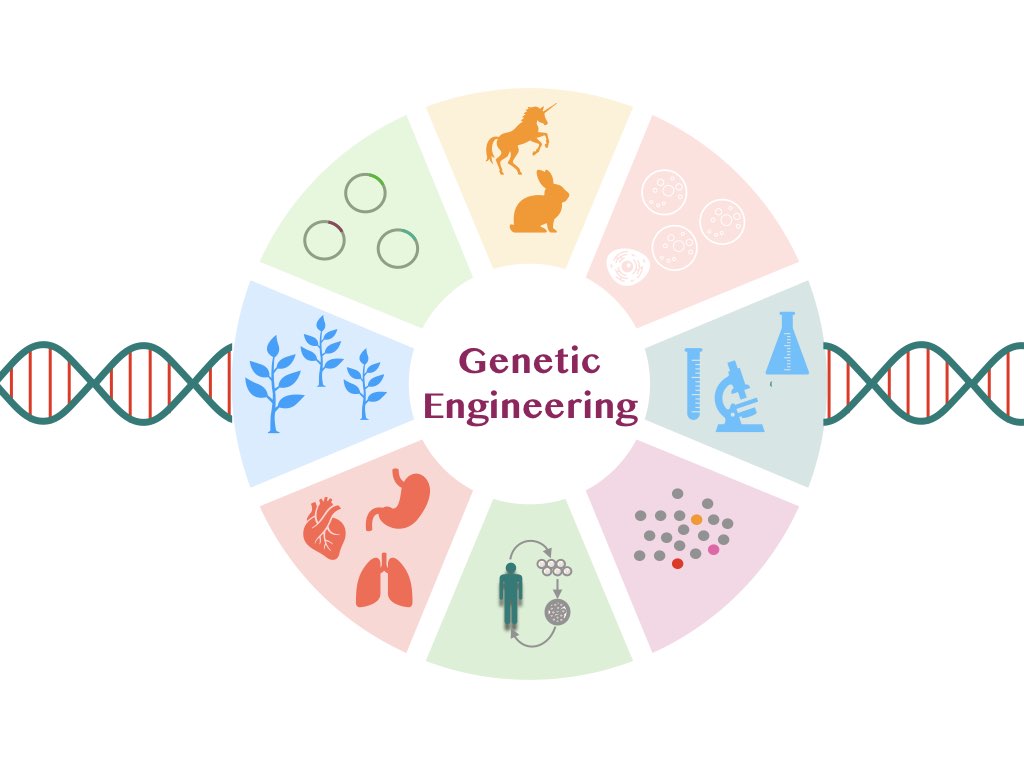
GENETIC ENGINEERING

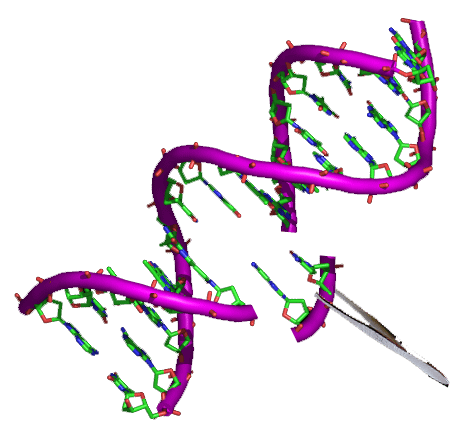
Genetic engineering also known as genetic modification is the direct manipulation of DNA to modify an organism’s traits mainly observable physical properties in a specific way. Scientists utilize it to improve or change the features of an individual organism. It may be used to treat anything from a virus to a sheep. For example, genetic engineering can be utilized to create plants with better nutritional value or that can withstand pesticide treatment. It has also been used in animals to create sheep which would generate a therapeutic protein in their milk that can be used to cure cystic fibrosis, as well as worms that glow in the dark to help scientists understand more about illnesses like Alzheimer’s.

Firstly, if we look at the history, it was created to aid in the prevention of disease transmission. With the advent of genetic engineering, scientists may now alter the way genomes are built to eliminate illnesses caused by genetic mutation. today, genetic engineering is utilized to treat diseases including cystic fibrosis, diabetes, and a variety of others.

 Genetic engineering also helps in detecting the problems even before the child is born which in turns help in curing the illness and diseases in unborn children. Humans aren’t the only ones that benefit from genetic modification. We can use genetic engineering to create foods that can endure extreme temperatures such as very hot or very cold while also providing all of the nutrients that people and animals require to thrive. Animals and plants can have their development rates genetically altered to mature more quickly. In order to improve productivity od diary or meat or even wool, animals can potentially be genetically changed. 

However, with advantages comes disadvantages as well. Thus, Allowing scientists to tear down boundaries that should maybe be left alone has a lot of drawbacks.

Many religions, after all, think that genetic engineering is equivalent to playing God, and ban it from being used on their children, for example. Aside from religious issues, there are a variety of ethical concerns such as longer life expectancy is already generating societal difficulties throughout the world, so intentionally extending everyone’s life on Earth might lead to much more problems into the future, ones that we can’t possibly anticipate. Genetic engineering can also lead to genetic defects which scientists really can’t foresee because human body is a complex structure.

Furthermore, Genetic engineering aids in the resolution of a problem by introducing genes to the organism that will assist it in combating the issue. This can have unfavourable consequences. A plant, for example, may be engineered to require less water, but this would make it intolerant of direct sunshine. Also, nature being a complicated web of interconnections, many side effects can be caused as a consequence of using genetically modified genes. 

Therefore, In a world where genetic engineering is advancing at a breakneck pace, the dangers of going too far with it are a constant source of concern because no one can’t really anticipate what consequence will it create  and where it will lead us. Changing creatures’ DNA has definitely raised a few heads. It could work wonderfully, but who knows whether interacting with nature is truly safe. As a result, it appears that genetic engineering is both a mixed blessing, as we stand to gain as well as lose by furthering this field of study.

IMMUNE DYSFUNCTION AND ITS CONSEQUENCES

 The evolution of immune system.

It can be defined as a complex evolutionary unit and it can be said that the immune system of primitive organisms is also primitive. The immune system involves numerous elements, which have undergone many evolutionary changes, some which are neutral, some are selected, to form the basis of modified organisms that live among us in the 20th century and whose immune systems have adapted to the damaging environment humans have created in this era. All these different species including, humans themselves, have perhaps evolved beyond their apparent primitive state into something more realistic to survive in today’s world. The immune systems have been modified by factors linked not only to the internal evolution of their elementary genes but also by coevolution with factors in the internal environment, such as cellular constraints, metabolism, mode of reproduction and progeny size. It is significant to learn and understand our immune system because increasing our knowledge in this area could help suggest solutions to clinicians when they are faced with deficiencies and anomalies in the immune system of man.

The outline of innate and adaptive immunity portrays an interactive system that defends the host from transferrable diseases and from cancer. This would not be comprehensive without stating that the resistant of our body can function indecorously. Occasionally the immune system fails to defend the host effectively or misdirects its activities to inflict uneasiness, incapacitating illness, or even death. There are numerous communal appearances of immune dysfunction:

■ Allergy and asthma

■ Graft rejection and graft-versus-host disease

■ Autoimmune disease

■ Immunodeficiency

Allergy and asthma are results of unsuitable immune responses, often to shared antigens such as plant pollen, food, or animal dander. The likelihood that certain substances amplified sensitivity rather than protection was documented in about 1902 by Charles Richet, who attempted to immunize dogs compared to the toxins of a kind of jellyfish, Physalia. He and his associate Paul Portier detected that dogs exposed to sublethal dosages of the toxin reacted almost suddenly, and fatally, to subsequent challenge with tiny amounts of the toxin. Richet decided that a successful injection or vaccination results in phylaxis, or defense, and that an contrary result may occur. Anaphylaxis in which contact to antigen can result in a possibly lethal sensitivity to the antigen if the contact is recurrent. Richet received the Nobel Prize in for his detection of the ana-phylactic response.

Providentially, most allergic reactions in humans are not quickly fatal. A specific allergic or anaphylactic response typically involves one antibody type, named IgE. Binding of IgE to its specific antigen (allergen) releases constituents that cause irritation and swelling. When an allergic individual is exposed to an allergen, signs may include sneezing, wheezing, and struggle in breathing (asthma); dermatitis or skin eruptions (hives); and, in more dangerous cases, asphyxiation due to blockage of airways by swelling. An important fraction of our health resources is used to care for those suffering from allergy and asthma. The occurrence of allergy and asthma in the United States place these grievances among the most shared reasons for a visit to the doctor’s dispensary or to the hospital emergency room.

When the immune system come across foreign cells or tissue, it responds sturdily to rid the host of the invaders. Nevertheless, in some cases, the transplantation of cells or an organ from additional individual, although observed by the immune system as a foreign assault, may be the only possible action for disease. For instance, it is projected that more than 60,000 persons in the United States alone could profit from a kidney transplant. Since the immune system will attack and reject any relocated organ that it does not identify as self, it is a serious blockade to this possibly life-saving treatment. An added hazard in transplantation is that any relocated cells with immune function may sight the new host as nonself and respond against it. This reaction, which is called graft-versus-host disease, can be lethal. The rejection reaction and graft-versus-host disease can be repressed by drugs, but this kind of treatment overpowers all immune function, so that the host is not threatened by its immune system and develops susceptible to infectious diseases. Transplantation educations have played a main role in the growth of immunology. A Nobel prize was presented to Karl Landsteiner, for the detection of human blood groups, a discovery that permitted blood transfusions to be carried out securely. , G. Snell, J. Dausset, scientists and B. Benacerraf were known for discovery of the major histocompatibility complex, in 1991, E. D. Thomas & J. Murray were prearranged Nobel Prizes for developments in transplantation immunity. To allow a foreign organ to be recognized without overpowering immunity to all antigens remains a test for immunologists today.

In many individuals, the immune system breakdowns by losing its sense of self and nonself, which allows an immune attack upon the host. This disorder, autoimmunity, can root a number of chronic incapacitating diseases. The indications of autoimmunity vary depending on which tissues and organs are under a threat. For instance, multiple sclerosis is caused by autoimmune dysfunction on the brain and CNS, Crohn’s disease affects the tissues of the gut, & rheumatoid arthritis is characterized by its affect on the joints of the arms and legs. The genetic and ecological factors that cause and sustain autoimmune disease are very dynamic areas of immunologic research, as is the hunt for improved treatments.

If any of the many mechanisms of innate or specific immunity is faulty because of genetic irregularity, or if any immune function is lost due to damage by chemical, physical, or biotic agents, the person suffers from immunodeficiency. The austerity of immunodeficiency disease

Allergy and Asthma

Even though the immune system serves to defend the host from infection and cancer, unsuitable responses of this organization can lead to disease. Common amid the consequences of immune dysfunction are allergies and asthma, together they are serious public health problems. Particulars of the mechanisms that cause allergic and asthmatic retorts to environmental antigens. Merely specified, allergic reactions are responses to antigenic impetuses that outcome in immunity based chiefly on the IgE class of immunoglobulin. Contact to the antigen

(or allergen) activates an IgE-mediated release of particles that cause symptoms extending from sneezing and dermatitis to swelling of the lungs in an asthmatic attack. The order of events in an allergic reply is portrayed in the reaction.

The uneasiness from common allergies like plant pollen allergy (ragweed allergy) contains a week or two of whooping and runny nose, which may seem minor compared with health complications such as cancer, cardiac arrest, or life-endangering infections. A grave allergic reaction is asthma.

Allergy and Asthma as Public Health issues a chronic illness of the lungs in which swelling, arbitrated by ecological antigens or infections, causes severe trouble in breathing. Roughly 15 million people in the US have asthma, and it causes about 5000 deaths in a single year. In the past twenty years, the occurrence of asthma in the Western World has folded.

AUTOIMMUNE DISORDERS

The device by which the huge diversity of B and T cells is generated is a haphazard process that unavoidably gives rise to some receptors that identify the body’s own elements as foreign. Lymphocytes having such self-reactive receptors, though, are eliminated or reduced impotent by numerous diverse mechanisms, so that the immune system does not usually make significant amounts of antibodies or T cells that are sensitive with the body’s mechanisms (self antigens). Yet, an immune response to self, termed autoimmunity, can happen, and some of the conducts that self-directed immune responses reason damage causes Allergies.

Knowing and classifying autoimmune disorders is hard given that all humans have numerous self-reactive antibodies in the blood but most of them show no sign of disease. Subsequently, the credential of autoantibodies is not a adequate diagnostic tool for defining the presence of an autoimmune disorder. There is a modification between an autoimmune response and disease: in the prior case the autoantibodies do not inflict dysfunction, but in the latter they do.

EXAMPLES OF AUTOIMMUNE DISORDERS

The range of autoimmune disorders is extensive, ranging from those that contain a single organ to others that mark several different organs as a secondary result of the presence of immune complexes in the gesticulation. Some of these autoimmune syndromes are discussed and causes are given. The subsequent disorders have been selected to illustrate some of the very different complications that can arise from autoimmunity.

Hashimoto disease, graves disease are 2 common autoimmune disorders in the thyroid gland

Autoimmune hemolytic anemia resultant from the formation of autoantibodies against the RBCS

Pernicious anemia, autoimmune gastritis occurs when there is a failure to absorb vitamin B12 that is essential for proper maturations of the RBCs

Rheumatoid arthritis is also a chronic swelling that affects connective tissues and the synovial membrane lining the peripheral joints.

Prions: The most fatal disease-causing agent of all.

What Is a Prion? - Scientific American

We have all heard of viruses, bacteria, fungal and protozoan induced infection. Most of them curable under proper diagnosis, some very common to us and while others are more feared diseases like AIDS and cancer. However, these diseases also have some sort of medication and care which can be given to patients for their recovery. But today let’s talk about the lesser known but most dangerous kind of infectious particle known to humans. Its name is prions and scientists hardly know anything about it.

It all started in 1982, when Stanley Prusiner discovered a particle which had no DNA or RNA, the basis of every living organism in the world. These particles were just proteins and couldn’t even be classed as living or dead. The particles were infectious agents and were given the name prions. Some scientist resisted the fact that prions exists because it disrupts the universal rule that proteins are formed from transcription and translation of nucleic acid.

Our brain is the most complex organ of our body. Much of things about the functions of the brain is unknow to us till now. There is a protein present in the cytoplasmic membrane of the cells in our brain, known as prp. The exact functionality of the protein is unknown to us but is speculated that it’s associated with then normal functioning of the brain. The sequence of amino acid in PrP allows the protein to fold into two stable tertiary structures: The typical cellular PrP (C-PrP) functional structure has multiple α-helices, whereas β-pleated sheets are the disease-causing forms of prion prp (P-PrP). Just like the saying goes: one rotten apple spoils the lot, in the same way one disease causing prp causes the other normally functioning prp to transform into its disease-causing form, in a process known as templating. The neurons stop functioning correctly and finally die as prion prP aggregates spread all over the brain. This gives rise to a disease known as bovine spongiform encephalopathy. The disease causes degenerate a person’s life within months. It causes amnesia, mental retardation, paralysis and death. The zoonotic epidemic in Europe which caused the cows to behave unusually, and die was also cause by prions and is known as the mad cow disease. It affects a variety of animals, and its form of transmission is through foods which have been infected with prions. It causes scrapie in sheep, and chronic wasting disease in deer. Prions are associated with Alzheimer’s, Parkinson’s, Creutzfeldt–Jakob disease and even cancer.

The thing that makes prions most dangerous is the fact that once you have been infected with a prion disease, it is 99% of the times, going to kill you. There are no cures for prion diseases. Cooking doesn’t kill prions, nor does our standard sterilization method, practised worldwide. In other words, alcohol, soaps, detergents, acid, even fire does not kill it. After a number of research, we found that it takes much more than rapid and intense heat treatment, at 482 degrees Celsius continuously for 4 hours to finally deactivate it.

So why isn’t prion, which is such a dangerous particle, not the leading cause of disease in the world? Well, lucky for us there are number of reasons why prions aren’t seen that commonly in the world. Firstly, its primary mode of transmission through different species is through ingestion. Food can be retracted from the market in case of an outbreak and food transmission is not as dangerous as airborne transmission of other diseases. Secondly, Human PrP only mishaps if it contains 129th amino acid as methionine. About 40% of human beings are now prion sensitive leaving 60% of the population immune to prions. This disease is mostly seen in tribal people who have the tradition of cannibalism, and in families which have had a history of prion diseases in their ancestry. The sporadic form of the disease is seen rarely.   Prion problems are enigmatic as always as it is not known that the specific physicochemical nature of the agent is essentially a black box. It is also necessary to understand the exact mechanisms driving the transmissible protein states. The origin of different prion strains complicates the treatment. There is hence a need for more study to create adequate diagnostic tools to help create new therapy strategies to treat prion illnesses.

Worst hit pandemics thorough ages

The novel Coronavirus has created a catastrophe in the entire world bringing it down to its knees with cases counting more than 16.7Cr, (as per the data provided by Wikipedia).

It’s not the first time that a pandemic has engulfed this large number of people from around the world. History has records of many deadly diseases creating havoc in the world.

Human civilizations have evolved and developed continually, causing population bursts. With no efficient knowledge of sanitation and hygiene, and poor health facilities people have unknowingly created fertile situations for the growth of these deadly infections.

The Centers for Disease Control and Prevention (CDC) has defined a pandemic as “an epidemic that has spread over several countries or even continents. Pandemics usually affect large segments of the population”.

Here’s a list of the worst hit pandemics through history.

Plague of Justinian, 541-542

Saint Sebastian pleads with Jesus for the life of a gravedigger afflicted by plague during the Plague of Justinian. (Josse Lieferinxe, c. 1497–1499)
Source pic- Wikipedia


The plague of Justinian was the worst pandemic recorded in history caused by the fatal bacterium called Yersinia pestis.
The plague was brought to Constantinople, the capital of the Byzantine Empire, in 541 CE from Egypt. During the time Egypt was paying a tribute to Emperor Justinian in grains.
The plague-laden fleas infected the rats eating grains.

This lethal disease spread like a forest fire across Europe, Asia, North Africa, and Arabia killing an estimated 30 to 50 million people, almost half of the world’s population.

Black Death (1347-1351)


This was a global bubonic plague that hit Europe in 1347-1351, astonishingly taking a toll of 200 million in just 4 years.
It was a type of plague that was spread via the bite of infected rat fleas.
This plague caused religious, socio-economic upheaval with a profound impact on European history. The bacterium that caused this was the same that brought the Plague of Justinian.

During this time the sailors that had came to Europe were required to stay on their ship for 30 days, which was known as “Trentino” in Venetian law. Later, the Venetians increased the forced isolation to 40 days or a “quarantino”. From here quarantine word was introduced which is now in great implementation.

The painting “Blessed Bernard Tolomei Interceding for the Cessation of the Plague in Siena” by the Italian artist Giuseppe Maria Crespi.
Source pic- Britannica

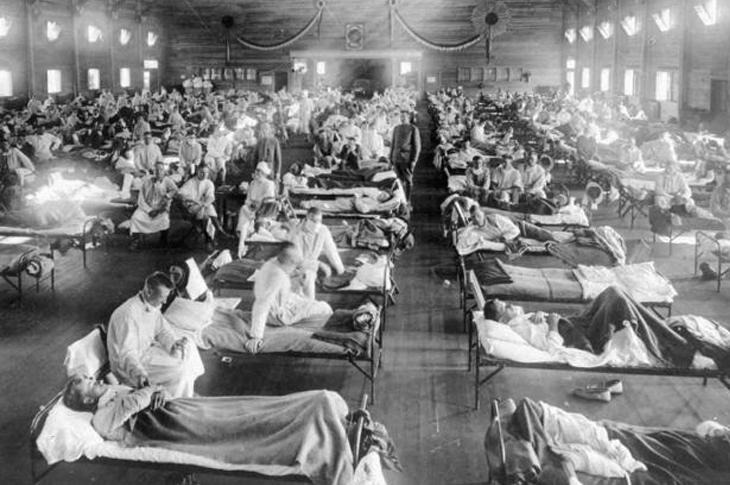
Spanish Flu 1918:

Source pic- World Health Organization


Spanish flu was the most severe and devastating influenza pandemics that the world ever witnessed. Also known as the 1918 influenza pandemic, it infected 500 million people – about a third of the world’s population at the time – in four successive waves.
Though the flu engulfed Europe, America, and parts of Asia, the exact place and cause of its origin are unknown to this day.
Some say that the flu showed itself in the military camp in Kansas, and from the US it spread to Europe when the troops traveled east in World War I.

Though the name is Spanish flu the pandemic did not originate in Spain, the British Medical Journal referred to the virus as “Spanish flu” because Spain was hit hard by the disease.

Small Pox 15th Century:


Smallpox has been estimated to have killed over a 500 million people.
It was in 1980 that the World Health Organization declared smallpox to be eradicated.

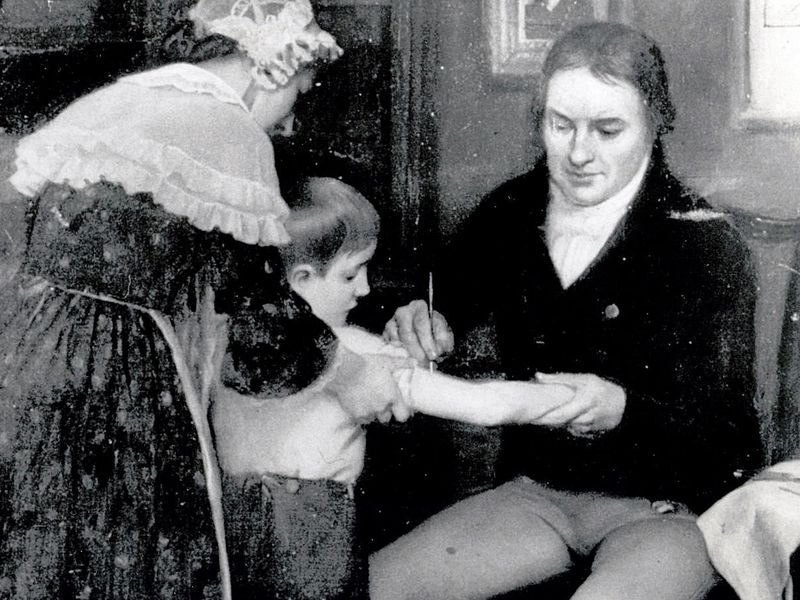
Edward Jenner giving the boy smallpox vaccine.
source pic- Smithsonian Magazine

Smallpox became the first death-dealing pandemic whose vaccine was developed in the late 18th-century, by a British doctor named Edward Jenner.

Edward Jenner observed that some local milkmaids were not exposed to the harsh virus and just showed mild symptoms which were called “cowpox”. Edward then decided to extract a small sample of milkmaid’s pus and inject it into the arm of a young boy named James Phipps. After that, he exposed the boy to the smallpox virus, and to his amazement, the boy showed no illness. This was the first vaccine ever discovered in history.