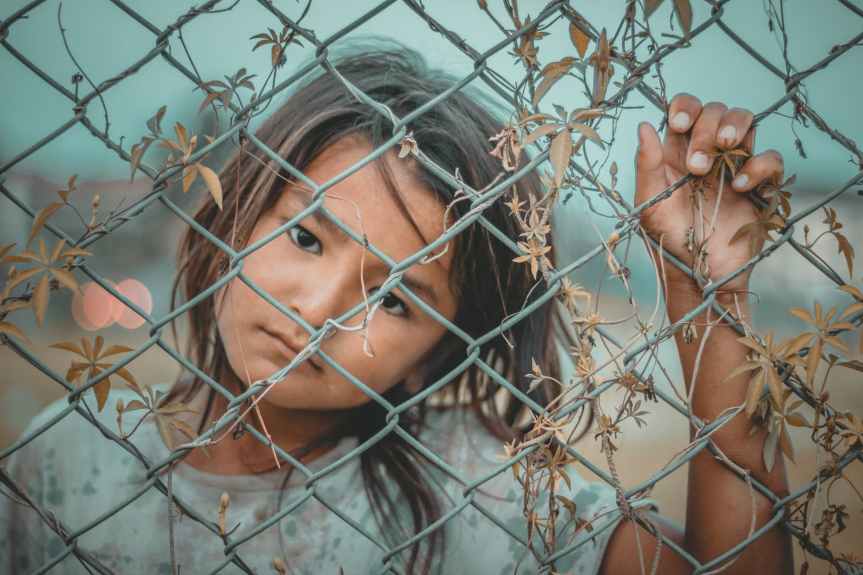
Poverty

Poverty! Poverty is lack of food, Poverty is lack of shelter, Poverty is being sick and can not afford medicines, Poverty is knowing how to read but can’t afford going to School, Poverty is being unemployed. And Poverty is lack of representation and freedom.Poverty has so many faces, and can describe in different ways. Most often, poverty is a situation people want to escape.

We have to take the step to reduce poverty so that many more may have enough food to eat, adequate shelter to cover their head, access to education and health.Overpopulation and underdevelopment in the country is the main cause for poverty. The birth rate in India is very high and the former has taken the measure of the ‘one child policy’ to change the situation, but the latter has not made any effort yet.

Underdevelopment is another reason, the country do not have enough economic growth to support their growing populations.Poverty in India can eradicate with some effective programmes, just need a joint effort from everyone not only from the government. Government of India should make effective policies aiming to develop rural areas through the key components like primary education, population control policies, family welfare, job creation and many more.

We can define poverty as the condition where the basic needs of a family, like food, shelter, clothing, and education are not fulfilled. It can lead to other problems like poor literacy, unemployment, malnutrition, etc. A poor person is not able to get education due to lack of money and therefore remains unemployed. An unemployed person is not able to buy enough & nutritious food for his family and their health decline. A weak person lacks the energy required for the job. A jobless person remains poor only. Thus we can say that poverty is the root cause of other problems.

How Poverty is Measured?

For measuring poverty United nations have devised two measures of poverty – Absolute & relative poverty.  Absolute poverty is used to measure poverty in developing countries like India. Relative poverty is used to measure poverty in developed countries like the USA. In absolute poverty, a line based on the minimum level of income has been created & is called a poverty line.  If per day income of a family is below this level, then it is poor or below the poverty line. If per day income of a family is above this level, then it is non-poor or above the poverty line. In India, the new poverty line is  Rs 32 in rural areas and Rs 47 in urban areas.

Causes of Poverty

According to the Noble prize winner South African leader, Nelson Mandela – “Poverty is not natural, it is manmade”. The above statement is true as the causes of poverty are generally man-made. There are various causes of poverty but the most important is population. Rising population is putting the burden on the resources & budget of countries. Governments are finding difficult to provide food, shelter & employment to the rising population.

The other causes are- lack of education, war, natural disaster, lack of employment, lack of infrastructure, political instability, etc. For instance- lack of employment opportunities makes a person jobless & he is not able to earn enough to fulfill the basic necessities of his family & becomes poor. Lack of education compels a person for less paying jobs & it makes him poorer. Lack of infrastructure means there are no industries, banks, etc. in a country resulting in lack of employment opportunities. Natural disasters like flood, earthquake also contribute to poverty.

In some countries, especially African countries like Somalia, a long period of civil war has made poverty widespread. This is because all the resources & money is being spent in war instead of public welfare. Countries like India, Pakistan, Bangladesh, etc. are prone to natural disasters like cyclone, etc. These disasters occur every year causing poverty to rise.

Ill Effects of Poverty

Poverty affects the life of a poor family. A poor person is not able to take proper food & nutrition &his capacity to work reduces. Reduced capacity to work further reduces his income, making him poorer. Children from poor family never get proper schooling & proper nutrition. They have to work to support their family & this destroys their childhood. Some of them may also involve in crimes like theft, murder, robbery, etc. A poor person remains uneducated & is forced to live under unhygienic conditions in slums. There are no proper sanitation & drinking water facility in slums & he falls ill often &  his health deteriorates. A poor person generally dies an early death. So, all social evils are related to poverty.

Government Schemes to Remove Poverty

The government of India also took several measures to eradicate poverty from India. Some of them are – creating employment opportunities, controlling population, etc. In India, about 60% of the population is still dependent on agriculture for its livelihood. Government has taken certain measures to promote agriculture in India. The government constructed certain dams & canals in our country to provide easy availability of water for irrigation. Government has also taken steps for the cheap availability of seeds & farming equipment to promote agriculture. Government is also promoting farming of cash crops like cotton, instead of food crops. In cities, the government is promoting industrialization to create more jobs. Government has also opened  ‘Ration shops’. Other measures include providing free & compulsory education for children up to 14 years of age, scholarship to deserving students from a poor background, providing subsidized houses to poor people, etc.

Poverty is a social evil, we can also contribute to control it. For example- we can simply donate old clothes to poor people, we can also sponsor the education of a poor child or we can utilize our free time by teaching poor students. Remember before wasting food, somebody is still sleeping hungry.
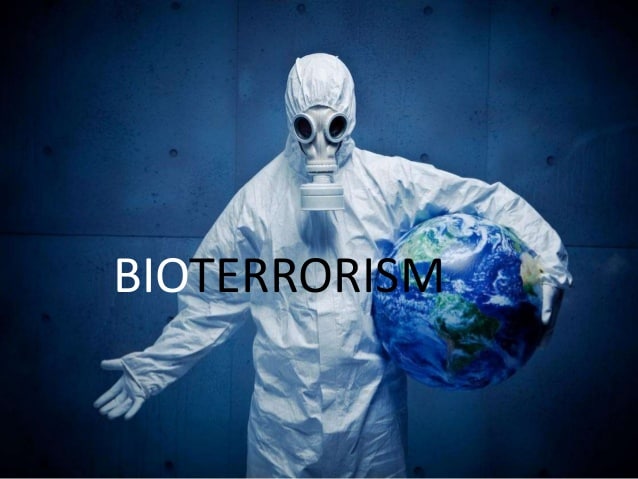
Photo by namo deet on Pexels.com

Bioterrorism

From the past two decades , it is stated that the threat of biological warfare is not a myth but a harsh reality of the world . Due to the outbreak , we can recognise the high risk and consequences of bioterrorism.

This editorial provides you the overview of bioterrorism , it’s symptoms , causes , measures and impact on humans in present scenario .

Introduction

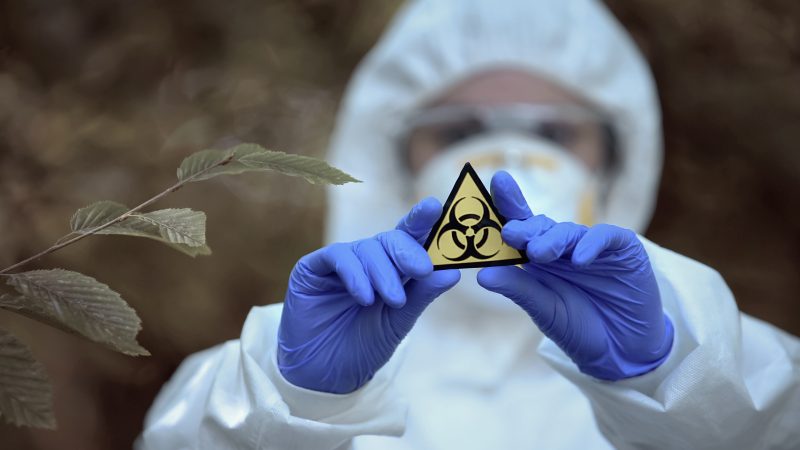
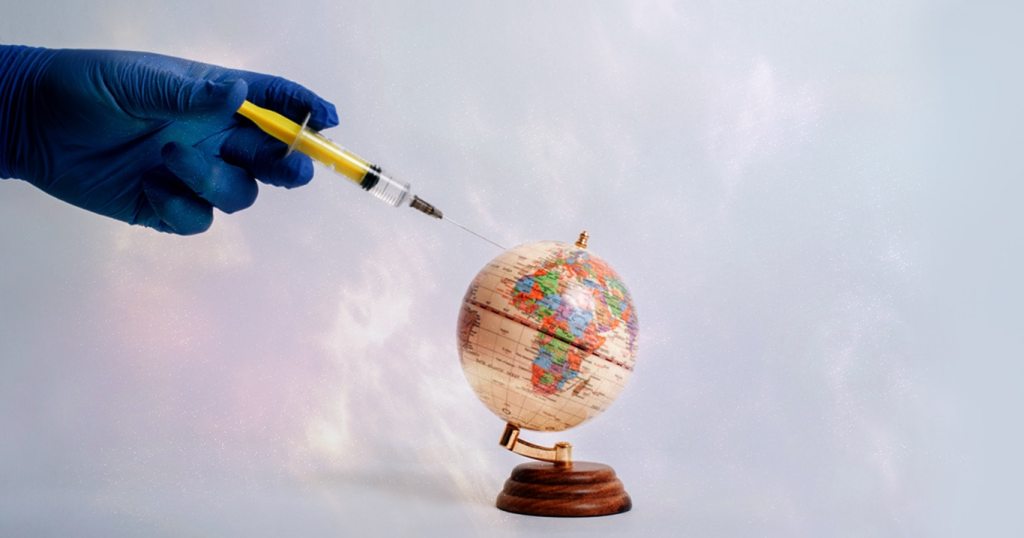
A bioterrorism attack is the deliberate release of viruses, bacteria, or other germs to cause illness or death. These germs are often found in nature. But they can sometimes be made more harmful by increasing their ability to cause disease, spread, or resist medical treatment.

Biological agents spread through the air, water, or in food. Some can also spread from person to person. They can be very hard to detect. They don’t cause illness for several hours or days. Scientists worry that anthrax, botulism, Ebola and other hemorrhagic fever viruses, plague, or smallpox could be used as biological agents.

Despite patchy intelligence, France started its own biological weapons programme in the early 1920s. It was headed by Auguste Trillat, an inventive German-educated chemist who envisioned and tested the sustained virulence of airborne pathogens.

The goal of bioterrorism is usually to create fear and/or intimidate governments or societies for the purpose of gaining political, religious, or ideological goals. Bioterrorism may have a different effect on societies than would weapons such as explosives.

Symptoms

The symptoms of exposure to a biological agent might include sore throat, fever, double or blurred vision, rash or skin blisters, exhaustion, difficulty talking, confusion, descending muscle weakness, nausea, abdominal pain, vomiting, diarrhea, and coughing.

History

Historically, biological weapons have been a threat to humans for many centuries. At those times, very crude methods such as fecal matter, animal carcasses, etc. were used to contaminate water sources, but now the concentrated forms of biological agents such as dried spores and genetically modified organisms are available, which are fatal even in minute quantity.

During the Indo-Pakistan war of 1965, a scrub typhus outbreak in north-eastern India came under suspicion. India’s defense and intelligence outfits were alert to the outbreak of pneumonic plague – well known in biological warfare – in Surat and Bubonic plague in Beed in 1994, which caused several deaths and sizeable economic loss.

Prevention

There are some points that you need to consider during the outbreak :

  • If you become aware of a suspicious substance, quickly get away.
  • Cover your mouth and nose with layers of fabric that can filter the air but still allow breathing. Examples include two to three layers of cotton such as a t-shirt, handkerchief or towel.
  • Depending on the situation, wear a face mask to reduce inhaling or spreading germs.
  • If you have been exposed to a biological agent, remove and bag your clothes and personal items.
  • Follow official instructions for disposal of contaminated items.
  • Wash yourself with soap and water and put on clean clothes.
  • Contact authorities and seek medical assistance. You may be advised to stay away from others or even to quarantine.
  • If your symptoms match those described and you are in the group considered at risk, immediately seek emergency medical attention.
  • Follow the instructions of doctors and other public health officials.
    Avoid crowds.
  • Wash your hands with soap and water frequently.
  • Do not share food or utensils.

Link

Today’s Kalam Foundation

Today’s Kalam Foundation was started in the year 2016 in Hyderabad, by a group of intellectuals inspired by Dr. A.P.J.Abdul Kalam, with the main objective of creating more Kalams to lead the way forward.

Mission

  • To impart quality education and enhance employability
  • To improve lives by effective health management
  • To empower women to stand on their own feet
  • To inspire and bring together intellectuals to contribute in community development

Vision

A reformed society, contributing to national development.

Activities

As of today, 15 Kalam Centers have been set up with over 450 children attending every day. Important national festivals like Independence Day, Republic Day etc are celebrated with gusto.

Currently, Today’s Kalam Foundation is focusing on expanding its activities to reach out to more underprivileged children in the Old City and reduce the consequences of lack of education. They plan to set up 50 more Kalam Centers which will touch the lives of over 1500 deprived children and give them access to education and life skills. Towards this, we are seeking volunteers based out of Hyderabad, trainers who could train volunteers and individual as well as corporate sponsorship

Become a Volunteer Today

Volunteer to teach children in our Kalam centers – Spoken English, Computers, Art & Craft. You can also be a part of the health camps and awareness sessions we conduct.

If you wish to help the poor please donate at

https://milaap.org/fundraisers/GSanjay

Please Support. Even 1 Rupee could bring a change.

100% of your contribution will go for this cause.

Today’s Kalam Foundation has been running Kalam Centers for Slum Children since 2017 and benefitting 450 children on daily basis.
Kalam Center :
TKF volunteers go to slums and choose a group of students who study in Govt. schools or who don’t go to schools. From the same slum a Mentor is employed and a “Kalam center” is established either in the nearby community hall/school premises/rented place. Generally, the Mentors are under/postgraduates. In these centers, the respective Mentors provide after – school support to the students for 2 hours per day.
Kalam Centers aims towards the holistic development of children, hailing from an under-resourced section of the society. The project covers various aspects viz., academic education, vocational training, personality development, health tips, hygiene & nutrition awareness, career counseling, and extra curriculum activities.
We are run Centers in Riyasatnagar,Hussainialam,Dabeerpura,N.M.Guda, MM Pahadi,Farath nagar,Edi Bazaar,Falaknama,Kanchanbagh,Moinbagh,  Bapu nagar,Talabkatta& Babanagar.
Background of Children:
Most of the Children parents are Daily wagers men go for civil works,auto,road side shops ..etc.Few mothers go for Bangle Making and embroidary works or as servants to other houses.
Effect of Corona 2nd Wave:

In the Corona 2nd wave we have seen lot of positive cases in our Kalam Center Children families and as the family is dependant on elders and their income was affected .We have decided to support Corona Positive families with Sustenance  Kits.
Our Work:

We have good wrapo with the families of Kalam Center Children from 2 years and can understand their pain.So we have decided to be with them during these hard times and decided to support Ration required for Corona Affected Families.

Request:

Sustenance Kit Rs 1000Home Isolation Kit Rs 800
For more details you can check our website http://www.todayskalam.org

Thank You

100% of your contribution will go for this cause.