All you need to know about an Economic Recession.

The National Bureau of Economic Research (NBER) defines a recession as “a significant decline in activity spread across the economy, lasting more than a few months, visible in industrial production, employment, real income, and wholesale-retail trade.” A recession is also believed to be signalled when businesses cease to expand, the GDP diminishes for two consecutive quarters, and the unemployment rate rises. The nature and causes of recessions are simultaneously evident and uncertain. Recessions are, in essence, a cluster of business failures being realized simultaneously. Firms are forced to reallocate resources, scale back production, limit losses, and, usually, lay off employees. Those are the clear and visible causes of recessions. There are several different ways to explain what causes a general cluster of business failures, why they are suddenly realized simultaneously, and how they can be avoided.
What Causes a Recession?

Some recessions can be traced to a clearly-defined cause. For instance, the recession of 1973-1975 began as a result of the 1973 oil crisis. However, most recessions are caused by a complex combination of factors, including high interest rates, low consumer confidence, and stagnant wages or reduced real income in the labour market. Other examples of recession causes include bank runs and asset bubbles.

Psychological Factors of a Recession

Psychological factors are frequently cited by economists for their contribution to recessions also. The excessive exuberance of investors during the boom years brings the economy to its peak. The reciprocal doom-and-gloom pessimism that sets in after a market crash at a minimum amplifies the effects of real economic and financial factors as the market swings. Moreover, because all economic actions and decisions are always to some degree forward-looking, the subjective expectations of investors, businesses, and consumers are often involved in the inception and spread of an economic downturn.

Economic Factors of a Recession

Real changes in economic fundamentals, beyond financial accounts and investor psychology, also make critical contributions to a recession. Some economists explain recessions solely due to fundamental economic shocks, such as disruptions in supply chains, and the damage they can cause to a wide range of businesses. Shocks that impact vital industries such as energy or transportation can have such widespread effects that they cause many companies across the economy to retrench and cancel investment and hiring plans simultaneously, with ripple effects on workers, consumers, and the stock market. There are economic factors that can also be tied back into financial markets. Market interest rates represent the cost of financial liquidity for businesses and the time preferences of consumers, savers, and investors for present versus future consumption. In addition, a central bank’s artificial suppression of interest rates during the boom years before a recession distorts financial markets and business and consumption decisions.
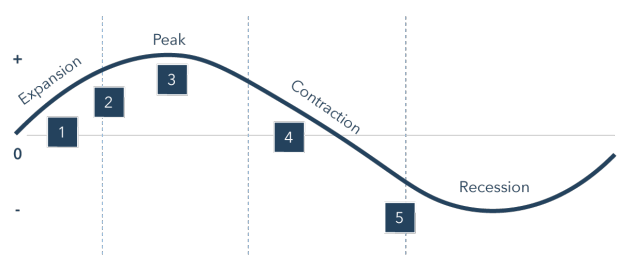
What Are the Indicators of a Recession?

Economists determine whether an economy is in recession by looking at a variety of statistics and trends. Factors that indicate a recession include:

  • Rising in unemployment
  • Rises in bankruptcies, defaults, or foreclosures
  • Falling interest rates
  • Lower consumer spending and consumer confidence
  • Falling asset prices, including the cost of homes and dips in the stock market

All of these factors can lead to an overall reduction in the Gross Domestic Product (GDP). The European Union and the United Kingdom define a recession as two or more consecutive quarters of negative real GDP growth.

Impact of Covid-19 Pandemic on the Economy

In February 2020, the National Bureau of Economic Research (NBER) announced that according to their data, the U.S. was in a recession due to the economic shock of the widespread disruption of global and domestic supply chains and direct damage to businesses across all industries. These events were caused by the COVID-19 epidemic and the public health response. Some of the underlying causes of the two-month recession (and economic hardship) in 2020 were the overextension of supply chains, razor-thin inventories, and fragile business models. The pandemic-related recession, according to NBER, ended in April 2020, but the financial hardship caused by the pandemic is still impacting Americans.

For simpler understanding-

Defining tourism in modern world

Career in Travel and Tourism- Top 6 Jobs Around the World - Leverage Edu

Tourism is one among those economic activities that existed since the ancient times. During ancient and medieval era people travelled to experience the cultural differences. Over the time tourism has also evolved and has become a significant contributor to the national income of many countries. There are many nooks and corners of the world which solely depends on tourism and its allied activities for their living.

Earlier the main motive behind visiting places were to see and experience their culture along with enjoying the natural beauty of the area. But, in this era of globalization the scope of tourism has widened and many nations are trying to gain a competitive edge in this industry. Let us take a look at various types of tourism now prevailing around us:

Cultural tourism

Cultural tourism is a type of tourism that allows the tourist to participate in local cultural activities, like festivals and rituals. As a result, the tourist can enjoy a genuine cultural exchange with the locals.

Religious tourism

Religious tourism, spiritual tourism, sacred tourism, or faith tourism, is a type of tourism with two main subtypes: pilgrimage, meaning travel for religious or spiritual purposes, and the viewing of religious monuments and artefacts, a branch of sightseeing.

Environmental tourism

Environmental tourism typically defined as travel to destinations where the flora, fauna, and cultural heritage are the primary attractions. Responsible ecotourism includes programs that minimize the adverse effects of traditional tourism on the natural environment, and enhance the cultural integrity of local people.

Health tourism

Health tourism is a form of tourism that consists of patients traveling to other countries to get medical treatment or assistance. It comprises all the services associated with tourism like transport, accommodation, and hospitality.

Culinary tourism

Culinary tourism is the focus on food as an attraction for exploration and a destination for tourism. Although food has always been a part of hospitality services for tourists, it was not emphasized by the tourism industry until the late 1990s.

Adventure tourism

Adventure tourism is defined as the movement of the people from one to another place outside their comfort zone for exploration or travel to remote areas, exotic and possibly hostile areas.

Enotourism

Enotourism, oenotourism, wine tourism, or vinitourism refers to tourism whose purpose is or includes the tasting, consumption or purchase of wine, often at or near the source.

Rural tourism

Rural tourism focuses on actively participating in a rural lifestyle. It can be a variant of ecotourism. Many villages can facilitate tourism because many villagers are hospitable and eager to welcome (and sometime even host) visitors. Agriculture is becoming highly mechanized and therefore, requires less manual labor.

Sports tourism

Sports tourism refers to travel which involves either observing or participating in a sporting event while staying apart from the tourists’ usual environment. Sport tourism is a fast-growing sector of the global travel industry and equates to $7.68 billion.

Eco tourism

Ecotourism is defined as “responsible travel to natural areas that conserves the environment, sustains the wellbeing of local people and involves interpretation and education”

Agritourism

Agro-tourism refers to people visiting working farms or other agricultural operations for the purpose of enjoyment, education, or other active involvement. Agri-tourism encompasses a wide variety of activities and provides a means for farmers to diversify and supplement their income.

Sustainable tourism

Sustainable tourism is defined by the UN Environment Program and UN World Tourism Organization as “tourism that takes full account of its current and future economic, social and environmental impacts, addressing the needs of visitors, the industry, the environment and host communities.”

Space tourism

Space tourism is a type of space travel that allows individuals to visit outer space for the purpose of recreation or leisure. Suborbital flights, orbital trips, and missions to distant planets are all examples of space tourism

Business tourism

  Business tourism is the provision of facilities and services to the millions of delegates who annually attend meetings, congresses, exhibitions, business events, incentive travel and corporate hospitality.

India is a country with wide scope for tourism. It should try to incentivize the emerging trends in tourism industry and strive to be a global leader.

Need for switch from physical to human capital

Human capital refers to stock of ‘skill and expertise’ embodied in humans. Human capital is as important as physical capital for economic development. Human capital formation is the process of adding to stock of human capital over time. Human capital can be developed through creation of skilled, trained and efficient labour force by providing better education, health care facilities, etc. Highly skilled people can create new ideas and methods of production. Thus, expenditure on education, on health and on on-job-training are key instruments of human capital formation. Expenditure on education is one of the most important way of enhancing and enlarging a productive workforce in the country. Expenditure on health can create more efficient and more productive human capital. Further, on-the-job-training helps workers to update skills. Training enhances the productivity and is expected to accelerate the process of human capital formation.

Human Capital and Economic Growth

When we talk about economic growth, human capital is the main reason for the accelerated growth and expansion for many countries that provide investment in human capital. This gives the best advantages to these countries for providing the best situations for work and lifestyles.A significant advantage in generating a stable environment for growth is that the nation has the expanded high-quality human capital in fields like health, science, management, education, and other fields. Here, the main components of human capital are definitely human beings, but presently, the principal component is a creative, educated, and enterprising person with a high level of professionalism.

Human capital in the economy manages the central portion of the national wealth. Hence, all researchers consider that human capital is the most important resource of the community, which is more powerful than nature or wealth. In most countries, human capital determines the rate of development, economic, technological, and scientific progress.

(i) Inventions, innovations, and technological improvement

 (ii) Higher productivity of physical capital

 (iii) Raises production

 (iv) High rate of participation and equality

 (v) Improves the quality of life

The difference between human capital and physical capital

Both forms of capital formation are outcomes of conscious investment decisions. Decision regarding investment in physical capital is taken on the basis of one’s knowledge in this regard. The entrepreneur possesses knowledge to calculate the expected rate of return to a range of investments and internationally decide which one of the investments should be made. Physical capital is the outcome of the conscious decision of the owner the physical capital formation is mainly and economic and technical process. A substantial part of human capital formation takes place in one life when she or he is unable to decide whether it will maximize her or his earnings. Children are given different types of school education health care facilities by parents and society. The peers, educators and society influence the decisions regarding human capital investment even at the tertiary level, at the college level. Human capital formation at this stage is dependent upon the already from human capital at the school level. Human capital formation is partly a social process and partly a conscious decision of the possessor of the human capital. The owner of a physical capital, does need not be present in the place where it is used; a bus driver who possesses the knowledge and ability to drive the bus should be present when the bus is used for transportation of people and other materials physical capital is tangible and can be easily sold in the market like any other commodity. Human Capital is intangible it is endogenously built in the body and mind of its owner. Human Capital is not sold in the market; service of human capital is sold and hence there arises the necessity of owner of the human capital to be present in the place of production. Physical capital is variable from its owner where does the human capital is in separable from its owner. The two forms of capital differ in terms of mobility across space. Capital is completely mobile between countries except for some artificial trade restrictions. Human capital is not a perfectly movable between countries as movement is restricted by nationality and culture. Physical Capital formation can be built it even do import, human capital formation is to be done through conscious policy formulations in consensus with nature of society and economy expenditure by the state and the individual.

Both forms of capital depreciate with the time but the nature of depreciation differs between the two continuous use of machine lead to depreciation and change of Technology makes a machine of solute. Human capital, eating but can reduce, for large through continuous investment in education and health on the job training. This investment also facilitates the human capital to cope with change in technology which is not the case with physical capital. Natures of benefits flowing from human capital are different from that of physical capital. Human Capital benefits not only the owner but also the society in general. This is called external benefit. Educated person can effectively take part in a democratic process and contribute to the socio economic progress of a nation. Healthy person, by maintaining personal hygiene and sanitation, stops the spread of contagious diseases and epidemics. Human Capital creates both private and social benefits where as physical capital creates only private benefits. That is, benefits from a capital good flow to those who pay the price for the product and services provided by it.

Importance of Human Capital Formation:

Although the accumulation of physical capital is quite important in the process of economic growth of a country but with the passage of time, it is being increasingly realised that the growth of tangible capital stock depends extensively on the human capital formation must get its due importance.In the absence of adequate investment in human capital, utilisation of physical capital will be at low pace, leading to retardation of development.Prof. Galbraith observed, “We now get the larger part of our industrial growth not from more capital investment but from investment in men and improvements brought about by improved men.” Unless these developed economies spread education, knowledge, know-how and raise the level of skills and physical efficiency of their people, the productivity of physical capital would have been reduced at this moment.

Most of the underdeveloped countries are suffering from low rate of economic growth which is again partially resulted from lack of investment in human capital. These underdeveloped countries are facing mainly two basic problems. They lack critical skills very much needed for the industrial sector and again have a surplus labour force.Thus human capital formation wants to solve these problems by creating necessary skills in man as a productive resource and also providing him gainful employment.In order to remove economic backwardness of the underdeveloped countries as well as to instill the capacities and motivations to progress, it is quite necessary to increase the level of knowledge and skills of the people.Thus in the absence of proper development of the quality of the human factor, the underdeveloped countries will not be able to attain the desired rate of progress.

Takeaway

Economic and social benefits of human capital formation and Human Development are well-known. The spread of education and Health Services across different sectors of the society should be ensured so as to simultaneously attain economic growth and equity. The need of the hour is to better it qualitatively and provide such conditions so that they are utilised in our own country.

Need for switch from physical to human capital

Human capital refers to stock of ‘skill and expertise’ embodied in humans. Human capital is as important as physical capital for economic development. Human capital formation is the process of adding to stock of human capital over time. Human capital can be developed through creation of skilled, trained and efficient labour force by providing better education, health care facilities, etc. Highly skilled people can create new ideas and methods of production. Thus, expenditure on education, on health and on on-job-training are key instruments of human capital formation. Expenditure on education is one of the most important way of enhancing and enlarging a productive workforce in the country. Expenditure on health can create more efficient and more productive human capital. Further, on-the-job-training helps workers to update skills. Training enhances the productivity and is expected to accelerate the process of human capital formation.

Human Capital and Economic Growth

When we talk about economic growth, human capital is the main reason for the accelerated growth and expansion for many countries that provide investment in human capital. This gives the best advantages to these countries for providing the best situations for work and lifestyles.A significant advantage in generating a stable environment for growth is that the nation has the expanded high-quality human capital in fields like health, science, management, education, and other fields. Here, the main components of human capital are definitely human beings, but presently, the principal component is a creative, educated, and enterprising person with a high level of professionalism.

Human capital in the economy manages the central portion of the national wealth. Hence, all researchers consider that human capital is the most important resource of the community, which is more powerful than nature or wealth. In most countries, human capital determines the rate of development, economic, technological, and scientific progress.

(i) Inventions, innovations, and technological improvement

 (ii) Higher productivity of physical capital

 (iii) Raises production

 (iv) High rate of participation and equality

 (v) Improves the quality of life

The difference between human capital and physical capital

Both forms of capital formation are outcomes of conscious investment decisions. Decision regarding investment in physical capital is taken on the basis of one’s knowledge in this regard. The entrepreneur possesses knowledge to calculate the expected rate of return to a range of investments and internationally decide which one of the investments should be made. Physical capital is the outcome of the conscious decision of the owner the physical capital formation is mainly and economic and technical process. A substantial part of human capital formation takes place in one life when she or he is unable to decide whether it will maximize her or his earnings. Children are given different types of school education health care facilities by parents and society. The peers, educators and society influence the decisions regarding human capital investment even at the tertiary level, at the college level. Human capital formation at this stage is dependent upon the already from human capital at the school level. Human capital formation is partly a social process and partly a conscious decision of the possessor of the human capital. The owner of a physical capital, does need not be present in the place where it is used; a bus driver who possesses the knowledge and ability to drive the bus should be present when the bus is used for transportation of people and other materials physical capital is tangible and can be easily sold in the market like any other commodity. Human Capital is intangible it is endogenously built in the body and mind of its owner. Human Capital is not sold in the market; service of human capital is sold and hence there arises the necessity of owner of the human capital to be present in the place of production. Physical capital is variable from its owner where does the human capital is in separable from its owner. The two forms of capital differ in terms of mobility across space. Capital is completely mobile between countries except for some artificial trade restrictions. Human capital is not a perfectly movable between countries as movement is restricted by nationality and culture. Physical Capital formation can be built it even do import, human capital formation is to be done through conscious policy formulations in consensus with nature of society and economy expenditure by the state and the individual.

Both forms of capital depreciate with the time but the nature of depreciation differs between the two continuous use of machine lead to depreciation and change of Technology makes a machine of solute. Human capital, eating but can reduce, for large through continuous investment in education and health on the job training. This investment also facilitates the human capital to cope with change in technology which is not the case with physical capital. Natures of benefits flowing from human capital are different from that of physical capital. Human Capital benefits not only the owner but also the society in general. This is called external benefit. Educated person can effectively take part in a democratic process and contribute to the socio economic progress of a nation. Healthy person, by maintaining personal hygiene and sanitation, stops the spread of contagious diseases and epidemics. Human Capital creates both private and social benefits where as physical capital creates only private benefits. That is, benefits from a capital good flow to those who pay the price for the product and services provided by it.

Importance of Human Capital Formation:

Although the accumulation of physical capital is quite important in the process of economic growth of a country but with the passage of time, it is being increasingly realised that the growth of tangible capital stock depends extensively on the human capital formation must get its due importance.In the absence of adequate investment in human capital, utilisation of physical capital will be at low pace, leading to retardation of development.Prof. Galbraith observed, “We now get the larger part of our industrial growth not from more capital investment but from investment in men and improvements brought about by improved men.” Unless these developed economies spread education, knowledge, know-how and raise the level of skills and physical efficiency of their people, the productivity of physical capital would have been reduced at this moment.

Most of the underdeveloped countries are suffering from low rate of economic growth which is again partially resulted from lack of investment in human capital. These underdeveloped countries are facing mainly two basic problems. They lack critical skills very much needed for the industrial sector and again have a surplus labour force.Thus human capital formation wants to solve these problems by creating necessary skills in man as a productive resource and also providing him gainful employment.In order to remove economic backwardness of the underdeveloped countries as well as to instill the capacities and motivations to progress, it is quite necessary to increase the level of knowledge and skills of the people.Thus in the absence of proper development of the quality of the human factor, the underdeveloped countries will not be able to attain the desired rate of progress.

Takeaway

Economic and social benefits of human capital formation and Human Development are well-known. The spread of education and Health Services across different sectors of the society should be ensured so as to simultaneously attain economic growth and equity. The need of the hour is to better it qualitatively and provide such conditions so that they are utilised in our own country.

Make in India

All You Need To Know About 'Make In India' - iPleaders
source: Google

As India is completing her 75th year of independence, the government has put all its focus on making India self-reliant. In 1950, since the very first plan formulated by planning commission, self-reliance was given due importance. From a broken agrarian economy India has built up an economy which is seventh largest in the world. However, the fact is that it is not sufficient to meet the growing needs of 140 crore population of the country.

India is forced to depend on other nations to meet many of its needs even at present. This solidifies the need for an initiative to boost India’s production. Recognising this urge, the government of India has initiated the scheme termed “Make in India”.

Make in India aims to promote the manufacturer to develop, manufacture and assemble products domestically. It not only emphasizes on production but also focuses on innovation and research. Under this scheme government provides market for goods made in India and also markets them in international markets. “Make in India” had three stated objectives:

  • to increase the manufacturing sector’s growth rate to 12-14% per annum;
  • to create 100 million additional manufacturing jobs in the economy by 2022;
  • to ensure that the manufacturing sector’s contribution to GDP is increased to 25% by 2022 (later revised to 2025).

In order to achieve this objectives government of India has initiated several programs like:

Sagarmala

Sagarmala Programme aims to provide enhanced connectivity between the ports and the domestic production& consumption centres. The programme envisages unlocking the potential of waterways and the coastline to minimize infrastructural investments required to meet these targets.

Bharatmala

The Bharatmala Pariyojana is a centrally-sponsored and funded Road and Highways project of the Government of India.[1] The total investment for 83,677 km committed new highways is estimated at ₹10.63 lakh crore, making it the single largest outlay for a government road construction scheme.

Digital India

Digital India is a campaign launched by the Government of India in order to ensure the Government’s services are made available to citizens electronically by improved online infrastructure and by increasing Internet connectivity or making the country digitally empowered in the field of technology.[1][2] The initiative includes plans to connect rural areas with high-speed internet networks. It consists of three core components: the development of secure and stable digital infrastructure, delivering government services digitally, and universal digital literacy.

Freight corridors and Industrial corridors

These are infrastructure projects to facilitate easy movement of goods as well as infrastructural setup for business investments

UDAN RCS

Ude Desh ka Aam Naagrik (Hindustani for “Let the common citizens of the country fly”), known by its acronym UDAN (Hindi for “flight”) is a regional airport development program of the Government of India and part of the Regional Connectivity Scheme (RCS) of upgrading under-serviced air routes. Its goal is to make air travel affordable and widespread, to boost inclusive national economic development, job growth and air transport infrastructure development of all regions and states of India.

Last two years was the period when we realised the importance of self-reliance the most. During lockdown when international borders were closed there was shortage of many goods. On successful implementation of this initiative India could be able to meet its own needs along with the needs of the world. So let us hope that on the eve of 100th year of independence India would be a global leader with an economy sufficient to meet the demand of the world.

Let us conclude on the note that self-reliance is the most important thing a country as well as an individual should strive for.

CAN COMMERCE GO GREEN?

https://www.google.com/url?sa=i&url=https%3A%2F%2Fwww.itweb.co.za%2Fcontent%2Fj5alr7QaXJO7pYQk&psig=AOvVaw2iREPnrEK5Dq-jaHMsCtiy&ust=1650781846280000&source=images&cd=vfe&ved=0CAwQjRxqFwoTCLDxoeXHqfcCFQAAAAAdAAAAABAI
Source: Google

The color green is often associated with sustainability and environment protection. Similarly, when we refer to commerce, we often associate it with exploitation of environment. But with change in time commerce has also realized the need for going green.

Recognizing the urge of the hour commerce has also developed a whole lot of initiatives. Recently, several branches of commerce have evolved with the idea of going green. These require the co operation of entire community as it involves an overall shift in the practices.

Let us look into some of these areas:

Green consumerism

Green consumerism deals with the process in which consumers demand products and services that have undergone an eco-friendly production process or one that involves recycling and safeguarding the planets’ resources. The green consumer is an opinion leader and a careful shopper who seeks information on products. Including information from advertising about the green aspects of products. If you want to be a green consumer start with small initiatives like avoid demanding plastic carry bags, start using paraben free products, etc. There Is a direct environmental impact of green behaviors. The growing environmental hazards, associated with the ever-growing consumption of such poisonous produces, have been creating several health-related problems, giving way to greater concerns over the consumption of these products among the people.

Green governance

The inculcation of green initiatives with corporate governance is termed as green governance. In India the provisions of Information technology act have led to the growth of green governance. The act promotes usage of digital documents and provides legal validity for digital signature. It has also laid down provisions for regulating hard copy of documents. Similarly, several initiatives are adopted around the world in the field of corporate governance to promote green initiatives.

Green marketing

Green marketing is the marketing of products that are presumed to be environmentally safe. It incorporates a broad range of activities, including product modification, changes to the production process, sustainable packaging, as well as modifying advertising. It not only refocuses, adjust or enhance existing marketing thinking and practices but also provides a substantially different perspective. In a broader sense, eco marketing belong to the group of approaches which seek to address the lack of fit between marketing as it is currently practiced and the ecological and social realities of the wider marketing environment. 

Green finance

Green financing is emerging as on equivalent to socially responsible investing Eco-investing or green investing, is a form of socially responsible investing where investments are made in companies that support or provide environmentally friendly products and practices. These companies encourage new technologies that support the transition from carbon dependence to more sustainable alternatives. Green finance is “any structured financial activity that has been created to ensure a better environmental outcome.” Green financing could be promoted through changes In  countries regulatory frameworks, harmonizing public financial incentives, increases in green financing from different sectors, alignment of public sector financing decision-making with the environmental dimension of the Sustainable Development Goals, increases in investment In clean and green technologies, financing for sustainable natural resource-based green economies and climate smart blue economy, increase use of green bonds, and soon.

Along with the shift in global thoughts, commerce and its allied activities have also moved towards green alternatives. Recognizing the need for climate resilient initiatives we all should assist the businesses in adopting the above initiatives.

Rather than putting the blame on a particular industry or sector, let us all join our hands in making our earth greener. Ultimately it’s the implementation of these initiatives that matter the most.

The Future of Cryptocurrency

Credit: EconomicTimes

Introduction

Cryptocurrencies are digital or virtual currencies underpinned by cryptographic systems. They enable secure online payments without the use of third-party intermediaries. “Crypto” refers to the various encryption algorithms and cryptographic techniques that safeguard these entries, such as elliptical curve encryption, public-private key pairs, and hashing functions. Cryptocurrencies can be mined or purchased from cryptocurrency exchanges. Not all eCommerce sites allow purchases using cryptocurrencies. In fact, cryptocurrencies, even popular ones like Bitcoin, are hardly used for retail transactions.

What is Cryptocurrency?

A cryptocurrency is a digital or virtual currency that is secured by cryptography, which makes it nearly impossible to counterfeit or double-spend. Many cryptocurrencies are decentralized networks based on blockchain technology—a distributed ledger enforced by a disparate network of computers. A defining feature of cryptocurrencies is that they are generally not issued by any central authority, rendering them theoretically immune to government interference or manipulation.

Blockchain Technology

Central to the appeal and functionality of Bitcoin and other cryptocurrencies is blockchain technology. As its name indicates, a blockchain is essentially a set of connected blocks or an online ledger. Each block contains a set of transactions that have been independently verified by each member of the network. Every new block generated must be verified by each node before being confirmed, making it almost impossible to forge transaction histories. The contents of the online ledger must be agreed upon by the entire network of an individual node, or computer maintaining a copy of the ledger.

Types of Cryptocurrency

Bitcoin is the most popular and valuable cryptocurrency. An anonymous person called Satoshi Nakamoto invented it and introduced it to the world via a white paper in 2008. There are thousands of cryptocurrencies present in the market today. Each cryptocurrency claims to have a different function and specification. For example, Ethereum’s ether markets itself as gas for the underlying smart contract platform. Ripple’s XRP is used by banks to facilitate transfers between different geographies. Bitcoin, which was made available to the public in 2009, remains the most widely traded and covered cryptocurrency. As of November 2021, there were over 18.8 million bitcoins in circulation with a total market cap of around $1.2 trillion. Only 21 million bitcoins will ever exist.

Is Cryptocurrency Legal?

Fiat currencies derive their authority as mediums of the transaction from the government or monetary authorities. For example, each dollar bill is backstopped by the Federal Reserve. But cryptocurrencies are not backed by any public or private entities. Therefore, it has been difficult to make a case for their legal status in different financial jurisdictions throughout the world. It doesn’t help matters that cryptocurrencies have largely functioned outside most existing financial infrastructure. The legal status of cryptocurrencies has implications for their use in daily transactions and trading. In June 2019, the Financial Action Task Force (FATF) recommended that wire transfers of cryptocurrencies should be subject to the requirements of its Travel Rule, which requires AML compliance. As of December 2021, El Salvador was the only country in the world to allow Bitcoin as legal tender for monetary transactions. In the rest of the world, cryptocurrency regulation varies by jurisdiction.

Future of Cryptocurrency

A cryptocurrency that aspires to become part of the mainstream financial system may have to satisfy widely divergent criteria. It would need to be mathematically complex (to avoid fraud and hacker attacks) but easy for consumers to understand; decentralized but with adequate consumer safeguards and protection; and preserve user anonymity without being a conduit for tax evasion, money laundering, and other nefarious activities. Since these are formidable criteria to satisfy, is it possible that the most popular cryptocurrency in a few years could have attributes that fall in between heavily-regulated fiat currencies and today’s cryptocurrencies?

Conclusion

The emergence of Bitcoin has sparked a debate about its future and that of other cryptocurrencies. Despite Bitcoin’s recent issues, its success since its 2009 launch has inspired the creation of alternative cryptocurrencies such as Ethereum, Litecoin, and Ripple. A cryptocurrency that aspires to become part of the mainstream financial system would have to satisfy very divergent criteria. While that possibility looks remote, there is little doubt that Bitcoin’s success or failure in dealing with the challenges it faces may determine the fortunes of other cryptocurrencies in the years ahead.

References

Summary of Union Budget 2021-22


The Union Minister for Finance & Corporate Affairs, Smt Nirmala Sitharaman presented the Union Budget 2021-22 in Parliament today, which is the first budget of this new decade and also a digital one in the backdrop of unprecedented COVID-19 crisis.

This year’s Budget lays focus on the seven pillars for reviving the economy – Health and Wellbeing, Physical and Financial Capital and Infrastructure, Inclusive Development for Aspirational India, Reinvigorating Human Capital, Innovation and R&D, and Minimum Government Maximum Governance. Several regulations around the securities market are proposed to be merged as a single code. Several direct taxes and indirect taxes amendments were also proposed.


Our FM starts the budget2021 announcement by mentioning the challenges during the pandemic and the vision of the Pradhan Mantri Garib Kalyan Yojana.
FM says that India has two vaccines made available and two more will be made accessible soon.
FM reiterated that the government is fully prepared to support the economy’s reset.
FM says the Budget2021 is based on 6 pillars.
Starting with healthcare & wellbeing:
Spending’s been increased
New scheme with an outlay of Rs.64K crore to be spread over 6 yrs
The above is in addition to the National Health Mission.


Support to rural & urban health centres
FM announces the Jal Jeevan Mission with an outlay of 2.87 lakh crores aiming to provide full-fledged water supply to all urban local bodies with household tap connections.
The FM proposed Rs1.41 lakh crores over a period of 5 Years for the Urban Swacch Bharath 2.0.


An amount of Rs.1.47 lakh crores, over a 5-year-period, from 2021 has been assigned for initiatives such as wastewater treatment, reduction in plastic waster, reduction in pollution and the like.
The Scrapping Policy has been announced in the Budget2021. The voluntary vehicle scrapping policy aims to remove inefficient vehicles so as to reduce vehicular pollution and oil import bills.
FM proposes an amount of Rs.35000 crore to manufacture and make accessible the COVID19 vaccine.


To strengthen nutritional content, delivery, outreach, and outcome, Government will merge the Supplementary Nutrition Programme and the PoshanAbhiyan and launch the Mission Poshan 2.0. Government will adopt an intensified strategy to improve nutritional outcomes across 112 Aspirational Districts.


Universal Coverage of Water Supply and Swachch Bharat Mission:

The Finance Minister announced that the JalJeevan Mission (Urban), will be launched for universal water supply in all 4,378 Urban Local Bodies with 2.86 crore household tap connections, as well as liquid waste management in 500 AMRUT cities. It will be implemented over 5 years, with an outlay of Rs. 2,87,000 crore. Moreover, the Urban Swachh Bharat Mission will be implemented with a total financial allocation of Rs 1,41,678 crore over a period of 5 years from 2021-2026. Also to tackle the burgeoning problem of air pollution, government proposed to provide an amount of Rs. 2,217 crore for 42 urban centres with a million-plus population in this budget. A voluntary vehicle scrapping policy to phase out old and unfit vehicles was also announced. Fitness tests have been proposed in automated fitness centres after 20 years in case of personal vehicles, and after 15 years in case of commercial vehicles.


Physical and Financial Capital and Infrastructure:

AatmaNirbhar Bharat-Production Linked Incentive Scheme

Finance Minister said that for a USD 5 trillion economy, our manufacturing sector has to grow in double digits on a sustained basis. Our manufacturing companies need to become an integral part of global supply chains, possess core competence and cutting-edge technology. To achieve all of the above, PLI schemes to create manufacturing global champions for an AatmaNirbhar Bharat have been announced for 13 sectors. For this, the government has committed nearly Rs.1.97 lakh crore in the next 5 years starting FY 2021-22. This initiative will help bring scale and size in key sectors, create and nurture global champions and provide jobs to our youth.


Textiles:

Similarly, to enable the textile industry to become globally competitive, attract large investments and boost employment generation, a scheme of Mega Investment Textiles Parks (MITRA) will be launched in addition to the PLI scheme. This will create world class infrastructure with plug and play facilities to enable create global champions in exports. 7 Textile Parks will be established over 3 years.

Thus, the budget was widely acclaimed and appreciated.

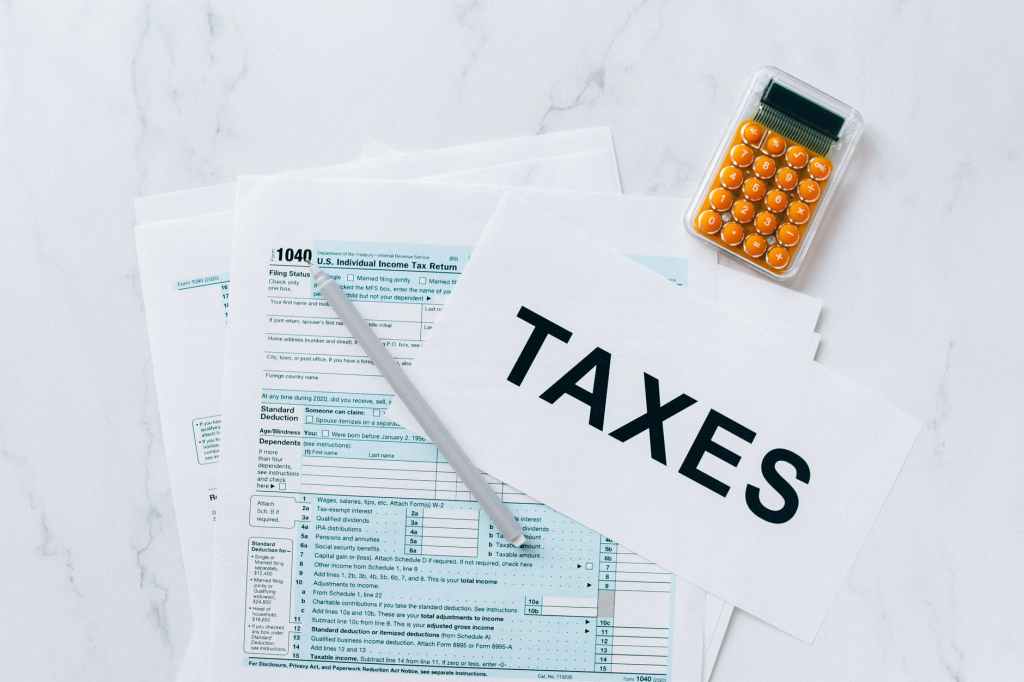
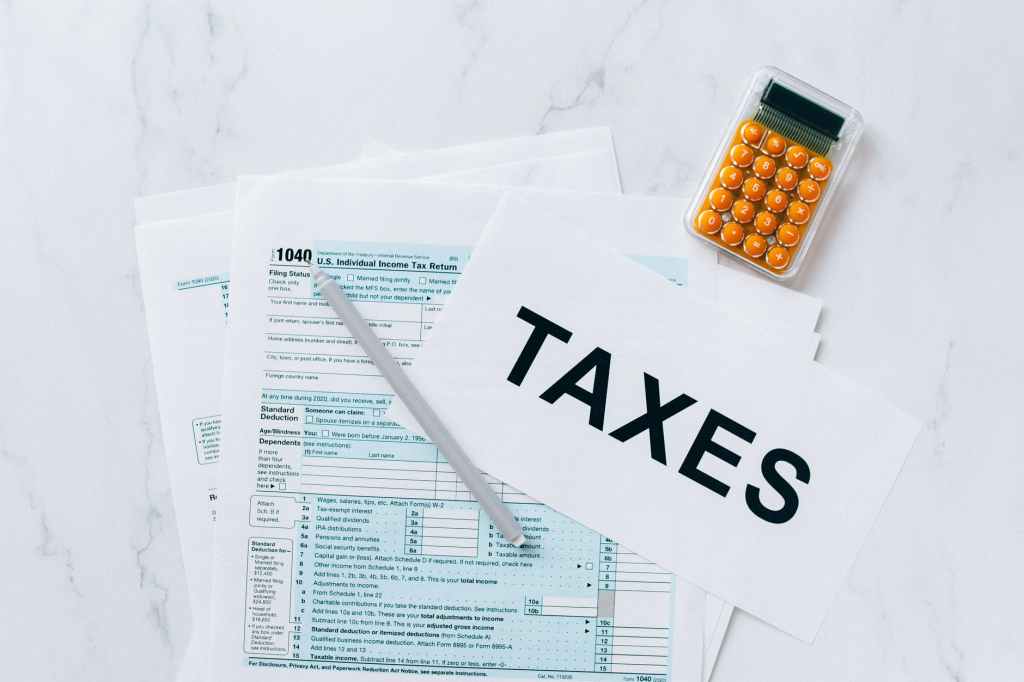
Council raises GST on low-cost footwear, garments to 12%

In its first physical meeting in two years, the GST Council on Friday effected several long-pending tweaks in tax rates including an increase in the GST levied on footwear costing less than ₹1,000 as well as readymade garments and fabrics to 12% from 5%.


The new rates on these products, a decision on which had been deferred by the Council over the past year owing to the pandemic’s impact on households, will come into effect from January 1, Finance Minister Nirmala Sitharaman said.

The Council approved a special composition scheme for brick kilns with a turnover threshold of ₹20 lakh, from April 1, 2022. Bricks would attract GST at the rate of 6% without input tax credits under the scheme, or 12% with input credits.

While this will please States like Uttar Pradesh that had sought a special scheme for brick kilns, a decision on extending such a scheme for other evasion-prone sectors like pan masala, gutkha and sand mining was put off.


The Council also decided to extend the concessional tax rates granted for COVID-19 medicines like Amphotericin B and Remdesivir till December 31, but similar sops offered by the Council at its last meeting in June for equipment like oxygen concentrators will expire on September 30.

The GST rate on seven more drugs useful for COVID-19 patients has been slashed till December 31 to 5% from 12%, including Itolizumab, Posaconazole and Favipiravir. The GST rate on Keytruda medicine for treatment of cancer has been reduced from 12% to 5%.

Life-saving drugs Zolgensma and Viltepso used in the treatment of spinal muscular atrophy, particularly for children, has been exempted from GST when imported for personal use. These medicines cost about ₹16 crore, Ms. Sitharaman said.

Food delivery tax shift:
The Council also decided to make food delivery apps like Swiggy and Zomato liable to collect and remit the taxes on food orders, as opposed to the current system where restaurants providing the food remit the tax.

Revenue Secretary Tarun Bajaj stressed this did not constitute a new or extra tax, just the tax that was payable by restaurants would now be paid by aggregators. Some restaurants were avoiding paying the GST even though it was billed to customers.

“The decision to make food aggregators pay tax on supplies made by restaurants from January 1, 2022, seems to have been done based on empirical data of under reporting by restaurants, despite having collected tax on supplies of food to customers,” said Mahesh Jaising, Partner, Deloitte India.

“The impact on the end consumer is expected to be neutral where the restaurant is a registered one. For those supplies from unregistered, there could be a 5% GST going forward,” he added.

Aircraft on lease:
The GST Council has exempted Integrated GST levied on import of aircraft on lease basis. This will help the aviation industry avoid double taxation, the Finance Minister said, and will also be granted for aircraft lessors who are located in Special Economic Zones.

Goods supplied at Indo-Bangladesh border haats have also been exempted from GST.

Council raises GST on low-cost footwear, garments to 12%

In its first physical meeting in two years, the GST Council on Friday effected several long-pending tweaks in tax rates including an increase in the GST levied on footwear costing less than ₹1,000 as well as readymade garments and fabrics to 12% from 5%.

The new rates on these products, a decision on which had been deferred by the Council over the past year owing to the pandemic’s impact on households, will come into effect from January 1, Finance Minister Nirmala Sitharaman said.

The Council approved a special composition scheme for brick kilns with a turnover threshold of ₹20 lakh, from April 1, 2022. Bricks would attract GST at the rate of 6% without input tax credits under the scheme, or 12% with input credits.

While this will please States like Uttar Pradesh that had sought a special scheme for brick kilns, a decision on extending such a scheme for other evasion-prone sectors like pan masala, gutkha and sand mining was put off.


The Council also decided to extend the concessional tax rates granted for COVID-19 medicines like Amphotericin B and Remdesivir till December 31, but similar sops offered by the Council at its last meeting in June for equipment like oxygen concentrators will expire on September 30.

The GST rate on seven more drugs useful for COVID-19 patients has been slashed till December 31 to 5% from 12%, including Itolizumab, Posaconazole and Favipiravir. The GST rate on Keytruda medicine for treatment of cancer has been reduced from 12% to 5%.

Life-saving drugs Zolgensma and Viltepso used in the treatment of spinal muscular atrophy, particularly for children, has been exempted from GST when imported for personal use. These medicines cost about ₹16 crore, Ms. Sitharaman said.

Food delivery tax shift
The Council also decided to make food delivery apps like Swiggy and Zomato liable to collect and remit the taxes on food orders, as opposed to the current system where restaurants providing the food remit the tax.

Revenue Secretary Tarun Bajaj stressed this did not constitute a new or extra tax, just the tax that was payable by restaurants would now be paid by aggregators. Some restaurants were avoiding paying the GST even though it was billed to customers.

“The decision to make food aggregators pay tax on supplies made by restaurants from January 1, 2022, seems to have been done based on empirical data of under reporting by restaurants, despite having collected tax on supplies of food to customers,” said Mahesh Jaising, Partner, Deloitte India.

“The impact on the end consumer is expected to be neutral where the restaurant is a registered one. For those supplies from unregistered, there could be a 5% GST going forward,” he added.

Aircraft on lease
The GST Council has exempted Integrated GST levied on import of aircraft on lease basis. This will help the aviation industry avoid double taxation, the Finance Minister said, and will also be granted for aircraft lessors who are located in Special Economic Zones.

Goods supplied at Indo-Bangladesh border haats have also been exempted from GST.

Written by: Ananya Kaushal

THE COBRA EFFECT

The economic term ‘The Cobra Effect’ was coined by German economist Horst Siebert. The Cobra Effect refers to a situation where in, an attempted well planned and intended solution given to any problem makes the problem worse. This leads to an unintended negative consequence. This term is used to illustrate the causes of incorrect solutions in economy and politics.

This term was coined with regards to a real situation that occurred in Colonial India. There was an alarming increase in the number of venomous cobras in the city of Delhi. The British government expressed their concern regarding this issue. The government planned to offer a sum to the public for killing the cobras. A large number of venomous snakes were captured and killed by people in order to earn the reward. This served as a very successful strategy initially. But, over a period of time, people began to trick the officials by breeding cobras, expanding their numbers and later killing them to continue getting the reward from the government. Ultimately, the government became well informed about the ill happenings in hunger for the reward. Hence, they scrapped this entire plan. After scrapping of the scheme, people were no more interested in capturing, breeding and killing cobras. Therefore, they set all their wild cobra population free in the city. This in turn, increased the population of venomous cobras in the city. Thus, a planned solution to the problem lead to the problem worsening.

A similar instance occurred in Hanoi, Vietnam during the French Colonial rule. The officials designed a scheme in which people would earn a bounty upon killing rats. In order to earn the cash reward, people had to kill a rat, chop off it’s tail and provide it to the responsible officials. Over a span of time, the government noticed rats wandering in places without tails. They were surprised on being aware of the fact that, rat catchers were collecting rats, chopping off their tails and later leaving them into sewers where breeding would take place. This produced a humongous number of rats. The idea of offering a bounty on exchange of dead rat tails failed miserably.

Airbus Airlines, formally suggested their design engineers to make it’s airplane cabins quieter to ensure a pleasant travel experience. The idea was executed and cabins were made more silent than usual. Instead of making the travel more peaceful, it worsened the travel experience of the passengers onboard. People could easily eavesdrop on other people’s conversations, could hear louder noises of food and beverage trollies rolling in the aisle, babies crying on board and restroom doors opening and shutting throughout the journey. This economic decision of Airbus did not succeed.

In 1989, Mexico proposed a plan of action called – ‘Hoy No Circula’ . According to this scheme, people were debarred from using their private vehicles from 5:00 a.m to 10:00 p.m depending on the last digit of their vehicle’s number plate. This was in context of odd and even numbers. The scheme was introduced to limit the number of vehicles on road which in turn would cut down release of pollutants in the atmosphere. Instead of abiding by the norms in a fair manner, people began purchasing two vehicles in the same household, one with an even number plate and another with an odd one. This particular scheme did not serve very fruitful in the longrun.

Perverse Incentive or better known as Cobra Effect may not always be an outcome of poorly planned modules or shortsighted decisions. It may cause due to unpredictable behaviors of the recipients. A strategy planned to curb anything may cause adverse outcomes when people find the same strategy rewarding. In such contrast outcome scenarios, planning authorities may either scrap the plan or re-design it in order to get constructive outcomes.

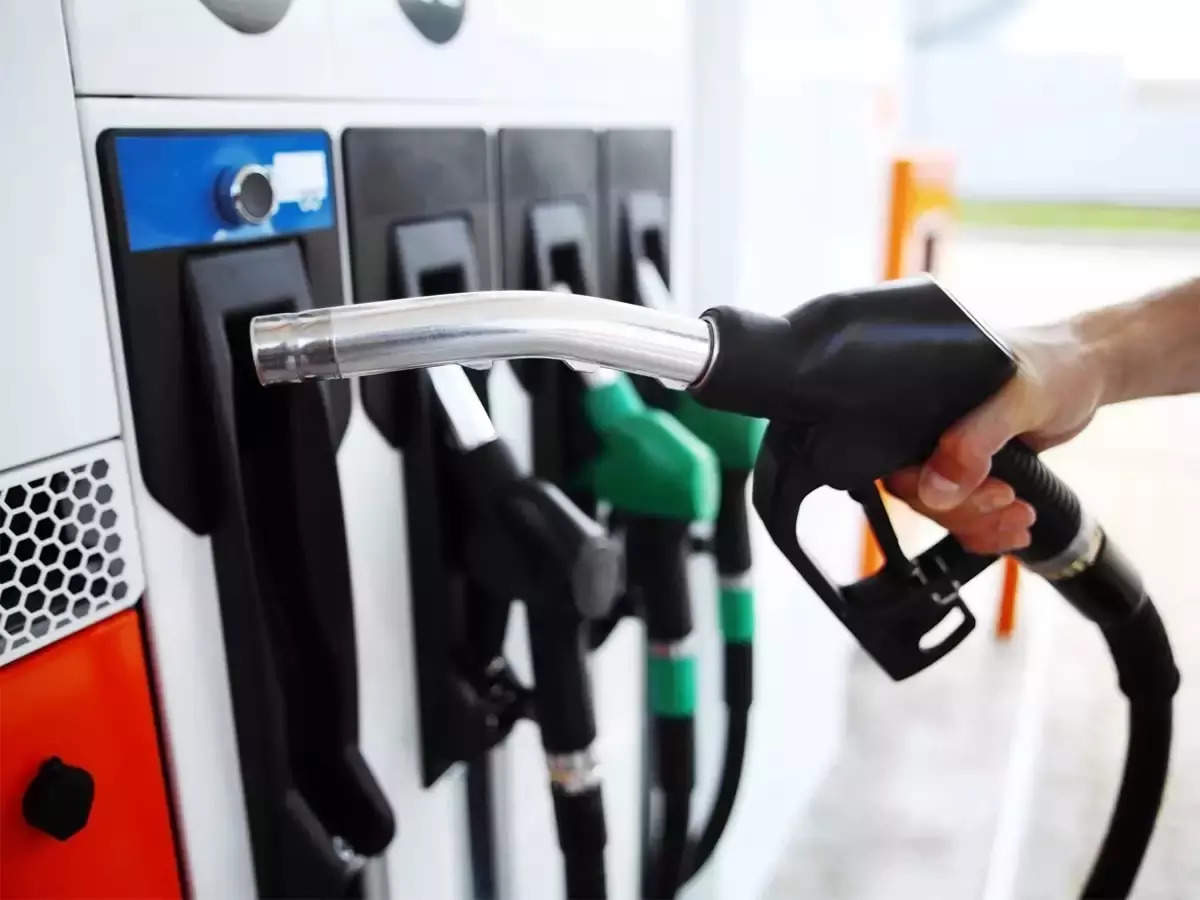
देश में आसमान छू रहा ईंधन का भाव !

देश में ईंधन की कीमतों में लगातार बढ़ोतरी देखने को मिल रही है। लागतार बढ़ रहा रेट थमने का नाम नहीं ले रहा, जिससे जनता काफी परेशान है। कच्चे तेल के दामों में जिस तरह से अंतरराष्ट्रीय बाजार में तेजी देखने को मिल रही है,वैसे ही घरेलू बाजार में पेट्रोल और डीजल के दाम भी आसमान छू रहा है। भारत में ईंधन की कीमतें रिकॉर्ड स्तर पर है।

5 अक्टूबर 2021 यानी कि मंगलवार को 1 दिन की स्थिरता के बाद भारतीय तेल कंपनियों ने डीजल और पेट्रोल के रेट में इजाफा कर दिया है। बात करें पेट्रोल की तो 25 पैसे प्रति लीटर एवं डीजल 30 पैसे प्रति लीटर और अधिक महंगा हुआ है। वहीं अक्टूबर में हरदिन भाव बढ़ता रहा है। अब तक केवल 1 दिन डीजल और पेट्रोल का रेट स्थिर रहा है।

इंडियन ऑयल कॉर्पोरेशन के मुताबिक़, ईंधन के दामों में वृद्धि के बाद दिल्ली में पेट्रोल की कीमत 102.64 रुपए प्रति लीटर एवं डीजल 91.07 रुपए प्रति लीटर तक पहुंच गया है। हालांकि,देश के चारों महानगरों की तुलना करें तो मुंबई में डीजल-पेट्रोल सबसे अधिक महंगा है। बता दें, जुलाई एवं अगस्त के महीने में कच्चे तेल के दामों में कुछ खास बदलाव नहीं आया था। इसलिए 18 जुलाई से 23 सितंबर तक तेल कंपनियों ने मूल्य वृद्धि नहीं की थी। इस दौरान पेट्रोल 0.65 और डीजल 1.25 की कीमतों में कटौती की गई थी। फिर अंतर्राष्ट्रीय बाजार में निरंतर बढ़ती कीमतों के कारण 28 सितंबर से पेट्रोल और 24 सितंबर से डीजल की कीमतों में बढ़ोतरी की गई है।

अंतरराष्ट्रीय बाजार में पेट्रोल और डीजल की कीमत क्रूड की कीमत के आधार पर प्रतिदिन अपडेट होती है। कीमतों की समीक्षा करने के बाद ऑयल मार्केटिंग कंपनियां रोज डीजल और पेट्रोल के दाम निर्धारित करती है।

अनन्या कौशल द्वारा संपादित।

प्रधान मंत्री ने पेश किया पीएम केयर्स फंड का नया संशोधन।

प्रधानमंत्री नरेंद्र मोदी ने कहा कि उनकी सरकार का उद्देश्य देश के हर जिले में कम से कम एक मेडिकल कॉलेज खोलना है। वह गुरुवार को अखिल भारतीय आयुर्विज्ञान संस्थान (एम्स) ऋषिकेश में 35 राज्यों को 35 प्रेशर स्विंग ऐडसोरप्सन(पीएसए) ऑक्सीजन संयंत्र समर्पित करने के लिए आयोजित एक समारोह में बोल रहे थे।

ये प्लांट पीएम केयर्स फंड के तहत स्थापित किए गए हैं। उन्होंने कहा कि कुछ साल पहले देश में बहुत कम एम्स थे लेकिन अब हर राज्य में एक एम्स खोलने का प्रयास किया जा रहा है।

उन्होंने कहा कि नवरात्रि पर्व के पहले दिन के अवसर पर उत्तराखंड आना उनके लिए सौभाग्य की बात है। पीएम ने कहा कि उन्होंने 20 साल पहले इसी तारीख को गुजरात के सीएम के रूप में शपथ ली थी और कहा कि इस यात्रा की शुरुआत उत्तराखंड के गठन के साथ हुई थी।

उन्होंने प्रसन्नता व्यक्त की कि जिस धरती से योग और आयुर्वेद जैसी जीवनदायिनी शक्तियों को बल मिला, उसी धरती से आज ऑक्सीजन प्लांट समर्पित किए जा रहे हैं। महामारी की अवधि के दौरान अपनी सरकार की उपलब्धियों की सराहना करते हुए, पीएम ने कहा कि महामारी से पहले सिर्फ एक परीक्षण प्रयोगशाला से लगभग 3,000 परीक्षण प्रयोगशालाओं का एक नेटवर्क बनाया गया था। उन्होंने कहा कि भारत ने दुनिया का सबसे बड़ा और सबसे तेज टीकाकरण अभियान लागू किया है।

उन्होंने कहा कि पहले देश में एक दिन में 900 मीट्रिक टन लिक्विड मेडिकल ऑक्सीजन का उत्पादन होता था, लेकिन जैसे-जैसे मांग बढ़ी, भारत ने मेडिकल ऑक्सीजन के उत्पादन में दस गुना से अधिक की वृद्धि की।

पीएम ने यह भी कहा कि कोविड -19 वैक्सीन की लगभग 93 करोड़ खुराक दी गई है और जल्द ही देश 100 करोड़ का आंकड़ा पार कर जाएगा।

पीएम ने कहा कि अब सरकार इस बात का इंतजार नहीं करती कि नागरिक अपनी समस्याएं लेकर उसके पास आएं और फिर कोई कदम उठाएं, लेकिन अब सरकार नागरिकों तक पहुंच रही है।

अनन्या कौशल द्वारा संपादित।

The Ultimate Guide to Cryptocurrency


Want to be
a crypto expert? Well, I have got your back. Cryptocurrency is something that
everyone wants to talk about. But only a few of them know. So, let’s discuss cryptocurrency.

                                                              (Photo: The Economic Times)

Since man
evolved, the currency has become a part of our lives. Before the caveman used
the “Barter System”. In the barter system, a commodity was exchanged
for another commodity. However, the barter system fell out as it had some
flaws. Then the modern currency as we know it came into existence. In 110 BC,
an official currency was minted. In 1250 AD, gold-plated florins were
introduced. And in 1600 AD – 1900 AD, the paper currency gained popularity.
This is how modern currency came into existence. There’s a centralized
regulatory authority to limit the modern currency. Now imagine the scenario of
doing an online transaction. This transaction takes place successfully but
there are several ways this could have gone wrong like a technical issue,
account hack, or the transfer limit must have exceeded. This is why the future
of currency lies with cryptocurrency. 

Imagine a
transaction between two people in the future. One of them has the bitcoin app
and there’s a notification asking whether they are ready to transfer 5
Bitcoins. If yes, then processing takes place. All of this happens in a matter
of seconds. This in return removes all the flaws of modern banking. There’s no
limit to the funds which you can transfer, your accounts cannot get hacked and
there’s no central point of failure.

So,
cryptocurrency is a digital or virtual currency that is secured by
cryptography, which makes it nearly impossible to counterfeit. There are
thousands of cryptocurrencies. Cryptocurrency is quite similar to any physical
currency, it’s just that it does not has any physical embodiment.

Features of
Cryptocurrency:

1. There’s
a limit to how many units can exist.

2. Easily
verifies the transfer of funds.

3.
Operating independently of a bank.

4. Working
in a decentralized manner.

5. Allows
new units to be added only after certain conditions are met.

So, what
makes cryptocurrency so special?

1. Little
to no transaction cost.

2. 24/7
access to money.

3. No
limits on purchases and withdrawals.

4. Freedom
for anyone to use.

5. International
transactions are faster.

What’s the
“CRYPTO” in cryptocurrency?

Crypto
refers to cryptography. It is a method of using encryption and decryption to
secure communication in the presence of third parties with ill intent.
Cryptography usually requires a computational algorithm (like SHA256), a public
key (that the user shares with everyone), and a private key (which acts as a
digital signature of the user).

Now let’s
talk about a normal bitcoin transaction. First, you have the transaction
details. Now, these details who you want to send to and how many bitcoins you
want to send. Then it’s passed through a hashing algorithm. For Bitcoin, we use
the SHA256 algorithm. The outcome which you get is passed through a signature
algorithm with the user’s private key. This is used to uniquely identify the
user. This output is then distributed across the network with the sender’s
public key. The people who verify the transaction to check whether it’s valid
or not are known as MINERS. Now after this is done, the transactions are added
to the blockchain where they cannot be changed again.

Now let’s
talk about the biggest cryptocurrency. Not every crypto coin is good. The top
two are Bitcoin and Ether. The similarities between these two are:

1. They are
the biggest and most valuable cryptocurrencies.

2. Both of
them use blockchain and mine currency using proof of work.

3. Widely
used across the globe.

The
differences between these two are:

1. Bitcoin
is used to send money to someone. Ether is used as a currency in the Ethereum
network.

2. Bitcoin
transactions are manual. Ether transactions are manual or automatic.

3. Bitcoin
is slow. It takes 10 minutes to perform a transaction. Whereas, Ether is fast.
It takes about 20 seconds to perform a transaction.

4. Bitcoin
is used as money for real-world transactions. Ether is used to power the
Ethereum network and power real-life transactions.

5. Bitcoin
is used for transactions involving goods and services. Ether uses blockchain to
create a ledger that triggers a transaction when a condition is met.

6. Bitcoin
uses an algorithm known as SHA256 for hashing. Ethereum uses the Ethash
algorithm for hashing.

How to
invest in cryptocurrency?

Everything
in life involves risk and so does crypto. One needs to have proper knowledge to
start investing. The first thing which we need to do is to find a crypto
exchange. We need to do a detailed background check. Some of the popular
exchanges in India are Wazir X, Coin DCX, and Coin Switch Kuber. The next step
is to create an account. Once it gets created, we need to deposit the amount to
buy bitcoins. Then pick a crypto coin. And then you can get started.

The Future
of Cryptocurrency

Before
people used to invest in gold and real estate. With time, the return decreased.
It was only after this when cryptocurrency started rising. This digital coin has
very fast gained popularity mainly because of the support from billionaire
tycoons like Elon Musk, Jack Dorsey, and Michael Novogratz. More and more
people are getting drawn towards it especially after the pandemic. It has
gotten so high after the COVID happened. Lots of countries printed trillions of
dollars. Investors have doubled their amount. However, cryptocurrency is
predicted to face a conflict between regulation and anonymity. Futurists
believe that by 2030, cryptocurrencies would occupy 25% of national currencies.
There have also been demands to classify Bitcoin as an asset class in India.
India is currently on the cusp of the next phase of the digital revolution. And
blockchain and cryptocurrency will be an integral part of it.


COVID'S IMPACT ON ECONOMY


IMPACT OF COVID-19 IN INDIAN ECONOMY

COVID’s IMPACT

The outbreak of COVID-19 became a challenge for the Indian economy due to the potential drop in GDP. However, the second wave was much more severe when compared to the first which made a downside risk to the economic activity due to National level lockdown.  Several segments like manufacturing, small scale, Information technology, small unions are lost in the pandemic. The supply chain management with the global economy along with the procurement was drastically affected.

The immensity of the impact is directly proportional to the health crisis and duration of the lockdown. In this the analysis had been done on the affected segments and the Government concentrations of lockdown to increase the capital expenditure and to implement the structured reforms as well.

CHANGES

There are several sectors which are impacted by the COVID-19 and the chances of their revival are not in the near future. Their profitability is continuously decreasing and fixed cost is intact. Like media and entertainment industry; all multiplexes are closed and people do not want to visit the multiplexes in the near future. Many organizations have taken loans from commercial banks and other financial institutions. They have to pay interest on the loan despite of poor financial position.

Increase in the income provisions for the supportive measures of the rural and urban population The productive way is to increase recovery rate by emergency approval of the foreign vaccines when the demand for the vaccines increases in India. The Government and the RBI need to keep interest rate low despite borrowing on policy basis. The Success of the borrowing program depends on RBI support, by providing indirect liquidity which is really big as this is pandemic. However, liquidity expansions have their own limits.

FORECOMING CHALLENGES

The sectors like construction, trade and transport, hotel, mining, quarrying sectors and some other services are having a strong base effect on the challenging recovery part. These kind of hard situation are monitored clearly and the demand for those kind of sectors are faltering due to the crisis which would become more aggressive and would be the most unavoidable once for the upcoming years. The country’s long term goal is affected badly and the performance needed to withhold by hard efforts for the further improved output.