Eduindex (www.eduindex.org) invites universities, colleges, institutes, and academic organizations to share their latest educational news, achievements, and campus events for publication on its widely read education news portal. Eduindex serves as a trusted digital platform dedicated to showcasing developments in higher education, research, innovation, and academic excellence from India and across the globe.
If your institution is actively engaged in academic, research, or community-oriented initiatives, this is an excellent opportunity to highlight your work, enhance institutional visibility, and reach students, scholars, policymakers, and education professionals.
🎓 What Kind of Educational News Can You Submit?
Eduindex welcomes authentic, informative, and institutionally verified news, including but not limited to:
Conferences, seminars, workshops, and webinars
Faculty Development Programs (FDPs) and training initiatives
Academic collaborations and MoUs
Research achievements, funded projects, and patents
Student achievements, competitions, and innovations
Convocation ceremonies and academic milestones
Social outreach, extension activities, and community engagement
New academic programs, departments, or infrastructure launches
Rankings, accreditations, and awards received
📝 Submission Guidelines (Important)
To ensure credibility and quality, contributors are requested to follow these guidelines carefully:
✅ 1. Official Email Requirement
The news must be sent from the official email ID of your university/college/institution (e.g., @university.ac.in, @college.edu, @institute.org)
Submissions from personal email IDs may not be considered.
Subject Line (Suggested): 👉 Educational News Submission – [Name of Institution]
🌟 Why Publish Your News on Eduindex?
📢 National and international visibility
🏫 Strengthens your institution’s digital presence
📚 Documents academic and research activities
🤝 Builds credibility among students, scholars, and collaborators
🌐 Permanent online record of institutional achievements
Eduindex acts as a bridge between institutions and the academic community, ensuring that meaningful educational initiatives receive the recognition they deserve.
📌 Call to Action
Universities and colleges are encouraged to regularly share their educational updates and become active contributors to Eduindex. By publishing your news, you contribute to a collective archive of academic progress and innovation.
📨 Send your educational news today from your official email along with at least one event photograph to: News@eduindex.org
Let your institution’s academic journey inspire the wider education community. 🎓✨
Bilingual books are one of the most effective tools for acquiring a new language naturally and enjoyably. By presenting the same story or content in two languages, bilingual books allow learners to compare vocabulary, grammar, and context instantly. This side-by-side structure helps language learners understand sentence construction and meaning without breaking the flow of reading. It’s a dynamic way to absorb a second language through meaningful exposure, not just memorization.
Advantages of Reading in Two Languages
Reading bilingual texts brings a number of unique benefits. It builds confidence by offering a safety net—the reader can always refer to their native language when they get stuck. This minimizes frustration and encourages more frequent and sustained reading.
It also deepens vocabulary knowledge and grammatical awareness, as readers actively compare expressions and sentence structures. Over time, this repeated exposure fosters greater fluency and an intuitive understanding of the new language’s flow and tone.
Language Learning for All Ages Through Bilingual Stories
Bilingual reading is a tool the whole family can enjoy, regardless of age or fluency level. Young children love interactive picture books with side-by-side text, while teens often prefer dual-language novels or comic books tailored to their interests.
Adults, whether learning alone or as a family, can explore bilingual versions of classics, biographies, or self-help books. Family reading time with bilingual texts can turn into an immersive experience, helping every member grow in language skills together.
Exploring the Diversity of Bilingual Book Formats
There are many types of bilingual books to suit various learning needs. Some books present full pages of each language side by side, while others alternate by paragraph, line, or sentence. Children’s editions often include illustrations, interactive features, or even sound buttons.
More advanced options include dual-language poetry collections or novels with footnotes explaining cultural references and idioms. Audiobooks that match the printed bilingual text are also great for improving pronunciation and listening comprehension.
How to Choose the Best Bilingual Book for You
Selecting the right bilingual book depends on the reader’s age, language level, and interests. Beginners may benefit from simple storylines, repetition, and visual aids. Intermediate and advanced learners should look for rich vocabulary and more complex themes.
Make sure the translation is accurate and culturally appropriate. Reading something you’re genuinely curious about—whether it’s fairy tales, mystery novels, or history—will keep you engaged and motivated to continue.
Building a Bilingual Reading Habit at Home
To make real progress, consistency is key. Set aside time daily or weekly to read bilingual books—whether before bed, during a quiet afternoon, or on the go. Reading aloud together strengthens pronunciation and comprehension, especially for children.
Encourage conversation about the story in both languages. Keep track of new words in a family notebook, and try reenacting scenes or writing your own bilingual mini-stories inspired by what you read.
Bilingual Books for Learning a Wide Range of Languages
Whether you’re learning Spanish, French, Mandarin, or a lesser-known language, there’s likely a bilingual book available. These books support learners at every stage and help bridge cultural gaps as well as linguistic ones.
For bilingual or multilingual households, they’re especially valuable in preserving a heritage language. Through relatable characters and familiar storylines, families can maintain language ties while discovering something new together.
The rising cost of higher education has put a strain on the finances of families across the nation, creating a barrier to accessing college for many students. Scholarships, especially those awarded during high school, can play a pivotal role in overcoming this barrier, offering students the chance to lessen the burden of tuition fees and other college-related expenses. Identifying and applying for scholarships early in one’s high school career can lead to significant financial relief down the line. Keep reading to uncover the vital steps and strategies that high school students can deploy to reduce college expenses through scholarships.
Understanding the Importance of High School Scholarships in College Funding
As tuition rates climb, the pursuit of high school scholarships has morphed into a crucial strategy for prospective college students. These scholarships can cover a portion or even the entirety of tuition costs, depending on the award’s value. They offer a form of financial aid that doesn’t require repayment, unlike student loans, making them a highly attractive option.
Furthermore, high school scholarships can diminish the need for part-time jobs during college, allowing students to focus more on their studies and extracurricular activities. They also serve as a recognizant of academic or personal achievement, bolstering a student’s resume and college applications. In some cases, the prestige associated with scholarships can pave the way for additional opportunities, such as internships or research positions.
Meritorious and need-based scholarships can have far-reaching implications for students from economically challenged backgrounds. They act as a leveling field, providing equal opportunities for quality education regardless of a family’s financial standing. Scholarships reward initiative and hard work, encouraging other students to strive for excellence in their academic endeavors. The early pursuit of scholarships for juniors in high school is an excellent first step on this rewarding journey.
Exploring Types of Scholarships Available to High School Students
High school students may be surprised by the diversity of scholarships accessible to them, each with its own set of criteria and benefits. Academic scholarships are among the most well-known, typically awarded based on exceptional grades, test scores, or other scholarly achievements. These can spring from schools, private organizations, or federal and state governments.
Athletic scholarships are another type, earmarked for students who excel in sports. Universities often offer such scholarships to recruit top talent to their athletic programs. Creative merits, such as those in arts, music, and writing, can also be recognized through scholarships, supporting students with specific talents and aspirations in these fields.
Community service scholarships reward students who have made significant contributions through volunteer work, signaling a commitment to civic engagement and leadership. Additionally, many organizations support scholarships aimed at minority groups, intending to cultivate diversity and equal opportunity in higher education environments.
Strategies for Successfully Applying to High School Scholarships
Securing scholarships requires a strategic approach that begins with thorough research and organization. Students should start by mapping out scholarships that align with their strengths, interests, and career goals. This targeted approach can increase the chances of success and avoid the wastage of effort on unlikely matches.
Preparation is the key to a strong scholarship application. Students should collate all necessary documents, such as transcripts, letters of recommendation, and personal statements, well in advance of deadlines. It’s also essential to tailor applications to reflect the values and objectives of the awarding body, showcasing a well-rounded candidate.
Essays are a critical component of many scholarship applications, giving students the platform to articulate their achievements, aspirations, and the impact the scholarship will have on their futures. These essays should be crafted with care, undergoing multiple drafts and revisions to refine their messaging and clarity.
How to Integrate Scholarship Hunting Into Your High School Education Plan
Integrating scholarship hunting into a student’s high school education plan calls for a proactive and well-organized approach. Students should start early, identifying potential scholarship opportunities as soon as possible, even as early as their freshman year. Keeping abreast of scholarship deadlines and requirements should become a regular part of their educational routine.
High school counselors can be invaluable resources in the scholarship search, helping to identify opportunities that fit a student’s profile. They can also provide guidance on the application process and offer support in preparing necessary documents or practicing for interviews.
Academics should remain a priority, but students should also seek experiences that could strengthen their scholarship applications. Participating in clubs, sports, volunteer work, or internships could provide personal growth and also material for compelling applications that resonate with scholarship committees.
Overall, scholarships can dramatically transform a student’s college experience, alleviating financial pressures and broadening opportunities for personal and academic growth. By understanding the types of scholarships available, adopting successful application strategies, and managing awards effectively, students can step confidently into adulthood, well-equipped to succeed.
Thumb sucking is a common behavior in young children, often starting as early as infancy. For many kids, thumb sucking provides a sense of comfort and security, helping them self-soothe during moments of stress or tiredness. While it’s generally a harmless habit in the early years, it can become a cause for concern if it continues well into later childhood. Understanding when to worry about thumb sucking and how to help your child break the habit is crucial for their overall well-being.
Thumb sucking is often a natural reflex in infants, starting even before birth. Many babies suck their thumbs while in the womb as a form of self-soothing. Once born, thumb sucking can continue as a way for babies and young children to comfort themselves when feeling upset, tired, or bored. For some children, thumb sucking may also serve as a self-soothing mechanism during sleep, providing them with a sense of security as they drift off.
While most children stop sucking their thumb on their own as they grow older and become more independent, some may continue the habit into their toddler and preschool years.
When Does Thumb Sucking Become a Concern?
For the majority of children, thumb sucking is a temporary phase that will naturally fade as they grow. However, for some children, thumb sucking persists longer than usual and can start to cause problems. Here are some signs that thumb sucking may be something to worry about:
1. Dental Problems
Thumb sucking can affect the development of your child’s teeth and mouth, especially if the habit continues after the age of 4 or 5. Prolonged thumb sucking can lead to dental issues, such as:
Misalignment of Teeth: Thumb sucking can cause the upper front teeth to protrude or become misaligned. This is particularly true if the thumb is pressed forcefully into the mouth over a prolonged period.
Bite Issues: A child who continues to suck their thumb may develop what is known as an “open bite” where their upper and lower teeth don’t meet properly when their mouth is closed. This can make it difficult for the child to chew and speak clearly.
Changes in the Roof of the Mouth: Prolonged thumb sucking can alter the shape of the roof of the mouth, causing it to become more narrow.
2. Speech Delays
If thumb sucking continues for a long time, it can affect the development of your child’s speech. The habit can interfere with normal tongue placement and lead to speech issues such as lisps or difficulty pronouncing certain sounds. If you notice any signs of speech delay or changes in the way your child is speaking, it might be worth considering the effects of thumb sucking.
3. Social Concerns
As children get older, they may begin to feel self-conscious about thumb sucking, especially if it continues past the age of 4 or 5. At this point, children may be exposed to peer pressure or may feel embarrassed about the habit. In some cases, thumb sucking can also cause teasing or bullying from other children, which can affect their self-esteem and social development.
How to Help Your Child Stop Thumb Sucking
If thumb sucking is causing concerns, it’s essential to approach the situation with patience and understanding. Here are some strategies that can help your child break the habit:
1. Positive Reinforcement
Encouraging your child with positive reinforcement is one of the most effective ways to help them stop sucking their thumb. Offer praise when your child goes a day without thumb sucking, or use a reward system such as a sticker chart. Avoid punishment or negative reinforcement, as this can create stress and may make the problem worse.
2. Gentle Reminders
Sometimes, children suck their thumb out of habit or without realizing it. Offering gentle reminders when you notice your child sucking their thumb can help them become more aware of the behavior. You might say something like, “Remember, no thumb sucking,” in a calm and non-critical tone. Over time, your child will begin to associate the reminder with the behavior.
3. Provide Alternatives for Comfort
If your child sucks their thumb to self-soothe, offering alternative comfort objects such as a soft blanket or a stuffed animal can help. Teaching your child relaxation techniques like deep breathing or listening to calming music may also reduce the need for thumb sucking during stressful situations.
4. Create a Comfortable Sleep Routine
Thumb sucking often occurs during sleep or naptime. Establishing a comforting bedtime routine can help your child feel secure without the need for thumb sucking. This might include reading a favorite bedtime story, listening to calming music, or having a special nightlight in their room.
5. Use a Thumb-Sucking Guard
In cases where the habit persists, a thumb-sucking guard or mitt can be a helpful tool. These devices are designed to make thumb sucking uncomfortable or difficult, encouraging your child to stop. However, it’s important to approach this method carefully, as it may cause frustration in some children. Always make sure to use positive reinforcement alongside this technique.
6. Consult a Pediatric Dentist
If your child’s thumb sucking has led to dental problems or is causing concern, it’s a good idea to consult a pediatric dentist in Oregon City. They can assess the impact of the habit on your child’s teeth and offer professional advice on how to address the issue. In some cases, a dentist might recommend a dental appliance to help prevent thumb sucking.
In Conclusion
Thumb sucking is a common and natural behavior for many young children, but when it persists beyond the typical age range, it can lead to dental, speech, and social concerns. The key to addressing thumb sucking is understanding when it becomes a problem and taking a gentle, supportive approach to help your child break the habit. With the right strategies, patience, and positive reinforcement, you can help your child move past thumb sucking and support their healthy development. If necessary, always consult a pediatric dentist or pediatrician for additional guidance.
The two-day Visitor’s Conference at Rashtrapati Bhavan concluded today.
The Conference deliberated on the themes – Flexibility in academic courses, Credit Sharing and Credit Transfer with multiple entry and exit options; Internationalisation efforts and collaboration; Translation Research and Innovation related to converting research or innovation into useful products and services; Effective student selection processes and respecting student choices in context of NEP; and Effective assessments and evaluation. The outcome of deliberations was presented before the President of India, Smt Droupadi Murmu.
In her concluding remarks, the President said that our national goal is to make India a developed country before the end of the first half of this century. To achieve this goal, all stakeholders of the educational institutions and students would have to move forward with a global mindset. Young students would make a more effective identity for themselves in the 21st century world with the strengthening of internationalisation efforts and collaborations. Availability of excellent education in our higher education institutions would decrease the tendency to study abroad. Our young talent would be better utilized in nation building.
The President said that India is moving towards becoming the third largest economy in the world. Being self-reliant is the hallmark of a truly developed, large and strong economy. Self-reliance based on research and innovation would strengthen our enterprises and economy. Such research and innovation should get every possible support. She highlighted that in developed economies, the academia-industry interface appears strong. Due to continuous exchange between the industry and higher education institutions, research work remains linked to the needs of the economy and society. She urged the heads of institutions of higher learning to make institutional efforts to have continuous discussions with senior people of industrial institutions in mutual interest. She said that this would benefit the teachers and students doing research work. She also told them that connecting the laboratories of educational institutions with local, regional, national and global needs should be their priority.
The President said that it is imperative and challenging to have an education system that is system-based and flexible according to the special talents and needs of the students. In this context, there is a need to remain constantly alert and active. Appropriate changes should continue to take place based on experience. Empowering students should be the objective of such changes.
The President said that a nation becomes strong and developed only on the strength of characterful, sensible and capable youth. In educational institutions, the character, prudence and capability of our young students are developed. She expressed confidence that the heads of institutions of higher learning would achieve the proud ideals of higher education and would present a bright future to the young children of Mother India.
Union Minister for Education Shri Dharmendra Pradhan, while addressing the gathering, expressed his gratitude to President Smt. Droupadi Murmu for her guidance and words of inspiration during the inauguration and the concluding session. He also expressed gratitude to academic leaders for their active participation and meaningful discussions at the Visitor’s Conference. He noted that their diverse perspectives and forward-thinking ideas had enriched the confluence and contributed to shaping a roadmap for the country’s bright future.
Highlighting the collective responsibility of shaping India’s education system, he emphasized that the swift and large-scale implementation of NEP 2020 should be a national mission.
Acknowledging the challenges ahead, he affirmed that with collective efforts, a shared vision, and strong commitment, the education system could be redefined, paving the way for a knowledge-driven, self-reliant Bharat on its journey to becoming a developed country by 2047.
He further underscored the significance of students as the most important stakeholders and the backbone of the education system.
Reiterating the vision of Prime Minister Shri Narendra Modi, he stressed the importance of prioritizing students’ interests by investing in their education, equipping them with the right skills, empowering them to dream big, and supporting them in achieving their aspirations—not merely as an academic obligation but as a duty toward the nation.
Union Minister of State for Education & Development of the North Eastern Region, Dr. Sukanta Majumdar presented the Vote of Thanks. Secretary, Department of Higher Education, Dr. Vineet Joshi presented the summary of the session. Shri Amit Khare, Advisor to the Prime Minister and Smt. Deepti Umashankar, Secretary to the President were also graced the occasion. Officials of the President’s house, Ministry of Education and Heads of Higher Education Institutes were also present at the event.
In addition to summing up the key takeaways of the five sessions, Dr. Joshi, in his speech, stated that the conference had served as a platform that brought together visionary leaders, educationists, and policymakers to deliberate on the future of higher education in India. He highlighted that the National Education Policy (NEP) 2020, which is a transformational reform rooted in ancient Indian principles, upholds the pursuit of knowledge (Gyan), wisdom (Pragyaa), and truth (Satya) as the highest human goals. He emphasized the five key pillars of NEP 2020, which are Learner-Centric Education, Digital Learning, Academic Research and Internationalization, Industry-Institute Collaboration, and Indian Knowledge Systems. The policy is aimed at creating a holistic, inclusive, high-quality, and accessible education ecosystem, he also added.
Session Summary:
Session 1:
The theme of the 1st Session was Flexibility in academic courses, Credit Sharing and Credit Transfer with multiple entry and exit options. The session summary was presented by Prof. Anand Bhalerao, Vice-Chancellor of the Central University of Rajasthan. He informed the key snippets of the deliberation, which were, The Need for Academic Flexibility; Credit Sharing and Transfer: A Pathway to Student Mobility; Global Best Practices as a Model for India; Multiple Entry and Exit Options Will Democratize Higher Education; and Challenges in implementation and the way forward. The Session also focused on areas of focus such as institutional readiness, Inter-university coordination, technology and infrastructure, Quality Control, and Regulatory Framework. He also informed the recommendations of the Panel which were strengthening policy and regulatory framework, building digital infrastructure for credit transfer, enhancing university collaboration and partnership, capacity building for faculty and administrators, ensuring student awareness and engagements and fostering industry collaboration and skill development.
Session 2:
The theme of the 2nd session was Internationalization efforts and collaborations and Prof. M. Jagadesh Kumar, Chairman, UGC, presented the summary. He highlighted the great potential that India has for the Internationalization of Education. Three kinds of Internationalization were discussed during the deliberation, which were encouraging Indian institutions to set up campuses outside India, the potential India has to attract international students and providing high-quality international education to Indian students in India. He especially highlighted how discussions were carried out on keeping Global South in focus. He also emphasized how Institutes can implement NEP2020, introducing the Indian Knowledge System to international students to present a unique opportunity.
Session 3:
The theme of the 3rd session was Translation Research and Innovatio. Prof. Govindan Rangarajan, Director, Indian Institute of Science (IISc) Bangalore, presented the session summary for this session. He highlighted a few challenges the HEIs face in translational research and innovation from Lab to Land. He showed the link between Science (Know-Why), Engineering (Know-How) and ‘Technology’ (Show-How). Emphasizing the importance of fundamental research, he listed the factors important for changing the faculty mindset (Publications to Products); not diluting fundamental research; link between Product patents and research papers; inspiring to solve local problems (society, industry); Translational research fellowships etc. The factors needed for building the necessary ecosystem; How to attract and partner with industry (Trust & Track record); were also discussed during the deliberation, he informed.
Session 4:
The theme of the 4th session was Effective student selection processes and respecting student choices in the context of NEP for which the session summary was presented by Prof. Manindra Agrawal, Director, IIT Kanpur.
Session 5
The theme of the 5th session was Effective Assessment & Evaluation for which the session summary was presented by Dr. K Radhakrishnan, Former Chairman, ISRO and Chairman, BoG IIT Kanpur. He elaborated on the context of the discussion, which was Technology, which is advancing exponentially and pervading (Including Pedagogy); Imperative for the multidisciplinary mind; Holistic Development of Students; Outcome-based education; and transforming the key Enablers, which are faculty, programme, and institutions. He elaborated on the facets of holistic development of studies, which include intellectual, aesthetic, social, physical, extracurricular Arts, Sports, emotional, ethical, and value-based education. He also elaborated on the discussion that took place on five dimensions of outcome-based education, which were Knowledge Acquisition (Recall); Application of Knowledge (Problem-Solving); Analytical Ability (Decipher Patterns, Trends, Critical Thinking); Synthesis (New Ideas from Multi-farious inputs); and Learning how to learn.
Click here to see the President’s speech in Hindi:
In her inaugural address, the President said that the level of development of any country is reflected in the quality of its education system. She told the heads of the institutions of higher learning that they have a crucial role in achieving the goal of establishing India as an important centre of the knowledge economy. She highlighted the need to pay a lot of attention to research along with education. She said that the Government of India has established the National Research Fund with a very good objective. She expressed confidence that institutions of higher learning would make good use of this important initiative and encourage research.
The President said that the ambition of our higher education community should be that researchers from our institutions get recognition at the world level, patents of our institutions can bring change in the world, and students from developed countries choose India as a preferred destination for higher education.
The President said that students from India enrich the world’s leading educational institutions and developed economies with their talent. She emphasised the need of making efforts to utilize their talent in our country. She stated that our national goal of establishing India as a Global Knowledge Super Power would be achieved only when the world community is eager to adopt the work being done in our laboratories.
The President said that many higher education institutions of our country have global brand value. The students of these institutions get big responsibilities in the best institutions and companies of the world. However, all our institutions should move ahead very fast. The leadership of heads of institutions of higher learning would be recognised by developing and utilising the immense talent of our large youth population.
The President said that along with excellence, social inclusion and sensitivity should also be an essential aspect of our education system. No economic, social, or psychological limitation of any kind should be a hindrance in getting higher education. She said that heads and teachers of institutions of higher learning should take care of young students, remove any insecurity from their minds and provide them moral and spiritual strength. She urged them to make every possible effort to provide counselling and inspiration to students and spread positive energy in the campuses.
The President said that our country has a rich tradition of scientific achievements. The branches and sub-branches of Indian knowledge and science have flourished in every region of the country. It would be very useful to rediscover the invaluable but extinct streams of knowledge and science by doing intense research. She stated that it is the responsibility of the higher education ecosystem to find ways to use such organically grown knowledge systems in today’s context.
The President said that educational institutions shape the future of the nation. Young students learn from the conduct of our policy makers, teachers, heads of institutions, and senior students. She expressed confidence that with their global thinking, the heads of higher learning institutions would prepare a generation of builders of a developed India.
During the inaugural session, the President presented the eighth Visitor’s Awards in the categories of Innovation, Research, and Technology Development.
The Visitor’s Award for Innovation was given to Prof Saripella Srikrishna, Banaras Hindu University, for developing Novel Indigenous Innovation in Quantum Technology to boost the National Green Hydrogen Mission.
The Visitor’s Award for Research in the field of Physical Sciences was conferred upon Prof Ashwini Kumar Nangia, University of Hyderabad, for his seminal research in the discovery and development of high bioavailability drugs and pharmaceuticals with enhanced efficacy at affordable cost.
The Visitor’s Award for Research in Biological Sciences was jointly presented to Prof Rina Chakrabarti, University of Delhi and Prof Raj Kumar, Central University of Punjab. Prof Chakrabarti has been conferred the Award for her research contributions to Sustainable Freshwater Aquaculture while Prof Raj Kumar has been presented the Award for his research contributions to exploring various cancer hallmarks and the development of synthetic anticancer lead molecules.
The Visitor’s Award for Technology Development was presented to Dr Venkateswarlu Chintala, Gati Shakti Vishwavidyalaya, for his research contributions to the petrol and diesel production at commercial scale from landfill municipal mixed plastic waste.
Tomorrow, the Conference will deliberate on issues such as – Flexibility in academic courses, Credit Sharing and Credit Transfer with multiple entry and exit options; Internationalisation efforts and collaboration; Translation Research and Innovation related to converting research or innovation into useful products and services; Effective student selection processes and respecting student choices in context of NEP; and Effective assessments and evaluation. The outcome of these deliberations will be presented before the President in the closing session of the Conference.
Shri Dharmendra Pradhan, while presenting the opening remarks, expressed his gratitude to the President, Smt. Droupadi Murmu, for guiding the academic fraternity with constant guidance, steady support, and visionary leadership. He also congratulated all the distinguished recipients of the 8th Visitor’s Awards.
Shri Pradhan mentioned that Smt. Droupadi Murmu’s leadership has always shown the way forward in breaking new ground in education, achieving national educational priorities, navigating the ever-evolving learning landscape, as well as taking significant strides toward making India the epicentre of knowledge, research, and innovation.
He urged the participants of the Conference to share their concerns, discuss best practices, and envision the future of higher education. He also highlighted that NEP 2020 stands at the heart of today’s discussions, a transformative blueprint reshaping the country’s education system.
The Minister urged everyone to create an ecosystem that empowers the youth, strengthens the workforce, and accelerates India’s journey toward Viksit Bharat 2047.
Expressing his gratitude to Prime Minister Shri Narendra Modi for his clarion call of Viksit Bharat by 2047, the Minister said the nation ought to be self-reliant, innovative, and knowledge-driven. Education must go beyond degrees; it must create thinkers, innovators, solution-givers, and job creators, for which the implementation of NEP 2020 in letter and spirit is essential, he noted. He emphasized the importance of rising above institutional silos to ensure that NEP 2020 translates into real and long-lasting impact.
He stressed the importance of working collaboratively and sharing best practices to optimize academic strength, strengthen policies, and execute them well with a real impact on the ground.
Showing his optimism, he said that academic institutions will emerge as the lighthouse of Viksit Bharat, anchoring the developmental journey in the Amrit Kaal and beyond. He also expressed confidence that the Visitor’s Conference will provide a clear roadmap for holistically transforming the education system, empowering the youth, strengthening the workforce, and establishing India’s higher education ecosystem as a global benchmark.
On the occasion of World Autism Awareness Day (April 2, 2025), the Ministry of Education, Government of India reaffirms its commitment to inclusive education by strengthening support systems for children with autism spectrum disorder in schools.
Through Block Resource Centres (BRCs), the government is ensuring that children with autism spectrum disorder (ASD) receive essential therapy services, specialized interventions, and learning support to help them reach their full potential.
Supported under the centrally sponsored scheme- Samagra Shiksha, the BRCs serve as dedicated resource centers, offering essential therapy-based interventions to support the physical, cognitive, and communicative needs of CwSN.
These include:
Occupational Therapy: Helps children develop fine motor skills, hand-eye coordination, and independence in daily activities.
Physiotherapy:Supports children with mobility challenges, improving posture, muscle strength, and physical coordination.
Speech and Communication Therapy: Supports children with delayed speech, difficulty in communication, or social interaction challenges, especially beneficial for children with autism.
Psychological & Behavioural Support: Provides emotional and behavioural counselling to enhance confidence, social interaction, and well-being.
BRCs are staffed with trained resource persons, special educators, and therapistswho work closely with parents, teachers, and caregivers to create personalized intervention plans for children.
These centres also organize regular screening camps, parent counselling sessions, orientation/teacher training programs, assistive devices, appropriate Teaching-Learning Material (TLM), and aids & appliances etc. to ensure a holistic approach to inclusive education.
As envisioned in the National Education Policy (NEP) 2020, the government is continuously strengthening these inclusive learning environments by integrating therapy services with classroom learning and ensuring accessible infrastructure, assistive devices, and digital learning solutions for CwSN across the country.
State and district education authorities are encouraged to maximize the utilization of Resource Centres and also collaborate with local health and social welfare departments to further expand support for children with diverse needs.
On this World Autism Awareness Day, the Ministry appeals to schools, educators, and parents to optimally utilise the services of BRCs for CwSN and also work together to promote awareness, acceptance, and meaningful inclusion of children with autism spectrum disorder.
Ministry of Education organised Post Budget Webinar on the theme ‘Investing in People’, today. The Prime Minister Shri Narendra Modi delivered a special address at the inaugural session. Union Education Minister Shri Dharmendra Pradhan along with Secretary, Department of School Education & Literacy (DoSEL), Shri Sanjay Kumar; UGC Chairman Professor M. Jagadesh Kumar ; Secretary, Dept. of Higher Education, Shri Vineet Joshi; Secretary, Ministry of Health and Family Welfare Smt. Punya Salila Srivastava; Secretary Labour & Employment Ms. Sumita Dawra participated in the session.
The webinar brought together experts from the government, industry, and academia to discuss key reforms in job creation, academic flexibility, credit mobility, and future-ready skills—paving the way for a highly skilled and globally competitive workforce in line with Viksit Bharat 2047.
Speaking about the webinar, Shri Pradhan said that investment is one of the engines outlined in the Union Budget 2025-2026 which will turbocharge our journey to Viksit Bharat by 2047. He further said that the insightful special address by the Prime Minister Shri Narendra Modi has put forth new ideas for realising aspirations, future-proofing our population, accelerating inclusive development and ensuring benefits of Union Budget reaches every citizen of the country.
He expressed his gratitude to the Prime Minister for drawing attention to the vast potential of ‘Education Tourism’ and its key role in facilitating employment-linked growth and development. The Minister assured that the academic community will engage in comprehensive deliberations to chart out a strong roadmap for moving ahead in this direction. He further said that, together, with the spirit of jan-bhagidari and right investment in right direction, academia and industry will work together for bridging skills gap, harnessing demographic dividend, leveraging AI in education, catalysing research landscape and strengthening deep-tech start-up ecosystem for a future-ready workforce, stronger economy and Viksit Bharat.
Prof M. Jagadesh Kumar opened the session by emphasizing the transformative role of higher education. He highlighted that the implementation of NEP 2020 provided a unique opportunity to reshape India’s higher education landscape. During the webinar, Prof M. Jagadesh Kumar, Chairman, UGC stated that the policy was not merely reformative but transformative, designed to empower youth with the skills, knowledge, and adaptability required to thrive in the 21st century. He stressed that investing in people through quality education, research, and innovation was central to building a self-reliant, inclusive, and globally competitive economy.
Shri Sanjay Kumar stated that education is fundamentally about investing in people. He acknowledged the broad perspective provided by the UGC Chairman on higher education and noted that the 2025-26 Budget included key announcements regarding the establishment of 50,000 Atal Tinkering Labs in government schools over the next five years and the provision of broadband internet connectivity to government schools in rural areas. He further highlighted a significant trend observed over the last decade, noting that the proportion of female teachers has increased. He mentioned that in 2014-15, male teachers comprised 52 percent of the total, while female teachers accounted for 48 percent. By 2025, these figures have reversed, with female teachers now making up 52 percent and male teachers 48 percent, reflecting a move towards greater gender parity in the education sector.
The discussions reinforced the need for strategic investments in human capital to ensure sustainable economic growth, social equity, and global leadership. The government remained committed to fostering a skilled workforce, ensuring India’s continued rise as an innovation and technology hub.
Prime Minister’s address the Post-Budget Webinar on boosting job creation- Investing in People, Economy, and Innovation
National Curriculum Framework (School Education) 2023 has strongly recommended the inclusion of environmental education as an inter-disciplinary area of study in the school education. Accordingly, Environmental Education has been an integral component of school education, which is evident from the existing curriculum for school education. Concepts and concerns related to environment have been infused appropriately in different subject disciplines at all stages of school education.
Topics related to Environmental Education in the existing science textbooks for classes VI to XII are provided in the following table:
Sl. No.
Class & Subject
Name of Chapter
1
Curiosity Textbook of Science, Grade 6
Diversity in the living world, Nature’s Treasures
2
VII Science
Forests: Our Lifeline
3
VII Science
Wastewater Story
4
VIII Science
Coal and Petroleum
5
VIII Science
Conservation of Plants and Animals
6
X Science
Our Environment
7
XII Biology
Organisms and Populations
8
XII Biology
Ecosystem
9
XII Biology
Biodiversity and Conservation
NCERT has also prepared supplementary materials for students and teachers related to environmental education. Some of the resource materials are provided below:
Sl. No.
Title of Resource Material
1
Project Books in Environmental Education for Classes VI to X (Hindi, English and Urdu version)
2
Water: Every Drop Counts (Activity book for Primary, Upper Primary and Secondary Stages) (Hindi and English)
3
Teachers’ Handbook in Environmental Education for the Higher Secondary Sage
The Department of Education in Science and Mathematics (DESM), NCERT organizes National Science Exhibition every year wherein the theme or sub-theme invariably includes environment component. This event provides opportunity to students to provide solutions for environmental problems—present and future in the form of exhibits/ models such as on waste management, conservation of resources, green technologies, etc. The DESM also organizes the Rashtriya Avishkar Saptah every year during which students in middle and secondary stages in different parts of the country participate in the event and perform experiments/ activities on the theme assigned for the year such as testing of water quality, soil quality, conservation of water, tree plantation etc. Such experiments/ activities promote learning-by-doing and at the same time develop environmental awareness amongst students.
The National Education Policy (NEP) 2020 emphasizes the critical importance of integrating environmental awareness and sustainability principles into school curricula. The Policy aims to sensitize students to environmental / climate change concerns and inculcate among students the values, attitudes, behaviour and skills essential to address environmental challenges, thus preparing them to contribute to a sustainable future.
In alignment with this vision, Eco Clubs serve as a critical platform within schools, providing students with the opportunity to develop practical skills and knowledge for the responsible use of natural resources. Through participation in activities such as optimizing water usage, minimizing waste generation, recycling, and conducting plantation drives, students learn sustainable practices that they can implement both within and beyond the school environment. Eco Clubs empower students to act as environmental ambassadors, extending their impact to their families and communities by promoting sound environmental behaviour, such as reducing single-use plastics, conserving water, and participating in eco-friendly initiatives. Through these engagements, students gain a profound understanding of the shared responsibility to preserve and protect our planet, thereby advancing NEP 2020’s objective of nurturing environmentally conscious citizens for a sustainable India. The activities of Eco Clubs have been integrated with Mission LiFE, leading to their renaming as “Eco Clubs for Mission LiFE.” All the activities of Eco Clubs have been aligned with the seven themes of Mission LiFE (Save Energy, Save Water, Say No to Single Use Plastic, Adopt Sustainable Food Systems, Reduce Waste, Adopt Healthy Lifestyles and Reduce E-waste).
The National Education Policy 2020 (NEP 2020) announced on 29.07.2020 is the first education policy of the 21st century and aims to address the many growing developmental imperatives of our country. The Policy proposes the revision and revamping of all aspects of the education structure, including its regulation and governance, to create a new system that is aligned with the aspirational goals of 21st century education, including SDG-4, while building upon India’s traditions and value systems.
NEP 2020 envisions an education system rooted in Indian ethos that contributes directly to transforming India, that is Bharat, sustainably into an equitable and vibrant knowledge society, by providing high-quality education to all, and thereby making India a global knowledge superpower. Towards this, a number of transformative changes have taken place both in school and higher education after announcement of National Education Policy (NEP 2020).
Further recognizing research as core requisite for better education in line with vision of NEP 2020 Anusandhan National Research Foundation has been established which aims to provide high-level strategic direction for research, innovation and entrepreneurship in the fields of natural sciences including mathematical sciences, engineering and technology, environmental and earth sciences, health and agriculture. It also seeks to promote scientific and technological interfaces of humanities and social sciences.
Ministry of Education has also been implementing various schemes to promote research and development in the Higher Educational Institutes of the Country which includes Prime Minister’s Research Fellowship scheme(PMRFs), Impacting Research Innovation and Technology (IMPRINT), Scheme for Trans-Disciplinary Research for India’s Developing Economy (STRIDE), Scheme for promotion of Research and Academic Collaboration (SPARC), National Initiative for Design Innovation (NIDI) and Scheme for Transformational and Advanced Research in Sciences (STARS). Also, PM-USHA aims at funding the State Government Universities and Colleges so as to improve the overall quality, including ‘Research Innovation and Quality Improvement’.
In pursuance to Para 60 of the Budget Announcement 2023-24 regarding “Centres of Excellence for Artificial Intelligence” for the vision of “Make AI in India and make AI work for India”, Government has approved three Centres of Excellence (CoE) in Artificial intelligence (Al), one each in the areas of health, agriculture and sustainable cities with a total financial outlay of Rs. 990.00 Cr over the period of FY 2023-24 to FY 2027-28. Further, a Centre of Excellence in Artificial Intelligence for Education with a total outlay of Rs. 500 crore has been included in the Budget Speech 2025-26.
Various schemes/projects/programmes of Ministry of Education have been aligned with NEP 2020 to realise the vision of making India a developed Nation by 2047.
The Department of School Education and Literacy is implementing an integrated centrally sponsored scheme for School education- Samagra Shiksha. The scheme treats school education holistically, without segmentation from pre-primary to class XII in alignment with the recommendations of the National Education Policy (NEP) 2020 and aims to ensure that all children have access to quality education with an equitable and inclusive classroom environment which should take care of their diverse background, multilingual needs, different academic abilities and make them active participants in the learning process.
Under Samagra Shiksha, financial assistance is provided to States and UTs for implementation of various provisions of Samagra Shiksha Scheme including free uniform to eligible children at elementary level, free textbooks at elementary level, reimbursement under RTE Act, various qualitative components development of primers/textbooks for tribal language, teaching learning materials, transport/escort facility up to secondary level, special training for age appropriate admission of out of school children and residential as well as non-residential training for older children, seasonal hostels / residential camps, special training centers, age-appropriate residential and non-residential training, support to Out of School Children (16 to 19 years) for completion of education through NIOS/SIOS, Holistic Progress Card, bilingual teaching material and books.
Further, financial assistance is also provided to the States and UTs for opening/strengthening of new schools upto senior secondary level, construction of school buildings & additional classrooms, development/strengthening of school infrastructure in northern border areas under Vibrant Village Programme, setting up, up-gradation and running of Kasturba Gandhi Balika Vidyalayas, setting up of Netaji Subhash Chandra Bose Avasiya Vidyalayas, construction of hostels for PVTGs under PM-JANMAN, construction of hostels under Dharti Aaba Janjatiya Gram Utkarsh Abhiyan for unsaturated ST population, strengthening of teacher education and strengthening of DIETs/BRCs/CRCs, provision of ICT and digital interventions.
Under the student-oriented component for the children with special needs, financial assistance is provided for identification and assessment of children with special needs, aids and appliances, braille kits and books, appropriate teaching learning material and stipend to girl students with disability etc. It also has provisions for creation of differently-abled friendly infrastructure such as ramps, ramps with handrails and differently-abled friendly toilets for barrier free access in schools. Further, to improve the identification of CwSN, the Government has introduced the Prashast App for early screening and identification of CwSN in regular schools. Teacher capacity building programs are being undertaken under NISHTHA in hybrid mode to train general teachers to address the learning needs of CwSN.
The New India Literacy Programme (NILP) popularly known as ULLAS – targets non-literates aged 15 years and above who have missed formal schooling and provide educational opportunities to them to make them literate. It is being implemented from FY 2022-23 to 2026-27. A dedicated ULLAS App has been created for registering learners and volunteer teachers. Till now, over 2.20 crore learners and more than 40 lakh volunteer teachers have registered on the app. The App also contains TLM in the form of ULLAS primers in all languages.
The Scheme supports creation and strengthening of infrastructure like, School buildings, Additional Classrooms, Toilets, Drinking Water, Ramp and Handrails, electrifications, Boundary wall, Science labs, Library Rooms, Computer Rooms, and Major Repairs works as per state requirements.
To bridge the gap between rural and urban areas in educational access, digital initiatives like ICT Labs, Smart Classrooms, PM e-Vidya including DIKSHA and SWAYAM PRABHA DTH-TV Channels are also being supported under the scheme.
The annual plans are prepared by the States and UTs as per their requirements/ priority including creation/ strengthening of infrastructure, support to teachers’ salary etc. and same is reflected in their respective Annual Work Plan and Budget (AWP&B) Proposals. These plans are then appraised and approved by the Project Approval Board (PAB) in the Department of School Education & Literacy in consultation with the States and UTs as per the programmatic and financial norms of the scheme and physical and financial progress of the State for the interventions approved earlier.
The CSIR-National Institute of Science Communication and Policy Research, New Delhi (CSIR-NIScPR), in collaboration with the CNRS- Department for Open Research Data, Open Science, Publications, Research Data and High Performance Computing, Paris (CNRS-DDOR), organized a two-day Indo-French Seminar on “Open Horizons: Integrating Open Access, Open Data, and Computational Innovation” on March 5-6, 2025 at CSIR-NIScPR, Satsang Vihar Campus, New Delhi-110067.
Glimpses of Indo-French Seminar
This significant seminar was organized to deliberate on how India and France are taking a stride towards open access, open data and open science; how digital technologies and Open Source platform offer great promise in implementing an information-driven approach to advance science, promote collaborations, increase transparency and utilize tools for partnerships between science and society. The seminar was attended by researchers, scientists, and policymakers from India and France; provided a unique opportunity for open access information sharing and networking opportunities.
The inaugural session was attended by esteemed dignitaries from India and France with Dr. Antoine Petit, Chairman and CEO, CNRS, France; Prof. Ranjana Aggarwal, Director, CSIR-NIScPR; Prof. Nitin Seth, Director, CEFIPRA; Dr. Srinivasa Reddy, Director, CSIR-IICTon the dais.
“We are delighted to organize this event with CNRS, France, to promote open science and research data sharing,” said Prof. Ranjana Aggarwal, Director, CSIR-NIScPR setting the tone for the conference. Describing the relevance of the event she said, “This seminar marks an important step towards fostering international collaboration and advancing sharing of scientific research for all sections of the society.” She also mentioned “One Nation One Subscription” initiative of Indian Government and its role in providing open access to larger number of stakeholders.
Prof. Nitin Seth, Director, Indo-French Centre for the Promotion of Advanced Research (CEFIPRA) recollected how they started with 1-2 calls annually to now with so many several dedicated partnerships in S&T between the two countries. He also shared his views about the expectations from this seminar. “Open access made scientific knowledge accessible, it brings a lot of opportunities”, Dr. Srinivasa Reddy, Director CSIR-IICT shared his thoughts in theinaugural session. He also mentioned the collaborations CEFIPRA has had with CSIR-IICT from last several years.
From the National Centre for Scientific Research (CNRS), Dr. Antoine Petit, Chairman and CEO; Dr. Sylvie Rousset, Senior Scientist & Head, Open Research Data Department (DDOR) gave a brief of CNRS and DDOR, its objectives functions and roles they are playing in making open access of articles and data, a norm in scientific research. Dr. Kasturi Mandal, CSIR-NIScPR and Dr. Sylvie Rousset, CNRS-DDOR provided the overview of the program of two days seminar like topics of discussions, and takeaways from the sessions.
The first session of the seminar was designed on theme “Policies for Open Access, Open science in France and in India” was, chaired by Prof. Vivek Kumar Singh, Senior Adviser, NITI Aayog, Govt. of India. Dr. Marin Dacos from the French Ministry of Higher Education and Research discussed the benefits of open science like increase in academic efficiency, reproducibility, prevention of duplication, and increasing citation. He also shared highlights of French open science policies in the country. Dr. Remya Haridasan from the PSA Office, Govt. of India, discussed flagship ‘One Nation One Subscription’ (ONOS) initiative in detail like why it was needed, the impact it has on science dissemination and the hurdles faced by the stakeholders during the implementation. The other speakers who shared their thoughts on open science and data includes Dr. Sylvie Rousset and Mr. Mukesh Pund Chief Scientist, CSIR-NIScPR.
The second session was based on topic “Open Access: A Diversity of Routes”. The session was chaired by Prof. Anirban Chakraborti, School of Computational and Integrative Sciences (SCIS), JNU, New Delhi. Dr. Bénédicte Kuntziger, CCSD, CNRS, during his talk said, “At CCSD, we promote open access through HAL, the French national open access repository, ensuring long-term, barrier-free access to publications. Notably, 167,751 full-text documents were deposited in 2024 alone, bringing the total to over 1.4 million full-text documents available through HAL as on January 2025”, he added. Dr. Françoise Rousseau, Couperin Consortium shared the model through which they negotiate with major science publishers to advance open science. Other speakers including Dr. Subbiah Arunachalam from DST-CPR, IISc Bangalore, presented an overview of open access in India, highlighting the country’s progress in promoting open access to research and Dr. Geetha Vani Rayasam, Head, CSIR-HRDG presented a perspective on open source and drug discovery, highlighting the potential of open source approaches in accelerating drug discovery and development.
The third session of day 1 was extension of session 2 under the theme “Open Access: A Diversity of Routes (Part II)”. Session was chaired by Dr. Laurence El Khouri from CNRS-DDO. The speakers including Dr. Lidia Borrell-Damian, Science Europe discussed the benefits of Diamond Action Plan which proposes to align and develop common resources for the entire Diamond OA ecosystem. Prof. Rajeswari Raina from Shiv Nadar University asked researchers and policy makers to think step ahead while saying it’s not about one scheme, one nation or one sector, we have to see the global aspects and thus need to set the horizons and limits of open access at global level. Dr. Raphael Tournoy from Episciences discussed the importance of Overlay Journals.
All the sessions of day 1 concluded with Q&A, where experts answered questions from the audience and shared their insights on the future of open science. This was followed by Felicitation of the guests and speakers of the event.
The second day of the India-France seminar on Open Science and Research Data concluded successfully, featuring insightful discussions and presentations on computational innovation, research evaluation, and open data sharing.The day’s proceedings began with a session on “R&D in Computational Innovation and Open Source Software,” chaired by Dr. Avinash Kshitij, Principal Scientist, CSIR-NIScPR. The speakers included- Prof. Roberto Di Cosmo, INRIA, who discussed the “Software Heritage initiative. Prof. P. K. Suri, Delhi Technological University, delivered a talk on “Data Standardization in Agricultural.Dr. Sridhar Gautam, ICAR-Indian Institute of Horticultural Research, spoke on “Advancing R&D with Open Source Software, Open Access, and Open Data”.Sh. G Mayli Muthu Kumaran Deputy Director General, National Informatics Center (NIC) discuss on the computational innovation and open source and elaborated on the initiative towards the R&D in computational innovation at NIC. This was followed by a session on “Reforming the Evaluation of Research,” which featured presentations from:Dr. Lidia Borrell-Damian, Science Europe, discussed “Reforming Research Assessment and CoARA Initiative”. Dr. Vinayak, Principal Scientist, CSIR-NIScPR spoke on “Some New Methods for Measuring Phases of Science.” Dr. Moumita Koley from IISc, Bengaluru, discussed on the topic “Rethinking Research Assessment: Building an Efficient and Innovative Research Ecosystem in India” and Dr. Nishy. P, CSIR-NIIST, spoke on “Open Source for Research Evaluation and Future Trends”.
The seminar also featured a session on “Open Data Sharing,” with presentations from Ms. AlkaMisra, Deputy Director General, NIC, who discussed the “Open Data sharing initiative of Govt. of India”. Dr. Marin Dacos, French Ministry of Higher Education and Research, presented “An ecosystem for sharing and opening research data” and Dr. Naresh Kumar, Chief Scientist, CSIR-NIScPR, presented his talk on “Sharing data in Science.
The seventh session of the seminarhaving a panel discussion on “Future for Open Science, Open Data, and Open Source,” featuring experts from various fields, including Dr. Sujit Bhattacharya; Dr. Laurence El Khouri, CNRS-DDOR; Dr. Roberto Di Cosmo, INRIA Software Heritage; Dr. Deepali Kuberkar, Tata Memorial Hospital; Dr. Kasturi Mandal, CSIR-NIScPR, New Delhi; Dr. Yogesh Dhoble, CSIR-IPU, New Delhi and Dr. Sandhiya Lakshmanan, CSIR-NIScPR.
The Indo-French Joint Seminar concluded with the valedictory session during which Dr. Naresh Kumar, Scientists, CSIR-NIScPR delivered the welcome address and highlights of the two-days intense deliberation on the Open Science, Open Source and Open Data in the R&D in Computational Innovation. Prof. Anirban Chakraborti from JNU address the need of balanced approach in moving towards the conduct of Open Science, Dr. Laurence and Dr Avinash Kshitij summarise the two-days deliberation amongst the 6 different topics, Mr.Mukesh Pund, CSIR-NIScPR shows his gratitude towards the Indian and French speakers, scholars, delegates and the all individuals involved in different roles during his address for Vote of Thanks.
About CSIR-NIScPR
The CSIR-National Institute of Science Communication and Policy Research (NIScPR) is a premier institute in India, engaged in science communication, STI based policy studies and research.
About CNRS
The French National Centre for Scientific Research (CNRS) is a government-funded research organization, dedicated to advancing scientific knowledge and innovation in France and globally.
International Women’s Day is celebrated around the world on 8th March. It is a day when women are recognized for their achievements across national, ethnic, linguistic, cultural, economic or political boundaries. The theme of International Women’s Day 2025 is “For ALL Women and Girls: Rights. Equality. Empowerment.” This year’s theme calls for action to unlock equal rights, power and opportunities for all and an inclusive future where no one is left behind. Central to this vision is empowering the next generation—youth, particularly young women and adolescent girls—as catalysts for lasting change.
Further, the year 2025 is a pivotal moment as it marks the 30th anniversary of the Beijing Declaration and Platform for Action. This document is the most progressive and widely endorsed blueprint for women’s and girls’ rights worldwide, transforming the women’s rights agenda in terms of legal protection, access to services, youth engagement, and change in social norms, stereotypes, and ideas stuck in the past.
In India, the government has been actively working towards women’s empowerment and gender equality through various policies, schemes, and legislative measures. The country is witnessing a transition from women’s development to women-led development, ensuring equal participation in national progress. Women are playing a crucial role in shaping India’s socio-economic landscape, breaking barriers in education, health, digital inclusion, and leadership roles.
On March 3, 2025, Prime Minister Narendra Modi encouraged women across India to share their inspiring life journeys on the NaMo App Open Forum ahead of International Women’s Day. He praised the remarkable stories already submitted, highlighting the resilience and achievements of women from different walks of life. As a special initiative, he announced that selected women would take over his social media accounts on March 8 to amplify their voices and experiences. This initiative aims to celebrate women’s contributions and inspire others by showcasing their journey of empowerment, perseverance, and success.
Constitutional and Legal Framework
The Indian Constitution guarantees gender equality through provisions in its Preamble, Fundamental Rights, and Directive Principles of State Policy. Article 14 ensures equality before the law, while Article 15 prohibits discrimination based on sex. Article 51(a)(e) encourages citizens to renounce practices derogatory to women’s dignity. The Directive Principles, particularly Articles 39 and 42, emphasize equal livelihood opportunities, equal pay, and maternity relief.
India is a signatory to international treaties such as:
Universal Declaration of Human Rights (1948)
International Covenant on Civil and Political Rights (ICCPR, 1966)
Convention on the Elimination of All Forms of Discrimination Against Women (CEDAW, 1979)
Beijing Declaration and Platform for Action (1995)
United Nations Convention Against Corruption (2003)
Agenda 2030 for Sustainable Development
Government Schemes for Women’s Upliftment
1. Education
Education is the key to women’s empowerment and economic independence. India has undertaken several initiatives to ensure that girls have equal access to quality education from primary schooling to higher education. Gender parity in education has improved significantly, with female enrolment surpassing male enrolment in recent years.
Right to Free and Compulsory Education Act, 2009 ensures schools are within reach for all children.
Beti Bachao Beti Padhao (BBBP): Focuses on improving the child sex ratio and promoting girls’ education.
Samagra Shiksha Abhiyan: Supports school infrastructure and girl-friendly facilities.
National Education Policy (NEP) 2020 prioritizes gender equity and inclusion in education.
Eklavya Model Residential Schools: Promote quality education for tribal girls
Female Gross Enrollment Ratio (GER) has overtaken Male GER since 2017-18.
Female enrolment in higher education: 2.07 crore (2021-22), which is nearly 50% of the total number 4.33 crore.
The female to 100 male faculty ratio has also improved to 77 in 2021-22 from 63 in 2014-15.
Women in STEM: 42.57% (41.9 lakh) of total STEM enrolment.
STEM Initiatives:
Vigyan Jyoti (2020) promotes STEM education for girls in underrepresented areas.
Overseas Fellowship Scheme supports women scientists in global research opportunities.
National Digital Library, SWAYAM, and SWAYAM PRABHA ensure access to online learning.
Over 10 lakh girl students benefitted under various scholarships for STEM fields.
Skill Development Initiatives:
Skill India Mission, Pradhan Mantri Kaushal Vikas Yojana (PMKVY), Women Industrial Training Institutes provide vocational and technical training to women.
Women Technology Parks (WTPs) serve as hubs for training and capacity building.
2. Health and Nutrition
Access to healthcare services is crucial for improving the well-being of women and reducing gender-based health disparities. The government has introduced several policies to ensure maternal and child health, nutrition, and medical support for women across all sections of society.
Pradhan Mantri Matru Vandana Yojana (PMMVY): Provides cash incentives to pregnant and lactating mothers, with ₹17,362 crore disbursed to 3.81 crore women, as of January 2025.
Improved Maternal Health:
Maternal Mortality Rate (MMR) reduced from 130 (2014-16) to 97 (2018-20) per lakh live births.
Under-5 Mortality Rate (U5MR) decreased from 43 (2015) to 32 (2020).
Life expectancy for women increased to 71.4 years (2016-20), expected to reach 74.7 years by 2031-36.
Nutrition and Sanitation:
Jal Jeevan Mission provided potable tap water to 15.4 crore households, reducing health risks.
Swachh Bharat Mission led to the construction of 11.8 crore toilets, improving sanitation and hygiene.
Poshan Abhiyaan: Strengthens maternal and child nutrition programs
Over 10.3 crore clean cooking gas connections distributed under the Ujjwala Yojana.
3. Economic Empowerment and Financial Inclusion
Women’s participation in the workforce is a key driver of economic growth. The government has launched multiple initiatives to promote financial independence, entrepreneurship, and employment opportunities for women.
Women’s participation in major household decisions: Increased from 84% (2015) to 88.7% (2020).
Financial Inclusion:
PM Jan Dhan Yojana: Over 30.46 crore accounts (55% belonging to women) opened.
Stand-Up India Scheme: 84% of loans under ₹10 lakh to ₹1 crore sanctioned to women entrepreneurs.
MUDRA Scheme: 69% of microloans given to women-led enterprises.
Self-Help Groups under NRLM: 10 crore (100 million) women connected to 9 million SHGs.
Bank Sakhis Model: 6,094 women banking correspondents processed transactions worth $40 million in 2020.
Employment and Leadership:
Women in Armed Forces: Entry into NDA, combat roles, and Sainik Schools.
Civil Aviation: India has over 15% women pilots, higher than the global average of 5%.
Working Women’s Hostels (Sakhi Niwas): 523 hostels benefiting 26,306 women.
Women Entrepreneurs in Startups: 10% of funds in the Small Industries Development Bank of India reserved for women-led startups
4. Digital and Technological Empowerment
In the digital era, access to technology and digital literacy are crucial for women’s socio-economic progress. The government has been proactive in ensuring women are part of the digital revolution through various initiatives.
Digital India Initiatives:
PMGDISHA (Prime Minister’s Digital Saksharta Abhiyan): 60 million rural citizens trained in digital literacy.
Common Service Centres (CSCs): 67,000 women entrepreneurs running digital service centers.
Ayushman Bharat Digital Mission (ABDM): Bridging healthcare accessibility through digital solutions.
SANKALP Hubs for Women Empowerment: Functioning in 742 districts across 35 States/UTs
Financial Technology and Inclusion:
Digital banking and Aadhaar-linked services ensure financial security for women.
Government e-marketplaces encourage female entrepreneurship and online businesses.
5. Safety and Protection
Ensuring women’s safety is a top priority for the Indian government. Several legislative measures, dedicated funds, and fast-track courts have been established to curb crimes against women and provide legal and institutional support.
Key Legal Frameworks:
Criminal Law (Amendment) Act, 2018: Enhanced penalties for crimes against women.
Protection of Women from Domestic Violence Act, 2005.
Sexual Harassment of Women at Workplace Act, 2013.
POCSO Act, 2012: Strengthened laws against child abuse.
Ban on Triple Talaq (2019): Criminalizing instant divorce practices.
Prohibition of Child Marriage Act, 2006: Protects minors from forced marriages.
Nirbhaya Fund Projects (₹11,298 crore allocated):
One Stop Centres (OSCs): 802 centers functional, assisting over 1 million women.
Emergency Response Support System (ERSS – 112): 38.34 crore calls handled.
Fast Track Special Courts (FTSCs): 750 operational courts, 408 exclusively for POCSO cases.
Cyber Crime Helpline (1930) and cyber forensic labs for digital safety.
Safe City Projects: Implemented in 8 cities to enhance women’s safety.
14,658 Women Help Desks in Police Stations, 13,743 headed by women.
Institutional and Legislative Reforms
Bharatiya Nyaya Sanhita (BNS), 2023: Strengthens provisions for gender justice.
Marital rape (for wives under 18) criminalized.
Enhanced punishment for sexual offenses and trafficking.
Witness protection and digital evidence admissibility improved.
Women’s representation in CAPFs: 33% reservation in select forces.
Nari Adalat: Piloted in 50 Gram Panchayats each in Assam and J&K, now expanding.
Conclusion
India has made remarkable progress in women’s empowerment through comprehensive policies, targeted schemes, and legal frameworks. From economic participation to safety, digital inclusion to education, the government’s initiatives have led to significant improvements in women’s lives. On this International Women’s Day, it is crucial to reaffirm the commitment to building an inclusive, gender-equal society where women play a central role in shaping the nation’s future. Sustained efforts in policy-making, community engagement, and digital inclusion will ensure that women continue to drive India’s growth story in the years to come.
The Department of Social Justice and Empowerment (DoSJE), Union Ministry of Social Justice and Empowerment, successfully inaugurated the first batch of the Rashtriya Karmayogi Jan Seva Programme. The initiative, launched by Capacity Building Commission, aims at fostering a stronger sense of Seva Bhav (spirit of service) among government officials who are solution oriented, compassionate, and citizen-focused.
The programme features four short training sessions (approximately 1.5 hours each), designed to encourage open discussions, teamwork, and practical problem-solving through service-oriented narratives. The Rashtriya Karmayogi Jan Seva Programme at the Department of Social Justice and Empowerment will go on from 5th to 11th March 2025 at Dr. Ambedkar International Centre, New Delhi.
The programme was inaugurated by Shri Amit Yadav, Secretary, DoSJE, who, in his address, emphasized the fundamental purpose of government service. He stated, “Many of us enter public service with a passion to make a difference. However, over time, daily routines and limited citizen interaction can make us lose sight of that purpose. This programme serves as a reminder of why we serve – to bring meaningful change in people’s lives. Every action taken by public servants contributes to the nation’s progress”.
Further, Shri Yadav highlighted the importance of personal development and self-fulfilment in public service. He emphasized that citizen interaction is at the heart of governance, and how officials engage with the public, address concerns, and resolve issues plays a pivotal role in effective administration. Speaking on the philosophy of the programme’s name, he added, “‘Karmayogi’ signifies our duty—towards our nation, our department, our citizens and ourselves. This initiative is an opportunity for every officer to develop leadership skills, adopt a solution-oriented approach, and embrace Seva Bhav in their roles.”
The training sessions are led by Master Trainers – Ms. Kajal Singh (Director) and Shri Puspendra Singh (Deputy Secretary), DoSJE, with support from Ms. Shipra Singh (Program Coordinator), Capacity Building Commission. The session witnessed active participation from attendees, who gained a deeper understanding of their roles and responsibilities within the Department of Social Justice and Empowerment and its critical contribution to nation-building. The Vision and Mission of the department were discussed.
Insights from the successful implementation of the nationwide welfare initiatives and campaigns were referenced while discussing the training modules, providing participants with practical, real-world context. Additionally, key aspects of the department’s role in policy formulation, grievance redressal, legal frameworks, and enhancing ease of access to social justice schemes were deliberated in alignment with the programme’s objectives. This approach enabled participants to connect the learnings of the programme with their day-to-day responsibilities.
*****
Daily writing prompt
Which animal would you compare yourself to and why?
The two-day Visitor’s Conference at Rashtrapati Bhavan concluded today.
The Conference deliberated on the themes – Flexibility in academic courses, Credit Sharing and Credit Transfer with multiple entry and exit options; Internationalisation efforts and collaboration; Translation Research and Innovation related to converting research or innovation into useful products and services; Effective student selection processes and respecting student choices in context of NEP; and Effective assessments and evaluation. The outcome of deliberations was presented before the President of India, Smt Droupadi Murmu.
In her concluding remarks, the President said that our national goal is to make India a developed country before the end of the first half of this century. To achieve this goal, all stakeholders of the educational institutions and students would have to move forward with a global mindset. Young students would make a more effective identity for themselves in the 21st century world with the strengthening of internationalisation efforts and collaborations. Availability of excellent education in our higher education institutions would decrease the tendency to study abroad. Our young talent would be better utilized in nation building.
The President said that India is moving towards becoming the third largest economy in the world. Being self-reliant is the hallmark of a truly developed, large and strong economy. Self-reliance based on research and innovation would strengthen our enterprises and economy. Such research and innovation should get every possible support. She highlighted that in developed economies, the academia-industry interface appears strong. Due to continuous exchange between the industry and higher education institutions, research work remains linked to the needs of the economy and society. She urged the heads of institutions of higher learning to make institutional efforts to have continuous discussions with senior people of industrial institutions in mutual interest. She said that this would benefit the teachers and students doing research work. She also told them that connecting the laboratories of educational institutions with local, regional, national and global needs should be their priority.
The President said that it is imperative and challenging to have an education system that is system-based and flexible according to the special talents and needs of the students. In this context, there is a need to remain constantly alert and active. Appropriate changes should continue to take place based on experience. Empowering students should be the objective of such changes.
The President said that a nation becomes strong and developed only on the strength of characterful, sensible and capable youth. In educational institutions, the character, prudence and capability of our young students are developed. She expressed confidence that the heads of institutions of higher learning would achieve the proud ideals of higher education and would present a bright future to the young children of Mother India.
Union Minister for Education Shri Dharmendra Pradhan, while addressing the gathering, expressed his gratitude to President Smt. Droupadi Murmu for her guidance and words of inspiration during the inauguration and the concluding session. He also expressed gratitude to academic leaders for their active participation and meaningful discussions at the Visitor’s Conference. He noted that their diverse perspectives and forward-thinking ideas had enriched the confluence and contributed to shaping a roadmap for the country’s bright future.
Highlighting the collective responsibility of shaping India’s education system, he emphasized that the swift and large-scale implementation of NEP 2020 should be a national mission.
Acknowledging the challenges ahead, he affirmed that with collective efforts, a shared vision, and strong commitment, the education system could be redefined, paving the way for a knowledge-driven, self-reliant Bharat on its journey to becoming a developed country by 2047.
He further underscored the significance of students as the most important stakeholders and the backbone of the education system.
Reiterating the vision of Prime Minister Shri Narendra Modi, he stressed the importance of prioritizing students’ interests by investing in their education, equipping them with the right skills, empowering them to dream big, and supporting them in achieving their aspirations—not merely as an academic obligation but as a duty toward the nation.
Union Minister of State for Education & Development of the North Eastern Region, Dr. Sukanta Majumdar presented the Vote of Thanks. Secretary, Department of Higher Education, Dr. Vineet Joshi presented the summary of the session. Shri Amit Khare, Advisor to the Prime Minister and Smt. Deepti Umashankar, Secretary to the President were also graced the occasion. Officials of the President’s house, Ministry of Education and Heads of Higher Education Institutes were also present at the event.
In addition to summing up the key takeaways of the five sessions, Dr. Joshi, in his speech, stated that the conference had served as a platform that brought together visionary leaders, educationists, and policymakers to deliberate on the future of higher education in India. He highlighted that the National Education Policy (NEP) 2020, which is a transformational reform rooted in ancient Indian principles, upholds the pursuit of knowledge (Gyan), wisdom (Pragyaa), and truth (Satya) as the highest human goals. He emphasized the five key pillars of NEP 2020, which are Learner-Centric Education, Digital Learning, Academic Research and Internationalization, Industry-Institute Collaboration, and Indian Knowledge Systems. The policy is aimed at creating a holistic, inclusive, high-quality, and accessible education ecosystem, he also added.
Session Summary:
Session 1:
The theme of the 1st Session was Flexibility in academic courses, Credit Sharing and Credit Transfer with multiple entry and exit options. The session summary was presented by Prof. Anand Bhalerao, Vice-Chancellor of the Central University of Rajasthan. He informed the key snippets of the deliberation, which were, The Need for Academic Flexibility; Credit Sharing and Transfer: A Pathway to Student Mobility; Global Best Practices as a Model for India; Multiple Entry and Exit Options Will Democratize Higher Education; and Challenges in implementation and the way forward. The Session also focused on areas of focus such as institutional readiness, Inter-university coordination, technology and infrastructure, Quality Control, and Regulatory Framework. He also informed the recommendations of the Panel which were strengthening policy and regulatory framework, building digital infrastructure for credit transfer, enhancing university collaboration and partnership, capacity building for faculty and administrators, ensuring student awareness and engagements and fostering industry collaboration and skill development.
Session 2:
The theme of the 2nd session was Internationalization efforts and collaborations and Prof. M. Jagadesh Kumar, Chairman, UGC, presented the summary. He highlighted the great potential that India has for the Internationalization of Education. Three kinds of Internationalization were discussed during the deliberation, which were encouraging Indian institutions to set up campuses outside India, the potential India has to attract international students and providing high-quality international education to Indian students in India. He especially highlighted how discussions were carried out on keeping Global South in focus. He also emphasized how Institutes can implement NEP2020, introducing the Indian Knowledge System to international students to present a unique opportunity.
Session 3:
The theme of the 3rd session was Translation Research and Innovatio. Prof. Govindan Rangarajan, Director, Indian Institute of Science (IISc) Bangalore, presented the session summary for this session. He highlighted a few challenges the HEIs face in translational research and innovation from Lab to Land. He showed the link between Science (Know-Why), Engineering (Know-How) and ‘Technology’ (Show-How). Emphasizing the importance of fundamental research, he listed the factors important for changing the faculty mindset (Publications to Products); not diluting fundamental research; link between Product patents and research papers; inspiring to solve local problems (society, industry); Translational research fellowships etc. The factors needed for building the necessary ecosystem; How to attract and partner with industry (Trust & Track record); were also discussed during the deliberation, he informed.
Session 4:
The theme of the 4th session was Effective student selection processes and respecting student choices in the context of NEP for which the session summary was presented by Prof. Manindra Agrawal, Director, IIT Kanpur.
Session 5
The theme of the 5th session was Effective Assessment & Evaluation for which the session summary was presented by Dr. K Radhakrishnan, Former Chairman, ISRO and Chairman, BoG IIT Kanpur. He elaborated on the context of the discussion, which was Technology, which is advancing exponentially and pervading (Including Pedagogy); Imperative for the multidisciplinary mind; Holistic Development of Students; Outcome-based education; and transforming the key Enablers, which are faculty, programme, and institutions. He elaborated on the facets of holistic development of studies, which include intellectual, aesthetic, social, physical, extracurricular Arts, Sports, emotional, ethical, and value-based education. He also elaborated on the discussion that took place on five dimensions of outcome-based education, which were Knowledge Acquisition (Recall); Application of Knowledge (Problem-Solving); Analytical Ability (Decipher Patterns, Trends, Critical Thinking); Synthesis (New Ideas from Multi-farious inputs); and Learning how to learn.
Click here to see the President’s speech in Hindi:









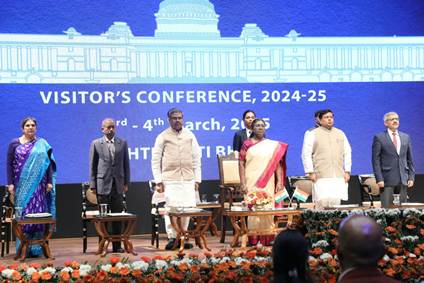
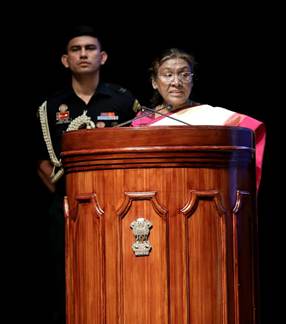


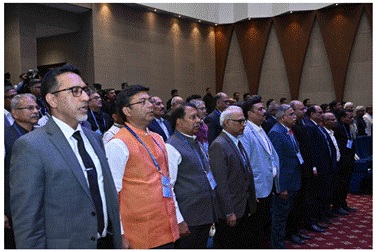
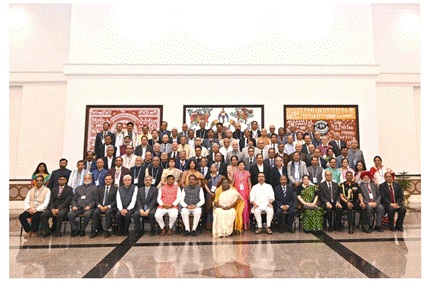
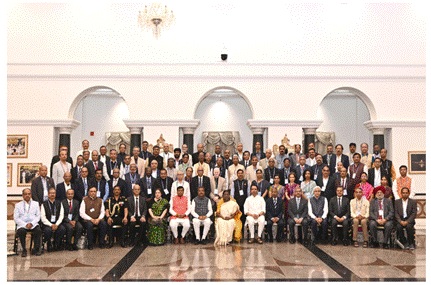


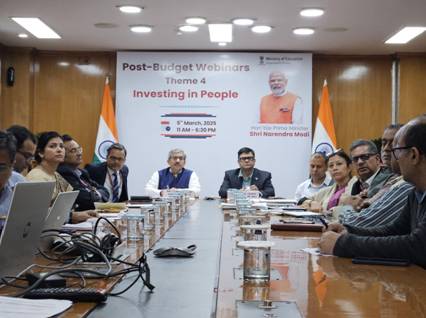
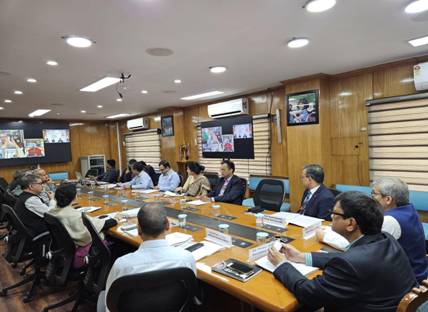


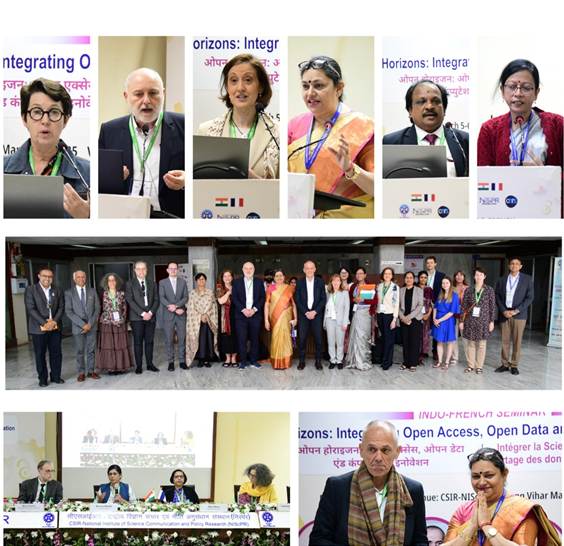
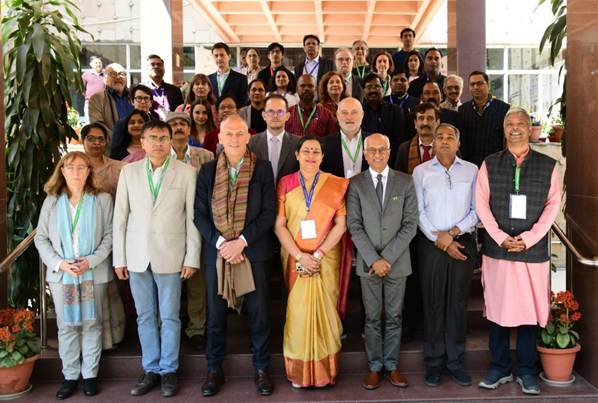
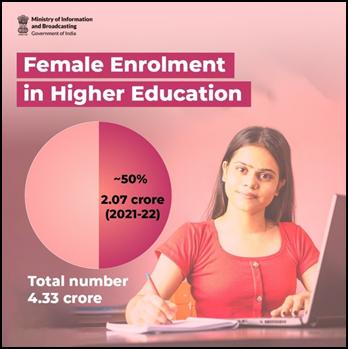
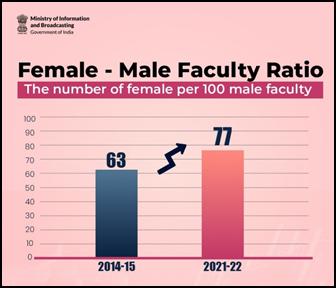
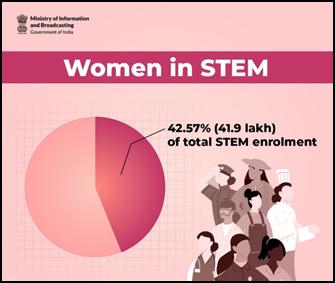
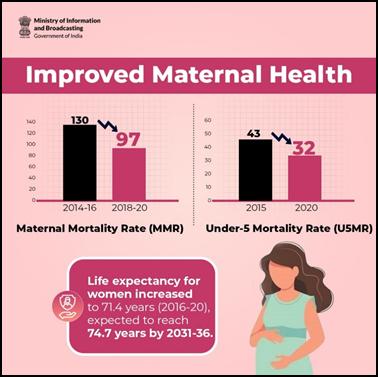


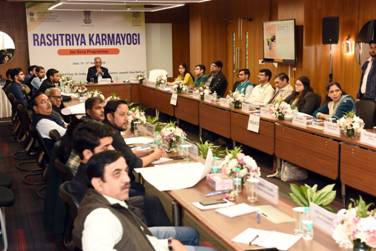
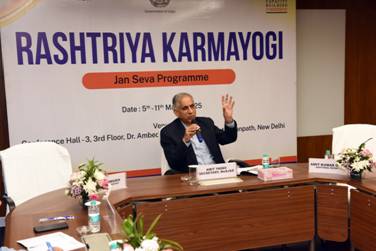


 Eduindex News
You must be logged in to post a comment.