What is Dyslexia? – Student's Problems

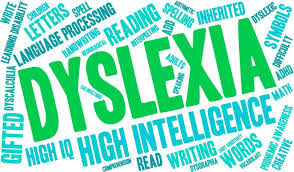
Hello Friends !.. . Take a moment to read the following. How was that? Frustrating? Slow? What were those sentences about? They’re actually a simulation of the experience of dyslexia, designed to make you decode each word. Those with dyslexia experience that laborious pace every time they read. When most people think of dyslexia, they think of seeing letters and words backwards, like seeing “b” as “d” and vice versa, or they might think people with dyslexia see “saw” as “was”. The truth is people with dyslexia see things the same way as everyone else. 

Dyslexia is caused by a phonological processing problem, meaning people affected by it have trouble not with seeing language but with manipulating it. For example, if you heard the word cat and then someone asked you, “Remove the ‘c’,” what word would you have left? At. This can be difficult for those with dyslexia. Given a word in isolation, like fantastic, students with dyslexia need to break the word into parts to read it: fan, tas, tic. Time spent decoding makes it hard to keep up with peers and gain sufficient comprehension. Spelling words phonetically, like s-t-i-k for stick and f-r-e-n-s for friends is also common. These difficulties are more widespread and varied than commonly imagined. Dyslexia affects up to one in five people. It occurs on a continuum.

One person might have mild dyslexia while the next person has a profound case of it. Dyslexia also runs in families. It’s common to see one family member who has trouble spelling while another family member has severe difficulty decoding even one syllable words, like catch. The continuum and distribution of dyslexia suggests a broader principle to bear in mind as we look at how the brains of those with dyslexia process language. 

Neurodiversity is the idea that because all our brains show differences in structure and function, we shouldn’t be so quick to label every deviation from “the norm” as a pathological disorder or dismiss people living with these variations as “defective.” People with neurobiological variations like dyslexia, including such creative and inventive individuals as Picasso, Muhammad Ali, Whoopi Goldberg, Steven Spielberg, and Cher, clearly have every capacity to be brilliant and successful in life. So, here’s the special way the brains of those with dyslexia work. 

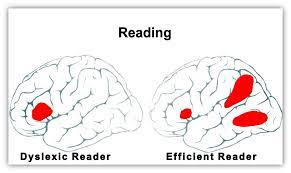
The brain is divided into two hemispheres. The left hemisphere is generally in charge of language and, ultimately, reading, while the right typically handles spatial activities. fMRI studies have found that the brains of those with dyslexia rely more on the right hemisphere and frontal lobe than the brains of those without it. This means, when they read a word, it takes a longer trip through their brain and can get delayed in the frontal lobe. Because of this neurobiological glitch, they read with more difficulty.’

 But those with dyslexia can physically change their brain and improve their reading with an intensive, multi-sensory intervention that breaks the language down and teaches the reader to decode based on syllable types and spelling rules. The brains of those with dyslexia begin using the left hemisphere more efficiently while reading, and their reading improves. 

The intervention works because it locates dyslexia appropriately as a functional variation in the brain, which, naturally, shows all sorts of variations from one person to another. Neurodiversity emphasizes this spectrum of brain function in all humans and suggests that to better understand the perspectives of those around us, we should try not only to see the world through their eyes but understand it through their brains.

What is Dyslexia? – Student's Problems

Hello Friends !.. . Take a moment to read the following. How was that? Frustrating? Slow? What were those sentences about? They’re actually a simulation of the experience of dyslexia, designed to make you decode each word. Those with dyslexia experience that laborious pace every time they read. When most people think of dyslexia, they think of seeing letters and words backwards, like seeing “b” as “d” and vice versa, or they might think people with dyslexia see “saw” as “was”. The truth is people with dyslexia see things the same way as everyone else. 

Dyslexia is caused by a phonological processing problem, meaning people affected by it have trouble not with seeing language but with manipulating it. For example, if you heard the word cat and then someone asked you, “Remove the ‘c’,” what word would you have left? At. This can be difficult for those with dyslexia. Given a word in isolation, like fantastic, students with dyslexia need to break the word into parts to read it: fan, tas, tic. Time spent decoding makes it hard to keep up with peers and gain sufficient comprehension. Spelling words phonetically, like s-t-i-k for stick and f-r-e-n-s for friends is also common. These difficulties are more widespread and varied than commonly imagined. Dyslexia affects up to one in five people. It occurs on a continuum.

One person might have mild dyslexia while the next person has a profound case of it. Dyslexia also runs in families. It’s common to see one family member who has trouble spelling while another family member has severe difficulty decoding even one syllable words, like catch. The continuum and distribution of dyslexia suggests a broader principle to bear in mind as we look at how the brains of those with dyslexia process language. 

Neurodiversity is the idea that because all our brains show differences in structure and function, we shouldn’t be so quick to label every deviation from “the norm” as a pathological disorder or dismiss people living with these variations as “defective.” People with neurobiological variations like dyslexia, including such creative and inventive individuals as Picasso, Muhammad Ali, Whoopi Goldberg, Steven Spielberg, and Cher, clearly have every capacity to be brilliant and successful in life. So, here’s the special way the brains of those with dyslexia work. 

The brain is divided into two hemispheres. The left hemisphere is generally in charge of language and, ultimately, reading, while the right typically handles spatial activities. fMRI studies have found that the brains of those with dyslexia rely more on the right hemisphere and frontal lobe than the brains of those without it. This means, when they read a word, it takes a longer trip through their brain and can get delayed in the frontal lobe. Because of this neurobiological glitch, they read with more difficulty.’

 But those with dyslexia can physically change their brain and improve their reading with an intensive, multi-sensory intervention that breaks the language down and teaches the reader to decode based on syllable types and spelling rules. The brains of those with dyslexia begin using the left hemisphere more efficiently while reading, and their reading improves. 

The intervention works because it locates dyslexia appropriately as a functional variation in the brain, which, naturally, shows all sorts of variations from one person to another. Neurodiversity emphasizes this spectrum of brain function in all humans and suggests that to better understand the perspectives of those around us, we should try not only to see the world through their eyes but understand it through their brains.

What is Dyslexia? – Student's Problems

Hello Friends !.. . Take a moment to read the following. How was that? Frustrating? Slow? What were those sentences about? They’re actually a simulation of the experience of dyslexia, designed to make you decode each word. Those with dyslexia experience that laborious pace every time they read. When most people think of dyslexia, they think of seeing letters and words backwards, like seeing “b” as “d” and vice versa, or they might think people with dyslexia see “saw” as “was”. The truth is people with dyslexia see things the same way as everyone else. 

Dyslexia is caused by a phonological processing problem, meaning people affected by it have trouble not with seeing language but with manipulating it. For example, if you heard the word cat and then someone asked you, “Remove the ‘c’,” what word would you have left? At. This can be difficult for those with dyslexia. Given a word in isolation, like fantastic, students with dyslexia need to break the word into parts to read it: fan, tas, tic. Time spent decoding makes it hard to keep up with peers and gain sufficient comprehension. Spelling words phonetically, like s-t-i-k for stick and f-r-e-n-s for friends is also common. These difficulties are more widespread and varied than commonly imagined. Dyslexia affects up to one in five people. It occurs on a continuum.

One person might have mild dyslexia while the next person has a profound case of it. Dyslexia also runs in families. It’s common to see one family member who has trouble spelling while another family member has severe difficulty decoding even one syllable words, like catch. The continuum and distribution of dyslexia suggests a broader principle to bear in mind as we look at how the brains of those with dyslexia process language. 

Neurodiversity is the idea that because all our brains show differences in structure and function, we shouldn’t be so quick to label every deviation from “the norm” as a pathological disorder or dismiss people living with these variations as “defective.” People with neurobiological variations like dyslexia, including such creative and inventive individuals as Picasso, Muhammad Ali, Whoopi Goldberg, Steven Spielberg, and Cher, clearly have every capacity to be brilliant and successful in life. So, here’s the special way the brains of those with dyslexia work. 

The brain is divided into two hemispheres. The left hemisphere is generally in charge of language and, ultimately, reading, while the right typically handles spatial activities. fMRI studies have found that the brains of those with dyslexia rely more on the right hemisphere and frontal lobe than the brains of those without it. This means, when they read a word, it takes a longer trip through their brain and can get delayed in the frontal lobe. Because of this neurobiological glitch, they read with more difficulty.’

 But those with dyslexia can physically change their brain and improve their reading with an intensive, multi-sensory intervention that breaks the language down and teaches the reader to decode based on syllable types and spelling rules. The brains of those with dyslexia begin using the left hemisphere more efficiently while reading, and their reading improves. 

The intervention works because it locates dyslexia appropriately as a functional variation in the brain, which, naturally, shows all sorts of variations from one person to another. Neurodiversity emphasizes this spectrum of brain function in all humans and suggests that to better understand the perspectives of those around us, we should try not only to see the world through their eyes but understand it through their brains.

Overpopulation – The Human Explosion

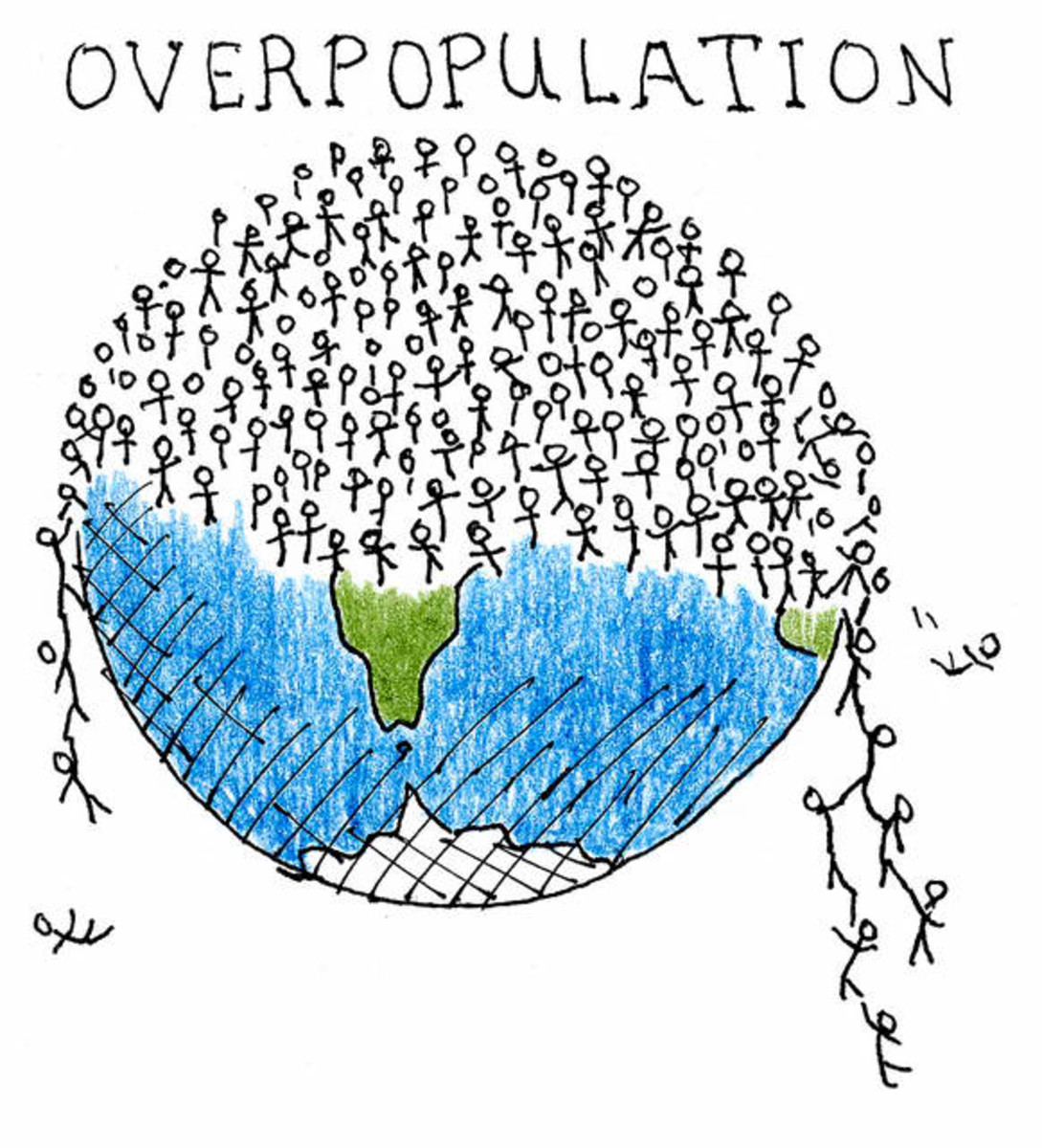
Never before in history, have there been so many people on Earth as right now. Our numbers have skyrocketed, from 1 billion in 1800, to 2.3 billion in 1940, 3.7 billion in 1970, and 7.4 billion in 2016. The world population increased fourfold in the last century, so what can we expect for the next century? And what does population growth mean for our future? Will there be mass-migration? Overcrowded slums and megacities covering continents? Diseases and pollution? Chaos and violence over energy, water, and food? And a human species focused only on sustaining itself? Will population growth destroy our way of life? Or is this prophecy just ungrounded panic? In the 1960s population growth reached an unprecedented rate. Which lead to apocalyptic prophecies. 

The poor would pro-create endlessly and overrun the developed world. The legend of overpopulation was born. But it turns out high birth rates and the population explosion are not permanent features of some cultures or countries, But rather a part of a four step process the whole world is going through, The demographic transition. Most developed countries have already made the transition, while other countries are doing it right now. Let’s go back to the 18th century, when the entire world, including Europe, was in the first stage of the demographic transition. By today’s standards, Europe was worse off, than a developing region, suffering from poor sanitation, poor diets, and poor medicine. 

A lot of people were born, but lots of them died just as fast, so the population hardly grew. Women had between 4 and 6 children, but only 2 of them would reach adulthood. Then the industrial revolution happened in the UK and bought the greatest change in human living conditions since the agricultural revolution. People went from being peasants to workers. Manufactured goods were mass produced and became widely available. The sciences flourished and advanced transportation, communication, and medicine. The role of women in society shifted and created the conditions for their emancipation. Slowly this economic progress not only formed a middle class, but also raised standards of living and health care for the poor working population. The second transition stage started. 

Better food supplies, hygiene and medicine, meant people stopped dying all the time, especially so, at a very young age. The result was a population explosion. Doubling the UK’s population between 1750 and 1850. The main reasons families used to have lots of children was that only a few of them were likely to survive. Now that had changed, so the third stage of transition was set in motion. Fewer babies were conceived, and population growth slowed down. Eventually a balance emerged, fewer people were dying and fewer children were born, so the death rate and birth rate became stable. 

Britain had reached the fourth stage of the demographic transition. This didn’t only happen in the UK, more and more countries went through the four stages. First, many births and many deaths due to bad living conditions. Second, better living conditions leading to fewer deaths and a population explosion. Third, fewer deaths resulting in fewer births, and population growth came to an end. But if birth rates have dropped so much, why is the population still growing so fast? Well, the children born in the population explosion of the 70s and 80s are having kids themselves now. Leading to a noticeable spike in overall population. But they are having far fewer children on average than their parents.

 The average today is 2.5, it was 5, 40 years ago. So as this generation gets older, and fertility declines further, the rate of population growth will keep on slowing. This is true for every country. In the west, we tend to overlook progress in other regions of the world. But actually most of the world’s countries have made it to the fourth stage. Just look at Bangladesh. In 1971, the average woman had 7 kids, but 25% of them would die before the age of 5. In 2015, the mortality rate was down to 3.8% and women had only 2.2 kids on average. This is the rule, not an exception, we’re not special, we just had a head start. It took developed countries about 80 years to reduce fertility from more than 6 children, to less than 3. Others are catching up fast. 

Malaysia and South Africa did it in only 34 years; Bangladesh took just 20. Iran managed it in 10 years. All these countries that are catching up didn’t have to start from scratch and the more support they get, the faster they catch up. This is why programs that help lower child mortality or help poor nations develop, are so important, No matter what your motivation is, whether you dream of a world where all people live in freedom and wealth, or you just want fewer refugees coming into your country, 

The simple truth is, that it’s beneficial to you personally if people on the other side of the globe can live a good life. And we are getting there, the percentage of people living in extreme poverty has never been as low as today. So the future of global population growth is not an apocalyptic prophecy, it’s a promise! Population growth will come to an end. The UN forecasts that the 12th billionth human will never be born at all. And as the development level of the world rises, the number of people a higher education will increase tenfold. Countries who used to be a need, will help advance development instead. More people is going to mean more people able to advance our species.

Big Basket Business Model – How Big Basket Earns

Hello Friends ! Big Basket, our grocery leader in India so the story starts in 1999 when there was a .com boom and this is one of the 1st e-commerce company who came to buy online after 2 years they added grocery too in starting a lot of people came online but you know in starting people don’t buy online only COD can operate at that time and not online payment so people came but did not buy it so they analyze and they came to offline and in south India they got a huge success they opened a fab mart and sell everything in it but still it did not make much profit and in 2006 Birla group overtook it and in 2011 they again return online under sell retail network in 2011 only they got a funding do try to understand this.

If you want to have a grocery business so what are the options 1st is inventory modal, means I will buy product directly from the company at a discount rate next I will be selling to my target audience and rest is my profit 2nd is market place, like amazon and flipkart do here if I will get an order then I will transfer to other and they will deliver it 3rs is hybrid here I am doing the both 1st and 2nd logically they did marketplace, they captured small-small grocery shop and made a pact with them and now the orders they get via there app and website, they do forward to these small grocery shops and deliver the product via a delivery boy so this was the simple process slowly they got the findings and they started to grow and then they shifted to inventory model because in this there is a lot of margin and you can too control your quality they have 18000 listed products, more than 1000 brands and still it’s going under loss.

 but slowly and slowly there revenue is increasing last year they did Rs1176 crore revenue and had a loss of Rs191 crore they had a 1500 ticket size and 650 ticket size if one opts for express delivery there target is by the end of 2020 we gonna to take 2000 crore revenue in my opinion fab mart too was a good business model but in 1999’s internet used to be a new technology and people don’t trust internet and online payment, not good speed, and not visual websites so they took a good step by coming to offline market and made money and reinvested afterword so from 2011 they are in loss, but in coming years they will be coming in profit because it’s inventory modal will keep on increasing with the advent of revenue there expenses will tend to decrease they do a simple strategy by ranking it’s customer basically. 

If you order today then you are not it’s customer so suppose in 3 month you ordered 2-3 times, then you became a silver customer for them silver customer means that this is our potential customer and their platinum customer comes 95% repeatedly so your expenditure get’s decreases time to time countanously in 13 funding round, they had taken 884 million dollar and recently they had taken 300 million dollar funding from Alibaba in June 2015 they acquired deliver and that inquisition was good according to me because of this they are able to deliver products on time before that in inventory modal they used to get delay in delivery time.

Now they can deliver vegetables in 2 to 3 hours in vegetable you need to deliver within 1 hours and not in 2 to 3 days so this thing is possible due to delivery acquisition and I will be giving them +1 in grocery they operate in 35% of profit margin and in other item 10-12% margin you may be finding it more but if you see there expenditure-website, app, delivery and many more things to run this makes there expenditure and still they are under loss there is 2 trillion dollar economy in this globally out of which 300 billion dollar online is there if we take globally then it will fluctuate 15-30% in online retail .

If you want to do this type of business then target the cities because in cities there is a lot more awareness, less acquisition cost and you will be getting at a less rate ultimately will tend to sell in your products and will increase your potential customer in village your accusation cost will tend to rise due to lack of education .

Starbucks Failed In Australia WHY ?….

Starbucks has coffee shops all over the world There are more than 28,000 locations and 76 markets From Shanghai to Guantanamo Bay And in China, a new Starbucks location opens up every 15 hours But there is one continent that seems uninterested in the hype over the Seattle based coffee chain And that continent is Australia It’s proven to be one of the toughest markets in the world to break into So tough in fact, that Starbucks closed more than two-thirds of its stores on the continent back in 2008. So what went so wrong with Starbucks and Australia To answer that let’s go back to July of 2000 When Starbucks opened its first Australian shop in Sydney.

 From there it expanded fast By 2008 Starbucks had 87 stores across the continent I think one of the problems with Starbucks and its true for a lot of businesses that have been successful in one country is that they thought that their business model could just roll out to a different environment and there was no need for them to adjust But that was the problem They tried to grow the Empire too fast Starbucks rapidly opened up multiple locations instead of slowly integrating them into the Australian market When they launched they launched too rapidly and didn’t give .

The Australian consumer an opportunity to really develop an appetite for the Starbucks brand They also moved into regional areas into outer suburbs of major cities And so for the Australian consumer it was almost like it was too available for them And so there wasn’t this point of difference, this want, this need for Starbucks And it wasn’t an organic growth which is what we very much saw in the US In its first 7 years in Australia, Starbucks accumulated $105 million in losses By 2007, Starbucks Australia was hanging on by a thread taking big loans from the US, totaling up to $54 million And in 2008, Starbucks announced it was shutting down 61 stores But of course 2008 was a difficult time for businesses due to the financial crisis Along with Australia closures, Starbucks also closed 600 underperforming American stores But even still such a retreat in Australia was embarrassing for the brand.

When you’re shutting down 75 stores For the Australian consumer when they, when they did leave the market or at least a large number of bestowals were shut down they didn’t really care It’s partly because Australians are spoiled for choice when it comes to coffee Australia’s coffee market is one of the biggest in the world the industry is expected to hit more than $6 billion in total revenue in 2018 They’ve been immersed in nuances of cafe culture since the mid 1900s when Italian and Greek immigrants began traveling to the country The immigrants introduced Australians to espresso By the 1980s, Australians were fully engulfed in cafe culture.

They’ve also grown accustomed to specialty menu items like a flat white or an Australian macchiato So cafes in Australia were born out of like the Italian culture of, you know, meeting of friends and knowing your local barista and it being kind of like a local meeting place where everyone knew each other and that coffee was just a part of that and then Starbucks came in with what is more of an American style like coffee culture which is essentially just like coffee is a product, coffee is a commodity Coffee is like, like perk me up in the morning it’s caffeination Starbucks had a basic menu and offered more sugary drinks which most Australians didn’t like in Australia where, you know, local tastes are different So we don’t really want a coffee that’s, you know, hundreds of ounces with lots of sugar in it We want something a little more sophisticated Plus Starbucks charge more than local cafes .

So Australians instead opted to pay less for coffee they liked from a local barista they trusted And so when you come in with this big like hey, we’re going to open all these cafes And they’re all gonna be to go focus It just was the complete wrong market for what, what the Australian was used to But there is one American coffee company that’s thriving in Australia Founded in Chicago and now based in Australia Gloria Jean’s got the traction in Australia that Starbucks couldn’t Gloria Jean’s has more than 400 Australian locations And serves more than 35 million consumers in Australia each year So what is Gloria Jean’s doing in Australia that Starbucks isn’t Well the company attributed to success to two Australians who franchised the business in their home country Shops started to show up in Australia in 1996 Fast forward to today, the company has a presence in every Australian state .

The reason? Its menu The chain offers a wide variety of espresso drinks and specialty coffee Failing to adapt its menu to Australians coffee culture proved to be a mistake for Starbucks And the company faces another challenge later this year Italy Starbucks is opening its first store in Milan in late 2018 home of the espresso, Italy is rich in cafe culture But according to Starbucks it’s not going to make the same mistakes that it did in Australia The company said that it would develop in Italy with humility and respect for its coffee culture It announced it would be opening a roastery which is not your average cafe It gives customers a chance to see coffee beans roasted and processed before their eyes So there’s a chance that it won’t struggle like it did in Australia But Starbucks isn’t admitting defeat in Australia either Starbucks is staging a comeback on the continent In 2014, Starbucks locations in Australia were purchased by the Mount Waverley base withers group .

So this time it’s taking a different approach to putting Starbucks on the continent So if you just think about Australia as a big tourist destination There’s a lot of U.S. and Chinese tourists Starbucks has been very successful in China and it makes a lot of sense for them to build out because there are people looking for something that’s familiar to them Now with 39 locations in Brisbane, Melbourne, the Gold Coast, and Sydney areas this time it’s not looking to appeal to Australians but instead the coffee giant hopes to be a familiar face for tourists visiting popular vacation destinations in Australia free Australia has always been a high-volume tourist market .

The same thing in terms of international students at our universities are potential opportunities for them And we’re starting to see Starbucks enter into some large shopping malls here in Australia as well Australia welcomed 9 million tourists from 2017 and 2018 And those international visitors spent more than $30 billion in 2017 alone So tourists could possibly be the key to keeping the company afloat and preventing another downfall .

What Is Inflation – The Truth behind Inflation | Real Burglar Of Money

Hello friends! If I gave you a hundred rupee note in the year 1958 and you kept it hidden under your bed for 60 years And if you took out that note today and used it in the market, then the value of that note would have reduced to a mere 1 rupee 20 paise in comparison to 1958 Let me explain it to you from another angle, if you did not understand If you buy something worth 100 rupees today, it would have cost 1 Rupee 20 paise back in 1958 That is 100 rupees of today is equal to 1 rupee 20 paise of 1958 This is because of inflation Inflation means dearness of things that makes things costlier for all of us every year Why does inflation occur and what are the reasons behind this? Is it really a bad thing? And how is inflation related to unemployment and other economic factors? We will talk about all of this in today’s video where I will explain this “ghastly” inflation to you Come, let us see First of all, a very important question- Why does inflation happen and who is causing it to happen? Are some government officials increasing the prices of things arbitrarily? It is not so .

There are several reasons for inflation but I’d like to discuss 4 main reasons for inflation in this article The first reason is very simple- An economic boom That is, a good economic growth When the economic growth is good, then there’s more money in the hands of the people who can spend it on different items When there’s more money in the hands of the people, they can spend it on different items That is, the demand for everything would go up in the economy When demand goes up, the businesses and companies that manufacture these products seek to increase the prices in a bid to earn more profit since so many people are willing to buy So they increase the price of the goods which will then lead to inflation Explaining this with an example- Imagine an aeroplane with 100 seats and 100 passengers have to board that plane But there are only 10 first class seats and 90 economy class seats Now if the passengers are given more money If they’re all given enough money to be able to afford a first class seat, they’ll all want to book a first class seat. But the number of seats are only 10 Not all of them can have a first class seat So what would happen as a response? In response, the airline would hike the prices of its first class seats so that only those who have more money can afford to book a first class seat So basically there is an inflation This type of inflation is called a “demand pull inflation”.

 A demand pull inflation is when the inflation rises with the rise in demand The second reason is the increase in the prices of the raw materials due to different reasons For example, if the prices of wheat and rice rise due to a bad monsoon season, the prices of oil rise or a new tax imposed by the government lead to a rise in the price of one of the raw materials then the companies that manufacture products using these raw materials they’d have to hike the prices of the products to make profits since manufacturing them would become costlier which would ultimately lead to inflation This inflation is called “cost push inflation” The third reason is increase in the salaries No, I’m not joking: When the companies or governments raise the salaries of their employees, then they have to increase the price of their products as well to be able to still make profits .This inflation is called “wage push inflation”.

 There could be other reasons for this as well If unemployment levels are at very low levels in a country, then it is extremely difficult for the companies to replace their employees and if they aren’t replaced, their salaries would have to be raised and this again, triggers inflation And finally, the fourth reason is currency depreciation This can happen due to several different reasons, out of which one of the most important reasons is printing of more notes by the government which leads to the currency losing its value And this is a very dicey reason This could also potentially trigger hyper inflation which is happening in Venezuela today and happened in Zimbabwe in 2008 If the inflation rate touches even 10% in our country, then it would cause the people to comment that things are becoming extremely dear very fast But in Venezuela, between 2016- 2019, the inflation rate was more than 5 crore percent!

 Taking the example of Zimbabwe, Around 2008, the currency of Zimbabwe was losing its value at such a rapid pace that the government began printing 1 million dollar and 1 billion dollar notes! And there existed even a 1 trillion dollar note in Zimbabwean dollars And do you know what the value of that 1 trillion Zimbabwean dollar note was? Just 1 US dollar! This is the extent to which money can lose its value in a case of hyper inflation But this is a very long topic on its own and I will make a video on it in the future because there are several political reasons behind it, apart from the economic ones Talking about the present, the inflation rate in most of the countries today is going down Think about why this is happening It is because of the shrinking demand in the wake of the lockdowns that have been imposed around the world People are buying fewer things and travelling less .

The people do not have money to spend because their businesses have shut down And so, there has been a decline in overall demand And the opposite of the “demand pull”(which I told you about as the first reason) is happening Since the demand is going down, so is the inflation As a response to this, some countries have decided to transfer cash to the people- distribute it for free Now, some people state that doing this would cause the inflation to increase What do you think will happen? I discussed the same logic in this video on Universal Basic Income that the biggest criticism of the Universal Basic Income and the free distribution of money is that it will cause the inflation to spike What do you think? Write down your explanations in the comments below And I will give the answer to this question later in the video I’d like to pose another interesting question before you Is inflation necessary? 

What if there was 0% inflation? Observing superficially, you could think that this would be great as things would stop becoming costlier and that it is good for you as you will be able to afford it for cheap You would be able to save up more and overtime, the value of money would not depreciate either So this would be another great thing! Analyzing deeply upon the reasons that lead to inflation then you would understand that 0% inflation is actually not a good thing This would mean that companies would not raise your salaries Your salary would remain constant And since salaries never go down, therefore, in general, inflation always stays in the positive .

And there is a third reason as well If there is deflation, that is, the prices of things keep decreasing every year, then the people would not want to spend money. They would want to save up First of all, the value of money is increasing, If deflation continues to happen, then five years on, the item that one wishes to buy would come for cheaper So they would want to buy it five years later instead of buying it now This would cut down the overall public expenditure Lesser expenditure would mean that the businesses would start incurring losses The businesses incurring losses would translate to people losing their jobs which would then cause the unemployment to rise I’ve told you about a very long and convoluted connection- You might wonder if it actually happens so Yes it does There is a very interesting relation between unemployment and inflation .

This shows us the inverse relation between unemployment and inflation If there’s economic growth, there will be an increase in inflation and unemployment would go down and unemployment will rise if inflation goes down And this is a very interesting explanation because one would not expect this to happen, but it does in reality But as obvious, there are some extreme limits where this graph is not valid For example, in the case of hyperinflation It isn’t that Venezuela today has 100% employment and 0% unemployment Some other factors come into play there. For instance, political factors which cause inflation to spike But generally, this graph is valid A question arises- Excessive inflation is bad because it would cause hyperinflation and increase dearness Nominal inflation is also bad because it would cause unemployment to rise So, what is the optimum level of inflation that a country should maintain? What could it be? This figure is 2% for the developed countries .

The central banks and the governments of the developed nations have decided that they should maintain an inflation rate of about 2% If it is more, then they would try and reduce it And if it is less, they would try and increase it For India, this rate is 4% with a margin of ±2% So the ideal inflation rate in India should be around 2-6% This keeps the prices stable and keeps the levels of unemployment at their lowest It ensures maximum employment So, if a government wants to control inflation, how can it do that? There can be several ways to do this Generally, the central bank of a country is responsible for controlling the inflation rate and normally, the central bank- RBI, in the case of India- controls the inflation rates by increasing/decreasing its interest rates If RBI increases it interest rates (which are called repo rates) which is charged on loans given to other banks.

 Then fewer banks would want to take loans And these banks in turn, would increase their interest rates as well which would reduce the number of people wanting to take loans This would result in lesser money being circulated in the economy And if this happens so, then inflation would go down And if RBI slashes its interest rates, then indirectly, through other banks, more people would want to take loans and this would push the inflation up So inflation rate can mainly be controlled by increasing or decreasing the interest rates But there are other ways as well- Inflation can also be controlled by printing of more notes Printing of more notes would obviously cause inflation to rise.

 The government can control inflation by imposing more taxes as I had explained in the reasons earlier in this video The government can also control inflation by spending more or by spending less, if there is a recession in a country and there’s no economic growth, then inflation would also decline This happens on a general basis, but not always Sometimes, it also happens that a country’s economic growth is going down and the country is going into recession but inflation is going up This situation is called “Stagflation”. This is a disastrous thing indeed. 

Why does this happen? The reason for this is- Assume that there is a recession within a country, but the cost push factors- the second reason for the rise of inflation that we talked about- The cost of the raw materials is rising For example, the rise of oil prices all across the world so the oil imported would then cost more so the inflation would rise because of cost push factors but there is recession within the country There is another exception from the other side- If there is deflation in a country, but simultaneously, there is economic growth in the country This happened in the USA between 1870-1890 This period is referred to as “The Great Deflation”.

 The cost of the goods were falling by around 2% every year and there was deflation, but there was also an economic boom Both the people and the businesses were making more money and employment was on the rise The reason behind this attributed to the rise in productivity This was a time when there was technological progress at such a rapid pace and new technologies were being developed that it compensated for the deflation Reverting to our original question- if people are given money for free in today’s times during this recession then would it lead to a rise in inflation? In my opinion, the answer of this is no. Inflation would not rise because handing out money wouldn’t amount to such a huge increase in wealth that people become capable to buy things that are not being supplied It would not be so. Because it would push up the demand very slightly.

And demand has fallen so low that giving out paltry sums of money would not alter the demand drastically So I do not think that the distribution of money for free would trigger any sort of inflation No matter how much importance inflation holds for the entire economy, but if we come down to personal consequences and how it personally affects you, then you could say that it has a negative consequence The money that you save up would lose value over time the prices of the things keep going up and dearness would always be on the rise .

This is why people invest their money in different things rather than stashing it under their bed For example, they buy gold with it. Because the price of gold rises overtime The value of money keeps diminishing due to inflation but the value of gold keeps rising Similarly, some people buy real estate/ Property to avoid this And some people invest in cryptocurrencies like Bitcoin , Ethereum ,etc.


DEEP LEARNING SERIES- PART 5

The previous article was on algorithm and hyper-parameter tuning. This article is about the general steps for building a deep learning model and also the steps to improve its accuracy along with the second type of network known as CNN.

General procedure to build an AI machine

  1. Obtain the data in the form of excel sheets, csv (comma separated variables) or image datasets.
  2. Perform some pre-processing onto the data like normalisation, binarisation etc. (apply principles of statistics)
  3. Split the given data into training data and testing data. Give more preference to training data since more training can give better accuracy. Standard train test split ratio is 75:25.
  4. Define the class for the model. Class includes the initialisation, network architecture, regularisation, activation functions, loss function, learning algorithm and prediction.
  5. Plot the loss function and interpret the results.
  6. Compute the accuracy for both training and testing data and check onto the steps to improve it.

Steps to improve the accuracy

  1. Increase the training and testing data. More data can increase the accuracy since the machine learns better.
  2. Reduce the learning rate. High learning rate often affects the loss plot and accuracy.
  3. Increase the number of iterations (epochs). Training for more epochs can increase the accuracy
  4. Hyper parameter tuning. One of the efficient methods to improve the accuracy.
  5. Pre-processing of data. It becomes hard for the machine to work on data with different ranges. Hence it is recommended to standardise the data within a range of 0 to 1 for easy working.

These are some of the processes used to construct a network. Only basics have been provided on the concepts and it is recommended to learn more about these concepts. 

Implementation of FFN in detecting OSTEOARTHRITIS (OA)

Advancements in the detection of OA have occurred through AI. Technology has developed where machines are created to detect OA using the X-ray images from the patient. Since the input given is in the form of images, optimum performance can be obtained using CNN’s. Since the output is binary, the task is binary classification. A combination of CNN and FFN is used. CNN handles feature extraction i.e. converting the image into a form that is accepted by the FFN without changing the values. FFN is used to classify the image into two classes.

CNN-convolutional neural network

The convolutional neural network mainly works on image data. It is used for feature extraction from the image. This is a partially connected neural network. Image can be interpreted by us but not by machines. Hence they interpret images as a vector whose values represent the color intensity of the image. Every color can be expressed as a vector of 3-D known as RGB- Red Green Blue. The size of the vector is equal to the dimensions of the image.


This type of input is fed into the CNN. There are several processing done to the image before classifying it. The combination of CNN and FNN serves a purpose for image classification.

Problems are seen in using FFN for image

  • We have seen earlier that the gradients are chain rule of gradient at different layers. For image data, large number of layers in order of thousands may require. It can result in millions of parameters. It is very tedious to find the gradient for the millions of these parameters.
  • Using FFN for image data can often overfit the data. This may be due to the large layers and large number of parameters.

The CNN can overcome the problems seen in FFN.

HAPPY LEARNING!!!

Why are the whales the biggest animals ever?

Most people are aware of the whales that can grow up to a massive 98 feet in length but did you know that just a few million years ago they only grew to about 32 feet. There are lots of different species of whales out there in today’s time approximately over 80 and some of the popular whales are the killer whale, the humpback whale, the beluga whale, the grey whale, the sperm whale and the blue whales. They are somewhat different in colour and shape but one common thing is that they’re all pretty impressive in size. For example, the sperm whale is the largest toothed predator on earth and the blue whale is the largest animal ever they are even larger than a dinosaur, woolly mammoth or any other living creature we know of that has ever lived on our planet.


Nearly 50 million years ago, Whales first came into existence and they looked nothing like they do today in fact they didn’t even live underwater. The first whale was Pakicetus, this was a four-footed land mammal and is known as the first whale and it was about the size of a wolf and was a carnivore.


According to the American Museum of Natural History fossils found in Pakistan back in 1983 revealed that these mammals lived on land by shallow waters. Some scientists believe that Pakicetus was a land dweller who is forced to swim in the ocean due to a lack of food on land or warm temperatures as they spent more and more time in the water the animal evolved into a creature that lived in the sea over the years this evolution helped the whales to develop features like fins instead of legs so that they could adapt to living in the water.


Pakicetus displayed whale-like characteristics like a long skull paleontologists also had a unique ear bone something that’s distinctive. They evolved thanks to our environmental changes over time that influenced the animal’s habitat diet and behaviour. The Natural History Museum in London explains that one of the first evolved mammals to come from Pakicetus was a species known as Ambulocetus, who lived near an estuary between 50 to 48 million years ago. Similar to Pakicetus this species of early whale had four feet however its hind legs were shorter and resembled flippers they also formed a special tail for swimming using these to swim faster in the water.


Over a period of about 37 million years, Pakicetus gradually evolved into over 80 different species of whales you heard that right it took 37 million years for this evolution to take place that’s why 27 and a half million years ago one of the first whales was significantly smaller than they are today this particular species of whale was just 18 feet long and had baleen instead of teeth. For some who don’t know baleen then, Baleen is a filtration system that whales have that pushes the water out of their mouths keeping animals like krill which are small shrimp-like crustaceans in their mouths for them to eat the bristles of baleen are comprised of keratin the same keratin that humans have in their fingernails and hair today about a dozen existing whale species have baleen the rest have teeth but these teeth are different than the ones humans have.


Since they’re designed to catch prey rather than chew it whales definitely didn’t start out as the Titans of the sea they are today as their smaller size made them easy prey for predators like hungry sharks it wasn’t until three million years ago if things started to shift in the whales favor this time was known as the Ice Age as temperatures in the water began to drop whales instinctively needed to pack on extra pounds of blubber to keep them warm they are warm-blooded mammals after all thanks to shifting currents and temperature changes in the water the ocean floor grew rich with plankton and with this plankton came hungry krill to sate whales were well fed at this time was an understatement whales everywhere filled their tummies with scrumptious krill and they grew larger and larger the whales that had developed baleen instead of teeth took full advantage of this never-ending feast since they were better equipped to swallow up dense patches of food thanks to their growing size they were able to swim longer distances to look for even more food and reach warmer waters which encouraged even more growth.


Today’s humpback whales can travel over 5000 miles each year that’s one of the largest migrations of any animal on earth whales are consistently the biggest animal on our planet. For example, the blue whale weighs more than a Boeing 757 passengers and its belly buttons are the size of a dinner plate. The blue whale is currently so massive that if you were to take all its blood vessels and form them into a continuous line. Today’s whales are fully evolved from Pakicetus you can still see a glimpse of their ancestors not just with the naked eye of course some whales still have remnants of what used to be a bone for a hind leg in their skeleton it just doesn’t show outside the skin.
While science has proven that whales have evolved from Pakicetus they have another possible relative that still lives on earth with us today. The study conducted at the University of Calgary in 2009 Hippopotamus is believed to be the closest living relative to the whale based on fossil evidence in DNA data there seems to be a strong relationship between whales and Hippopotamus. Many scientists believe that the hippopotamus also descended from Pakicetus. Today’s Hippopotamus like whales spend tons of time in the water and are also mammals.


However, before this study was conducted many scientists argued that hippopotamuses were more closely related to pigs cows sheep and even giraffes. It’s still argued in different circles whether hippopotamus are more closely related to whales or pigs but as more and more studies are conducted many scientists are leaning toward calling hippopotamus and whales cousins no matter which mammals whales are most closely related to there’s no denying that when it comes to size they’re truly one of a kind.


Many scientists believe that whales have hit their capacity for growth once they measure 109 feet that’s because at 110 feet a whale can’t physically close their mouth within 10 seconds before its prey escapes if it took any longer they wouldn’t be able to eat which would lead to their death. A whale of 109 feet can consume enough water to fill up a large living room and that’s every time it opens its mouth to feed.

Education

The meaning of education is to educate. The education is the smallest unit of development of that child in which they have interest. Education developed healthy mind in healthy body. Education is the development of internal power of people.

Meaning of education

Narrow meaning of education :- In this education given inside the four walls of school. Broad meaning of education :- In this whole world comes through which every day children learn new skills or news words. There is no definite place to get education.

Aim of education

Three things are important for education

  1. Why education? :- In this what is aim of education is decided.
  2. How education? :- In this the process of education is to be decided.
  3. What education? :- In this syllabus is to be decided.

Need of education

  1. It gives the path.
  2. It gives the idea to do any work.
  3. Education gives the confidence.
  4. It makes selfsupporting.

Factors that determine the purpose of education

  1. Place and time
  2. Need and problems of society
  3. Political ideology
  4. Social ideology
  5. Cultural ideology

All these factors is responsible for education. Also all of these are interlinked to each other. For example a political ideology wants that child learn only that thing, a cultural ideology wants that child learn only the culture of different places.

Hence for this a child can get all types of education through different different people or place.

FACTS ABOUT HUMAN BODY

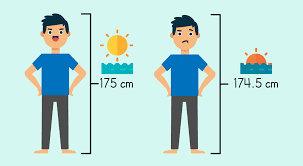
1.You are taller in the morning

Measure yourself in the morning, then again at night. You’re going to be taller in the morning because of how the cartilage in your bones compresses during the day.

2.Your heart beats about 100,000 times a day

Depending on your beats per minute, your heart beats about 100,000 times a day. That implies it sends 2,000 gallons of blood through the body.

Biometric Identifies You in a Heartbeat - Scientific American

3.Your highest blood flow is in your kidneys

The most noteworthy blood stream isn’t in your heart, liver, or cerebrum, it’s in your kidneys. That’s because kidneys are the body’s normal filtration framework.

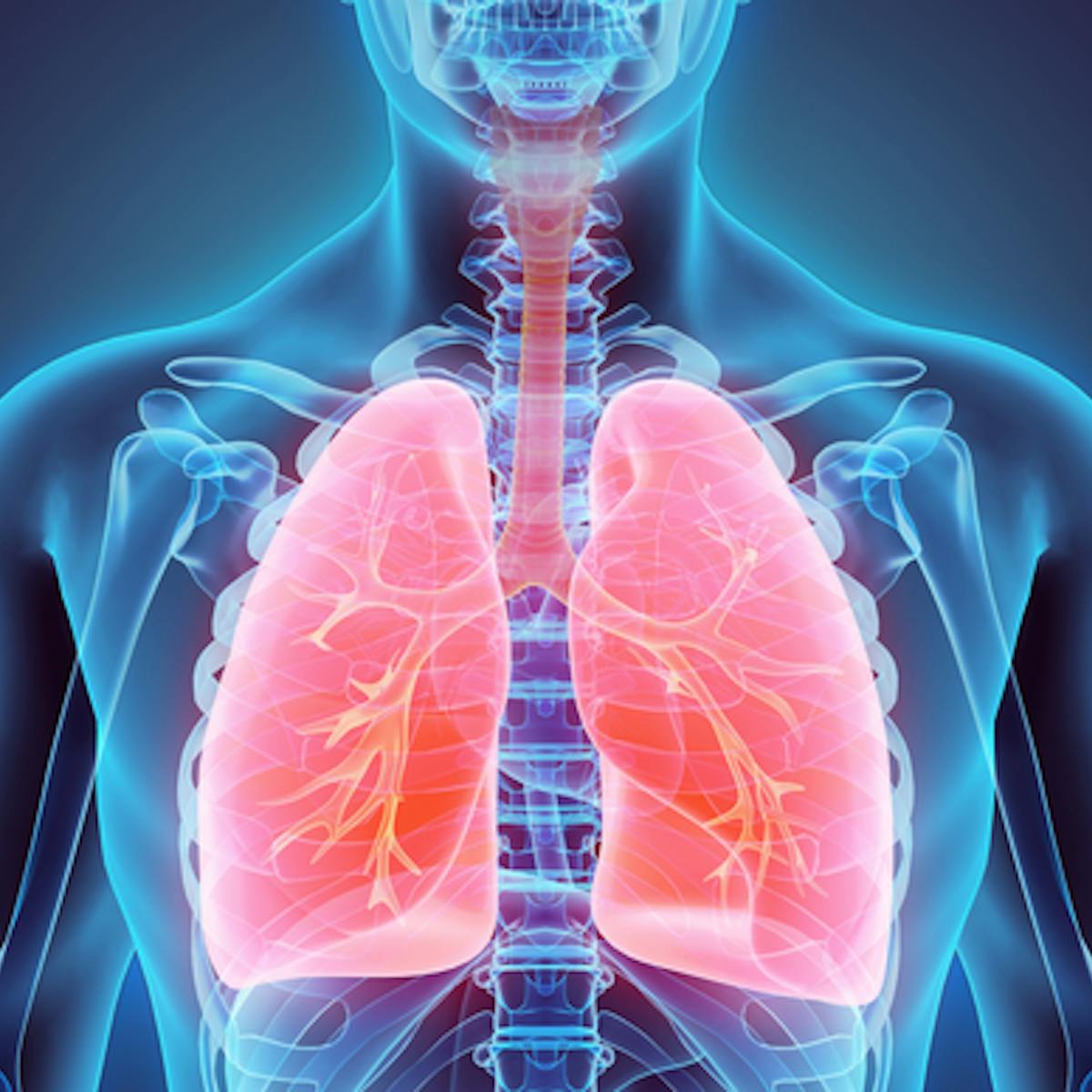
4.Lungs which are pink in color are healthy

Healthy lungs look pink and rubbery outwardly. The more you smoke however, the more falter and dark they become.

Your lungs are really amazing. An anatomy professor explains why

5.Dreaming in black and white

12% of people dream in black and white. What’s stranger is that people used to rest and dream in high contrast significantly more before color television (~15%). The normal individual actually dreams in color, yet it’s intriguing to perceive how the human cerebrum is defenseless to media.

20 Amazing facts about dreams that will change your perception! -  Trendpickle

6.Your blood vessels could circle the globe

However people have little veins, the systems administration is incredibly long. In case they were spread out they would quantify in excess of 60,000 miles.

7.The normal human grown-up has 2000-4000 taste buds

They aren’t just situated on the tongue. These minuscule receptors that enable us to taste are additionally situated toward the rear of your throat, your nose, and your throat. Truth be told, your nose doesn’t simply smell, it can taste as well! The feeling of smell is a vital part of tasting.

8.Your body has more than 600 muscles


Your strongest muscle is located in your jaw known as the masseter muscle. The stapedius muscle, located in the middle of your ear, is your weakest muscle.

How many muscles are there in the human body? - Quora

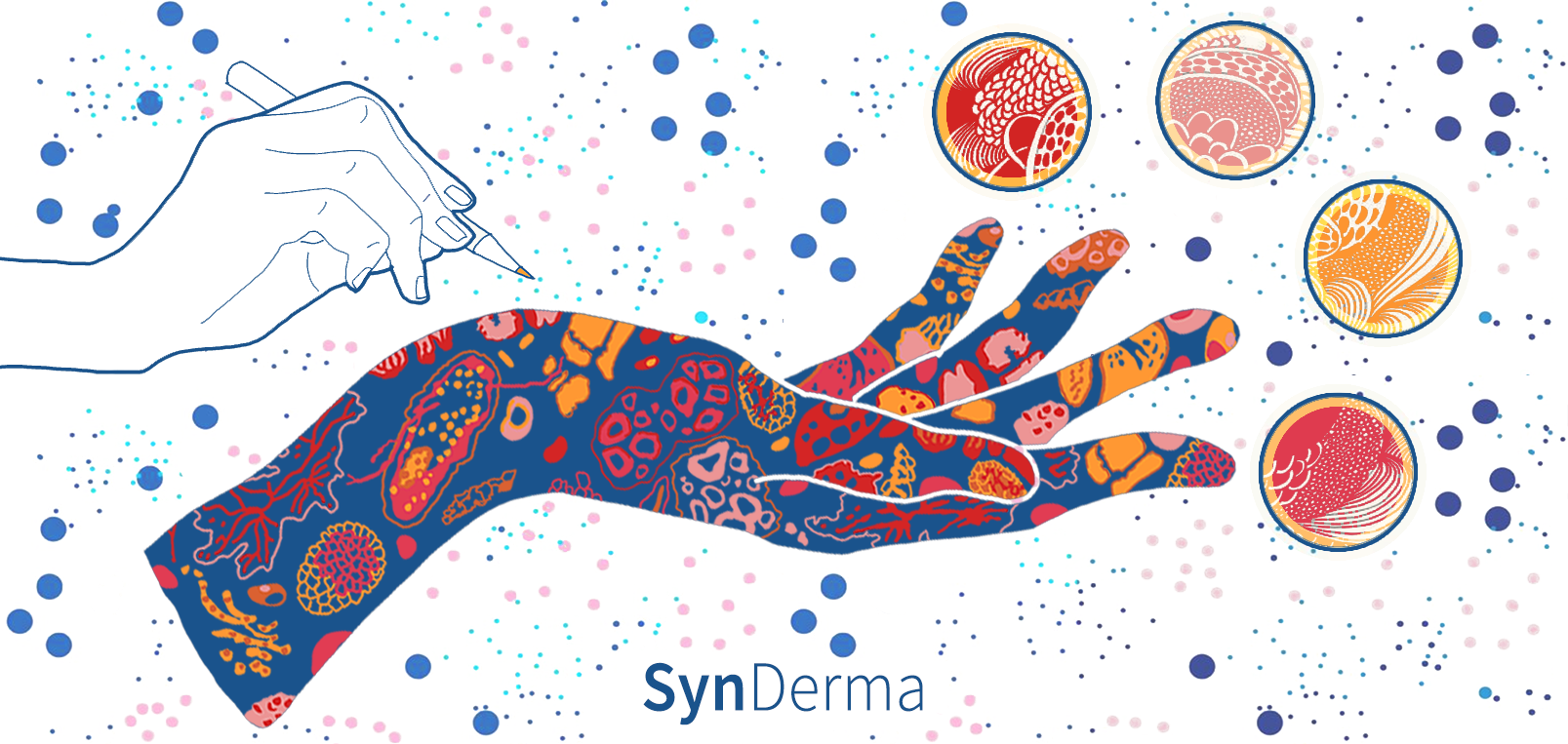
9.Your skin has 1000 unique types of microorganisms on it

Your skin is imperative in assurance of the body against microscopic organisms, which is the reason the external layer of your skin persistently reestablishes itself. The whole course of skin cell recharging requires around 28 days.

Team:Paris Bettencourt/SkinMicrobiome - 2020.igem.org

10.You’re presumably more like your father

Specialists showed that in the scales between the female egg and male sperm that your qualities will in general support your father, particularly over numerous ages. This phenomena is known as “gene expression”.

RESOURCES:

  1. https://www.nectarsleep.com/posts/fun-facts-about-the-human-body/

2. https://www.osgpc.com/amazing-facts-about-the-human-body/


TOURISM- THE MOVING FORCE


By: Astha Raghav 

In recent years, India’s tourism industry has made considerable progress. Tourism provides a travel based recreation with a change of place and a break from the monotony of daily life. It offers opportunities to move through the galleries of our glorious past, natural scenic beauty and brings people of different nations closer, offering them an opportunity to be familiar with the customs, traditions and culture of the society. In addition, the knowledge and experience gained can lead to harmonious and peaceful relationships.

Tourism has the power to transform the social, economic and cultural fabric of a country. 

The outlook for the tourism sector remains highly uncertain. The coronavirus (COVID-19) pandemic continues to hit hard, with international tourism expected to decrease by around 80% in 2020. Domestic tourism is helping to soften the blow, at least partially, and governments have taken impressive immediate action to restore and re-activate the sector, while protecting jobs and businesses. Many countries are also now developing measures to build a more resilient tourism economy post COVID-19. These include preparing plans to support the sustainable recovery of tourism, promoting the digital transition and move to a greener tourism system, and rethinking tourism for the future.

Coming off the worst year in tourism history, there’s little sense of optimism in the travel industry in early 2021. Following an estimated $1.3 trillion loss in export revenue in 2020, travel restrictions are being reintroduced at the start of the new year, as governments are trying to curb the spread of new, potentially more dangerous variants of the novel coronavirus.

Thank You!

WOMEN SAFETY IN INDIA


By: Astha Raghav 

Women in India, today, are becoming the most vulnerable section as far as their safety and security is concerned. 
When we turn the pages of a newspaper, we come across many headlines reporting cases of molestation, harassment, trafficking, ill treatment of women in house, violence against women in remote areas, etc.
Women feel unsafe and insecure and feel that their freedom and liberty are jeopardised.

It is unbearable to imagine the plight of women who are sufferers of such crimes. It is a jolt on the confidence of the women, of society and on our judicial system. 
We generally play the blame game for any such incidence and hence have not succeeded to reach the root cause of this issue.  An effective implementation of laws protecting women’s rights is the first step in this direction.  There should be stringent laws and the perpetrators of such crimes should be severely punished. We also need to create social awareness about these issues and ostracise those who commit such crimes and not the victims. 

Better surveillance by law enforcing authorities is also required.  The last but the most effective would be to compulsorily teach self defense techniques to girls and women in schools, colleges, offices and residential colonies. 

Only when these measures are taken, India can become a carefree and enjoyable place for women. 
Thank You!

Secrets to becoming wealthy from Famous Billionaires

Secrets revealed by famous billionaires being successful in this or that way is what we all want to achieve from Mark Zuckerberg to Elon Musk following their simple success principles is guaranteed to change your life.

Find your goal and formulate it correctly

Steve Jobs did not want to release a phone his goal is a phone that could function as a computer but was easy to use your goal should be specific. For Example, you like to bake cakes and you would like to do it more often and give some profit out of it I want to bake cakes for money is an incorrect way to formulate your goal the right goal would be to open a bakery where my cakes will be sold if you dream of a world tour it will be wrong to set a goal I want to travel the world it’s a wish not a goal the right formulation would be I want to earn twenty thousand dollars for my travels. 

Make a plan and follow it

Hypothetically if we explain the situation then it should be, How are you going to travel around the world what kind of Transportation are you going to use what will be your route when are you going to start planning short term and long term goals to help to identify weaknesses and major tasks that need to be focused on perhaps after drawing up the plan you will understand that your goal is not to earn twenty thousand dollars for a trip on a liner but to find like-minded people for hitchhiking around the world Elon Musk wants to colonize Mars having drawn up the plan he concluded that the main obstacle was the high cost of flying to the Red Planet now Elon is busy developing more economical space transport.

Don’t hold yourself back

You’ve probably heard about such a thing as emotional intelligence it is the ability not to suppress but to manage your emotions and display them where it’s appropriate also suppressed emotions are worse than physical well-being therefore do not be shy to show you true feelings and emotions at least for visiting doctors less often look at Oprah Winfrey for example that strong powerful woman always speaks up and shows how she truly feels about something that matters to her. 

Love what you do

Truly loving what you do and believing in its importance if you are not obsessed with your own business or the goal you are aiming at the path to success will be long and most likely endless if you’re not in love with your job it’s difficult to change your attitude towards it if you cannot quit trying to consider your current position as a tool to achieve your goal. For example, Once Mark Zuckerberg shared his favourite story that in 1962 John Kennedy visited the NASA Space Center in one of the offices he noticed the cleaner who was so engrossed in sweeping the floor that he did not even notice him, “Hi I’m John Kennedy what are you doing here” Kennedy addressed him then the janitor answered, “I’m working so that humanity could go to the moon Mr. president”.

Do what feels right to you

There will always be people giving you advice and offering you once-in-a-lifetime opportunities they might be indeed doing it trying to help you however taking the decision only out of fear that the opportunity will be lost is wrong let your personal beliefs and inspiration move you not fear only do what feels right to you and when it feels right to you follow Warren Buffett’s advice “you don’t have to swing at everything you can wait for your pitch”.

Spent money consciously

If you are obsessed with your goal then the refusal of a dress or any other impulse purchase will be an easy task for you. For Example, If you need to buy another dress go ahead but before you do it consider how much closer this dress will bring you to your goal Steve Jobs used to say spending a dollar wisely is more difficult than earning it that’s very wise weren’t you going to travel around the world maybe it’s better to buy sneakers in which it will be more comfortable to hitchhike or to take a foreign language course without which it will be difficult to organize a budget trip 

Use your time wisely

Time is a valuable resource and one should also approach it in a conscious way just like spending money Mark Zuckerberg is positive that you can’t succeed if you spend your energy on stupid and frivolous things so he is trying to cleanse his life from things that don’t have any sense choosing clothes is one of those things according to him no surprise we see him in the same great t-shirt every day we all have more significant time consumers than choosing clothes, For Example, the inability to say no to gossip social media the wish to do several tasks simultaneously and then stop halfway all these things consume the time that would be better invested in yourself just like other resources.

Set priorities

It is impossible to be successful in everything. For Example, Elon Musk believes in solar systems but understands that he doesn’t have enough strength for everything that’s why he dedicated himself to Tesla and SpaceX and the Solar City project is managed by other specialists the habit of prioritizing is useful not only in work but also in other aspects of life if you decided to spend an evening with your family do not get distracted by work and friends the desire to succeed in everything will not only lead to failure but will also consume your energy.

Say no to Stereotypes

Many of you have heard these things from other people that, “woman’s place is in the kitchen”, “real men don’t cry”, “we need children to have someone taking care of us when we are old” how often do you hear those stereotypes distort our perception of reality and also prevent us from having a good life achieving our goals and being happy it was the desire to be different from others that helped many billionaires become what they are today. Steve Jobs knew what he was talking about your time is limited that’s why you shouldn’t lose it by living other people’s lives do not fall into the trap of dogma do not let the noise of other people’s opinions beat your inner voice.

Live not only for yourself

For modern billionaires philanthropy is a spiritual priority many of them spend money to support the needy to develop art education and medicine Bill Gates and Warren Buffett started them The Giving Pledge campaign the idea of which is donating 50% of their income to charity there are more than 150 participants in this campaign including Mark Zuckerberg, George Lucas, Victor Pinchuk, and Vladimir Putin in giving someone your time attention and energy means investing in them prioritizing correctly is important children in orphanages or animals and shelters need your time.

The principles described above won’t make your billionaire overnight but success doesn’t always mean money it’s also about doing what you love and feeling happy.

IF KNOWLEDGE IS POWER, WHY IGNORANCE IS BLISS ?

Knowledge means understanding of something such as facts, information, description and skills. It is the source of power to man and this distinguishes him from other creatures of the universe. However man is genuinely more vulnerable than numerous creatures, for he can’t see similar to a bird, nor can lift heavy weights as certain creatures. In any case he is the most remarkable animal on earth. This power essentially comes to him from information not from actual strength. ‘Knowledge is power’ implies that a man has instruction and a full oversight on his life by utilizing the strength of information. This means a person has the resources to express his views dynamically and make intelligent decisions based on his every day situations, awareness and understanding.

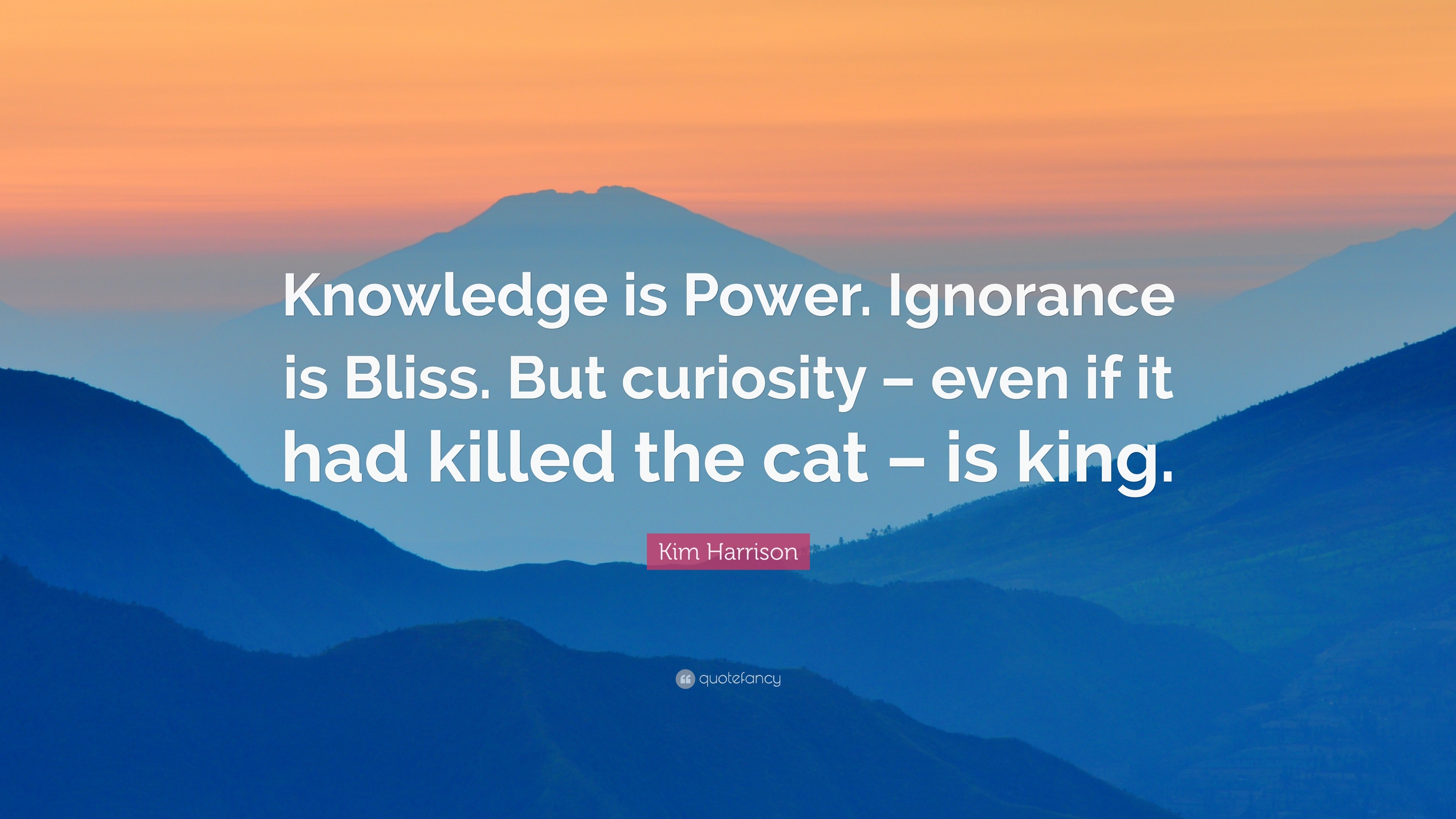
Kim Harrison Quote: “Knowledge is Power. Ignorance is Bliss. But curiosity  – even if it had killed

Ignorance, nonetheless, is “an absence of information, instruction, or mindfulness”. Knowledge is amazing, indeed, however a few people think it is incredible to pick when you need to know and proficient in something. This is the reason ignorance is bliss for some individuals. While knowledge is something you can decide to have, ignorance is picking whether you need to have a specific information. In any case, having an “ignorance is bliss” mindset is like people who love to procrastinate. They realize they have a forthcoming cutoff time, yet they fear the possibility of managing it, thus they delay it until they can no longer do so. Ultimately, they’ll encounter the cutoff time. Is ignorance truly euphoria? You can decide to not know something, however sooner or later, whatever information you’re attempting to keep away from will introduce itself to you. Knowledge is genuinely power, as you have control.

In any case, we can’t deny the way that sometimes “ignorance is bliss”. For instance, imagine a situation wherein an exceptionally giant meteor will hit earth. Having the information on this you will attempt each conceivable thing to save earth. You will attempt to change the predetermination. Eventually, you will either be successful or not. Notwithstanding, in case you were totally ignorant about this reality you would have proceeded with your life or would have attended parties, not realizing the end is near. The person that have the knowledge about the incoming meteorite may have the power to change something but he or she can never experience happiness or bliss at that kind of situation knowing their impending demise. He may get miserable or cry over the way that world is reaching a end.