ANALYSIS OF IT (INFORMATION TECHNOLOGY) ACT, 2021

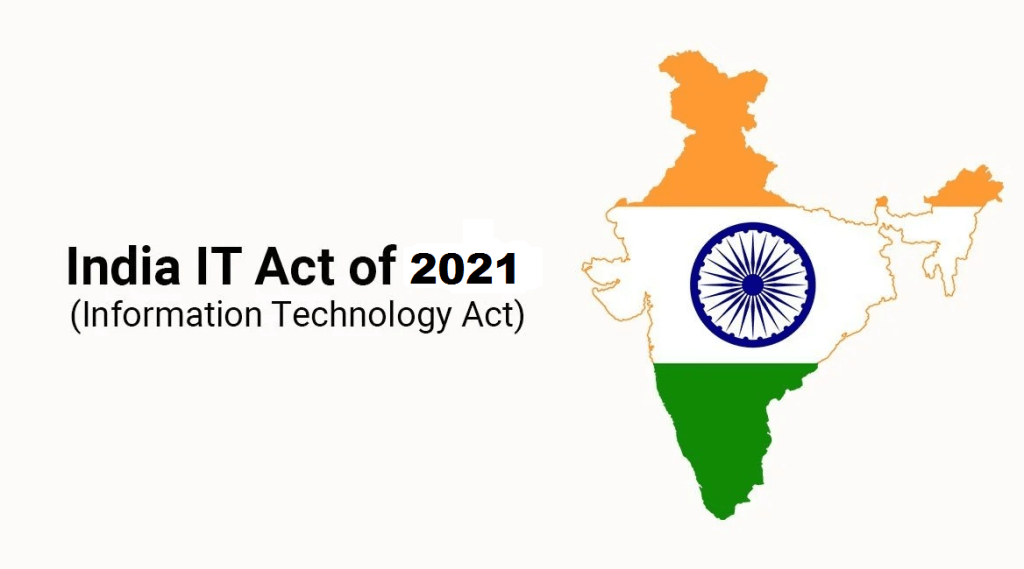
This year in February the Ministry of Electronics and Information Technology announced the Information Technology (Intermediary Guidelines and Digital Media Ethics Code) Rules. the Information Technology Rules 2011 were superseded by the Digital Media Ethics Code) Rules 2021, which were framed, in the exercise of powers under section 87 (2) of the Information Technology Act,2000. As per the data gathered, In India, there are 530 million WhatsApp users. While YouTube has 448 million users, Facebook and Instagram each have 410 million and 210 million users, respectively. 

Social Media has grown into an arena for trade and commercial operations in addition to being a medium of entertainment. It has also preserved the fundamental standards for information transmission and provided a platform for individuals to openly express their ideas and beliefs. 

Therefore, in this growing trend of using social media, few rules must be there in order to make social media a secure place to open up and share ideas. So, IT RULES, 2021 came up which intended to provide ordinary users of social media platforms and over-the-top (OTT) platforms with a system for grievance redress and fast resolution through the employment of a Grievance Redressal Officer (GRO) who must be a resident of India. Special attention has been paid to protecting women and children from sexual assaults, fake news, and other forms of social media abuse.

On the other hand, OTT platforms, online news, and digital media organisations would be required to adhere to a Code of Ethics. Under the new guidelines, OTT platforms would be referred to as “publishers of online curated content.” They’d have to divide the content into five groups based on age, and apply parental controls for everyone above the age of 13. They must also provide procedures for age verification for adult related content.

Furthermore, three-tiered grievance resolution system has been established. The appointment of a GRO, self-regulatory entities registered with the Ministry of Information and Broadcasting (MIB) to oversee the Code of Ethics, and a Charter for the self-regulating bodies created by MIB are all part of this.

However, the new regulations have been criticized by some as a breach of free expression, the government has emphasized that they allow social media sites to operate freely in India while adhering to the law. The country’s Constitution and the Rule of Law must be followed by all entities. Furthermore, according to Article 19 of the Constitution, the right to free speech and expression is not absolute and is subject to legitimate limitations, particularly when national sovereignty and security are at risk.

The new restrictions were given a three-month grace period for social media intermediaries to comply. On May 26, the government sent a second notice to all social media intermediaries, requesting information on the status of compliance with the new laws that took effect that day. Various social media sites such as Google, LinkedIn did shared details as per the requirements but other sites such as twitter requested for the compliance window to be extended and demanded a collaborative approach from the government to protect public freedom of speech. WhatsApp has launched a lawsuit against the government in the Delhi High Court, alleging that the new restrictions infringed user privacy by breaking the end-to-end encryption in order to identify traceability.  The administration, on the other hand, has maintained that tracking will be necessary only in the event of “extremely serious offences” that endanger India’s sovereignty and integrity. It may also be done without compromising the end-to-end encryption. Companies, on the other hand, will be responsible for developing a technical solution

So, as we know that no freedom is a total freedom. It comes up with some level of restrictions and is not absolute unrestricted. Since the establishment of the Constitution of india, striking the appropriate balance between fundamental rights and determining the rationality of a limitation has been a continual struggle. Therefore, the battle between the governments that want to impose reasonable restrictions and users concerned about data privacy and restrictions on freedom of speech and expression vs the tech giants who own significant amount of huge data  is only going to get more complicated before optimal solutions are found. So, The IT Rules 2021 which preserves digital sovereignty and aim to answer people’ concerns without compromising on their privacy or personal rights should be properly followed by the social media sites which is only the best solution left.  
India at the Olympics

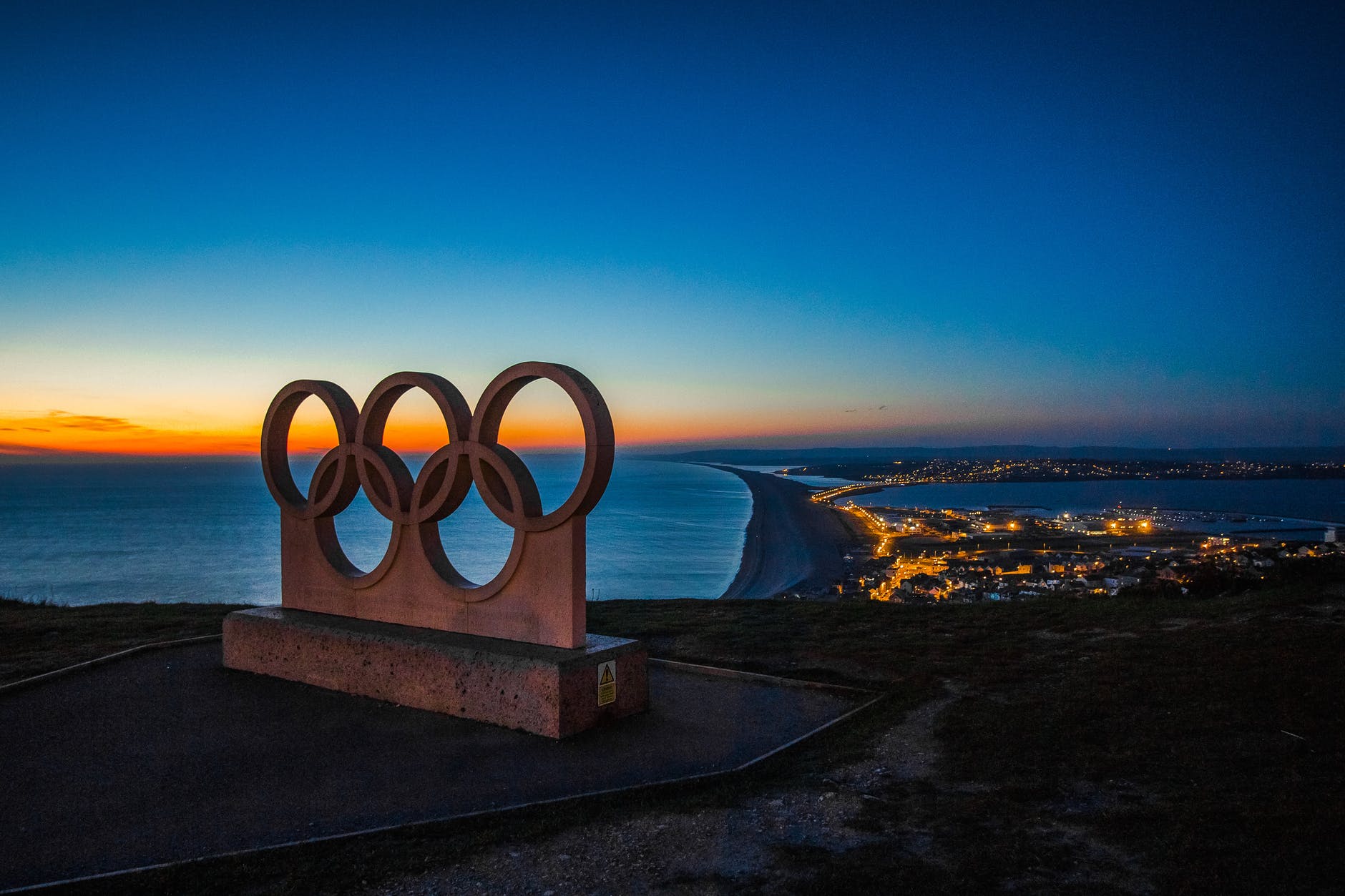
Photo by Pixabay on Pexels.com

As we all know Tokyo Olympics are scheduled from start from 23rd July to 8th of August.and we all have very high hope and expectations from our players.

Olympic is an international multi-sport event that is organised after every 4 years. The first Olympic was held in 1896 in Athens.it is also considered as festival of sports Each year it is organised in different country. India has so far won just 28 medals since 1900.let us look at the past when journey for Olympics was started for India.

india’s journey to olympics

India sent its first athlete (Norman pritchard) in 1900 to the Olympics . and it took 20 years to send India’s first contingent in 1920 which consists of 5 members( 3 athletes and 2 wrestler). the quantity of players since 1920 only increased. since then India has won 28 medals which includes 9 gold ,7 silver and 12 bronze medals.

The major contribution was made from Hockey. From 1932 to 1980 India won 8 gold medals in hockey that was the golden period of Indian hockey team but after that the quality of hockey in our country decreased. in 2000, karnam Malleswari won a bronze medal and became first Indian woman to win a medal in Olympics. after that last gold medal in 1980, the next gold medal came in 2008 Beijing Olympics when Abhinav Bindra won gold medal in men’s 10-M air rifle event who became first Indian indivisual to win a gold medal in Olympics. in same Olympics VijenderSsingh also won bronze medal and became first Indian boxer to do so.

2012 london olympics was very good for india where 83 members contingent participated in olympics. and india won 6 medals.wrestler Sushil kumar became first indian wrestler to win silver medal in olympics.saina nehwal won bronze medal and became first indian woman to do so.Mary kom won bronze medal in boxing.

after this wonderful performance in 2012 Olympics, expectations were very high in 2016 Rio Olympics but it did not went very well for India .because India sent a records 117 members but we were only able to win 2 medal which included a bronze medal from Sakshi Malik in wrestling and silver medal from PV Sindhu in badminton.it was a very disappointing year for India .But the question arises why India is not able to perform well in Olympics?

if we look at any other country like USA, they won 121 ,medals in Rio Olympics. ,which is 3-4 times what India has managed so far from 1900, despite having a population of 1.3 billion. I do not think population should be considered in this matter. there are many other factors which are responsible for India’s struggle in Olympics.

reasons of India’s struggle in Olympics

  1. Infrastructure of our country

2.proper funding of players

3. lack of awareness and sports should be given more attention and priority.

4.poor rehab facilities and inexperienced coaches.

5. player are cared and given facilities when Olympics approaches but they should get it throughout their preparation to Olympics.

6.cricket is also one of the reasons. India is a cricket loving nation where every 2nd child wants to be a cricketer. i m also a cricket lover, but we should also concentrated and take interest in other sports also. Like Australia and England, they are very good cricketing nation but they are also good in other sports.

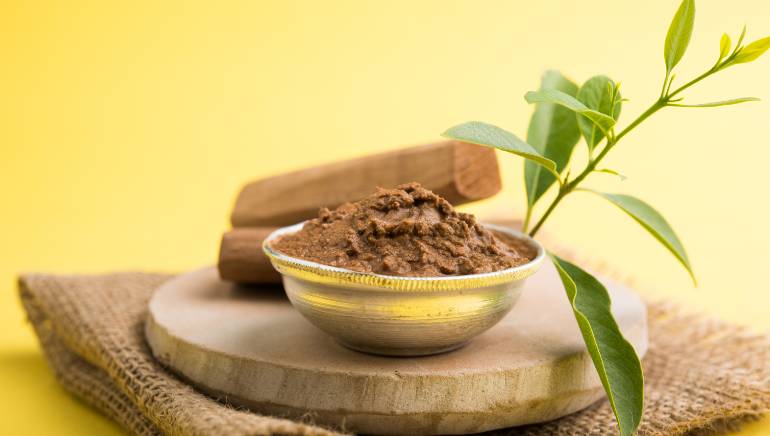
BENEFITS OF SANDALWOOD

BENEFITS OF SANDALWOOD FOR SKIN :

1. Helps in Removing Tan:

It is imperative to save yourself from the harmful rays of the sun. The natural oils present in sandalwood help to get rid of a sun tan.

It also helps to soothe a sun burn and has a cooling effect, reducing the redness caused due to a sun burn.

2. Has Anti-inflammatory Properties:

Its anti-inflammatory properties help to any kind of burning sensation caused due to acne or sun burn.

Sandalwood essential oil can be used to treat insect bites or any other skin wounds

3. Acts as an Astringent:

Sandalwood causes coagulation of skin proteins, further protecting your skin from any breakouts, allergies or abrasions.

It brings about minor contractions in your soft tissues of the skin and tightens your pores.

This is precisely why many facial packs and toners use sandalwood as one of their primary ingredients.

4. Used as an Antiseptic:

Sandalwood has antiseptic properties that prevent pimples, acne and sores from developing.

Exposure to dust and dirt can cause bacterial growth on your skin which can further lead to skin problems.

Applying sandalwood powder mixed with milk on your face or the affected area can really help.

5.It removes wrinkles:

Sandalwood oil contains antioxidants that help maintain the buoyancy and structure of the skin cells.

It also reduces dryness and replenishes the moisture in skin, increasing elasticity.

Right to repair

Right to repair is the movement started by the activist and oragination all around the world. Joe -Biden ,US president ,signed an executive order on Federal Trade Commission to institute rules to curb anticompetitive restrictions that limit consumers’ ability to repair gadgets on their own terms. The Uk too had introduced this .

The agenda of the movement is to get compinies to make spare parts of the gadget and the consumers can repair them rather than replacing the product.

Large tech compinies like Apple, Microsoft,Amazon and Tesla are opposing the movement stating that its opening up their intellectual property to third party to repair them.

What are Folkways ?

What are social norms ?

Social norms refer to the group shared standards of behaviour .It is a pattern setting limits on individual behaviour .
Norms are said to be ” blueprints ” for behaviour .
They determine , guide , and control human behaviour .
Norms are not systematically classified by Sociologists . But they are grouped into –
” Folkways “, “mores ” , “fashions “, “rites “, “ceremonies “, “customs ” etc. .

What are folkways ?

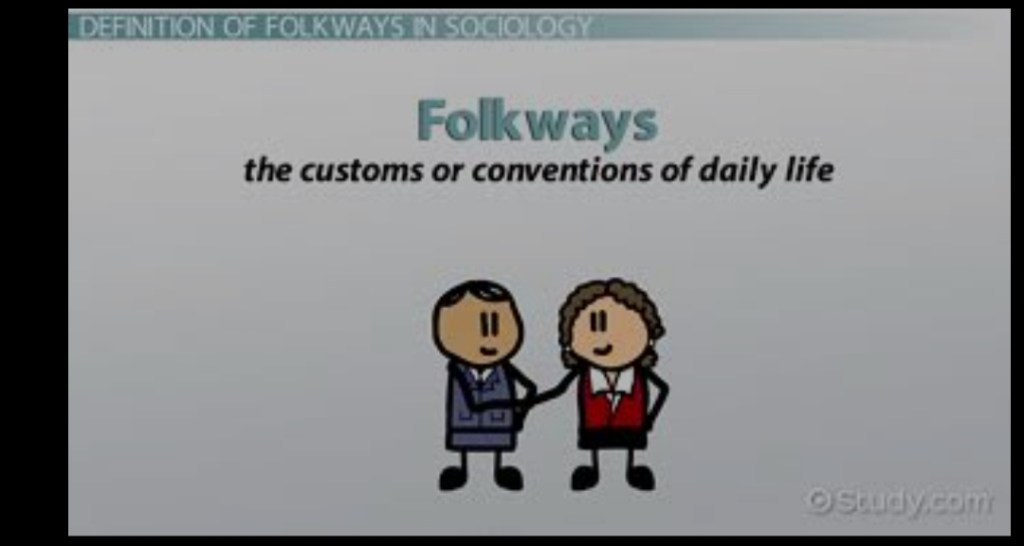
In general , folkways means “ the ways of folk “.
The term ‘folk’ represents people and ‘ways’ represent their behavioural habits .
Folkways are the customary, normal and habitual ways of the group to meet certain needs or solving day-to-day problems.

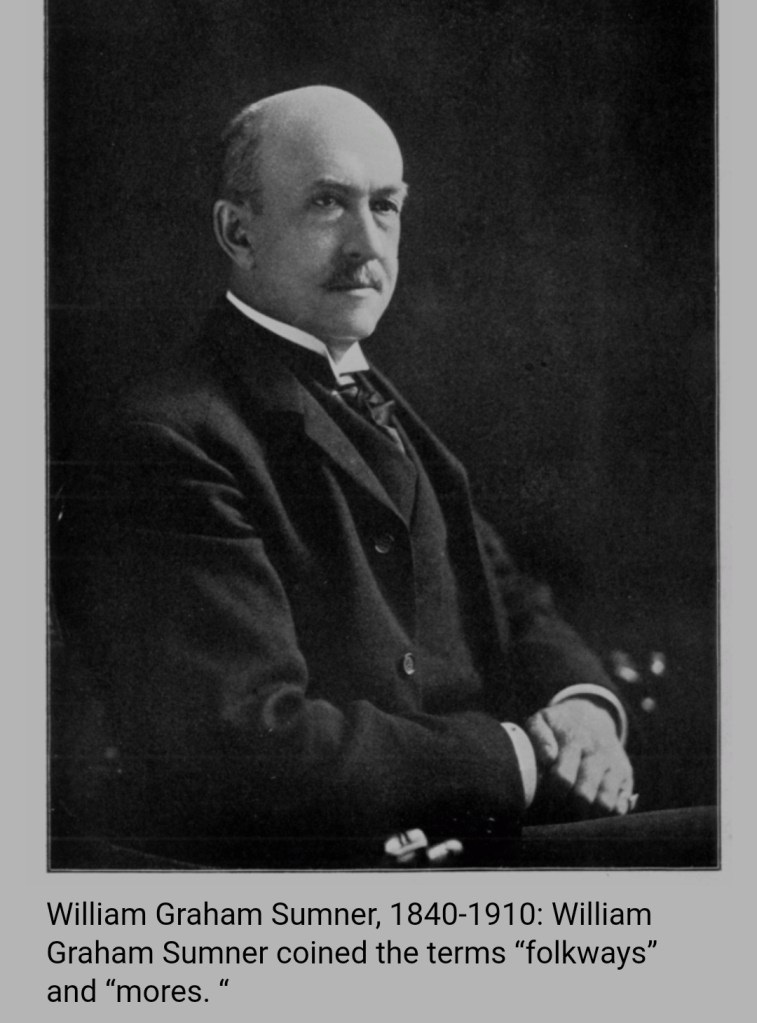
The term folkways was introduced into Sociology literature by W.G .Summer in a book with the title , ” Folkways: A Study of the Sociological Importance of Usages, Manners, Customs, Mores, and Morals ” published in 1906.

Folkways are accepted ways of behaviour.
According to Summer ,
” folkways represent man’s unique means of adapting himself to the environment .

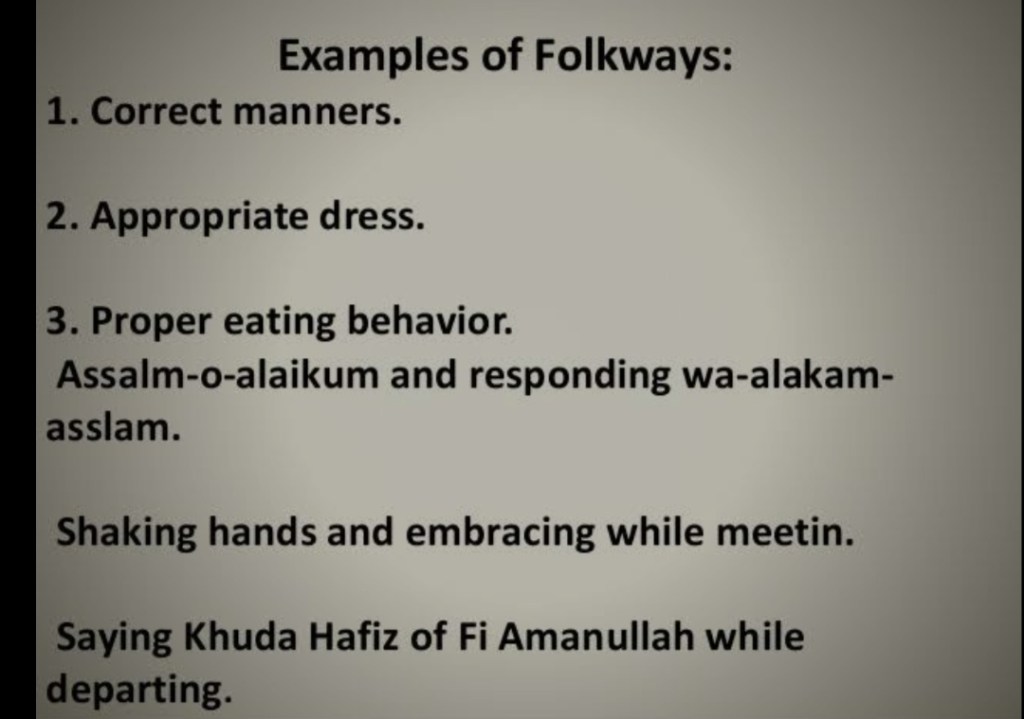
Examples of Folkways :-

The ways of eating , talking , dressing , playing , walking , working , greeting , conversing ,etc. represent folkways .

The daily activities become an individual’s habits ,but folkways are termed as habits of a group though Not all (group) habits become general. They differ from individual to individual and place to place.

Folkways are a learned process of socialisation. They become the second nature of the individual.

Habits are socially approved habits which are followed by a number of persons in a society are referred as folkways,

Habits of exchanging greetings and courtesies like bidding ‘Namaste’ with joined palms is an.examples of Indian folkways .

Walking on right side if the road , taking three meals a day , Wearing different clothes at different occasions, showing respects to elders , love and affection to younger ones ,
Wearing a cap, hat or turban,.shaking hands, eating with forks and knives, driving on the left or right hand side of the street, attending classes in paints and skirts rather than gowns or bathing suits etc..are some folkways followed by difficult individuals.

Definitions :-

Folkways are behavioural patterns of e everyday life which generally arise unconsciously in s group .”
-.Gillin and Gillin

According to Reuter and Hart (1933),
“The folkways are simple habits of action common to the members of the group; they are the ways of the folks that are somewhat standardised and have some degree of traditional sanction for their persistence”.

Maclver and Page (1949) defined it as:
“Folkways are the recognized or accepted ways of behaving in society.”

A.W. Green opines ,
Those ways of acting that are common to a society or a group and that are handed down from one generation to the next are known as folkways .

Lundberg stated ,
“. Folkways are the typical or habitual beliefs , attitudes and styles of conduct observed within a group or community .”

In simple words , folkways are “repetitive petty acts of the people .”
___________________________________________

Characteristics of Folkways

• Social in Nature :- Folkways are the products of man’s group life . They are created by the groups for their sustenance and maintenance . Individuals get social recognition by comforting the folkways .

Repetitive in Character:– A social practice becomes a folkway when the majority of people observe it constantly and regularly . The often repeated practices of the majority normally become the folkways . These practices become standardized practices by constant repetitions .

Unplanned Origin :– The origins of Folkways are very obscure . Summer believed that they arise automatically and unconsciously . They are not the result of any advance planning . Someone in the group starts a new way and in course of time it becomes popular and a good number of people may start following it but by the time it becomes folkways the origin trace fades away.

Informal Enforcement :– Folkways constitute one of the types of informal means of social control . Folkways are not as compulsive and obligatory as that of laws or morals . Conformity to the folkways is neither required by law nor enforced by any special agency of society. They are not absolutely obligatory though they are considered as necessary .

Folkways Differ a Lot :- Folkways Differ from group to group and society to society . They may also undergo changes in course of time within the same group or society .
For example , table meals are common in the West whereas the majority of Indians used to squat on the floor and take their meals with their hands .

Folkways vary with age and sex in almost all places . They even vary according to social status , religion , ethnic groups , racial groups etc .

Folkways are Numerous :- It is not possible for anyone to enlist all the folkways . There are so diverse and numerous folkways . They range from most trivial acts and behaviour patterns to the most serious ones .

Folkways are subject to Change :- Just like everything folkways are also subject to change . Folkways change according to changes in social conditions .
Summer is referred to as ” fashion ” .
Fashion related to dress , hairstyle , architecture designs , etc. undergo rapid changes .
___________________________________________

Social importance of Folkways

The folkways are the foundation of every culture . They give us a better understanding about a particular culture.
When fully assimilated they become personal habits .

Summer believed , ” the life of society consists in making folkways and applying in them . The science of society must be construed as the study of them .

Folkways have become a universal characteristic of human societies. No society does or could exist without them . Hence they constitute an important part of the social structure . They are most powerful and control the behaviour of individuals in society even more than the state action.

They become a part and parcel of the personality of the infant through the process of socialisation. An individual learns different folkways at different stages of socialisation . They become a form of unstated premises of our mental life .

Folkways play a major part in social control in society, as folkways are informal means of social control.

Hence , folkways are not compulsory or obligatory but constitute an important part of social structure as they become personal habits that contribute stability and order in social relations .

SAVING LIVES OR SAVING THE ECONOMY ?

A strong economy is the source of national strength .

In an economy , the production & consumption of goods & services are used to fulfill the needs of those living & operating within. In short an economy is an area of the production , distribution & trade , as well as consumption of goods & services by agents & these agents are not someone other but are we only. These agents are individuals , businesses , organizations, or government.

Till here we can conclude that people makes up an economy.

Now lets jump on the topic which is saving lives or saving economy . In this situation of pandemic i.e., COVID 19 , lakhs of people have lost their lives , their livelihood , their families . For controlling this situation , which can be controlled only by not coming in contact with an affected person & by maintaining social distancing & self consciousness , government has laid many rules & one such rule is ” lockdown” . Never before we have heard of this word of this word but in past 2 years each one pf us has experienced it . It is a situation where every one is restricted to move out of their houses , factories were shut , many people last their jobs , because of which employment rate decreased , those who have lost their jobs migrated to their villages, All & all we can say that lockdown had the most drastic effect on the economy . lockdown is one among the reason for falling of the economy.

But lockdown was not applied to do so , rather it was meant to protect people , so that we could break the chain of Corona virus . Because of this rule of lockdown , people avoided gathering & because of this lockdown only we are able to defeat & break the chain of COVID 19 . Government took this step though knowing that this will have negative impact on the economy but we all know that it is ‘we’ who makes up an economy , & if we are safe the economy will improve for sure . Because for production you need people , for consumption you need people, for trade you need people , & for distribution you need people. So if people are safe economy is safe .

So this pandemic taught us the importance of lives , we all should thank the all mighty & our health workers for saving many lives & according to me saving lives is more important than saving economy but this doesn’t mean ignoring economy & economic development . Saving lives with holding economy & adopting every measure to save it , will leads to development of both , because both the factors are directly proportional to each other & fall in one will leads to fall in other. Hence saving lives will improve economy because at the end we all know people makes up an economy.

TEA CONNOISSEUR

Tea is not a word but an emotion for Indians. Be it masala chai, black tea, green tea or even kashmiri kahwa. A hot cup of tea suit’s every season and emotion. Happy? It will add up to your mood. Anxious? It will calm you down. Sleepy? It will keep you awake. Insomnia? It will help you relax and sleep.
So now you might be wondering, how does one tea provide so many services where most of them contradict one another?

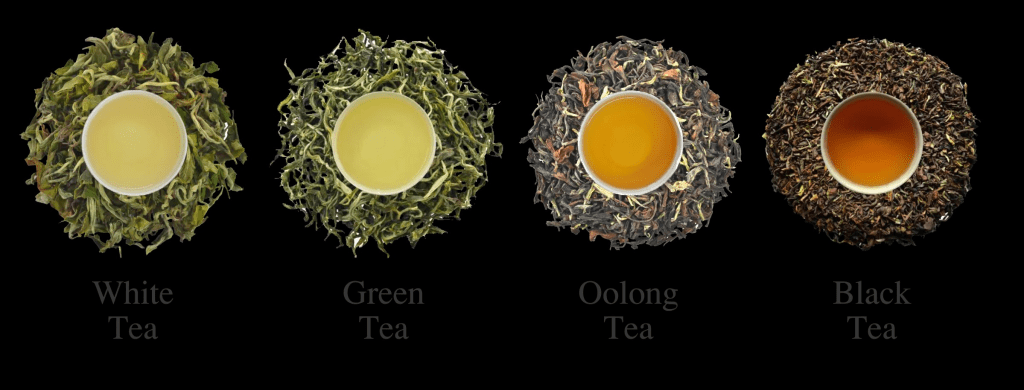
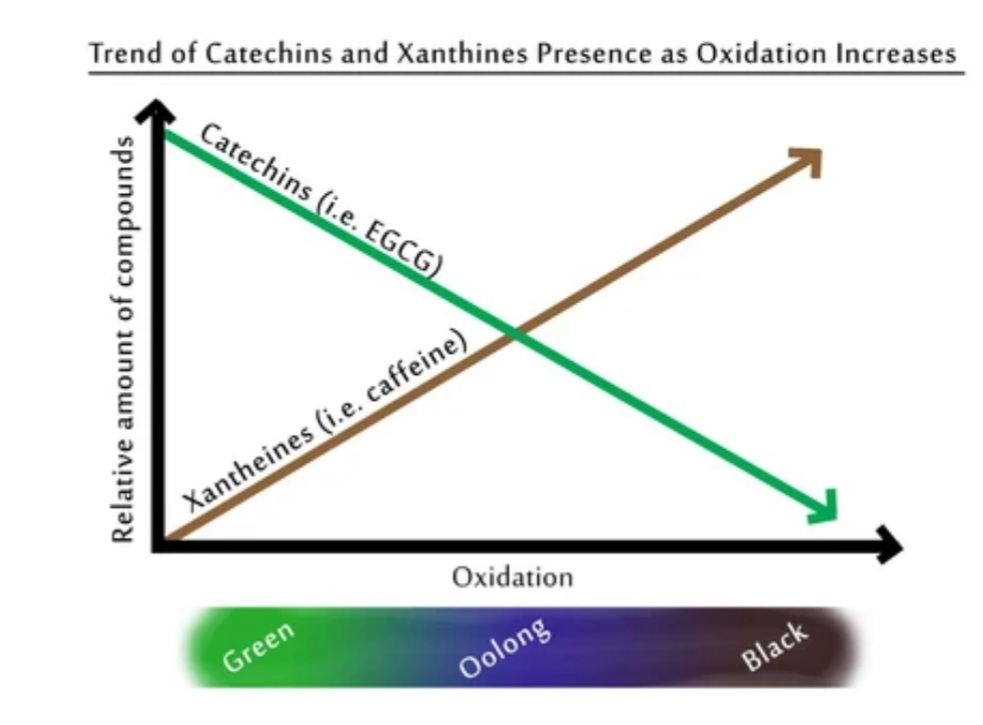
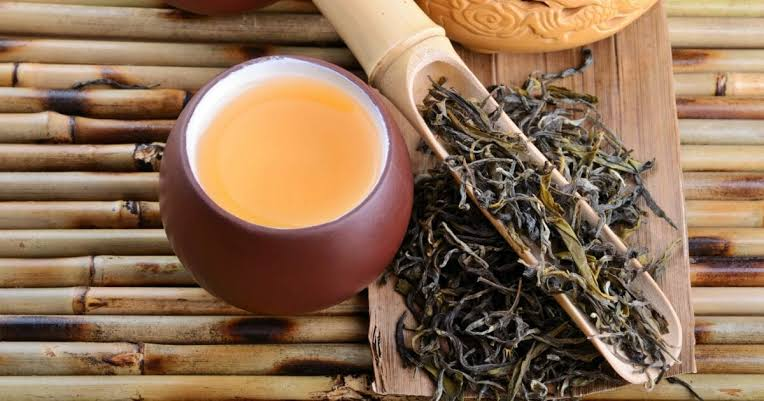
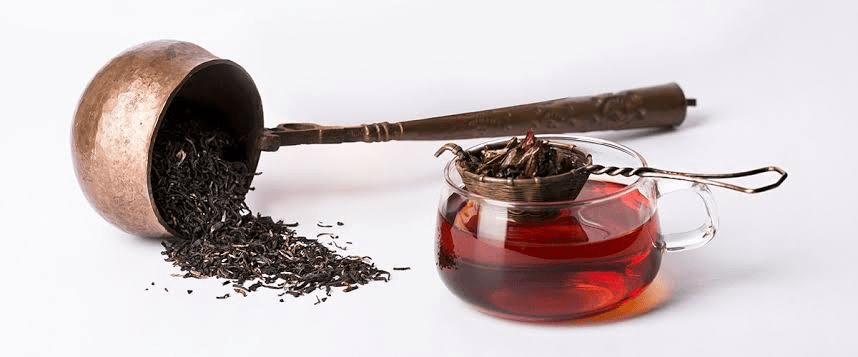
To answer that, the quality and benefits of the tea depends on its Level of Oxidation. The four major types of tea i.e. WHITE TEA, GREEN TEA, OOLONG TEA and BLACK TEA, comes from the same plant called Camellia sinensis. However, they are differentiated by the level of oxidation they undergo. This adds to its level of flavour, aroma and health properties.

The two major compounds in tea are Catechins and Xantheines. Catechins is present in the form of ECGC which are naturally occurring antioxidants that reduces the oxidative cellular damage in the body and Xantheines in the form of caffeine that provides a gentle energy boost without the harmful side-effects of coffee. The presence of these compounds depends on the oxidisation of the tea leaves. Higher oxidisation leads to more of Xantheine and less of Catechins, where’s lower oxidized leaves contain higher Catechines and less Xantheine.

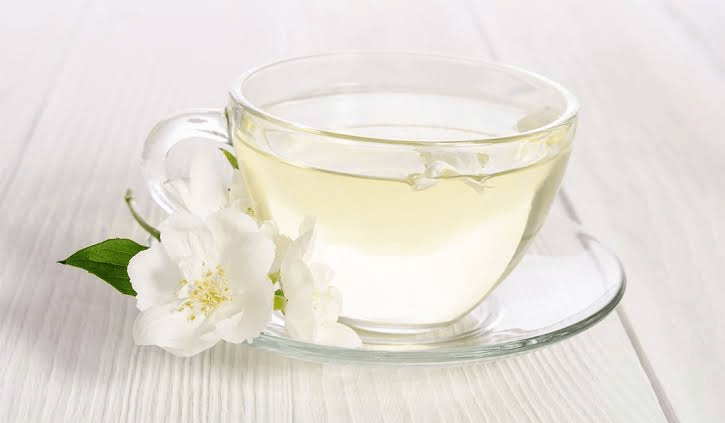
White Tea is most delicate of all the tea’s as it’s uncured and unfermented. Famous for it’s floral, fruity and naturally sweet flavour, it contains the highest amount of antioxidants as is least oxidized (So it has most of it’s natural Catechins). Hence, it possesses major health benefits because of the absence of caffeine. It’s known for its anti-aging and most potent anti-cancer properties.

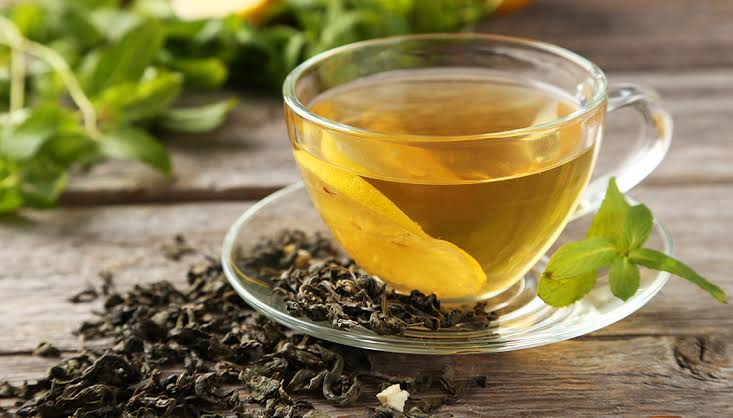
Green Tea is the most famous health tea for the past few decades. It is darker compared to White tea as it is slightly more oxidized, however it contains high number of antioxidants that is beneficial for promoting good metabolism and weight-loss. Some of the numerous health benefits of green tea include growth of bladder, stomach, pancreas, lungs; reduced risks of neurological disease like Alzheimer’s; lower blood pressure; prevent cancer; lowers cholesterol levels; prevents tooth decay and many more.

Oolong Tea comes after green tea in terms of its antioxidant content as it’s more oxidized compared to the latter. Its properties depend upon the level of oxidation which is mostly between 30% -70%. It is aromatic and highly fragrant. It is known to lower bad cholesterol levels (LDL) and increase the production of good cholesterol (HDL). It has higher amount of caffeine hence it is known to increase mental alertness and increases concentration

Black Tea is rich, hearty and bold. It’s over 80 % oxidized and hence contain highest levels of caffeine compared to all the others. Hence, this makes it best for an instant energy boost. It is known to protect the skin against excess UV radiation exposure, boost immunity, protect lungs, improve heart health and lower the risk of kidney stones.

Hence, who wouldn’t want to enjoy a hot cup of tea on a pleasant evening (Specially, if it’s good for your health as well as taste buds).

WATER BODIES AREN'T BINS.

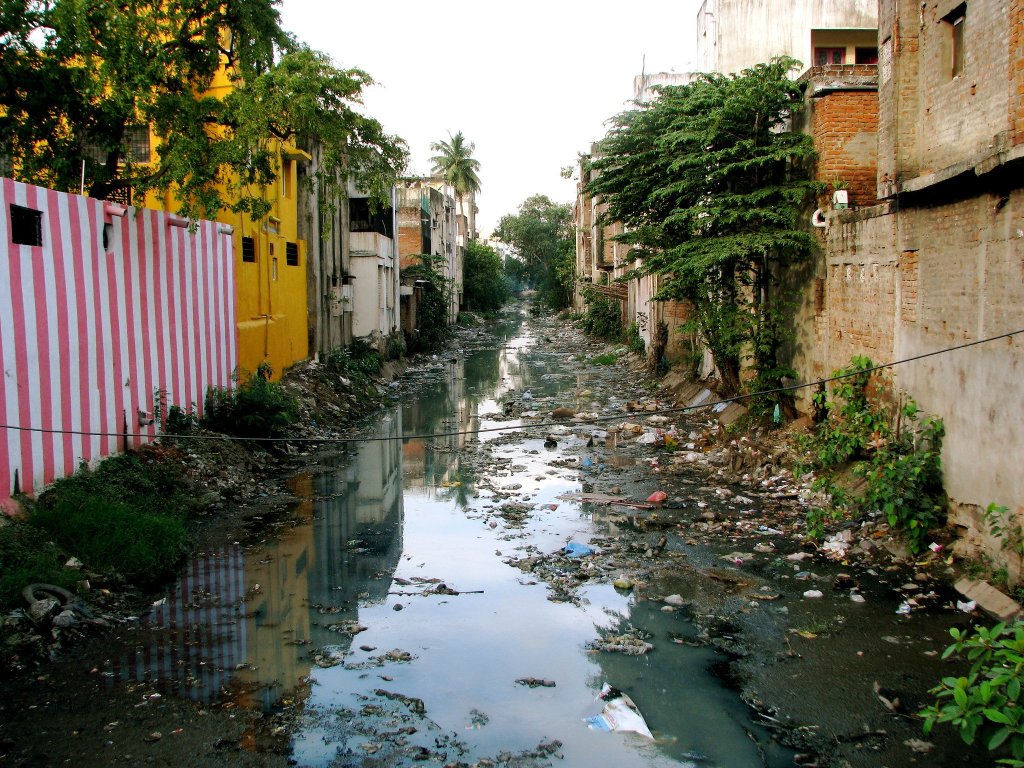
Would you value something, you would die without?

Image source

Well looking at the picture above I think, Indians doesn’t seem to be having this thinking. Such disregard of Water, the thing which makes our life possible definitely has to be one of the most irresponsible thing done by humans. Especially, Indians who worship these seas and rivers themselves are the one’s polluting it the most. The holy river of GANGES, which is generally called the most pure river in the whole country itself is the most polluted one. Severly polluted Ganges river which provides water to 40% of India’s population in total of 11 states serving an estimated population of 500 million people, is the fifth most polluted river in the WORLD. Sewage discharge from cities, towns and some villages is the most prevalent cause of water pollution in India. Major cities of India produce 38,354 million litres per day (MLD) of sewage, but the urban sewage treatment capacity is only 11,786 MLD. The scientific analysis of water samples from 1995 to 2008 indicates that the organic and bacterial contamination is severe in water bodies of India. This severity is increased at an even more rapid rate until 2020. According to A reliable source, Around 80% of India’s water is severely polluted because people dump raw sewage, silt and garbage into the country’s rivers and lakes. This has lead to high scarcity of drinkable water. Experts predict that 40% of people may not have a connection to a clean water source by 2030. Then how come are we yet not sincere about not just saving water but Ourselves? As urban areas households get more and more facilities of 24*7 running water taps and availability of drinking water, lesser is the value of the latter. Around 70% of wastewater from household, industries, etc. goes untreated and each day, more than 40 million liters of wastewater flows directly into India’s lakes, rivers and ocean. This waste while travelling from small to big waterbodies, go on contaminating all of it along with the organisms living within. Lakhs of fishes and other underwater living organisms die as they eat or get caught in this waste. This waste even covers the inner and outer surface area of the water at times and thus disbalancing the oxygen levels in the water, due to which the organisms die in huge quantities. This water also enters the groundwater and makes it polluted and undrinkable as well.

Further, this water when reaches to households it immensely affects the health of individuals especially, children. Each year, more than 1.5 million Indian children die from diarrhea. It affects the irrigation systems in fields as this water doesn’t allows the crops to grow properly due to it’s I’ll properties, infectious and diseased bacteria into it. Because of the poor infrastructure and absence of sewage control, 38 million Indians suffer from waterborne diseases like typhoid, cholera and hepatitis every year. Worldwide, waterborne diseases cause more deaths than AIDS, tuberculosis and measles combined in children under 5-years-old. This severity of pollution affects humans and other organisms, plus our food security and the GDP growth of nation. As the diseases spread, the more people get ill and cease work which decreases productivity of companies, crops damage reduces the agricultural revenue too. Hence proved, that this problem is not as small as we think of it. Be it socially or economically it has a bad effect on the country as a whole. It is necessary for all the people to get educated regarding the same as soon as possible and start contributing their part in preventing water pollution and wastage.

Steps taken..

India is taking several steps to rebalance the quality of its water source, from flocculation and reuse of industrial water to the contributions that local Indian startups are making. In Chennai, a city in Eastern India, industrial water reuse rose from 36,000 to 80,000 cubic meters in 3 years, from 2016 to 2019. VA Tech Wabag, a water company quartered in Chennai, also built numerous water reuse plants all across India. As of 2020, VA Tech Wabag contributed immensely to the production of more than 18 million cubic meters of clean water every day, which has positively impacted almost 100 million people globally. In Gujarat, a state of more than 70 million citizens, the government launched its Reuse of Treated Waste Water Policy, which aims to drastically decrease the use of the Narmada River. It will install 161 sewage treatment plants all across Gujarat in order for industrial and construction sectors to use the treated water. Evaluations offer that in 2015, the Indian government installed almost 16,000 reverse osmosis systems in Karnataka and 281 solar electrolytic defluoridation plants in Madhya Pradesh.

But the most important part is we all have to remember that only Government officials and workers alone couldn’t sort this situation for the whole country. Ech and every individual has to do their part to ‘save water and save future’.

Why Indians are Shorter on Average

Indians are among the shortest people in the world on average. Despite impressive rates of economic growth in India over the past decade or two, India remains one of the worst performing countries worldwide in terms of height, among both children and adults. This is unusual because data and research has shown that over time people become progressively taller as living standards improve. There has, however, been an increase in average height in India itself as the standards of living have increased. Between 1914 and 2014, the average height of Indian men increased by about 3cm to become 165 cm, while women grew taller by about 5cm to become 153 cm. Also, it seems that children in India today are much taller than their parents were at their age, according to studies conducted into the matter. But why are Indians still shorter than the global average while Most countries have shown an increase in height over the past century or so?

Some Factors

Genes contribute to only a small portion of a person’s height, and so most scholars around the world have disregarded the hypothesis that genetic factors are of prime importance in explaining the small stature among Indians relative to international standards. Instead, it has been identified that environmental factors such as the mother’s health, infant and child nutrition, sanitation and environmental pollution are the major reasons for smaller heights in India. Nutrition here not only implies that there is malnutrition in the country, but also the fact that India has a very large vegetarian population. This means that many people are not gaining nutrition from a very good source: meat. Protein obtained through meat is great for growing height. Though vegetarians can get protein from dal or soybean, they are not nearly as good sources of protein, and the best quality of protein comes from animal sources. Apart from this, the low status of women in Indian society, high rates of gastro-intestinal infections spread by the widespread practice of open defecation (especially in rural areas), and certain eating habits are said to contribute to height.

Furthermore, research has shown that forward caste men are the tallest in India, and scheduled caste and scheduled tribe men are the shortest. This is proof of the fact that better living conditions and nutrition helps in height growth. Thus, there is decreased importance of genetic factors in explaining the disappointing growth performance of Indians, and it is more of the socioeconomic and environmental factors prevailing in India. This is evidenced by the fact that ethnic Indian adults in England are much taller than in India, because of their standard of living and environment.

Conclusion

Today in India, children are definitely much healthier and better-fed than they used to be, and adults are gradually getting taller than their previous generation. However, Indians are still much shorter than Americans or Europeans, and it is estimated that the height difference will take around 250 years to eliminate at the British growth rate. And the reason behind all this is not Indian genetics, but rather things like malnutrition and poverty in the country. Today, nearly 40 percent of Indian kids today are short enough to be classed as stunted by international standards. Furthermore, it is mostly Indian men that we see gradually growing in height to meet the international average, while women are growing taller at less than a third of the rate at which Indian men are growing taller. This matches the pattern of discrimination that we often see in India, which is a mostly patriarchal country. Hence, we will only be able to increase in average height if we are able to raise the standard of living for everyone in the country and aim for equitable treatment of all.

How Can Fiction Be Written? Featuring Barbie!

“Imagination and Fiction make up more than three quarters of our life.”

  • Simone Weil

Today’s article discusses an essential factor when it comes to writing fiction I.e how to write it? Barbie aka Barbara Milicent Roberts is our chief guest for today’s discussion.

“Hello Barbie! Warm Welcome Aboard. We are so glad to have you here with us.”

“Thank you for inviting me. I’m pleased to be a part of this discussion as well.”

“So, would you like to tell us the ways of writing fiction? (That for which you are here)”

“Definitely! Fiction is an interesting genre when you come to look at it. It also, comes with a wide range of interesting sub – genres which have been discussed in the earlier article. It can be written insensibly by taking almost any entity that you prefer or make one for yourself by amalgamating two or more entities. There are mostly no constraints in fiction and that is why, writing or working upon this genre doesn’t actually seem a hard task. Yes! I agree that imagining certain factors is a hard task, but we mustn’t overlook the fact that almost everything comes with its own set of hard work! Here, however I am not considering contemporary fiction or that which pertains to reality. I shall be emphasizing on how fiction (fantasy and other related genres) can be written.

Now, let us learn how exactly to write fiction through a step by step approach.

Brainstorm Over The Fictitious Topic You Intend To Choose!

Brainstorming is a process that requires time. So, first and foremost, the thing to be done, is to sit down on your favourite couch and ponder over the best fictitious topic that would definitely seem great if sketched on paper. However, don’t forget to get yourself in the reader’s shoes as stated in our earlier articles. Consider what your readers would love and write in accordance to that.

Think Of The Characters You Wish To Involve!

This is a quintessential factor that makes a story interesting. The characters make a story. However, framing of characters also depends on the sub – genre you choose. If you choose contemporary fiction, then you would definitely make use of real life characters. In such cases, you could ignore this second step and only consider the first. This step is for people who wish to work with the fantasy sub – genre because framing fictitious characters requires certain amount of deep thought processes.

In Case Of Writer’s Block, Approach The Outside World!

  Certain people experience writer’s block while writing fiction because they seem to fall short of ideas. In such cases, it is advisable to approach the outside world as inspiration to your thought processes. Some incident will definitely inspire you to write about it.

Create Strong Characters!

Make sure that the fictitious characters you create are strong enough so that the readers love them. Like, a certain character should show strong traits in personality and not physical strength 😉 Make the characters take risks throughout the story and later help them succeed. This will also deliver a good message and inspire people to take risks! Thus, all that we mean here is, that try creating characters that would also impart a message to the readers. Also, mostly it is advisable to create Round characters. Round characters are those whose traits or personalities throughout the story aren’t easily decipherable. These characters would arouse the interest factor and enhance your write up.

Create Unique Characters!

By this we mean, that when you choose to create fictitious characters, make sure that you don’t use the same repeated mythological supernatural entities revolving around mermaids, aliens and robots. These are widely known and won’t make your story that interesting. You could always create a new character for yourself by amalgamating existent entities, as stated in the earlier article.

Read Other Fiction Books For Ideas!

This is the basic step that would definitely help you to frame your own story easily. Read more and more fiction books by widely renowned authors for amazing techniques of writing a fiction book easily.

Try Fictionalizing Your Daily Life!

This means, fictionalizing your daily chores and duties in an imaginative and creative way. For instance, you are working in the kitchen and see a ladle, now you could create your own fictitious character named Mr. Ladle who could speak throughout the story. He could also be an antagonist or maybe even a protagonist if you decide to create an animated fictitious story.

Be Alert And Aware Of Your Surroundings For Inspiration!

This is extremely important because developing a fictitious story requires complete imagination. So, you need to be alert when you come across such objects which could make your story interesting. After all, if you aren’t alert then that inspiration wouldn’t be accessible to you and would pass you directly, without you acknowledging it. So, remain alert and vigilant.

“These were such essential points to be noted. We heartily thank you for your precious time! Hoping to have you again to speak on such interesting topics in the near future!”

“Please don’t mention it. I’m touched by this honourable gesture of being a chief guest on such an important discussion. Looking forward to yet another invite in the future for sure!”

Thank You So Much Barbie!

Abortion : Life or Choice?

Introduction:
Abortion is ending of the pregnancy by killing the embryo. This could take place for many reasons, the mother may not be ready to take responsibility of the child yet or it could be due to the sex of the child or it could be as there may be abnormalities in the child.

Pro-life v/s Pro choice :
People who choose not to end the pregnancy by getting an abortion are pro-life. People who choose to end their pregnancy for a number of reasons, valid or not, are pro-choice. Free will is definitely a factor in both of these choices. For many reasons, it could be considered ethically and morally wrong but there are equal number of reasons why it should not be a judge of character and there should be an understanding as to why it is done.
Abortion could take place due to a medical issue. There are two ways of aborting a child, namely, non-surgical and surgical methods. Non-surgical methods include abortion pills and morning after pills. Some people may not find this morally right as according to them a life holds a lot of importance. But, what they don’t understand is sometimes it is necessary to get an abortion so that the mothers life is not In danger and everything cannot be morally correct.
Selective abortion sometimes takes place when the parents find out the gender of the child. Sex selective abortion, even though, illegal is still practiced in many places due to the preference for the male child.
Many a times, a child is aborted as it poses a threat to the mothers life. Sometimes, parents don’t want to have a child with an abnormality as it might affect the child later in life and they might have problems coping with it. People argue that it is better to at least give them a chance to shape their life instead of just ending their life.
Sometimes, pregnancy is unintentional and the woman might be using contraception but it may have failed as a measure. When this happens, the parents cannot be blamed for the abortion as they never wanted the child in the first place.
Ethically, people still believe that if the parents weren’t ready for a child then maybe they shouldn’t have been having sexual relations.
The mother could get an abortion as it might affect their lifestyle. The child could be an obstacle for achieving their dream or it was very sudden and it doesn’t exactly work out with what they have planned for their future. Though, people argue that the child has rights of its own and it had the right to live and it should at least be given a chance to have their own life, it still depends on the parents.
Some people think that abortion is a way to punish the man but it is not a fact at all. The mother could be having her own problems or complications with the pregnancy and the man just doesn’t want to accept that as for some men, family means everything. If people think it doesn’t affect the woman at all, they are absolutely wrong. It affects her mentally and physically. So, we just cannot blame the woman without getting to know the root of the problem.
Sometimes, a woman gets an abortion as she mislead the father about the fact that she actually wanted a child or wanted a family. Usually, the man is blamed but in some cases, it isn’t true.

Conclusion:
Personally, I support abortion. Pro-choice is what I believe in. There are many reasons a woman would want to abort a child and it should be up to her to make that decision as free will plays an important role in my life and therefore, I would like to know that every other person, at least, has the choice of their own. People usually look down on women who get an abortion but that shouldn’t be the situation at all. We need to understand their needs and think about all the reasons why they wouldn’t want the child and we should also respect their decision and support them.

Learning at the school garden

India Requires All Schools to Have Kitchen Gardens
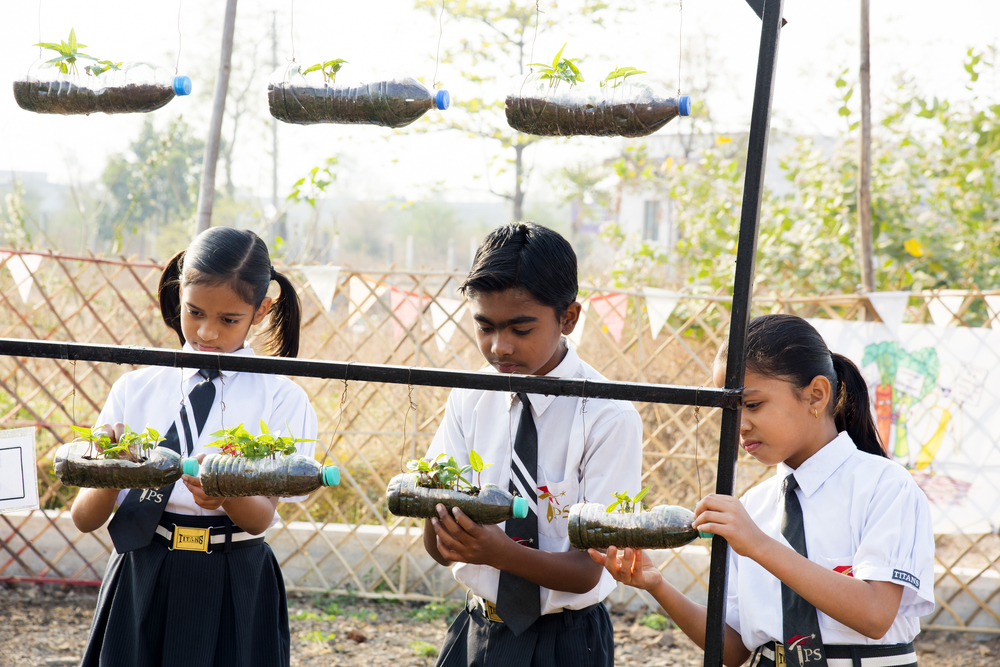
  • A one of its kind initiative, Edible Schools has been launched by MS Swaminathan Research Foundation (MSSRF) in Kalpetta, Kerala in association with Botanical Garden Conservation International (BGCI) to familiarize school children with food crops and family farming. 
  • The aim of this program is to engage the children in food production and farming activities under the guidance of trained and caring leaders, who lead the children into discovery and exploration of soil, water, biodiversity and the science of agriculture production and consumption.

Teaching gardening in schools

  • This project was launched in 2 schools of Waynad – Hill Blooms School, Mananthavady and Government High School, Thrikaipetta, in January, 2021 and it is a huge success till date. The programme was initiated by developing a nutrition garden and fruit garden at both schools following COVID 19 protocols. 
  • These gardens were designed on approximately 870Sq.ft land and fruit trees were planted as part of the campus greening. The nutrition garden has been cultivated with mostly leafy greens such as Amaranthus, Spinach, Curry leaves and Moringa and the commonly consumed vegetables such as Brinjal, Okra, Beans and Cow peas as well as medicinal plants , fruit trees, wild food plants and larval hosts have also been planted. 
  • The first harvesting from the nutrition gardens at the edible schools was done by the students and they were guided by their leaders. They were very excited to see their produce as well as fruit garden saplings of Guava, Custard Apple and Mango seeds growing into healthy trees. 

Although during pandemic the students couldn’t visit the school campuses much, the nutrition gardens have been extended to their homesteads. Training was given to the students for the collection and multiplication of the seeds of wild native trees like Venga, Njaval, Athi etc.  The seedlings planted by the students will be handed over to MSSRF and hence, the students will be a part of the reforestation programme

reference-https://content.ces.ncsu.edu/teaching-from-the-garden-creating-transformative-learning-landscapes-at-schools

School Gardening Curriculum

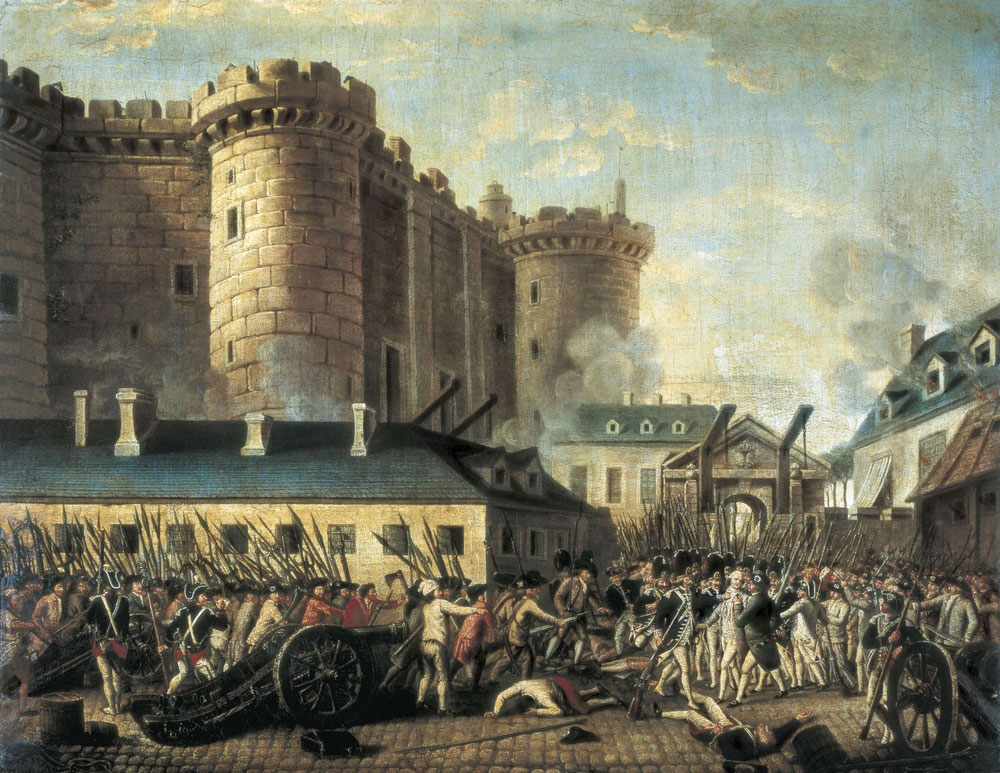
STORMING OF BASTILLE (July 14, 1789)

The French revolution which began in 1789 changed the face of europe. It dismantled the ancient monarchial government and introduced the ideas of liberty, fraternity and equality. It was followed throughout the world. It all began on one day in July when the people of Paris captured a 14th century gothic prison known as Bastille.

Paris was at boil from the early summer of 1789. People had been suffering from food shortage and weight of taxes to pay King Louis XI’s vast debts. The political tumult caused by establishment of the Estates General, France’s Parliament and disappointments caused by the dismissal of the popular minister Jaques Necker on July 111th stimulated the event. Paris, close to insurrection and in Francoi Mignet’s words, “intoxicated with liberty and enthusiasm”, showed wide support for the AssemblyMoreover, the militarisation of city caused a menace amongst public,. Since June the king had appointed troops at the periphery of Paris. The Parisians looted approximately 3000 firearms and five canons. The weapons however needed gunowder which was stored at Bastille. So the march went to prison to grab the gunpowder for the newly liberated weapons.

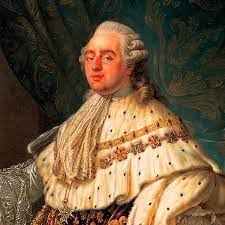
KING LOUIS XVI

The crowd gathered outside the fortress around mid-morning, calling for the pulling back of the seemingly threatening cannon from the embrasures of the towers and walls and the release of the arms and gunpowder stored inside. Two representatives from the Hotel de Ville were invited into the fortress and negotiations began, while another was admitted around noon with definite demands. The negotiations dragged on while the crowd grew and became impatient. Parisians burst into an outer courtyard and a battle erupted. Nearly 100 citizens and 8 prison guards were killed. The governor and 3 of his officers were beheaded. H=On hearing that the Bastille had fallen Louis XVI asked the duke de La Rouchefoucald “So, is there a rebellion?”, to which he replied “No sir, a revolution!”.

The storming of Bastille unfurled the French Revolution. This would force the King to begin concessions and embolden people’s movement to overthrow monarchy. In 1880, France declared the Storming of Bastille their national holiday. Throughout the century of revolutions in France, Storming of Bastille on July 14, 1789 retained its power as the most important symbol of people bringing down despotic government.

The effects of video games on a child’s behaviour

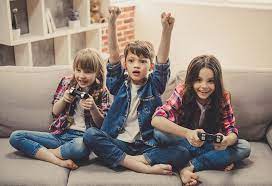
Video gaming has become a popular activity for people of all ages. Many children and adolescents spend large amounts of time playing them, although no one should have more than two hours total of screen time in a day. Video gaming is a multi-billion dollar industry, bringing in more money than movies and DVDs combined. Video games have become very sophisticated and realistic and some games connect to the Internet, which allow children and adolescents to play online with unknown adults and peers.

While some games have educational content, many of the most popular games emphasize negative themes. They promote the killing of people or animals, the use and abuse of drugs and alcohol, criminal behavior, disrespect for the law and other authority figures, sexual exploitation and violence towards women, racial, sexual and gender stereotypes, and foul language obscenities and obscene gestures. Examples of video games not acceptable for children because they have these themes include the popular ones Grand Theft Auto, Call of Duty, and Mortal Kombat.

There is growing research on the effects of video games on children. Studies of children exposed to violence have shown that they can become immune or numb to the horror of violence, imitate the violence they see and show more aggressive behavior with greater exposure to violence. Studies have also shown that the more realistic and repeated the exposure to violence, the greater the impact on children. Children and adolescents can become overly involved and even obsessed with video games, leading to poor social skills, time away from family time, school work and other hobbies, lower grades, reading less, exercising less, becoming overweight, and having aggressive thoughts and behaviors.

So how can you, as a parent, protect your child against these types of video games? First, you can check the Entertainment Software Rating Board ratings to learn about the game’s content. Every video game will actually have a label on the front to tell you what type of game it is. If it says M for mature, it’s not for your child.

Play the video games with your child to experience the game’s content and know exactly what your child is playing. Set clear rules about the game’s content for both playing time in and outside of your home. Strongly warn your children about the potential serious dangers of Internet contacts and relationships while playing online. There are a lot of online predators that will look for children specifically playing video games and this can lead to them meeting in real life. Finally, remember that you are a role model for your child. Make sure the video games you play as an adult are ones that you would want your child to play.

If you are concerned as a parent that your child is spending too much time playing video games or your child starts becoming obsessed with aggressive or violent video games, make sure you set some limits. You’re not allowed to play games for one hour after all the homework is done and encourage your child to participate in other activities so they’re not drawn to those video games. By being aware of what games are out there, you can help your child make appropriate decisions about gaming no matter where your child plays.

OLYMPIAD EXAMS .

Never put an age limit on your dreams.

– Dara Torres

Olympiad’s are competitive exams conducted all across the world to compare students performance of similar educational levels. These Olympiads are helpful for children to know about their capabilities .we are living in a world where we need to be exceptionally good at things we are doing , and for that confidence and creative skills are the two pillars. These Olympiads are doing the same thing , they are making you ready to face the world with your unbelievable ideas and thoughts . Olympiad exams helps you to think out of the box as it is held to test your skills .

The term Olympiad is associated with the Ancient Greek Olympic games. Olympiad’s first started in the summer of 776 BC. They started with different games and slowly the modern Olympiad are being held every four years. The first modern Olympiad started on January 1st ,1896 . Olympiads are all about your education .

what type of Olympiads are there ?

The Olympiad exams conducted in many sectors :

  • International maths Olympiad (IMO)
  • International science Olympiad (ISO)
  • English International Olympiad (EIO)
  • General Knowledge International Olympiad (GKIO)
  • International computer Olympiad (ICO)
  • International Drawing Olympiad (IDO)
  • International Social Studies Olympiad (ISSO)
  • National cyber Olympiad (NCO)
  • National science Olympiad (NSO) . etc.,

The Olympiad exams are conducted both in National and International wise . These are alot based on your educational aspects and they conduct these exams based on your age . so, it is easy for you to participate and understand the levels given in the exams . Another important point to be noted is that :the participants of lower grades can participate at any higher level they want to ,if they are selected for that . For this the participant need to prove themselves by submitting any work they did or by proving your level by the questions asked by them. But any higher grade participate is not permitted to participate in the exams held for lower grade participants .

Photo by Zen Chung on Pexels.com

Benefits of Olympiad’s:

  • Olympiad exam builds self-confidence in children ,gives the power to tackle more such challenges in the best way possible .
  • These exams encourage self-learning that goes a long way in students life .It enables to check their progress on a timely basis.
  • Olympiad exams require students to think creatively .Instead of taking reviews from others ,they will be habituated to see things differently and correct their lacks and to become a successful person in life.
  • It challenges children to come out of their comfort zone.It in-builds their desire to learn and seek more. It builds positive attitude and pusses their ability to perform well.
  • These exams helps you to find the better version of you ,as they get you plenty of experiences where you can learn through. These exams gather different regions children at a place whom you meet there ,so you can understand how things are done there .It not only makes knowledgeable but also makes you understand how the world works.