Give Data on Number of Deaths Due to Oxygen Shortage During 2nd Wave, Centre Tells States

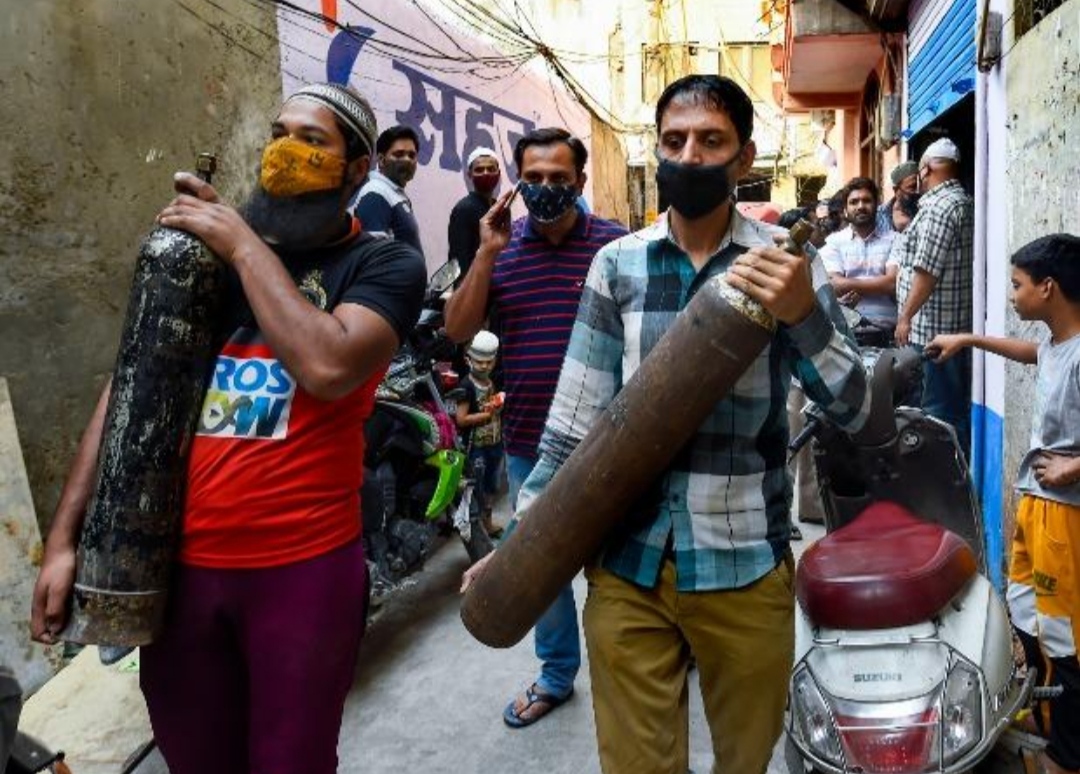
The central government wrote to the states and sought data on the number of deaths that took place due to lack of oxygen during the second Covid-19 wave. The data will be collated and presented in Parliament before the monsoon session ends on August 13.

“We have been getting repeated questions on oxygen deaths in the parliament ” a govt official told CNN-News18.

Last week, responding to a question on the acute shortage of oxygen during the second wave of the pandemic, the Health Ministry had said in Rajya Sabha that “no deaths due to lack of oxygen have been specifically reported by States and Union Territories.”

Delhi Health Minister Satyendar Jain had then said that there have been several deaths because of oxygen shortage in Delhi and other places across the country.

The second wave had seen several private hospitals across the country, especially the national capital, take to twitter with SOS messages pointing out acute shortage of oxygen and demanding urgent help.

21.5 million lost jobs in tourism sector, says Centre

Significant job loss due to lockdown, Tourism Minister tells Rajya Sabha.

With the tourism industry among the hardest hit due to the pandemic, it is estimated that about 21.5 million people working in the sector lost their jobs during the nine-month period from April 2020-December 2020, as per the data shared by the government recently.

In a written reply to the Rajya Sabha, Tourism Minister G. Kishan Reddy said a significant number of jobs were lost in the tourism sector once the lockdown was implemented.

“About 14.5 million jobs during Q1, 5.2 million during Q2 and 1.8 million jobs during Q3 were expected to have been lost as compared to estimated 34.8 million jobs in the pre-pandemic period of 2019-20,” the Minister said.

Mr. Reddy said this was one of the key findings of the study done by the National Council of Applied Economic Research (NCAER) for the Ministry of Tourism to assess the extent of losses to the sector.

As per the report, due to overall economic slowdown during 2020-21, tourism economy or tourism direct gross value added (TDGVA) saw a fall of 42.8% in April-June 2020, 15.5% in July-September 2020 and fall of 1.1% in October-December 2020.

“Due to significant drop in tourist arrivals and hence tourism expenditure, during the pandemic, it is estimated that TDGVA plummeted by as much as 93.3% in Q1 of 2020-21 over its level in the same quarter of previous year,” the Minister stated, adding that it picked up slightly to post a decline of 79.5% and 64.3% in second quarter and third quarter respectively.

However, Mr. Reddy added that the Tourism Ministry did not maintain data on revenue generated from tourism.

Replying to another query, the Minister said no formal study had been instituted by the Ministry to assess whether the movement of people from all States increased at tourist places, which might raise fears of the increase in COVID-19 positive cases after the second wave.

Further, Mr. Reddy said that as per the Bureau of Immigration, the number of foreign tourist arrivals in India stood at 10.93 million in 2019, declining to 2.74 million in 2020 and about 0.42 million till June 2021.

According to the data compiled by the Ministry of Tourism, domestic tourist visits during the calendar year 2019 stood at 2321.98 million and in 2020 at 610.21 million.

Shilpa Shetty, Raj Kundra and their company Viaan Industries fined Rs 3 lakh by SEBI in insider trading case

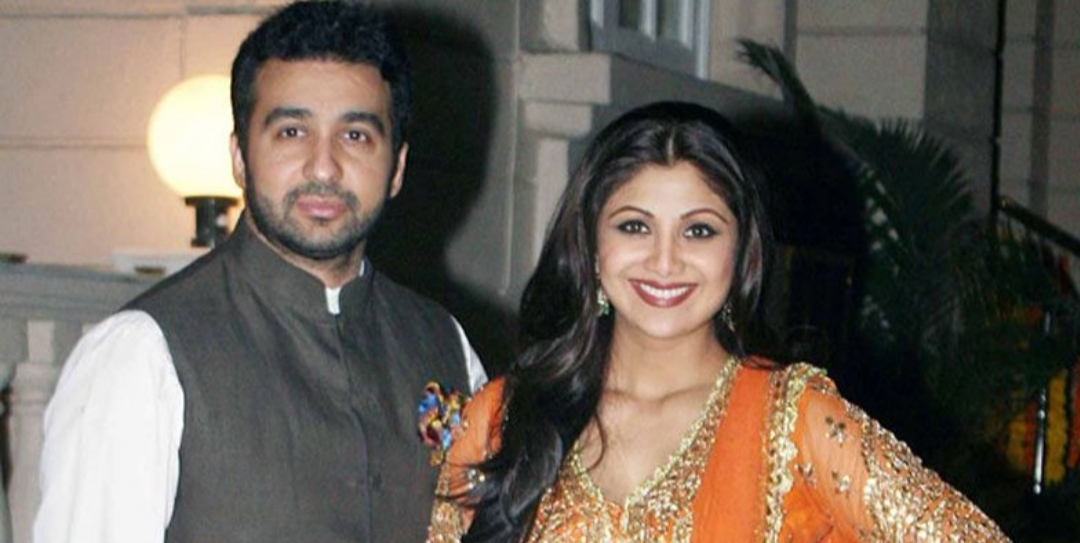
The Securities and Exchange Board of India (SEBI) has imposed a penalty of Rs 3 lakh on Bollywood actor Shilpa Shetty Kundra, her businessman husband Raj Kundra and their company Viaan Industries for violating insider trading rules.

Kundra, Shetty and Viaan have been fined for a three-year delay in the disclosure of an allotment of preferential shares.

In 2015, Viaan Industries had made a preferential allotment of 500,000 equity shares. Of this 1.28 lakh equity shares each were allotted to Kundra (referred to as Ripu Sudan Kundra) and Shetty, the promoters of the company.

According to SEBI’s Prohibition of Insider Trading Rules, 2015, the promoters had to disclose this transaction to the company within two days if it exceeded Rs 10 lakh in value. The company, in turn, has to relay this disclosure to the stock exchanges within two trading days.

In this case, SEBI said the value of the transaction was Rs 2.57 crore each and the disclosures pertaining to the 2015 transaction were made only in 2019.

In reply to a notice from the regulator, Shetty and Kundra acknowledged the mistake and said it was not done with malafide intent.

However, the SEBI adjudicating officer Suresh B Menon refused this explanation and imposed a fine.

Moneycontrol has reached out to Shetty and this copy will be updated when she replies.

Kundra could not be reached as he is police custody in an unrelated case. He was arrested on July 19 for allegedly making, publishing, and distributing pornography. Earlier a Mumbai court rejected his bail plea.

Billionaire Investor Rakesh Jhunjhunwala Plans Ultra-Low Cost Airline

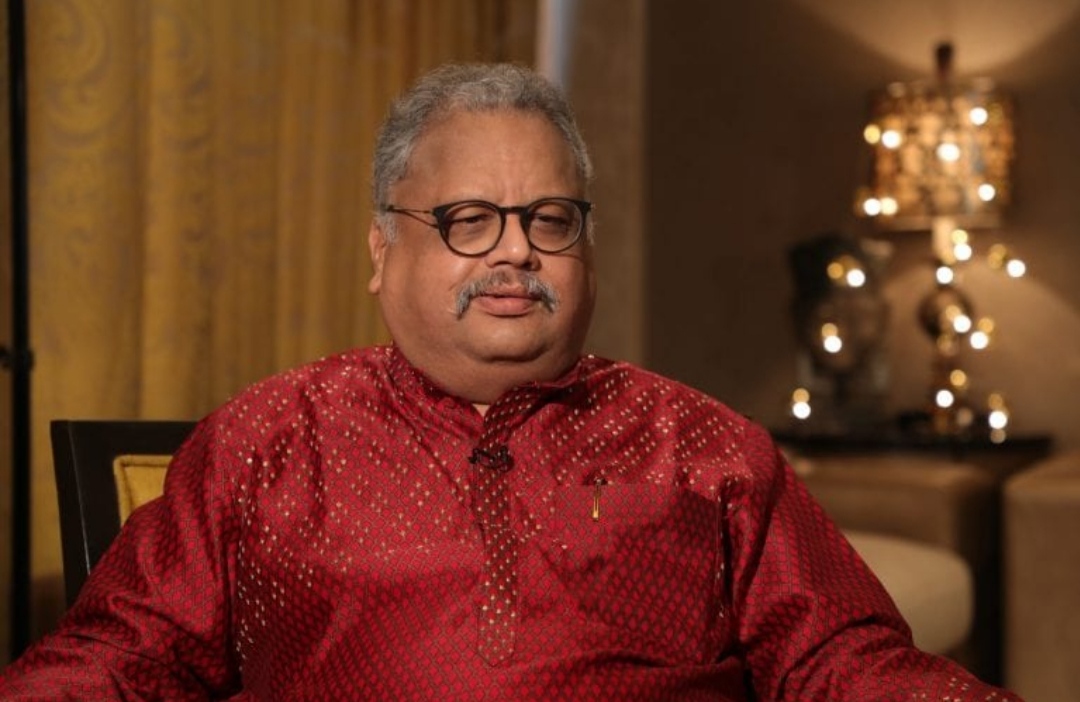
Billionaire investor Rakesh Jhunjhunwala is planning on having 70 aircraft within four years for a new airline he wants to set up in India on optimism more people will travel by air.

Mr Jhunjhunwala, who is considering investing $35 million and would own 40% of the carrier, expects to get a no-objection certificate from India’s aviation ministry in the next 15 days, he said in a Bloomberg Television interview Wednesday.

The ultra-low cost airline will be called Akasa Air and the team, which includes a former senior executive of Delta Air Lines Inc., is looking at planes that can carry 180 passengers, he said.

It’s a bold bet by Mr Jhunjhunwala, who’s known locally as India’s Warren Buffett, in a market that has seen some airlines collapse in the face of intense fare wars and high costs. Still, what was once the world’s fastest-growing aviation market holds an allure and Jhunjhunwala is looking at opportunities to woo flyers with a brand new carrier offering low fares.

“For the culture of a company to be frugal you’ve to start off fresh,” Mr Jhunjhunwala said. “I’m very, very bullish on India’s aviation sector in terms of demand.”

Even before the pandemic, airlines in India were struggling. Kingfisher Airlines Ltd., once the country’s second-largest domestic carrier, ended operations in 2012, and Jet Airways India Ltd., which was recently approved to fly again, collapsed in 2019.

While demand for air travel has been hit globally, India’s aviation industry is at greater risk of delayed recovery as the threat of a third wave of infections looms. Airlines are feeling the impact.

Vistara, which Singapore Airlines Ltd. jointly owns with conglomerate Tata Group, is in discussions with Boeing Co. and Airbus SE to delay aircraft deliveries and make changes to the payment timetables. IndiGo, India’s largest airline, reported a wider-than-anticipated loss as Covid disruption crimped its revenue.

That’s not deterring Mr Jhunjhunwala, who according to Forbes has an estimated net worth of about $4.6 billion.

“I think some of the increment players may not recover,” he said. “I’ve got some of the best airline people in the world as my partners.”

Telangana: Want to Resume physical classes for primary students….!!!

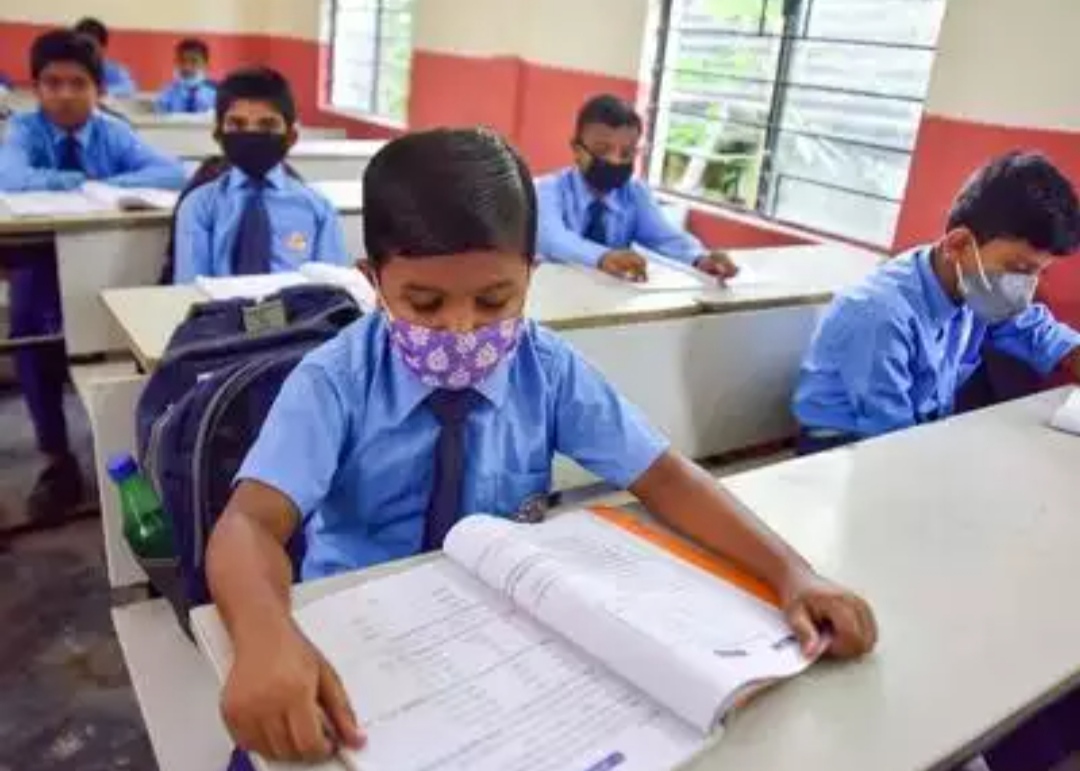
With many states planning to start physical classes only for high school students, managements and teachers said that it is much more important to resume physical classes for primary students, as many of them unable to follow virtual classes.

They said that offline classes should be conducted at least two days a week for primary students. “Even as per ICMR, the impact of Covid-19 on children under the age group of 10 is much less when compared with elder children and adults. Why not start physical classes for them as well,” V Amarnath, director.

“These students are unable to concentrate, their confidence is low and communication skills have been impacted,” he said, adding that holistic development of a child has been impacted overall. Teachers said that physical classes should be resumed for all children in August within a gap of 10-15 days and all students should get to attend offline classes on alternate days.

“Now, almost all teachers are vaccinated. The same is the case with parents. So the risk of children spreading Covid seems to be comparatively lower. However, the state should provide sanitation, medical staff and allocate sufficient budget to follow Covid protocols in schools. By following all norms, physical classes should be started,” said M Ravinder, a government teacher, adding students are already facing memory and conceptual loss.

Parents agreed that it is a matter of urgency to resume physical classes, although they said that the same cannot be done in a haste.

The government should form a committee and study the impact of reopening of schools. They need to communicate with parents, explain what to expect and give an assurance about their children and family members’ safety.

France moves India to amber list from red

France has decided to remove India from the red list to amber as COVID cases decreased in India. The French government has classified amber-listed countries as nations where there is active circulation of the virus in controlled proportions, without further spread. After this news, VFS centres in Delhi and Mumbai have now opened and are accepting all visa categories. Also for kids, there won’t be any quarantine mandate in France.

Protocols to be followed

1) Fully vaccinated travellers holding a valid C-type Schengen visa for 3-5 years, can travel without any restriction to France. But the travellers must be vaccinated with any EMA-approved vaccines, which are Pfizer/ Comirnaty, Moderna, AstraZeneca/Vaxzevria/Covishield.

2) Passengers must travel after seven days of getting their second vaccine shot.

3) Travellers need to have proof of vaccination status. They must also have a attest statement saying they don’t have any infection symptoms.

4) The restriction will be applicable to unvaccinated travellers as well as those vaccinated with unapproved (yet) vaccines including Covaxin.

5) Those with ‘talent passports’, (students and researchers), fall under the list of compelling reasons. So they are allowed to travel to France. But they need to show their negative PCR test not older than 72 hours. A negative antigen test, not older than 48 hours before departure, is also acceptable.

Andhra Pradesh college gets permission to offer engineering in Telugu

The All India Council for Technical Education (AICTE) gave its consent for the NRI Institute of Technology, a private autonomous engineering college in Krishna district, to introduce the programme in Telugu.

It is the only institution in Andhra Pradesh and Telangana to get the permission for BTech Telugu medium with a 60-student intake into the computer science engineering stream.

In all, the AICTE allowed 14 engineering colleges across the country to offer the engineering programmes in Hindi, Tamil, Telugu and other native languages from the 2021-22 academic year.

The move is expected to provide a level playing field for the students, particularly from the rural and tribal areas who have studied in their native languages since childhood.

One of the major recommendations of the National Education Policy 2020 is to promote regional languages in education.

While the NEET exam is currently being conducted in 11 languages, the Union Ministry of Education is holding the JEE (Main) in 13 languages.

Speaking to TOI, principal, NRI Institute of Technology, Dr C Naga Bhaskar, said that the AICTE has chosen the 14 autonomous and NAAC- and NBA-accredited colleges to give permission to offer engineering courses in native languages.

Students to have option of Telugu, Eng for exams

“The move would definitely improve the grasp, creativity, and comprehension levels of the students. Several advanced countries like Japan, Germany and China impart education in their mother tongue. Students would be given the option of writing exams in Telugu or English. The Board of Studies of our college will finalise the syllabus and other components of the programme,” said Dr Bhaskar.

Dr Bhaskar said that it is generally believed that the English medium students would be in an advantageous position compared to their Telugu counterparts. “But, several exams like NEET, JEE and UPSP are currently being conducted in various regional languages. It may be further extended to exams like the engineering services examination in the coming years. This would give an impetus to professional education in local languages,” said Dr Bhaskar.

In a recent Facebook post titled ‘Engineering courses in mother language – A step in the right direction’, posted in 11 Indian languages Vice-President M Venkaiah Naidu lauded the move of 14 engineering colleges across eight states to offer engineering courses in regional language. “It is my desire to see the day when all vocational and professional courses like engineering, medicine and law are taught in mother languages,” said the Vice-President in the post.

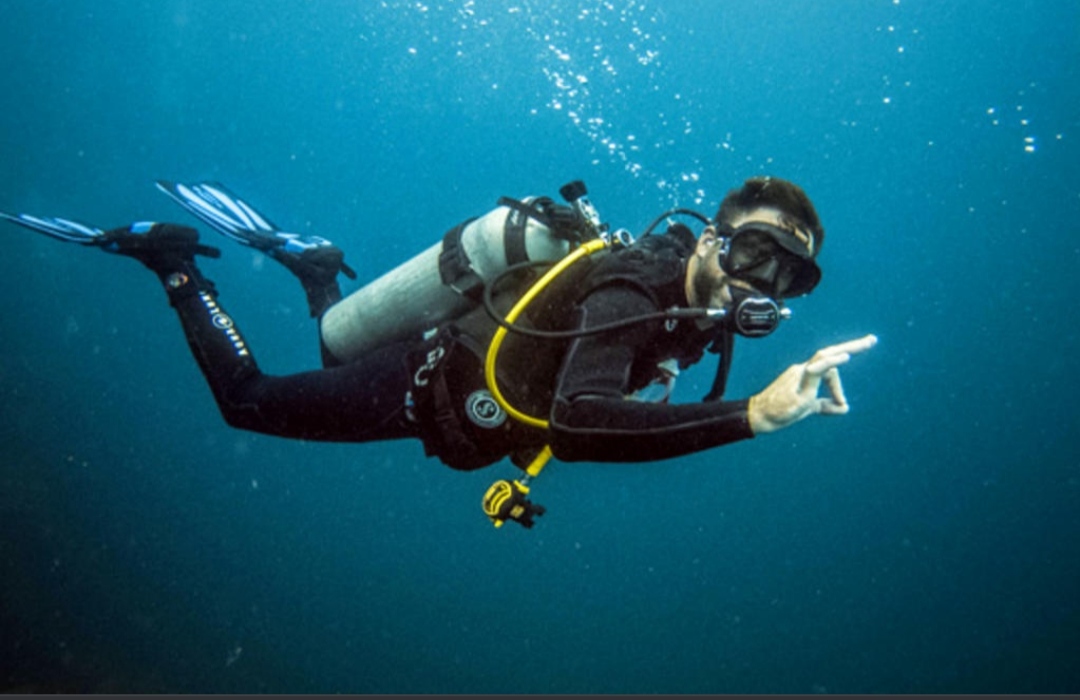
Scuba diving academy to come up at Chintapalli in Visakhapatnam, Andhra Pradesh

Here is some good news for all the watersport lovers in Vizag. A scuba diving academy will be coming up soon in the district, at Chintapalli. The city of beaches has been into the watersports trend, with activities like kayaking, snorkeling, jet skiing and scuba diving. Among these four, scuba diving is the more popular watersport. This watersport is not available at places in India such as Goa, Pondicherry, and the Andaman and Nicobar Islands. But fortunately, Vizag has adopted this highly thrilling and mesmerising underwater activity. 

Taking a big step towards promoting tourism in Vizag, a scuba diving academy at Chintapalli village in Visakhapatnam District. The academy will be started by Livein Adventures, a Vizag-based adventure sports firm, which operates water sports activities in the city with the support of the Andhra Pradesh Tourism Development Corporation (APTDC). This will be a first-of-its-kind scuba diving academy in Andhra Pradesh and one among very few such academies in India. The academy will come up on four acres of land at chintapalli and will be built at an estimated budget of Rs 2 crore. 

Speaking to Yo! Vizag, Balaram Naidu, of Livein Adventures, revealed, “The academy will have courses on basic diving, kayaking, and boating from October 2021. The courses will range from two days to 6 months in duration. Interested individuals, swimmers and non-swimmers, will be able to take globally certified courses on open water diving, rescue diving and advanced diving.” 

How Much Does India Invest In Olympic Athletes?

Postponed by a year due to the pandemic, the Tokyo Olympics is now less than a month away. Last week, the Union Sports Minister Kiren Rijiju urged the people to extend their support to India’s Olympic-bound athletes, the same way they back India’s cricketers. However, India’s abysmal performances at the Olympics is in striking contrast to India’s immense success at cricket. The model of sports governance and financial irregularities are often blamed for the lack of competitive edge in sports other than cricket. So, the most obvious question that comes to our mind is, how much does India invest in the Olympics?

Money allocated for Sports

In the 2020-21 annual budget, the Government of India allocated Rs 2826.92 crore for sports, which meant an increase of mere ₹ 50 crore from the revised estimates of the financial year 2019-20. The Modi government’s flagship sports programme ‘Khelo India’ received a substantial hike of ₹ 312.42 crore and was allocated ₹ 890.42 crore compared to ₹578 crore in 2019-20. On the other hand, the National Sports Development Fund saw a reduction of ₹ 27.15 crore from ₹77.15 crore in 2019-20 to ₹ 50 crore in 2020-21. National Sports Federations saw the highest decrease after Finance Minister allocated ₹ 245 crore, ₹ 55 crore less than the previous financial year, according to The Wire. Even the budget for meritorious sportspersons saw a 40% reduction from the last financial year. It is important to note that the 2020-21 annual budget was presented in January 2020, when the government had no idea of the coming pandemic. It was also supposed to be the year of the Tokyo Olympics.

Target Olympic Podium Scheme

While these are the broad schemes under which Indian sportspersons are funded, the Target Olympic Podium Scheme (TOPS) provides financial assistance to potential Olympic medal winners. Launched in 2014, TOPS is the flagship programme of the Sports Ministry of India. The top-up funding scheme considers the performance of Indian athletes in the past three years. They are provided with personal coaches and other staff fees, cost of travel during competitions, purchase of equipment, and pocket allowance.

Looking Back At The Last Olympics

In the 2016 Rio Olympic, India spent ₹ 36.85 crore under TOPS, as per Financial Express. Nearly half of that amount was spent on shooting, which was India’s most successful Olympic sport in the previous three games. Shooting is also very expensive, which requires importing equipment from other countries. But shooting failed to bring any medal. Athletics received the second-highest funding of ₹ 7.80 crore in 2016, but India failed to make a mark in the sport. Unfortunately, out of the ₹ 36.85 crore, ₹30.49 crore had gone to disciplines that fell short of goals. Only 1.66 per cent of the total TOPS fund went to the fields that brought India two medals – PV Sindhu in Badminton and Sakshi Malik in wrestling.

Comparison With Other Countries

The United Kingdom allocated close to Rs 9000 crore on sports infrastructure and training in the annual sports budget, whereas India spent only one-third of the UK, Rs 3,200 crore, on youth affairs and sports, before 2016. The UK won 67 medals against India’s two at the Rio Games 2016. Abhinav Bindra had also tweeted back in 2016 that a medal cost UK 5.5 million pounds, and that is the kind of investment India needs to make. Otherwise, we cannot expect much. In the USA, a large number of athletes are privately funded. Individual athletes had started their own funding portal for donations from the general public. Therefore, only 10% of the US Olympic Committee’s finance was spent on athletes in Rio 2016, and the USA finished first. China, on the other hand, is known for its aggressive state-sponsored promotion of sports.

Private Investment In India

Before the 2016 Olympics, Indian Olympic Association (IOA) received donations from Reliance Jio, Amul, Tata Salt, Edelweiss Financial Services, Herbalife, Li Ning, and SBJ. Sakshi Malik had also thanked JSW Sport, a foundation funded by the OP Jindal group, after becoming India’s first medal winner in Rio Games, as reported by Hindustan Times.

However, unlike NSDF, where the contributions and sponsorships are open and documented, private funding to individual athletes is not. And most recently, the JSW Group has come on board to be the official sponsor of Team India in the Tokyo Olympics and has agreed to pledge sponsorship support of ₹ 1 crore to IOA. In 2018, the Sports Ministry earmarked ₹ 100 crore for funding of the athletes for the preparation of Tokyo Olympics 2020, which will take place this year. While the number of medals won cannot be equated to the investments made, since medals are not the only measure of success, India nonetheless needs to invest more and put in a new model of sports governance in action. A


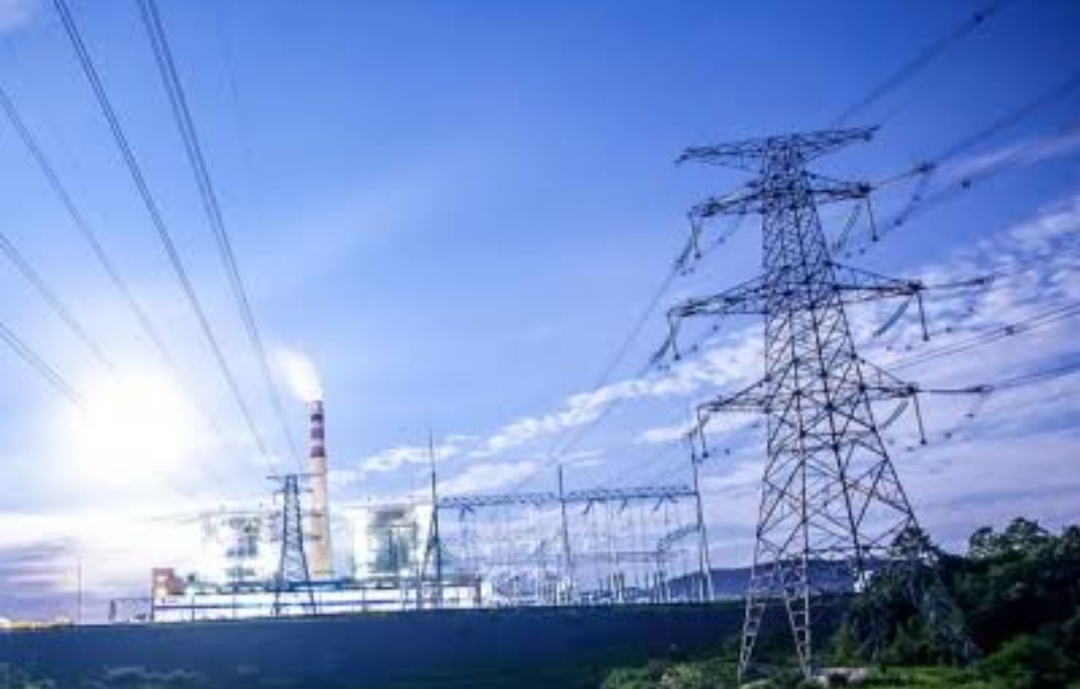
Tribals demand power supply in Visakhapatnam, Andhra Pradesh

Tribals in villages under non-scheduled areas of Ravikamatam and koyyuru mandala in Visakhapatnam district on Friday protested, demanding power connection to their Hamlet’s.

President of the Primitive Tribals Group, koyyuru mandal, korra Mahesh said people living in Hamlet’s under Chimalapadu panchayat under Ravikamatam have been demanding for power connections for the past three years.  

5 common habits which are as dangerous as smoking

India is home to more than 12% of world smokers. In India alone, 10 million people die each year due to smoking. Smoking as a habit is seen more common in youngsters these days. These habits then become so addictive that for some people it is even carried to their death bed. But there are more habits that are as dangerous as smoking. We often ignore these habits but they have the potential of causing us the same harm as smoking does.

Loneliness:

Research has proven that loneliness can affect our overall health. Its impact is more significant on brain health. There are also studies that point out the connection between loneliness and developing diseases such as dementia and Alzheimer’s. In India, almost 22% of elders stay alone.

Poor diet:

We all know that food is necessary to maintain good health but not many of us practice that on daily basis. Many of us eat junk foods, and foods rich in salt and sugars. Not just those, we often do not include vegetables and fruits in our diet. Taking poor diet causes diseases like obesity, diabetes, etc. In India, people consume more cereals and avoids proteins, fruits, and vegetables. There is an increasing status of obesity among men and women, especially in urban areas.

Inactive lifestyle: 

In the contemporary world, we all sit long hours in front of the screen. A study in 2014, by the University of Regensburg in Germany, showed that every 2 hours a person sit, increases the chances of colon cancer by 8% and chances of lung cancer by 6%. This was regardless of other physical activity during the day.

Sleep deprivation:

Sitting long hours before the screen aids in sleep deprivation as well. The blue light from the screen has been linked with problems like strained eyes, blurred vision, and even cataracts. Almost 33% of adults in the country suffer from insomnia and the bigger problems.

Pessimistic attitude:

We all have heard of the phrase that does not let negative attitude ruin your life. But negative attitude and pessimism are now a widespread problem. Pessimism is when you think that things will go wrong or will not go according to your plans. This leads to depression and unwanted stress.

These 5 habits are as dangerous as smoking. So, give up on that negative attitude, sleep well, be more active in daily life, eat balanced food and be happy. You will see positive results in your mind, body and spirit once you give up on all these 5 habits.

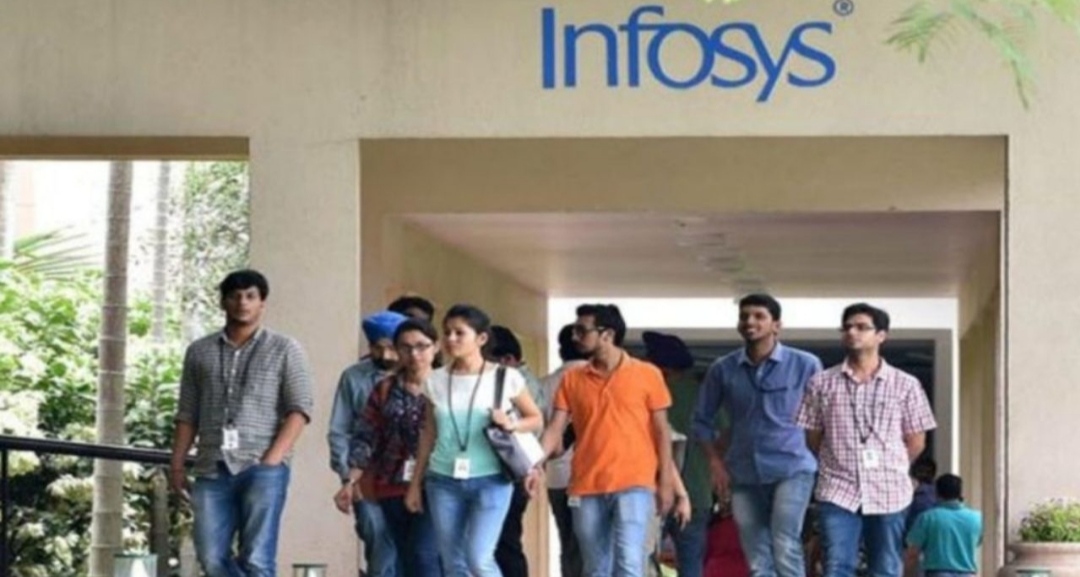
Work From Home Ends For 2.6 Lakh Infosys Employees

Infosys Ltd told employees last week they could resume work from offices, according to a memo seen by Reuters that offers an early sign of the country’s $190 billion technology services sector moving to get back on track.

Many IT businesses are mass-vaccinating their personnel to ensure that they are protected from Covid, while also preparing them to return to work once the situation gets back to normal, or the pandemic’s impact is reduced.

Most MNC employees have already received their first round of vaccination, and some have also completed their second dosage.

Infosys Ltd Will Resume Work From Offices….!!

Large corporations have allowed their staff to work from home but small businesses and startups are finding it difficult to adapt the work from home due to a lack of resources and technology.

Many corporations planned to reopen offices in full force at the moment, but with the second wave striking and more lockdowns being announced, these plans had to be postponed for a long period.

Infosys said the country’s safety situation seems to be improving, with growing vaccination coverage. Infosys did not respond to Reuters’ request for comment on the memo.

“We have been getting requests from certain accounts to allow their team members to work from Infosys campuses. In addition, some of our employees have also been asking to come back and start working from the office, as a personal preference.”

Infosys had a total employees of 2.67 lakh at the end of the June quarter, as compared to 2.59 lakh in the March quarter.

After reporting results last week, Infosys executives told analysts that roughly 99% of its staff was working from home, and the company would make efforts to get “more and more people to come to office” over the next couple of weeks.

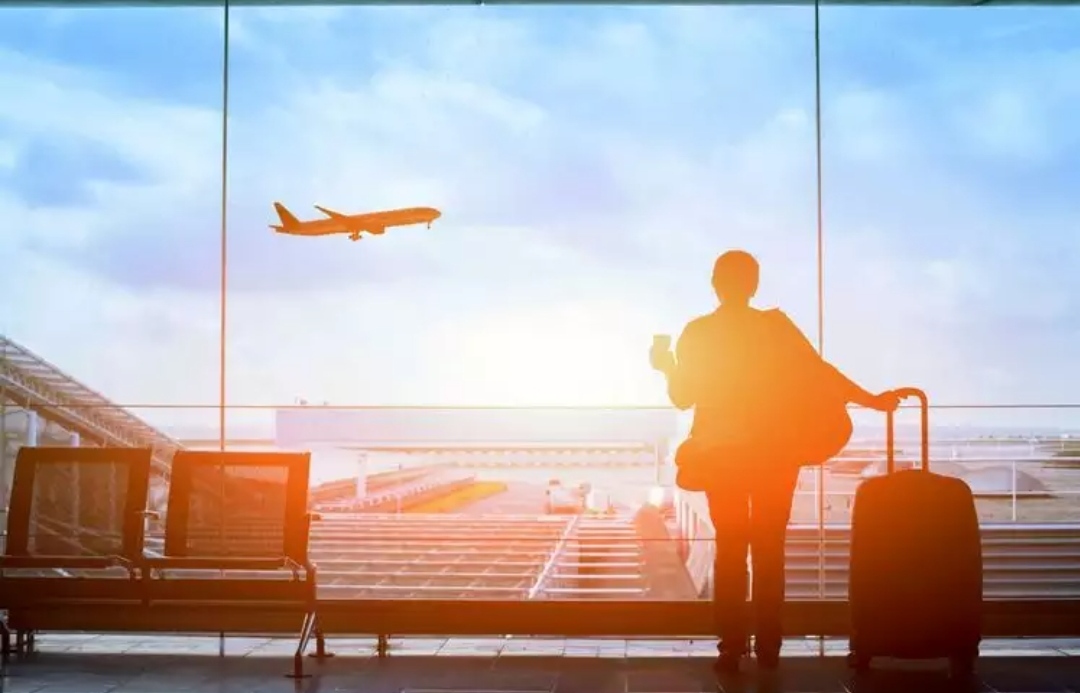
Which countries are open for Indian tourists.

Destinations such as Maldives, Croatia, South Africa, Switzerland, Russia, Lebanon, Germany, Ukraine, UAE, Turkey and Iceland have started allowing non-essential travel, subject to vaccination or other conditions.

India’s biggest online travel portal, MakeMyTrip, has seen a 35% jump in searches for international leisure packages in July compared to that in the previous month, with the Maldives and Russia ranking high on the list of preferred destinations.

“As positivity rates drop, we hope it encourages more countries to open their borders to Indian travellers,” said Vinay Malhotra, regional group chief operating officer, South Asia, Middle East and North Africa and Americas at visa processing firm VFS Global.

Aloke Bajpai, group CEO at Ixigo, said search enquiries on the company’s platform for travel to overseas destinations have seen 80-85% increase in July as compared to last month. “With several countries easing travel restrictions, interest in leisure international travel to countries such as the Maldives, Switzerland, Germany, Qatar and Turkey is rising,” he said.

Some countries such as Qatar and Switzerland require a full vaccination certificate (Covishield) from Indian travellers. Iceland has given an option to travellers to either submit a full vaccination certificate or a Covid-19 recovery certificate. Unvaccinated travellers can travel to countries such as the Maldives, Russia, Germany, Turkey, Nepal and Ukraine by providing a negative RT-PCR report issued within 72 hours of departure.

To cash in on the increasing interest, SOTC Travel has introduced a range of offers such as ‘Buy One Get One Free – Get your Companion’s Holiday Free’ for overseas destinations. Daniel D’souza, country head for leisure at the company, said the most popular destinations in terms of enquiries include Dubai, the Maldives, Russia and Switzerland. The company has seen a 35-40% increase week-on-week in enquiries, he said.

Kanika TTekriwal, CEO, JetSetGo Aviation, said travellers are still conscious about the high likelihood of contracting the virus via regular flights. As a result, her private jet and helicopter services company has been seeing 10-12 booking queries each day since air travel suspension was lifted for the Maldives and some European countries.

International Model United Nations Conferences

Way towards success

IMUN conferences a way towards success. A platform where your voice matters. Before IMUN conference we have to know about IMUN first.

What is International MUN?

International MUN is recognized by the United Nations & has hosted MUN conferences in 5 different countries in the last 3 years i.e in Thailand, Vietnam, Egypt, China & Malaysia. 

About IMUN conferences.

IMUN conferences is a platform where students (or anyone) are tasked to solve global issues like women empowerment, gender equality through research drafting, lobbying and debate to pass a suitable ‘resolution’.
This conferences are held on sat-sun every week. After completing the whole registration process you will get a mail, in that mail they will give you the meeting link and the topics for the conference. You have to select one topic and have to research about that respective topic.
e.g. I completed my whole registration process, got a mail and selected a topic. Suppose my topic is women empowerment, so I have to research about that topic like what are the issues and how can we solve those issues?. So on a day of online conference I will represent india (if I get india) and the women empowerment in India. I have to discuss the problems and respective solutions about the topic with other members. If you don’t wants to talk it’s okay, you just have to interact with the members.

What is an International Model United Nations (IMUN) conference and Why should someone participate in it ?

International MUN online conference is a 2-day model UN conference where participants from around the world present solutions to global issues. They can choose topics of their choices in every conference. In a 2-day conference, they research about the topics, debate, network with other participants from different countries etc.

Participants also get study materials, free MUN training sessions, experts QnA and position paper submissions. At the end of the conference, all participants receive participation certificates recognised by the Australian embassy and the United Nations. The best participants receive two certificates, one is participation certificate and another is award certificate.

What are the benefits of attending IMUN conferences?

Participating in IMUN conferences helps students to develop leadership skills, communication skills, public speaking, writing, research and many more. You will get a international certificate of participation by United Nation which will help you to get a good job. Interesting with foreign students, discussing and solving global issues with them what would be more interesting than this!!

How can I register?
You can register through the link attached below

https://www.internationalmun.org/RegistrationForm.php?mark=YN4558

So hurry up and register today..

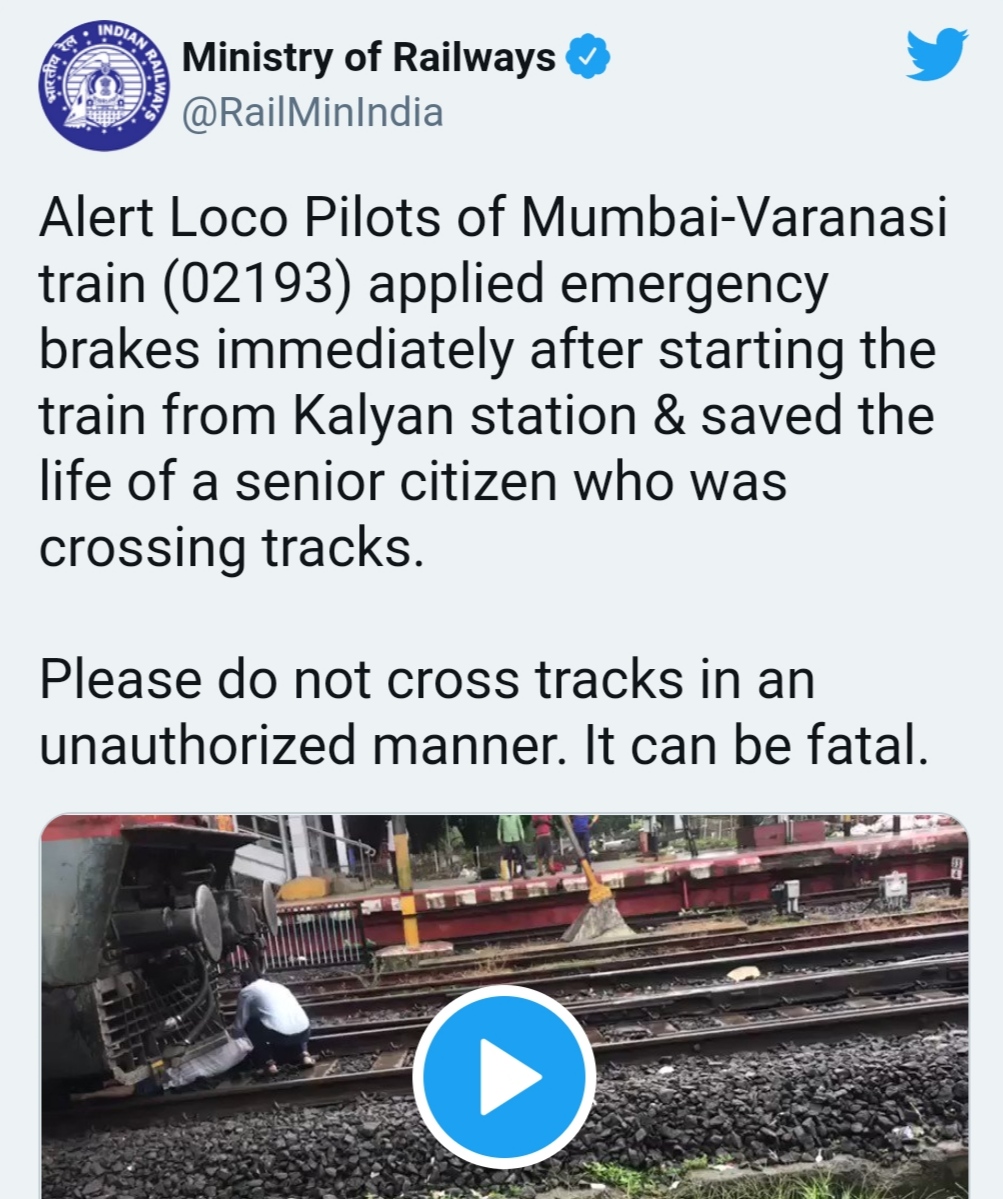
Loco pilots stopped Mumbai to Varanasi train midway to save elderly man.

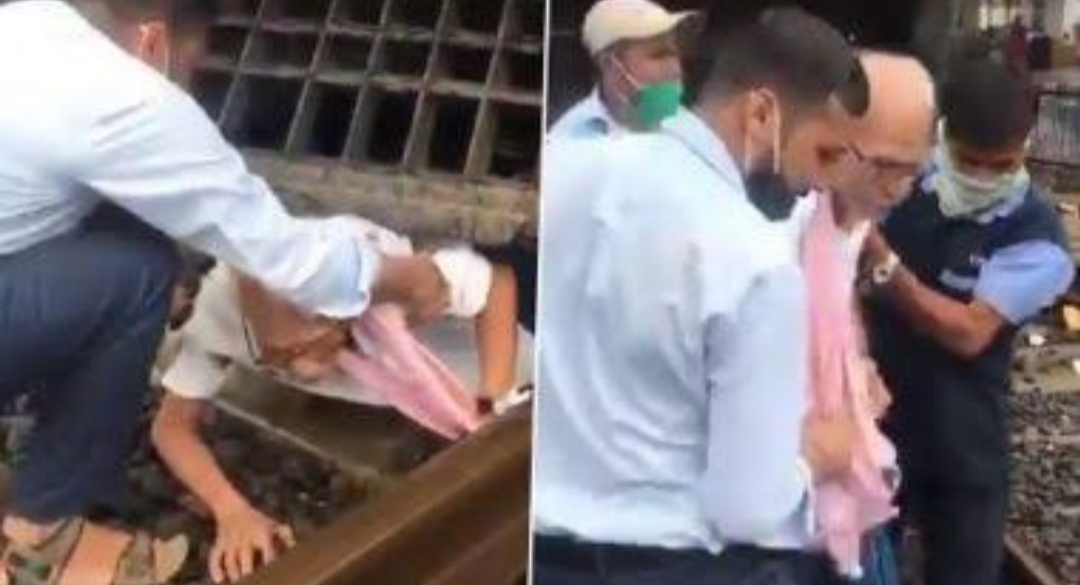
In a shocking incident, an elderly man trying to cross rail tracks was saved by the quick action of loco pilots of a running train. A video of the railway staff rescuing the elderly man stuck between the tracks was shared on Twitter by the official Twitter handle of the Ministry of Railway. The incident took place near Kalyan station, Mumbai.

In above picture, we can see it.

“Alert Loco Pilots of Mumbai-Varanasi train (02193) applied emergency brakes immediately after starting the train from Kalyan station & saved the life of a senior citizen who was crossing tracks,” captioned alongside of the video. The picture shows the staff helping the man out from under the railway engine. The man came out without a scratch.

“Please do not cross tracks in an unauthorized manner. It can be fatal,” adds the caption.

Please be careful while crossing the railway tracks, we can get into grave danger if we are not alert.