Plastic – The slow poison.

Lately plastic has taken over the world. People often believe that all of this has happened in the recent few years, but the truth is everything takes time to happen and gradually makes its impact, and the same is with plastic.

Commercial (fully synthetic) plastic was first introduced in the year 1907 when Belgian-American chemist Leo Baekeland created Bakelite, the first real synthetic, mass-produced plastic. This breakthrough made people think, that it was going to be a great positive change for the industrial years ahead. The creation which was believed to be a boon for the world now appears to be a curse. A curse that is not only harming human life but every other life form on the planet.

Though there are many movements and initiatives taken by several organizations and governments of various countries going on, the effect of plastic is now on the verge where, either in some years it’ll be irreversible or we would have completely eradicated it.

From Mount Everest to the bottom of the sea, plastics are found to be persistent polluters of many environmental niches. Whether being mistaken for food by animals, flooding low-lying areas by clogging drainage systems, or simply causing significant aesthetic blight, plastics have attracted increasing attention as a large-scale pollutant.

The latest reports from the UN show how the consumption and demand for plastic have increased over the years. From the 1950s to the 70s, only a small amount of plastic was produced, so plastic waste was relatively manageable. By the 1990s, the plastic waste generation had more than tripled in two decades, following a similar rise in plastic production. In the early 2000s, the output of plastic waste rose more in a single decade than it had in the previous 40 years. Today, about 300 million tonnes of plastic waste is produced every year. That’s nearly equivalent to the weight of the entire human population.

Around the world, one million plastic drinking bottles are purchased every minute, while up to 5 trillion single-use plastic bags are used worldwide every year. In total, half of all plastic produced is designed to be used only once and then thrown away.

Researchers estimate that more than 8.3 billion tonnes of plastic have been produced since the early 1950s. About 60% of that plastic has ended up in either a landfill or the natural environment.

Since the 1950s, the rate of plastic production has grown faster than that of any other material. A shift away from the production of durable plastic, and towards plastics that are meant to be thrown away after a single use has also been seen. More than 99% of plastics are produced from chemicals derived from oil, natural gas, and coal, all of which are dirty, non-renewable resources. If current trends continue, by 2050 the plastic industry could account for 20% of the world’s total oil consumption. Scientists have also claimed that if the use of plastic is not reduced, then by the year 2050 oceans would contain more plastic than fish.

Single-use plastic products are everywhere For many of us, they’ve become integral to our daily lives.

The use of plastic needs to be reduced, and the improvement of plastic waste management is now a necessity. Only 9% of all plastic waste ever produced has been recycled. About 12% has been incinerated, while the rest 79% has accumulated in landfills, dumps, or the natural environment.

The government and various organizations are doing their work by introducing various rules to regulate the use of plastic and organizing events to make people aware of the impacts plastic is making on this planet. But this is not enough, we need more to prevent our environment from going into a state, from where it’s revival won’t be possible. Each and every individual needs to take charge. It is often asked that “How can an individual make an impact globally by just reducing their consumption of plastic”, the answer is if each and every individual decides to take up their responsibility then we won’t need a bigger change, these small changes would eventually make a bigger impact than any other move can.

But the questions are, are we willing to make a change? are we ready to start working instead of just speaking? are we ready to pledge that we are going to make this world a better place to live in for our future generations, or are going to make it worse enough for them to struggle to survive? The answers to all these questions lie inside us, we just need to bring them out.

” It is us who has to decide, whether we protect what we have, or we and every other thing we cherish is going to be history”

See yaa..

Veganism

Over the past few years, the concept of veganism has become largely popular. Many famous personalities have also started switching into veganism. According to Wikipedia, “Veganism is the practice of abstaining from the use of animal products, particularly in diet, and an associated philosophy that rejects the commodity status of animals.” There is a specific pattern of eating involved in it which includes only plant-based food items. Vegan people replace dairy products with plant based milks like soy, scrambled eggs with scrambled tofu, honey with maple syrup and similar other options. They also refrain from using other animal products like clothing from animal products and leather. It is a lifestyle which attempts to decrease animal exploitation as much as possible.

The term “vegan” was first coined by Donald Watson in 1944 when he founded the Vegan Society with a small group of vegetarians, who broke away from the Leicester Vegetarian Society in England. It is said that the term “vegan” was constructed by combining the first and last letters of “vegetarian.” At first it was used to mean “non-dairy vegetarian” and by May 1945 vegans started abstaining from “eggs, honey; and animals’ milk, butter and cheese”. They chose to not consume dairy or any other product of animal origin along with abstaining from meat like vegetarians. In 1951, the Society changed its definition to “the doctrine that man should live without exploiting animals”. It is currently defined as “a way of living that attempts to exclude all forms of animal exploitation and cruelty, be it from food, clothing, or any other purpose.” Interest in Veganism started from the latter part of 2010s as more and more vegan stores opened increasing vegan options. These have started to be increasingly available in supermarkets and restaurants across the world.

Reason behind going Vegan

Vegans generally choose to avoid animal products for reasons like Ethics, Health and Environment.

Photo by Bulbfish on Pexels.com

People who support the ethics of the practice are called Ethical Vegans who strongly agree to the belief that all creatures have the right to life and freedom. So, they oppose killing a conscious being to simply consume its flesh, drink its milk, or wear its skin — especially when alternatives are available. They also oppose the psychological and physical stress that animals may endure as a result of modern farming practices. For instance, the small pens and cages in which many livestock animals are forced to live between birth and slaughter, the farming industry’s practices of the grinding of live male chicks by the egg industry or the force-feeding of ducks and geese for the foie gras market. Ethical vegans also protest against animal cruelty and raise awareness about ending all forms of cruelty towards animals.

Some also choose veganism due to its health benefits. Plant-based diets may reduce the risk of heart disease, type 2 diabetes, cancer, and premature death. Lowering the intake of animal products may likewise reduce the risk of Alzheimer’s disease or dying from cancer or heart disease. One can also avoid the side effects linked to the antibiotics and hormones which are used in modern animal agriculture. Studies show that there is a relation between vegan diets and lower body weight and body mass index (BMI).

Photo by Daria Shevtsova on Pexels.com

Vegan diets are high in dietary fiber, magnesium, folic acid, vitamin C, vitamin E, iron, and phytochemicals; and low in dietary energy, saturated fat, cholesterol, long-chain omega-3 fatty acids, vitamin D, calcium, zinc, and vitamin B12. There is also the possibility of nutrition deficiency because elimination of all animal products may lead to nutritional deficiencies. Some of these can only be prevented through the choice of fortified foods or the regular intake of dietary supplements. Vitamin B12 supplementation is considered to be very important in some cases.

Some people avoid animal products and shift to veganism for the environmental impacts. It is widely known that animal agriculture is a very water intensive process. The UN report of 2010 suggests that animal products need more resources and produce a higher percentage of greenhouse gas emissions than plant-based options.

We will launch ‘Project Dolphin’ for protecting ocean and Gangetic dolphins : PM MODI

The Gangetic dolphins have been declared as the National Aquatic Animal of India. This decision was first taken in the meeting of the National Ganga River Basin Authority (NGRBA) chaired by then Prime Minister Dr.Manmohan Singh on 5th October, 2009.

Ganges river dolphins once lived in the Ganges-Brahmaputra-Meghna and Karnaphuli-Sangu river systems of Nepal, India and Bangladesh. But the species is extinct from most of its early distribution ranges. The Ganges river dolphin can only live in freshwater and is essentially blind.

Ten years after Gangetic dolphins were declared National aquatic animals, Prime Minister Narendra Modi announced on 15th August, 2020 a conservation project for the species. This conservation project is named as the Project Dolphin’.

This project aims to give a stronger impetus for conservation of the aquatic mammals in the lines of ‘Project Tiger’ – a tiger conservation programme launched in April 1973 and ‘Project Elephant’ launched in 1992 to provide financial and technical support to wildlife management efforts by states for their free-ranging populations of Wild Asian Elephants.

According to the environment ministry, the project envisages to address conservation concerns and empower the stakeholders such as the river-dependant population in reducing the pollution and allowing sustainable fishery and river-based other livelihood options through scientifically oriented conservation methods. Implementation of the “Project Gangetic Dolphin” envisions a healthy river ecosystem not only protecting the biodiversity of the river but also taking into consideration the well-being of the people depending on its resources.

Addressing the nation from the ramparts of the Red Fort on India’s 74th Independence Day, Modi said, “We will launch ‘Project Dolphin’ for protecting ocean and Gangetic dolphins”. It may be mentioned here that the Ministry of Environment, Forest and Climate Changes has made elaborate plans to launch the 10-year project ‘Gangetic Dolphin’ led by Environment Minster Prakash Javadekar.

The Gangetic river dolphin is a species of freshwater dolphins primarily found in the Ganga and Brahmaputra rivers and their tributaries in India, Bangladesh and Nepal. Ganges river dolphins prefer deep waters, in and around the confluence of rivers. The distribution range of the Ganges river dolphins in India covers seven states namely Assam, Uttar Pradesh, Madhya Pradesh, Rajasthan, Bihar, Jharkhand and West Bengal.

There are around 3700 Gangetic River Dolphins in Indian river systems, according to official figures. The Ganga dolphin is one of only three freshwater dolphins left in the world. There are about 1800 left in the Indian part of the Ganga-Brahmaputra-Meghna basin, down from about 4500 as recently as 1982. There may be around 600 more left in Bangladesh, a few in Nepal, all part of the same basin. In Bhutan, the fourth country in the basin, the Ganga dolphin has not been seen for many years.

The Ganga dolphin is given the highest level of protection possible under the 1972 Indian Wildlife Protection Act. It is categorised as “endangered” by the International Union for conservation of Nature.

As river dolphins acts as indicators of healthy river ecosystems, their conservation would also ensure controlling river pollution and improving the availability of fishes and enhancing economies of local communities through sustainable fishery, the ministry said. They were declared National Aquatic Species in 2010.

Environment News: India

  • National Green Tribunal (NGT) slams the Ministry of and Forests (MoEF) over its report on Clean Air Programme. They say that the report was against the constitutional mandate under Article 21. It denies the fundamental Right to Life and has no supportive data.
  • People in Visakhapatnam celebrate Ganesh Chaturthi in an eco-friendly way. They make their own idols out of clay and biodegradable substances instead of buying large festival items and idols from crowded and not so eco-friendly markets.
  • This year’s carbon emissions are predicted to fall down by approximately 8% due to the COVID-19 lockdown across India, a senior official of the environment ministry has said.
  • The incidents of hunting and poaching of wild animals and birds, including the endangered chinkara, have seen a high rise in some districts of Rajasthan during the COVID-19 lockdown. The hunters are taking advantage of lesser or no monitoring and less public movement in the remote areas.
  • Experts welcome UN secretary general António Guterres’s advice to India for phasing out fossil fuel usage to fight climate change. Environmentalist and founder of NGO Social Action for Forest and Environment (SAFE) Vikrant Tongad, said that our leaders should take it seriously and the UN should help the developing countries like India and provide technological solutions and funding for the same.
  • Amidst COVID-19, the northeastern state of Assam is now fighting with the Lumpy Skin Disease (LSD). LSD is an infectious viral disease in cattle transmitted by arthropod vectors such as mosquitoes and ticks. The LSD cannot transmit from cattle to humans.

Green Finance

It ain’t a shocking or new news to us that homo sapiens are consistently destroying our mother nature and the result of our deeds would not be greatly cataclysmic, we all are very well aware of this fact. But still most of are not taking this seriously and what we are doing will ultimately lead a catastrophe for our planet.

Some countries, especially in this article I would write about Germany are taking steps regarding this matter and one of the biggest highlight of today’s news channel is their funds allotment for the projects related to the environment. Germany on 24th August, 2020, announced the details of the first green bond placing, tapping financial market to fund environmental projects.

The finance ministry said funding for climate-related programs will generate up to € 11 billion by 2020. The first question of a 10-year bond in September, would have a total of at least four billion euros. Late last year, the German Government confirmed it will introduce the bonds as part of its attempts to tackle climate change in the second half of 2020. As part of a climate plan that involves imposing a carbon tax to slash greenhouse emissions by 55 per cent by 2030 relative to 1990 rates , the government committed € 54 billion in investment to 2023. Rita Schwarzeluehr-Sutter, parliamentary state environment minister, said the bonds would add to the actions of the administration.

“Green federal bonds offer a simple opportunity, and we demonstrate how renewable and climate-friendly business practices can be made straightforward and consistent,” she said. The green bonds would be “twin bonds,” sold with the same maturity and coupon opposite the traditional federal bonds, the finance ministry stated. According to Joerg Kukies, parliamentary secretary at the finance ministry, it means creditors should be able to move their bonds from one version to the other, with the intention of rendering them more appealing to buyers.

According to the European Central Bank ( ECB), green bonds accounted for 2.85 per cent of global bond issuance in 2019, or around US$ 205 billion. Nearly half of last year’s released green bonds worldwide were in euros, the ECB added. ECB chief Christine Lagarde said in July that climate security was the bank’s top priority after launching a €1.35 trillion programme to help the European economy recover from the coronavirus pandemic. Lagarde began at the ECB late last year with a promise to follow a “greener” monetary policy, increasing the possibility that the bank may increase its portfolio’s share of climate-friendly investments.

Was the Environment Healing During the Pandemic?

While the outbreak of the Covid 19 pandemic prompted lockdowns in many countries all over the world, the resultant decrease in emissions may have improved the health of our planet. Incidents where endangered animals have been spotted in certain areas were all around social media.

Photo by Anna Shvets on Pexels.com

The worldwide disruption caused by this has resulted in great impacts on the environment and the climate. Also, the considerable decline in travel has caused many regions to experience a large drop in air pollution. Carbon emission rates have reduced across countries significantly. There have been many instances where considerable changes in environmental conditions were observed. In China, lockdowns and similar measures have resulted in a 25 percent reduction in carbon emissions and 50 per cent reduction in nitrogen oxides emissions. One scientist estimated that this may have saved at least 77,000 lives over the course of two months. When compared with indexes of last year, pollution levels in New York have decreased almost by 50% this year. Satellite images have shown that Nitrogen dioxide emissions have started to decrease in Northern Italy, Spain and United Kingdom.

As most people had to stay at home due to lockdown and travel restrictions, many animals have been spotted in several cities. Sea turtles were spotted laying eggs on beaches they once avoided. This was found in coasts of the Bay of Bengal due to the lowered levels of pollution and human intervention. In the United States, dangerous vehicle collisions with animals such as deer, elk, moose, bears, mountain lions were very common. These incidents have reduced greatly and the rates fell by 58% during March and April. Endangered animals were visible in urban cities. A group of Nilgai deers were spotted on the roads of Noida near New Delhi. Dolphins which were seen in the Ganges many years ago, were also spotted in the river during the lockdowns. Several migratory birds were spotted across cities.

Gabon, an African country, had decided to ban the human consumption of certain animals like, bats and pangolins. This was done to reduce the spread of zoonotic diseases because the novel coronavirus is thought to have transmitted to humans through these animals.

According to a study published in May 2020, it was found that the rate of daily global carbon emissions during the lockdown in early April fell by 17%. This could possibly lead to an annual carbon emissions decline of up to 7%, which would be the biggest drop in emissions since World War II according to the study. Researchers suggest that these decreases are mainly due to the reduction of transportation usage and industrial activities. It is true that rebounding and returning to our previous routine and lives could diminish these reductions due to the more limited industrial activities. Due to the reduction in flights, air pollution levels have also dropped significantly.

Temporary changes have affected the environmental conditions. However, whether this pandemic will have a lasting impact on the environment is yet to be known. None of us would have wanted to lower emissions in this way, but it has shown us what we can do together in times of need. Covid-19 has shown us the importance of lives, health services, jobs and mental health. It has also shown us the difference that people and communities can make when they work together – this has given us hope that we can show the same zeal while dealing with climate change and saving our planet.

Floods in India: Urban planning

Grey Infrastructure

It includes drains, pumps and outfalls. They frequently overflow by heavy rainfall or high levels of storm-water runoff from roads and streets. Indian cities like Bengaluru, Bihar, Delhi, Mumbai and Hyderabad are flooding frequently. There are multiple, recurring failures of grey infrastructure in India and other developing countries, for which alternatives are now being sought.

Blue-Green Infrastructure

Natural ecosystems such as lakes, parks, floodplains, forests are nature-based solutions called blue-green infrastructure and offer low-cost and flexible solutions for flood mitigation and management. They offer many other co-benefits.

Urban flood management in India continues to focus only on improving grey infrastructure, rescue and relief, instead of creating sustainable solutions. Cities continue to expand storm-water networks, clean channels and separate the sewage and storm-water drains. These are all important actions and urban areas bear high expenses to build grey infrastructure; but repeated floods mean that these actions are not sufficient.

Major reasons for frequent urban flooding across India

1. Construction on flood pathways.

During the monsoon, urban development and infrastructure such as roads, airports, bus depots, metro rail, etc. which are built on low-lying areas such as floodplains and lake beds, face higher risk of floods.

2. Making way for the floodwater.

Water penetrates into the ground, flows as surface runoff, evaporates and transpirate into the atmosphere. Urban regions with impenetrable surfaces, avoid water to go underground, decrease evaporation and transpiration. This highly increases surface runoff. Urban India is constantly building structures, streets, flyovers for urban citizens, frequently with inadequate storm-water infrastructure. Enormous volumes of storm-water deteriorate on these impenetrable surfaces, causing continued flooding.

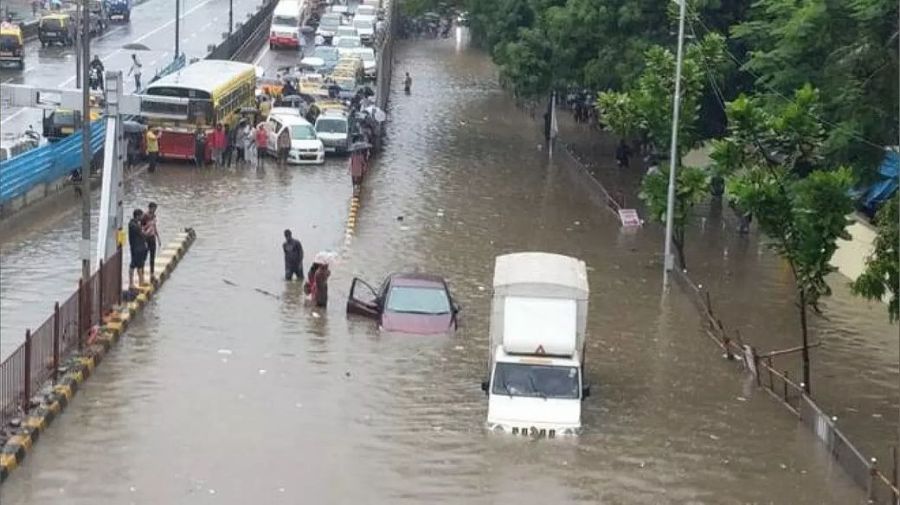
Source: Sentinel Assam MUMBAI FLOODS, 2020

3. Climate change and uncertainty.

The adverse climate change is creating uncertainty in many environmental phenomena. Rainfall variability is increasing because of climate change. Average monthly rainfall is now falling within days. Floods have high economic and social damage. This year (2020) Mumbai had 80% of its average rainfall in eight days.

Forecast, response and resilience.

  • Both grey and blue-green infrastructure expansion and upgrade is needed.
  • Official response to floods needs high-tech rainfall and flood warning systems like in Chennai and Mumbai.
  • Cities are building interactive maps of flood-prone zones (Bengaluru).
  • These measures enable evacuation and support effective deployment of rescue and relief measures, but do not prevent floods and mitigate against loss to life, property and infrastructure.
  • A reassessment of storm-water and cloudburst management is urgently needed in India. Depending solely on last century’s inflexible, expensive grey infrastructure does not manage current and future extreme natural events. Studies prove that the green infrastructure for storm-water management are cheaper and have more co-benefits than upgrading or expanding grey infrastructure.
  • Along with flood planning, we need major steps towards climate change and environmental protection. Much of the adverse natural and man-made events are happening because of collective ignorance towards climate and environment.

Climate Change

The phenomenon of rising temperatures of the Earth resulting in change of climate, seasons, rainfall patterns etc. Is called global warming. Global warming and its effects are together referred to as Climate Change. While these changes have been seen before but the rate of change has increased rapidly from the middle of the 20th century. Findings from different recognized scientific organizations support these claims. According to the Intergovernmental Panel on Climate Change (IPCC), “human influence on climate has been the dominant cause of observed warming since the mid-20th century”. The emission of greenhouse gases as a result of human activities have been one of the largest causes for this. Fossil fuels, Chloro-fluro carbons (CFCs), deforestation, rise in different forms of pollution are all behind this.

Photo by Markus Spiske on Pexels.com

Temperature change is also accompanied by loss of snow cover, melting permafrost, frequent natural disasters like cyclones. Land surfaces heat more quickly which have resulted in heat waves, forest fires, increase in desert area. These temperature changes are the highest in the Arctic region. Changes in environmental conditions have led to extinction of several wildlife species in forests, coral reefs etc. Rising carbon dioxide emissions lead to rising sea levels, ocean temperatures and ocean acidification. These changes bring in frequent droughts, extreme weather conditions affecting the equilibrium and natural balance.

Almost all countries have come together for climate change under the umbrella of the United Nations Framework Convention on Climate Change (UNFCCC). The convention aims to “prevent dangerous anthropogenic interference with the climate system”. It has instructed policy makers that there is much greater risk to human and natural systems if the warming goes above 1.5 °C compared to pre-industrial levels. Under the Paris Agreement, nations have made climate pledges to reduce greenhouse gas (GHG) emissions, but even after following those, global warming would still reach about 2.8 °C by 2100. To prevent this from happening and limit the warming to 1.5 °C, methane emissions need to decrease to near-zero levels and carbon dioxide emissions should reach net-zero by the year 2050.

Photo by Markus Spiske on Pexels.com

Governments should act immediately and policies should be constructed to reduce fossil fuel emissions, increase reforestation, forest prevention, use of low carbon energy technologies, food preservation. All societies should work together towards dealing with future global warming problems in a scientific way. Development of more resistant crops, better disaster management should also be considered.

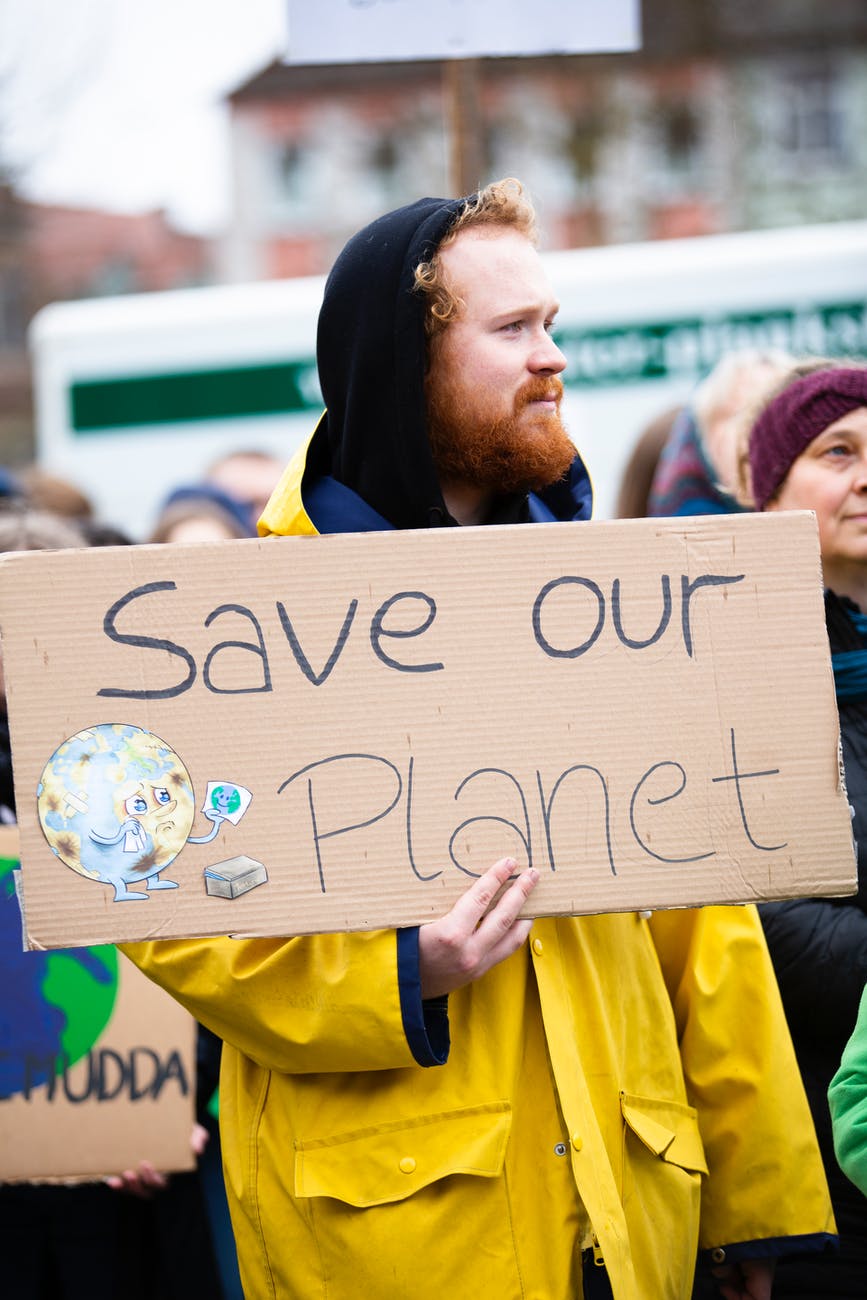
Several international movements have taken place like Fridays For Future where school students take time off from school to aware people and demand climate change action from governments. They demand action from political leaders of the world for the fossil fuel industry to convert to renewable energy and take immediate measures for climate change. This movement was publicised after Greta Thunberg started a protest outside the Swedish parliament with a poster saying “School strike for climate”. She is an environmental activist who has spoken at several internationally recognised platforms. She started her journey as an activist from the time when she had convinced her parents to change their lifestyle for reducing their carbon footprint. She is known for her straight forward manner of speaking at public platforms and criticizing world leaders for their failure to address climate change. She has participated in the United Nations Climate Change Conference (2018) and UN Climate Action Summit (2019). She has also got several awards and made it into the Forbes list of The World’s 100 Most Powerful Women (2019). Though her popularity at such a young age has made her a target of critics, but she continues to work and struggle towards her goal with indomitable spirit.

Sustainable Development goals by corporates: latest in 2020

5 Latest Sustainable Development Goals in the Corporate World. 

Sustainable Development Goals by private firms has increased noticeably since the last decade. Many big corporates like Google, Apple, Dell, Tech Mahindra, Hero MotoCorp, etc. are working with the view of sustainable development since the beginning. Let’s look at some recent sustainable development goals and initiatives by private firms.

1. Microsoft

Microsoft is setting multiple sustainable development goals and adopting different approaches to tackle environmental degradation. The company recently launched its initiative ‘Zero waste by 2030’ focusing on carbon, water, ecosystems, and waste. 

  • Building Microsoft Circular Centers to reuse and repurpose servers and hardware in their data centers.
  • Eliminate single-use plastics in packaging.
  • Improve their waste accounting technology.
  • Invest in circular economy ventures.
  • Help employees to reduce their own waste footprints.
Sustainable development goals Microsoft headquarters, Redmond.
Microsoft headquarters, Redmond. Source: Microsoft

2. Vestas

It is the first renewable energy manufacturer verified by ‘Science-based target initiatives’ for its sustainable development goals. Vestas has earlier made many contributions to environment protection.

  • Vestas announced its green initiative to become carbon neutral, without using offsets, by 2030.
  • IPCC in a recent report, states that limiting the rise in the global temperature to 1.5°C, as stated in the Paris Agreement, will significantly reduce the risk of extreme affects from climate change.
  • Reduce greenhouse gas emissions by 45% within its own supply chain.

3. Dropbox

The file-hosting company laid out some initiatives under the sustainable development goals to achieve by 2030.

  • Carbon neutrality and minimize energy consumption.
  • 100% renewable electricity for offices and data centers.
  • Remote jobs to reduce travel emissions.
  • Support other organizations in their climate actions.
  • Help employees to volunteer for environmental causes.

4. Crown

Packaging firm ‘crown’ laid out their initiative ‘Twentyby30’ containing 20 sustainable development goals aiming to get accomplished by 2025, 2030, and 2050. The initiatives include:

  • Send zero waste to landfill
  • Make aluminum and steel cans 10 percent lighter to reduce the usage of packaging material.
  • Increase the recycling of its plastic strapping by 10 percent.

5. Salesforce

The latest initiative of this AI-based CRM firm is to achieve 100% renewable power by 2022. This renewable energy deal is in collaboration with  Bloomberg, Cox Enterprises, Gap Inc., and Workday, Inc. and with guidance from LevelTen. The sustainable development goal is to provide renewable energy at a small scale, available to everyone. Currently, renewable energy contracts are made at a high scale involving large investments which are not feasible for small-scale organizations and individuals.

ENVIRONMENT IMPACT ASSESSMENT (EIA)

Definition of Environment Impact Assessment:

The International Association for Impact Assessment describes an environmental impact assessment as “a mechanism to determine, forecast, evaluate and mitigate the biophysical, cultural and other related effects of development initiatives prior to the adoption of major decisions and commitments”.

“A systematic process of identifying future consequences of a current or proposed action.” The process is- Transparency, Certainty, Participation, Practicability, Electricity, Cost effectiveness, Credibility, Accountability.

The Finnish International Development Agency (FINNIDA)[1], have defined Environment Impact Assessment in the most innovative way in following ways:

1. The Environment Impact Assessment may be defined as a planning tool which is used, together with the project feasibility study to ensure that, the project plan is the optimal economic. Environmental plan, i.e. the plan is environmentally as well as economically sound and thus represents the best approach to planning for development projects in order that continuing economic development will be sustainable. The essential message of the famed UN Brundtland Report of 1987 is that, the only sustainable development is economic-cum-environmental development;

2. The Environment Impact Assessment is not intended to disrupt nor to impede economic development, a project plan which is economic cum-environmental will have a higher benefit/cost ratio than a plan which is not responsive to environmental needs, especially when long term as well as short term effects are considered;

3. The role of Environment Impact Assessment is not just to identify and describe environmental hazards which a proposed project will likely cause if no EPM (Environmental Protection Measures) are included in the project. Rather, the Environment Impact Assessment should specify the necessary EPM and ensure that these EPM are included in the overall project plan as delineated by feasibility study.

Need for Environment Impact Assessment:

Every anthropogenic activity has some impact on the environment, but these activities cannot be stopped, because human beings cannot survive, without taking up these activities for his food, security and other needs. Environment Impact Assessment (EIA) is one such tool available with the planners to achieve the concerned goal.

Principle 17 of Rio Declaration, 1992 also requires the states to follow EIA. It states as follows:

“Environmental Impact Assessment, as a national instruments shall be undertaken for proposed activities that are likely to have a significant adverse impact on the environment, and are subject to a decision of a competent national authority.”[2]

The objective of Environment Impact Assessment (EIA) is to foresee the potential environmental problems that would arise out of a development address them in the projects planning and design stage.

The objectives of EIA described by Council of European Economic Committee are as follows:

“The effects of the project on the environment must be measured in order to take into account issues related to the security of human health, to contribute to the quality of life through an improved environment, to safeguard the diversity of species and to preserve the reproductive potential of the ecosystem as a basic resource of life. According to the EIA, the safest environmental strategy is to avoid negative consequences rather than seek to mitigate them subsequently.”[3]

By using Environment Impact Assessment (EIA) both environmental and economic benefits can be achieved, such as reduced cost and time of project implementation and design, clean-up costs and impacts of laws and regulations.

Origin of Environment Impact Assessment:

The technique of EIA finds its origin from the “precautionary principle” which requires refusal of consent or approval of the developmental activity by the competent authority, if such project poses threat of serious or irreversible environmental damage. To determine the serious or irreversible nature of the environmental effects on the developmental activity, EIA is necessary. The precautionary principle’ mandates that the EIA should be made obligatory for developmental activities which are likely to have significant adverse effect on the environment. In case, EIA reveals that the developmental activity poses threat of serious or irreversible environmental damage, the competent authority must withhold the consent for approval or permission to such activity.

The ‘precautionary principle’ mandates that EIA should be carried not only at the time of commencement of the developmental project development during the operation of the project. EIA involves continuing assessment and evaluation of the environmental effects on the developmental projects as the project is in operation and is not confined to pre-project evaluation of possible environmental effects.

India and Environment Impact Assessment:

EIA, in India started in 1976–77 as the Planning Commission asked the Science and Technology Ministry of the period to examine the projects in the river valley from an environmental point of view. This was subsequently extended to cover those projects which required approval of the Public Investment Board (PIB), but as these were only administrative decisions and lacks statutory backing the Government decided to give it statutory backing under Environment (Protection) Act, 1980. Thereafter, a notification in this regard was issued on 27th January 1994 under the Environment (Protection) Act, 1986 which was subsequently amended on 4th May 1994, 10th April 1997, 27th January 2000 and September 14, 2006 making environment impact assessment (EIA) mandatory for 30 activities. Some practices allowed under the Coastal Regulation Notification Zone 1991 also entail clearance.

Further, Government notifies, from time to time, certain areas in the country as ecologically sensitive and developmental activities to be taken up, these areas are regulated as per the provisions of these notifications. Such as include Coastal Regulation Zone, Doon valley, Murud-Janjira, Dahanud, Namaligarh, Taj trapezium and Aravalli ranges in Gurgaon (Haryana) and Alwar (Rajasthan) districts. Activities to be conducted in forest areas are administered by Forest (Conservation) Act and Wild Life Protection Act.


[1] Guidelines for Impact Association in Development Assistance, Finnish International FINNIDA’s Draft, 1989.

[2] https://www.iaia.org/wiki-details.php?ID=4

[3] “EEC Directive dated 27 June 1985, 85/337/EEC of 27 June 1985 OJL 175/40, 5 July 1985.”

Lake Karachay: Most polluted place on earth

Look at the environment and there may be several sources of contamination — streams full of harmful substances from agricultural operations, waterways overflowing with field waste, garbage floating out from landfills, city sky filled in smog. Also, ecosystems that appear to be untouched can suffer the effects of emissions from sources located hundreds or thousands of miles away.

Pollution can create muddy fields, poison wetlands, and rivers, or destroy plants and animals. People are also routinely affected by pollution. Long-term exposure to air pollution, for example, can lead to chronic respiratory disorders, lung cancer, and other diseases. Toxic chemicals that accumulate in the top predators can make certain animals unsafe to eat. More than one billion people do not have access to safe water, and 2.4 billion do not have proper sanitation, placing them at risk of contracting deadly diseases.

Lake Karachay is located in the southern Ural mountains in Central Russia. In approx 1951, the Soviet Union used this site to dump radioactive waste and today it is filled and acts as near-surface permanent and dry nuclear waste storage facility. According to a report by Washington D.C. based on the Worldwatch Institute of Nuclear Waste, it is the most polluted open-air place from a radiological view.

The lake accumulated nearly 4.44 exabecquerels (EBq) of radioactivity is less than one square mile of surface, including 3.6 EBq of cesium-137 and 0.74 EBq of strontium-90. In contrast, the Chernobyl catastrophe emitted 0.085 EBq of Caesium-137, a significantly smaller volume, and over a thousand square miles. (The cumulative release of Chernobyl is estimated to be between 5 and 12 EBq of radioactivity, but ultimately only caesium-134/137 contributes to soil exposure because the remainder is too short-lived). As a result, the lake is biologically 42 times more radioactive than Chernobyl.

As of December 2016, the state of the lake is fully packed with unique concrete blocks, rock and gravel. It was fully refilled in November 2015 and then tracked until the final layer of rock and soil was laid. Monitoring results revealed a “strong decrease in the surface accumulation of radionuclides” after 10 months. A decades-long surveillance system for surface water was planned to be implemented soon afterward.

So here I am concluding this article. Hope you guys enjoyed it!

Uproar over EIA 2020

Only two weeks have left for the public response on the draft Environment Impact Assessment (EIA) 2020, and the opposing voices has been increasing with each passing day.

Central government citing the reasons of changes in the circumstances and amendments, decided to redraft the EIA 2006 and make the process more transparent and expedient. But the changes in the draft have caused a concern among the environmentalists.

What is EIA?

Environment Impact Assessment is the study or process of a proposed industrial/infrastructural project and its impact on the environment. It’s a formal process and is currently practiced in more than 100 countries. EIA examines both beneficial and adverse consequences of the project on to the socio-economic status, culture and human-health.

The assessment of EIA in India is carried out by an Expert Appraisal Committee (EAC), which consists of scientists and project management experts. The committee ensures that the effects of the proposed project, are taken into account during project design. EAC makes the report of the project and forward that to the Ministry of Environment and Forests, which gives the project final clearance.

EIA in India

As a mandatory regulatory procedure, EIA originated in the early 1970s, with the implementation of the National Environment Policy Act (NEPA) 1969 in the United States.

In India it started in 1976-77 when for the first time Planning Commission asked the Department of Science and Technology to examine the river-valley projects from an environmental angle.

Under the Environment (Protection) Act, 1986, India notified its first EIA in the year 1994. Since than every development project has been required to go through the EIA process for obtaining prior environmental clearance. Though the 1994 EIA was replaced with a modified draft in 2006.

EIA 2020

The environment ministry had put the draft notification of EIA 2020 in the public domain on March 12 for discussion and feedback. Earlier it was available for the period of 60 days but on June 30, the Delhi High Court extended the deadline to August 11.

Several environmental organisations, conservationists as well as some economists too have criticized the draft EIA 2020. In their opinion, the provisions of the newly draft EIA can cause great repercussions on the environment.

Problems with the EIA 2020

  1. Post-Facto Approval: EIA 2020 gives permission for post-facto approval for projects. Which means the environment clearance is not needed for the starting of the projects, it can be obtained afterwards. In indirect way it will legitimize any environmental damage as nothing would be left to do after the damage would have already been done. The only remedy would be to impose a fine or punishment but that would not reverse the detrimental consequences on the environment.
  2.  Public Consultation Process: The new draft notification has reduced the time period from 30 days to 20 days for public to submit their responses, during a public hearing for any application seeking environmental clearance. This reduction of time would be a problem especially for those who are living in the remote and rural areas where information is not easily accessible.
  3. Compliance Report Issue: The 2006 EIA draft required that the project proponent submit a report in every six months, showing that they are carrying out their activities as per the terms on which permission has been given. However, the EIA 2020 draft requires the promoter to submit a report only once every year. The consequence of this change can be that the project could go unnoticed or the damage could have already been done, or be too late to control any harmful impact. For example, if a mining project is being carried out at someplace which can be potentially hazardous to the nearby population and can contaminate the air or water nearby, a half-yearly report would better help in addressing these concerns in short time.
  4. Bypassing EIA Process: EIA 2020 gives the central government power to categorise projects as “strategic.” And states that once a project is considered as strategic, no information related to such projects shall be placed in the public domain, violations can only be reported suo motu by the project proponent, or by a government authority, appraisal committee, or regulatory authority.
  5. Projects exempts with the scrutiny and clearance: the draft notification states that the new construction projects up to 1,50,000 square metres instead of the existing 20,000 square metres, do not need “detailed scrutiny” by the Expert Committee, nor do they need EIA studies and public consultation. Further the draft lists the projects that would not attract environmental clearance or permission. It includes coal mining and seismic surveys for oil, methane and shale gas on some lands. The draft also provides exemption for these and some other projects from public consultation, limiting the scope of public involvement to the districts concerned, in the case of national parks and sanctuaries where pipeline infrastructure will pass. Roads and highways get liberal concessions.

Conclusion

Development at the cost of Environment is always fatal. We have seen what happened in Bhopal in 1984, how we can forget the floods of Uttarakhand in 2013 and only this year Vizag gas leak in Andhra Pradesh, Tinsukia Gas Leak in Assam. In Present, our north-east and some northern states are struggling with the heavy floods. These all are the repercussions of taking the environment for granted. Though development is necessary but not at the cost of the environment.   

World Nature Conservation Day

‘The Earth is a fine place and worth fighting for’Ernest Hemingway

Indeed it is. Today, 28th July, 2020 marks the World Nature Conservation Day, a day when we pledge to provide ultimate protection to our Mother Earth and its bountiful resource. This day is celebrated to create an awareness that it not always justifiable to always use the natural resources but it is also essential to give back to the nature. Our resources – air, water and trees, is continuously depleting due to man-made activities and this day essentially reminds us that we should adopt sustainable practices to prevent dwindling of these natural, yet depleting resources.

July 28th was initially introduced as a day to educate people about the best practices to protect the natural resources on the earth and also to create an awareness that Earth only has a limited resources to cater to the upcoming human generations.

Part 39 >> July 28, 2017 " World Nature Conservation Day " — Steemit

To embark upon the World Nature Conservation Day, as inhabitants of this earth, we can adopt some very simple measures at individual and at group level. Some of these measures are:

  • Reduce plastic use. Be it buying groceries or food delivery or throwing away our sanitary pads, we should be concerned with plastic use and substituting by either paper or cloth bag. Used plastic thrown out as garbage usually ends up in water bodies and landfills, causing death of marine life, organisms and land animals mostly due to choking. It is not biodegradable and natural process takes years for the plastic to degrade.
  • Reduce electricity consumption. Dams built across the rivers might generate thousands of watts of electricity which is a renewable source of energy but it is harmful for the marine life. Records show that it disrupts the water ecosystem which will ultimately affect the human life, at least in the long run. So care has to be taken to minimize or stop the use of electrical appliances, unless there is an emergency.
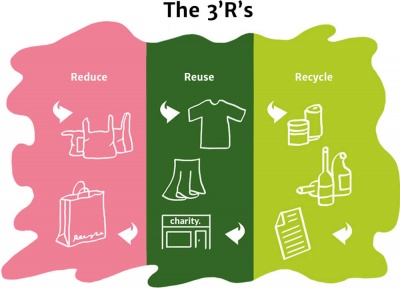
  • Tactical management of waste. Ensure to desegregate the daily wastes into degradable and non-degradable before dumping it into the ground. Human beings should religiously follow reduce, reuse and recycle mantra for waste management.
  • Reduce water consumption. In some countries, we receive water as if it is our birth right but other countries sweat to just receive a mug of it. We should ensure justified consumption of water so as to allow equitable distribution across all geographic nations.
  • Plant trees but save paper. Our world is getting depleted of trees day by day. A suggestion here is that each individual should take the onus to plant one sapling once a year, anywhere on this earth. Isn’t is satisfying to nurture it from time to time and to see it grow every day? But just growing trees is not a feasible solution if we do not take a chance to protect it. One way is to switch over to digital mode for reading like e-newspaper and e-books rather than going out and buying books and newspaper. Consequently, while shopping for groceries, switch to cloth bag which can be used multiple times, rather than single use of paper or plastic bags.

These are the few ways by which we can protect our Earth and the limited resources that it possess. And just by pledging to protect will not work unless we modify our shopping, eating and especially our consumer habits.

Source: https://www.hindustantimes.com/more-lifestyle/world-nature-conservation-day-2020-history-significance-how-to-live-sustainably/story-HWYhl06t7oYlZtFmT3RSJI.html

Raising an ECO-FRIENDLY Generation

We as a generation were born with resources available to us at a switch of a button. But would that be the same considering our irresponsible usage?

Let’s make a few lifestyle changes and teach our kids to become eco-friendly and live in a sustainable environment and household.

  • WATER CONSERVATION:
Cropped image of woman putting toothbrush under water - Stock ...

Do not encorage your kids to take long showers. Teach them to take a bucket water bath and advice them on keeping the taps shut. If they brush their teeth with running tap water, show them how water is needed only while rinsing the mouth. Tell them the importance of water in our lives and how it is essential to survive.

  • PAPER WASTAGE:
Using Technology To Reduce Paper Waste - Food & Nutrition Magazine

Encourage your children to use both sides of the paper. Tell them how papers are made from trees and the importance of trees in our lives. Adopt paper savvy techniques like using of eco-friendly notebooks and e-newspapers instead of hardback papers.

  • PLANT TREES, INHALE FRESH:
How to start your own tree planting project — TreeSisters

Plant trees in your backyard with them. You can teach them the art of gardening and also tell them about compost pits. It is a good hobby for your kids to row up nurturing a living organism and to be compasssionate towards others.

  • BEST OUT OF WASTE:
Best Out Of Waste Ideas : Best Things Made From Car Tyres

Making interesting and useful objects at home from waste will be a good bonding activity. One can make creative items like newspaper wall hangings, old plastic bottles can be made into show pieces or pen stands,etc.Show them how to reusee than discarding and hence creating less wastage.

  • REUSE- REDUCE -RECYCLE:
Reduce, Reuse, Recycle - Knowledge Bank - Solar Schools

Use tote bags or bins when shopping, say no to the plastic shopping bag. Select packaging that does not have a lot of excess waste. Use dinnerware that can be washed instead of paper plates and plastic ware. Only buy things that you will use in the immediate future.

Give your discards a chance at a second life by holding a yard sale or donating items to Goodwill, the Salvation Army, Habitat for Humanity, or other charitable outlets.  Contact schools and nursery schools to find out different types of items they reuse for art projects.  Donate used books to the Library.  Several organizations take used cars and even boats. 

Energy conservation

Energy conservation refers to the efforts made to reduce the consumption of energy. The energy on Earth is not in unlimited supply. Furthermore, energy can take plenty of time to regenerate. This certainly makes it essential to conserve energy. Most noteworthy, energy conservation is achievable either by using energy more efficiently or by reducing the amount of service usage.

Importance of Energy Conservation

First of all, energy conservation plays an important role in saving non-renewable energy resources. Furthermore, non-renewable energy sources take many centuries to regenerate. Moreover, humans consume energy at a faster rate than it can be produced. Therefore, energy conservation would lead to the preservation of these precious non-renewable sources of energy. Energy conservation will reduce the expenses related to fossil fuels. Fossil fuels are very expensive to mine. Therefore, consumers are required to pay higher prices for goods and services. Energy conservation would certainly reduce the amount of fossil fuel being mined. This, in turn, would reduce the costs of consumers. Consequently, energy conservation would strengthen the economy as consumers will have more disposable income to spend on goods and services. Energy conservation is good for scientific research. This is because; energy conservation gives researchers plenty of time to conduct researches. Therefore, these researchers will have more time to come up with various energy solutions and alternatives. Humans must ensure to have fossil fuels as long as possible. This would give me enough time to finding practical solutions. Another important reason for energy conservation is environmental protection. This is because various energy sources are significantly harmful to the environment. Furthermore, the burning of fossil fuels considerably pollutes the atmosphere. Moreover, nuclear energy creates dangerous nuclear waste. Hence, energy conservation will lead to environmental protection.

Energy conservation would also result in the good health of humans. Furthermore, the pollution released due to energy sources is harmful to the human body. The air pollution due to fossil fuels can cause various respiratory problems. Energy sources can pollute water which could cause several harmful diseases in humans. Nuclear waste can cause cancer and other deadly problems in the human body.

Measures to Conserve Energy

Energy taxation is a good measure from the government to conserve energy. Furthermore, several countries apply energy or a carbon tax on energy users. This tax would certainly put pressure on energy users to reduce their energy consumption. Moreover, carbon tax forces energy users to shift to other energy sources that are less harmful.

Building design plays a big role in energy conservation. An excellent way to conserve energy is by performing an energy audit in buildings. Energy audit refers to inspection and analysis of energy use in a building. Most noteworthy, the aim of the energy audit is to appropriately reduce energy input.

Another important way of energy conservation is by using energy-efficient products. Energy-efficient products are those that use lesser energy than their normal counterparts. One prominent example can be using an energy-efficient bulb rather than an incandescent light bulb.

In conclusion, energy conservation must be among the utmost priorities of humanity. Mahatma Gandhi was absolutely right when he said, “the earth provides enough to satisfy every man’s needs but not every man’s greed”. This statement pretty much sums up the importance of energy conservation. Immediate implementation of energy conservation measures is certainly of paramount importance.