Disaster management

Disaster is a very common phenomenon to the human society. It has been experienced by them since time immemorial. Though its form may be varied, it has been a challenge for society across castes, creeds, communities and countries. The latest development which has been discovered in the World Disaster Reports recently is that the disasters have increased in frequency and intensity.People are becoming more and more vulnerable to disasters of all types, including earthquake, flood, cyclones, landslides, droughts, accidents, plane crash, forests fire, etc. With the technological advancements and progress, the force of disasters is also changing. When they occur they surpass all preparedness and eagerness of society and pose bigger challenge to them. This is quite true in case of both developed and developing countries. The floods in UK, France, and heat wave in Europe, particularly in France in 2003, claimed more than 35000 lives. In the year 2006, America had to face bigger disaster in the form of tornadoes and other cyclones. They caused great loss of lives and property. All these are sufficient to prove that technological mechanisms are inadequate.There is a direct correlation between higher human development and higher preparedness. The countries which have lesser human development are more vulnerable to risks of disasters and damage. Of all the disasters, floods are the most common followed by wind storms, droughts and earthquakes. But the drought is the deadliest disaster which accounts for 48 per cent of all deaths from natural disasters. The highest numbers of people die from disasters in Asia. India, China and Bangladesh are the worst affected countries by flood. Besides the natural disasters, transport accidents and technological disasters are also faced by the developing countries.

The UNDA with Government of India has jointly prepared an action plan for cities and towns vulnerable to earthquakes. The need in the vulnerable zones is that the existing buildings be technically assessed and evaluated and individual owners and group housing authorities should be informed about the weaknesses in their construction. Presently, in India, it is estimated that around 10 lakhs buildings which are constructed every year, an equal number of them get damaged as a result of disasters. It is required that a monitoring mechanism should be set up in disaster prone areas and it must act in proper coordination with the concerned to ensure fulfillment of building codes.
Disaster is a state subject in India; it is, therefore, the responsibility of the state to provide every kind of support and assistance to the victim. The Central Government has a facilitating role. It, with proper coordination with various ministries, extends all required support and helps to the states, namely defence services, air dropping, rescuing, searching, transport of relief goods, availability of rail and ferry services, health personnel and medical support, etc. In the State, the Relief Commissioner or Disaster Management Secretary is the specific authority responsible for handling and management of the disaster.

Rehabilitation is an integral part of disaster management. When disasters occur administrative measures are terribly inadequate and perhaps this is the most difficult period for a victim. The role of administration does not end with end of disasters. In fact its effort and commitment get more complex. It requires proper coordination among various agencies. In this context it is very important to note that disasters are non-routine events that require non-routine response. Government cannot rely on normal procedures to implement appropriate responses- the rescue teams require learning special skills, technologies and attitudes in dealing with disasters.


SUCCESSFUL EMERGENCY MANAGEMENT RELIES UPON EXPERIENCE AND EXPERTISE.

Salient features of world’s physical geography.

Earth is splendid terrestrial haven. It is imperative to know physical geography through its display of environmental diversity. In scientific studies, it is established that Geography is a word that originated from two Greek roots. Geo-denotes to “Earth,” and graphy stands for “picture or writing.” Geography is the study of earth as the home of present day human being (Sagmit, 1998).The main objective of geography is the assessment, and explanation of Earth, its variability from place to place, the way places and features transform over time, and the processes responsible for these variations and changes. Geography is termed as the spatial science because it incorporates recognizing, analysing, and explaining the variations, similarities, or differences in phenomena situated on the surface of Earth. Geography is unique among the sciences by virtue of its characterization and central purpose. It describes the values and attitudes towards environment and sharpen intellectual and practice skill.

Earth’s structure is divided into three zones that include crust, Mantle and core. Crust is the solid outer layer of the Earth, and its depth is usually never more than 1 per cent of the Earth’s radius, or averaging 40–50 km, but this varies significantly around the sphere. These are two different types: oceanic and continental. Mantle is the region within the Earth’s interior that range from 25 to 70 km below the surface, to a depth of ~2,900 km. It is composed mainly of silicate rocks, rich in iron and magnesium. At the base of the mantle, temperatures may reach up to 5,000°C. These high temperatures may help to generate convection currents which drive plate tectonics. Core is the very centre of the Earth and is composed of iron and nickel. It consists of an outer core (semi-molten) and inner core (solid). The temperature at the very centre of the Earth (~6,300 km below surface) may reach 5,500°C.

Geography is inherently encompassing discipline. It brings together facts from other sciences such as physical biological and social. Physical geography is related to the physical science. Physical geography includes the processes and attributes that constitute Earth which incorporate human activities where they interface with the atmosphere. Different branches of Physical geography are climatology, Meteorology, Geomorphology and pedageography (Sagmit, 1998).Scientific studies have revealed that physical geographers are more interested in comprehending all aspects of Earth and can be considered generalists because they are qualified to scrutinize a natural environment in its entirety, and how it functions as a unit. In physical geography, researchers study about lithosphere, atmosphere, hydrosphere, and biosphere. Due to interaction of these elements, numerous changes occur on earth surface. Most physical geographers concentrate on advanced study in one or two specialties. For instance, meteorologists and climatologists believe how the interaction of atmospheric components influences weather and climate. Meteorologists focus their studies learning the atmospheric processes that affect daily weather, and they use current data to predict weather conditions. Climatologists are interested in the averages and extremes of long-term weather data, regional classification of climates, monitoring and understanding climatic change and climatic hazard, and the long term impact of atmospheric conditions on human actions and the surroundings.

The factors involved in landform development are as varied as the environments on Earth, and include gravity, running water, stresses in the Earth’s crust, flowing ice in glaciers, volcanic activity, and the erosion or deposition of Earth’s surface materials. Biogeographers scrutinize natural and human-modified environments and the ecological processes that influence their characteristics and distributions, including vegetation change over time. They also research and explain the ranges and patterns of vegetation and animal species, seeking to find out the environmental factors that limit or facilitate their distributions. Several soil scientists are geographers, who are concerned in mapping and analysing soil types, determining the aptness of soils for certain uses, such as agriculture, and working to conserve soil as a natural resource. Geographers are broadly concerned to study water bodies and their processes, movements, impact, quality, and other features. They may serve as hydrologists, oceanographers, or glaciologists. Many geographers involved with water studies also function as water resource managers, who work to ensure that lakes, watersheds, springs, and groundwater sources are suitable to meet human or environmental needs, provide an adequate water supply, and are as free of pollution as possible. Hydrology is merging science. It helps to understand the processes in which water plays an important role in nature through oceans, rivers and glaciers in sustaining life forms of earth surface.


IN OUR CHANGING WORLD NOTHING CHANGES MORE THAN GEOGRAPHY

Genral issues on Environmental ecology

The environment plays a significant role to support life on earth. But there are some issues that are causing damages to life and the ecosystem of the earth. It is related to the not only environment but with everyone that lives on the planet. Besides, its main source is pollution, global warming, greenhouse gas, and many others. The everyday activities of human are constantly degrading the quality of the environment which ultimately results in the loss of survival condition from the earth.There are hundreds of issue that causing damage to the environment. But in this, we are going to discuss the main causes of environmental issues because they are very dangerous to life and the ecosystem.

Pollution – It is one of the main causes of an environmental issue because it poisons the air, water, soil, and noise. As we know that in the past few decades the numbers of industries have rapidly increased. Moreover, these industries discharge their untreated waste into the water bodies, on soil, and in air. Most of these wastes contain harmful and poisonous materials that spread very easily because of the movement of water bodies and wind. Greenhouse Gases – These are the gases which are responsible for the increase in the temperature of the earth surface. This gases directly relates to air pollution because of the pollution produced by the vehicle and factories which contains a toxic chemical that harms the life and environment of earth. Climate Changes – Due to environmental issue the climate is changing rapidly and things like smog, acid rains are getting common. Also, the number of natural calamities is also increasing and almost every year there is flood, famine, drought, landslides, earthquakes, and many more calamities are increasing.

Development recognises that social, economic and environmental issues are interconnected, and that decisions must incorporate each of these aspects if there are to be good decisions in the longer term.For sustainable development, accurate environment forecasts and warnings with effective information on pollution which are essential for planning and for ensuring safe and environmentally sound socio-economic activities should be made known.


THE EARTH IS WHAT WE
        ALL HAVE IN COMMAN

General issues on Environmental ecology

The environment plays a significant role to support life on earth. But there are some issues that are causing damages to life and the ecosystem of the earth. It is related to the not only environment but with everyone that lives on the planet. Besides, its main source is pollution, global warming, greenhouse gas, and many others. The everyday activities of human are constantly degrading the quality of the environment which ultimately results in the loss of survival condition from the earth.There are hundreds of issue that causing damage to the environment. But in this, we are going to discuss the main causes of environmental issues because they are very dangerous to life and the ecosystem.

Pollution – It is one of the main causes of an environmental issue because it poisons the air, water, soil, and noise. As we know that in the past few decades the numbers of industries have rapidly increased. Moreover, these industries discharge their untreated waste into the water bodies, on soil, and in air. Most of these wastes contain harmful and poisonous materials that spread very easily because of the movement of water bodies and wind. Greenhouse Gases – These are the gases which are responsible for the increase in the temperature of the earth surface. This gases directly relates to air pollution because of the pollution produced by the vehicle and factories which contains a toxic chemical that harms the life and environment of earth. Climate Changes – Due to environmental issue the climate is changing rapidly and things like smog, acid rains are getting common. Also, the number of natural calamities is also increasing and almost every year there is flood, famine, drought, landslides, earthquakes, and many more calamities are increasing.

Development recognises that social, economic and environmental issues are interconnected, and that decisions must incorporate each of these aspects if there are to be good decisions in the longer term.For sustainable development, accurate environment forecasts and warnings with effective information on pollution which are essential for planning and for ensuring safe and environmentally sound socio-economic activities should be made known.


THE EARTH IS WHAT WE
ALL HAVE IN COMMAN

Dialogue and Development Commission of Delhi

 The Dialogue and Development Commission of Delhi is envisioned as a think-tank of the Government of National Capital Territory of Delhi advising the government in finding sustainable, people centric solutions to the critical development challenges facing Delhi.


DDC Delhi has the following four broad functions:

1) Policy Design: Consider ideas, innovations, best practices nationally and globally, evidence of impact in a core set of policy areas and translate them into concrete policy recommendations for the Government of National Capital Territory of Delhi.

2) Support Policy Implementation: Support expeditious implementation of critical reforms by developing innovative models of contracting, model RFPs, leveraging technology and by actively bridging knowledge and capacity gaps, if any.

3) Promote Participatory Governance: Establish platforms that bridge the gap between government and external stakeholders such as the private sector, civil society, academia and communities in effective design and implementation of policies and government schemes.

4) Monitoring, Evaluation and Learning: Promote the use of data, evidence and modern monitoring and evaluation techniques for improved policy-making and better delivery of public services. Further, document the impact of reforms and policy innovations of the Government of National Capital Territory of Delhi to facilitate internal and external learning.

To fulfill its mandate, the Dialogue and Development Commission of Delhi’s work is organized around the following six sectors/verticals:

1) Social Sector: The Social Sector team advises and assists the government’s work in following areas:

  • a. Provide world-class education to every child, from early childhood education and higher education with a particular focus on outcomes of quality education.
  • b. Provide affordable and accessible healthcare facilities for all within the framework of a three-tiered universal healthcare system comprising of Mohalla Clinics, polyclinics and hospitals for tertiary care.
  • c. Ensure the welfare, social security and safety of all vulnerable sections such as children, women, elderly, SCs/STs, transgender, unorganized workers etc.

2) Environment: The Environment team advises and assists the government’s work in the following areas:

  • a. Reduce air pollution and carbon emissions substantially from current levels by forming a scientific understanding of underlying sources, and implementing innovative, evidence-backed mitigation measures.
  • b. Clean-up Yamuna by ensuring no untreated water flows into the Yamuna and develop a beautiful
  •  river side on the Yamuna, which will play a big role in maintaining the Yamuna  Eco system and creating a new tourist destination.
  • c. Make Delhi among India’s cleanest cities by working in close coordination with Municipal Corporations to get rid of open dhalavs and institute modern practices for collection, transportation & disposal of solid waste.

3) Transport and Infrastructure: The Transport and Infrastructure team advises and assists the
 government’s work in the following areas:

  • a. Create a world-class and affordable public transportation system comprising of buses, metro and efficient last-mile connectivity that gives priority to electric vehicles and non-motorized modes of transport.
  • b. Build well-designed, beautifully landscaped and safe roads that cater to the needs of all its users – the essential hallmark of a world-class city.
  • c. Provide dignified housing and essential services to all residents of Delhi with a focus on the needs of slum dwellers and residents of unauthorized colonies.

4) Economy: The Economy team advises and assists the government’s work in the following areas:

  • a. Undertake reform measures for the continued growth of Delhi’s economy including modernization of market and industrial areas, furthering the ease of doing business, nurturing the growth of culture and creative economy and establishing Delhi as the nation’s hub for start-ups.
  • b. Promote the growth of quality jobs and employment opportunities by investing in world-class skill training and better industry-government collaboration in labor-intensive sectors.
  • c. Undertake all possible steps to increase the participation of women in Delhi’s economy, including initiatives that connect housewives with job and business opportunities from or near their homes.

5) Governance: The Governance team advises and assists the government’s work in the following areas:

  • a. Establish and nurture platforms of participatory governance that bridge the gap between government and external stakeholders such as the private sector, civil society, academia and communities ineffective design and implementation of government schemes and policies.
  • b. Undertake appropriate administrative and institutional reforms to ensure that public institutions and governance in Delhi is capable of serving the needs and aspirations of the national capital of 21st century India.
  • c. Encourage the usage of modern IT and e-governance tools for transparent and efficient administration.
  • d. Promote a culture of research and innovation to address the most critical development challenges facing Delhi.

6) Monitoring, Evaluation & Learning: This team advises and assists the government’s work in the following areas:

  • a. Strengthen the use of data and modern monitoring tools such as Outcome budgeting, performance dashboards, 
  • high-frequency monitoring etc. for timely course corrections and improved policy implementation.
  • b. Conduct independent surveys and rigorous evaluations of government schemes and policies, either internally (for small/rapid assessments) or in collaboration with external organizations to generate insights on which programmed work and why.
  • c. Act as a knowledge hub on policy innovations and impact of various reforms of Government of National Capital Territory of Delhi and facilitate internal and external learning by publishing policy briefs, case studies, white papers etc. and hosting seminars and conferences.

What are Different Types of Pollution

There are various types of pollution chiefly arising as a result of anthropogenic causes. Also contributing to pollution is globalisation, where humanity’s constant need for natural resources has slowly started to change the face of the earth.

Though the quality of living has drastically improved, other new issues have risen that gradually impact human health and the environment. In this article, we shall explore the meaning, causes and types of pollution. Also, we shall analyse the repercussions of pollution on human health and the environment.

Types of Pollution

What is Pollution?

“Pollution is the introduction of substances (or energy) that cause adverse changes in the environment and living entities .”

Pollution need not always be caused by chemical substances such as particulates (like smoke and dust). Forms of energy such as sound, heat or light can also cause pollution. These substances that cause pollution are called pollutants.

Pollution, even in minuscule amounts, impacts the ecological balance.  Pollutants can make their way up the food chain and eventually find their way inside the human body. Read on to explore the types of pollution and their implications.

Types of Pollution

As stated before, there are different types of pollution, which are either caused by natural events (like forest fires) or by man-made activities (like cars, factories, nuclear wastes, etc.) These are further classified into the following types of pollution:

  • Air Pollution
  • Water Pollution
  • Soil Pollution
  • Noise Pollution

Besides these 4 types of pollution, other types exist such as light pollution, thermal pollution and radioactive pollution. The latter is much rarer than other types, but it is the deadliest.

Air Pollution

Air Pollution

Air pollution refers to the release of harmful contaminants (chemicals, toxic gases, particulates, biological molecules, etc.) into the earth’s atmosphere. These contaminants are quite detrimental and in some cases, pose serious health issues. Some causes that contribute to air pollution are:

  • Burning fossil fuels
  • Mining operations
  • Exhaust gases from industries and factories

The effects of air pollution vary based on the kind of pollutant. But generally, the impact of air pollution ranges from:

  • Increased risk of respiratory illness and cardiovascular problems
  • Increased risk of skin diseases
  • May increase the risk of cancer
  • Global warming
  • Acid rain
  • Ozone depletion
  • Hazards to wildlife

Among the other types of pollution, air pollution is theorized to have a planet-wide implication. Scientists have even speculated an apocalypse-like scenario where air pollution if left unchecked, can bring about an extreme form of global warming called the runaway greenhouse effect. Though this is purely speculative, it is a phenomenon that has already occurred on Venus.

Water Pollution

Water Pollution

Water Pollution

Water pollution is said to occur when toxic pollutants and particulate matter are introduced into water bodies such as lakes, rivers and seas. These contaminants are generally introduced by human activities like improper sewage treatment and oil spills. However, even natural processes such as eutrophication can cause water pollution.

Other significant causes of water pollution include:

  • Dumping solid wastes in water bodies
  • Disposing untreated industrial sewage into water bodies
  • Human and animal wastes
  • Agricultural runoff containing pesticides and fertilisers

The effects of water pollution are very pronounced in our environment.  Furthermore, toxic chemicals can bioaccumulate in living beings, and these chemicals can travel their way up the food chain, ultimately reaching humans.

Among the other types of pollution, water pollution has severe consequences on humans. For instance, in 1932, a grave case of water pollution incapacitated the inhabitants of an entire city in Japan with neurological diseases and mental illness for many decades. However, the immediate cause was not apparent but was eventually attributed to acute mercury poisoning. Methylmercury was dumped into the surrounding bay and had ultimately bioaccumulated inside the fish. The local population then consumed these fish, and this resulted in the manifestation of ill effects and neurological diseases.

Other consequences of water pollution include:

  • Disruption of the ecosystem
  • Threats to marine life
  • Increased risk of water-borne diseases
  • Increases toxic chemicals (such as mercury) in water bodies
  • Eutrophication

Soil Pollution

Soil Pollution

Soil pollution, also called soil contamination, refers to the degradation of land due to the presence of chemicals or other man-made substances in the soil. The xenobiotic substances alter the natural composition of soil and affect it negatively. These can drastically impact life directly or indirectly. For instance, any toxic chemicals present in the soil will get absorbed by the plants. Since plants are producers in an environment, it gets passed up through the food chain. Compared to the other types of pollution, the effects of soil pollution are a little more obscured, but their implications are very noticeable.

Some of the common causes of soil pollution are:

  • Improper industrial waste disposal
  • Oil Spills
  • Acid rain which is caused by air pollution
  • Mining activities
  • Intensive farming and agrochemicals (like fertilisers and pesticides)
  • Industrial accidents

The effects of soil pollution are numerous. Specific wastes, such as radioactive waste become particularly hazardous when they are not well-contained. A well-documented example is a nuclear accident in Chernobyl, which has left an area of 2,600 kmuninhabitable for several thousand years.

Other effects of soil pollution include:

  • Loss of soil nutrients, which renders the soil unfit for agriculture
  • Impacts the natural flora and fauna residing in the soil
  • Degrades vegetation due to the increase of salinity of the soil
  • Toxic dust (such as silica dust) can cause respiratory problems or even lung cancer

Noise Pollution

Noise Pollution

Noise pollution refers to the excessive amount of noise in the surrounding that disrupts the natural balance. Usually, it is man-made, though certain natural calamities like volcanoes can contribute to noise pollution.

In general, any sound which is over 85 decibels is considered to be detrimental. Also, the duration an individual is exposed plays an impact on their health. For perspective, a normal conversation is around 60 decibels, and a jet taking off is around 15o decibels. Consequently, noise pollution is more obvious than the other types of pollution.

Noise pollution has several contributors, which include:

  • Industry-oriented noises such as heavy machines, mills, factories, etc.
  • Transportation noises from vehicles, aeroplanes, etc.
  • Construction noises
  • Noise from social events (loudspeakers, firecrackers, etc.)
  • Household noises (such as mixers, TV, washing machines, etc.)

Noise pollution has now become very common due to dense urbanisation and industrialisation. Noise pollution can bring about adverse effects such as :

  • Hearing loss
  • Tinnitus
  • Sleeping disorders
  • Hypertension (high BP)
  • Communication problems

Frequently Asked Questions

What are the different types of pollution?

The different types of pollution include:

  • Air pollution
  • Water pollution
  • Soil pollution
  • Radioactive pollution
  • Noise pollution

Name the harmful pollutants responsible for polluting the environment.

The harmful pollutants responsible for polluting the environment are:

  • Nitrogen oxide
  • Sulphur oxide
  • Mercury
  • Particulate matter
  • Chlorofluorocarbon
  • Volatile organic compounds

What are the different types of pollutants?

The different types of pollutants are:

  • Primary Pollutants: These are the pollutants that are emitted directly from the sources such as volcanic eruptions, combustion of fossil fuel, etc. These include nitrogen oxide, sulphur oxide, etc.
  • Secondary Pollutants: These are the pollutants that are not directly emitted from the sources but are formed when primary pollutants react in the atmosphere. For eg., ozone.

What is radioactive pollution?

Radioactive pollution is the pollution caused by the release of radioactive substances in the atmosphere during activities such as nuclear explosions, mining of radioactive ores, etc.

What are the consequences of mercury pollution?

Mercury pollution is the pollution caused by the release of mercury from mercury products or emissions from coal-burning power plants in the air, water or land. Mercury pollution results in neurological and behavioural disorders in humans. Insomnia, memory loss, headaches, and tremors are some of the symptoms of mercury pollution

Environmental Pollution – Types, Causes, Controls and Abatement Strategies

 Environment Pollution: Types, Causes, Effects:

Environmental Pollution is not a new phenomenon, yet it remains one of the greatest threats to the health and well-being of humanity and one of the major environmental causes of death and morbidity. For example, substances such as plastic materials, heavy metals, etc., once released into the atmosphere. By natural processes, it cannot be degraded and are harmful to living organisms. In environmental pollution, pollutants originate from a source, are transported by air or water, and are dumped into the soil by human beings.


The long-term impacts of pollution are still being felt despite global attention to the issue. Day by day, our atmosphere is becoming more and more polluted due to anthropogenic activities. It is usually due to the pollutants released into the air, water, soil, etc., through many human activities. Let us examine the different types of environmental pollution.

Environment Pollution: Introduction, Causes & Types

What is Environmental Pollution?

  • Environment Pollution is the addition of contaminants into the natural environment that causes detrimental effects to nature, natural resources and mankind.
  • Any unnatural and negative changes in all the dimensions like chemical, physical and biological characteristics of any component of the ecosystem i.e. air, water or soil which can cause harmful effects on various forms of life and property is called environmental pollution.

What is a Pollutant?

  • Any substance which causes harmful effects or uneasiness in the organisms, then that particular substance may be called as the pollutant.

The materials that cause pollution are of two types:

  1. Persistent pollutants: Those pollutants which remain consistent in the environment for a long period of time without any change in its original form are called persistent pollutantsFor example pesticides, nuclear wastes, and plastics etc.
  2. Non-persistent pollutants: These pollutants are the opposite of persistent pollutant and break down in the simple form. If this process of breaking down is done by living organisms, then such pollutants are referred to as biodegradable pollutants.

From another perspective, pollutants can be classified as follows:

  1. Primary Pollutants: Primary pollutants are those which remain in the form in which they were added to the environment for ex. DDT, Plastic
  2. Secondary Pollutants: Secondary pollutants are formed due to interaction of primary pollutants amongst themselves viz. PAN by the interaction of NOx & Hydrocarbons.

According to their existence in nature:

Signup for Free Mock Test
  1. Quantitative Pollutants: These substances are already present in the atmosphere but they become pollutant when their concentration level reaches to a particular level which is above a threshold limit.
  2. Qualitative Pollutants: These are man-made pollutants eg. Fungicides, herbicides etc.

According to origin:

  1. Man-made Pollutants
  2. Natural Pollutants

According to the nature of disposal:

  1. Biodegradable Pollutants
  2. Non-biodegradable Pollutants

Types of Environment Pollution:

AIR POLLUTION:

  • Air pollution is the presence of one or more disadvantageous content in such quantity and for such duration, as it is catastrophic, or tend to be catastrophic, to human health and welfare, animal or plant life.
  • It is the contaminants of air by the discharge of detrimental substances.

Some of the air pollutants, their sources, and effects:

Name of the pollutants

Sources

Health effects

Nitrogen oxides

Industries, vehicles and power plants

Problems in the lungs, respiratory systems and causes asthma and bronchitis.

Carbon monoxide

Emission and burning of fossil fuels

Severe headache, irritation to mucous membrane, unconsciousness and death.

Carbon dioxide

Burning of fossil fuels

Vision problem, severe headache and heart strain.

Suspended particulate matter

Vehicular emission and burning of fossil fuels.

Lung irritation reduces development of RBC and pulmonary malfunctioning.

Sulphur oxide

Industries and power plant

Irritation in eyes and throat, allergies, cough etc.

Smog

Industries and vehicular pollution

Respiratory and eye problems

Hydrocarbons

Burning of fossil fuels

Kidney problems, irritation in eyes, nose and throat, asthma, hypertension and carcinogenic effects on lungs.

Chlorofluorocarbons

Refrigerators, emission from jets

Depletion of ozone layer, global warming

  •  Other pollutants are cadmium, lead, mercury, silica, coal dust and particles and radioactive pollutants.

Control measures:

  • Policy measures
  • Modification of industrial process and selection of suitable fuels and its utilization.
  • Collection of pollutants and convert it into less toxic forms by different methods.

Government initiatives:

  • National air quality monitoring programme (NAMP)
  • National ambient air quality standards (NAAQS)

WATER POLLUTION

  • Addition of certain substances such as organic, inorganic, biological and radiological to the water, which degrades the water quality and makes it unhealthy for use.
  • Water pollution is not only confined to surface water but also spread to groundwater, sea, and ocean.

Sources

Point sources: These are directly pointed towards the water bodies from the source of origin of pollution and are thus easy to regulate.

Non-point sources: These sources are related to many diffuse sources and are thus difficult to regulate.

Some of the sources are:

  • Industrial and community wastewater: Industries like mining, iron and steel, pharmaceuticals, food processing, soap and detergent and paper and pulp.
  • Agricultural sources, thermal pollution (discharge of hot water by thermal power plants cause deficiency of dissolved oxygen in water) and underground water pollution.
  • Marine pollution: river discharge, manmade pollution and oil spills etc.

Effects

  • An excessive amount of mercury in water can cause Minamata disease in humans and dropsy in fishes; Lead in large amount can cause dyslexia, Cadmium poisoning causes Itai – Itai disease, etc.
  • Polluted water has less amount of Dissolved oxygen (DO) content which is important for sensitive organisms, thereby eliminates sensitive organisms.
  • Excess of nitrate in drinking water is dangerous for infants and human health, excess fluoride cause neuromuscular disorder and teeth deformity, hardening of bones and painful joints.
  • Biological magnification and eutrophication.

Note: ‘Eu’ means healthy and ‘trophy’ means nutrition. The improvement of nutrients in water bodies causes eutrophication. Domestic waste discharge, agricultural waste, land drainage and industrial waste in a water body leads to a rapid increase in nutrients in a water body which initiates early ageing of water bodies.

Control measures

  • Usage of water should be minimized by changing the techniques involved.
  • Recycling and treatment of water should be used to the maximum extent possible.
  • The quantity of discharge of wastewater can be minimized.
  • Excessive use of pesticides and fertilizers should be avoided.
  • Organic farming and efficient use of animal residues as fertilizers.

SOIL POLLUTION

  • Addition of unwanted substances to the soil which negatively affects physical, chemical and biological properties of soil and reduces its productivity is called soil pollution.
  • The factors which disturb the biological balance of the soil and deteriorate the quality, texture, and mineral content are called soil pollutants.
  • Use of fertilizers, pesticides, insecticides, dumping of solid waste, deforestation, and pollution due to urbanization and other anthropogenic substances causes soil pollution.

Sources

  • Industrial waste: lead, cadmium, mercury, alkalies, organic substances, and chemicals.
  • Agricultural waste: fertilizers, pesticides, insecticides, and manures.
  • Discarded materials and radioactive elements and plastic bags.

Effects

  • Agriculture: It reduces soil fertility and thus crop yields; increase soil erosion and salinity.
  • Ecological imbalance and imbalance in flora and fauna further increases.
  • Problems in urban areas like clogging in drains, the release of gases, foul smells, and problems in wastewater management.
  • Release of radioactive rays, biomagnification and pollutant gases cause health problems.

Control measures

  • Afforestation, reforestation and use of organic farming.
  • Solid waste management and reduction of waste from the construction area.
  • Stop the use of plastic bags and use bags of degradable materials like paper and cloth.
  • Biomedical waste should be collected and incinerated in incinerators.

Applying Pollution Control Technologies

Application of pollution control methods has demonstrated considerable effectiveness in controlling pollution problems – particularly those of a local character. Application of appropriate technologies is based on a systematic analysis of the source and nature of the emission or discharge in question, of its interaction with the ecosystem and the ambient pollution problem to be addressed, and the development of appropriate technologies to mitigate and monitor pollution impacts.
In their article on air pollution control, Dietrich Schwela and Berenice Goelzer explain the importance and implications of taking a comprehensive approach to assessment and control of point sources and non-point sources of air pollution. They also highlight the challenges – and opportunities – that are being addressed in countries that are undergoing rapid industrialization without having had a strong pollution control component accompanying earlier development.
Marion Wichman-Fiebig explains the methods that are applied to model air pollutant dispersion to determine and characterize the nature of pollution problems. This forms the basis for understanding the controls that are to be put into effect and for evaluating their effectiveness. As the understanding of potential impacts has deepened, appreciation of effects has expanded from the local to the regional to the global scale.
Hans-Ulrich Pfeffer and Peter Bruckmann provide an introduction to the equipment and methods that are used to monitor air quality so that potential pollution problems can be assessed and the effectiveness of control and prevention interventions can be evaluated.
John Elias provides an overview of the types of air pollution controls that can be applied and the issues that must be addressed in selecting appropriate pollution control management options.
The challenge of water pollution control is addressed by Herbert Preul in an article which explains the basis whereby the earth’s natural waters may become polluted from point, non-point and intermittent sources; the basis for regulating water pollution; and the different criteria that can be applied in determining control programmes. Preul explains the manner in which discharges are received in water bodies, and may be analysed and evaluated to assess and manage risks. Finally, an overview is provided of the techniques that are applied for large-scale wastewater treatment and water pollution control.
A case study provides a vivid example of how wastewater can be reused – a topic of considerable significance in the search for ways that environmental resources can be used effectively, especially in circumstances of scarcity. Alexander Donagi provides a summary of the approach that has been pursued for the treatment and groundwater recharge of municipal wastewater for a population of 1.5 million in Israel.
Comprehensive Waste Management
Under the pollution control perspective, waste is regarded as an undesirable by-product of the production process which is to be contained so as to ensure that soil, water and air resources are not contaminated beyond levels deemed to be acceptable. Lucien Maystre provides an overview of the issues that must be addressed in managing waste, providing a conceptual link to the increasingly important roles of recycling and pollution prevention.
In response to extensive evidence of the serious contamination associated with unrestricted management of waste, governments have established standards for acceptable practices for collection, handling and disposal to ensure environmental protection. Particular attention has been paid to the criteria for environmentally safe disposal through sanitary landfills, incineration and hazardous-waste treatment.
To avoid the potential environmental burden and costs associated with the disposal of waste and promote a more thorough stewardship of scarce resources, waste minimization and recycling have received growing attention. Niels Hahn and Poul Lauridsen provide a summary of the issues that are addressed in pursuing recycling as a preferred waste management strategy, and consider the potential worker exposure implications of this.
Shifting Emphasis to Pollution Prevention
End-of-pipe abatement risks transferring pollution from one medium to another, where it may either cause equally serious environmental problems, or even end up as an indirect source of pollution to the same medium. While not as expensive as remediation, end-of-pipe abatement can contribute significantly to the costs of production processes without contributing any value. It also typically is associated with regulatory regimes which add other sets of costs associated with enforcing compliance.
While the pollution control approach has achieved considerable success in producing short-term improvements for local pollution problems, it has been less effective in addressing cumulative problems that are increasingly recognized on regional (e.g., acid rain) or global (e.g., ozone depletion) levels.
The aim of a health-oriented environmental pollution control programme is to promote a better quality of life by reducing pollution to the lowest level possible. Environmental pollution control programmes and policies, whose implications and priorities vary from country to country, cover all aspects of pollution (air, water, land and so on) and involve coordination among areas such as industrial development, city planning, water resources development and transportation policies.
Thomas Tseng, Victor Shantora and Ian Smith provide a case study example of the multimedia impact that pollution has had on a vulnerable ecosystem subjected to many stresses – the North American Great Lakes. The limited effectiveness of the pollution control model in dealing with persistent toxins that dissipate through the environment is particularly examined. By focusing on the approach being pursued in one country and the implications that this has for international action, the implications for actions that address prevention as well as control are illustrated.
As environmental pollution control technologies have become more sophisticated and more expensive, there has been a growing interest in ways to incorporate prevention in the design of industrial processes – with the objective of eliminating harmful environmental effects while promoting the competitiveness of industries. Among the benefits of pollution prevention approaches, clean technologies and toxic use reduction is the potential for eliminating worker exposure to health risks.
David Bennett provides an overview of why pollution prevention is emerging as a preferred strategy and how it relates to other environmental management methods. This approach is central to implementing the shift to sustainable development which has been widely endorsed since the release of the United Nations Commission on Trade and Development in 1987 and reiterated at the Rio United Nations Conference on Environment and Development (UNCED) Conference in 1992.
The pollution prevention approach focuses directly on the use of processes, practices, materials and energy that avoid or minimize the creation of pollutants and wastes at source, and not on “add-on” abatement measures. While corporate commitment plays a critical role in the decision to pursue pollution prevention (see Bringer and Zoesel in Environmental policy), Bennett draws attention to the societal benefits in reducing risks to ecosystem and human health—and the health of workers in particular. He identifies principles that can be usefully applied in assessing opportunities for pursuing this approach.

Personal Habits: Over-Apologizing

How would it feel when a person you know apologizes for something which isn’t their fault? If someone dashed into him, he would apologize saying, “ I am sorry, I didn’t see you coming my way.” There is a limit for everything and after a while it feels weird to hear them say sorry for so many things. 

There are so many factors that lead you to apologize for things. It could be how you have been raised or it’s something you have seen your family do, maybe it’s how you see the world. Apologizing is good for finding peace in conflicts or relationships. You say sorry for the mistake you have made so you don’t repeat it again. It reassures a person that you genuinely didn’t expect the outcome that has come and you want to amend your mistake. 

You should not apologize for something you have not done or you have done for something that needed help. When you dash into someone, you apologize because you should have seen him coming, but you shouldn’t apologize for someone who dashed into you when you have been standing quietly. 

A lot of people apologize for the reason of avoiding conflict or because they feel that they made the other person feel bad. It usually is either of them. Sometimes, it’s guilt that drives them. Guilty for joking/pranking, guilty for ignoring them, guilty for not asking them or the feeling of guilt for putting themselves first.

Reasons why you feel like apologizing:

  1. You were taught to put others first: When you were a kid, you saw someone fall down. You rush to their aid and lift them up with your itty-bitty strength, and they thank you for helping them. You are praised by your family and the incident’s talked about at various family gatherings. It gives you the feeling of responsibility and makes you feel that you have to put others first and it should be your priority over anything. Fast forward to now, your friends ask for your help on their project, and you rush. You complete their project but yours gets delayed. Your sir calls you out in front of the class saying that you delay your work because of your laziness and your friend doesn’t stand up. Neither do they tell the sir after nor give you credit. You don’t say anything because your friend was first even if you were called out. You apologize to sir because you couldn’t finish it and not for helping your friend before yourself.

Truth: By putting others first, you don’t gain much but you do lose out on time that you could have used for yourself. If you had taken time to complete yours along with theirs, the work would have been completed quickly and efficiently with time to go over errors.

  1. You were taught to help others without seeing what you need: You always gave your grandpa medicine on time, you helped your mother in cooking, you would take the newspaper to your dad along with his morning tea/coffee, and you were always told to help people. Today, you help someone, no matter how much stress/workload you have. They ask for anything and you help them out. Sometimes, it’s just a text to their crush on how to ask out and you help them, despite the deadline of your project. So you apologize when you can’t help them because you are placing yourself first.

Truth: You need to see what help you need first so you can complete the necessary task at hand. The text can be sent anytime but your deadline can only be given once. You need to help others but you need to see if it is something that actually needs help.

  1. Scolded when you placed more importance on yourself: A lot of children are told to share and to not be selfish. If you have 2 chocolates, give it to your friend because you are a “good boy/girl”. After growing up, whenever you need new shoes or your family needs a new appliance, you choose the second option because it feels like a need but yours feels selfish.

*Appliance is used twice and placed for “Future Use”*

Truth: Sometimes, being selfish is good. You need new shoes and your home has enough appliances. By getting new shoes, you will stop getting the foot ache that you have been facing for the past 2 months. If you get new shoes, then you can work with more focus and more energy. 

  1. Avoiding Conflict: In most cases, when you were a kid, your tantrums would cause your parents to scold you and you would face punishment, or your friends would distance you because you get angry frequently. The last one pushes a child to socializing issues and causes anxiety on how others perceive them for every single action they take. So, they apologize whenever someone raises their voice a little bit, no matter what the conversation is about. They want to avoid the conflict because they don’t want to face what happened earlier and become outcasted.

Truth: You will face conflicts in future, either in relationships or friendships, you need to understand why you should apologize and for what you should stand your ground. Conflicts are what brings people closer to understand the other person better by learning their needs. If you never have a fight, how will you know what the other person actually feels?

  1. Harmed someone in childhood: When a kid unknowingly harms someone, they get scared and cannot move because they don’t know what to do. Their mind goes blank and they freeze because this feeling is new to their system and it’s hard to know what to do next. The kid is then scolded and constantly lectured over and over again to the point the kid feels anxious to touch a person. When they grow, the anxiety grows with them and it constantly pricks them. What if the casual punch hit harder than it should? What should I do if I dash into someone a little too hard? Should I give them a handshake or fist bump? What if I punch them too hard? Let’s go with the handshake so I don’t hit them too hard.

Truth: It’s okay to give a fist bump or handshake or high-five to a person whom you know. You just need to relax your mind. If you want to touch the person but are scared of the force you put into it, then show a sign of initiation. For a handshake, raise your hand out in the form of a handshake, and wait for them to accept it. By showing initiation, you let the other person engage and guide you through the conversation.

Saying sorry is well and good but exceeding it drains you of your self-confidence. You are a person at the end of the day and you need to stop saying sorry for that. You are existing which means that you will make mistakes and you will learn, but saying sorry for things that don’t require an apology then it will just drain you. It’s not going to get fixed overnight because you have taken years to build this habit. It will be fixed if you work on it every time you notice it happening.

Thank you for reading this article. It is something I have faced and I have learnt how to overcome it. Leave a comment on how has overaplogizing affected your life and how have you overcome it or trying to overcome it.

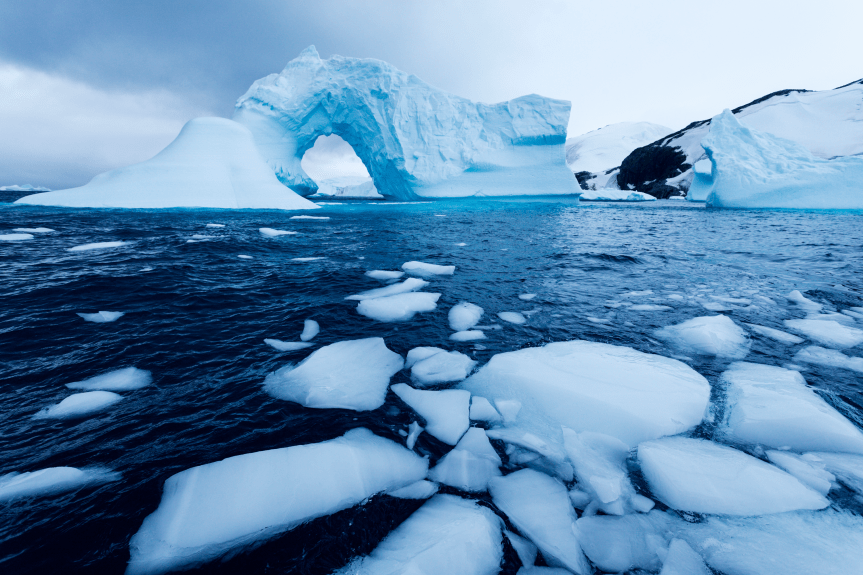
Melting of Glaciers – A topic which should not be avoided.

Glaciers are persistent chunks of dense ice that are constantly moving under their own weight. Glaciers are formed where snow accumulation exceeds its erosion over the years, and often centuries.

Rising global temperatures have undoubtedly been the cause of glacier melting throughout history. Due to the rate at which climate change is occurring today, it can become extinct at record rates.

Some of the other reasons:
Carbon dioxide gases Emissions: Atmospheric concentrations of carbon dioxide and other greenhouse gases (GHGs) produced by human activities such as industry, transportation, deforestation, and burning fossil fuels warm the earth and melt glaciers. Glacier savings can be achieved if CO2 emissions can be reduced by 45% over the next decade before reaching zero by 2050.
Ocean warming: The ocean absorbs 90% of the earth’s heat. This fact mainly affects the melting of sea glaciers near the poles and on the coast of Alaska (USA) and other heavy snow covered areas.

The main consequences of melting glaciers are:
Sea Level Rising- Sea level is rising and covers most of the continental region. This means that which means within years most of the areas can be a complete flooded regions.
Less freshwater – No glaciers also mean less water for population consumption, less hydropower capacity, and less water available for irrigation.
Climate change-The balance between cyclone and anticyclone structure and meteorological patterns is deteriorating.
Food Chain Imbalances-The habitats of some marine and terrestrial species are changing and they may harms to them in maintaining their natural circulation and habitat.

Temperature imbalances, extensive processes of deforestation, and rainfall can be other reasons for global warming that lead to glacier melting.
Glaciologists believe that despite the massive ice loss, there is still time to save the glacier from the predicted disappearance. It can done through to curb climate change and save glaciers from getting extinct. Scientists believe that controlling climate change can prevent glaciers from melting and disappearing.

“The earth has a skin and that skin has diseases; one of its diseases is called man.”

– Friedrich Nietzsche

What is Vulnerability Analysis for Environment

Vulnerability assessments are used to ascertain the susceptibility of a natural or human system to sustaining damage (or benefiting) from climate change. Vulnerability is a function of exposure, sensitivity, and adaptive capacity. Vulnerability assessments differ from impact assessments in that they more fully consider adaptive management or policy responses that may lessen negative impacts (or enhance positive impacts) of climate change. Where vulnerability assessments are used to guide management or conservation actions, they are often most informative when they are “place-based” and designed to address a particular resource or system of interest. However, in the climate change literature, there are multiple definitions of vulnerability and there is no single universal assessment framework. The assessments included below focus on various exposure units, are applied at different spatial scales, and are relevant to different locations

Planning adaptation at the local level requires an understanding of the current and projected climate hazards as well as an understanding of the vulnerable sectors of the city. These two factors are combined in a risk and vulnerability assessment. There are a multitude of methods that can be applied to conduct risk and vulnerability assessments in urban areas. Knowledge about the different types of methods and their outputs is important for the selection of the most efficient and effective method to be applied in accordance with the capacities of the local authorities.

Climate change risks in a city or town should be characterised from the point of view of several aspects: the climate threat (projected climatic conditions); context of the geographic location (e.g. coastal area, mountain region, etc.); and affected sectors and systems (e.g. human health, infrastructure, transport, ports, energy, water, social well-being, etc.) including the impacts on the most vulnerable groups (e.g. the elderly, he homeless, those at risk of poverty, etc.).
Signatory cities to develop their Risk and Vulnerability Assessment (RVA). Under the Covenant of Mayors reporting framework, the Risk and Vulnerability Assessment incorporates data on climate hazards, vulnerable sectors, adaptive capacity and vulnerable population groups. In terms of climate hazards, signatory cities are requested to define the probability and impact of the most relevant hazards, their expected change in intensity and frequency, as well as timescales. This is done via a defined indication of the level of confidence. For each identified climate hazard, the vulnerable sectors and their vulnerability level is defined. Further, an assessment of the adaptive capacity at the sectoral level is defined, using positive adaptive capacity categories, such as access to services, governmental and institutional capacity, physical and environmental capacity, knowledge and innovation. It is also possible to assign indicators for the identified vulnerable sectors and adaptive capacity. 
Risk assessments focus primarily on the projected changes in climatic conditions, inventory of potentially impacted assets, the likelihood of the impact happening and the resulting consequences. Vulnerability assessments emphasise exposure, sensitivity and adaptive capacity of systems, assets and populations. Integrated risk and vulnerability assessments address both the vulnerability to and the impacts of climatic hazards.
The methods designed for risk and vulnerability assessments can be divided into top-down methods, which are usually based on quantitative data (e.g. census data, downscaled climate models) and use mapping; and bottom-up methods that often employ local knowledge to identify risks and are generally qualitative in nature.
Indicator-based vulnerability assessments use sets of pre-defined indicators that can be both quantitative and qualitative and can be assessed both through modelling or stakeholder consultation.
A quick risk screening method, which is based on existing knowledge, can be employed first-hand to have a clearer understanding of the needs for an in-depth assessment.
Regardless of the method applied, the assessment should, at minimum, take the following elements into consideration:Trends of various climate variables (e.g. average and extreme temperature, number of days with extreme heat, intensive rainfall events, snow cover), ideally based on a range of different climate scenarios;
Expected (direct and indirect) impacts (threats and opportunities) by identifying the most relevant hazards as well as the areas of the city that are at most risk given an overlay of the spatial distribution of the total population, vulnerable populations, economic activities and economic values;
Timescale, such as short, medium (e.g. 2050s) or long-term (e.g. end of century);
An indication on the level of confidence (e.g. high, medium, low) for such impacts, with a view of facilitating the decision-making process given the degree of uncertainty attached to the results.
Climate Change Vulnerability is defined by the IPCC as the susceptibility of a species, system or resource to the negative effects of climate change and other stressors, and includes three components: exposure, sensitivity, and adaptive capacity:Exposure is the amount and rate of change that a species or system experiences from the direct (e.g., temperature, precipitation changes) or indirect (e.g., habitat shifts due to changing vegetation composition) impacts of climate change;
Sensitivity refers to characteristics of a species or system that are dependent on specific environmental conditions, and the degree to which it will likely be affected by climate change (e.g., temperature or hydrological requirements); and
Adaptive capacity is the ability of a species to cope and persist under changing conditions through local or regional acclimation, dispersal or migration, adaptation (e.g., behavioral shifts), and/or evolution.
What are Climate Change Vulnerability Assessments?
Climate Change Vulnerability Assessments (CCVAs) are emerging tools that can be used as an initial step in the adaptation planning process. A CCVA focuses on species, habitats, or systems of interest, and helps identify the greatest risks to them from climate change impacts. A CCVA identifies factors that contribute to vulnerability, which can include both the direct and indirect effects of climate change, as well as non-climate stressors (e.g., land use change, habitat fragmentation, pollution, and invasive species?).
The process of completing a CCVA includes the synthesis of existing information about the target species or system, confidence levels in those data, and identification of knowledge gaps. A CCVA combines this background information with climate projections to identify the specific elements of exposure, sensitivity, and adaptive capacity that contribute to the overall vulnerability of the species or system.
Figure adapted from Glick et al. 2011
There is no standard method or framework to conduct a CCVA, and a variety of methods are being implemented at government, institutional, and organizational levels. Because of this, interpretation of CCVA results should carefully consider whether and how each of the three components of vulnerability (exposure, sensitivity, and adaptive capacity) were evaluated, if non-climate stressors were included in the assessment, how uncertainty is presented, the geographic location covered by the assessment, and whether the entire life cycle of a target species was evaluated, particularly for those that are migratory. Generally, the approach chosen should be based on the goals of practitioners, confidence in existing data and information, and the resources available (e.g., financial, personnel).
Some of the most common frameworks applied regionally are:NatureServe Climate Change Vulnerability Index (CCVI) – A quantitative assessment based on the traits of fish, wildlife, and habitats that might make them more vulnerable to climate change. The CCVI is suitable for assessing large numbers of species and comparing results across taxa. It is based in Microsoft Excel, relatively easy to use, and includes factors related to direct and indirect exposure, species-specific sensitivity, and documented or modeled responses to climate change.
Climate Change Response Framework (CCRF) – A collaborative, cross-boundary approach among scientists, managers, and landowners designed to assess the vulnerability of forested habitats. The assessment incorporates downscaled climate projections into tree species distribution models to determine future habitat suitability. Experts conduct a literature review to summarize the effects of climate change, as well as non-climate stressors, and consider all three components of vulnerability to come to a consensus on a vulnerability ranking and level of confidence.
Northeast Association of Fish and Wildlife Agencies (NEAFWA) Habitat Vulnerability Model – An approach created to consistently evaluate the vulnerability of all non-tidal habitats across thirteen Northeastern US states. This method is based on an expert-panel approach, and is made up of 4 sections, or modules, based in Microsoft Excel. The modules score vulnerability based on climate sensitivity factors (adaptive capacity is also partially addressed) and non-climate stressors to produce vulnerability rankings and confidence scores. Experts use these scores to construct descriptive paragraphs explaining the results for each species or habitat evaluated. These narratives help to ensure transparency, evaluate consistency, and clarify underlying assumptions. The National Park Service, the U.S. Forest Service, and several states have used this model successfully to assess habitat vulnerability.
Expert opinion workshops and surveys – These are often qualitative (or mixed qualitative/quantitative), and have been used by a number of states including a report on habitat vulnerability in Massachusetts. These assessments are usually developed independently, and are typically not based on a standardized framework. This allows greater flexibility for the institution conducting the CCVA; however, it is more difficult to make direct comparisons across assessment results since the specific factors evaluated may vary.
Outputs from the CCVAs outlined above compare the relative vulnerability among species or systems and identify major factors contributing to the vulnerability, confidence in the factors assessed, and remaining knowledge gaps. This information can inform adaptation strategies and actions by identifying the areas where additional monitoring and research is needed, and helping to prioritize management and policy decisions.
How are CCVAs presented in the Massachusetts Wildlife Climate Action Tool?
The CCVAs presented in this tool are drawn from assessments completed throughout the Northeast United States, as well as the Midwest and Mid-Atlantic regions. The NatureServe Climate Change Vulnerability Index was the most common method of assessing species vulnerability, though other methods were also included (see descriptions above). The Massachusetts Climate Action Tool presents a summary of CCVA results for individual species and forest habitats; in cases where more than one CCVA result is offered, studies come from various locations and may have used different assessment methodologies. Users should consult the original source for a complete understanding of how vulnerability was assessed and detailed results.
We present multiple Climate Change Vulnerability Assessment (CCVA) results because not all species were assessed specifically in Massachusetts. For example, an assessment may have included Massachusetts, but been regional in scope. Because species’ ranges and life histories extend beyond state boundaries, assessments conducted in other areas may provide a more comprehensive understanding of their vulnerability. We suggest starting with CCVAs that include Massachusetts (e.g., North Atlantic LCC, North Atlantic coast), and then comparing results from nearby states. We also suggest considering the life history and migration patterns of species to determine what factors might be most influential as the species moves in or out of Massachusetts. In some cases, CCVA rankings may vary for the same species because of unique factors within a given area, or because different methodologies were used in different studies. It is important to read the expert opinions supporting ranking to understand why a ranking differs from one state to another.
In the Massachusetts Climate Action Tool, the following information is presented for each species assessed:
Ranking: The vulnerability ranking categories refer to the predicted extent that the assessed species will be impacted by climate change. Because the ranking category names and definitions vary across reports, similar rankings have been grouped and are presented in a standardized format. See Table 1 (next page) to compare these with the original ranking categories and definitions used by the CCVAs cited in this tool.
Confidence: This category describes how confident the authors are in the vulnerability ranking assigned to each species in the assessment. Confidence scores refer to the amount and quality of the available background information on that species, and do not necessarily include the uncertainty associated with the projected climate data used for rankings.
Emission Scenarios: Emissions scenarios describe future releases of greenhouse gases, aerosols, and other pollutants into the atmosphere, and are based on expected changes in human populations and technology. See climate change page for more information on emission scenarios and climate models.
Time Period: Vulnerability for each species is considered for a specific time period. Many vulnerability assessments consider the current and future impacts that a species may experience through the years 2050, 2080, or 2100.
Location: This field refers to the geographic region considered in the vulnerability assessment. CCVAs can be conducted on local, regional, state, and national levels.
Simplified vulnerability ranking categories as presented in the Massachusetts Wildlife Climate Action Tool, cross-referenced with the original vulnerability ranking categories and definitions used in the assessment reports cited in this tool.
Additional Resources on CCVAs
Climate Registry for the Assessment of Vulnerability (CRAVe): The Climate Registry for the Assessment of Vulnerability (CRAVe) is a searchable, public registry on CCVAs. The purpose of CRAVe is to make information about ongoing and completed vulnerability assessments readily accessible. CRAVe is hosted in two locations: 1) USGS National Climate Change and Wildlife Science Center and 2) the EcoAdapt Climate Adaptation Knowledge Exchange. The assessments in CRAVe include studies on species and ecosystems, built environments and infrastructure, cultural resources, and socioeconomic systems. Users can access CRAVe to conduct searches across all vulnerability assessments to find the information necessary for decision making.
Vulnerability Assessment Trainings: The U.S. Fish and Wildlife Service’s National Conservation Training Center (NCTC) offers training courses to guide conservation and resource management practitioners in the theory, design, interpretation, and implementation of CCVAs. Participants also gain a perspective of how CCVAs fit into the broader context of adaptation planning. Courses follow the guidelines established in Scanning the Conservation Horizon – A Guide to Climate Change Vulnerability Assessment.
References
Adaptation Subcommittee to the Governor’s Steering Committee on Climate Change. 2010. The impacts of climate change on Connecticut agriculture, infrastructure, natural resources, and public health.
Brandt, L., et al. 2014. Central Hardwoods ecosystem vulnerability assessment and synthesis: a report from the Central Hardwoods Climate Change Response Framework project. Gen. Tech. Rep. NRS-124. U.S. Department of Agriculture, Forest Service, Northern Research Station, Newtown Square, PA.
Butler, P., et al. 2015. Central Appalachians forest ecosystem vulnerability assessment and synthesis: a report from the Central Appalachians Climate Change Response Framework. Gen. Tech. Rep. NRS-146. U.S. Department of Agriculture, Forest Service, Northern Research Station, Newtown Square, PA.
Byers, E., and S. Norris. 2011. Climate change vulnerability assessment of species of concern in West Virginia. West Virginia Division of Natural Resources, Elkins, West Virginia.
Cullen, E., E. Yerger, S. Stoleson, and T. Nuttle. 2013. Climate change impacts on Pennsylvania forest songbirds against the backdrop of gas development and historical deer browsing. Pennsylvania Department of Conversation and Natural Resources, Wild Resource Conservation Program (WRCP-010376), Harrisburg, PA.
Dawson, T. P., S. T. Jackson, J. I. House, I. C. Prentice, G. M. Mace. 2011. Beyond predictions: biodiversity conservation in a changing climate. Science 332: 664-664.
Furedi, M., B. Leppo, M. Kowalski, T. Davis, and B. Eichelberger. 2011. Identifying species in Pennsylvania potentially vulnerable to climate change. Pennsylvania Natural Heritage Program, Western Pennsylvania Conservancy, Pittsburgh, PA.
Galbraith H., DesRochers DW, Brown S, Reed JM (2014) Predicting vulnerabilities of North American shorebirds to climate change. PLoS ONE 9(9): e108899.
Glick P., B. A. Stein, and N. Edelson, editors. 2011. Scanning the conservation horizon: a guide to climate change vulnerability assessment. National Wildlife Federation, Washington, DC.
Handler, S., et al. 2014. Michigan forest ecosystem vulnerability assessment and synthesis: a report from the Northwoods Climate Change Response Framework. Gen. Tech. Rep. NRS-129. U.S. Department of Agriculture, Forest Service, Northern Research Station, Newtown Square, PA.
Handler, S., et al. 2014. Minnesota forest ecosystem vulnerability assessment and synthesis: a report from the Northwoods Climate Change Response Framework. Gen. Tech. Rep. NRS-133. U.S. Department of Agriculture, Forest Service, Northern Research Station, Newtown Square, PA.
Hoving, C.L., Y.M. Lee, P.J. Badra, and B.J. Klatt. 2013. Changing climate, changing wildlife: a vulnerability assessment of 400 Species of Greatest Conservation Need and game species in Michigan. Wildlife Division Report No. 3564. Michigan Department of Natural Resources, Lansing, MI.
Intergovernmental Panel on Climate Change (IPCC). 2007. Climate change 2007: impacts, adaptation, and vulnerability. Contribution of Working Group II to the Fourth Assessment Report of the Intergovernmental Panel on Climate Change. M. L. Parry, O. F. Canziani, J. P. Palutikof, P. J. van der Linden, and C. E. Hanson (eds.). Cambridge University Press, Cambridge, UK.
Intergovernmental Panel on Climate Change (IPCC). 2014. Climate change 2014: impacts, adaptation, and vulnerability. Part A: Global and sectoral aspects. Contribution of Working Group II to the Fifth Assessment Report of the Intergovernmental Panel on Climate Change Field, C. B., V. R. Barros, D. J. Dokken, K. J. Mach, M. D. Mastrandrea, T. E. Bilir, M. Chatterjee, K. L. Ebi, Y. O. Estrada, R. C. Genova, B. Girma, E. S. Kissel, A. N. Levy, S. MacCracken, P. R. Mastrandrea, and L. L. White (eds.). Cambridge University Press, Cambridge, UK.
Janowiak, M., et al. In preparation. New England forest ecosystem vulnerability assessment and synthesis: a report from the New England Climate Change Response Framework. U.S. Department of Agriculture, Forest Service, Northern Research Station.
Janowiak, M.K., et al. 2014. Forest ecosystem vulnerability assessment and synthesis for northern Wisconsin and western Upper Michigan: a report from the Northwoods Climate Change Response Framework. Gen. Tech. Rep. NRS-136. U.S. Department of Agriculture, Forest Service, Northern Research Station, Newtown Square, PA.
Manomet Center for Conservation Science (Manomet) and Massachusetts Division of Fisheries and Wildlife (MA DFW). 2010. Climate change and Massachusetts fish and wildlife: Volume 2 habitat and species vulnerability. Massachusetts Division of Fisheries and Wildlife, Westborough, MA.
Manomet Center for Conservation Science (Manomet) and National Wildlife Federation (NWF). 2013. The vulnerabilities of fish and wildlife habitats in the Northeast to climate change. Manomet Center for Conservation Sciences, Plymouth, MA.
Schlesinger, M.D., J.D. Corser, K.A. Perkins, and E.L. White. 2011. Vulnerability of at-risk species to climate change in New York. New York Natural Heritage Program, Albany, NY.
Small-Lorenz, S., L. A. Culp, T. B. Ryder, T. C. Will, and P. P. Marra. 2013. A blind spot in climate change vulnerability assessments. Nature Climate Change 3:91–93.
Sneddon, L. A., and G. Hammerson. 2014. Climate change vulnerability assessments of selected species in the North Atlantic LCC Region. NatureServe, Arlington, VA.
Tetratech, Inc. 2013. Vermont Agency of Natural Resources climate change adaptation framework. Vermont Agency of Natural Resources, Waterbury, VT.
Whitman, A., A. Cutko, P. DeMaynadier, S. Walker, B. Vickery, S. Stockwell, and R. Houston. 2013. Climate change and biodiversity in Maine: vulnerability of habitats and priority species. Report SEI-2013-03. Manomet Center for Conservation Sciences (in collaboration with Maine Beginning with Habitat Climate Change Working Group), Brunswick, ME.
Young, B. E., E. Byers, K. Gravuer, K. Hall, G. Hammerson, A. Redder, J. Cordeiro, and K. Szabo. 2011. Guidelines for using the NatureServe Climate Change Vulnerability Index, version 2.1. NatureServe, Arlington, VA.


What is Land Suitability Analysis

and suitability assessment is a method of land evaluation, which identifies the major limiting factors for planting a particular crop. Land suitability assessment includes qualitative and quantitative evaluation. In the qualitative land suitability evaluations, information about climate, hydrology, topography, vegetation, and soil properties is considered and in quantitative assessment, the results are more detailed and yield is estimated. At present study we prepared land suitability assessment map for rain-fed wheat and barley crops based on FAO “land suitability assessment framework” using parametric method and machine learning algorithms in Kurdistan Province, located in west of Iran. This is a unique study that compared two machine learning-based and traditional-based approaches for mapping current and potential future land suitability classes. Moreover, potential yield of rain-fed wheat and barley crop were computed by FAO model.

1. Introduction

Rapid population growth in developing countries means that more food will be required to meet the demands of growing populations. Rain-fed wheat and barley, as major grain crops worldwide, are planted under a wide range of environments and are a major staple source of food for humans and livestock [1][2][3][4]. The production of such staple crops influences local food security [5]. Rain-fed wheat and barley are cultivated on approximately 6 and 0.64 million ha in Iran, respectively [6]. They are well adapted to the rain conditions of western Iran, where mean precipitation is 350–500 mm. The production of rain-fed wheat and barley per unit area in Iran is low compared to developed countries worldwide [2]. One of the main causes for this low yield is that the suitability of land for their cultivation has not been determined. To overcome this problem, land suitability assessment is needed, which can help to increase crop yield by growing these crops in the locations that are most suited to their growth [7].

The first step in agricultural land use planning is land suitability assessment which is often conducted to determine which type of land use is suitable for a particular location [8]. Land suitability assessment is a method of land evaluation, which identifies the major limiting factors for planting a particular crop [9][10]. Land suitability assessment includes qualitative and quantitative evaluation. In the qualitative land suitability evaluations, information about climate, hydrology, topography, vegetation, and soil properties is considered [11] and in quantitative assessment, the results are more detailed and yield is estimated [12]. The FAO land evaluation framework [13][14] and physical land evaluation methods [15] have been widely used for land suitability assessment.

Land suitability maps provide the necessary information for agricultural planners and are vital for decreasing land degradation and for assessing sustainable land use. There is a lack of land suitability mapping and associated information in Iran because land suitability surveying and mapping in Iran have followed the traditional approach [16][17][18][19][20]. In the traditional approach, abbreviation of the soil variability through a soil map unit to a representative soil profile may cause the precision of the land suitability maps to be lacking and ignores the continuous nature of soil and landscape variation, resulting in the misclassification of sites and discrete and sharply defined boundaries [21][22]. Moreover, the traditional approach is time-consuming and costly [23].

Machine learning (ML) models are capable of learning from large datasets and integrate different types of data easily [24][25]. In digital soil mapping framework, these ML models have been applied to make links between soil observations and auxiliary variables to understand spatial and temporal variation in soil classes and other soil properties [24][26][27][28]. These ML models include artificial neural networks, partial least squares regressions, support vector machines, generalized additive models, genetic programming, regression tree models, k nearest neighbor regression, adaptive neuro-fuzzy inference system, and random forests [26][27][28]. It should be noted that random forests and support vector machines have been the most commonly used techniques in the digital soil mapping community in the last decade due to their relatively good accuracy, robustness, and ease of use. The auxiliary variables can be obtained from digital elevation models(DEM), remotely sensed data (RS), and other geo-spatial data sources [24][29][30][31][32][33][34][35].

2. Discussion

Although in recent years, ML models have been widely used to create digital soil maps [24], little attempt has been made for using ML models to digitally map land suitability classes [36][37]. For instance, Dang et al. [38] applied a hybrid neural-fuzzy model to map land suitability classes and predict rice yields in the Sapa district in northern Vietnam. Auxiliary variables included eight environmental variables (including elevation, slope, soil erosion, sediment retention, length of flow, ratio of evapotranspiration to precipitation, water yield, and wetness index), three socioeconomic variables, and land cover. Harms et al. [39] assessed land suitability for irrigated crops for 155,000 km2 of northern Australia using digital mapping approaches and machine learning models. They concluded that the coupling of digitally derived soil and land attributes with a conventional land suitability framework facilitates the rapid evaluation of regional-scale agricultural potential in a remote area.

Although Kurdistan province is one of the main agriculturally productive regions of Iran and holds an important role in the country’s crop production rank, the mean yield of rain-fed wheat and barley in these regions is lower than 800 kg ha−1 [40]. Land suitability maps can classify the areas that are highly suitable for the cultivation of the two main crops and can help to increase their production. However, such information is commonly scarce in these semi-arid regions.

References

  1. Dawson, I.K.; Russell, J.; Powell, W.; Steffenson, B.; Thomas, W.T.; Waugh, R. A translational model for adaptation to climate change. New Phytol. 2015, 206, 913–931. [Google Scholar] [CrossRef] [PubMed]
  2. FAO. FAO Year Book; FAO Publication: Rome, Italy, 2013. [Google Scholar]
  3. Houshyar, E.; Esmailpour, M. The impacts of tillage, fertilizer and residue managements on the soil properties and wheat production in a semi-arid region of Iran. J. Saudi Soc. Agric. Sci. 2018, 93, 43–51. [Google Scholar] [CrossRef]
  4. Jamshidi, A.; Javanmard, H.R. Evaluation of barley (Hordeum vulgare L.) genotypes for salinity tolerance under field conditions using the stress indices. Ain Shams Eng. J. 2018, 9, 2093–2099. [Google Scholar] [CrossRef]
  5. Qader, S.H.; Dash, J.; Atkinson, P.M. Forecasting wheat and barley crop production in arid and semi-arid regions using remotely sensed primary productivity and crop phenology: A case study in Iraq. J. Saudi Soc. Agric. Sci. 2018, 613–614, 250–262. [Google Scholar] [CrossRef] [PubMed]
  6. FAO. Fertilizer Use by Crop in the Islamic Republic of Iran; Food and Agriculture Organization: Rome, Italy, 2005. [Google Scholar]
  7. FAO. Land Evaluation: Towards a Revised Framework; Food and Agriculture Organization of the United Nations: Rome, Italy, 2007. [Google Scholar]
  8. Bodaghabadi, M.B.; Faskhodi, A.A.; Saleh, M.H.; Hosseinifard, S.J.; Heydari, M. Soil suitability analysis and evaluation of pistachio orchard farming, using canonical multivariate analysis. Sci. Hortic. 2019, 246, 528–534. [Google Scholar] [CrossRef]
  9. De la Rosa, D.; Mayol, F.; Diaz-Pereira, E.; Fernandez, M. A land evaluation decision support system (MicroLEIS DSS) for agricultural soil protection. Environ. Model. Softw. 2004, 19, 929–942. [Google Scholar] [CrossRef]
  10. Halder, J.C. Land suitability assessment for crop cultivation by using remote sensing and GIS. J. Geogr. Geol. 2013, 5, 65–74. [Google Scholar] [CrossRef]


Gaura Devi who played an important role in Chipko Movement.

Gaura Devi (1925 – 1991) was a social activist and a rural women community leader from Uttarakhand, India who played an important role in the Chipko movement in 1970’s .
Gaura Devi was born in 1925 in a village named Lata of Chamoli district in the state of Uttarakhand. She got married at very young age, afer her marraige she moved to a nearby village named Reni by the Alaknanda River. At the age of 22 she was a widow with a child. After her husband death she moved to a new village which was near to the border of Indo-Tibet.

An environmentalist Sunderlal Bahuguna initially started the Chipko Movement . Gaura Devi became the leader of the Chipko movement in 1974. Gaura Devi was elected to lead the Mahila Mangal Dal (Women’s Welfare Association) in the wake of the Chipko movement. The organization worked towards protecting the forests of the community. On March 25, 1974, she learned from a young girl of the village that a local loggers of the village were logging a tree near the village. People in the village of Reni were told the news that according to government new policy, the government would pay compensation to the people for the land used by the army . Gaura Devi and 27 other women decide to take action against the loggers. She confronted the loggers and demanded that the men shoot her instead of cutting down trees, and she described the forest as “vandevta” (the jungle god) and her maika (mother’s house). Eventually, for the next three or four days Gaura Devi along with other village women’s protect the trees by hugging the trees , despite the insults and intimidation of the armed loggers,she was able to stop the logger’s work . After seeing the bravery of Gaura Devi and other village women’s how they protect the trees who are the important part of thier life other villagers from different villages joined the action with her . After this incident, the Uttar Pradesh government set up a specialized committee to investigate logging issues, and the logging company withdrew its subordinates from Reni. The Commission stated that the Reni Forest is an ecologically sensitive area where trees should not be logged. The Uttar Pradesh government who was in power of that area at that has since banned all logging in areas over 1150 km² for 10 years.

Some other important activist who played an important role in Chipko Andolan or Chipko movement along side Gaura Devi were :
Suraksha Devi, Sudesha Devi, Bachni Devi and Chandi Bhatt, Virushka Devi and others.

Gaura Devi passed away in July 1991, at the age of 66 in Reni village Chamoli.

“Ecology is permanent economy “

-Sunderlal Bahuguna

Conservation, environmental pollution and degradation, environmental impact assessment

CONSERVATION

Environmental conservation is an activity that paves the way for the protection of the environment and natural resources at the individual, organizational and governmental levels. Various basic environmental problems are weighing on people’s lives. From overpopulation to hydrological problems, including ozone depletion, global warming, deforestation, desertification, and pollution, all these problems seriously threaten the existence of mankind. Unless environmental conservation becomes an effective mass movement, it is futile to expect positive growth, especially in an age of digital media that has the potential to bring about a revolution. revolution to save our destroying planet.

It has become important for the conservation of the environment in modern times. The following guidelines explain the essential need to protect the environment from further degradation:

To reduce pollution of air, water and soil,

Facilitating the conservation of natural resources for our future generations

To ensure the protection of biodiversity

To realize sustainable development To restore ecological balance

To save our planet from the harmful effects of global warming

ENVIRONMENTAL POLLUTION AND DEGRADATION

Environmental degradation is the decomposition or degradation of the environment due to the consumption of assets, such as air, water and soil; the destruction of the environment and the extinction of animals. It is characterized by any alteration or exacerbation of a natural territory that is considered cruel or undesirable. Ecosystem effects or degradation produced by the amalgamation of a substantial and effectively expanding human population, expanding monetary development or wealth per capita, and applying technologies that cause depletion and pollution.

It occurs when the earth’s natural resources are depleted, and the environment is compromised in the form of extinction of species, pollution in the air, water and soil, and rapid growth in population.

Environmental degradation is one of the biggest threats currently under consideration in the world. The United Nations International Strategy for Disaster Mitigation describes environmental degradation as the shrinking of the earth’s limits to meet social and environmental needs and destinations. Environmental degradation can occur in many ways. The moment the environment is destroyed or depleted of commons, the environment is considered broken and damaged. There are a number of different techniques used to prevent this, including environmental resource protection and general conservation efforts. There are number of types of environmental degradation- Land and soil degradation, Water degradation, air pollution, noise pollution etc.

ENVIRONMENT IMPACT ASSESMENT

Environmental Impact Assessment (EIA) is a process of assessing the possible environmental impacts of a proposed project or development, taking into account the socio-economic, cultural and environmental impacts of the project. and human health are associated with both benefits and negatives. UNEP defines an Environmental Impact Assessment (EIA) as a tool used to determine the environmental, social and economic impacts of a project before making a decision. It aims to predict environmental impacts at an early stage of project planning and design, seek to reduce negative impacts, shape projects to the local environment, present projects reporting and options for decision makers. Environmental impact assessment in India is legally supported by the Environmental Protection Act 1986, which contains different provisions on EIA methods and procedures.

The Environment Impact Assessment includes the steps mentioned below.

The EIA process is cyclical with interactions between different phases. Review: The project plan is reviewed based on the size of the investment, location and type of development, and whether the project requires statutory approval. Scope: Potential project impacts, impact areas, mitigation possibilities, and monitoring needs. Baseline data collection: Baseline data is the environmental condition of the study area. Impact prediction: Positive and negative impacts, reversible and irreversible, temporary and permanent impacts must be anticipated, assuming the rating agency has a good understanding of the project. Mitigation Measures and EIA Report: The EIA report should include actions and steps to prevent, minimize or ignore impacts or compensation for possible damage or loss to with the environment. Public Hearing: Once the EIA report is completed, community and habitat groups near the project site may be notified and consulted. Decision making: the impact assessment authority and experts consult with the project manager and consultant to make the final decision, keeping in mind the EIA and EMP (plan Environmental Management). Monitoring and implementation of the environmental management plan: The different phases of the project implementation are monitored. Evaluation of alternatives, identification of mitigation measures and EIA report: For each project, possible alternatives should be identified and environmental attributes compared . Alternatives must include both project location and process technology. After the alternatives have been considered, a mitigation plan must be developed for the selected alternative and supplemented by an environmental management plan (EMP) to guide the proponent towards improvement. environment friendly. Risk assessment: Inventory analysis and probabilistic and risk metrics are also part of the EIA procedure.

SUSTAINABLE DEVELOPMENT

Sustainable Development has been the buzzword for a while now. People are constantly asking what it looks like and how to implement it. There have been many differing opinions on what sustainable development actually is, however some key principles remain:

  • The concept of sustainable development is about making sure that you live in a world where people are able to stay self-sufficient and thrive indefinitely.
  • Sustainable development does not need to take the form of major changes, but rather building upon what we already have.
  • A major component of any successful Sustainable Development project is social-justice based thinking.

The Principles of a Sustainable Development Project:

A sustainable development project is one that will allow you to reach the following principles:
-Managing resources efficiently.
-Responsible consumption.
-Treating others with respect and dignity.
These four principles are what make up an overall healthy and productive society. The management of resources, responsible consumption, and treating others with respect and dignity can be applied to almost anything we do; whether it is being environmentally conscious, being respectful of your parents, or being a good soccer player. The real issue here is that these principles go hand in hand. If we constantly abuse a resource and consume in a way that hurts the environment, we are not being respectful of the Earth. If we are being very selfish in our consumption, then we are not being respectful of our fellow human beings. Lastly, if we do not treat people with respect and dignity, then they will not be treated with respect and dignity by their neighbors.

These four principles allow us to have a healthy society. This can be seen clearly in the following quote by E. F. Schumacher: “The great first commandment is to love the Earth and that means loving it enough to take care of it for the sake of future generations”.

The way we approach development affects everyone. The decisions that we make also impacts the society, and has very real consequences for people’s lives. Poor planning of communities, for example, reduces the quality of life for the people who live in them.

Sustainable development provides an approach to making better decisions on the issues that affect all of our lives. By incorporating health plans into the planning of new communities, for instance, we can ensure that residents have easy access to healthcare and other facilities.

Sustainable development should provide a solution in terms of meeting basic human
needs, integrating environmental development and protection, achieving equality,
ensuring social self-determination and cultural diversity, and maintaining ecological
integrity. Although the concept of sustainable development has undergone certain
changes during the past, its fundamental principles and goals have contributed to a
more conscious behaviour adapted to the limitations of the environment. This is the
reason of adopting the concept in different areas of human activities. Numerous international organizations have been involved in implementation of the concept, while
it has found positive implementation locally, but it did not produce significant results
on a global scale. This fact proves environmental problems which, 30 years after the
introduction of the concept, are still ongoing. Contemporary understanding of the
concept of sustainable development is considered through the United Nations Millennium Development Goals focused on a complex global situation, such as population
growth, hunger and poverty, wars and political instability, and further degradation
of the environment. There is a huge gap between developed and underdeveloped country and many of the countries are not even close to sustainable development. Fundamental constraints of the implementation of the concept of sustainable development are the degree of socio-economic development that many countries have not yet achieved, associated with a lack of financial resources and technology, but also the diversity of political and economic goals on a global scale.

Source: https://www.unesco.org/en/education/sustainable-development

The world's most important living animal

Photo by mostafa eissa on Pexels.com

This animal has got 5 eyes, lays upto 3000 eggs every single day and has wings that flaps over 11,000 times per minute. It has co existed with dinosaurs for atleast 35 million years and it is the 2nd most scientifically studied creature after humans. We humans call this creature as “bees.”
Here are some lesser known facts about bees and why we humans need them to survive-

1) 70 percent of the world’s agriculture depends on bees.
2) If we didn’t have bees to pollinate our plants, then plants will not produce and henceforth, there wouldn’t be enough food for the almost 8 billion people in the world.
3) Honey bees are responsible for every one out of three food bites that we take
4) No bees = No pollination and hence,
No plants = No food for livestock animals
Which further means no dairy products and hence no food for humans.
5) Most of our clothes are made up of cotton and if we don’t have bees, there will be no cotton plants.
6) Honey-bee is the only insect in the world that produces food humans can consume. It spends it’s lifetime producing only 1/12th teaspoon of honey.
7) Honey bees are smart too and they are trained by humans to detect bombs by sticking their tongues out when they sniff the aroma from explosives.
8) They can also detect illnesses in humans. They do so by smelling the illness on the breath in under 10 mins.

Bees, in many ways save humans and yet the most underrated being on planet earth but certainly the most important one.