Ongoing Pandemic has left with many physical and mental health issues; where we face constant on and off lockdowns. People suffering through financial hardship lead to an impact on their lifestyle and their work routine. Large population confronting Mental health issues, loneliness, constant fear of losing job, psychological suffering, anxiety depression, sleeping pattern and isolation.
It is natural for anyone to develop anxiety or any health issue but this time needs to focus on our mental health therefore, yoga is considered as a preventive measure. Yoga is helpful to decrease the intensity of mental health issues and lead us towards a healthy lifestyle. Government of India, private yoga institutes abroad, campus awareness exclusively works on yoga significant aspects of human life. But, not even government or yoga institutes have introduced yoga programs for GBV survivors. India is a country who extensively works on yoga Policies and programmes by state government ,yoga Universities. India has its own Ministry for yoga that promotes yoga events on a larger scale.
USA (New Jersey, Newton Massachusetts)
The USA federal government had not supported any yoga Policy or even program. To make it easier here, we need to understand the difference between Policy and programme.
Programme – short term intervention that creates temporary improvement in wake of challenges not necessarily supported by the government. On the other hand, policies are those which are passed by legislature and implemented by executives.
Therefore, there is no government funded yoga policy or programme. But many initiatives taken up by several universities or yoga school based programmes. More Christian dominating states are not ready for school based yoga programs for their children according to The Atlantic report. States like Georgia, Alabama find yoga as Hindu and Buddhist roots.
Many private yoga studios are opening in the USA or programs. For example
Outdoor fitness Program by New York City Dept of Parks & Recreation (private & paid).
80 hours online yoga training
Online self paced Restoration yoga training
Online yoga teacher training 50 hours
Paid programmes in Arizona, Miami, California and Oregon.
France also has the same situation when it comes to government Policy or programmes. Few paid programmes are there like :-
Yoga holiday in Ariege
Day yogic healing Retreat in Biarritz
Day meditation and yoga retreat in Chateaubriant
Istanbul
Istanbul yoga centers have joined the yoga alliance to promote the practices of yoga.
Yoga posture and breathing classes for all ages
Yoga instructor certificate program of VYASA
Yoga therapy for common ailments.
United kingdom
Isha foundation
Yoga for health & wellness
Yoga practices in the UK Study: cross sectional online anonymous survey. The study investigated the characteristics of people who practice yoga, reasons for initiating & maintaining practices and perceived impact of yoga on health & well being.
India
Source: International yoga day
Delhi Government launched online yoga classes for Covid 19 patients in home isolation. One hour each from 6am to 11am and 4pm to 7pm named the ” Dilli ki Yogshala” programme.
Yoga on call promoting and facilitating yoga practices.
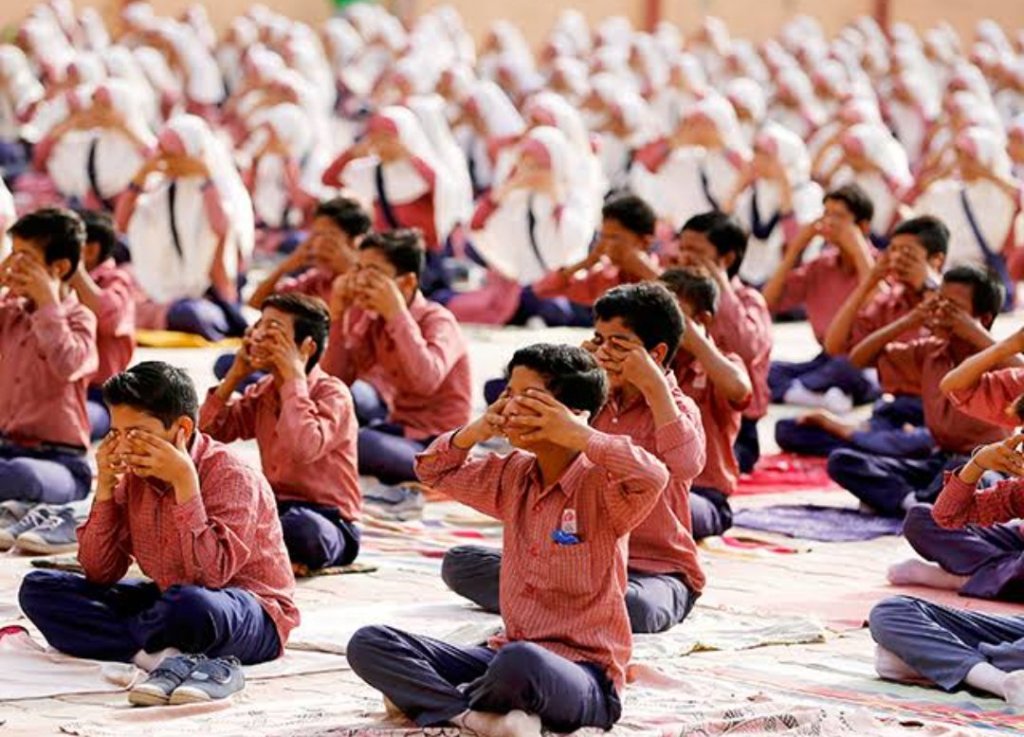
Yoga institutes give their services to transgenders, school children and senior citizens in Mumbai and Delhi.
Niti Aayog suggested yoga as a regular activity in schools to encourage healthy choices and behaviors.
Government schemes for those who are practicing yoga.
By HRD minister yoga training “study in India” program was introduced to enable foreign students to obtain authentic yoga training.
Haryana CM maintained a statement “yoga has been included in school curriculum for classes 1 to 10 from 2021” taking yoga to the grassroot level.
Many private/paid clubs are already in india.
Isha foundation
Art & living
Total yoga
International organization
NGOs work overseas to promote yoga and well-being in people.
International yoga federation aims to create a world’s yoga community and environment of wellness through yoga.
Yoga alliance
World yoga organization
International yoga training and healing center (Mauritius)
Sampoorna yoga
Total yoga program has group yoga classes, corporate wellness workshops, yoga retreats, seminars & events in Singapore, California and Philadelphia.
Yoga without Borders in Barcelona working in Palestine, Morocco and Tanzania
Art & Living (New Jersey) program teaches free breath meditation and breathing techniques that are helpful in reducing stress and make meditation effortless.
Isha foundation & Meditation class – Inner engineering Meetup group free meditation classes, different yoga programs and public events.
WHO also considers Yoga as one of the significant processes to protect themselves from coronavirus.
UN on International yoga day “yoga is also playing a significant role in psycho Social care and rehabilitation of Covid 19 patients during quarantine and isolation.
Private Research and Development
Dept of Ayush of Ministry of Ayush their laboratories come under Government of India R & D programs.
Kaivalyadhama established the scientific research Dept leading initiative in yoga recognised in the Institute of scientific research by the scientific & industrial research organization (SIRO) Ministry of science & technology Govt of india. More research on yoga’s impact on various biochemical, physiological and psychological parameters. Yoga effects on cancer, chronic diseases, immune diseases, psychogenic disorders, obesity, diabetes and stress.
Post graduate institute of medical education, Tshwane University of Technology and Uttarakhand Ayurved University put a recent development in yoga: A scientific perspective.
Yoga is basically a spiritual discipline which is based on an extremely subtle science that concentrates on bringing harmony between mind and body. It is a science and an art of healthy and sound living. The word ‘Yoga’ is derived from the Sanskrit word ‘Yuj’, signifying ‘to join’ or ‘to combine’ or ‘to unite’. Both Yoga and Ayurveda are historically closely related and have developed in tandem with each other since ancient times. According to Yogic sacred writings the act of Yoga prompts the union of individual consciousness with that of the Universal Consciousness, showing an ideal congruity between the mind and body, Man and Nature. Yoga is believed to balance the three doshas i.e Vata , Pitta & kapha. As indicated by modern scientists, everything in the universe is only an appearance of a similar quantum atmosphere. One who experiences this oneness of existence is said to be in yoga, and is named as a yogi, having achieved a state of freedom alluded to as Mukti, Nirvana or Moksha. Therefore, the prime objective of Yoga is Self-realization, to overcome all types of sufferings prompting ‘the state of salvation’ (Moksha) or ‘freedom’ (Kaivalya). Living with freedom in all aspects of life, health and harmony is the primary focus of yoga practice. “Yoga” likewise alludes to an inward science including an assortment of strategies through which people can understand this union and accomplish authority over their destiny.Yoga, being generally considered as an ‘Immortal cultural outcome’ of Indus Saraswati Valley civilization – going back to 2700 B.C., has substantiated itself taking into account both material and spiritual upliftment of humanity.Basic humane values are the very Identity of Yoga Sadhana.
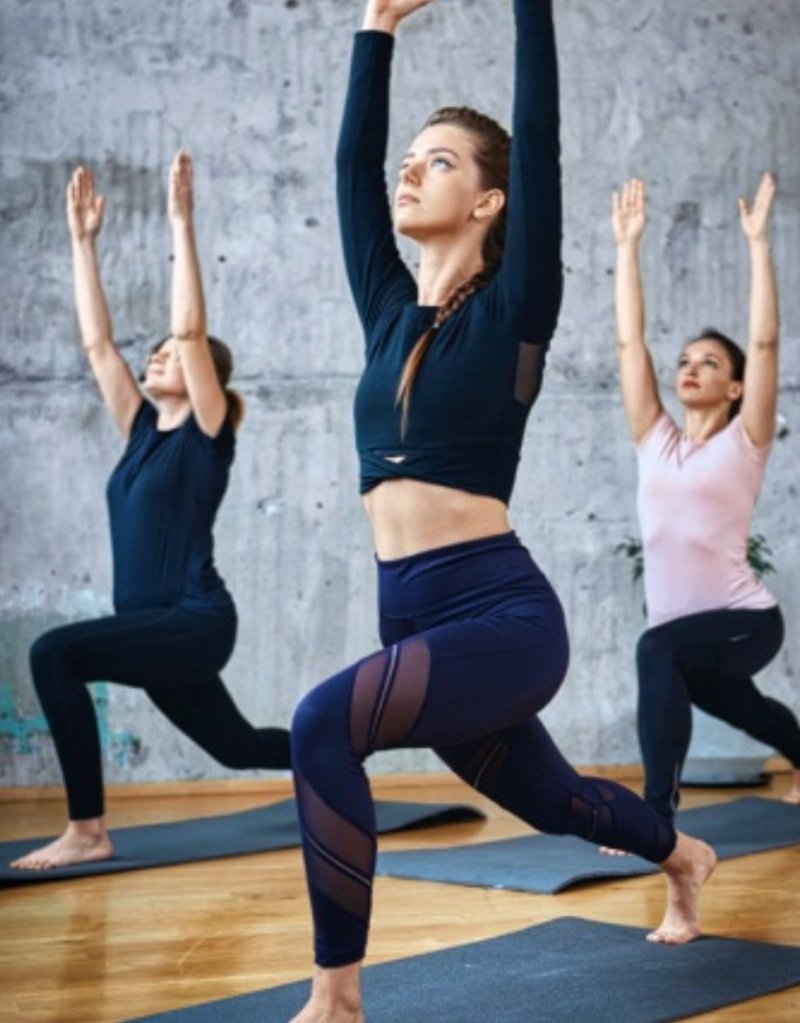
20 ways yoga Improves health:
1. Builds muscle strength – Strong muscles do more than look good. They also protect us from conditions like arthritis and back pain, and help prevent falls in elderly people. And when you build strength through yoga, you balance it with flexibility. If you just went to the gym and lifted weights, you might build strength at the expense of flexibility.
2. Improves your flexibility – Improved flexibility is one of the first and most obvious benefits of yoga. During your first class, you probably won’t be able to touch your toes, never mind do a backbend. But if you stick with it, you’ll notice a gradual loosening, and eventually, seemingly impossible poses will become possible. You’ll also probably notice that aches and pains start to disappear. That’s no coincidence. Tight hips can strain the knee joint due to improper alignment of the thigh and shinbones. Tight hamstrings can lead to a flattening of the lumbar spine, which can cause back pain. And inflexibility in muscles and connective tissue, such as fascia and ligaments, can cause poor posture.
3. Perfects your posture – Your head is like a bowling ball—big, round, and heavy. When it’s balanced directly over an erect spine, it takes much less work for your neck and back muscles to support it. Move it several inches forward, however, and you start to strain those muscles. Hold up that forward-leaning bowling ball for eight or 12 hours a day and it’s no wonder you’re tired. And fatigue might not be your only problem. Poor posture can cause back, neck, and other muscle and joint problems. As you slump, your body may compensate by flattening the normal inward curves in your neck and lower back. This can cause pain and degenerative arthritis of the spine.
4. Prevents cartilage and joint breakdown – Each time you practice yoga, you take your joints through their full range of motion. This can help prevent degenerative arthritis or mitigate disability by “squeezing and soaking” areas of cartilage that normally aren’t used. Joint cartilage is like a sponge; it receives fresh nutrients only when its fluid is squeezed out and a new supply can be soaked up. Without proper sustenance, neglected areas of cartilage can eventually wear out, exposing the underlying bone like worn-out brake pads.
5. Protects your spine – Spinal disks—the shock absorbers between the vertebrae that can herniate and compress nerves—crave movement. That’s the only way they get their nutrients. If you’ve got a well-balanced asana practice with plenty of backbends, forward bends, and twists, you’ll help keep your disks supple. Long term flexibility is a known benefit of yoga, but one that remains especially relevant for spinal health.
6. Betters your bone health – It’s well documented that weight-bearing exercise strengthens bones and helps ward off osteoporosis. Many postures in yoga require that you lift your own weight. And some, like Downward- and Upward-Facing Dog, help strengthen the arm bones, which are particularly vulnerable to osteoporotic fractures. In an unpublished study conducted at California State University, Los Angeles, yoga practice increased bone density in the vertebrae. Yoga’s ability to lower levels of the stress hormone cortisol may help keep calcium in the bones.
7. Increases your blood flow – Yoga gets your blood flowing. More specifically, the relaxation exercises you learn in yoga can help your circulation, especially in your hands and feet. Yoga also gets more oxygen to your cells, which function better as a result. Twisting poses are thought to wring out venous blood from internal organs and allow oxygenated blood to flow in once the twist is released. Inverted poses, such as Headstand, Handstand, and Shoulderstand, encourage venous blood from the legs and pelvis to flow back to the heart, where it can be pumped to the lungs to be freshly oxygenated. This can help if you have swelling in your legs from heart or kidney problems. Yoga also boosts levels of hemoglobin and red blood cells, which carry oxygen to the tissues. And it thins the blood by making platelets less sticky and by cutting the level of clot-promoting proteins in the blood. This can lead to a decrease in heart attacks and strokes since blood clots are often the cause of these killers.
8. Drains your lymphs and boosts immunity – When you contract and stretch muscles, move organs around, and come in and out of yoga postures, you increase the drainage of lymph (a viscous fluid rich in immune cells). This helps the lymphatic system fight infection, destroy cancerous cells, and dispose of the toxic waste products of cellular functioning.
9. Ups your heart rate – When you regularly get your heart rate into the aerobic range, you lower your risk of heart attack and can relieve depression. While not all yoga is aerobic, if you do it vigorously or take flow or Ashtanga classes, it can boost your heart rate into the aerobic range. But even yoga exercises that don’t get your heart rate up that high can improve cardiovascular conditioning. Studies have found that yoga practice lowers the resting heart rate, increases endurance, and can improve your maximum uptake of oxygen during exercise—all reflections of improved aerobic conditioning. One study found that subjects who were taught only pranayama could do more exercise with less oxygen.
10. Drops your blood pressure – If you’ve got high blood pressure, you might benefit from yoga. Two studies of people with hypertension, published in the British medical journal The Lancet, compared the effects of Savasana (Corpse Pose) with simply lying on a couch. After three months, Savasana was associated with a 26-point drop in systolic blood pressure (the top number) and a 15-point drop in diastolic blood pressure (the bottom number—and the higher the initial blood pressure, the bigger the drop.
11. Regulates your adrenal glands – Yoga lowers cortisol levels. If that doesn’t sound like much, consider this. Normally, the adrenal glands secrete cortisol in response to an acute crisis, which temporarily boosts immune function. If your cortisol levels stay high even after the crisis, they can compromise the immune system. Temporary boosts of cortisol help with long-term memory, but chronically high levels undermine memory and may lead to permanent changes in the brain. Additionally, excessive cortisol has been linked with major depression, osteoporosis (it extracts calcium and other minerals from bones and interferes with the laying down of new bone), high blood pressure, and insulin resistance. In rats, high cortisol levels lead to what researchers call “food-seeking behavior” (the kind that drives you to eat when you’re upset, angry, or stressed). The body takes those extra calories and distributes them as fat in the abdomen, contributing to weight gain and the risk of diabetes and heart attack.
12. Makes you happier – Feeling sad? Sit in Lotus. Better yet, rise up into a backbend or soar royally into King Dancer Pose. While it’s not as simple as that, one study found that a consistent yoga practice improved depression and led to a significant increase in serotonin levels and a decrease in the levels of monoamine oxidase (an enzyme that breaks down neurotransmitters) and cortisol. At the University of Wisconsin, Richard Davidson, Ph.D., found that the left prefrontal cortex showed heightened activity in meditators, a finding that has been correlated with greater levels of happiness and better immune function. More dramatic left-sided activation was found in dedicated, long-term practitioners.
13. Founds a healthy lifestyle – Move more, eat less—that’s the adage of many a dieter. Yoga can help on both fronts. A regular practice gets you moving and burns calories and the spiritual and emotional dimensions of your practice may encourage you to address any eating and weight problems on a deeper level. Yoga may also inspire you to become a more conscious eater. One of the benefits of yoga is how the practices resonate through other areas of your life.
14. Lowers blood sugar – Yoga lowers blood sugar and LDL (“bad”) cholesterol and boosts HDL (“good”) cholesterol. In people with diabetes, yogahas been found to lower blood sugar in several ways: by lowering cortisol and adrenaline levels, encouraging weight loss, and improving sensitivity to the effects of insulin. Get your blood sugar levels down, and you decrease your risk of diabetic complications such as heart attack, kidney failure, and blindness.
15. Helps you focus – An important component of yoga is focusing on the present. Studies have found that regular yoga practice improves coordination, reaction time, memory, and even IQ scores. People who practice Transcendental Meditation demonstrate the ability to solve problems and acquire and recall information better—probably because they’re less distracted by their thoughts, which can play over and over like an endless tape loop.
16. Relaxes your system – Yoga encourages you to relax, slow your breath, and focus on the present, shifting the balance from the sympathetic nervous system (or the fight-or-flight response) to the parasympathetic nervous system. The latter is calming and restorative; it lowers breathing and heart rates, decreases blood pressure, and increases blood flow to the intestines and reproductive organs—comprising what Herbert Benson, M.D., calls the relaxation response.
17. Improves your balance – Regularly practicing yoga increases proprioception (the ability to feel what your body is doing and where it is in space) and improves balance. People with bad posture or dysfunctional movement patterns usually have poor proprioception, which has been linked to knee problems and back pain. Better balance could mean fewer falls. For the elderly, this translates into more independence and delayed admission to a nursing home or never entering one at all. For the rest of us, postures like Tree Pose can make us feel less wobbly on and off the mat.
18. Maintains your nervous system – Some advanced yogis can control their bodies in extraordinary ways, many of which are mediated by the nervous system. Scientists have monitored yogis who could induce unusual heart rhythms, generate specific brain-wave patterns, and, using a meditation technique, raise the temperature of their hands by 15 degrees Fahrenheit. If they can use yoga to do that, perhaps you could learn to improve blood flow to your pelvis if you’re trying to get pregnant or induce relaxation when you’re having trouble falling asleep.
19. Releases tension in your limbs – Do you ever notice yourself holding the telephone or a steering wheel with a death grip or scrunching your face when staring at a computer screen? These unconscious habits can lead to chronic tension, muscle fatigue, and soreness in the wrists, arms, shoulders, neck, and face, which can increase stress and worsen your mood. As you practice yoga, you begin to notice where you hold tension: It might be in your tongue, your eyes, or the muscles of your face and neck. If you simply tune in, you may be able to release some tension in the tongue and eyes. With bigger muscles like the quadriceps, trapezius, and buttocks, it may take years of practice to learn how to relax them.
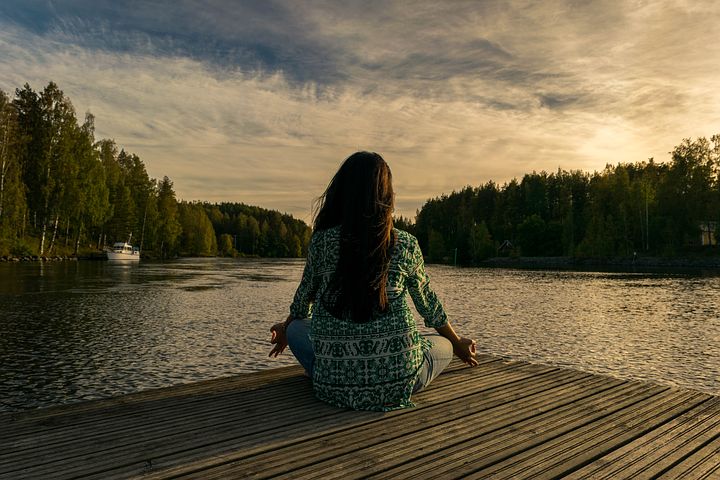
20. Helps you sleep deeper – Stimulation is good, but too much of it taxes the nervous system. Yoga can provide relief from the hustle and bustle of modern life. Restorative asana, yoga nidra (a form of guided relaxation), Savasana, pranayama, and meditation encourage pratyahara, a turning inward of the senses, which provides downtime for the nervous system. Another by-product of a regular yoga practice, studies suggest, is better sleep—which means you’ll be less tired and stressed and less likely to have accidents. Sleep is one of the key benefits of yoga that nearly every practitioner can experience no matter what their skill level.
On February 20 1947, the British Prime Minister Clement Attlee declared that the British rule in India would end by June 30 1948 after which the power would be transferred to responsible Indian hands. This announcement was followed by the agitation by the Muslim League demanding partition of the country. Again on June 3rd 1947 the British government made it clear that any constitution framed by the constituent assembly of India cannot be applied to those parts of the country which were unwilling to accept it, on the same day Lord Mountbatten the viceroy of India put forth the partition plan known as the Mountbatten plan. The plan was accepted by the Congress and the Muslim League. Immediate effect was given to the plan by enacting the Indian Independence Act 1947.
Features of this act were as follows:
It ended the British rule in India and declared India as an independent and Sovereign state from August 15 1947.
It provided for the partition of India and creation of two independent Dominions of India and Pakistan with the right to secede from the British Commonwealth.
It abolished the office of Viceroy and provided for either dominion a governor general who was to be appointed by the British King on the advice of the Dominion cabinet. His Majesty’s government in Britain was to have no responsibility with respect to the Government of India and Pakistan.
It empowered the constituent assembly of the two dominions to frame and adopt any constitution for the respective nations and repeal any act of the British Parliament including the Independence Act itself.
It empowered the constituent assembly of both the Dominions to legislate for their respective territory till the new Constitution was drafted and enforced. No act of the British Parliament passed after August 15 1947 was to extend to either of the dominions unless it was extended thereto by a law of the Legislature of the Dominion.
It abolished the office of the Secretary of State for India and transferred his functions to the secretary of state for Commonwealth affairs.
It proclaimed the lapse of the British paramountcy over the Indian princely states and the Treaty relations with the tribal areas from August 15 1947.
It granted freedom to the Indian princely states to join the Dominion of India or dominion of Pakistan or to remain independent.
It provided for the Governance of each of the dominance and the provinces by the government of India Act of 1935 till the new Constitution was framed. The dominions were however authorised to make modifications in the Act.
It deprived the British monarch of his right to veto bills or ask for reservation of certain bills for his approval. But this right was reserved for the Governor-General. The governor-general would have full power to assent to any bill in the name of His Majesty.
It designated the governor general of India and the provincial governors as constitutional heads of states; they were made to act on the advice of the respective Council of Ministers in all matters.
It dropped the title of Emperor of India from the Royal titles of the king of England.
It discontinued the appointment to the civil services and reservation of posts by the secretary of state for India
The members of the civil services appointed before August 15 ,1947 would continue to enjoy all the benefits they were entitled to till that time.
At the stroke of midnight of 14-15 August 1947 the British rule came to an end and the power was transferred to the two new independent dominions of India and Pakistan. Lord Mountbatten became the first Governor General of the new Dominion of India, he swore in Jawaharlal Nehru as the first Prime Minister of independent India. The Constituent assembly of India formed in 1946 in became the parliament of the Indian Dominion.
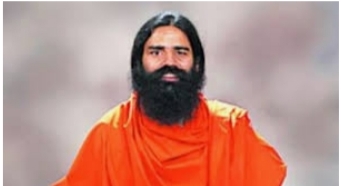
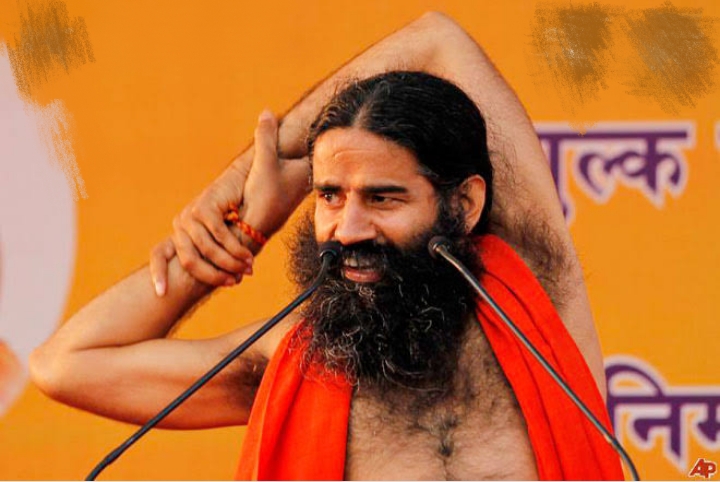
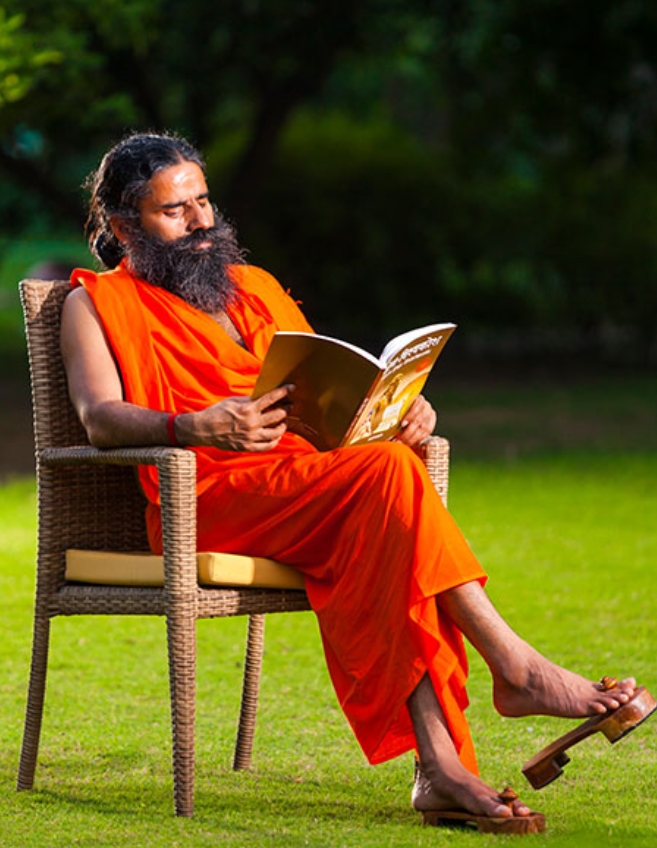
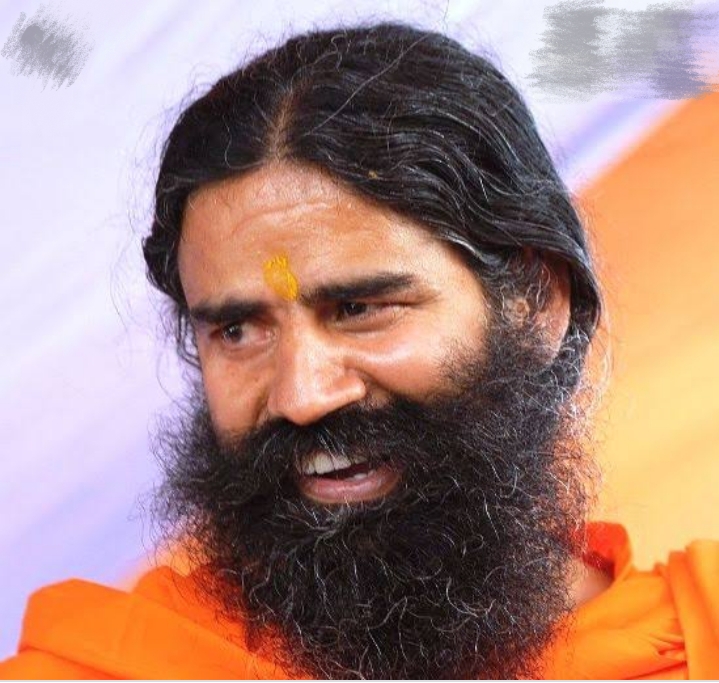
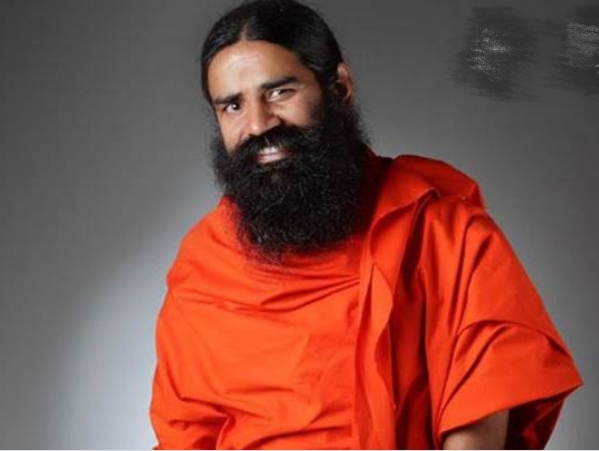
Swami Ramdev, popularly known as Baba Ramdev was born in 1965 in Alipur in the Mahendragarh district in the state of Haryana. He is famous for popularizing yoga among Indians through the medium of television and his mass yoga camps. Baba Ramdev is an Indian spiritual leader and a renowned yoga teacher. His yoga camps are attended by thousands of people and he has taught yoga to several celebrities including Amitabh Bachchan and Shilpa Shetty.
Baba Ramdev was born as Ramkrishna Yadav. His father was Ram Nivas Yadav and his mother named Gulabo Devi. He attended school till class eight in Shahjadpur in Harayana and then joined a gurukul in Khanpur village to study yoga and Sanskrit. Ultimately he renounced worldly life and became a Sanyasi (took to monastic living) taking on his present name. He later travelled to the Jind district and joined the Kalva gurukul and offered free yoga training to villagers across Harayana.
After becoming a ‘Sanyasi’ he spent many years undertaking a study of ancient Indian scriptures and also practiced intense self-discipline and meditation. During this time he started offering free yoga lessons to disciples and realized the need to popularize this ancient art among the Indians. He went on to establish the Divya Yoga Mandir Trust in 1995 and became a popular yoga guru over the years. His fame reached new heights when he started appearing in a television program aimed at promoting yoga and he gained a large following. He is also the founder of Patanjali Yogpeeth, an institution for promoting the practice of yoga and ayurveda.
He read a book called ‘Yogik Sadhan’, written by Aurobindo Ghosh and was deeply influenced by it after that he decided to renounce the worldly ways of life and adopt Sanyas. He was initiated into the ascetic order by Swami Shankerdevji Maharaj and after becoming a sanyasi, Ramkrishna Yadav adopted the name “Baba Ramdev”.
Baba Ramdev’s educational shows have been broadcast on many religious TV channels like Aastha, and other TV channels like Zee Network, Sahara One and India TV; and the swami holds many yoga camps across the country and even abroad.
In 2007 the KIIT University (Kalinga Institute of Industrial Technology) awarded the swami with an honorary doctorate degree for his contribution towards popularizing the Vedic science of yoga.
In December 2006 the press reported that Swami Ramdev had claimed that he had found a way to use yoga to cure AIDS. As a result of these press reports the Indian Union Health Ministry sent him a cease and desist order and threatened legal action if he did not stop making these false claims. Other claims of the Baba include being able to cure cancer of the liver, breast, prostrate, uterus and brain (including brain tumours) by practising seven breathing exercises; Ramdev allegedly has documentary evidence for the same.
Baba Ramdev preaches that God resides in every human being and that the body is a temple of God. The swami believes in Vasudaiv Kutambakam (the whole World is one family) and does not support discrimination on the basis of caste, creed and religion. One of the most essential beliefs of Baba Ramdev is that showing true love and compassion towards all living things is true worship.
The Swami has taught many elements of the Indian scriptures such as the Ashtadhyayee, Mahabhashya and Upanishads and has set up many gurukuls in Ghashera, Kishangarh, and Mahendragarh in India. The yoga guru also teaches “Pranayama”; which is series of breathing exercises that were a part of the ancient Indian system of yoga. The Baba’s educational show is broadcast on TV with a total viewer ship of millions. People who watch his TV show’s have given examples of how they have been cured from diseases such as diabetes, high blood pressure, arthritis, stomach ailments, thyroid problems, heart diseases and cancer after practising yoga and breathing exercises prescribed by the Baba.
Swami Ramdev has even claimed that he was paralytic before he took up yoga, and since has been completely cured. Baba Ramdev has been conducting Yoga Science camps all across the country and abroad and even spent a month in London teaching Pranayama and Yoga.
Swami ji promoted Yoga & Ayurveda at higher pedestal and enthusiastic to bring India forward as world’s spiritual and economic super power. His expertise & knowledge are being admired by one and all in India and abroad.
For his divine and excellence services to the welfare of mankind, he was felicitated by the Prime Minister Narendra Modi Ji as a National Icon, Tarun Kranti. He received several prestigious awards namely Padma Vibhushan, Surya Ratna and Mahaveer Award. Swami Ji has been conferred with recognized honors. Among, the few are: Surya Ratna, Mahveer Award from United Kingdom, Chandrashearendra Saraswati National Eminence Award, Mahamahopadhyaya globoil India Award. Swami ji is honored from British House of Commons, Legislature of state of New Jersey, USA, ASSOCHEM’s 5th Global Knowledge Millennium Summit, Brand Ambassador of Yoga by Government of Haryana. Swami Ji is honored and celebrated 30 June 2007 as Swami Ramdev Day by Nassau County. Swami Ji was as “Most Creative Business People of 2016”, and “5th India’s 50 Most Powerful People” by American Business Magazine and India Today Magazine respectively.



 Eduindex
You must be logged in to post a comment.