An agricultural system that uses fertilizers of organic origin such as compost manure, green manure, and bone meal and involves farming methods such crop rotation and companion planting is Organic Farming. The term ‘Organic’ was popularized by Howard and Rodale. This type of farming is inclusive of usage of biodiversity, while preserving natural resources and ensuring animal welfare. Organic Farming is highly beneficial in all terms.
BENEFITS OF ORGANIC FARMING
MAINTAINS PURITY OF WATER
An extensive use of chemical pesticides and insecticides, contributes in polluting water bodies and underground water. Organic farming replaces such toxic substances with natural fertilizers such as manure, compost, animal waste, which help in soil retention and quality. In places where, the incidences of water pollution are more, organic farming must be brought into practice.
PRODUCTION OF HEALTHY FOOD
Organic Farming enhances the nutrients in the soil because use of toxic elements is prohibited. The quality of food is determined with the amount of vitamins and minerals that are embedded in it. Organic food is much richer in nutrients than food grown through conventional methods.
POCKET FRIENDLY
Organic food products are not grown with the use of inputs like expensive pesticides, chemicals, insecticide sprays, etc. Instead, it makes use of everything that is available naturally with no or minimal capital cost. There is yet a buzz that Organic products are costly, which is not true.
SAFE TO PRACTICE
Organic Farming is safe to practice than conventional methods. Annually 44% of the world’s farming population dies, due to poisoning while using harmful pesticides. Farmers are routinely exposed to high levels of pesticides, usually much greater than those of consumers. Farmers’ exposure mainly occurs during the preparation and application of the pesticide spray solutions and during the cleaning-up of spraying equipment. But, Organic farming is very safe to practice because of it’s natural methods.
BETTER TASTE
Farmers producing organic farm products are extremely careful about the quality of their soil and do practice soil care methods. Soil with high nutritional value tends to produce better farm products. Chefs and food experts actually do believe that organic farm products taste much better than the conventional ones.
METHODS OF ORGANIC FARMING
Vermicomposting
Green Manures
Animal Manures
Crop Rotation
Livestock Management
Soil Supervision
Weed Control
Genetic Modification
Hence, in conclusion, we can state that, Organic Farming is the best alternative for traditional farming. There are so many positives to Organic Farming. Today, Organic Agriculture is practiced in 187 countries by about 1.3 million farmers globally. Environmental consciousness has further given rise to the practice of Organic Farming.
With the increasing use of chemical fertilizers and pesticides, organic farming stands as an eco-friendly farming process. Organic Farming is the process of farming without using any synthetic or chemical fertilizers. In simple words, it means farming without the use of any inorganic substances.
Benefits of organic farming
Chemical fertilizers are not only highly expensive but also have some serious environmental consequences. Some chemicals contain toxic materials which can harm the skin and respiratory organs. It can deteriorate the natural fertility of the soil by killing the bacteria and other microorganisms present in it. It takes years to regain the natural fertility of soil.
Organic farming can ensure maintenance of the soil quality and also prevents soil erosion. It can also prevent the harmful effect of nitrates leaching into the groundwater. The chemical fertilizers have a tendency to escape from the soil to the nearby water bodies and pollute them. Therefore it is extremely important to minimise the use of chemicals and switch to better alternatives.
Organic farming in India
India stands in the 100th position in the World Hunger Index of 2020. This indicates towards the growing food requirement in the country. Ensuring an adequate amount of food for the huge population of the country is an enormous challenge that needs to be tackled. But it is also important to ensure the quantity as well as safety of the food. In India, organic farming is largely seen as a procedure of using organic manure instead of chemicals. But it also includes several methods to increase the microbial population of the soil.
The chemical fertilizers yield results quickly. As the process of organic farming takes a lot of time and due lack of awareness and facilities, it is not widely practiced. Between 2011 to 2014, there was a decrease in organic farming in India.
Sikkim was declared as the first 100% organic state in the whole world, by UN Food and Agriculture. All of its farmlands are organically certified. Chemical fertilizers and pesticides are not available in the state. In 2003, all imports of chemical fertilizers in the state were banned. This transition to a completely organic farming practice has helped around 66,000 farming families in the state. This organic image has also uplifted the tourism sector in Sikkim. It helped to promote the idea of organic farming in the country.
Paramparagat Krishi Vikas Yojana is a government scheme under the Soil Health Management and the National Mission of Sustainable Agriculture which aims to promote certified organic farming in India. The objectives of the scheme includes providing resources and motivating the farmers to take up organic farming.
The idea of organic farming and the question of food safety and eco-friendly farming measures have received some attention lately. With proper education and access to facilities, organic farming can be further promoted in the country.
Civilization began with agriculture, and though humanity has changed significantly, agriculture still remains very important. In certain countries, its significance is more obvious, but the reality is that every country in the world depends on agriculture for one thing or another. Here are ten reasons why agriculture is important:#1. It’s the main source of raw materialsMany raw materials, whether it’s cotton, sugar, wood, or palm oil, come from agriculture. These materials are essential to major industries in ways many people aren’t even aware of, such as the manufacturing of pharmaceuticals, diesel fuel, plastic, and more. In fact, raw materials are so important in production that the economic health of a country strongly depends on how many raw materials it possesses.#2. It’s important to international tradeRaw materials from agriculture make up a huge portion of what’s traded internationally. Countries with plenty of those supplies export them and trade for materials they don’t have. If a country’s agriculture suffers for some reason, prices can go up and it disrupts the flow of trade. Currently, the EU is the first trader of agricultural products in the world, both for imports and exports.#3. It plays a big role in a nation’s revenueSpeaking of trade, developing countries still get most of their national income from agricultural exports. While developed countries don’t depend on agriculture as much as they used to, their economies would definitely take a hit if all exports suddenly stopped. #4. It provides employmentThe agricultural industry is still one of the biggest sources of employment and in many areas, it’s actually booming. Whether it’s working as a farmer, harvester, technician for farm equipment, scientist, and so on, there are plenty of jobs available in this field. In developing countries, agricultural jobs help reduce high rates of unemployment. When it comes to reducing poverty, evidence shows that focusing on agriculture is significantly more effective than investing in other areas.#5. It’s crucial to a country’s developmentEconomic development is tied to a country’s agriculture sector. When trade, national revenue, and employment are combined in a positive way, a country enjoys reduced poverty and boosted economic growth. Because strong agriculture results in benefits fairly quickly, focusing on it is one of the best ways to speed up development and improve a country’s standing in the world.#6. It can help heal the environment Agriculture possesses the power to harm or heal. When farmers prioritize biodiversity on their land, it benefits the earth. Having more biodiversity results in healthier soil, less erosion, better water conservation, and healthier pollinators. This is all good news for the environment as a whole, making agriculture an important part of the cycle of life. #7. It goes hand-in-hand with warAgriculture is such an important part of a country’s infrastructure, it makes sense it would impact conflicts and war. Throughout history, the need for land to grow food fueled many conflicts. In more modern times, specifically WWI, America’s farming industry boomed because they needed to supply Europe with agricultural products. For countries who don’t have assistance, war can break down the agricultural sector, affecting people for decades to come. When discussing agriculture, it’s impossible to not at least mention its connection to conflict.#8. It’s the source of our food supplyArguably the most important aspect of agriculture is that it’s the source of the world’s food supply. No matter where or what you are eating, the ingredients in your meals came from somewhere. All roads lead to agriculture. In countries dealing with food insecurity and severe malnourishment, it’s because their agriculture sectors are suffering. When agriculture thrives, fewer people go hungry.#9. It drives innovation in technologyBecause healthy agriculture is so essential to a country’s well-being, it’s been the setting of some of the most exciting innovations in technology. Through artificial intelligence, blockchain software, gene manipulation, and more, scientists and farmers have been figuring out ways to increase crop productivity, use less water, and reduce negative impacts on the environment. For scientists and tech companies, agribusiness is one of the most fascinating and productive fields to work in. #10. The state of agriculture reflects our futureWhen it comes to pollution and climate change, the environment and agriculture suffer the quickest and with the most clear consequences. If effective changes aren’t made, climate change’s impact on agriculture will decimate a country’s economy and eventually wipe out the food supply. To get a better idea about where humanity is going to end up, look at agriculture. What’s being done to adapt to a rapidly-changing climate? What will our food supply look like? The state of agriculture is a good litmus test of what we can expect the future to look like.
Farming plays a major role to the life of any human being. Without food, life on earth is not possible as hunger will consume every human and living being on this earth. Each and every modern food like pizza, burger, sandwich and nuggets and many more have atleast one primary content of cereal in it.
This sector is the primary factor for any economical balance and system of a country. Agriculture is commonly called as the backbone of any nation as it supports the important necessity factor of any country. Provides employment for various industries and population in an enormous rate that can be guaranteed for sure.
“If the farmer is poor then so is the whole country”. – Polish Proverb
Agriculture is the only platform that proves to provide self-employment and opportunities for others also. A smart way of farming can help you earn more than a lakh a month with organic based products alone. It’s stream also associates with rearing of farm animals, and sea creatures along with livelihood of many families. In rural sides, the basic establishment is agriculture to run their family.
There maybe sophisticated industries uprising and converting the society into a digital world, but a farmer can never be replaced or compared with anyone as they are preferred as gods to fulfill our stomach on time.
“The farmer is the only man in our economy who buys everything at retail, sells everything at wholesale, and pays the freight both ways”. – John F. Kennedy
There are critical situations where farmers lose hope on their passion and life resulting in suicides. These corporates also play a role in controlling vast area of these fields and demolishing but these issues became outdated inspite of protesting it.
“An agricultural life is one eminently calculated for human happiness and human virtue”. – Josiah Quincy
It can be considered as the India is the ancient and first nation to spread the cultivation process all over countries by exporting them also encouraging friendly nations to produce their paddy or farming.
An independent, stress-free job only with your hardwork and knowledge about effective production for each variety of seed, you succeed with your outcome.
Certain kind of insults and discriminations are made in every step of their life denoting their passion as if some kind wrong act to stabilize certain dignity of higher caste forgetting about the reality as farmers are rulers of any nation.
To understand the present let me take you to an incident, “Imagine a situation where you have to just drink water and tolerate your hunger, you can adjust for a day or even one week but your health will gradually decrease since as a defect to fulfil hunger”.
Our health is balanced and nutrition is maintained because of the benefits of various pulses and grains that supports life force of every species. So, try to support and cultivate the habit of encouraging it to younger generations as they need to respect and know the importance played by this sector in a nation’s economy.
“If farmers fail to keep hands on land, we can’t keep hands on food/rice”
Try creating awareness and modify of vision towards farmers to appreciate them at right work which is forgotten by us mostly. Helping a farmer is like feeding a thousand children while they are hungry. Do support agriculture and respect as mere humans to maintain humanity.
The things must be told to every single child to know the value of farming to be recognized and adopt this as their passion in upcoming future.
Nature is essential to our lives – from the food on our plates to the clothes we wear, from medicines to mental health benefits. Pressures of daily life mean we’re increasingly detached from nature even though nature in many forms is there for us. One such place which made me realize the importance of nature is Saguna Baug which I visited on 23rd December 2019 for our Travel and Tourism Management trip. We reached there by 9:30 in the morning. The journey to there was fun filled with friends. Light refreshment were provided. All students and teacher were served with yummy breakfast cuisines . After that we started our bright sunny morning with knowing the importance of Honey Bees. Bees are known for their elaborate hives. They also build homes for millions of insects. Bees are renowned for their role in providing high quality food like honey, royal jelly and other products used in health care and other sectors (beeswax) etc. A third of the world’s food production depends on Bees. Bees are a sign of well-functioning ecosystem.
After that we were taken for a guided tour. The place is covered with paddy fields, coconut trees, cinnamon, nutmeg, bottle brush, lemon etc. Enjoying the beauty of water lilies and lotus we came to know about rare facts of lotus seed. Lotus seeds are benefiting the spleen, kidney, and heart it also helps stop diarrhea associated with qi deficiency. The seed also has calming properties that alleviate restlessness, palpitations, and insomnia
We enjoyed different activities. For me kayaking was the most thrilling activity among others as my friend and I had a fun time. Then we went for camel carriage ride and it was gratifying experience and the exhilarating Bullock cart ride was entertaining with all my friends shouting and telling the cart driver to stop. We even went for paddle – wheel boating. We even came to know what Mallakhamba is a traditional sport, originating from the Indian subcontinent, in which a gymnast performs aerial yoga postures and wrestling grips in concert with a vertical stationary or hanging wooden pole, cane, or rope. The word Mallakhamb also refers to the pole used in the sport.
They even gave us information about the practice of fish farming. A sustainable approach to fisheries and aquaculture will help to protect our natural resources. Aquaculture, in particular, has tremendous potential to enhance food security. Small-scale aquaculture is especially important for meeting the world’s growing demand for fish. They even told us that Emu farming. The Emu is an Australian flightless bird and its farming is now very well established in states of Maharashtra, Tamil Nadu, Gujarat and Andhra Pradesh. Presently emu farming is also being supported by various government organizations all over India which are providing farmers with offers. It was an unforgettable and fun experience getting to know about the importance of Nature and animal farming. Saguna Baug trip was indeed a very valuable experience for all which gave not only knowledge but memories too.
One pound of saffron costs you $5000. It is the most expensive spice next comes vanilla. Saffron is a complicated spice to harvest. Harvesting saffron needs a lot of hand work to pick up the flowers, separate the saffron that is the dried stigma or the female part of the flower. Saffron comes from the saffron crocus flower and each flower has 3 stigmas. The yield of saffron is very low. One pound of saffron requires 170000 flowers. These flowers bloom over a six week period from late September to early December. There is a specific time to day to harvest them. High relative humidity and sunlight can break the chemical structure in the saffron. Early morning is preferably the best time to harvest them.
90% of the world’s saffron is grown in arid fields in Iran. It is so because workers are available and for cheap. But it’s mostly like slavery. Most workers are women getting five dollars a day. Not only Iran, it’s grown in Morocco, Spain, Italy, the Netherlands, Afghanistan, India and even in United States. Though many Americans have never eaten saffron, the US imports large amount of saffron. Saffron has a resistance to cold weather.
Over centuries saffron has proven useful in many situations. Most commonly used in cooking. Middle east Asian countries have a lot of food containing saffron. When saffron is broken down it creates a golden dye. Which is how when used in cooking it gives a different kind of colour and taste and smell to it.
Saffron contains some chemical components which are really expensive like picrocrocin, crocin and safranal. These are the main components responsible for the taste, smell and colour.
People have tried passing turmeric, red marigold petals, and lily flower stigma as saffron. But the flavour and dye is totally different. In large quantities, saffron can be a potent happiness inducing narcotic. Research suggests it may help reduce the symptoms for Alzheimer’s, depression and PMS.
• Vanilla
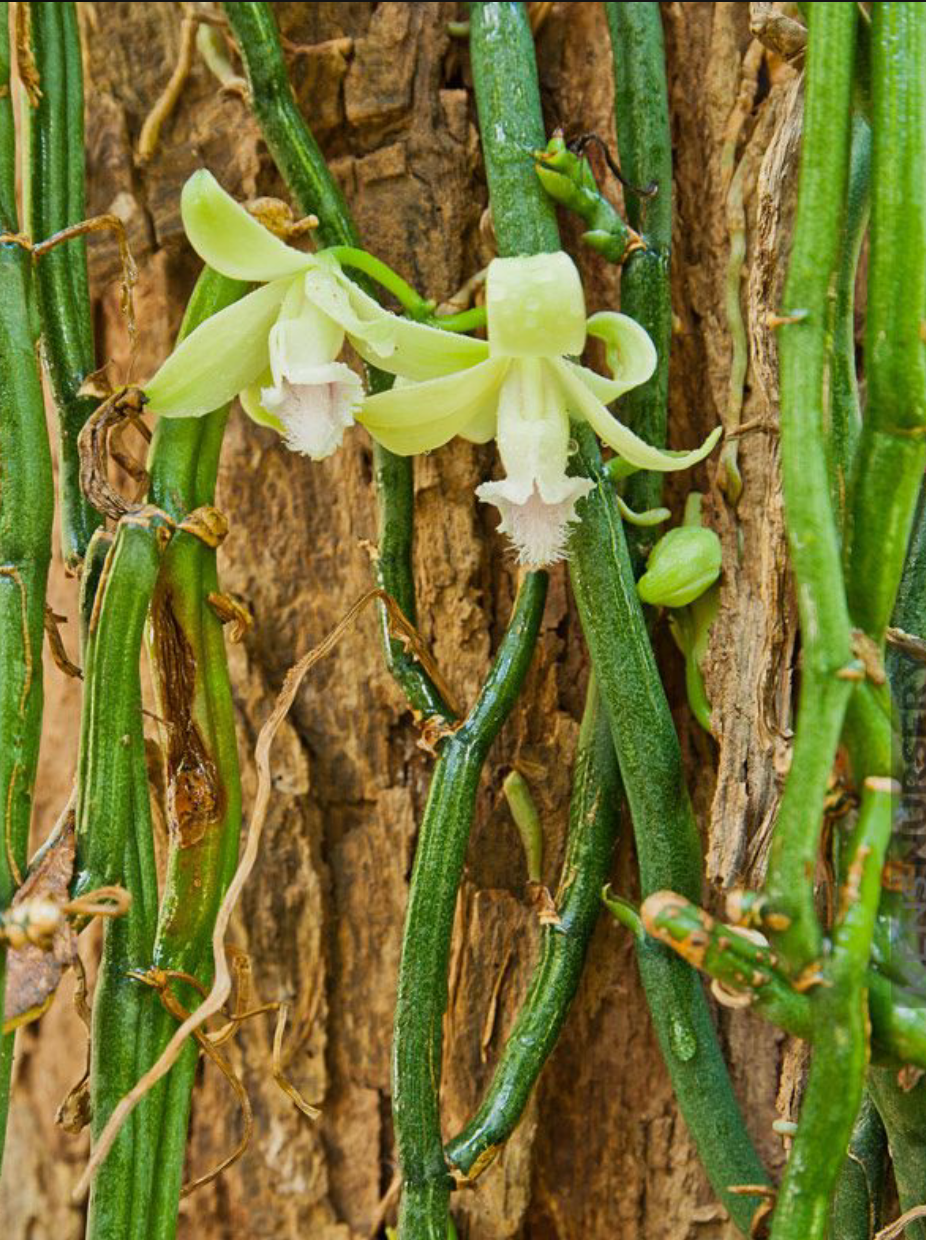
From ice cream to cakes and even perfume, vanilla is the go-to flavour of the world. In recent years, the price of natural vanilla has shot up. At one point it was more expensive than silver by weight. 80% of the world’s vanilla is grown in the perfectly suited climate of the north east region of Madagascar. It’s the country’s primary export crop. In 2014, vanilla was $80 a kilo. Three years later it was $600. Today its around $500. The price rise is due in part to global demand. The trend of eating naturally means that food companies have shunned synthetic flavouring in favour of the real deal.
Price fluctuations affect producers of agricultural commodities everywhere but vanilla is particularly volatile. In just a few weeks the price can jump or plummet by over 20%. Liberalisation is one reason for such movements. The Malagasy government once regulated the vanilla industry and it’s price. But now the price is negotiated at the point of sale which makes for a freer market but a more volatile one. It’s also a tiny industry. A single cyclone can knock up the entire crop within Madagascar. It’s also a difficult and delicate crop to grow.
Vanilla is an orchid that needs to be hand pollinated. This is a really labour intensive practice. It takes roughly six months to grow it on the vine and then six months of manual post harvesting. The interesting thing about vanilla is that it needs to be taken off the vine when it is almost rotted!
The growers have to contend with another problem. Thieves are targeting vanilla crops. So Malagasy now have to sleep out in their vanilla fields. They can’t rely on those who are changed from the state to protect them or their crops. Some farmers have resorted to harvesting the beans before they’re ripe but this produces a poorer quality vanilla and ultimately pushes down the price. The combination of deteriorating quality and high prices is having an effect. The vanilla price bubble may burst. If the price continues to stay high there’s a number of scenarios that will play out. Continuation of current situation will cause an unstable market. Otherwise the corporate sectors step in, try to regulate the market in some way that may stabilise prices and also quality. Or the market may crash out.
Big buyers that provide vanilla are now working directly with farmers in a bid to gain greater control over quality. Other companies have started to look elsewhere for their natural vanilla. Indonesia, Uganda and even the Netherlands are growing the crop. For a century Madagascar has enjoyed a near monopoly on vanilla. But this industry maybe in line for radical overhaul.
These Indian villages are more liveable and happier than any other Indian cities, villages and towns. They are model villages of India resulting from individual initiatives and NPO initiatives often using the Indian government schemes.
Piplantri
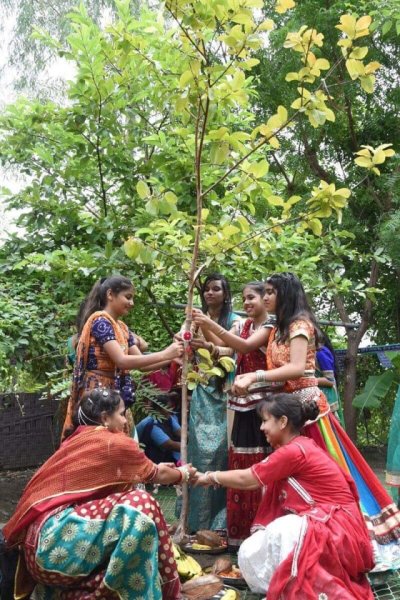
Piplantri village of Rajasthan is a hope for Indian development and prosperity as many families still mourn the birth of a female in the community. Whenever a girl is born in the village, her family and all villagers come together to celebrate this occasion by planting 111 trees. Both are raised with equal respect. To provide financial security, a sum of Rs. 21,000 is contributed by the villagers and Rs. 10,000 is given by the family for every girl and kept as a fixed deposit which can be liquidated once she turns 20. In return, the parents are asked to sign a legal affidavit, which makes it mandatory for them to educate her, and prohibits them to make her marry before the age of 18. This move also tries to demolish the notion of girls being a burden on their parents. To save the plants from termite, villagers plant aloe vera around them. More than 3 million trees and aloe vera plants have been planted till now which is generating livelihood for many families. The trees planted include Neem, Sheesham, Mango, and Amla. This unique initiative was started by former village sarpanch Shyam Sundar Paliwal as ‘The Kiran Nidhi Yojana’ after he lost his daughter named Kiran in 2006. On Raksha Bandhan, girls tie Rakhi to tress. The villagers claim that this tradition has brought immense harmony in the village, and not a single police case has been registered in the last 7-8 years. Several villages nearby have started to adopt similar practice. The village today has eco-friendly gas stoves, toilets, solar lights, anganwaadi, healthcare centres, air-conditioned panchayat hall and modern schools.
Piplantri village picture source: speakzeasy.wordpress.com
Punsari village
Punsari village of Gujarat is regarded as India’s smartest village. It is rurban village. The word ‘rurban’ (rural+urban) refers to an area which has the economic characteristics and lifestyles of an urban area while retaining its essential rural area features. The village has clean and proper roads, schools and education system, 24-hour electricity supply in every household, school bus and public transport system, proper water supply and RO treated drinking water with minimum charges. The classrooms are air-conditioned. There is a good communication system between the panchayat office and the whole village to keep people well-informed and be available for help anytime they need. A public address system which covers the entire population with the help of about 140 loudspeakers installed all over the village. The village has good healthcare services and employment opportunities. It is a model village of India where there is WIFI, all chowk monitoring by CCTV cameras, solar street lights, with literacy rate of 100%. There is a bio metric system for Gram Panchayat Employees. The transformation of this village is achieved by the efforts of the village sarpanch (headman) Himanshu Patel through effective planning and utilization of central and state government funds. Mr Patel leads an 11-member committee which runs the village affairs including five are female members. Mr Patel says the village council has spent 140m rupees ($2.28m; £1.43m) on development schemes between 2006 and 2012. The state chief minister at that time was Narendra Modi, current Prime minister of India who envisioned to stop migration out of the village. It has been a partial success , as 15-20 families have returned to the village from the cities like Mumbai in recent years.
Punsari village documented
Mendha Lekha village
To enter this Maharashtrian village, we have to walk through a bamboo entrance, which points to the rich growth of bamboo in this village. The villagers living here are mostly the Gond tribe of Madhya Pradesh. There is a notice board at the entrance which says “At the centre, there is Delhi government. At the state, there is Mumbai government, but here we are our own government.” This shows the pride the 450 people take in the way they have used an unexpected opportunity that came their way to reap a fortune. Mendha Lekha became the first village in India to secure community forest rights (CFR). The village is famous for the bio-diversity of its deciduous forest and the struggle of its tribal community towards self-rule. Nearly 80% of the village area is forested and under the legally-recognised control of the villagers represented by the village general assembly (gram sabha). This whole land can be inherited and used but cannot be not sold. Mendha Lekha has proved that legal security of their rights to control, use, manage and protect their own resources and lives, through processes of self-powering, can make people end poverty, maintain food and water supply, and protect local biodiversity. And all this takes place much more effectively than capitalism and development programs created by central government.
Mendhe Lekha village and its story
Dharnai village
This village in Bihar has never seen electricity until 2014. The village is now fully solar powered. With the help of Greenpeace, the village installed a solar-powered micro-grid, which provides 24×7 electricity to more than 450 households and 50 commercial establishments. The entire project cost them 3 crores. Earlier, were forced to struggle with kerosene lamps and expensive diesel generators. This changed the lives of the villagers in many socio-economic and personal aspects. It created opportunities for female residents to access the public and personal spaces and move after sunset. Children can now study after sunset. People no longer needed to finish cooking before the sunset.
Dharnai village documented
Mawlynnong
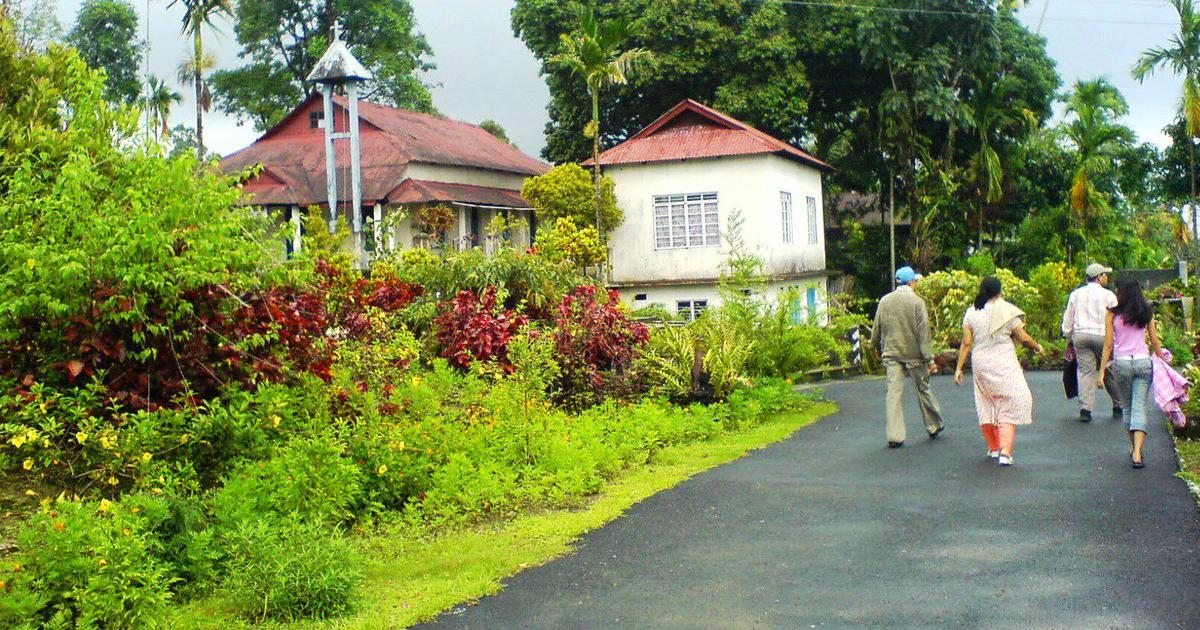
This north-eastern village of India is considered as Asia’s cleanest village. Located in Meghalaya, the village has many beautiful and interesting places which include a strange sight of a big rock balancing on another rock. The main occupation of the villagers is agriculture and also offer community based eco-tourism opportunities. A dustbin made from bamboo plant is found throughout the village. All the waste from the dustbins is collected and stored in a pit, which is later used as manure. The villagers plant trees to ensure that the virgin forest is kept intact and also replenished and are currently working towards plastic ban. The village has a literacy rate of 90%.
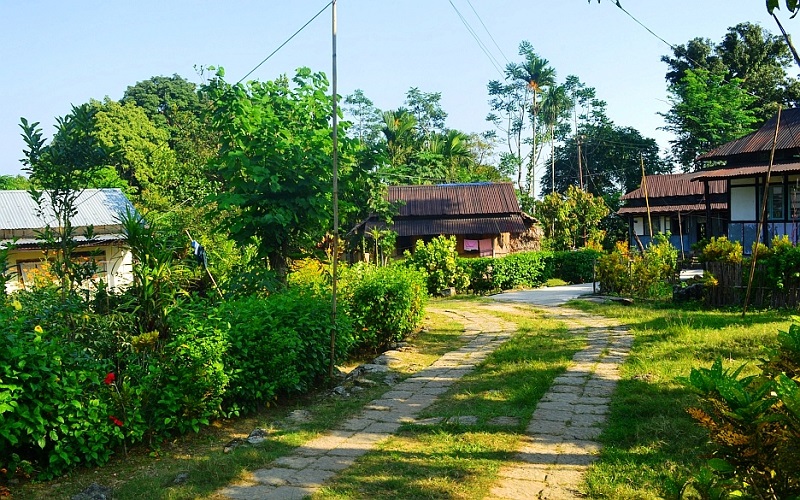
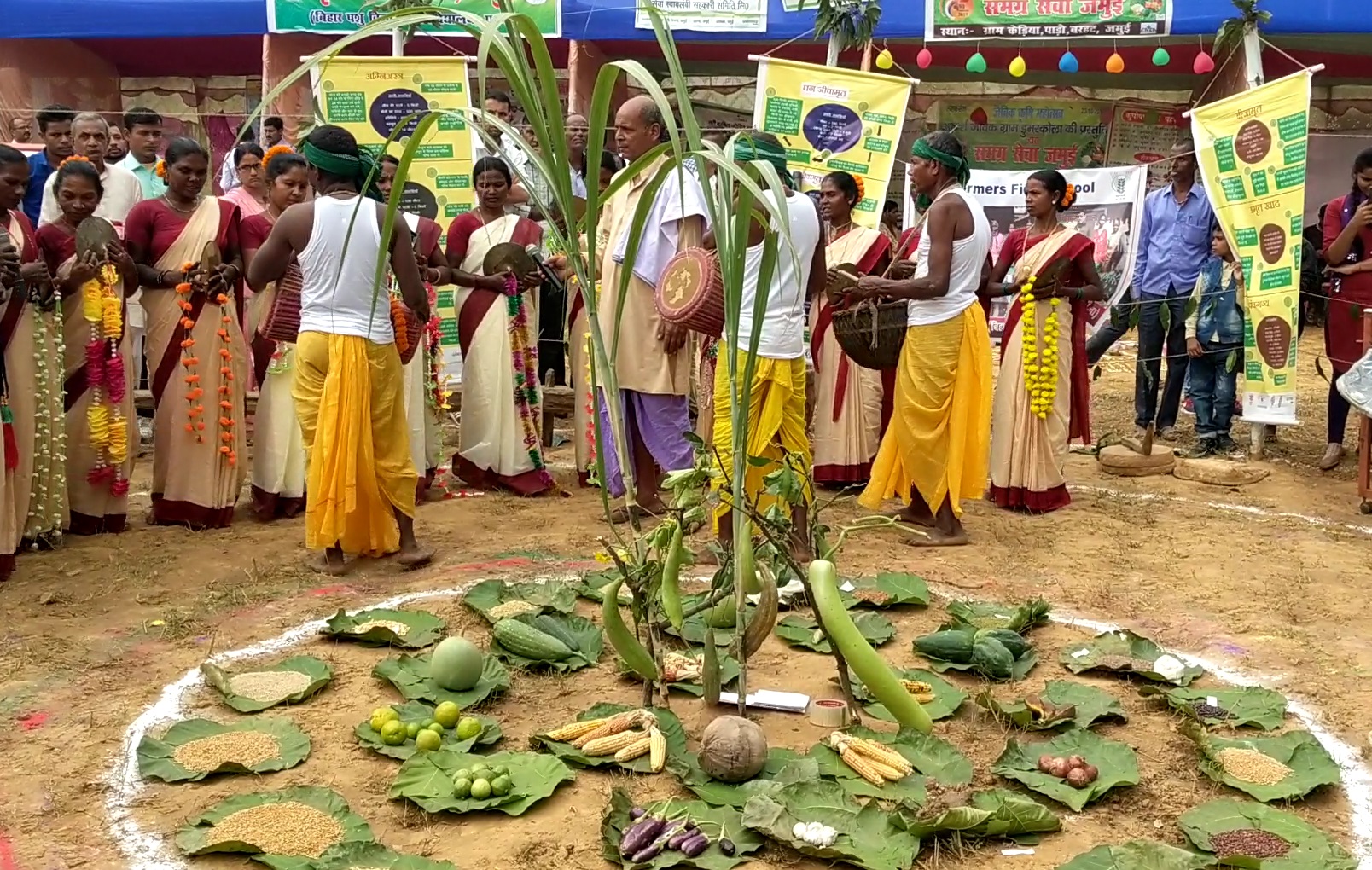
This Bihari village is an ecological village which practices organic farming and have prospered since then. Apart from that, the village has proper water conservation systems and cleanliness is maintained throughout the village. No one in the village is suffering from any kind of serious illness. Every house in the village has electricity supply and uses biogas to save electricity and fuel. All the farmers of Kedia village, followed the ‘Living Soils’ approach under ‘Food for life’ campaign’ run by Greenpeace. This approach is targeted to restore the ruined agricultural practices, by reducing chemical dependency and improve soil health through nourishment of the soil with biomass-based organic practices and materials. By applying scientific methods, existing knowledge and experiences the farmers successfully restored the soil of their village by coordination and collaboration with government for machinery. The villagers till date use only groundwater and lake water for irrigation. The unique toilets of the village households have no underground tanks so that the human waste can be used as a natural manure later on. The results have brought prosperity and happiness to the villagers by ending the dependence on commercial chemical-based materials and enjoying healthier yields with a up to 80% reduce in cost of inputs. The village organizes and celebrates a festival of organic farming called ‘Jashn-e-jaivik’. Greenpeace mentioned that they were able to make organic farming easier and successful in this village “With the help of many governmental schemes like ‘Swachh Bharat Mission’ and ‘Jaivik Krishi Yojana’ besides MNGREGA. Inspired by this, other villages around Kedia have also started adopting similar methods.
Picturesources: 1. India times, 2. Gaon connection and 3. Greenpeace.
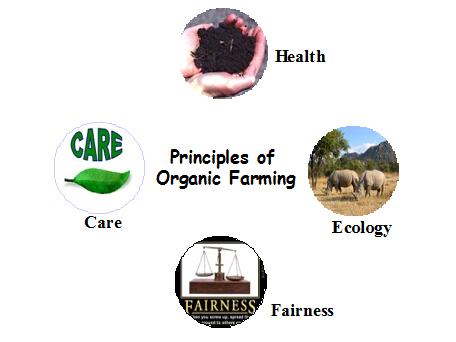
Organic farming is an alternative agricultural system which originated early in the 20th century in reaction to rapidly changing farming practices. Organic agriculture is a production system that sustains the health of soils, ecosystems and people. It relies on ecological processes, biodiversity and cycles adapted to local conditions, rather than the use of inputs with adverse effects. Organic agriculture combines tradition, innovation and science to benefit the shared environment and promote fair relationships and a good quality of life for all involved. It is defined by the use of fertilizers of organic origin such as compost manure, green manure, and bone meal and places emphasis on techniques such as crop rotation and companion planting. Biological pest control, mixed cropping and the fostering of insect predators are encouraged. Organic standards are designed to allow the use of naturally occurring substances while prohibiting or strictly limiting synthetic substances.
Advantages of organic farming
Reasons for advocation of organic farming include advantages in sustainability, openness, self-sufficiency, autonomy/independence, health, food security, and food safety. Organic methods can increase farm productivity, repair decades of environmental damage and knit small farm families into more sustainable distribution networks leading to improved food security if they organize themselves in production, certification and marketing. During last few years an increasing number of farmers have shown lack of interest in farming and the people who used to cultivate are migrating to other areas. Organic farming is one way to promote either self-sufficiency or food security. Use of massive inputs of chemical fertilizers and toxic pesticides poisons the land and water heavily. The after-effects of this are severe environmental consequences, including loss of topsoil, decrease in soil fertility, surface and ground water contamination and loss of genetic diversity..
How is organic farming different from conventional farming?
While conventional agriculture uses synthetic pesticides and water-soluble synthetically purified fertilizers, organic farmers are restricted by regulations to using natural pesticides and fertilizers. An example of a natural pesticide is pyrethrin, which is found naturally in the Chrysanthemum flower. The principal methods of organic farming include crop rotation, green manures and compost, biological pest control, and mechanical cultivation. These measures use the natural environment to enhance agricultural productivity: legumes are planted to fix nitrogen into the soil, natural insect predators are encouraged, crops are rotated to confuse pests and renew soil, and natural materials such as potassium bicarbonate and mulches are used to control disease and weeds. Genetically modified seeds and animals are excluded.
While organic is fundamentally different from conventional because of the use of carbon based fertilizers compared with highly soluble synthetic based fertilizers and biological pest control instead of synthetic pesticides, organic farming and large-scale conventional farming are not entirely mutually exclusive. Many of the methods developed for organic agriculture have been borrowed by more conventional agriculture. For example, Integrated Pest Management is a multifaceted strategy that uses various organic methods of pest control whenever possible, but in conventional farming could include synthetic pesticides only as a last resort.
Nutrient management in organic farming
In organic farming, it is important to constantly work to build a healthy soil that is rich in organic matter and has all the nutrients that the plants need. Several methods viz. green manuring, addition of manures and biofertilizers etc can be used to build up soil fertility. These organic sources not only add different nutrients to the soil but also help to prevent weeds and increase soil organic matter to feed soil microorganisms. Soil with high organic matter resists soil erosion, holds water better and thus requires less irrigation. Some natural minerals that are needed by the plants to grow and to improve the soil’s consistency can also be added. Soil amendments like lime are added to adjust the soil’s pH balance. However soil amendment and water should contain minimum heavy metals. Most of the organic fertilizers used are recycled by-products from other industries that would otherwise go to waste. Farmers also make compost from animal manures and mushroom compost. Before compost can be applied to the fields, it is heated and aged for at least two months, reaching and maintaining an internal temperature of 130°-140°F to kill unwanted bacteria and weed seeds. A number of organic fertilizers / amendments and bacterial and fungal biofertilizers can be used in organic farming depending upon availability and their suitability to crop.
Limitations of organic farming
Proponents of organic farming have claimed that organic agriculture emphasizes closed nutrient cycles, biodiversity, and effective soil management providing the capacity to mitigate and even reverse the effects of climate change and that organic agriculture can decrease fossil fuel emissions
Nitrogen leaching, nitrous oxide emissions, ammonia emissions, eutrophication potential and acidification potential were higher for organic products. Excess nutrients in lakes, rivers, and groundwater can cause algal blooms, eutrophication, and subsequent dead zones. In addition, nitrates are harmful to aquatic organisms by themselves.
Organic farming requires 84% more land for an equivalent amount of harvest, mainly due to lack of nutrients but sometimes due to weeds, diseases or pests, lower yielding animals and land required for fertility building crops.While organic farming does not necessarily save land for wildlife habitats and forestry in all cases.
The variable nature of food production and handling makes it difficult to generalize results, and there is insufficient evidence to make claims that organic food is safer.















 Eduindex
You must be logged in to post a comment.