Contemporary Fashion: The Minimalist’s Coverbook

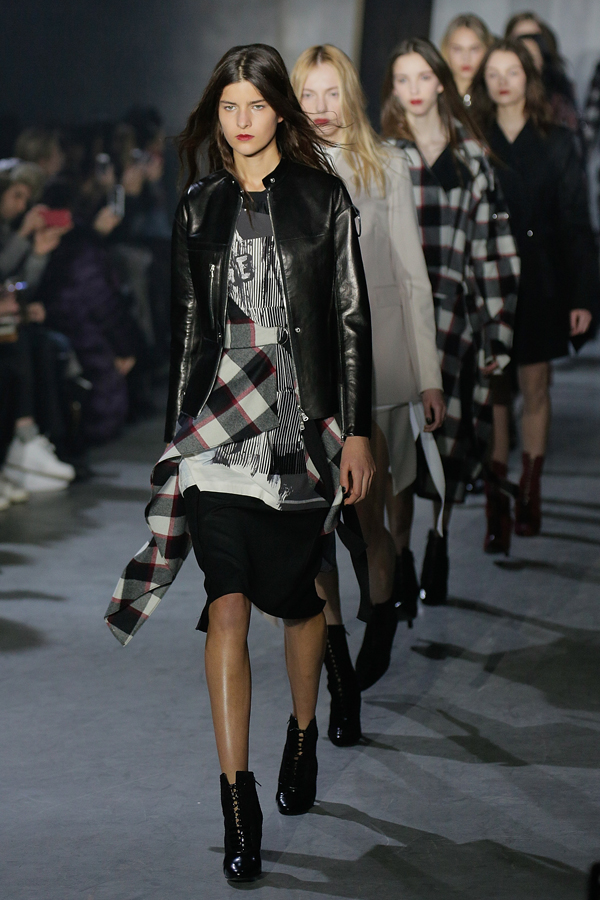
Models walk the runway at the 3.1 Phillip Lim Fashion Show during Mercedes-Benz Fashion Week Fall 2015 at Skylight Clarkson SQ. on February 16, 2015 in the Brooklyn borough of New York City.

Introduction

The sense of fashion never goes out-of-date for a true fashionista. Among the Millions of fashion lingos in today’s market , one that often dominantly buzzes around, is the term “Contemporary Fashion”.Meant to describe labels with a designer aesthetic and more accessible price points and we use the term “accessible” loosely, with most pieces averaging out around $500 , the term means big bucks where the fashion industry’s concerned, having become one of the biggest areas people spend their money in the last few years.

What Contemporary Fashion Is

Contemporary apparel is clothing that is accessible, in price and in terms of the way people wear it. The contemporary category often contains more modern-style clothes compared to the higher end luxury market. The voice of the contemporary industry is a bit more modern and a tad younger. Contemporary brands appeal to both the luxury shopper and the new breed of aspirational shopper.  This tier has become a go-to for women who can no longer justify shelling out huge amounts of cash on designer garb. It is also appealing to people bored of regular fashion and who are prepared to spend that little bit extra for something that will last.

A great contemporary brand is one with a unique look and feel. Garments and accessories will have interesting construction details and a good-quality finish. The collections are in line with seasonal trends but also incorporate signature items that consumers immediately recognize and associate with the designer brand.
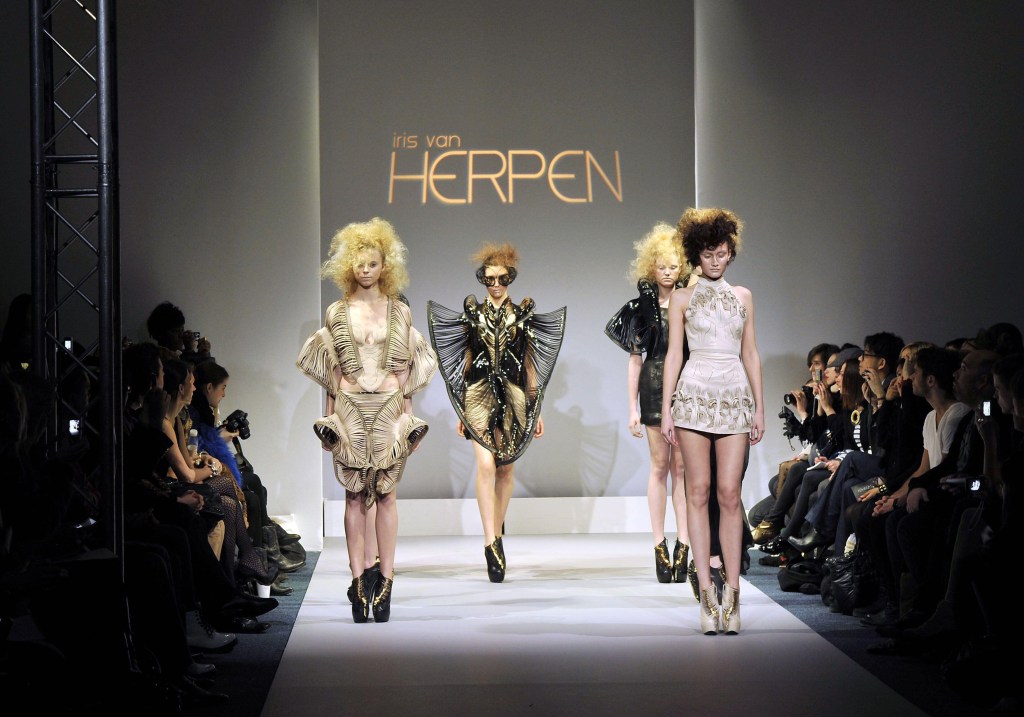
A Harpen Fashion Show

Is It Futurist: The Sustainability Question

In fashion, the term ‘futuristic’ is often used to describe avant-garde clothing designs. It could refer to several things, such as the clothing’s method of production, the materials used, or the garment’s design. Futurism can even refer to the 20th century Italian art movement, and indeed, this movement addressed the problem of designing fashion for the 20th century. We would learn much by examining Futurist fashions in order to understand its legacy in relation to contemporary fashion designers viewed as futuristic today. This paper will review this legacy by looking at five specific examples—Italian Futurists and their contribution to classless and genderless fashion; French designer Yves Saint Laurent’s iconic minidress inspired by the De Stijl art movement; fashion designed specifically for women with active lifestyles; technological advancement and space exploration seen in the designs of André Courrèges and Pierre Cardin; and advancements in textile manufacturing during the late 20th and early 21st century in relation to Karl Lagerfeld, Donatella Versace, and Hussein Chalayan. This leads to the primary analysis of Iris van Herpen and other contemporary designers including Noa Raviv and Neri Oxman. Their designs will be discussed in relation to the problem of labelling fashion as futuristic.
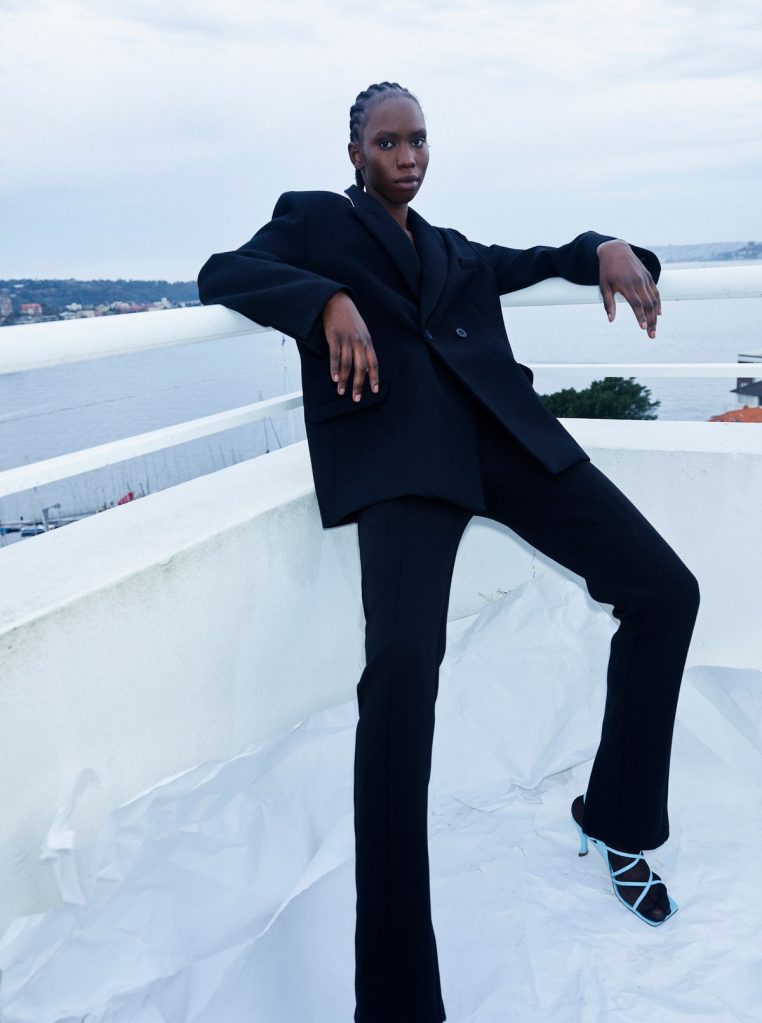
A Paris Georgia Apparel

Challenges of Contemporary Fashion

The contemporary brands fashion market is clearly brimming with a high level of competition. The up-and-coming contemporary designers are forced to continuously compete with older, established luxury brands in the targeting of the younger generation of consumers. The contemporary market began out of consumers’ need and want to own versatile clothing that could be worn on a daily basis.  Stylish consumers were hungry for locating a head-to-toe outfit that luxury brands create, but could be sold at a more reasonable tag.
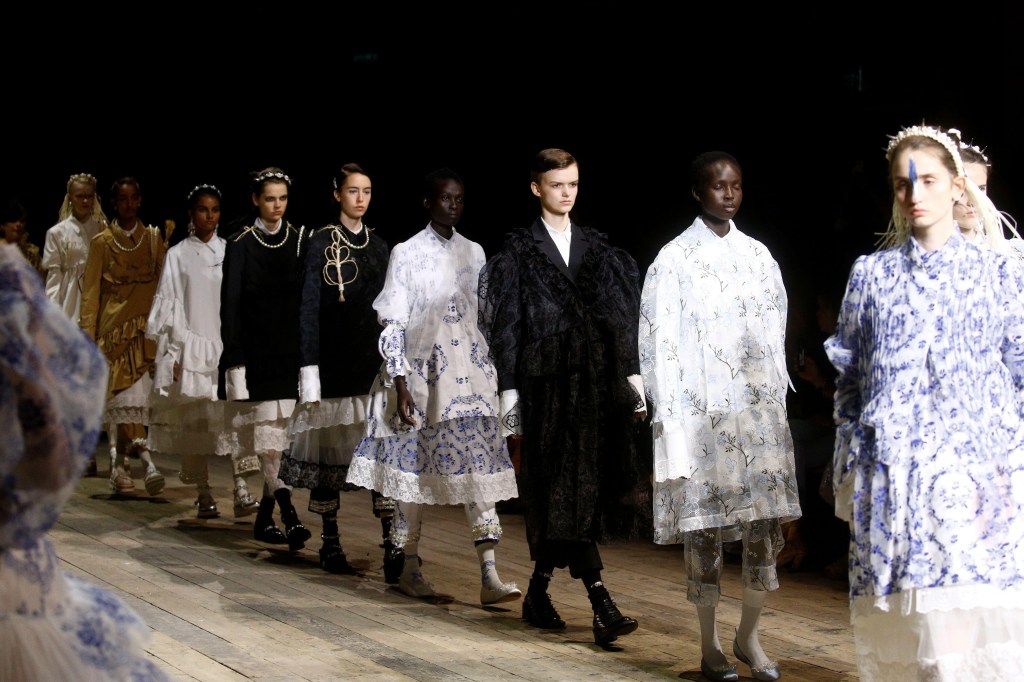
Simone Racha Catwalk Show at London Fashion Week

Scopes of Contemporary Fashion

Due to the fact that contemporary brands appeal to several groups of consumers, this industry will continue to see global opportunities. Fashion editors and industry insiders agree that contemporary brands have stolen the limelight and are helping to bridge the gap between luxury brands and main street.

Not only will contemporary labels allow you to up your designer arsenal without forcing you to exist on an exclusively Kraft Dinner diet, but the pieces are also constructed with everyday wear in mind (no couture-like assembly required). Not to mention that contemporary lines still boast that oh-so-coveted designer aesthetic and quality craftsmanship—perfect if you’re looking to break away from the usual suspects in fast fashion retail.

Famous Contemporary Fashion Designers and Their Works

Carven: Founded in 1945 in Paris, Carven has enjoyed a resurgence since the hiring of designer Guillaume Henry in 2009, who transformed the house from old-school couturier into the cool girl’s label du jour.
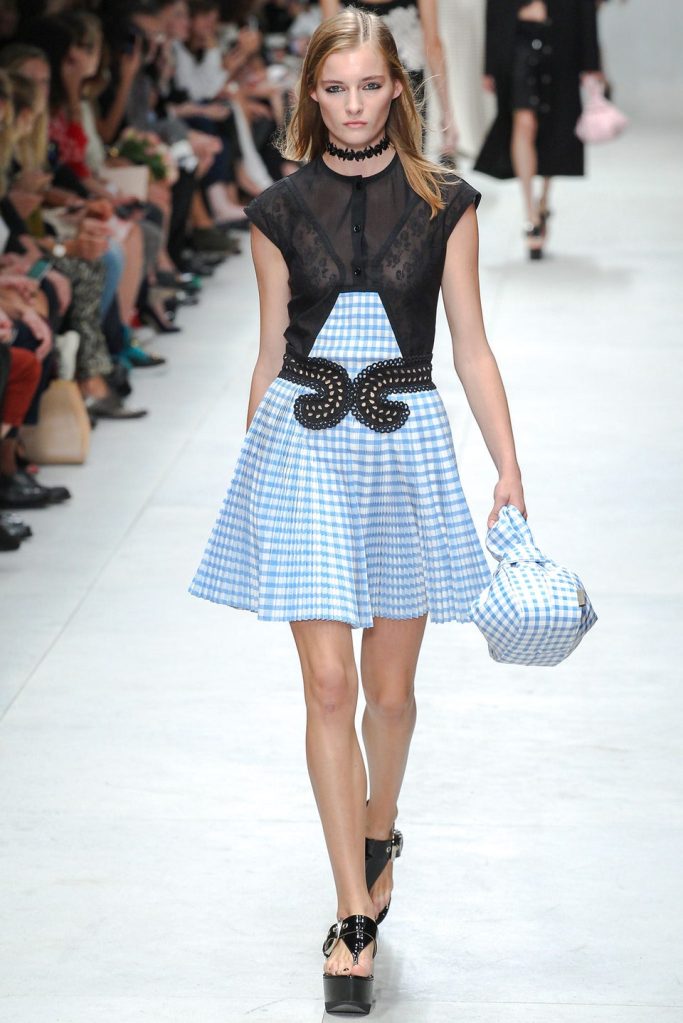
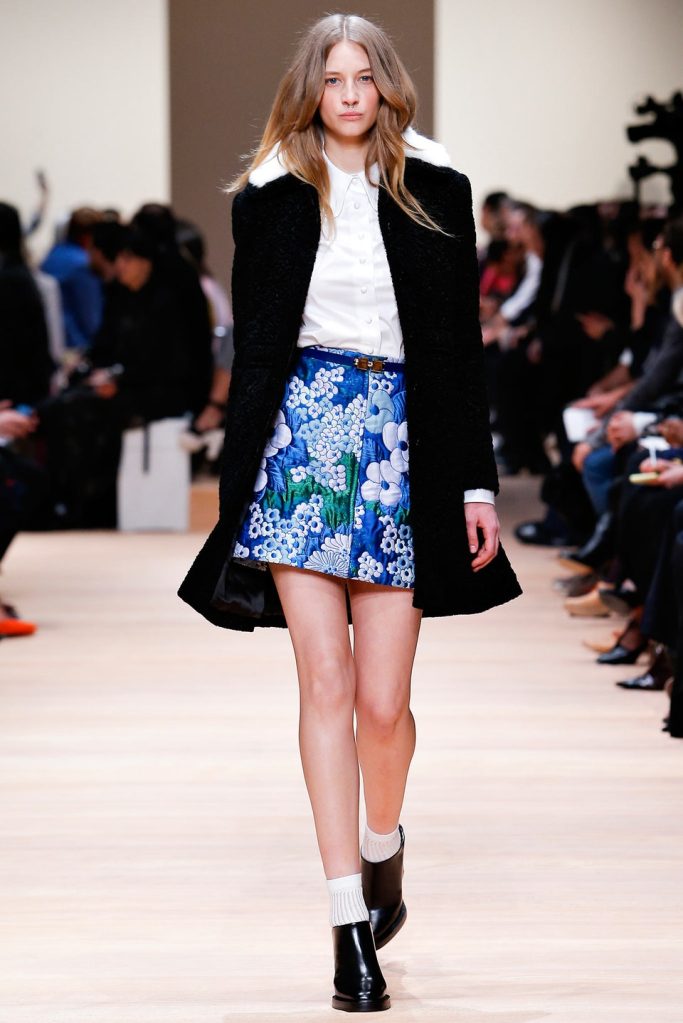
Carven Spring 2014 ready-to-wear collection
Carven Fall-Winter 2015-16 collection

N°21:  Started in 2010 in Milan by designer Alessandro Dell’Acqua, the brand offers a smorgasbord of whimsical designs that can be effortless.
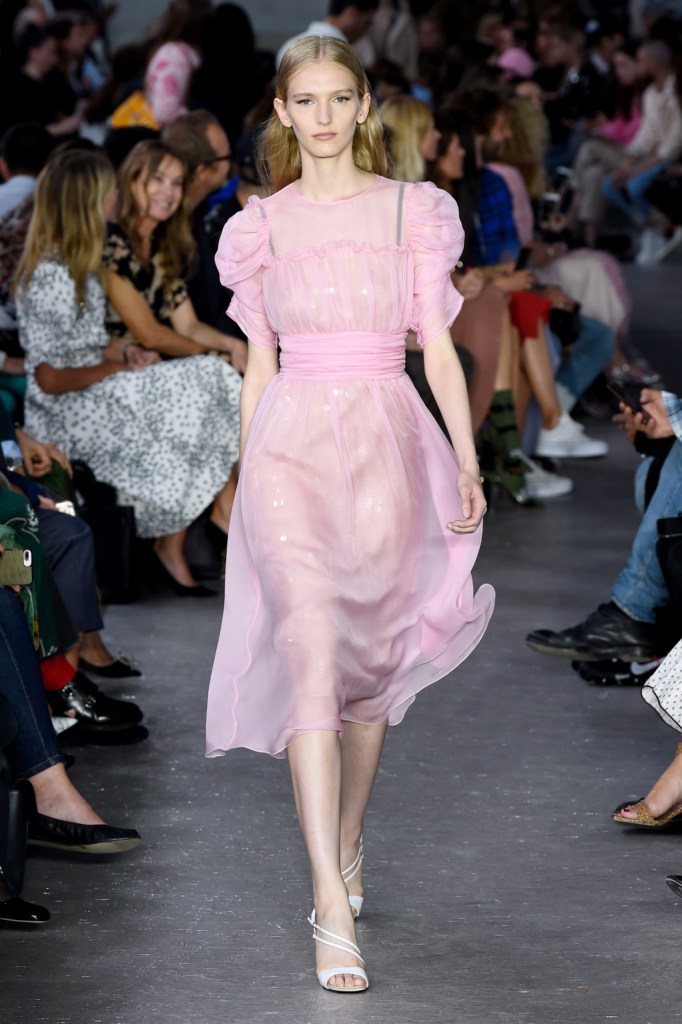
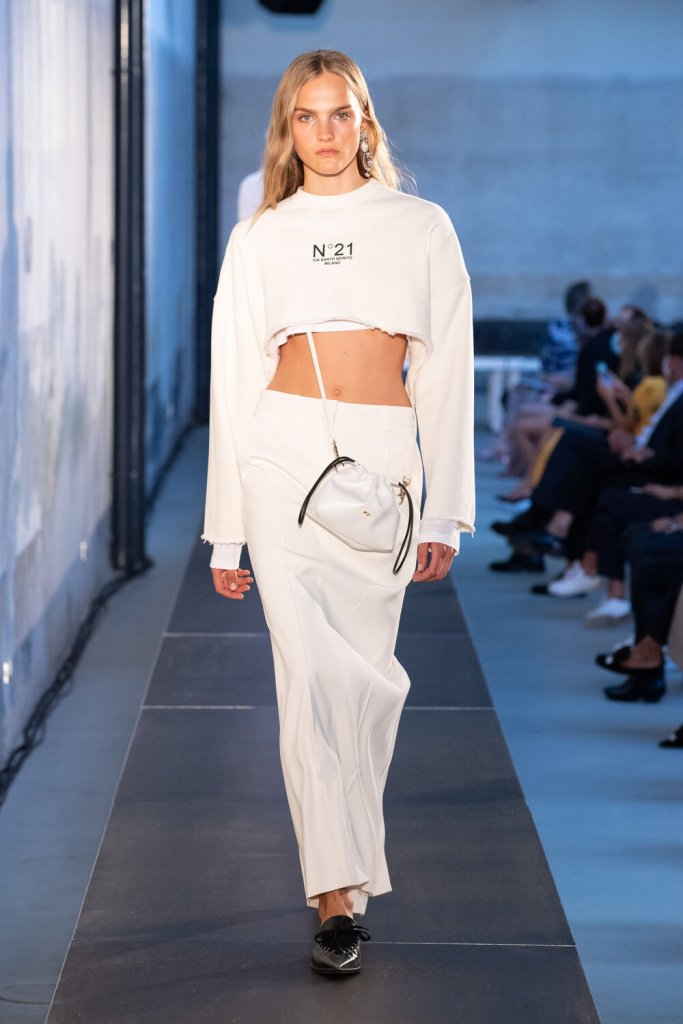
N°21 Spring- Summer 2018 collection
N°21 Spring-Summer 2021 collection

Jonathan Simkhai: Starting from NYC His first womenswear collection was shown in 2010, where Simkhai debuted his take on dressing for today’s cosmopolitan woman. A master at tailoring oversized pieces to flatter the female form, his designs run the gamut from exaggerated boxer shorts to basketball jerseys.
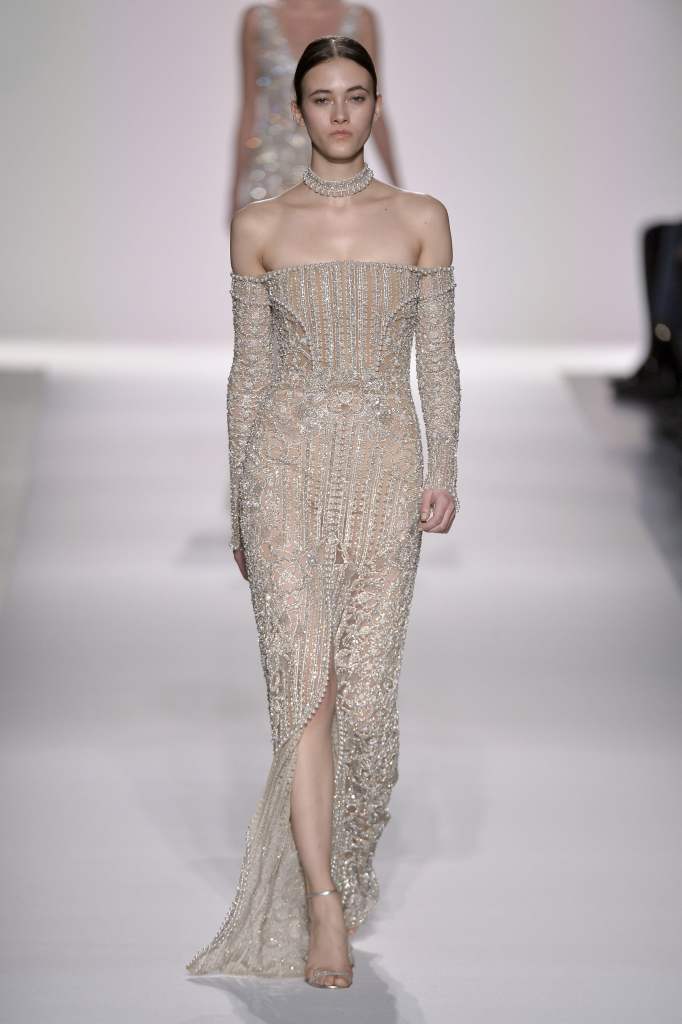
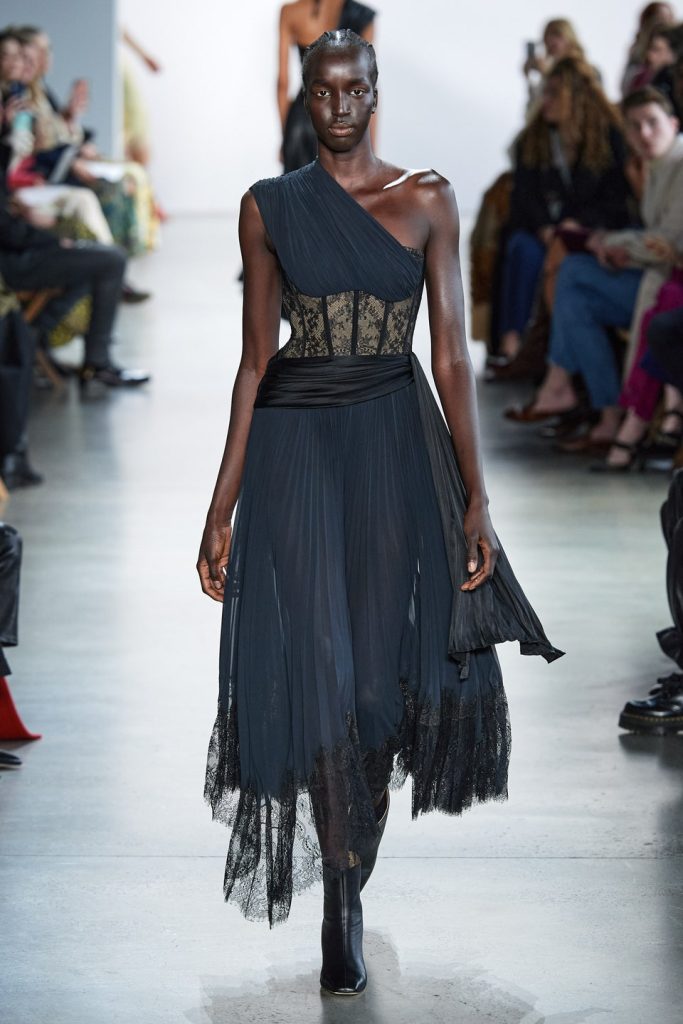
Simkhai Fall 2017 collection
Simkhai Fall 2020 ready-to-wear collection

Sandro : Launched by husband-and-wife duo Didier and Evelyne Chétrite, Sandro is a well-known and popular brand in the contemporary market.  Since its launch in 1984 (in the Marais district of Paris), the label has gathered a cult following with women charmed by its insouciant, season less separates and rock’n’roll aesthetic. Sandro has stores worldwide in places such as New York and Japan, and a flagship store based in Covent Garden, central London.
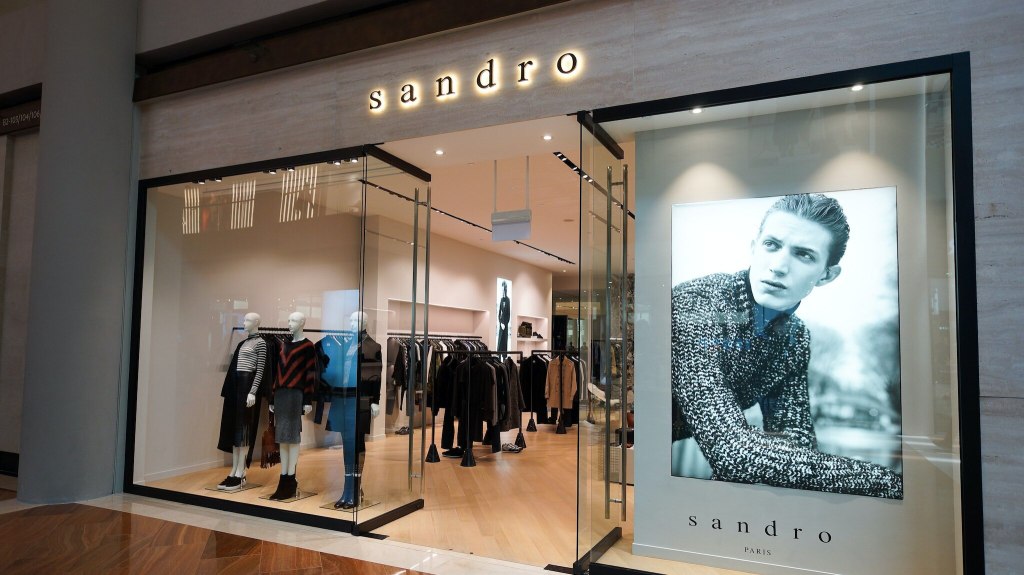
A Sandro Store
Sandro Spring-Summer 2021 Menswear Collection

Conclusion

Consumers want to feel like they own something special and unique. They want exclusive quality labels that are not mass produced, yet are still affordable.  It is important to keep in mind that this category is less expensive then higher tiers such as Haute Couture, but the prices are clearly higher than budget collections.The changing demographic of fashion consumers and the rise of contemporary brands. To stay in the game, luxury fashion marketers must compete on a global scale.
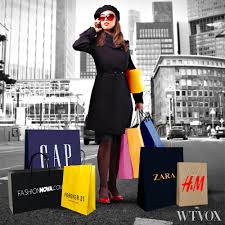
What Is Fast Fashion?

Clothes shopping used to be an occasional event—something that happened a few times a year when the seasons changed or when we outgrew what we had. But about 20 years ago, something changed. Clothes became cheaper, trend cycles sped up, and shopping became a hobby. Enter fast fashion and the global chains that now dominate our high streets and online shopping. But what is fast fashion? And how does it impact people, the planet, and animals?

It was all too good to be true. All these stores selling cool, trendy clothing you could buy with your loose change, wear a handful of times, and then throw away. Suddenly everyone could afford to dress like their favourite celebrity or wear the latest trends fresh from the catwalk.

Then in 2013, the world had a reality check when the Rana Plaza clothing manufacturing complex in Bangladesh collapsed, killing over 1,000 workers. That’s when consumers really started questioning fast fashion and wondering at the true cost of those affordable t-shirts. If you’re reading this article, you might already be aware of fast fashion’s dark side, but it’s worth exploring how the industry got to this point—and how we can help to change it.

What is fast fashion?

Fast fashion can be defined as cheap, trendy clothing that samples ideas from the catwalk or celebrity culture and turns them into garments in high street stores at breakneck speed to meet consumer demand. The idea is to get the newest styles on the market as fast as possible, so shoppers can snap them up while they are still at the height of their popularity and then, sadly, discard them after a few wears. It plays into the idea that outfit repeating is a fashion faux pas and that if you want to stay relevant, you have to sport the latest looks as they happen. It forms a key part of the toxic system of overproduction and consumption that has made fashion one of the world’s largest polluters. Before we can go about changing it, let’s take a look at the history.

How did fast fashion happen?

To understand how fast fashion came to be, we need to rewind a bit. Before the 1800s, fashion was slow. You had to source your own materials like wool or leather, prepare them, weave them, and then make the clothes.The Industrial Revolution introduced new technology—like the sewing machine. Clothes became easier, quicker, and cheaper to make. Dressmaking shops emerged to cater to the middle classes.

Many of these dressmaking shops used teams of garment workers or home workers. Around this time, sweatshops emerged, along with some familiar safety issues. The first significant garment factory disaster was when a fire broke out in New York’s Triangle Shirtwaist Factory in 1911. It claimed the lives of 146 garment workers, many of whom were young female immigrants. By the 1960s and 70s, young people were creating new trends, and clothing became a form of personal expression, but there was still a distinction between high fashion and high street.

In the late 1990s and 2000s, low-cost fashion reached its zenith. Online shopping took off, and fast-fashion retailers like H&M, Zara, and Topshop took over the high street. These brands took the looks and design elements from the top fashion houses and reproduced them quickly and cheaply. With everyone now able to shop for on-trend clothes whenever they wanted, it’s easy to understand how the phenomenon caught on.

How to spot a fast fashion brand

Some key factors are common to fast fashion brands:

  • Thousands of styles, which touch on all the latest trends.
  • Extremely short turnaround time between when a trend or garment is seen on the catwalk or in celebrity media and when it hits the shelves.
  • Offshore manufacturing where labour is the cheapest, with the use of workers on low wages without adequate rights or safety and complex supply chains with poor visibility beyond the first tier.
  • A limited quantity of a particular garment—this is an idea pioneered by Zara. With new stock arriving in store every few days, shoppers know if they don’t buy something they like, they’ll probably miss their chance.
  • Cheap, low quality materials like polyester, causing clothes to degrade after just a few wears and get thrown away.

What’s the impact of fast fashion?

On the planet: Fast fashion’s impact on the planet is immense. The pressure to reduce costs and speed up production time means that environmental corners are more likely to be cut. Fast fashion’s negative impact includes its use of cheap, toxic textile dyes—making the fashion industry the second largest polluter of clean water globally after agriculture. That’s why Greenpeace has been pressuring brands to remove dangerous chemicals from their supply chains through its detoxing fashion campaigns through the years.

Cheap textiles also increase fast fashion’s impact. Polyester is one of the most popular fabrics. It is derived from fossil fuels, contributes to global warming, and can shed microfibers that add to the increasing levels of plastic in our oceans when washed. But even ‘natural fabrics’ can be a problem at the scale fast fashion demands. Conventional cotton requires enormous quantities of water and pesticides in developing countries. This results in drought risks and creates extreme stress on water basins and competition for resources between companies and local communities.

The constant speed and demand mean increased stress on other environmental areas such as land clearing, biodiversity, and soil quality. The processing of leather also impacts the environment, with 300kg of cehmicals added to every 900kg of animal hides tanned. The speed at which garments are produced also means that more and more clothes are disposed of by consumers, creating massive textile waste. In Australia alone, more than 500 million kilos of unwanted clothing ends up in landfill every year.

On workers: As well as the environmental cost of fast fashion, there’s a human cost. Fast fashion impacts garments workers who work in dangerous environments, for low wages, and without fundamental human rights. Further down the supply chain, the farmers may work with toxic chemicals and brutal practices that can have devastating impacts on their physical and mental health, a plight highlighted by the documentary The True Cost.

On animals: Animals are also impacted by fast fashion. In the wild, the toxic dyes and microfibres released in waterways are ingested by land and marine life alike through the food chain to devastating effect. And when animal products such as leather, fur, and even wool are used in fashion directly, animal welfare is put at risk. As an example, numerous scandals reveal that real fur, including cat and dog fur, is often being passed off as a faux fur to unknowing shoppers. The truth is that there is so much real fur being produced under terrible conditions in fur farms that it’s become cheaper to produce and buy than faux fur!

On consumers: Finally, fast fashion can impact consumers themselves, encouraging a ‘throw-away’ culture because of both the built-in obsolescence of the products and the speed at which trends emerge. Fast fashion makes us believe we need to shop more and more to stay on top of trends, creating a constant sense of need and ultimate dissatisfaction. The trend has also been criticized on intellectual property grounds, with some designers alleging that retailers have illegally mass-produced their designs.

Fashion-Changes in clothing styles-An overview

Fashion industry is a fast growing industry offering great opportunities to fashion enthusiasts all over the world. It has evolved over time and now people wear clothes not only to cover themselves but to express as well. Now, clothes are more about styling and depicting one’s personality. In fact, people are divided on this basis. You can see variation in clothes of rich and poor, native and foreign, and many other categories all over the world. The clothing sense of countries also differ whether they are neighbouring or distant.

In earlier times, people would stitch together the threads just to make garments for their use but now they make it for others as well. It has now taken shape of a business where tailors sell ready-made as well as on-demand outfits to the public. There have been a variety of production when it comes to designs in clothes. Focusing mainly on Indian clothing styles, it initiated from kurta-pyjamas for men and women wore ghagra-choli(tops with long skirts) which evolved to jeans and tops/shirts in the modern era.

It is more about fashion now. The standard of a person is being decided by their clothes and sense of fashion determines how up-to-date a person is. Even if we observe the changes in school uniforms, you will see an improvement for the sake of becoming modern. There occurs a difference between the uniform of a govt. school and that of a private school. The more reputed schools(usually private schools with high fees) design their uniforms in a more formal and aesthetic way than a local one. This also marks the standard of a school.

In India, there is ‘unity in diversity’. The diversity here signals to the variability in culture too, among other differences. People of different regions follow their own culture and practices where the difference in clothing sense is not a big thing to notice. Every region, religion and tradition has its own look which is used to identify them. But, from a farther view, we all look same, following a similar trend. It is only the days of special occasion when people would merry on wearing ethnics and all, otherwise we all follow a common fashion expressing our united beliefs in modernity and comfort clothing.

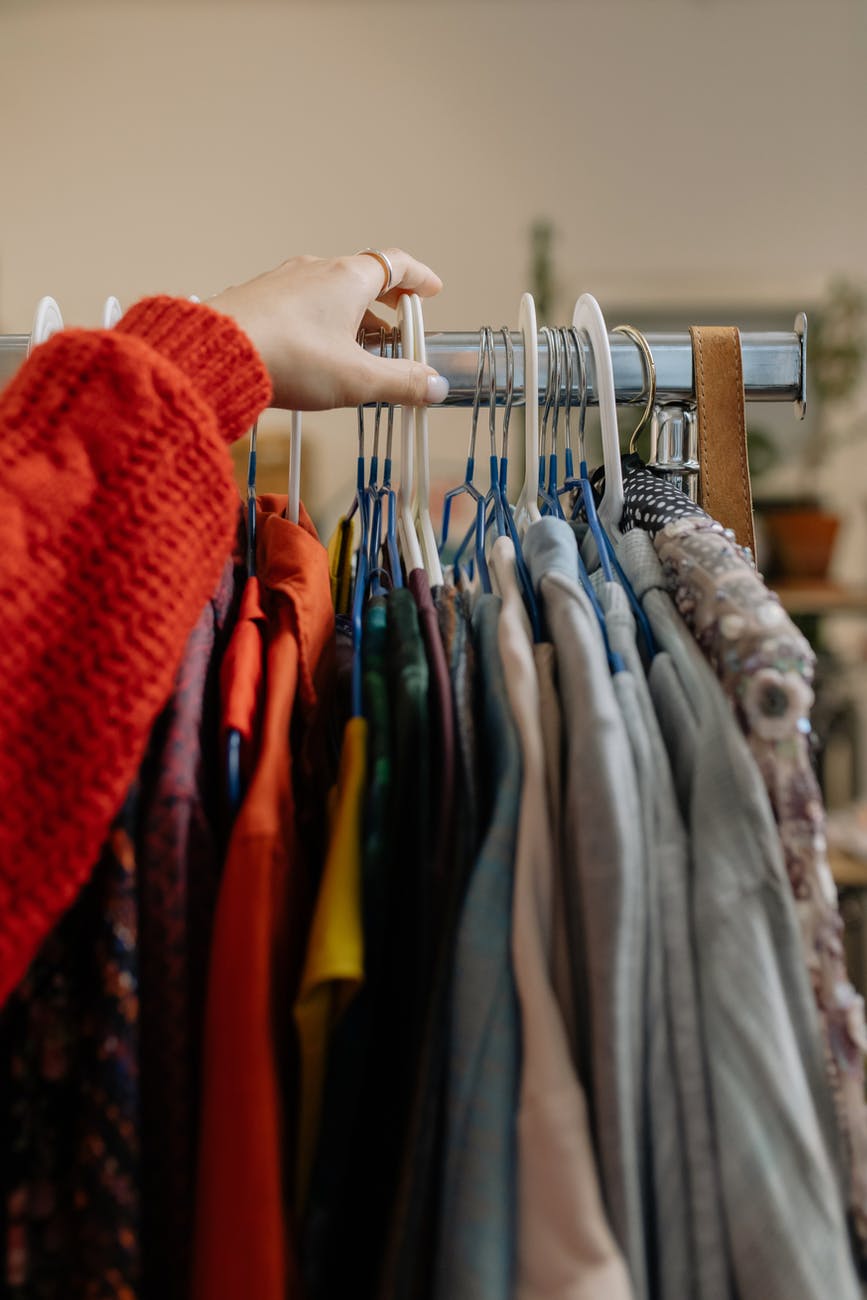
Photo by cottonbro on Pexels.com

Ongoing is the time of ripped jeans and extra-size t-shirts which is common in male and female dress code. Fashion gives the advantage of designing without differentiating. As much as can be a women’s apparel be unique and decorative, a men apparel too can be so. There are no limits to fashion. People prefer a new type every time it takes the lead. This indicates how alert and active people are, in relation to their dressing and looks. Some people would prefer more pockets in their lowers to make it useful while some would like tight-fitted, printed jeans even without pockets. The times are always changing and one or the other trend always catches the fire and is followed around in the market. However some people settle for a limited designs i.e. they don’t get attracted too often by these trends and stay in their selected apparel zone for long time.

Social media plays a significant role in business, so do in fashion. Fashion influencers around the globe get a large following which doesn’t need any explanation as to how updated people prefer to be. Gender, age or region doesn’t mark the boundaries for such people. It is all in the mind. Whoever has a passion or determination gets what they aspire and this is how the fashion industry also works. It is more about present and even more about the future forecasts. The upcoming trends are the ones created in the present moment and accepted wide across.

Fashion!

Man is a social animal and always wants to show himself in the society in a very presentable way. He likes variety, change and novelty. Old, stale, stereotyped and typecast things are not liked by him. He wants things to suit his changing moods, likes and dislikes and therefore, takes recourse to fashions. His hunger for being new, novel, refreshing, different, sensational and attractive makes him a fashionable being. To be fashionable is an integral part of his complex psychology. He feels bored, tired, fed up and in a rut by using the same clothes, styles, designs, food, colours, lines and textures after a certain period of time. What has been in fashion for sometime appears dull and tiresome and then he wants a change, something different, new and uncommon. This search for something thrilling, new, offbeat and unconventional gives rise to fashions.

Fashions are never static. They are always changing. What is in fashion today will become obsolete and out of date the next day. And people never like to be out of fashion. They want to be in the mainstream and flow along the current of the fashion. Fashions work as a very powerful force in the society and also reflect change, progress, prosperity and advancement. They influence human behaviour, etiquettes, moods and ideology in a way as no other thing can do. They are of much social and psychological significance and which is why to be out of fashion is to be out of the stream.

People living in cities and towns are more fashion conscious than their counterparts in villages and rural areas. In city life thousands and thousands of men and women belong to different classes and cultures live and mix up with one another and they have a lot of opportunities to imitate one another’s fashion or can improve upon the existing fashions. Newspapers, magazines, fashion shows, movies, television viewing, social gathering etc are a great source of changes in style and designs. Young men and women imitate the style of their film or sports heroes or heroines in everything – in clothes, hair clothes, hair styles, shoes, ornaments, foods and drinks and also in manners.

In big cities and towns there are fashion designers in droves. They are ever engaged in creating new fashion, styles and designs to increase the sale of their goods. The beautiful men and women are used as models to display their latest designs and styles. Fashion shows and parades are held in five star hotels, exhibition grounds and halls. It is big and well organised business and big cities like Bombay, Bangalore, Delhi etc are big fashion centres in India. The expert fashion designers can well in advance recognise the incoming and outgoing trends in fashion and taking advantage of it , create new styles and fashions. They produce consumer items in latest fashion and styles which may be described as avant-garde.

Fashions also change according to seasons and environment. They have to be in harmony with the moods, needs and lifestyles of the people. Changes in fashion are evolutionary than revolutionary. Sometimes changes in fashion look sudden and abrupt but actually it is not the case. Thry are gradual and in stages. Fashion practitioners know full well this evolutionary nature of it and take full advantage and make a fast buck.

Fashions are part and parcel of our life. They are essential and appreciable but it never means aping the west or slavish and blind imitation of others. It simply means to satisfy our urges of change, novelty and the latest. The tyranny of fashions should never be allowed to prevail.

The advent of Fashion trends in pandemic life

Photo by Nataliya Vaitkevich on Pexels.com

“Your prolific life flares from the fashion you do, have, and live”. Indeed, fashion is one of the most prominent elements for millennials. The transformation has been one of the processes through which we all humans have gone through since the establishment.

                          Profoundly, pandemic life has changed everything in this course of life, the lifestyle, food we eat, and the clothes we all wear!

 Clothes are evident, and the fashion which we follow affects us posthumously. The fashion of 2021 is back on track with the easy peasy, breezy, comfy life. People are less bothered by societal norms and the trendy life rather than more into their comfort zone.

        Fashion affects human life more as it affects psychologically. As the season occurs, festive emerged, our taste of fashions fluctuates. Humans are uncertain and so their fashion too!

   The advent of fashion portrays us the new normal which we live in, work from home, chilling at home, fam – jam and so on.

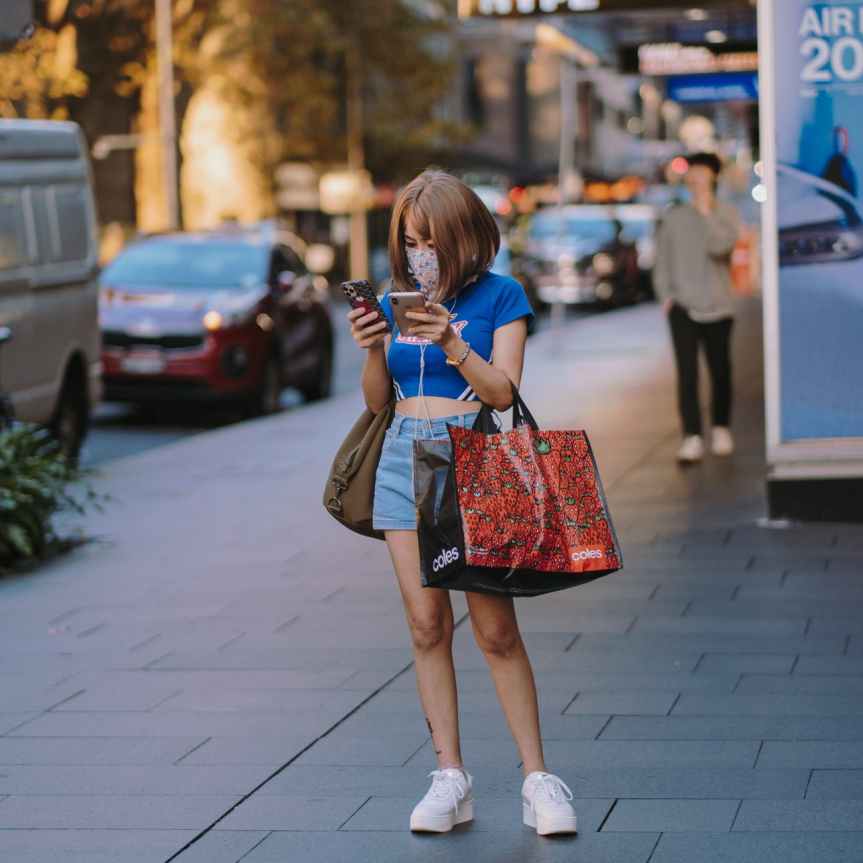
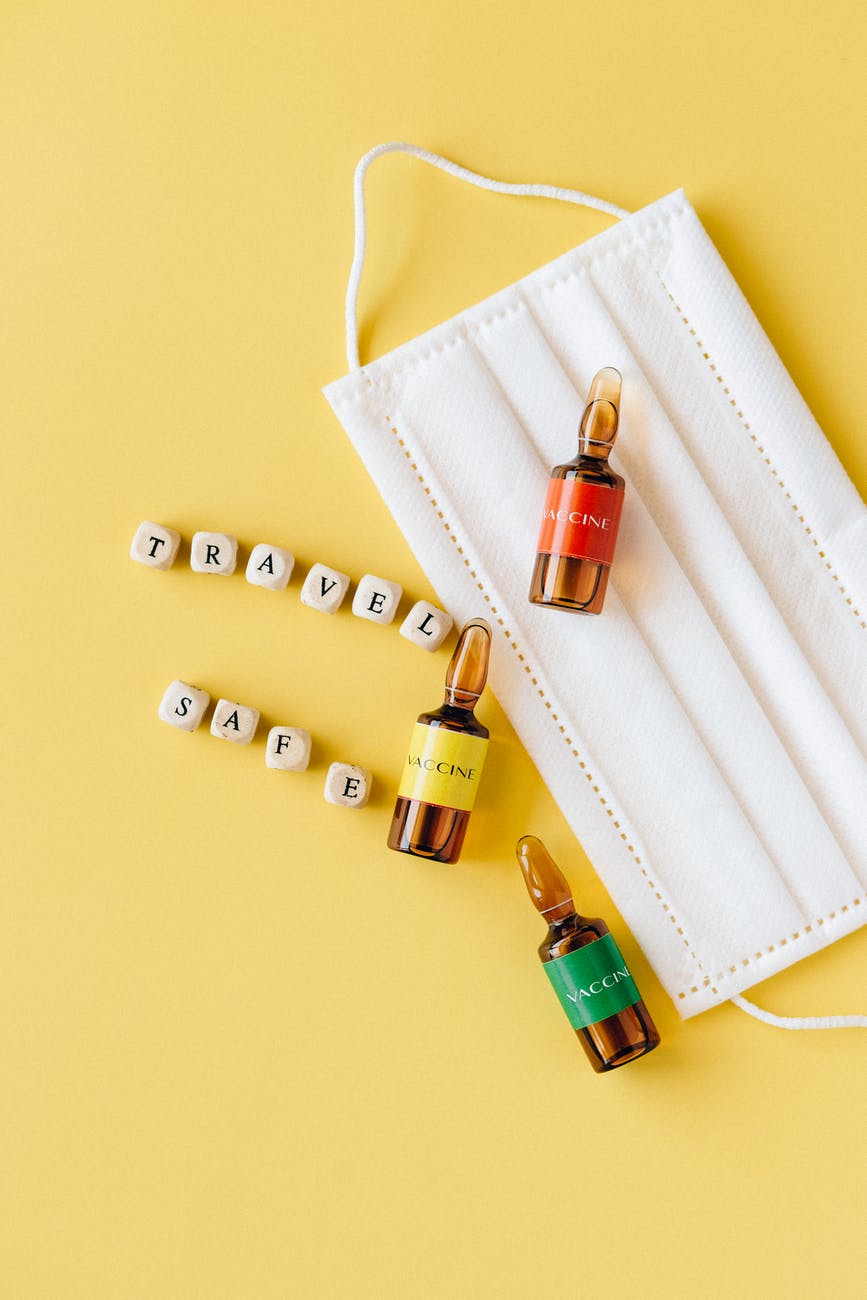
Let’s talk about the altering in the fashion world, The mask, a protector weapon in today’s life. though it’s a new rule for all people but rather the rule has converted into a new trend. Women especially have an area of interest in the fashion world and this is how the fashion world aims at women’s society! whether it’s lipstick, shoes, classy dresses, or maybe a cute hat all is on the side of women.

      Women exist, so fashion exists! It’s humor but a reality that we have relied more on masks than other things. Our priorities lie to wear masks. Wearing a mask on any sort of dress makes them trendy. Certain trends of lipsticks have been distorted due to the arrival of the pandemic but it’s vague if we still use lipsticks on masks.

     Still, there is always a way to the dazzling notions in the minds of these crafted minds of the industry. Invisible masks, which are safe yet the best way to make a woman feel more glamourous and enthralling.

It has 2 faces for a matter of any sort of matter. Even fashion has its 2 sides, the pros and cons of masks showcase us how even masks filter up our inabilities to use them. Certain situations like eating, drink made this life more miserable for humans.

       Living with despair and abashed thoughts in the new life of pandemic where hope is the only element present in the world. Fashion made our lives more fruitful to have conventions on ourselves. Today’s fashion is more about having faith in oneself and being confident of what we wear in our life to enjoy our life with our comfort zone. How one can be more indigently glamorous in their way, living aftermath with a bright side with all those flickering optimism and yet not so according to the word.

 Today’s fashion is about you, not about them!

It’s a simple quote, yet a transparent difference one can look into it with their point.

Accessories dominating the market??

“Fashion is the armour to survive the reality for everyday life”

BILL CUNNINGHAM

fashion industry is and always will be in high demand in the industry, with consumers looking for new trending style and designs available in the market, which is also unique and stand out among the individuals are high in demands. In the accessories industry manufacturers supply consumers with various items such as laptop and mobile skintice, hats sunglasses, necklace, ring, key chain, belts, ties, headband, cases and many more.

with the market being competitive in nature, the various companies and accessories industries attractive offers to bring consumer’s attentions, which is of course the reason being for them to restock their market with new products but improved and in enchanting ways. Increasing population is also bringing more consumers to the market and demanding products to their door step made easily available by new approaches by the companies and online delivery services also add to their easy, no hassle-free service. E-commerce experts give offers during festive seasons and different advertisement in social medias also create increase in demand.

Global Market Trend

leisure products : the global trend is populated with new accessories and becoming more aware and adaptable to new style. with the impact of social media peple are following the trend and get access to new equipment’s. consumers becomes more indulged in cycling and yoga’s, running, exercise and many more. This leads to the demand of different leisure products which can be used at many places other then home. The best way for the products to impact huge populations is through social media influencers hired by the companies as a contract between the parties.

People always looks for comforts but unique design as well. Companies always try to provide better products that suits them and their buyers, which will not only give pleasure but also that will suits the new market trend/Fashion. Such as new trendy luggage, Backpack, fanny pack, shoes formal, sneakers, others. today, fashion accessories is a separate market in itself, bringing in considerable amounts of capital and increasing its contribution to the fashion industry year by year. Modern fashion accessories can be loosely classified into the following key categories – scarves, shawls, stoles, dupattas, caps, hats, mufflers, gloves, mittens, muffs, hosiery, neckties & bows, handkerchiefs, socks etc. (apparel accessories), bags, belts and wallets (leather & other accessories), semi-precious and junk jewellery (fashion jewellry), time wear, eye wear and foot wear etc. The products largely contained in these categories are becoming more and more diversified, expanding the overall portfolio of the segment at a reasonably fast rate.

The market for fashion accessories and different gadgets demands is increasing and is expected to occupy bigger shares in the market because of its major reasons for its promise of growth in the unique quality of accessories of accentuating overall look of attire. with right accessories can bring big changes in the outlook and provide multiple looks to alter and design mix match and redesign look from head to the bottom all at economical prices but the quality of the product may differ according to their brand

FUSION FUNDAS – INDO-WESTERN FUSION WEAR

FUSION FUNDAS

“SLAY IN INDO-WESTERN AS YOU HAVE NEVER BEFORE”

fashion
Fashion is the only thing that doesn’t go out of fashion. We witness the evolution of fashion every day. Fashion can speak volumes about someone’s personality simply by the clothes they wear and carry off.
Where traditional meets modern, the concept behind Indo-Western fashion is actually pretty simple. Interestingly in the last decade, a beautiful amalgamation of Indian and Western clothing has become popular, which has come to be known as ‘Indo-Western fusion’ garments. Indo-Western fusion garments are usually a combination of Western-style patterns and Indian designs. And the best part is that Indo-Western fashion can literally be anything you like. You are the inventor of your own Indo-Western style and can be experimented with in multiple ways.

I know one of my friends who had a great sense of fashion, and I still remember that where ever she goes, she takes a different and bold personality which ultimate is because of the great taste she has for fashion which makes her confident with her work.

The Indian market for fusion wear:

A recent survey about women’s wear states that Indian women, particularly the working class prefer trousers over saris due to their comfort. This trend is also a preferred choice for Indian youth. Retailers are fast adapting to this change, and are stacking their stores with new apparels.
Coming to the reasons as to why Indo-Western fusion fashion has become so popular in India, several can be cited. Indo-Western garments have an elegant and trendy appearance, without losing the touch of Indian culture, making them suitable for wearing on all kinds of occasions. They are the perfect blend of elements from both Indian and Western cultures, balancing both, i.e. neither too Americanised nor too ethnically Indian. It is, thus, suitable for wear by almost all age groups, and is all the rage among the youngsters in India today. The market for fusion wear is highly price-sensitive, and hence retailers price their merchandise to go with the customer expectations, and also focus on enhancing their portfolio. They are cashing in on the trend by aligning their merchandise as per customer preference and feeding their aspirations. Apparels with Zardozi, Gotta-pati, and embroidery work are seeing an increase in demand. Big brands such as W, BIBA, and Chhabra 555 offer a good mix of Indian and Western wear. Woven fabrics with definitive embellishments have a good market.

Indo-Western Styles:

When fashion goes fusion, kurta becomes a tunic, dupatta becomes a stole, and salwar becomes a pair of trousers. Indian outfits can be given a western touch with creativity in waistlines, cuts in fabric, necklines, and other decorations. Womenswear is the area of primary focus as they facilitate much exploration. A simple-looking kurta gets a ravishing look with straps or halter neckline instead of sleeves. A flowing crepe skirt can be paired with a halter neck top, or spaghetti-strapped top, giving an attractive appearance to the wearer. Regular churidar can be worn with straight pants setting a new trend. Patiala Salwars are teamed with short shirts or designer tops.

How to style Indo-Western attire for women:

Well, there are so many styling tips for indo-western outfits. Style Tips: A Pair of heels and bold earrings, Sharara with a blazer for formal events, saree with jeans, wear a denim jacket over lehenga choli for wedding, printed saree with a shirt, denim jacket over Kurti, saree with short long Kurti, lehenga with shirt style, Wear a bold Neckpiece and a waist belt for a stylish look.

So these were some of the fashion trends which you can definitely start adapting and make your beauty to make everyone say WOW.