India has emerged as “a bright light” at a time when the world is facing imminent prospects of a recession, the chief economist of the International Monetary Fund (IMF) said on 12 October, noting that the country, however, needed key structural reforms in order to achieve the ambitious target of being a USD 10 trillion economy.
Pierre-Olivier Gourinchas, chief economist of the IMF said: “Well, India is, I want to say, sort of bright light. The Indian economy has been doing reasonably well.” In its World Economic Outlook, the IMF projected a growth rate of 6.8 per cent in 2022 as compared to 8.7 per cent in 2021 for India.
The projection for 2023 slides down further to 6.1 per cent, he noted.
Responding to a question on the ambitious goal of India becoming a USD 10 trillion economy, Gourinchas told PTI that he certainly believes this is achievable.
“Inflation is still above the central bank target in India. We expect India’s inflation at 6.9 per cent in 2022-23, which is likely to come down to 5.1 per cent next year. So, the overall stance of the policy we think that fiscal and monetary policy should be probably on the tightening side,” Gourinchas said.
India has emerged as “a bright light” at a time when the world is facing imminent prospects of a recession, the chief economist of the International Monetary Fund (IMF) said on 12 October, noting that the country, however, needed key structural reforms in order to achieve the ambitious target of being a USD 10 trillion economy.
Pierre-Olivier Gourinchas, chief economist of the IMF said: “Well, India is, I want to say, sort of bright light. The Indian economy has been doing reasonably well.” In its World Economic Outlook, the IMF projected a growth rate of 6.8 per cent in 2022 as compared to 8.7 per cent in 2021 for India.
The projection for 2023 slides down further to 6.1 per cent, he noted.
Responding to a question on the ambitious goal of India becoming a USD 10 trillion economy, Gourinchas told PTI that he certainly believes this is achievable.
“Inflation is still above the central bank target in India. We expect India’s inflation at 6.9 per cent in 2022-23, which is likely to come down to 5.1 per cent next year. So, the overall stance of the policy we think that fiscal and monetary policy should be probably on the tightening side,” Gourinchas said.
India has overtaken the UK to become the fifth-largest economy in the world. Economists and business executives anticipated that India’s position would continue to improve in the years to come due to greater economic growth.
According to figures from the International Monetary Fund (IMF), India passed the United Kingdom (UK) to become the fifth-largest economy in the world in the last quarter of 2021. India’s economy currently ranks just four nations ahead of it in terms of size in dollars. The United States, China, Japan, and Germany are the only nations with economies larger than India’s. The UK is currently in sixth place, just behind India.
IMF’s own forecasts show India overtaking the UK in dollar terms on an annual basis this year, putting the Asian powerhouse behind the US, China, Japan and Germany. A decade ago, India ranked 11th among the largest economies, while the UK was fifth. The government is expecting the economy to grow at 7-7.5 per cent in 2022-23, in line with its projections made at the beginning of this financial year. India registered a growth of 8.7 per cent in 2021-22.
While India has overtaken the United Kingdom in terms of the size of the economy, the per capita income in India remains very low. When it comes to per capita income, which is a measure of how much money is made per person in a country, India is ranked 122 out of 190 countries.
India is set to become the third largest economy in the world by 2029. A State Bank of India report said India will surpass Germany in 2027 and most likely Japan by 2029 at the current rate of growth. The report said that the country has undergone a large structural shift since 2014 and is now the 5th largest economy overtaking the United Kingdom.
India has overtaken the UK to become the fifth-largest economy in the world. Economists and business executives anticipated that India’s position would continue to improve in the years to come due to greater economic growth.
According to figures from the International Monetary Fund (IMF), India passed the United Kingdom (UK) to become the fifth-largest economy in the world in the last quarter of 2021. India’s economy currently ranks just four nations ahead of it in terms of size in dollars. The United States, China, Japan, and Germany are the only nations with economies larger than India’s. The UK is currently in sixth place, just behind India.
IMF’s own forecasts show India overtaking the UK in dollar terms on an annual basis this year, putting the Asian powerhouse behind the US, China, Japan and Germany. A decade ago, India ranked 11th among the largest economies, while the UK was fifth. The government is expecting the economy to grow at 7-7.5 per cent in 2022-23, in line with its projections made at the beginning of this financial year. India registered a growth of 8.7 per cent in 2021-22.
While India has overtaken the United Kingdom in terms of the size of the economy, the per capita income in India remains very low. When it comes to per capita income, which is a measure of how much money is made per person in a country, India is ranked 122 out of 190 countries.
India is set to become the third largest economy in the world by 2029. A State Bank of India report said India will surpass Germany in 2027 and most likely Japan by 2029 at the current rate of growth. The report said that the country has undergone a large structural shift since 2014 and is now the 5th largest economy overtaking the United Kingdom.
The impact of coronavirus pandemic on India has been largely disruptive in terms of economic activity as well as a loss of human lives. Almost all the sectors have been adversely affected as domestic demand and exports sharply plummeted with some notable exceptions where high growth was observed. An attempt is made to analyze the impact and possible solutions for some key sectors.
Food & Agriculture
Since agriculture is the backbone of the country and a part of the government announced essential category, the impact is likely to be low on both primary agricultural production and usage of agro-inputs. Several state governments have already allowed free movement of fruits, vegetables, milk etc. Online food grocery platforms are heavily impacted due to unclear restrictions on movements and stoppage of logistics vehicles. RBI and Finance Minister announced measures will help the industry and the employees in the short term. Insulating the rural food production areas in the coming weeks will hold a great answer to the macro impact of COVID-19 on Indian food sector as well as larger economy.
Aviation & Tourism
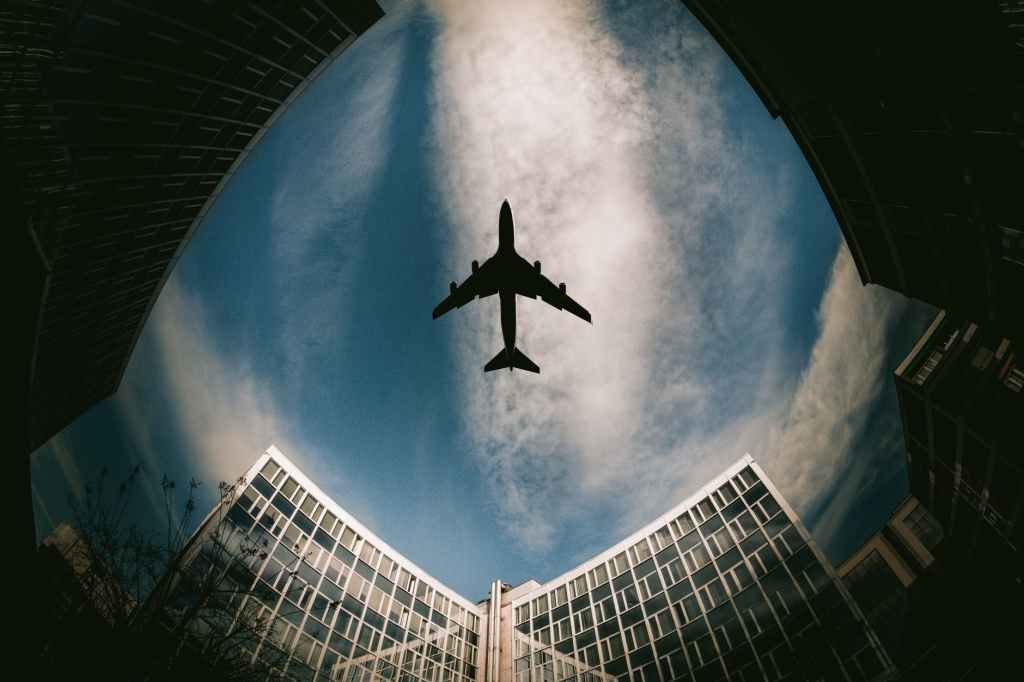
The contribution of the Aviation Sector and Tourism to our GDP stands at about 2.4% and 9.2% respectively. The Tourism sector served approximately 43 million people in FY 18-19. Aviation and Tourism were the first industries that were hit significantly by the pandemic. The common consensus seems to be that COVID will hit these industries harder than 9/11 and the Financial Crisis of 2008. These two industries have been dealing with severe cash flow issues since the start of the pandemic and are staring at a potential 38 million lay-offs, which translates to 70 per cent of the total workforce. The impact is going to fall on both, White and Blue collar jobs. According to IATO estimates, these industries may incur losses of about 85 billion Rupees due to travel restrictions. The Pandemic has also brought about a wave of innovation in the fields of contactless boarding and travel technologies.
Telecom
There has been a significant amount of changes in the telecom sector of India even before the Covid-19 due to brief price wars between the service providers. Most essential services and sectors have continued to run during the pandemic thanks to the implementation of the ‘work from home’ due to restrictions. With over 1 billion connections as of 2019, the telecom sector contributes about 6.5 per cent of GDP and employs almost 4 million people. Increased broadband usage had a direct impact and resulted in pressure on the network. Demand has been increased by about 10%. However, the Telco’s are bracing for a sharp drop in adding new subscribers. As a policy recommendation, the government can aid the sector by relaxing the regulatory compliances and provide moratorium for spectrum dues, which can be used for network expansions by the companies.
Pharmaceuticals
The pharmaceutical industry has been on the rise since the start of the Covid-19 pandemic, especially in India, the largest producer of generic drugs globally. With a market size of $55 billion during the beginning of 2020, it has been surging in India, exporting Hydroxychloroquine to the world, esp. to the US, UK, Canada, and the Middle-East.
There has been a recent rise in the prices of raw materials imported from China due to the pandemic. Generic drugs are the most impacted due to heavy reliance on imports, disrupted supply-chain, and labour unavailability in the industry, caused by social distancing. Simultaneously, the pharmaceutical industry is struggling because of the government-imposed bans on the export of critical drugs, equipment, and PPE kits to ensure sufficient quantities for the country. The increasing demand for these drugs, coupled with hindered accessibility is making things harder. Easing the financial stress on the pharmaceutical companies, tax-relaxations, and addressing the labour force shortage could be the differentiating factors in such a desperate time.
Oil and Gas
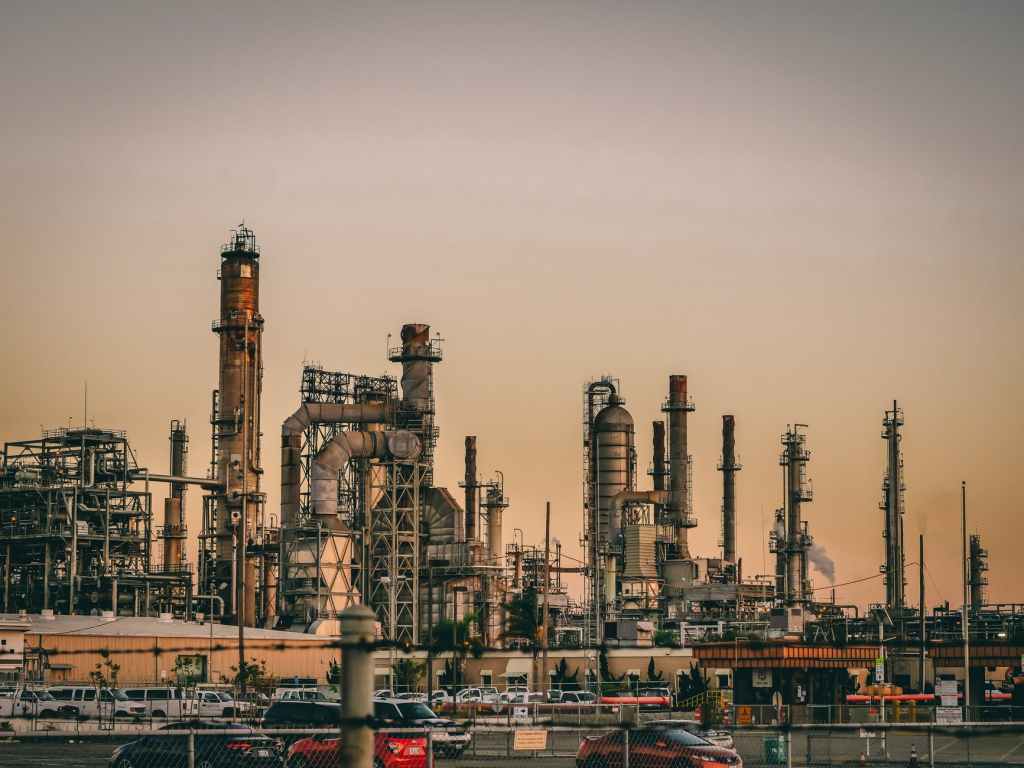
The Indian Oil & Gas industry is quite significant in the global context – it is the third-largest energy consumer only behind USA and Chine and contributes to 5.2% of the global oil demand. The complete lockdown across the country slowed down the demand of transport fuels (accounting for 2/3rd demand in oil & gas sector) as auto & industrial manufacturing declined and goods & passenger movement (both bulk & personal) fell. Though the crude prices dipped in this period, the government increased the excise and special excise duty to make up for the revenue loss, additionally, road cess was raised too. As a policy recommendation, the government may think of passing on the benefits of decreased crude prices to end consumers at retail outlets to stimulate demand.
Beyond Covid: The new normal
In view of the scale of disruption caused by the pandemic, it is evident that the current downturn is fundamentally different from recessions. The sudden shrinkage in demand & increased unemployment is going to alter the business landscape. Adopting new principles like ‘shift towards localization, cash conservation, supply chain resilience and innovation’ will help businesses in treading a new path in this uncertain environment.
Coronavirus (COVID-19), a virus that grew stealthily has become one of the deadliest viruses that are killing people worldwide. This virus took birth in Wuhan city of China and since then have traveled to more than 160 countries. The World Health Organization (WHO) has declared Coronavirus as a pandemic. It has become a mass scare and is leading to the deaths of thousands of people in numerous countries including China, Italy, Iran, Spain, the US, and many more. In India, this pandemic started on 30 January 2020 by affecting an individual who had a travel history from Wuhan, China.
The world economy is seeing its greatest fall ever. Coronavirus has largely impacted the growth of almost every country and is responsible for the slump in GDP worldwide. Like other countries, India is also impacted by this virus but not largely. Almost every industry sector has seen a fall in their sales and revenue. India’s GDP growth has fallen to 4.7% in the third quarter of 2020.
Inflation and Affected Industry:
China is one of the largest exporters of many raw materials to India. Shutting down of factories has damaged the supply chain resulting in a drastic surge in the prices of raw materials. Some of the other products that have seen a rise in their prices are gold, masks, sanitizers, smartphones, medicines, consumer durables, etc. The aviation sector and automobile companies are the hardest hit among the rest. With no airplane landings or take-offs globally and restricted travel has brought the aviation and travel industry to a halt.
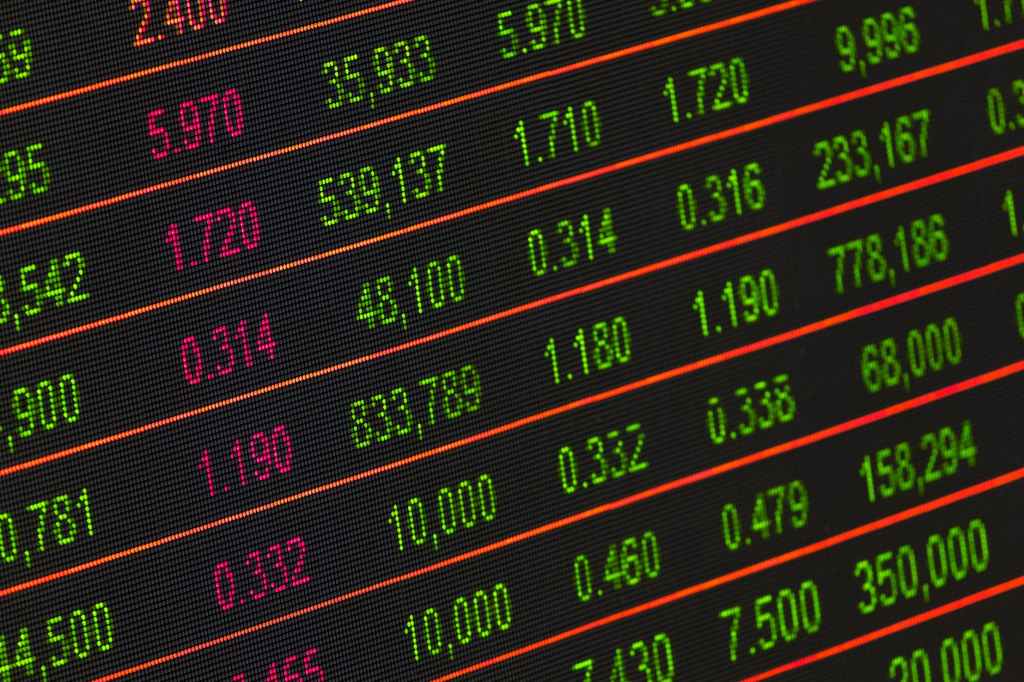
Slump in Share market: Share markets that include Sensex and Nifty are on nose dive since the occurrence of this pandemic (COVID-19). Sensex has declined close to 8000 points in a month. As of 12 March 2020, share market investors have lost approximately Rs. 33 lakh crore rupees in a month. This could be the beginning of a recession that the Indian market will never want to witness. Investors are advised to stay safe and invested in this virus-infected stock market. Few industries that can benefit from novel coronavirus during the time of the market crash are pharmaceuticals, healthcare, and Fast Moving Consumer Goods (FMCG).
Cash flow Issue: Due to this outbreak, almost 80% of Indian companies have witnessed cash flow difficulty and over 50% of companies are facing operations issues. As per the Federation of Indian Chambers of Commerce and Industry (FICCI), 53% of companies are impacted by COVID-19. Slow economic activity is resulting in cash flow problems eventually impacting repayments, interest, taxes, etc.
Coronavirus (COVID-19), a virus that grew stealthily has become one of the deadliest viruses that are killing people worldwide. This virus took birth in Wuhan city of China and since then have traveled to more than 160 countries. The World Health Organization (WHO) has declared Coronavirus as a pandemic. It has become a mass scare and is leading to the deaths of thousands of people in numerous countries including China, Italy, Iran, Spain, the US, and many more. In India, this pandemic started on 30 January 2020 by affecting an individual who had a travel history from Wuhan, China.
The world economy is seeing its greatest fall ever. Coronavirus has largely impacted the growth of almost every country and is responsible for the slump in GDP worldwide. Like other countries, India is also impacted by this virus but not largely. Almost every industry sector has seen a fall in their sales and revenue. India’s GDP growth has fallen to 4.7% in the third quarter of 2020.
Efforts from CII and Govt. of India: Confederation of Indian Industry (CII) has suggested the RBI reduce repo rate up to 50 basis points and also asked for a reduction of 50 basis points on the cash reserve ratio. The government is planning to set up an amount to support MSMEs to overcome the crisis during this phase of shut down, cash flow difficulty, and working capital issues.
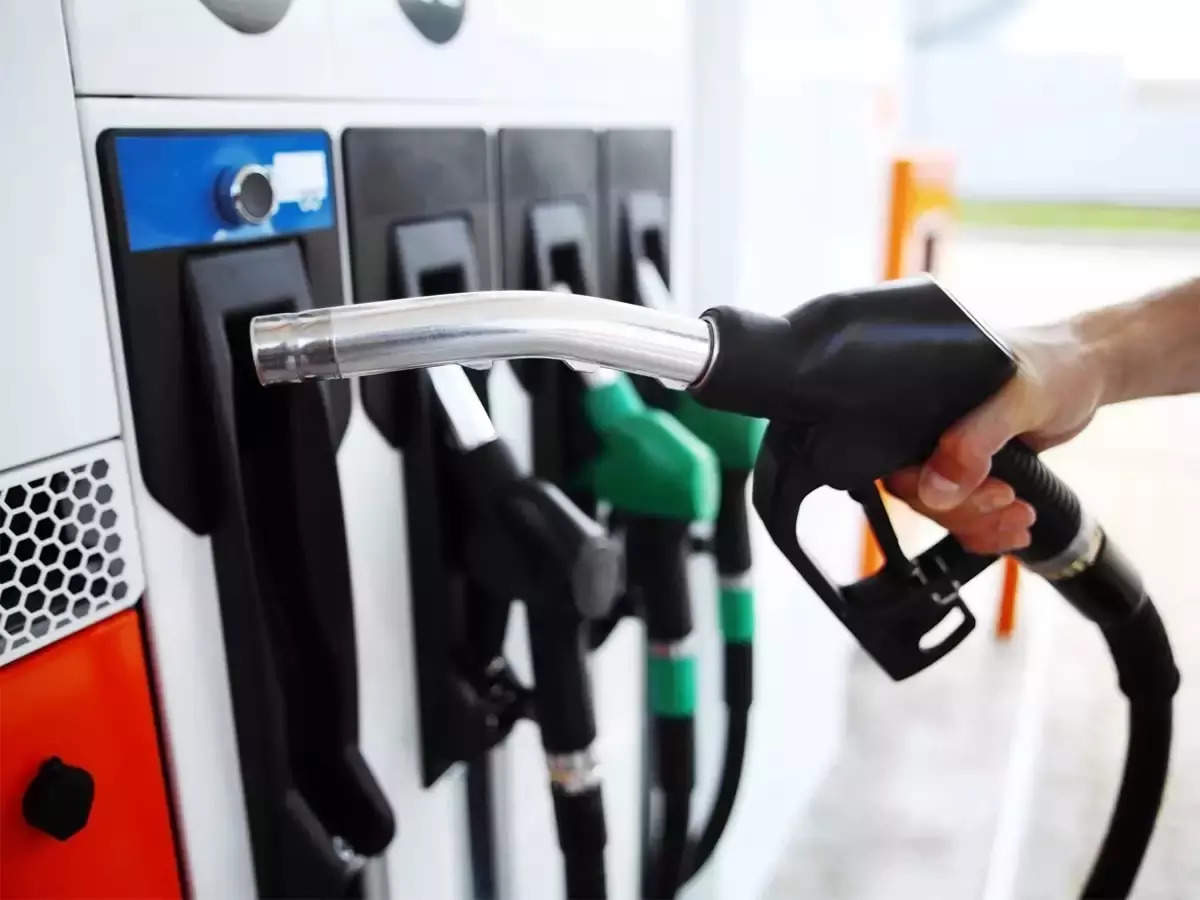
देश में ईंधन की कीमतों में लगातार बढ़ोतरी देखने को मिल रही है। लागतार बढ़ रहा रेट थमने का नाम नहीं ले रहा, जिससे जनता काफी परेशान है। कच्चे तेल के दामों में जिस तरह से अंतरराष्ट्रीय बाजार में तेजी देखने को मिल रही है,वैसे ही घरेलू बाजार में पेट्रोल और डीजल के दाम भी आसमान छू रहा है। भारत में ईंधन की कीमतें रिकॉर्ड स्तर पर है।
5 अक्टूबर 2021 यानी कि मंगलवार को 1 दिन की स्थिरता के बाद भारतीय तेल कंपनियों ने डीजल और पेट्रोल के रेट में इजाफा कर दिया है। बात करें पेट्रोल की तो 25 पैसे प्रति लीटर एवं डीजल 30 पैसे प्रति लीटर और अधिक महंगा हुआ है। वहीं अक्टूबर में हरदिन भाव बढ़ता रहा है। अब तक केवल 1 दिन डीजल और पेट्रोल का रेट स्थिर रहा है।
इंडियन ऑयल कॉर्पोरेशन के मुताबिक़, ईंधन के दामों में वृद्धि के बाद दिल्ली में पेट्रोल की कीमत 102.64 रुपए प्रति लीटर एवं डीजल 91.07 रुपए प्रति लीटर तक पहुंच गया है। हालांकि,देश के चारों महानगरों की तुलना करें तो मुंबई में डीजल-पेट्रोल सबसे अधिक महंगा है। बता दें, जुलाई एवं अगस्त के महीने में कच्चे तेल के दामों में कुछ खास बदलाव नहीं आया था। इसलिए 18 जुलाई से 23 सितंबर तक तेल कंपनियों ने मूल्य वृद्धि नहीं की थी। इस दौरान पेट्रोल 0.65 और डीजल 1.25 की कीमतों में कटौती की गई थी। फिर अंतर्राष्ट्रीय बाजार में निरंतर बढ़ती कीमतों के कारण 28 सितंबर से पेट्रोल और 24 सितंबर से डीजल की कीमतों में बढ़ोतरी की गई है।
अंतरराष्ट्रीय बाजार में पेट्रोल और डीजल की कीमत क्रूड की कीमत के आधार पर प्रतिदिन अपडेट होती है। कीमतों की समीक्षा करने के बाद ऑयल मार्केटिंग कंपनियां रोज डीजल और पेट्रोल के दाम निर्धारित करती है।
The COVID 19 virus hit our nation at the beginning of this year. More than the pain of disease, people were scared because of the rumours. People leaving away from homes rushed back to their native places. Everything went into lockdown. Shops, industries, hotels, colleges, malls, talkies everything was shut down by the end of March. March passed, April passed and now everybody’s savings were coming to an end. Everybody was asking for unlocking. At this crucial time, what Indian youth was doing? Most of them were stuck in their houses. Those who were in the IT industry were getting used to the new normal of WFH. Those who were working in other industries lost their jobs as the company was at loss. A renowned newspaper said around 12.2 crore Indians lost their jobs during this pandemic. Now as all the sectors were at loss, Indian economy took a big downfall. GDP went down drastically. Industries cut down no.of employees just to survive. So without totally blaming this pandemic, let’s see who lost the job. Unskilled workers, employees who didn’t update themselves with the world, who were working at the higher position but adding very less to company’s value and finally the automation. Humans thought it a smart move to discover robots and AI. But this is the same technology which is simply taking their jobs away. The most basic thing our education system lacks is skills. Our education system never focuses on student’s skills. Right from the school days, students are forced to study in a particular direction. Hobbies and passions are buried in their heart. So these students left without a choice choose a particular stream of education. They go against their heart but still study hard to complete the education they are supposed to. But is this education really valuable? I really don’t think so. Our education system totally focuses on theory and no practical knowledge. Students are kept busy with assignments, exams during the course. These students when passing out, they join an industry where they will need only practical knowledge with very little help of theory knowledge. Companies recruit them testing their theory knowledge assuming they have practical knowledge. But in reality, it’s not true. When a student becomes an employee, he struggles to do the work. During the whole education years, skills were totally ignored but now skills were the need of the hour. But students coming out of such an education system fails to meet the skill requirements but somehow stick to the company. But when such an extraordinary situation like this pandemic happens, these people lose their jobs. This loop won’t end until we bring some serious changes to our education system. We need to include more practical knowledge and less theory portion to make students actually eligible for the industry. India is called as the agriculture-oriented country where most of the people have agriculture as their occupation. But are we counting youth in it? Surely not. Because we have created a pale image of the agriculture industry in front of the youth. During this pandemic, agriculture was the only sector with a positive GDP in India. But still very few youths take agriculture as a career. If this unemployed youth turns into a farmer, use their brain, new technology and ideas in agriculture, just imagine how our agriculture sector will grow in a few years. We need to put forward the glamorous side of agriculture and actually make the nation prominent in the world of agriculture, with our youth driving it.
Article by – Shishir Tripathi Intern at Hariyali Foundation In collaboration with Educational News
For an Agrarian Economy like India, the agricultural sector should contribute more than any other sector in the Gross Domestic Product (G.D.P) but even after being an occupation of almost 55 -60% of people, agriculture is contributing just 15 – 20% in the G.D.P. Being an occupation of such a large group of people and still minimal share in the G.D.P. of the economy means that there are certain limitations which are needed to be overcome.
The biggest limitation is that the agricultural products right from the simple wheat to a produced wheat bread, there is absence of proper agricultural marketing.
Now, when one uses this terms agricultural marketing, he or she is simply referring to an organized process of planning, organizing, directing and handling of agricultural produce in such a way as to satisfy the farmers, intermediaries and consumers. It involves numerous inter connected activities like planning production, growing and harvesting, grading, packing and packaging, transport, storage, agro and food processing, provision of market information, distribution, advertising and sale.
Agricultural marketing is based upon the idea of reducing the distance between the farmers (producers) and the consumers. It is a broader concept not just limited to villages and small towns but across the International borders too. Planned agriculture which comes under agricultural marketing is important so that whatever crop is produced it meets the demand of the consumers in the form of finished products. It aims in such a way that there is neither a situation of excess supply or excessproduction (that is just left uncared without good storage facilities) nor a situation of excess demand.
It also includes growing and harvesting of crops paying extra attention towards the techniques followed in the production process and efficient use of land and human resource along with technological resources too.
Grading is also done amongst different types of harvested crops and other agricultural products so that different types of products are available to different types of consumers with different requirements and available financial resources.
After Grading, the product is needed to be packaged in such way that it must be appealing to the consumers including use of different images and colors, and involving the details of the ingredients and the nutritional value of the product. Packaging the products in such a way that they must last longer and can be stored as well at the stockrooms and at consumers’ place as well.
Storage facilities are needed to developed by the government and other concerned authorities so that whichever good is produced in ample amounts, it can be stored for future without any degradation in the quality of the product due to insects, rats and other factors like moisture, rain, heat, etc.
Various researchers are trying to study markets and find the idealistic market structure for people living in villages and small town. The emphasis to markets is given in such a way that they meet the requirements of all the people living in that particular area.
Also, the transportationfacilities are needed to be facilitated properly and should be made available to the producers in the remote areas of the country. The transportation costs must be affordable so that every producer willing to transport his produce or product should not stop himself or herself in being a part of this long chain and enjoying the benefits after the final sale of the produce or other agricultural products.
Now the most important of all is branding and advertising. Even if any other foreign firm or domestic firm is willing to sell the product under its label then also proper advertising should be there for the given product through Television ads and promotions through social media on various Apps. Advertising should be done in such a way that the product should look so appealing to the consumer and an urgent feel of purchasing the concerned product should be felt by the consumer after watching the advertisement. The buyers must feel that how important the product is to them in their daily lives after watching the product’s advertisement.
And the market for the product is again very important whether the product is sold online through e-commercesitesor is sold by various outlets in the cities and towns. A well managed system is needed so that the good that is sold to consumer is of the best quality and a justified price and the producers along with the intermediaries involved in this long chain are satisfied and get their share after the sale of a good.
Agro productsnot only include crop produce and other products manufactured from those crops but also the products produced by the people at local level such as milk from cattle, honey from bee-keeping, etc.
Such mechanisms will increase the share of primary sector in the G.D.P. The state and the centralgovernments should make provisions and provide incentives to the producers and the intermediaries for developing such a fruitful mechanism that will be giving good returns to the country as well in the form of overall growth of people in remote areas and prosperity of the nation too.
India’s economy posted the biggest contraction among major economies last quarter, with a recent surge in coronavirus infections weighing on the outlook for any recovery.
Gross domestic product shrank 23.9% in the three months to June from a year earlier, the Statistics Ministry said in a report Monday. That’s the sharpest decline since the nation started publishing quarterly figures in 1996, and was worse than any of the world’s biggest economies tracked by Bloomberg. The median estimate in a survey of economists was for an 18% contraction.
Once the world’s fastest-growing major economy, India is now on track for its first full-year contraction in more than four decades. While there are early signs that activity began picking up this quarter as lockdown restrictions were eased, the recovery is uncertain as India is quickly becoming the global epicenter for virus infections.
Economists had anticipated the economy shrinking anywhere between 15-25% while an ET Now Poll projected Q1FY21 GDP at -19% YoY.
As largely expected, agriculture was the only silver lining among all sectors as it grew by 3.4% in the April-June quarter.
Manufacturing, construction and trade (hotels, transport, communication & services related to broadcasting) shrank by 39.3%, 50.3% and 47% during the quarter. Interestingly, governmetn expenditure during the quarter also contracted by 10.3% as per NSO figures.
Let us find the reasons in this article that what are the reasons behind the decline in the Indian GDP–
1. Sharp decline in overall demand:
Increment in the employment opportunities leads to further demand of the other products in the economy. Since last few months Indian economy is facing the problem of lower demand which ultimately trapped the whole economy.
2. Sharp fall in consumption
Consumption has accounted for 55-58% of GDP. Remember consumption is at the core of domestic demand in India. Indian economy experienced a sharp decline in private final consumption expenditure from 7.2% in the March quarter to 3.1% in the June.
3. Decline in investment
The value of declared investments in the same quarter is Rs 71,337 crore, which is also the lowest since September 2004. This is a big indication that industries are not yet confident in India’s economic future.
4. Poor condition of banking sector
The recent announcement of the mergers of the banks may further create the atmosphere of anarchy in the mind of the investors and depositors.
World over, GDP, the Gross Domestic Product is the most common indicator of development. Progress of each country is calculated by the increase in its Gross Domestic Product. GDP is the monetary value of all the final goods and services produced in a country in an accounting year.
It is calculated by three methods –
Product method
Income Method
Expenditure method
Under Product method, national income is calculated by the summation of monetary value of all the final goods and services at market price in a year. Under Income method, income earned by various factors engaged in the production of goods and services is added to reach the national income. This provides the National income at factor cost. Under Expenditure method, national income is the sum of expenditure incurred on the purchase of goods and services in a year.
Apart from GDP, other measures of national income are also prevalent like NDP (Net Domestic Product), GNP (Gross National Income), NNP (Net National Product) etc.
NDP can be calculated by deducting the depreciation from GDP i.e. NDP = GDP – depreciation
GNP is calculated by adding net factor incomes from abroad to the GDP i.e. GNP = GDP + Net factor incomes from abroad.
Net factor income from abroad is calculated by adding the incomes from export of goods and services and subtracting the income going out of the country through import of goods and services.
NNP is calculated by deducting the depreciation from the GNP i.e. NNP = GNP – Depreciation. All the aforesaid measures of national income are calculated at either market price of factor cost.
GDPFC = GDPMP – Indirect taxes + subsidies.
Since indirect taxes and subsidies alter the market price of the commodity, in order to know the share of factor of production in the price, indirect taxes are deducted and subsidies are added in the market price. Apart from factor cost and market price, national income is also calculated at current prices and constant prices. The GDP at current prices determines the GDP at the time of its calculation while GDP at constant prices is used mainly for comparison of GDP in different years. GDP at constant prices is calculated with the help of a base year.
In this manner different measures of National Income are calculated as per the need of time. Though every country uses GDP to measure its progress but the concept is also criticized as it excludes many other indicators of development like welfare, health, education, inequalities, quality of environment. The basic idea behind the criticism is that the countries treat GDP growth as the objective of their economic development programme however the objective of development is to ensure better life to the citizens and GDP growth is just one means to achieve that objective. Suppose if the GDP of a country is growing by 8 percent per annum but the population of the country is growing by 2 per cent per annum then the per capita GDP of the country is increasing by only 4 per cent per annum. Moreover, if the prevailing inflation is 5 percent, then the real per capita GDP is in fact decreasing by 1 per cent. Thus even on purely economic basis, real GDP per capita is the better indicator of progress than just GDP growth.
Even the real per capita GDP is blank about the distribution of GDP. Even if real per capita GDP is growing at more that 8 per cent per year but most of this increase is cornered by elite section leaving bulk of the society in the quagmire of poverty, then it cannot be called as development by any means. Therefore many intellectuals call for the replacement of GDP by other to indicators to measure the level of development. One such index is Physical Quality of Life Index (PQLI) developed by Morris de Morris by including non-economic factors like Infant Mortality rate, life expectancy at age one and literacy rate. Though GDP is not the sole representative of development but it is indeed one of the indicator of development and therefore exclusion of GDP from any development index is also prone to criticism as the as the development on the basis of GDP only.
In order to correct this flaw, United Nations Development Programme (UNDP) came with Human Development Index (HDI) which includes both, economic as well as non economic factors to measure the development. The index includes GDP per capita at Purchasing Power Parity (PPP), adult literacy rate as well as primary, secondary and tertiary enrollment ratio and Life expectancy at birth. GDP per capita takes care of economic well being, while Life expectancy and literacy rate details the health of the society as well as skill development in the society. In 2011, India was ranked at 134 out 187 countries in terms of HDI; indeed a poor show ! Though HDI may have some share in criticism but it is most widely accepted indicator of development as it treats human development as the ultimate objective of development. Apart from HDI, UNDP releases other indices also like Gender Inequality Index, Multi Dimensional Poverty Index, Inequality adjusted HDI etc.
The incompleteness of the GDP to delineate the development had given rise to the other measures of development. In the latter half of the 20th century, many countries witnessed high level of GDP growth but were still lacking the effective human development. This further caused disillusionment of GDP approach. But few economists feel that there is nothing wrong in the GDP approach.They feel that absence of development despite of high GDP growth is not because of concentration of planners on GDP growth but it is because the growth was not as high as it should be to develop. Moreover, it is also very hard to conceive for a country to develop without a rise in the GDP. How a country can increase its expenditure on health and education without an increase in its national income. So it can be concluded that though GDP is not a sole indicator of development but indeed it is a necessary input for development. In other words, GDP is necessary but not a sufficient to usher development.
India is one among the world’s fasting growing economies. It had been touted as an economic and geopolitical counterweight to China. But recently its growth fell to its slowest pace in six years. Investment has weakened, and unemployment has risen. So what’s causing the slowdown, and how can it be reversed? Since the turn of the century, India’s economy has grown at a rapid rate, helping transform the country. Between 2006 and 2016, rising incomes lifted 271 million people out of poverty, meaning the proportion of Indians still living in poverty has fallen dramatically, from around 55% to twenty-eight . Access to electricity has also improved. In 2007 just 70% of the population had access to power. By 2017, that grew to nearly 93%.
More recently, the Indian government constructed around 110 million toilets — a huge step towards better sanitation designed to prevent the practice of open defecation. It’s a signature program of Prime Minister Narendra Modi, known as Swachh Bharat, or Clean India. All this development has been supported by a booming economy, but as lately , that expansion has begun to run out of steam. In the third quarter of 2019, India’s economic output grew by 4.5% – making it the primary time the country’s growth dipped below 5% since 2013. For context, 4.5% growth remains much above that of developed economies just like the U.S., But with 12 million Indians entering the workforce per annum , economists say the country needs annual growth rates to remain above nine percent to make sure there are enough jobs. So, what’s causing this recent slowdown? Well, officialdom argue turbulence in international financial markets is guilty.
Political uncertainty and U.S.-China trade tensions mean confidence levels among investors and consumers everywhere have sunk. The United Nations has even warned that a global recession in 2020 is now a “clear and present danger”. But back to India – many economists say the country’s growth problems are literally self-inflicted. One obvious culprit is the shadow banking sector. During the 2000s, India saw an investment boom. It was fuelled by state banks dispensing a load of loans for giant infrastructure projects. But some of the companies taking advantage of these loans couldn’t keep up with the repayments. That meant the state banks weren’t getting paid back and therefore struggled to give out new loans. To keep business moving, shadow banks stepped in. These financial institutions, which operate like ordinary commercial banks but don’t follow traditional banking rules, eventually made up an estimated third of all new loans nationwide. The loans played a pivotal role for the millions of small businesses and consumers who would otherwise have no access to credit. But in 2018, shadow banking giant Infrastructure Leasing & Financial Services, defaulted on its debt repayments. Its collapse sent shockwaves through the economy and shook up more traditional banks that had supported the world.
It became harder for people to shop for expensive items like cars. That hurt India’s automotive industry, which is one among the country’s biggest. It employs about 35 million people and makes up about 7% of India’s GDP. Last summer, the industry suffered its worst sales performance in nearly 19 years, and reports suggest tens of thousands of workers are laid off. The agriculture and construction sectors have also been hurting, with small and medium businesses being hit the hardest. The country’s percentage has been on an overall upward trend since July 2017, rising several percentage points to 7.7%. Higher unemployment means consumers are buying less, resulting in the unfortunate cycle of slower manufacturing, production, investment and job creation.
A survey from the Reserve Bank of India found consumer confidence has fallen to its lowest level in five years. But Indians still have a positive outlook for the longer term , with most consumers expecting to feel more optimistic during a year. However, if things don’t improve, debt could become another issue. Expecting better days ahead, many households have continued to spend, by taking out loans and dipping into savings. Household savings as a proportion of GDP has fallen from 23.6% to 17.2%. Meanwhile, household debt has surged to 10.9% during the same period. Critics say the govt in New Delhi has did not spot these risks and hasn’t done enough to urge the economy moving again. The Reserve Bank of India’s former governor Raghuram Rajan recently blamed the lack of significant reforms and a slowdown in investments since the global financial crisis. Even the country’s chief economic advisor recently admitted reforms are needed to form India more friendly to investors.
India has cut its corporate rate , but labor and land laws are still extremely strict. He also says the country must become pro-market, instead of just pro-business, to avoid costly government bailouts of failing sectors. But not all reforms have been good to the economy. In 2016, Prime Minister Modi tried to crack down on corruption, counterfeits and evasion by banning high value bank notes. In one night, the cash ban made 86% of all cash invalid. Three years later, many analysts say the policy disrupted the economy and did not achieve many of its original goals. In 2017, a replacement nuisance tax placed small businesses struggling and a few of them were forced to shut . In mid-2019, India’s government introduced a controversial new tax on foreign investors. Consequently, India’s stock exchange suffered its worst July performance in 17 years. Just one month later, the measure was scrapped.
The government has now refocused its efforts on international trade and investment, and thus the recent changes to the corporate rate could indeed help attract businesses and investors to India. But if the country wants to be a part of the world’s largest supply chains, it’ll need low and consistent tariff levels to encourage outsiders to take a position for the long term.
The country’s shifting export policy has harmed several of its largest industries, particularly clothing. India’s share of the worldwide apparel market has increased only slightly within the past 20 years. And though the Indian workforce is vast, both Bangladesh and Vietnam now export more. On top of that, the country’s import tariffs on the average are much above the world’s biggest economies. They’re also among the highest of the world’s emerging economies. Even U.S. President Donald Trump has called for the country to bring down its duties.
Has India’s growth actually slowed the maximum amount as we think? The government’s former chief economic advisor Arvind Subramanian caused a good little bit of controversy in June 2019, when he claimed the country’s official stats probably overstated GDP growth by 2.5% from 2011-2012 to 2016-2017. He says the bottom line is that India never recovered from the global financial crisis. The government denies this. But none of this has hurt Prime Minister Modi at the polls – he won by a landslide in the most recent election. So how will he keep his promise and double the dimensions of the economy by 2025? Many economists insist a well-explained economic vision would help. As would more long-term investment, better skilled workers and enhancements to infrastructure. It may not matter who or what’s responsible for India’s recent economic challenges, but bottom line – India’s economic process must recover , and fast.









 Eduindex
You must be logged in to post a comment.