Eating Disorder

N kavya

Eating disorders are behavioral conditions characterized by severe and persistent disturbance in eating behaviors and associated distressing thoughts and emotions. They can be very serious conditions affecting physical, psychological, and social function.

The most common type of Eating disorders are -:

1. Anorexia Nervosa -: Anorexia is characterized by a distorted body image, with an unwarranted fear of being overweight.


2. Bulimia Nervosa -: A serious eating disorder marked by bingeing, followed by methods to avoid weight gain.


3. Binge Eating – People with the binge-eating disorder frequently consume unusually large amounts of food and feel unable to stop eating.

Additional eating disorders include:
1. Avoidant/resistant food intake disorder (ARFID)
2. Diabulimia
3. Other specified feeding and eating disorders (OSFED)

Physical Warning Signs of Eating Disorders -:

1. Dramatic or rapid weight loss
2. Compulsive or excessive exercise
3. Visiting the bathroom immediately after each meal
4. Loss of menses
5. Frequent stomach cramps or stomach pain

Emotional Warning Signs of Eating Disorders -:

1. Behavior changes (acting differently)
2. Isolation and withdrawing from others
3. Being less interested in daily activities
4. An increase in mood swings, irritability, or high anxiety

Warning Signs of Anorexia Nervosa -:

Anorexia is a potentially life-threatening illness characterized by the following eating disorder symptoms and signs: an abnormally low body weight, an intense fear of gaining weight, and a distorted perception of weight or shape. People with anorexia use extreme measures to control their weight, such as excessively restricting calories, over-exercising, and laxative or diet aid abuse.

Warning Signs of Bulimia Nervosa -:

Bulimia is a serious, potentially life-threatening eating disorder. It is typically characterized by episodes of bingeing on large portions of food and then voiding the food through purging, excessive exercise, or the use of diet pills or laxatives. Many people with bulimia also restrict their eating during the day, which often leads to more binge eating and purging.

Warning Signs of Binge Eating Disorder -:

People with binge eating disorder (BED) regularly eat too much food (binge) and feel a lack of control over their eating. Typically, they eat quickly or eat more food than intended, even when not hungry, or they may continue eating even long after they’re uncomfortably full. They may feel guilty, disgusted, or ashamed of their behavior and the amount of food eaten. Many times, they overeat in private. New bouts of bingeing usually occur at least once a week. Sufferers can be normal weight, overweight or obese.

Causes of Eating Disorder -:

1. Having a trauma history
2. Being pressured to look or act a certain way
3. Dealing with stringent sports performance requirements
4. Having high expectations for grades
5. Life transitions and developmental changes
6. Other challenging family dynamics
7. Perfectionism
8. Highly reactive to stress
9. High sensitivity
10. Low distress tolerance
11. Anxiety

Treatment for Eating Disorder -:

Nutritional Healing :

1. Develop a healthy relationship with food
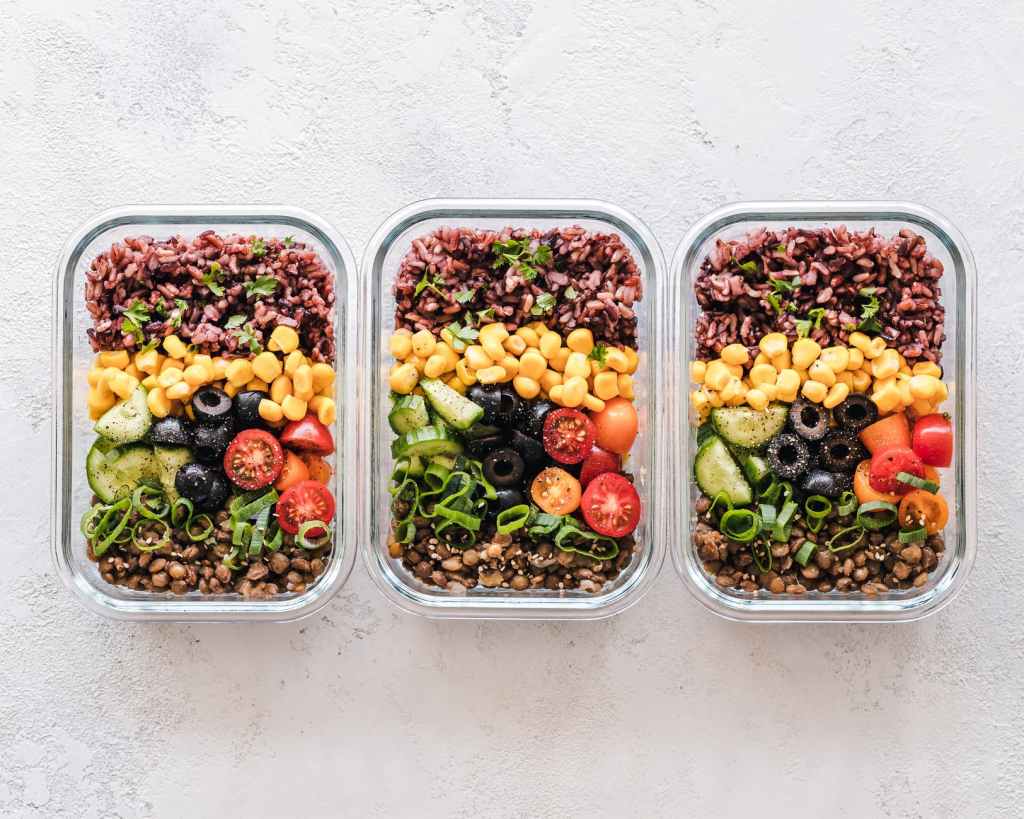
2. Eat a variety of foods in a balanced way
3. Enjoy food in moderation

Therapy :

1. Acceptance and Commitment Therapy (ACT)
2. Radically Open Dialectical Behavior Therapy (RO DBT)
3. Dialectical Behavior Therapy (DBT)
4. Cognitive Behavioral Therapy (CBT)
5. Exposure Therapy

Family-Based Therapy :

Family-based therapy is shown to improve eating disorder treatment outcomes  increasing one’s chance of a full recovery. Family and caregiver support is especially critical for younger patients, but family involvement and family therapy are encouraged for all patients seeking help for eating disorders, including adults.

Medication :

In eating disorder treatment, medications may be prescribed to address physical health concerns and complications related to the eating disorder.


How to Live a Healthier Lifestyle

The phrase ‘healthy lifestyle’ is an abbreviated definition of what it looks like to live a vibrant, active life with a healthy body and healthy mind. Creating a healthy lifestyle doesn’t have to mean drastic changes. Making gradual small changes to your daily routine can have a big impact.

What Is a Healthy Lifestyle?
You know the obvious behaviors that describe someone who is healthy and takes care of themselves. A healthy person doesn’t smoke, tries to maintain a healthy weight, eats healthy foods with plenty of fruits, vegetables and fiber and, of course, exercises on a regular basis.

Then there are other elements to add to the list. A healthy person also knows how to manage stress, gets good quality sleep each night, doesn’t drink too much, doesn’t sit too much—basically, does everything in moderation all the time. When you look at everything that could possibly go into a healthy lifestyle, you can see just how hard all of those things are in our current world.


The good news is, you don’t have to change everything at the same time. In fact, the trick to healthy living is making small changes—taking more steps each day,1 adding fruit to your cereal, having an extra glass of water, or saying no to that second helping of buttery mashed potatoes. One thing you can do right now to make your lifestyle healthier is to move more.


Benefits of Physical Activity
You know you need to exercise, but there are many excuses not to do it. You’re too busy, don’t know where to start, you’re not motivated or you’re afraid you’ll injure yourself. Maybe you think exercise has to be really hard or it isn’t good enough.

Whatever definition you have about what exercise is or isn’t, the bottom line is that exercise is movement. Whether it’s walking around the block or running a marathon, that movement is exercise and every time you move more than you normally do, it counts.


Healthy Weight Loss or Maintenance
Even if you opt for small changes, the benefits are still pretty amazing. For example, increasing your activity level can help you to reach and maintain a healthy weight. If you are currently overweight, small steps toward that goal can have an impact.

Dubal Collaboration Plans To Build ‘Food Secure Future’ Centers Around India


Food secure future is a significant issue for the United Arab Emirates (UAE) yet in addition for India. Worldwide Food Policy Research Institute (IFPRI), truth be told, cautions that evolving environment, developing worldwide populace, rising food costs and natural stressors will uncertainly affect food security in the coming many years. Notwithstanding, industry specialists and strategy creators accept that the UAE and India can up their synergistic endeavors to handle food security issues towards accomplishing food independence.


This is because the United Arab Emirates is India’s third largest trading partner with the bilateral trade of US$ 59.1 billion in 2019-20. Furthermore, it is a well-known fact that India wants to work very closely with the UAE as a reliable partner in food security. India’s food corridor is slated to attract investments to the tune of US$ 7 billion. Dubai can be a gateway for Indian companies in agriculture and food processing sector to take their products and services globally. This is the opinion of Dr Aman Puri council general of India.

According to him the UA should not be looked at as just a market of 10 million consumers rather it is is beneficial to the entire middle East and North African region. It is considered food secure due to its ability to import food from international markets.


The food technology valley aims at promoting innovation in agriculture to achieve food security from sustainable sources. Dubai is already adopting the new age farming technologies, vertical farming, smart farming, aeroponics, hydroponics, LOT and other new technologies have resulted in a 53% increase in output in agriculture.

The capital intensive nature of the Emirates aptly suits India which needs funding infusions for infrastructure creation. All the sovereign wealth funds have an investor bill capacity of around US$ 1.2 trillion which is growing at a rate of 18 % per annum.


India is on the threshold of a landmark change in the nature of food processing it is now moving towards value-added process and ready to eat foods. Thus, there has never been a better time for the Indian companies to tap the opportunities that the UAE and Dubai throw up. With the peceeding opportunities, both UAE and India face a common challengeas well, in the creation of value chain perspective, that is, end-to-end, farm-to-fork. So, moving forward, the two countries can deepen their collaboration and help each other in achieving this goal.

-Ananya Kaushal

Dealing With Dandruff

CAUSES OF DANDRUFF

Although the cause of dandruff is not completely understood, it is currently theorized that one of the main causes is a breakdown of the scalps natural lipid barrier, leaving it more exposed to infection by the microscopic yeast that is commonly found in the scalp. When the yeast overgrows, it leads to an inflammatory response that kills off scalp cells at a high rate, which in turn slough off in sticky patches and flakes.


The condition is identified by:

– White or clear flakes on the scalp, through the hair, and on clothing.

– Itchy scalp which may be red and inflamed.

Some young teens find they develop dandruff when they hit puberty because their hygiene habits haven’t changed to meet the challenges of newly accelerated sebum production.

Stress, poor hygiene and poor diet can make the scalp more susceptible to dandruff. High sugar foods in particular are known to exacerbate yeast infections.

The hair should be brushed regularly to loosen flakes and stimulate blood supply to the scalp, which will accelerate the natural immune response to infection.

TREATING DANDRUFF

There are few habits you can develop and natural treatments you can use to treat dandruff.


Nutrition: An excess of sugar in the diet can exacerbate any yeast infection. Try reducing your intake of all sugars and refined starches while treating for dandruff.


Cleansing: Massage your scalp thoroughly with your fingertips when shampooing. This will help loosen and remove any dead skin flakes and help prevent the infection from continuing. Wash your hair daily until the infection is cleared up.

Conditioning: Use a protective hair condition on the ends of hair only. Avoid getting conditioner on your scalp where it can clog pores and interfere with healing of the skin.

Other Treatments:

– Massage: Massaging your scalp several times a day with the pads of the fingers only will stimulate blood supply to the hair follicles and help loosen the dead skin flakes.

– Brushing: Brushing your hair thoroughly on a daily basis will help loosen and remove dead skin flakes, increase the smooth flow of sebum along the hair shaft, and increase blood supply to the hair follicles.

– Wash Hands After Brushing and Grooming Hair: Fungal infections of the skin are highly contagious, and it is easy to reinfect and spread to other areas of the body. This is why it’s important to wash your hair daily and to brush out any loose dandruff flakes – so that healthy areas of the scalp will not be infected. Washing your hands after brushing, massaging and grooming your hair will also help prevent reinfection or cross infection.

The following herbs and nutrients have been shown to reduce dandruff infections:

Natural Internal Treatments for Dandruff

Alpha-Lipoic Acid, Vanadyl Sulfate, Gynema Sylvestre and Chromium are all natural regulators of blood sugar levels. The can help prevent feeding the infection by keeping blood sugar levels normalized.

Olive Leaf and Oregano Leaf are both natural systemic antifungal agents.

Natural External Treatments for Dandruff

The following herbs can be used as a tonic for reducing fungal infections on a topical basis. Extracts of these herbs or a several drops of their essential oils dissolved in aloe vera gel or witch hazel can greatly relieve the symptoms of itching and flaking in dandruff. Tea tree oil is particularly effective against fungal and bacterial infections.

Clary Sage

Desert Sage

Eucalyptus

Fumitory

Ginkgo Biloba

Ginsen

Grapefruit Seed Extract

Grapefruit Essential Oil

Grapeseed Extract

Juniper Berry Essential Oil

Lavender Essential Oil

Lemongrass

Myrtle

Oregano

Poike Root

Heath Benefits Of Cycling 15 Minutes A Day

When done properly, cycling is an effective and enjoyable form of aerobic exercise. Cycling can reduce the risk of heart disease, high blood pressure, obesity and diabetes according to a report by Kelley GA. Effects of Aerobic exercise in normotensive adults, 1995. It can reduce your ‘real age’, lowering it more than a decade lower than your chronological age.

The indirect health benefits include reducing serious injuries caused by falls in older people, osteoporosis, and hip fractures.

Statistics show that cyclists, even those who only travel short distances can reduce the risk of death by 22 per cent.

Optimum results are achieved when cyclists are breathing heavily, but are not out of breath. Exercise has been shown to increase HDL (“good” cholesterol) and reduce the amount of triglycerides in the blood. Again, this means improved cardiovascular health. This leads to a reduced chance of heart blockage and reduces the risk of stroke. There are some reports that link exercise to a lowered risk of developing some cancer, like colon cancer.

Cycling burns the calories in a chocolate bar or a couple of alcoholic drinks in one hour, 300 calories. Translated into modern lifestyle terms, a fifteen-minute bike ride, five times a week, burns off 11 pounds of fat a year and meets the requirements for reducing heath risks.

There is a trick to exercising. Running a nine-minute-mile burns 11 calories a minute. Walking at 18 minutes per mile burns five. Faster exercise burns more calories.

Exercise continues to burn fat after the workout ends. Once the sweating stops the body’s metabolisms remains high. You can you increase the post-exercise burn?

A few scientific studies suggest that exercising for 20 minutes at 35 to 55% of aerobic capacity, as in riding briskly, elevated metabolism for 20 minutes after stopping. That means that a 20 minute, brisk bike ride burns fat for 40 minutes.

Cycling has been proven to reduce stress and depression and relieve symptoms of premenstrual syndrome.

The Department of Transport reports that ‘even a small amount of cycling can lead to significant gains in fitness’. The study reveals that aerobic fitness was boosted by 11 per cent after six weeks of cycling ‘short distances’ four times a week and cycling four miles a day the aerobic benefit increased to 17 per cent.

The Fentem PH. ABC of sports medicine report, Benefits of exercise in health and disease, 1994 concludes that cycling is ‘one of the few physical activities which can be undertaken by the majority of the population as part of a daily routine’.

The choice of bike is a personal thing.

Most people never cycle more than five miles, so choosing an expensive bike designed to challenge the most adventurous dare devils. Instead, choose a bike that will manage the local terrain, comfortably.

Equipment needs will also vary. Older people should consider elbow and knee guards. These will help prevent debilitating joint injuries that can seriously limit your mobility. A helmet is not optional.

Do not buy a helmet from a local hardware store. Get one from a bicycle specialty store. The selection is larger, and the quality better. Shopping at an online store can also save money.

Once introduced into the bicyle riding community, you’ll soon set out on your daily cycle for the joy of it. Health benefits will be secondary

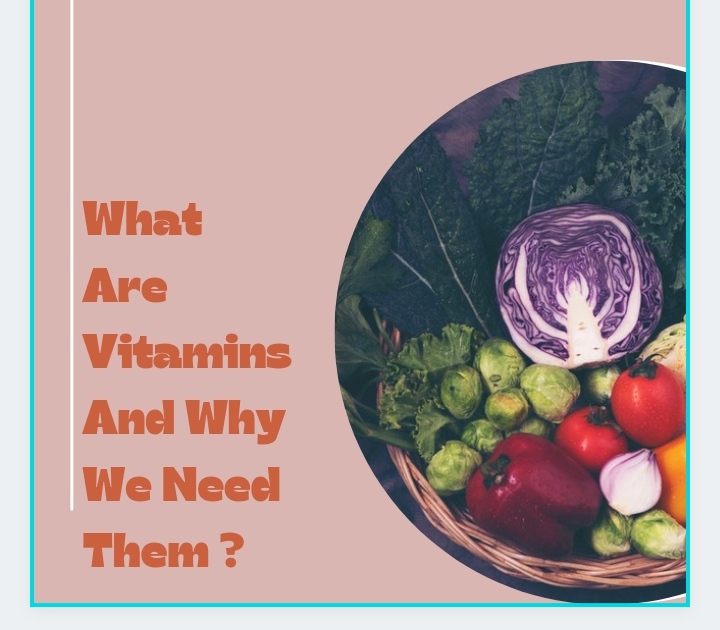
What Are Vitamins And Why We Need Them?

We must obtain vitamins from natural foods, or dietary supplements in order to sustain life.
When I mention the word vitamin, most people think pill. Thinking pill brings to mind confusing images of medicine and drugs. Though vitamins can and certainly often do the work of both medicine and drugs,they are neither.
Quite simply, vitamins are organic substances necessary for life. Vitamins
are essential to the normal functioning of our bodies and, save for a few exceptions, cannot be manufactured or synthesized internally. Necessary for
our growth, vitality, and general well-being, they are found in minute quantities in all natural food. We must obtain vitamins from these foods or from dietary supplements.
What you have to keep in mind is that supplements, which are available
in tablet, capsule, liquid, powder, spray, patch, and injection forms, are still just food substances, and, unless synthetic, are also derived from living plant sand animals.
It is impossible to sustain life without all the essential vitamins.
What Vitamins Are Not
Vitamins are neither pep pills nor substitutes for food.
A lot of people think vitamins can replace food. They cannot. In fact, vitamins cannot be assimilated without ingesting food. There are a lot of erroneous beliefs about vitamins, and I hope this book can clear up most of them.Vitamins are not pep pills and have no caloric or energy value of
their own.
Vitamins are not substitutes for protein or for any other nutrients, such as minerals, fats, carbohydrates, water or even for each other!
Vitamins themselves are not the components of our body structures.
You cannot take vitamins, stop eating, and expect to be healthy.

How They Work

If you think of the body as an automobile’s combustion engine and vitamins as spark plugs, you have a fairly good idea of how these amazing minute food substances work for us.
Vitamins regulate our metabolism through enzyme systems. A single deficiency can endanger the whole body.Vitamins are components of our enzyme systems which, acting like spar
plugs, energize and regulate our metabolism, keeping us tuned up and functioning at high performance.
Compared with our intake of other nutrients like proteins, fats, and carbo
hydrates, our vitamin intake (even on some mega dose regimens) is minuscule. But a deficiency in even one vitamin can endanger the whole human body.
But, you should always remember that supplements are supplements and not replacement of regular and healthy food. Without food, they will not work.

Seven Tips For A Long And Healthy Life

As good as modern medical technology is, it can never save you from the problems caused by a life style that is unhealthy. Instead of getting a modern medical fix for every problem, it is far better to live in such a way that you will hardly ever fall ill.

An ounce of prevention is certainly better than a pound of cure. Here are seven tips on how to live a long and healthy life. In addition, the same life style that helps you to avoid illness also helps you to lose weight.

1. Get Enough Exercise

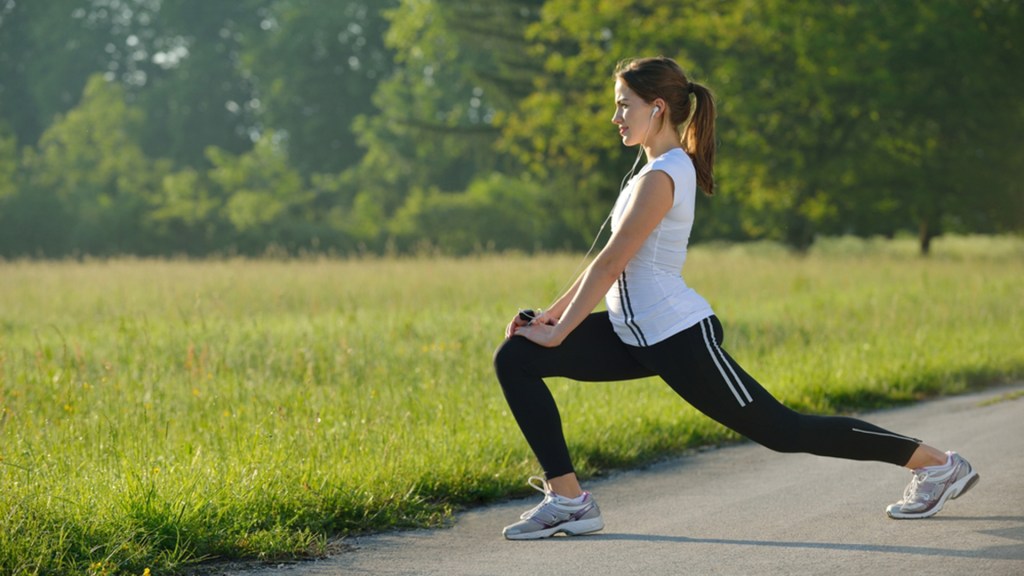
In the past people had to use their physical bodies in the course of their normal work. But today someone may get up, go to work in a car, then sit down, get up to go home in the car and when arriving at home, sit down again for the rest of the day. In such a life there is no physical labor. This physical inactivity is one of the main reasons for a host of diseases. Sport, running. walking and other things must be added to our life if our normal work does not require us to exert ourselves physically. I

2. Go to sleep when you feel sleepy

This may sound simple, but many people stay up late even when their body is telling them that it is time to sleep. Yoga and Ayurvedic doctors also say that it is better to sleep in the night and be active during the day. However, people such as students will take coffee and stimulants to study late into the night. Others develop the habit of remaining active at night and sleeping during the day. While we can do this, it eventually takes a toll on health. Alternative health doctors say that this kind of unnatural living is one of the contributing factors in the causation of cancer and other diseases

3. Eat when you feel hungry

This is also a simple idea, but once again we often go against the messages of the body. If you eat out of habit or due to social pressure at certain time of the day, even when you have no real appetite, then you will not digest your food properly. Acidity and indigestion begin, and this contributes to the likelihood of other more complex diseases taking root. Having an appetite is actually a sign of good health, but if you have no appetite you should wait a bit and then eat. (If you have no appetite even after awaiting a reasonable amount of time, then you should consult a doctor because something is wrong.)

4.Fast on a Regular, Systematic Basis

If you would ask any person to work 365 days per year without any rest, they would complain and say that they must have some rest or else they will break down. But we have never bothered to ask or to think about our digestive organs which we compel to work day after day without a rest. They cannot protest the way a person would to his boss, but they do give us signals that they cannot work non-stop. When we ignore those signals and still compel them to work, those organs break down. That is why periodic fasting is necessary. Refrain from eating for one complete day. This gives a rest to your digestive organs and also helps in the elimination of wastes from your body. Regular fasting allows a person to gain extra time for intellectual or spiritual pursuits. Fasting is not for hermits in a cave, but is a sensible practice that anyone can practice.

5. Wash with cool water before going to bed

As mentioned above, proper sleep is essential for the maintenance of health. If you wash your important motor and sensory organs (hands, arms, eyes, legs, mouth, genitals) before sleep using cool water, this will relax you and prepare you for deep sleep.

6. Perform meditation on a regular basis

Your body is linked to your mind. Many of the diseases of this era are psychosomatic. Stress and anxiety take their toll on our physical health. Meditation is a mental exercise which, among other things, allows you to detach yourself from the worries of life. Learn a simple technique and do it regularly.

7. Get up early every day

Once again the old proverb, “Early to bed, early to rise makes a person healthy, wealthy and wise.” I don’t know if it will make you wealthy, but it will certainly make you healthy. Your body needs just enough sleep, not too much and not too little.

Follow these tips and you can’t go wrong.

Benefits of Regular Exercise

Exercise is defined as any movement that makes your muscles work and requires your body to burn calories.

There are many types of physical activity, including swimming, running, jogging, walking, and dancing, to name a few.

Here are the fews ways regular exercise benefits your body and brain.

It can make you feel happier

Exercise has been shown to improve your mood and decrease feelings of depression, anxiety, and stress.

It produces changes in the parts of the brain that regulate stress and anxiety. It can also increase brain sensitivity for the hormones serotonin and norepinephrine, which relieve feelings of depression.

Additionally, exercise can increase the production of endorphins, which are known to help produce positive feelings and reduce the perception of pain.

It can help with weight loss

Some studies have shown that inactivity is a major factor in weight gain and obesity.

To understand the effect of exercise on weight reduction, it is important to understand the relationship between exercise and energy expenditure.

Your body spends energy in three ways:

👉digesting food
👉exercising
👉maintaining body functions like your heartbeat and breathing
While dieting, a reduced calorie intake will lower your metabolic rate, which can delay weight loss. On the contrary, regular exercise has been shown to increase your metabolic rate, which can burn more calories to help you lose weight.

It can help skin health

Your skin can be affected by the amount of oxidative stress in your body.

Oxidative stress occurs when the body’s antioxidant defenses cannot completely repair the cell damage caused by compounds known as free radicals. This can damage the structure of the cells and negatively impact your skin.

Even though intense and exhaustive physical activity can contribute to oxidative damage, regular moderate exercise can actually increase your body’s production of natural antioxidants, which help protect cells.

“Good things come to those who sweat.”