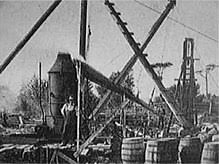
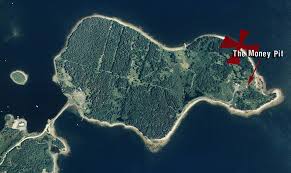
Oak Island located on the south shore of Nova Scotia, Canada has been an attraction for treasure Hunters since the late 1700s. It was rumoured that Captain Kidds treasure has been buried in the Oak Island.With a little evidence found in the early excavation peoples started to publish stories and documents in 1856. The original Searchers spot on the island which attracts the Treasure Hunters called ‘The Money pit’
Money pit
Theories about the artefact that are present on the island range from pirate treasure to Shakespearean manuscripts, to possibly the Holy Grail or the Ark of the Covenant, with the Grail and the Ark.The items found on the surface have been carbon dated and found to be hundreds of years old. However, no item such as treasure has been found in the excavation. ‘The curse’ said that 7 men will die in the search of the treasure and after their death the treasure will be found.Six men have died till now.
More than 50 books have been written on the hidden treasure but no confirmed treasure has been found still. A television series ‘Curse of the Oak Island ‘ is based on the treasure search .Humans are still in search of the treasure of the oak island.
Disappearance of the Malaysian Flight 370
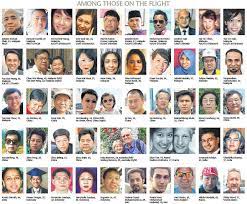
While flying from Malaysia to China on 8th March 2014 the Malaysian flight 370 carrying 239 passengers and crew members got lost into thin air. A multinational search was carried out which was the largest search in the history of aviation.A lot of conspiracy theories were developed .Nothing of the ship was found except some pieces of aircraft debris.
the passengers of the flight
The prime minister of Malaysia said nothing other than the disappearance of the flight over the Indian ocean.Theories includes hijacking,capture by the united nations or the crew suicide ,fire aboard the aircraft, alien abduction, meteor strike or entry into the sea.Almost after 6 years now and expenditures of millions of dollars in search of the flight, the disappearance of the flight and the 239 passengers still remains a mystery unsolved.
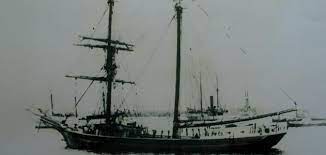
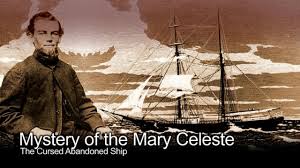
Mary Celeste ship
On 4th December 1872 the ship Mary Celeste was found deserted in the Atlantic ocean with no human onboard and a lifeboat missing. The ship had left New York on 7th November 1872 and when found was in proper sail worthy condition with everything intact.The belonging of the crew members was also undisturbed. None of the people who were on board were ever seen or heard again. The ship was captained by Benjamin briggs who went on board with his wife and a 2 year old daughter. Brigges chose his crew with great care. The last log written on the ship was 10 day before the ship was found by a Canadian brigantine Dei Gratia .
mary celeste
Mary Celeste was built in Spencer’s Island and launched under British administration as Amazon in 1861. She was transferred to American ownership and registration in 1868, when she acquired her new name. Thereafter she sailed eventually, until her 1872 voyage. At the hearings in Gibraltar following her recovery, the court’s officers considered various possibilities of foul play, including fraud by Mary Celeste’s crew, piracy by the Dei Gratia crew or others, and conspiracy to carry out insurance or fraud. However ,no convincing evidence supporting these theories were found.
Hypotheses include the effects on the crew of alcohol fumes rising from the cargo,submarineearthquake,watersports, attack by a giant squid or sea monsters, and paranormal intervention. A lot of false story about the ship were rumoured and films, plays and novels were written about the ship .After the hearing the ship was taken back to work under her new owner until 1885 when it was taken off coast.The mystery about the missing crew members and the ship being deserted is still unexplained.
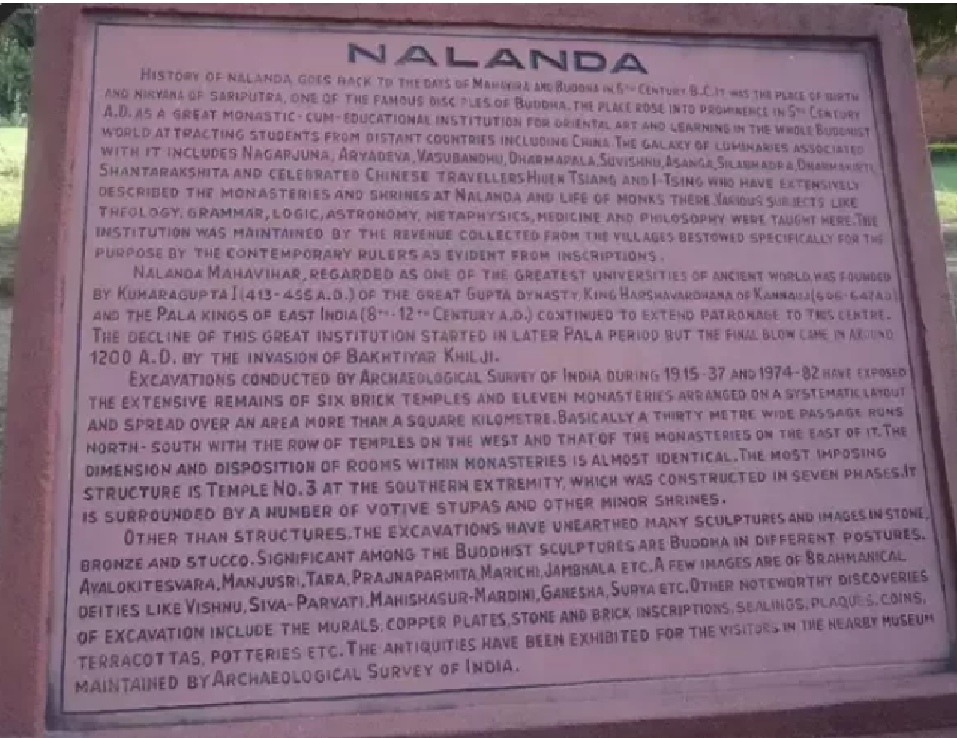
The origins of this scholastic institution in 5th century CE. It served for an uninterrupted duration of 800 years
The university thrived under the patronage of the rulers of the Gupta dynasty during the 5th and 6th centuries.
It continued to flourish under Emperor Harshavardhan of Kannauj in the 7th century as well.
The growth and the popularity of the university continued until the 9th century.
The declination of Nalanda University was primarily due to the establishment of four other seats of Buddhist learning in the same region under the Pala Empire from the 9th century to the 12th century
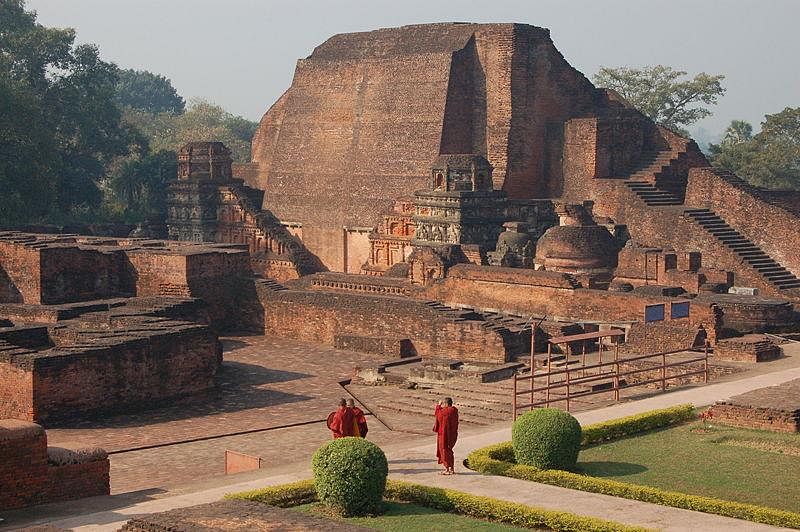
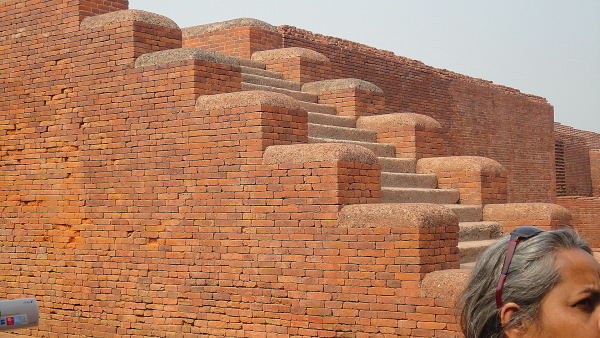
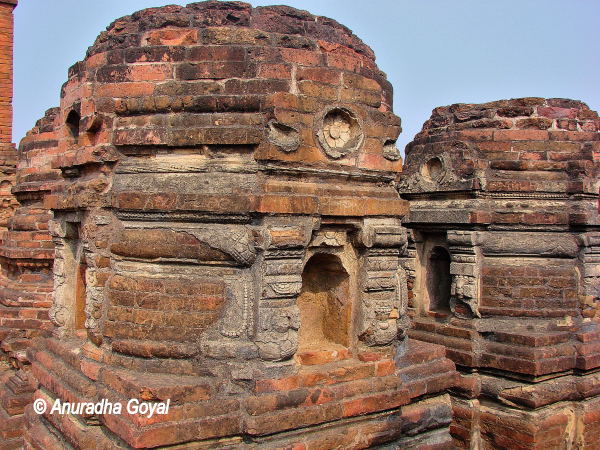
Small stupas
FACTS
Taken by Kirti kumari
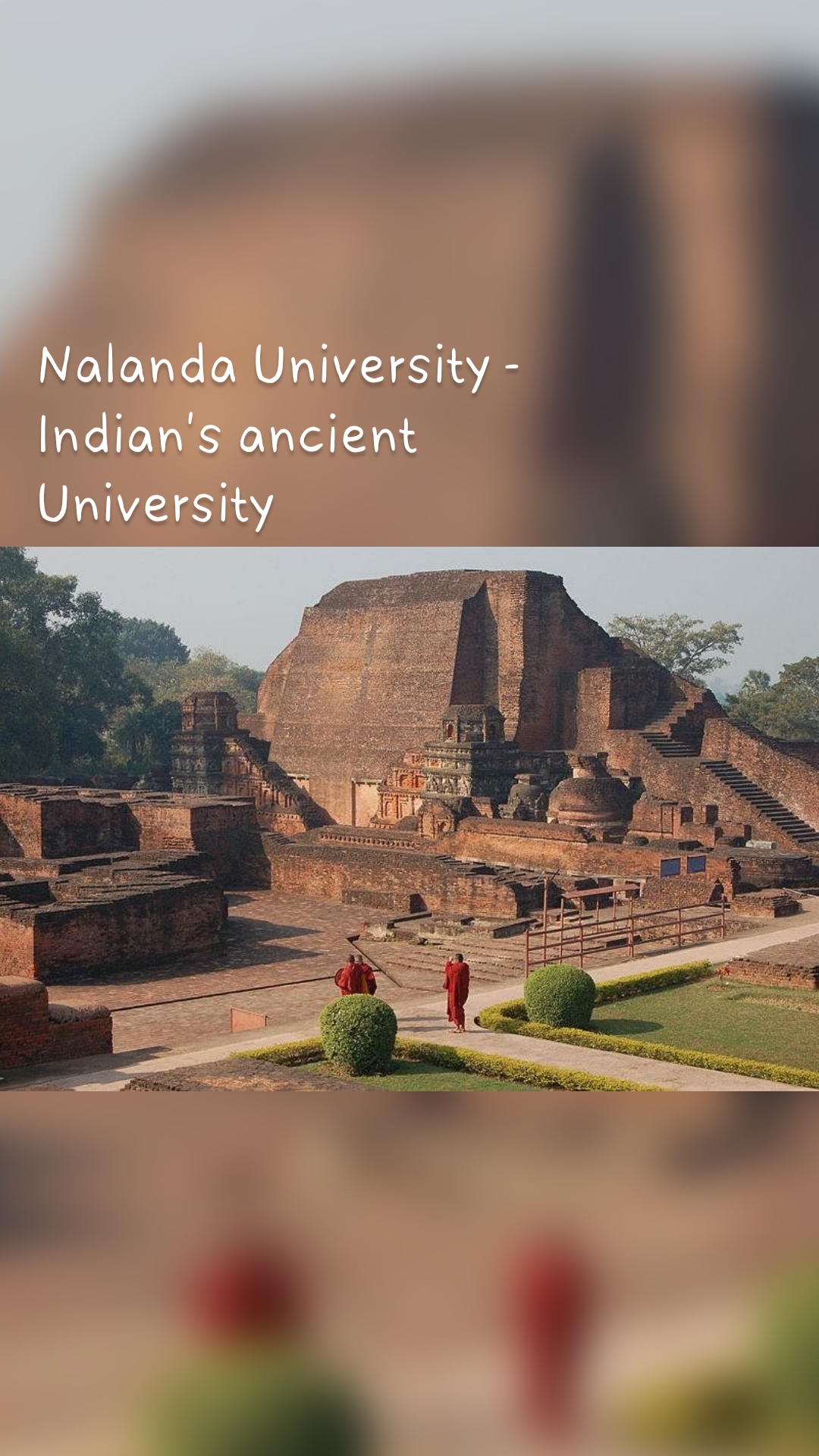
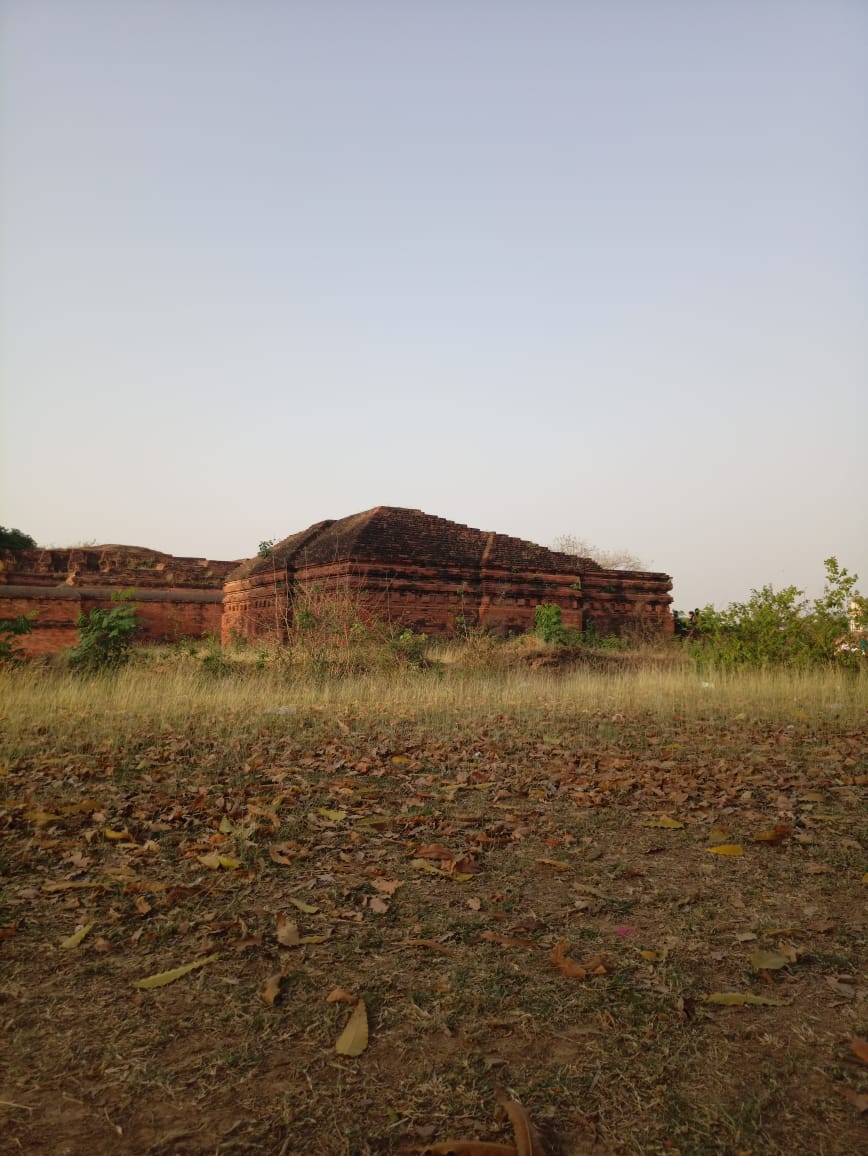
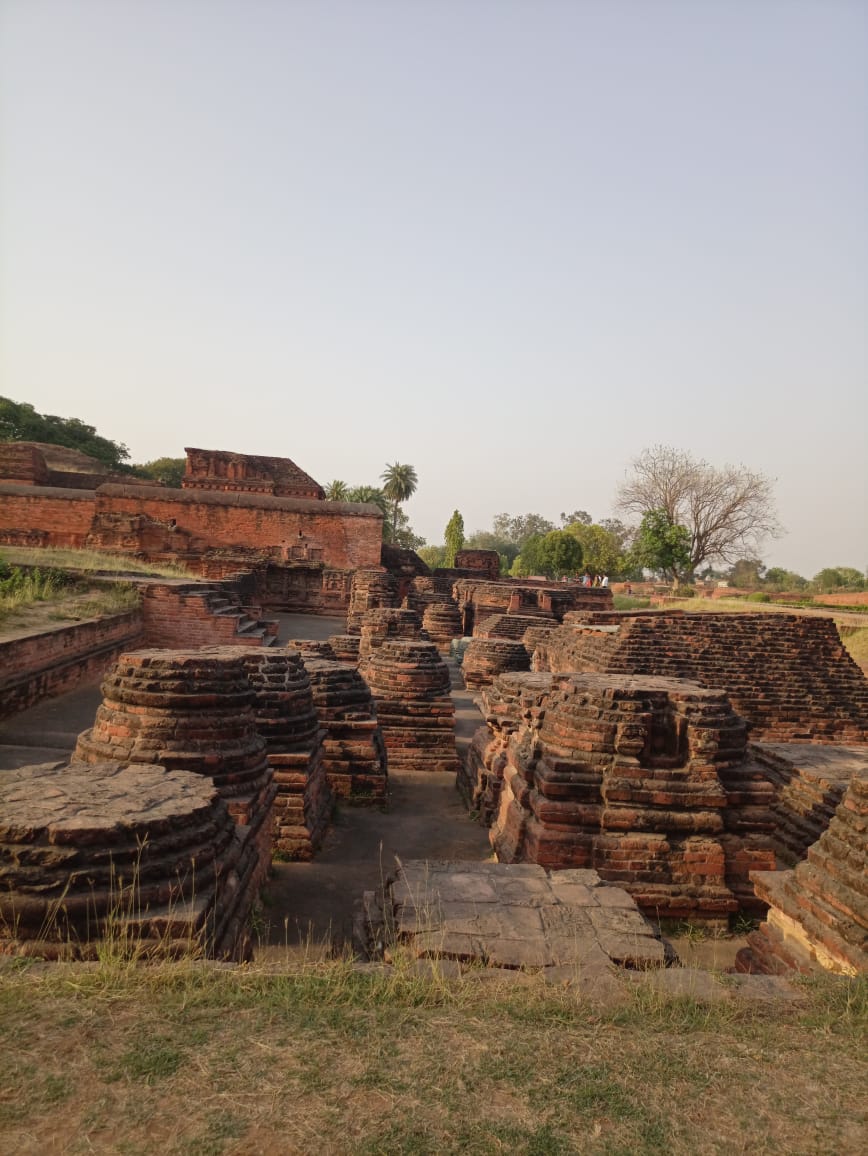
Remains of university
Oldest university with hostel facilities in India.
The massive library of Nalanda was called Dharma Gunj, meaning the Treasury of Truth or the Mountain of Truth.
It contained hundreds of thousands of books.
The subjects taught at Nalanda covered in every field of learning, and it attracted pupils and scholars from Korea, Japan, China, Tibet, Indonesia, Persia and Turkey
It is believed that the library of Nalanda was so huge that it burned for months after the university was ransacked by Bakhtiyar Khilji and the library was set on fire.
Nalanda was attacked three times by the invaders –
The Huns
The Gaudas
Bhaktiyar Khilji – who brought about its complete destruction.
Archeologists and historians are of the opinion that just 10% of the Nalanda campus has been excavated till date. Around 90% remain to be excavated.
The ruins of Nalanda were the location for the shooting of the popular song “O Mere Raja” from the Bollywood movie Johny Mera Naam starring Hema Malini and Dev Anand.
By Kirti kumari
DECLINATION
Ruins of Nalanda University
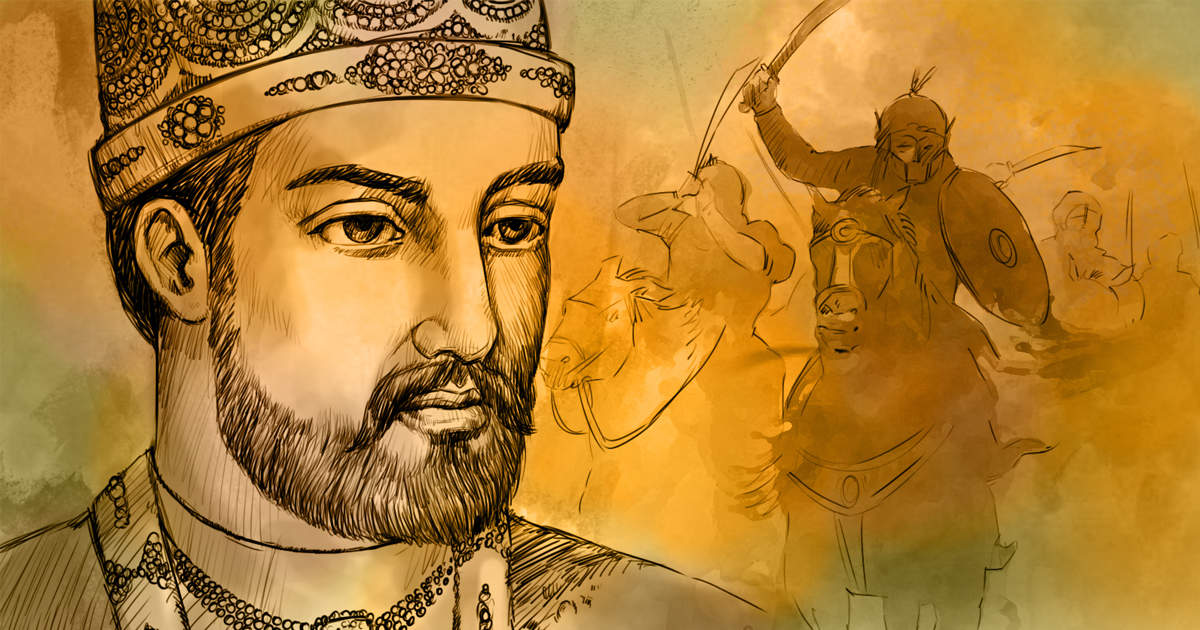
Muḥammad Bakhtiyar Khalji, a Turkic invader destroyed the Nalanda University in 1202 AD.
Bakhtiyar Khilji
At that time Bakhtiyar Khilji had captured some areas ruled by Buddhists in North India and once he became quite ill. He got enough treatment from his princes but he could not recover and reached a moribund condition.
Then someone advised him to take the treatment from Acharya Rahul Sribhadra, who was head of Ayurveda department of Nalanda University. But Khilji was not ready for this. He had more faith in his princes. He was not willing to believe that Indian physicians have more knowledge than his wife and their masters.
But to save his life he had to call Acharya Rahul Sribhadra, head of Ayurveda department of Nalanda University. Then Bakhtiar Khilji put a strange condition in front of Vaidyaraj that I will not eat any kind of medicine given by him. They had to fix it without medication. After thinking of this, Vaidyaraj accepted his condition and after a few days, he came to Khilji with a Quran and said that he had to read the page of the Quran. And after reading these pages you will free from illness.
Bakhtiar Khilji read the Quran as Vaidyaraj said he was cured.
“It is said that Rahul Shribhadra applied for medicine on some pages of the Quran. and as he started reading those pages of the Quran he kept on recovering.”
After recovering khilji was shocked by the fact that an Indian scholar and teacher had more knowledge than his princes and countryman.
After this, he decided to destroy the roots of Buddhism and Ayurveda. As a result, Khilji set fire to the great library of Nalanda and burned around 9 million manuscripts.
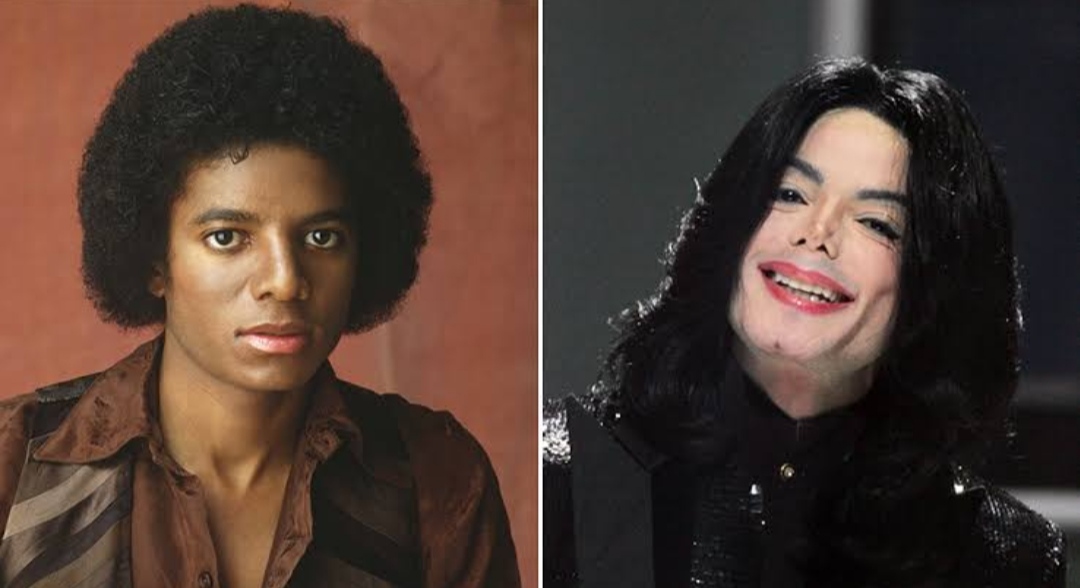
Michael Joseph Jackson(1958-2009) also popularly known as Michael Jackson,was an American singer, songwriter, and dancer. He is famously known as king of pop,he is regarded as one of the most significant cultural figures of the 20th century.
His contributions to music, dance, fashion, and philanthropy, made him a global figure.
He influenced many people, many genres across the world through stage and video performances.
His popularized dance moves like moon walk , still this complicated dance gestures is creating popularity, records.He is the most awarded music artist in history.
Jackson is one of the best selling music artists of all time, with estimated sales of over 350 million records worldwide. For his incredible contribution to music,dance he was honoured with 15 Grammy awards, six Brit awards, a golden globe award, and 39 Guinness world records.
Michael Jackson, also known as most commercially successful entertainers of all time. At the age of 50, Michael Jackson passed away,at his home in Los Angeles, California, after suffering from cardiac arrest caused by a fatal combination of drugs given to him by his personal doctor.
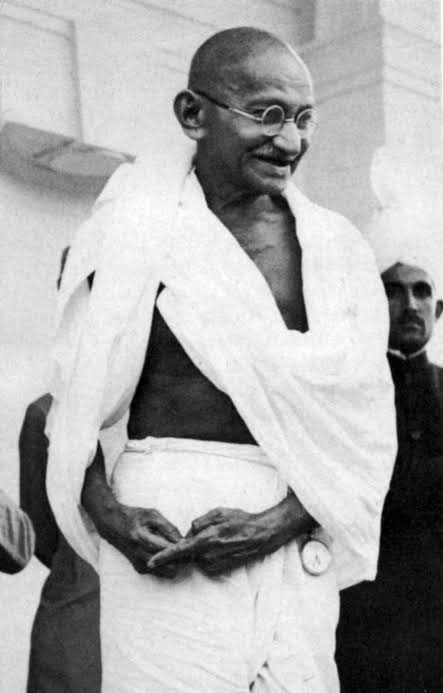
Revered the world over for his nonviolent philosophy of passive resistance, Mohandas Karamchand Gandhi was known to his many followers as Mahatma, or “the great-souled one.” He began his activism as an Indian immigrant in South Africa in the early 1900s, and in the years following World War I became the leading figure in India’s struggle to gain independence from Great Britain. Known for his ascetic lifestyle–he often dressed only in a loincloth and shawl–and devout Hindu faith, Gandhi was imprisoned several times during his pursuit of non-cooperation, and undertook a number of hunger strikes to protest the oppression of India’s poorest classes, among other injustices. After Partition in 1947, he continued to work toward peace between Hindus and Muslims. Gandhi was shot to death in Delhi in January 1948 by a Hindu fundamentalist.
Early Life
Mohandas Karamchand Gandhi was born on October 2, 1869, at Porbandar, in the present-day Indian state of Gujarat. His father was the dewan (chief minister) of Porbandar; his deeply religious mother was a devoted practitioner of Vaishnavism (worship of the Hindu god Vishnu), influenced by Jainism, an ascetic religion governed by tenets of self-discipline and nonviolence. At the age of 19, Mohandas left home to study law in London at the Inner Temple, one of the city’s four law colleges. Upon returning to India in mid-1891, he set up a law practice in Bombay, but met with little success. He soon accepted a position with an Indian firm that sent him to its office in South Africa. Along with his wife, Kasturbai, and their children, Gandhi remained in South Africa for nearly 20 years.
Did you know? In the famous Salt March of April-May 1930, thousands of Indians followed Gandhi from Ahmadabad to the Arabian Sea. The march resulted in the arrest of nearly 60,000 people, including Gandhi himself
Gandhi was appalled by the discrimination he experienced as an Indian immigrant in South Africa. When a European magistrate in Durban asked him to take off his turban, he refused and left the courtroom. On a train voyage to Pretoria, he was thrown out of a first-class railway compartment and beaten up by a white stagecoach driver after refusing to give up his seat for a European passenger. That train journey served as a turning point for Gandhi, and he soon began developing and teaching the concept of satyagraha (“truth and firmness”), or passive resistance, as a way of non-cooperation with authorities.
The Birth of Passive Resistance
In 1906, after the Transvaal government passed an ordinance regarding the registration of its Indian population, Gandhi led a campaign of civil disobedience that would last for the next eight years. During its final phase in 1913, hundreds of Indians living in South Africa, including women, went to jail, and thousands of striking Indian miners were imprisoned, flogged and even shot. Finally, under pressure from the British and Indian governments, the government of South Africa accepted a compromise negotiated by Gandhi and General Jan Christian Smuts, which included important concessions such as the recognition of Indian marriages and the abolition of the existing poll tax for Indians.
In July 1914, Gandhi left South Africa to return to India. He supported the British war effort in World War I but remained critical of colonial authorities for measures he felt were unjust. In 1919, Gandhi launched an organized campaign of passive resistance in response to Parliament’s passage of the Rowlatt Acts, which gave colonial authorities emergency powers to suppress subversive activities. He backed off after violence broke out–including the massacre by British-led soldiers of some 400 Indians attending a meeting at Amritsar–but only temporarily, and by 1920 he was the most visible figure in the movement for Indian independence.
Leader of a Movement
As part of his nonviolent non-cooperation campaign for home rule, Gandhi stressed the importance of economic independence for India. He particularly advocated the manufacture of khaddar, or homespun cloth, in order to replace imported textiles from Britain. Gandhi’s eloquence and embrace of an ascetic lifestyle based on prayer, fasting and meditation earned him the reverence of his followers, who called him Mahatma (Sanskrit for “the great-souled one”). Invested with all the authority of the Indian National Congress (INC or Congress Party), Gandhi turned the independence movement into a massive organization, leading boycotts of British manufacturers and institutions representing British influence in India, including legislatures and schools.
After sporadic violence broke out, Gandhi announced the end of the resistance movement, to the dismay of his followers. British authorities arrested Gandhi in March 1922 and tried him for sedition; he was sentenced to six years in prison but was released in 1924 after undergoing an operation for appendicitis. He refrained from active participation in politics for the next several years, but in 1930 launched a new civil disobedience campaign against the colonial government’s tax on salt, which greatly affected Indian’s poorest citizens.
A Divided Movement
In 1931, after British authorities made some concessions, Gandhi again called off the resistance movement and agreed to represent the Congress Party at the Round Table Conference in London. Meanwhile, some of his party colleagues–particularly Mohammed Ali Jinnah, a leading voice for India’s Muslim minority–grew frustrated with Gandhi’s methods, and what they saw as a lack of concrete gains. Arrested upon his return by a newly aggressive colonial government, Gandhi began a series of hunger strikes in protest of the treatment of India’s so-called “untouchables” (the poorer classes), whom he renamed Harijans, or “children of God.” The fasting caused an uproar among his followers and resulted in swift reforms by the Hindu community and the government.
In 1934, Gandhi announced his retirement from politics in, as well as his resignation from the Congress Party, in order to concentrate his efforts on working within rural communities. Drawn back into the political fray by the outbreak of World War II, Gandhi again took control of the INC, demanding a British withdrawal from India in return for Indian cooperation with the war effort. Instead, British forces imprisoned the entire Congress leadership, bringing Anglo-Indian relations to a new low point.
Partition and Death of Gandhi
After the Labor Party took power in Britain in 1947, negotiations over Indian home rule began between the British, the Congress Party and the Muslim League (now led by Jinnah). Later that year, Britain granted India its independence but split the country into two dominions: India and Pakistan. Gandhi strongly opposed Partition, but he agreed to it in hopes that after independence Hindus and Muslims could achieve peace internally. Amid the massive riots that followed Partition, Gandhi urged Hindus and Muslims to live peacefully together, and undertook a hunger strike until riots in Calcutta ceased.
In January 1948, Gandhi carried out yet another fast, this time to bring about peace in the city of Delhi. On January 30, 12 days after that fast ended, Gandhi was on his way to an evening prayer meeting in Delhi when he was shot to death by Nathuram Godse, a Hindu fanatic enraged by Mahatma’s efforts to negotiate with Jinnah and other Muslims. The next day, roughly 1 million people followed the procession as Gandhi’s body was carried in state through the streets of the city and cremated on the banks of the holy Jumna River.
Classical economics relates to the school of thought of economics that originated in Britain during the late 18th and early 19th centuries. The classical economists believed in the existence of full employment in the economy. It is believed that ‘The Wealth of Nations’ by Adam Smith published in 1776 marked the beginning of classical economics. J.B. Say, Alfred Marshall, A.C. Pigou are some of the famous classical economists. This school of economics focused on the theory called the ‘invisible hand‘ being the highlight at the beginning stages of domestic and international supply and demand. They assumed the economy to be laissez faire capitalist. It was a closed economy with no foreign trade. Labour was a homogenous and wages were flexible. It assumed the economy to be in the long run.
The Classical school of thought is based on the Law of Markets given by J.B. Say. According to that law “supply creates it’s own demand“. Therefore there can never be the problem of overproduction or unemployment in the economy as whatever is produced is consumed. Unemployment may occur only in the short run and in the long run, economy tends towards full employment. The Classical economists also believed in wage price flexibility. This concept was given by A.C. Pigou. It was basically the formulation of Say’s Law in terms of labour market. According to this, whenever there is unemployment in the economy, a general cut in money wages will restore full employment condition. Unemployment is a consequence of the rigid wage structure. They also believed in the existence of equilibrium in the goods market. It is achieved when savings is equal to investment. This equality is usually brought by the mechanism of interest rate. Similarly, the money market is in equilibrium when the demand for money is equal to the supply of money. This concept was explained in the Quantity Theory of Money.
The Fall of Classical Economics:
During the time of The Great Depression i.e. 1929-1930’s, the classical theory failed to be applicable. It failed to solve the problem of depression that plagued for about 43 months. Keynes criticized the classical theory on several grounds. First and foremost was the classical assumption of full employment equilibrium. Keynes considered it as unrealistic and argued that the situation in the capitalist economy is underemployment and full employment is a special case. He refuted Say’s law of market and stated that it was demand that created supply. He was also against the idea of laissez faire. He believed that self adjustment was not possible in a capitalist system and this was responsible for the Great Depression. He advocated state intervention within the economy through monetary and fiscal measures. The wage price flexibility was also heavily criticised. In the modern world, where workers have trade unions, any cuts in wages will lead to strikes and industrial unrest. Keynes also stressed that equality between savings and investment was not brought by rate of interest but instead by the level of income and marginal efficiency of capital. Lastly, the long run analysis of Classical economy was refuted on the grounds of inapplicability. Since it operated in the long run, it is incapable of solving present day economic problems.
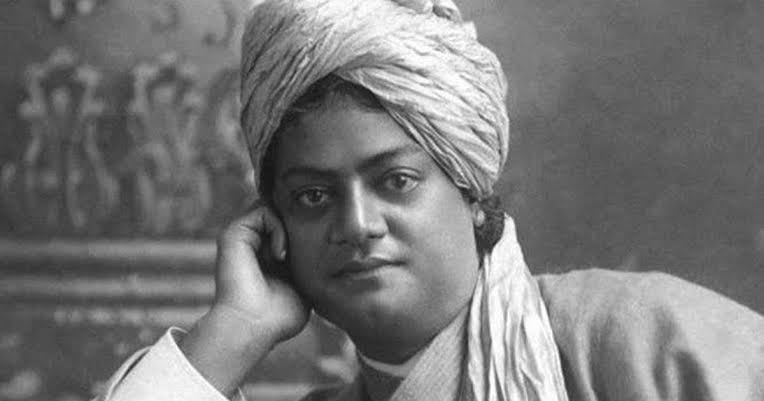
Swami Vivekananda as we all know was born on January 12, 1863 in Calcutta (present day Kolkata). Swami Vivekananda was never religious in his early life but was always interested in spirituality and meditation from young age.
Swami Vivekananda got educated from Calcutta University and had keen interest in subjects like history, religion, social science, philosophy and like. Today, July 4 is his death anniversary and us know five important incidents from his life.
1) Swami Vivekananda at Parliament of World Religions, 1893.
Photo Credits: India TV
Swami Vivekananda became extremely popular when he went to Chicago in 1893 for Parliament of World Religions where he represented India and Hinduism. He addressed Americans as “Sisters and Brothers of America” in his speech which led to widespread appreciation. In this event, he spoke about how the land of Vedas, Yoga and Saints has taught tolerance and universal acceptance to the world.
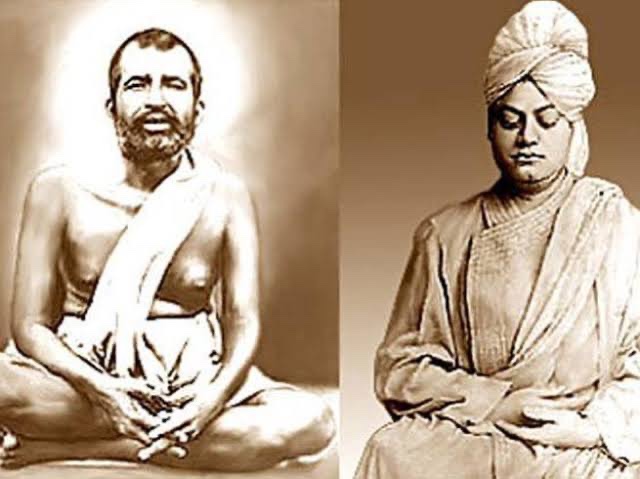
2) First meet of Swami Vivekananda and Ramkrishna Dev.
Photo Credits: Navbharat Times.
Swami Vivekananda met his mentor Ramkrishna Dev first in Dakshineswar Temple in Kolkata where Ramkrishna Dev used to reside but their relationship began when they met at the house of Surendra Nath Mitra. Ramkrishna Dev asked Swami Vivekananda to sing and impressed by his singing talent Ramkrishna Dev invited Swami Vivekananda to Dakshineswar.
3) Life in Dakshineswar, Kolkata.
Photo Credits: Scroll.
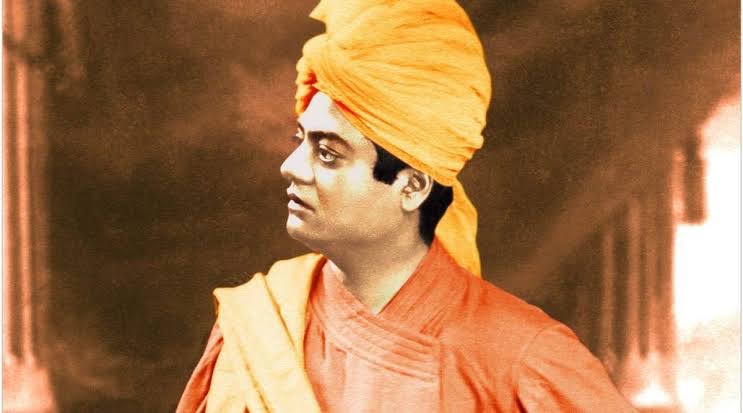
Swami Vivekananda’s constant meetings with Ramkrishna Dev became important and life changing moments for him. Initially, Swami Vivekananda was amused and nervous when he first interacted with Ramkrishna Dev. After giving many tests, Swami Vivekananda finally accepted Ramkrishna Dev as his spiritual teacher in 1882. He remained there until Ramkrishna Dev’s death in 1886.
4) Enlightenment of Swami Vivekananda.
Photo Credits: The Indian Express
Swami Vivekananda once asked Ramkrishna Dev whether there’s any God or not (as Ramkrishna used to keep telling him about God ), to which Ramkrishna Dev replied “I am the proof that God exists”. After three days, Swami Vivekananda retuned to him and asked whether Ramkrishna Dev can show him God or not. Ramkrishna Dev asked a counter question that whether Swami Vivekananda has the courage to see God or not to which Swami Vivekananda replied “Yes”. After this, Ramkrishna Dev placed his foot on Swami Vivekananda’s chest and Swami Vivekananda lost his consciousness after that. He restored his consciousness after twelve hours but he was totally changed by then.
5) Establishment of Ramkrishna Mission and relationship with Sharada Devi.
Photo Credits: Old Indian Photos.
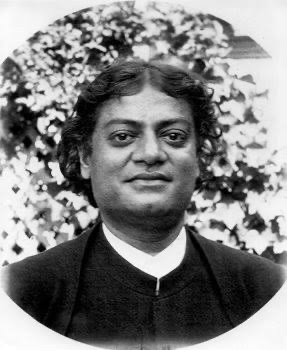
Swami Vivekananda founded The Ramkrishna Mission on May 1, 1897 to honour and recognise the efforts and teachings of Ramkrishna Dev. Swami Vivekananda also had a very respectful and loving approach with Sarada Devi as he went to Chicago in 1893 only after taking her blessings.
At the end let’s apply Swami Vivekananda’s words in real life and as Indians, we should always move towards social equality and individual freedom which were his primary teachings.
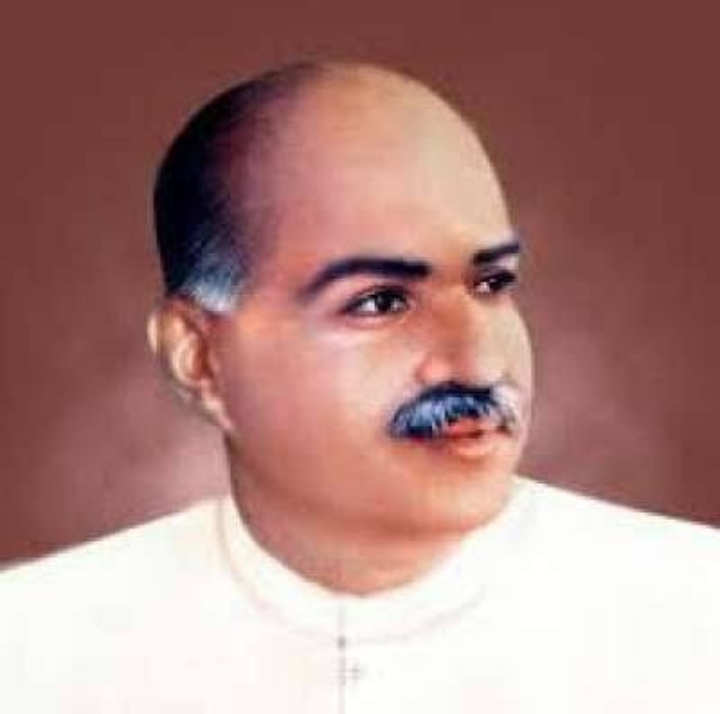
Shyama Prasad Mukherjee is an example of great leadership and political milestone. He was the independent India’s first Minister of Industry and Supply and founder of Bharatiya Jana Sangh. Shyama Prasad was a qualified barrister and was passionate about education.
Shyama Prasad Mukherjee was born in a Bengali family on July 6 in 1901. His father Ashutosh Mukherjee was a judge of the Calcutta High Court. He started his initial education in Bhawanipur’s Mitra Institution in 1906. He passed his matriculation exam and was admitted to Presidency College. He stood seventeenth in the Inter-Arts Examination in 1916 and graduated in English, securing the first position in first class in 1921. He lost his father in 1924, the same year he enrolled as an advocate in Calcutta High Court.
At the age of 33, Shyama Prasad Mukherjee became the youngest vice-chancellor of Calcutta University in 1934. During Mukherjee’s term as Vice-Chancellor, Rabindranath Tagore delivered the university convocation address in Bengali for the first time, and the Indian vernacular was introduced as a subject for the highest examination.
He would have preferred to spend a lifetime in the hallowed portal of goddess Saraswati. However, the perilous political situation in undivided Bengal in the late 1930s compelled him to pursue active politics. Over the ensuing 14 years, he came to occupy an important place in national politics, wrote the Vice-President of India M Venkaiah Naidu in The Pioneer.
Mukherjee demanded the partition of Bengal in 1946 to prevent the inclusion of its Hindu-majority areas in a Muslim-dominated East Pakistan. A meeting held by the Mahasabha on April 15, 1947, in Tarakeshwar, authorised him to take steps for ensuring partition of Bengal. In May 1947, Shyama Prasad Mukherjee wrote a letter to Lord Mountbatten telling him that Bengal must be partitioned even if India was not. He also opposed a failed bid for a united but independent Bengal made in 1947 by Sarat Bose, the brother of Subhas Chandra Bose, and Huseyn Shaheed Suhrawardy, a Bengali Muslim politician. It was a great move of Shyama Prasadji because of his anticipation, lives of many bangali Hindus were saved and Bengal became a inseparable part of our India.
After he left the Indian National Congress due to difference of opinion with the then-Prime Minister Dr Jawaharlal Nehru on Jammu and Kashmir issues, he co- founded Janata Party in the year 1977-1979, which later on became the Bharatiya Janata Party.
Shyama Prasad Mukherjee founded Bharatiya Jana Sangh that later became the BJP. The political Right has been opposing Article 370 since the Jan Sangh days. Shyama Prasad Mukherjee, who was known to be a harsh critic of the Congress party in independent India, was against Article 370 and had expressed his displeasure at special status for J&K.
Shyama Prasad Mukherjee questioned why Jammu and Kashmir was kept out of the President’s jurisdiction and why the Congress agreed to a need for special permit to enter J&K. He also questioned why J&K has a ‘sadar-e-riyasat’ instead of governors and a prime minister instead of chief ministers like other states.
After J&K’s merger into Indian Union was passed, a slogan was coined, “Ek desh mein do Vidhan, do Pradhan aur do Nishan nahi chalenge
India had been at war with Pakistan over Jammu and Kashmir and while there was a ceasefire, the conditions were still “unusual and abnormal. Part of the erstwhile state’s territory was still in the hands of “rebels and enemies.
One could not enter Jammu and Kashmir without an official permit. In order to protest and build national awareness for J&K’s complete integration, Shyama Prasad Mukherjee, along with Atal Bihari Vajpayee, travelled across the country and entered J&K on 11 May, 1953, without any permit.
Mukherjee was arrested there by the J&K Police. Shyama Prasad Mukherjee died after 40 days of being arrested by the Jammu and Kashmir State police for entering the state without permit. He passed away in jail under mysterious circumstances.
With Union Home Minister Amit Shah’s announcement in Parliament to revoke Article 370 that gives special status to Jammu and Kashmir, the Bharatiya Janata Party (BJP) has finally realised the dream of its founder Shyama Prasad Mukherjee. By scrapping Article 370, BJP has fulfilled its founder’s dreams.
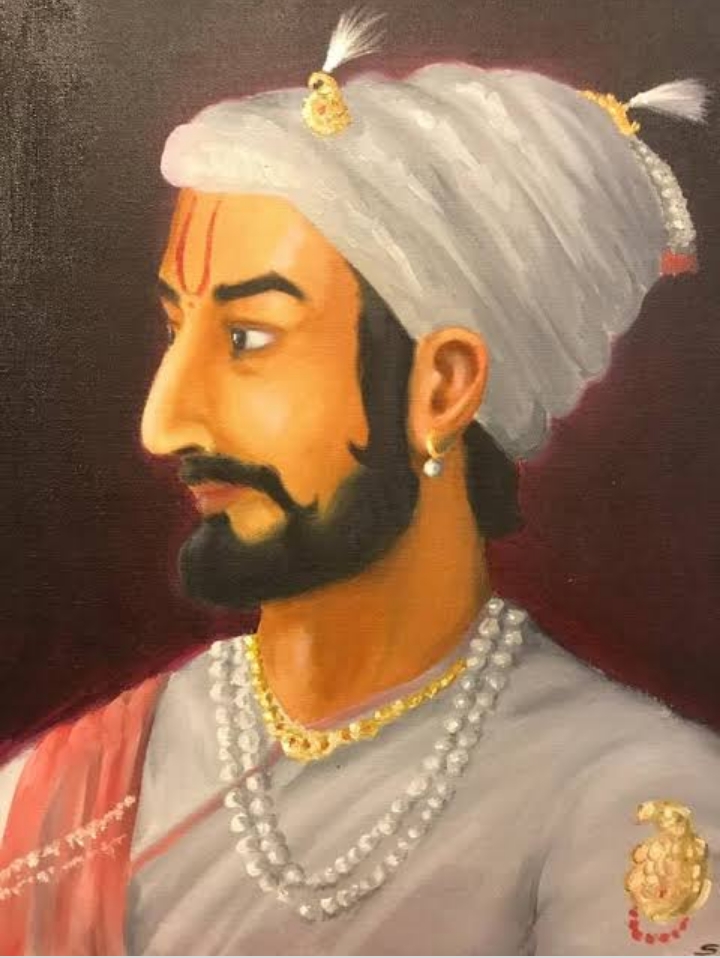
Many Maratha heroes have sacrificed their lives to save Hindutva and one of them the eldest son of Chhatrapati Shivaji Maharaj, Shri Chatrapati Sambhaji Maharaj Bhonsale. He was born on May 14 1657 to his mother Soyarabai. After the death of Shivaji Maharaj, on April 3, 1680, Sambhaji established the Hindu Empire and took over.
Sambhaji lost his mother Sai bai at the age of 2. After her death, his paternal grandmother Jijabai looked after him. Initially his stepmother, Soyarabai, also doted on him a lot. Sambhaji was a tiger cub in the true sense. He was extremely handsome and possessed immense bravery. He was a scholar of Sanskrit and eight other languages. In 1666, he was married to Yesu bai, and later the couple had a son – Shahu. On June 6th, 1674 at the time of the coronation of Shivaji Maharaj, he was declared the prince of the Sovereign Maratha Kingdom.
As a prince, Sambhaji proved his bravery and military brilliance on more than one occasion. He led and won his first war at Ramnagar at the age of 16. During 1675-76 he led successful campaigns in Goa and Karnataka.
Chhatrapati Sambhaji Maharaj was a true Dharmaveer, who just like his father Shivaji, did not bow before Aurangzeb although Aurangzeb brutally tortured Sambhaji Maharaj for more than 40 days. Hindus must learn how to sacrifice for Dharma from Sambhaji Maharaj.
A dramatic accession
Chhatrapati Shivaji passed away in April 1680, and for a good nine months Sambhaji was entangled in a bitter accession struggle with his half-brother Rajaram, who was 10 at the time. Soyrabai, Sambhaji’s stepmother and the mother of Rajaram, plotted against to keep him away from the throne. Ultimately though, Sambhaji gained the support of Maratha commander-in-chief Hambirrao Mohite and in January 1681 was officially crowned ruler of the Marathas. Rajaram, Soyrabai, and their associates were put under house arrest.
The remarkable things that Sambhaji Maharaj achieved in his short life had far-reaching effects on the whole of India. Every Hindu should be grateful to him for that. He valiantly faced the 8 lakh strong army of Aurangzeb and defeated several Mughal chieftains in the battlefield forcing them to retreat. Because of this, Aurangzeb remained engaged in battles in Maharashtra, thus keeping the rest of India free from Aurangzeb’s tyranny for a long time. This can be considered as the greatest achievement of Sambhaji Maharaj. If Sambhaji Maharaj would have arrived at a settlement with Aurangzeb and accepted his proposal of being a tributary prince, then within the next 2 or 3 years Aurangzeb would have captured North India again. However, because of Sambhaji Maharaj and other Maratha ruler’s (Rajaram and Maharani Tarabai) struggle, Aurangzeb was stuck in battles in South India for 27 years. This helped in the establishment of new Hindu kingdoms in the provinces of Bundelkhand, Punjab and Rajasthan in North India; thus providing safety to the Hindu society there.
Efforts for Reconversion to Hinduism
We all know that Shivaji Maharaj reconverted Netaji Palkar to Hinduism. However, it is important to note that Sambhaji Maharaj had established a separate department in his province for the ‘reconversion ceremony’ of the Hindus who had earlier converted into other religions. There is a story of a Brahmin named ‘Kulkarni’ of Harsul village in the history of Sambhaji Maharaj. Kulkarni had been forcibly converted to Islam by the Mughals. He tried to reconvert into Hinduism, but local Brahmins in his village did not pay any heed to him. In the end, Kulkarni met Sambhaji Maharaj and told him about his misery. Sambhaji Maharaj immediately arranged for his reconversion ceremony and reconverted him into a Hindu.This noble initiative of Sambhaji Maharaj helped many converted Hindus to reconvert back into Hinduism.
Face-off with the Mughals
The Mughals were the staunchest enemies of the Marathas during Sambhaji’s reign. One of the first major actions taken by Sambhaji against the Mughals, was when his forces attacked Burhanpur, a wealthy Mughal city in Madhya Pradesh. Sambhaji had planned the attack, being aware of Mughal emperor Aurangzeb’s plans to expand into the Deccan. Burhanpur was an important trading center and Sambhaji’s attack came as a huge blow for the Mughals.
For the next six years, between 1682 and 1688, the Marathas under Sambhaji and the Mughals under Aurangzeb were engaged in multiple battles in the Deccan. The Mughals wanted to acquire possession over the forts held by Marathas in Nashik and Baglana regions. In 1682, they attacked the Ramsej fort near Nashik. However, despite months of failed attempts, the Mughals failed to take control of the fort and were forced to retreat. The Ramsej fort had become an important morale booster for the Marathas.
Capture and Execution
In early 1689, Sambhaji called his commanders for a strategic meeting at Sangameshwar in Konkan. In a meticulously planned operation, Ganoji Shirke (brother of Sambhaji’s wife Yesubai) and Aurangzeb’s commander, Mukarrab Khan attacked Sangameshwar when Sambhaji was about to leave the town. A small ambush followed and Sambhaji was captured by Mughal troops on 1 Feb, 1689. He and his advisor, Kavi Kalash were taken to Bahadurgad. Aurangzeb humiliated them by parading them wearing clown’s clothes. Later, Sambhaji and Kavi Kalash were tied upside down to camels with Mughal soldiers throwing stones, mud, and cow dung at them.
When they were brought face to face with Aurangzeb, the latter offered to let Sambhaji live if he surrendered all the Maratha forts, turned over all his hidden treasures and disclosed the names of all the Mughal officers who had helped him. Sambhaji refused, and instead sang the praises of Mahadev (Lord Shiva). Aurangzeb ordered him and Kavi Kalash to be tortured to death. Sambhaji and Kavi Kalash were brutally tortured for over a fortnight. The torture involved plucking out their eyes and tongue and pulling out their nails. The later part involved removing their skin. On March 11, 1689, Sambhaji was finally killed, reportedly by tearing him apart from the front and back with ‘Wagh Nakhe’ (‘Tiger claws’, a kind of weapon), and was beheaded with an axe. This grievous death was given to him at Vadhu on the banks of the Bhima river, near Pune.
After every torture, Aurangzeb would ask him if he had had enough and wanted to convert – but the courageous king kept refusing. By doing so he earned the title of Dharmaveer (Protector of Dharma) by which he is known to this day. Aurangzeb ordered for Sambhaji’s body to be cut into pieces and be thrown into the river. Residents of the nearby village named ‘Vadhu’ collected as many pieces of his body as they could find, sewed them together and performed the final rites on his body. These villagers later went on to use the surname ‘Shivle’ or ‘Shivale’, as per spelling preference, which means ‘sewing’ in the Marathi language.
With Sambhaji’s death, the Maratha confederacy was thrown in disarray. He was succeeded by his younger brother Rajaram who became the leader of the Marathas. The Commander in chief of the Maratha army, Mhaloji Ghorpade, who succeeded Hambirrao Mohite, died in the ambush at Sangameshwar. A few days after Sambhaji’s death, the capital Raigad fell to the Mughals and Sambhaji’s wife and son were captured. However, Sambhaji’s torture and heroic death unleashed an unprecedented unity and heroic spirit amongst the Marathas. Aurangzeb continued his grim war against the Marathas for another 18 years but could not subjugate the Maratha state.
Aurangzeb spent the last 25 years of his life in the Deccan, in constant warfare to vanquish the Marathas. He died in 1707, at Ahmednagar, Maharashtra. In 1737, within 50 years of the torture and death of Sambhaji, the Maratha – Jat Allied armies entered Delhi and re-established Hindu rule over all of western, central and much of northern India.
Cultural history brings to life a past time and place. In this search, cultural historians study beliefs and ideas, much as intellectual historians do. In addition to the writings of intellectual elites, they consider the notions (sometimes unwritten) of the less privileged and less educated. These are reflected in the products of deliberately artistic culture, but also include the objects and experiences of everyday life, such as clothing or cuisine. “Culture” can also imply everyday attitudes, values, assumptions and prejudices, and the rituals and practices that express them, from magical beliefs to gender roles and racial hierarchies. In this sense, our instincts, thoughts, and acts have an ancestry which cultural history can illuminate and examine critically. Historians of culture at Yale study all these aspects of the past in their global interconnectedness, and explore how they relate to our many understandings of our varied presents.Cultural history is an effort to inhabit the minds of the people of different worlds. This journey is, like great literature, thrilling in itself. It is also invaluable for rethinking our own historical moment. Like the air we breathe, the cultural context that shapes our understanding of the world is often invisible for those who are surrounded by it; cultural history allows us to take a step back, and recognize that some of what we take for granted is remarkable, and that some of what we have thought immutable and natural is contingent and open to change. Studying how mental categories have shifted inspires us to think how our own cultures and societies can evolve, and to ask what we can do as individuals to shape that process.
5 Fascinating Culture and History Topics to Explore Today:-
If you’re absolutely in love with the experience of reading and learning, then it only stands to reason that you’ve read your share of non-fiction books over the years. It’s not hard to see why, either. Non-fiction literature on topics like history, culture, and people are so much more than just collections of information. They’re also part of our collective story as human beings. That said, if regional interest reading material isn’t on your radar yet, it definitely should be. Local interest books are a wonderful way to explore a wide range of different topics from unique points of view that you might not have the chance to experience otherwise. The following are just a few options to consider the next time you’re looking for something new to explore.
1. Business and Entrepreneurship:-
Thanks to modern technology and the Internet, more people than ever before are exploring the wide, wonderful world of going into business for themselves. Topics like economics, business management, and product development are no longer just topics of interest for CEOs and company managers. These days, just about everyone is interested in what makes businesses of all types tick.Thanks to modern technology and the Internet, more people than ever before are exploring the wide, wonderful world of going into business for themselves. Topics like economics, business management, and product development are no longer just topics of interest for CEOs and company managers. These days, just about everyone is interested in what makes businesses of all types tick.
2. Ethnic Studies and Immigrants:-
Many people tend to think of America as not having much of a culture of its own. However, it would be more accurate to say that it’s a perfect patchwork of all the cultural influences that have made it what it is today. Our country would quite simply not be the same wonderful place without the immigrants that have called it home over the years.Exploring regional interest books on various communities and ethnic groups in America is a wonderful way to discover the amazing backstories of American immigrants and minorities through the ages. Learn how the contributions of immigrant Japanese, Italians, Irish, Chinese, and more helped shape their communities throughout history. Enrich your understanding of notable African American communities from all over the nation. Explore the many cultural influences as they relate to your own hometown’s backstory.
3. Food, Drink, and Restaurants:-
Food and drink is another incredibly hot topic these days. Just about everyone is exploring the possibilities offered by farm to table dining, food truck culture, craft brewing, or fusion cuisine. Local interest literature offers you the opportunity to dig even deeper and get to know your favorite culinary topics on an entirely new level.Explore the origins and influences behind the local cuisine in your hometown or in regards to your favorite vacation spots. Discover the rich traditions behind Cajun cuisine or learn all about how food trucks came to be considered such an essential Los Angeles staple. Explore the backstories behind individual eateries, farms, and local ingredients throughout history.
4. Hauntings and Paranormal:-
You’d be hard-pressed to find anyone who doesn’t appreciate a well-told ghost story. Stories of hauntings, paranormal phenomena, and unexplained happenings only become more fascinating when they’re rooted in history and based on real-life accounts.Regional interest literature is perhaps one of the best, most detailed ways to explore the history of hauntings and paranormal phenomena in America. Devour fascinating volumes devoted to some of America’s most infamously haunted cities, like Nashville, Boston, Charleston, and New Orleans. Even Reno and Las Vegas come alongside their own chilling tales of historic hauntings rooted in a fascinating past.
5. American Sports History:-
It’s hard to think of anything more American than sports. Whether you’re into baseball, football, hockey, or golf, the chances are excellent that you’ve been following your favorite teams in one capacity or another since childhood. However, there’s a lot more to being an avid sports enthusiast than stats and averages.Local interest history allows you a rivetingly intimate look at your favorite sports as they relate to American culture throughout history. Absorb the personal backstories of local legends that influenced the way sports are played forever. Learn more about the nation’s finest, most noteworthy college teams. Delve into the histories of famous venues, techniques, and strategies.With Arcadia Publishing’s robust collection of regional and local interest literature in your corner, the possibilities are wide open as far as all you can discover and learn. Start exploring today, and get to know all of your favorite topics, cities, and points of interest on an intimate new level.
Cricket is a global passion, played everywhere from Test match arenas to village greens, tropical beaches and dusty back lots. Just look at the varied cricket events sponsored by royal london: star-studded internationals for men and women; Britain’s club championship pairing 256 community teams, county cups for teens. It has a great history too…
LONG BACK
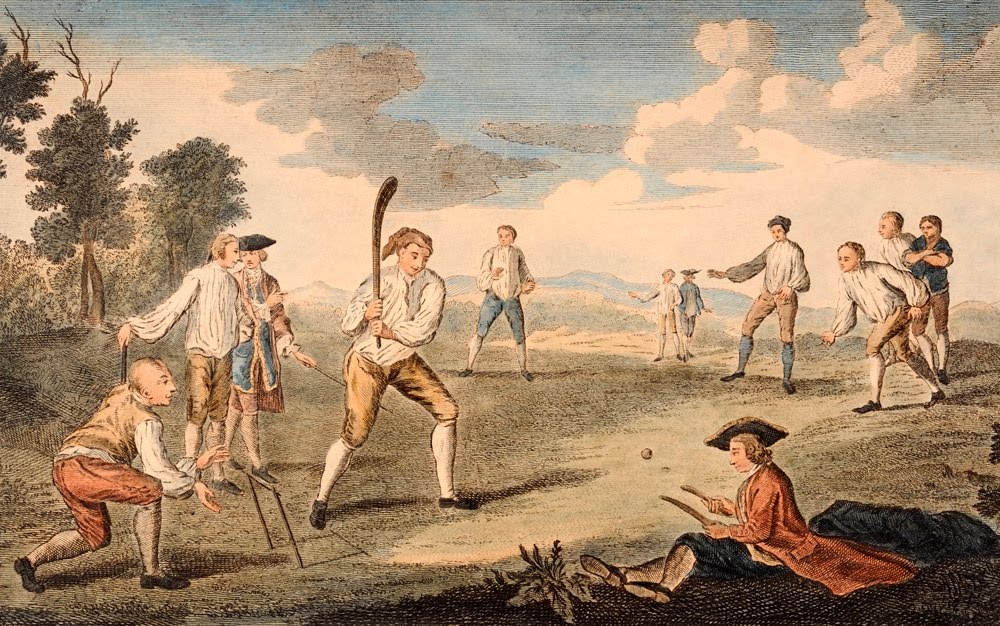
Cricket was first recorded in 16th-century England, and it was played in grammar schools, farm communities and everywhere in between. But things really took off when 18th-century nobles realised that not only was it a great sport but also an excellent opportunity for betting.
With sky-high stakes being wagered, it was deemed necessary to come up with agreed rules. The oldest surviving set of cricket laws date from 1744 – printed on a handkerchief, naturally. It’s now in the MCC Museum at Lord’s in London.
The oldest permanent fixture is the annual Eton v Harrow match, played since 1805. A young Lord Byron turned out for Harrow in the first match, though history doesn’t record how poetic – or “mad, bad and dangerous” – his bowling was.
The first international match was in 1877 when Australia beat England in Melbourne. The match was dubbed a “Test”, since the gruelling nature of playing over five days was deemed the ultimate “test” for any side.
But it was Australia’s first win on English soil – in 1882 at The Oval in London – that led to matches between the two nations being christened the Ashes. Following the defeat, newspapers published an obituary mourning “the death of English cricket”, adding that “the body will be cremated and the ashes taken to Australia”.GREAT PLAYERS
GREAT PLAYERS
Cricket’s earliest star was WG Grace, who played 44 seasons from 1865 to 1908. Despite the game’s reputation as the epitome of fairness, Grace was as famous for his gamesmanship as his batting. He once ran three, then when the ball was flung in from the outfield, caught it, put it in his pocket and ran three more.
The top batsman in history is India’s Sachin Tendulkar, who retired in 2013 after scoring 15,921 runs in 200 Tests and 18,426 in 463 one-day internationals. He is the only player to have made 100 international centuries, was the first batsman to score a double century in a one-day International and is the only player to amass more than 30,000 international runs.
A special mention must go to West Indies’ legend Sir Garfield (Gary) Sobers, who became the first batsman to hit six sixes in a single over off six consecutive balls in first-class cricket, playing for Nottinghamshire against Glamorgan in 1968.
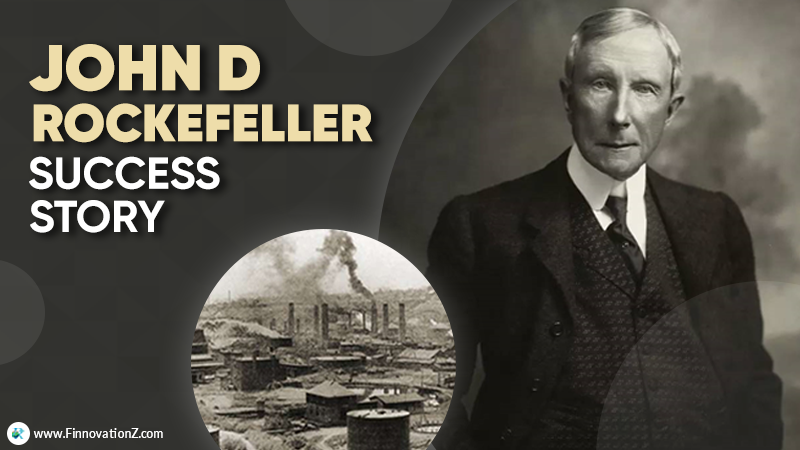
John D. Rockefeller was born July 8, 1839, in Richford, New York, about midway between Binghamton and Ithaca. His father, William Avery Rockefeller, was a “pitch man” — a “doctor” who claimed he could cure cancers and charged up to $25 a treatment. He was gone for months at a time traveling around the West from town to town and would return to wherever the family was living with substantial sums of cash. His mother, Eliza Davison Rockefeller, was very religious and very disciplined. She taught John to work, to save, and to give to charities. From 1852 Rockefeller attended Owego Academy in Owego, New York, where the family had moved in 1851. Rockefeller excelled at mental arithmetic and was able to solve difficult arithmetic problems in his head — a talent that would be very useful to him throughout his business career. In other subjects Rockefeller was an average student but the quality of the education was very high. In 1853, the Rockefellers moved to Cleveland, Ohio, and John attended high school from 1853 to 1855. He was very good at math and was on the debating team. The school encouraged public speaking and even though Rockefeller was only average, it was a skill that would prove to useful to him. Early Business Career: 1855-1863 In the spring of 1855 Rockefeller spent 10 weeks at Folsom’s Commercial College — a “chain College” — where he learned single- and double-entry bookkeeping, penmanship, commercial history, mercantile customs, banking, and exchange. From his father he had learned how to draw up notes and other business papers. His father was very meticulous in matters of business and believed in the sacredness of contracts. In August of 1855, at the age of 16, Rockefeller began looking for work in Cleveland as a bookkeeper or clerk. Business was bad in Cleveland at the time and Rockefeller had problems finding a job. He was always neatly dressed in a dark suit and black tie. Cleveland was not a large city in 1855 and Rockefeller could easily visit every business in under a week’s time. He returned to many businesses three times. Finally, on September 26, 1855, he got a job as an assistant bookkeeper with Hewitt & Tuttle, commission merchants and produce shippers. Rockefeller soon impressed his employers with his seriousness and diligence. He was very exacting and scrupulously honest. For example, he would not write out a false bill of lading under any circumstances. He went to great lengths to collect overdue accounts. He was pleasant, persistent, and patient, and he got the company’s money from the delinquents. During the Civil War their business expanded rapidly. Grain prices went up and so did their commissions. Most of their selling was done on commission, so Clark & Rockefeller took no risks from price fluctuations. Rockefeller’s style was very precise and calculated. He was not a gambler but a planner. He avoided speculation and refused to make advances or loans. Rockefeller was extremely hard working. He traveled extensively, drumming up business throughout Ohio, and then would go to the banks and borrow large sums of money to handle the shipments. This aggressive style built the business up every year.
However, by the early 1860s, Rockefeller realized that the future of the commission merchant business in Cleveland was going to be limited. He had become convinced that the railroads were going to become the primary means of transportation for agricultural commodities. This would be to the disadvantage of Cleveland, because its position as an important Lake Erie port was its primary transportation advantage. He saw that the rising grain output of the Midwest and the Northwest of J. J. Hill would change the nature of the business for good. The huge elevators on Lake Michigan and the flour-millers of Minneapolis would be the dominant players in the business. Rockefeller came to believe that the future of Cleveland lay in the collection and shipment of raw industrial materials — not agricultural commodities. This would allow Cleveland to exploit its geographical advantages — mid-way between the Eastern seaboard and Chicago — and accessible to both rail and water transportation. He saw his chance in 1863 — Rockefeller Exits: 1892-1897 During 1891-92 all the evidence suggests that Rockefeller had a partial nervous breakdown from overwork. He lost all of his hair, including his eyebrows, and suffered from ill health in the early 1890s. During this period Rockefeller’s wealth had increased to such an extent that his major problem was what to do with it all. He solved this problem by hiring Frederick T. Gates in September of 1891 as a full-time manager of his fortune. By this time, Rockefeller was literally inundated with appeals from individuals and charities for funds. Gates not only removed this burden; he also oversaw all of Rockefeller’s investments, which were becoming huge in their own right. For example, by 1897 Rockefeller owned large holdings of the Missabe iron range in Minnesota, a railroad to carry the ore to Lake Superior, and a fleet of huge ore-carrying lake steamers. In 1901 Rockefeller sold his iron ore-related business to J.P. Morgan for $80,000,000 with an estimated profit of at least $50,000,000 — a huge fortune in its own right, but it was just one of his investments. Morgan added the Rockefeller properties to the U.S. Steel Corporation. By 1896, Rockefeller stopped going to his office daily and in 1897 he retired, at the age of 58. He took part in some management activity until 1899 but none to speak of thereafter. John Archbold ran Standard Oil from the mid-1890s onward. Archbold disliked prominence and asked Rockefeller to remain as the nominal president of Standard. Not publicly announcing his retirement was a great mistake on Rockefeller’s part. Rockefeller had resisted the temptation to exploit the Standard’s near-monopoly position by raising prices “too” much. Although Rockefeller’s pricing policies did result in some “monopoly profits” for the Standard, they were fairly mild. Not so Archbold. He raised prices aggressively, and the dividends rolled in. The consequence was that Rockefeller got all the blame for the policies even though he had almost no further role in management. Retirement and Philanthropy From the mid-1890s until his death in 1937, Rockefeller’s activities were philanthropic. Rockefeller’s fortune peaked in 1912 at almost $900,000,000, but by that time he had already given away hundreds of millions of dollars. His son, John D. Rockefeller, Jr. in 1897 joined Gates in the full time management of the fortune. The University of Chicago — which Rockefeller was largely responsible for creating — alone received $75,000,000 by 1932. He set up, at the urging of his son, the Rockefeller Institute for Medical Research (now Rockefeller University) and his gifts to it totaled $50,000,000 by the 1930s. He founded the General Education Board in 1903 (later the Rockefeller Foundation). The General Education Board helped to establish high schools throughout the South by providing free professional advice on improving instruction and education. The effort was a cooperative one, and local money was used to build the high schools. In 1919, Rockefeller donated $50,000,000 to the Board to raise academic salaries, which were very low in the wake of WWI. The Rockefeller Foundation was officially established in 1913 and Rockefeller transferred $235,000,000 to it by 1929. In 1909, Rockefeller established the Rockefeller Sanitary Commission which was largely responsible for eradicating hookworm in the South by 1927. When Rockefeller died, on May 23, 1937, his estate totaled only $26,410,837. He had given most of his property to his philanthropies and to his son and other heirs. Rockefeller was a Schumpeteran entrepreneur. He clearly changed “the stream of the allocation of resources over time by introducing new departures into the flow of economic life” by creating the modern oil industry.
Last, but not least, he set the standard for philanthropy. Just the eradication of hookworm in the South alone would merit his place as one of the great humanitarians of the 20th Century. But his reputation was so sullied that he never received the credit that he was due for this great act on behalf of humankind.
“Don’t be afraid to give up the good to go for the great.”
Ethnic complexities or relations in India have historically been complex. “Ethnic relations” refers to attitudes, behaviors and opinions towards people of other ethnicity or races. India is one of the most ethnically diverse countries, with more than 2,000 different ethnic groups. There is also significant diversity within regions, and almost every state/province has its own distinct mixture of ethnicities, traditions, and culture. Throughout the history of India, ethnic relations have been both constructive with mutual cultural influences and destructive with discrimination against other ethnicities. In this research paper we will talk about the progress or the current scenario of racial discrimination in India and its various problems.
Racism is most commonly used to name a form of prejudice in which a person thinks that their “race” is better or superior over other races. This most often takes the form of believing that those with other skin colors especially darker skin colors are inferior physically, intellectually, morally, and/or culturally, and mistreating and discriminating against them because of this. Such a belief typically promotes the notion that white people are “the default” that whiteness is “normal” and that people with other appearances are the ones who are “different” (and “inferior”).Racism has existed in our society from ages right from the time of colonization of India.
According to local sources, unity in diversity has been growing in India, making the country more tolerant. One World Values Survey reported 43.5% of Indians responded that they would prefer not to have neighbors of a different race.
What is race?
To fully understand racism, we have to understand the meaning of race. Throughout history, the word race has been used to classify humans based on various physical characteristics, especially skin color, facial form, and eye shape. But sorting people into such races is truly arbitrary they’re not based on meaningful scientific differences (like, for example, those used to determine legitimate scientific classifications such as species and genus). The obsession with the difference in people’s skin color is one of the foundations of racism.
Biases related to the caste system
Racism is linked to the prevalent caste system which is hierarchical in nature. The broad orderings and the sub-orderings in India seem complex and confusing as classifications are often overlapping: region, religion, caste, sub-caste, Jati, Gotra, Kula, Varna and language. “Any effort to simplify them beyond a point can lead to a distortion of social reality.”
earliest classification, as found in Rig Veda, was not based on birth but on the hierarchy that was determined by one’s occupation; however, it is certain that at some particular point in history it became birth-based and rigid
The killing or discrimination was not rooted in color, which some scholars mistakenly believe it to be the case rather this was a time of constant wars and conflicts between the invader immigrants and the actual tribal population of the time..
earliest classification, as found in Rig Veda, was not based on birth but on the hierarchy that was determined by one’s occupation; however, it is certain that at some particular point in history it became birth-based and rigid
The killing or discrimination was not rooted in color, which some scholars mistakenly believe it to be the case rather this was a time of constant wars and conflicts between the invader immigrants and the actual tribal population of the time.
Status of Racial discrimination in the 21st century
The next part of this research paper will discuss how skin tone is still so deeply attached to the normal Indian psyche that it gets confused with the societal value system of caste, class, and religion
Skin tone also forms various strata of variables and acceptability in society. Beauty ideals are now governed by the media, which glorifies lighter skinned models–both male and female–who are chosen to advertise almost all products over darker skinned models
In the wake of George Floyd’s death the debate about colorism and skin tone in India has been discussed in several media outlets, and as part of the general critique a big Indian matchmaking website, Shaadi.com has removed a filter where people could use to mark skin color preferences for their potential partner
In the state of Maharashtra, a group of young tribalgirls trained to be flight crew through a government scholarship program that aimed to empower women; however, the program seems to have actually disempowered darker skinned women. The majority of girls were denied employment due to their darker skin tone. A few of those women obtained jobs, but only as out-of-sight ground crew.
From the beginning to this day, women have always been oppressed be it by men in their family or by the state that was and is still highly patriarchal. Earlier, the private (households) and the public (political, business world) were strictly kept separate. State had no roles in what was happening in the private sphere. And the major factor of this separation was that public was controlled by males and private appeared to be in control of females.
The separation between private (home) and public (work) made a significant difference in the lives of males and females, and of course, it was negative for women. For example, males were expected to work out and hence they dominated the outside world while females were expected to stay at home and decide the household decisions and thus they happened to be the controllers of the households.
However, the above situation was far away from reality. In most cases, as public was controlled by males it used to have a direct influence on the private sphere. And therefore, the then feminists and scholars labelled this distinction as baseless and started demanding for political rights of females like voting rights, reproductive rights and like. It was through the second wave of feminism in 1960s, feminists began to bring up more such marginalised communities and issues into the picture.
Earlier only a “white heterosexual male” normative was followed in the world and especially in western civilisations. Feminists have rejected the public-private boundary as an acceptable rationale for legal action or inaction. A feminist argument is that such a separation disadvantages women of their rights and advantages privileged groups like white heterosexual males.
Three major arguments that were brought by feminists which aimed to challenge the public-private distinction are, first, politics and society, both had ignored the domestic sphere, second, public-private distinction is deeply gendered and sexist as its assigns roles to people based on their biological characteristics and because of this women become the most affected underprivileged group, third, calling “family” a private sphere was an attempt to hide domination and abuse in the relationships in families from legal discourse.
To put an end to all of this ignorance, women activists fought against the injustices and demanded the states to intervene in household matters like laws against domestic violence, divorce rights to women, abortion rights and other rights to choose. Along with these domestic protection rights, many other rights on the public sphere were also demanded.
Feminists from the second feminist wave asked for equal representation in politics, law-making and other decision making procedures which were of both public and private significance.
Examples:
1) Paid Work:
Even though working environment has changed nowadays as compared to earlier times, females suffer from hard labour but less payment. From corporate houses to films and television everywhere females are paid less than their male counterparts even though all of them do the same work. At times, female actors do more work as they have dance sequences in addition in the movies but still get paid less for the work. This has witnessed a change in recent times where female actors have begun to charge lump sum amount.
2) Patriarchal State:
States can be extremely patriarchal to women in terms of legal and political rights. This can happen in two ways- one by creating patriarchal and misogynist laws for women, two by not doing anything progressive for women (because not interfering into women’s rights is also equal to creating misogynist laws for women). Over the past few decades, this has also witnessed a change where we have seen governments making women friendly laws like reservations and special commissions for women or anti dowry and anti-domestic violence rights.
3) Male Violence:
This can mean anything that happens both in public and private sphere. Sexual harassment at workplaces is at peak all over the world. Thanks to social activists and NGOs in India who all fought for implementation of sexual harassment act back in 1990s when a social worker was brutally sexually assaulted for stopping a child marriage in the Indian state of Rajasthan.
At the end, we all as a society collectively need to understand that opposite of patriarchy is gender equality, that is, feminism, nothing else.
The serenity of the lulling ocean is a wondrous thing to behold..more precious than the gems coveted and covered in platinum or gold…
Oksana Rus
Introduction
International day of Tropics is observed every year on June 29th . This day is celebrated to highlight the different challenges and opportunities faced by the nation as well as by the people who lived in tropical areas .
Firstly , you want to know about things like :
What are tropics ?
Why we celebrate international day of Tropics ?
Or
Is it worth it to talk about these things and is it really important ?
Well hold your horses and try to calm .
What is tropic day and why we celebrate it ?
Well a tropic day is celebrated to highlight the importance of Tropics , it signifies extraordinary and astounding diversity of tropical nations .
The Tropic defined as a area /region between tropic of Cancer and tropic of Capricorn . The day aim at promoting tropical regions and awareness to the people about the diversity of these regions .
While these regions go through little seasonal changes on day to day basis because of some factors like tomography , climatic variation that causes changes in temperature and make these regions warm.
This day introduced to the world when in June 29th , 2014 twelve leading tropical research institutes come together and collaborate. The inaugural state of the Tropics report was launched . The report offers some unique perspective for the increasing the importance of these regions .
United Nations General Assembly adopted resolution A/RES/70/267 in 2016, which declared that 29 June of each year is to be observed as the International Day of the Tropics.
The International day of Tropics briefly explained the issues affecting the tropical zone’s all over the world. To raise awareness and important role the countries played to Sustainable goals .
International day of Tropics 2021
As per the state tropics report the theme of this year is “ THE DIGITAL DIVIDE IN THE TROPICS ”
With the record of sustainable development goals as well as developmental scope . The biodiversity of these regions are maximum and its loss is also greater there. Tropical regions comprise 98% world’s mangrove forests, and around 99% mangrove species.
Due to the subpolar zone the Sun is directly overhead which is one of the region of extinction of flora and fauna in the Tropics. The region is subjected to myriad and need immediate attention to ensure sustainable development.
More than 50% of renewable water resource could be founded their. But the threat lies which causes eviction of lives in the Tropics.
Importance :
Due to the problems it’s our duty as a human being to spread awareness about the implications in climate changes , deforestation , urbanization , global warming effect the biodiversity and lives in Tropics.
The International day of Tropics organize many events in which people share their stories , events and lives in these areas and formulate strategies to ensure the development of such regions .
You who sacrifice fortunes to see the luxuriance of the tropics or the polar lights of the arctic, must pay more dearly to see the One for whom the luxuriance of the tropics is poverty and the polar lights are a tallow candle.
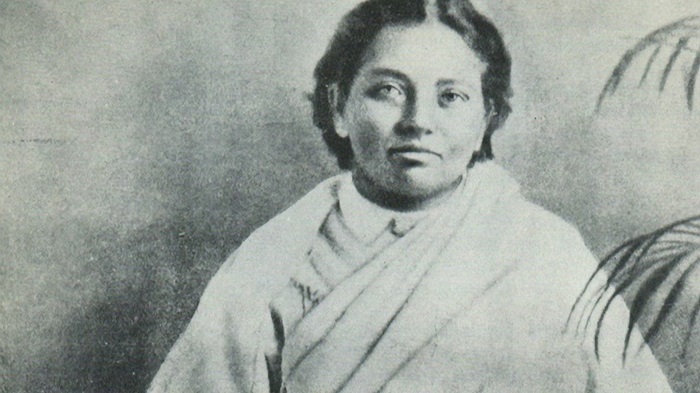
Remembering the times when girls were just meant to be at home, cook and take care of the rest of family and were taught to speak less, not go outside often, wear saree as soon as they reach the age of 8 and were denied education, there was this girl Pandita RamaBai born to a liberal Brahmin Pandit, Anant Shastri Dongre in 1858. Born in a liberal family meant that she was already saved from the twin curse other girls faced i.e the lack of education and child marriage. Her father, Anant Shastri Dongre, was a Sanskrit Scholar and used to teach his wife Sanskrit which was very unlikely in those times. However, due to some adverse material conditions of the family Pandita RamaBai lost her parents and her sister. She was orphaned at the young age of 16. Eventually, she had to move to Calcutta along with her brother in the year 1878. There she met many other Scholars with whom she shared her knowledge in Scripture and Sanskrit she had inherited from her father and it was quite impressive for the Scholars. This was the turning point of her life after all what she had gone through. She was conferred with the titles of “PANDITA” and “SARASVATI”.
In Calcutta she met Keshab Chandra Sen, who was the supporter of Brahmo Samaj (societal component of Brahmoism- reformist movement of the Hindu religion). He suggested RamaBai to read the Vedas and Upanishads more carefully, going deeper through the contents. Slowly, she started to gain a little confidence she had lost long ago due to bad incidents that happened to her. RamaBai gained exposure to public speaking by participating in the family’s public recitation of Puranas at pilgrimage sites across India, which is how they earned a meager living. Somehow they had started to lead a normal life by now when a sudden demise of her brother in 1880 completely shock her.
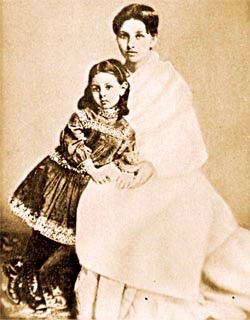
She was all alone now. To overcome the emptiness in her life she decided to marry Bipin Behari Medhvi, who was a Bengali lawyer. The groom was a Bengali Kayastha, and so the marriage was inter-caste and inter-regional and therefore considered inappropriate for that time. They were married in a civil ceremony on November 13,1880. The couple had a daughter, after a year of their marriage, whom they named Manorama. But her happiness of a complete family was very short-lived. She lost her husband in the year 1882, just after 2 years of their marriage. She was completely broken but had to hold upon her as she now had a daughter to raise and there were many more revolutions left to be brought by her. RamaBai moved to Pune where she found ARYA MAHILA SAMAJ(ARYA WOMEN’S SOCIETY), influenced by the ideas of Brahmo Samaj and Hindu reformers, the purpose of the society was to promote the cause of women’s education and deliverance from the oppression of child marriage.
When in 1882 the Hunter Commission was appointed by the Government of India to look into the education system, RamaBai gave evidence before it. In an address before the Hunter Commission, she declared, “In 99 cases out of a 100 the educated men of this country are opposed to female education and the proper position of women”. She also wrote her first Marathi book, Stri Dharma-Niti (Morals for Women) which was published in 1882. With no support coming towards a widows’ institution, RamaBai decided to go to England to seek British support for her Widows’ home- Sharda Sadan in Pune. During the time she travelled from Britain to United States to attend the graduation of her relative and the first female Indian doctor AnandiBai Joshi, she published one of her most important books- The High-Caste Hindu Woman. This was her first book written in English. When she returned back to India she founded the Widows’ shelter, promoted women education and their well-being and later got herself converted to Christianity and changed her name to Marry Rama.
















 Eduindex
You must be logged in to post a comment.