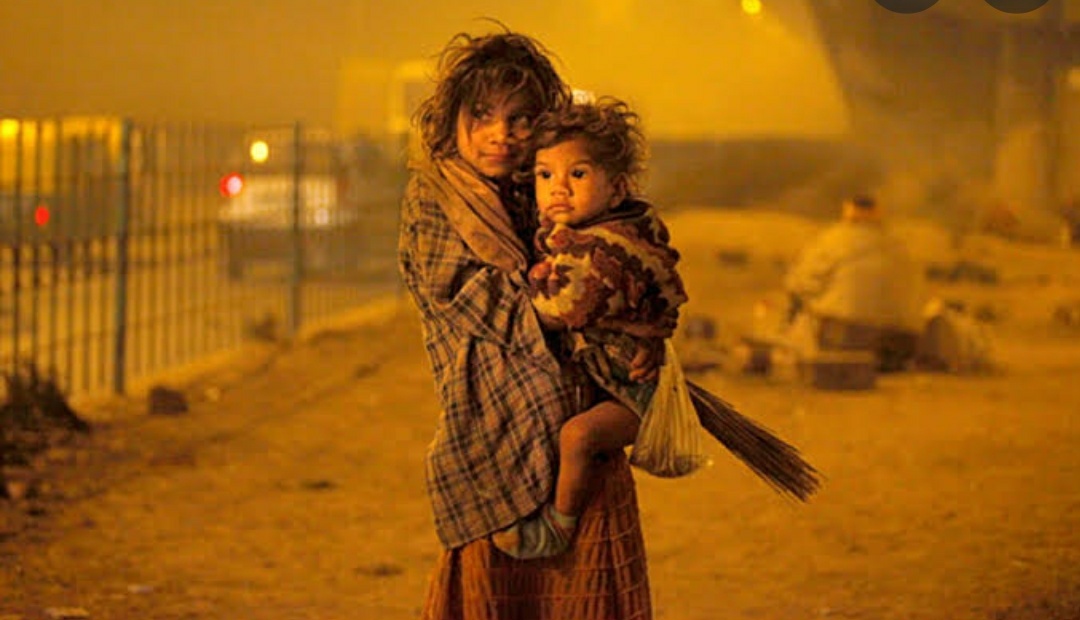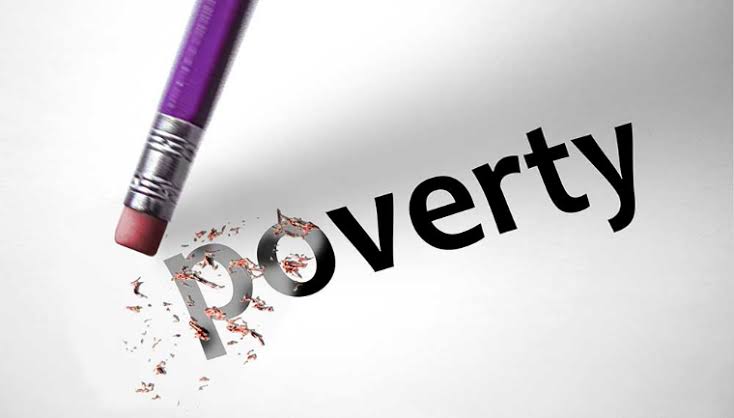
“Poverty is the worst form of violence”. – Mahatma Gandhi.

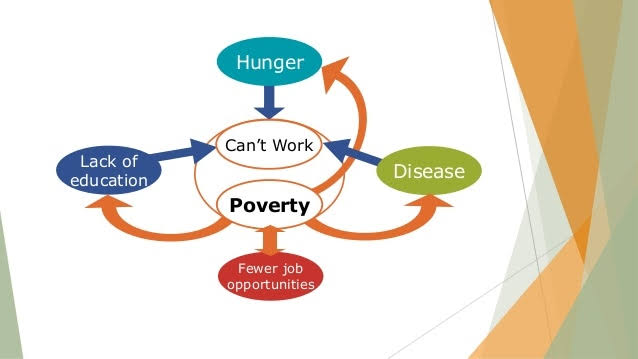
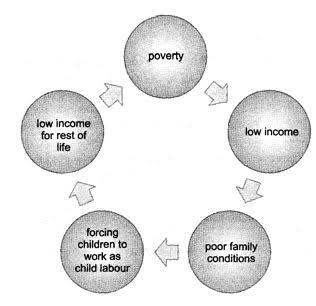
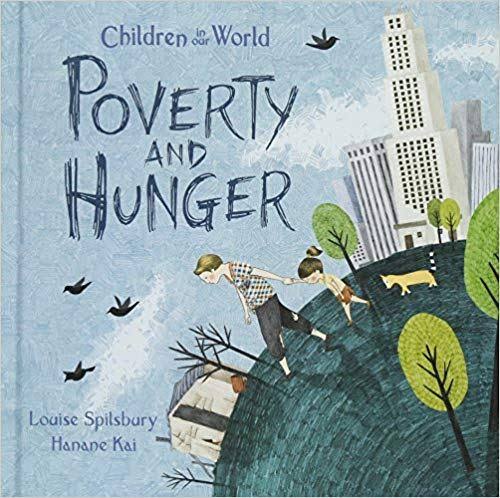
We can define poverty as the condition where the basic needs of a family, like food, shelter, clothing, and education are not fulfilled. It can lead to other problems like poor literacy, unemployment, malnutrition, etc. A poor person is not able to get education due to lack of money and therefore remains unemployed. An unemployed person is not able to buy enough & nutritious food for his family and their health decline. A weak person lacks the energy required for the job. A jobless person remains poor only. Thus we can say that poverty is the root cause of other problems.
How Poverty is Measured?
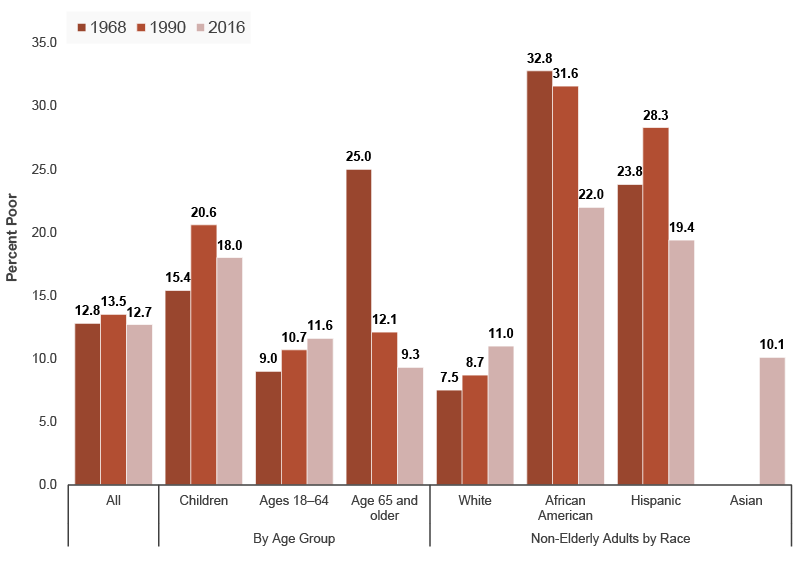
For measuring poverty United nations have devised two measures of poverty – Absolute & relative poverty. Absolute poverty is used to measure poverty in developing countries like India. Relative poverty is used to measure poverty in developed countries like the USA. In absolute poverty, a line based on the minimum level of income has been created & is called a poverty line. If per day income of a family is below this level, then it is poor or below the poverty line. If per day income of a family is above this level, then it is non-poor or above the poverty line. In India, the new poverty line is Rs 32 in rural areas and Rs 47 in urban areas.

Causes of Poverty

According to the Noble prize winner South African leader, Nelson Mandela – “Poverty is not natural, it is manmade”. The above statement is true as the causes of poverty are generally man-made. There are various causes of poverty but the most important is population. Rising population is putting the burden on the resources & budget of countries. Governments are finding difficult to provide food, shelter & employment to the rising population.
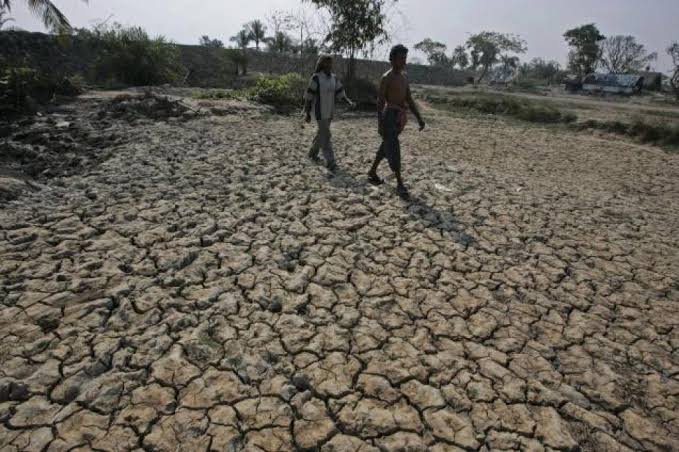
The other causes are- lack of education, war, natural disaster, lack of employment, lack of infrastructure, political instability, etc. For instance- lack of employment opportunities makes a person jobless & he is not able to earn enough to fulfill the basic necessities of his family & becomes poor. Lack of education compels a person for less paying jobs & it makes him poorer. Lack of infrastructure means there are no industries, banks, etc. in a country resulting in lack of employment opportunities. Natural disasters like flood, earthquake also contribute to poverty.
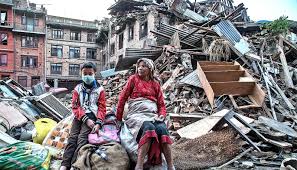
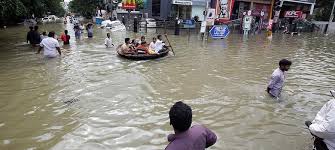
In some countries, especially African countries like Somalia, a long period of civil war has made poverty widespread. This is because all the resources & money is being spent in war instead of public welfare. Countries like India, Pakistan, Bangladesh, etc. are prone to natural disasters like cyclone, etc. These disasters occur every year causing poverty to rise.

Ill Effects of Poverty
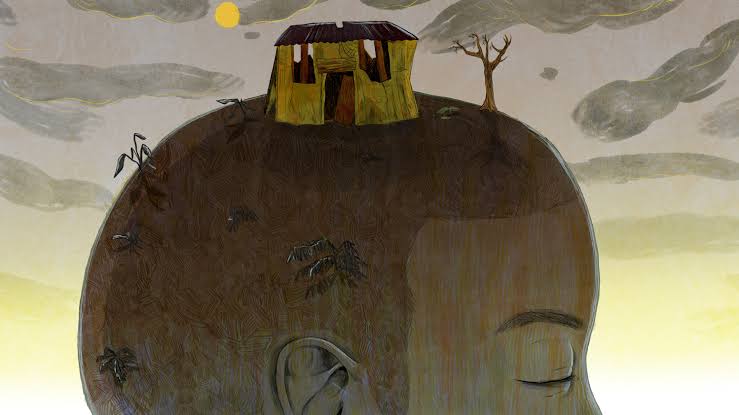
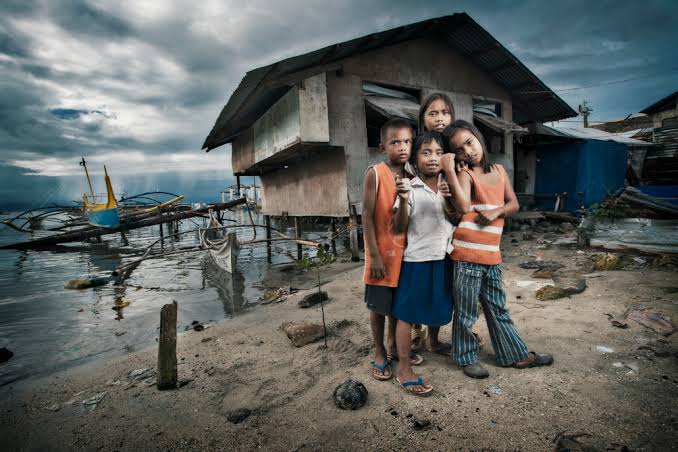
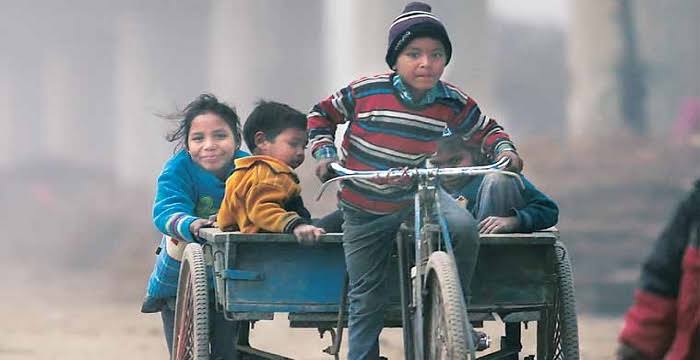
Poverty affects the life of a poor family. A poor person is not able to take proper food & nutrition &his capacity to work reduces. Reduced capacity to work further reduces his income, making him poorer. Children from poor family never get proper schooling & proper nutrition. They have to work to support their family & this destroys their childhood. Some of them may also involve in crimes like theft, murder, robbery, etc. A poor person remains uneducated & is forced to live under unhygienic conditions in slums. There are no proper sanitation & drinking water facility in slums & he falls ill often & his health deteriorates. A poor person generally dies an early death. So, all social evils are related to poverty.
Government Schemes to Remove Poverty
The government of India also took several measures to eradicate poverty from India. Some of them are – creating employment opportunities, controlling population, etc. In India, about 60% of the population is still dependent on agriculture for its livelihood. Government has taken certain measures to promote agriculture in India. The government constructed certain dams & canals in our country to provide easy availability of water for irrigation. Government has also taken steps for the cheap availability of seeds & farming equipment to promote agriculture. Government is also promoting farming of cash crops like cotton, instead of food crops. In cities, the government is promoting industrialization to create more jobs. Government has also opened ‘Ration shops’. Other measures include providing free & compulsory education for children up to 14 years of age, scholarship to deserving students from a poor background, providing subsidized houses to poor people, etc.
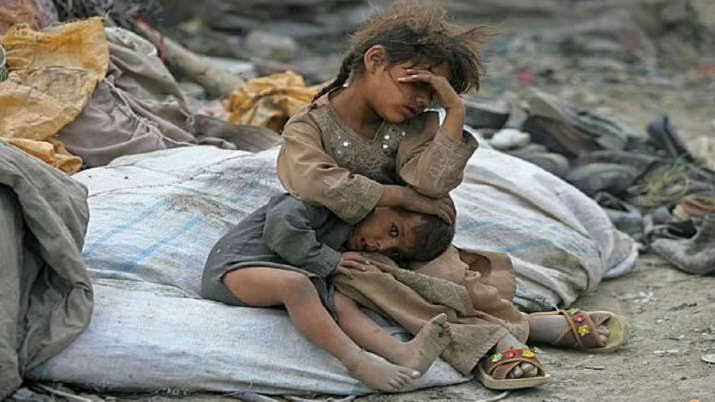
Poverty is a social evil, we can also contribute to control it. For example- we can simply donate old clothes to poor people, we can also sponsor the education of a poor child or we can utilize our free time by teaching poor students. Remember before wasting food, somebody is still sleeping hungry.
Overcoming poverty is not a gesture of charity. It is an act of justice.

—nelsen mandela
The Origin of Buddhism .

We are what we think. All that we are arises with our thoughts. With our thoughts, we make the world.
Peace comes from within. Do not seek it without.

Lord Buddha

Introduction.

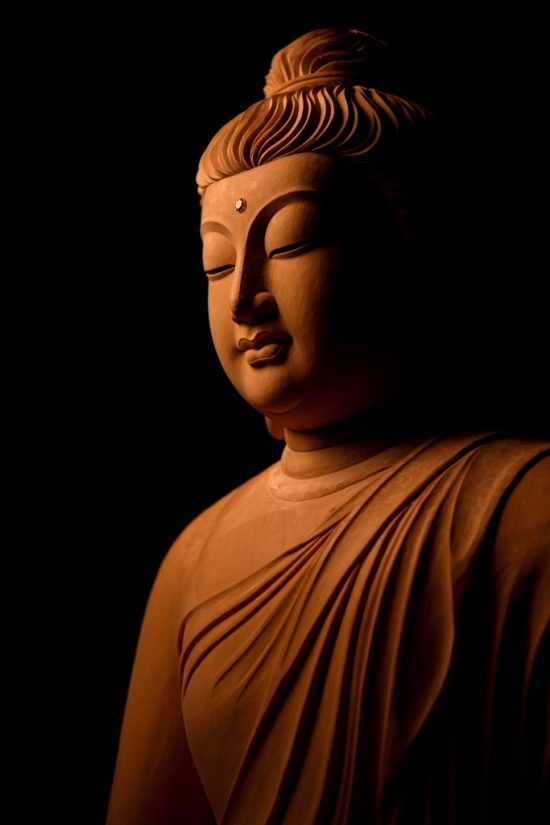
He was a spiritual personality . An ancient teacher and enlightened many . A founder of world religion Buddhism . He was popularly known as Gautama Buddha (also known as Siddhattha Gotama or Siddhārtha Gautama or Buddha Shakyamuni ) .

The Enlightened One who rediscovered an ancient path to release clinging and craving and escape the cycle of birth and rebirth. He taught for around 45 years and built a large following, both monastic and lay. His teaching is based on his insight into the arising of duḥkha (the unsatisfactoriness of clinging to impermanent states and things) and the ending of duhkha—the state called Nibbāna or Nirvana (extinguishing of the three fires).

Buddhism

Buddhism, one of the major religions and philosophical systems of southern and eastern Asia and of the world. Buddha is one of the many epithets of a teacher who lived in northern India sometime between the 6th and the 4th century before the Common Era.

The title buddha was used by a number of religious groups in ancient India and had a range of meanings, but it came to be associated most strongly with the tradition of Buddhism and to mean an enlightened being, one who has awakened from the sleep of ignorance and achieved freedom from suffering.

According to the various traditions of Buddhism, there have been buddhas in the past and there will be buddhas in the future. Some forms of Buddhism hold that there is only one buddha for each historical age; others hold that all beings will eventually become buddhas because they possess the buddha nature (tathagatagarbha).

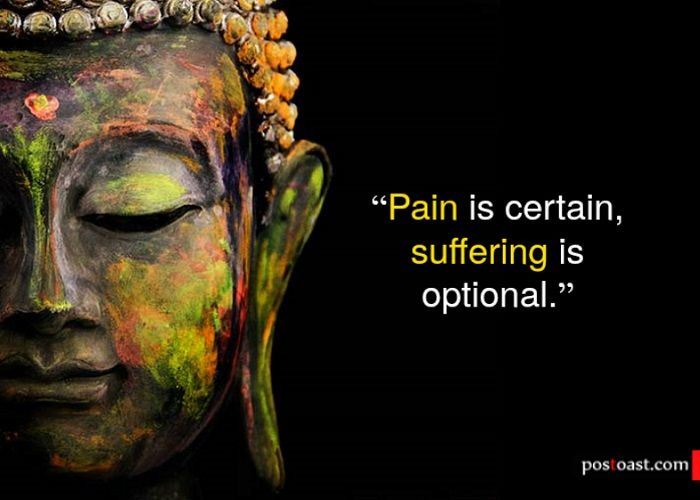
According to Buddhist doctrine, the universe is the product of karma, the law of the cause and effect of actions, according to which virtuous actions create pleasure in the future and nonvirtuous actions create pain.

Your work is to discover your world and then with all your heart give yourself to it.

Lord Buddha

History

Gautama Buddha ( born c. 6th–4th century BCE, Lumbini, near Kapilavastu, Shakya republic, Kosala kingdom [now in Nepal]—died, Kusinara, Malla republic, Magadha kingdom [now Kasia, India]).

Buddha is one of the many epithets of a teacher who lived in northern India sometime between the 6th and the 4th century before the Common Era.

Learnings from Gautama Buddha.

1. “Three things cannot be hidden: the sun, the moon and the truth.”

2. “You will not be punished for your anger; you will be punished by your anger.”

3. “You can search throughout the entire universe for someone who is more deserving of your love and affection than you are yourself, and that person is not to be found anywhere. You, yourself, as much as anybody in the entire universe, deserve your love and affection.”

4. “We are shaped by our thoughts; we become what we think. When the mind is pure, joy follows like a shadow that never leaves.”

5. “Believe nothing, no matter where you read it, or who said it, no matter if I have said it, unless it agrees with your own reason and your own common sense.”

Link

Homelessness

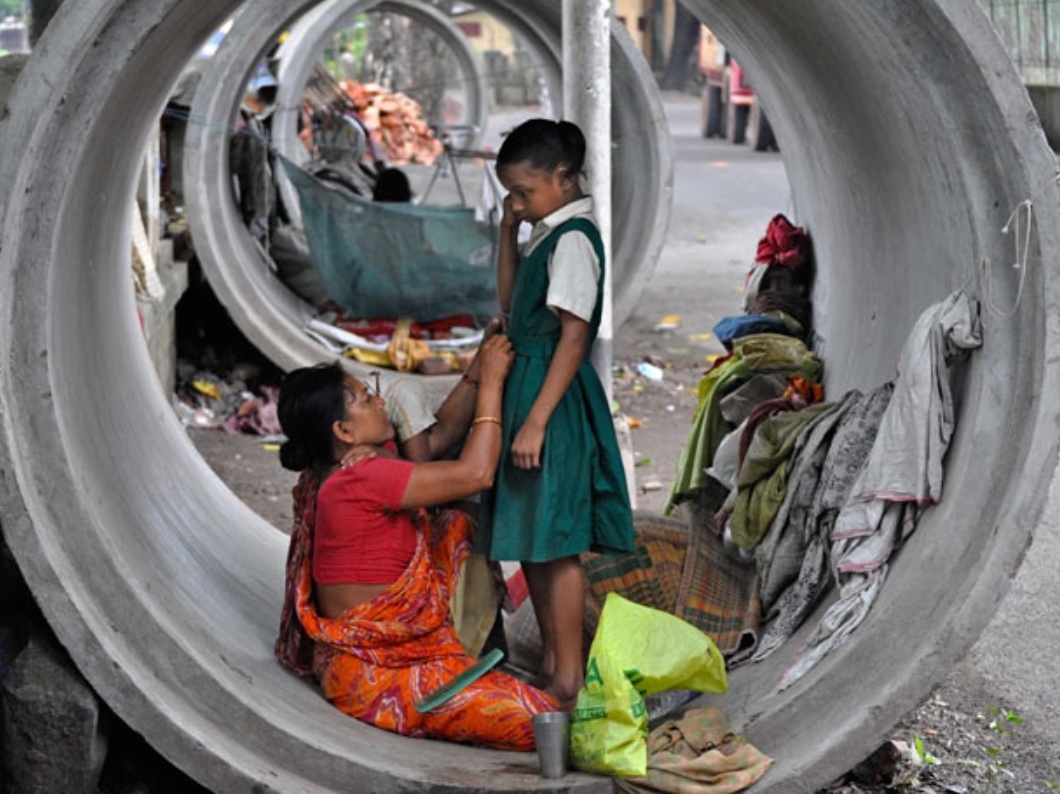
Can you sleep without a bed, pillow and a blanket? or Can you cook and eat on the streets while passersby stare at you? It’ll be so uncomfortable for you and for everyone of us.
Just take a break and imagine the lives of people who live on streets.
The amount of struggle they go through for the tiniest thing is nothing compared to our lives.

Sleeping on the benches of bustops or under a truck just to save themselves from cold breezes during winter ,to tie tarpaulin sheets in order to avoid getting wet during monsoons and to sleep without electricity during summers.

They earn little money by doing various jobs such as selling small items home to home. As their income is not fixed, the availability of food is not fixed too. Sometimes they might have to spend the night without having food. Due to income insecurity it is very difficult for them to save money.

Healthcare is very difficult for them to obtain due to irregular income and as they are living and eating on the streets, it is more likely for them to catch germs and fall sick frequently. Hygiene is the least thing that matters to them due to non availability of proper food, water, clothes, etc.

Life becomes hard for them each day and have to face new challenges everyday. It’ll be great job if you can offer them a little help by donating some clothes or giving them healthy food and water. Help them in every way you can because every tiny good deed matters.

Development & Displacement

Development is the slogan of the day not only in developed countries but also for the developing countries of the world now. All governmental & state organizations are now rushing for introducing & installing industries, better roads, long fly-overs & many other civilized requisites.
But proper lands are required to execute & materialize these means & ways of development. These cannot be grown in the sky. So lands are acquired to start industries, erect stalls, or make high roads & flyovers.
On many occasions, this development is executed by acquiring fertile lands of the poor farmer or the lands where many houses & homelands had been built & human habitations are displaced from their age-old shelters & professions with penury and starvation staring at them.
Thoughtless destruction of forests in Kalahandi in Orrisa & plundering them for the sake of development displaced the local inhabitants, deprived them of their livelihood, and put them to starvation, hunger & ultimate migration. The construction of the Narmada dam to provide irrigation to dry areas of Gujrat, Madhya Pradesh & Maharashtra has rendered many thousands of the local people homeless without their consent and proper compensation.  

https://in.pinterest.com/

Displacement in the name of development may sometimes be needed. Displacement is worse and undesirable. The former is the narrow way to progress, but the latter is certainly a broad road to death. There must be a balance between development and its resulting displacement. It may be done by proper preplanning and proper rehabilitation of the displacement. The potential risks of displacement involve landlessness, joblessness, homelessness, marginalization, food insecurity, increased morbidity and mortality, loss of access to common property
   This is a social problem affecting multiple levels of human organization, from tribal and village communities to well-developed urban areas. The main potential risks of displacement, landlessness, joblessness, homelessness, marginalization, food insecurity, increased morbidity and mortality & loss of access to common property.