Role of Small Scale Industries(SSI) in India.

In a developing country like India, the role and importance of small-scale industries is very significant towards poverty eradication, employment generation, rural development and creating regional balance in promotion and growth of various development activities.

It is estimated that this sector has been contributing about 40% of the gross value of output produced in the manufacturing sector and the generation of employment by the small-scale sector is more than five times to that of the large-scale sector.

This clearly shows the importance of small-scale industries in the economic development of the country. The small-scale industry have been playing an important role in the growth process of Indian economy since independence in spite of stiff competition from the large sector and not very encouraging support from the government.

The following are some of the important role played by small- scale industries in India.

Employment generation:

The basic problem that is confronting the Indian economy is increasing pressure of population on the land and the need to create massive employment opportunities. This problem is solved to larger extent by small-scale industries because small- scale industries are labour intensive in character. They generate huge number of employment opportunities. Employment generation by this sector has shown a phenomenal growth. It is a powerful tool of job creation.

Mobilisation of resources and entrepreneurial skill:

Small-scale industries can mobilize a good amount of savings and entrepreneurial skill from rural and semi-urban areas remain untouched from the clutches of large industries and put them into productive use by investing in small-scale units. Small entrepreneurs also improve social welfare of a country by harnessing dormant, previously overlooked talent.

Equitable distribution of income:

Small entrepreneurs stimulate a redistribution of wealth, income and political power within societies in ways that are economically positive and without being politically disruptive.

Thus small-scale industries ensures equitable distribution of income and wealth in the Indian society which is largely characterised by more concentration of income and wealth in the organised section keeping unorganised sector undeveloped. This is mainly due to the fact that small industries are widespread as compared to large industries and are having large employment potential.

Regional dispersal of industries:

There has been massive concentration of industries m a few large cities of different states of Indian union. People migrate from rural and semi urban areas to these highly developed centres in search of employment and sometimes to earn a better living which ultimately leads to many evil consequences of over-crowding, pollution, creation of slums, etc. This problem of Indian economy is better solved by small- scale industries which utilise local resources and brings about dispersion of industries in the various parts of the country thus promotes balanced regional development.

Promotes exports:

Small-scale industries have registered a phenomenal growth in export over the years. The value of exports of products of small-scale industries has increased to Rs. 393 crores in 1973-74 to Rs. 71, 244 crores in 2002-03. This contributes about 35% India’s total export. Thus they help in increasing the country’s foreign exchange reserves thereby reduces the pressure on country’s balance of payment.

Supports the growth of large industries:

The small-scale industries play an important role in assisting bigger industries and projects so that the planned activity of development work is timely attended. They support the growth of large industries by providing, components, accessories and semi finished goods required by them. In fact, small industries can breath vitality into the life of large industries.

Seat belt to be mandatory for all passengers in car.

Passengers sitting in the rear seat of a car and not wearing seatbelts might also be fined soon, said Union Transport Minister Nitin Gadkari. In an exclusive interview, Gadkari said that although it was mandatory for rear-seat passengers to wear a seatbelt, people have not been following the same. Henceforth, they would be fined because at “any cost, lives have to be saved”. However, he emphasised that fining people was not the goal, but cutting down of road accidents by 50 per cent by 2024 was the aim. 

Although a fine of Rs 1,000 is already in place under Article 138 (3) of the Central Motor Vehicle Rules (CMVR), the problem seems to be more about user behaviour and enforcing the regulations. Most people in India overlook belting up in the rear seats of a car, often assuming they are in a much safer place since there is no dashboard or steering wheel right in front of them. 

The road transport and highways minister further said he was trying to work with the states to find ways to reduce accidents on National Highways as law and order comes under the state governments.

The government has asked online retail giant Amazon to stop selling devices designed to disable car seatbelt alarms, transport minister Nitin Gadkari told Reuters, citing potential safety risks. Apart from this, the Ministry of Road Transport and Highways has also written to the consumer affairs ministry to ask e-commerce companies to stop selling devices designed to disable car seat belt alarms, news agency PTI has reported citing a senior government official.

How to cope with stress in your daily life

Stress is a natural part of life, and like many things, it’s important to learn how to manage it. If you’re suffering from stress, here are some helpful tips for coping:

Find a hobby

If you’re looking for a way to manage stress and unwind, a hobby can be an excellent option. It doesn’t have to be something specific or intense; you could simply enjoy doing something that inspires you every day.

Whatever it is that makes your heart race with excitement, there’s probably an outlet for it in your life—if not now then at some point in the future. Taking up knitting or painting might seem like an odd choice when you’re stressed out by midterms and finals, but these activities can become routine sources of relaxation as well as hobbies!

When we were kids growing up, many of us were fond of playing sports: football or baseball games were favorite pastimes at our houses during the summer months because they gave us something physical (and occasionally competitive) to do together after school hours were over. Nowadays however there are plenty other ways for parents and kids alike alike enjoy getting involved together outside on weekends – whether through volunteering with community organizations like Habitat For Humanity; going camping together on family camping trips; taking part in organized activities such as dance lessons where everyone learns new moves together while having fun at once too 🙂

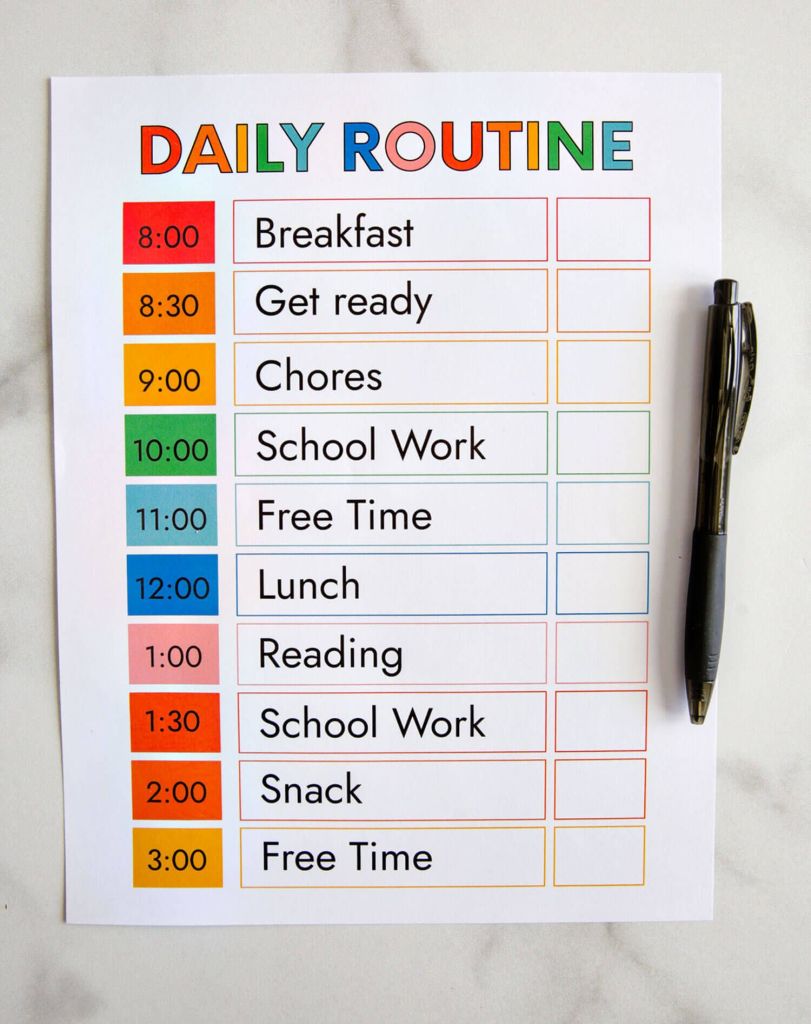
Build a daily routine

The first step to managing stress is building a daily routine. A morning routine, afternoon routine and evening routine are all good places to start.

Make sure you have your coffee (or tea) before 7:30 AM. This will help you get going in the morning and prevent late-night cram sessions later on in the day when you’re tired or distracted by something else that needs doing.

Get through at least one workout session per week—even if it’s just walking around campus for 30 minutes with friends or playing basketball with teammates after class! Exercise helps burn off energy so that mentally challenging tasks don’t seem insurmountable anymore; moreover, exercise has been shown to reduce anxiety levels as well as improve moods overall.* Go grocery shopping once per week rather than buying food from convenience stores because they tend to have higher prices than supermarkets do; however replacing fast food with healthy alternatives like salads instead of burgers will save money while still providing nutritious meals throughout each day.* Try not using social media sites like Facebook or Twitter too frequently either during lunch breaks at work because this causes users’ lives outside office hours become blurred together into one giant blur which makes everything seem more difficult than before since now there’s no separation between work life & personal life anymore.

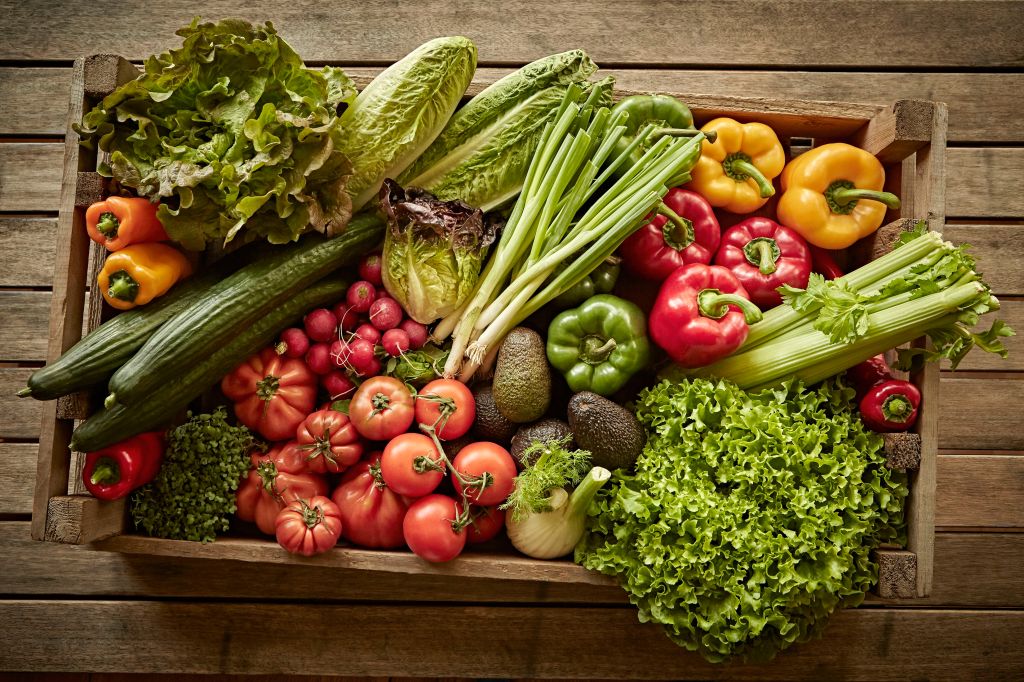
Eat healthy food

Eating a balanced diet is key to managing stress. It helps you feel more energized and less tired, which can help you avoid getting sick or stressed out by hunger pangs. If possible, eat a healthy breakfast every morning—this will give you the energy boost that makes it easier for you to get through your day!

If eating junk food is something that stresses out your stomach (and let’s be honest here: who doesn’t love pizza?), try finding healthier snacks like fruit salad bites or even granola bars instead of sugary ones. The key here is moderation; no one should ever eat too much junk food because this will only make them feel worse afterwards.

Get in touch with your family

Stress is a normal part of life and as such, it’s important to find ways to manage your stress. One way you can do this is by talking with your family about how they can help.

Family members are a great source of support when it comes to helping you manage stress—and they may not even realize how much they’re helping! If you have parents or siblings who live nearby, consider asking them if they’d like some help managing their own lives and those around them. You could even offer up some of your time (or money) in exchange for their assistance so that everyone benefits from their efforts together.

Get enough sleep

Sleep is important for learning and memory.

It’s also linked to stress reduction.

Getting enough sleep can help reduce your stress levels, which will make you more productive at school or work.

Go for a walk

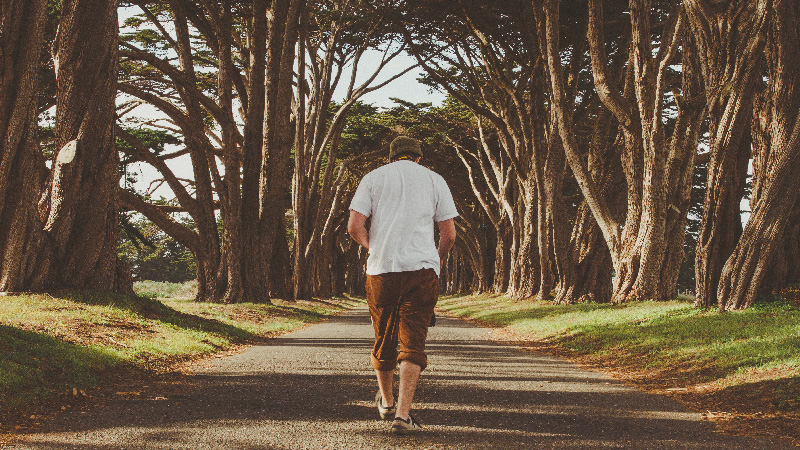
You can get away from the stress of school by going for a walk.

Go for a walk alone or with friends if you’d like, but don’t worry about being seen—the point of walking is just to move your body, not impress others. Listen to music while you walk (or listen in silence), and try to take in some fresh air too. Take your dog for a long walk around the neighborhood; they’ll love it! If possible, try walking at least 10,000 steps each day—that’s equivalent to running one mile per hour continuously for 30 minutes straight! When I was younger and had more energy than I do now as an adult who’s trying everything she can think of not only stay healthy but also keep fit at age 55+.

Listen to music

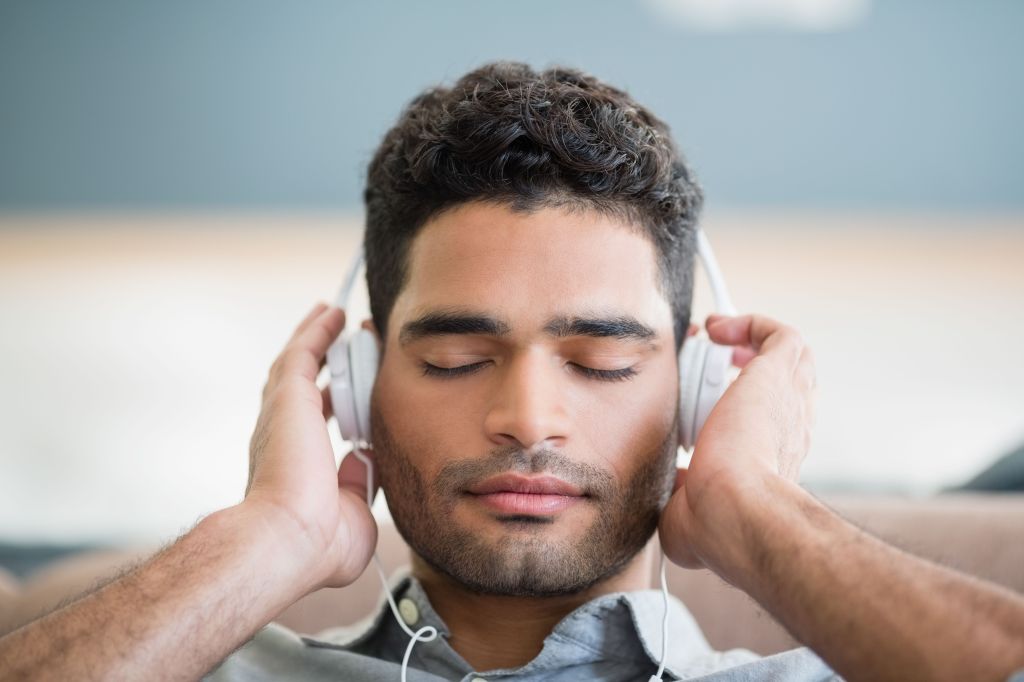
Music is a great way to relax and de-stress. You can listen to any music you like, but try not to choose something that’s too hard or fast. Music can also help you focus on what’s important in your life, which will help keep things in perspective when they get overwhelming.

Music can also help with sleep! I recommend listening before bed because it helps calm your mind enough so that it doesn’t keep tossing and turning at night because of all the stressors going through your head during the day (or even week).

Meditate

Meditating is a great way to relax and unwind. It can help you deal with stress, anxiety and depression, improve your memory and creativity, even slow down the aging process.

If you’re new to meditation or have never tried it before there are plenty of ways that beginners can begin:

Sit comfortably in a comfortable position (sitting or lying down).

Close your eyes if possible – this might help you focus better on what you are doing (most people choose not to cover their eyes).

Start by breathing normally through both nostrils for one minute without counting the breaths or trying anything else at first; this will help clear any thoughts from your mind so that when they come back again later on during meditation they won’t distract us from our task at hand which is meditating.

Talk to someone about your stressors

Talking to someone about your stressors is an important part of managing them. You can talk to your friends and family, but it’s also helpful to talk about the stressors with a therapist or counselor. If you feel comfortable talking about this issue with a doctor, go for it! The same goes for religious leaders, coaches and mentors who have experience dealing with similar issues in their own lives. And if none of these people are available yet, teachers are usually willing to listen when students come seeking guidance from them (or even just want advice on how they should handle their own problems).

Few more steps to encounter stress

Stress can be caused by a variety of factors including work-related issues, relationships with friends and family members or even just having too much on your plate at once. In order to manage stress effectively there are some steps that you can take:

Start taking breaks from time to time during the day (even if only for 5 minutes). This will help you relax and recharge so that when you return back into work mode again; everything feels fresh again.

Try getting outdoors more often during the day so that there’s less time spent indoors where all these feelings tend to accumulate over time because there isn’t much else going on besides watching TV shows while eating pizza as opposed being outside enjoying nature around us all… You get what I mean? 🙂

I hope this article has given you some useful tips for managing your stress. Remember that the best way to deal with a stressful situation is to stay calm and take action. Use our tips above and find something that helps you relax, like giving yourself time away from your responsibilities or getting some exercise – anything will do.

India surpasses United Kingdom to become fifth largest economy.

India has overtaken the UK to become the fifth-largest economy in the world. Economists and business executives anticipated that India’s position would continue to improve in the years to come due to greater economic growth.

According to figures from the International Monetary Fund (IMF), India passed the United Kingdom (UK) to become the fifth-largest economy in the world in the last quarter of 2021. India’s economy currently ranks just four nations ahead of it in terms of size in dollars. The United States, China, Japan, and Germany are the only nations with economies larger than India’s. The UK is currently in sixth place, just behind India.

IMF’s own forecasts show India overtaking the UK in dollar terms on an annual basis this year, putting the Asian powerhouse behind the US, China, Japan and Germany. A decade ago, India ranked 11th among the largest economies, while the UK was fifth. The government is expecting the economy to grow at 7-7.5 per cent in 2022-23, in line with its projections made at the beginning of this financial year. India registered a growth of 8.7 per cent in 2021-22. 

While India has overtaken the United Kingdom in terms of the size of the economy, the per capita income in India remains very low. When it comes to per capita income, which is a measure of how much money is made per person in a country, India is ranked 122 out of 190 countries.

India is set to become the third largest economy in the world by 2029. A State Bank of India report said India will surpass Germany in 2027 and most likely Japan by 2029 at the current rate of growth. The report said that the country has undergone a large structural shift since 2014 and is now the 5th largest economy overtaking the United Kingdom. 

All about INS Vikrant.

India got its first Indigenous Aircraft Carrier with Prime Minister Narendra Modi commissioning INS Vikrant in Kochi, marking a significant step towards strengthening the ‘Aatmanirbhar Bharat’ goal in the strategic sector of defence.

The Vikrant has 76 per cent indigenous content, which includes combat management system, electronic warfare suite, data network, and integrated platform management system, among others. As far as the origin of the word goes, the ‘Vi’ prefix in the Sanskrit word Vikrant denotes something that is distinctive or extraordinary, and the ‘krant’ suffix means to move or advance in a direction.

Named after her illustrious predecessor, which had played a vital role in the 1971 war, INS Vikrant is designed by the Indian Navy’s in-house Warship Design Bureau (WDB) and built by the Cochin Shipyard, a public sector shipyard. With the commissioning of Vikrant, India will have two operational aircraft carriers, which will bolster the maritime security of the nation.

Stretching to 262m, Vikrant in its length exceeds that of two football fields and is 62m wide. Its height of 59m packs in 14 decks in all and the vessel features over 2,300 compartments and provides room for a crew of 1,600 personnel and includes specialised cabins for women officers. Construction of the vessel began in 2009 at the Cochin Shipyard Ltd (CSL) and the total cost involved is around Rs 23,000 crore.

An aircraft carrier is one of the most potent marine assets for any nation, which enhances a Navy’s capability to travel far from its home shores to carry out air domination operations. Many experts consider having an aircraft carrier as essential to be considered a “blue water” navy — that is, a navy that has the capacity to project a nation’s strength and power across the high seas. An aircraft carrier generally leads as the capital ship of a carrier strike/ battle group. As the aircraft carrier is a prized and sometimes vulnerable target, it is usually escorted in the group by destroyers, missile cruisers, frigates, submarines, and supply ships.

10 popular sports in India


10 Popular Sports In India

Sports have been an integral part of the world culture dating back as far as ancient civilizations. The most eminent example of sports culture and society, the Olympic Games are more than 3,000 years old. Sports have always had an extraordinary impact on society, culture, economy, and every other facet of a nation. For those engaged in sports, sports are the epitome of diligence, hard work, and dedication. The popularity of sports culture can be determined by the fan base football and cricket enjoy worldwide. Sports help people maintain the best of their physical, mental and psychological health. Owing to the widespread popularity of the internet and television, people consume sports on a massive scale. The celebrity status of top sportspersons validates the importance associated with sporting events.

The Global Association of International Sports Federations (GAISF) (previously Sport Accord) is the umbrella organization for all international sports federations, and has developed a definition of sport to determine whether an applicant federation qualifies as an international sports federation. 

The GAISF’s definition of sport is as follows:

  • The sport proposed should include an element of competition.

  • The sport should not rely on any element of “luck” specifically integrated into the sport.

  • The sport should not be judged to pose an undue risk to the health and safety of its athletes or participants.

  • The sport proposed should in no way be harmful to any living creature.

  • The sport should not rely on equipment that is provided by a single supplier.

In layman’s language sport is …

  1. A human activity involving physical skill and exertion.

  2. Governed by a set of rules/procedures or customs.

  3. Undertaken competitively and capable of achieving a result.

India is one of the largest countries in the world in both area and population. India is also one of the few countries that have retained the popularity of their indigenous games among its people. Games like gilli-danda, kabaddi, pehlwani and kho kho. India is also where some of the oldest forms of martial arts originated like musti yuddha, kalerippayattu, silambam as well as marma adi. India also has a few board games, most popular of which is the chaturanga, believed to be the origin of modern chess. This is further reinforced with the rise of a number of chess grandmasters from the country. 

 Popular sports in India

1.Cricket;

Cricket has been the most popular sport in India, the country has hosted and won the Cricket World Cup on multiple occasions. Field Hockey is the most successful sport for India at the Olympic Games; the Indian men’s team have won twelve Olympic medals including eight gold medals.


 It is one of the most popular sports in India that holds the interest of worldwide viewers. Cricket is not just a game; it’s an emotion for Indians, and cricketers have a huge fan base than any other country on the earth. Sachin Tendulkar, the former cricketer, is considered the ‘God of cricket’, and such lifetime achievements have been rarely seen in other sports around the world.

The Indian cricket team is one of the best in the world and has won many prestigious tournaments, including the Cricket World Cup. The game was invented by the Britishers and adopted by India with love. It consists of 11 players on each team and played on a 22-yard field. Also called a gentleman’s game that teaches us about discipline.

2. Hockey

Hockey is another popular sport in India and is the national game of the country. Hockey is a team sport that is played with a stick and a ball. The game is played between two teams of 11 players each.

The aim of the game is to score goals by hitting the ball into the other team’s net. The team that scores the most goals in the match wins. Hockey is a very fast-paced and exciting game to watch.

The Indian Hockey team was one of the strongest team in the world. Under the leadership of Dhyan Chand, the team once dominated the international player and consecutively received eight gold medals in the Olympics. 


3.Football

Football is another popular sport in India and is played by people of all ages. Football is a team sport that is played with a ball. The game is played between two teams of 11 players each.

The aim of the game is to score goals by kicking the ball into the other team’s net. The team that scores the most goals in the match wins. Football is a very exciting and popular sport to watch. The Indian football team is not as successful as the cricket or hockey teams, but it is still this sport has a substantial fanbase among the youth of the country. India currently ranks 108 in FIFA rankings. Players like Baichung Bhutia and Sunil Chetri have excelled in the sport and also done promotional activities for football in India. Indian Super League (ISL) was started in India on the lines of IPL.

4.Tennis

Tennis is a popular sport in India and is played by people of all ages. Tennis is a racket and ball sport that is played between two players or two teams of two players each. In this game, you hit the ball over the net into the other player’s court. The aim of the game is to score points by hitting the ball in such a way that the other player cannot return it. The first player to reach four points wins the game.


Tennis is a very popular sport in India and there are many professional players from the country. These include Sania Mirza, Leander Paes, and Mahesh Bhupathi.

5.Badminton

Badminton is another popular sport in India and is played by people of all ages. Badminton is a racket and shuttlecock sport that is played between two players or two teams of two players each.

In this game, you hit the shuttlecock over the net into the other player’s court. The aim of the game is to score points by hitting the shuttlecock in such a way that the other player cannot return it. The first player to reach 21 points wins the game.

Badminton is a popular sport among the general public but never gained popularity internationally. However, the game slowly started catching fire over the last few decades, and it was the year 2012 when a well-known sports personality in today’s time won the first bronze medal in London Olympics.

It was Saina Nehwal, who made us proud by winning the medal in the Olympic games for the first time in Badminton.

The story didn’t end here, as, in 2016, PV Sindhu won a silver medal at the Rio Olympics and proved that Badminton is not only a general sport but a name that can be made in this field. Other shutters who have brought him major honours include K Srikant, Jwala Gutta, Ashwini Ponnappa, and yesteryear giants Prakash Padukone and Pulella Gopichand, in addition to Olympic medals.

6.Kabaddi

Kabaddi is undoubtedly one of the most popular sports presents in India. It is also believed to have originated in India. Indian people are very fond of this contact sport. Amar, Suranjeevi, huttuttoo, and Gaminee are the four forms of kabaddi played in India. The dominance of the Indian National team is evident from the fact that the Men’s team has won all 3 World Cups organised till date, 7 Gold medals in Asian Games. The Women’s National Kabaddi team has also won 2 Gold medals in Asian Games. In 2014, Pro Kabaddi League was started in India to promote kabaddi.

With the unexpected rise of the Pro-Kabaddi League (PKL), which is conducted annually in several locations across India, Kabaddi has gained mainstream recognition among the traditional sports of India.

The PKL became India’s second most popular league in 2014, which is just next only to the Indian Premier League (IPL).

Kabaddi is positioned well to boost audiences in rural areas of India. Due to its clear appeal and establishing new viewers who are steadily learning more about the sport. Kabaddi has created a strong viewer base and a set of willing sponsors.

At present, India and Iran are the two world’s best kabaddi teams. Until 2017, India has created records and won all Kabaddi World Cups and international tournaments.


7.Wrestling

Wrestling has been a very famous sport in India, especially in the rural region. It is better known as ‘Kushti or Pehlwani’ in India. The culture of wrestling in India includes the ‘Akhara’ which is the place where it is practised. India has won medals in different styles of wrestling in various tournaments ranging from Olympics, Asian Games, Commonwealth Games, World Championships. The famous Indians in this sport are Dara Singh, K.D. Jadhav, Sushil Kumar, Geeta Phogat, Yogeshwar Dutt.

8.Boxing

A big reason for the popularity of Boxing in India is MC Mary kom, who has won 6 World Championships, Bronze in Olympics, Gold in Asian and Commonwealth games. Taking inspiration from her, many sportspersons have emerged in this sport. Vijender Singh, Akhil Kumar, Sarita Devi are the other famous players of the sport.

 9.Chess

This indigenous game has also got immense popularity in India. This is because a lot of mind work is involved while playing the game. Former World Champion Viswanathan Anand got fame after becoming a grand master in the game. Undoubtedly, youngsters and teenagers are taking an interest in this game because of this man who has gained an excellent reputation in the world. The All-India Chess Federation is the official body for it.

10. Table Tennis

This is actually the fastest racquet game in the world. It is popular among youth as it improves the reaction time of a person. It is played in various categories like cadet, sub-junior, junior, senior. Some of the famous international Indian players in this sport are Sharath Kamal, Manika Batra, Sathiyan Gnanasekaran.


10 travel destinations in india

India is home to some of the most stunning natural attractions and historical sites in the world. With so many places to visit and things to do, it’s hard to know where to start. But if you want something off-the-beaten path, these 10 destinations are sure to satisfy your wanderlust.

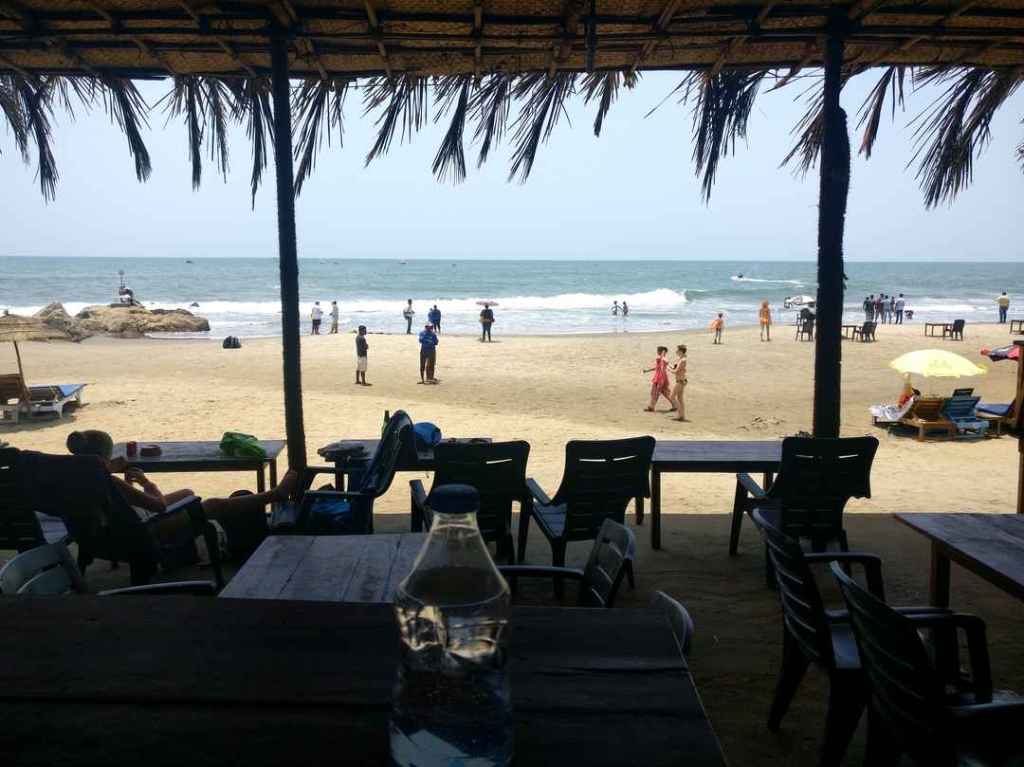
1. Goa

Vagator Beach, Goa

Goa is a popular tourist destination in India and has been attracting visitors for years. It’s known for its beaches, which are clean and have plenty of space to relax on them.

Goa also has great food, music and culture. The best way to experience all this is by staying at an airbnb or other bed & breakfast type place that hosts travelers from around the world!

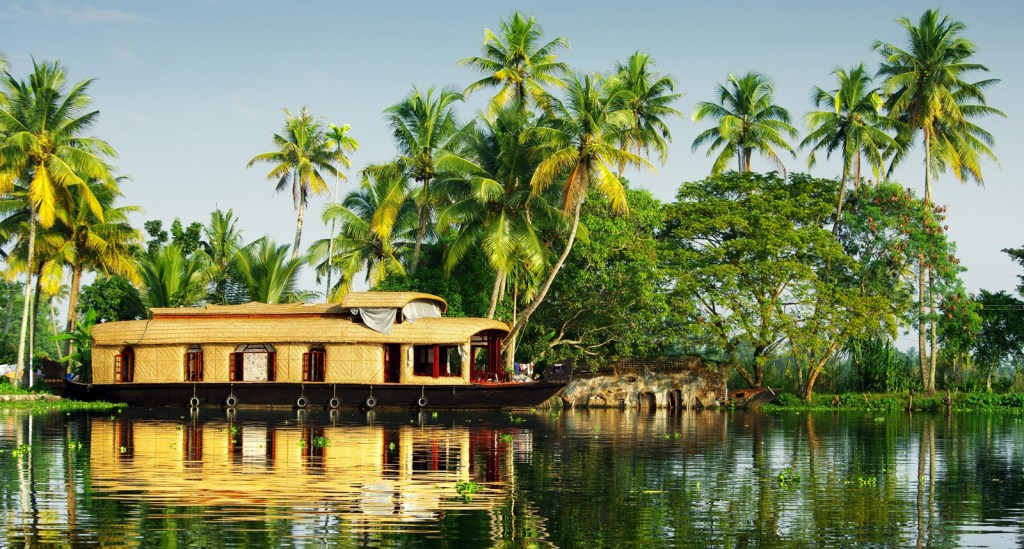
2. Kerala

Kumarakom, Kerala

Kerala is a beautiful place to visit in India. It has many beaches, backwaters and historical sites. One of its most famous attractions is the backwaters of Alleppey that are home to some interesting wildlife sanctuaries. The state also has many temples which are a must-see during your trip here.

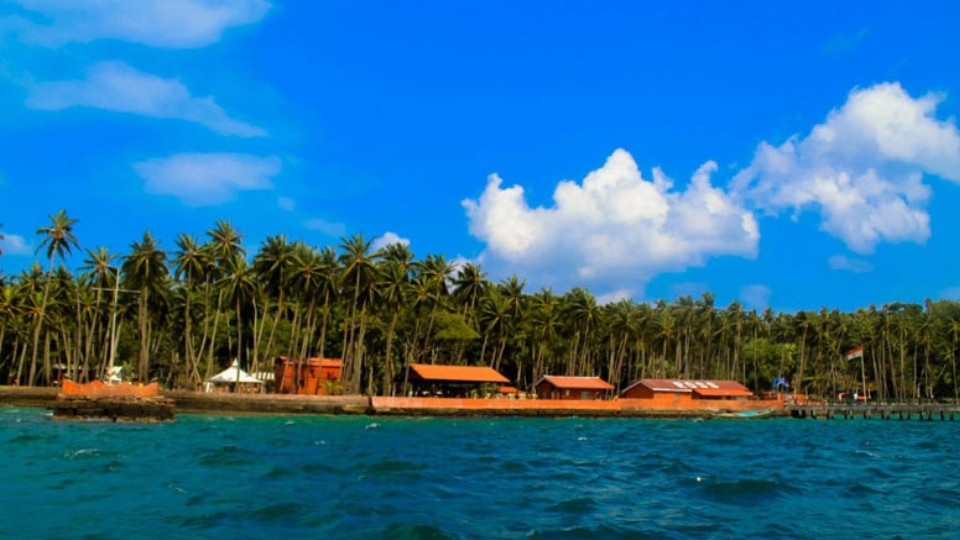
3. Andaman and Nicobar Islands

Andaman

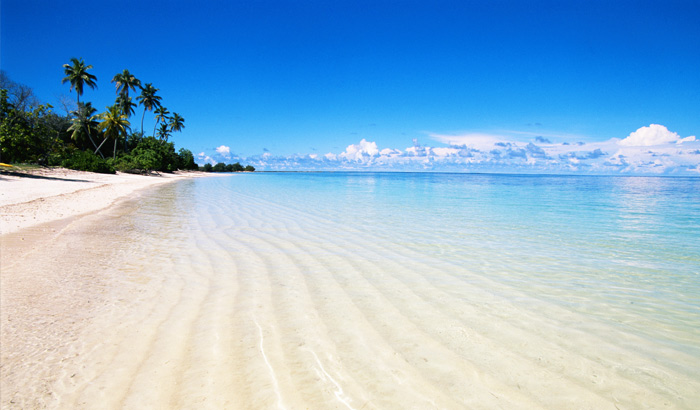
The Andaman and Nicobar Islands are located in the Bay of Bengal, just off India’s coast. These islands are a part of India and home to many different tribes. The islands have a great climate for relaxation, as well as beaches with white sand.

4. Pondicherry

Serenity beach, Pondicherry

Pondicherry is a city in the union territory of Puducherry. It was formerly known as Pondicherry and it is located on the Coromandel Coast, India’s east coast, which is known for its beaches and resorts. The city has an old-world feel to it with buildings that date back to French rule over India during the 19th century.

Pondicherry has many beaches where you can go swimming or just relax on your day off from work.

5. Leh Ladakh

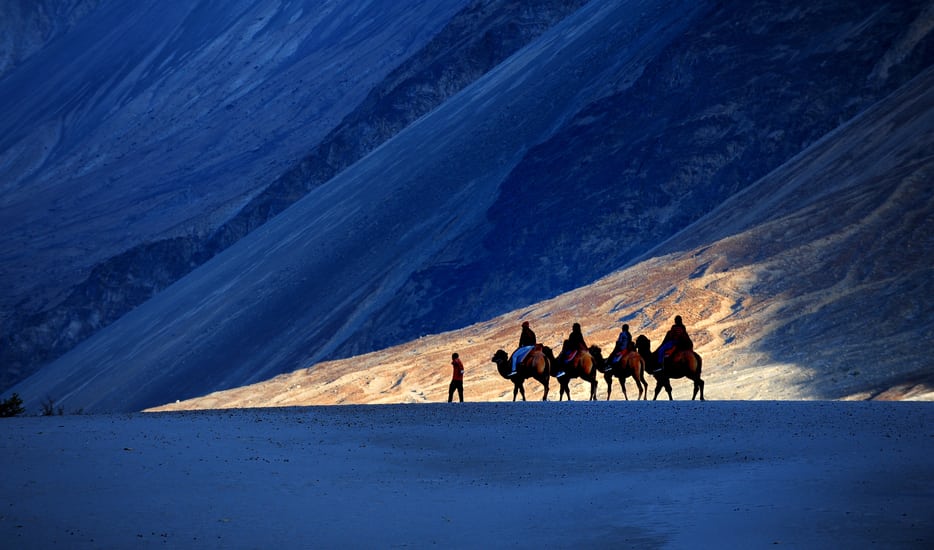
Nubra Valley, Ladakh

Leh Ladakh is a cold desert in the Himalayas, close to the Chinese border. It’s a great place to visit if you want to see the mountains and enjoy some hiking or trekking. There are many places where you can go for this activity, but one of them is called “Nubra Valley”. In this valley there are many different things that you can do: horseback riding (on horses), skiing down from a mountain peak or just walking around looking at all those beautiful views.

6. Rajasthan

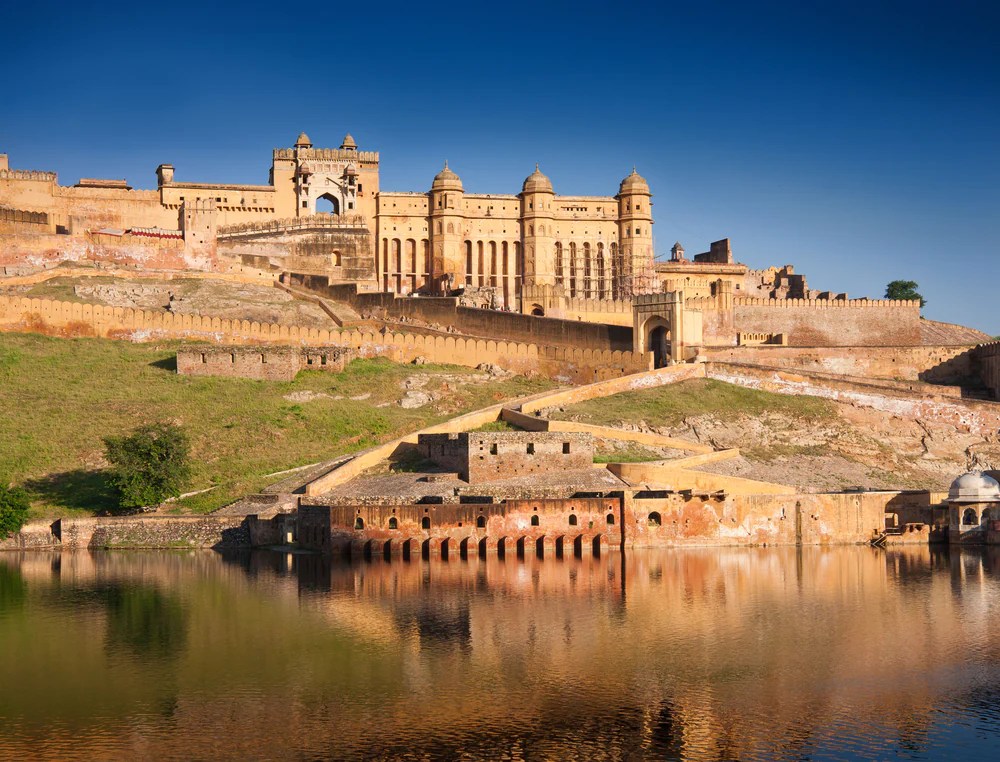
Amer fort, jaipur

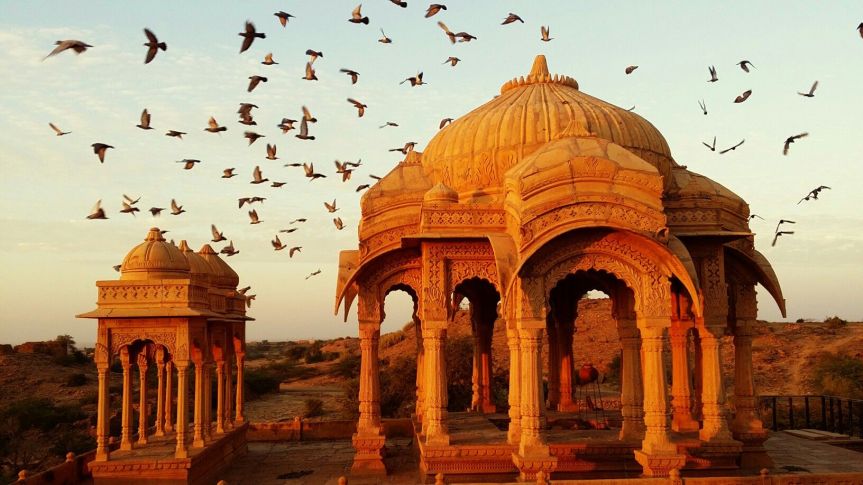
Rajasthan is a state in northern India. It has a desert climate, but it’s also known for its palaces and forts. The city of Jaipur is home to several of these attractions, including the Amber Fort and Jantar Mantar Observatory. It also has many lakes, some famous (Lake Pichola) and some not so much (Kumbhalgarh). Some people visit these lakes during wintertime because they’re warm then; others go there in summer because it looks like an ice skating rink. There are plenty of temples as well: we’re talking about hundreds of them.

7. Darjeeling

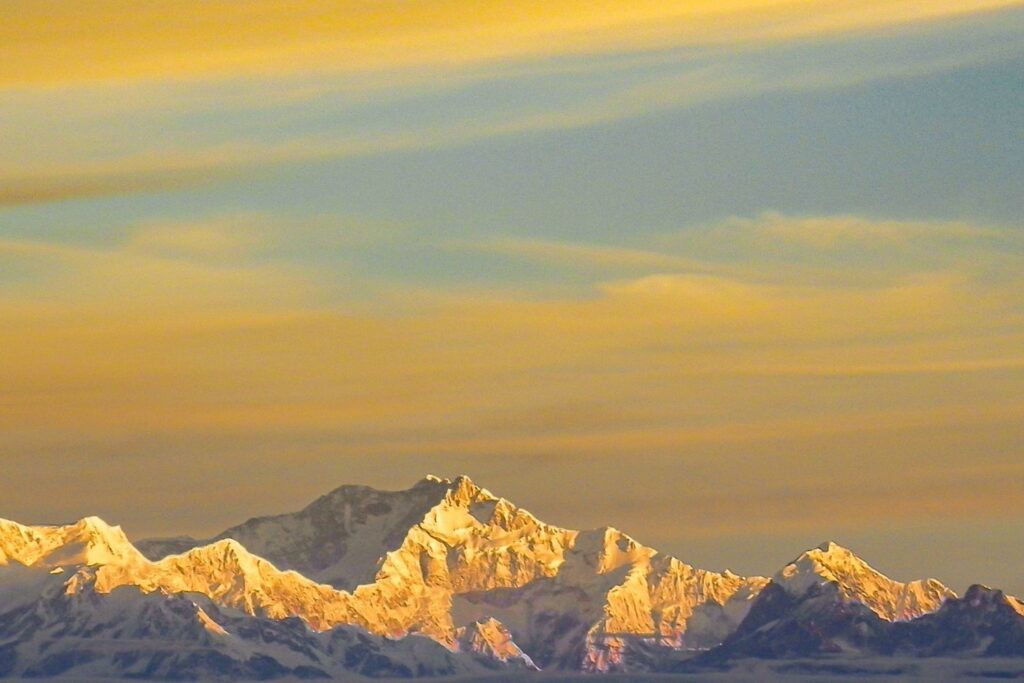
The Kanchenjunga

Darjeeling is a hill station in West Bengal. The city is located on the foothills of the Himalayas and offers panoramic views of the plains below.

The town has been known for its tea plantations since 1834 when it was first discovered by British colonists. It’s also a popular destination for trekkers, who can choose from several trails to explore this beautiful area along with its rich history and natural beauty.

8. Varanasi

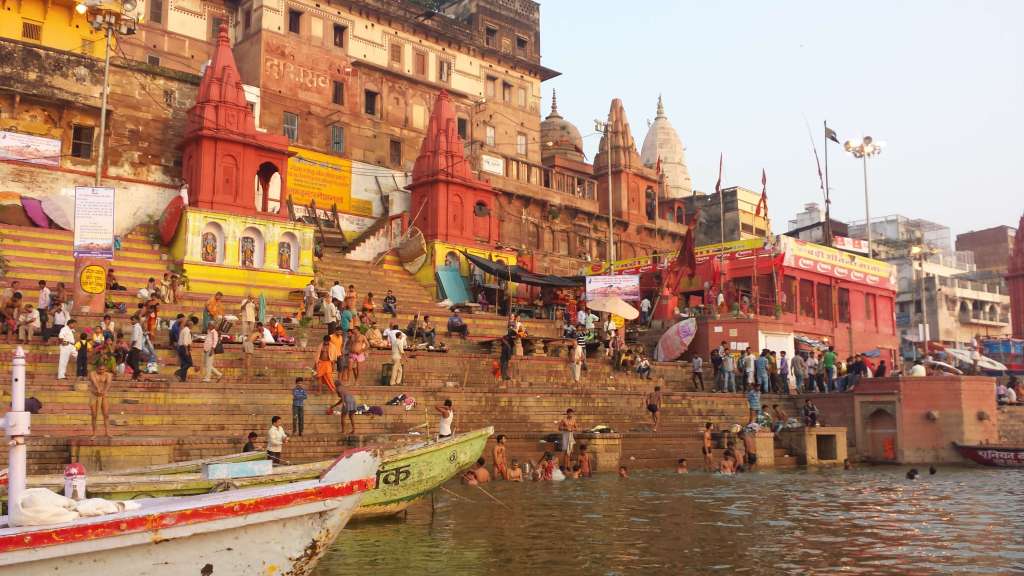
A ghat in varanasi

Varanasi is a religious, cultural and historical city located on the banks of River Ganges. It has been called one of the most sacred places in India as it’s believed that Lord Shiva resided here for some time before passing away.

The city is known for its ghats (steps leading down to the river), temples and food which are all part of its rich history. Varanasi offers tourists everything they need during their stay – from budget accommodation options to luxury hotels & resorts offering everything from pampering spa treatments to yoga classes at sunrise. Not only this but there are plenty of things to do when you visit Varanasi including visiting one or more ghat sites where pilgrims perform rituals during monsoon season when temperatures rise up high enough so visitors can bathe in freezing waters without getting cold feet.

9. Rishikesh

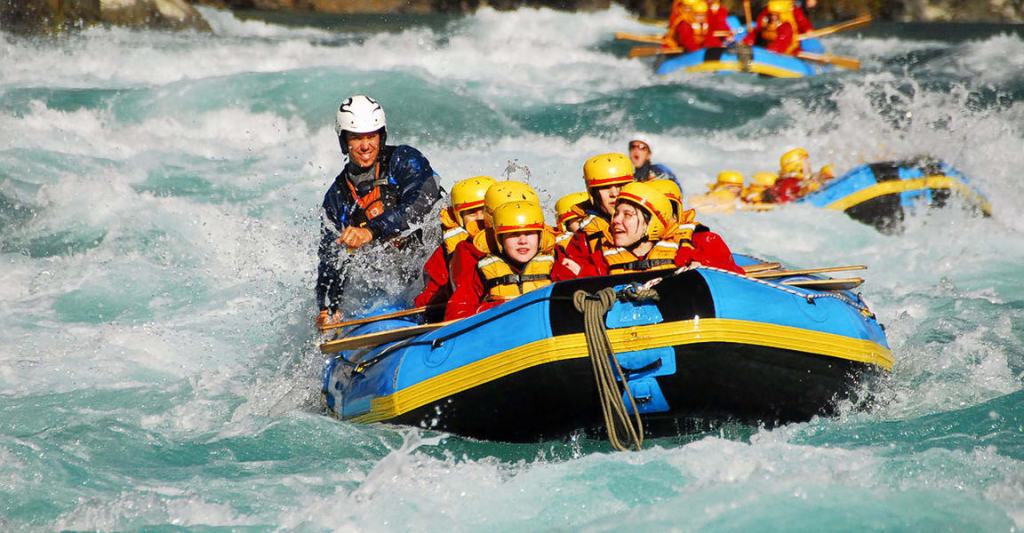
Rafting in Rishikesh

Rishikesh is full of amazing sights—from its spectacular natural surroundings to its historic temples and churches. Other sights include Lakshman Jhula Bridge built between 1822–1823 across River Ganges near Yamuna Sagar Lake during British rule; Vishwanath Temple dedicated specifically because he was considered Hindu god Vishnu’s favorite son; Kedarnath Temple built by King Bhagwan Nand Lal in memory of his father who died while building this temple during his lifetime. River rafting and other fun activities are organised here.

10. Gulmarg, Jammu and Kashmir

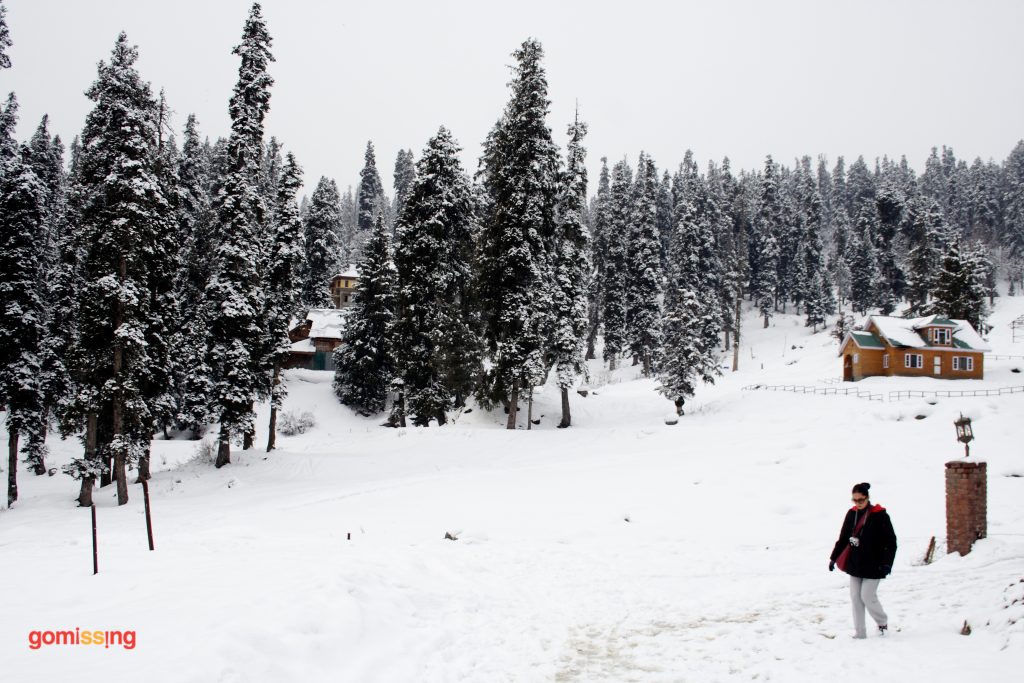
Gulmarg Golf Club area

Gulmarg is a ski resort in Kashmir, located at an altitude of 11,500 feet. It is one of the oldest and most popular tourist destinations in Jammu and Kashmir. The area has 300 km of pistes that can be reached by cable cars or snowshoes. Gulmarg also hosts many other activities like skiing, heli-skiing, snowboarding and more.

These are just a few of the travel destinations in India that you can experience and enjoy.

India to be next global SaaS capital.

The Indian IT sector continues to charge ahead on its trajectory of growth and transformation, with SaaS (Software as a Service) setting the stage for the next wave of disruption, according to a study. 

India is home to about 100-plus unicorns across different segments with an accelerated pace of entrepreneurship and is rapidly emerging as a hub for SaaS start-ups, cited the study by EY and CII, titled “India: The next global SaaS capital.” 

Over 80 per cent of the SaaS promoters feel there is the need to build a robust talent pool, according to the EY-CII study. While the landscape is mainly driven by small and medium businesses with a focus on large enterprises, SaaS companies in the SMB market are structured very differently from those catering to the enterprise market.

“Macro-economic environment notwithstanding, the funding activity in the first two quarters of this year surpassed the funding activity in 2021 – which was a breakout year with over $4.3 bn in funding for SaaS start-ups,” said EY India.

According to other reports, the Indian SaaS market is expected to grow multi-fold by 2025, accounting for almost seven to ten per cent of the global SaaS market, from 2-4 per cent at present.

Led by Freshdesk and Zoho Corporation, India now has 18 SaaS unicorns as compared to one in 2018, with India being the third largest SaaS ecosystem globally, after the US and China. The number of SAAS companies in the country have more than doubled in 2021 as compared to 2019 and the funding too increased from $2.6 billion in 2019 to $6 billion in 2021.

According to the EY-CII report, SaaS providers are also doubling down on their customer acquisition, retention, and success strategies by upselling and cross selling to existing customers. The study also pointed towards the need for skill development in areas like product management and design to cater to the growing talent demand in the SaaS industry.

National Sports Day.

The national sports day in India is celebrated on 29 August on the birth anniversary of legendary hockey player Major Dhyan Chand Singh, Major Dhyan Chand Singh is regarded as India’s greatest hockey player of all time.

The late hockey player had led India to three Olympic gold medals in 1928, 1932 and 1936, he had scored over 400 goals in 22 years he was bestowed with India’s third-highest civilian owner Padma Bhushan in 1956

Dhyan Chand Singh also served in the Indian army and brought laurels to the country the first national sports day was celebrated on 29 august 2012. The day is observed also to spread awareness on the importance of sports to stay fit and healthy on this day the president of India honours eminent sports personalities with major awards including the Arjuna award major Dhyan Chand Khel Ratna award and the Dronacharya award.

Sport is very vital in the human’s life as it keeps us healthy, wealthy or active. There are several advantages of playing sports like it help us in building confidence, provides regular exercise, team-work, etc. Participating in sports also has psychological advantages like it relieves the stresses of everyday life.

The government understands the importance of national sports day & promoting sports as well. They have taken several initiatives for the development of sports like khelo India, National Sports Development Fund, and Scheme for Promotion of Sports among Persons with Disabilities, Scheme of Assistance for Anti-Doping Activities, etc. Khelo India is a very popular initiative taken by the government. The main aim of the Khelo India programme is to revive the sports culture in India at the grass-root level by building a strong framework for all sports played in our country and establishes India as a great sporting nation. This program was introduced by the ministry of sports and youth affairs. 

The Sports Authority of India is the premier sports body of the country which will spearhead India’s sporting ambitions and develop the environment to promote the sports culture in the country and sporting excellence.

Sports Authority of India is now in the process of formulating and implementing a series of reforms in the Sports Sector which will build on a holistic approach to the development of Sports and Physical Education. Sports Promotional Schemes of Sports Authority of India:

  • National Sports Talent Contest Scheme (NSTC) – for Sub-Junior level trainees
  • Army Boys Sports Company Scheme (ABSC) – for Sub-Junior level trainees
  • SAI Training Centres Scheme (STC) – for Junior level trainees
  • Extension Centre of STC /SAG
  • Special Area Games Scheme (SAG) – for Junior level trainees
  • Centre of Excellence Scheme (COX) – for Senior level trainees
  • COME and PLAY Scheme

INDIAN NATIONAL MOVEMENT

The history of India and Indian national movement is resolvable in understanding. The Indian independence movement was a series of historic events during the British Raj with the ultimate aim of ending British rule in India on the Indian subcontinent. It lasted from 1857 to 1947.

The Revolt of 1857: The first movement for freedom first broke in Bengal.The Revolt of 1857 was started on May 10, 1857, at Meerut. It was the first-ever war for Indian Independence. It was the first large-scale rebellion against the East India Company. The Revolt was unsuccessful but it made a major impact on the public and stirred the entire Independence Movement in India. Mangal Pandey was one of the major parts of the revolution as he declared rebellion against his commanders and fired the first shot on the British officer.

Swadeshi Boycott Movement:
At the beginning of the 20th century, the Britishers announced the partition of Bengal with a motive to weaken the unity of nationalists. Amongst the prime Indian national movements, the Swadeshi Boycott Movement surfaced in the year 1903 as a reaction against the partition of Bengal but was formally announced in July 1905 and fully came into force from October 1905.

Anti-Partition Movement :
Led by moderates like Surendranath Benerjee, K.K.Mitra and Dada Bhai Naraoji, the initial stage of this Indian National Movement took place from 1903-1905. The Anti-partition movement was carried out through public meetings, memoranda, petitions etc.

Swadeshi and Boycott Movement:
From 1905 to 1908, the Swadeshi and Boycott movement was started by extremists like Bipin Chandra Pal, Tila, Lala Lajpat Rai and Aurobindo Ghosh. The general public was asked to refrain from the use of foreign goods and motivated to substitute them with the Indian homemade goods. Prominent events like Indian festivals, songs, poetries and paintings were used to propagate this Indian national movement.
Home Rule League Movement
To convey and propagate the feeling of self-governance into the common man, this Indian National movement was carried out in India as it simultaneously happened in Ireland. Majorly, the below-mentioned leagues pivotally contributed to the group of the Home Rule League Movement using newspapers, posters, pamphlets etc

Bal Gangadhar Tilak started this league in April 1916 and spread out to Maharashtra, Karnataka, Berar and Central Provinces.
Annie Besant’s League began in September 1916 in various other parts of the country.

Satyagraha movement:
The first Satyagraha Movement was led by Mahatma Gandhi in the Champaran District of Bihar in the year 1917. Champaran district had tens of thousands of landless serfs. One of the suppressed Indigo cultivators, Pandit Raj Kumar Shukla persuaded Gandhi to lead this movement. This led to other Satyagraha Movements.
Khilafat Non-Cooperation Movement
The Non-Cooperation Movement was one of the most famous and crucial phases in the Indian freedom struggle against the Britishers.
Ill-treatment of the Khalifa, the spiritual leader of the Muslims by the Britishers agitated the entire Muslim community in India and around the world.
Deteriorating economic conditions in the country along with the major incidents like Jallianwala Bagh Massacre, Rowlatt Act, etc were the main reasons behind how it emerged to be a pivotal Indian national movement.
This are the one of the important reason for the rise of this movement. The Non-Cooperation Movement was officially launched by the Khilafat Committee in August 1920. Also, the Indian National Congress adopted the movement in December 1920 after their Nagpur session. After which a complete boycott of government goods, schools, colleges, food, clothing etc happened and emphasis was laid on studying at national schools and khadi products were used.
On February 5, 1922, Chauri Chaura incident took place wherein the police station along with 22 policemen inside it was burnt. This led to call-off of this Indian National Movement by Mahatama Gandhi.

Civil Disobedience Movement :
One of the most prominent Indian national movements, the Civil Disobedience phase is classified into two stages:
First Civil Disobedience Movement
The Civil Disobedience Movement was launched along with the Dandi March by Mahatma Gandhi on 12th March 1930. Ultimately, it ended on April 6 when Gandhi broke the Salt Law at Dandi. Afterwards, the movement was proceeded by C.Raja Gopalachari.
Mass participation of women, peasants and merchants happened and was succeeded by salt satyagraha, no-tex movement and no-rent movement as this Indian national movement spread across the country. Later on, it got withdrawn in March 1931 because of the Gandhi-Irwin Pact.

Second Civil Disobedience Movement:
The failed treaty of the second roundtable conference led to the start of the second Civil Disobedience Movement stretching from December 1931 to April 1934. This lead to varied practices like protests in front of liquor stores, salt satyagraha, forest law violations happened. But the British Government was aware of the upcoming incidents, thus, it imposed martial law with a ban on gatherings outside Gandhi’s Ashrams.
Quit India Movement
The main reason behind the launch of the Quit India Movement in 1942 as it became one of the powerful Indian National Movements include:
The failure of the Cripps proposal become the awakening call for the Indians
The discontent of the general public with hardships brought by the world war.
After going through so many hardships in order to redeem the motherland from foreign and save the religion and self-esteem, India received it’s freedom from British on the night of 15th August 1947, 12:02 am from the British to become a Sovereign and Democratic country.

Government policies regarding Education in India.

Before 1976, education was exclusively the responsibility of states; the Central government was only concerned with certain areas like co-ordination and determination of standards in technical and higher education, etc. In 1976, through a Constitutional amendment, education became a joint responsibility.

The Indian government has been trying to enhance the quality of education since the time of independence. There have been numerous policies and schemes that aimed at providing better education for everyone, irrespective of caste and religion. Indian constitution allows children with the right to education, which means that education isn’t just something that children want, it is their right.

The Indian government has had some long-term education policies along with some latest additions. Mentioned below are some of the best schemes that were framed to promote education in India-

Samagra Shiksha

Under this scheme, the government has decided to treat the school education from class 1 to 12 holistically and without segments. This scheme is framed to increase the efficiency of school education and provide students with better facilities to promote holistic growth. This has been done due to the long-time need for change in the education system of India.

Eklavya Schools

A lot of scheduled caste and minority people face issues like discrimination while trying to get educated; they generally don’t have enough money to have a proper education. This is why the government of India introduced this scheme. Under this scheme, special schools are to be made for scheduled caste and minority students that will provide basic education along with skill development in sports and other fields. This is being done to provide them equal opportunities.

Free education for poor

This was a masterstroke by the state government of Assam, and under this everyone with a BPL card will be allowed to avail free high quality senior secondary education, polytechnic and other degree courses from government institutions. This is done to help people to get an education even if they cannot afford it. This is sure to promote education in those areas.

Scholarships

One of the main reasons for people opting for not to educate their kids is due to limitations caused due to lack of money. Indian government runs a lot of scholarship schemes like Kanya Vidhya Dhan, which aims at providing funds for the education of girls. Similarly, there are a lot of other programs that cover meritorious students, minorities, etc.

Providing sanitation facilities

One of the main reasons for girls not attending schools in India was the lack of female sanitation facilities in government schools. Government has implemented a variety of policies and schemes to tackle this situation. Now over 80% of schools in India have proper sanitation facilities for students. This has worked efficiently till now and the government is planning to invest more in this area.

Gender education

Telangana government has announced that all the schools coming under their jurisdiction have to facilitate gender education to students compulsorily. This step will help in reducing the widespread inequality in gender in backward areas. Gender inequality is one of the main reasons as to why a lot of Indian kids don’t get a proper education.

Mid-day meals

This is one of the oldest running educational policies of the Indian government. Under this policy, primary schools in rural areas offer a one-time meal to their students. This policy has worked wonders and has been efficiently doing so for a long time now. The schools have to provide meals to students according to the government prescribed meal chart, to facilitate proper growth among students.
Free stationary and dress

Government schools have this policy for a long time now due to its efficiency. Under this policy, 2 members from a family that have a BPL card are allowed to get education from government schools without paying the fee. Stationery and schools dress are also provided to them.

LAND REFORMS

What are Land Reforms?
Land Reforms refer to the redistribution of Lands from the rich class to the poor class. It includes operations, leasing, regulations of ownership, sales, and the inheritance of Land since Land redistribution requires legal changes.


In an agrarian economy like India with massive inequalities of wealth and income, great scarcity and an unequal distribution of land, coupled with a large mass of people living below the poverty line, there are strong economic and political arguments for land reforms.Due to all these compelling reasons, Land reforms had received top priority by the governments at the time of independence. The Constitution of India left the adoption and implementation of the land reforms to the state governments. This has led to a lot of variations in the implementation of land reforms across states.

The pattern of agriculture is always irregular in India. In the pre-independence era, tenants, peasants, and small farmers suffered a lot due to the revenue systems of Mahalwari, Zamindari, ryotwari. One of the major reasons was the unequal distribution of land. Landholdings were concentrated in few hands. The majority of farmers were being exploited. The struggle of class between the bourgeoisie and the proletariat was not a new thing. After independence, it was pivotal and need of an hour to focus upon land distribution checks. Especially, it was the rural population that was facing the maximum hindrance in socio-economic development.India under the British Raj had witnessed a lot of such atrocious regulations that exploited the poor and helpless in many aspects. Among them, land ownership contributed significantly to preventing the socio-economic growth of the backward population.The government of independent India came up with acts and laws to establish equal rights and ownership of land, which now constitutes a crucial episode of India’s economy. In the following lesson, you will come across a detailed discourse on land reforms in India after independence and their importance.
The instruments that are visualized for social justice are known as Land Reforms. Land Reforms refer to the redistribution of Lands from the rich class to the poor class. It includes operations, leasing, regulations of ownership, sales, and the inheritance of Land since Land redistribution requires legal changes.
After independence in 1947, an inadequate agricultural output was apparent. In order to fix this situation, the Indian government took measures to alter existing regulations for a better outcome.

These acts formed agrarian reforms in India after independence.
he Land Reforms in post-independent India had various components:
• Abolition of Intermediaries: The first step taken by the Indian government under land reforms post-independence was passing the Zamindari Abolition Act. The abolition of the zamindari system was done that removed the layer of intermediaries who used to stand between the state and the cultivators. In many areas, superior rights were taken away from the zamindars and weakened their economic and political power.
The primary reason of a backward agrarian economy was the presence of intermediate entities like, jagirdars and zamindar who primarily focussed on collecting sky-rocketing rents catering to their personal benefits, without paying attention to the disposition of farms and farmers. Abolition of such intermediaries not only improved conditions of farmers by establishing their direct connection with the government but also improved agricultural production.

• Regulation of Rents
This was in direct response to the unimaginably high rents which were charged by intermediaries during British rule, which resulted in a never-ending cycle of poverty and misery for tenants. Indian government implemented these regulations to protect farmers and labourers from exploitation by placing a maximum limit on the rent that could be charged for land.

• Tenancy Reform: The tenancy Reform led to the introduction of regulation of rent, providing security tenure, and conferring ownership to the tenants. In the pre-independence period, the rent which was paid by the tenants was exorbitant producing 35% to 75% of gross throughout the country. The primary attempt of the Reform was either to regulate rents and give some security to the tenants or outlaw tenancy altogether.
Legislations were passed in all states of the country to grant tenants with permanent ownership of lands and protection from unlawful evictions on expiry of the lease. This law protects tenants from having to vacate a property immediately after their tenure is over unless ordered by law. Even in that case, ownership can be regained by tenants with the excuse of personal cultivation.

• Ceilings on Landholdings- This Reform referred to the legal stipulation of maximum size after which no farm household or farmer can hold any Land. By the year 1961-62 the government of all states passed the Land ceiling acts and in order to bring uniformity across states, a totally new ceiling policy was evolved in 1971. This law was enacted to prevent the concentration of land ownership in a few hands. It placed an optimum limit on the total measure of land which an individual or a family can hold. Along with fixation of land ceilings, this rule enables the government to take ownership of the additional or extra amount of land, which in turn, is given to minor tillers or farmers with no land. With the help of these Reforms, the states were able to identify and take possession of Lands exceeding the ceiling limits from the households and redistribute them to the Landless families.

• Consolidation on Land Holdings- The term consolidation referred to the redistribution or reorganization of the fragmented Lands into one single plot. The trend of the fragmentation of Land increased because of the growing population and fewer work opportunities and this fragmentation made the personal supervision and the irrigation management tasks very difficult. Therefore, the act of Landholdings consolidation was introduced which states that if there are few plots of Lands of a farmer then those Lands were consolidated in one bigger piece which was done by the process of exchanging or purchasing.

A major problem of the agrarian structure of India is land fragmentation, which hinders large-scale farming and production. This problem was solved with this regulation which permitted farmers to consolidate minor fragments of land owned by them into a singular piece of land. This enabled tenants to carry out agricultural operations in a larger field, which could be done by exchanging land or purchasing additional pieces.

"Using UPI is not going to be chargeable" Clarified.

The RBI discussion paper issued earlier this month said, UPI as a fund transfer system is like IMPS and therefore, it could be argued that the charges in UPI need to be similar to charges in IMPS for fund transfer transactions.

To clarify, Ministry of Finance quoted  “UPI is a digital public good with immense convenience for the public and productivity gains for the economy. There is no consideration in government to levy any charges for UPI services,” the Ministry of Finance said in a statement.

The clarification came amid speculations that UPI transactions could be charged, as a discussion paper released by the Reserve Bank of India (RBI) on August 17 sought feedback related to the subject. “Charges for payment services should be reasonable and competitively determined for users while also providing optimal revenue stream for the intermediaries,” the central bank said in a release. The feedback received would be used to guide policies and intervention strategies.

In the context of UPI, the RBI, in the discussion paper, has questioned if UPI transactions are charged, they should be administered by the regulator, or whether they should be market determined. While clarifying it was not considering any service charge on UPI transactions, the finance ministry reiterated its support for the further adoption of the digital payments system.

RBI heading to curb prevailing inflation.

In the august meeting of the committee of the apex bank, the Reserve Bank of India (RBI) hiked the repo rate by 50 basis points to 5.4 per cent, its third hike in the current financial year continuing its fight to tame stubbornly high inflation.

The decision of the six-member Monetary Policy Committee (MPC) of the RBI, which met on August 3 to Aug 5, 2022 was largely in line with expectations. Financial markets were largely unchanged at mid day as the hike was on expected lines. The central bank said it would continue its stance of withdrawal of accommodation to ensure that inflation moves close to the target of 4 per cent over the medium term, while supporting growth.

RBI has been increasing policy rates since May, with a cumulative rate hike of 140 basis points being done so far, India’s retail inflation for June inched down in June to 7.01% from 7.04% in the previous month, but it remained above the 7% mark for the third successive month and above RBI’s 2-6% tolerance level for a sixth straight month.

But the estimates for July show that India’s inflation problem seems to have bottomed out sooner than the MPC thought. At its latest meeting earlier this month, RBI retained inflation projections for FY23 at 6.7% and estimated inflation to average 7.1% in the September quarter. There is more evidence that inflation in India has peaked for now, and it is likely to slow faster than RBI’s published trajectory, coming into the target band by October, according to our latest tracking estimates. The Central government working with RBI target to curb inflation from the economy in all possible way, the objective of these steps as expected by the committee is to lower the prices of basic commodity and works toward appreciation of the rupee against dollar.

"Make In India" explained.

Make in India program was launched by Prime Minister Narendera Modi on 25th September 2014 as an initiative to encourage various companies to manufacture in India. Make in India is an initiative under Atma Nirbhar Bharat Abhiyan which is dedicated to developing a modern independent India. Make in India’s movement is to attract foreign capital to invest in Indian manufacturing companies to create more employment options and to transform India into a global design and manufacturing hub. This initiative is to promoting manufacturing companies to produce goods and services in India instead of importing it from other countries and encouraging citizens to use the made in India products only.

The ideology behind the Make in India plan was to generate more employment, saving the nation’s money from exporting goods that can be or used to manufacture in India, and to create a conducive environment for investments. This movement can help to develop India to become a developed nation quickly. Make in India help to develop a modern and efficient infrastructure and open up new sectors for foreign capital especially after the 100% ownership of FDI. 

GoI aimed so many targets to be done successfully under the Make in India mission. A few of the objectives are listed out below:

  • A rise in the domestic value addition and technological depth in the manufacturing sector.
  • Raise in manufacturing sector growth to 12-14% per year.
  • Increase in the manufacturing sector’s share in the GDP to 25% by 2022.
  • Create 100 million extra jobs in the manufacturing sector by 2022.
  • Expanding the global competitiveness of the Indian manufacturing sector.
  • Creating required skill sets among the urban poor and the rural migrants to foster inclusive growth.
  • Having environmentally sustainable growth.

This program is destined to facilitate foreign direct investment and convincing Indian and foreign companies to produce their goods in India. Its key features are.

•    It is estimated that such facility of producing goods would increase the demand for employment in various sectors and would lead to better employment conditions.
•    This program is competent in attracting foreign currency to be invested in the Indian industrial sectors.
•    It would create a demand of skilled people in specific sectors, which would also create a requirement to train people in various sector and skills, to satisfy the demand of such industrial requirements.
•    It has already soared the position of India in the context of ease of doing business on its land. It has far more potential to take the India at much better ranking through this program alone.
•    It has cleared the vague picture of deciding FDI ratio in railways and defense sector and applied the determined terms in the form of this scheme.