Water and No Water: Wastage, Shortage and mismanagement.

Mumbai is facing a shortage of water with a third of its residents not having drinking water as per a recent report. This comes in heels with the news of massive water-logging across the city and flood-like situations. This is reminiscent of the Chennai Water Crisis in 2019 when a flood had hit the city in 2018 and in May 2019, the city declared a zero-water day – no water left in any of its reservoirs. As per statistics, in the coastal city with a medium size river flowing right through it (the famed Anna University is actually partially built on lands claimed from the river), 60% of its population relies on bottled water for drinking all year long. Was this always the case? History suggests no. But it has been so for about a decade now. This is not very shocking given that Mawsynram, the place with the highest recorded average rainfall on the planet also faces water shortage during summers!!!

Maharashtra received 17 per cent excess rainfall since June: IMD | India  News,The Indian Express
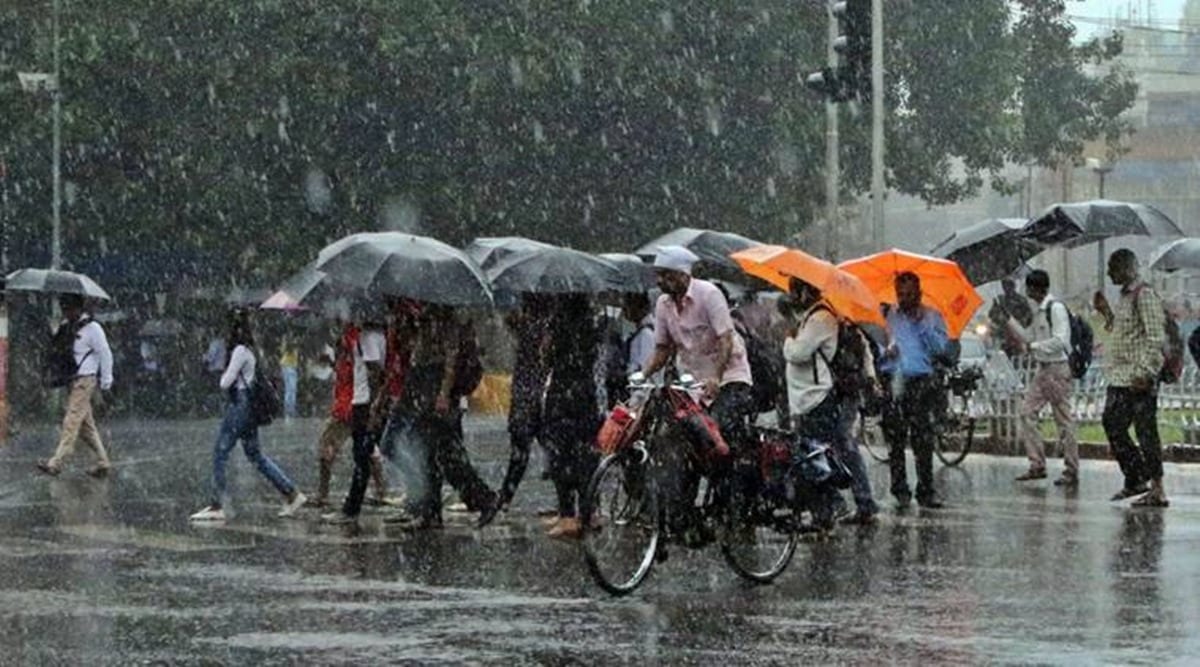
A lot of rain, and yet no water to drink

Yemen – the poorest of Arab nations and a region marred by civil war and international interference for more than a decade now might also have the root of its civil war as water shortage. Let us understand that the Yemeni factions are the Houthis, the republicans – with both basically supporting their tribal interests – and a swinging group of Saudi-led forces. Records suggest that there existed blood feud between villages just because a village constructed a well very close to that of the other village. As per data, Yemen has the least water availability per capita on the planet, even inviting statements like – if water were to get exhausted on Earth, this process would begin in Yemen. This is odd, given the fact that Dubai is a sprawling metropolis situated in the same Saudi desert.

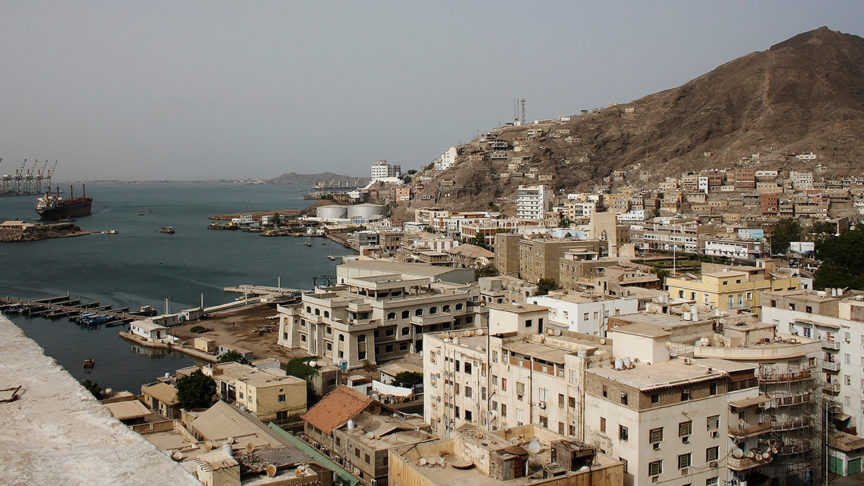
War and pieces: Political divides in southern Yemen – European Council on  Foreign Relations
Yemen is the most water depreciated nation on the planet.

The situation is actually grim in many more places – Northern India – a land abundant with rivers and lakes – most of them, technically all of them polluted beyond potability. Go to Africa and the nations with rainforests and rivers are dry.

What is the cause then? We often hear of climate change. A reader would agree about the reality of climate change but would certainly not let go of the sheer amount of mismanagement involved in the handling of water resources. Governments all over the world have tried in their own way to clean water bodies – the money ending up in their coffers owing to balant corruption. In India, for instance, the Save Ganges Movement or ‘Ganga bachao abhiyaan’ in the vernacular has been a project spanning over three decades and costing lakhs of crores – the best part – to no result. NGOs and villagers have often revived water bodies across the planet showing the importance of public participation in government or local initiatives. But, the people aren’t really very concerned about this issue it seems. It might find itself in discussions during summers or in newspapers – but people refuse to consider it as a problem as grim as climate change. No one can imagine the change Chennai saw with themselves.

Plan Bee

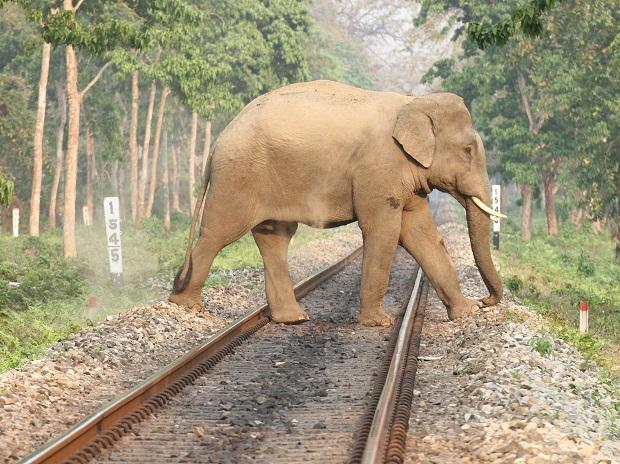
Plan Bee has won best innovation award by Indian Railways. Plan bee is an initiative taken in action against the increasing case of elephant accident on Railway tracks, below is a detail summary about Plan Bee.


Animal protection is stated as a priority goal to save the endangered species and possibly bring back extinct species through efforts like forest conservation but, this is not the only solution. There are many incidents where these animals are killed. It is not only about the hunters and poacher who are killing the animals and cutting of green area. Hunting and poaching are done intentionally whereas forest are cut in the process of development There are many other reasons, one of which is accidents both road accidents and railway accidents are equally responsible for killing animals.
Roads that are located on the way of jungle or railway track that passes through forest area interrupt the path of animals and while they try to cross the track or road they are killed. As per WPSI (Wild life protection Society of India) 83 leopards lost their life in road and railway accident in the year 2019. Between the year 2016 and 2019 thousands of animals were killed. Animals like- deer, cattle’s, tiger, lion, , leopard, elephants etc are in the list. It is a big issue as far as animal protection is concerned in India.

At latest a prevention measure is taken to protect elephants from railways. This is called Plan Bee, an initiative taken by Government of India to keep the elephants away from railway track.
Plan Bee has already received the best innovation award by Indian railways and is now implemented in the north easter railway frontier. The first installation was done near Guwahatti railway station in assam.
The basic principle followed in making these devices is the use of buzzing sound of bee to keep the elephants away from the railway track. Apart from this other methods like monitoring system, elephant corridors are used to protect elephants specially in the places where the train passes from a forest. The speciality of Plan bee is that the sound can be heard from a distance of 700m. the first system was installed near kamakhya and Azara station near Guwahati.

As per the railway department it has been effective and has saved life of many forest elephants. These devices have been installed in over 55 locations under NFR. The railway minister has also highlighted how the system has turned out to be helpful in protecting animals, the train driver can being formed early if the system detects any elephant crossing the railway lines and he could stop the train within that time.

Apart from, plan Bee and monitoring system speed restrictions are imposed in such area, underpasses are build, elephant corridors are constructed. All these steps can help resolve the problem and reduce the elephant death taking place due to train collision. As the implementing is done successfully the results are also visible, it is just one of the step towards safeguarding animals and protecting their lives. While development is the focus railway tracks will be installed for better connectivity at the same time if proper measures like Plan Bee will be taken it will be fruitful for the railways and for the animals as well.

HOW INDIA ERADICATED SMALLPOX?

Smallpox-like lesions spotted on Ancient Egyptian mummies reveal that the nasty disease has been there for the past 3,000 years and remained one of the world’s most dreadful diseases until a global vaccination programme spearheaded by the World Health Organization wiped it off. In the 4th century CE, the first documented mention of smallpox-like sickness emerged in China. In the 7th century, early written accounts arose in India, and in the 10th century, they appeared in Asia Minor.

In 1977, the last confirmed natural case occurred in Somalia. Ever since, the only documented cases can be traced back to a laboratory mishap in Birmingham, England, in 1978, which claimed one life and resulted in a small breakout. In 1980, the World Health Organization declared smallpox eradicated. On average, three out of every ten people who contracted it succumbed. Those who survived suffered permanent scars.

INITIAL TREATMENT OF SMALLPOX

Smallpox was 60 times more lethal as prevailing Covid-19 and twice as contagious. It tormented humanity for millennia, blinding and scarring many survivors, and killing roughly 300-500 million people in the twentieth century alone.

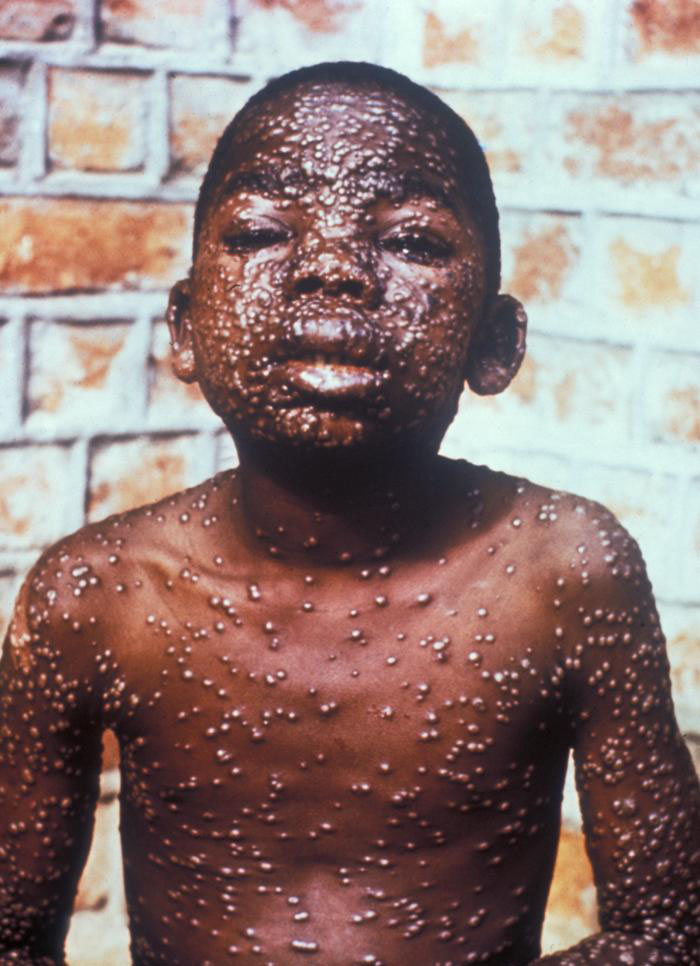
The variola virus causes smallpox. Early signs and symptoms include a high fever and weariness. The disease then induces a rash, most noticeable on the face, arms, and legs. The ensuing lesions swell with clear fluid, then pus, and eventually form a crust, which dries up and comes off.

Variolation, a process dubbed after the variola virus that causes smallpox, was one of the earliest treatments for controlling the disease. People who had never had smallpox were exposed to matter from smallpox sores during variolation by scratching it into their arm or inhaling it via their nose. People acquired smallpox-like symptoms following variolation, like fever and a rash. Variolation was not completely effective; up to 3% of persons died after being subjected to the puss.

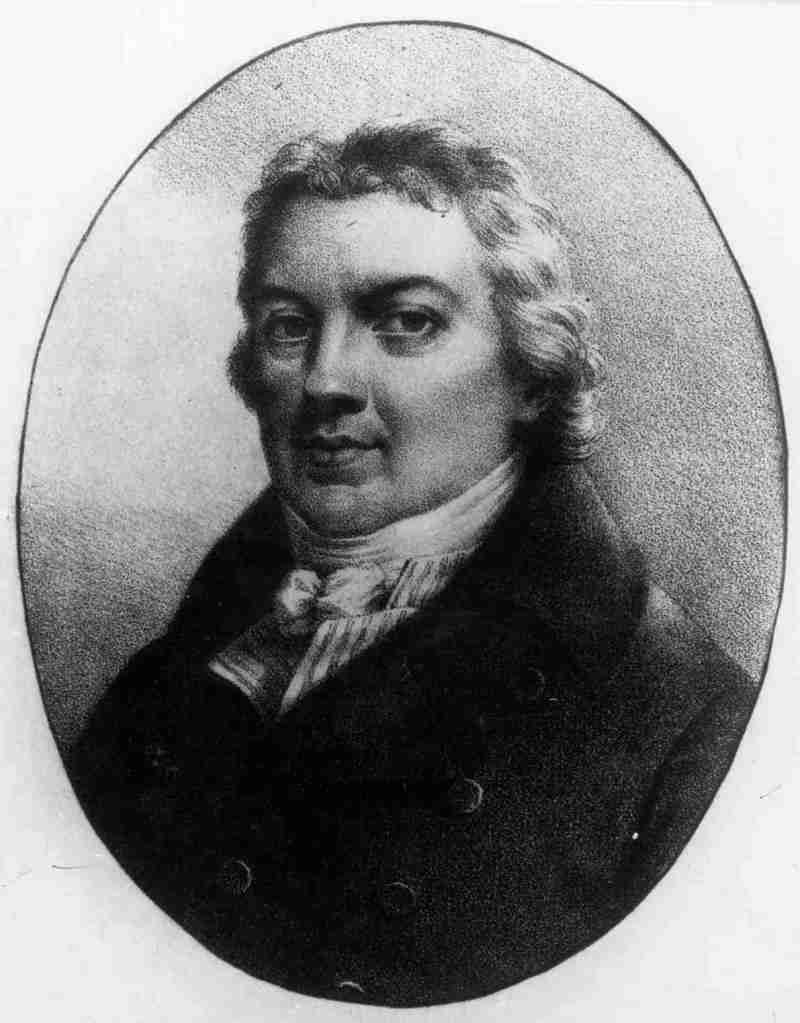
Edward Jenner

In 1796, English doctor Edward Jenner established the cornerstone for vaccination when he observed that cowpox-infected milkmaids were immune to smallpox. The cowpox virus is a member of the Orthopoxvirus family, which also includes the variola virus that causes smallpox.

Dr. Jenner put his idea to the test by inoculating James Phipps, Jenner’s gardener’s 9-year-old son, with matter from a cowpox lesion on milkmaid Sarah’s hand. James had a single blister on the spot, but he recovered quickly. Jenner frequently subjected Phipps to the variola virus, but Phipps never obtained smallpox. The vaccine was effective. Doctors all around Europe quickly embraced Jenner’s ground-breaking procedure, resulting in a significant reduction in new cases of the dangerous illness.

SMALLPOX ERADITION

All Developed nations had huge success in eradicating Smallpox with mass vaccination campaigns; yet, developing countries had to adopt a different strategy. ‘Surveillance and containment’ were the term for this strategy. Intense house-to-house screenings and incentives for people who reported smallpox cases assisted surveillance. Ring vaccination and isolation of patients and everyone who had come into touch with them was among the containment strategies.

India represented almost 60% of the world’s reported cases of smallpox in the early 1960’s. Many cases went unreported because of the stigma associated with the disease. The strain of smallpox found in India was much deadlier than strains found in West Africa. The Indian Government introduced NSEP in 1962, the National Smallpox Eradication Program aimed at mass population vaccination. Money was invested & inoculation workers were employed. Around 60 million vaccines were administered by 1966, along with 440 million re-vaccinations.

By 1967, however, smallpox cases were growing in India, indicating the failure of the vaccination campaign. One of the greatest reasons being individual reluctance and refusal to participate in the vaccination programs, because of lack of trust in the vaccines or religious beliefs. The method of vaccination was also a problem. Before 1969, a drop of the vaccine was placed on the person’s arm and pushed into the skin with a single-point needle. This procedure was repeated for primary vaccination five times and for revaccination fifteen times.

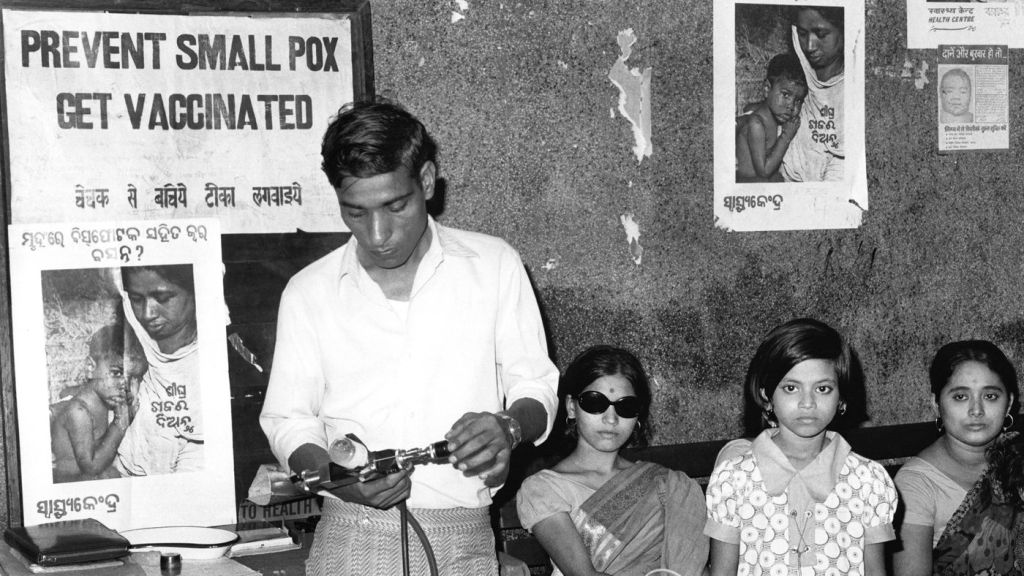
In Sept. 1970, the Indian government and the WHO signed a Plan Of operation The World Health Organization partnership provided India with the opportunity to acquire better-quality freeze-dried vaccines. The jet injector swapped the standard single-point needle and did not require power. Frequent maintenance was essential for the device. The bifurcated needle was a cheaper and quicker vaccination method. For health professionals, minimal level training was needed. For the people, it was less painful.

Vaccinating 80 % of the population in 5 years was deemed adequate to avert smallpox transmission in smaller countries. But the high numbers of births each year (25 million new babies) made this target unfeasible in heavily populated countries like India. It wasn’t enough to contain smallpox.

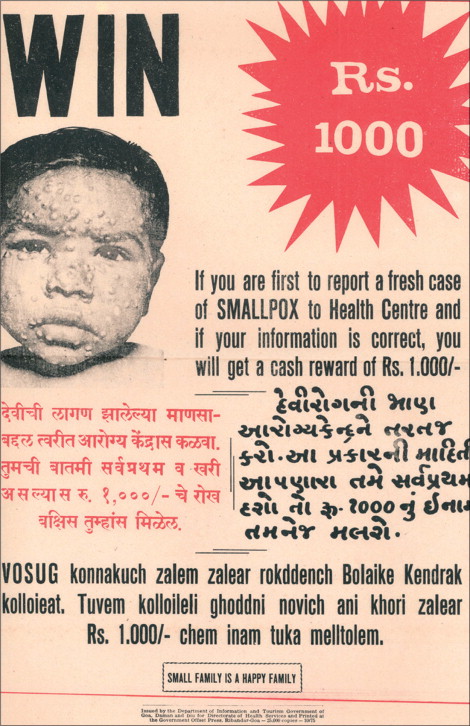
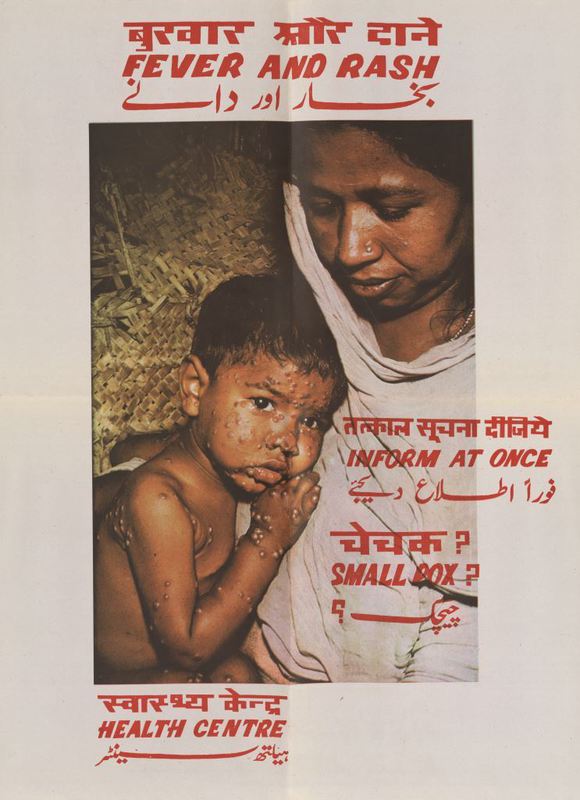
The Indian Government put full force in the National Smallpox Eradication Program. A prize of 1000 rupees for reporting new cases of pox was the most unique but highly successful strategy implemented. The general public reported 11% of outbreaks of smallpox in 1975, as compared with 2.6% in 1973. To encourage vaccination, posters were crafted in native languages, showcasing young children.

The “surveillance-containment” strategy was straightforward. Healthcare professionals would actively look for possible cases of pox. Affected persons and their families or neighbors would be sequestered and vaccinated right away. To eradicate smallpox, active searches and detection and the control of disease outbreaks were necessary. 110 million houses were searched for new smallpox cases from March to November 1976 in over half a million Indian villages, and in 260 urban areas. Merely 5 cases of chickenpox were discovered.

The International Commission for Eradication Assessment of Smallpox visited the India in April 1977, conducting its own field assessments along with an analysis of the country’s documented evidence. Finally, the International Commission certified India Smallpox free.

Government vs Twitter

Chris pirillo said that “twitter is a great place to tell the world what you are thinking before you have had a chance to think about it”. However, the government wants to control it. 

India’s Covid-19 rise had eclipsed all superlatives only a few months ago. Hundreds of thousands of people have died because of India’s worst public-health catastrophe in history, which has highlighted the country’s deteriorating healthcare infrastructure. In the midst of the tragedy, while armies of medical personnel and volunteers focused their energies on battling the virus, the administration looked to be concentrating on a different issue. And that issue is TWITTER.

 The initial root of the situation was a tweet sent by BJP spokesperson Sambit Patra on May 18. Patra displayed a paper he referred to as a “toolkit” in this tweet, which appears to be an internal Congress document outlining the processes for undermining the BJP’s reaction to the epidemic and increasing publicity of the party’s activities. Days later, the Delhi Police, which reports to the Union government but is not a full-fledged state, paid a visit to Twitter’s headquarters in Delhi and Gurugram, ostensibly to find out why the company opted to put the warning label on Patra’s post. According to local sources, authorities in Uttar Pradesh recently blamed Twitter, along with journalists and opposition party officials, for posting a video that sparked communal strife. The video, which alleged to depict majority Hindus beating a minority Muslim guy, prompted another complaint against Twitter India CEO Manish Maheshwari, according to Delhi police. However, The problematic footage has subsequently been deleted, with no more comment from the firm other than a remark about following local regulations. 

The government has opted to focus on digital image management many times during the epidemic, including the most recent occurrences. Following government demands, Twitter and Facebook pulled down about 100 postings in April. The government’s approach to the epidemic was criticized in several of these tweets.Following the agricultural demonstrations, Twitter agreed to the BJP’s demands to temporarily and permanently restrict 500 accounts, including those of opposition leaders and journalists. The government also forced Twitter to remove several well-known personalities who expressed support for the protestors, like Punjabi musician JazzyB, whose account has 1.2 million followers but can’t be viewed from India, though the firm hasn’t followed through on all of its demands.

Therefore, they not only silence the critical voices but also exposes the corporation to much more pressure to stifle government critics in India and elsewhere. Twitter, a relative newcomer with 17.5 million members, has India as one of its fastest-growing markets. However, its limited reach makes it vulnerable in a country that demonstrated its willingness to outlaw popular foreign services a year ago when it banned TikTok — which had 200 million users in the country — WeChat, and hundreds of other Chinese-made apps following a violent clash on the disputed border. It is critical to political debate in India, and Modi himself is a frequent user with a following of over 69 million people, demonstrating its global reach. While politicians have been outspoken in their criticism of Twitter, none have publicly threatened to abolish it. 

France moves India to amber list from red

France has decided to remove India from the red list to amber as COVID cases decreased in India. The French government has classified amber-listed countries as nations where there is active circulation of the virus in controlled proportions, without further spread. After this news, VFS centres in Delhi and Mumbai have now opened and are accepting all visa categories. Also for kids, there won’t be any quarantine mandate in France.

Protocols to be followed

1) Fully vaccinated travellers holding a valid C-type Schengen visa for 3-5 years, can travel without any restriction to France. But the travellers must be vaccinated with any EMA-approved vaccines, which are Pfizer/ Comirnaty, Moderna, AstraZeneca/Vaxzevria/Covishield.

2) Passengers must travel after seven days of getting their second vaccine shot.

3) Travellers need to have proof of vaccination status. They must also have a attest statement saying they don’t have any infection symptoms.

4) The restriction will be applicable to unvaccinated travellers as well as those vaccinated with unapproved (yet) vaccines including Covaxin.

5) Those with ‘talent passports’, (students and researchers), fall under the list of compelling reasons. So they are allowed to travel to France. But they need to show their negative PCR test not older than 72 hours. A negative antigen test, not older than 48 hours before departure, is also acceptable.

1999 – THE KARGIL WAR

The 1999
KARGIL WAR

 – one of the greatest war in the Indian history –

“Our flag does not fly because the wind moves it. it flies with the last breath of every fallen soldiers who protected it”

It’s been 22 years since the Indian army recaptured back all the Indian army posts in Kargil that was once occupied by the Pakistan’s army. Finally on 26th July 1999,we won this war and since then every year on this day we pay tribute to our hero’s who sacrificed life saving protecting our motherland. 


Through this article let us understand in depth the story behind this 1999 war. 
  • WHEN, WHERE and HOW
This war continued from May to July 1999 for a period of 84 days in the Kashmiri’s Kargil district.
The Pakistani’s soldiers and terrorists occupied the Indian territories and positioned themselves strategically in key position such that it would be advantage for the opponents to start the war.


The shepherds from the nearby locality informed Indian army about suspicious activity and they were able to decode this activity and launched “OPERATION VIJAY”

  • THE WAR
Initially the Pakistani government refused any role in this conflict and termed that this conflict was with Kashmiri freedom fighters. But later awarded medals to its soldiers who were part of the conflict.

The Pakistani troops had positioned themselves at higher altitude which proved to be advantage as it could fire down the Indian army during fight.


Finally the Pakistani troops withdrew their armed forces at few places while the Indian army attacked the rest of outposts and finally managed to get back their territory by 26th July 1999.

  • AFTER WAR EFFECT

According to the report, a total of 527 official death toll was reported on Indian side. On other hand in Pakistan’s side it was between 357 to 453.

The mission was considered successful on 26th july,1999 by Indian military and thereafter every year it is celebrated annually as Kargil Vijay Diwas.

  • GALLANTRY AWARDS
  • PARAM VIR CHAKRA awarded to:
  1. Grenadier Yogendra Singh Yadav, 18 Grenadiers
  2. Lieutenant Manoj Singh Kumar Pandey, 1/11 Gorkha Rifles
  3. Captain Vikram Bhatra,13 JAK Rifles
  4. Rifleman Sanjay Kumar,13 JAK Rifles
  • MAHA VIR CHAKRA awarded to:
  1. Lieutenant Balwan Singh,18 Grenadiers 
  2. Major Rajesh Singh Adhikari,Posthumous,18 Grenadiers 
  3. Major Vivek Gupta, Posthumous,2 Rajputana Rifles 
  4. Captain N Kenguruse, Posthumous,ASC, 2 RAJ RIF
  5. Major Sonam Wangchuk, Ladakh Scounts
  6. Naik Digendra Kumar,2 RAJ RIF
  7. Captain Anuj Nayyar, 17 Jat Regiment, Posthumous
  8. Lieutenant Keishing C Nongrum, 12 JAK Light Infantry
  9. Major Padmapani Acharya, 2 Rajputana Rifles, Posthumous 

The inspiring stories of of the war heroes taught us selflessness and courage. On this Kargil Vijay Diwas lets take a moment to appreciate the sacrifices of our soldiers who guarded us while we were sleeping safe and sound. The Kargil heroes will always be remembered. 

JAI HIND.

Corporate Governance in Indian Companies

Introduction

Corporate Governance refers to the framework in a company comprising the generally accepted practices, policies and processes according to which the firm operates and is managed.

Corporate governance has become an essential component in the functioning of a company, and it has the potential of causing an improved or enhanced market performance. Corporate governance primarily focusses on creating transparency, accountability, and disclosure in the corporate environment. In other words, it promotes ethical practices in the company, allows for efficient communication of information, and proper allocation of responsibility. Another important function of corporate governance is to maintain a judicious balance between the interests of the stakeholders and board of directors. The board of directors are primarily responsible for the operational decisions and processes of the company, and it is imperative to outline their authority with respect to the stakeholders to ensure mutual cooperation and corporate success.

With regard to India, corporate governance has been on the up rise mainly due to globalization and liberalization. The SEBI had made the first ever regulations on corporate governance in 2000, based on the recommendations of the Kumar Mangalam Birla Committee Report and Narayan Murthy Committee Report. With the many national and multinational corporations coming up in India in the face of globalization, there was a need to introduce corporate governance so as to confront the competition that has arisen. Therefore, it is apparent that good corporate governance ensures mutual cooperation and protects the long-term interests of the shareholders. The question then arises whether good corporate governance is also proactively helping companies in their regular financial performance.

The Effects of Corporate Governance on Financial Performance

The financial performance of a firm indicates how successful it has been in its business, and whether it has been able to effectively use its assets in generating revenue. The role that corporate governance plays in benefiting financial performance of Indian companies has been studied extensively over the past years, and varying conclusions can be derived from these studies. The many variables and principles of corporate governance have been studied in the Indian corporate environment so as to ascertain their impact on financial performance. These can be consolidated as such:

  • Board Size: A study conducted by researchers Kathuria and Dash observed the influence of the Board size on financial performance of Indian companies. The results showed that performance improved when the size of the board increased, and that a smaller board of directors was generally not influential in financial growth. Corporate governance principles necessitate that the board of directors collaborate with the other corporate entities so as to ensure better performance.
  • Board Independence: An independent director is one who does not have any vested interest in the company, and works solely to improve the corporate position and credibility of the firm. They also play a large role in enforcing corporate governance standards. Numerous studies conducted with regard to board independence in the Indian context have showed that a larger proportion of independent board directors is associated with improved financial performance.
  • Board Meetings and Committees: As corporate governance principles require the company to maintain transparency and disclosure, conduction of regular board meetings is required. It has been found that Indian companies conducting regular board meetings has caused a better financial performance, as there is constant discussion of the company’s operations and decisions are made that positively impact the company.

Therefore, from the research conducted, it is evident that sound corporate governance and its implementation in Indian companies has the potential of positively impacting financial performance and growth. Some of the more general reasons why corporate governance is seen as a stimulant of financial growth are:

  • Increased access to financing
  • Higher firm valuation
  • Improvement in operational performance
  • Reduced risk of financial crises

Conclusion

Ultimately, it can be inferred that the impact of corporate governance on Indian companies has been known to be favourable for the most part. However, it is important to highlight an important point here. It cannot be concluded that corporate governance has a positive effect on all Indian companies, or for all companies in general. For some there may be an insignificant impact, while for others there might be no impact at all. However, for most companies in most industries, corporate governance implies support in the financial position. Factors mentioned in this paper such as board size, independency, composition, meetings and committees mostly seem to show a positive relationship with financial performance of Indian companies.

The primary goal with which corporate governance is introduced into a company is to increase transparency, disclosure and accountability, which subsequently gives way to other long-term benefits including financial stability and growth. Therefore, many Indian companies are increasingly looking to practice corporate governance. In conclusion, despite the fact that there is no consensus on whether corporate governance has an undeniable positive impact on financial and firm performance, it can be said that it helps the company in many facets regardless.

PUDUCHERRY, INDIA’S FRENCH-SPEAKING CITY

Pandit Jawaharlal Nehru, the late Prime Minister of India, referred to Puducherry as “the Window of French Culture.”

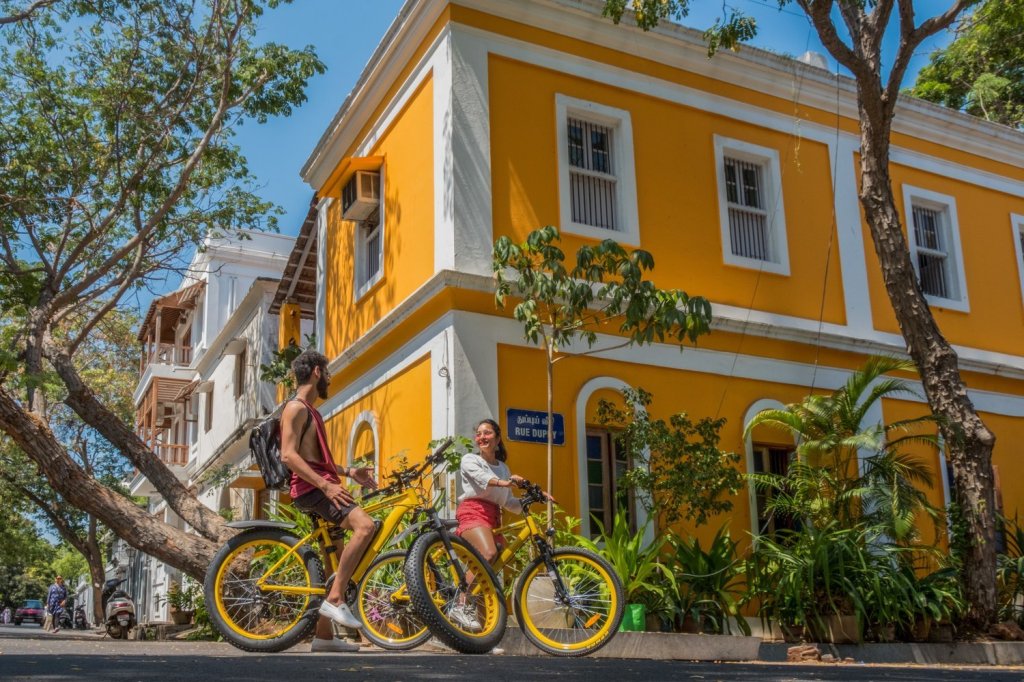
Once the French’s primary headquarters in India, Puducherry is often nicknamed “The Paris of the East”. For 138 years, the French governed the Union Territory. It once had solely French as its official language. The town’s distinctiveness is intricately bound to its exquisite city planning and Franco Tamil architecture. The city is modelled after a late-eighteenth-century fortified French port town, “bastide”. This magnificent destination has incredibly beautiful geography along the seashores, coconut trees, and a diverse range of fauna and vegetation.

The former French settlements- Puducherry, Karaikal, Mache, and Yanam are all part of the Union Territory of Puducherry. The states of Tamilnadu and Kerala surround Puducherry and Karaikal, whereas Kerala and Andhra Pradesh surround Mahe and Yanam. It has many scenic places to visit like:

Paradise Beach

Paradise Beach, often known as Plage Paradiso, is located near Pondicherry town in Chunnambar. The beach fringed with golden sand, is relatively undiscovered.  a 20- to 30-minute ferry ride over the backwaters is the only way to get here. The breathtaking ferry trip from the boathouse to the beach adds to the thrills; the backwaters on the way to the beach are lush and densely forested with mangrove plants.   A plethora of birds can be seen while on the journey. Early morning, Paradise Beach is a great spot to catch a glimpse of the eastern shore’s dawn. A number of water sports facilities are also available. Visitors can also try their hand at fishing by renting fishing rods and nets.

White Town

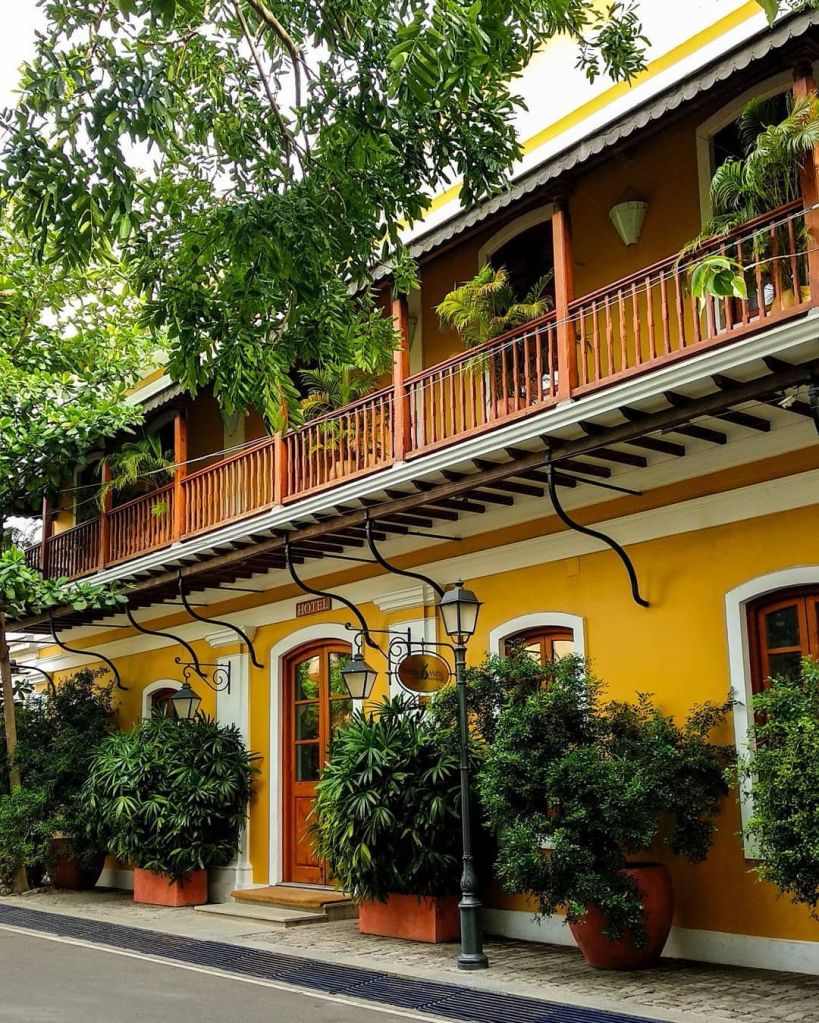
White Town, also dubbed as the French Colony of Puducherry, is a residential enclave in town with an intertwined culture of Tamils and primitive French families. The colony retains the old-world elegance, prettiness, and architecture of historic French Quarters, with cobblestone lanes and mustard yellow dwellings. The majority of them refurbished into vintage hotels, eateries, unique cafés, and art museums. The structures are typically painted in tones of pastel yellow, and the well-kept walkways are flanked with beautiful trees. White Town, known as the former French headquarters, borrows heavily from foreign culture, which is also a hallmark of the area. Furthermore, it is famed for its attractive but pricey marketplace, which is primarily comprised of boutiques, high-end labels, and stores that deal in highly customized stuff. The majority of those are still owned and operated by French nationalists.

Basilica of the Sacred Heart of Jesus

This church was built by French missionaries in 1908 and was accorded the status of Basilica in 2011. It is one of India’s 21 Basilicas and the only one in Pondicherry. The Church of the Sacred Heart of Jesus, one of Pondicherry’s most beautiful Catholic churches, is a stellar example of Gothic architecture. Biblical texts, as well as depictions of Jesus and Mother Mary, are etched in Latin on the entrance door. New Year’s Eve, Christmas Eve, and Easter Day are all lavishly celebrated in the church. The stained-glass panels of the architecture depict Christ’s life as well as the lives of the Catholic Church’s saints. The church is Pondicherry’s first basilica, the 6th in Tamil Nadu, the 20th in India, and the 50th in Asia.

Scuba Diving

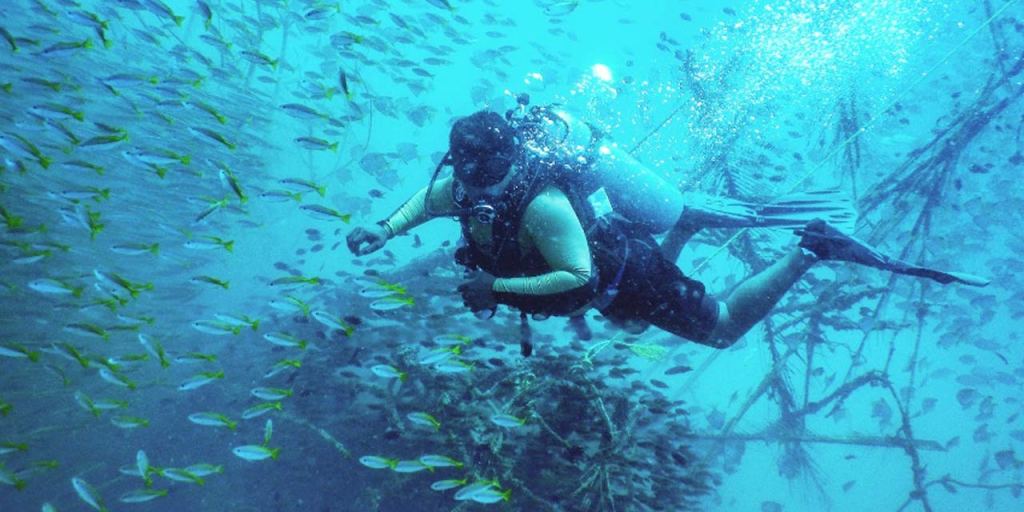
Pondicherry, rich in stunning marine life, provides an unparalleled scuba diving expedition off the country’s Eastern Shore. A dive into the sea will allow you to see spectacular coral reefs as well as fascinating creatures including manta rays, kingfish, sea snakes, lionfish, butterflies, crustaceans, moray eels, and more. Whale sharks, sharks, dolphins, and turtles are all possible sightings. Pondicherry is an enticing diving destination.

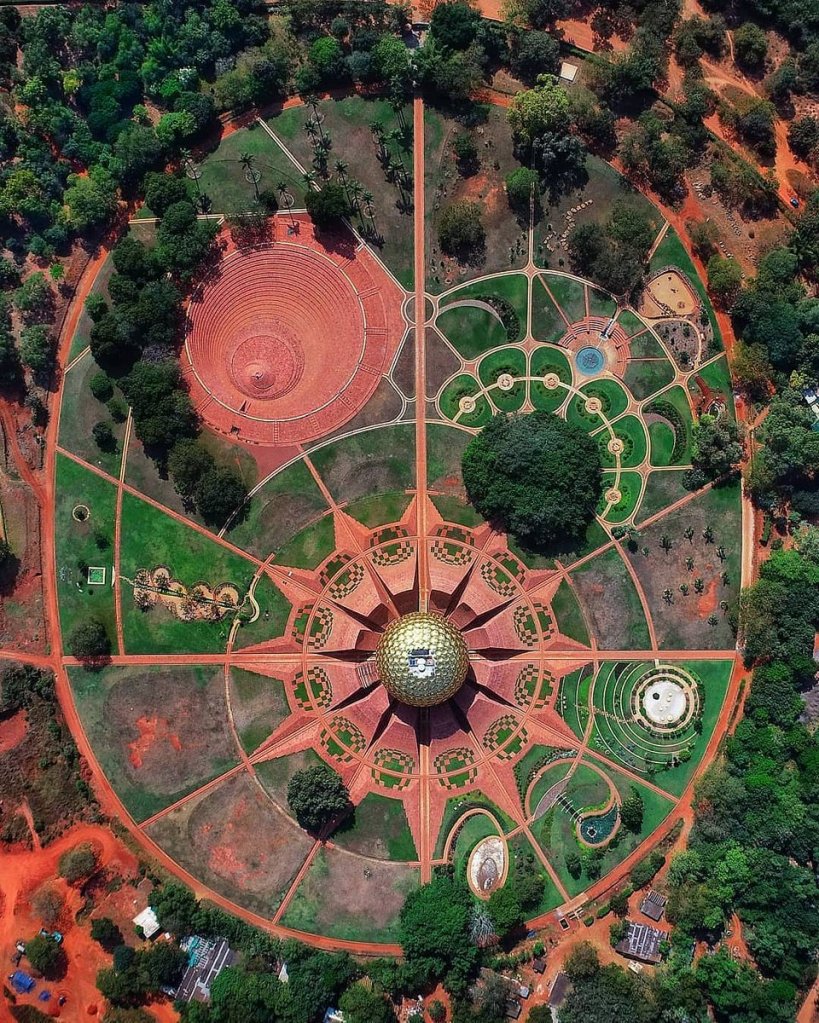
Auroville Ashram

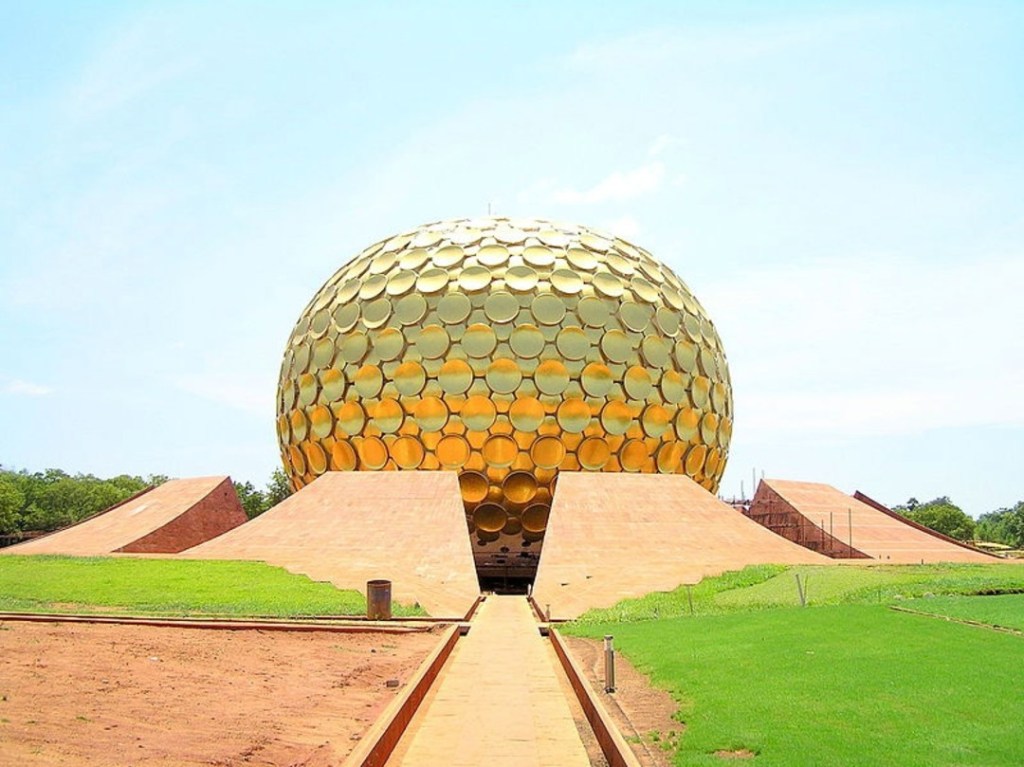
The Auroville Ashram dubbed the “Universal Town,” is an experimental township whose goal is to build a community wherein folks from all nationalities and faiths could dwell together in harmony. It was founded in 1926 by Sri Aurobindo and a disciple of Shri Aurobindo, a French Lady known as ‘Maa’ or ‘The Mother.’ The Indian government backed the initiative, and UNESCO praised it in a 1966 resolution, calling it “a project of vital importance to humanity’s future.” In 1968, the town was formally established.

The architecture of the city is as remarkable as the concept. With the famous Matrimandir in the core and gardens ringing it, the city is laid out in a circle with a radius of 1.25 kilometres. The city’s central business district, cultural corridor, peace zone, and residential zone are all located just beyond the city borders. The city is surrounded by a “green belt” that acts as a wildlife habitat, a food/timber source, and a buffer against urban development, among other things.

India’s Record At Summer Olympics.

India holds total of 29 medal in Olympic , 8 of which is secured by India National Field Hockey Team. India has always been dominant in hockey. India first stepped at Olympics games in 1900 which was held in Paris. India then was represented by only athlete Norman Richard who secured two silver medals both in athletics. He was a British Indian and he also became first ever Asian to secure medal at Olympics

After 1900 India participated at Summer Olympics in 1920 and has been participating ever since then. It was due to Sir Dorabji Tata and Governor of Bombay Geaorge Llyod that India had privilege to participate in 1920. They secured 4 athletes who could represent India . In 1923 All India Olympic Committee was formed and ever since then they are responsible for selecting athletes to participate at Olympics and any other games.

KD Jadhav was the first individual to win medal for independent India in 1952. Indian Hockey Team has always been dominating in securing medal, they hold 11 medals — 8 gold, 1 silver and 2 bronze. After hockey , shooting dominates the position, it accounts for 4 medals — 1 gold , 2 silver and 1 bronze

Karman Malleshwar was the first Indian woman to bag a medal in 2000 Sydney Olympics. Saina Nehwal was first Indian women to secure medal in badminton in 2012 summer Olympics. Pugilist Mary Kom became the first Indian woman to win medal at boxing. In 2016 Summer Olympics Sakhshi Malik became the first Indian woman wrestler to win Olympic medal in wrestling. Shuttler PV Sindhu became the first Indian women to win a silver medal in Olympics and also the youngest Indian Olympics medalist.

India has participated in many winter Olympics game, no medals have been secured yet!!

DELUGE: A CONCERN

Every year, monsoon season occurs in various parts of the world. It has been coming sooner in recent years, accompanied by rising amounts of rainfall, or later than normal, with a considerably drier start. While monsoon-affected nations plan for the monsoons on a yearly basis, the changes due to covid-19 are making it more difficult for them to respond without help.

Recently, the heavens have opened up in the highlands of north India and along the coasts of western India in the last ten days, unleashing severe weather phenomena. More than 150 people have died because of landslides and flash floods across Himachal Pradesh, Uttarakhand, Maharashtra, and parts of Karnataka. At least 53 people were killed when a hilltop collapsed south of the city in Raigad, Maharashtra’s hardest-hit district. The floods in Goa are the worst since 1982. The Indian monsoon is rapidly becoming known for its unpredictable behavior of the elements. However, the country’s weather forecasters, planners, and lawmakers have yet to accept climate change as a threat. 

Most Indian cities, including Delhi and Mumbai, are ill-equipped to deal with such severe rains, with drainage systems blocked at many locations. The defense of city residents against weather oddities is jeopardized by urbanization that is uninformed by basic hydrological principles. 

Farmers in several areas have discovered that rain is falling in torrents rather than being evenly distributed throughout the season, resulting in floods and erosion, followed by times of drought. Increasing automation, on the other hand, entails heavy machinery tamping down soil and producing rutting, all of which are detrimental to the orchard and vineyard floor. Furthermore, Aquifers that used to recharge groundwater and convey rainfall to bigger water bodies have been replaced by concrete in most cities.

Therefore, it is vital to tackle this problem as soon as possible because these disasters affect the poor in return. The scale of the devastation witnessed in the preceding examples, as well as what occurred in the Bay of Bengal last year, demonstrate a lack of disaster preparedness and mitigation, an issue that affects most of the country’s metropolitan areas. 

We propose that the government develop long-term disaster management plans to reduce the impact of floods in Indian states. It is critical to enhance flood-forecasting techniques and install flood-warning systems in low-lying areas as a first step in this direction. Second, the government should devote greater resources to flood prevention, mitigation, and preparation. Third, river connection and the development of multifunctional structures and flood shelters in low-lying regions should be done on a mission-mode scale to assist minimize flood-related deaths. However, these methods will go a long way toward reducing and avoiding flood damage in Indian states. But its better to do something to prevent it all rather than sitting and watching the god’s show. 

Scholars in development studies have written on these issues, but in ecologically vulnerable places, the political costs of altering the current development paradigm are frequently substantial. The Gadgil committee report on the Western Ghats, for example, which recommended for controlling development operations, was met with opposition in the region and largely ignored by mainstream political parties. 

Why the rise in divorce ?

Between 1970 and 2008, Cheng-Tong Lir Wang and Evan Schofer, two sociologists from the University of California discovered that the global divorce rate rose from 2.6 divorces for every 1,000 married people to 5.5 – the rate had more than doubled. Meanwhile, in 2017 India’s divorce rate — stood at 1%, according to a report from the Organisation for Economic Co-operation and Development. While the absolute number of divorces has gone up from 1 in 1,000 to 13 in 1,000 over the last decade or so, India still remains at the top of the list of countries with the lowest divorce rates. But why a sudden increase in divorce rates for a country where marriage holds the highest status and divorce is still a taboo?

Divorces are riddled with stigma in India with divorced women being looked down upon in society. One of the main reasons for the rise in divorce rates is women finally taking a stand against the injustice done to them for generations. Today, three billion women and girls live in a country where rape within marriage is not explicitly criminalized. But injustice and violations take other forms as well. In one out of five countries girls do not have the same inheritance rights as boys, while in others (a total of 19 countries) women are required by law to obey their husbands. Around one third of married women in developing countries report having little or no say over their own healthcare. A divorce gives them the opportunity to be more in control of their lives and not rely on anyone else.

Cheating and affairs are also major contributors to divorce in India. This issue has grown with the growth of a more digitalised world, with apps providing the ability to contact people at a ‘tap’ of a screen. Many Indian women in marriages are even aware of their husbands having affairs and ‘turn a blind-eye’ due to their age or years in the marriage. But it does not mean the dynamics of the marriage are happy anymore. Having an affair is the one thing that is destructive to a marriage, once found out. It destroys trust, love and care but for many, the marriage will carry on due to family and society pressures.

Indian marriages are influenced, supported and inspired by family. But also, sadly, marriages are destroyed by family too. Especially, extended family. The most common marital issue is that of the in-laws and the daughter-in-law. Breakdown of Indian marriages where the daughter-in-law is not good enough for the in-laws is one of the biggest reasons for divorce in India. From issues like ‘not enough dowry’ to ‘not being part of the family’ to ‘stealing the son from the family’ are all typical examples of the cause.

Divorce has led to the death of marriages which gives it a reputation of it being a negative word. But women are challenging that perception now and pushing for a change. Through stand-up comedies, spoken word poetry, Instagram accounts and support groups, they are fighting the stigma around divorce, one act, one verse, one post at a time. The end of a marriage could mean the beginning of a happy life and not necessarily the end of life itself.

Goods and Services Tax

Everyone may have heard about GST up to this point. GST is for Goods & Services Tax, which is a national tax levied on the manufacture, sale, and consumption of goods and services that makes no distinction between goods and services for taxation. It will largely replace all indirect taxes levied by the Indian central and state governments on goods and services. In India, The Atal Bihari Vajpayee government proposed the introduction of GST in 2000. The Goods and Service Tax Act was passed by Parliament on March 29, 2017, and into effect on July 1, 2017. To put it another way, the Products and Service Tax (GST) is a tax that is levied on the provision of goods and services.

For the purpose of tax collection, it was split into five tax slabs: 0%, 5%, 12%, 18%, and 28 percent. Individual state governments tax petroleum goods, alcoholic beverages, electricity, and real estate separately. Rough precious and semi-precious stones are taxed at a special rate of 0.25 percent, while gold is taxed at 3%. Furthermore, a 22 percent cess or other charges on top of the 28 percent applies to few things, such as aerated drinks, expensive cars, and tobacco products, are subject to GST. Pre-GST, most commodities had a statutory tax rate of around 26.5 percent; post-GST, most goods are likely to have a tax rate of around 18 percent. 

OBJECTIVES OF GST:

One of the main goals of the Products and Service Tax (GST) is to avoid double taxation or the effects of taxes on the cost of production and delivery of goods and services. The elimination of cascading effects, i.e. tax on tax till ultimate consumers, will considerably improve the competitiveness of original goods and services in the market, resulting in a positive influence on the country’s GDP growth. It is not only desirable but also necessary, to implement a GST to replace the existing numerous tax structures of the federal and state governments. It would be conceivable to offer full credit for input taxes collected if multiple taxes were integrated into a GST system. GST, or Goods and Services Tax, is a destination-based consumption tax based on the VAT idea.

 GST Rate of other countries:-

Australia 10%

France 19.6% 

Canada 5%

Germany 19%

Japan 5%

Singapore 7%

New Zealand 15%

Types of GST :

1. CGST (Central Goods and Service Tax)

The Central Goods and Services Tax (CGST) is a federal tax on goods and services. It applies to vendors who do business within the state. The collected taxes will be shared with the central authority. 

2. SGST (State Goods and Service Tax) 

A state’s Goods and Services Tax (SGST) is a tax on goods and services. It applies to vendors who do business in the state. The collected taxes will be distributed to the appropriate state authority.

3. IGST (Integrated Goods and Service Tax)

The Integrated Goods and Services Tax (IGST) is a type of tax that applies to both goods and services. It is relevant to suppliers who do interstate and import operations. The collected taxes will be split between the federal and state governments.


4. UTGST (Union Territory Goods and Services Tax)

 The UTGST is levied on supplies made in the Union Territories of the Andaman and Nicobar Islands,

Chandigarh, Dadra and Nagar Haveli, Daman and Diu, and Lakshadweep.

GST Advantages

  1. GST is an easy-to-understand tax that also reduces the number of indirect taxes.
  2. There will be no hidden taxes and the cost of conducting business would be cheaper because GST will not be a burden to registered shops.
  3. People will benefit because prices will drop, which will boost businesses since consumption will rise.
  4. Separate taxes for goods and services, as is the current taxation system, necessitate the split of transaction values into the value of products and services for taxation, resulting in increased complexities, administrative, and compliance expenses.
  5. When all of the taxes are integrated into the GST system, the tax burden can be divided evenly between manufacturing and services.
  6. GST will be levied only at the ultimate point of consumption, following the VAT principle, and not at numerous stages along the way (from manufacturing to retail outlets). This will aid in the removal of economic distortions and the creation of a common national market.
  7. GST will also aid in the creation of a transparent and anti-corruption tax administration. Currently, a tax is assessed when a finished product leaves a factory, which is paid by the manufacturer, and it is levied again when the product is sold at a retail outlet.
  8. GST is supported by the GSTN, a fully integrated tax infrastructure that handles all aspects of the tax.

Disadvantages

According to some economists, GST in India might have a detrimental impact on the real estate sector. It would raise the cost of new homes by up to 8% and diminish demand by roughly 12%.

According to some experts, CGST (Central GST) and SGST (State GST) are simply new names for the Central Excise/Service Tax, VAT, and CST. As a result, the number of tax levels does not decrease significantly.

Currently, only 4% of retail products are subject to tax. Garments and clothing may become more expensive after the GST is implemented.

It would have an impact on the aviation sector. Currently, service taxes on airfares range from 6% to 9%. With GST, the rate will rise to over 15%, nearly doubling the tax rate.

The entire ecosystem would experience teething problems and learn as a result of the adoption and migration to the new GST system.

ATLANTIC CHARTER

The Atlantic Charter was a joint statement published by the United States and the United Kingdom during World War II (1939–45) that laid forth a vision for the postwar world. It set forth a wide set of objectives of U.S and British war such as:-

1. the desire for no territorial changes without the consent of the peoples affected.

2. They believed that every people had the right to select their own type of government and that those who had been stripped of their sovereign rights and self-governance should have them restored.

3. They would work to ensure that all states had equitable access to commerce and raw commodities.

4. They aimed to enhance labor standards, economic growth, and social security by promoting global collaboration.

5. They would seek a peace in which all countries could live peacefully inside their borders, without fear or want, after the “Nazi tyranny” (Germany) was destroyed.

Now, u must be wondering about why we are discussing the year-old charter now. That is because recently, The President of the United States and the Prime Minister of the United Kingdom have signed a revised version of the 80-year-old Atlantic Charter.

This revised version is a 604-word declaration which is an attempt to lay out a grand vision for global relations in the twenty-first century, much like the original charter was a declaration of a Western commitment to democracy and territorial integrity just months before the United States entered World War II. It’s a declaration of principles, a pledge that the United Kingdom and the United States will work together to meet the challenges of their time. It also emphasizes climate change and the need of biodiversity preservation. With references to new technology, cyberspace, and global development that is sustainable. 

It urges Western partners to fight electoral meddling, particularly through misinformation and other harmful activities. In a technology era, it rates the risks to democratic states. It also declared that that the North Atlantic Treaty Organization (NATO) will remain a nuclear alliance as long as nuclear weapons exist.

Now, what will this new version of Atlantic charter holds the opportunity for India. Comparing the old and new version of Atlantic charter, the previous Atlantic Charter alienated Indian nationalism from the West, but the new Charter, as well as the rebooting of western institutions, could pave the way for a fruitful period of India’s collaboration with the US and its allies. 

In 1941, the United Kingdom maintained that the charter’s self-determination concept did not apply to India. However, the inclusion of India and South Africa, as well as Australia and South Korea (as guests) at the G-7 meeting in 2021, demonstrates the urgent need to broaden the West’s base in dealing with global issues. Furthermore, The present Anglo-American initiative to formalize western talks with India is long overdue. 

The Indian Prime Minister, who is participating in the G-7 meeting from afar, has the chance to demonstrate a commitment to both addressing views of decreasing democratic freedoms in India and offering genuine partnership with western democracies on global issues.

5 best places to visit while you are travelling to Aurangabad

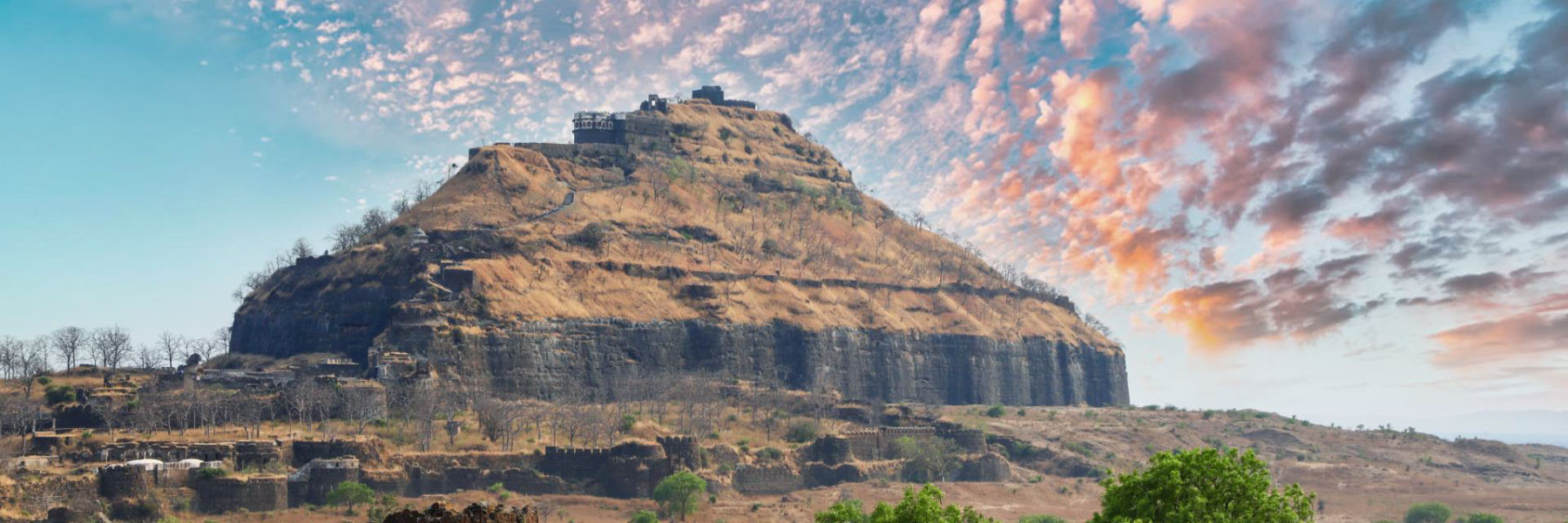
1. Daulatabad Fort

Daulatabad “The City of Fortune” also called as Devgiri. Daulatabad was built in 1187 by Yadava Dynasty. Later Muhammad Tughlak renamed it as “Daulatabad : the city of fortune”.
Just 15 km away from main city of Aurangabad, Daulatabad Fort is located. Often known as one of the “Seven Wonders of Maharashtra”, Daulatabad fort is the best example of powerful architecture. It’s built on a 200m high conical hill, surrounded by the greenery with architecture beauty and protection from enemies. The view after hiking about 700 odd steps up to the top is mesmerising, fascinating and irreplaceable. If you like trekking then you must visit Daulatabad Fort, reaching the top is the most challenging part for every trekker.
The one more reason to visit Daulatabad Fort is “Chand Minar” also called as Tower of the Moon located near the Fort.

Timing = 8am to 6pm

2. Bibi ka Maqbara

Bibi ka Maqbara (Tomb of Rabia) has similar architecture like “Taj Mahal”. A symbol of love and remembrance Bibi ka Maqbara is a beautiful place to visit in Aurangabad. Maqbara has a Charbagh styled garden and it sits pretty right in centre with the surrounding structure, having a water pool and 61 fountains. Located just 3km away from main city.

Timing = 8am to 8pm.

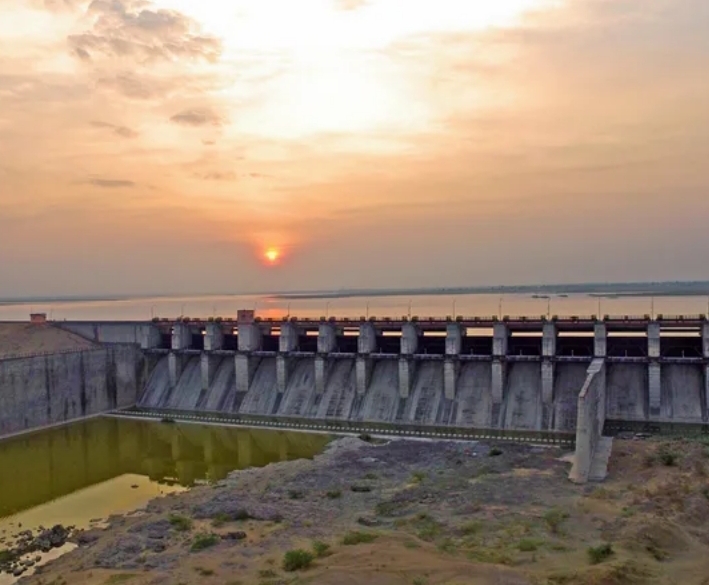
3. Jayakwadi Dam

The largest irrigation dam in Maharashtra and one of the largest earthen dams in Asia, the fascinating Jayakwadi dam is located on Godavari river at site of Jayakwadi village in Paithan taluka of Aurangabad. Watching the dam will make you feel like you are watching a real ocean with no end. Also visit the bird sanctuary near it and don’t forgot to buy famous “Paithani” for your lovely ladies from Paithan.

Timing = 10am to 6pm

4. Ajanta Caves

Located from just 107km away from Aurangabad, Ajanta caves is the most attractive place for foreign tourist’s. A group of around 32 Buddhist caves that are carved out of rocks, these caves date back to the 2nd century and is considered as the most brilliant form of ancient Indian art.
Since 1983, Ajanta caves has been declared a UNESCO World Heritage Site. On the walls of caves there are paintings which recounts the life of Lord Buddha. From the architecture, shape, and form of the caves, it is pretty sure that the ancient Buddhist monks used these caves for studying, living and worship purposes. The murals, paintings, and carvings on the wall reveal many unknown facts about the way of living, the cultures and tradition.

Timings: 8 AM to 5 PM

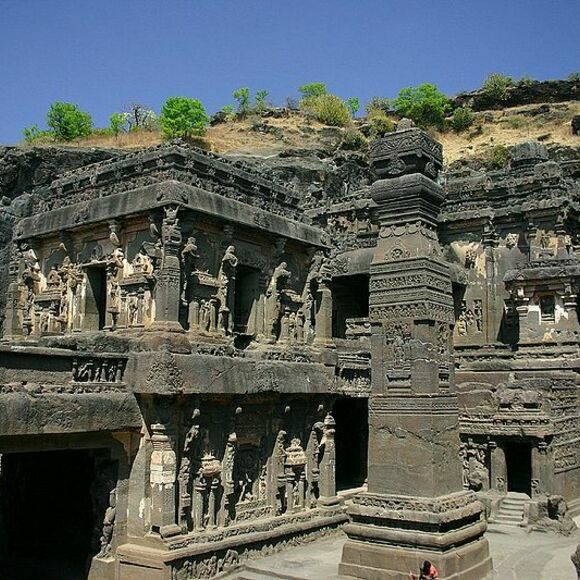
5. Ellora Caves

Another famous tourist place to visit near Aurangabad is Ellora caves, the another powerful example of Indian architecture. Located around 29 km from the city. This chain of caves were built by the Rashtrakuta dynasty of the Buddhist clan and Yadav group of the Jains.
A must visit UNESCO World Heritage site in Maharashtra, this series of caves also showcases the perfection and epitome of the pre historic times of the Indian culture.
There are all 34 caves of which, 12 are Buddhist, 17 Hindu and 5 Jain.

Timings: 6 AM to 6 PM

Men in blue beats Spain 3-0,to progress into next round of Tokyo Olympics

Spain in their first match leveled 1-1 against defending champions Argentina. In their next match they lost 4-3 to New Zealand. They conceded 2 goals in the last quarter and eventually lost their lead and match too.

India on the other hand started their campaign with defeating New Zealand 3-2, vice-captain Harmanpreet singh scored 2 goals and Rupinder pal singh scored 1 goal. In their next match, India encountered the number 1 team Australia. Australia defeated India by a margin of 7-1 and it’s one of the worst defeat for the Indian Hockey team in Olympics.

Rupinder pal and simranjeet singh handed Spain a 3-0 defeat

Today morning in OI Hockey Stadium, India and Spain locked horns and India dominated throughout the game and handed Spain a 3-0 defeat.

Simranjeet Singh scored in 14th minute and Rupinder Pal Singh was hero of the match and he striked twice in 15th and 51st minute.

Spain side got many chances but they failed to convert them into goals. With this win India have inched closer to a quarterfinal berth. India have moved to the second spot in Pool A of the Tokyo Olympics. India will face Olympic champion Argentina on Thursday. Spain are yet to register their first win.