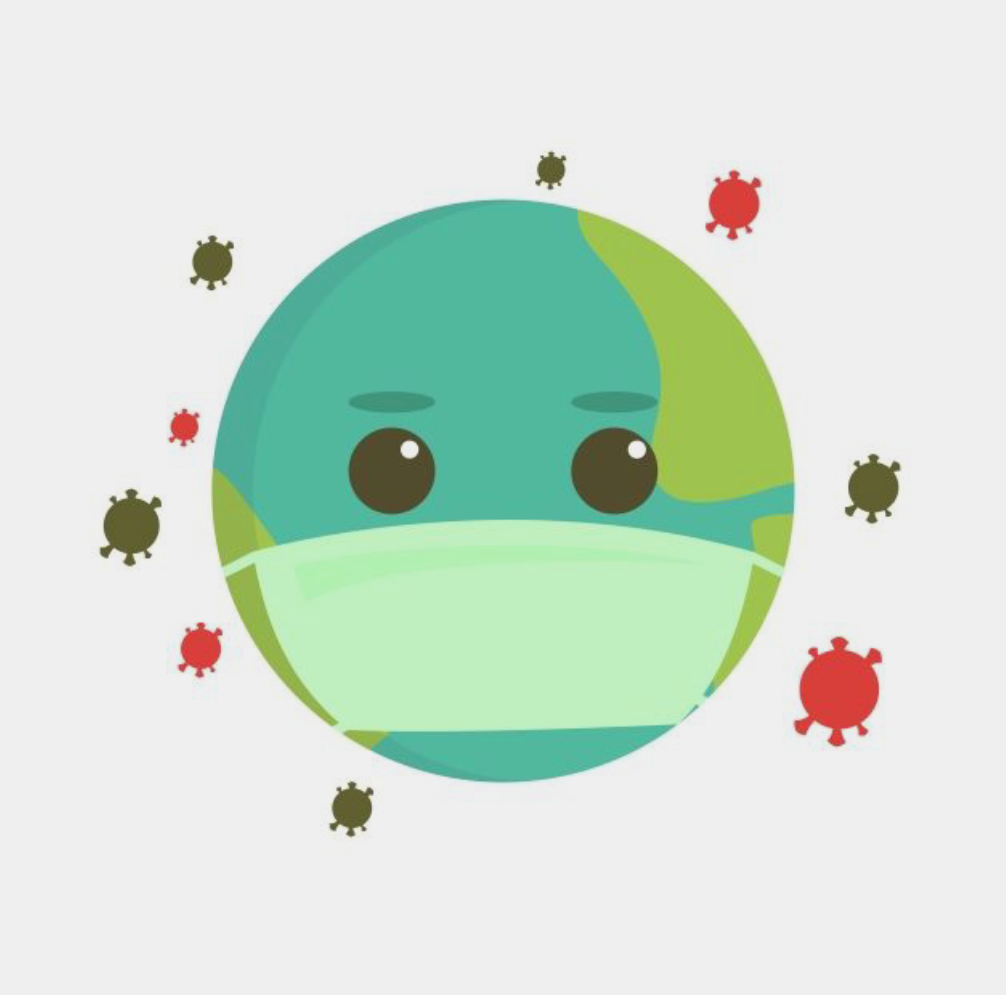
Impact of COVID on personal life.


“Kya se kya hogyaaa” if you are an Indian, you must have use this sentence to explain this lockdown. Still, we are not able to collect that when and how it happened. More than 7 months in home, after staying away for this many days huh!! Wasn’t a dream for all of us and also was a real challenge, isn’t it?

This blog is for those who were out from there home town and had to return back. Actually, I guess many of us has returned, but, those who didn’t are lucky and also not so lucky.  Like everything has pros and cons of it and both has to be faced by every individual in respect of there action.

Let me first clear that we are not going to discuss about the business world and COVID impact on it because when we say business we mean surviving through ups and downs with tactics and making profit. But, the great impact of it was felt in every individuals life and I’m sure that something has changed in every one of us. So, I’m gonna talk about that according to my experience and level of thinking. You are free to judge here.

So, Dec 2019 has started and everyone was excited for the coming year. We can say that 2019 was little rough for all of us till that time when we were hoping for 2020. We heard about the COVID that time but we were not soo serious about it because we all have thought about it as some kind of regular flue which will be gone in few days.
But, as we entered 2020 we came to know that it is not going to end soon. And them march 2020 came when govt announced total lockdown in country.

Some of us still didn’t BELIVED that this was really happing, but soon we all. And then second news we got about work from home.
Hush! What a relief that was. Now, work and family was together. For some days it was like best thing to do but after that it became a trouble. As, staying at hom for work.e and still not able to have a good time really makes you uncomfortable, isn’t it?. We all must have started felling left out from certain things, while there were many things which again started to build up. People started working on their bonds and relationship stuffs  with there loved ones. but, it also make them distracted from there work. And at last they all understood that office was best because that place had full concentration for work.

Now, let’s see the bachelor side of view. How lockdown or COVID put an impact on them?. I guess, pretty well because they are adjustable. They got some break from everything. Yeah! Even though they didn’t have such hard job to do but still for a class 1 student it’s class 1st syllabus what is hard for them. And they also weren’t getting paid. What really didn’t worked for them is not meeting there friends daily and staying in house. These bachelors have hot blood so they can’t just sit at one place for long time. And second thing was now they were under restrictions. Those who were not living with there parents from many years will be getting that being with them after so many days for these many days was a kind of trouble, right?. Like we weren’t far from them but living 24hr with them after many days needs some kind of adjustment and understanding after living alone with all the pockets money. But, at last we all came out of it and I’m pretty sure now it will be difficult to live alone again, na!.

Overall we can say that this COVID was a drastic things but it also did some good things which can’t be ignored.

So, leaving you all here with a question, How you felt this COVID impacted on personal life? Tell us below in comment section about your answer.

See yaa..

Triveni Sangam

In Hindu tradition Triveni Sangam is the “confluence” of three rivers (Ganga, Yamuna and Sarasvati). The point of confluence is a sacred place for Hindus, with a bath here said to flush away all of one’s sins and free one from the cycle of rebirth.

Triveni Sangam in Prayagraj (Prayag), has the confluence of three rivers — the Ganges , the Yamuna and the Sarasvati (it is invisible, because according to Hindu mythology it flows underground). The two rivers maintain their visible identity and can be identified by their different colours. The water of the Ganges is clear, while that of the Yamuna is greenish in colour.

A place of religious importance and the site for historic Kumbh Mela held every 12 years, over the years it has also been the site of immersion of ashes of several national leaders, including Mahatma Gandhi in 1948.

The auspiciousness of the confluence of two rivers is referred to in the Rigveda, which says, “Those who bathe at the place where the two rivers flow together, rise up to heaven”.

Ganges River

The Ganges or Ganga, is a trans-boundary river of Asia which flows through India and Bangladesh. The 2,704 km river originates from the Gangotri Glacier of western Himalayas in the Indian state of Uttarakhand, and flows south and east through the Gangetic Plain of India and Bangladesh, eventually emptying into the Bay of Bengal.The Ganges is a lifeline to millions who live along its course. It is a sacred river and worshipped as the goddess Ganga in Hinduism. It has been important historically; many former provincial or imperial capitals (such as Prayagraj, Dhaka, Baharampur, Bikrampur, Kampilya, Kannauj, Kara, Kashi, Kolkata, Murshidabad, Munger, Patliputra, and Sonargaon) have been located on its banks.

The Ganges is threatened by severe pollution. This poses a danger not only to humans but also to animals; the Ganges is home to approximately 140 species of fish and 90 species of amphibians. The river also contains reptiles and mammals, including critically endangered species such as the Gharial and South Asian river dolphin. The levels of fecal coliform bacteria from human waste in the river near Varanasi are more than a hundred times the Indian government’s official limit. The Ganga Action Plan, an environmental initiative to clean up the river, has been considered a failure which is variously attributed to corruption, a lack of will in the government, poor technical expertise, environmental planning and a lack of support from the native religious authorities.

Yamuna River

The Yamuna, is the second-largest tributary river of the Ganga and the longest tributary in India. Originating from the Yamunotri Glacier at a height of 6,387 metres on the southwestern slopes of Banderpooch peaks of the Lower Himalaya in Uttarakhand, it travels a total length of 1,376 kilometres and has a drainage system of 366,223 square kilometres, 40.2% of the entire Ganga Basin. It merges with the Ganga at Triveni Sangam, Prayagraj, which is a site of the Kumbh Mela, a Hindu festival held every 12 years.

It crosses several states: Haryana and Uttar Pradesh, passing by Uttarakhand and later Delhi, and meeting its tributaries on the way, including Tons, Chambal, its longest tributary which has its own large basin, followed by Sindh, the Betwa, and Ken. From Uttarakhand, the river flows into the state of Himachal Pradesh. After passing Paonta Sahib, Yamuna flows along the boundary of Haryana and Uttar Pradesh and after exiting Haryana it continues to flow till it merges with the river Ganga at Sangam or Prayag in Allahbad (Uttar Pradesh). It helps create the highly fertile alluvial Yamuna-Ganga Doab region between itself and the Ganga in the Indo-Gangetic plain. Nearly 57 million people depend on the Yamuna’s waters. With an annual flow of about 10,000 cubic billion metres (cbm; 8.1 billion acre⋅ft) and usage of 4,400 cbm (of which irrigation constitutes 96 percent), the river accounts for more than 70 percent of Delhi’s water supply. Like the Ganga, the Yamuna is highly venerated in Hinduism and worshipped as the goddess Yamuna. In Hindu mythology she is the daughter of the Sun Deva, Surya, and the sister of Yama, the Deva of Death, hence also known as Yami. According to popular legends, bathing in its sacred waters frees one from the torments of death.

Sarasvati River

The Sarasvati River is one of the rivers mentioned in the Rig Veda and later Vedic and post-Vedic texts. It plays an important role in the Vedic religion, appearing in all but the fourth book of the Rigveda. The goddess Sarasvati was originally a personification of this river, but later developed an independent identity. The Sarasvati is also considered by Hindus to exist in a metaphysical form, in which it formed a confluence with the sacred rivers Ganges and Yamuna, at the Triveni Sangam.According to Michael Witzel, superimposed on the Vedic Sarasvati river is the heavenly river Milky Way, which is seen as “a road to immortality and heavenly after-life.” Rigvedic and later Vedic texts have been used to propose identification with present-day rivers, or ancient riverbeds. The Nadistuti hymn in the Rigveda (10.75) mentions the Sarasvati between the Yamuna in the east and the Sutlej in the west. Later Vedic texts like the Tandya and Jaiminiya Brahmanas, as well as the Mahabharata, mention that the Sarasvati dried up in a desert.

Since the late 19th-century, scholars have identified the Vedic Saraswati river as the Ghaggar-Hakra River system, which flows through northwestern India and eastern Pakistan, between the Yamuna and the Sutlej. Satellite images have pointed to the more significant river once following the course of the present day Ghaggar River. Scholars have observed that major Indus Valley Civilization sites at Kalibangan (Rajasthan), Banawali and Rakhigarhi (Haryana), Dholavira and Lothal (Gujarat) also lay along this course. However, identification of the Vedic Sarasvati with the Ghaggar-Hakra system is problematic, since the Sarasvati is not only mentioned separately in the Rig Veda, but is described as having dried up by the time of the composition of the later Vedas and Hindu epics. In the words of Annette Wilke, the Sarasvati had been reduced to a “small, sorry trickle in the desert”, by the time that the Vedic people migrated into north-west India.

How Indian culture proves that Old is gold?

“If any individual is judged by his character and morality, society is judged by its culture and tradition” said Dr S. Radhakrishnan.   Culture means the way of life followed by a community that consists of custom, tradition, religious practices and the human values. Every culture has its distinct positive features.  The culture of a community never remains same.  It is evolved over a period and is always in the process of reforming itself.   

Even from very ancient time, the Indian civilization was highly developed.  Many factors have contributed to the cultural formation.  Our scriptures like Vedas and Upanishads are considered as immense treasure of knowledge.  There are various other scriptures like Ithihas, Purana etc.  Bhagawad Gita, Ramayana and Mahabharata have taught us how we should conduct ourselves.   We have developed very good art like Music, dance, paintings, sculpture etc.  While the temples like Ramanathapuram on the southern corner of India are noted for their workmanship, novelty and sculpture, temples like Rishikesh and Badrinath in north are considered as the very abodes of God.  Hinduism is one of the oldest religions of the world and great saints like Adi Sankara, Ramanuja, Sri Ramakrishna Paramahamsa and Swami Vivekananda have enriched our religion by their interpretations.  From the day Swamy Vivekananda addressed the Parliament of Religions at Chicago; many people have turned towards India for spiritual knowledge.  Though Adi Sankara and other saints have set Self-realisation as the ultimate goal, it was Sri Ramana Maharshi who highlighted its importance and showed the way for achieving that goal.    All these developments have contributed to India a rich cultural heritage and tradition.  India has thus inherited a great tradition and a way of life which formed the basis of its culture. 

Though Mughals came and then the British came and ruled over the land, they could not destroy the culture.  The Indian culture has now become universal and it has become a land where different religions and culture survive, co-exist peacefully and flourish.  Now there are different communities and nationals in India pursuing their own beliefs and faiths.  Though India presented a picture of diversity, India has grown as a national that welcomes all ideas, philosophies and doctrines.  It is a land where people of different faith live in peace and harmony, like a family bound in mutual love and affection. 

Indians have adopted and assimilated the foreign culture and yet they have retained what is good for their own culture.   They may be communicating in English, traveling in Mercedes, dressing in western style but they never deviate from their basic tradition and culture. The car symbolizes the modern trend but its name, Maruti, symbolizes the legendary past.  Those who migrate to foreign countries adopt the culture of the country to which they migrated without deviating from their own culture. Like , I f you ever met any family who use to live in USA and still touches feet of elders. Wherever Indians go, whether USA or Dubai, along with their spouses, children and belongings, they make it a point to carry the Indian culture also with them.   This is evident from the various cultural programmes being regularly organized in foreign countries like USA, Dubai or Singapore.  Music Festival is a regular annual feature in Cleveland, USA and leading Indian artists take active part in them.  Indian temples are seen in most of the States in America, the Venkatachalapathi temple at Petersburg being the biggest among them.

Cinemas, the computer, air linkage, information technology have all brought the inhabitants of the world closer.   The world which remained unreachable and wide apart before has become a global village now.  As the geographical boundaries became mere symbols, people to people contact became more frequent.  As people mingled with each other, we find a cultural synthesis taking place in India now. 

Some adverse changes have also come in the Indian family tradition.  Previously, the wife used to be the home maker, attending to house hold duties, managing the children, attending to religious practices etc. Now, according to the modern trend more and more house-wives are going beyond their home-making avocation and take up responsibilities in business undertakings. “Now, for women, there is life even after marriage” commented a friend in a lighter vein.  Women are well educated and became partners with men in bringing about progress and prosperity.  Thanks to the winds of change blowing over and thanks to the free and liberal outlook created by modern era, India now finds itself free from its outmoded customs and practices. Though woman has proved her enormous power as a contributor for nation building, it cannot be denied that she has left a vacuum at the home front.   We need to bring up a system where our culture and tradition should be passed on to our children also.  Woman has a higher responsibility in this sphere.        

It would be pertinent to conclude this essay with the quotation of Swami Ranganathananda, the late President of Ramakrishna Mission, Kolkata:  “Change is the order of the day.  Everyday, we witness changes occurring all around us and even within us.  Society may change in infinite ways in response to historical necessities but that is no reason why cultural values underlying all human endeavors should change.”  Let us all be proud of our culture and cherish it for ever.  

So, we not only say that we are proud of being and Indian but we really are. It is always indian culture which gave us a different definition or identity infront of whole world. Like, only by seeing a Foreigner you can’t say from where he/she belongs from, but, any Foreigner can easily say that he/she belongs from india. Jai hind.

See yaa…

Indian Cuisine

Indian food is as diverse as India. Indian cuisines use numerous ingredients, deploy a wide range of food preparation styles, cooking techniques, and culinary presentations. From salads to sauces, from vegetarian to meat, from spices to sensuous, from bread to desserts, Indian cuisine is invariably complex. Harold McGee, a favourite of many Michelin-starred chefs, writes “for sheer inventiveness with the milk itself as the primary ingredient, no country on earth can match India.”

India is known for its love of food and spices. Indian cuisine varies from region to region, reflecting the local produce, cultural diversity, and varied demographics of the country. Generally, Indian cuisine can be split into five categories – northern, southern, eastern, western, and northeastern. The diversity of Indian cuisine is characterised by the differing use of many spices and herbs, a wide assortment of recipes and cooking techniques. Though a significant portion of Indian food is vegetarian, many Indian dishes also include meats like chicken, mutton, beef (both cow and buffalo), pork and fish, egg and other seafood. Fish-based cuisines are common in eastern states of India, particularly West Bengal and the southern states of Kerala and Tamil Nadu.

Despite this diversity, some unifying threads emerge. Varied uses of spices are an integral part of certain food preparations and are used to enhance the flavour of a dish and create unique flavours and aromas. Cuisine across India has also been influenced by various cultural groups that entered India throughout history, such as the Central Asians, Arabs, Mughals, and European colonists. Sweets are also very popular among Indians, particularly in Bengal where both Bengali Hindus and Bengali Muslims distribute sweets to mark joyous occasions.

Indian cuisine is one of the most popular cuisines across the globe. In most Indian restaurants outside India, the menu does not do justice to the enormous variety of Indian cuisine available – the most common cuisine served on the menu would be Punjabi cuisine (chicken tikka masala is a very popular dish in the United Kingdom). There do exist some restaurants serving cuisines from other regions of India, although these are few and far between. Historically, Indian spices and herbs were one of the most sought after trade commodities. The spice trade between India and Europe led to the rise and dominance of Arab traders to such an extent that European explorers, such as Vasco da Gama and Christopher Columbus, set out to find new trade routes with India leading to the Age of Discovery. The popularity of curry, which originated in India, across Asia has often led to the dish being labeled as the “pan-Asian” dish.

Regional Indian cuisine continues to evolve. A fusion of East Asian and Western cooking methods with traditional cuisines, along with regional adaptations of fast food are prominent in major Indian cities.

The cuisine of Andhra Pradesh and Telangana consists of the Telugu cuisine, of the Telugu people as well as Hyderabadi cuisine (also known as Nizami cuisine), of the Hyderabadi Muslim community. Hyderabadi food is based heavily on non-vegetarian ingredients while, Telugu food is a mix of both vegetarian and non-vegetarian ingredients. Telugu food is rich in spices and chillies are abundantly used. The food also generally tends to be more on the tangy side with tamarind and lime juice both used liberally as souring agents. Rice is the staple food of Telugu people. Starch is consumed with a variety of curries and lentil soups or broths. Vegetarian and non-vegetarian foods are both popular. Hyderabadi cuisine includes popular delicacies such as BiryaniHaleemBaghara baingan and Kheema, while Hyderabadi day to day dishes see some commonalities with Telanganite Telugu food, with its use of tamarind, rice, and lentils, along with meat. Yogurt is a common addition to meals, as a way of tempering spiciness.

India Happiness Report 2020 😊

According to the India Happiness Report prepared by Rajesh K. Pillania, a professor of strategy at the Management Development Institute in Gurugram, Mizoram has been declared the happiest state in India. A survey was conducted during the coronavirus pandemic from March to July among the 16,950 people to find out which are the happiest states and union territories across the country. Among the other factors, the report also focused on the impact of COVID-19 on happiness. Participants were asked to rate their current standing on the impact of COVID-19 on their happiness from the worst possible to the best possible from 1 to 5.The study is based on a nationwide survey covering 16,950 people between March and July 2020 .

In overall happiness ranking of states and union territories:

  1. Mizoram
  2. Punjab
  3. Andaman and Nicobar Islands
Mizoram, Punjab happiest states; Andaman Nicobar happiest UT: Report

Among the big states:

  1. Punjab
  2. Gujarat
  3. Telangana

Among smaller states:

  1. Mizoram
  2. Sikkim
  3. Arunachal Pradesh

Among union territories:

  1. Andaman and Nicobar Islands
  2. Puducherry
  3. Lakshadweep

The worst possible impact of COVID-19 on happiness:

Maharashtra, Delhi, and Haryana have shown the worst possible impact of COVID-19 on happiness, whereas Puducherry and Jammu and Kashmir are neutral and Manipur, Andaman and Nicobar Islands, and Lakshadweep have shown the best possible impact of COVID-19 on happiness.

Indian Economy

The economy of India is characterised as a developing market economy. It is the world’s fifth-largest economy by nominal GDP and the third-largest by purchasing power parity (PPP). According to the IMF, on a per capita income basis, India ranked 139th by GDP (nominal) and 118th by GDP (PPP) in 2018. From independence in 1947 until 1991, successive governments promoted protectionist economic policies with extensive state intervention and regulation which is characterised as Dirigism. The end of the Cold War and an acute balance of payments crisis in 1991 led to the adoption of a broad program of economic liberalisation. Since the start of the 21st century, annual average GDP growth has been 6% to 7%, and from 2014 to 2018, India was the world’s fastest growing major economy, surpassing China. Historically, India was the largest economy in the world for most of the two millennia from the 1st until 19th century.

The long-term growth perspective of the Indian economy remains positive due to its young population and corresponding low dependency ratio, healthy savings and investment rates, and is increasing integration into the global economy. The economy slowed in 2017, due to shocks of “demonetisation” in 2016 and introduction of Goods and Services Tax in 2017. Nearly 60% of India’s GDP is driven by domestic private consumption and continues to remain the world’s sixth-largest consumer market. Apart from private consumption, India’s GDP is also fueled by government spending, investment, and exports. In 2018, India was the world’s tenth-largest importer and the nineteenth-largest exporter. India has been a member of World Trade Organization since 1 January 1995. It ranks 63rd on Ease of doing business index and 68th on Global Competitiveness Report. With 520-million-workers, the Indian labour force is the world’s second-largest as of 2019. India has one of the world’s highest number of billionaires and extreme income inequality. Since India has a vast informal economy, barely 2% of Indians pay income taxes. During the 2008 global financial crisis the economy faced mild slowdown, India undertook stimulus measures (both fiscal and monetary) to boost growth and generate demand; in subsequent years economic growth revived. According to 2017 PricewaterhouseCoopers (PwC) report, India’s GDP at purchasing power parity could overtake that of the United States by 2050. According to World Bank, to achieve sustainable economic development India must focus on public sector reform, infrastructure, agricultural and rural development, removal of land and labour regulations, financial inclusion, spur private investment and exports, education and public health.

Challenges faced by Indian Economy :

Indian economy faces many challenges that include Unemployment, Poor educational standards, Poor infrastructure, Balance of payments deterioration, High levels of Private Debt, Large Budget Deficit, Rigid labor Laws, Inefficient agriculture, Poor tax collection rates, Business difficulties, Inequality within regions.

Unemployment –

The causes of high unemployment and under-employment in India are subject of intense debate among scholars. A group of scholars state that it is a consequence of “restrictive labor laws that create inflexibility in the labor market”, while organized labor unions and another group of scholars contest this proposed rationale. India has about 250 labor regulations at central and state levels, and global manufacturing companies find the Indian labor laws to be excessively complex and restrictive compared to China and other economies that encourage manufacturing jobs, according to the economist Pravakar Sahoo.

Poor Educational Standards –

Modern education in India is often criticised for being based on rote learning rather than problem solving. New Indian Express says that Indian Education system seems to be producing zombies since in most of the schools students seemed to be spending majority of their time in preparing for competitive exams rather than learning or playing. BusinessWeek criticises the Indian curriculum, saying it revolves around rote learning and Express India suggests that students are focused on cramming. Preschool for Child Rights states that almost 99% of pre-schools do not have any curriculum at all. Also creativity is not encouraged or is considered as a form of entertainment in most institutions.

Poor Infrastructure –

Poor infrastructure is among the biggest hurdles facing the Indian government’s ambitious program, called “Make in India,” which aims to improve the nation’s manufacturing capabilities and support higher growth for generating employment. We believe corporate growth and investments can be hampered if the government fails to close the infrastructure deficit, which some experts estimate costs about 4%-5% of GDP due to inefficiencies. Infrastructure development can not only help remove some of these inefficiencies contributing immediately to economic expansion but also support stronger long-term growth.

Balance of Payments Deterioration –

The balance of payments of a country is the difference between all money flowing into the country in a particular period of time and the outflow of money to the rest of the world. These financial transactions are made by individuals, firms and government bodies to compare receipts and payments arising out of trade of goods and services. The balance of payments consists of three components: the current account, the capital account and the financial account. The current account reflects a country’s net income, while the capital account reflects the net change in ownership of national assets.

Inefficient Agriculture –

The Indian food distribution system is highly inefficient. Although India has attained self-sufficiency in food staples, the productivity of its farms is below that of Brazil, the United States, France and other nations. Indian wheat farms, for example, produce about a third of the wheat per hectare per year compared to farms in France. Rice productivity in India was less than half that of China. Other staples productivity in India is similarly low. Indian total factor productivity growth remains below 2% per annum; in contrast, China’s total factor productivity growths is about 6% per annum, even though China also has smallholding farmers. Several studies suggest India could eradicate its hunger and malnutrition and be a major source of food for the world by achieving productivity comparable with other countries.

Large Budget Deficit –

A budget deficit occurs when expenses exceed revenue and indicate the financial health of a country. The government generally uses the term budget deficit when referring to spending rather than businesses or individuals. Accrued deficits form national debt. The gap between the revenue and expenditure during the same period in 2019-20 stood at 61.4% of the budgeted target, according to data on the website of the Controller General of Accounts. India’s fiscal deficit target estimated in the Union Budget 2020-21 was Rs.7.96 lakh crore, or 3.5% of the gross domestic product.

Business Difficulties –

Controls on business creation also lead to poor infrastructure development. India started having balance of payments problems in 1985, and by the end of 1990, the state of India was in a serious economic crisis. The economic impact of the 2020 coronavirus pandemic in India has been largely disruptive. According to Nomura India Business Resumption Index economic activity fell from 82.9 on 22 March to 44.7 on 26 April.

Poverty in India

Poverty is not having enough material possessions or income for a person’s needs. Poverty may include social, economic, and political elements. Absolute poverty is the complete lack of the means necessary to meet basic personal needs, such as food, clothing, and shelter. The threshold at which absolute poverty is defined is always about the same, independent of the person’s permanent location or era. On the other hand, relative poverty occurs when a person cannot meet a minimum level of living standards, compared to others in the same time and place. Therefore, the threshold at which relative poverty is defined varies from one country to another, or from one society to another. A person who cannot afford housing better than a small tent in an open field would be said to live in relative poverty if almost everyone else in that area lives in modern brick homes, but not if everyone else also lives in small tents in open fields.

Many governments and non-governmental organizations try to reduce poverty by providing basic needs to people who are unable to earn a sufficient income. These efforts can be hampered by constraints on government’s ability to deliver services, such as corruption, tax avoidance, debt and loan conditionals and by the brain drain of health care and educational professionals. Strategies of increasing income to make basic needs more affordable typically include welfare, economic freedoms and providing financial services. Meanwhile, the poorest citizens of middle-income countries have largely failed to receive an adequate share of their countries’ increased wealth.

In India :

As India is one of the fastest-growing economies in the world, poverty is on the decline in the country, with close to 44 Indians escaping extreme poverty every minute, as per the World Poverty Clock. India had 73 million people living in extreme poverty which makes up 5.5% of its total population, according to the Brookings report. In May 2012, the World Bank reviewed and proposed revisions to their poverty calculation methodology and purchasing power parity basis for measuring poverty worldwide. It was a minimal 3.6% in terms of percentage. As of 2020, the incidence of multidimensional poverty has significantly reduced, declining from 54.7 percent to 6 percent.

The 19th century and early 20th century saw increasing poverty in India during the colonial era. Over this period, the colonial government de-industrialized India by reducing garments and other finished products manufactured by artisans in India. Instead, they imported these products from Britain’s expanding industry due to the many industrial innovations of the 19th century. Additionally, the government simultaneously encouraged the conversion of more land into farms and more agricultural exports from India. Eastern regions of India along the Ganges river plains, such as those now known as eastern Uttar Pradesh, Bihar, Jharkhand and West Bengal, were dedicated to producing poppy and opium. These items were then exported to southeast and east Asia, particularly China. The East India Company initially held an exclusive monopoly over these exports, and the colonial British institutions later did so as well. The economic importance of this shift from industry to agriculture in India was large; by 1850, it created nearly 1,000 square kilo-meters of poppy farms India’s fertile Ganges plains. This consequently led to two opium wars in Asia, with the second opium war fought between 1856 and 1860. After China agreed to be a part of the opium trade, the colonial government dedicated more land exclusively to poppy. The opium agriculture in India rose from 1850 through 1900, when over 500,000 acres of the most fertile Ganges basin farms were devoted to poppy cultivation. Additionally, opium processing factories owned by colonial officials were expanded in Benares and Patna, and shipping expanded from Bengal to the ports of East Asia such as Hong Kong, all under exclusive monopoly of the British. By the early 20th century, 3 out of 4 Indians were employed in agriculture, famines were common, and food consumption per capita declined in every decade. In London, the late 19th century British parliament debated the repeated incidence of famines in India, and the impoverishment of Indians due to this diversion of agriculture land from growing food staples to growing poppy for opium export under orders of the colonial British empire.

Another Expert Group was instituted in 1993, chaired by Lakdawala, to examine poverty line for India. It recommended that regional economic differences are large enough that poverty lines should be calculated for each state. From then on, a standard list of commodities were drawn up and priced in each state of the nation, using 1973–74 as a base year. This basket of goods could then be re-priced each year and comparisons made between regions. The Government of India began using a modified version of this method of calculating the poverty line in India.

There are wide variations in India’s poverty estimates for 1990s, in part from differences in the methodology and in the small sample surveys they poll for the underlying data. A 2007 report for example, using data for late 1990s, stated that 77% of Indians lived on less than ₹ 20 a day. In contrast, S G Datt estimated India’s national poverty rate to be 35% in 1994, at India’s then official poverty line of Rs.49 per capita, with consumer price index adjusted to June 1974 rural prices.

The Poverty in India is to be controlled using various techniques. Economic growth is to be increased so as to reduce the problem of Poverty in India. Agriculture is to be given importance in the country. This has been the main problem of poverty in India. Giving importance to agriculture improvises the economical benefits to the country.

Financial Crimes in India

Financial crime is a crime committed against property, involving the unlawful conversion of the ownership of property (belonging to one person) to one’s own personal use and benefit. Financial crimes may involve fraud (cheque fraud, credit card fraud, mortgage fraud, medical fraud, corporate fraud, securities fraud (including insider trading), bank fraud, insurance fraud, market manipulation, payment (point of sale) fraud, health care fraud); theft; scams or confidence tricks; tax evasion; bribery; sedition; embezzlement; identity theft; money laundering; and forgery and counterfeiting, including the production of Counterfeit money and consumer goods. Financial crimes may involve additional criminal acts, such as computer crime and elder abuse, even violent crimes such as robbery, armed robbery or murder. Financial crimes may be carried out by individuals, corporations, or by organized crime groups. Victims may include individuals, corporations, governments, and entire economies.

The main types of financial crimes in India include : bank fraud, electronic crime, money laundering, bribery and corruption, market abuse and insider dealing, information security, market manipulation, tax evasion.

Bank Fraud:

Bank fraud is the use of potentially illegal means to obtain money, assets, or other property owned or held by a financial institution, or to obtain money from depositors by fraudulently posing as a bank or other financial institution. In many instances, bank fraud is a criminal offence. While the specific elements of particular banking fraud laws vary depending on jurisdictions, the term bank fraud applies to actions that employ a scheme or artifice, as opposed to bank robbery or theft. For this reason, bank fraud is sometimes considered a white-collar crime. In order to hide serious financial problems, some businesses have been known to use fraudulent bookkeeping to overstate sales and income, inflate the worth of the company’s assets, or state a profit when the company is operating at a loss. These tampered records are then used to seek investment in the company’s bond or security issues or to make fraudulent loan applications in a final attempt to obtain more money to delay the inevitable collapse of an unprofitable or mismanaged firm.

Electronic Crime:

Computer fraud is any dishonest misrepresentation of fact intended to let another to do or refrain from doing something which causes loss. In this context, the fraud will result in obtaining a benefit by: Altering in an unauthorized way. This requires little technical expertise and is a common form of theft by employees altering the data before entry or entering false data, or by entering unauthorized instructions or using unauthorized processes; Altering, destroying, suppressing, or stealing output, usually to conceal unauthorized transactions. This is difficult to detect Altering or deleting stored data. Other forms of fraud may be facilitated using computer systems, including bank fraud, carding, identity theft, extortion, and theft of classified information. These types of crime often result in the loss of private information or monetary information.

Money Laundering:

Money laundering is the illegal process of concealing the origins of money obtained illegally by passing it through a complex sequence of banking transfers or commercial transactions. The overall scheme of this process returns the “clean” money to the launderer in an obscure and indirect way. One problem of criminal activities is accounting for the proceeds without raising the suspicion of law enforcement agencies. Considerable time and effort may be put into strategies that enable the safe use of those proceeds without raising unwanted suspicion. Implementing such strategies is generally called money laundering. After money has been laundered, it can be used for legitimate purposes.

Bribery and Corruption:

A bribe is an illegal or unethical gift or lobbying effort bestowed to influence the recipient’s conduct. It may be money, goods, rights in action, property, preferment, privilege, emolument, objects of value, advantage, or merely a promise to induce or influence the action, vote, or influence of a person in an official or public capacity.

Many types of payments or favors may be fairly or unfairly labeled as bribes: tip, gift, sop, perk, skim, favor, discount, waived fee/ticket, free food, free ad, free trip, free tickets, sweetheart deal, kickback/payback, funding, inflated sale of an object or property, lucrative contract, donation, campaign contribution, fundraiser, sponsorship/backing, higher paying job, stock options, secret commission, or promotion (rise of position/rank).

Corruption is a form of dishonesty or criminal offense undertaken by a person or organization entrusted with a position of authority, to acquire illicit benefit or abuse power for one’s private gain. Corruption may include many activities including bribery and embezzlement, though it may also involve practices that are legal in many countries. Political corruption occurs when an office-holder or other governmental employee acts in an official capacity for personal gain.

Corruption can occur on different scales, corruption ranges from small favors between a small number of people (petty corruption), to corruption that affects the government on a large scale (grand corruption), and corruption that is so prevalent that it is part of the everyday structure of society, including corruption as one of the symptoms of organized crime. Corruption and crime are endemic sociological occurrences which appear with regular frequency in virtually all countries on a global scale in varying degree and proportion. Individual nations each allocate domestic resources for the control and regulation of corruption and crime. Strategies to counter corruption are often summarized under the umbrella term anti-corruption.

Market Abuse:

Market abuse may arise in circumstances where financial market investors have been unreasonably disadvantaged, directly or indirectly, by others who:

  • have used information which is not publicly available (insider dealing)
  • have distorted the price-setting mechanism of financial instruments
  • have disseminated false or misleading information

Market Abuse is split into two different aspects (under EU definitions):

  • Insider dealing: where a person who has information not available to other investors (for example, a director with knowledge of a takeover bid) makes use of that information for personal gain
  • Market manipulation: where a person knowingly gives out false or misleading information (for instance, about a company’s financial circumstances) in order to influence the price of a share for personal gain

Phishing (Information security scams):

Phishing is the fraudulent attempt to obtain sensitive information or data, such as usernames, passwords and credit card details, by disguising oneself as a trustworthy entity in an electronic communication. Typically carried out by email spoofing, instant messaging, and text messaging, phishing often directs users to enter personal information at a fake website which matches the look and feel of the legitimate site.

Phishing is an example of social engineering techniques used to deceive users. Users are lured by communications purporting to be from trusted parties such as social web sites, auction sites, banks, colleagues/executives, online payment processors or IT administrators.

Market Manipulation:

Market manipulation is a type of market abuse where there is a deliberate attempt to interfere with the free and fair operation of the market and create artificial, false or misleading appearances with respect to the price of, or market for, a product, security, commodity or currency. A type of manipulation possible when financial instruments are settled based on benchmarks set by the trading of physical commodities, for example in United States Natural Gas Markets. The manipulator takes a large long (short) financial position that will benefit from the benchmark settling at a higher (lower) price, then trades in the physical commodity markets at such a large volume as to influence the benchmark price in the direction that will benefit their financial position.

Tax Evasion:

Tax evasion is the illegal evasion of taxes by individuals, corporations, and trusts. Tax evasion often entails taxpayers deliberately misrepresenting the true state of their affairs to the tax authorities to reduce their tax liability and includes dishonest tax reporting, such as declaring less income, profits or gains than the amounts actually earned, or overstating deductions.

Tax evasion is an activity commonly associated with the informal economy. One measure of the extent of tax evasion (the “tax gap”) is the amount of unreported income, which is the difference between the amount of income that should be reported to the tax authorities and the actual amount reported.

In contrast, tax avoidance is the legal use of tax laws to reduce one’s tax burden. Both tax evasion and avoidance can be viewed as forms of tax noncompliance, as they describe a range of activities that intend to subvert a state’s tax system, although such classification of tax avoidance is not indisputable, given that avoidance is lawful, within self-creating systems.


Indian Literature : Our Biggest Asset

Indian literature refers to the literature produced on the Indian subcontinent until 1947 and in the Republic of India thereafter. The earliest works of Indian literature were orally transmitted. Sanskrit literature begins with the oral literature of the Rig Veda a collection of literature dating to the period 1500–1200 BCE. The Sanskrit epics Ramayana and Mahabharata were subsequently codified and appeared towards the end of the 2nd millennium BCE. Classical Sanskrit literature developed rapidly during the first few centuries of the first millennium BCE, as did the Tamil Sangam literature, and the Pāli Canon. In the medieval period, literature in Kannada and Telugu appeared in the 6th and 11th centuries respectively. Later, literature in Marathi, Assamese, Odia, Bengali and Maithili appeared. Thereafter literature in various dialects of Hindi, Persian and Urdu began to appear as well. In 1913, Bengali poet Rabindranath Tagore became India’s first Nobel laureate in literature. In contemporary Indian literature, there are two major literary awards; these are the Sahitya Akademi Fellowship and the Jnanpith Award. Eight Jnanpith Awards each have been awarded in Hindi and Kannada, followed by five in Bengali and Malayalam, four in Odia, four in Gujarati, Marathi, Telugu and Urdu, two each in Assamese and Tamil, and one in Sanskrit.

Vedic Literature:

The Vedas are a large body of religious texts originating in ancient India. Composed in Vedic Sanskrit, the texts constitute the oldest layer of Sanskrit literature and the oldest scriptures of Hinduism. There are four Vedas: the Rigveda, the Yajurveda, the Samaveda and the Atharvaveda. Each Veda has four subdivisions – the Samhitas (mantras and benedictions), the Aranyakas (text on rituals, ceremonies, sacrifices and symbolic-sacrifices), the Brahmanas (commentaries on rituals, ceremonies and sacrifices), and the Upanishads (texts discussing meditation, philosophy and spiritual knowledge). Some scholars add a fifth category – the Upasanas. The texts of the Upanishads discuss ideas akin to the heterodox sramana-traditions.

Sanskrit Literature:

Sanskrit literature refers to texts composed in Sanskrit language since the 2nd-millennium BCE. Many of the prominent texts are associated with Indian religions, i.e., Hinduism, Buddhism, and Jainism, and were composed in ancient India. However, others were composed central, East or Southeast Asia and the canon includes works covering secular sciences and the arts. Early works of Sanskrit literature were transmitted through an oral tradition for centuries before they were written down in manuscript form. Dramas, poems and stories were written in Sanskrit language in ancient India.

Pali Literature:

Pali literature is concerned mainly with Theravada Buddhism, of which Pali is the traditional language. The earliest and most important Pali literature constitutes the Pali Canon, the scriptures of Theravada school. From the 15th century onwards, Pali literature has been dominated by Burma, though some has also been written in Thailand, Laos and Cambodia, as well as Ceylon. This Burmese literature has in turn been dominated by writings directly or indirectly concerned with the Abhidhamma Pitaka, the part of the Canon variously described as philosophy, psychology, metaphysics etc.

Sangam Literature:

The Sangam literature, sometimes referred to as the Cankam literature or Koodal literature connotes the ancient Tamil literature and is the earliest known literature of South India. The Tamil tradition and legends link it to three literary gatherings around Madurai (Pandyan capital): the first over 4,440 years, the second over 3,700 years, and the third over 1,850 years before the start of the common era. Scholars consider this Tamil tradition-based chronology as ahistorical and mythical. Some of these scholars suggest the historical Sangam literature era spanned from c. 300-BCE to 300-CE while others variously place this early classical Tamil literature period a bit later and more narrowly but all before 300 CE.

Indian Persian Literature:

During the early Muslim period, Persian became the official language of the northern part of Indian subcontinent, used by most of the educated and the government. The language had, from its earliest days in the 11th century AD, been imported to the subcontinent by various culturally Persianised Central Asian-Turkic and Afghan dynasties.[28] Several Indians became major Persian poets later on, the most notable being Amir Khusro and, in more modern times, Muhammad Iqbal. Much of the older Sanskrit literature was also translated into Persian. For a time, it remained the court language of the Mughals, soon to be replaced by Urdu. Persian still held its status, despite the spread of Urdu, well into the early years of the British rule in India. Most British officials had to learn Persian on coming to India and concluded their conversations in Persian. In 1837, however, the British, in an effort to expand their influence, made a government ruling to discontinue the use of Persian and commence the use of English instead. Thus started the decline of Persian as most of the subcontinent’s official governmental language, a position to be taken up by the new language of the British Raj, English. Many modern Indian languages still show signs of relatively heavy Persian influence, most notably Urdu and Hindi.

Vaccination and COVID-19

How long has it been since we went to school met our friends or had a family dinner at some restaurant? Since March 2020, we have all been advised to stay home and sanitise ourselves in order to stay safe. Sanitizers and masks have been added to our daily use products, all because of one tiny yet dangerous virus Covid-19!

The world is now waiting anxiously for a vaccine against this dreaded virus. Researchers around the world are working round the clock to develop vaccines to combat the pandemic. Currently, more than 165 vaccines against the corona virus are under process and 27 vaccines are undergoing human trials. Vaccines typically require years of research and testing before reaching the clinic. Today, scientists all over the world are racing to produce a safe and effective vaccine by next year.

When did the efforts start

Efforts to make a successful Covid-19 vaccine began in January 2020 with the deciphering of the SARS-CoV -2 genome. The first vaccine safety trials in humans started in March but the road ahead remains uncertain. Some trials will fail and others may end without a clear result. But a few may succeed in stimulating the immune system to produce effective antibodies against the virus.

• India and vaccine against Covid-19

Like many other countries, India too is immersed in the efforts to develop successful vaccines to counter Covid-19. Thirty different Indian companies are trying to produce a vaccine to fight the infection. 7 out of these have received approval from the World Health Organization. These vaccines are in different stages of testing and clinical trials now.

COVAXIN

COVAXIN is developed by Hyderabad based Bharat Biotech International Limited in collaboration with ICMR and NIV, Pune. This is the first vaccine from India to get regulatory approval. The vaccine makes us an inactive version of a virus to spike up production of antibodies in the host body. It recently initiated Phase I and Phase II of clinical testing.

ZyCoV-D

ZyCoV-D is being developed by Zydus Cadila based in Ahmedabad. The Phase I trials of the vaccine have already begun. Extensive research was done regarding the same in collaboration with medical labs in Europe and US.

• Russia and vaccine against Covid-19

Russia is one of the countries worst affected by Covid-19. The country has been pushing extensively for a Covid-19 vaccine for quite some time now; Russia too is a part of the race to produce the world’s first Covid vaccine. It is possible that Russia would be ready with its first domestic corona virus vaccine soon. The clinical trials were conducted by the Gamaleya National Research centre of Epidemiology and microbiology. There seem to be no reports of side effects on the volunteers. All the participants showed immunity and the country is planning for the serial production of the vaccine by September. By the beginning of next year, Russia hopes to manufacture several million doses of corona virus vaccines per month.

• Oxford University’s efforts to develop a vaccine

The university of Oxford has partnered with AstraZeneca, a British-Swedish pharmaceutical company to develop an adenovirus vector vaccine to combat Covid-19. The vaccine prototype is currently in Phase III of testing. Trials of the vaccine developed by Oxford University show it can trigger an immune response. The vaccine which has so far been found to be safe and effective is expected to be made available for the masses by the end of 2020. This vaccine would also be the first such vaccine to have a large scale testing in India. The observatory data for this vaccine is expected to be available by November this year. The company has tied up with Pune based serum institute of India to mass produce the vaccine once the company gets required approvals and licensing from medical boards.

• Some methods used to make vaccines for Covid-19

Different scientists across the world try different techniques and formulas to develop vaccines. The Oxford researchers have put small sections of the corona virus genetic code into a harmless virus that infects chimpanzees. They appear to have developed a safe virus that looks enough like the corona virus to produce an immune system. Some other scientists have used pieces of raw genetic code, either DNA or RNA. When these are injected into the body it would start producing bits of viral proteins which the immune system can learn to fight. There is also work on corona virus vaccines called ‘plug and play’ vaccines. This method is new and less tested.

Thank you for reading. Have a nice day!🌼

Construction of a Conscious Youth & Society

Article by – Shishir Tripathi
Intern at Hariyali Foundation
In collaboration with
Educational News

In the present times where unnecessary issues are given extra weightage or extra attention by social media houses and the news channels, it has become so important for the youth, for the country men to open up their eyes and start discussing and focusing upon the Vital issues.

Now, what are these vital issues? Some learned people will argue that vital issues for different people are altogether different so the person writing such an article can affix some vital issues for the entire society. This article should be read upon as a piece of informative writing that will be helpful for the nation, for the economy and for the society.

At present, after the slowdown that lasted in the economy in the last quarter of the year 2019 and in the starting of 2020, the economy has really survived a lot. And as the economy was ready to get up and move upon with sane speed as earlier, Corona virus came into the scene and turned the situation even more pathetic. The Nationwide lockdown that happened in the country for slowing down the speed of the virus, turned to be an evil for the employment of daily-wage workers. Workers and laborers are thrown out of the job and due to no work; the unemployed population of the nation is falling into the dark ocean of Depression and Anxiety.

On July 1, 2020, the Railway Ministry announced that 151 trains in 109 pairs of routes will be operated by private sectors. The vital issues like privatization of Indian Railways are needed to be discussed by the youth and the government should be asked by the youth that what are the motives and the vision of the government behind this privatization.

In the monsoon session of the parliament, there was no question hour in the parliament. Question Hour is the first hour of a sitting session of India’s Lok Sabha devoted to questions that Members of Parliament raise about any aspect of administrative activity. The concerned Minister is obliged to answer to the Parliament, either orally or in writing, depending on the type of question raised. Now there will be no one to question the government in its proceedings and actions. It’s like a free hand to government to o anything, anytime without anyone to question it.

The Corona patients are worst hit during these days. The hospitals are not admitting the new patients by arguing the unavailability of beds or ventilators. The middle and lower middle class has to run from one hospital to other but nobody cares because the politicians and the rich people are sitting in their air conditioned cars and offices. Who cares?

Same goes for the fourth pillar of the democracy, the Media. At present, almost 90% of the News channels are focusing upon their TRPs by showing news on unnecessary topics and silly rhyming news. It’s like a brain wash of the people that the media is doing by showing such pathetic news, that too one sided. The news channels and media houses never get tired of praising the governments in power and always news that is in the right of the ruling party. It, like the news has become so toxic to hear that even some people are planning to close their TV sets jut because of the disgusting and useless news debates and all the noise that occurs on the News channels.

No one is at present talking about the issues discussed above. Whether people have started fearing that discussing such issues will make them unwanted by the so called ideal society at present.

Hence, it is an alarming situation for the Indian youth and get up and hold the command of the Nation so that the basic essence of India should not get lost just in the name of advancements and important(in actually silly and unimportant) news. It’s the time to save the nation and the natural heritage too. It’s the time to save India from being psychologically enslaved, politically subjugated and culturally disarmed.

Healthy politics is needed to be played by the leaders so that they can build a new India even stronger with stronger beliefs and ethics.
It’s the time to wake up India and stand for the rights of the nation and the rights of the society.

HUMANS OVER GENDER.

Today, homosexuality and queer identities may happen to be acceptable to wider Indian youths than ever before, but in the confines of family, home, and school, recognition of their sexuality and liberty to openly display their gender preferences prevail to be a constant conflict for LGBT (lesbian, gay, bisexual, transgender) people. On September 6, 2018, India’s Supreme Court ruled that consensual homosexual acts would no longer constitute a crime. The historic move changed Section 377 of the Indian Penal Code which was a legacy from British colonial control. The difference was welcome by Indian and global LGBTQ+ populations being progressed towards consent and equal rights, but nearly two years following the passing of this order, what is the status of LGBTQ+ titles in India?

Several people encounter harassment and bullying, and to avoid shame and brutality they oftentimes skip classes or drop out of school entirely. Most teachers are not qualified or allowed to acknowledge to anti-LGBT bullying, so in several circumstances, they don’t. In some situations, they also join in harassment. The ‘LGBT’ stands for lesbian, gay, bisexual, and transgender. A lesbian is a woman interested in another woman. Gay is applied to indicating men who are interested in other men. Bisexual means that a person is interested in more than one gender. A transgender person is someone whose gender status differs from that one person was indicated at birth. Being different arises with its difficulties and the LGBTQ community perceives this extremely well. As people do not realize their way of life, it becomes quite tough for them to presume their lifestyles.

Modern research noticed that one of the main factors that occur in the branding of LGBT people is a familial attitude towards homosexuality. This research continues to reason that most LGBT people are allowed in the family simply if they accept to act like heterosexuals. In a culture-bound on a rigorous set of civil and social norms that decree the terms and conditions of education, profession, and wedlock, the loss of parents’ support can prove to be a huge setback to the mental and physical well-being of LGBT people. Separation and stress to conform usually drive to despair, thoughts of suicide, and psychosomatic diseases. Several of them prefer to migrate to a different city to stay aside from the extensive demand to marry and start a family.

Families that accept their identities set multiple limitations in the method they prefer to try different outfits and communicate with their partners. In the loss of parents’ support, online crowds and social media have allowed easy options to build an alliance outside of the family. It’s time for people in India to argue on the matter of homosexuality. Civic knowledge and sex education for all should hold the bottom line to resolve the sexuality regulation and to build empathy and respect for India’s homosexuals. If India wants to be acknowledged globally as an democratic country, then it should finally improve or the prejudicial law so that the neglected homosexual community can be liberated at least.

Globalized India

Globalization is a process that encompasses the causes, courses, and consequences of transnational and trans-cultural integration of human and non-human activities. India had the distinction of being the world’s largest economy in the beginning of the Christian era, as it accounted for about 32.9% share of world GDP and about 17% of the world population. The goods produced in India had long been exported to far off destinations across the world; the concept of globalization is hardly new to India.

India currently accounts for 2.7% of world trade (as of 2015), up from 1.2% in 2006 according to the World Trade Organization (WTO). Until the liberalization of 1991, India was largely and intentionally isolated from the world markets, to protect its fledgling economy and to achieve self-reliance. Foreign trade was subject to import tariffs, export taxes and quantitative restrictions, while foreign direct investment was restricted by upper-limit equity participation, restrictions on technology transfer, export obligations and government approvals; these approvals were needed for nearly 60% of new FDI in the industrial sector. The restrictions ensured that FDI averaged only around $200M annually between 1985 and 1991; a large percentage of the capital flows consisted of foreign aid, commercial borrowing and deposits of non-resident Indians.

India’s exports were stagnant for the first 15 years after independence, due to the predominance of tea, jute and cotton manufactures, demand for which was generally inelastic. Imports in the same period consisted predominantly of machinery, equipment and raw materials, due to nascent industrialization. Since liberalization, the value of India’s international trade has become more broad-based and has risen to  63,0801 billion in 2003–04 from  12.50 billion in 1950–51. India’s trading partners are China, the US, the UAE, the UK, Japan and the EU. The exports during April 2007 were $12.31 billion up by 16% and import were $17.68 billion with an increase of 18.06% over the previous year.

India is a founding-member of General Agreement on Tariffs and Trade (GATT) since 1947 and its successor, the World Trade Organization. While participating actively in its general council meetings, India has been crucial in voicing the concerns of the developing world. For instance, India has continued its opposition to the inclusion of such matters as labor and environment issues and other non-tariff barriers into the WTO policies.

Despite reducing import restrictions several times in the 2000s, India was evaluated by the World Trade Organization in 2008 as more restrictive than similar developing economies, such as Brazil, China, and Russia. The WTO also identified electricity shortages and inadequate transportation infrastructure as significant constraints on trade. Its restrictiveness has been cited as a factor which isolated it from the global financial crisis of 2008–2009 more than other countries, even though it experienced reduced ongoing economic growth.

As the third-largest economy in the world in PPP terms, India is a preferred destination for FDI; India has strengths in information technology and other significant areas such as auto components, chemicals, apparels, pharmaceuticals, and jewelry. Despite a surge in foreign investments, rigid FDI policies resulted in a significant hindrance. However, due to some positive economic reforms aimed at deregulating the economy and stimulating foreign investment, India has positioned itself as one of the front-runners of the rapidly growing Asia-Pacific region. India has a large pool of skilled managerial and technical expertise. The size of the middle-class population stands at 50 million and represents a growing consumer market.

India’s liberalized FDI policy as of 2005 allowed up to a 100% FDI stake in ventures. Industrial policy reforms have substantially reduced industrial licensing requirements, removed restrictions on expansion and facilitated easy access to foreign technology and FDI. The upward moving growth curve of the real-estate sector owes some credit to a booming economy and liberalized FDI regime. In March 2005, the government amended the rules to allow 100 per cent FDI in the construction business. This automatic route has been permitted in townships, housing, built-up infrastructure and construction development projects including housing, commercial premises, hotels, resorts, hospitals, educational institutions, recreational facilities, and city- and regional-level infrastructure.

FREE TRADE AGREEMENTS

A free trade agreement(FTA) or treaty is a multinational agreement according to international law to form a free-trade area between the cooperating states. FTAs, a form of trade pacts, determine the tariffs and duties that countries impose on imports and exports with the goal of reducing or eliminating trade barriers, thus encouraging international trade.  Such agreements usually “center on a chapter providing for preferential tariff treatment”, but they also often “include clauses on trade facilitation and rule-making in areas such as investment, intellectual property, government procurement, technical standards and sanitary and phytosanitary issues”.

Important distinctions exist between customs unions and free-trade areas. Both types of trading bloc have internal arrangements which parties conclude in order to liberalize and facilitate trade among themselves. The crucial difference between customs unions and free-trade areas is their approach to third parties. While a customs union requires all parties to establish and maintain identical external tariffs with regard to trade with non-parties, parties to a free-trade area are not subject to such a requirement. Instead, they may establish and maintain whatever tariff regime applying to imports from non-parties as they deem necessary.  In a free-trade area without harmonized external tariffs, to eliminate the risk of trade deflection, parties will adopt a system of preferential rules of origin.

The General Agreement on Tariffs and Trade (GATT 1994) originally defined free-trade agreements to include only trade in goods.  An agreement with a similar purpose, i.e., to enhance liberalization of trade in services, is named under Article V of the General Agreement on Trade in Service (GATS) as an “economic integration agreement”.  However, in practice, the term is now widely used to refer to agreements covering not only goods but also services and even investment.

Misuse of FTA is to be controlled by Government of India :

The customs department will be keeping a close eye on imports of items such as mobiles, white goods, set-top boxes, agarbattis, cameras and other electronic products under a new verification mechanism that kicks in from September 21 to plug misuse of free trade agreements. Sources in the finance ministry said the new measures for administration of Rules of Origin under FTAs coming into force are expected to help curb the misuse of FTAs. The new mechanism requires importers to exercise due diligence before importing goods to ensure they satisfy the origin criterion for eligibility of duty concession under the FTA and declare this to the customs authorities.

Finance Minister Nirmala Sitharaman in the Budget this year had announced that undue claims of benefits under FTAs have posed a threat to the domestic industry and such imports require stringent checks. A new provision was introduced during the Budget session in February this year in the Customs Act for strict verification of rules of origin of imports under FTAs to ensure that FTA benefits are taken correctly. The rules for implementation of this provision were issued last month.

While India’s exports to FTA partner countries remain almost flat, imports rose rapidly. The trade deficit widened. In case of Asian countries, the merchandise trade gap has risen from $5 billion 2010, when the Asian FTA was implemented, to more than $22 billion now. This steep increase in trade deficit has become a serious cause of concern for the country.

Modi Government Achievements

Modi can be judged on his government’s five year performance which are follows to read:

Ayushman BharatThe health insurance scheme launched on September 23, 2018, has already benefited 10 lakh poor patients and could be an electoral game-changer. More than 500 million Indians who could not afford medical treatment for non-communicable illnesses like cancer and heart disease now have access to free healthcare.

The Insolvency and Bankruptcy CodeThe legislation, enacted in December 2016, is the silver bullet to tackle India’s chronic problem of non-performing assets. Banks have begun to recover debts that had seemingly turned irretrievably bad. “Phone banking” has ground to a halt.

SanitationThe Swachh Bharat Mission has built toilets at an unprecedented pace. Since October 2014, over 92 million toilets have been constructed, covering nearly 500 million households in one of the world’s largest operations of its kind. Cultural habits, however, mean that open-air defecation remains endemic. Many newly-built toilets lack sewage facilities; others are being used as storage rooms. Nonetheless, a beginning has been made.

Digital transfer of subsidiesThis has cut out most (though not all) middlemen who routinely siphoned off large chunks of benefits due to the poor. Rajiv Gandhi, the then Prime Minister, had famously said in December 1985, while addressing the 100th anniversary of the foundation of the Congress, that only 15 paise out of every rupee in subsidies reaches the poor. With digitised transfers that figure has probably risen to 75 paise.

Free LPG cylindersUnder the Ujjwala Yojana scheme, women in villages now have access to cooking gas. This has both health and economic benefits. Over 60 million free LPG connections have been given with nearly 50 per cent going to SC/ST households.

PM Narendra Modi listed out the big decisions taken by the government in the last eight months. PM Modi said that the aim of government was to perform better as well as faster.

Here are the big achievements of the Government in the last eight months which PM Modi quoted at the Summit:

All farmers covered under the PM Kisan Yojana

Ensuring pension to farmers, laborers, shopkeepers

Ministry of Jal Shakti constituted to end silos on important subject like water

Special fund of Rs. 25,000 crore for completing housing projects for the middle class

Regularising unauthorized colonies which benefits 40 lakh people of Delhi

Law related to triple talaq

Law for strict punishment against child abuse

Law empowering transgender persons

Chit fund scheme fraud prevention law

National Medical Commission Act

Historical reduction in corporate tax

Strict law to prevent road accidents

Appointment of Chief of Defence Staff

Delivery of next generation fighter plane to the country

Bodo Peace Accord

Brue-Reang Permanent Settlement

Formation of Trust for a grand Ram Temple

Decision to revoke article-370

Decision to make Jammu, Kashmir and Ladakh Union Territories

Citizenship Amendment Act