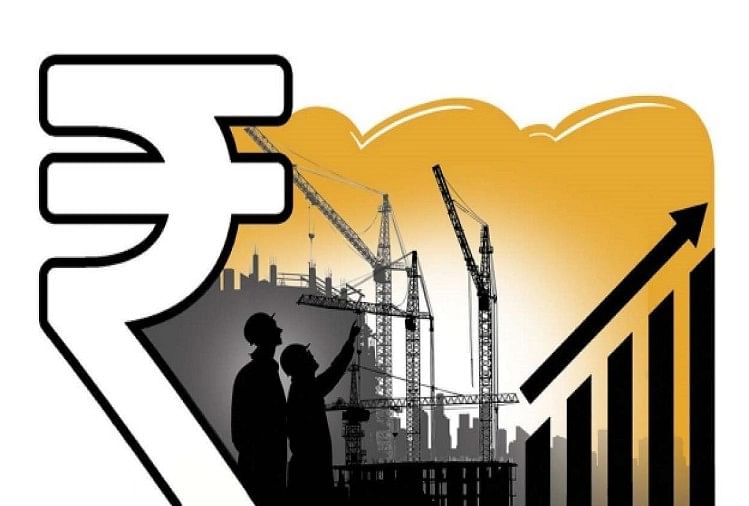
STRATEGY PLANS FOR THE DEVELOPMENT OF INDIA AND ITS ACHIEVEMENTS:

India has achieved self-sufficiency in almost all basic and capital good industries and consumer good industries. There is a considerable rise in net domestic product, saving and investment. Self sufficiency in food grain production is achieved. There is a good deal of diversification in industrial structure.

STRATEGY PLANS :

1. Nehru-Mahalanobis Model of Growth: Prof. P.C Mahalabonis is under the guidance of Prime Minister Jawaharlal Nehru developed the heavy industry model based on the Soviet experience. This model is popularly known as Nehru-Mahalanobis model formed the basis of the second plan. Jawaharlal Nehru emphasised that “The development of heavy industry in synonymous with industrialisation”. Mahalanobis was of the opinion that without adequate investment in basic heavy industries, it would not be possible to achieve a rapid self reliant economic growth. to achieve rapid economic growth and self reliance, it is necessary to give the highest priority to basic capital goods industries in the development strategy of a plan. It was during the second plan major steel plants were set up at Durgapur, Bhilai and Rourkela. ONGC, Ranchi Heavy Engineering Corporation, Neyveli Lignite Corporation were also set up during this plan.
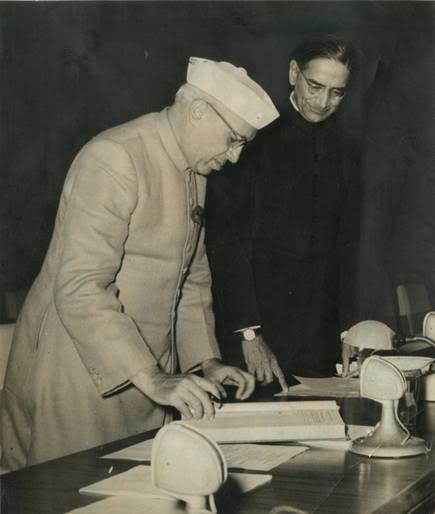
JAWAHARLAL NEHRU AND MAHALABONIS

2. Gandhian Model of Growth: Gandhi called his ideal society Sarvodaya. It is a society that ensures the welfare and well-being of all its members. It emphasizes is on all the three components of well being material, mental and more spiritual he believed that “India lives in its villages”. This plan was based on truth and nonviolence. village is considered as the focal point of development and it is considered to be self-sufficient and self regulating economy. Importance given to small scale and cottage industries to reduce unemployment. Mechanization was opposed as it would displaced people out of employment.

3. Wage Goods Strategy of Growth: According to Vakil and Brahmananda, for removal of poverty, promotion of economic growth or capital accumulation alone in is not enough. “The way out of poverty is, therefore, to pay immediate attention to making good the capital gap in respect of wage goods capacity.

4. Rao- Manmohan Model of Growth: This growth model was introduced in 1991 with emphasis on privatisation and globalisation. There was severe economic crisis since 1990 in the Indian economy issues such as low foreign exchange reserves, balance of payments problem, public sector undertaking losses compelled the then Finance Minister Manmohan Singh and Prime Minister P.V Narasimha Rao to initiate various reforms. A market driven and pattern of development was adopted. Manmohan model of development in emphasized a bigger role for the private sector. A strategy of export led growth was propagated rather than import substitution.

5. Providing Urban-Amenities in Rural Areas: A strategy of developing rural areas this model of development was initiated by the former President APJ Abdul kalam. His vision was to transform rural areas and bring it on par with urban areas. Dr. A.P.J Abdul kalam visualised for connectivities namely physical electronic knowledge that would lead to economic connectivity of rural areas. In the first phase The ministry of Rural development implemented seven pirate projects from 2004 to 2005 and 2006 to 2007 with a total outlay of rupees three billion in the states of Assam, Andhra Pradesh, Bihar, Maharashtra, Rajasthan, Orissa and uttar Pradesh. The scheme was also relaunched as a central government scheme during the remaining period of Eleventh five- year plan.

6. Five year plans: From 1947 to 2017, the Indian economy was premised on the concept of planning. This was carried through the Five-Year Plans, developed, executed, and monitored by the Planning Commission (1951-2014) and the NITI Aayog (2015-2017). With the prime minister as the ex-officio chairman, the commission has a nominated deputy chairman, who holds the rank of a cabinet minister. The first year plan was Harrod – Domar model of development economics. FYP had a target of 2.1% PA growth in national income. Top priority was given to the development of agricultural sector. The idea was agricultural development would lead to higher rate of economic growth.

ACHIEVEMENTS:

1. A Higher Growth Rate: The Indian economy has reached rapid development in all sectors. India’s macroeconomic performance has been only moderately good in terms of GDP growth rates.

2. Increase in National Income: The national income of India has increased manifold. The average annual increase in national income was registered to be 1.2% from 1901 to 1947, 3% in 1950-70, 4% in 1970-80, 5% in 1980-90 and 5.8% in 1980-81 to 2000-01. the Gross income is estimated to have risen by 7% during 2016-17 in comparison to the growth rate of 8% in 2015-16.
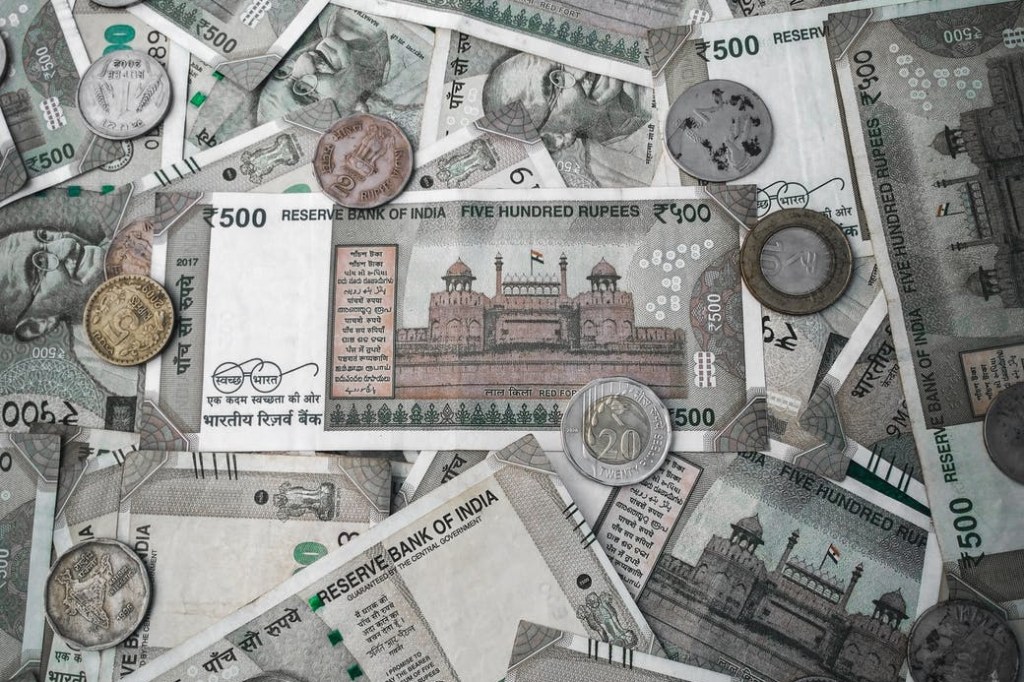
3. Increase in per capita: Before independence increase in per capita income was almost zero. But after the adoption of economic planning in free India per capita income has continuously be increased.

4. Growth of Economic infrastructure: India’s performance in building up the necessary economic infrastructure is really praiseworthy At the Inception of economic planning, road kilometre was 4 lakh km. India has now more than 3 million km of road network making it one of the largest in the world.

5. Development of Basic and Capital Goods Industries: Major area of success of Indian planning is the growth of basic and capital goods industries. With the adoption of the Mahalanobis strategy of the development during the second plan period some basic and capital good industries like iron and steel witnessed spectacular growth.

6. Higher Growth of Agriculture: The most significant aspect of India’s five year plans is that their overall rate of growth of food production has now exceeded the rate of growth of population. Although in the early years of planning agricultural performance was measurable resulting in the emergence of food crisis.

7. Savings and Investment: The rise in the domestic savings rate from 10 % of GDP (Gross Domestic Capital) at the initial stages of planning to around 19% in 1980-81 is definitely impressive. The GDP of India has started to increase step by step in the following years and it rose to 36% in 2006 to 2007.

Those strategy plants also faced major failures, in spite of planning, poverty also exists and unemployment has risen. Inequalities of income have not been reduced. There is unequal land ownership, land reforms are inadequately implemented.

Why economy of India is slowing down???

India is one among the world’s fasting growing economies. It had been touted as an economic and geopolitical counterweight to China. But recently its growth fell to its slowest pace in six years. Investment has weakened, and unemployment has risen. So what’s causing the slowdown, and how can it be reversed? Since the turn of the century, India’s economy has grown at a rapid rate, helping transform the country. Between 2006 and 2016, rising incomes lifted 271 million people out of poverty, meaning the proportion of Indians still living in poverty has fallen dramatically, from around 55% to twenty-eight . Access to electricity has also improved. In 2007 just 70% of the population had access to power. By 2017, that grew to nearly 93%.

India's economic growth likely to remain subdued in near future ...
More recently, the Indian government constructed around 110 million toilets — a huge step towards better sanitation designed to prevent the practice of open defecation. It’s a signature program of Prime Minister Narendra Modi, known as Swachh Bharat, or Clean India. All this development has been supported by a booming economy, but as lately , that expansion has begun to run out of steam. In the third quarter of 2019, India’s economic output grew by 4.5% – making it the primary time the country’s growth dipped below 5% since 2013. For context, 4.5% growth remains much above that of developed economies just like the U.S., But with 12 million Indians entering the workforce per annum , economists say the country needs annual growth rates to remain above nine percent to make sure there are enough jobs. So, what’s causing this recent slowdown? Well, officialdom argue turbulence in international financial markets is guilty.

Economy News, Latest economy news India, Indian Economy features ...
Political uncertainty and U.S.-China trade tensions mean confidence levels among investors and consumers everywhere have sunk. The United Nations has even warned that a global recession in 2020 is now a “clear and present danger”. But back to India – many economists say the country’s growth problems are literally self-inflicted. One obvious culprit is the shadow banking sector. During the 2000s, India saw an investment boom. It was fuelled by state banks dispensing a load of loans for giant infrastructure projects. But some of the companies taking advantage of these loans couldn’t keep up with the repayments. That meant the state banks weren’t getting paid back and therefore struggled to give out new loans. To keep business moving, shadow banks stepped in. These financial institutions, which operate like ordinary commercial banks but don’t follow traditional banking rules, eventually made up an estimated third of all new loans nationwide. The loans played a pivotal role for the millions of small businesses and consumers who would otherwise have no access to credit. But in 2018, shadow banking giant Infrastructure Leasing & Financial Services, defaulted on its debt repayments. Its collapse sent shockwaves through the economy and shook up more traditional banks that had supported the world.
It became harder for people to shop for expensive items like cars. That hurt India’s automotive industry, which is one among the country’s biggest. It employs about 35 million people and makes up about 7% of India’s GDP. Last summer, the industry suffered its worst sales performance in nearly 19 years, and reports suggest tens of thousands of workers are laid off. The agriculture and construction sectors have also been hurting, with small and medium businesses being hit the hardest. The country’s percentage has been on an overall upward trend since July 2017, rising several percentage points to 7.7%. Higher unemployment means consumers are buying less, resulting in the unfortunate cycle of slower manufacturing, production, investment and job creation.

Indian Economy Will Face Adverse Affects Of Coronavirus Gdp To ...
A survey from the Reserve Bank of India found consumer confidence has fallen to its lowest level in five years. But Indians still have a positive outlook for the longer term , with most consumers expecting to feel more optimistic during a year. However, if things don’t improve, debt could become another issue. Expecting better days ahead, many households have continued to spend, by taking out loans and dipping into savings. Household savings as a proportion of GDP has fallen from 23.6% to 17.2%. Meanwhile, household debt has surged to 10.9% during the same period. Critics say the govt in New Delhi has did not spot these risks and hasn’t done enough to urge the economy moving again. The Reserve Bank of India’s former governor Raghuram Rajan recently blamed the lack of significant reforms and a slowdown in investments since the global financial crisis. Even the country’s chief economic advisor recently admitted reforms are needed to form India more friendly to investors.
India has cut its corporate rate , but labor and land laws are still extremely strict. He also says the country must become pro-market, instead of just pro-business, to avoid costly government bailouts of failing sectors. But not all reforms have been good to the economy. In 2016, Prime Minister Modi tried to crack down on corruption, counterfeits and evasion by banning high value bank notes. In one night, the cash ban made 86% of all cash invalid. Three years later, many analysts say the policy disrupted the economy and did not achieve many of its original goals. In 2017, a replacement nuisance tax placed small businesses struggling and a few of them were forced to shut . In mid-2019, India’s government introduced a controversial new tax on foreign investors. Consequently, India’s stock exchange suffered its worst July performance in 17 years. Just one month later, the measure was scrapped.
The government has now refocused its efforts on international trade and investment, and thus the recent changes to the corporate rate could indeed help attract businesses and investors to India. But if the country wants to be a part of the world’s largest supply chains, it’ll need low and consistent tariff levels to encourage outsiders to take a position for the long term.

The country’s shifting export policy has harmed several of its largest industries, particularly clothing. India’s share of the worldwide apparel market has increased only slightly within the past 20 years. And though the Indian workforce is vast, both Bangladesh and Vietnam now export more. On top of that, the country’s import tariffs on the average are much above the world’s biggest economies. They’re also among the highest of the world’s emerging economies. Even U.S. President Donald Trump has called for the country to bring down its duties.

Has India’s growth actually slowed the maximum amount as we think? The government’s former chief economic advisor Arvind Subramanian caused a good little bit of controversy in June 2019, when he claimed the country’s official stats probably overstated GDP growth by 2.5% from 2011-2012 to 2016-2017. He says the bottom line is that India never recovered from the global financial crisis. The government denies this. But none of this has hurt Prime Minister Modi at the polls – he won by a landslide in the most recent election. So how will he keep his promise and double the dimensions of the economy by 2025? Many economists insist a well-explained economic vision would help. As would more long-term investment, better skilled workers and enhancements to infrastructure. It may not matter who or what’s responsible for India’s recent economic challenges, but bottom line – India’s economic process must recover , and fast.