Introduction about different Schools, Colleges, Universities

Every student wants to join a dream college or university.

After schooling, we desire to join a top college or university for the security of our feature

Is a college the same thing as a university? What does “liberal arts” mean? Why are some colleges called public and others private? Here are the basics of the types of colleges.

Let me know about NIT AGARTALA

Institute is committed to developing highly competent young Engineers, Scientists, and Management Professionals to cater to the ever-increasing techno-managerial needs of national and international standards fulfilling professional ethics and societal commitment.

MISSIONS

• To produce techno-managerial human resources in line with global needs, offering a state-of-the-art facility, research, and engineering and allied disciplines.

• To enhance the effectiveness of technical education with innovative systems and devising a mechanism to facilitate the application of research findings to solve real problems of industries/academics.

• To nurture and sustain an academic ambience conducive to the development of intellectually capable and committed professionals so that effective growth is obtained for the region’s economic development and the nation as a whole.

• To establish as the corridor of higher education for the South East Asian countries.

EDUCATION SYSTEM

Presently the Institute offers eight UG courses and PG courses in several fields along with Post Doctoral Fellowships. This Institute is autonomous under NIT being act passed by the parliament.

The Institute recently introduced a new curriculum in IITs where more elective subjects are being offered to make the system flexible. Previously, the Institute used to follow the mark based system of evaluation, but have been switching over to a credit-based system to keep track of the global evaluation methods. Industrial training, Undertaking projects are parts of the education system and students are also encouraged to take various activities for social development through NSS and NCC.

Initiatives

The Institute recently has been converted from State Engineering College to National Institute of Technology. The total seats have been increased from 250 to 420 for the academic session 2007-2008. Recently three Under Graduate courses has been introduced in Electrical & Electronics Engineering, Transportation Engineering and Production Engineering. The Civil Engineering Department will start a PG programme in Structural Engineering to fulfil the requirement of the State. The nonresidential campus is to be made residential with the reopening of two boys hostels and one girl’s hostel for the students admitted for the session 2007-2008. A master plan is under preparation for 335 acres of land where a new campus will be built with modern facilities for the overall requirement of the Institute. The Institute is getting a 33 VK dedicated power supply through Tripura State Electricity Corporation Limited for uninterrupted power supply in the campus. The R. D. Department of Govt. of Tripura took total renovation work of the existing buildings after conversion to NIT. The Institute has also obtained a grant of 12 crore rupees from DoNER for the development of infrastructures like the extension of the Library Building, an extension of the Academic Building, the Centralized Computer Centre, a new water treatment plant and boys and girls common room. The campus is now totally connected through Wi-Fi with WiMAX wireless backbone and all e-journal facilities are available in the digital library of NIT Agartala.

Digital marketing

Digital marketing the world become digitalizing day to day.

Every things we can do with digital, we are become digital life’s.

Marketing is main source for improve companies, on before digital life’s there was we have person to person and posters to expose their products and services  

Now , we are in surviving digital life’s . every things will get on internet so the bases of internet ,we  have recognised by Digital marketing .

The digital marketing  it is  high level, digital marketing refers to advertising delivered through digital channels such as search engines, websites, social media, email, and mobile apps.

by help of  these online media channels, digital marketing is the method by which companies endorse goods, brands and services.

On these digital marketing we have a wide range of digital marketing jobs out there meaning there are a huge variety of career options.

  • Video/audio production.
  • Interactive technology (such as AI)
  • Mobile marketing.
  • Search engine optimization (SEO)
  • Search engine marketing (SEM)
  • Social media.
  • E-commerce.
  • Email marketing.

Scopes for digital marketing

The scope of digital marketing is quite good. Anyone who is looking  to learning digital marketing  would surely get a good benefit from it. There are also huge of job opportunities available in the field .

How can you start

There we have many web sites and blogs, start learning digital marketing help of reading books or blogs, enrolling in courses, watching videos on YouTube, listening to podcasts, watching webinars, and more.

Global research on coronavirus disease (COVID-19)

WHO is bringing the world’s scientists and global health professionals together to accelerate the research and development process, and develop new norms and standards to contain the spread of the coronavirus pandemic and help care for those affected.

The R&D Blueprint has been activated to accelerate diagnostics, vaccines and therapeutics for this novel coronavirus.

The solidarity of all countries will be essential to ensure equitable access to COVID-19 health products.

Global research database

WHO is gathering the latest international multilingual scientific findings and knowledge on COVID-19. The global literature cited in the WHO COVID-19 database is updated daily (Monday through Friday) from searches of bibliographic databases, hand searching, and the addition of other expert-referred scientific articles. This database represents a comprehensive multilingual source of current literature on the topic. While it may not be exhaustive, new research is added regularly.

The WHO evidence retrieval sub-group has begun collaboration with key partners to enrich the citations and build a more comprehensive database with inclusion of other content. The database is built by BIREME, the Specialized Center of PAHO/AMRO and part of the Regional Office’s Department of Evidence and Intelligence for Action in Health.

For further information or questions, please contact the WHO Library via email.

Disclaimer: the designations employed and the presentation of the material in publications listed in this database does not imply the expression of any opinion whatsoever on the part of WHO concerning the legal status of any country, territory, city or area or of its authorities, or concerning the delimitation of its frontiers or boundaries. Dotted and dashed lines on maps represent approximate border lines for which there may not yet be full agreement.

The mention of specific companies or of certain manufacturers’ products in publications listed in the database does not imply that they are endorsed or recommended by WHO in preference to others of a similar nature that are not mentioned. Errors and omissions excepted, the names of proprietary products are distinguished by initial capital letters.

By listing publications in this database and providing links to external sites does not mean that WHO endorses or recommends those publications or sites, or has verified the content contained within them. The database has been compiled without warranty of any kind, either expressed or implied. The responsibility for the interpretation and use of publications included in this database lies with the reader. In no event shall WHO be liable for damages arising from its use.

Courses and programs

Courses and programs for students are the main role to their education .

A program is your degree . A course is one building block (subject) of your program

Our featyre is depends on our Courses and programs

Some of courses

1 B.Com. This is the most popular choice among Commerce stream students. …

2 Chartered Accountancy.

3 Bachelor’s course in Economics.

4 Company Secretaryship course.

5 Law courses. …

6 Management courses. …

7 Technical courses. …

8 Designing courses.          

And some more

Administration Studies

Architecture Studies

Art Studies

Aviation

Business Studies

Construction

Cosmetology Studies

Design Studies

Economic Studies

Education

Educational and academic news and updates

Energy Studies

Engineering Studies

Environmental Studies

Fashion

Food and Beverage Studies

General Studies

Health Care

Humanities Studies

Journalism and Mass Communication

Languages

Law Studies

Life Sciences

Life Skills

Management Studies

Marketing Studies

Natural Sciences

Performing Arts

Professional Studies

Self-Improvement

Social Sciences

Sport

Sustainability Studies n

Technology Studies

Tourism and Hospitality

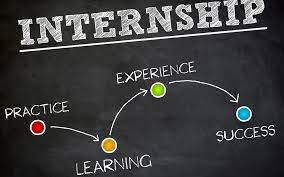
INTERNSHIPS

The internship is the main source for a college student to improve and prove his/her knowledge.

Every college student has composed placements and off compose placements.

At the time of placements in a different company, we have to submit our Resume. That resume gives our real appearance to interview. If we have done any internships and any skill development that will help for our desired company placements.

Lets more about internships

Internships is the training and real-time project to the confidence of our skills for real-world understanding

 The internship is an opportunity offered by an employer to potential employees, as an intern, to work at a firm for a fixed period of time. Interns are usually likes undergraduates or students, and most internships period last between a month and three months. … An internship can be either paid or voluntary.

Which internships we have done?

Internships are based on your desired knowledge, department and day by day improved courses

Things to consider when choosing an internship

  • Which sector are you interested? …
  • What will be your responsibilities? …
  • What will you will get ? …
  • Where you have to do? …
  • What’s the environment like is it comfortable ? …
  • Will you get the opportunity to more network? …
  • What are the skills will you learn? …
  • What are your qualifications for ?

Let specific directions for your internships

There are some websites for internships that may have offline and online internships :

  • Linkedin
  • Glassdoor
  • Google
  • Internshala
  • Internship.com
  • Internmatch.com
  • Youturn
  • Idealist
  • Global Experience
  • Coolworks

Go for these websites you will find “updated(your name) version.0”

SCIENCE AND TECHNOLOGY

The Google  every knows about  Google, it  gives us access to almost all information by typing what you want to know into the search bar. There are some interesting secrets you can have enjoy.

Then why are u waitimg just go with my steps ,

Go with,you have  type the phrase “Do a barrel roll”  into the search bar of Google and press enter, the entire page spin around once.

Second is a fun trick if you like Chuck Norris jokes. If you type in ‘Find Chuck Norris’ and click ‘I’m feeling lucky’, you will get a little message from Google about being careful what you search for.

Next, and this is one of my favourites, try typing ‘Google Gravity’ into the search bar on Google and pressing search. It will cause the entire page to fall into pieces. Although sometimes this doesn’t work, if you search it and click the first result on the page, it will take you back to the homepage which will then fall. The best part is that you can still search for things even after it has taken effect. It will, however, cause all of the results to fall from the sky and crash down on top of the already fallen homepage.

Finally, my favourite. Type ‘Zerg Rush’ into the search bar and hit enter. This will cause many ‘o’s to appear from all directions! But beware, they are not your friends. You must hover over each of the ‘o’s with your cursor and click like crazy. Soon they will vanish. Attempt this at your own peril, you have been warned.

So there you have it, a few cool things to do with Google when you’re bored. Of course, there are far more tricks to do with Google, but you can always find them by, you know, googling it. A little extra for reading this far: if you leave the search bar blank and click ‘I’m Feeling Lucky’, you’ll be shown all of the Google doodles that have ever been used on special dates.

Here are way more tricks you can do on google.

Do a Barrel Roll. Search for “do a barrel roll” without the quotes, and hold onto your desk for dear life. …

“As I rained blows upon him, I realized there had to be another way!” It’s a Festivus MIIIRACLE! …

Zerg Rush. …

Blink HTML. …

Party Like It’s 1998. …

Culture and history

China and Japan India and Byzantium traveling culture and history vector geisha and samurai men and women Taj Mahal and torii gate capitol building and Great wall landmarks and heritage nationalities.

Culture and history is the main building block of our lifes

The Culture is the characteristics and knowledge of a particular group of people, encompassing language, religion, cuisine, social habits, music and arts.

The word “culture” derives from a French term, which in turn derives from the Latin “colere,” which means to tend to the earth and grow, or cultivation and nurture

History is the study of life in society in the past, in all its aspect, in relation to present developments and future hopes. It is the story of man in time, an inquiry into the past based on evidence.

As with any scholarly approach that boasts of being “new” when it bursts onto the scene, new cultural history was fairly well established as one among many ways of thinking about history by the twenty-first century. This is not to say that new cultural historians enjoyed the unanimous esteem of their more traditional colleagues, for the field still managed to draw the fire of critics from the left and the right who believed that after twenty years this approach still represented a mere “trend.” One could agree with Peter Novick that this attests to the fragmentation of the historical profession into a plethora of specializations that no longer cohered around shared principles and whose denizens had little common ground for discussion. Yet much has changed in cultural history since its heyday in the 1980s.

 When new cultural history was actually “new” it provided innovations both in terms of the topics considered worthy of historical attention and in terms of the ways of theorizing such topics within their respective contexts. It is nevertheless apparent that a good portion of what was marketed in 2000 as “cultural history” reflected more of the topical rather than theoretical innovations entailed by this approach. In fact, some of these works even read more like conventional social histories with a few obligatory nods to one of many privileged theorists.

To some extent this state of affairs reflects the success of this approach in the academy and the willingness of historians to combine methodologies in a creative and eclectic manner. On the other hand, though, one might argue that cultural history lost much of its edge by becoming subsumed into a more or less nonreflective historical establishment. Some historians see less fragmentation than the cooptation of erstwhile radical approaches back into a surprisingly resilient mainstream.

“Whatever possibilities become evident,” notes Patrick Joyce, “something is needed to shake the hold of a history which continually reproduces itself, in the process sucking the erstwhile heterodox into its consensus, in much the way that ‘cultural history’ is slowly but surely becoming routinized as more methodology, yet one more subdiscipline in the house of history.” Joyce’s observation is astute, yet one wonders whether a historical approach that could successfully resist such cooptation is possible and, even if it were, whether it would still merit the name “history.” It seems evident that what makes history “history” has little to do with methodologies and innovations that are unique to it, and perhaps a more thoroughgoing interdisciplinarity would discourage the domestication of future innovations into mere additions to the mansion of conventional history.

Jobs and career

What is a JOB ?

A job is something you simply do for the money. Usually, jobs have a small impact on future resumes because they aren’t typically related to what your career is or will be. Also, jobs usually offer less networking opportunities because your coworkers often won’t be continuing on to the same field as you in your future career.

Most jobs consist of hourly wages, are more short-term, and focus on getting a task done.

What is a career ?

A career is all about building up skills through various employment opportunities, giving you the ability to move on to higher paying and more prestigious ones. Careers provide a foundation of experiences that help fuel your professional life for many years.

Careers are more long-term and are about learning, gaining experience, building connections, and putting yourself in the right position for promotions and raises. Also, careers tend to be more salary based, as opposed to hourly based like jobs, and often include benefits such as paid time off and healthcare.

While more education is often required for a career, you don’t need to spend the rest of your life in school just to get ahead. South College offers many associate degree programs that can be completed in just two years, getting you started on your new career before you know it.

If you’re interested in finding out what your future career should be or in getting the right education to put you there, contact us today!

That’s not to say that jobs aren’t valuable. Jobs show your work ethic, which is important to future employers, and money pays the bills! Jobs can help prepare you for a career by providing you with valuable skills like time management and communication.

DIFFERENCE

A job is more short-term oriented and tends to focus purely on earning money. On the other hand, a career is a series of related employment in one field that provides experience for your future and helps you earn a better paycheck and living status

7 Strategies to Build A Successful Career

  • Identify with Your Goals. Before even considering following a career route, you must get to know yourself. …
  • Build a Professional Resume. …
  • Become Aware of Your Strengths. …
  • Assume Full Responsibility for Your Life. …
  • Always Raise Your Standards. …
  • Brand Yourself. …
  • Network — A LOT. …
  • Conclusion

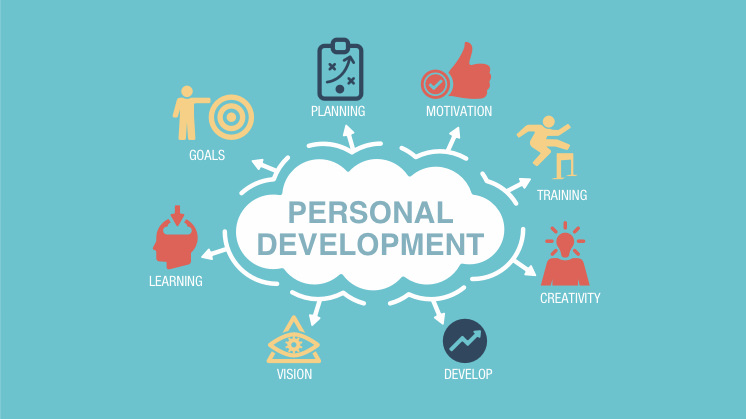
Self-help and personality development

Self help and personality development is a weapon for us

The spirit of self help creates many good qualities in a person. … These people work more harder than a person who is reliable on others for their work. This leads to help them obtain strong will- power and determination.

Self-help or self-improvement is a self-guided improvement—economically, intellectually, or emotionally—often with a substantial psychological basis. … Many different self-help group programs exist, each with its own focus, techniques, associated beliefs, proponents and in some cases, leaders

The following are common examples of self-improvement.

  • Self-Awareness. A process of introspection to understand your own character, behavior, fears and ambitions.
  • Awareness. A process of extrospection to understand the world around you.
  • Health. …
  • Physical Fitness. …
  • Time Management. …
  • Productivity. …
  • Performance. …
  • Know-How

Here’s a look at some ways to build self-improvement into your daily routine and let go of negative thoughts about yourself.

  • Cultivate gratitude. …
  • Greet everyone you meet. …
  • Try a digital detox. …
  • Use positive self-talk. …
  • Practice random acts of kindness. …
  • Eat at least one meal mindfully. …
  • Get enough sleep. …
  • Breathe consciously.

Personality development refers to how the organized patterns of behavior that make up each person’s unique personality emerge over time. Many factors go into influencing personality, including genetics, environment, parenting, and societal variables.

Personality development helps you gain recognition and acceptance from the society as well as people around. Personality development plays an essential role not only in an individual’s professional but also personal lives. It makes an individual disciplined, punctual and an asset for his/her organization.

Here are  great ways to improve your personality:

  • Be a better listener. …
  • Read more and expand your interests. …
  • Be a good conversationalist. …
  • Have an Opinion. …
  • Meet New People. …
  • Be yourself. …
  • Have a positive outlook and attitude. …
  • Be fun and see the humorous side of life.

The four personality types are: Driver, Expressive, Amiable, and Analytical. There are two variables to identify any personality: Are they better at facts & data or relationships? And are they introverted or extroverted. Note: Most people will have major and minor type.

News and Current affairs

What is news

News is information about current events. This may be provided through many different media: word of mouth, printing, postal systems, broadcasting, electronic communication, or through the testimony of observers and witnesses to events. … The genre of news as we know it today is closely associated with the newspaper.

What is current affairs

Technically Current Affairs is defined as a genre of broadcast journalism where the emphasis is on detailed analysis and discussion of news stories that have recently occurred or are ongoing at the time of broadcast.

Difference

Current affairs is a genre of broadcast journalism. This differs from regular news broadcasts that place emphasis on news reports presented for simple presentation as soon as possible, often with a minimum of analysis.

Day to Day life many things happened that information will pass to us in the form of news and current affairs

How to use the phone as a webcam for your PC

In these pandemic situation there no offline meetings and interviews. Video conference is daily habited in these time , we are using lot of application for video conference like Google meet, zoom meet, Microsoft teams , Skype and  jio meet

Most of people facing problems while hosting and interviews times ,our laptops and PC doesn’t have good quality of video

Then , is there any way to optimise for good quality of video . yes there is a way for that problem

In these day every one have mobile phones , by those mobile phone we can as a webcam

Are you thinking I am joking , then just follow my instruction you will be find my word are no joke..

I have research many application but ,I  recommended an application Droidcam  that can be download by our favourite  app stores

Now  you connect your PC or a Laptop over the same Wi-Fi network or with the help of a USB cable. If you downloaded the DroidCam app on your phone from the app store, then download the DroidCam Client on your Windows laptop or PC

There are two ways :

  • Using wi-fi
  • Using cable
  • using Browser

Using Wi-Fi

Open  the DroidCam app on your phone and click on the ‘Wireless’ option.

Then next screen should display the ‘WiFi IP’ and ‘DroidCam Port’ . If your ‘WiFi IP’ appears 0.0.0.0, then you are not connected to the Wi-Fi.

Open the DroidCam Client on your PC or laptop and enter the ‘WiFi IP’ and ‘DroidCam Port’ as displayed on your mobile phone. Click on the ‘Start’ button.

Now start the video conferencing app and check the webcam  by clicking on the ‘Webcam’ or ‘Video’ settings.

Using cable

Connect your mobile phone   to your PC  or Laptop with  USB cable.

We have remember to note is that you need iTunes downloaded on your  PC to connect using USB cable. If you do not have iTunes, you can download it . Once you login to iTunes, it will automatically detect your mobile Phone.

Start the DroidCam Client, select the ‘USB’ option and tap on ‘Start’.

using Browser

 DroidCam mobile phone application also connect to the camera using a web browser.

Then you  have to  connect your phone to a Wi-Fi and open DroidCam application.

Lunch  Chrome on your Laptop or PC and enter the ‘Browser IP Cam Access’ data then ‘http://192.168……./video’ and click on  enter.

If you have wish to specify the resolution of the video in the URL by using the path including ‘force’. example – http://192.168…./video.force?1280×720.

The application  DroidCam Wireless Webcam we used was the free ver . You canl also find the paid ver of this app, called the DroidCamX Wireless Webcam Pro in  the Google Play Store. The paid version application supports HD video streaming with out ads

there is one more application I recommends i.e Xsplit connect

Importance of Internships for Your Professional Career

How important is it really to do an internship before applying for a job? Do you need to get the hands-on experience that is talked about when discussing the importance of internships or is it a matter of just landing the right job?

Getting Your Feet Wet 

Internships are a proven way to gain relevant knowledge, skills, and experience while establishing important connections in the field. Internships are also a way to get your feet wet and find out if a specific field is something you could see yourself doing full-time.

 Internships may be completed during fall or spring semester or full time over the course of the summer. Unpaid internships may be easier to get but may also pose problems if making money is necessary, especially during the summer. There are many who cannot afford to work for no pay, so they are forced into doing menial jobs such as wait staff or bartending to work their way through college. It may preclude some from doing an internship which may be a detriment when hoping to get a full-time job

Financial Considerations 

Financial considerations when looking for an internship can make a big difference in the decision-making process. Sometimes, students will take a part-time or full-time job to supplement the time that they are spending at their internship. Whether an internship is paid or unpaid, there are many things that need to be taken into consideration to decide if an internship is worthwhile. It’s important to decide if an internship will ultimately be in the best interest of the student to help meet the requirements needed when applying for a full-time job.

How to Get Funding for an Internship 

Some colleges also offer funded internships for students. Check with your college to see if they offer a funded internship program that may help to meet the requirements of your college curriculum while offering experiences that employers seek when hiring new college graduates for entry-level jobs. Many foundations and organizations offer financing to college students so they may try writing to a number of them to see if they provide funding for college students seeking to do internships in their field.

Having an Internship and a Job

Students may elect to do a summer internship a couple of days per week while working a part-time job for the remainder of the time. For those who need to maximize the amount of money they make over the course of the summer, they may look into doing an internship during the academic year when they are less likely to expect to make money to help defray their college expenses.

In addition to internships, volunteer opportunities can also be an excellent way to gain experience and exposure to the workforce. Employers love to see volunteer experiences on a student’s ​resume. Volunteering shows commitment to causes and certain values that are intrinsic to the individuals who have participated in these types of experiences. Employers look for employees who are publicly engaged and who take an interest in community service and in doing good work.

What Employers Want 

Internships and volunteer experiences make candidates more competitive in the job market. In addition to gaining exposure and experience in the field, they also provide an opportunity to see if the particular career field is the right one based on getting personal experience in the field. No matter what opportunities you engage in, it’s important to maintain professionalism and take on the individual responsibility that is required.


The Benefits of Completing an Internship 

By doing a great job and completing more than what is required of you in your internship, you will be creating a great impression that can provide a great reference letter at the least, and may even potentially lead to a potential job offer. When you leave the organization at the end of the internship, you should ask for a recommendation letter that you can keep on file for future reference.

Internships Are a Learning Experience 

Internships are a great way to learn the ropes so even if you find yourself filing or making coffee, as long as you‘re learning about the field take advantage of the opportunity and don’t take the experience lightly. Asking questions is one key to learning in an internship and keeping yourself flexible throughout the internship can open many doors.

Importance of an Internship: Top 5 Reasons

 Just having a good degree is no longer enough to secure that all-important graduate job offer in today’s world. Pertinent work experience is now just as valuable as your degree and exam results when it comes to building a successful career. As a result, internships have become an essential way to help candidates make themselves stand out. The importance of an internship has been shown in several recent surveys. According to NACE’s Class of 2019 Student Survey, “More than half of all graduating seniors who applied for a full-time job (53.2%) received at least one job offer. Within this group, 57.5% of students who had an internship and 43.7% of graduating seniors who did not have an internship received a job offer.” Not bad right? Let’s keep it going. 

We will discuss everything you need to know about internships and determine why interning at a company is vital to career growth.

So, let’s get started!

The concept of an internship 

You need the experience to get hands-on knowledge in your career field. In today’s labour market, employers rely heavily on CVs that demonstrate relevant work history, whether it is from actual job experience, volunteer work, or interning at a company. 

An internship is an official program offered by organisations to help train and provide work experience to students and recent graduates. The concept of working as an intern began a long time ago but has drastically evolved over the years. Internships first started as a labourer who would take on young individuals and teach them their art or trade. In exchange for being taught a skill, the trainee would agree to work for the labourer for a specific time. Even then, the purpose of an internship or rather an apprenticeship was to gain new skills to be able to obtain future work.

In modern interning, an intern or trainee can work for an organisation for a specific amount of time. Interns can work for 1-12 months or longer, depending on the company and the industry. Internships are popular amongst graduate and undergraduate students who need to gain research or valuable work experience. Almost every sector and type of company, from a large multinational corporation to a small startup, now offers internships. Additionally, there has been a rise in remote internships – which is the ability to intern virtually for global companies. The vast number of internship opportunities available indicates the importance of an internship in today’s world.

How valuable is job experience? 

Getting work experience is an essential aspect of starting your career as a young graduate. The earlier you start gaining experience for your CV, the better. Job experience is not just restricted to an office job with a large organisation. You can get an internship at a small company or get experience by freelancing. Any experience where you use skills that you can transfer to your future career is an excellent addition to your CV. It can help you demonstrate your commitment and capabilities to an employer while highlighting the skills that are both appropriate and transferable to the post you are applying for. An internship is one of the best ways to gain that all-important job experience.

Here are the top 5 reasons we think show the importance of an internship.

Internships provide exposure to the real world

Unfortunately, in today’s job market, passing exams with high scores and getting a degree doesn’t offer the much-needed work experience, you will need to succeed in a workspace. 

By partaking in an internship, you will be able to gain real-life exposure, grow your knowledge and determine if you are in the right career field. Internships not only provide you with the first-hand experience in the real working world but also enable you to understand the career trajectory for your desired job title. You can learn how to apply the knowledge you have acquired during an internship to your future workplaces.

In addition to this, it is an excellent learning curve for young graduates and students while meeting new people and making connections in the professional world.

Internships give you a platform to establish critical networking connections

Networking is the exchange of information between individuals to form acquaintances and relationships to further their professional career. An internship is an experiential learning opportunity that offers an invaluable chance for students to network and build crucial professional connections before they even graduate. 

For some students, it is a stepping-stone to bonus opportunities within the same organisation, including a full-time job. The more people you meet in the professional world with the same interest, the higher your chances to grow as a professional. You will get to know how these people work, what strategies they use to tackle a difficult situation, and how they get the job done. Different people have different skills. Meeting them and watching them work will help you understand how to work with different people and in various work environments. You can use their strategies and reinvent them for your circumstances. 

Internships allow you to learn more about yourself 

You may start as an intern in a specific field. But the more you explore it, the more you will discover about it. Every industry has its pros and cons. Working in a real-world environment will help you understand the depths of your field and will help you determine whether it is a career you wish to pursue in the future.

An internship will help you learn about your capabilities and ultimately encourage you to have a greater understanding of your strengths and weaknesses. It can be a challenging experience at times. Still, the benefits you gain from being pushed out of your comfort zone will help you tremendously in the future when you are presented with a difficult task or situation.

Internships equip you with more than just technical skills 

When you are working as a professional for an organisation, business and technical knowledge are not the only things that the industry demands. You need people skills as well – because no matter how good you are, you won’t stand a chance of succeeding in any profession unless you develop a collaborative work ethic and learn to be a team player. 

On top of that, you need to know how to work under pressure, and why deadlines matter. An internship gives you exposure to the challenges of a work environment and having experience of these situations will be useful to talk about in future interviews and show employers that you will be a good fit for their company.

Internships allow you to gain a competitive edge 

Everyone knows that the job market is competitive, especially in the current climate. There may be hundreds of other candidates applying for the same role as you. As a result, you need a way to help give you a competitive edge and make yourself stand out. Internships can provide you with experience and the skills to help make employers notice you and as well as showing them that you would be a good fit for their company. It also shows that you are someone who has the drive and passion and has been motivated to acquire experience outside of just University. 

What do the stats say? 

There is plenty of research supporting the decisive role that interning at an organisation plays in a student’s life. According to the State of Millennial Hiring Report, US graduates who complete more than three internships are more likely to secure a full-time job.
More and more institutions are emphasising that students graduate with experience and also understanding the importance of an internship. According to the same report, 81.1% of graduates say that working as an intern has helped them significantly improve their career prospects. 

In the UK, Sutton Trust’s 2018 report showed “Completing an internship was associated with higher salaries, for both middle and working-class students”. These studies all show the importance of an internship in today’s environment.

Going forward, there will be a lot more remote career opportunities opening up, and it could be a viable alternative to working from an office. It is worth considering in your career plan.

If a remote internship is not for you, don’t worry, there are still other ways you can make the most out of this time. You can perhaps learn new skills like programming or volunteer with a local charity; the worst thing you can do now is to do nothing and expect something to happen.

Final Thoughts

To sum up, internships play a crucial role in shaping one’s career. It not only helps undergraduates and graduates gain real exposure to working environments but also helps them develop the necessary skills required to stand out in a saturated job market. Now that you know the importance of an internship, it is time to find a course in your chosen industry.

Why An Internship is Important to All Students

 Our economy is changing daily, and with it, the talents, skills, and experience needed to be a part of that growth cycle are too. The job market is a competitive one, and often that is a tough learning curve for recent graduates. This is a big reason behind the growth of applied learning and internship opportunities becoming a key part of the college experience for all students.

According to dictionary.com, an internship is defined as “any official or formal program to provide practical experience for beginners in an occupation or profession.” The most important element of internships is that they integrate classroom knowledge and theory with practical application and skills developed in professional or community settings. They also bring a wealth of benefits to students, both while completing a degree and when seeking a career path post-graduation.

Why should you intern?

  1. Application of education and career exploration. Internships are a great way to apply the knowledge from the classroom to real-world experience. Learning is one thing, but taking those skills into the workforce and applying them is a great way to explore different career paths and specializations that suit individual interests.
  2. Gain experience and increase marketability. Having an internship gives you experience in the career field you want to pursue. Not only does this give individuals an edge over other candidates when applying for jobs, it also prepares them for what to expect in their field and increases confidence in their work.
  3. Networking. Having an internship benefits you in the working environment, and it also builds your professional network. There is a 1 in 16 chance of securing a job by connecting with people, so networking is critical. Internships provide a great environment to meet professionals in the career field you want to pursue, as well as other interns who have similar interests.
  4. National Data. According to a 2016 National Association of Colleges and Employers (NACE) survey, more than 56 percent of graduating seniors reported taking part in at least one internship. Of those respondents, 56 percent were paid, while 44 percent were unpaid. Seventy-two percent of those unpaid internships were credit-bearing.
  5. Professionalism. Internships can provide students with the soft skills needed in the workplace and in leadership positions. In a LinkedIn Skills Report (2018), 57% of people rated soft skills as being more important than technical skills. Skills, such as communication, leadership, problem-solving, and teamwork can all be learned through an internship and utilized beyond that experience.
  6. Learn how a professional workplace operates. Depending on your major, you may read about how organizations thrive and function in textbooks, hear from guest speakers who talk about organizational structures, or dive into case studies about workplace culture, but nothing compares to living the actual experience. Internships help students learn all about workplace culture, employee relations, and leadership structure, which should help them onboard in their first professional job with more ease than if they haven’t had professional experience.
  7. Build your resume. Most organizations and jobs that you apply to following graduation want employees to have some sort of professional experience, even for entry-level jobs. In the event that you are a finalist for a position and haven’t had an internship experience but the other finalist has, you may lose out on a job opportunity, so make sure you at least have one internship on your resume before leaving college to give you a leg up on the competition.
  8. Gain professional feedback. Not only will you be helping out the organization you intern with, but they’ll help you out too. While professors and teachers will prepare you for the theoretical side of your field and hands-on projects, internships provide opportunities for receiving feedback from someone who works in your desired field on a daily basis.
  9. Learn from others. It might seem common sense – you’re interning to learn skills, after all – but don’t forget to purposefully observe others in their job role to learn the ins and outs of different positions. Consider asking your supervisor if you can shadow them for a day, along with other people in your department. Ask to sit in on departmentwide meetings as well. Act like a sponge and soak up all the information you can during your internship – it will benefit you in the long run.
  10. Figure out what you like and don’t like. While everyone probably wants to walk away from an internship feeling excited and passionate about the experience, there’s a silver-lining to be found if you didn’t enjoy the job: you’ll know what you don’t like. According to an article from monster.com, “figuring out what type of job you don’t want while you’re interning can help prevent you from accepting an ill-fitting job when you graduate.”

Why An Internship Is Important For Your Future Career

 Employers in today’s labor market rely heavily on resumes that illustrate a relevant work history, whether that’s from internships, volunteer work, or actual job experience.

practical work background carries a major significance when attempting to enter the job market. It’s all about competition.

Not only are businesses competing against each other for a competitive advantage, but people are also competing to land that coveted position in a company.

Even your buddy who graduated with you in college has become your competition.

Take a moment and think about it. If you’re looking to gain experience, working as an intern is arguably the most advantageous plan of action.

That one internship you did over summer could be the difference between winning a job opportunity or losing it.

If that information alone isn’t compelling enough, we have compiled a list of reasons why partaking in internships are important for your future career.

1. An Internship Provides Real Life Experience and Exposure

Internship experience

If you’re lucky enough to snag a beneficial internship, it can be remarkably valuable towards your career.

An internship enables you to gain first-hand exposure of working in the real world.

It also allows students to harness the skill, knowledge, and theoretical practice they learnt in university.

You can acquire endless amounts of education in your life, however, that knowledge doesn’t always translate to the working life.

The great thing about internships is that it teaches young professionals about the specific industries and companies they are interested in.

Even the experience of trying something new is extremely beneficial.

A lot of people get stuck in routines, staying in the same town, attending the same schools or surrounding themselves with the same people.

Doing an internship exposes you to new people in a more controlled and stable environment.

An intern isn’t thrown into the wolves but rather given proper training, assignments, and duties without the added pressure.

Internships provide a nice learning curve for students with little experience of the professional world.

2. The Opportunity To Learn More About Yourself

“Knowing yourself is the beginning of all wisdom.” – Aristotle

Business networking

The experiences we go through are what shapes us. Your internship will not only encourage personal development, but also a greater understanding of self.

To know yourself is to know your goals and how to best achieve them.

Finding this level of clarity is difficult, but sometimes all it takes is trying someone new, out of your comfort zone.

For example, take a Business Marketing student who decides to do an internship related to his field of study.

That internship will give them a chance to explore what a career in business marketing would be like. Sometimes, reality does not meet expectations.

At this point, the student is given a chance to decide whether they wish to continue with their current career path or try something else.

3. Get Connected and Develop Your Professional Network

Student development

Networking is an exchange of information between people, with the ultimate goal of establishing acquaintances and relationships to advance your professional career.

Sure, you can attend a networking event without doing an internship, but you would be limiting yourself.

Partaking in an internship allows you to establish deeper relationships than you normally would talking to a stranger one-on-one.

Being an intern gives you more opportunities to build connections with company professionals that can be very beneficial for your future career.

According to Timothy Butler, a professor at Harvard Business School, “The biggest mistake that people make networking is that people don’t do it.”

Even if you think you don’t need it, it’s always good to have a backup plan. Life is unpredictable and a time may arise when a network may come in handy.

Make sure to carry some business cards at all times because networking can occur anywhere or anytime, even at a local coffee shop you frequent!

4. Prevent CV From Going To The Trash

Internship

While you may get second chances when talking to someone face-to-face, your resume will not.

Think of your resume as an extension of yourself and how you would want someone to perceive you.

Instead of thinking long term about landing that job, switch up your mindset to short term. Your short term goal should be to secure a job interview.

Once you get an interview, then you’re able to elaborate on why you’re deserving of working with this company.

So now you may be asking, “How do I get a job interview?” Well, there is one specific section on your resume that employers will be more interested in than any other section.

Experience! Internships are the perfect way to enhance your resume through relevant experiences.

When an employer sees that you’ve completed an internship over the summer, for a hefty 6 month span, or even abroad, it will go a long way to convincing them that you are an asset to their company.

It’s not enough to simply show you’ve spent some time as an intern. List the tasks you’ve done and projects you’ve participated in to demonstrate your value.

During your internship you can acquire new skills and abilities which can improve yourself as a young professional, and furthermore enhance your resume.

The more experience you acquire, the better you position yourself for success in landing a job.

5. Transition Into A Full-Time Position

Sometimes graduating from college and immediately jumping into a new job position has its disadvantages.

When you start out, you are the most vulnerable employee when it comes to layoffs.

If you have never worked full-time before, the change may be difficult or overwhelming. In a working environment, not every boss is tolerant of mistakes.

In an economy where you likely cannot afford to lose your job, not being able to quickly adapt can be devastating.

Future career

Internships offer opportunities to transition into full-time positions.

Although it is not guaranteed, most employers are always seeking to add value to their organization.

With an internship, you’re given the opportunity to showcase your talents, commitment, and value to a prospective employer.

Furthermore, employers are more inclined to hire you once they have invested time and money to train you.

Given these points, an internship is more than crucial for your future career. An internship is the building blocks necessary for creating the path to a successful career.

So next time you’re on a gap year or summer break, you might want to consider indulging in a meaningful internship and build towards your future.