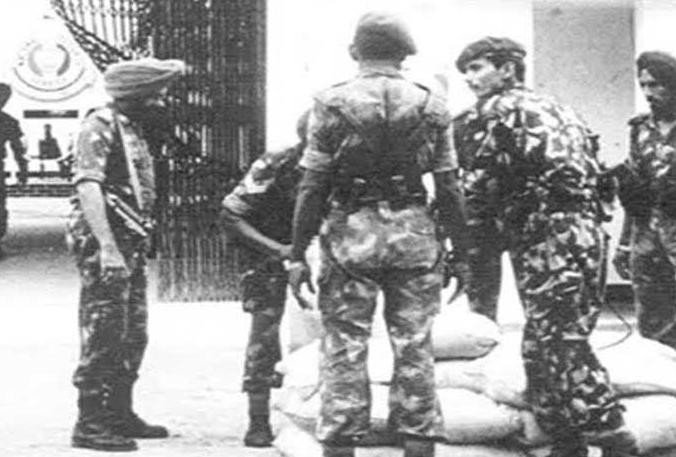
Operation Cactus by Indian Armed Forces which saved Maldives freedom.

Operation Cactus, led by the Indian Armed Forces in 1988, to stop a group of Maldives mercenaries led by businessman Abdullah Rutufi, and armed mercenaries of the Tamil Elam People’s Liberation Organization (PLOTE), a separatist Tamil organization in Sri Lanka. It’s strategy was to overthrow the government in the Maldivian island republic.

Thier were two coup attempr done before 1988.The 1980 and 1983 coup attempts against President Maumoon Abdul Game were not considered serious, but the third coup attempt in November 1988 surprised the international community. About 80 armed PLOTE mercenaries boarded a speedboat from a Sri Lankan cargo ship hijacked in the capital Male before dawn. A similar number has previously invaded Male in the guise of a visitor. The mercenaries soon gained control of the capital. This includes major government buildings, airports, ports, television and radio stations. The mercenaries then marched to the presidential residence, where President Gayoom lived with his family. However, before they arrived at the presidential residence, President Gayoom was escorted to the Defense Minister’s house by a Maldivian national security forces. The Secretary of Defense then took the president to a safe home.

Meanwhile, the mercenaries occupied the presidential residence and managed to take the Maldivian Minister of Education hostage. President Gayoom called on Sri Lanka and Pakistan government to intervene in the military, but both refused to help because of lack of military power. The president then demanded Singapore’s intervention, but Singapore refused for the same reason. He then contacted the United States and was told that it would take a couple of days for the US military to reach the Maldives from the nearest military base in Diego Garcia, which was almost 1000 km away. The president then contacted Britain and who advised them to seek help from India. After that, President Gayoom sought help from the Indian government. India soon accepted their request and an emergency meeting was convened at the Secretariat Building in New Delhi. Within 16 hours of SOS, India was ready for thier missions.

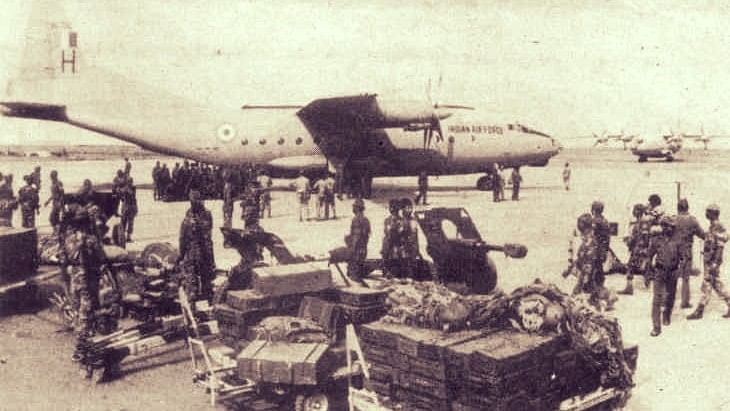
Rejaul Karim Laskar, a member of India’s then ruling party, the Indian National Congress, said that intervention of India in coup d’etat was necessary because without India’s intervention, outsiders powers were tempted to intervene and establish base in the Maldives. . Therefore, India intervened through “Operation Cactus”. On the night of November 3, 1988, the Ilyushin Il-76 aircraft of the Indian Air Force took elements of the 50th Independent Parachute Regiment, the 6th Parachute Regiment Battalion, and the 17th Parachute Field Paratrooper Regiment under Brigadier General Farsala from Agra Air. He flew non-stop for over 2,000 kilometers (1,240 miles) and landed at Male International Airport on Hulhule Island. Indian Army paratroopers arrived in Hulhule nine hours after President Gayoom proceedings.

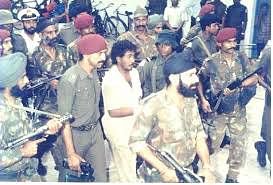
Indian paratroopers quickly secured an airfield and sailed to Male on a confiscated boat to rescue President Gayoom . Paratroopers handed over control of the capital to President Gayoom ‘s government within hours. Some of the mercenaries fled to Sri Lanka on a hijacked cargo ship. Those who could not arrive at the ship in time were immediately rounded up and handed over to the Maldivian armed Forces and government. According to reports, 19 people died in battle, most of them mercenaries. The dead included two hostages killed by mercenaries. And Operation Cactus took 18 hours for Indian Armed Forces from start to finish. Indian Navy frigate Godavari and Betwa intercepted a cargo ship off Sri Lanka and captured mercenaries. The swift intervention and accurate intelligence of the Indian Army was able to successfully subdue the coup attempted in the island nation.

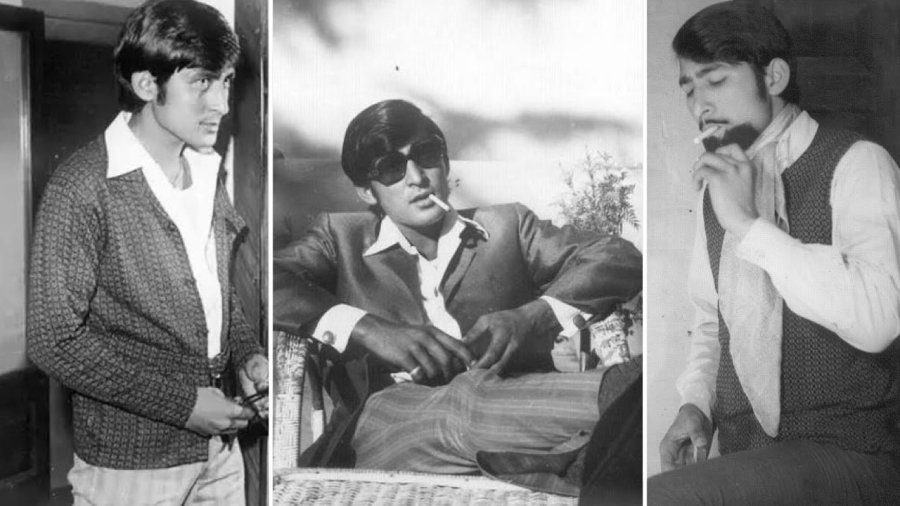
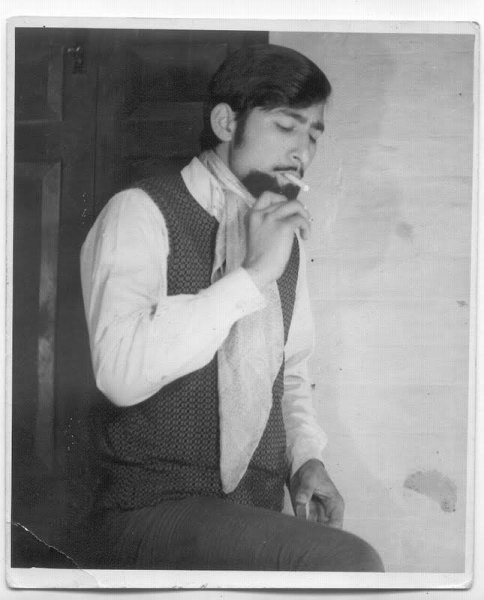
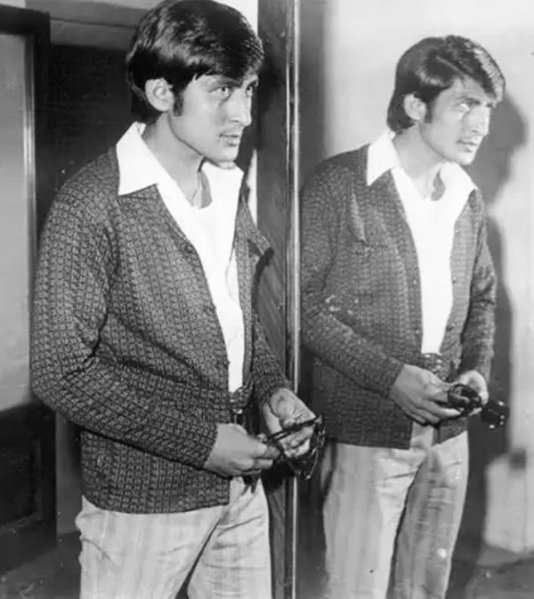
“Black Tiger” Of India Ravindra Kaushik.

Ravindra Kaushik who served in (R&AW) ,famously known as Black Tiger was born in Sri Ganganagar, Rajasthan on 11 April 1952 in a Brahmin family.
Ravindra during his graduation days used to do drama plays and during this time Kaushik displayed his talent at the national level dramatic meet in Lucknow, Uttar Pradesh, which was witnessed by officials from the Research and Analysis Wing. After which he was contacted and offered a job of being an undercover Operative for Research and Analysis Wing in Pakistan.

After agreeing to work for R&AW Kaushik was given extensive training in Delhi for two years. He underwent circumcision so he could pass as a Muslim. He was taught Urdu, given Islamic religious education and acquainted with the topography and other details about Pakistan. Being from Sri Ganganagar, a city near Rajasthan’s border with Punjab, he was well versed in Punjabi, which is widely understood in Punjab and Pakistan as well., India. In 1975, at the age of 23, He was sent to Pakistan.
Kaushik was given the cover name “Nabi Ahmed Shakir” and entered Pakistan in 1975. He was successful in getting admission in Karachi University and from where he completed his LLB. He then joined Pakistan Army as a commissioned officer and eventually promoted to the rank of a major. While living in Pakistan under his cover he married a local girl named Amanat, the daughter of a tailor in one of the army units, and with whom he fathered a boy .

From 1979 to 1983, while working as an officer, he passed on valuable information to R&AW which was of great help to India. He was given the title of ‘Black Tiger’ by India’s then home minister late S. B. Chavan.

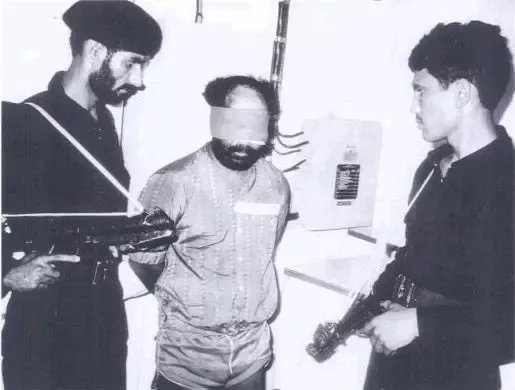
In September 1983, R&AW sent a low-level operative, Inyat Masih, to get in touch with Kaushik. However, Masih was caught by Joint Counterintelligence Bureau of Pakistan’s ISI and blew Kaushik’s cover. Kaushik was then captured, tortured for two years at an interrogation center in Sialkot. He was given the death sentence in 1985. His sentence was later commuted to a life term by the Supreme Court of Pakistan. He was kept in various jails in various cities, including Sialkot, Kot Lakhpat and in Mianwali jail for 16 years. He managed to secretly send letters to his family in India, which revealed his poor health condition and the trauma faced by him in Pakistani jails.He also adresses his thoughts on his country and department. In one of his letters he wrote:
“Kya Bharat jaise bade desh ke liye kurbani dene waalon ko yahi milta hai?” (Is this what people who sacrifice their lives for a big country like India get?”
In November 2001, he was caused with pulmonary tuberculosis and heart disease in Central Jail Mianwali in Pakistan.
He served for Research and Analysis Wing from 1975 to 1983.

“Writing about magic is harder than writing about spies because you’re dealing with something that doesn’t really exist.”

-Anthony Horowitz

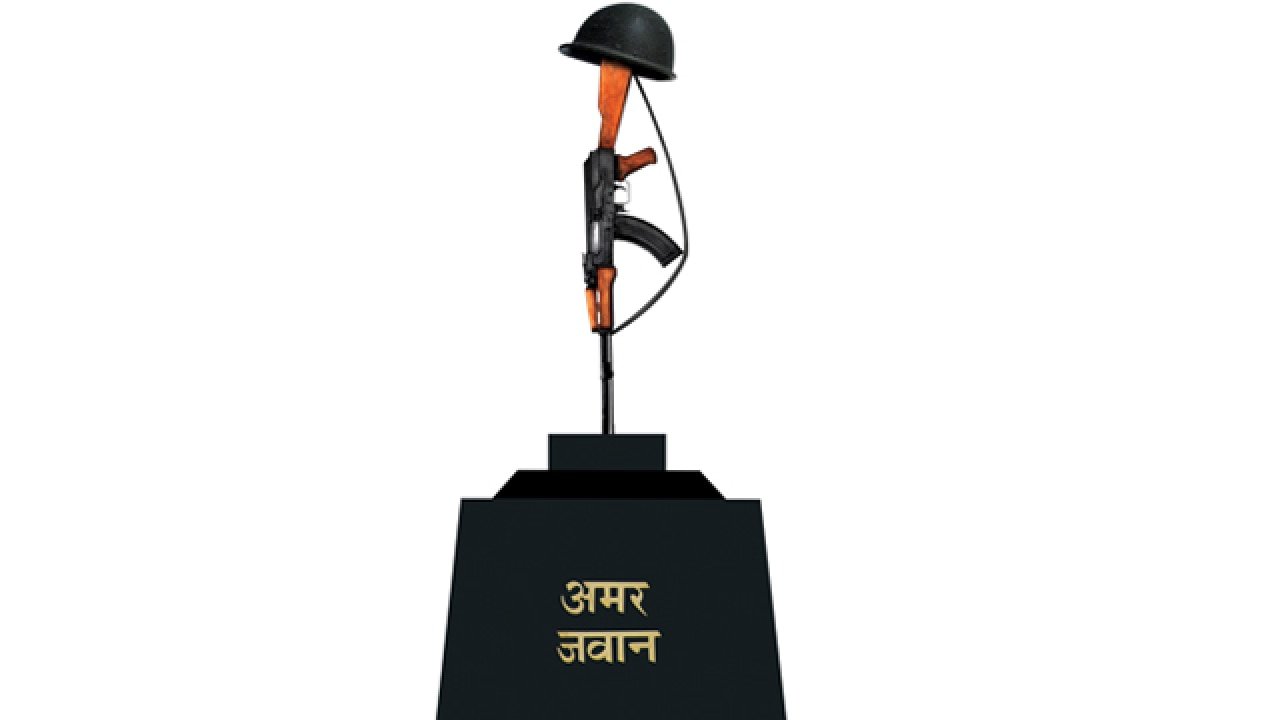
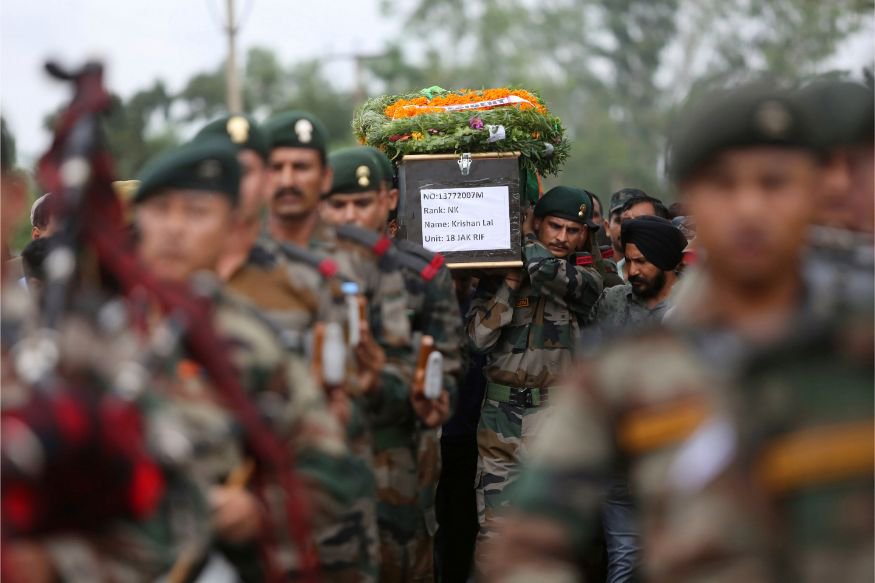
No use of ‘Martyr’ word in Army for death of on duty soldier .

History of the use of the word martyr:
The government has claimed for nearly a decade that the word “martyr” has not been officially recognized. In 2013 and 2014, in response to RTI’s request, the Ministry of Home Affairs revealed that the words “martyr” and “shahid” were not defined anywhere by the Government of India.
In December 2015, then Home Affair Minister Kireen Rijiju said in Lok Sabah that it is advised that the word “martyr” is not refer to any of the victims of the Indian army. He added that such terms were not used by Central Armed Police Forces (CAPF) and Assam Rifles personnel either.
In December 2021, Minister of State Home Nityanand Rai told Rajya Sabha again that there was no formal term like “martyr.”


Objections to the use of martyrs’ words:
The word “martyr” has religious implications and has historically been used to refer to people making sacrifices for their religious beliefs like in Christianity . The word “Shahid”, which is used as a Hindu alternative to the word “Martyr”, also has a religious meaning and is associated with the Islamic concept of Shahadat. The word “martyr” is said to be derived from the Greek word “martur”. In various dictionaries, “martyr” is defined as a person who is willing to die as a punishment for refusing to abandon religion.
Since the Indian army is not affiliated with any religion and does not sacrifice their lives for religious principles, the use of such words for their sacrifice is found wrong,including the supreme leader of the army. Using words like martyr may not be correct in context to armed forces especially in India according to many legal experts and prominent officers of army and retired officers.

Steps Taken By Government To Stop Use Of Martyr Word:
Despite the repeated assertions of the government about the word martyr having no official recognition, it was mostly used in government statements issued by various PR Officers for the defence services and the CAPFs. Many senior serving and retired officers also used it frequently to describe the death of soldiers in action. Thus, the word remained in common use.
The Army in 2022 issued a letter to all its commands asking them to abstain from using the word martyr as it may not be appropriate for soldiers who die in the line of duty. They have been, instead, asked to use phrases such as killed in action, supreme sacrifice for the nation, battle casualty, laid down their lives,veergati etc.

“Either I will come back after hoisting the tricolor, or I will come back wrapped in it, but I will be back for sure. “

-Late Captain Vikram Batra (PVC)

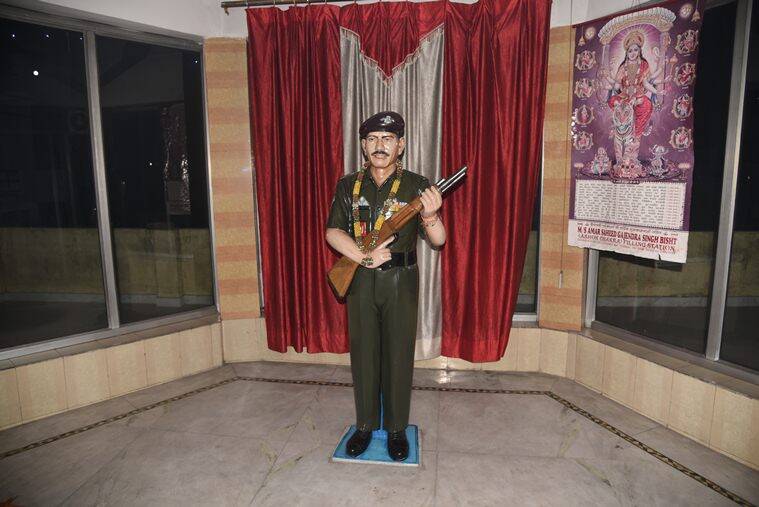
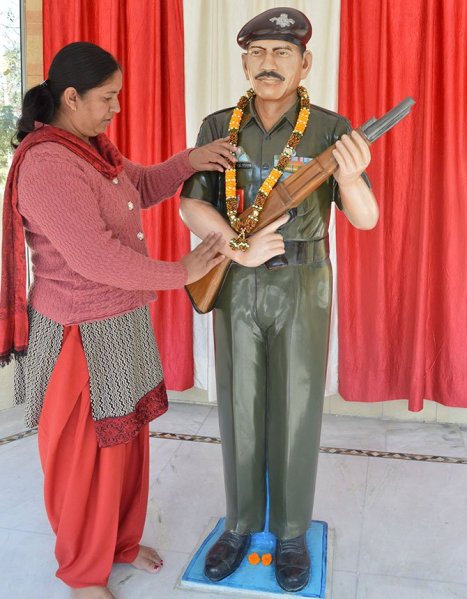
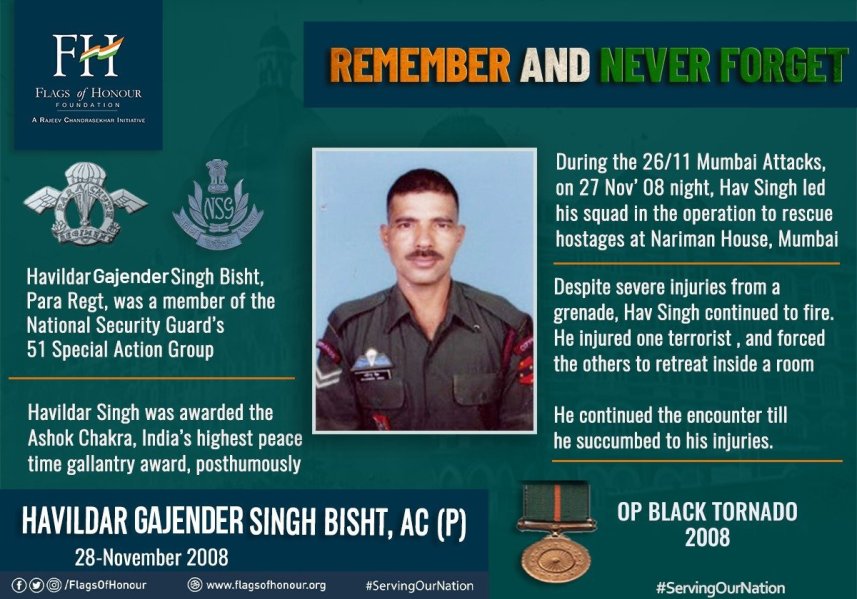
A warrior who can not be forgotten Hav. Gajender Singh Bisht.

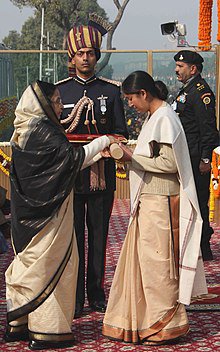
Havaldar Gajender Singh Bisht was an NSG commando who was martyred in the 2008 Mumbai attack. His bravery received the Ashoka Chakra Award from the President of India on January 26, 2009, on the Anniversary of the Republic of India.
He was born on 1 July,1972 in Dehradun, Uttarakhand.

He persued his education from the Janata Inter College in Naya Gaon.As a student he used to participate in every event organised in the school, sports or cultural activities. But he had a particular interest in boxing. Havaldar Gajendra Singh joined Garhwal Rifles in 1991 and later decided to become part of the 10 Para (Special Forces). Havaldar Gajendra also actively participated in Operation Kargil in 1999. Havaldar Gajendra was a trained commander of the Indian Army Special Forces, but he was commissioned to serve the National Security Guard’s Elite Special Action Group.
Gajendra Singh Bisht was a member of the 51st Special Action Group of the National Guard. He was part of a team of NSG Command rushed to the roof of Nariman’s house to neutralize an terrorist inside the building who had at least six hostages.


According to NSG Secretary Jyoti Krishna Dutt, Bisht led one of the teams entering the building. The team was hit by a violent terrorist attack and returned to fire while trying to contain the situation. Terrorists also threw some grenades at Commando. At this point,Bisht had the opportunity to retire with his team. But he realized they needed to seize this opportunity and went forward with thier mission.Instead of turning his back on the militants, he made the way to other troops instead, despite the grenades being thrown. He suffered multiple gunshot wounds in the process, but moved forward and was eventually injured. This allowed his team to secure a dominant position in the encounter. On the night of November 27, 2008, Havildar Gajender Singh Bisht led his army in an operation to rescue hostages from terrorists at the Nariman House in Mumbai. While securing the Nariman House during Operation Black Tornado, Bisht got fatally injured at Jewish center attack and died.

Agnipath Scheme a new vision for future India?


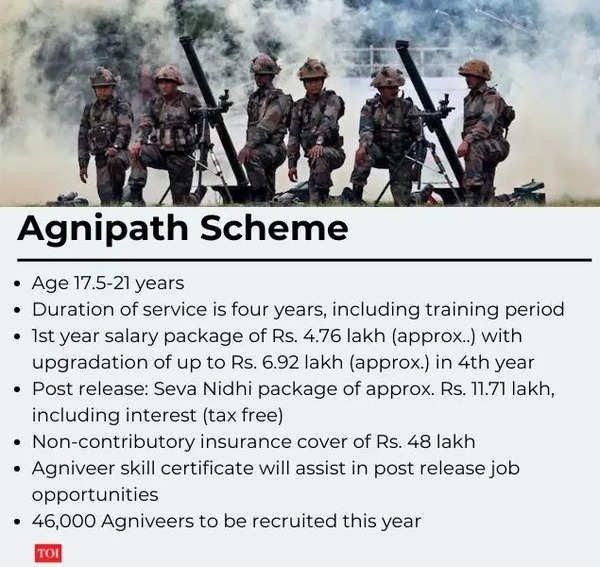
The Agnipath Program is a new program launched by the Government of India on June 14, 2022 to recruit soldiers under Corporal into three armies. The Agnipath program will be the only means of recruiting the military. All new employees will only be hired for 4 years. The personnel hired under this system are called Agniveers, a new military rank. The introduction of this system has been criticized for lack of consultation and open debate. The program is scheduled to start in September 2022. The Agnipath program was approved by the Government of India in June 2022 and will be implemented from September 2022. The announcement was made on June 14, 2022. This program is intended for both male and female applicants between the ages of 17.5 and 21. In widespread protests against the Agnipath program, the central government raised the cap from 21 to 23, but only in 2022. Recruitment under this program is held twice a year by the Indian Army, Indian Navy, and Indian Air Force. The available posts are below the executive list. The Agnipath program is the only way to serve in the army.


New employees, under the Agnipath scheme will be called “Agniveers,”who will have a four-year tenure, including six months of training followed by a 3.5-year deployment. After leaving the service, they have the opportunity to apply to continue in the army. Less than 25 percent of the retired group’s total strength is selected for the permanent roster. Employees who retire after four years of work are not eligible for a pension, but will receive a lump sum of approximately Rs 11,71,000 at the end of their tenure. The Government of India plans to hire 45,000-50,000 new employees each year through this program. In September 2022, 46,000 young people will be hired through this program. Prior to the start of the Agnipath program, soldiers were in the army for more than 15 years of service on a lifetime pension. As of 2019, there was no military recruitment for three years. The Government of India quoted the COVID-19 pandemic in India tye reason for no recruitment. Meanwhile, 50,000 to 60,000 soldiers continued to retire each year, leading to labor shortages and beginning to affect the military’s operational capabilities.


On June 16, 2022, fierce protests took place in several Indian states, where military candidates who were preparing for the armed forces were angry at the new system, demanding its rollback, and damaging public property. By June 17, 12 trains had been fired, affecting the movement of 300 trains. 214 trains were canceled, 11 trains were detoured, and 90 trains ended short of their destination. This scheme does not include long-term holdings, pensions and other benefits that existed in the old scheme. Individuals who wanted to join the army were disappointed with the rules of the new system. Of particular concern were short tenure, no early retirement pension, and an age limit of 17.5-21 years, making many of the current candidates unsuitable for serving in the Indian Army.

On June 20, a national strike called Bharat Bandh was summoned by a protesting organization calling for the withdrawal of the program. The call was made via social media without naming the organization. More than 600 trains were canceled due to a strike. Section 144 was imposed in parts of Rajasthan, Punjab, Uttar Pradesh and Haryana.

Integration of Indian States of Independent India.

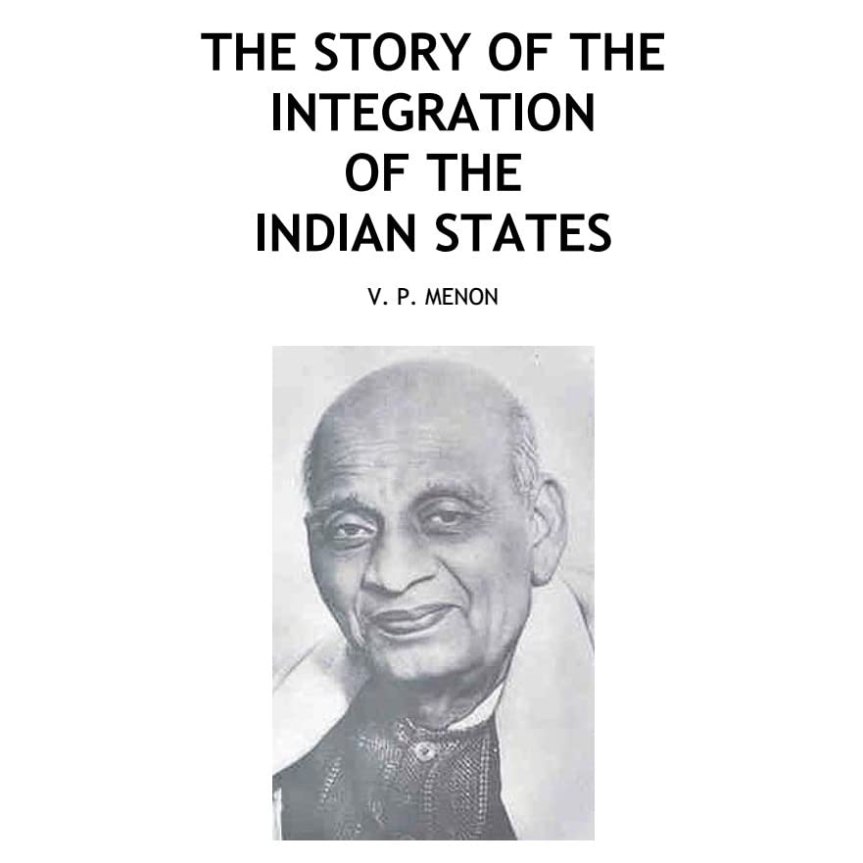
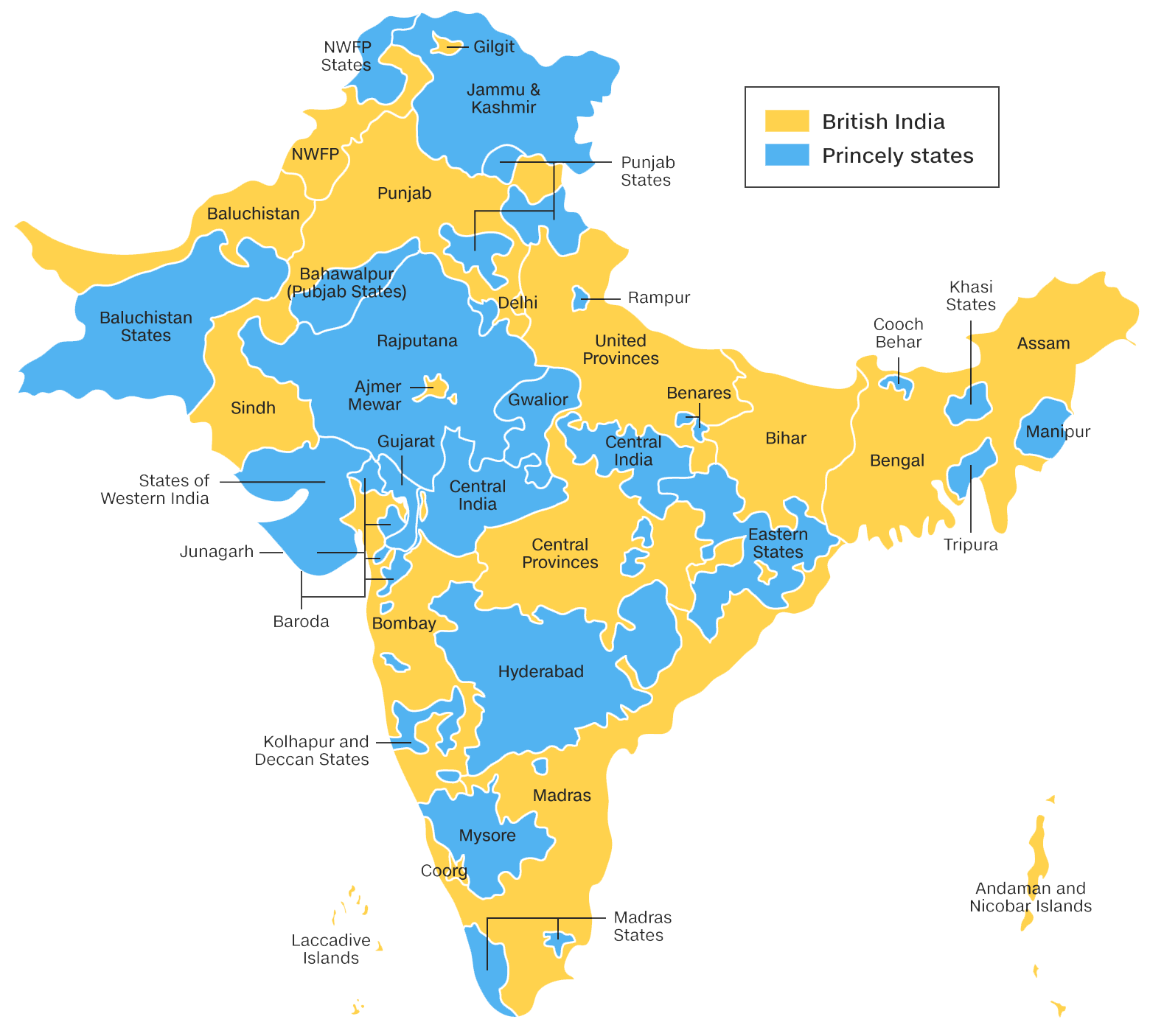
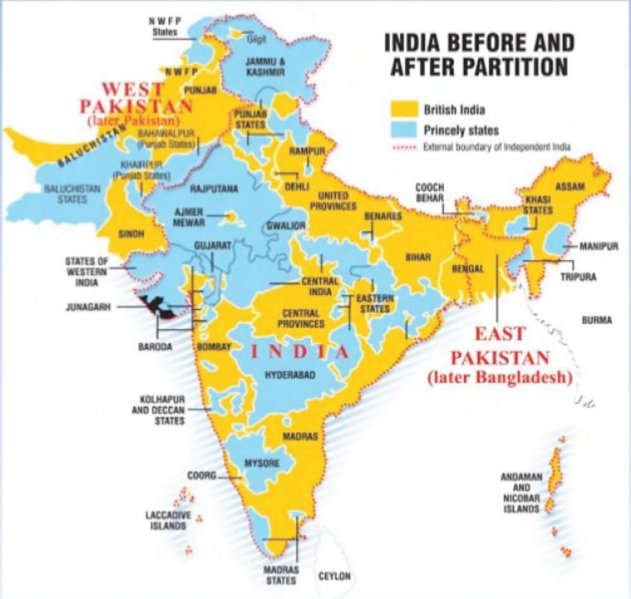
Sardar Vallabhbhai Patel played an important role in the integration of the princely state into the Dominion of India. This achievement laid the foundation for Patel’s popularity in the post-independence era. He is still remembered as the man who united India today. In this respect he is compared to Otto von Bismarck, who united many German states in 1871. The June 3 plan gave more than 565 princely states the option of joining India or Pakistan or choosing independence. Most Indian nationalists and the masses were afraid that most people and territories would be fragmented without the participation of these states. Parliament and British officials considered Patel to be the best man on a mission to secure the conquest of the princely state from Indian rule. According to Gandhi only Patel could solve this problem. Patel had practical insight and determination to accomplish monumental work. Patel asked V.P. Menon, a senior official involved in the division of India, to become his right-hand man as Principal Secretary of State. Patel used a social gathering and informal setting to involve most monarchs and invite them to their home in Delhi for lunch and tea. At these meetings, Patel stated that there was no essential conflict between Congress and the prince’s order. Patel aroused the patriotism of the Indian monarchs and urged them to embrace the independence of their country and act as responsible rulers who care for their people’s future. He persuaded the rulers of 565 states about the impossibility of independence from the Republic of India, especially in the face of rising opposition from their subject. He proposed favorable conditions for the merger, including the creation of a secret purse for the descendants of the ruler. Patel encouraged the rulers to act patrioticly, and to thought about his states people and their futur, but he did not rule out violence. He emphasized the need for the princes to join India in good faith and gave them to sign the membership certificate until August 15, 1947. All but three states were willing to join the Indian Union. Only Jammu and Kashmir, Junagad and Hyderabad were States which were tough to brought under Indian Dominion.


Junagadh being situated in Gujrat it was very important for Patel to bring it under Indian’s dominion. This was also important because there was the super-rich Somnath Temple (a temple where different stones were their including emeralds, diamonds, and gold which were looted by Mohd. Ghazni) in the Kathiawar district. Bieng under the pressure from Sir Shah Nawas Bhutto, a Nawab who joined Pakistan. However, it was far from Pakistan, with 80% of its state population being Hindus.Patel combining diplomacy and power, Pakistan invalidated Pakistan’s accession and demanded that Nawab join India. Patel sent troops to occupy the three principalities of Junagadh to show his determination. After widespread protests and the formation of the civilian government, or Aarzi Hukumat, both Bhutto and Nawab fled to Karachi, and under Patel’s orders, Indian troops and police forces invaded the state. A later organized referendum resulted in 99.5% of the votes in favor of the merger with India. After taking over, Patel, who spoke at the University of Bahauddin in Junagad, emphasized his sense of urgency regarding Hyderabad. He believes this is more important to India than Kashmir.


Hyderabad was the largest of the princely states and which included States parts of which are now Telangana, Arndra Pradesh, Karnataka and Maharashtra. Its ruler, Nizam Osman Ali Khan, was Muslim, but more than 80% of the population of state was Hindu. Nizam called for independence or accession to Pakistan. Under Kasim Razvi, an army of Nizam-faithful Islamic troops called Razakar urged Nizam to confront India and at the same time organize an attack on the people of India’s soil. The standstill agreement was signed by Lord Mountbatten’s in desperate efforts to avoid the war, but Nizam refused to trade and changed his position. At a cabinet meeting in September 1948, Patel emphasized that India should stop speaking and reconciled Nehru and Governor Chakravarti Rajgoparachari with military action. After preparation, Patel ordered the Indian troops to invade Hyderabad (in his position on behalf of the Prime Minister) when Nehru traveled to Europe. This action, called Operation Polo, in which thousands of Razakar troops were killed , but Hyderabad was secured and integrated into the Republic of India. Mountbatten and Nehru’s main goal was to avoid forced annexation to prevent the outbreak of Hindu and Muslim violence. Patel argued that if Hyderabad was allowed to survive as an independent state surrounded by India, the government’s fame would decline and neither Hindus nor Muslims would feel reassured in their empire. After defeating the Nizam, Patel held him as the head of state of the ritual and met with him. India had 562 princely states after addition of Junagarh, Heydrabad and Jammu& Kashmir.

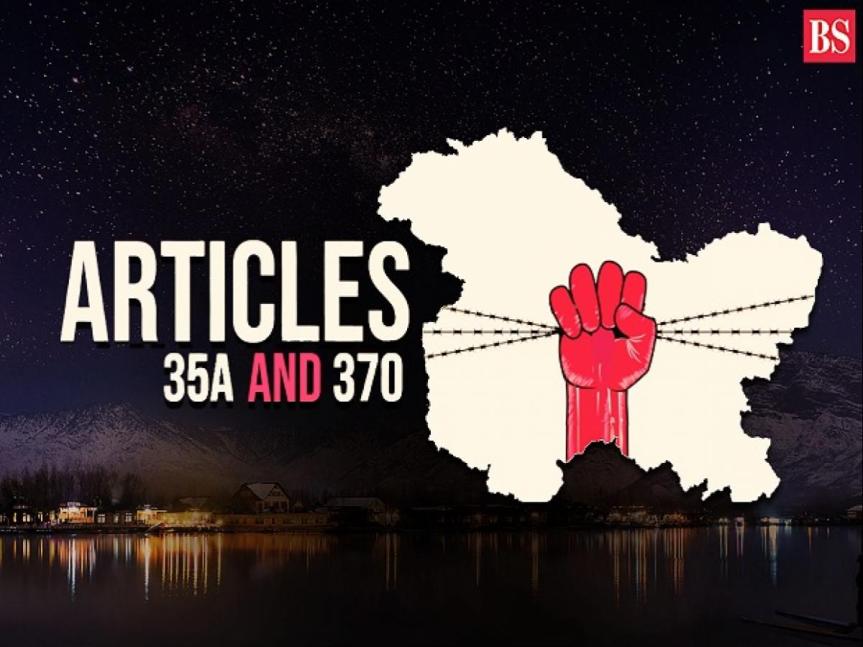
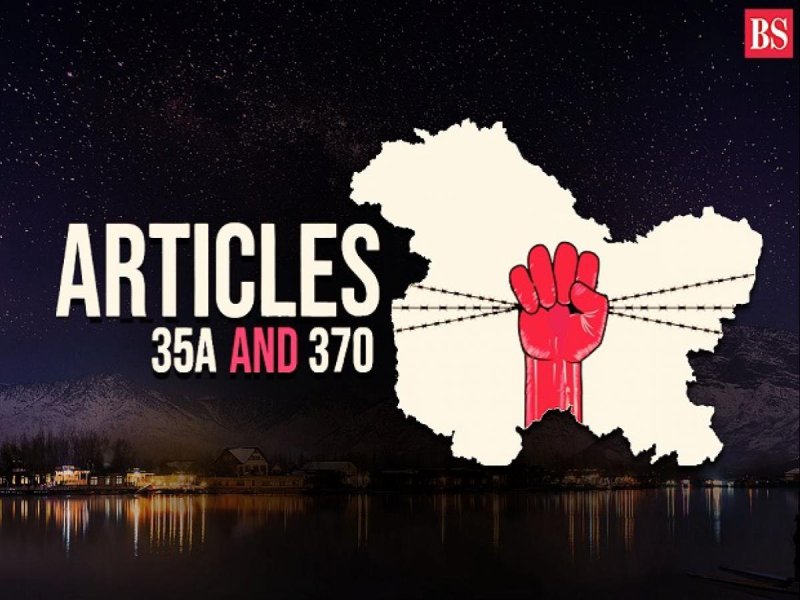
Article 370 & Article 35A

Article 370
The first accession of Jammu and Kashmir, like all other princely states, involved three issues: defense, diplomacy, and communications. All princely states were invited to send representatives to the Constitutional Parliament, which drafted the Constitution across India. They were also encouraged to establish a constituent parliament for their own state. Most states were unable to establish a parliament in time, but some states, especially Saurashtra Union, Travancore-Cochin, and Mysore. The State Department had drafted a model state constitution, but on May 19, 1949, the governors and Chief ministers of each state met in the presence of the State Department and agreed that no separate state constitution was needed. They accepted the Indian Constitution as their own constitution. The state in which the elected constituent council proposed some changes that were accepted. Therefore, the status of all states has been placed on par with the status of ordinary Indian states. In particular, this meant that the subjects available for legislation by central and state governments were consistent and same throughout India.

In the case of Jammu and Kashmir, state politicians have decided to establish a separate constitutional council for the state. Representatives of the Indian Constitutional Assembly applied only the provisions of the Indian Constitution corresponding to the original accession documents to the state, and demanded that the state Constitutional Assembly decide on other matters. The Government of India agreed to the request shortly before its meeting with the other states on 19 May. Therefore, Article 370 was included in the Constitution of India, which provided that other provisions of the Constitution empowering the central government would apply to Jammu and Kashmir only with the approval of the State Constitutional Assembly.This was a “provisional provision” because it was applicable until the State Constitution was enacted and adopted. However, the State Constitutional Assembly was dissolved on January 25, 1957, and did not recommend the abolition or amendment of Article 370. This article was considered an integral part of the Indian Constitution, as confirmed by various recent April 2018 rulings by the Supreme Court of India and the Supreme Court of Jammu & Kashmir.

Article 35A
Article 35A of the Constitution of India was a provision authorized by state to define the “permanent residents” of Jammu and Kashmir State and to give them special rights and privileges. It was added to the Constitution by an Executive Order, the 1954 Constitutional Order (application to Jammu and Kashmir). It was issued by the President of India under Article 370. Jammu & Kashmir has these privileges, the ability to acquire land and real estate, vote and participate in elections, pursue government employment, and receive the benefits of other governments such as higher education and medical expenses. Defined to include. Non-permanent residents of the state were not eligible for these “privileges”, even if they were Indian citizens.

Public Policy relevancy with Social welfare Programmes

Source: Shutterstock

Public Policy is new tool of Government to solve socio economic problems through several policies such as Agriculture Policy, Labour Policy, Health Policy, Education Policy, Wage Policy, Industrial Policy and Foreign Policy etc. Government view public policy as a dependent variable and study as to how society is evolving and Political system shaping the nation.

The field of public policy has emerged comparatively in beginning as traced in early 1950s. The concept of public policy was originated in 1951 from the publication of Harold Lasswell. According to Thomas R Dye, Public Policy is what Government will choose to do or not to do. In indian context, public policy could be government rules and Programmes in the form of political system of laws, ordinance, court decision, executive orders, decisions or even unspoken understanding  of what is to be done.

Paul Appleby, the essence of public administrative decision policy defined as a purposed course of action of an individual a group, an Institution or government to realize a specific objective or purpose, within a given environment. The process of public policy flows both top to bottom and bottom to top or even simultaneously. The policy process is viewed from higher level as execution of Policy and viewing meta Policy meaning  progressive.

After independence, India did not carry a specific structural path for economic development. It was decided that economic development must be based on social, political growth that transmutes human advancements. India adopted the Socio – economic development model in which major areas were industries and agriculture. Planning commission (now NITI Aayog) for the purpose of development initiatives adopted in a five year plan as a major development plan. structure policies Public policy developed as academic pursuit in the 1950s. However, Public Policy was very much evident in 1940, stimulating Government activities and academic organizations. Study of government, policy, Social Science involves political Science, public administration, economics and management.

Dimock stated public policy as “deciding at any time or place what objectives and substantive measures should be chosen in order to deal with particular problems”. Public Policy process structure to maximize and utilize all resources to overcome the catastrophic events. Public Policy is a continuous process, furiously working towards  acquiring best outcomes. Righteous and accurate conditioning helps to bring desired aims. The process requires transparency, decentralization, and effective policy implementation. Public Policy Process is significant to change nation economic, social, and political representation especially in the Case of developing nations.

According to Chandler and Plano, treated public Policy as ” the strategic use of resources to alleviate national problems  or governmental concerns”. Freeman and Sherwoods stated that it is the Public answer to the interest in refining the circumstances. Robert linebewy  emphasized on “it is what governments do and fail to do for their citizens”. Anderson expresses it,” policy is being made as it is being administered as it is being made”.

 Understanding of Public Policy

Source: iass.potsdam.de

 The Public Policy process is a kind of Physics  equation that if finding a small error will cost the huge problem, also diffuses the whole processing mechanism. Public policy processes require pointed manifestation at each level. Hogwood and Gunn (Policy Analysis for the Real World, 1984) concluded nine vital Stages in the policy process: Agenda Setting, object screening issue defining , forecasting alternatives, objectives & priorities, policy implementation, monitoring and control, policy maintenance, succession and termination, these all required for successful policy. As we are aware, policy making is a complex and dynamic strategy, it requires certain tools to resolve the real world problem of economic, financial, economic, social problems. Public Policy enacted by the government or its executives with the help of civil Societies, media, and pressure groups.

 In the Context of public policy process Lindblom stressed on a highly relative and plasticity decision making system characterised by compromise, incrementalism and continual adjustment. Public policy process is conceptualized as in sequence or stages ( Benson, Jordan, 2015). There are (1) sequence follows as – i) Problem emergence 2) agenda setting 13) Consideration of policy options, &) Decision making 5) implementation 6) evaluation (Jordan and Adelle, 2012).

A policy can be simple or complex, explicit or implicit, discretionary or detailed, private or public qualitative and quantitative. Government does not set advisory principles;  it is the Supreme Court who decides and provides new interpretations of the articles of constitution to curve out the new Policy.

Nature of public policy covering wide portion of its activities such as socio- economic development, women empowerment, child labour, equality, education and so on. Nature of Public policy foremost needs Policy making closely related to decision-making. Decision making includes an identification of a problem, sharp analysis, and the ability to see alternatives. Policies have specific goals, It is absolute to expect a policy to indicate the direction towards. where actions are required. The choices of policies or its objectives are frequently mesmerized. Thus, goals and objectives depend on the values of the policy makers. Planning or formulation is a key component to move forward in the public policy process. Administrators must maintain a planner to know the portion of resources, investments because goals cannot be achieved without having proper planning. Policy Analysis is most significant to rectify any problem in process; it is a technique to use in Policy Process. Basically used for problem assessment and monitoring. Before the decisions, Similarly, Policy Management is also familiar with implementation. It deals with policy making and policy preparation process, it ensures it is producing good quality policies.

 Thus, goals and objectives depend on the values of the policy makers. Planning or formulation is a key component to move forward in the public policy process. Administrators must maintain a planner to know the portion of resources, investments because goals cannot be achieved without having proper planning. Policy Analysis is most significant to rectify any problem in process; it is a technique to use in Policy Process. Basically used for problem assessment and monitoring. Before the decisions, Similarly, Policy Management is also familiar with implementation. It deals with policy making and policy preparation process, it ensures it is producing good quality policies.

 Policy management should be considered as a loose point or giving no importance, it is an Icebreaker of Public Process, if you assess anything wrong at this stage, there will be high chance to “trash in” the policy. That is why policy analysis and policy management is interdependent. 


NIVEA Women Face Wash

NIVEA Women Face Wash for Oily Skin, Milk Delights Besan, 100 ml https://www.amazon.in/dp/B07LCQW2RC/ref=cm_sw_r_apan_glt_fabc_dl_9T8N600AC02KC1FZXA6Q?_encoding=UTF8&psc=1

NIVEA Milk Delights Minding besan Facewash does a nice job as it cleanses well, removing redundant canvas and dirt, without leaving skin dry or any slippery u forward. It adds a subtle fluorescence to the skin on regular employment. Suitable for both, dry and gushing skin.

Assets of India

India, the seventh largest country of the world by area and the second largest country of the world by population is poised to become the super power in future. Country posses ample resources, both human as well as material to achieve that goal but the road to become super power is also full of challenges. A super power is not just a military super power but also economic super power, technological super power, political super power etc.

Assets of India which will be helpful for India to realize the goal of becoming a super power are :  

Human Resources : Most significant factor which vital for India to become super power is its human resources. For any country, the most important assets is its human resource power and India boasts of 17.5 percent of world human resources. The presences of ample human resources with the country can boon as well as bane for the country. If nation uses its man power efficiently and ensures their contribution in the nation building process, it will certainly be a boon but if its vast population becomes a burden, then certainly it will be drag for the country’s development.   

Ocean Resources : Oceans are one of Earth’s most valuable natural resources. It provides food in the form of fish and shellfish; about 200 billion pounds are caught each year. It’s used for transportation, both travel and shipping. It provides a treasured source of recreation for humans. It is mined for minerals (salt, sand, gravel, and some manganese, copper, nickel, iron, and cobalt can be found in the deep sea) and drilled for crude oil. India is surrounded by sea on the three sides and also lies on the major sea routes of the world. India’s location on the world trade route provides an opportunity to flourish with the increasing world trade. India has 12 major and 187 minor and intermediate ports along its more than 7500 km long coastline. These ports serve the country’s growing foreign trade in petroleum products, iron ore, and coal, as well as the increasing movement of containers. Already government is gearing up to develop Indian ports to meet the projected throughput of 3.2 billion tons by 2020 from the present 1 billion. Apart from trade, Department of Ocean Development is engaged in the development of technologies to which make the harnessing of resource, living as well non living, commercially viable. In the 21st century, Indians will have to depend a lot on sustainable use of ocean resources. Thirty per cent of our population lives in coastal areas. For a better India, we have to make a judicious use of our vast ocean wealth. For this to happen, we have to learn more about our oceans.  

Technology : One cannot imagine a super power with a trivial technology and India has developed its technology at a brisk pace. Indian Space Research Organization (ISRO), Defense Research and Development Organization (DRDO) etc have developed the military as well as civilian technologies. Role of ISRO in ushering the communication revolution cannot be neglected but there are few challenges which are yet to be addressed. For instance, for launching the geo-stationary satellites, Indian capabilities are very limited and such satellites are launched from French Korou.  

Agriculture : India is among the top ten producers of almost all agriculture crops, yet it is unable to wipe out the hunger. India is far away from achieving the Millennium Development Goals. There is no element of doubt that agriculture is an important asset of India but it is also true that agriculture production in India is not up to its potential. Every year, India had to import oil seeds and pulses in huge quantity. Productivity in India is much lower than other nations like China, US and most of the countries of European Union.  

Water Resources : India’s fresh water resources are third largest in the world and importance of water can viewed from the fact that many thinkers feel that the third world war will be fought for water. In the light of above fact, water is indeed an important asset for the country but the irony is many areas in India lacks potable water supply, only half of the country’s area is irrigated water borne diseases takes heavy toll on the health of citizens every year.   

Energy : As the country develops, its energy demand is poised to increase and so is the case with India. India boasts of ample coal and water resources, thus has huge potential of thermal as well as hydel power. Apart from this, being a tropical country, receives ample sunshine for most of the year which means that solar energy can also be utilized for the energy starved nation. Despite of such a huge potential, power supply of the country is always less than the demand.    

Forests : Forest resources are most important resources of our country useful in maintaining ecological balance, providing fire wood, providing raw materials to many industries, providing protection to wild animals and to conserve the soils. India has 75 million hectares under forest cover which accounts for 23% of total geographical area. Today forests resources are depleting due to urbanization and industrialization. Therefore the conservation of this asset is an urgent requirement not only for economic reasons but also for social reasons as many tribes depend on these resources for their livelihood.  

Minerals : Minerals are valuable natural resources being finite and non-renewable. They constitute the vital raw materials for many basic industries and are a major resource for development. Management of mineral resources has, therefore, to be closely integrated with the overall strategy of development; arid exploitation of minerals is to be guided by long-term national goals and perspectives. India with diverse and significant mineral resources is the leading producer of some of the minerals. India is the largest producer of mica blocks and mica splitting; ranks third in the production of coal and lignite, barytes and chromite; 4th in iron ore, 6th in bauxite and manganese ore, 10th in aluminium and 11th in crude steel. Iron-ore, copper-ore, chromite ore, zinc concentrates, gold, manganese ore, bauxite, lead concentrates, and silver account for the entire metallic production. Limestone, magnesite, dolomite, barytes, kaolin, gypsum, apatite, steatite and fluorite account for 92 percent of non-metallic minerals.  

Health :  Healthcare is one of India’s largest sectors, in terms of revenue and employment, and the sector is expanding rapidly. During the 1990s, Indian healthcare grew at a compound annual rate of 16%. Today the total value of the sector is more than $34 billion. This translates to $34 per capita, or roughly 6% of GDP. By 2012, India’s healthcare sector is projected to grow to nearly $40 billion. The private sector accounts for more than 80% of total healthcare spending in India. India’s expanding health facilities are also attracting the patients from the developing as well as developed world because of the power cost of treatment in India.  

Industry : Indian industries developed at a brisk pace during the post globalization years. Industries like automobile, textile, gems and jewellery are the important assets for the country which are also the most important foreign exchange earners. But industrial sector is not able to grow to its full potential because of poor infrastructure. Poor infrastructure is a significant challenge and it must be addressed on priority basis otherwise we might lose the edge to the developing markets in China, Bangladesh, Sri Lanka and Asian countries.  

Services : Services account for more than 55 percent of the country’s GDP. They are also the most important foreign exchange earner as the service account always earns a surplus in the Balance of Payment account. Further, service sector is employment intensive also. Services like Transport, financial services, communication, personal services software services etc are growing leaps and bound.  

Thus, India is neither short of resources nor efforts to become super power but still its far from becoming a super power. India cannot claim to become a super power with a medium level of human development index, one third of population living below poverty line, power cuts are frequent. Therefore it is expedient for the country to utilize its resources fully and ameliorate the internal challenges. Once India successfully fights with poverty, unemployment and inequality, it tag of super power will come automatically.