Learning is the process of acquiring new understanding, knowledge, behaviors, skills, values, attitudes, and preferences. The ability to learn is possessed by humans, animals, and some machines; there is also evidence for some kind of learning in certain plants.
Learning in the twenty-first century is no longer confined to classrooms, libraries, or formally prescribed curricula. It increasingly unfolds within digital ecosystems where social media platforms mediate communication, collaboration, and knowledge exchange. For students and educators alike, these platforms have become spaces where learning practices intersect with research skills, leadership development, and professional identity formation. Understanding social media as a learning environment therefore requires situating it within broader debates on research methodology, educational leadership, and professional education.
From a methodological standpoint, social media has introduced new pathways for engaging with knowledge and conducting scholarly inquiry. Dehalwar (2024), in Basics of Research Methodology: Writing and Publication, emphasizes that contemporary research competence extends beyond technical skills such as data collection and referencing. It also involves information literacy, ethical engagement with sources, and the ability to communicate ideas clearly across platforms. Social media, when used judiciously, supports these competencies by enabling learners to encounter diverse research outputs, follow academic debates, and practice scholarly writing in semi-public digital spaces. Blog posts, discussion threads, and academic networking platforms encourage early-career researchers to articulate ideas, receive feedback, and refine arguments—activities central to methodological learning.
Empirical research further underscores the academic relevance of social media use. The study by Edore Clifford Ogheneakoke and colleagues (2025), published in St. Theresa Journal of Humanities and Social Sciences, demonstrates a clear relationship between the utilization of social network sites and the scholarly performance of Social Studies undergraduates. Their findings suggest that students who actively use social media for academic discussions, sharing learning resources, and peer collaboration tend to perform better than those who engage with these platforms only for social or recreational purposes. This evidence challenges the common perception of social media as inherently distracting and instead frames it as a potential cognitive and social resource when aligned with learning goals.
Leadership in education plays a decisive role in shaping how social media is integrated into learning environments. Sharma and Adeoye (2024), in New Perspectives on Transformative Leadership in Education, argue that transformative leaders must recognize and harness digital tools to foster inclusive, adaptive, and future-oriented learning cultures. Social media, from this perspective, is not merely a technological add-on but a space where leadership is enacted through dialogue, mentoring, and shared vision. Educators who model responsible digital engagement, encourage critical reflection, and facilitate meaningful online interaction help students develop both academic competence and digital citizenship.
The question of professional education further deepens this discussion. Sharma and Dehalwar (2023), writing in the Journal of Planning Education and Research, highlight the importance of institutional frameworks—such as councils and professional bodies—in promoting planning education and supporting planning professionals. Although their focus is on planning, the argument is transferable across disciplines: professional learning increasingly depends on continuous interaction, networking, and knowledge exchange beyond formal institutional boundaries. Social media platforms often function as informal extensions of such councils, enabling students and professionals to engage with policy debates, professional standards, and global best practices in real time.
Despite these opportunities, the educational use of social media also demands caution and critical awareness. Unstructured engagement can result in fragmented attention, misinformation, and surface-level learning. Dehalwar (2024) cautions that rigorous research and writing require discipline, critical evaluation of sources, and ethical responsibility—qualities that can be undermined if social media use remains unreflective. This reinforces the need for pedagogical guidance that helps learners distinguish between credible and non-credible information, manage digital time effectively, and integrate online learning with formal academic requirements.
At the same time, social media offers unique possibilities for equity and participation. Students who may feel marginalized in traditional classroom settings often find a voice in digital spaces, where hierarchies are less visible and interaction can be asynchronous. This aligns with the ideals of transformative educational leadership outlined by Sharma and Adeoye (2024), where empowerment, dialogue, and shared learning are central. When thoughtfully guided, social media can support not only academic achievement but also confidence, collaboration, and leadership capacity among learners.
In conclusion, social media occupies an increasingly influential position at the intersection of learning, research methodology, and educational leadership. Evidence from recent scholarship shows that its impact on learning outcomes depends largely on how it is used, structured, and guided. When integrated with sound research practices, transformative leadership, and professional educational frameworks, social media can enhance scholarly performance and enrich learning experiences. Rather than resisting these platforms, contemporary education must critically engage with them, ensuring that digital spaces become sites of meaningful learning, ethical scholarship, and inclusive academic growth.
Edore Clifford Ogheneakoke, Onyenka Destiny Ukor, Sunday Obro, Shashikant Nishant Sharma, and Williams Pius Akpochafo 2025 Utilisation of Social Network Sites and Social Studies Undergraduates’Scholarly Performance St. Theresa Journal of Humanities and Social Sciences 11 178–91
Sharma, S. N., & Adeoye, M. A. (2024). New perspectives on transformative leadership in education (pp. 1–176). EduPub. https://doi.org/10.5281/zenodo.10970922
Sharma, S. N., & Dehalwar, K. (2023). Council of planning for promoting planning education and planning professionals. Journal of Planning Education and Research, 43(4), 748–749. https://doi.org/10.1177/0739456X231204568
The Department of School Education and Literacy is implementing an integrated centrally sponsored scheme for School education- Samagra Shiksha. The scheme treats school education holistically, without segmentation from pre-primary to class XII in alignment with the recommendations of the National Education Policy (NEP) 2020 and aims to ensure that all children have access to quality education with an equitable and inclusive classroom environment which should take care of their diverse background, multilingual needs, different academic abilities and make them active participants in the learning process.
Under Samagra Shiksha, financial assistance is provided to States and UTs for implementation of various provisions of Samagra Shiksha Scheme including free uniform to eligible children at elementary level, free textbooks at elementary level, reimbursement under RTE Act, various qualitative components development of primers/textbooks for tribal language, teaching learning materials, transport/escort facility up to secondary level, special training for age appropriate admission of out of school children and residential as well as non-residential training for older children, seasonal hostels / residential camps, special training centers, age-appropriate residential and non-residential training, support to Out of School Children (16 to 19 years) for completion of education through NIOS/SIOS, Holistic Progress Card, bilingual teaching material and books.
Further, financial assistance is also provided to the States and UTs for opening/strengthening of new schools upto senior secondary level, construction of school buildings & additional classrooms, development/strengthening of school infrastructure in northern border areas under Vibrant Village Programme, setting up, up-gradation and running of Kasturba Gandhi Balika Vidyalayas, setting up of Netaji Subhash Chandra Bose Avasiya Vidyalayas, construction of hostels for PVTGs under PM-JANMAN, construction of hostels under Dharti Aaba Janjatiya Gram Utkarsh Abhiyan for unsaturated ST population, strengthening of teacher education and strengthening of DIETs/BRCs/CRCs, provision of ICT and digital interventions.
Under the student-oriented component for the children with special needs, financial assistance is provided for identification and assessment of children with special needs, aids and appliances, braille kits and books, appropriate teaching learning material and stipend to girl students with disability etc. It also has provisions for creation of differently-abled friendly infrastructure such as ramps, ramps with handrails and differently-abled friendly toilets for barrier free access in schools. Further, to improve the identification of CwSN, the Government has introduced the Prashast App for early screening and identification of CwSN in regular schools. Teacher capacity building programs are being undertaken under NISHTHA in hybrid mode to train general teachers to address the learning needs of CwSN.
The New India Literacy Programme (NILP) popularly known as ULLAS – targets non-literates aged 15 years and above who have missed formal schooling and provide educational opportunities to them to make them literate. It is being implemented from FY 2022-23 to 2026-27. A dedicated ULLAS App has been created for registering learners and volunteer teachers. Till now, over 2.20 crore learners and more than 40 lakh volunteer teachers have registered on the app. The App also contains TLM in the form of ULLAS primers in all languages.
The Scheme supports creation and strengthening of infrastructure like, School buildings, Additional Classrooms, Toilets, Drinking Water, Ramp and Handrails, electrifications, Boundary wall, Science labs, Library Rooms, Computer Rooms, and Major Repairs works as per state requirements.
To bridge the gap between rural and urban areas in educational access, digital initiatives like ICT Labs, Smart Classrooms, PM e-Vidya including DIKSHA and SWAYAM PRABHA DTH-TV Channels are also being supported under the scheme.
The annual plans are prepared by the States and UTs as per their requirements/ priority including creation/ strengthening of infrastructure, support to teachers’ salary etc. and same is reflected in their respective Annual Work Plan and Budget (AWP&B) Proposals. These plans are then appraised and approved by the Project Approval Board (PAB) in the Department of School Education & Literacy in consultation with the States and UTs as per the programmatic and financial norms of the scheme and physical and financial progress of the State for the interventions approved earlier.
The Department of Social Justice and Empowerment (DoSJE), Union Ministry of Social Justice and Empowerment, successfully inaugurated the first batch of the Rashtriya Karmayogi Jan Seva Programme. The initiative, launched by Capacity Building Commission, aims at fostering a stronger sense of Seva Bhav (spirit of service) among government officials who are solution oriented, compassionate, and citizen-focused.
The programme features four short training sessions (approximately 1.5 hours each), designed to encourage open discussions, teamwork, and practical problem-solving through service-oriented narratives. The Rashtriya Karmayogi Jan Seva Programme at the Department of Social Justice and Empowerment will go on from 5th to 11th March 2025 at Dr. Ambedkar International Centre, New Delhi.
The programme was inaugurated by Shri Amit Yadav, Secretary, DoSJE, who, in his address, emphasized the fundamental purpose of government service. He stated, “Many of us enter public service with a passion to make a difference. However, over time, daily routines and limited citizen interaction can make us lose sight of that purpose. This programme serves as a reminder of why we serve – to bring meaningful change in people’s lives. Every action taken by public servants contributes to the nation’s progress”.
Further, Shri Yadav highlighted the importance of personal development and self-fulfilment in public service. He emphasized that citizen interaction is at the heart of governance, and how officials engage with the public, address concerns, and resolve issues plays a pivotal role in effective administration. Speaking on the philosophy of the programme’s name, he added, “‘Karmayogi’ signifies our duty—towards our nation, our department, our citizens and ourselves. This initiative is an opportunity for every officer to develop leadership skills, adopt a solution-oriented approach, and embrace Seva Bhav in their roles.”
The training sessions are led by Master Trainers – Ms. Kajal Singh (Director) and Shri Puspendra Singh (Deputy Secretary), DoSJE, with support from Ms. Shipra Singh (Program Coordinator), Capacity Building Commission. The session witnessed active participation from attendees, who gained a deeper understanding of their roles and responsibilities within the Department of Social Justice and Empowerment and its critical contribution to nation-building. The Vision and Mission of the department were discussed.
Insights from the successful implementation of the nationwide welfare initiatives and campaigns were referenced while discussing the training modules, providing participants with practical, real-world context. Additionally, key aspects of the department’s role in policy formulation, grievance redressal, legal frameworks, and enhancing ease of access to social justice schemes were deliberated in alignment with the programme’s objectives. This approach enabled participants to connect the learnings of the programme with their day-to-day responsibilities.
*****
Daily writing prompt
Which animal would you compare yourself to and why?
The President of India, Smt Droupadi Murmu inaugurated the two-day Visitor’s Conference 2024-25 at Rashtrapati Bhavan today (March 3, 2025). The President of India is the Visitor of 184 Central Institutes of Higher Education.
In her inaugural address, the President said that the level of development of any country is reflected in the quality of its education system. She told the heads of the institutions of higher learning that they have a crucial role in achieving the goal of establishing India as an important centre of the knowledge economy. She highlighted the need to pay a lot of attention to research along with education. She said that the Government of India has established the National Research Fund with a very good objective. She expressed confidence that institutions of higher learning would make good use of this important initiative and encourage research.
The President said that the ambition of our higher education community should be that researchers from our institutions get recognition at the world level, patents of our institutions can bring change in the world, and students from developed countries choose India as a preferred destination for higher education.
The President said that students from India enrich the world’s leading educational institutions and developed economies with their talent. She emphasised the need of making efforts to utilize their talent in our country. She stated that our national goal of establishing India as a Global Knowledge Super Power would be achieved only when the world community is eager to adopt the work being done in our laboratories.
The President said that many higher education institutions of our country have global brand value. The students of these institutions get big responsibilities in the best institutions and companies of the world. However, all our institutions should move ahead very fast. The leadership of heads of institutions of higher learning would be recognised by developing and utilising the immense talent of our large youth population.
The President said that along with excellence, social inclusion and sensitivity should also be an essential aspect of our education system. No economic, social, or psychological limitation of any kind should be a hindrance in getting higher education. She said that heads and teachers of institutions of higher learning should take care of young students, remove any insecurity from their minds and provide them moral and spiritual strength. She urged them to make every possible effort to provide counselling and inspiration to students and spread positive energy in the campuses.
The President said that our country has a rich tradition of scientific achievements. The branches and sub-branches of Indian knowledge and science have flourished in every region of the country. It would be very useful to rediscover the invaluable but extinct streams of knowledge and science by doing intense research. She stated that it is the responsibility of the higher education ecosystem to find ways to use such organically grown knowledge systems in today’s context.
The President said that educational institutions shape the future of the nation. Young students learn from the conduct of our policy makers, teachers, heads of institutions, and senior students. She expressed confidence that with their global thinking, the heads of higher learning institutions would prepare a generation of builders of a developed India.
During the inaugural session, the President presented the eighth Visitor’s Awards in the categories of Innovation, Research, and Technology Development.
The Visitor’s Award for Innovation was given to Prof Saripella Srikrishna, Banaras Hindu University, for developing Novel Indigenous Innovation in Quantum Technology to boost the National Green Hydrogen Mission.
The Visitor’s Award for Research in the field of Physical Sciences was conferred upon Prof Ashwini Kumar Nangia, University of Hyderabad, for his seminal research in the discovery and development of high bioavailability drugs and pharmaceuticals with enhanced efficacy at affordable cost.
The Visitor’s Award for Research in Biological Sciences was jointly presented to Prof Rina Chakrabarti, University of Delhi and Prof Raj Kumar, Central University of Punjab. Prof Chakrabarti has been conferred the Award for her research contributions to Sustainable Freshwater Aquaculture while Prof Raj Kumar has been presented the Award for his research contributions to exploring various cancer hallmarks and the development of synthetic anticancer lead molecules.
The Visitor’s Award for Technology Development was presented to Dr Venkateswarlu Chintala, Gati Shakti Vishwavidyalaya, for his research contributions to the petrol and diesel production at commercial scale from landfill municipal mixed plastic waste.
Tomorrow, the Conference will deliberate on issues such as – Flexibility in academic courses, Credit Sharing and Credit Transfer with multiple entry and exit options; Internationalisation efforts and collaboration; Translation Research and Innovation related to converting research or innovation into useful products and services; Effective student selection processes and respecting student choices in context of NEP; and Effective assessments and evaluation. The outcome of these deliberations will be presented before the President in the closing session of the Conference.
Shri Dharmendra Pradhan, while presenting the opening remarks, expressed his gratitude to the President, Smt. Droupadi Murmu, for guiding the academic fraternity with constant guidance, steady support, and visionary leadership. He also congratulated all the distinguished recipients of the 8th Visitor’s Awards.
Shri Pradhan mentioned that Smt. Droupadi Murmu’s leadership has always shown the way forward in breaking new ground in education, achieving national educational priorities, navigating the ever-evolving learning landscape, as well as taking significant strides toward making India the epicentre of knowledge, research, and innovation.
He urged the participants of the Conference to share their concerns, discuss best practices, and envision the future of higher education. He also highlighted that NEP 2020 stands at the heart of today’s discussions, a transformative blueprint reshaping the country’s education system.
The Minister urged everyone to create an ecosystem that empowers the youth, strengthens the workforce, and accelerates India’s journey toward Viksit Bharat 2047.
Expressing his gratitude to Prime Minister Shri Narendra Modi for his clarion call of Viksit Bharat by 2047, the Minister said the nation ought to be self-reliant, innovative, and knowledge-driven. Education must go beyond degrees; it must create thinkers, innovators, solution-givers, and job creators, for which the implementation of NEP 2020 in letter and spirit is essential, he noted. He emphasized the importance of rising above institutional silos to ensure that NEP 2020 translates into real and long-lasting impact.
He stressed the importance of working collaboratively and sharing best practices to optimize academic strength, strengthen policies, and execute them well with a real impact on the ground.
Showing his optimism, he said that academic institutions will emerge as the lighthouse of Viksit Bharat, anchoring the developmental journey in the Amrit Kaal and beyond. He also expressed confidence that the Visitor’s Conference will provide a clear roadmap for holistically transforming the education system, empowering the youth, strengthening the workforce, and establishing India’s higher education ecosystem as a global benchmark.
In education, discipline refers to the rules and practices that help students learn and grow in a safe environment. It helps students stay organized and focused, and can help them develop good study habits.
Daily writing prompt
Describe the most ambitious DIY project you’ve ever taken on.
Discipline is a crucial component of the Indian education system, shaping the moral, ethical, and academic foundation of students. It is not just about maintaining order but also about instilling values such as responsibility, respect, and self-regulation. The Indian education system, rooted in ancient traditions and evolving through modern reforms, has always emphasized discipline in various forms.
1. Historical Perspective on Discipline in Indian Education
a. Ancient Gurukul System
The Gurukul system was the earliest form of education in India, where students (shishyas) lived with their teachers (gurus) in an ashram.
Discipline was strictly maintained through rules that emphasized obedience, humility, and rigorous academic and physical training.
Punishments were minimal as self-discipline was encouraged through spiritual learning and practical wisdom.
b. Colonial Influence on Discipline
The British education system introduced structured discipline in schools through strict rules, uniforms, and punishments.
Corporal punishment was common, and the system focused more on rote learning and obedience rather than creativity and critical thinking.
c. Post-Independence Reforms
After independence, India adopted a more balanced approach, incorporating discipline with democratic values.
Policies promoted student-friendly environments while maintaining classroom order and respect for authority.
2. Forms of Discipline in Indian Schools and Colleges
a. Self-Discipline
Encouraged from an early age, students are taught to take responsibility for their actions.
Morning assemblies, yoga, meditation, and moral education help in self-discipline.
b. Institutional Discipline
Schools and colleges follow strict codes of conduct regarding attendance, uniforms, behavior, and academic performance.
Rules are set to ensure order, such as punctuality, respect for teachers, and adherence to dress codes.
c. Teacher-Imposed Discipline
Teachers play a major role in enforcing discipline through classroom management and behavioral guidance.
Positive reinforcement, mentorship, and counseling are increasingly replacing traditional punitive methods.
d. Parental and Societal Influence
Indian parents place significant emphasis on discipline, ensuring that children follow rules at school and home.
Society also plays a role in shaping student behavior through cultural expectations and moral upbringing.
3. Role of Discipline in the Indian Education System
a. Academic Excellence
A disciplined environment ensures that students focus on studies, complete assignments on time, and respect deadlines.
Punctuality and time management are key aspects of academic discipline.
b. Character Development
Discipline instills values like honesty, responsibility, and perseverance.
It prepares students to face real-world challenges with resilience and determination.
c. Social Harmony
Schools promote discipline to foster mutual respect, teamwork, and cooperation among students from diverse backgrounds.
It helps in reducing conflicts and promoting a peaceful learning atmosphere.
d. Preparation for Professional Life
The disciplined environment of educational institutions prepares students for the workforce, where punctuality, work ethics, and responsibility are essential.
4. Challenges in Maintaining Discipline
a. Changing Societal Norms
The influence of social media and digital platforms has impacted traditional discipline methods.
Students are more independent but also more prone to distractions and indiscipline.
b. Issues of Corporal Punishment
Though banned, corporal punishment still exists in some schools, leading to psychological stress among students.
The focus is now shifting toward counseling and positive discipline strategies.
c. Parental Overindulgence
Some parents are overprotective, interfering in school disciplinary actions and making it difficult for institutions to enforce rules.
d. Teacher Shortages and Workload
Overburdened teachers struggle to maintain discipline effectively while handling large class sizes.
5. Modern Approaches to Discipline in Education
a. Positive Discipline Strategies
Encouraging students through rewards and appreciation rather than punishments.
Engaging students in decision-making to develop accountability.
b. Digital Monitoring and AI-Based Discipline
Schools use digital attendance, CCTV cameras, and AI-driven behavior monitoring to track and enforce discipline.
c. Student Counseling and Emotional Support
Schools and colleges now focus on mental health and counseling to address behavioral issues rather than harsh disciplinary measures.
d. Legal Framework for Student Discipline
The Right to Education (RTE) Act, 2009, and guidelines from CBSE, ICSE, and UGC ensure that discipline policies align with child rights and ethical standards.
6. Conclusion
Discipline in the Indian education system has evolved from rigid control to a more balanced, student-friendly approach. While maintaining order and respect remains essential, modern education policies emphasize holistic development, self-regulation, and psychological well-being. Moving forward, India must continue to balance traditional discipline with progressive, positive reinforcement strategies to create responsible, well-rounded individuals.
References
Amare, G. (1967). Aims and Purposes of Church Educaiton in Ethiopia. The Ethiopian Journal of Education, 1(1), 1-11.
Adaobi, E. M., & Abigail, O. M. (2021). Effect of problem-based learning on achievement of secondary school computer studies sudents in nnewi educaiton zone. International Journal of Innovative Research and Advanced Studies (IJIRAS), 8(6), 93-97.
Harman, G. (2000). Institutional Mergers in Australian Higher education since 1960. Higher Education Quarterly, 54(4), 343-366.
Cavanagh, D. M. (1985). Teacher Curriculum: A Failed Paradigm of Practise and Proceedure. Australian Journal of Teacher Education, 10(2), 5.
Ping, H., & Liu, Y. (2010, March). Notice of Retraction: Demonstrative Analysis of Undergraduate Hospitality Management Education in Research-oriented Universities of China and of America. In 2010 Second International Workshop on Education Technology and Computer Science (Vol. 1, pp. 735-738). IEEE.
Yorke, M. (2000). Developing a Quality Culture in Higher Educaiton. Tertiary Education and Management, 6(1), 19-36.
On 10th February 2025, Prime Minister Shri Narendra Modi interacted with students at Sunder Nursery, New Delhi, during the first episode of the 8th edition of Pariksha Pe Charcha (PPC). In this informal yet insightful session, the Prime Minister engaged with students from across the country, discussing a variety of topics. The 36 students present learned from the Prime Minister valuable lessons on Nutrition and Wellness; Mastering Pressure; Challenging Oneself; The Art of Leadership; Beyond Books – 360º Growth; Finding Positives and more. This interactive session provided students with valuable insights and practical strategies to navigate academic challenges with confidence and a growth mind set.
Today, renowned actor and mental health champion Deepika Padukone participated in the second episode of the 8th edition of Pariksha Pe Charcha. Around 60 students attended the interactive session.
Deepika shared how addressing mental health challenges can be empowering and spoke about the valuable lessons she learned from her own struggles. Sharing her stress management strategies, she emphasized the importance of getting enough sleep, spending time outdoors in natural sunlight and fresh air, and maintaining a healthy daily routine to effectively reduce stress. She further emphasized that self-confidence and a positive mind set are key to success. Encouraging students to see failures as learning opportunities, she inspired them to keep moving forward with determination.
Reiterating Prime Minister Shri Narendra Modi’s message—”Express, Never Suppress”—Deepika stressed the importance of seeking help when needed. She engaged with students in an interactive activity, where they wrote down their strengths and pinned them on a board on the stage, reinforcing the significance of self-awareness and recognizing one’s strengths. She conducted a live grounding session through an activity called 54321, demonstrating a technique to improve concentration during exams.
Students physically present at the program posed their queries, and Deepika responded by drawing from her personal experiences, offering valuable insights and practical advice. Additionally, a student from an international CBSE school also had the opportunity to ask a question, further enriching the discussion with a wider perspective.
The 8th edition of PPC had set a new benchmark. With over 5 crore participation, this year’s program exemplifies its status as a Jan Andolan, inspiring collective celebration of learning. For the episode with the Prime Minister, 36 students from all State and UT were selected from State/UT Board Government schools, Kendriya Vidyalaya, Sainik School, Eklavya Model Residential School, CBSE and Navodaya Vidyalaya. Pariksha Pe Charcha 2025 will feature additional six insightful episodes, bringing together renowned personalities from diverse fields to guide students on essential aspects of life and learning. Each episode will address key themes:
Examinations are often a source of stress for students and their families, but the “Pariksha Pe Charcha” (PPC) initiative by Prime Minister Narendra Modi has been transforming this narrative. Scheduled for 11 AM on February 10, 2025, this year’s PPC will once again serve as an interactive platform where the Prime Minister directly engages with students, teachers, and parents. Each edition of PPC highlights innovative approaches to tackle exam-related anxiety, fostering a celebratory attitude toward learning and life.
The Record-Breaking PPC 2025
The 8th edition of PPC, scheduled on 10 February 2025, has already set a new benchmark. With over 5 crore participation, this year’s program exemplifies its status as a Jan Andolan, inspiring collective celebration of learning This year, 36 students from all State and UT, have been selected from State / UT Board Government schools, Kendriya Vidyalaya, Sainik School, Eklavya Model Residential School, CBSE and Navodaya Vidyalaya. Pariksha Pe Charcha 2025 will feature seven insightful episodes, bringing together renowned personalities from diverse fields to guide students on essential aspects of life and learning. Each episode will address key themes:
Sports & Discipline – M.C. Mary Kom, Avani Lekhara, and Suhas Yathiraj will discuss goal setting, resilience, and stress management through discipline.
Mental Health – Deepika Padukone will emphasize the importance of emotional well-being and self-expression.
Nutrition – Experts Shonali Sabherwal, Rujuta Diwekar, and Revant Himatsingka (Food Farmer) will highlight healthy eating habits, sleep, and overall well-being.
Technology & Finance – Gaurav Chaudhary (Technical Guruji) and Radhika Gupta will explore technology as a learning tool and financial literacy.
Creativity & Positivity – Vikrant Massey and Bhumi Pednekar will inspire students to cultivate positivity and manage negative thoughts.
Mindfulness & Mental Peace – Sadhguru will introduce practical mindfulness techniques for mental clarity and focus.
Stories of Success – Toppers from UPSC, IIT-JEE, CLAT, CBSE, NDA, ICSE, and past PPC participants will share how PPC shaped their preparation and mindset.
A Journey Through the Years
2024: Nationwide participation.
The seventh edition of PPC, held on January 29, 2024, was expansive with 2.26 crore registrations on the MyGov portal, it reflects the program’s immense popularity and relevance. For the first time, 100 students from Eklavya Model Residential Schools (EMRS) participated, symbolizing the inclusivity of the initiative. The event was held in a town-hall format at Bharat Mandapam, ITPO, Pragati Maidan, New Delhi, with approximately 3,000 participants, including students, teachers, parents, and winners of the Kala Utsav.
Pariksha Par Charcha 2024
2023: Widening Participation
The 6th Edition of PPC was conducted on 27 January 2023 at Talkatora Stadium, New Delhi. Hon’ble Prime Minister of India interacted with students, teachers and parents during this programme and gave his valuable suggestions/ inputs to all stakeholders. The programme was telecast live by many TV Channels and YouTube channels. 718110 students, 42337 employees and 88544 Parents viewed the live programme of PPC-2023. The interaction of the Hon’ble Prime Minister of India with students, teachers and parents was inspiring, motivating thought-provoking for all.
Pariksha Par Charcha 2023
2022: The Revival of Physical Interactions
5th Edition of PPC was conducted on 1st April 2022 at Talkatora Stadium, New Delhi. Hon’ble Prime Minister of India has interacted with students, teachers and parents in this programme and has given them his valuable suggestions/ inputs. 9,69,836 students, 47,200 employee and 1,86,517 parents viewed the live programme of Pariksha Pe Charcha-2022. The programme was telecast live by the many TV Channels and YouTube channel etc
Pariksha Par Charcha 2022
2021: The Virtual Connection
In response to the COVID-19 pandemic, the fourth edition of PPC was held online on 7 April 2021. Despite the challenges posed by the pandemic, the interaction continued to inspire students and their families. The focus shifted to resilience and adaptability, teaching life skills to help students navigate uncertain times.
Pariksha Par Charcha 2021
2020: Expanding Participation
The unique Town Hall format of the event in which the Hon’ble Prime Minister directly interacted with school students at the Talkatora Stadium, New Delhi was held on 20th January, 2020. The event broadened its scope with an online competition for students that received 2.63 lakh entries. Students from all over India and also Indian students residing abroad from 25 countries participated. The event highlighted the need to embrace challenges as stepping stones for success.
Pariksha Par Charcha 2020
2019: Growing Reach
On January 29, 2019, the second edition of PPC took place at the same venue, witnessing an even greater level of participation. The interaction, which lasted for over ninety minutes, saw students, teachers and parents relax, laugh, and repeatedly applaud the Prime Minister’s observations, which included a touch of humour and wit.
Pariksha Par Charcha 2019
2018: The Inaugural Interaction
The first-ever Pariksha Pe Charcha was held on February 16, 2018, at Talkatora Stadium, New Delhi. There were more than 2500 students from schools and colleges who were present in Talkatora Stadium of 16th February, 2018 for the interaction and more than 8.5 Crore students from across the country viewed or heard the programme on DD/TV Channels/ Radio Channels. The Prime Minister emphasized holistic development, resilience, and the importance of maintaining balance during exams. The event’s success set the tone for future editions.
Pariksha Par Charcha 2018
The Impact of Pariksha Pe Charcha
Over the years, PPC has evolved into an opportunity aimed at transforming exam-related stress into positive energy. By addressing real questions and offering actionable solutions, Prime Minister Modi has bridged the gap between policy and practice, empowering students to thrive under pressure. The program’s inclusivity, digital reach, and innovative approaches ensure its continued success as a cornerstone of student engagement in India. With each passing year, PPC reinforces the message that exams are not the end but a beginning!
A child starts its learning journey from a play school followed by primary, secondary, any other higher/professional or vocational education with multiple touch points involving many entities (schools, college, universities, education boards, sports academy, financial institutions etc.). In the current scenario, all these entities maintain their records in isolation, creating multiple and duplicate information for each student having its own way to become accessible to the individual. This leads to nothing but chaos, confusion, no way to track dropouts and increased efforts at every stage and for every stakeholder but most importantly for the student.
Public Digital Platform for Education could be envisaged as unifying isolated systems into a combined Platform with a unique number where all the entities through consent-based mechanism supported by new age technologies would interact with the data available across entities. Thus, helping the student with a consolidated view of their education journey foremost but also making it easier for other stakeholders involved within the education system and even outside it.
What is Personal Education Number (PEN) ? :
Personal Education Number or “PEN” is an initiative to create a unique identification number across all the Education platforms. PEN would be issued to 5 key personas (Learners, Parents, Teachers, Administrators and Community Members) interacting through 3 generalized scenarios: Learn, Help Learn and Manage Learn as defined in National Digital Enterprise Architecture (NDEAR).
PEN would contain minimum set of essential parameters (like name, date of birth, gender, email, phone etc.) validating the association of personas to the education sector to uniquely identify an academician or an entity.
PEN would facilitate unifying of existing digital assets and applications part of the federated system.
It would act as a permanent reference number in the entire persona lifecycle at different learning stages including pre-primary, primary, secondary, senior secondary, graduate, post-graduate, upskilling etc.
PEN can also facilitate building of national core registries such as student, teacher, counsellor, entities etc. as identified in NDEAR.
Most importantly, it would benefit the personas by providing a unified view of digital assets from diverse federated systems. Stakeholders would be able to share the digital academic assets like UPI model which uses mobile number linked to various kinds of financial accounts for making transaction. On the similar lines PEN linked with multiple registration numbers can be used for availing different services including employment, education, scholarship, credit transfer, loans, examinations, admissions, Passport/Visa etc.
Why Not Aadhaar and other Identifiers ? :
Aadhaar can be enlisted as an attribute for PEN rather than a unique identifier as it might not always be available for everyone part of the education system like NRIs, foreign nationals, organizations etc. Also, due to the legal frameworks associated with Aadhaar, it can’t be made a mandatory parameter for educational services. Similar is the case with other identifiers like Health ID, Passport, PAN etc.
Way Forward
Although generating identification numbers for such a huge population can be a daunting task, it can be implemented if done in a phased manner. In the initial phase, the focus can be on existing class 10th passed students and teachers for whom the database is readily available and slowly it can be cascaded down further for rest of the population. The new entrants can be easily considered by providing tools and creating policies & procedures.
The Department of School Education and Literacy is implementing an integrated centrally sponsored scheme for School education – Samagra Shiksha. The scheme treats school education holistically, without segmentation from pre-primary to class XII and is in accordance with the Sustainable Development Goal for Education (SDG-4). The scheme provides support for the implementation of the RTE Act.
The Scheme has been aligned with the recommendations of the National Education Policy (NEP) 2020.
Under Samagra Shiksha, financial assistance is provided to States and UTs for undertaking various activities for Universalization of School Education including opening/strengthening of new schools up to senior secondary level, construction of school buildings and additional classrooms, development/strengthening of school infrastructure in northern border areas under Vibrant Village Programme, setting up, up-gradation and running of Kasturba Gandhi Balika Vidyalayas, construction of hostels for PVTGs under PM-JANMAN, setting up of Netaji Subhash Chandra Bose Avasiya Vidyalayas, construction of hostels under Dharti Aaba Janjatiya Gram Utkarsh Abhiyan for uncovered ST population, free uniforms to eligible children and free textbooks at elementary level, transport allowance, and undertaking enrolment and retention drives. Special training for age-appropriate admission of out-of-school children and residential as well as non-residential training for older children, seasonal hostels/residential camps, special training centres at worksites, transport/escort facility are also supported to bring out of school children to the formal schooling system including support to complete their education through NIOS/SIOS. Under the student-oriented component for the children with special needs, financial assistance is provided for identification and assessment of children with special needs, aids and appliances, braille kits and books, appropriate teaching learning material and stipend to girl students with disability etc.
Achievements of Samagra Shiksha
From 2018-19 to 2024-25
Activities
Achievement*(2018-19 to 2024-25)
Number of schools upgraded
3656
New Residential schools/hostels
242
Number of schools strengthen including additional classrooms
80105
Schools covered under ICT & Digital initiatives including Smart Schools
138802
Schools covered under Vocational Education
9477
Number of KGBVs upgraded from class VIII to X
313
Number of KGBVs upgraded from class VIII to XII
2303
Construction of separate Girl’s toilets
35457
*Works completed in the Financial Year 2018-2019 till 2024-2025 (till November)
# Source: PRABANDH
PM SCHOOLS FOR RISING INDIA (PM SHRI)
The centrally sponsored PM SHRI (PM ScHools for Rising India) scheme was approved by Cabinet on 7 September, 2022. Under the scheme there is provision of setting up of more than 14500 PM SHRI Schools by strengthening the existing schools from amongst schools managed by Central government/State/UT Government/local bodies. PM SHRI schools showcase the implementation of the National Education Policy 2020 and emerge as exemplar schools over a period of time, and also offer leadership to other schools in the neighbourhood. The total cost of the project will be Rs. 27360 crore spread over a period of 5 years which includes central share of Rs. 18128 crore.
A total of 33 States/UTs including KVS & NVS have signed the Memorandum of Understanding (MoU) with Ministry of Education for implementation of PM SHRI Scheme. Selection of PM SHRI schools is done through Challenge Mode wherein Schools compete for support to become exemplar schools.
A total of 12,084 schools have been selected from 32 States/UTs along with KVS/NVS in 1st, 2nd, 3rd & 4th phase of selection of PM SHRI Schools through the transparent challenge method out of which 1329 schools are Primary, 3340 schools are Elementary, 2907 schools are secondary and 4508 schools are senior secondary.
PM SHRI Scheme is being implemented by saturating all the components such as Bala feature and Jadui Pitara, Support at Pre-school Education, Child Friendly Furniture, Outdoor Play Materials etc. in Primary and Elementary Schools and Furniture, Fully equipped integrated Science Lab/Physics Lab/Chemistry Lab/ Biology Lab, Smart Classrooms, Computer Lab/ ICT Lab, Atal Tinkering Lab, Skill Lab, School Innovation Councils, Playground with well-equipped sports facilities etc. for secondary and senior secondary schools.
PM POSHAN
The Government has approved the Centrally Sponsored Scheme ‘Pradhan Mantri Poshan Shakti Nirman (PM POSHAN)’ for providing one hot cooked meal in Government and Government-aided Schools from 2021-22 to 2025-26. The Scheme is being implemented by the Ministry of Education. Under the Scheme, there is a provision of hot cooked meal to children of pre-schools or Bal Vatika (before class I) in primary schools also in addition to eligible children of classes I to VIII. The Scheme is implemented across the country covering all the eligible children without any discrimination of gender and social class. The main objectives of the PM POSHAN Scheme (earlier known as Mid-Day Meal Scheme) are to address two of the pressing problems for majority of children in India, viz. hunger and education by improving the nutritional status of eligible children in Government and Government-aided schools as well as encouraging poor children, belonging to disadvantaged sections, to attend school more regularly and help them concentrate on classroom activities.
The Scheme has been aligned with NEP 2020 in 2021 through:
a) Tithi Bhojan – A community participation programme in which people provide special food to children on special occasions/festivals.
b) Development of School Nutrition Gardens in schools to give children first-hand experience with nature and gardening. The harvest of these gardens is used in the scheme providing additional micro nutrients. iv.) Social Audit of the scheme is made mandatory in all the districts.
c) Special provision is made for providing supplementary nutrition items to children in aspirational districts and districts with high prevalence of Anaemia.
d) Encouraging cooking competitions to promote ethnic cuisine and innovative menus based on locally available ingredients and vegetables.
e) Involvement of Farmers’ Producer Organizations (FPO) and Women Self Help Groups in the implementation of the scheme.
4. ULLAS
A Centrally Sponsored Scheme, ULLAS – Nav Bharat Saaksharta Karyakram, is an educational initiative implemented from FY 2022-23 to 2026-27. ULLAS, which stands for Understanding of Lifelong Learning for All in Society, aligns with the National Education Policy (NEP) 2020 and aims to provide educational opportunities to adults aged 15 and above who have missed formal schooling. The scheme is implemented in a hybrid mode, States/UTs have flexibility in offline, online, or combined approaches. The scheme has five components, namely: (i) Foundational Literacy and Numeracy, (ii) Critical Life Skills, (iii) Basic Education, (iv) Vocational Skills, and (v) Continuing Education.
ULLAS works under the inspiring vision of making Bharat ‘Jan Jan Saakshar’, driven by Kartavyabodh (a sense of duty), utilizing Singapore school platforms and community engagement through volunteerism. The scheme aims to achieve universal literacy by encouraging community participation, inclusivity, and leveraging technology, ultimately empowering every citizen with the ability to read, write, and engage meaningfully in society. The scheme has a total outlay of Rs. 1037.9 crore over the period of five years, out of which Central Share is Rs. 700 crore and State Share is Rs. 337.90 crore.
Major Achievements under ULLAS – Nav Bharat Saaksharta Karyakram:
• ULLAS Mobile App launched on 29.7.2023 during Akhil Bhartiya Shiksha Samagam held at Bharat Mandapam, New Delhi.
• More than 2 crore learners and 39 lakh volunteer teachers have been registered under ULLAS till now.
• A total number of 1,11,03,397 learners have appeared in Foundational Literacy and Numeracy Assessment Test and a total number of 88,89,654 learners have been declared as certified literates through Foundational Literacy and Numeracy Assessment Test so far.
• Ladakh has become the first administrative unit which is fully literate under ULLAS by the LG of Ladakh on 24.06.2024.
• National Literacy Week was celebrated from September 1st to 8th, 2023, concluding on International Literacy Day, with approximately 3 crore participants. The 2024 National Literacy Week saw an even larger turnout, with over 4.8 crore participants. The literacy day was celebrated on 8th September 2024, with Vice President of India as the Chief Guest.
• Institutions such as UGC, AICTE, and NCTE are actively engaging their resources in supporting the ULLAS scheme in a comprehensive manner. Directions have been issued to teachers and students for their robust involvement in the scheme.
• Joint letter was issued by Secretary, DoSEL and Secretary, Skill Development & Entrepreneurship on 10 October 2023 for linking neo-literates to skill education through JSS.
• To facilitate the accomplishments of selected neo-literates and volunteer teachers from States/UTs, the Department conducted two-day ULLAS Mela on 6th and 7th February, 2024 inaugurated by Union Minister for Education, Shri Dharmendra Pradhan.
• Primers in 26 languages were released during the ULLAS Mela.
• Various training programmes are being conducted continuously in various States/UTs.
• Media and digital presence of ULLAS is expanding, with a focus on nationwide awareness and effective implementation strategies. Facebook page and You Tube Channel of ULLAS – Nav Bharat Saaksharta Karyakram have been created. Adult Learning lessons are being broadcasted on DTH Channel No. 14 in 29 official languages.
• A total of Rs. 35.60 crore (Central Share) has been released to the States and UTs so far for the year 2024-25. A total of Rs. 159.67 crore has been released to State/UTs under the scheme so far.
5. NATIONAL MEANS-CUM-MERIT SCHOLARSHIP SCHEME (NMMSS)
The Central Sector Scheme ‘National Means-cum-Merit Scholarship Scheme’ is being implemented with the objective to award scholarships to meritorious students of economically weaker sections to arrest their drop out at class VIII and encourage them to continue their education at secondary stage. One lakh fresh scholarships are awarded to selected students of class IX every year and their continuation/renewal in classes X to XII for study in State Government, Government-aided and Local body schools under the scheme. The amount of scholarship is Rs. 12000 per annum.
Government has approved continuing the Scheme from FY 2021-22 to 2025-26 with total allocation of Rs.1827 crore.
Achievements under the scheme
Under the scheme, 250089 scholarships have been sanctioned at an expenditure of Rs. 300.10 crore during the year 2023-24. During the current project year, i.e., 2024-25, NSP has been operational since 30.06.2024 and the last date for registration of scholarship applications was 15.11.2024. The last date for L1 or Level 1 verification (by Institute Nodal Officer) was 30.11.2024 and L2 or Level 2 verification (by District Nodal Officer or DNO) was 15.12.2024. Applications which are finally verified on NSP are considered for sanction of scholarship in a project year for the preceding academic year.
6. PM-JANMAN
Pradhan Mantri Janjati Adivasi Nyaya Maha Abhiyan (PM- JANMAN) has been launched by Prime Minister Shri Narendra Modi on 15 November 2023. The Abhiyan targets development of 75 Particularly Vulnerable Tribal Groups (PVTGs) residing in 18 states and UT of Andaman and Nicobar Islands. The Abhiyan envisages saturation of basic facilities, including Education, in these villages by adopting whole of Government approach in convergence with line ministries. M/o Tribal Affairs (MoTA) is the nodal ministry for implementation of PM JANMAN. Ministry of Education is one of the participating Ministries in the Abhiyan and PM-JANMAN is being implemented in convergence with Samagra Shiksha Scheme of this Department.
• For 2023-24 an amount of Rs. 24217 lakh have been approved for 100 hostels with the financial release of Rs. 57.6 crore.
• For 2024-25 an amount of Rs. 4500 lakh have been approved for 19 hostels.
• In 2024-25 a supplementary PAB was held under which 75 hostels were sanctioned with an amount of Rs. 18,899 lakh.
7. DA JGUA
Dharti Aaba Janjatiya Gram Utkarsh Abhiyan (DA-JGUA) has been introduced to improve the socio-economic conditions of tribal communities through interventions in health, social infrastructure, livelihood and education. The scheme aims at holistic and sustainable development of tribal populations in villages through convergence of schemes. DA JGUA scheme has a run over period from 2024-25 to 2028-29, in education the schemes target construction of 1000 hostels under Samagra Shiksha during the period. For 2024-25, Rs. 1102.19 crore has been approved for 304 hostels.
8. NATIONAL TEACHERS’ AWARDS (NAT)
National Teacher’s Award 2024 is conferred by President of India every year on 5th September. Each award carries a certificate of merit, a cash award of Rs. 50,000 and a silver medal. The purpose of the National Teachers’ Award is to celebrate the unique contribution of teachers in the country and to honour those teachers who, through their commitment and dedication, have not only improved the quality of education but also enriched the lives of their students.
The awardees are selected through a rigorous transparent and online three stages, i.e., District, State and National level selection process by the Department of School Education and Literacy.
The applicants are evaluated based on the evaluation matrix consisting of two types of criteria: Objective criteria and Criteria based on performance
These criteria includes initiatives to improve learning outcomes, innovative experiments undertaken, organisation of extra and co-curricular activities, use of Teaching Learning Material, social mobility, ensuring experiential learning, unique ways to ensure physical education for students, etc. The selection procedure for NAT-2024 involved a two-step process:
Evaluation by Preliminary Search-cum Screening Committee for initial shortlisting of nominees and
Committee of ‘Jury’ for selection of awardees from the shortlisted nominees.
Important initiatives of the Department for 2024
1. Foundational Literacy and Numeracy
1.1 The National Education Policy 2020 has stipulated that attaining foundational literacy and numeracy for all children must become an immediate national mission. Toward this end, the Department of School Education & Literacy has launched a National Mission called “National Initiative for Proficiency in Reading with Understanding and Numeracy (NIPUN Bharat)” by the Government on 5th July 2021 to ensure that every child in the country necessarily attains foundational literacy and numeracy by the end of Grade 3 by 2026-27.
1.2 The Foundational Literacy and Numeracy Assessment Test (FLNAT) as part of the ULLAS – Nav Bharat Saaksharta Karyakram was on 17th March 2024, across 23 states. The assessment comprises three subjects: Reading, Writing, and Numeracy. This test is developed to evaluate the foundational literacy and numeracy skills of registered non-literate learners. A total of 1,11,03,397 learners have appeared in FLNAT out of which 88,89,654 learners have been declared as certified literates so far.
2. PARAKH and PARAKH Rashtriya Sarvekshan
2.1 In pursuance of the recommendations of the National Education Policy (NEP) 2020, National Assessment Centre, PARAKH (Performance Assessment, Review, and Analysis of Knowledge for Holistic Development) has been setup by the Ministry of Education under the National Council of Educational Research and Training (NCERT) for establishing norms, standards, and guidelines for student assessment and evaluation across all school boards.
2.2 PARAKH has also been entrusted with the responsibility of carrying out the next round of PARAKH Rashtriya Sarvekshan 2024 (earlier known as NAS). The survey was held on 4th December 2024 across the country and will help to assess the competencies developed by students at the end of foundational, preparatory and middle stages (i.e., Students currently in 3rd, 6th and 9th Grades) and help to take remedial measures. Development, testing, finalization of the test items and survey tools have been developed by PARAKH, NCERT. The administration of the test in the sampled schools has been done by CBSE in collaboration with the respective States/UTs. Around 23 lakh students from approximately88 thousand schools participated in the Sarvekshan.
2.3 A key initiative of PARAKH is the conceptualization of the Holistic Progress Card (HPC) for all four levels of school education. HPC is a comprehensive document of the learners’ progress captured across several curricular and co-curricular elements based on their performance on the competency-based and multidisciplinary activities.
2.4 PARAKH has developed HPC at the Foundational, Preparatory, Middle and Secondary stages to strengthen the implementation of a Competency Based Assessment Framework model.
3. Multilingualism
3.1 National Education Policy (NEP) 2020 emphasizes the importance of languages (Mother tongue-based education and multilingualism) and a holistic approach to education that values and preserves the linguistic heritage of our country and fosters a sense of pride in its linguistic diversity. NEP 2020 recommends that wherever possible, the medium of instruction until at least Grade 5, but preferably till Grade 8 and beyond, will be the home language/mother tongue/local language/regional language. Thereafter, the home/local language shall continue to be taught as a language wherever possible.
3.2 National Curriculum Framework for Foundational Stage (NCF-FS) has emphasised the use of the child’s mother tongue, home language, local language, or regional language for teaching-learning at the foundational stage. It is important to provide children with comprehensive reading and writing skill, including both letter recognition and the ability to understand and interpret written text in their mother tongue, local language, or the language spoken at home. Keeping this in view, a total of 104 Primers in Indian Languages have been developed and released, out of which twenty-five new primers in various Indian languages were also released during Bharatiya Bhasa Utsav held on 11/12/2024.
4. Textbooks
4.1 As a follow-up to the National Curriculum Framework for School Education introduced in August 2023 and under the guidance of National Syllabus and Teaching Learning Material Committee NCERT has developed Learning Teaching Material (LTM) for Balvatika (Jaadui Pitara), Grade 1 (Languages and Mathematics), Grade 2 (Languages and Mathematics), Grade 3 (Languages, Mathematics, The World Around US, Arts, Physical Education and Well-being) and Grade 6 (Languages, Mathematics, Science, Social Science, Skill Education, Arts, Physical Education and Well-being) in print and digital form. These textbooks are also available in three languages viz., Hindi, English and Urdu.
4.2 Textbooks of grades 4, 5, 7 & 8 are under development.
4.3 Textbooks of grades IX and XI will be developed during 2025-26 while Textbooks of grades X and XII will be developed during 2026-27.
4.4 Major features of textbook developed are competency-based and age-appropriate content; fostering critical thinking and problem solving; integration of interdisciplinary and multidisciplinary approaches; inclusion of digital resources; emphasis on cultural rootedness and Indian knowledge systems etc.
4.5 NCERT’s annual textbook printing has expanded from 5 crore to 15 crore books to meet demand.
4.6 Textbooks are being prepared in all scheduled Indian languages and made accessible via online platforms.
5. Integrated Teacher Education Programme
5.1 The four-year Integrated Teacher Education Programme (ITEP) has been introduced in 64 multidisciplinary institutions as envisioned in the NEP 2020. ITEP is a 4-year integrated dual major bachelor degree in Education as well as a specialized subject in arts, science, physical education etc. The aim is to develop passionate, motivated, qualified, professionally trained, and well-prepared teachers.
5.2 Admission for the ITEP is carried out by the National Testing Agency (NTA) through the National Common Entrance Test (NCET) which was last held on 10th July 2024.
6. NPST & NMM
6.1 The National Mission for Mentoring (NMM), as envisaged in Para 15.11 of NEP 2020, aims to create a large pool of outstanding professionals willing to provide mentoring to school teachers. These potential mentors, regardless of age or position, will contribute towards realizing the 21st-century developmental goals of our nation.
6.2 The Department launched the NMM – The Bluebook on 9th March 2024. The Braille Version and Audio version of NMM – The Bluebook were released on 29.07.2024 on the occasion of 4th anniversary of NEP, 2020.
6.3 The National Professional Standards for Teachers (NPST), as envisioned in Para 5.20 of the National Education Policy (NEP) 2020, aims to enhance the personal and professional development of teachers by providing clear expectations and guidelines for performance improvement.
6.4 The Department launched the NPST Guiding Document on 9th March 2024. The Braille Version and Audio version of NPST Guiding Document were released on 29.07.2024 on the occasion of 4th anniversary of NEP 2020.
Steps taken to improve learning outcomes in schools
National Assessment Centre, PARAKH (Performance Assessment, Review, and Analysis of Knowledge for Holistic Development), NCERT under the aegis of Ministry of Education, is implementing several strategic initiatives to enhance learning outcomes and competencies in schools across India in collaboration with the States and UTs.
A key initiative of PARAKH is the conceptualization of the Holistic Progress Card (HPC) for all the four levels of school education. HPC is an integrative and comprehensive document of the learners’ progress captured across several elements based on their performance on the competency-based assessment activities. PARAKH has developed the Holistic Progress Cards at the Foundational, Preparatory, Middle and Secondary stages to strengthen the implementation of a Competency Based Assessment Framework model.
Another core initiative of PARAKH has been the conduction of PARAKH Rashtriya Sarvekshan 2024 (earlier known as National Achievement Survey- NAS) on December 4, 2024 covering approximately 23 lakh students in 87,619 schools across the country. This nationwide survey will help assess the learning competencies at the end of the foundational, preparatory, and middle stages of schooling (i.e. students currently in Grades 3, 6, and 9).
The primary objective of this survey is to establish a baseline for the national benchmark of student competencies, allowing for a detailed understanding of learning levels across different states, regions, and socioeconomic backgrounds. By gathering sample data on student achievement, PARAKH can identify specific competencies where students may be struggling and design targeted interventions to support these learning needs. This approach enables the creation of focused action plans that can be tailored to address the diverse educational landscapes of India’s school system.
Post-assessment, PARAKH will collaborate with state and district-level educational authorities to implement targeted interventions based on the survey findings.
Teacher training is another significant aspect of the steps taken to improve learning competencies. By equipping teachers with effective tools and methodologies for competency-based education, PARAKH seeks to ensure that classroom instruction meets the evolving demands of 21st-century education.
Steps to improve percentage of CWSN children in Schools
Under Samagra Shiksha, there is a dedicated component for Inclusive Education (IE) for Children with Special Needs, to ensure full equity and inclusion such that all children with special needs are able to fully participate in regular schools. The scheme aims to look at education of CwSN in a continuum from pre-school to class XII. The scheme covers all CwSN with one or more disabilities as mentioned in the Schedule of disabilities of Rights of Persons with Disabilities (RPwD) Act, 2016.
Through the IE component, various provisions are made available for CwSN such as identification and assessment camps (at block level), student specific interventions @ Rs. 3,500 per CwSN per annum for support. In addition, to encourage girl children with disabilities to attend schools, stipend for girls with special needs @ Rs.200 per month for 10 months (Rs. 2,000 per annum) through Direct Benefit Transfer is provided. Further, individualized support is also provided through resource centres at block level to cater to the unique learning needs of CwSN.
For early screening and identification of CwSN, Prashast, a Disability Screening Checklist for Schools’ booklet and mobile app covering 21 disabilities, including the benchmark disabilities as per the RPwD Act 2016, facilitates early screening and identification of CwSN leading to their certification and provisions of IE interventions under Samagra Shiksha.
Schools are being made more disabled friendly by incorporating barrier free features in their designs. Another recent initiative of SS has been to provide disabled friendly toilets. So far, 58.5% government schools have been equipped with ramps and handrails and 31.1% schools have CwSN friendly toilets. The Accessibility Code for Educational Institutions in consultation with stakeholders and Office of Chief Commissioner for Persons with Disabilities was notified on January 10th, 2024.
The Department notified the Pupil Teacher Ratio (PTR) for special teachers in general schools vide Notification No. S.O. 4586 (E) dated 21.09.2022 (published on 29.09.2022).
NCERT textbooks have been converted into Indian Sign Language (ISL): Till date 4250 plus ISL videos related to curricular content for classes I to VII, glossary words in psychology, history, geography, Urdu, economics have been produced and are being continually disseminated through DIKSHA portal and PM eVidya (One Class, One Channel), DTH TV Channels, on regular basis to ensure coherent access of these e-Contents.
Central Board of Secondary Education (CBSE) being sensitive to the needs of CwSN students provides several exemptions/concessions as defined in The Rights of Persons with Disabilities Act – 2016 such as issuing authority of Medical Certificate, facility of Scribe and compensatory time, appointment of Scribe and related instructions, fee and special exemptions for class X like exemption from third language, flexibility in choosing subjects, alternate questions /Separate Question and special exemptions for class XII like flexibility in choosing subjects, separate question paper and questions in lieu of practical component.
Steps taken to bring equivalence amongst different State School Boards in curriculum & assessment
The Government of India endeavours to create a more equitable, standardized, and effective education system across the country, so that all students, regardless of their state or board, have access to similar assessment standards. The PARAKH has been set up as a constituent body under the NCERT for establishing norms, standards, and guidelines for student assessment and evaluation across all school boards to bring about equivalence in curriculum, assessment practices, and examination formats across the boards in the country. The PARAKH has taken following steps for promoting equivalence among school boards:
National Consultative Meeting: The first national meeting with 26 school education boards from 30 States/UTs focused on school assessment practices and board equivalence.
Regional Workshops: PARAKH conducted a series of five-day regional workshops across the country in the Western, Northern, Eastern, North-Eastern, and Southern regions. These workshops involved discussions on school assessments and ways to standardize practices between boards.
Study of Question Papers: A study was conducted by the PARAKH on question papers from different boards to analyze their assessment patterns. Guidelines were then drafted to ensure better alignment and equivalence across boards.
Workshops for Equivalence Finalization: Workshops were organized to finalize findings from the question paper study and discuss the report on equivalence. Several key boards participated to review and implement the final guidelines.
V.Sharing the Report on Equivalence: Workshops were held to share the findings of the equivalence study aiming for a more inclusive and comprehensive assessment framework.
Standardization of Question Paper Templates: PARAKH initiated workshops on standardizing question paper templates across boards. The workshops focused on improving question paper design and assessment quality, aligning with the National Education Policy (NEP 2020). Special emphasis was placed on training master trainers from different states to further train teachers on effective question paper design.
APAAR ID – Status of Roll out in different States/UTs
APAAR empowers students to accumulate and store their academic accomplishments, facilitating seamless transitions between institutions for the pursuit of further education. The APAAR ID simplifies the processes of credit recognition and transfer right from the school level, thereby streamlining academic progression and recognition of prior learning.
APAAR Registration Process
Step 1: Verification: Visit the school to verify demographic details
Step 2: Parental Consent: Obtain parental consent if the student is a minor
Step 3: Authentication: Authenticate identity through the school
Step 4: ID Creation: Upon successful verification, the APAAR ID is created and added to DigiLocker for secure online access
As on 17 December 2024, more than 7 crore APAAR IDs have been generated and validated, ensuring unique tracking of student progress.
Building awareness amongst states on climate change & global warming via Eco Clubs for Mission LiFE
The National Education Policy (NEP) 2020 emphasizes the critical importance of integrating environmental awareness and sustainability principles into school curricula. The Policy aims to sensitize students to environmental / climate change concerns and inculcate among students the values, attitudes, behaviour and skills essential to address environmental challenges, thus preparing them to contribute to a sustainable future.
In alignment with this vision, Eco Clubs serve as a critical platform within schools, providing students with the opportunity to develop practical skills and knowledge for the responsible use of natural resources. Through participation in activities such as optimizing water usage, minimizing waste generation, recycling, and conducting plantation drives, students learn sustainable practices that they can implement both within and beyond the school environment. Eco Clubs empower students to act as environmental ambassadors, extending their impact to their families and communities by promoting sound environmental behaviour, such as reducing single-use plastics, conserving water, and participating in eco-friendly initiatives. Through these engagements, students gain a profound understanding of the shared responsibility to preserve and protect our planet, thereby advancing NEP 2020’s objective of nurturing environmentally conscious citizens for a sustainable India. Activities of Eco clubs for Mission LiFE are supported through Samagra Shiksha. A sum of Rs. 744 crore (approx.) has been allocated to the States / UTs under AWP&B for 2024-25.
The activities of Eco Clubs have been integrated with Mission LiFE, leading to their renaming as “Eco Clubs for Mission LiFE.” All the activities of Eco Clubs have been aligned with the seven themes of Mission LiFE (Save Energy, Save Water, Say No to Single Use Plastic, Adopt Sustainable Food Systems, Reduce Waste, Adopt Healthy Lifestyles and Reduce E-waste). As part of this initiative, summer camps were organized starting on June 5, 2024 (World Environment Day), in recognition of World Environment Day, covering seven core themes of Mission LiFE. These camps saw active participation from over 11 crore individuals, including students, teachers and community members. As a best practice, during the camps, school teachers, students and community members from states like Chhattisgarh, Kerala and Tamil Nadu engaged in seed ball preparation, later dispersing these seed balls over degraded lands during the monsoon season as a measure against desertification.
During Shiksha Saptah, observed from July 22 to 28, 2024 as a run up to the 4th anniversary of NEP 2020, one day was designated as “Eco Clubs for Mission LiFE” Day. As of November 11, 2024, notable achievements of Eco Clubs for Mission LiFE Day are the establishment of 1.46 lakh new Eco Clubs for Mission LiFE [part of the 100 Days’ Action Plan of Department of School Education & Literacy (DoSEL)], establishment of more than 1 lakh School Nutrition Gardens (also part of the 100 Days’ Action Plan of DoSEL), the planting of 5.18 crore saplings under the #EkPedMaaKeNaam initiative with a total participation of 6.75 crore individuals, encompassing students, teachers and community members. Schools conducted these tree plantation drives from 27.07.2024 to 30.09.2024 covering the monsoon season.
Increasing of material cost for procurement of ingredients under PM Poshan Scheme
On the basis of inflation index provided by the Labour Bureau, the material cost for procurement of ingredients (pulses, vegetables, oil, spices & condiments, fuel) for cooking meals for Bal Vatika and Primary classes under PM Poshan Scheme has been increased to Rs. 6.19 per child per day from Rs. 5.45 (increase of Rs. 0.74 per child) and to Rs. 9.29 per child per day from Rs. 8.17 (increase of Rs. 1.12 per child) for upper primary classes w.e.f. December 2024. These rates for material cost are the minimum mandatory rates. States/UTs are free to contribute more from their own resources.
Status of framing of Rules under the Right of Children to Free and Compulsory Education (Amendment) Act, 2019 [RTE (Amendment) Act, 2019]
The rules under the Right of Children to Free and Compulsory Education (Amendment) Act, 2019 has been amended vide Gazette notification G.S.R.777(E) dated 16th December, 2024 by providing for regular examination in the 5th & 8th class at the end of academic year. If a child fails to fulfil the promotion criteria, he/she shall be given additional instruction and opportunity for re-examination within a period of two months from the date of declaration of results. If the child appearing in the re-examination fails to fulfil the promotion criteria again, he shall be held back in fifth class or eight class, as the case may be.
Opening of new KVs & JNVs
The Cabinet Committee on Economic Affairs, chaired by the Prime Minister, on 4th December 2024, has approved the opening of 85 new Kendriya Vidyalayas (KVs) under Civil / Defence sector across the country and the expansion of one existing KV i.e., KV Shivamogga, District Shivamogga, Karnataka to facilitate increased number of Central Government employees by adding two additional Sections in all the classes under the Kendriya Vidyalaya Scheme (Central Sector Scheme).
The Cabinet Committee on Economic Affairs, chaired by the Prime Minister on 4th December 2024, has approved the setting up of 28 Navodaya Vidyalayas (NVs) in the uncovered districts of the country under the Navodaya Vidyalaya Scheme (Central Sector Scheme).
The Central Teacher Eligibility Test (CTET) is a national-level examination conducted by the Central Board of Secondary Education (CBSE) to assess candidates’ eligibility for teaching positions in schools. Qualifying CTET opens the door to various teaching opportunities in both government and private schools across India. This article provides a comprehensive overview of the career prospects available after clearing the CTET exam.
Why CTET is Important?
Mandatory Qualification: CTET is a prerequisite for applying to teaching positions in central government schools like Kendriya Vidyalayas (KVs) and Navodaya Vidyalayas (NVs).
Enhanced Credibility: CTET certification adds weight to a candidate’s profile, even in private and unaided schools.
Nationwide Acceptance: The CTET score is recognized by schools across India, providing broader career opportunities.
Teaching Opportunities After CTET
1. Central Government Schools
Examples: Kendriya Vidyalayas (KVs), Navodaya Vidyalayas (NVs), Tibetan Schools, and other schools under the administrative control of the central government.
Roles:
Primary Teacher (PRT) for Classes I-V.
Trained Graduate Teacher (TGT) for Classes VI-VIII (requires additional qualifications).
Benefits:
Competitive salary.
Job security and pension benefits.
Opportunities for professional development.
2. State Government Schools
Many state governments consider CTET scores for recruitment in state-run and aided schools.
Candidates may need to meet specific state eligibility criteria, such as proficiency in the local language.
3. Private and Unaided Schools
Role: Teachers in reputed private schools often prioritize candidates with CTET certification.
Advantages:
Higher chances of selection due to CTET qualification.
Negotiable salary packages in high-ranking schools.
4. Education Departments
Role: Educational officers or trainers for teacher training programs.
Scope: Opportunities to work in curriculum development, teacher training, and educational policy implementation.
5. Special Category Schools
Examples: Schools run by the Ministry of Defence, such as Army Public Schools and Air Force Schools.
Role: Primary and secondary teachers for children of defense personnel.
6. E-Learning and EdTech Platforms
Role: Content developers, online tutors, or subject matter experts in educational technology companies.
Scope: Creating teaching material, video lessons, or conducting live classes.
7. International Schools
Some international schools in India and abroad recognize CTET and prioritize candidates with this qualification for teaching positions.
Non-Teaching Opportunities After CTET
Educational Content Development
Designing teaching aids, lesson plans, and curriculum resources for publishers and educational organizations.
Teacher Training
Assisting in the professional development of teachers by conducting workshops and training sessions.
Education Consultant
Advising schools or educational bodies on curriculum design, teaching methodologies, and assessment practices.
Salary Prospects After CTET
Government Schools:
Primary Teacher (PRT): ₹35,000 to ₹50,000 per month.
Trained Graduate Teacher (TGT): ₹40,000 to ₹60,000 per month.
Post Graduate Teacher (PGT): ₹50,000 to ₹70,000 per month.
Private Schools:
Salaries vary based on the school’s reputation and location, ranging from ₹20,000 to ₹60,000 per month.
EdTech Platforms:
Online tutors or content developers may earn ₹25,000 to ₹75,000 per month, depending on experience.
Career Advancement Opportunities
Promotions:
With experience, teachers can advance to positions like Head of Department (HOD), Vice Principal, or Principal.
Further Qualifications:
Pursue courses like Bachelor of Education (B.Ed.), Master of Education (M.Ed.), or specialized certifications to enhance career prospects.
Research and Higher Studies:
Opportunities to work in educational research or pursue higher studies in pedagogy and child development.
Preparation for Further Exams
CTET qualification also makes candidates eligible to apply for other competitive exams, such as:
State TET Exams: To qualify for state-level teaching positions.
KVS/NVS Recruitment Exams: For higher-level positions in central government schools.
NET (National Eligibility Test): For college and university-level teaching positions.
Conclusion
Qualifying CTET is a significant milestone for aspiring teachers. It not only opens the doors to rewarding teaching positions in government and private schools but also provides opportunities in diverse educational roles. With the growing emphasis on quality education, the demand for CTET-qualified teachers is set to rise. Those passionate about teaching can look forward to a fulfilling and impactful career.
Considering furthering your education but struggling to find time? You’re not alone. Adults seek to update their skills or pursue new careers while balancing work and family commitments.
An online adult school can be the key to achieving your goals without compromising your current responsibilities. With flexible learning options, tailored programs, and various course offerings, these institutions cater specifically to adult learners. Let’s delve into the top nine benefits of enrolling in an online adult school that could change your life.
1. Flexible Learning Schedules
One major benefit of online adult schools is the flexibility they offer, which is especially helpful for adults juggling multiple responsibilities. With online programs, you can choose when and where to study, allowing you to fit education into your busy life. Whether you work full-time, care for a family, or have other obligations, these programs make it possible to pursue learning without sacrificing other important areas of your life.
This flexibility also means you can plan your studies around your personal schedule. For instance, you might study early in the morning, during a lunch break, or late at night-whatever works best for you. Unlike traditional schools that require fixed attendance times, online classes let you create a routine that fits your needs.
2. Diverse Course Options
Online adult schools offer a wide range of courses, giving learners the chance to explore many different areas. This variety makes it easier for you to find classes that align with your personal interests or career goals. Whether you want to learn practical skills for a new job, improve abilities you already have, or dive into something completely new, these schools often have career advancement options to match what you’re looking for.
For example, if you’re interested in technical skills, you might find courses on computer programming, graphic design, or digital marketing. These skills are highly valued in today’s job market and can open doors to better job opportunities. If your interests lie in the liberal arts, you could choose from topics like literature, history, or creative writing, which allow you to explore your passion for knowledge and self-expression.
Personal development courses are another great option. These might focus on leadership, communication, or even time management, helping you grow not only professionally but also in your everyday life. Some programs also offer hobby-related classes, such as photography, cooking, or music, which are perfect for those looking to learn for enjoyment and relaxation.
3. Affordable Education
Going back to school can be expensive, but online adult programs are often much cheaper than traditional colleges. One big reason is that these programs cut down on many of the extra costs that come with attending a physical school. For example, you don’t need to spend money on commuting since you can study from home. There’s no need to pay for housing on or near campus, which can be a big expense for students at traditional schools.
Another way online programs save money is by offering digital materials. Instead of buying expensive textbooks, many courses provide e-books, online resources, or other materials that are free or low-cost. This makes learning more affordable and accessible for everyone.
Online schools also tend to have lower tuition fees compared to traditional colleges. This is because they don’t have to maintain large buildings or other facilities, which means they can pass those savings on to students. Some programs even offer payment plans or financial aid options, making it easier for you to afford your education.
4. Boost Skills and Credentials
In today’s job market, having the right skills and credentials can make a big difference. Online adult schools can help you develop new abilities or strengthen the ones you already have. Completing courses shows employers that you’re serious about growing professionally, giving you a better chance at promotions or new job opportunities.
5. Focus on Personal Growth
Many online adult programs don’t just teach work-related skills-they also emphasize personal development. Classes on leadership, communication, or problem-solving can help you grow as a person. These skills are valuable in both your career and personal life, making you more confident and satisfied with your progress.
6. A Global Learning Community
Online schools connect you with people from all over the world. You can interact with classmates and teachers who have different perspectives, helping you learn about new cultures and ideas. This global connection can inspire creative thinking and give you a broader understanding of the world around you.
7. Personalized Learning
Online adult schools often offer tailored experiences to meet your specific needs. Many programs use technology to adjust the material so it fits your learning style. This kind of personalization can be very helpful, especially if traditional classroom settings didn’t work well for you in the past.
8. Learn at Your Own Speed
Another great feature of online programs is the ability to learn at your own pace. You can take extra time to understand harder topics or move quickly through easier ones. This approach helps you truly grasp the material and remember it better, making your education more effective.
9. Better Job Prospects
Finishing a program at an online adult school can lead to new career opportunities or help you get promoted in your current job. Employers value candidates who continue their education because it shows dedication and a willingness to improve. By enrolling in these programs, you can stand out in a competitive job market and move closer to your professional goals.
When considering further education, it’s essential to understand the difference between an MBA vs. Master’s Degree in your field. The choice can greatly affect your career trajectory since an MBA focuses more on business administration and management skills, while a specialized Master’s
A degree might delve deeper into a particular discipline. Evaluating your career goals will help guide your decision and ensure you choose the path that aligns with your aspirations.
Take the Leap in an Online Adult School
With its numerous benefits, enrolling in an online adult school can be a transformative step in your educational journey. From flexible learning schedules to increased career opportunities, the advantages are clear.
Don’t let your busy life prevent you from pursuing your educational dreams. Explore the options available and consider how an online adult school can help you reach your full potential.
For more topics aside from adult education courses, visit our blog!
Union Minister for Education, Shri Dharmendra Pradhan, today in New Delhi unveiled the TeacherApp, an innovative digital platform designed to revolutionize education in India by equipping educators with future-ready skills to meet the demands of 21st-century classrooms. The Platform has been developed by Bharti Airtel Foundation, the philanthropic arm of Bharti Enterprises. Vice Chairman of Bharti Enterprises, Shri Rakesh Bharti Mittal; CEO of Bharti Airtel Foundation, Smt. Mamta Saikia, dignitaries from the education sector, school principals, teachers and B.Ed. students were also present at the event.
Addressing the gathering on the theme of “Elevating Teachers, Elevating India,” Shri Dharmendra Pradhan stated that this app will significantly empower teachers through continuous capacity building, leveraging innovative course content, technology, and community-building features. He emphasized that teachers are the real Karmayogis shaping the future generation, and the government is placing unprecedented focus on their continuous capacity building in line with the spirit of NEP 2020.
The Minister further highlighted that enlightened teachers create enlightened students. As India progresses in the knowledge-driven 21st century, teachers will play a pivotal role in identifying future opportunities and ensuring that our youth lead the nation’s growth story, he added.
Based on the on-ground experience and deep understanding of the challenges educators face, The TeacherApp has been conceptualised. This platform will equip them with both time-tested and future-ready skills through innovative digital resources. This user-centric, free app developed with direct inputs from teachers is accessible across the Web, iOS, and Android, ensuring seamless access for educators nationwide. The platform offers over 260 hours of high-quality resources, both created and curated including courses, learning bytes, short videos, podcasts, and interactive webinar formats such as thematic fests, webinars, competitions, and quizzes, all designed to foster future readiness, elevate pedagogical practices, and enhance student engagement in classrooms. Additionally, the app also features live expert sessions that provide practical classroom strategies and aims to build a community of teachers by highlighting their exceptional impact stories. The app combines tech innovation with partnerships across 12 states to transform education.
This platform has a unique section called Teaching Kits comprising content of 900 hours. This feature is designed to support teachers with tools Including teaching videos, project-based learning activities, worksheets, lesson plans, and question banks, among others for classroom delivery. With a mission to transform schools into safe and happy learning spaces, The TeacherApp not only supports teachers’ growth but also empowers schools’ leaders and administrators. Aligned with the National Education Policy 2020, the app aims to build future-ready educators equipped to meet the evolving needs of education.
Shri Rakesh Bharti Mittal, in his address, said that to make India thrive as a global economic leader, it is imperative that the education system equips educators to foster creativity, critical thinking, and innovation. The TeacherApp will offer teachers access to world-class resources and best practices that empower them to deliver exceptional learning experiences, he added.
Shri Sanjay Kumar, Secretary, Department of School Education and Literacy (DoSE&L), Ministry of Education presided over a virtual workshop with students of Teacher Education Institutions (TEIs) under the NCTE on ‘Volunteering for Ullas’ today. The workshop aimed at fostering Youth Volunteerism from TEIs to achieve full literacy across India as enshrined in the NEP 2020. Smt. Archana Sharma Awasthi, Joint Secretary, DoSE&L; Prof. Pankaj Arora, Chairperson, NCTE; Ms. Kesang Y. Sherpa, Member Secretary, NCTE; Smt. Preeti Meena, Director, DoSE&L, and other officials were present at the meeting.
While addressing the students and teachers from TEIs, Shri Sanjay Kumar emphasized coming together to pay special attention to promoting literacy across the country in all sections of society. He exhorted that illiterate people in our society should be given the gift of literacy. Teacher Educators and administrators should support and guide the students at their institutes in registering on the ULLAS App, he added.
Smt. Archana Sharma Awasthi presented on the agenda of the workshop of ‘ULLAS: Nav Bharat Literacy Programme’ and encouraged the students and teachers to join the program for community service and engagement.
Prof. Pankaj Arora highlighted that the National Council for Teacher Education is fully committed to realizing the dream of Viksit Bharat by achieving the goal of ‘Jan Jan Saakshar’.
Ms. Kesang Y. Sherpa presented on the Role of Teacher Education Institutions in ULLAS. While presenting the role of NCTE in the context of the implementation of ULLAS, she highlighted that for the academic session 2023-24, NCTE had directed all Teacher Education Institutions to connect 8-10 students with the ULLAS initiative and motivate them to become volunteer teachers and contribute to nation building cause. The students can earn 2 Credits for Community Engagement & Service for active participation in activities related to ULLAS-New India Literacy Programme (NILP), NSS & Other community activities, she added.
Smt. Preeti Meena gave a detailed presentation on Ullas which also covered the implementation steps of Ullas in TEIs.
More than 18,000 TEIs, faculty and student-teachers were inducted during the session.
Department of School Education & Literacy (DoSE&L), Ministry of Education along with its Autonomous Bodies (ABs) is actively engaged in the on-going Special Campaign 4.0 started from 2nd October 2024. DOSE&L has issued guidelines to all ABs for effective execution of Special Campaign 4.0. The focus is on cleanliness drives, managing scrap and pending matters, optimizing space and enhancing office aesthetics. These efforts emphasize efficiency, transparency and improved waste management in government functioning.
At the start of the Special Campaign 4.0 preparatory phase, the Department of School Education & Literacy established specific targets and identified key cleanliness sites nationwide to ensure the effective implementation of the campaign’s goals.
S.No.
Category
Targets
1
Number of Files to be Reviewed
61100
2
Number of Files Identified for weeding out
21410
3
Number of e-Files for Review
1367
4
Number of Cleanliness Campaigns to be conducted
32037
Regular meetings are being conducted to closely monitor the progress towards achieving the Ministry’s set targets, ensuring effective implementation and timely completion of the campaign’s objectives. The targets finalized and action in progress as on 14.10.2024 on various parameters is as below:
As of now, 61,382 square feet of space has been reclaimed through the disposal of scrap and redundant materials, generating a revenue of Rs 7,34,941.
Out of 61,100 physical files identified for review, 48206 have been examined. So far, 22,135 files have been marked for weeding, with 10,883 already weeded out.
27450 cleanliness campaigns have been conducted across schools and institutions, actively working towards achieving the Ministry’s targets.
During Special Campaign 4.0, the enthusiastic participation of institutions and schools is setting a powerful example, driving the message of Swachhata forward with inspiration. National Bal Bhawan, through its vibrant exhibits and 3D models at the Swachhta Gallery, is actively engaging children and raising awareness about the importance of sanitation and hygiene, empowering them to take action in keeping their surroundings clean.
Kendriya Vidyalaya schools across the borders, for example, KVS Kathmandu, KVS Moscow etc. are encouraged to adopt sustainable habits, aligning with the broader goals of Swachh Bharat Mission.”Ek Ped Maa Ke Naam” Campaign is being undertaken with great enthusiasm, with active participation of students, teachers, and community members. So far, under Special Campaign 4.0, a total of 8910 saplings have been planted, symbolizing a collective commitment to both cleanliness and environmental sustainability.
“Quality Education” the fourth goal among the seventeen Sustainable Development Goals (SDG) outlined by the United Nations, is “to ensure inclusive and equitable quality education and promote lifelong learning opportunities for all”. These descriptions are remarkably similar to the focus identified through this research and, with this in mind, the three dimensions of this research are further explained as being; (1) the ‘Importance of Interaction’ – referring to the various levels of interaction between individuals within the school environment, accounting for behaviour, atmosphere, and types of communication, (2) the ‘Dynamics of Individuation’ – referring to the way in which the differing needs of individuals are personalised and catered for, accounting for classroom pedagogical approaches and student diversification, and (3) the ‘Need for Psychological Support’ – referring to the way in which individuals within the school and the school as a whole is supported by its community, from both an educational and psychological perspective. By suggesting that these research directions are intertwined concepts, they propose a holistic observation of contributing factors that influence the educational process.
This assessment could be used to identify teacher strengths from a personal, interpersonal, psychological, and pedagogical perspective. The Questionnaire of Teacher Interaction (QTI), Technological Pedagogical and Content Knowledge (TPaCK), and Mental Health Inventory (MHI) were used in the pilot study and were considered to be suitable for the needs of this research stage.
The ‘Educational Bubble’
In a recent talk, Seema Bansal (2016) mentioned being asked by the then head of the Department of Education in the state of Haryana (India), for help in addressing issues in their public schools. These ‘issues’ ranged in detail and complexity, including that up to 50% of students fall so far behind their peers before the age of eleven that they will be unable to recover. Despite public schools offering free meals or books to students, it was also found that 40% of parents would pull their children out of these public schools and register them into private schools. Bansal (2016), representing BCG (Boston Consulting Group), was asked to assist in the education renovation of an Indian state of Haryana, which consists of 15,000 public schools with over 2 million students. Bansal mentions needing to uncover the factors that have caused the educational issues in the first place and, in identifying the goals necessary to develop strategies for reaching this particular goal, decided to go directly into classrooms and observe the way educators were teaching. Reporting that the problem within Indian schools was the quality of education, not access to education, mentions that Bansals’ BCG team devised a three-year plan that was based around student learning outcomes and explicit focusing of accountability, data systems, and organizational capacity.
Bansal (2016) reports that Haryana teachers were very capable of teaching a class but, the majority of their time was spent outside of the classroom; this was interesting as, before physically entering a classroom, non-educators had apparently viewed teachers being ‘lazy’ or ‘incapable’. Although Bansal (2016) reported teachers not necessarily teaching, she mentions that it was because they were supervising the construction of new classroom buildings, supervising the cooking of student lunches, or visiting a bank to deposit scholarship money for students. This particular insight was (and is) incredible; Bansal asked teachers why they were not teaching and the teachers answered by saying that “when a supervisor comes to visit us, these are exactly the things that he checks” (5:29). This particular finding shows that in the provision of government programmes in Haryana, designed to motivate students to stay in school and give greater access, had become an additional point of accountability for teachers and had started to impede classroom instruction. Seeing this as an issue, Bansal and her team began to look at the literature at various educational programmes and pilot programmes that have been shown to improve instructional practice. However, what a large proportion of individuals fail to recognise is how the implementation of these programmes will always come at a cost. For example, schools that take part in a pilot that explores the use of innovative technologies on student learning might show that this programme does indeed result in higher levels of academic outcomes.
In Bansal’s (2016) talk she mentions that, with regards to studies and interventions, researchers will typically bring in resources such as money, experience, research assistants, or products. Unless researchers intend to roll out this innovation across every classroom in the country, the findings are most likely going to be un-scalable, ungeneralisable, unusable, and does not reflect a real-world classroom setting. It has been previously mentioned that “teaching requires being responsive to real-world conditions and constraints that shape the activities of the classroom and students” (Motoca et al., 2014, pg. 120). This view is similar to schools being ‘learning organisations’ where the “emphasis of research might be more upon the selection and differentiation of pupils and on their subculture rather than on the authority structure or the decision-making processes within the school” (Bell, 1980, pg.183). Hamzah, Yakop, Nordin and Rahman (2011) explain that, like all organisations, there is a strong emphasis on schools to adapt to their surroundings, encourage flexibility, and to be responsive to the various societal and cultural changes across an educational landscape.
While there is a large body of evidence favouring schools as learning organisations (Mulford, 1997; Stoll and Fink, 1996), research concerning how a school should go about this change is not as prevailing (Silins, Zarins, & Mulford, 2002). While it is clear that there are similarities between a school and an ‘organisation’, both have structure, both have management, there is leadership, interaction, and varying levels of accountability, it is also clear that many factors influence the way in which both operate. Johnston (1998) sought to investigate the key characteristics that involved a school identifying itself as being a ‘learning organisation’. Although focusing exclusively on post-primary schools based in Austrailia, it was found that inclusive, collaborative structures, effective communication channels, integrated professional development, and learning-focused leadership were the four main characteristics of schools being one of these ‘learning organisations’.
Under the three guiding topics of this research, explicitly outlined through questions and hypotheses, this current research sought to discover what the Irish educational environment needs and how a piece of research could be used practically to support school systems and the individuals within them. This research is looking towards the perception of a school being a learning organisation; considering the way which Silins, Zarins and Mulford’s (2002) express the four factors of ‘learning organisations’ above. These descriptions are remarkably similar to the focus identified through this research and, with this in mind, the three dimensions of this research are further explained as being; (1) the ‘Importance of Interaction’ – referring to the various levels of interaction between individuals within the school environment, accounting for behaviour, atmosphere, and types of communication, (2) the ‘Dynamics of Individuation’ – referring to the way in which the differing needs of individuals are personalised and catered for, accounting for classroom pedagogical approaches and student diversification, and (3) the ‘Need for Psychological Support’ – referring to the way in which individuals within the school and the school as a whole is supported by its community, from both an educational and psychological perspective. By suggesting that these research directions are intertwined concepts, they propose a holistic observation of contributing factors that influence the educational process.
While research in an Irish context has found that only 33.1% of schools regularly engage with SSE (Brown, 2010), this dispute between the DES and teaching unions will cause frustration, anxiety, and confusion throughout the educational community. The SSE is a thorough research process that requires considerable resources, the problem is one of ‘lack of support’, almost mirroring the issues faced by Bansal’s (2016) team in Haryana. Additionally, this lack of support echoes in other ways. For example, on 30th of March 2016, the INTO released a press release that argued against the cut in government funding for education and highlighted that schools are being forced to fundraise themselves, that they are “kept running on cake sales, raffles and sponsored walks” (2016b), despite having no empirical evidence to support.
3.6. Conclusion – The Individualised Teacher Report
This claim within the press release itself, it does clearly articulate the many problems experienced in Irish Education.
Despite focusing on the individual educator, rather than the collective school environment, this Ph.D. project somewhat resembles the development of a self-evaluation process; it requires educators to compete measures that evaluate their subjective instructional and psychological resources. Although the issues surrounding self-evaluation may be a possible limitation, this research would argue the opposite. This study could provide a process that allows schools to self-evaluate in a way that takes the workload away from schools, provides tailored feedback to individual educators, has a standardised methodological approach, and is evidence based and research driven. A new model of self-evaluation may be considered a momentous task; however, it is not beyond the scope of this project.
According to Collins and Pratt (2011), “there is a move to adopt a single, dominant view of effective teaching … [where] teachers are asked to reflect on who they are and how they teach but with an implied message that reflection should conform to some preconceived notion of a ‘good’ teacher” (pg. 359). It is naïve to assume that there is a ‘single view’ of what it means to be an effective educator, as the requirements and needs of one classroom group will differ that than of another. What is arguably more appropriate for education, rather than training educators to teach in the same way and conform to a preconceived notion of what a ‘good teacher’ is, is to encourage and train teachers to be self-reflective and adapt their teaching to suit the needs of their students. Boud, Keogh, and Walker (1985) mentioned that reflective practice is an important human activity where provision is given for individuals to recapture their experiences and evaluate them to improve on one’s abilities. One consistency throughout the literature of educator training and interaction is the importance of self-reflection; Paterson and Chapman (2013), for example, argue that self-reflection that motivates an individual to learn from their experiences and is the key towards the maintenance and development of competency throughout their work practices. Others, such as or Hendrickx et al. (2016), mentions that reflective teachers who are aware of their influence on student behaviour can tailor their interactions to benefit their instructional practices.
According to Patil (2013), reflective practices are self-regulated processes that aim to enhance an individuals’ ability to communicate and make balanced decisions. Educational researchers, such as Valli (1997), describe reflective teachers as being individuals that can “look back on events, make judgments about them, and alter their teaching behaviors in light of craft, research, and ethical knowledge” (pg. 70). Other researchers argue that reflective action “involves intuition, emotion, and passion and is not something that can be neatly packaged as a set of techniques for teachers to use” (Zeichner & Liston 1996, pg. 9). These quotes would suggest that reflective practice in education is an ideal that pedagogics and educational researchers would encourage teachers to become accustomed to, but that the practical implementation of may be somewhat difficult to achieve.
Kay and Johnson (2002), speaking about the University of Washington’s teacher education programme, mention that the reflective seminars and completion of reflective portfolios are a useful method to provide support to student teachers in developing the skills necessary to reflect on their practices. Kay and Johnson (2002) do mention that the limitation of these methods is the way they categorise dimensions of reflection into a teachable concept, or that the use of typologies naturally constrain teachers towards ‘thinking like a teacher’. But, similar to Pratt and Collins (2010) view of the TPI, the concept of using this approach as a tool is quite useful. Without the opportunity and a way for teachers to systematically reflect on their instructional practices, they may be unable to view the importance of their instructional decisions, interactions, and relationships with students.
REFERENCES:
Bansal, S. (2016, May). TED Paris: How to fix a broken education system without any more money. Retrieved 1/7/2016 from TED.com at https://www.ted.com/talks/ seema_bansal_how_to_fix_a_broken_education_system_without_any_more_money?language=en.
Motoca, L. M., Farmer, T. W., Hamm, J. V., Byun, S. Y., Lee, D. L., Brooks, D. S., … & Moohr, M. M. (2014). Directed consultation, the SEALS model, and teachers’ classroom management. Journal of Emotional and Behavioural Disorders, 22(2): 119-129.
Bell, L. A. (1980). The School as an Organisation: a re‐appraisal. British Journal of Sociology of Education, 1(2), 183-192.
Hamzah, M., Yakop, F. M., Nordin, N. M., & Rahman, S. (2011). School as learning organisation: The role of principal’s transformational leadership in promoting teacher engagement. World Applied Sciences, 14, 58-63.
Mulford, B. (1998). Organisational learning and educational change. In A. Hargreaves, A. Lieberman, M. Fullan and D. Hopkins (Eds). International Handbook of Educational Change. Norwell, MA: Kluwer Academic Publishers.
Silins, H., Zarins, S., & Mulford, W. R. (2002). What characteristics and processes define a school as a learning organisation? Is this a useful concept to apply to schools? International Education Journal, 3(1): 24-32.
Johnston, C. (1998). Leadership and the learning organisation in self-managing schools. Unpublished doctoral dissertation, University of Melbourne, Victoria.
Brown, (2010). A mixed methods analysis of a mixed methods system: attitudes of Post Primary school Principals to internal/external evaluation: The Case of Ireland. Cited In McNamara, G., & O’Hara, J. (2012). From looking at our schools (LAOS) to whole school evaluation-management, leadership and learning (WSE-MLL): the evolution of inspection in Irish schools over the past decade. Educational Assessment, Evaluation and Accountability, 24(2), 79-97.
Collins, J. B., & Pratt, D. D. (2011). The teaching perspectives inventory at 10 years and 100,000 respondents: Reliability and validity of a teacher self-report inventory. Adult Education Quarterly, 61(4); 358-375.
Boud, D., Keogh, R., & Walker, D. (1985). Reflection, Turning Experience into Learning. Routledge.
Paterson, C., & Chapman, J. (2013). Enhancing skills of critical reflection to evidence learning in professional practice. Physical Therapy in Sport, 14(3): 133-138.
Hendrickx, M. M., Mainhard, M. T., Boor-Klip, H. J., Cillessen, A. H., & Brekelmans, M. (2016). Social dynamics in the classroom: Teacher support and conflict and the peer ecology. Teaching and Teacher Education, 53, 30-40.
Patil, S.S.J. (2013). Reflective practice in education. Global Online Electron Int Interdi Res J, 2(1): 356-358.
Valli, L. (1997). Listening to other voices: A description of teacher reflection in the United States. Peabody Journal of Education, 72(1): 67–88.
Zeichner, K. M., & &Liston, D. P. (1996). Reflective teaching: An introduction. Mahwah, New Jersey: Lawrence Erlbaum Associates.
Johnson, B.R., & Kay, A.J. (2002). Mixed Methods Research: A Research Paradigm whose Time Has Come. Educational Researcher, 33(7): 14-26.




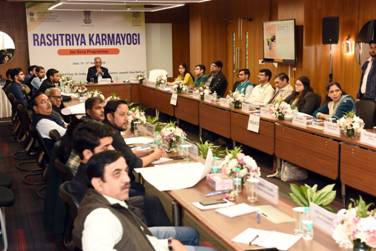
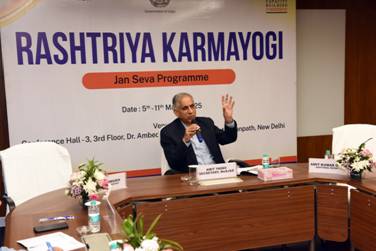


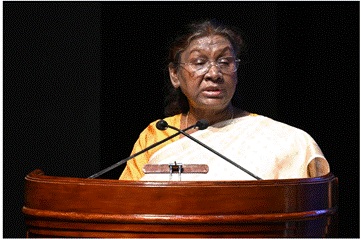
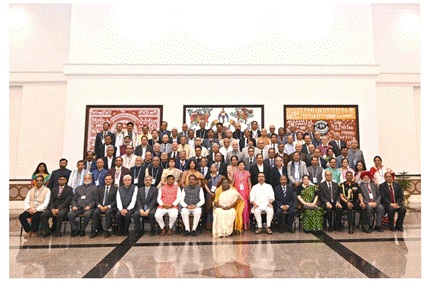
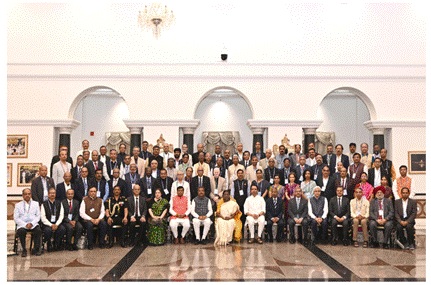


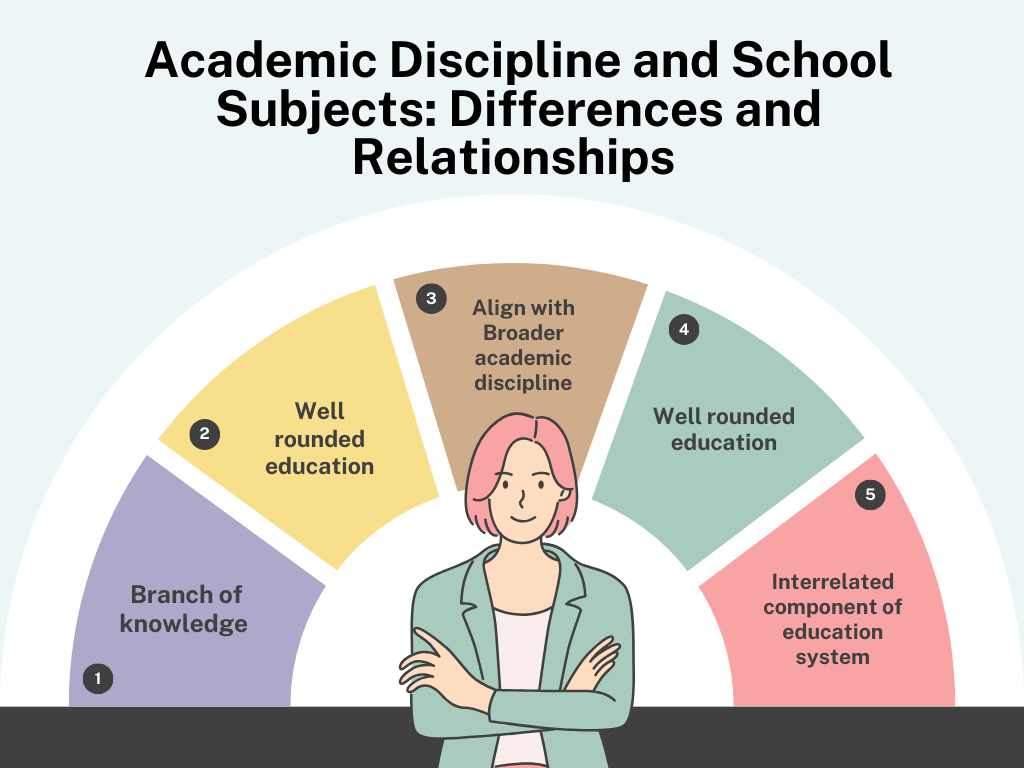


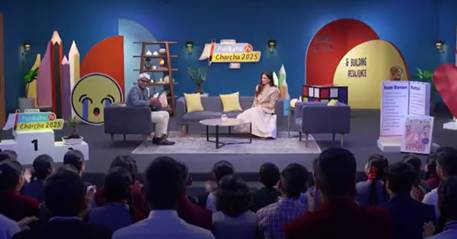
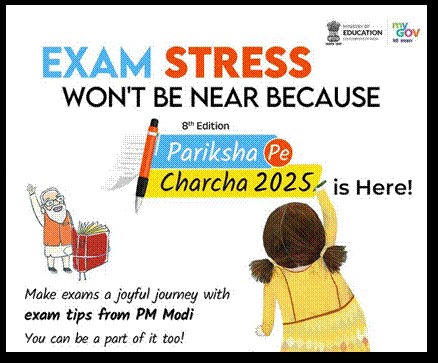
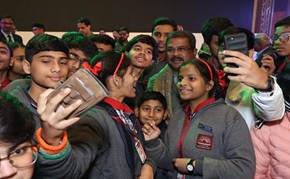
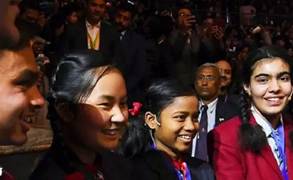
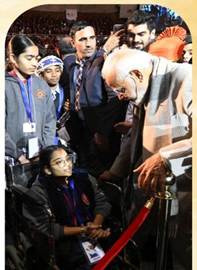
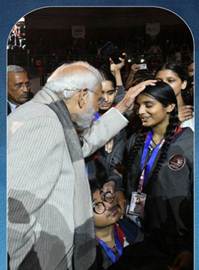
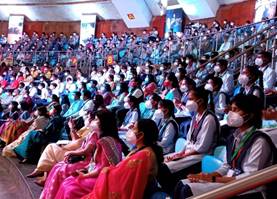
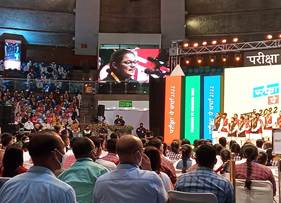
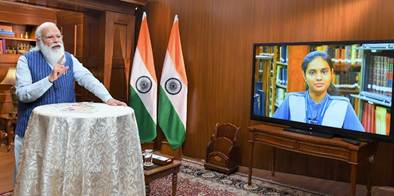
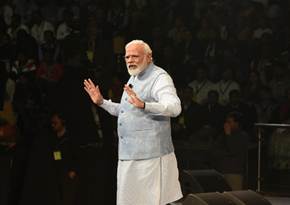
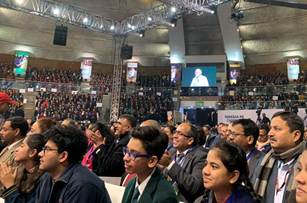
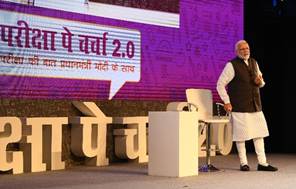
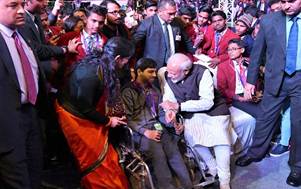
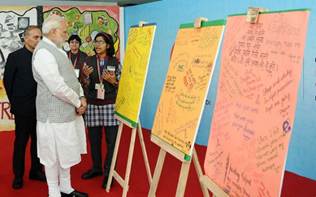
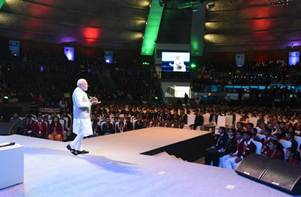


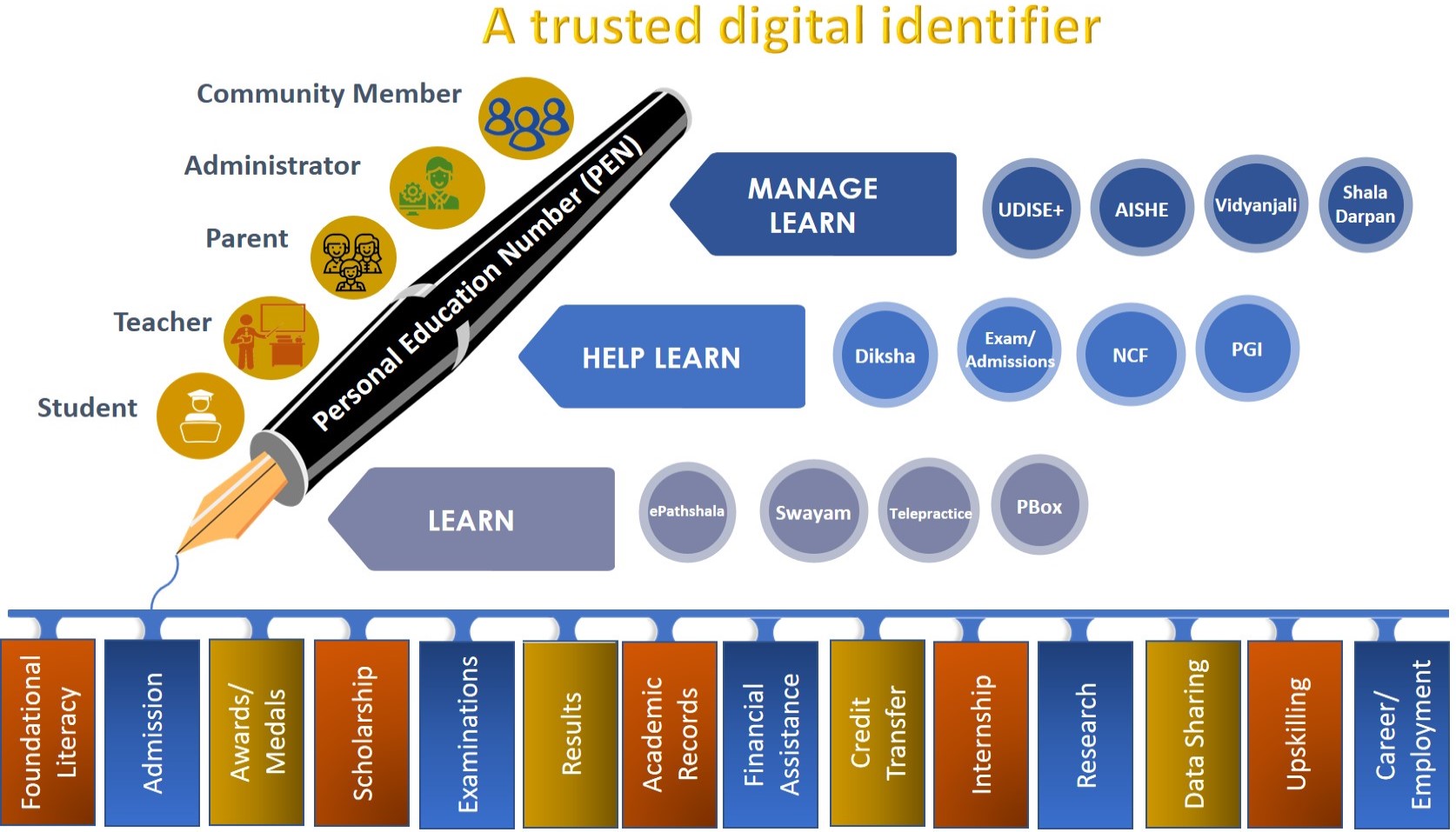


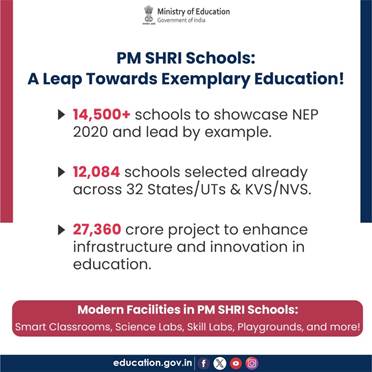
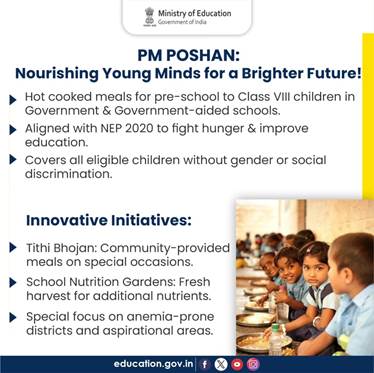
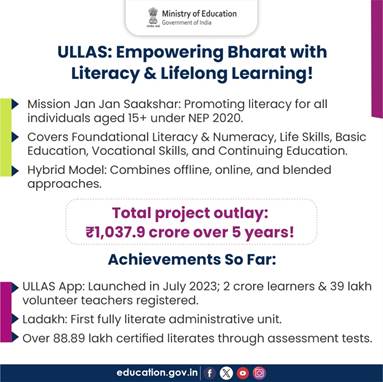
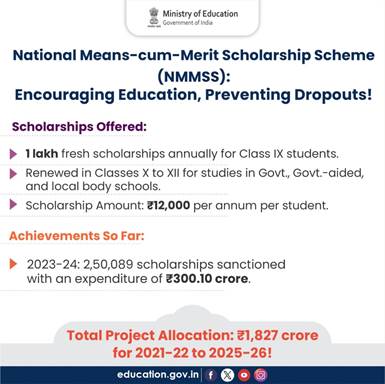
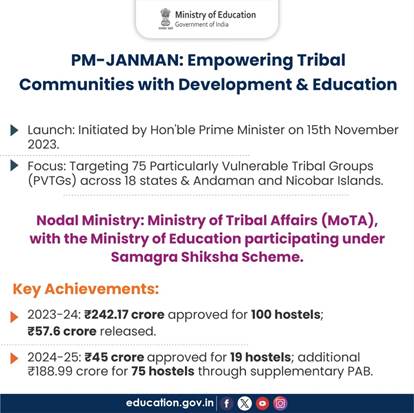





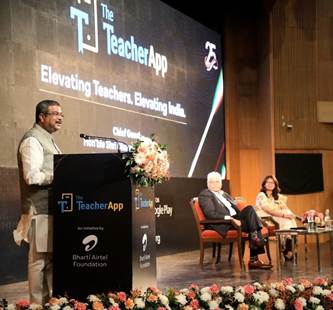
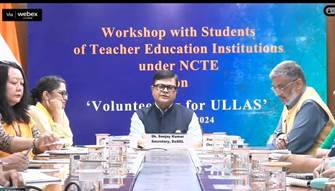


 Eduindex
You must be logged in to post a comment.