Prime Minister’s Young Authors Mentorship Scheme (YUVA) Scheme

Daily writing prompt
What job would you do for free?

Introduction

The Ministry of Education (MoE) and the National Book Trust (NBT) of India launched the third edition of the Prime Minister’s Young Authors Mentorship Scheme, known as YUVA 3.0, on March 11, 2025. The initiative aims to nurture young writers under 30 years of age, providing them with mentorship and exposure to hone their creative writing skills. YUVA 3.0 builds upon the success of its predecessors, YUVA 1.0 and YUVA 2.0, continuing the government’s commitment to fostering literary talent and promoting reading, writing, and book culture in India. The scheme aligns with the vision of Ek Bharat, Shreshtha Bharat, encouraging the documentation and dissemination of India’s rich cultural heritage and knowledge.

YUVA 3.0: Features and Objectives

Theme and Focus

The Themes of PM-YUVA 3.0 are: Contribution of Indian Diaspora in Nation BuildingIndian Knowledge System; and Makers of Modern India (1950-2025). The scheme will help to develop a stream of writers who can write on various facets of India encompassing the past, present and future. Besides, the scheme will also provide a window to the aspiring youth to articulate themselves and present a comprehensive outlook of contribution of Indians across fields in ancient and present times.


Selection Process

  • The scheme invites applications from aspiring writers through MyGov India’s online portal.
  • A competitive process shortlists 50 young authors based on a well-defined evaluation criterion.
  • The National Book Trust (NBT) will constitute the selection committee.
  • Applicants are required to submit a book proposal of 10,000 words, which is then reviewed by a panel.
  • The shortlisted candidates undergo a multi-stage selection process before the final selection.

Mentorship and Support

  • Selected authors receive a mentorship program spanning six months.
  • The authors undergo workshopsinteractions with mentors, and exposure to India’s literary ecosystem.
  • They receive financial assistance of ₹50,000 per month for six months.
  • Their works are published and promoted by the NBT in multiple languages.
  • Under the mentorship, a National Camp will be held for the PM-YUVA 3.0 Authors during the New Delhi World Book Fair 2026.
  • Selected authors get the opportunity to present their work at literary festivals and international forums.

Background of the YUVA Scheme

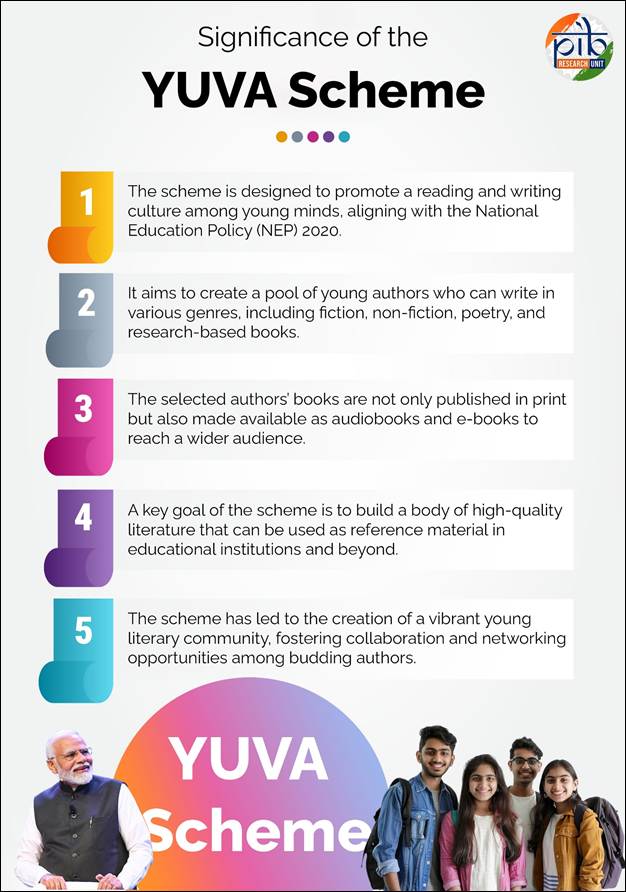
National Education Policy 2020 has emphasized on the empowerment of the young minds and creating a learning eco-system that can make the young readers/learners ready for leadership roles in the future world. India is considered to be a ‘young country’ because 66% of its total population are young and can be tapped for capacity and nation building. In this context, a national scheme for mentoring generations of young authors has proven to be a significant stepping stone for laying the foundation of the future leaders of the creative world. This scheme has been conceptualised on the premise that the 21st century India needs to groom a generation of young authors to create ambassadors of Indian literature and world view. In view of the fact that our country is ranked third in the arena of book publishing and we have a treasure trove of indigenous literature, India must project it at the global stage. The first mentorship scheme was launched on 31st May 2021, then subsequently in October 2022 and now in March 2025.
YUVA 2.0: Expansion and Achievements

Launched in October 2022YUVA 2.0 built upon the foundation of YUVA 1.0 with a renewed focus on ‘Democracy’ as the core theme. The scheme aimed to foster young writers’ engagement with India’s democratic values, traditions, and governance structures.

Theme and Vision

The Theme of PM-YUVA 2.0 was Democracy (Institutions, Events, People, and Constitutional Values). The scheme helped in developing a stream of writers who can write on various facets of Democracy in India encompassing the past, present and future. Besides, the scheme also provided a window to the aspiring youth to articulate themselves and present a comprehensive outlook of Indian democratic values at domestic as well as international platforms.

Selection and Implementation

  • The competition received an overwhelming response, with a diverse pool of participants from across the country.
  • 75 authors were selected through a competitive process. They were also required to submit a book proposal of 10,000 words.
  • The mentorship program included interaction with constitutional experts, historians, and renowned authors.
  • Special training sessions were held to enhance research skills, language proficiency, and storytelling techniques.

Outcomes and Impact

  • The Union Minister for Education launched 41 new books under the PM YUVA 2.0 scheme at the New Delhi World Book Fair 2025 in February.
  • Several books were published in multiple Indian languages, making them accessible to a broad readership.
  • Young authors gained national and international recognition, participating in events like the World Book Fair and literary forums.
  • Many participants had their books included in academic and government libraries for research and reference.
  • Some authors had the opportunity to meet and interact with policymakers and scholars, further enriching their perspectives.

YUVA 1.0: Inception and Legacy

The inaugural editionYUVA 1.0, was launched in May 2021 as part of the Azadi Ka Amrit Mahotsav celebrations to commemorate 75 years of India’s independence. The scheme aimed to empower young authors and provide them a platform to express their perspectives on India’s history and contemporary narratives.

Theme and Inspiration

The theme was National Movement of India with focus on Unsung Heroes; Little known facts about the Freedom Struggle; Role of various places in National Movement; Entries bringing out new perspectives related to political, cultural, economic, or science related aspects of national movement etc. as part of Azadi ka Amrit Mahotsav. This scheme helped to develop a stream of writers who can write on a spectrum of subjects to promote Indian heritage, culture and knowledge system.

Selection and Implementation

  • The contestants were asked to submit a manuscript of 5000 words.
  • 75 young authors were selected, representing diverse linguistic and regional backgrounds.
  • The selection was made by a committee constituted by National Book Trust (NBT).
  • Mentorship included training in writing, editing, and publishing processes.
  • Special sessions were conducted by eminent historians, journalists, and literary figures.
  • A consolidated scholarship of Rs.50,000 per month for a period of six months per author will be paid under the Mentorship Scheme.

Outcomes and Impact

  • The results were announced on 25.12.2021.
  • The books produced under YUVA 1.0 were translated into multiple Indian languages, enhancing their reach.
  • The initiative contributed to India’s literary heritage, encouraging young voices to document historical narratives.
  • Several young authors gained recognition, contributing to mainstream literature and academic discussions.
  • The scheme established a strong foundation for young writers, many of whom went on to publish additional books independently.
  • 10% royalty is being paid by NBT on publication and sale of the books.

Conclusion

The YUVA scheme, in its three editions, has played a crucial role in nurturing young literary talent in India. As the program continues to evolve, it reinforces India’s commitment to promoting creative expression, multilingual literary heritage, and a culture of reading and writing among the youth. The impact of the scheme is evident in the success stories of young authors whose voices have been amplified at both national and international levels. With continued support and innovation, the YUVA scheme will remain a cornerstone of India’s literary and cultural renaissance.

References

Click here to see PDF.

Sahitya Akademi will be organising “Festival of Letters 2025”

Eduinde News

Sahitya Akademi, India’s premier literary institution working under the Ministry of Culture, Government of India, will be organizing its annual Festival of Letters at Rabindra Bhavan in New Delhi from 7th March 2025 to 12th March 2025. Union Minister for Culture and Tourism Shri Gajendra Singh Shekhawat, Government of India, will inaugurate the festival. Sri Mahesh Dattani, eminent English Playwright will be the chief guest of the award ceremony in which the prestigious Sahitya Akademi Awards in 23 languages will be presented and Sri Upamanyu Chatterjee, eminent Writer and Scholar will deliver this year’s Samvatsar Lecture.

This is Asia’s Largest Literature Festival with about 700 writers from different parts of the country representing more than 50 languages participating in the festival that spans over 100 sessions. The theme of the festival will be Indian Literary Traditions and a National Seminar on the topic featuring eminent thinkers and writers will be organized during the last three days of the festival.

The festival will feature Young Writers, Women Writers, Dalit Writers, Writers from North East, Tribal writers and poets, LGBTQ writers and poets along with many eminent writers, translators, publishers, poets and distinguished personalities from different walks of life and Festival of Letters continue its status as India’s Most Inclusive Literature Festival since 1985.

A daylong programme for children, Spin A Tale, will be organized on the final day of the festival. Throughout the festival, there will be presentations, readings and discussions by eminent authors, poets, translators, publishers and critics on a wide range of subjects.

On three evenings, cultural performances by eminent artists like Rakesh Chaurasia (flute recital), Nalini Joshi (Hindustani Vocal) and Fouzia Dastango and Ritesh Yadav (Dastan-e-Mahabharata) will be organized. The Festival of Letters is open and free for all the literary lovers and those who wish to taste the flavour of Indian’s longest running Literature Festival.

*****

Daily writing prompt
Write a letter to your 100-year-old self.

7 intriguing facts of Jagannath Puri

 Shri Jagannath’s Temple in Puri has uttermost importance for the Hindu devotees as it is one of the Char-Dham pilgrimages i.e. Puri, Dwaraka, Badrinath, and Rameshwar. This temple is famous for its annual Rath Yatra, but that’s not the sole reason people worship Lord Jagannath and Devi Subhadra and elder brother Lord Balabhadra.

Jagannath Puri is also famous for the mysteries and undefinable facts that catch the traveler’s eye worldwide. Devotees believe that all these are blessings of Lord Jagannath, and people who consider these as myths should visit the place themselves and find themselves dumbfounded. So, here are some most intriguing facts about Jagannath Puri.

1. No birds, no planes fly above the Lord

They say no one’s above God, so nothing flies above it. It’ll leave you surprised to encounter such a divine miracle that no birds, no planes fly above the temple. This is a rare contrast compared to other temples, as we have always seen birds resting on the top of temples are other entities. The temple is considered as a no-fly zone, not by any state government orders but by the Lord himself. And this phenomenon apparently has no scientific explanation.

2. Flag defying the power of wind

All of us know that any cloth flows towards wind direction, be it the sails of ship or the kites we flew in our childhoods. But here, the flag that flies atop of the Jagannath temple is an exception to this common principle. No scientific explanations reason the flag flow in the opposite direction of wind.

3. Mute oceans

Odisha Tourism : Puri Beach
As soon as you step inside the main door, i.e. Singha Dwara entrance of the temple, you can’t hear the burble of water. And this phenomenon is more prominent in the evenings. But once you step out the audibility of water returns. It’s said that Devi Subhadra wished for serenity inside the temple walls and by this her wish was duly fulfilled.

4. Neela Chakra at the pinnacle

The riddle of Neela Chakra (Blue wheel) has still been unsolved. First, just think about the fact, how did the wheel made of 8 different alloys and a 36 feet circumference get up there at the pinnacle with just a human force of that century. Second, the view of this wheel doesn’t really depend on the direction that we look at it from. It’s like it was designed to look the same from all directions.

5. The temple casts no shadows

Every small object/thing/ peoples have shadows. But ever wondered what if something doesn’t have a shadow? The temple Jagannath Puri doesn’t cast any shadow on any part of the day under sunlight. If this is not a miracle, what would it be; just an unexplained phenomenon with no scientific reason to back up.

6. The magical techniques to cook

The traditional methods for cooking the mahaprasadam have been preserved here from the start. They place exactly 7 pots, one above the other on the firewood. Enchantingly, the upper pot gets cooked first, followed by the rest in order.

7. Mahaprasad never goes vain here

In India, wasting food is considered as a bad sign; the temple crew lives by this same. So, here at Jagannath temple the food is never futile, even if the crowd of devotees may vary from 2,000 to 2,00,000. Miraculously, the Parsadam prepared every day is never wasted, not even a bite. Could this be an effective management or the Lord’s will?

After reading such celestial facts, you might want to see them yourself. So, do not forget to check these facts on your next trip to Odisha and share your experience with me.

To_The Second-Person-You

To

 The Second-Person

  You

For you; Always be you!

                And if I say,

                I’m there for you;

                Indefinitely,

               it is an add-on to be more you.

               You check,you rely,you observe 

               and you test me too; 

              That is all I allow only for you!..

For you;I’m being for real as always I amuse to be!

              I trust, i tease,

              I tweet on your treat;

              Infinitely it gonna be, 

             Hence,

           you mean a lot to me since you met!…

       From   

                                                                                        Yours you

Note: Written and expressed by Ghufrana but neither only by her and nor only for specific one.

A film review

 The Sleepover (2020)

       Director- TRISH SIE

       Genre– Exciting,Action, Adventure,Family features.

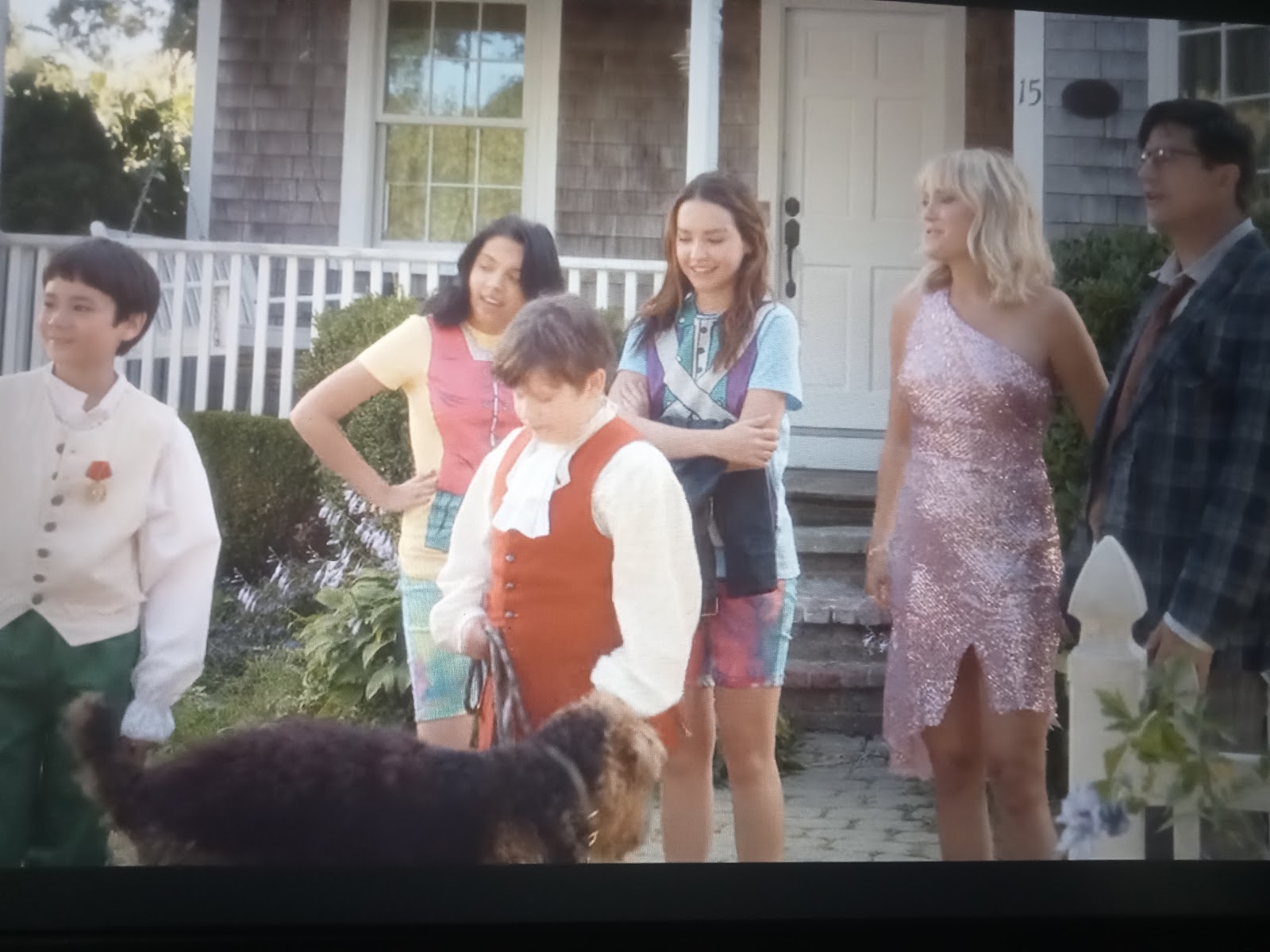
   A very simple family of Modern era living with their life old fashioned limitations like not allowing the phone to their children even if they jumped in higher class, they do not have permitted to attend any party with their friends,Not allowed to go out in late night.Their mother a housewife made these rules But we all know that there is always reasons of restrictions, the same are here with those two siblings of this exciting family.Both are studying in a same school and everyday their father use to receive and drop them,eating foodings made by dad bakery, play video games and sometimes spend times in sleepover.Cavin the little boy has sharp mind and he enjoy the imaginary world more than real. 

   One day a neighbour’s parents come with his child to leave him for the night. That boy also has some list by his mother about what to do or what to don’t.But as he is in another house with another rule and restrictions nothing from the list could be done right from his list.In loan area Cavin’s dad fixed a tent for their sleepover and left them to sleep. And in the same night her daughter tries to escape from home with her friend for one night to attend the party invited by her senior.

At late night tiem to sleep ,Ninjas enter in the house and attack on her housewife mother to take her with themselves for a mission.They took up both husband and wife with them for a robbery. After knowing their mother’s real identification that her mother was the head robber many years before her marriage in the bachelors age;their children decided to find their parents and went out for an overnight adventure. 

Their mother was a witness protection lady who was caught by the police but allowed to be free with a new identification by letting no one know her real identity.

Following the signs Including their dog’s neck belt left by her mother at every steps they followed and in not finally but at end of getting signs they met her mother’s younger sister who is also a robber; she gave them the direction to reach their mother and they followed.Finally they reached the destination and saw their simple housewife mother extraordinary actions and looks that were never been seen before.And also they saw her mother’s fiance who was a robber man,charm and dashing.

But there and then her mother become with a new identification and living her life as a normal person with family this mission was not her choice.They escape brilliantly from this leaving behind all this stuff if past and came back to home safely creating this adventurous night.And the boy who has very quite talent to make stories of imagination,he does the same in front of police too,reached all back to home safely.

Next morning, the neighbour came to take their child who was left for a sleepover and found the child safe and that child went home too.

Everything happened, the restrictions,the limitations came across with a very valid reason why kids of this family faced too many rules and regulations other than others.Now they understand and respect the situations and their family especially her mother.

So,The conclusion comes here with a brief mentality of parents and children.

Parents never want to grab or tie their own children with restrictions. If they do there must be the reason for their safety that’s important more than anything for any parents.

Children like that boy who live in his imagination are brilliant so to make success and happiness in their life it’s necessary to promote and support your child according to their way of interests.

And the last but not least ,the priority matter a lot for a family person no matter who you are,mother or father or sister or you are a brother,if you are in a family you must put your priorities first for them other than anyone no matter how complications has  started ,how it is difficult to deal or to resolve it but things will become smoother as soon as one put family on prior.Stay tied to the family is one of the best weapon to fight against any circumstances, situations,or any difficulty.

Snapshot taken from the movie “THE SLEEPOVER”.

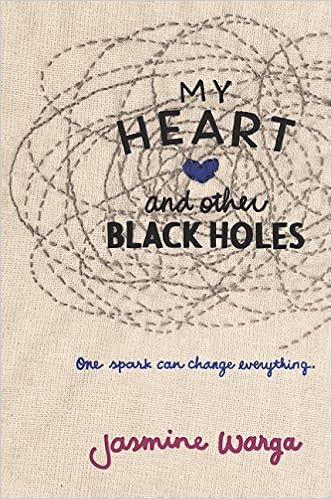
My Heart and Other Black Holes- Book Review

DISCLAIMER: This review contains spoilers.

One emerging trend in media is the glorification and romanticization of mental health disorders. As a result of the same, a lot of Young Adult (YA) novels have integrated various mental health issues into their plots while still bearing inaccurate representations as young adults look at these serious issues through rose-tinted glasses. Ofter, it ends on a high note thus masking the dark reality of these problems and wrongly depicting the healing process.

My Heart and Other Black Holes by Jasmine Warga is a transitional piece of literature to me. I find that it balances the scale- it depicts certain aspects of mental health issues that are appealing to young adults through the form of romance while also portraying very dark aspects of depression in a fairly blunt manner.

This book follows the bittersweet tale of two teenagers with traumatic childhoods. Aysel is a sixteen-year-old girl who was raised by her father- however, her father murdered a local boy and she carries that stigma everywhere. She pushes her friends and family away to the point where they barely interact with her anymore. Roman, a sixteen-year-old boy blames himself for his sister’s death and bears the weight of that guilt on his shoulders. Both of them want to end their lives and they become Suicide Buddies through a website. Roman wishes to die by drowning on the anniversary of his sister’s death. They both decide to die together.

Naturally, they begin to fall for each other. Warga artfully depicts the contrast between the thought processes of the two teenagers. For Aysel, all she really needed was to be close to someone again, so meeting Roman helped her heal. Roman, on the other hand, was plagued by guilt and was in his own head which meant that the chances of love changing his thoughts and feelings were far less likely. She showcases this beautifully as we can see Aysel’s determination to take her own life reduce and Roman’s determination to do the same be unwavering. Roman’s final suicide attempt without Aysel shows that he loved her enough to want a good life for her but not enough to live his life. The book ends on an ambiguous note and the readers are left wondering about the uncertain future of Aysel and Roman.

Jasmine Warga displays a clean and slightly poetic writing style throughout the book. The language and narration remain consistent throughout the book. There is clear character development for the main characters and adequate character development for others.

All in all, My Heart and Other Black Holes is a very well written piece of YA fiction. I would highly recommend this book to those looking for a quick yet meaningful read.

Rating:

10 travel destinations in india

India is home to some of the most stunning natural attractions and historical sites in the world. With so many places to visit and things to do, it’s hard to know where to start. But if you want something off-the-beaten path, these 10 destinations are sure to satisfy your wanderlust.

1. Goa

Vagator Beach, Goa

Goa is a popular tourist destination in India and has been attracting visitors for years. It’s known for its beaches, which are clean and have plenty of space to relax on them.

Goa also has great food, music and culture. The best way to experience all this is by staying at an airbnb or other bed & breakfast type place that hosts travelers from around the world!

2. Kerala

Kumarakom, Kerala

Kerala is a beautiful place to visit in India. It has many beaches, backwaters and historical sites. One of its most famous attractions is the backwaters of Alleppey that are home to some interesting wildlife sanctuaries. The state also has many temples which are a must-see during your trip here.

3. Andaman and Nicobar Islands

Andaman

The Andaman and Nicobar Islands are located in the Bay of Bengal, just off India’s coast. These islands are a part of India and home to many different tribes. The islands have a great climate for relaxation, as well as beaches with white sand.

4. Pondicherry

Serenity beach, Pondicherry

Pondicherry is a city in the union territory of Puducherry. It was formerly known as Pondicherry and it is located on the Coromandel Coast, India’s east coast, which is known for its beaches and resorts. The city has an old-world feel to it with buildings that date back to French rule over India during the 19th century.

Pondicherry has many beaches where you can go swimming or just relax on your day off from work.

5. Leh Ladakh

Nubra Valley, Ladakh

Leh Ladakh is a cold desert in the Himalayas, close to the Chinese border. It’s a great place to visit if you want to see the mountains and enjoy some hiking or trekking. There are many places where you can go for this activity, but one of them is called “Nubra Valley”. In this valley there are many different things that you can do: horseback riding (on horses), skiing down from a mountain peak or just walking around looking at all those beautiful views.

6. Rajasthan

Amer fort, jaipur

Rajasthan is a state in northern India. It has a desert climate, but it’s also known for its palaces and forts. The city of Jaipur is home to several of these attractions, including the Amber Fort and Jantar Mantar Observatory. It also has many lakes, some famous (Lake Pichola) and some not so much (Kumbhalgarh). Some people visit these lakes during wintertime because they’re warm then; others go there in summer because it looks like an ice skating rink. There are plenty of temples as well: we’re talking about hundreds of them.

7. Darjeeling

The Kanchenjunga

Darjeeling is a hill station in West Bengal. The city is located on the foothills of the Himalayas and offers panoramic views of the plains below.

The town has been known for its tea plantations since 1834 when it was first discovered by British colonists. It’s also a popular destination for trekkers, who can choose from several trails to explore this beautiful area along with its rich history and natural beauty.

8. Varanasi

A ghat in varanasi

Varanasi is a religious, cultural and historical city located on the banks of River Ganges. It has been called one of the most sacred places in India as it’s believed that Lord Shiva resided here for some time before passing away.

The city is known for its ghats (steps leading down to the river), temples and food which are all part of its rich history. Varanasi offers tourists everything they need during their stay – from budget accommodation options to luxury hotels & resorts offering everything from pampering spa treatments to yoga classes at sunrise. Not only this but there are plenty of things to do when you visit Varanasi including visiting one or more ghat sites where pilgrims perform rituals during monsoon season when temperatures rise up high enough so visitors can bathe in freezing waters without getting cold feet.

9. Rishikesh

Rafting in Rishikesh

Rishikesh is full of amazing sights—from its spectacular natural surroundings to its historic temples and churches. Other sights include Lakshman Jhula Bridge built between 1822–1823 across River Ganges near Yamuna Sagar Lake during British rule; Vishwanath Temple dedicated specifically because he was considered Hindu god Vishnu’s favorite son; Kedarnath Temple built by King Bhagwan Nand Lal in memory of his father who died while building this temple during his lifetime. River rafting and other fun activities are organised here.

10. Gulmarg, Jammu and Kashmir

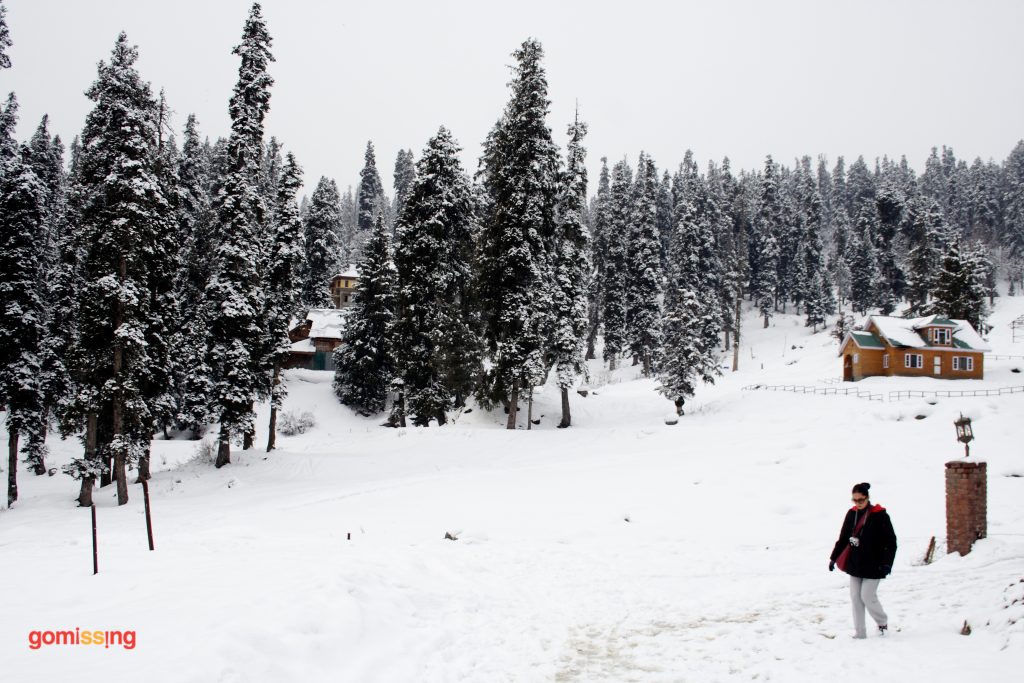
Gulmarg Golf Club area

Gulmarg is a ski resort in Kashmir, located at an altitude of 11,500 feet. It is one of the oldest and most popular tourist destinations in Jammu and Kashmir. The area has 300 km of pistes that can be reached by cable cars or snowshoes. Gulmarg also hosts many other activities like skiing, heli-skiing, snowboarding and more.

These are just a few of the travel destinations in India that you can experience and enjoy.

9 World war movies that are a must watch

For decades, filmmakers have tackled the sensitive and emotionally-driven theme of World War II in an array of noteworthy and poignant pictures. These moving and oftentimes brutal depictions of the horrors, shocking realities, and devastating impacts of the violent war seem to deeply touch audiences across the world. Production studios continuously harness tales of this frightening and monumental period of history with gripping and heartbreaking stories, and moviegoers can’t help but be drawn to them. The most shocking stories are showed in light, reminding us that world wars were truly the most horrifying times, a person could live through.  Some of Hollywood’s most talented and esteemed visionaries have ventured into the touching and difficult subject, crafting memorable and thought-provoking results, and frequently winning Best Picture Oscars as a result. Here is a list of brilliantly made war movies you mustn’t miss out on

The Pianist

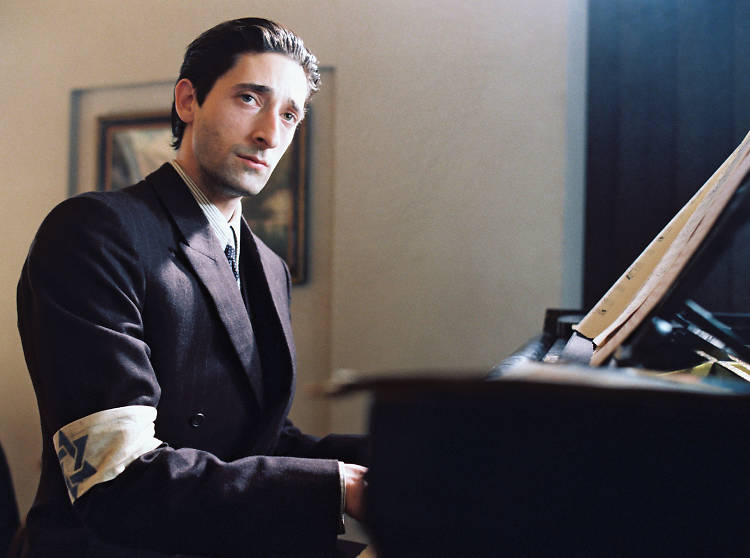
The Pianist is based on the Holocaust memoir of Polish-Jewish pianist and composer Władysław Szpilman, depicting his struggles to survive the destruction of the Warsaw ghetto of World War II. The emotionally-moving picture has a deep connection with Polanski, as he escaped from the Kraków Ghetto after the death of his mother and ended up living in a Polish farmer’s barn until the war’s end.

Hacksaw Ridge

Hacksaw Ridge focuses on the World War II experiences of pacifist combat medic Desmond Doss who, as a Seventh-day Adventist Christian refused to use or carry a weapon or firearm of any kind. The film was based on the 2004 documentary The Conscientious Objector, and after initially turning down the project twice, Gibson finally agreed and was tasked with creating a concoction of violence and faith. Andrew Garfield powerfully portrays Doss, and the biopic features the additional talents of stars like Sam Worthington, Teresa Palmer and Vince Vaughn. Upon reading the screenplay for the first time, Garfield revealed he was moved to tears. The Oscar-nominated drama garnered universal acclaim upon its release, earning praise for both Gibson’s directing and Garfield’s moving performance.

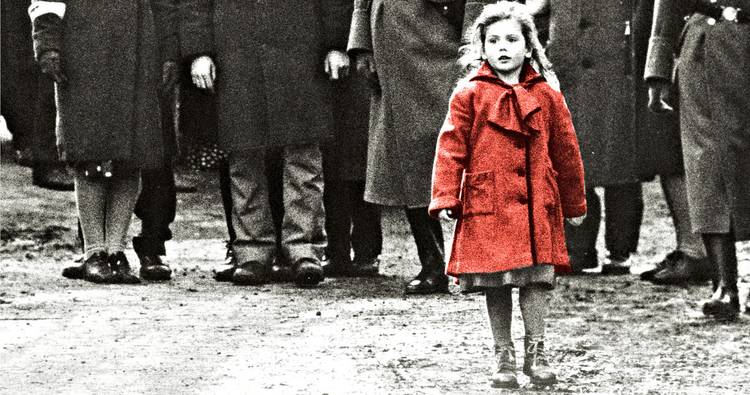
Schindler’s List

Spielberg’s deeply personal masterpiece is perhaps the most moving war film ever made. All the more so with the knowledge that it was based on the true story of Oskar Schindler, who originally set out to make his fortune by exploiting cheap Jewish labour in Krakow.However, as Schindler witnesses the unfolding horror of the Holocaust, his motivation changes and he bribes Nazi leaders to keep his employees out of the extermination camps, saving more than 1,100 lives. The winner of seven Oscars, Schindler’s List does full justice to Thomas Keneally’s source novel and remains just as powerful and relevant today.. Liam Neeson delivers the performance of a lifetime as Schindler, and appears alongside the gifted Ralph Fiennes and Ben Kingsley.

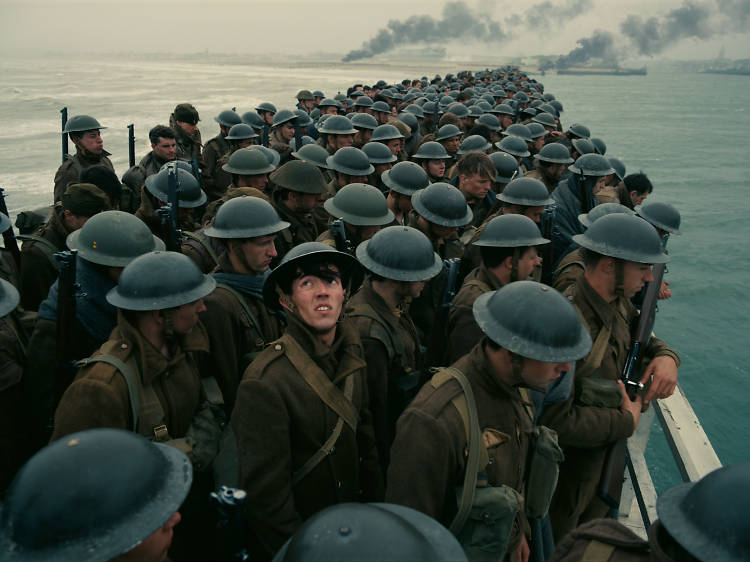
Dunkirk

Dunkirk, which depicts the Dunkirk evacuation of World War II through the perspectives of the land, sea, and air. The outstanding ensemble cast features some of cinema’s finest performers like Kenneth Branagh, Cillian Murphy, and Tom Hardy, and the drama was portrayed with very little dialogue, as Nolan wanted to create suspense with the stunning cinematography and music. The filmmaker conceived the premise of the war flick in the mid-1990s, when he and his wife sailed across the English Channel, following the path of many small boats in the Dunkirk evacuation.

Saving Private Ryan,

 Saving Private Ryan, which is set during the Invasion of Normandy and follows a group of U.S. soldiers who go behind enemy lines to retrieve a paratrooper whose brothers have been killed in action. The gripping film stars a myriad of distinguished leads including Tom Hanks, Edward Burns and Matt Damon and was partially inspired by the Niland brothers, four American brothers from New York who served in WWII, with only two surviving. On why he repeatedly returns to the subject, Spielberg revealed, “I think that World War II is the most significant event of the last 100 years; the fate of the Baby Boomers and even Generation X was linked to the outcome. Beyond that, I’ve just always been interested in World War II.” The Oscar-winning Saving Private Ryan is frequently cited as influential in the war and action film genre, and is credited with renewing World War II interest in the media.

Casablanca

Classic Hollywood movie is considered one of the finest films ever created. The 1942 romantic drama Casablanca famously features Hollywood icons Humphrey Bogart and Ingrid Bergman, centring on a cynical American expatriate who must decide whether he wants to help his former lover and her fugitive boyfriend escape the Nazis in French Morocco. The iconic picture was based on an original play by writer Murray Burnett, who drew inspiration after traveling to Vienna in 1938.Since Casablanca’s premiere, its popularity has only continued to grow, with Burnett once calling it, “true yesterday, true today, true tomorrow.”

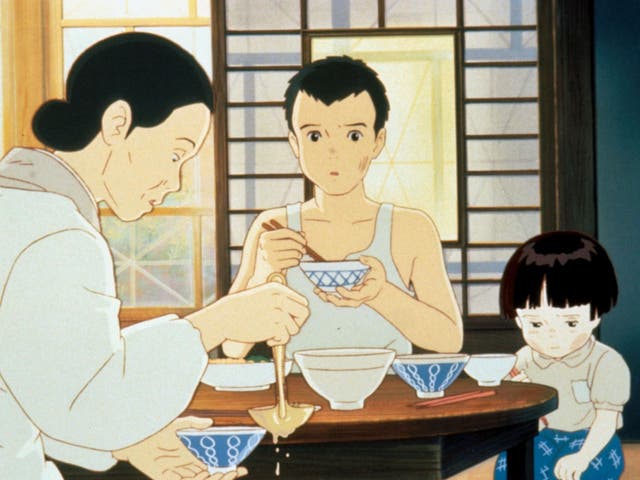
Grave of the Fireflies

Heartbreaking and thought-provoking anime from Studio Ghibli about brother and sister Japanese orphans desperately trying to survive in the dying days of the war. A haunting anti-war statement almost without peer, adapted from the story by Akiyuki Nosaka and based on his own experiences in the firebombed city of Kobe.

Inglourious Basterds,

Inglourious Basterds, telling an alternate history story of two plots to assassinate Nazi Germany’s leadership: one planned by a group of Jewish U.S. soldiers and the other by a French Jewish theater owner. Tarantino spent over a decade creating the script, and viewed the project as his masterpiece-in-the making and his best work thus far. He described the men of the picture as “not your normal hero types that are thrown into a big deal in the Second World War.” The famed director wanted the character of Hans Landa portrayed by a native German-speaking actor and cast Austrian Christoph. Tarantino was worried the part was unplayable, but Waltz delivered an Oscar-winning knockout performance as the ruthless SS officer

Letters From Iwo Jima

A companion piece to Eastwood’s Flags of Our Fathers, which told the story of the battle for Iwo Jima from the American perspective, this is the better of the two films, told from the viewpoint of the Japanese. The film marks the culmination of Eastwood’s growth as an artist, as he eloquently and movingly humanises the Japanese soldiers fighting against near impossible odds.Letters from Iwo Jima is stunning, depicting a group of soldiers even more bound by tradition and honour than their American counterparts, trapped in an unwinnable war and dreaming only of home.

The Rashomon Effect

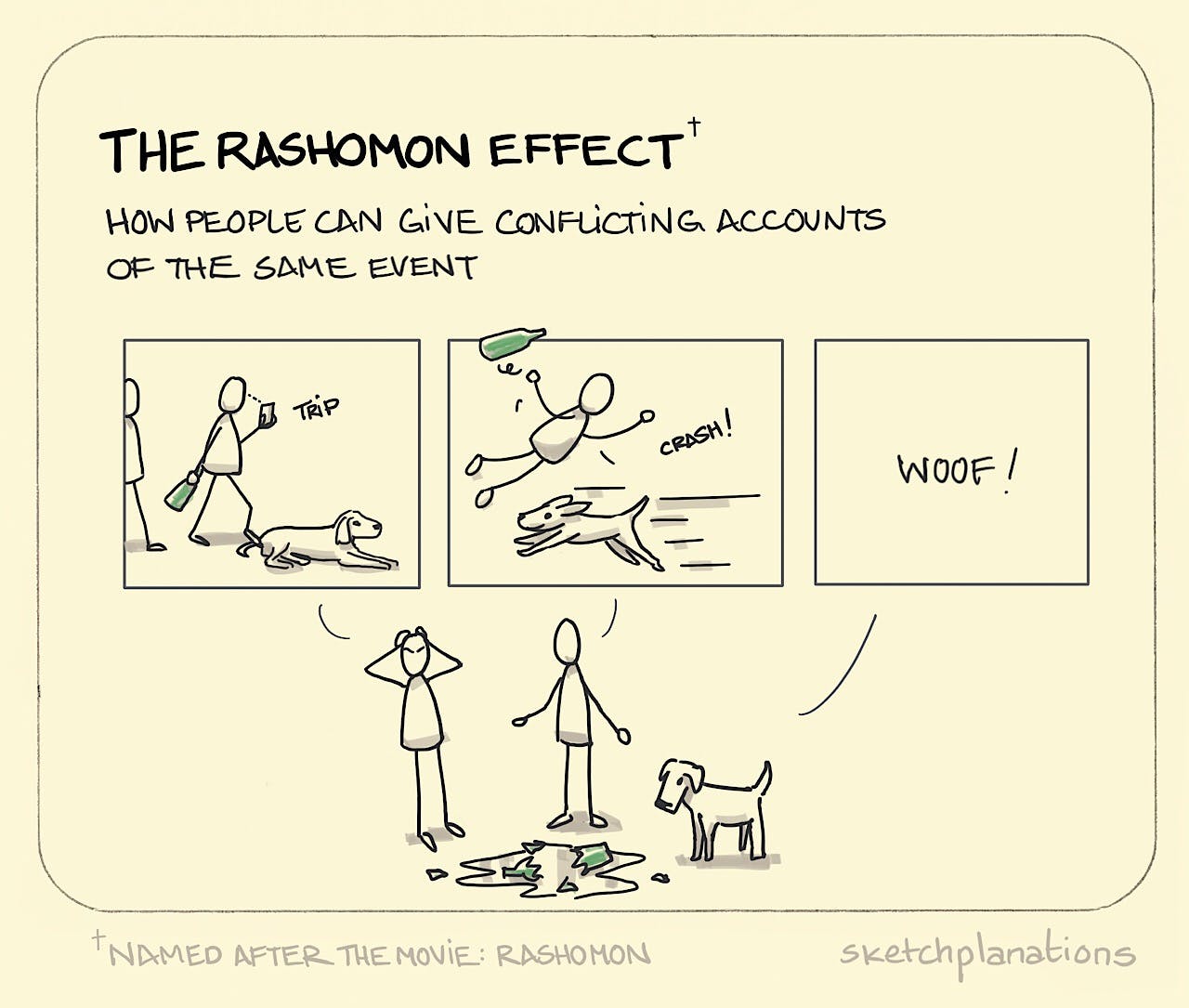
Ever heard multiple sides to a story from eye witnesses and had a tough time deciding which one is true or which to believe? Such a conundrum is brought about by subjective views, observer bias, perspective and memory of the observer. All these parameters can be summed into a single word known as The Rashomon. The Rashomon effect refers to an instance when the same event is described in significantly different (often contradictory) ways by different people who were involved.

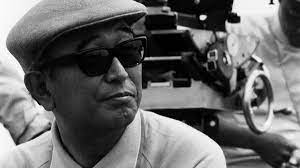
This phenomenon first came to be observed in a book called “in a grove “by Japanese author, Reyonosuke Akutagawa written in the early 1920’s. This was later adapted and made into a movie, by Japanese filmmaker Akira Kurosawa, who directed the 1950 film Rashomon, giving the effect its name. The plot revolves around which four different people provide contradictory accounts of a samurai’s murder, despite all having witnessed the crime. Each witness tale is varied from another, yet so very plausible, that a definite conclusion cannot be drawn, embroiling all of them.

The film explored the issues of the unreliability when depending on witness testimony explores a situation using a similar literary device, wherein the story is told through the viewpoints of different characters who supply conflicting stories. Whether the people’s competing explanations are different because of the fallacy of memory or because of self-serving interests varies. This film became revolutionary with how one understands the human mind, justice and the truth. It since then has become a cultural metaphor and is synonymous with happenings of everyday events as it’s not a sci-fi or an abnormal event, but a very natural course of nature that seems very striking .

Conditions and characteristics.

Not every story will have The Rashomon effect. It mostly occurs when there is no gripping and final evidence but a lot of eyewitnesses and when there is a pressure to achieve closure and coercion to find the truth. In both the movie and the book, no side of a person’s view is given more emphasis and all are shown in an equal scale, each testimony bearing its own truth and plausibility. The script and story writing does tell the audience how to feel or what to believe. The audience had to decide that for themselves making it engaging and deceiving at the same time. Such a premise has conflict as a driving. Conflict in a story drives a plot forward, reveals character, and engages an audience. The Rashomon Effect is based on contradicting reports of the same event and search for the truth through these reports can be a driving force of conflict for a story. The use of an unreliable narrator is another feature, opposed to the presentation from a more objective point of view. This allowed audiences to see the characters as they were and value neutral. To top it off, an ambiguous ending after such a mind boggling series of events, looks like the right justice to this type of storytelling. Our realization that none of the witnesses are reliable leaves us with more questions than answers. While most films at the time had a clear ending, the ending of Rashomon has no clear resolution. This unconventional decision left audiences baffled.  It can be frustrating to some as it subverts from its unorthodox counterparts but , it is not ambiguous for the sake of mystery or confusion, but rather to reiterate themes and larger concepts like the intricacy of the human brain.

Conclusion

Research studies have found that when people form a memory, a visual experience is often influenced by external cues, internal prejudice and past experiences. While a few are completely individualistic, most are universal. An example of this is egocentrism, i.e., having a positive view on their actions but disregard to the other person . it is a subconscious act , most of the times, and these psychological phenomenon means that the rashomon effect can  pop up anywhere.

The Rashomon effect finally boils down to the minutiae and can range from studies of anthropology and biology to the general public analyzing a historic world event. In conclusion this broke a psychobiological barrier of having the right answer to every crisis and rather shifted the focus to versions of the same event that can tell us about the time, place and people involved, how to go about different mind-sets, backgrounds and biases. It emphasized on the fact that sometimes, the objective truth cannot always be obtained and that it is normal to have an obscure, vague ending, which should be embraced and valued in certain circumstances.

Chokher Bali: The Book Review

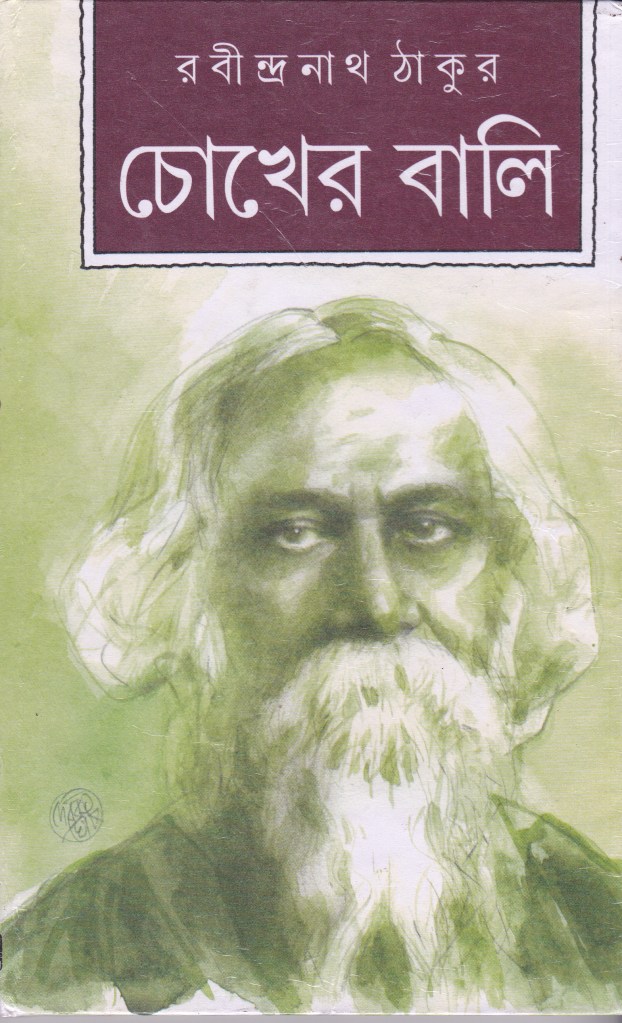
Cover of Chokher Bali (1903) in Bengali

Introduction

Rabindranath Tagore’s 1903 Bengali novel Chokher Bali is often referred to as India’s first modern novel, where he highlighted the issues of women’s education, child marriage and the treatment of widows in 19th and 20th century Bengal. It was first serialised in the Bengali literary magazineBangadarshan first founded in 1872 by Bankim Chanra Chattopodhay and later resuscitated under the editorship of Tagore in 1901.

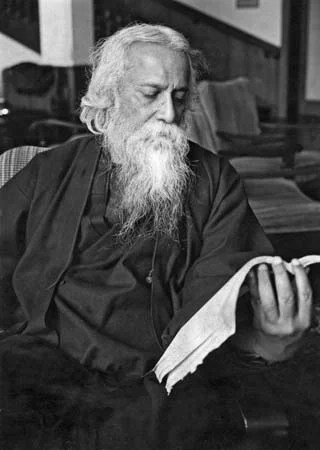
Rabindranath Tagore

About The Author

Rabindranath Tagore (7 May 1861 – 7 August 1941) was a Bengali  Polymath —poet, writer, playwright, composer, philosopher, social reformer and painter. He reshaped Bengali Literature  and music  as well as Indian Art with Contextual Modernism in the late 19th and early 20th centuries. Author of the “profoundly sensitive, fresh and beautiful” poetry of Gitanjali, he became in 1913 the first non-European and the first lyricist to win the Nobel Prize in Literature. Tagore’s poetic songs were viewed as spiritual and mercurial; however, his “elegant prose and magical poetry” remain largely unknown outside Bengal. He was a fellow of the Royal Asiatic Society.  Referred to as “the Bard of Bengal”, Tagore was known by sobriquet: GurudevKobiguruBiswakobi.

Aishwarya Rai Bachhan as Binodini in Chokher Bali (2003)

Storyline of The Novel

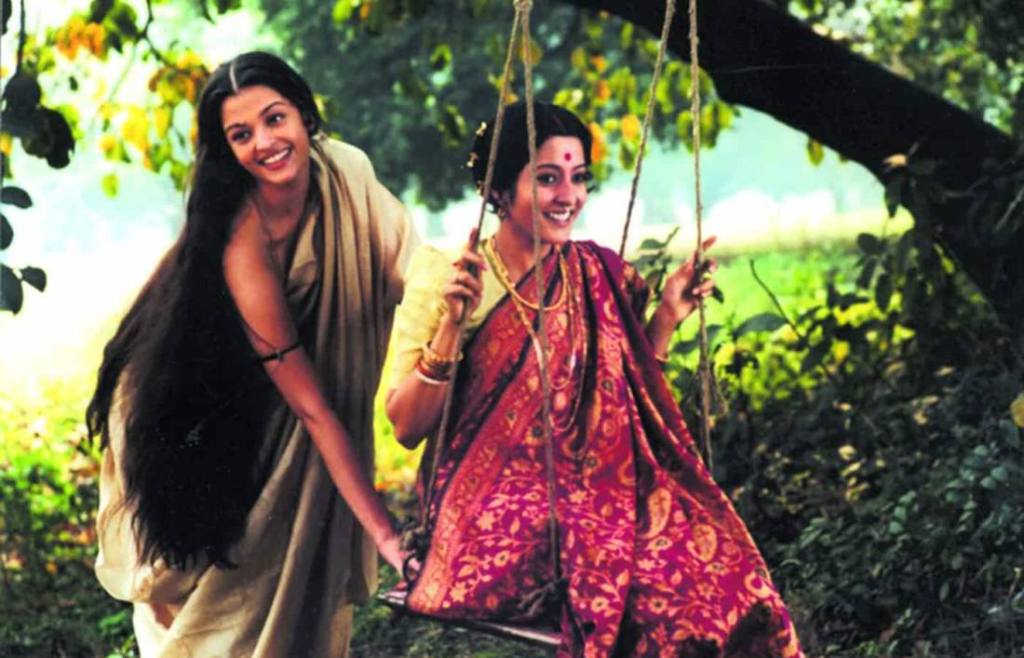
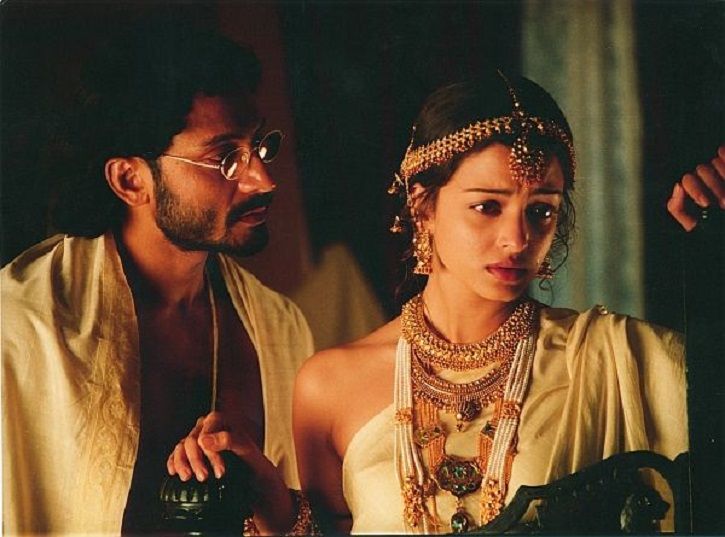
The plot revolves around four protagonists- Mahendra, Ashalata, Binodini and Bihari. Mahendra is the only scion of a rich family based in Calcutta. Bihari is his childhood friend, who frequents his house. Mahendra’s mother wanted him to marry Binodini, her friend’s daughter. But Mahendra refused. Then his mother requested Bihari to marry Binodini and save the poor girl which Bihari refused. Eventually, Binodini got married to a man who died soon after marriage. Meanwhile, Mahendra married Ashalata, a poor orphan girl. Mahendra was besotted with his wife when Binodini came to live in their house. With time, an extra-marital relationship develops between Mahendra and Binodini, which threatens to destroy his marriage with Ashalata. But soon Binodini discovers that Mahendra is a self-obsessed person, unable to provide a safe shelter to her. So she inclines towards Bihari, who lives life by principles. Throughout the novel, there is an implicit implication of Bihari’s affection towards Ashalata, though he never crosses the boundaries of the relationship. In the end, Bihari falls in love with Binodini when realizes her feelings for him. He proposed to marry her, which Binodini refused saying that she doesn’t want to ‘dishonour’ him further. During that period (the novel was written in 1902), widow remarriage was not well accepted in society. That may partially explain the reason behind Binodini’s refusal. In the end, Binodini leaves for Varanasi– a fate that awaited most of the widows in those days.

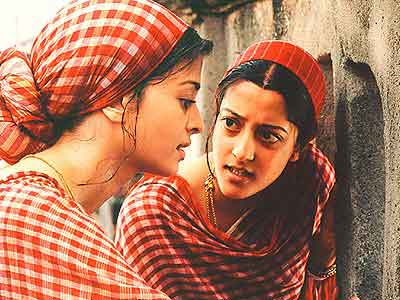
Aishwarya Rai Bachhan as Binodini and Raima Sen as Asha in Chokher Bali (2003)

Analysis of The Storyline

The term ‘Chokher Bali’ literally means a sand grain in eye  in Bengali  and metaphorically means to be a source of irritation or disturbance in someone’s eyes, which is what Asha and Binodini become for each other. Binodini is presented in many avatars a hopeless widow, a friend, a temptress, and a remorseful woman. Tagore gives readers an insight into her desires and longings, the feeling that many widows at the time had silently undergone. On the other hand, Asha is presented as naive and innocent, which combined with her illiteracy initially results in her subjugation. The narrative almost becomes an implicit debate on love and morality, urging readers to understand Asha and Binodini outside of the social norms of Bengali society. The central character Binodini is not an idealised Indian woman but a woman with shades of grey and very human flaws. Binodini cannot come to terms with her life as a widow, as she is still young and has wants and desires. She feels wronged as she believes she is superior to Asha in all respect and deserves the life she is living. Tagore’s depiction of Binodini is impressive as she subverts the expectation of society for widows to forgo all worldly desires.

Tota Roy Choudhury as Bihari and Aishwarya Rai Bachhan as Binodini in Chokher Bali (2003)

Criticism of The Storyline

The story of this novel delves deep into many facets of human relationships and how a single wrong decision can make the life disharmonious. Jealousy and deprivation of happiness can result into an emotion strong enough to forget all other ties and relationships.Tagore shows the intellectual interchange between the characters, possible due to education and the interception of letters. The innocent and illiterate child bride Asha fails to understand the exploitation she faces at the hands of her husband and dear Bali (Binodini) whom she trusted blindly. Tagore does not justify Binodini’s actions and actually is sympathetic to Asha, perhaps stressing that Asha would have been able to avoid Binodini’s interference in her marital life, if she were educated enough to understand the intentions behind her friendly nature. However, one of Tagore’s greatest regrets in the novel is the ending. Despite his progressive portrayal of Binodini and Bihar, he does not allow them to marry at the end. Although, today we may see the girl marrying the guy as regressive today in Tagore’s time a widowed woman was not permitted to re-marry. Thus, ending the novel with Binodini and Bihari marrying would have been the most revolutionary.

Scene from Chokher Bali (2003)

Movie Adaptation of The Novel

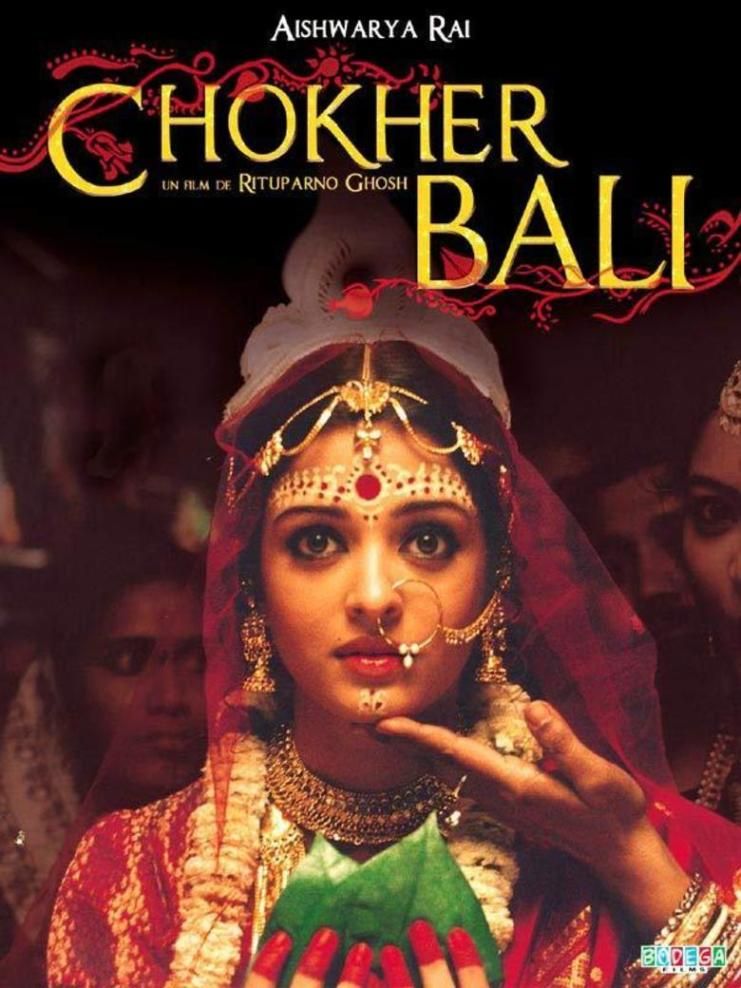
Adapted from Tagore’s Chokher Bali, the movie with the same name was released in 2003, directed by eminent Bengali Moviemaker Rituparno Ghosh, starring Aishwarya Rai Bachhan, Raima Sen, Prosenjit Chatterjee and Tota Roy Choudhury in the lead roles. The movie won the National Film Award for Best Feature Film in Bengali and was nominated for the Golden Leopard Best Film award at the Locarno International Film Festival in 2003. Aishwarya Rai won the Best Actress award at the Anandalok Awards 2003.

Conclusion

A century after Chokher Bali, education is still a struggle for many women to access easily globally. Tagore’s novel is radical and unconventional presenting a viewpoint that is ahead of the conservative times of 19th and 20th century India. Through the story of Binodini, Tagore questions the societal norms. He condemns all kinds of taboos and unjust customs which deprive women and especially widows of their rightful freedom and autonomy; confined to live a mournful colourless life. As a man from a privileged background, his understanding of the emotions of Indian women and his empathetic attitude towards them is remarkable.

A Jest of God: The Book Review

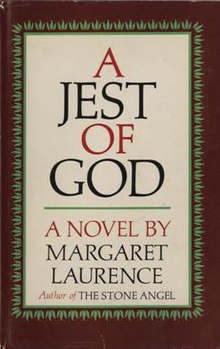
The first cover of A Jest of God (1966)

Introduction

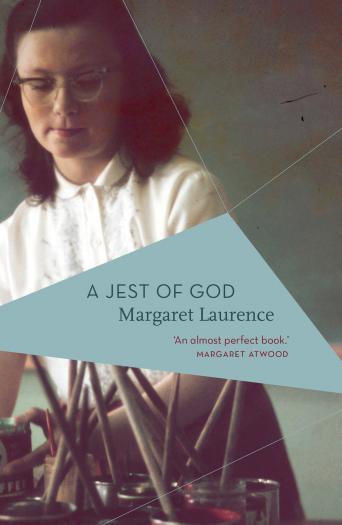
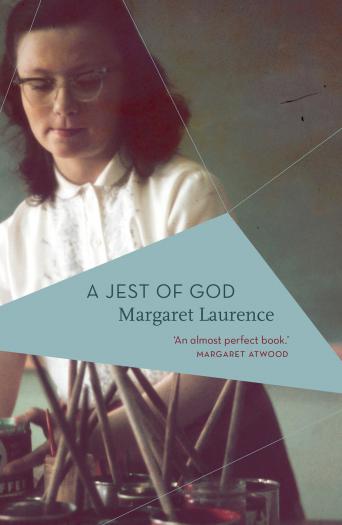
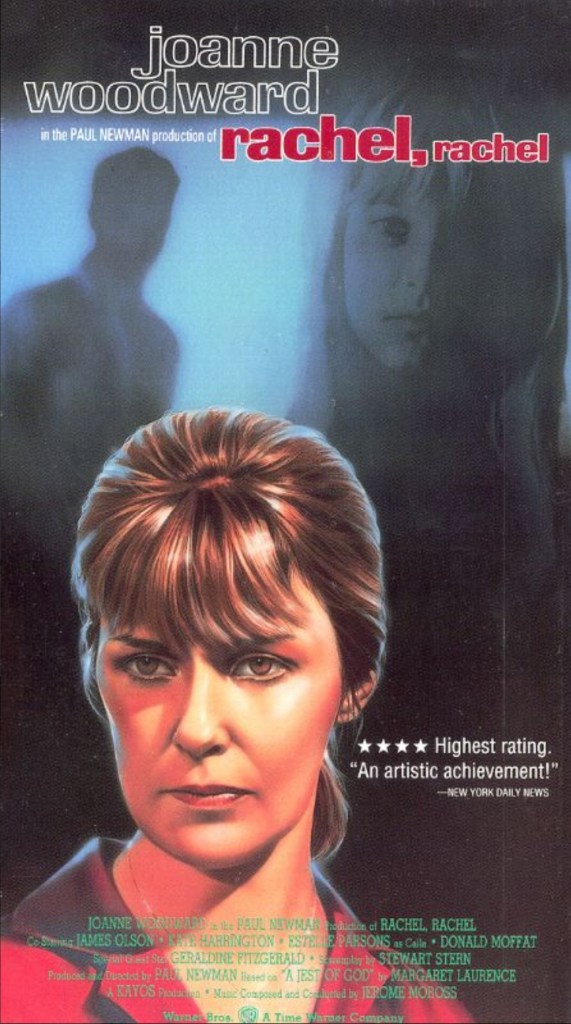
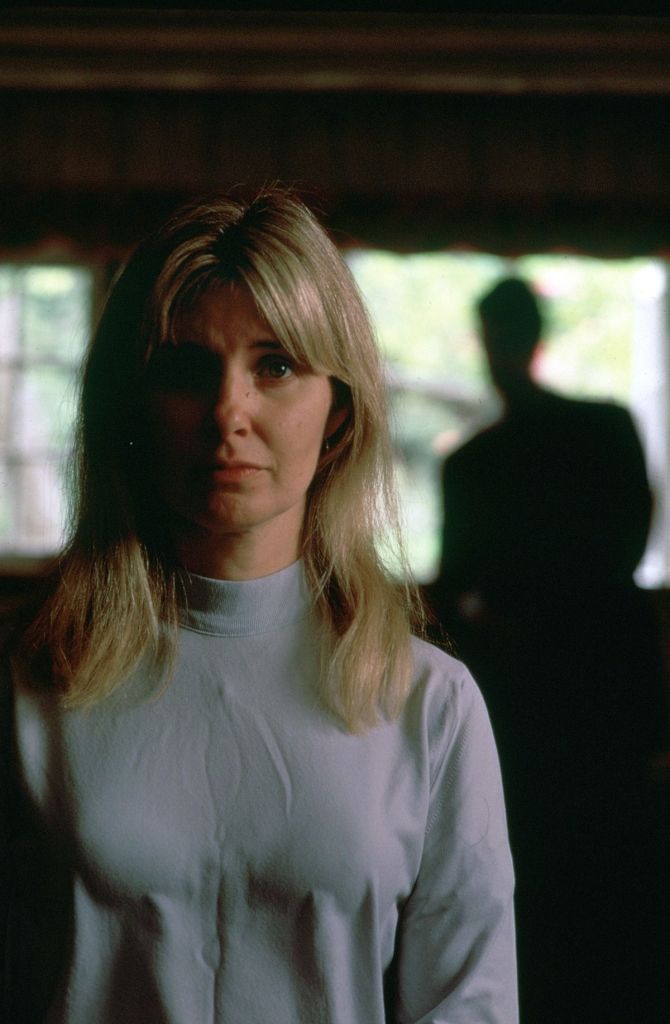
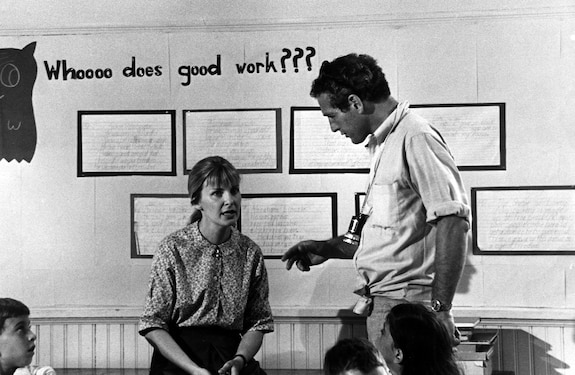
A Jest of God is a novel by Canadian author Margaret Laurence. It was first published in 1966. It won the Governor General’s Award  for 1966 . In 1968, director Paul Newman and screenwriter Stewart Stern  adapted A Jest of God  into the motion picture Rachel, Rachel. It starred Joanne Woodward in the lead role and Estelle Parsons as Calla, both of whom received Academy Award nominations for their performances. It was also nominated for Best Picture.

Revised Cover of A Jest of God (1966)

About The Author

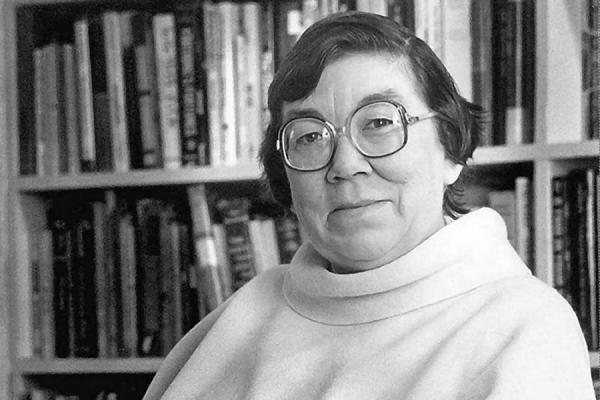
Margaret Laurence (née Jean Margaret Wemyss), was a Canadian novelist (born 18 July 1926 in Neepawa, MB; died 5 January 1987 in Lakefield, ON). Margaret Laurence was one of the pivotal and foundational figures in women’s literature in Canada. Two of her novels — A Jest of God (1966) and The Diviners (1974) — won the Governor General’s Literary Award  for fiction. She also wrote acclaimed poetry, short stories and children’s literature, helped found the Writers’ Union of Canada and the Writers’ Trust of Canada, and served as chancellor of Trent University. She was made a Companion of the Order of Canada  in 1972 and was named a Person of National Historic Significance by the Government of Canada  in 2018.

Margaret Laurence

Storyline of The Novel

The tale of the dutiful daughter who returned home to care for her ailing widowed mother records with appalling accuracy the life of a thirty-four year old spinster schoolteacher in a small town outside of Winnipeg. The relentless confinement of Rachel Cameron‘s life is disrupted the summer the milkman’s son, now a teacher in a Winnipeg high school, returns to visit his parents. Rachel is an easy mark; her affair with Nick brings out passion after awkwardness, and the yearning for a family of her own. The understanding that Nick is married destroys the affair but not her longing, and when she thinks she is bearing his child she determines to go through with her pregnancy. The prospective infant turns out to be a tumour, benign; Nick turns out to be unmarried and the more inaccessible; but Rachel emerges from her experience with a new conception of herself and her environment. She will no longer be a victim, though she may be a reluctant jester, and she makes the needed move to a place where her old responsibilities and limitations will remain but where there will be a greater freedom. Saved from soap opera by an utter sureness and honesty of vision, from dreariness by the aptitude of its portrayals, this carries a compassionate conviction that will reach a limited but sensitive feminine readership.

Poster of movie Rachel, Rachel (1968) based on novel A Jest of God (1966)

Analysis of The Storyline

The novel gets told with difficulty because Rachel’s voice is halting, obsessive. She begins her story as an observer, watching the children in the schoolyard, watching herself both in her immediate present as a teacher and remembering back to her childhood. She thinks of the “secret language” children share. In contrast, her own language is halting, and she finds difficulty establishing a voice. She frequently interrupts to judge her voice critically. She wonders: “Am I beginning to talk in that simper tone?” . Then, as a corrective, she speaks “more sharply than necessary,” and cautions herself to “strike a balance” . But, if we read this story in Jungian terms. (as many critics do),we perceive that Rachel cannot achieve this desired balance until she accepts her shadow side. Locked in a pattern of avoidance, no wonder she finds “my own voice sounds false to my ears”.

Joanne Woodward as Rachel in Rachael, Rachael (1968)

Because she resists acknowledging her desires, she remains blocked. When she approaches a recognition of her “darker,” “shadow” selves, she retreats, and stops the story. If she fears she is entertaining “morbid” thoughts or eccentric fantasies, she admonishes herself: “This must stop. It isn’t good for me. Whenever I find myself thinking in a brooding way, I must simply turn it off and think of something else”. She retreats from her sexual fantasies : “I didn’t. I didn’t…. Rachel, stop it. You’re only getting yourself worked up for nothing. It’s bad for you”. Yet these private fantasies are colourful and engaging, in vibrant contrast to her stilted public language and constrained behaviour. Fortunately, almost in spite of herself, she comes to acknowledge her desires and to face the implications of sexual passion. Through a symbolic descent into the underworld, the womblike, tomblike mortuary presided over by Hector Jonas (/Jonah), she realizes that she has the power to affirm her passions, to choose life.

scene from Rachel, Rachel (1968)

Conclusion

A Jest of God is beautifully written, a sympathetic, tender novel which sees Rachel come to a new understanding about herself, and her standing with her difficult mother. A thoroughly beautiful novel, that still possesses its relevance to today’s readers.

Perfume: The Story of A Murderer Book Review

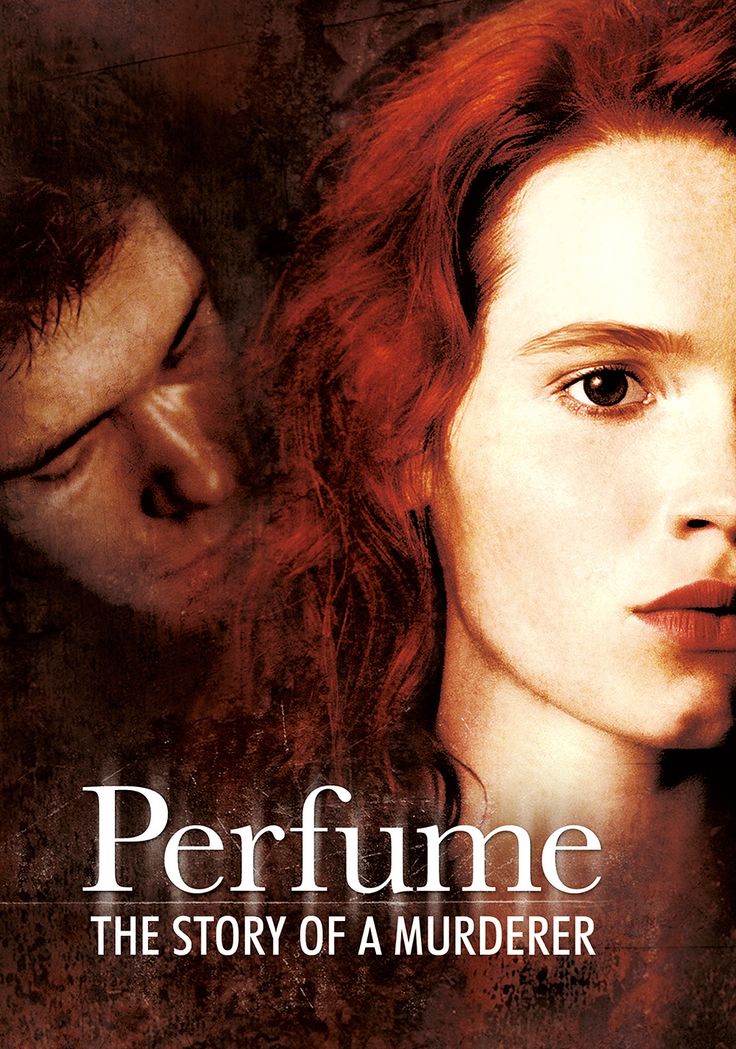
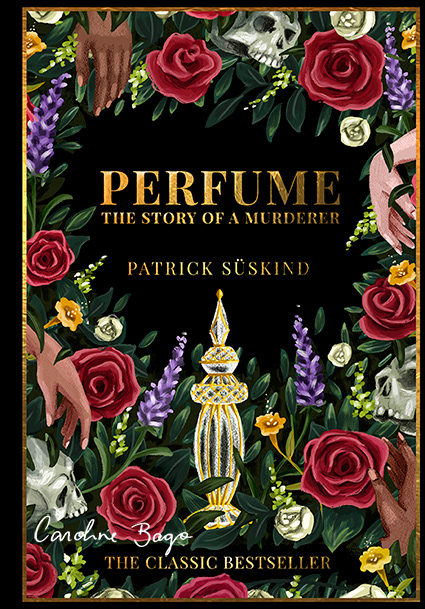
Cover of Perfume: The Story of A Murderer (1985)

Introduction

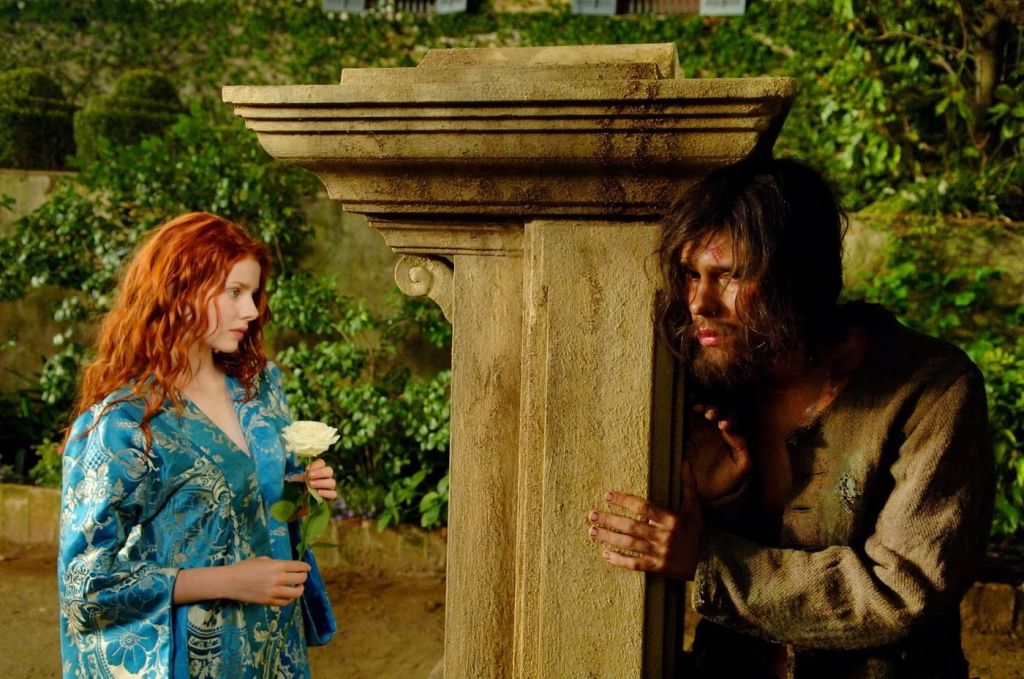
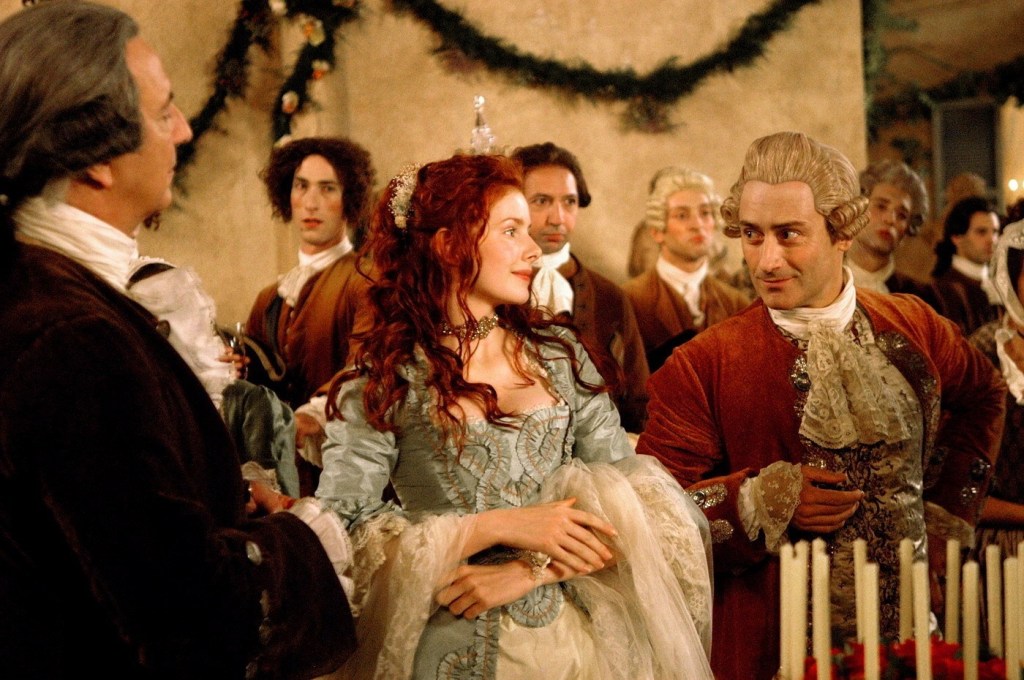
 Perfume: The Story of a Murderer (German: Das Parfum: Die Geschichte eines Mörders ) is a 1985 literary historical  fantasy novel by German writer Patrick Süskind. The novel explores the sense of smell and its relationship with the emotional meanings that scents may have. An acclaimed bestseller and international sensation, Patrick Suskind‘s classic novel provokes a terrifying examination of what happens when one man’s indulgence in his greatest passion – his sense of smell – leads to murder. This novel was later adapted into a famous movie in 2006 with the same name, starring Ben Whishaw, Alan Rickman, Karolina Herfurth and others.

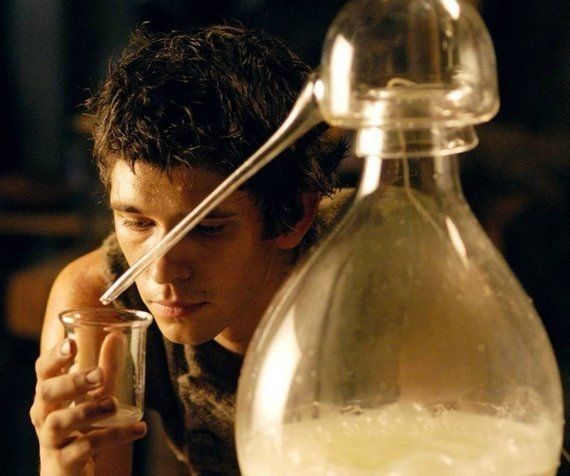
Ben Whishaw as Grenouille in Perfume: The Story of A Murderer (2006)

About The Author

Patrick Süskind ( born 26 March 1949) is a German writer and screenwriter, known best for his novel Perfume: The Story of a Murderer, first published in 1985. Süskind lives as a recluse in Munich, in Seeheim , and in France at Montolieu. After spending the 1970s writing what he has characterized as “short unpublished prose pieces and longer un-produced screenplays”, Patrick Süskind was catapulted to fame in the 1980s by the monodrama Der Kontrabass [The Double Bass, 1981:], which became an instant success and a favourite of the German stage. In 1985 his status as literary wunderkind was confirmed with the publication of the novel Das Parfüm. Die Geschichte eines Mörders [Perfume. The Story of a Murderer], which quickly topped the European best-seller list and eventually sold millions of copies worldwide.The public knows little about him; he has withdrawn from literary society and does not grant interviews or allow himself to be photographed.

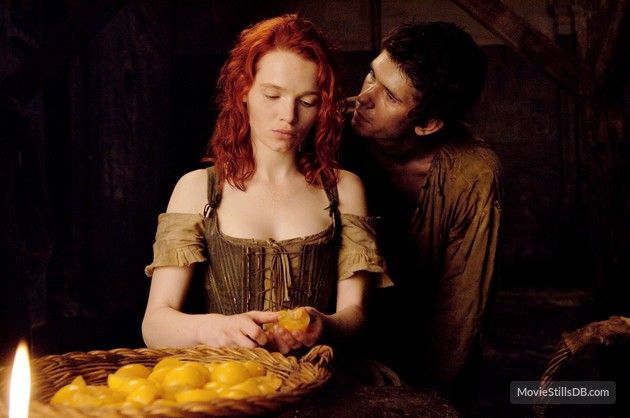
Ben Whishaw as Grenouille and Karolina Herfurth as Girl with Plums in Perfume: The Story of A Murderer (2006)

Storyline of The Novel

The novel is set in Paris in the 1700’s and follows the life of a man named Jean-Baptiste Grenouille who is born with an incredibly strong sense of smell. His nose is so keen that he is able to smell people coming, can locate lost items simply by their scent, and can catalogue smells in his mind. Whilst his sense of smell may be keen, his heart is empty and he seems to be completely unrestrained by everyday emotions. As a young lad, Grenouille encounters the irresistible smell of a young girl entering puberty. He promptly murders her and sniffs every inch of her body to catalogue the unique scent. Believing it is his destiny to bottle such a scent, Grenouille decides to pursue a career as a master perfumer, he works as an apprentice where his unique skills quickly make him the best perfumers in France. The story then follows Grenouille as he becomes a famed perfumer and experiments in scents that allow him to either go unnoticed or incite various emotions among those who smell it. His obsession with scents goes on to reaches a head with extreme consequences for all.

Ben Whishaw as Grenouille in Perfume: The Story of A Murderer (2006)

Analysis of The Storyline

A book about the sense of smell could have been a dull affair, were it not for the excellent way it is written by Suskind. His use of language is beautiful and his descriptions make even some with a dull nose like mine feel like they can smell the essences on the page. It’s not hard to see why this book has become such a modern classic given how excellent Suskind’s prose is. I challenge anyone not to read this and not then start using their nose a little more.

Scene from Perfume:The Story of A Murderer (2006)

The character of Grenouille is both fascinating, sympathetic, and yet also repulsive. In early life he is beat down at every corner and one can’t help but root for the character as he tries to rise above his terrible beginnings. As he becomes more in control of his life, Grenouille quickly becomes insidious and deceptive and there’s something very creepy in the way he is described as living like a tick. Grenouille does indeed live like a parasite, taking whatever he needs from people. As he becomes more unstable, eventually resorting to killing a young virgin, Grenouille turns into a monster, but a compelling one nonetheless. Like Humbert Humbert from Lolita, he’s a character you feel bad for sympathising with, though Grenouille may be a little more redeemable.

Scene from Perfume: The Story of A Murderer (2006)

Criticism of The Storyline

this is in every sense an olfactory novel gives a striking sensory immediacy to the fiction itself. ”Perfume” is a historical novel but one in which the sheer physicality of its theme lends it an honorary present tense. And if Grenouille is the hero of the novel, his obsessions are also its informing presence. Just as he has difficulty with words ”designating non-smelling objects, with abstract ideas and the like,” so the novel itself creates an elemental world in which such abstract matters are only of token significance. The nose is defined here by a priest as ”the primitive organ of smell, the basest of the senses,” with its powers springing from ”the darkest days of paganism”; but it flourishes in Grenouille, even in an age of ”enlightenment,” and the unspoken message of ”Perfume” is that it flourishes still. The point about genuine historical fiction is that it is primarily concerned with the contemporary world. This is not a historical romance, full of ”Prithees!” and strange objects known as poniards, but a meditation on the nature of death, desire and decay.

Scene from Perfume: The Story of A Murderer (2006)

Conclusion

The story of perfume made us really re-evaluate the importance of scents and how certain smells can influence us on a subconscious level. It makes one wonder how much of our everyday lives are dictated by scents without us even realising it. Throughout the book, you get the feeling pressure is mounting and it ends in a finale that sees an orgy of scents come together in one hell of an ending that isn’t likely to leave you any time soon.

Nothing Ventured: The Book Review

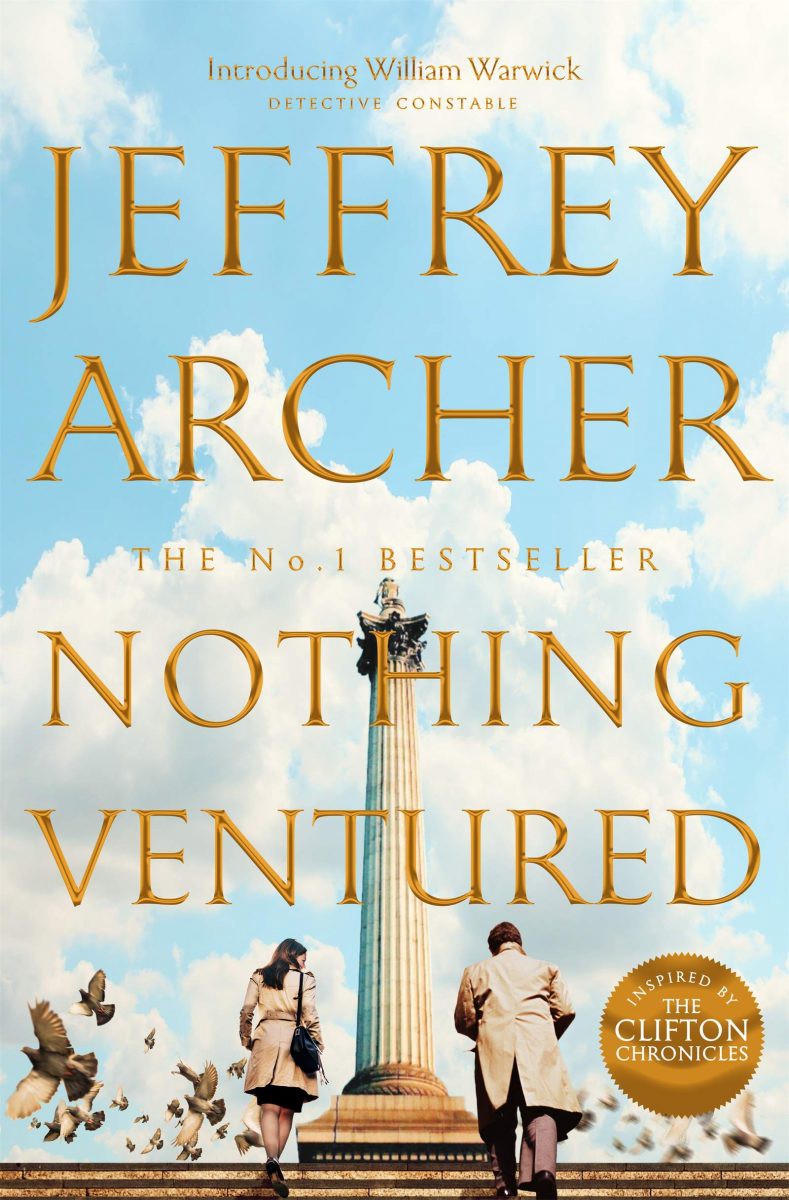
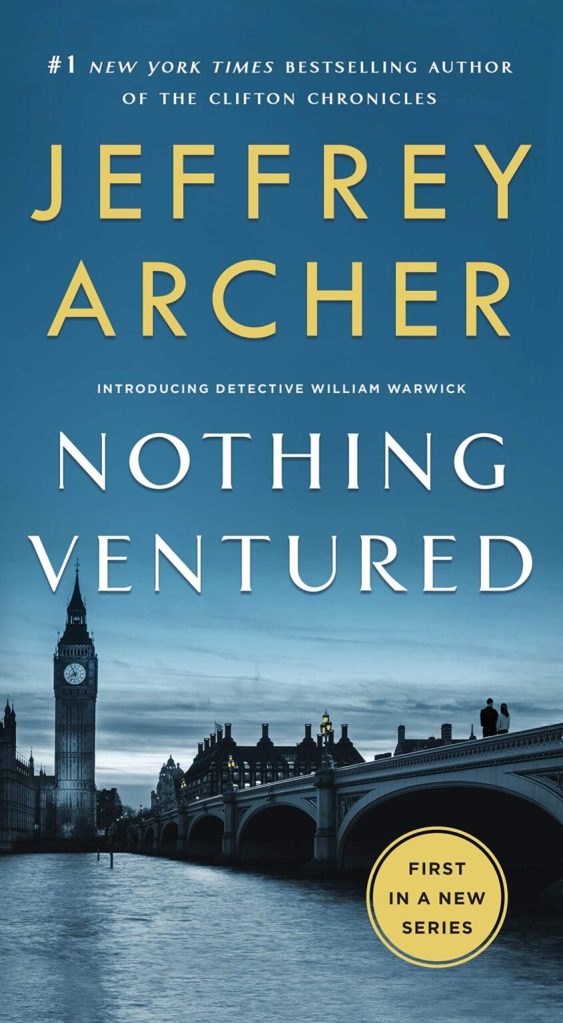
Cover of Jeffrey Archer’s Nothing Ventured (2019)

Introduction

Nothing Ventured heralds the start of a brand-new series in the style of Jeffrey Archer’s New York Times bestselling Clifton Chronicles: introducing Detective William Warwick. But this is not a detective story, this is a story about the making of a detective. The novel was originally published on 3rd September,2019.

About the Author

Jeffrey Howard Archer is an English novelist, life peer and former politician. His work includes novels and short stories such as Kane and Abel & A prisoner of Birth. He is the only author ever to have been a number one bestseller in fiction, short stories, and non-fiction.

Jeffery Archer

Storyline of The Novel

Jeffery Archer starts a new series of books that entails the story of a detective choirboy who fights the city crime against all odds. This new series introduces William Warwick, a family man and a detective who will battle throughout his career against a powerful criminal nemesis. Through twists, triumph and tragedy, this series will show that William Warwick is destined to become one of Jeffrey Archer’s most enduring legacies.

William Warwick has always wanted to be a detective, and decides, much to his father’s dismay, that rather than become a lawyer like his father, Sir Julian Warwick QC, and his sister Grace, he will join London’s Metropolitan Police Force. William Warwick after graduation from Kings’ college reveal to his father, sir Julian Warwick, that he wants to be a copper and has no intention to serve Her Majesty’s court. Under the attentive mentorship of Fred Yates, William begins his life on the beat. After some eighteen months on the beat, William becomes a neophyte detective in Scotland Yard’s Arts and Antiquities squad where one of his cases involves the hunt for a Rembrandt painting stolen some seven years earlier from the Fitzmoleon Museum. His career, both with the Met and with Scotland Yard, will define his life. On his journey to Scotland yard’s William is assigned tasks of Investigating the theft of Rembrandt painting. During his chase of the Rembrandt, he meets the love of his life and the Fitzmolean Museum’s gallery assistant Beth Rainsford. While putting the clues together he comes across a self-styled farmer and suave art collector Miles Faulkner, his friend and lawyer Booth Watson, and Christina (Miles’s wife). Along with the story Christina befriends William and Beth but on whose side is she on, remains a suspense.  

Nothing Ventured (2019)

Analysis of The Storyline

The book starts with William revealing to his father that he’ll not be working in his chambers instead he’s interested in becoming a cop and would like to pursue the same. The author carves the character of William as honest, loyal, and hardworking. We fellow him from his childhood to becoming a successful & ambitions cop. He joins the beat at Scotland yard under the mentorship of Fred Yates who with his oft-repeated pearls of wisdom taught valuable lessons which were far more useful than MET’s handbook. Soon William was assigned to the task of finding a precious/expensive painting on his journey. The book takes you through various twists in the plot which keeps the readers on the edge of their seats. Through the story, each character grows both in their personal and professional lives as well. The end of the book is the lead into its next part “Hidden in Plain Sight”, after a series of twist and turn in the story the Rembrandt finally hangs in Fitzmolean with another prestigious painting named Rubens. The author leaves the reader with a bit of a surprise when the conman Miles invites Constable Warwick to his New York’s apartment “Should you ever find yourself in New York, do give me a call because I would like to invite you round to my apartment to show you the Originals”.

Criticism of The Storyline

Serving as the inaugural book for a new series, “Nothing Ventured” is a genial introduction to William Warwick. With likable characters and some interesting twists in the plot, the narrative keeps the reader’s interest. Throughout the telling of the tale, William grows, both in his career and in his personal life. And then there’s the ending that, while certainly designed to serve as a lead-in to the next book in the series, is sure to leave readers wondering why, given the circumstances, Miles Faulkner would ever voluntarily make such a comment to William. It seems completely out of character for a suave, clever, resourceful man.

Conclusion

The book takes us through the story of a detective, Courtroom, Museum and Conman. The storyline is well rounded with good narratives and less paragraph chunks. Any reader of The Clifton Chronicles will remember Harry Clifton’s work as an author and creator of William Warwick, now Archer has brought Warwick and those books to life by writing them.

Five Feet Apart: The Book Review

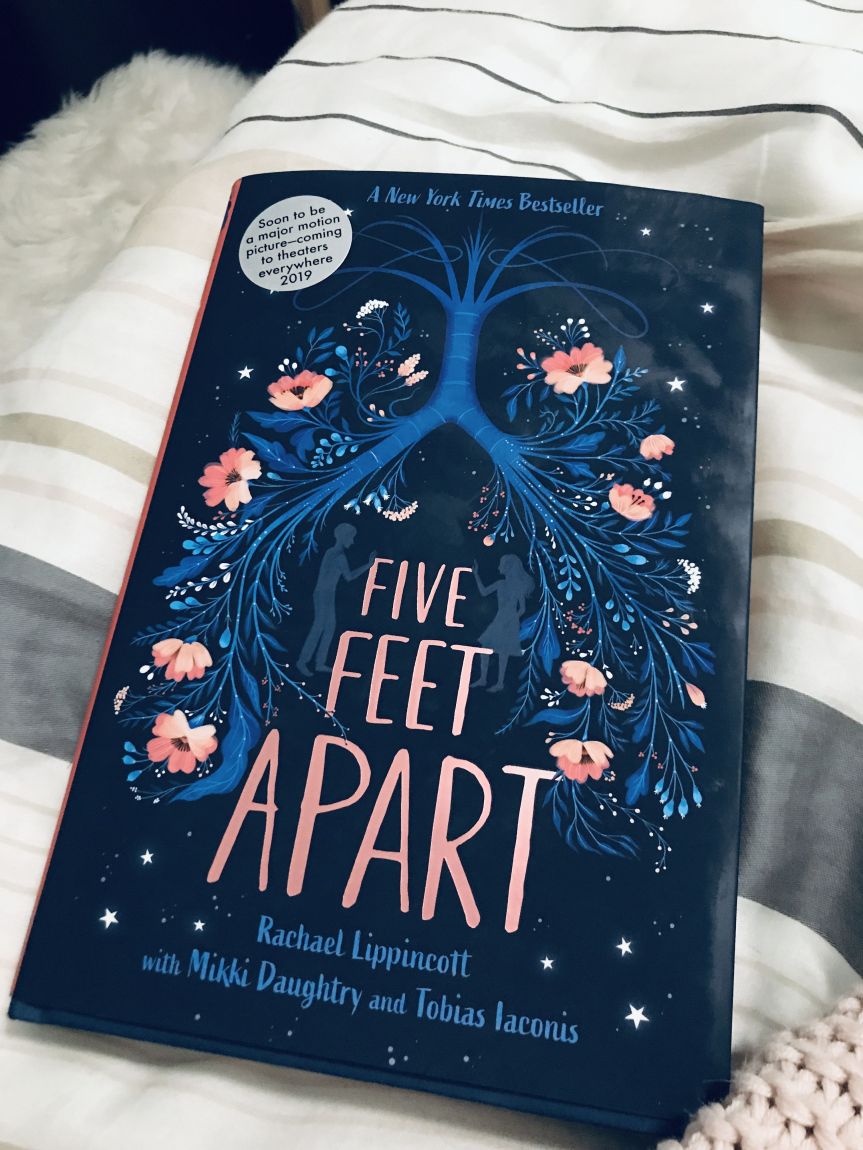
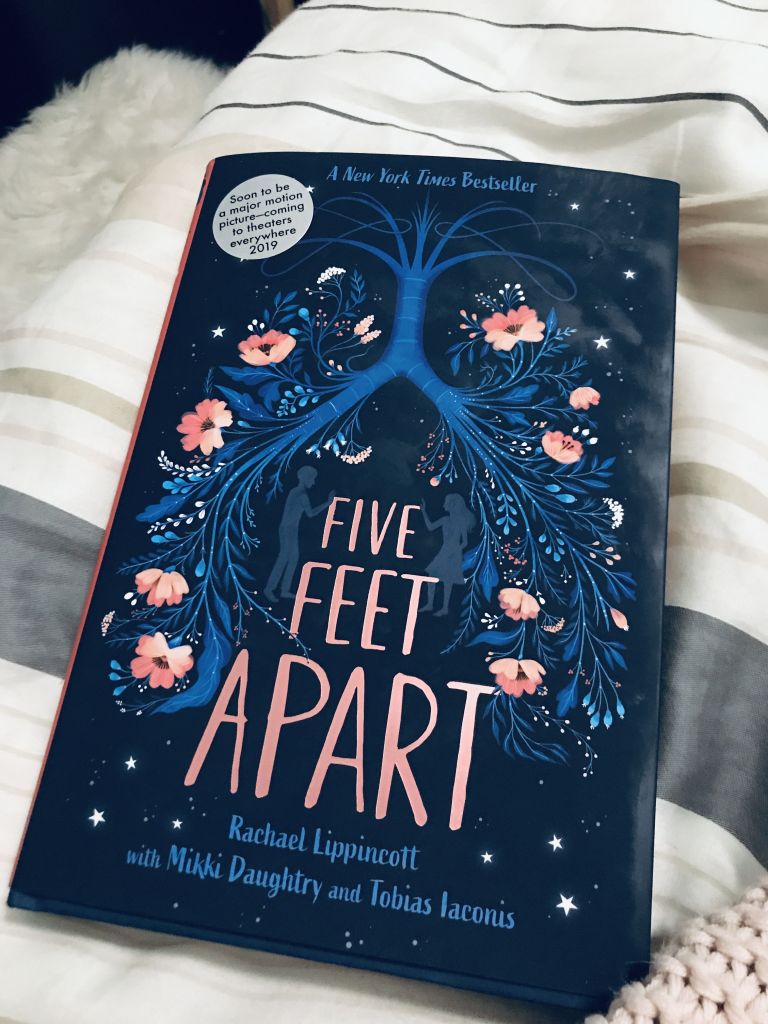
Cover of Five Feet Apart

Introduction

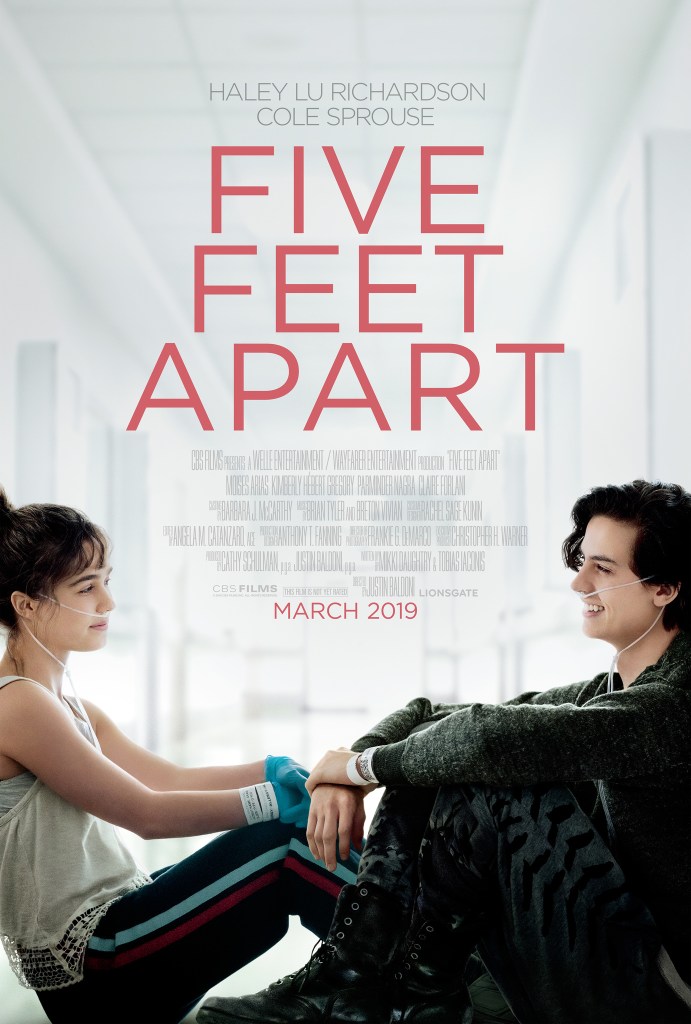
Love can happen to anyone at anywhere, even at a hospital. Five Feet Apart by Rachael Lippincott ( co-authored with Mikki Daughtry and Tobias Iaconis) is such an endearing, engaging and modern-age young adult novel. Talking about the difficulties of life and love while struggling with a inherited chronic disease, is artistically presented in this book. This novel appeals a demand for its readers to think the priorities of a normal life, that often a person with persistent sickness fails to enjoy. The Book Five Feet Apart is adapted into a movie under the same title with Haley Lu Richardson and Cole Sprouse as lead characters.

About The Authors

Rachael Lippincott is the coauthor of All This Time,  New York Times bestseller Five Feet Apart, and She Gets the Girl and the author of The Lucky List. She holds a BA in English writing from the University of Pittsburgh.

Rachael Lippincott

Mikki Daughtry is an American screenwriter and Young Adult Fiction  author. She is best known for writing, along with writing partner Tobias Iaconis, the films The Curse of La Llorona  (2019), Five Feet Apart  (2019) and Nightbooks  (2021).

Mikki Daughtry and Rachael Lippincott

Storyline of The Novel

The story evolves around two teenagers Stella Grant and Will Newman. Stella is a chronically ill teen with Cystic Fibrosis (CF). She’s been in and out of hospitals for lengthy treatments most of her life. A rule-follower and control freak, Stella is careful to take her medications on time and do whatever is needed to maintain her treatment regimen. Only then can she hope for a lungs transplant. She maintains a website through which tens of thousands of viewers follow her journey. Her friend, Poe, who also has CF, is a patient at the same hospital. They communicate frequently, but often via text. Individuals with CF must remain 6 feet apart at all times to avoid sharing life-threatening germs. Will  is a new patient at the hospital. His wealthy mother has arranged for him to participate in clinical trials all over the world. Nothing has helped. Will’s problem is worse than Stella’s and Poe’s. On top of CF, he has a condition called B. cepacia, which will deplete his lung function rapidly. This condition makes him ineligible for a lung transplant and far more dangerous to other CF patients.

Stella and Will meet at the hospital, and almost immediately fall in love with each other. If Stella catches this disease, she will get crossed off the list of people that can get new lungs and start a new life. This makes the relationship between the two very difficult since they must refrain from touching or even approaching each other closer than 6 feet. The more the two fall in love, the more tempting it is for them to break the rules and come closer, hold hands, or even kiss. Poe is a secondary character that is best friends with Stella and provides great support for her. The two have been friends since the age of 6, and are very close emotionally, but haven’t ever been close physically because of CF.

Haley Lu Richardson as Stella Grant and Cole Sprouse as Will Newman in Five Feet Apart movie (2019)

Analysis of The Storyline

Rachael Lippincott delivers an intriguing, emotional, well-plotted and well-written read here with relatable and likeable characters that readers can’t help but to fall in love with. The story is told in alternating perspectives between Stella and Will in a thoroughly enjoyable narrative manner. They complimented each other so well that both of their situations and feelings towards each other ring true.

While there are predictable elements in Five Feet Apart by Rachael Lippincott, as a whole it is tender, emotional and heartfelt. Its easy to root for these characters. The romance may be sudden but given the circumstances, it makes sense and their interactions felt genuine. With heart and humour, Five Feet Apart by Rachael Lippincott is a good read.

Five Feet Apart movie (2019)

Criticism of The Storyline

The book flows very well and is very fast-paced. It is fun to read and is entertaining enough to read in one sitting. The authors used modern and teenage language by incorporating informal conversations ( and sometimes slangs) which adds lucidity to the novel and overall improves the readability. The authors did a good job explaining the disease that the two protagonists have which makes the book easy to understand even to the readers with no prior knowledge of the Cystic Fibrosis disease.

Five Feet Apart is a book that will move you to tears at times. It is heart-felt and gives light to the seriousness of Cystic Fibrosis. The authors included a lot of detail, writing about the daily struggles and tasks that the patients if CF have to go through. Every author tries to write in a way that makes it so the reader can live through the book and Lippincott, Daughtry, and Iaconis do a beautiful job at this. The reader can really feel the emotions of the characters and this is why the book is so gripping. You’re so engrossed in the story that you must know how it ends, with the hope that Stella and Will can conquer anything. This book is touching and definitely worth reading.

Scene from Five Feet Apart movie (2019)

Conclusion

This book is recommended to modern-age readers and fans of YA romance because the book tells you that even if you stand different and have difficulties to deal with in your life and health, you can still find love, even at places it is least expected to be found in general. This book is a definitely good romance novel that takes two people that think that they don’t have anything in common to them falling in love.

To Kill A Mockingbird: The Book Review

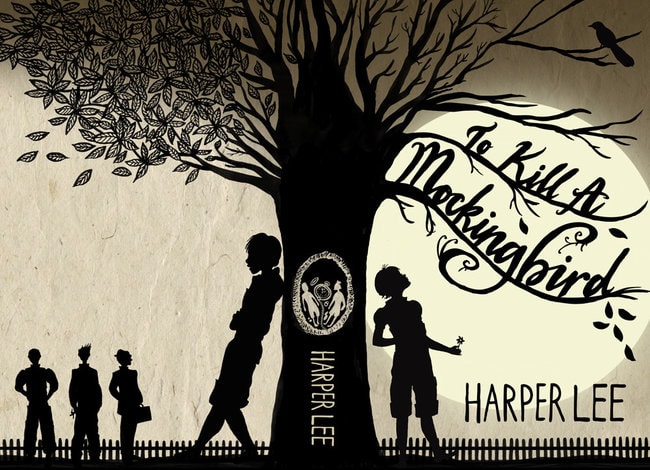
Cover of To Kill A Mockingbird novel (1960)

Introduction

To Kill a Mockingbird is a very popular modern classic by the American author Harper Lee, that narrates a coming-of-age story with a theme of social equality and prejudice. It was published in 1960 and was instantly successful. The unforgettable novel of a childhood in a sleepy Southern town and the crisis of conscience that rocked it. In the United States, it is widely read in high schools and middle schools. To Kill A Mockingbird  has become a classic of modern American Literature, winning the Pulitzer Prize in1961 and was later made into an Academy Award-winning film, also a classic.

About The Author

Nelle Harper Lee (April 28, 1926 – February 19, 2016) was an American novelist best known for her 1960 novel To Kill A Mockingbird. Lee has received numerous accolades and honorary degrees, including the Presidential Medal of Freedom  in 2007 which was awarded for her contribution to literature. She assisted her close friend Truman Capote  in his research for the book In Cold Blood (1966). Capote was the basis for the character Dill Harris in To Kill a Mockingbird.

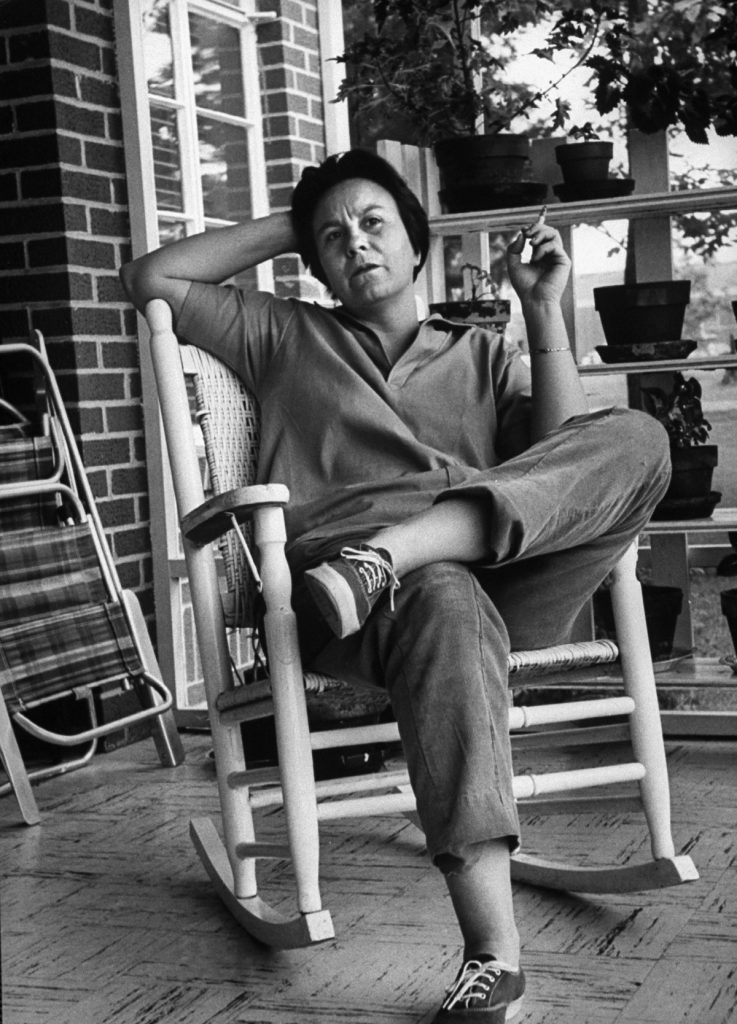
Harper Lee

Storyline of The Novel

The novel follows the story of a black man in the 1930s, convicted for the rape of a white girl. It is written from the perspective of two young children and their confusion at topics like race and the discriminatory ways of adults around them. Despite been written in a child’s perspective, the story does not diminish the meaningful themes of the novel in any way. Even after 80 years of its publication, the book is still popular and highly relates to our society.

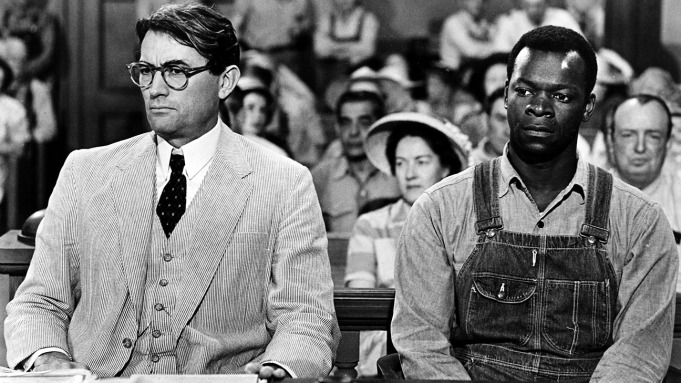
Gregory Peck as Atticus Finch and Brock Peters as Tom Robinson in To Kill A Mockingbird movie(1962)

The story evolves around six-year-old Scout Finch is living in the small town of Maycomb, Alabama during the Great Depression. Raised by Atticus Finch, Scout and her brother, Jem, are very comfortable with Maycomb and understand the well being of their neighbours, except the house of the mysterious Arthur Radley, whom they obsess over. Half the book is basically about Scout, Jem, and Dill (their new friend) trying to lure Arthur Radley out of his house. However, when Atticus, a lawyer, decides to take the case of a black man named Tom Robinson, tensions become high and the trial to see whether Tom Robinson is guilty or innocent based on his crime and, especially, his skin colour is at stake. 

Analysis of The Storyline

To Kill a Mockingbird focuses on that gut instinct of right and wrong, and distinguishes it from just following the law. Even the titular quote: “Shoot all the blue jays you want, if you can hit ’em, but remember it’s a sin to kill a mockingbird” is in itself an allegory for this message. Being in itself a generic message, the idea of ‘doing what’s right’ obviously has a different meaning depending on when and where you’re reading the book. If you take 1960, when the book was written, America was in a state of ethical development as social inequality was – very – gradually being overcome. Women’s rights and black rights movements were beginning to emerge and some campaigned through violence. Would Atticus Finch condone this?

In the 1930s, when the book was set, America was in the midst of the Great Depression. This was a time when economic difficulties meant that the American Dream was receding further and further away. We could consider that Atticus Finch felt that his own dream of an equal, morally decent society was also heading in the wrong direction.

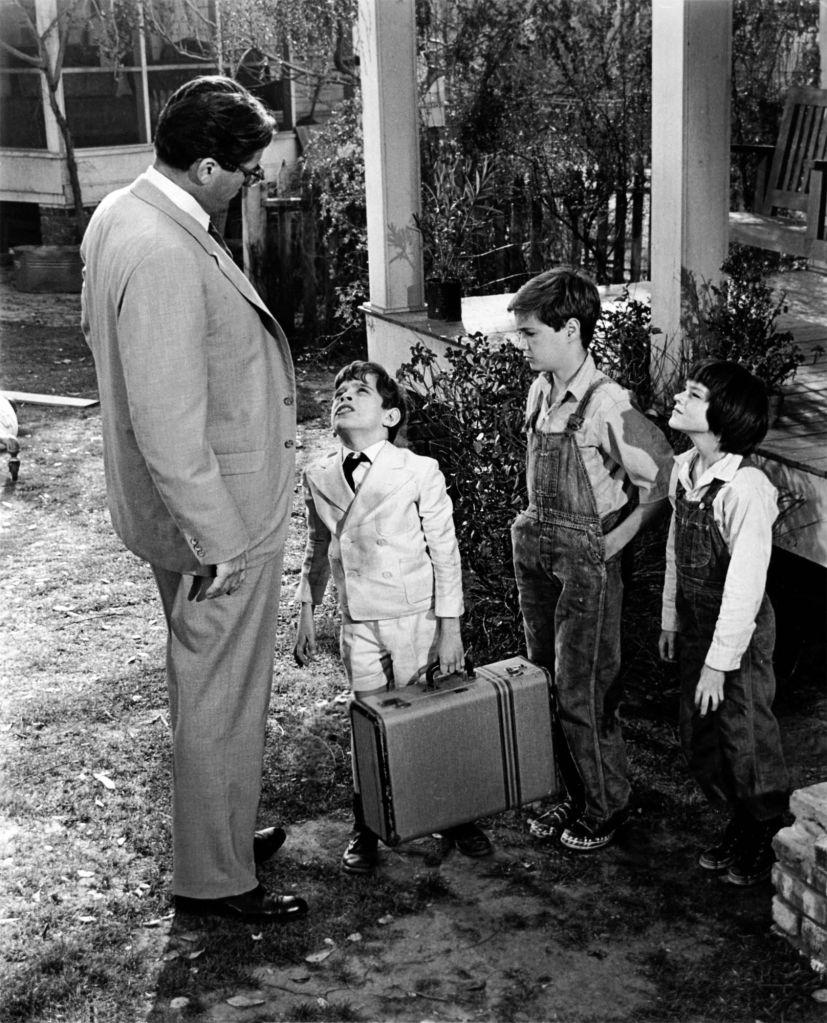
Scene from To Kill A Mockingbird movie (1962)

Criticism and Relevance of The Storyline

This 1960 novel is ahead of its time; carrying a message that is still needed by today’s world, Harper Lee’s debut novel is regarded as one of the best contemporary classics. Prejudice against the black community is the main theme of this novel. The lives of the main character revolve around this. Standing up for what’s right, defending the weak, swimming against the current; all these righteous acts comes at a huge price, sometimes even risking the lives and dignity of our loved ones. The novel gives us a strong message to the readers. It so skilfully presents the vulnerability of a minority community and how they fall prey to prejudice. The author very skilfully brings forth the sub of racism, that too very tenderly through characters who peacefully struggle against this evil. Harper Lee shows us that in every society, there are some people who would stay firmly at the side of justice, though they may face severe consequences.

scene from To Kill A Mockingbird movie (1962)

Conclusion

Without denying the constancy of the moral message, and the pure ingenuity of the book, it’s still open to debate whether, as with all classics, schoolchildren should be forced to read the novel and go over it page-by-page. Therefore everyone who reads it can take something out of it which no one has before. Let it not be forgotten that a true piece of literature, like To Kill a Mockingbird, is meaningful in every period and that today, Atticus Finch’s message should be heard in the midst of all the global conflicts that we hear of on the news every day and night.