Thumb Sucking in Children: When to Worry and How to Help

Daily writing prompt
What’s the oldest things you’re wearing today?

Thumb sucking is a common behavior in young children, often starting as early as infancy. For many kids, thumb sucking provides a sense of comfort and security, helping them self-soothe during moments of stress or tiredness. While it’s generally a harmless habit in the early years, it can become a cause for concern if it continues well into later childhood. Understanding when to worry about thumb sucking and how to help your child break the habit is crucial for their overall well-being.

Photo by Lyudmila Logvinenko on Pexels.com

Why Do Children Suck Their Thumbs?

Thumb sucking is often a natural reflex in infants, starting even before birth. Many babies suck their thumbs while in the womb as a form of self-soothing. Once born, thumb sucking can continue as a way for babies and young children to comfort themselves when feeling upset, tired, or bored. For some children, thumb sucking may also serve as a self-soothing mechanism during sleep, providing them with a sense of security as they drift off.

While most children stop sucking their thumb on their own as they grow older and become more independent, some may continue the habit into their toddler and preschool years.

When Does Thumb Sucking Become a Concern?

For the majority of children, thumb sucking is a temporary phase that will naturally fade as they grow. However, for some children, thumb sucking persists longer than usual and can start to cause problems. Here are some signs that thumb sucking may be something to worry about:

1. Dental Problems

Thumb sucking can affect the development of your child’s teeth and mouth, especially if the habit continues after the age of 4 or 5. Prolonged thumb sucking can lead to dental issues, such as:

  • Misalignment of Teeth: Thumb sucking can cause the upper front teeth to protrude or become misaligned. This is particularly true if the thumb is pressed forcefully into the mouth over a prolonged period.
  • Bite Issues: A child who continues to suck their thumb may develop what is known as an “open bite” where their upper and lower teeth don’t meet properly when their mouth is closed. This can make it difficult for the child to chew and speak clearly.
  • Changes in the Roof of the Mouth: Prolonged thumb sucking can alter the shape of the roof of the mouth, causing it to become more narrow.

2. Speech Delays

If thumb sucking continues for a long time, it can affect the development of your child’s speech. The habit can interfere with normal tongue placement and lead to speech issues such as lisps or difficulty pronouncing certain sounds. If you notice any signs of speech delay or changes in the way your child is speaking, it might be worth considering the effects of thumb sucking.

3. Social Concerns

As children get older, they may begin to feel self-conscious about thumb sucking, especially if it continues past the age of 4 or 5. At this point, children may be exposed to peer pressure or may feel embarrassed about the habit. In some cases, thumb sucking can also cause teasing or bullying from other children, which can affect their self-esteem and social development.

How to Help Your Child Stop Thumb Sucking

If thumb sucking is causing concerns, it’s essential to approach the situation with patience and understanding. Here are some strategies that can help your child break the habit:

1. Positive Reinforcement

Encouraging your child with positive reinforcement is one of the most effective ways to help them stop sucking their thumb. Offer praise when your child goes a day without thumb sucking, or use a reward system such as a sticker chart. Avoid punishment or negative reinforcement, as this can create stress and may make the problem worse.

2. Gentle Reminders

Sometimes, children suck their thumb out of habit or without realizing it. Offering gentle reminders when you notice your child sucking their thumb can help them become more aware of the behavior. You might say something like, “Remember, no thumb sucking,” in a calm and non-critical tone. Over time, your child will begin to associate the reminder with the behavior.

3. Provide Alternatives for Comfort

If your child sucks their thumb to self-soothe, offering alternative comfort objects such as a soft blanket or a stuffed animal can help. Teaching your child relaxation techniques like deep breathing or listening to calming music may also reduce the need for thumb sucking during stressful situations.

4. Create a Comfortable Sleep Routine

Thumb sucking often occurs during sleep or naptime. Establishing a comforting bedtime routine can help your child feel secure without the need for thumb sucking. This might include reading a favorite bedtime story, listening to calming music, or having a special nightlight in their room.

5. Use a Thumb-Sucking Guard

In cases where the habit persists, a thumb-sucking guard or mitt can be a helpful tool. These devices are designed to make thumb sucking uncomfortable or difficult, encouraging your child to stop. However, it’s important to approach this method carefully, as it may cause frustration in some children. Always make sure to use positive reinforcement alongside this technique.

6. Consult a Pediatric Dentist

If your child’s thumb sucking has led to dental problems or is causing concern, it’s a good idea to consult a pediatric dentist in Oregon City. They can assess the impact of the habit on your child’s teeth and offer professional advice on how to address the issue. In some cases, a dentist might recommend a dental appliance to help prevent thumb sucking.

In Conclusion

Thumb sucking is a common and natural behavior for many young children, but when it persists beyond the typical age range, it can lead to dental, speech, and social concerns. The key to addressing thumb sucking is understanding when it becomes a problem and taking a gentle, supportive approach to help your child break the habit. With the right strategies, patience, and positive reinforcement, you can help your child move past thumb sucking and support their healthy development. If necessary, always consult a pediatric dentist or pediatrician for additional guidance.

Finding the Best Healthcare Staffing Solutions for Travel Nurses

Daily writing prompt
Describe a decision you made in the past that helped you learn or grow.

Are you a travel nurse looking for the right job?

Finding the best healthcare staffing solution can make your work life easier. The right agency helps you get good pay, steady work, and support on the road. With so many options, it’s important to choose the one that fits your needs.

Keep reading to learn how to find the best staffing solutions for travel nurses.

Best Travel Nurse Agencies

Finding the right agency can make travel nursing easier. Good agencies offer fast placement and strong support. They help with housing, licenses, and paperwork. Some even give bonuses and extra benefits. Pay is often higher with trusted staffing solutions.

Nurses can choose where and when they want to work. Agencies connect nurses with top hospitals and clinics. To get started, just browse openings and apply. It’s a simple way to begin your travel nurse journey.

Quick Job Placement

Travel nurses need fast options. Waiting too long can cause stress. Good agencies act fast. They match nurses with jobs in days. Some jobs even start within a week. This helps nurses stay on track. There’s no need to wait for months. Agencies know which hospitals need help now.

They take care of all the details. That includes contracts, housing, and travel. Nurses just need to say yes. You can browse anytime. It’s simple and doesn’t take long. Fast placement makes travel nursing easier.

Top Pay Opportunities

Travel nurses can find high-paying jobs through top staffing agencies. These agencies offer better pay for urgent needs. Nurses with special skills often earn more. Agencies may also give bonuses for tough assignments. Overtime pay can increase earnings.

Some jobs offer extra benefits like free housing and travel. With the right agency, nurses can find jobs that pay well. This makes travel nursing a great option for earning more.

Reliable Staffing Help

The best staffing solutions offer clear communication and support. Nurses need an agency that understands their needs and offers flexibility. Competitive pay and benefits are important when choosing a staffing agency. A good agency will provide assistance with housing and travel arrangements.

They should also offer a variety of assignments to match nurses’ skills. Nurses can benefit from agencies that offer 24/7 support during assignments. Trusted agencies build long-term relationships with healthcare facilities. These connections ensure travel nurses are always in demand.

Supportive Recruiter Teams

Supportive recruiter teams play a key role in matching travel nurses with the right job opportunities. They listen carefully to nurses’ needs and preferences. Good recruiters provide clear communication throughout the hiring process. They help nurses navigate paperwork, housing, and licensing.

Supportive teams are available when questions or issues arise. Their goal is to build trust and long-term relationships. With the right recruiter team, travel nurses can focus more on patient care and less on job logistics.

Learn More About the Best Healthcare Staffing Solutions

Travel nursing can be a great way to grow your career and see new places. With the right agency, you get better pay, faster job placement, and full support.

Whether you want steady work or a new adventure, a trusted staffing team can help. Take the next step and find the agency that fits your goals. Your perfect travel nurse job is waiting.

Looking for more tips and ideas? We’ve got you covered. Check out some of our other posts now.

Strengthening Inclusive Education: Block Resource Centres under Samagra Shiksha provides Essential Therapy Services for Children with Autism Spectrum Disorder

Daily writing prompt
What Olympic sports do you enjoy watching the most?

On the occasion of World Autism Awareness Day (April 2, 2025), the Ministry of Education, Government of India reaffirms its commitment to inclusive education by strengthening support systems for children with autism spectrum disorder in schools.

Through Block Resource Centres (BRCs), the government is ensuring that children with autism spectrum disorder (ASD) receive essential therapy services, specialized interventions, and learning support to help them reach their full potential.

Supported under the centrally sponsored scheme- Samagra Shiksha, the BRCs serve as dedicated resource centers, offering essential therapy-based interventions to support the physical, cognitive, and communicative needs of CwSN.

These include:

  • Occupational Therapy: Helps children develop fine motor skills, hand-eye coordination, and independence in daily activities.
  • Physiotherapy: Supports children with mobility challenges, improving posture, muscle strength, and physical coordination.
  • Speech and Communication Therapy: Supports children with delayed speech, difficulty in communication, or social interaction challenges, especially beneficial for children with autism.
  • Psychological & Behavioural Support: Provides emotional and behavioural counselling to enhance confidence, social interaction, and well-being.

BRCs are staffed with trained resource persons, special educators, and therapists who work closely with parents, teachers, and caregivers to create personalized intervention plans for children.

These centres also organize regular screening camps, parent counselling sessions, orientation/teacher training programs, assistive devices, appropriate Teaching-Learning Material (TLM), and aids & appliances etc. to ensure a holistic approach to inclusive education.

As envisioned in the National Education Policy (NEP) 2020, the government is continuously strengthening these inclusive learning environments by integrating therapy services with classroom learning and ensuring accessible infrastructure, assistive devices, and digital learning solutions for CwSN across the country.

State and district education authorities are encouraged to maximize the utilization of Resource Centres and also collaborate with local health and social welfare departments to further expand support for children with diverse needs.

On this World Autism Awareness Day, the Ministry appeals to schools, educators, and parents to optimally utilise the services of BRCs for CwSN and also work together to promote awareness, acceptance, and meaningful inclusion of children with autism spectrum disorder.

******

Work-Life Balance – Why It Is Essential to Maintain Harmony in Job and Personal Life

written by PRIYA ACHARYA

In today’s fast-paced world, maintaining a balance between professional responsibilities and personal life is crucial. With increasing work demands, people often find themselves overburdened, leading to stress, fatigue, and a decline in overall well-being. Achieving a healthy work-life balance is not just beneficial but essential for long-term success and happiness.

The Importance of Work-Life Balance

Improves Mental and Physical HealthExcessive workload can result in anxiety, depression, and other mental health issues. Additionally, a sedentary lifestyle and irregular eating habits can lead to physical health problems. Striking a balance allows individuals to focus on their well-being, ensuring a healthier lifestyle.

Enhances Productivity and EfficiencyOverworking does not necessarily lead to higher productivity. In fact, employees who maintain a work-life balance tend to be more efficient and focused, leading to better performance and job satisfaction.

Strengthens RelationshipsSpending quality time with family and friends is essential for emotional well-being. Neglecting personal relationships for work can lead to loneliness and dissatisfaction. A balanced approach allows individuals to nurture meaningful connections.

Reduces Burnout and StressConstantly working without breaks can lead to burnout, reducing overall enthusiasm and creativity. Taking time off helps in rejuvenation, ensuring sustained motivation and innovation.

Tips to Maintain Work-Life Balance

Set Clear BoundariesAvoid taking work home and establish a clear separation between professional and personal life. Define working hours and stick to them as much as possible.

Prioritize Tasks and Manage Time WiselyOrganizing tasks based on urgency and importance can help in effective time management. Utilizing productivity tools can also enhance efficiency.

Take Breaks and Practice Self-CareShort breaks during work hours improve concentration and prevent exhaustion. Engaging in activities like exercise, meditation, or hobbies can also contribute to overall well-being.

Learn to Say NoTaking on excessive workload can be overwhelming. It is important to set limits and decline tasks that are beyond one’s capacity.

Utilize Flexible Work OptionsMany companies now offer remote work and flexible schedules. Taking advantage of such options can help in better time management and reduce commuting stress.

Conclusion

A healthy work-life balance is essential for a fulfilling life. By prioritizing well-being, setting boundaries, and managing time efficiently, individuals can enjoy both their professional and personal lives. Employers and employees must work together to create an environment that fosters productivity without compromising on personal happiness. Ultimately, a balanced life leads to greater success and satisfaction in both career and relationships.

Written by Priya Acharya

Navigating the Science Behind Herbal Remedies: Kratom and Its Uses

Daily writing prompt
Share one of the best gifts you’ve ever received.

In recent years, herbal remedies have gained widespread attention for their potential health benefits. Kratom, a tree native to Southeast Asia, has become a popular alternative in this category. Known for its stimulant-like and pain-relieving properties, Kratom has raised both interest and concern.

But, how exactly does Kratom work in the body? Can it offer real health benefits, or is it just a passing trend? In this blog, we will explore the science behind Kratom, its uses, and its potential effects on health.

What Is Kratom?

Kratom is a tropical tree found in Southeast Asia. It belongs to the coffee family and is used for its leaves. These leaves contain compounds that can have effects on the brain. People often consume Kratom in powder or capsule form.

The main compounds in Kratom are called alkaloids. Two important alkaloids are mitragynine and 7-hydroxymitragynine. These compounds interact with receptors in the brain. This interaction can help with pain, mood, and energy.

How Does Kratom Work in the Body?

Kratom affects the body by binding to opioid receptors. It can create effects similar to those of opioids but is not an opioid. When consumed, Kratom may produce mild pain relief and energy boosts.

Depending on the dose, Kratom can have either stimulant or sedative effects. At low doses, Kratom can increase alertness and focus. At higher doses, it may cause relaxation and pain relief. Kratom’s potential effects make it an appealing alternative for many people.

Health Benefits of Kratom

Kratom has several reported health benefits. Some people use it for pain relief. Others claim it helps reduce anxiety and depression. Kratom may also provide an energy boost, helping with daily tasks. There is evidence that Kratom can improve mood and boost motivation.

While these benefits are reported by users, more research is needed. Some people also combine Kratom with other herbal remedies like kava. A kratom + kava shot is sometimes used for a more balanced effect.

Risks and Side Effects of Kratom

Despite its benefits, Kratom also comes with risks. Some people experience nausea, dizziness, or constipation when using it. In higher doses, Kratom can lead to sedation and confusion.

Additionally, Kratom’s long-term effects are not fully understood. There have been reports of dependence and withdrawal symptoms. It is crucial to be cautious when using Kratom, especially in high doses. Always consult a healthcare provider before adding Kratom to your routine.

Is Kratom Safe to Use?

Kratom’s safety remains a topic of debate. While some users report positive experiences, others may face health issues. Its use can lead to side effects, particularly when not used correctly.

Kratom’s potential for addiction also raises concerns. Currently, the FDA does not regulate Kratom, which makes safety a concern. Some regions have banned Kratom due to safety worries. It is important to stay informed and cautious about Kratom use.

Understand Kratom and Its Uses

Kratom is an herbal remedy that shows both promise and risk. Its ability to offer pain relief and energy makes it appealing to many people. However, its safety is still uncertain, and more research is needed.

Using Kratom responsibly and understanding its potential effects is important. Before starting Kratom, consult with a healthcare provider to ensure it’s right for you.

Always remember to explore other articles on the blog for more insights on various topics!

Socio-Cultural Factors and Attitudes Affecting the Health Status of Rural Communities

Daily writing prompt
What could you do differently?

By Eduindex News

Socio-Cultural Factors and Attitudes Affecting the Health Status of Rural Communities

Health is a multidimensional concept influenced by biological, environmental, and socio-cultural factors. Among rural communities, socio-cultural factors and attitudes often play a crucial role in determining health outcomes. These factors are deeply embedded in the social fabric and cultural norms of rural societies, influencing health behaviors, access to healthcare, and overall well-being. Understanding these influences is critical for designing effective health interventions and policies tailored to rural populations.


1. Socio-Cultural Factors Influencing Health

1.1 Traditional Beliefs and Practices

Many rural communities rely on traditional health practices and remedies passed down through generations. While some of these practices may be beneficial, others can hinder timely medical intervention. For instance:

  • Faith in Folk Healers: Many rural residents consult local healers or shamans before seeking formal medical care, delaying diagnosis and treatment.
  • Herbal Remedies: Although some herbal remedies are effective, unregulated use can lead to complications or interfere with prescribed treatments.

1.2 Gender Norms and Roles

Gender dynamics significantly affect health outcomes in rural areas:

  • Maternal Health Neglect: Women’s health, particularly during pregnancy and childbirth, is often deprioritized due to traditional gender roles.
  • Limited Autonomy: In patriarchal rural settings, women may lack the authority to seek healthcare independently, exacerbating health issues.
  • Preference for Male Children: This can lead to neglect of the nutritional and healthcare needs of female children, affecting their long-term health.

1.3 Literacy and Education

Low literacy rates and lack of health education are major barriers to improving rural health:

  • Limited Awareness: Poor understanding of hygiene, nutrition, and disease prevention leads to high incidences of preventable illnesses.
  • Misinformation: Superstitions and myths about diseases like tuberculosis or HIV/AIDS further stigmatize affected individuals and impede treatment.

1.4 Social Hierarchies and Caste

Caste-based discrimination and social hierarchies can restrict access to healthcare for marginalized groups:

  • Healthcare Disparities: Lower-caste individuals may face discrimination at healthcare facilities or hesitate to seek care due to perceived inferiority.
  • Social Exclusion: Fear of ostracism often discourages marginalized communities from addressing sensitive health issues.

2. Attitudes Toward Health and Healthcare

2.1 Perceptions of Illness

Cultural perceptions of illness influence how rural communities respond to health problems:

  • Fatalistic Attitudes: Many believe illnesses are a result of fate, divine punishment, or witchcraft, leading to resignation and inaction.
  • Stigma: Diseases like leprosy, mental illness, and sexually transmitted infections are often stigmatized, preventing individuals from seeking treatment.

2.2 Preference for Traditional Over Modern Medicine

Resistance to modern medicine is prevalent due to:

  • Mistrust of Modern Healthcare: Skepticism toward doctors and hospitals arises from lack of familiarity, previous negative experiences, or perceived high costs.
  • Accessibility Issues: Long distances to healthcare facilities and inadequate transportation reinforce dependence on local remedies.

2.3 Attitudes Toward Preventive Care

Preventive healthcare is often undervalued in rural communities:

  • Low Vaccination Rates: Misinformation and fear of side effects reduce vaccine uptake.
  • Neglect of Routine Checkups: Seeking healthcare is often reserved for emergencies, neglecting preventive measures like regular screenings.

3. Structural Challenges and Their Socio-Cultural Impact

3.1 Limited Healthcare Infrastructure

Inadequate healthcare facilities and professionals in rural areas amplify the socio-cultural barriers to health:

  • Scarcity of Female Healthcare Workers: Cultural norms may prevent women from consulting male doctors, reducing access to maternal and reproductive healthcare.
  • Overburdened Systems: Overcrowded and understaffed facilities lead to long wait times, further discouraging rural residents from seeking care.

3.2 Poverty and Economic Constraints

Economic hardship intensifies socio-cultural barriers:

  • Healthcare Costs: The high cost of modern medical treatments often drives rural residents toward cheaper, traditional alternatives.
  • Opportunity Costs: Rural families may prioritize daily wage labor over addressing health issues, leading to delayed care.

3.3 Government and NGO Interventions

While initiatives like mobile health clinics and telemedicine aim to bridge gaps, their effectiveness is often limited by:

  • Cultural Mismatch: Programs not tailored to local beliefs and practices face resistance.
  • Lack of Community Involvement: Exclusion of local leaders and influencers from planning processes reduces program acceptance.

4. Strategies to Improve Rural Health Outcomes

4.1 Promoting Health Education

  • Awareness Campaigns: Using local languages and traditional media to disseminate health information can improve understanding and acceptance.
  • School-Based Programs: Introducing health education in rural schools ensures early exposure to preventive healthcare practices.

4.2 Culturally Sensitive Interventions

  • Engaging Local Leaders: Collaboration with community elders and religious leaders can build trust and ensure program success.
  • Integrating Traditional and Modern Medicine: Recognizing the value of certain traditional practices while promoting evidence-based modern treatments can foster acceptance.

4.3 Empowering Women

  • Self-Help Groups: Encouraging women’s groups to discuss health issues and pool resources for medical care can enhance access and awareness.
  • Training Female Healthcare Workers: Employing and training women from local communities to provide healthcare can overcome gender-related barriers.

4.4 Strengthening Healthcare Infrastructure

  • Decentralized Services: Establishing more primary health centers and mobile clinics can improve accessibility.
  • Subsidized Healthcare: Government subsidies for healthcare services and medicines can alleviate financial barriers.

Conclusion

The health status of rural communities is intricately linked to socio-cultural factors and attitudes that influence healthcare behaviors and access. Addressing these challenges requires a holistic approach that combines culturally sensitive health interventions, robust infrastructure, and community empowerment. Policymakers, healthcare providers, and NGOs must work collaboratively to bridge the gap between traditional beliefs and modern healthcare, ensuring equitable and effective health services for rural populations. Only through such inclusive efforts can we hope to achieve sustainable improvements in rural health outcomes.

References

Abdullah, M. A. (1993). Traditional practices and other socio-cultural factors affecting the health of children in Saudi Arabia. Annals of tropical paediatrics13(3), 227-232.

Amadi, L., Wordu, S., & Ogbanga, M. (2015). Sustainable Development in Crisis? A Post Development Perspective. Journal of Sustainable Development in Africa17(1), 140-163.

Chelogoi, D. N., Jonyo, F. O., & Amadi, H. (2020). The influence of socio-cultural factors in access to healthcare in Kenya: A case of Nairobi County, Kenya. Journal of Social and Political Sciences3(3).

Ogbanga, M. M. (2024). Oil, Gender and Unemployment: Social Issues in the Niger. Eduindex.

Riemenschneider, H., Balázs, P., Balogh, E., Bartels, A., Bergmann, A., Cseh, K., … & Voigt, K. (2016). Do socio-cultural factors influence medical students’ health status and health-promoting behaviors? A cross-sectional multicenter study in Germany and Hungary. BMC Public Health16, 1-10.

Uzobo, E., Ogbanga, M. M., & Jackson, J. T. C. B. (2014). Socio-cultural factors and attitudes affecting the health status of rural communities: a study of Danmusa, Katsina State, Nigeria. Int J Sci Res3(3), 837-844.

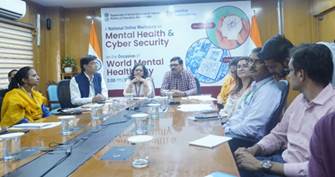
Workshop on Mental Health & Cyber Security on World Mental Health Day

The Department of School Education and Literacy (DoSEL), Ministry of Education, organized a national online workshop on Mental Health and Cyber Security for the engagement of youth on World Mental Health Day today. The workshop had two sessions on mental health by Dr. Rajesh Sagar, Professor (MD), Psychiatry Department at AIIMS Delhi and on cyber security by and Dr. Rashmi Sharma Yadav, DCP, Indian Cybercrime Coordination Centre, MHA. The workshop was broadcast live on YouTube, reaching over 20 lakh students and educators nationwide.

Shri Vipin Kumar, Additional Secretary, DoSEL, highlighted the importance of mental well-being and safe utilization of the internet among students. He emphasized the necessity of early intervention to mitigate the potential adverse effects of mental health challenges in today’s digital age.

Smt. Archana Sharma Awasthi, Joint Secretary, DoSEL, reinforced the commitment of the National Education Policy 2020 to prioritize student well-being. She highlighted the significance of mental health for both students and educators and exhorted everybody to attentively listen and follow the advice given by the experts to maintain good mental health and prevent themselves from being victims of cybercrime.

Dr. Rajesh Sagar provided valuable insights into prevalent mental health issues such as stress, anxiety, and depression. He emphasized that nearly 50% of mental health disorders emerge before the age of 14, advocating for early intervention. Dr. Sagar identified common stressors including academic pressure, parental conflicts, and bullying, and shared effective coping strategies, such as deep breathing and cognitive restructuring, to foster a happier childhood.

In her presentation, Dr. Rashmi Sharma Yadav highlighted the importance of cyber hygiene and security for children. She outlined preventive measures against cyberbullying, grooming, and fraudulent online gaming applications. She encouraged students to report cyber fraud through the helpline 1930 and @cyberdost, stressing the importance of responsible internet use, parental awareness, and safeguarding personal information. Both experts suggested that students should share any issues arising with their elders like parents and teachers.

The workshop engaged students from classes VI to XII from Navodaya Vidyalaya Samiti, Kendriya Vidyalaya Sangathan, Kasturba Gandhi Balika Vidyalayas, CBSE and state government schools across the country and was simultaneously presented in sign language, ensuring accessibility for all participants. The initiative received widespread appreciation from attendees, reflecting a collective commitment to fostering a safer and healthier educational environment.

*****

Creative and Artistic Activities for Seniors: Keeping the Mind Sharp

Daily writing prompt
What book are you reading right now?

Have you ever wondered how to keep your mind sharp as you age?

Engaging in creative and artistic activities can be a powerful way to stay mentally active, improve mood, and bring joy to daily life. Whether it’s painting, writing, or even gardening, these activities not only spark creativity but also help you stay connected to the world around you.

cognitive health with memory care in Kansas City

In this article, we’ll explore fun and simple ways for seniors to keep their minds vibrant and healthy through creative and artistic pursuits.

Painting or Drawing

Painting and drawing are great ways for seniors to express their creativity. They can use different mediums like pencils, charcoal, or paints to create art. These brain boosting art activities help improve focus and fine motor skills as they work on details and shading.

Starting with simple sketches or watercolors is a good option for beginners. More experienced artists may enjoy trying oils or acrylic paints. Creating art can be a relaxing activity that gives seniors a sense of accomplishment.

Crafting

Crafting includes activities like knitting, crocheting, and making jewelry. These activities help keep the hands and mind busy with creative projects. Seniors can create items that are both functional and decorative, such as scarves or bracelets.

Crafting can be a social activity when done with others. It also offers a way for seniors to express their personal style and preferences. The sense of completion from finishing a project can boost self-esteem and well-being.

Writing and Journaling

Writing is an excellent activity to keep the mind active. Seniors can write about their memories, stories, or poems. This allows them to reflect on their life and express their thoughts in words.

Journaling is a simple and helpful way to organize ideas. Writing about daily events or personal experiences helps with memory. It also encourages the practice of thinking critically and creatively.

Music and Dance

Learning to play an instrument can keep the mind sharp and focused. Seniors may also enjoy listening to music, which can bring back memories and boost mood. Music activates different parts of the brain and can be a source of relaxation.

Dance helps with physical coordination and balance. Seniors can enjoy simple movements to music or follow dance routines. It also provides an outlet for self-expression and can increase energy levels.

Puzzles and Brain Games

Puzzles and brain games like Sudoku or crossword puzzles help keep the brain active. These games can improve memory, logic, and problem-solving skills. Seniors can enjoy these activities alone or with friends, making them both fun and beneficial for cognitive health.

Engaging in regular brain exercises, such as puzzles, is a proven way to promote improved cognitive health with memory care in Kansas City. These activities support mental well-being by keeping the brain sharp and alert.

Unlock Your Potential With Creative and Artistic Activities for a Sharper Mind

Engaging in creative and artistic activities can improve the overall well-being of seniors. These activities help maintain mental sharpness and promote a sense of purpose. They also provide opportunities for self-expression and can bring joy to daily life.

By participating in these creative activities for the brain, seniors can stay active, improve their mood, and feel more connected to themselves and others. Creativity offers a powerful way to enhance quality of life.

Did you learn something new from this article? If so, be sure to check out our blog for more educational content.

How to Choose the Right Respite Center for Your Loved One

Daily writing prompt
What book are you reading right now?

Choosing the right respite center for your loved one is an important decision. It’s not just about finding a place for care-it’s about ensuring your family member feels safe, comfortable, and well cared for.

respite care services for seniors in Burlington

A good respite center can provide support when you need a break. In this post, we’ll share some helpful tips to guide you in choosing the best center for your loved one’s needs. Read on.

Understand Your Loved One’s Needs

Before choosing a respite center, take time to understand the needs of your loved one. Do they have specific health conditions or mobility challenges? Knowing these details will help you find a center that can offer the appropriate level of care.

Consider whether your loved one requires special needs care or medical attention. Some centers offer more comprehensive services, including medication management or support for those with dementia. Make sure to ask about the services available at each center.

Check for Accreditation and Licensing

When selecting a respite center, make sure it is properly accredited and licensed. Accreditation ensures that the center follows industry standards for care and safety. A licensed facility is required to meet specific regulations, so you can trust that your loved one will be in good hands.

You can also ask about the staff’s training and experience. It’s important that caregivers are trained to handle specific medical conditions or mobility issues. A well-trained team will provide the best care for your loved one.

Consider the Services Offered

When choosing a respite center, it’s important to consider the services offered. Some centers provide basic care, while others offer specialized services like memory care or physical therapy. You should make sure the center can meet your loved one’s specific health needs.

Look for centers that offer a variety of activities to keep your loved one engaged. This can include recreational programs, social activities, and even educational sessions. If you’re unsure about what’s available, check out these respite care services for seniors in Burlington if you’re looking for a well-regarded option in your area.

Know What’s Covered by Medicare

If your loved one qualifies, it’s important to understand what services are covered by Medicare respite. Some centers offer services that are eligible for Medicare respite benefits. This can help reduce the financial burden on your family while ensuring your loved one receives quality care.

Make sure to ask the center about their Medicare respite policies. If your loved one has special needs or chronic conditions, some centers may offer additional support that is covered by respite care Medicare. This could include personal care, nursing services, and more.

Ensuring Comfort and Care: Selecting the Right Respite Center

Choosing the right respite center is key to ensuring your loved one receives the best care. Take time to consider their needs, the services offered, and the center’s location. Look for a place that feels welcoming and safe.

Don’t forget to ask about Medicare respite options if applicable. With the right planning, you can find a respite center that gives both you and your loved one peace of mind.

Did this article help you? If so, take a look at some of our other blog posts for more informative reads.

Balancing Act: How to Increase Productivity Without Burning Out

Daily writing prompt
What food would you say is your specialty?

In today’s fast-paced world, the pursuit of productivity is often accompanied by an alarming rise in burnout. Whether you’re a student, a professional, or a stay-at-home parent, the pressure to perform can sometimes feel overwhelming. However, achieving greater productivity doesn’t have to come at the expense of your well-being. Here are several effective strategies to help you enhance your productivity while maintaining a healthy balance to avoid burnout.

Photo by Arina Krasnikova on Pexels.com

1. Understand Your Limits

Recognizing your limits is the first step toward sustainable productivity. Pushing yourself beyond your capacity can lead to exhaustion and decreased performance. It’s essential to assess your workload realistically. Consider keeping a journal for a week, documenting your tasks, energy levels, and feelings. This reflection can help identify patterns and pinpoint when you’re most productive, allowing you to plan your most demanding tasks during those peak times.

2. Prioritize Tasks

Once you’ve gained insight into your limits, it’s time to prioritize tasks. The Eisenhower Matrix is a useful tool for categorizing tasks based on urgency and importance. Divide your tasks into four quadrants:

  • Urgent and Important: Do these tasks immediately.
  • Important but Not Urgent: Schedule these for later.
  • Urgent but Not Important: Delegate if possible.
  • Not Urgent and Not Important: Consider eliminating these tasks.

By focusing on what truly matters, you can allocate your energy more effectively, reducing the feeling of being overwhelmed.

3. Set Realistic Goals

Setting clear, achievable goals is vital for maintaining motivation and productivity. Instead of overwhelming yourself with a long to-do list, break your goals into smaller, manageable tasks. This approach not only makes tasks seem less daunting but also allows you to celebrate small victories along the way, boosting your morale and motivation.

4. Embrace Time Management Techniques

Effective time management is crucial for enhancing productivity without leading to burnout. Techniques like the Pomodoro Technique can help you work efficiently while providing necessary breaks. This method involves working for 25 minutes, followed by a 5-minute break. After four cycles, take a longer break (15-30 minutes). This structure allows you to maintain focus and prevents fatigue, ensuring you stay productive throughout the day.

5. Take Breaks

It may seem counterintuitive, but taking regular breaks can enhance productivity. Research shows that short breaks can improve focus, creativity, and overall performance. Use these breaks to step away from your workspace, stretch, or take a short walk. Engaging in a brief physical activity can rejuvenate your mind and body, helping you return to your tasks with renewed energy and focus.

6. Practice Mindfulness and Stress-Relief Techniques

Incorporating mindfulness practices into your daily routine can significantly enhance your productivity while reducing stress. Techniques such as meditation, deep breathing exercises, or even simple moments of silence can help center your thoughts and calm your mind. Taking a few minutes each day to practice mindfulness can increase your focus, improve decision-making, and foster a positive mindset.

7. Create a Supportive Work Environment

Your environment plays a crucial role in your productivity levels. A cluttered, noisy, or uncomfortable workspace can lead to distractions and decreased focus. Take the time to create a space that promotes productivity. This could involve organizing your desk, using ergonomic furniture, or adding elements that inspire you, such as plants or motivational quotes.

Additionally, to minimize interruptions, consider establishing boundaries with colleagues or family members regarding your work hours. A dedicated workspace, even if it’s just a corner of your home, can signal to yourself and others that it’s time to focus.

8. Prioritize Self-Care

Self-care goes beyond a mere trend; it’s essential for sustaining productivity while avoiding burnout. Prioritizing sleep, nutrition, and exercise is vital. Insufficient sleep can impair cognitive function and elevate stress levels, so aim for 7-9 hours of quality rest each night.

Investing in a comfortable pillowtop queen mattress can significantly enhance your sleep quality. Maintaining a balanced diet and incorporating regular exercise into your routine will boost your overall well-being and resilience.

9. Learn to Say No

One of the most challenging aspects of maintaining productivity is knowing when to say no. It’s easy to become overwhelmed with commitments, whether they’re work-related, social, or personal. Learning to say no allows you to focus on your priorities and prevent overcommitting yourself. Remember, it’s okay to prioritize your well-being and existing responsibilities over additional tasks or obligations.

In Conclusion

Increasing productivity doesn’t have to mean sacrificing your health and well-being. By understanding your limits, prioritizing tasks, and implementing effective time management techniques, you can achieve a more balanced approach to productivity. Embracing mindfulness, creating a supportive work environment, and prioritizing self-care are all essential components of this balancing act.

Remember, it’s not just about working harder but also about working smarter. With these strategies, you can enhance your productivity while safeguarding against burnout, ultimately leading to a more fulfilling and sustainable work-life balance.

Nurturing Bonds: Exploring Family and Social Structures

Daily writing prompt
Describe a positive thing a family member has done for you.

Family and social structures serve as the cornerstone of human society, providing support, guidance, and a sense of belonging. These intricate webs of relationships shape our identities, influence our behaviors, and contribute significantly to our overall well-being. Understanding the dynamics of family and social structures offers insights into the fabric of society and the mechanisms through which individuals interact and thrive.

Photo by Emma Bauso on Pexels.com

The Importance of Family: Family, in its various forms, plays a pivotal role in shaping individuals from early childhood through adulthood. The nuclear family, consisting of parents and their children, forms the basic unit of society. Within this unit, familial bonds are nurtured, values are transmitted, and emotional support is provided. Beyond the nuclear family, extended families, comprising relatives such as grandparents, aunts, uncles, and cousins, offer additional layers of support and interconnectedness.

The family serves as a primary agent of socialization, imparting cultural norms, values, and traditions to its members. Through interactions within the family unit, individuals learn essential life skills, develop their identities, and acquire social roles. Moreover, the family provides emotional security and serves as a buffer against the stresses of life, fostering resilience and cohesion.

Variations in family structures exist across cultures and societies, reflecting diverse norms, beliefs, and practices. While some societies emphasize extended family networks and communal living arrangements, others prioritize nuclear family units and individual autonomy. These variations underscore the adaptive nature of family structures in response to socio-cultural contexts and economic realities.

Challenges and Transformations: Despite its significance, the traditional notion of the family has undergone considerable transformation in recent decades. Socioeconomic changes, such as urbanization, globalization, and economic disparities, have reshaped family dynamics and roles. Factors such as increased mobility, dual-career households, and shifting gender norms have altered traditional family patterns, leading to greater diversity in family structures and functions.

Challenges such as family breakdown, divorce, and single-parent households highlight the complexities inherent in contemporary family life. While these changes may pose challenges, they also offer opportunities for redefining family roles, fostering inclusivity, and promoting resilience. Moreover, alternative family arrangements, including blended families, same-sex partnerships, and chosen families, challenge conventional norms and expand the notion of kinship and support networks.

Social Structures and Community: Beyond the family unit, social structures encompass broader networks of relationships and affiliations within society. These structures include friendships, community organizations, religious institutions, and professional networks, among others. Social structures provide avenues for social interaction, cooperation, and collective action, contributing to social cohesion and mutual support.

Communities serve as essential extensions of the family, offering additional layers of social support and belonging. Within communities, individuals forge connections, share resources, and collaborate on shared goals and interests. Moreover, communities play a vital role in fostering social capital, promoting civic engagement, and addressing collective challenges such as poverty, inequality, and social injustice.

Conclusion: Family and social structures form the scaffolding of human society, shaping our identities, relationships, and experiences. From the intimate bonds of the family unit to the broader networks of community and society, these structures provide the foundation for individual growth, collective well-being, and societal resilience. As society continues to evolve, understanding and nurturing these bonds are essential for fostering inclusive, thriving communities where all individuals can flourish.

How to Address the Mental Health Concerns of Engineering Students?

 In a world that promotes hustle culture, stress is often glorified. 

If you are an engineering student or know someone who is, you would understand the demanding nature of the field. 

It will not come as a surprise that a comparative study on students of Engineering, Medicine, and Nursing, identified a tremendous amount of stress on Engineering candidates which goes beyond the pressure of regular study, examinations, or competitiveness among peers. 

Did you know almost half of the students in the U.S. do not complete their graduation? The US and several other countries have trouble producing sufficient young talent due to this overwhelming stress of the Science and Engineering disciplines. 

Photo by Riccardo on Pexels.com

It, therefore, becomes the need of the hour to address the mental health concerns of students, especially for engineering students.

Identification of Stress Among Engineering Candidates

As far as the study of engineering is concerned, students are often told that stress is inevitable for success. This is a cultural misconception ingrained in the mind of the young pupil.

According to the Kessler Psychological Distress Scale (K10), around 38% of engineering students were susceptible to high mental illness. 

The issue is more severe in countries like India, where there is a shared obsession with engineering. The outcome is a high suicide rate amongst students despite getting admissions in reputed engineering colleges of the nation. This is a direct outcome of the stress that students in the engineering streams endures.

Remember Joy Lobo from the movie 3 Idiots, played by actor Ali Fazal? His death in the film is not exaggerated for creative purposes but depicts the real issues prevailing. The movie is a pioneer in addressing the various types of mental stress facing by Engineering graduates. Each character had their own mental pressure to deal with and was a wake-up call for the parents. 

Apart from educational stress and less help from the faculty, caste discrimination is also a significant issue in countries like India.

Reasons for Stress Among Engineering Students

This could be the outcome of academic stress, financial pressure, concerns about one’s career, or some other factors. According to the survey by  the International Journal of Scientific Engineering and Applied Science (IJSEAS), the standard categories of trigger points are as follows:

  • Tight schedules, low grades, and deadlines in education
  • Poor time management skills that result in increased academic stress.
  • The social pressure of being successful in life and maintaining a social camaraderie
  • Non-academic factors, like financial conditions and the pressure of part-time jobs that international students do.
  • Stress of traveling.
  • Irregular sleep schedule.

Therefore, it is difficult for students to focus on a demanding stream when their mental health is misused. These issues may prevail for college students in general, but some issues are more prevalent among engineering students. 

When it comes to engineering students in India, various factors add to the issue:.

  • The burden of excessive research required for B. Tech courses.
  • Pressure of semester examinations.
  • Maintaining the percentage of attendance.
  • High-expectations of the faculty.
  • Long preparation hours.
  • The burden of curriculum.

Challenging Experiences for Students All over the World

The       COVID-19 pandemic added more stresses to students worldwide.  Students need to adjust for remote learning methods. There has been immense pressure of adapting to new learning methods in a rapidly changing environment. The result was an increased workload and a feeling of isolation. 

An online survey done in the UK, discussed the deteriorating mental health conditions of students pursuing higher education. Almost 50% of the Northern England University students showed significant signs of anxiety and depression. 

The U.S National Academics of Sciences, Engineering, and Medicine (NASEM) produced a similar report depicting the severity of the situation. 

What Do Experts Have to Say on the Issue?

The issue of the deteriorating mental health amongst students is new to the faculties, and various universities are addressing it. A study by the American Council on Education enlisted reports from different university presidents. In the study, 68% have expressed concern over their students’ mental health. 

Even the National Academic Report has blamed student attrition on poor student mental health. Alan Leshner, the chairman of the U.S NASEM, has been very vocal in drawing the attention of authorities towards the issue. 

The chief executive emeritus of the American Association for the development of too has warned the public about the decline due to lack of proper intervention. According to him, Universities need to build the proper infrastructure for assessing the importance of the situation. This has to go beyond simple counseling or general health services.

How Faculties Can Help?

Faculties can target student mental well-being by incorporating some basic strategies:

  • Helping students understand the importance of stress and not glorifying it as a cultural norm. 
  • Focusing on implementing a positive relationship between the faculty and the student community so they can reach out in need. 
  • Allowing teachers to conduct social exercises within the class to build connections among the students. 
  • Conducting workshops, teaching students to manage their time better.
  • Enforcing positive emotions within the students by acknowledging their efforts. 
  • Inducing deeper learning instead of just rushing through lessons. 
  • Promoting physical activity for the students. 
  • Providing mental health care to students. 
  • Funding the training of faculties and making them aware of the issues of students. 

Although it is not always possible to cater to the students’ individual needs, the faculty can help by being more mindful. In this, the teachers and the administration need to work together if they want to achieve a positive outcome. 

How Students Can Deal with Stress?

Students also have a role to play in managing stress in their engineering life. Life is not limited to differential equations and fluid mechanic theories alone. 

Engaging in healthy activities with friends, investing some time into their passion, and not taking life too seriously is key to living well. Even blogging about their feelings on random topics can be therapeutic in relieving stress. 

How Families Can Help?

Families need to be aware of the mental condition of their children. 

Half of the children in the U.S do not receive proper treatment for mental health disorders. Now the numbers may be all-inclusive of the children and teens within the country, but the same logic applies to engineering students as well. 

Students take up such complex studies in the hope of living up to family expectations. Over time, their inability to cope with the stress can make them more detached. 

Parents can play a significant role in helping the students cope better in these situations. Simply having a heart-to-heart conversation with your children can work wonders. Also, paying attention to their sleeping patterns and nutrition will provide a holistic approach to the issue. 

Moreover, families having open discussions can break the stigma related to mental health.

Simultaneously, Indian parents need to stop giving importance to societal pressure and understand that studying engineering is not the only way to succeed. Families need to stop encouraging discussions about students’ career choices. Your son or daughter’s career should be their decision alone, preferably based on their abilities.

The parents can be there as advisors, but anyone outside the family should not be entertained. Even after completion, there should be room for engineers to opt for other courses, like art and photography. 

Parents need to consult with their children to understand their goals better and encourage them to pursue their interests freely.  

Wrapping Up

The truth is, the world needs more engineering students. With the opening of new engineering jobs in the coming years, the need is delete only going to increase. Sure, this particular field of study is demanding, but it provides good opportunities in terms of career building. 

As the great saying goes, “with great power comes great responsibility.” However, this time, the responsibility falls on everyone to take the correct initiative to ensure a healthier future. 


COVID-19 pandemic added more stress to the students worldwide.  Students need to adjust for remote learning methods.

How to Use a Health Coaching Platform to Simplify Your Booking Process

 As a health coach, you know the struggle of trying to keep your client base all in check, bookings and appointments up to date. Which is why apps like https://workee.net/perfect-for/healthexperts have become the go-to for simplifying scheduling and other business operations for coaching practices. These programs provide a variety of features, such as scheduling, billing, client records, messaging, and goal tracking. Not to mention, they’re the perfect tool for teleconferencing with clients located anywhere in the world! In this article, we would be discussing 4 must have features, every health coaching tool should have. Read on.

Photo by Alex Green on Pexels.com

Appointment scheduling

Appointment scheduling is an essential part of any health coach’s business. Whether you’re a free-lancer or a full-time coach, ensuring that you have a steady stream of bookings is key to staying profitable.

A health coaching platform can help you organize all your bookings in one place. These platforms also include features like automated message reminders and links to your Zoom or meeting link to make it easier for clients to schedule their appointments on time.

For example, Workee is a powerful scheduling tool that syncs as many calendars as you want, so you don’t have to worry about double booking your clients. It also allows you to attach notes to your scheduling process so you can collect essential client information in a single step.

Heath coaching apps should have a robust, mobile-responsive scheduling platform for all types of health coaching sessions (free consultations, paid sessions, appointment packages and more) that can be integrated with your website or mobile app. Finally, It should be simple to set up.

Intake forms

An intake form on your health coaching platform helps ensure that new clients get all the information they need to start working with you. Whether they fill it out on their own or during the first appointment, this document provides crucial data about a client’s lifestyle and motivations to help you build the best program for them.

A well-structured intake form captures basic details like a client’s name, date of birth, and contact info, as well as more nuanced information about their goals and expectations. This is invaluable for ensuring that each client is getting the right program for their needs, and it also makes it easier for you to spot potential clients who are not a good fit for your services.

Intake forms are also important for storing patient information in your practice’s electronic health record (EHR) system, which operates at its best when it has accurate data about client health and wellness. Moreover, these documents ensure that your clients’ progress is tracked and stored automatically, allowing them to reach their goals faster.

Payment options

Health coaches need a specialized platform that will help them manage their business and client records. This can include tools for scheduling appointments, billing, managing calendars, and more.

The platform should also allow health coaches to communicate with their clients from one place and offer secure messaging. It should also be able to provide read receipts for messages and documents.

Payment options on a health coaching platform should be flexible and easy to use. This includes options for allowing clients to pay upfront or via a payment plan.

This will make life easier on both you and your clients, as you can accept deposits and payments in multiple currencies. The portal is also linked to your Stripe or Square account for secure payment processing.

You should be able to set up packages for your sessions, and you may want to consider adding additional services like nutrition coaching or a digital grocery list for clients to use. This can be a great way to add value to your service and make it more appealing to your target market.

Client portal

Client portals on health coaching platforms offer a centralized space for coaches and their clients to communicate with each other, and can include features like secure messaging, voice memos, and a shared to-do list. The client portal can also be a place for clients to access the coach’s library, submit forms, and see their personal data from assessments and intake forms.

The client portal is an essential component of any health coaching platform, and a great way to improve the client experience. It’s important to choose a client portal that fits your unique health coaching niche and philosophy.

Using a client portal is an excellent way to boost engagement with your coaching clients and encourage repeat bookings. It also helps to eliminate administrative tasks that can distract from your work as a coach.

It should also offer a customer management solution for health coaches that enables you to easily track appointments and schedules. It also includes powerful tools for marketing, advertising, and tracking customer feedback.

Why is Mental Health Important?

 Why is Mental Health Important?


Since it affects every aspect of our life, mental health is more crucial than ever. Good mental health has an impact on everything we do think, and say.
Reasons to care for mental health
Stabilizing constructive habits, emotions, and thoughts requires maintaining good mental health and managing any mental health disorders. Focusing on mental health care can boost productivity, improve our self-perception, and strengthen bonds with others.
Taking care of our mental health not only makes it easier for us to operate on a daily basis, but it can also help us combat or at least regulate some physical health issues that are closely related to mental health issues. For instance, since stress and heart disease are linked, reducing stress may benefit heart disease.

Other benefits of taking care of our mental health can include:


• Increasing our psyche
• Lessening our stress
• Fostering a greater sense of inner calm
• Better mental clarity
• enhancing our connections
• Boosting our sense of self
Beyond what has already been mentioned, having a healthy mind can have a big impact on our psychological, emotional, and social wellbeing. It has a direct impact on how we feel and behave every day. When we have to make difficult decisions, handle stress, and interact with others in our surroundings, our mental health plays a significant role.
However, mental health isn’t something we can just handle once and then move on from. At every stage of our lives, it is crucial. We must be aware of and treat mental health carefully at all stages of life, from childhood to adulthood.

Having a solid foundation when it comes to mental health means you can:


• Maintain successful, wholesome relationships
• Manage life’s daily stress
• Create a good sense of who you are.
• Continue to be inspired, active, and healthy.
• Increase your output at work and school.
• Engage in meaningful interactions and give back to the neighbourhood
• Recognize your potential and strive to fulfil it.\

Why Should We Spread Mental Health Awareness?


We may attempt to reduce stigma surrounding mental health concerns in our culture by putting in a concentrated effort to raise awareness of them.
We can find a solution by having those difficult conversations and admitting there is a problem. We can start doing away with the stigma and fear that are frequently connected to discussions about mental health. By doing this, you can encourage people to ask for assistance when they do.
Asking for assistance demonstrates strength. Together, we can provide the groundwork for a culture that values and recognises the significance of healthy mental health.
Focusing on mental health awareness can also increase awareness of some illnesses’ signs and symptoms. Early intervention predicts how well various disorders may respond to mental health treatment. The greater the chance that someone will be able to manage their disease and improve their mental health, the earlier they will be diagnosed and start receiving treatment.

My Heart and Other Black Holes- Book Review

DISCLAIMER: This review contains spoilers.

One emerging trend in media is the glorification and romanticization of mental health disorders. As a result of the same, a lot of Young Adult (YA) novels have integrated various mental health issues into their plots while still bearing inaccurate representations as young adults look at these serious issues through rose-tinted glasses. Ofter, it ends on a high note thus masking the dark reality of these problems and wrongly depicting the healing process.

My Heart and Other Black Holes by Jasmine Warga is a transitional piece of literature to me. I find that it balances the scale- it depicts certain aspects of mental health issues that are appealing to young adults through the form of romance while also portraying very dark aspects of depression in a fairly blunt manner.

This book follows the bittersweet tale of two teenagers with traumatic childhoods. Aysel is a sixteen-year-old girl who was raised by her father- however, her father murdered a local boy and she carries that stigma everywhere. She pushes her friends and family away to the point where they barely interact with her anymore. Roman, a sixteen-year-old boy blames himself for his sister’s death and bears the weight of that guilt on his shoulders. Both of them want to end their lives and they become Suicide Buddies through a website. Roman wishes to die by drowning on the anniversary of his sister’s death. They both decide to die together.

Naturally, they begin to fall for each other. Warga artfully depicts the contrast between the thought processes of the two teenagers. For Aysel, all she really needed was to be close to someone again, so meeting Roman helped her heal. Roman, on the other hand, was plagued by guilt and was in his own head which meant that the chances of love changing his thoughts and feelings were far less likely. She showcases this beautifully as we can see Aysel’s determination to take her own life reduce and Roman’s determination to do the same be unwavering. Roman’s final suicide attempt without Aysel shows that he loved her enough to want a good life for her but not enough to live his life. The book ends on an ambiguous note and the readers are left wondering about the uncertain future of Aysel and Roman.

Jasmine Warga displays a clean and slightly poetic writing style throughout the book. The language and narration remain consistent throughout the book. There is clear character development for the main characters and adequate character development for others.

All in all, My Heart and Other Black Holes is a very well written piece of YA fiction. I would highly recommend this book to those looking for a quick yet meaningful read.

Rating:

Rating: 4 out of 5.