Hill Stations-How’s it like..

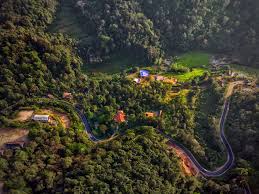
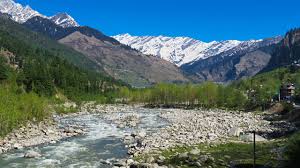
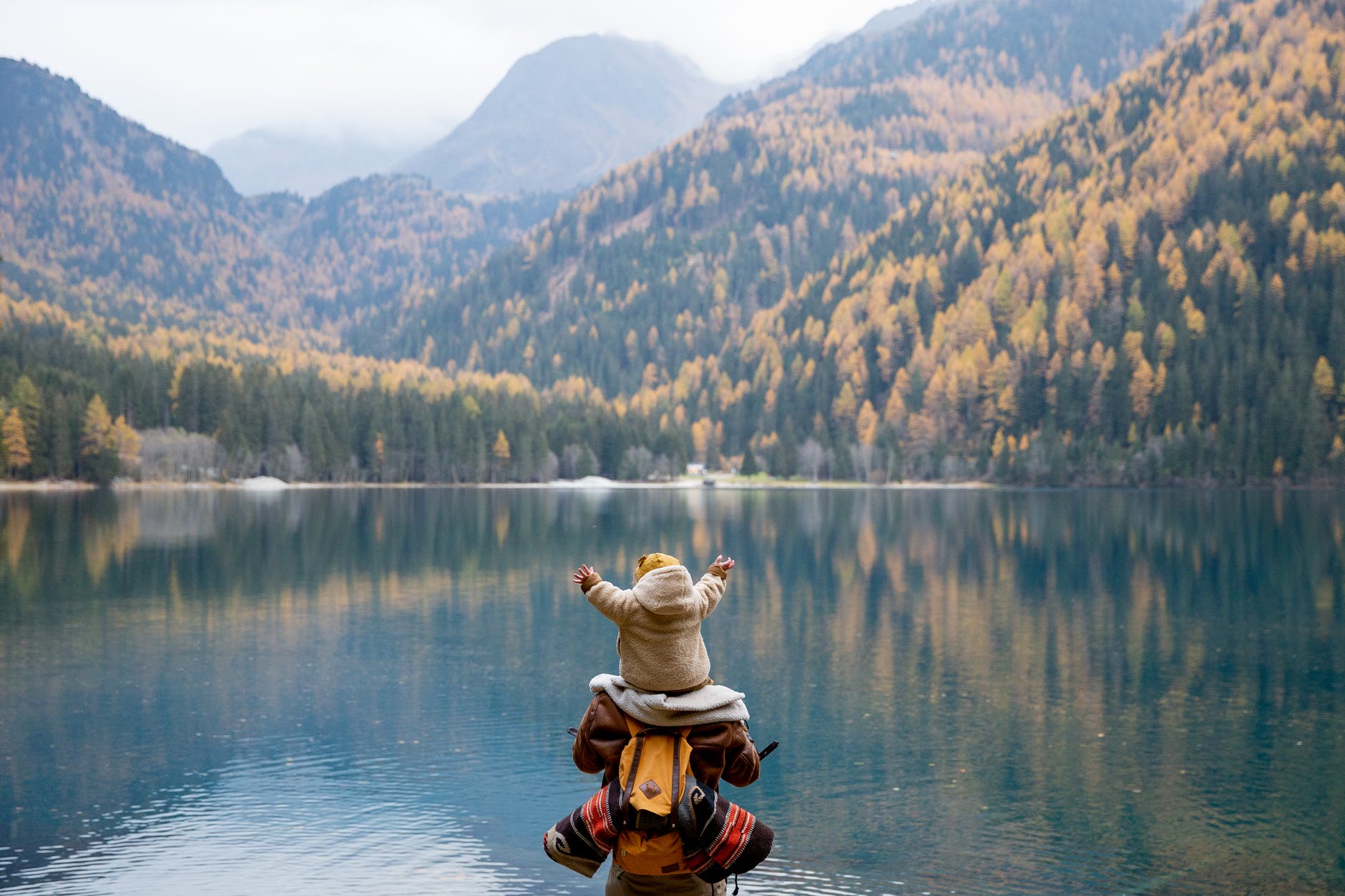
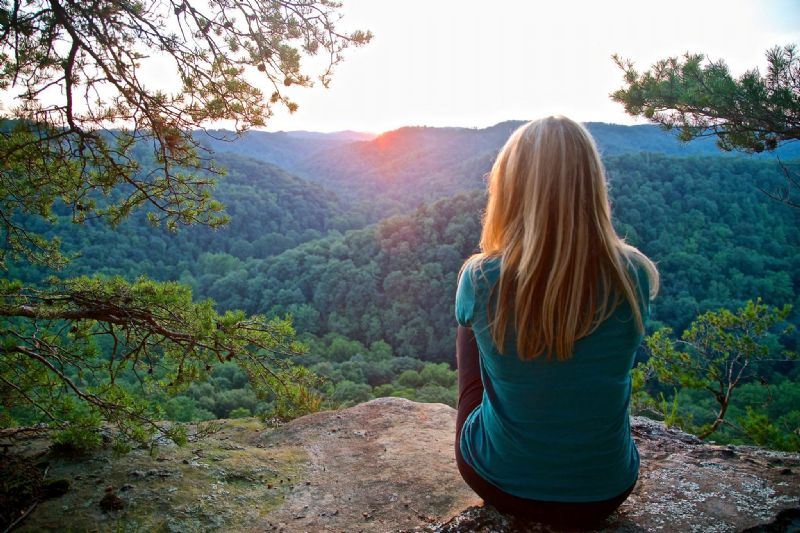
Doesn’t matter how miser people are normally but when it comes to summer, they manage it well to spend money on their vacations to Hill Stations. The coolness and serenity a person may get from Hill stations is like no other. The leave from the busy life and entry to the beautiful and mesmerising world of mountains blows the mind off to joy and freshness. Nobody can say a No to a trip to hill stations. They are fun in itself. Even a thought of them can ignite the excitement to travel and enjoy in between mountains which get covered with snow during the winters.

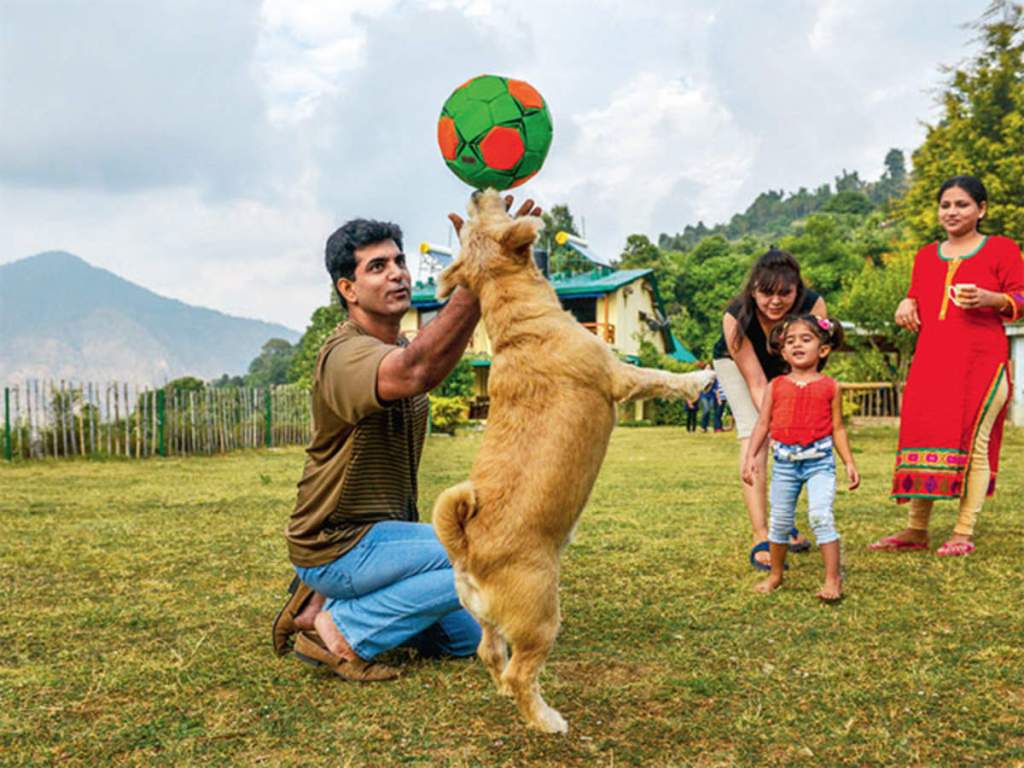
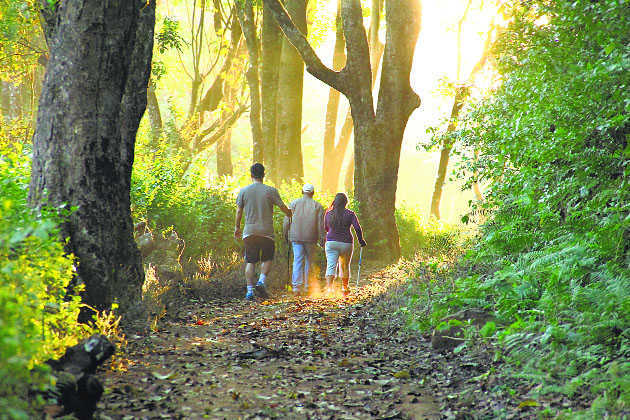
There are a lot of fun activities to engage in with family and friends like Bon Fire, Trekking, Paragliding and much more. The taste of hot meals in the cold, chilling weather of hills is another level! The spicy food gets its real sense at such places. It feels like a life in the clouds when you visit a hill station. The fog is present at all times but you may confuse smoke with it at times since there are many vendors of Corn at the tourist roads, preparing it hot and spicy for people to tackle cold or honestly; enjoy the cold! Due to the slopes of the mountains, it gets difficult to climb up the roads especially when you are looking for a hotel during peak time. The hotels are reached after climbing steep slopes/stairs. Of course nobody needs a ceiling fan in the house at hills. Also, there are not much houses seen since they attract tourists for vacations but are not suitable enough for residential purposes. There are many risks as well, related to a drive to the hills including landslides and cloud bursts. Life is very difficult and only people belonging to the place can tolerate the cold throughout the year. Spending long time there you would eventually miss the heat of summers and might feel homesick.
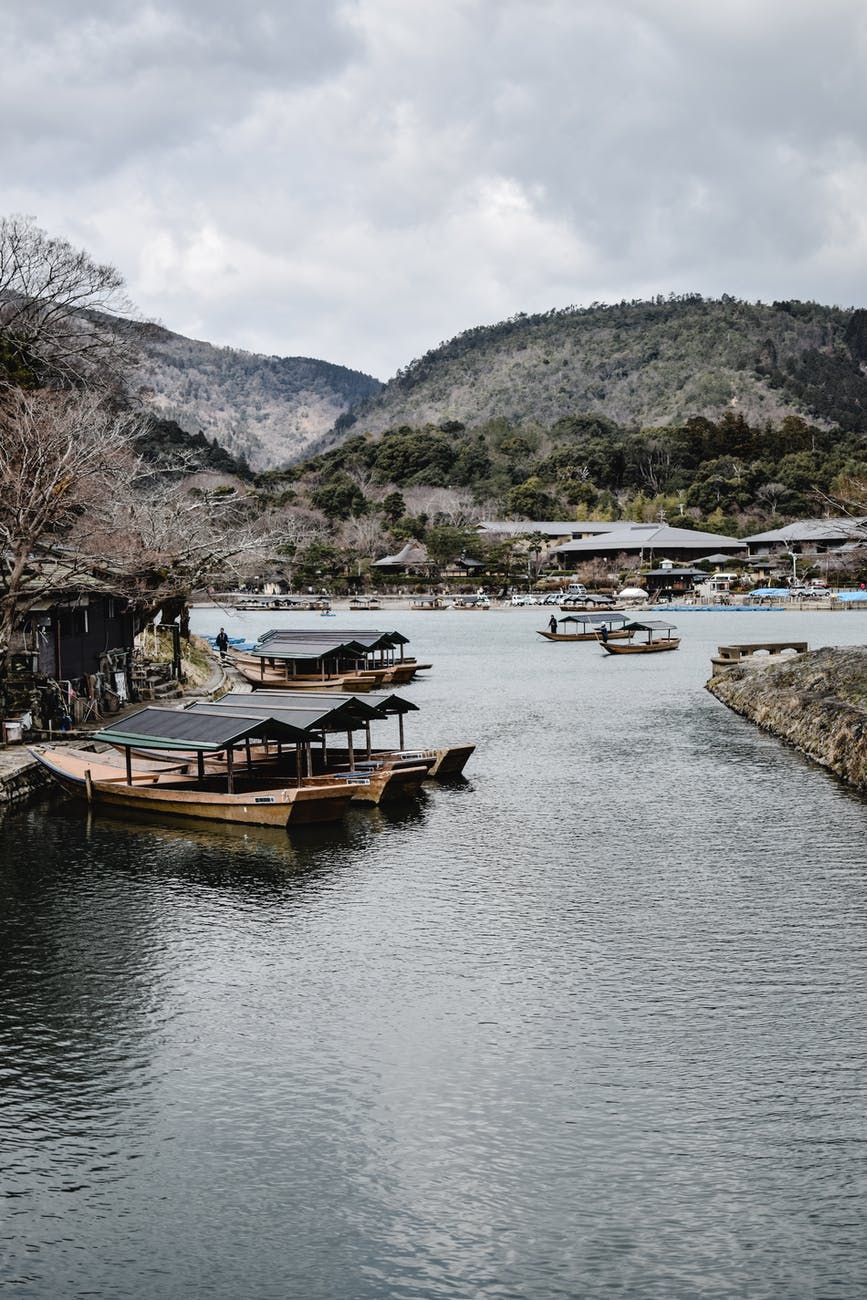
Photo by Eva Elijas on Pexels.com

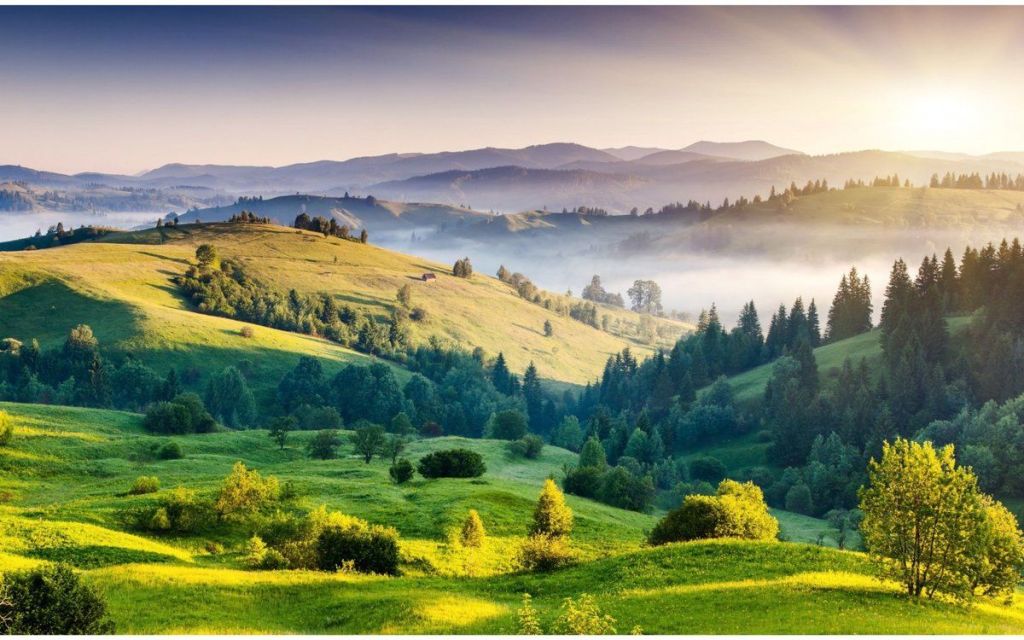
Boating facilities are also available at some places. There is something unique about every hill station and that makes them worth going each summer. It ain’t too luxurious to stay neither expensive markets. In fact, you can find cheap products here, that majorly include their speciality items. The hills are famous for the greenery and for sure there are juicy fruits that would tickle your tongue and attract you to buy them in bulk. The markets are famous and filled with tourists. People prefer summers to be the best time to plan a trip to hills, escaping the heat and pollution of the cities and calming their mind in between the nature and its beauty.

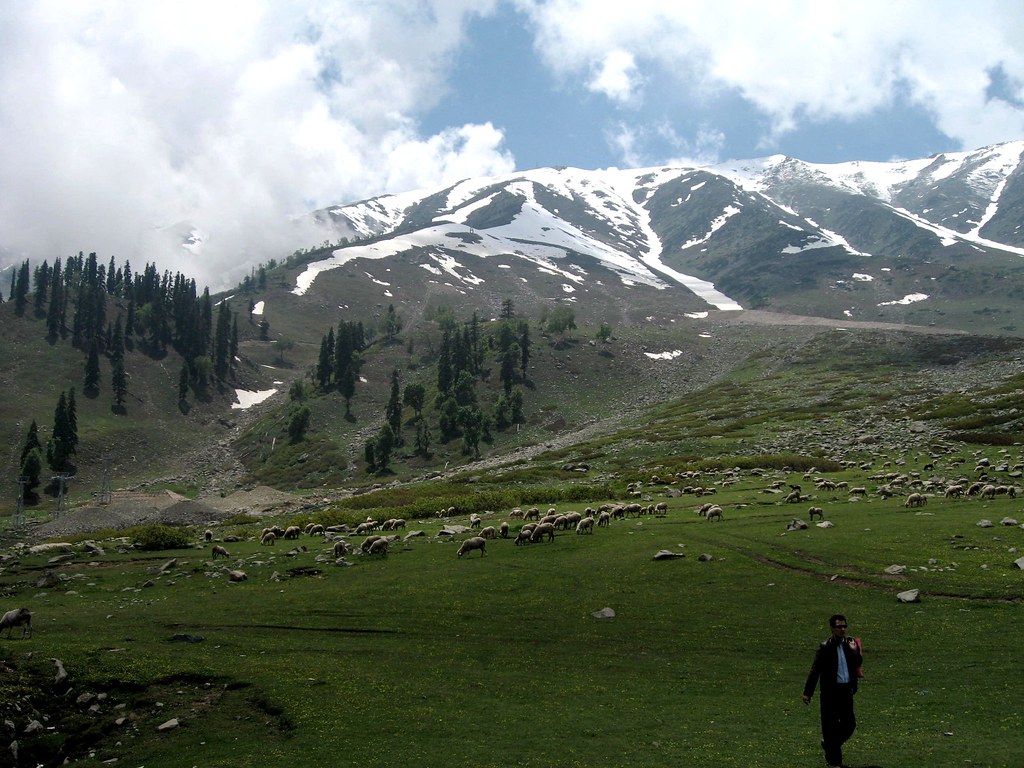
One can also see the farms and witness the farming and agriculture. Hill stations are homes for a lot of fruits. Apples, Mangoes, Cherry, Strawberry etc are some of the fruits which come from famous hill stations like Kashmir, Mussoorie and Dalhousie. You can go and spend sometime in greenery and eating fresh fruits.
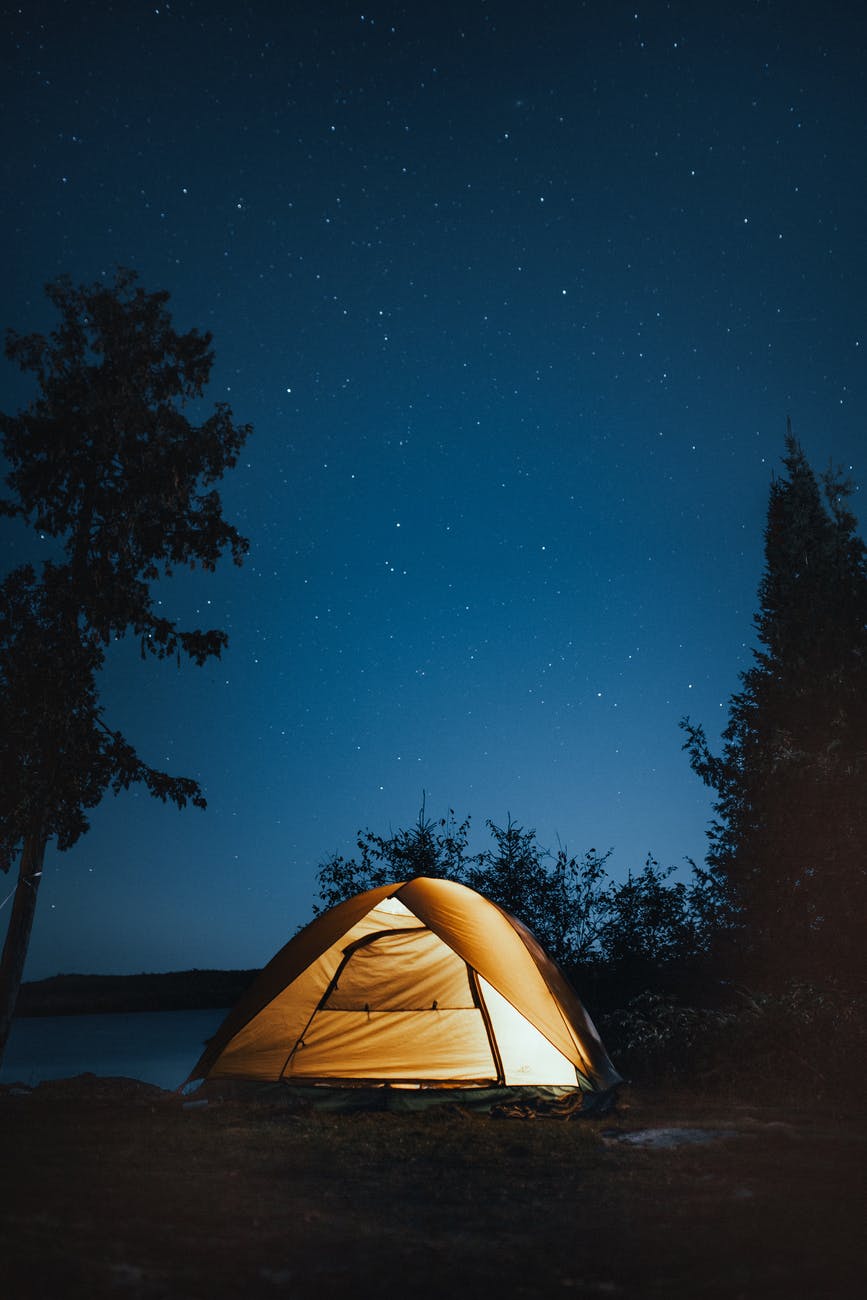
Photo by Josh Hild on Pexels.com

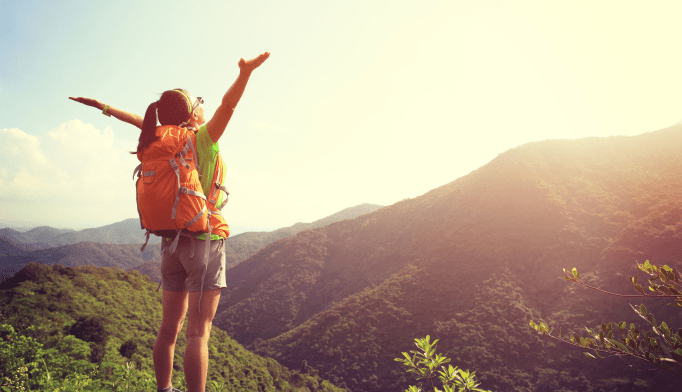
Camping is very popular these days. People like to go to the mountains and spend their time under the stars in the woods rather than staying in luxurious hotels. It saves money as well as gives an unforgettable experience. Trekking, camping, paragliding are some of the very popular activities. People engage in these activities and have fun. If you are looking for an unforgettable experience in low budget, a peaceful environment and natural surroundings, nothing beats the calmness of mountains. Uttarakhand offers a lot of fun mountainous places to visit. One can find a lot of choices to choose from in the state of Uttarakhand.

Butterflies🦋

Have you ever seen a baby butterfly? Me neither because they don’t exist🤭. Butterfly is the adult form of caterpillar. But who gave butterflies the right to be this beautiful🥺, they are a treat to eyes. All the colors they display with so much variety in shapes and patterns is just breathtaking. They indicate biodiversity but sadly the change in climate and the shift in weather is slowly making these creatures to go extinct. Since, they are known to react quickly on climate change and to see them struggling to survive is a serious indication and warning of global warming.

Photo by Madison Inouye on Pexels.com

let’s look at some amazing facts about butterflies.

Butterflies can fly with a speed of 12 miles per hour.Their size can differ from as tiny as 1/8 inch to a huge 12 inches.

Their wings are made up a substance called chitin and are transparent in real. All the colors we see are a reflection of various colors through the thousands of scales present in them.

Photo by Suzy Hazelwood on Pexels.com

There are about 24,000 butterfly species on this earth. Antarctica is the only place to be devoid of their presence.

The Monarch Butterfly Biosphere Reserve is located in Mexico. Millions of butterflies travel from Texas. The trees are filled with butterflies and appear orange in color. The goal of reserve is to protect the butterfly species and their habitat.

They have their taste receptors on their feet. Their legs help them in locating the best plants and are evn used by them to choose plants for laying eggs.

Photo by Quang Nguyen Vinh on Pexels.com

Their average lifespan is of a 3-4 weeks. One species of butterfly lives only upto 24 hours and some migratory butterflies can live for about 8 months.

Butterflies are cold blooded hence, require ideal settings. They can’t fly if their temperature is less than 85 degrees. Some species migrate to warm places when the temperature begins to drop.

Photo by Pixabay on Pexels.com

Butterflies are health conscious and so they follow liquid diet. Lol. Actually they don’t have the necessary apparatus that helps in chewing instead they have a straw like structure that helps them in sucking nectar from flowers.

Their wings are a great defense against enemies. All the color and patterns are actually to scare predators away. And also they have 4 wings not 2. Forewings, that are close to the head and hindwings, at the back.

Photo by Aenic Visuals on Pexels.com

India Of My Dreams.

The India of my dream would be a country where women are safe and walk freely on road. Also, it will be a place where there is freedom of equality to all and everyone can enjoy it in their true sense. Furthermore, it would be a place where there is no discrimination of caste, color, gender, creed, social or economic status, and race. In addition, I see it as a place that sees an abundance of development and growth.

Women Empowerment

There is a lot of discrimination against women. But, still, the women are stepping out of their houses and making a mark on different fields and on society. In addition, there are a lot of areas that need to be worked upon whether it is female feticide or restricting them to the household task. Besides, many NGO and social groups have come forward to promote women empowerment.

However, we have to work hard to change the mindset of society. I dream India as a country that sees women as its assets, not as liabilities. Also, I want to place women on an equal level as men.

Education.

Though there are many initiatives by the government to promote education. But there are many people who do not realize its true importance. The India of my dream will be a place where education will be mandatory for all.

Employment Opportunities.

Although there are many educated people in India. But, due to corruption and many other reasons they are unable to get a decent job. Besides, there are many employment opportunities in the country but they are either limited or don’t pay well enough. One of the reasons for this is weak industrial growth in the country.

In addition, reservation is a hindrance in this path as most of the deserving candidates lose their good opportunity because of it. Many of these deserving candidates go abroad and work for the economic growth of other countries. The Indian of My dream will be a place where the deserving candidate will get the job first rather than reserved candidates.

Caste Discrimination

Though India got independence in 1947, still we are not able to get complete independence from the caste, religion, and creed discrimination. It is shameful to see how in certain parts of the country the people of the lower section of the society are denied the basic rights.

However, there are various social groups that speak for their rights and help them to oppose this oppression. Besides, I dream of an India where there is no discrimination of any kind.
Corruption.

Corruption is one of the major reasons that are hindering the growth of the nation. Instead of making an effort to serve the growth of the country the officials and politicians are busy filling their own pockets. So, I dream of an India where the minister and official are dedicated to their work and wholly for the development of the country.

In conclusion, the India of my dream will be an ideal country where every citizen will be equal. Also, there is no discrimination of any type. In addition, it will be a place where women are seen as equals to men and respected equally.

India of my dreams……… Where the bell of happiness rings,where the birds in harmony sings.

. —“Shumayla Mallick”………

ANIMAL HYBRIDS🐫🐆🐎

A hybrid is an offspring produced from the mating of parents from different species or sub-species. Albeit it is rarer, animals from distinct but closely linked species do mate in nature. The result, a genetic amalgam, an offspring with characteristics from both parents. Certain hybrids occur because of human interference, typically created to combine the finest qualities of both creatures, although they might have dire repercussions. Mentioned below are some of the most unique hybrids that exist on the planet.

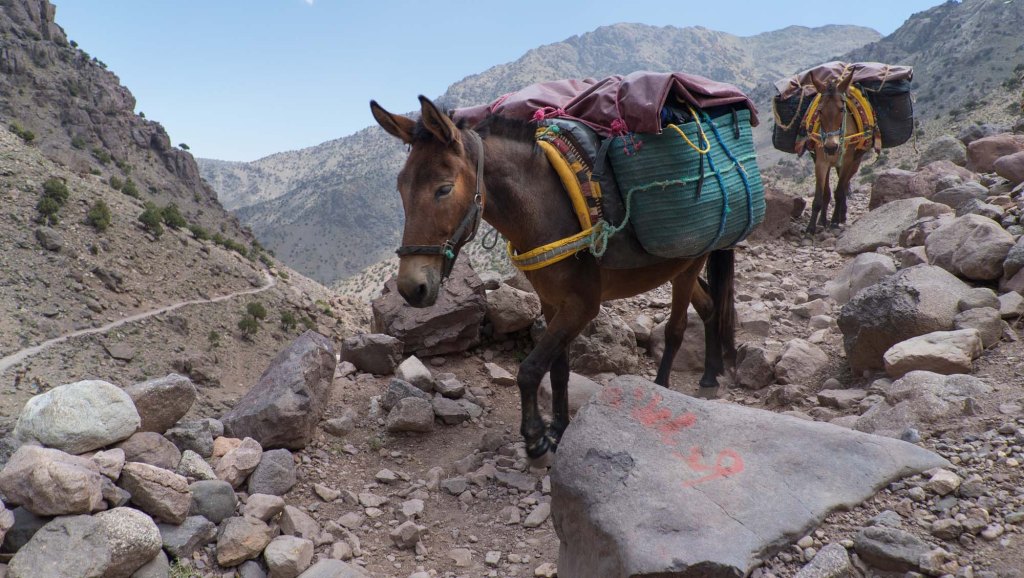
Mule

Mules are the offspring of a crossbreeding between male donkeys and female horses. A mule’s size and look vary greatly from one to the next and is mostly dictated by their horse mother’s size and ancestry. Mules exist in a variety of sizes and shapes, including miniatures, smaller pony-types, tall and lightweight physiques, and even heavyweights. Mules have donkey-like limbs, narrower hooves, and short manes, but they are horse-like in height, neck length, tail appearance, and hindquarters, as well as color.

Female mules are 99.9% infertile, whereas male mules are all sterile. They can’t procreate, thus their existence is solely dependent on human assistance. Mules are sterile due to their odd number of chromosomes. Because a horse has 64 chromosomes and a donkey has 62, the mule inherits 32 horse chromosomes from the mother and 31 donkey chromosomes from the father, totaling 63 chromosomes. This inhibits the mules from producing gametes, which are required for male and female mules to produce offspring. Because their chromosomes do not match up properly, they have problems producing sperm or eggs.

Mules enjoy the best of both worlds as crossbreeding eliminates undesirable hereditary traits while passing on beneficial ones. They are tougher, eat less food, have a better immune system, live longer, and have greater stamina than horses of comparable size and height. Vulnerable to the same illnesses as horses and donkeys, they tend to get sick less often. Mules are clever and less obstinate than their fathers, donkeys. They are more vigilant and mindful of the danger, making them safer to ride through treacherous terrain. Mules have an average lifespan of 35 to 40 years.

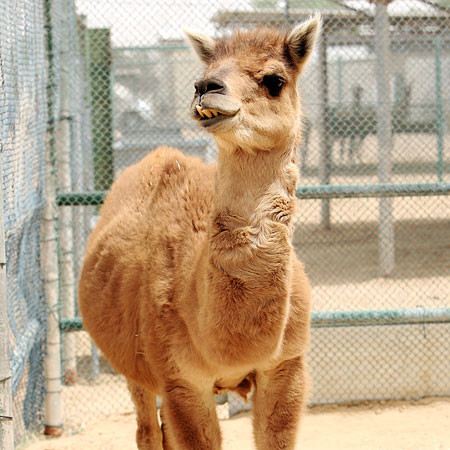
Cama

Cama is a cross between a dromedary camel from Asia and a llama from South America. Camels and llamas are distant relatives despite their variations in size, anatomy, and geographic distribution. They share a common ancestor, a camelid species that existed 30 million years ago in the Rocky Mountain region of North America. On January 14, 1998, the first cama was born. The goal with lama was to produce an animal that could yield more wool than a llama while still possessing the size, power, and cooperative attitude of a camel.

Because a mature dromedary camel can weigh up to six times that of a llama, the hybrid must be created by artificial insemination. Inseminating a female camel with llama sperm has not generated healthy offspring. The only successful combination is inseminating a female llama with dromedary camel sperm. Cama stands between 49 and 57 inches tall (at the shoulder) and has no hump on the back. They possess soft fur that is slightly shorter than llama fleece, small ears, a long tail, and cloven hooves. Just like camel, Cama is a herbivore, and can drink vast amounts of water at once, and survive without it for lengthy periods.

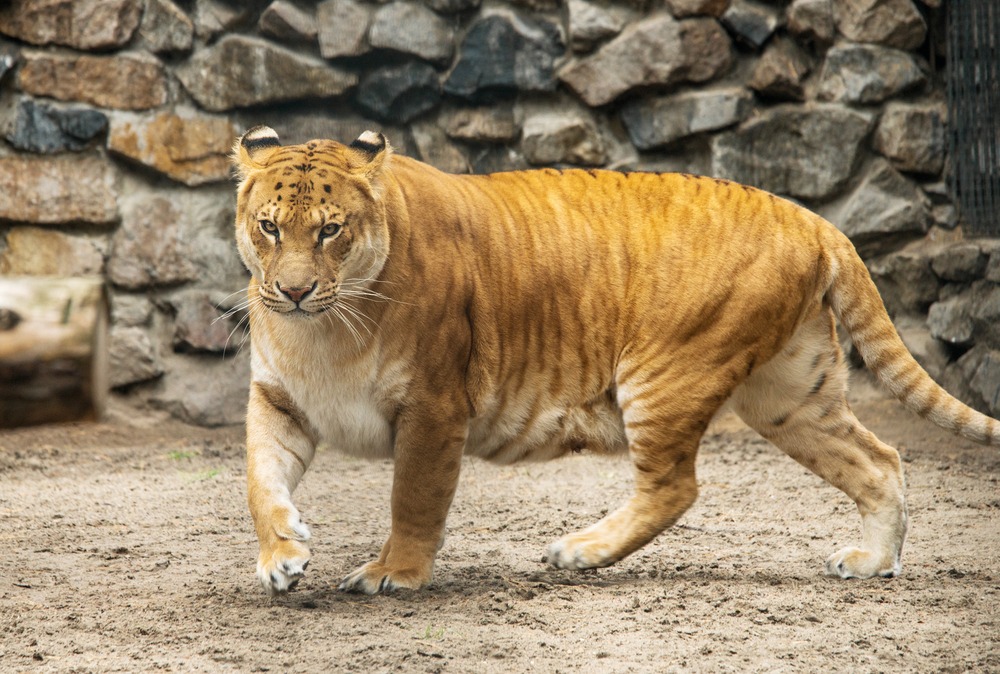
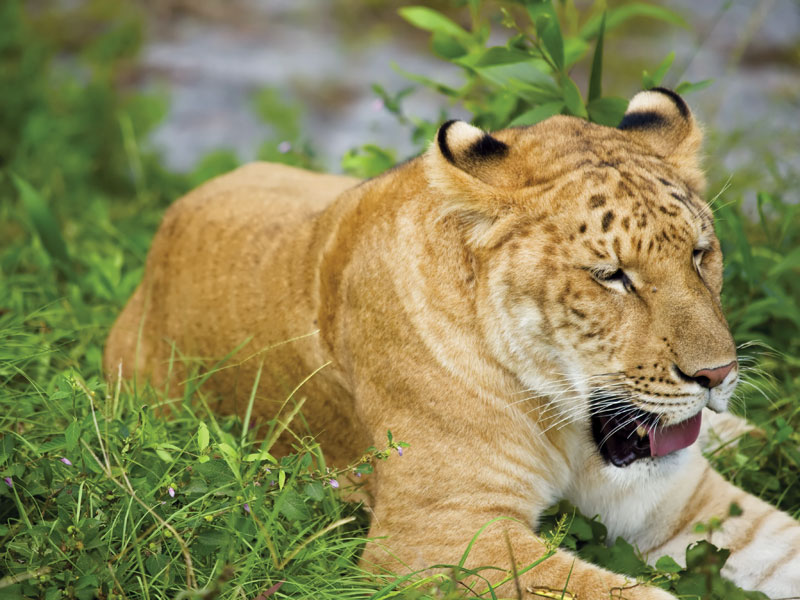
Liger

The liger is a cross between a male lion and a tigress, both of which belong to the genus Panthera but, are of the species Leo and Tigris. The liger is the world’s largest feline, reaching up to 12 feet tall while standing on its hind legs. Ligers are generally larger and heavier than their parents. The absence of specific growth-limiting genes, according to biologists, is the explanation of the liger’s enormous size.

Because ligers are often bigger than either parent, carrying the baby puts the tigress at risk, necessitating C-section deliveries or even killing her. These cats are genetically unfit and suffer from a life of neglect and isolation. Ligers are prone to obesity and aberrant growth, which puts stress on their internal organs and are prone to birth abnormalities that result in premature death.

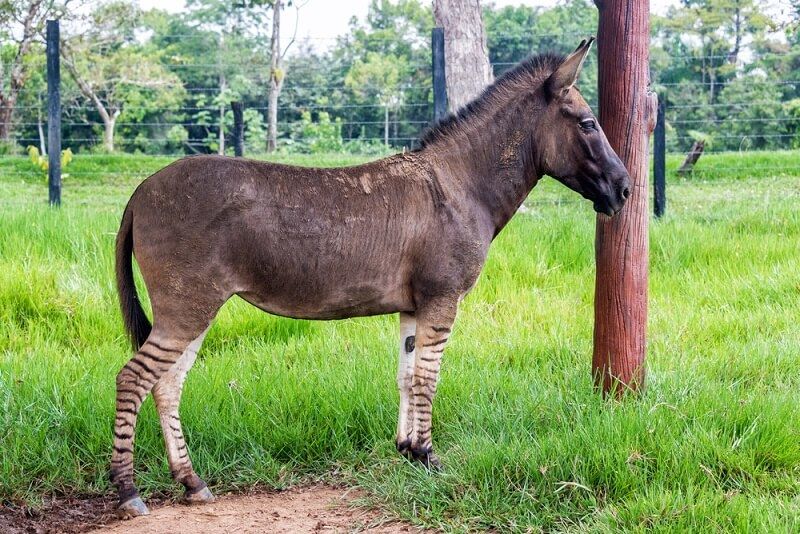
Zonkey

A “zonkey” is a male zebra crossed with a female donkey. Due to their power and stamina, zonkeys are bred for riding and as labor animals for transporting and carrying heavier things. They have the appearance of a little equine & their overall hue is tan, brown, or grey, with a lighter underside. The darker stripes of the zonkey are particularly visible on the lighter regions of the body and their legs. They have a black mane that runs the length of their back ridge to the tip of their tail, which is usually black as well. Their head and ears are both enormous, giving them the look of a donkey rather than a zebra.

Male zonkeys are sterile & cannot procreate, whereas female zonkeys are mostly infertile. The explanation for sterile hybrids is straightforward: It inherits an odd number of chromosomes. A zonkey is a hybrid between a zebra (44 chromosomes) and a donkey (62 chromosomes). As a result, the child’s chromosomal count is 53. Zonkeys are herbivores,  Grass & plants that grow on the ground make up a great portion of their diet. For grazing and grinding down the fibrous grass, they have flat, broad teeth.

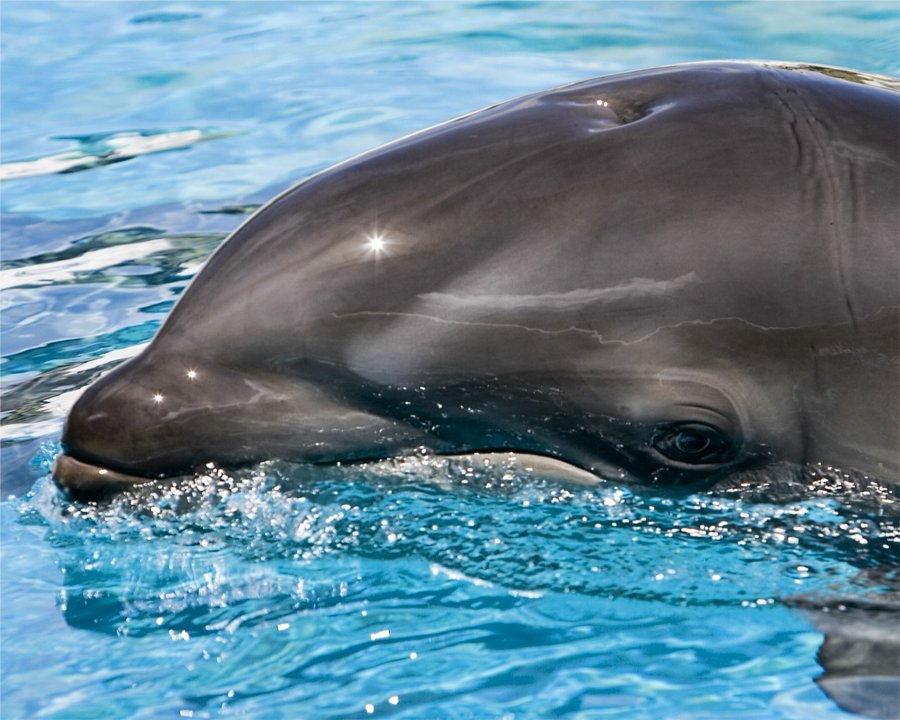
Wholphin 

A wholphin is a rare hybrid born when a female bottlenose dolphin and a male false killer whale mate. On May 15, 1985, the first captive wholphin was born in a pool, which a female bottlenose dolphin and a male false killer whale shared. The wholphin is a blend of the parent species in terms of size, color, and shape. The bottlenose dolphin has 88 teeth, the fake killer whale has 44 teeth, and the wholphin, their hybrid, has 66 teeth, the average number of teeth of its parents.
Wholphin is a carnivorous creature. Its diet consists of fish like herring and capelin. They grow quickly, and only a few months after birth, they are the size of a one-year-old dolphin. Female wholphins are fertile and can create new offspring of wholphins after mating with dolphins. Wholphins have a 40-year average lifespan.

Chilly memories -winter

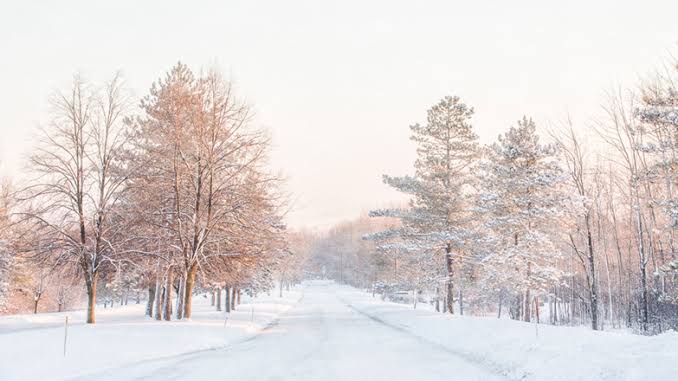
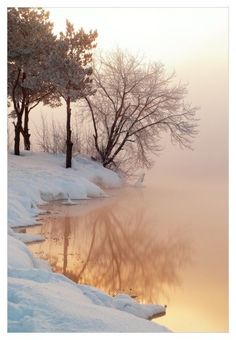
Winter is one of the most important seasons in India. It is a part of the four seasons that occur in India. Winters are the coolest season that starts from December and last till March. The peak time when winter is experienced the most in December and January. In India, winters hold great importance. In addition, the essence it has is admired by many people. Winters give you the time to indulge in various activities like snowball fighting, building snowmen, ice hockey and more. It is a great time for kids to enjoy their vacations and get cozy in their blankets.

Essence of Winter

During winters, schools usually take a break and close down. The days are shorter and the nights get longer. The chilly mornings give you a different sense altogether. Hot drinks like coffee, tea, and hot chocolate are enjoyed more during winters. The sun rises quite late and sometimes it does not.

Even when it does, it doesn’t get a bit hot. People long for a little sunshine as the cold weather sends chills down the spine. You see people on the roads burning woods and paper to get a little warmth. However, not many people prefer going out in winters. They like sitting by the fireplace or heater all day.

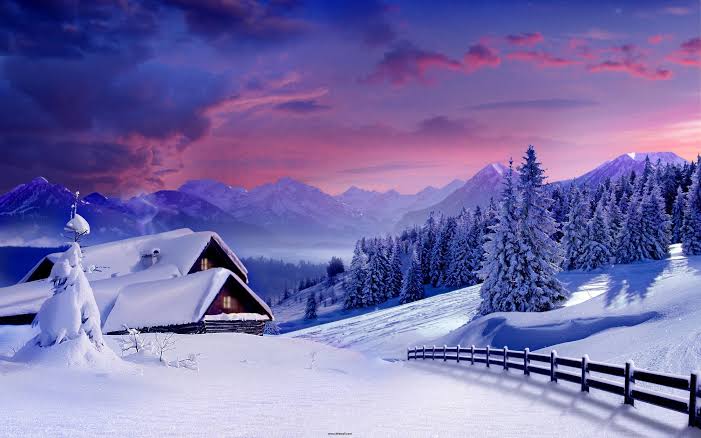
In the hilly areas, people experience snow during winters. They have to shovel it out of the way to make way for walking. The essence of winters is enhanced by Christmas as well. It sets the holiday mood for people and is admired all over the world.

In the hilly areas, people experience snow during winters. They have to shovel it out of the way to make way for walking. The essence of winters is enhanced by Christmas as well. It sets the holiday mood for people and is admired all over the world.

As the animals do not have proper shelter, they too lose their lives. In addition, many flights are also canceled during this season. Nonetheless, this does not make winter any less important. It is quite essential to maintain balance in the weather of our country.

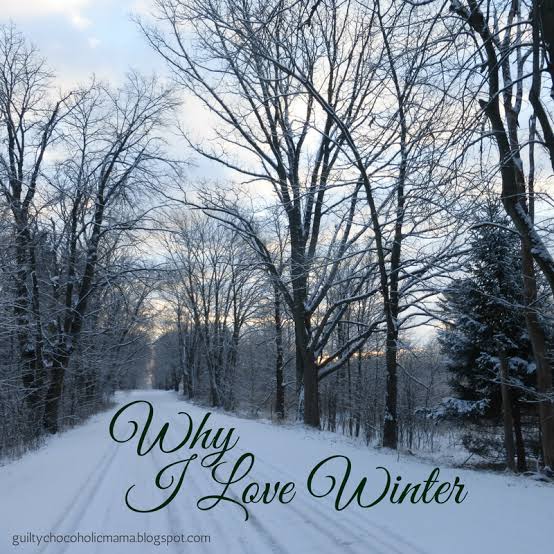
Why I Love Winter?

I personally love winters. This season brings a lot of healthy fruits and vegetables. People get the chance to eat fresh grapes, apples, carrots, cauliflower, guava and more. Furthermore, so many beautiful flowers bloom during this season. These flowers include roses, dahlias and more. This makes winter even more beautiful than it already is.

Other than that, no lizards are to be found as they go in hibernation. This makes me very happy and lets me live fearlessly. Most importantly, winter mornings are the best part of this season for me. I like getting up early in winters and witnessing the morning dew on flowers. There is a different vibe altogether that comes with winters.

Also, our school organizes bonfire which is one of the most awaited events of the year.

In short, winter is as important as any other season. Sure, it may have its negative sides and positive sides, but that happens with every season. Winters helps you enjoy long morning walks and fresh air.

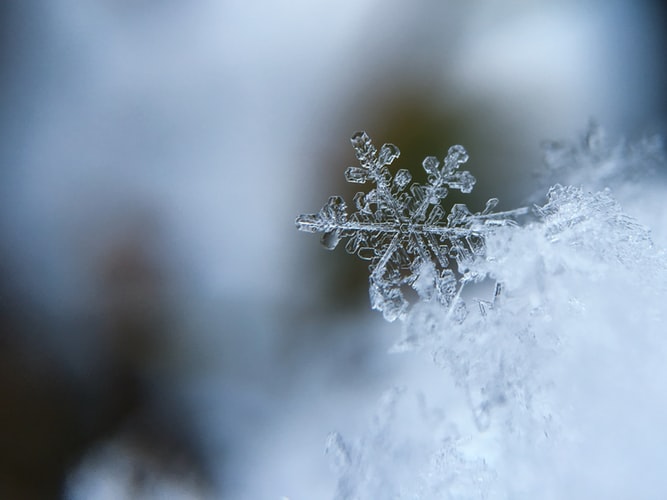
“To appreciate the beauty of a snowflake it is necessary to stand out in the cold”

—ARISTOTLE

BIOMIMICRY

Kira hunt is a landscape technologist working in Canada and specializing in park design, structural detailing, and heritage interpretation. Now, she works on biomimicry and learning strategies from nature that can improve our cities and bring us closer to the natural world.

WHAT IS BIOMIMICRY?

Biomimicry means to imitate life, i.e., design inspired by nature. This is a kind of approach that can be used in various forms of fields such as anthropology, architecture, etc.

The creation of Velcro

  • Velcro was inspired by the burrs of the Burdock plant. In 1941 a Swiss engineer named George de Mestral was hunting in the Jura mountains in Switzerland when he noticed small burrs from what was later identified as the Burdock plant stuck to his pant legs and covering his dog’s fur. Hence the hooks of the burr were replicated into the Velcro and hence a reusable fastener was created.
  • But this isn’t considered a biomimicry success as Velcro is harmful to nature because of its plastic content, so it could be better as it harms the environment. She calls it a shallow example of biomimicry.

The principle of circularity

Most Biomimicry practitioners follow life’s principle of circularity. They compound the resources and energy of nature. It is believed that energy is never exactly used up by a single product, only stored for a period of time. So recycling products can help the division of that energy and eventually lead it back to its source.

Similarly, if we protect the earth, care for the living systems, and green the society, the favor would be returned. We would get fresh and clean air, water, diverse food, and healthy places for people to live in. If we harm nature, by the principle of circularity we are harming ourselves. n life do to keep the earth life-sustainable?

To prevent this, what should humans do?

Mass manufacturing of short-termed usage products causes an increase in landfills. The circular economy works on this sector of designing products that have minimal to no wastage or pollution. Reusing the products will lead to healthy natural systems.

A good design always follows THE THREE Rs:

  • Reduce: Reduce purchasing and creating products that contain chemicals and particles that are harmful to the environment.
  • Reuse: try to reuse a product in multiple ways. Reusing natural resources leads to lesser consumption and a more sustainable way of living.

Recycle. Recycle a product to continue with existing materials.

How does life support life on earth?

The chemicals and combinations used by nature are friendly. The simplest elements are used the most. The human industry uses double the number of elements that are more toxic. Nature’s elements are biodegradable.

For example, the manufacturing industry uses plastic, foil, and paper and glues them together because of their different contributions for a cup. Individually, these components can be recycled, but when bonded together, they are impossible to be recycled. Whereas, a crab shell- retains moisture, is sturdy, and protects the crab. The only difference between the two products is that the crab shell is biodegradable and a single unit.

Do we really need to import products and resources from the other side of the world when we could make do with recycling waste materials itself?

We are at a unique point in time where we have the tools necessary to find the strategy of nature and to emulate the structures of the living world. Finding new materials to use would be a big sustainability win. 

  • Using products that can be made using biomass. This can help support regenerative and circulative economies. Using biomass for 3d printing can help us focus on different regions that can have their own niches. Coastal cities can take advantage of seafood waste, etc.

Conclusion

Kira Hunt advises engineers and designers to look for organisms that are solving problems that they want to solve and learn from them. We can bring in new ideas and reimagine the human activity with the living system that supports us!

INSECTS -THE LITTLE SUPERHEROES

10,000,000,000,000,000,000

10 quintillions, this gigantic figure represents the total population of insects flying, swimming, slithering, creeping, or crawling across the Earth’s surface, each one serving a critical role. It translates to almost 1.2 billion insects per person.  There are more than 1.5 million known insect species, more than three times the total of other animals on the planet.

Even if their look repels us, a world without them would be uninhabitable. Insects are the unsung heroes of the ecosystem, and they need to be acknowledged.

But as per the findings, more than 40% of bug species are dwindling, with a third facing extinction. Insects have an extinction rate eight times higher than mammals, birds, and reptiles. Insects’ overall mass is decreasing at a rate of 2.5 percent every year, hinting that they may go extinct within a century.

What if all of the World’s insects simply vanished? 

The results would be dire & catastrophic.

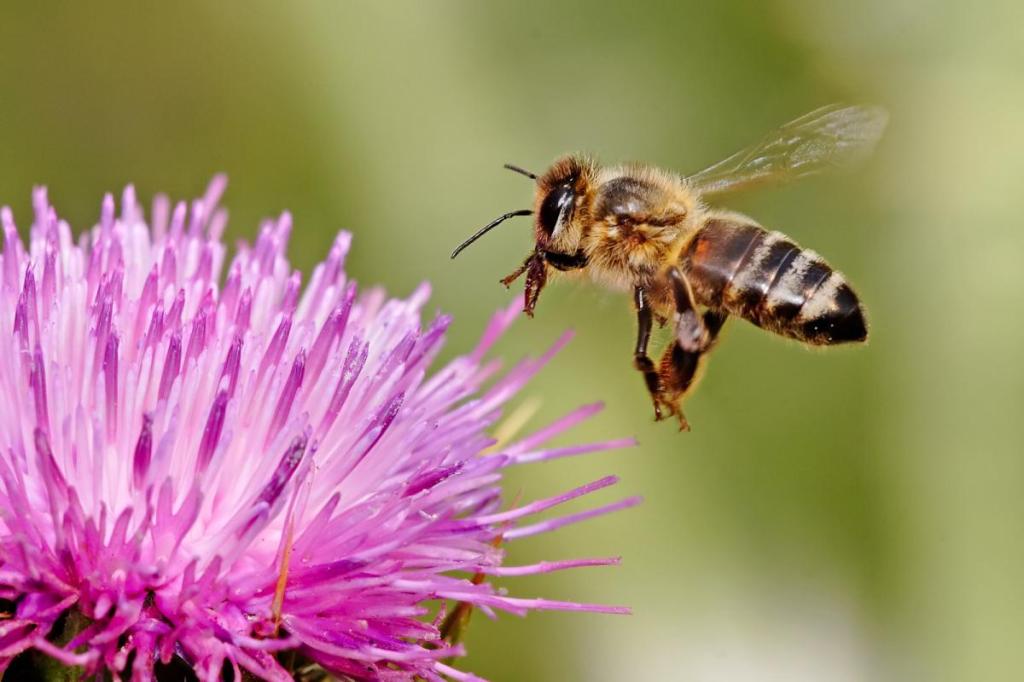
It would be a summer without singing cicadas and shimmering fireflies are over, and grocery stores with empty shelves. There will be no humming bees to pollinate apple, cherry, peach, or almond trees. Without pollination from mother nature’s bustling pollinators, harvests, flowers, and plants would be unable to generate seeds. The fields would be devastated.

Insects are crucial due to their diversity, ecological relevance, and impact on agriculture, health impacts, and natural assets. Insects provide the biological foundation for all terrestrial ecosystems. They recycle nutrients, pollinate plants, disseminate seeds, maintain soil structure and fertility, regulate other species’ populations, and serve as the primary food source for others.

They play a vital role in the food chain, providing a direct food source for a variety of species, including humans. Insects enjoy an infinite variety of meals. Plants, fungus, animal carcasses, dead bodies, decomposing organic detritus, and practically everything else they stumble upon in their environment are all devoured by these insects.

Nobody likes those obnoxious, crippling cockroaches, but without them, the entire ecosystem would collapse. With approximately 4400 identified species, they are widely distributed all over the world. But, These despised cockroaches are protein-rich meals for birds, rodents, and even people, in certain parts of the globe.

There are over 3,000 mosquito species, all of which feed birds, bats, frogs, and other creatures. Without mosquitoes, the Creatures that feed on them would famish.

Caterpillars and grasshoppers nibble plant leaves, aphids and planthoppers suck off the plant fluids, honeybees collect pollen and imbibe nectar, while beetles and flies eat the fruits. The larvae of wood-boring bugs devour the wood.

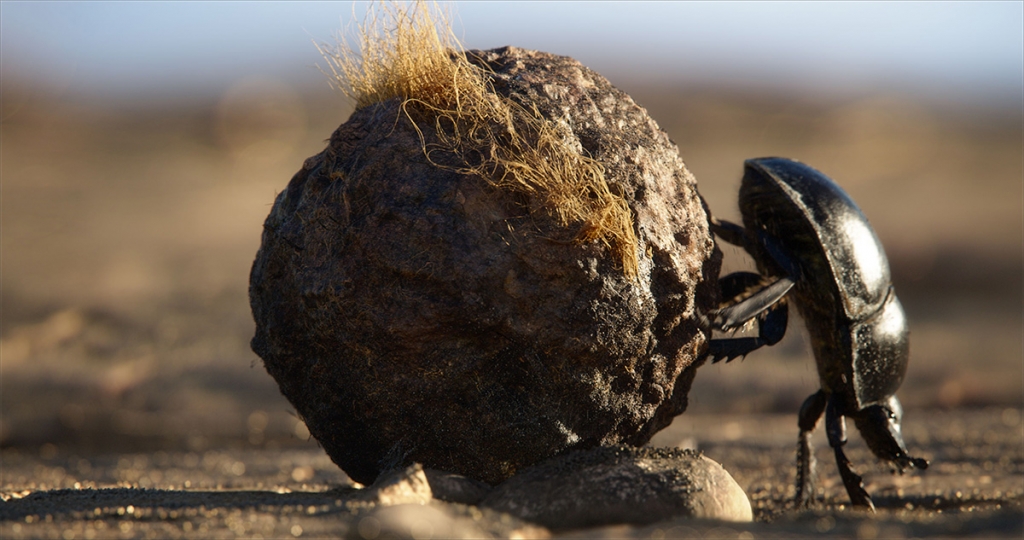
There are over 350,000 beetle species, and many of them, notably dung beetles, are thought to be dwindling. Without the dung beetle, one of the Planet’s top recyclers, the planet would face the worst feces problem. Nitrogen-rich poop could stack up, suffocating vegetation and hindering fresh growth. Earth would be a nasty mess without those little heroes.

Farms, forests, and wilderness would all crumble, leaving a trail of dead. That’s where flesh-eating beetles and other corpse-eating insects come into play. They feast on dead flesh until only bones are left. Insects have a critical role as primary and secondary decomposers. Without insects to efficiently decompose and eliminate waste, dead plants and animals would pile up, making things very messy.

Insects overlooked for their relevance in the food web serve as the primary food source for many amphibians, reptiles, birds, and mammals. Land-dwelling birds like purple martins, barn swallows, vireos, warblers, ickers, whippoorwills, and swifts rely predominantly on insects to survive. Insects like beetle grubs, termites, and honeybees, are often consumed as a source of nourishment.

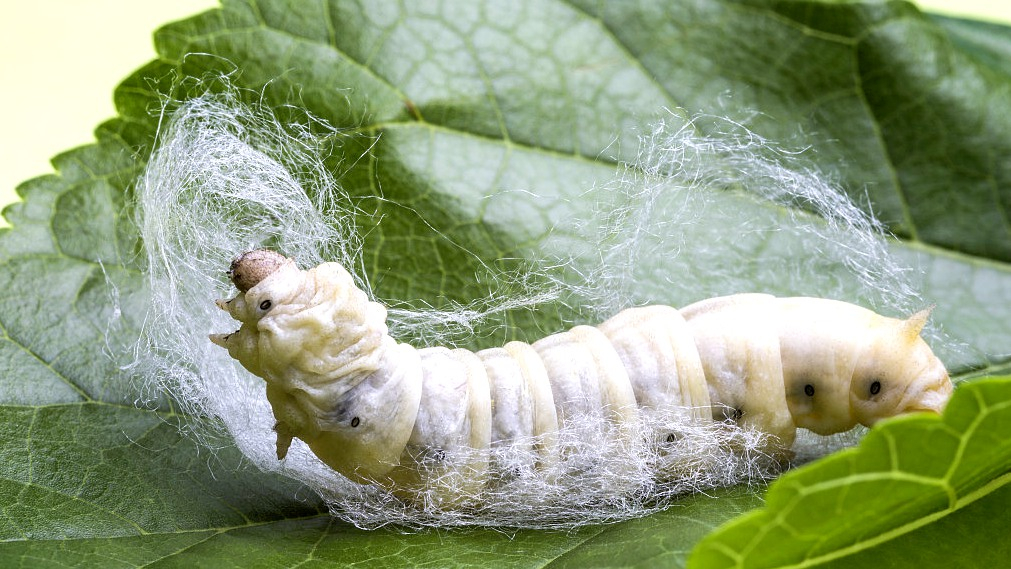
The silkworm, Bombyx mori, is the only source of commercial silk. The scale insects Datylopius coccus (Dactylopiidae) endemic to Mexico and Kermes vermilio (Kermidae) endemic to Europe provide red cochineal dye for fabrics and cosmetics. Bees produce honey.

Laccifer lacca (Lacciferidae), native to India, secrete shellac (a resin) used to make phonograph records and varnish. Salt cleaned by brine shrimp tastes better than salt that still contains the organism that the brine shrimp devour.

Parasites and predators, the bulk of which are insects, play a key role in maintaining the natural equilibrium. Many parasitic and predatory insects feed on plants or other insects or animals, or even humans. These insects are vital to keeping the pest population (insects or plants) in check.

Despite their many pleasant aspects, some insects can pose problems. Like the Arthropods, which spread various diseases like- malaria, yellow fever, dengue, West Nile virus, Lyme disease, ehrlichiosis, tularemia, Q fever, Colorado tick fever, Rocky Mountain spotted fever, plague, typhus, etc.

But it’s crucial to keep in mind that the good done by a vast variety of critical insects significantly surpasses any harm done by a few species.

Know About The Vinca Cora Red (The Beautiful Periwinkle)

Kingdom:   Plantae

Clade:        Angiosperms

Clade:        Eudicots

Clade:        Asterids

Order:        Gentianales

Family:      Apocynaceae

Flowers are often famous for either their smell or their visuals that catches the heart many. However very little attention is paid to flowers that grow locally and doesn’t belong to the ‘exotic’ category of plants. Vinca minor or as it is locally known, Periwinkle is one such flower plant. It is a perennial, evergreen flower plant that has a quick growth rate and not much of a fragrance. Apart from the pre-dominantly white and pink periwinkle flowers, the Vinca genus also includes other color variations such as blue, maroon-red, faded-pink, purple etc. In this article, the focus will be on the maroon-red flower plant of Vinca Genus known as Vinca Cora.

The periwinkle plant – Catharanthus roseus  also known as rosy periwinkle or Vinca Cora Red, is a lovely small plant that grows outside very well but also finds itself at home in a summer window.

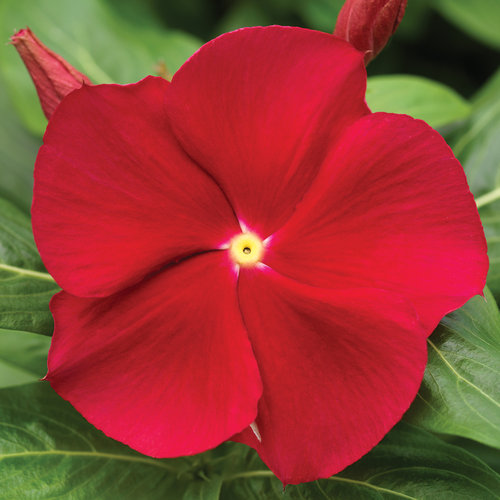
Vinca Cora Red features large, dark red blooms along glossy green foliage. The stunning scarlet flowers of ‘Cora Red’ annual vinca have a white eye that gives the plant an extra dose of personality. Vinca plants are native to North America, Europe, China and India.

Vinca or Periwinkle is a prolific heat and drought tolerant annual, perfect for hot, dry areas. This small upright plant grows to about a maximum height of 14 inches. The leaves of Vinca  are very shiny and long, with a clear almost white center vein.

Periwinkle plants are easy to grow and care for. Provide them a well-drained moist soil, plenty of bright light, warm temperatures 65° F and above and they will do wonderfully out on the patio or deck as potted plants.

Take care not to overwater this plant as it’s easily susceptible to root rot. 

Taking care of Vinca

  • Lower Leaves Turing Yellow and Falling Off

When lower foliage turn yellow and fall off, it usually is the sign  of too much water or the plant has been subjected to cold.

Back off the water or if it is cold related, move the plant to a warmer position.

  •  Leaves Droop and Fall

When leaves hang, droop and fall, it normally is a periwinkle plant growing in a pot and has dried out too much. The best solution is to drop the whole pot into a bucket of Luke warm water for at least half an hour.

When the weather is warm, plants may need to be watered daily.

Uses Of Periwinkle Plant

Apart from functioning as a ground cover to areas where grass won’t grow, periwinkle also serve as a source of alkaloids for medicinal use. With a total of 86 alkaloids, the periwinkle plant extract covers a lot of benefits.

One of its products is vinpocetine, a synthetic derivative coming from the vincas alkaloid vincamine. This compound aids short-term memory and serves as an anti-aging agent.

Vincristine and vinblastine can treat various forms of cancer such as leukemia, child cancers, hodgkin disease or hodgkin lymphoma, and other types of lymphoma.

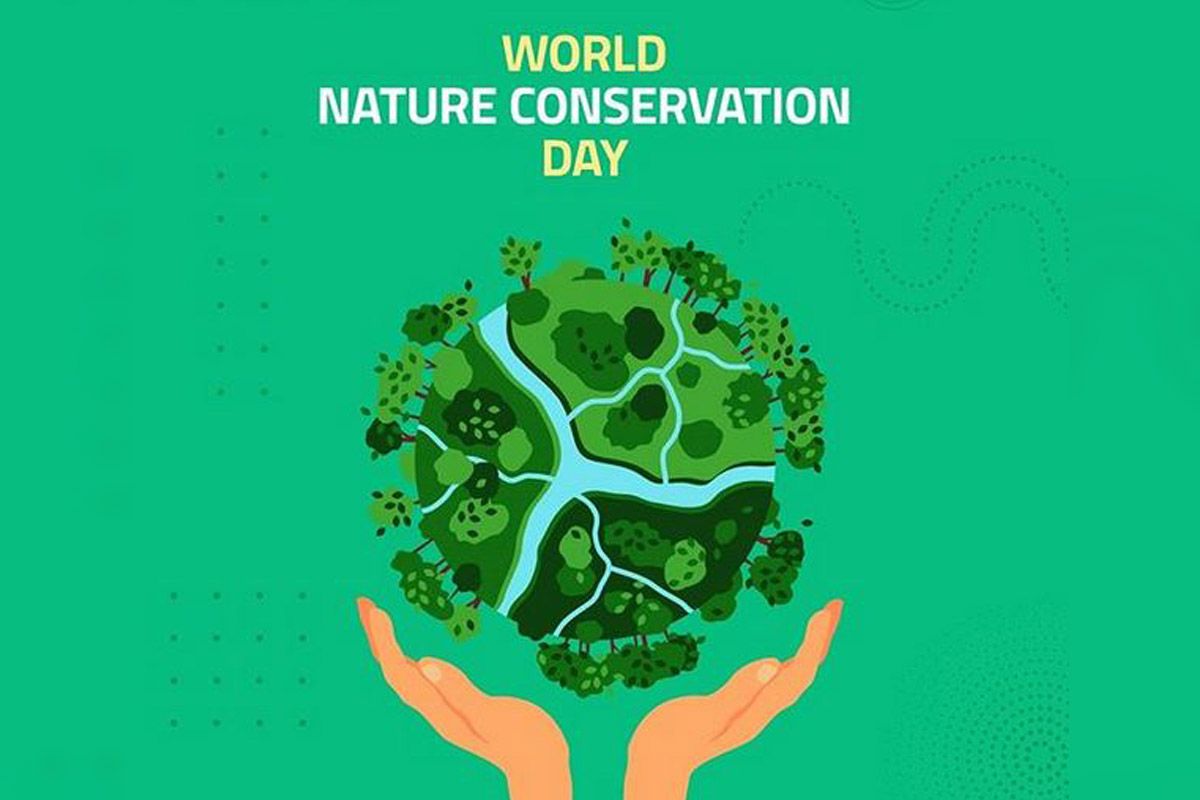
WORLD NATURE CONSERVATION DAY – JULY 28

“Earth provides enough to satisfy every man’s needs, but not every man’s greed.” ― Mahatma Gandhi

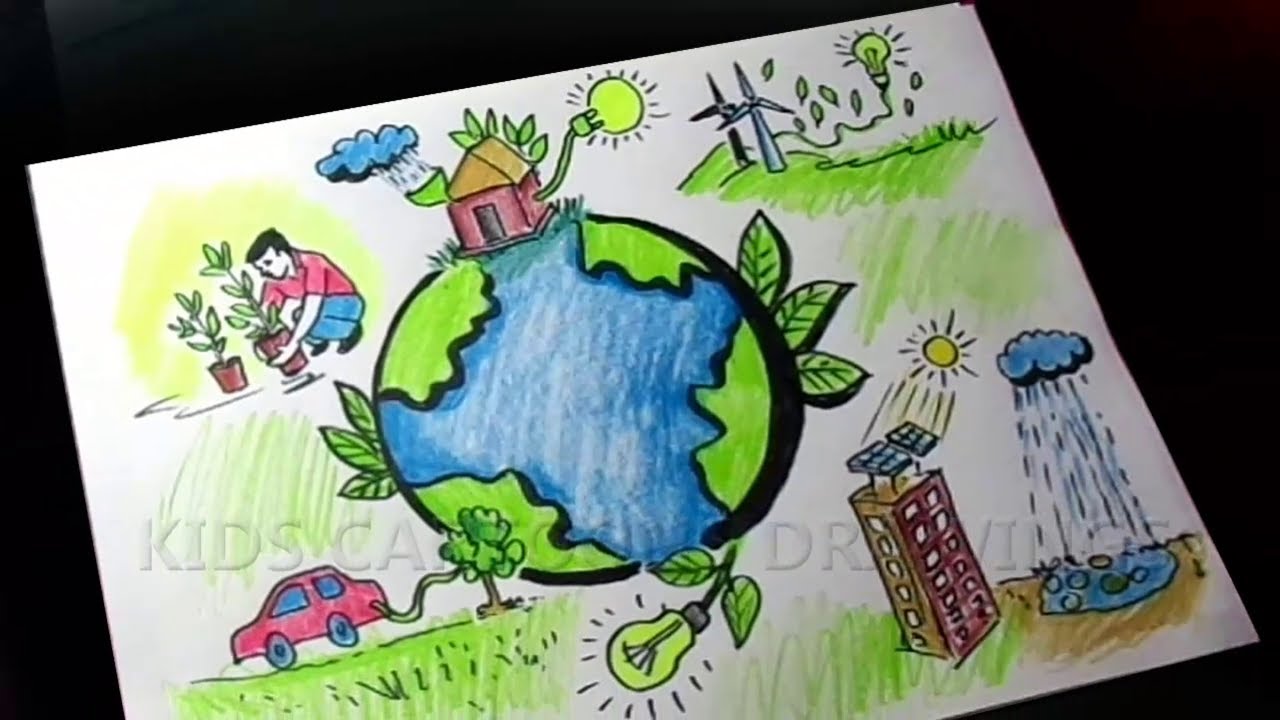
July 28 is celebrated as “World’s Nature Conservation Day” and reminds us that healthy environment is the foundation of a stable and productive society. This day is observed every year and is celebrated to educate people about the best techniques and practices adopted in different areas of the world to protect and preserve our natural resources as our planet has limited amount of resources left but the reliance on these resources is increasing day by day. This day aims to create and increase the awareness about the importance of natural resources and environment. It shows how we can live sustainably. This day encourages the people to save and protect the natural resources of earth because they are depleting in a rapid rate and are getting exploited and even misused.

This day recognizes that a healthy environment is the most vital part of stable and productive society. And sustainable practices are important for maintaining this stability and this environment for the future generations as well. The day reminds us about our responsibility as the child of the planet and urges us to be responsible and practice sustainable living practices and bring small changes in our lifestyle which can bring sustainability in our life style and lives. This day motivates us to find alternatives which could decrease our dependency on the natural resources.

This day ensures sustainability of present and future generation. How can we help in conserving the nature ? Lets have a look!

  1. WATER CONSERVATION: Everything starts from home and can be done by using less water while showering and bathing. By practicing Rain water harvesting methods in home to reduce our dependency on other water sources and rely on rain water without wasting it. It is important to conserve water because it is estimated that 2050 we may run out of water.
  2. PLANTING OF TREES : This helps in preventing soil erosion and promoting greenery. Home gardening, kitchen garden etc. can be practiced at home and at any scale for planting trees. Green roof is also one such initiative which helps in promoting greenery at homes. Spending few minutes in planting and amid nature can greatly promote mental well being too.
  3. WASTE MANAGEMENT : Reduce, reuse and recycle waste. Practice rainwater harvesting and using wastewater treatment plants for treating the waste water. This waste water when treated can be used in landscaping purpose. Organics can also be used.
  4. SUSTAINABLE COMMUNICATION : Sustainable communication can help in reducing the carbon footprint and lessen the pollution. It is good if people use public transport and sustainable modes of transport while commuting to different places as fewer vehicles will ensure lesser pollution.
  5. Reduce your electricity consumption; switch off electrical appliances when not in use, or every time you walk out of a room.
  6. REDUCE PAPER USE : Saving papers means saving trees and in todays digital age, all the devices are capable of taking notes which saves the need of print outs.
  7. AVOID SINGLE USE OF PLASTIC : The plastics which we are using are getting discharged into the oceans and grasslands or forests etc. which is destroying the lifeforms, ecosystem as well as the natural resources. Single use plastic consumption has increased during the pandemic and the amount of gloves and face masks being used is also increasing. Landfills are getting filled with the large amount of plastics which is polluting the environment.

The main objective of the day is to be live, promotive consciousness and mindful living. The aim is reduce overexploitation of resources and reduce the non-essential travel and play our part of role in building a sustainable future.

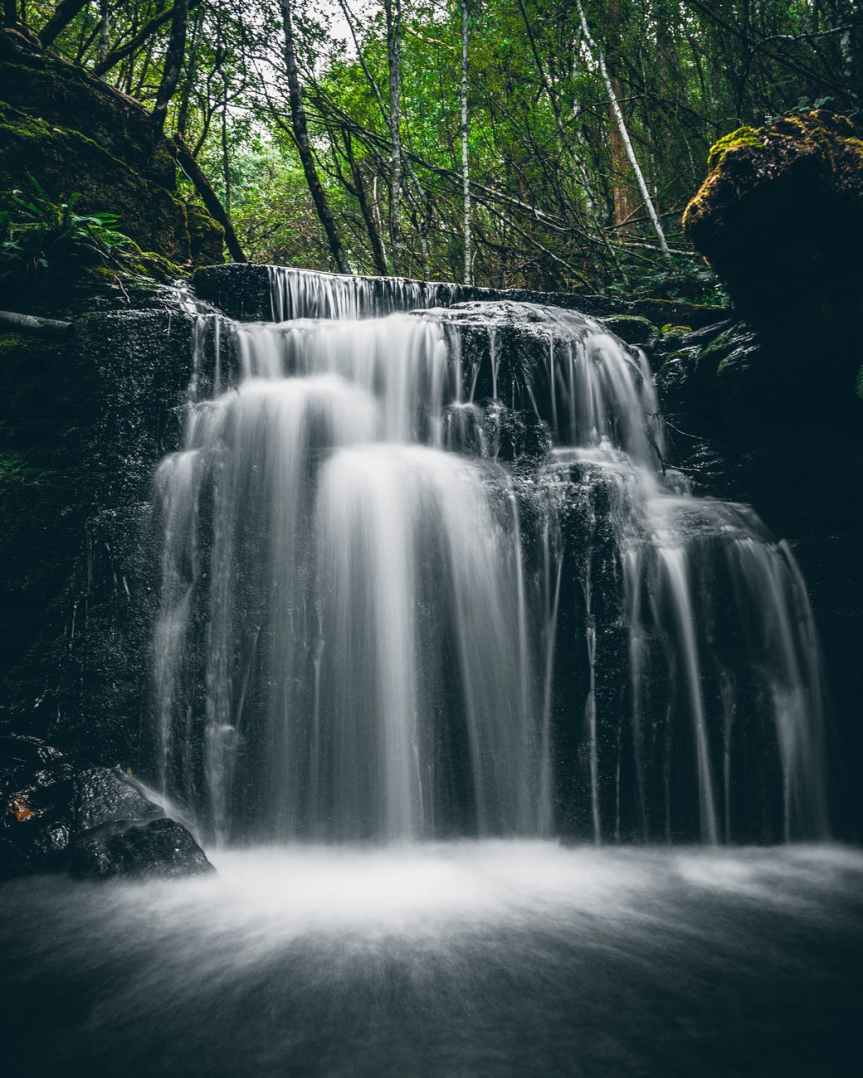
Top 5 water falls in India

Hello guys !Today’s topic is top 5 waterfalls In India.

Waterfalls are always a sight to see no matter which waterfall it is .They bring peacefulness and refreshing vibes to people when they visit them.
It's like how we use filters to glorify our pictures similarly waterfalls adds beautiful filter to the nature.

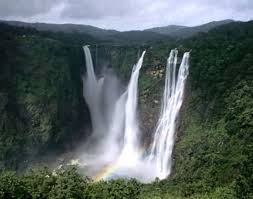
1. Jog waterfalls:-

Located :Sagar taluk in Shimoga district of Karnataka state, India.

Speciality: The water thunders down the slope losing contact with the rocks .It is the tallest un-tiered waterfalls.

From:timesofindia.indiatimes.in

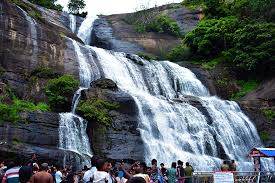
2.Kutralam Five falls:

Location: In Tenkasi district in the South Indian state of Tamil Nadu bordering Kollam district, Kerala.

Speciality: considered to be medical spa as these waters consist of medical smells.

From:tamilnadutourisminfo.com

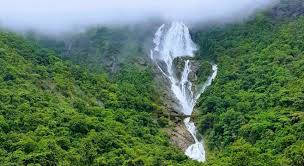
3. Dudhsagar waterfalls

Location: On the Mandovi River in the Indian state of Goa.

Speciality:Called as sea of milk and Dudhsagar Falls is amongst India’s tallest waterfalls .

From:insider.in

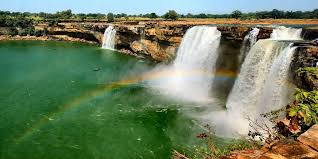
4.Chitrakote Waterfall

Location:On the river Indravati in Bastar district of Chhattisgarh state of India.

Speciality:Also called as Niagra of India, this waterfall is that during the rainy days, this water is reddish, it looks absolutely white during the summer moonlight night.

From:cgps.info

5.Elephant Falls

Location:Falls is situated at the outskirts of the main city of Shillong in the East Khasi Hills District, Upper Shillong.

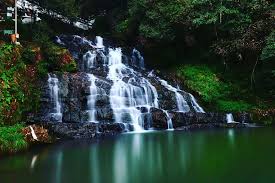
Speciality: Also called threes step waterfalls ,it is a two tiered waterfall and named after an rock that looks like an elephant near the falls.

From:Tripinvite.com

Thankyou^^

5 National Tourist Places in India

India is a country which has a unique situation. The north is guarded by mountains and the South is guarded by three big oceans. So, India is a big source of natural diversity. Let’s talk about some of them.

  1. Darjeeling:

Position: Darjeeling is a hill town in West Bengal which situated in the foot of Himalayan range.The height of place is 2.042m from sea level. It is under UNESCO World Heritage site. Kanchenjunga world’s third highest peak is also here. The tourist places in Darjeeling are Tiger Hill (it is famous for beautiful Sunrise View), BatasiaLoop (spiral Railway), Himalayan mountaineeringInstitute (this is one of the old and famous mountaineering learning place), Night gale park, Darjeeling ropeway, Darjeeling Himalayan Railway, Darjeeling Rock Garden

(also called Barbotey Garden), Sandakphupeak (at 11941 feet height) world famous tea farms, River drafting, Singalila national park and many more .

  1. Shillong:

Position: Shillong is situated in the Meghalaya state in the North East part of India. This town is above 1495 from sea level. It is called the Scotland of India or Scotland of East. It is capital of Meghalaya state. The tourist places in Shillong are — Shillong peak, elephant Falls (fall with the structure state of elephant feet) ,laitlum Canyon, Don Bosco Museum,Mawphlang, Mawlynnong (the cleanest village). Mawsynram (the wettest place in world), spread Eagle Falls, Khasi hills, Garo Hills, Air Force museum, butterfly and ever living Museum, ward’s lake and many other places.

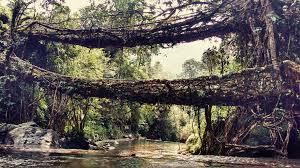
  1. Cherrapunjee: It is a high attitude town of Meghalaya which is situated in the Northeast part India. It has another name Sohra. The height of this place is High 1430m from sea level.  the best time for visiting this place is October. The popular places in Cherrapunji are double decker living root Brigade gate, which is made from the root of rubber tree ,Nohkalikai Falls, seven sister Falls ,Mawkdok Dympep Valley, Wakaba falls, Khasi Monoliths, Krem Mawmluh ( 4th longest cave in India ), Dainthlen Waterfall, Kyrrem falls, Mawsmai Cave, Mawsynram village (famous for rain. It is also believed that it is the rest place of rain God) any many more.
  1. Coorg: It is a district of Karnataka popular for nature tourism.Its current name is Kodagu. It is under Malandregion. Every time can be better to visit Coorg as it is depending on what you want to see in Coorg.So, tourist places of Coorg are Abbey Falls, kopatty Hills Trek, dubara elephant camp(famous for Elephant)Somwar pat, Honey Valley, CauveryNisaragadhama(among bambous), Tadiandamol peak,Honnomana Kera Lake,mallalli Falls,pushpagiri wildlife sanctuary, chalavera Falls,barapole river (famous for rafting), Nagarhole National Park ,Brahmagiri peak,Nishani motte( famous for tracking)and other places.
  1. Manali: It is a Himalayan High attitude town of Himachal Pradesh in India.The high from sea level of this place is 2050m. It is under the district of Kullu.It is situated in the base of Beas river. The famous natural tourist places are verhisht hot water spring,  Nehru Kund(near the Leh National highway), jogini Falls,Solang Valley, Kothi(a beautiful village),rahala waterfalls ,naggar village ,chandrakhani pass ,Gulaba , Arjunguha, van vihar sanctuary of Manali, Rohtang Pass, Beas Kund Trek (famous for Campion) great Himalayan National Park, Bhrigu Lake ,Kullu ,bhuntar,  Jana water falls ,homptapass ,tirthan valley, Kheerganga and many other places.

ANIMAL LOVERS

“Animals are a window to your soul and a doorway to your spiritual destiny. If you let them into your life and allow them to teach you, you will be better for it.”― Kim Shotola, The Soul Watchers: Animals’ Quest to Awaken Humanity

God’s creations

“Wherever there are wild animals in the world, there is always an opportunity for caring, compassion and kindness.”― Paul Oxton

Animals are the creations of God. They are as much important in the scheme of things as men. Animals, nature and man constitute the ecology. Harm to any of these means the disturbance of the ecological balance. Moreover, as God’s best creation, man has the responsibility to look after the welfare of the animals, which undoubtedly look forward to man for protection and survival. If man fails to do this duty it would be a moral crime on his part.

Respect to Almighty

“love about any animal or bird is pure because in that love u dont expect anything from them”― Kedar dhepe

Love of animals is the love of God. It is wrong to do harm to the animals, to beat them and kill them. Animals are generally good. They do not harm anybody unless they are harmed. They kill others for necessity and sport. Even ferocious animals like tigers and snakes do not injure or kill anybody unless they are attacked. Love of animals is an essential part of human nature. The domestic animals like cows, dogs, cats serve us faithfully. Small animals are dumb and meek. They depend on us. So, it is wrong to oppress and kill them. It is our moral duty to love them and keep them in their own places If we love them, they will love us and thus a natural bond will be established.

Love to nature

“The way you treat the animals around you will be the nature of the animal within you”
― Sir P.S. Jagadeesh Kumar

Animals like tigers, lions, deer end many others are part and parcel of Nature. They provide beauty and harmony to Nature. Reckless destruction of these animals is as bad as rash demolition of forests. Preservation of wild animals is a duty for all. They maintain the balance in nature. Moreover, they are a big attraction to the children, men and foreigners. We like to see the variety of God’s creations. It is also our duty to preserve them.

5 Tourists Places in India with the Touch of Nature

Photo by Tatiana Syrikova on Pexels.com

Who does not want to explore new places? Everyone loves to travel and visit beautiful places. India is a destination for tourist lover of all over the world as every type of tourist place can be found here. From mountains to sea, from forest to desert and from historical to science places. According to statistic 2019, India ranks 34th out of 140 tourism countries from all over the world. Here I have given some suggestion of places from India where you will forget yourself with the touch of nature. So, pack your bag and go to these places.

Snow in Gulmarg

1) Gulmarg, Jammu-Kashmir (North of India) : Jammu- Kashmir is called ‘heaven on earth’. It is a popular hill station and town in Kashmir. Its location is sets in the Pir panjal Range of WESTERN Himalayas. The height of this place is 2650m from sea level. During summer (April- May) it is full of greeneries. But the best time for tourism is January to February for snowfall. Here you can take a ride of gondola, enjoy the beautiful scenery of mountains in Khilanmarg, make an iceman from snow and feel the speed of snow skiing.

Gulmarg meadow in Summer
Desert of Jaisalmer

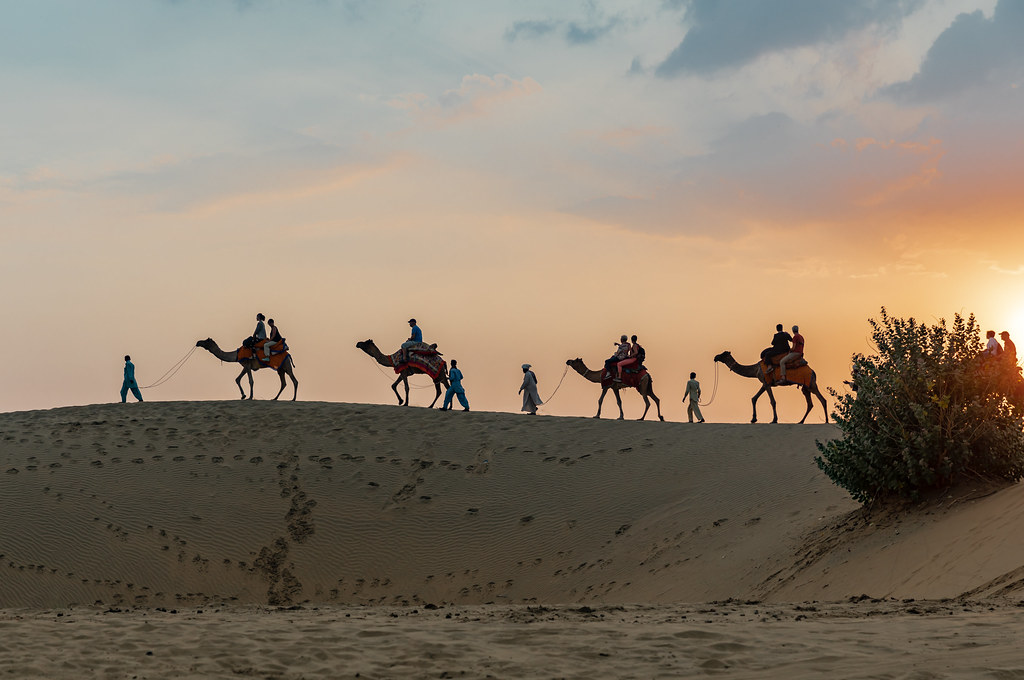
2) Jaisalmer, Rajasthan (west of India): Jaisalmer, the golden city, is a desert city. It’s the 9th biggest sub- tropical desert in the whole world. It also works as a natural barrier between two countries, India and Pakistan. In the sea and mountains of the sand, you can enjoy the camel riding, feel the hot and cold weather during day and night in campaign. Take the pleasure of camel ride to travel in the desert .Don’t think that sand can’t give you the pleasure because it will certainly give you much more than you think.

Camel Ride in The Desert of Jaisalmer
Blackwaters in Kerala

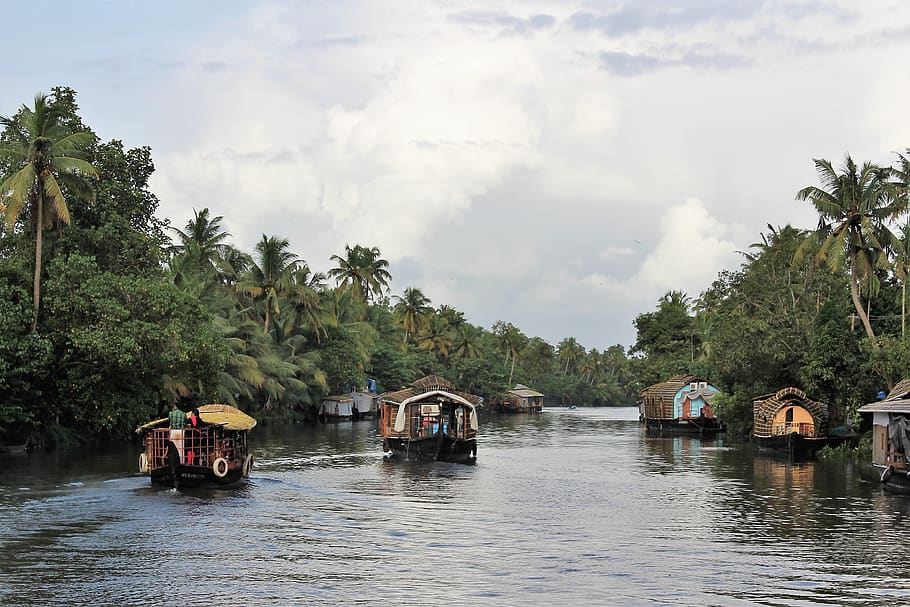
3) Blackwaters, Kerala (south of India): It is a nature made water path in Kerala. This biackwaters is a water connection between lagoons, and lakes of Arabian sea. This blackwater wide more than 900km in size with some rivers, lake, water cannels etc. Vambanad lake which is India’s ever long lake, situated here. You can enjoy these waterbed sceneries in ferny ride.

Gangtok in Sikkim

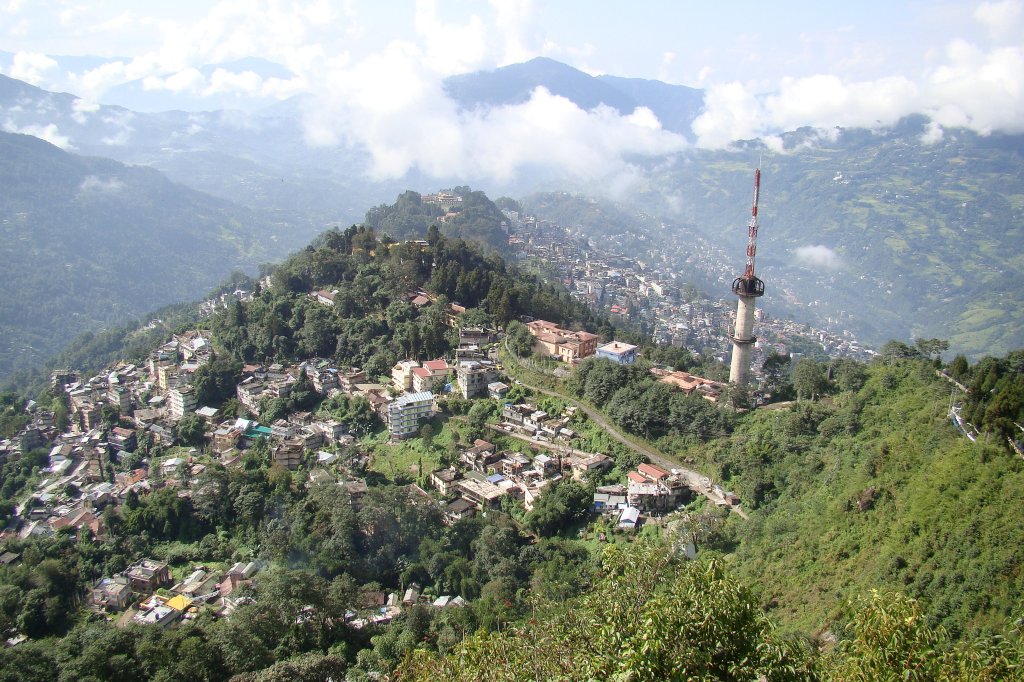
4) Gangtok, Sikkim (North- east of India): It is the capital town of Sikkim which is situated in the height of 1650m from sea level. It is a valley town with the scenery of majestic mountains. It was famous for pilgrims’ place of Buddhist. The spectacular mountain scenery, wonderful Tibetan culture and magnificent monasteries, flower gardens will make you addict to this place.

Scenery of Gangtok
al lake in Srinagar

5) Srinagar, Jammu & Kashmir (North of India) : It is the northeast city of India .There are lot of lakes in Srinagar .You can enjoy & travel in the lake with shikara ride. You can enjoy luxury living in cozy boat houses . Dal lake is the most famous lake in the northern India . You can also bought things from floating market in the morning time . You also be able to enjoy the traditional festive meat dish Wazwan .The enormous sight of  30 hector tulip garden will enlighten your mood . You can also watch the whole Srinagar from the city tower of Pari Mahal in Zabarwan mountain . The water of Chashme shahi will cure your body with your medicinal power . You will feel yourself as a ruler in the majestic palace of Maharaja Hari Singh .

Boat house in the lakes of Srinagar
Shikara in the lake of Srinagar

Positivity

[Bhoomika Saini]

How to think positive when everything is going wrong

Trying to be positive when you’re grieving or experiencing other serious distress can seem impossible. During these times, it’s important to take the pressure off of yourself to find the silver lining. Instead, channel that energy into getting support from others.

Positive thinking isn’t about burying every negative thought or emotion you have or avoiding difficult feelings. The lowest points in our lives are often the ones that motivate us to move on and make positive changes.

When going through such a time, try to see yourself as if you were a good friend in need of comfort and sound advice. What would you say to her? You’d likely acknowledge her feelings and remind her she has every right to feel sad or angry in her situation, and then offer support with a gentle reminder that things will get better.

Side effects of negative thinking

Negative thinking and the many feelings that can accompany it, such as pessimism, stress, and anger, can cause a number of physical symptoms and increase your risk of diseases and a shortened lifespan.

Stress and other negative emotions trigger several processes in our bodies, including stress hormone release, metabolism, and immune function. Long periods of stress increase inflammation in your body, which has also been implicated in a number or serious diseases.

Some of the symptoms of stress include:

Cynicism, stress, anger, and hostility have been linked to a higher risk of:

When to seek medical help

If you’re feeling consumed by negative thoughts and are having trouble controlling your emotions, see a doctor. You may benefit from medical help, such as positive psychology or therapy. Persistent negative thoughts can be caused by an underlying psychiatric condition that requires treatment.

Takeaway

You won’t be able to undo years of pessimism and negative thoughts overnight, but with some practice, you can learn how to approach things with a more positive outlook.

Calming Mother Nature

Spending time in nature can improve memory, lower stress hormones, and reduce feelings of depression or anxiety, among other perks. Being in nature can help clear your head and bring you into the present moment, and is a great way to de-stress and relax.

Being in nature, or even viewing scenes of nature, reduces anger, fear, and stress and increases pleasant feelings. Exposure to nature not only makes you feel better emotionally, it contributes to your physical well being, reducing blood pressure, heart rate, muscle tension, and the production of stress hormones.

Feel Better. If you’re able to, get back to nature to energize your mind and body. Depressed: If you’re feeling blue, try going outside to green, natural spaces. A stroll in the woods has been shown to help combat depression, and even just the view of the forest from a hospital room helps patients who are feeling down.

Spending time in nature has been found to help with mental health problems including anxiety and depression. For example, research into ecotherapy (a type of formal treatment which involves doing activities outside in nature) has shown it can help with mild to moderate depression.

The natural world is an incredible wonder that inspires us all. It underpins our economy, our society, indeed our very existence. Our forests, rivers, oceans and soils provide us with the food we eat, the air we breathe, the water we irrigate our crops with.