
The new price efficient Samsung Galaxy Chromebook Go.

The Galaxy Chromebook Go launched on Samsung’s website last month as a new cheap Chromebook from the company. There were still a lot of unknown facts regarding the 14-inch tablet, other than a few specifications and pictures. The notebook is now official and may be purchased.

While just the Wi-Fi variant will be available on Thursday, Samsung plans to release an LTE version in the following weeks, which could be a great bonus for on-the-go web browsing.
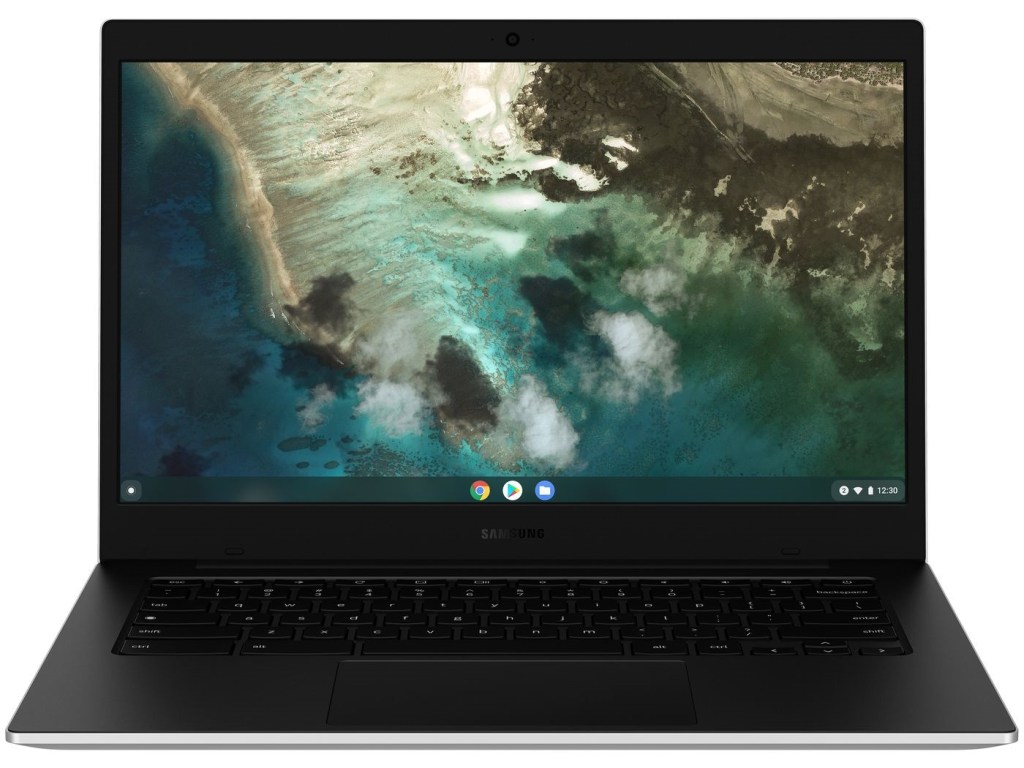
Galaxy Chromebook Go.

The low pricing of the Galaxy Chromebook Go appears to be reflected in its features. It has a 14-inch 1366 x 768 HD display, which is a significant downgrade from the Galaxy Chromebook 2’s 4K OLED panel. It also has an Intel Celeron N4500 CPU and 4GB of RAM, which won’t set the world on fire but should suffice for everyday Chrome use.

Two USB Type-C connectors, a USB 3.0 port, and a headphone-out/microphone-in combination port are included on the Galaxy Chromebook Go. The Chromebook boasts a military-grade construction and weighs only 3.2 pounds, according to Samsung (1.45kg). The island-style keyboard is spillproof and can withstand the odd drop. There are two 1.5W speakers included, as well as Wi-Fi 6 which is significantly quicker.

Samsung says that the Galaxy Chromebook Go’s 5480mAh battery would last 12 hours on a single charge, which is impressive compared to the Chromebook 2’s seven-hour battery life (in our tests) but is likely due to the changes in display and CPUs.

The Galaxy Chromebook Go is already available for purchase on Samsung’s website for $299. You may get it for as little as $129.99 if you have a device that can be traded in. An LTE version will be available shortly, according to Samsung.
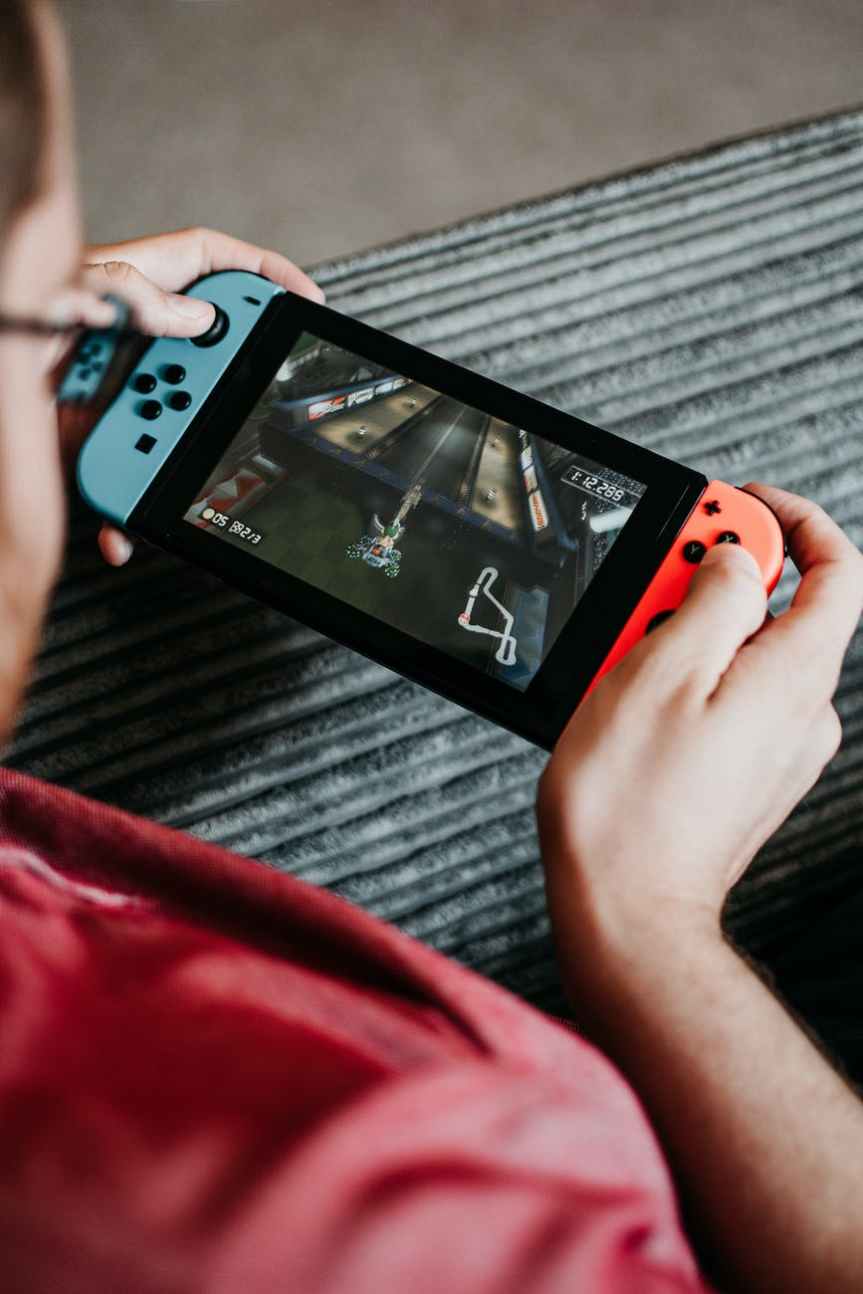
Steam Deck: Nintendo Switch’s newest competitor

Steam is a digital marketplace and is owned by Valve Corporation. Valve Corporation has published numerous games but in recent years they have been trying to enter the space of hardware. On November 10, 2015 Valve launched its first game controller for connecting to PCs and their own Steam machines (A prebuilt PC developed by Valve which was designed to operate Valve’s Linux-based SteamOS via the Steam client). The Steam controller was discontinued in 2019 and with modest sales.

Steam deck is Valve’s foray into the handheld console space. The Handheld space is currently dominated by Nintendo Switch. With 84.59 million of units sold since its launch in 2017, Switch has been one of the most successful consoles in the current gaming generation.  The most unique thing about Switch is that it can be switched from a handheld design to a home console with the help of a dock accessory.

Steam deck is essentially a PC on the go with very impressive hardware specifications. The handheld is equipped with a 7-inch diagonal display with 1200x800 pixels and 60 Hz refresh rate. It has an AMD APU (Processor) with Zen 2 architectures and 4 cores/8 threads. With 16GB LPDDR5 RAM and storage options ranging from 64GB eMMC($399) , 256GB SSD($ 529) and 512GB SSD($ 649).

Since the late 80s, Nintendo has been the reigning king in the portable gaming space. After the success of Switch, Nintendo revealed the new switch pro which has an OLED display upgrade. This will surely enhance the experience in the console but many were disappointed with no hardware upgrade. Nintendo Switch is still running an Nvidia Tegra custom chip which is severely underpowered and the console struggles to even play Nintendo’s core games with 30 FPS. This means that compromises have to be made to make a game run of the system. Another aspect is that the failure of Sony’s PS Vita (Sony’s portable handheld) failed against the Nintendo 3DS of the previous generation. Sony did not attempt to compete against Nintendo. This meant that there were no major competitors against Nintendo and the company has become somewhat complacent. The launch of Steam Deck also means that there is another competitor against the Switch and this will lead to healthy competition and ultimately it’s a win for the consumers. With 1.6 TFLOPS of GPU power its significantly more powerful than the Switch. Another point to be noted is the versatility that the Steam ex provides. The Deck essentially is a PC and this means that it runs on Valve’s version of Linux OS and by connecting it to a dock via a USB C and it also has full Bluetooth 5.0. This means that you can use it to hook the device up to a full-sized monitor and work on any productivity applications as well. Due to its open nature, even Windows can be installed on the deck. This means that it will be much more flexible than any of its competitors. There have been many recent smaller projects that have attempted a similar portable gaming PC, but Valve (Steam’s parent company) has a much deeper pocket and experience in its hands. The console will be shipped by the end of December 2021. There is no guarantee that this system will be a success but it surely will make the handheld space more exciting.