Achievements of the Glasgow Summit 2021


What was achieved?

Mitigation: The Glasgow agreement has emphasised that stronger action in the current decade was most critical to achieving the 1.5-degree target. Accordingly, it has:

1. Asked countries to strengthen their 2030 climate action plans, or NDCs (nationally-determined contributions), by next year.

2. Established a work programme to urgently scale-up mitigation ambition and implementation.

3. Decided to convene an annual meeting of ministers to raise ambition of 2030 climate actions.

4. Called for an annual synthesis report on what countries were doing.

5. Requested the UN Secretary General to convene a meeting of world leaders in 2023 to scale-up ambition of climate action.

6. Asked countries to make efforts to reduce usage of coal as a source of fuel, and abolish “inefficient” subsidies on fossil fuels
Has called for a phase-down of coal, and phase-out of fossil fuels. This is the first time that coal has been explicitly mentioned in any COP decision. It also led to big fracas at the end, with a group of countries led by India and China forcing an amendment to the word “phase-out” in relation to coal changed to “phase-down”. The initial language on this provision was much more direct. It called on all parties to accelerate phase-out of coal and fossil fuel subsidies. It was watered down in subsequent drafts to read phase-out of “unabated” coal power and “inefficient” fossil fuel subsidies. But even this was not liking to the developing countries who then got it changed to “phase down unabated coal power and phase out inefficient fossil fuel subsidies while providing targeted support to the poorest and the most vulnerable in line with national circumstances…”. Despite the dilution, the inclusion of language on reduction of coal power is being seen as a significant movement forward.


Adaptation: Most of the countries, especially the smaller and poorer ones, and the small island states, consider adaptation to be the most important component of climate action. These countries, due to their lower capacities, are already facing the worst impacts of climate change, and require immediate money, technology and capacity building for their adaptation activities.

As such, the Glasgow Climate Pact has:

Asked the developed countries to at least double the money being provided for adaptation by 2025 from the 2019 levels. In 2019, about $15 billion was made available for adaptation that was less than 20 per cent of the total climate finance flows. Developing countries have been demanding that at least half of all climate finance should be directed towards adaptation efforts.


Created a two-year work programme to define a global goal on adaptation. The Paris Agreement has a global goal on mitigation — reduce greenhouse gas emissions deep enough to keep the temperature rise within 2 degree Celsius of pre-industrial times. A similar global goal on adaptation has been missing, primarily because of the difficulty in defining such a target. Unlike mitigation efforts that bring global benefits, the benefits from adaptation are local or regional. There are no uniform global criteria against which adaptation targets can be set and measured. However, this has been a long-pending demand of developing countries and the Paris Agreement also asks for defining such a goal.


Finance: Every climate action has financial implications. It is now estimated that trillions of dollars are required every year to fund all the actions necessary to achieve the climate targets. But, money has been in short supply. Developed countries are under an obligation, due to their historical responsibility in emitting greenhouse gases, to provide finance and technology to the developing nations to help them deal with climate change. In 2009, developed countries had promised to mobilise at least $100 billion every year from 2020. This promise was reaffirmed during the Paris Agreement, which also asked the developed countries to scale up this amount from 2025. The 2020 deadline has long passed but the $100 billion promise has not been fulfilled. The developed nations have now said that they will arrange this amount by 2023.

What does the Glasgow Agreement say?

Following are the major observations of the Glasgow Summit :

1. A deal aimed at staving off dangerous climate change has been struck at the COP26 summit in Glasgow.

2. Expressed “deep regrets” over the failure of the developed countries to deliver on their $100 billion promise. It has asked them to arrange this money urgently and in every year till 2025.

3. Initiated discussions on setting the new target for climate finance, beyond $100 billion for the post-2025 period.

4. Asked the developed countries to provide transparent information about the money they plan to provide.

5. Loss and Damage: The frequency of climate disasters has been rising rapidly, and many of these cause largescale devastation. The worst affected are the poor and small countries, and the island states. There is no institutional mechanism to compensate these nations for the losses, or provide them help in the form of relief and rehabilitation. The loss and damage provision in the Paris Agreement seeks to address that.


Introduced eight years ago in Warsaw, the provision hasn’t received much attention at the COPs, mainly because it was seen as an effort requiring huge sums of money. However, the affected countries have been demanding some meaningful action on this front. Thanks to a push from many nations, substantive discussions on loss and damage could take place in Glasgow. One of the earlier drafts included a provision for setting up of a facility to coordinate loss and damage activities. However, the final agreement, which has acknowledged the problem and dealt with the subject at substantial length, has only established a “dialogue” to discuss arrangements for funding of such activities. This is being seen as a major let-down.

What are Carbon Markets ?

Glasgow Summit 2021


Carbon Markets: Carbon markets facilitate the trading of emission reductions. Such a market allows countries, or industries, to earn carbon credits for the emission reductions they make in excess of their targets. These carbon credits can be traded to the highest bidder in exchange of money. The buyers of carbon credits can show the emission reductions as their own and use them to meet their reduction targets. Carbon markets are considered a very important and effective instrument to reduce overall emissions.


A carbon market existed under Kyoto Protocol but is no longer there because the Protocol itself expired last year. A new market under Paris Agreement is yet to become functional. Developing countries like India, China or Brazil have large amounts of carbon credits left over because of the lack of demand as many countries abandoned their emission reduction targets. The developing countries wanted their unused carbon credits to be transitioned to the new market, something that the developed nations had been opposing on the grounds that the quality of these credits — the question whether these credits represent actual emission reductions — was a suspect. A deadlock over this had been holding up the finalisation of the rules and procedures of the Paris Agreement.


The Glasgow Pact has offered some reprieve to the developing nations. It has allowed these carbon credits to be used in meeting countries’ first NDC targets. These cannot be used for meeting targets in subsequent NDCs. That means, if a developed country wants to buy these credits to meet its own emission reduction targets, it can do so till 2025. Most countries have presented climate targets for 2025 in their first NDCs.

The resolution of the deadlock over carbon markets represents one of the major successes of COP26.

Five terms that came up at the climate change conference in Glasgow 2021


The main task for COP26 was to finalise the rules and procedures for implementation of the Paris Agreement. Most of these rules had been finalised by 2018, but a few provisions, like the one relating to creation of new carbon markets, had remained unresolved.

After two weeks of negotiations with governments debating over provisions on phasing out coal, cutting greenhouse gas emissions and providing money to the poor world, the annual climate change summit came to an end on Saturday night with the adoption of a weaker-than-expected agreement called the Glasgow Climate Pact.


The Glasgow meeting was the 26th session of the Conference of Parties to the UN Framework Convention on Climate Change, or COP26. The main task for COP26 was to finalise the rules and procedures for implementation of the Paris Agreement. Most of these rules had been finalised by 2018, but a few provisions, like the one relating to creation of new carbon markets, had remained unresolved. However, due to clear evidence of worsening of the climate crisis in the six years since the Paris Agreement was finalised, host country United Kingdom was keen to ensure that Glasgow, instead of becoming merely a “procedural” COP, was a turning point in enhancing climate actions. The effort was to push for an agreement that could put the world on a 1.5 degree Celsius pathway, instead of the 2 degree Celsius trajectory which is the main objective of the Paris Agreement.

Pollution a reality of today

Pollution has became a part of our life. It has became the reality whether we accepted or not. We have to now keep air purifier to purify the air inside our house. Just think of the level of destruction in has caused to just as well as to nature.

We have reduced the resources of nature or either we have misused the resources of nature for our own benefit. We youmans are so selfish that for our benefit we can even take away the things which are meant for everyone. Like we have polluted so many rivers which has caused death to so many aquatic animals that we can’t even imagine of.

We have polluted the air quality so much that we are now facing difficulty to breathe ourselves. We have caused pollution in air, water, soil, noise whatnot. Just think it yourself.

Now there are so many activist and NGOs are coming ahead for cleaning up the message that has been spread by us only. But it is not enough. To remove Facebook devil from our mother nature each and everyone have to contribute towards this.

We can take small steps like using public transport instead of personal one for travelling which will reduce the air pollution. There is no need of very much big-big steps to be taken a small step by each individual is enough for cutting this pollution into half.

It is our nature and we should use net sustainabily so that it is available for other animals and future generation as well.

PERMACULTURE-ETHICS,PRINCIPLES,METHODS

BY DAKSHITA NAITHANI

INTRODUCTION TO PERMACULTURE:

Permaculture is a method of design in agriculture that emphasises whole-systems thinking and the use of or stimulation of natural patterns.

Bill Mollison, a senior lecturer in Environmental Psychology at the University of Tasmania, and David Holmgren, a graduate student in the Department of Environmental Design at the Tasmanian College of Advanced Education, coined the term.

These principles are being applied in a growing variety of industries.

HISTORY:

Permaculture as we know it now was created in the 1970s t happened approximately a decade after the world became aware of the risks of pesticides like DDT and the damage they represented to humanity and the environment.

Because it was created for the development of long – term (in other words, permanent) systems, the phrase was coined from a combination of the words “permanent” and “agricultural.”

It was one of the first agricultural systems to recognise that local actions might have drastic implications.

 Holmgren is credited for popularising permaculture but it’s worth mentioning that various books on topics like agroforestry and forest farming have been around since the 1930s or earlier.

3 ETHICS:

Permaculture has 3 core tenants:

•             Care for the earth. To put it another way, assist all living systems in continuing to exist and multiply. But a healthy world is required for existence, it is important to understand the principles of nature and how it functions.

•             Care for the people. Allow people to have access to the resources they require to live. Members of the community who are in need of assistance are supported by the community (e.g. after someone dies, help build homes).

•             Fair share. We should take only what we require and reinvest any excess. Any surplus can be used to assist satisfy the other two basic tenets. This involves reintroducing waste products into the system so that they can be reused.

PRINCIPLES:

All sustainable community design initiatives should use Permaculture concepts.

They are the most important rules for putting it into practise. They may aid in improving and protecting the land, ecosystem, and people, as well as maximising efficiency and productivity.

These principles promote innovation while maximising outcomes. Every location, every circumstance, and every family is unique. As a result, each project’s plans, procedures, plants, animals, and building materials may differ. Even yet, the same principles apply to any location and endeavour, big or little.

1. Observe and Interact

2. Catch and Store Energy

3. Obtain a Yield

4. Apply Self-regulation and Accept Feedback

5. Use and Value Renewable Resources and Services

6. Produce No Waste

7. Design From Patterns to Details

8. Integrate Rather Than Segregate

9. Use Small and Slow Solutions

10. Use and Value Diversity

11. Use Edges and Value The Marginal

12. Creatively Use and Respond to Change

BENEFITS OF PERMACULTURE:

Reduced water usage

Wastewater and rainfall are used in permaculture. This is useful for homes, but for farms with larger areas, it becomes a more cost effective and efficient means of watering the produce.

Reduced waste

Nothing is thrown away. Garden waste, leaves, table scraps, and other waste products are composted or fed to animals as food. Some people go beyond and utilise compost toilets to fully live a zero-waste lifestyle. Permaculture is only sustainable if it makes use of leftovers.

Economically feasible

It is cost effective since pesticides are not required, and most systems require minimal upkeep. All you have to do is water the plants and mulch them once in a while.

Less pollution

Permaculture is a more natural manner of growing food, tractors and other powered agricultural equipment are rarely used.

Improved values

You’ll automatically acquire more ethical and good principles like consuming little, just using what you need, minimising pollution, and helping others if you practise.

More self-sufficiency

A farmer or gardener who practises permaculture may grow a broader range of crops on their property. It allows you to be self-sufficient by allowing you to grow whatever you desire or need to eat.

Applicable to existing systems

 Agricultural systems and lands that already exist can be converted to principles. Permaculture may be practised on a big or small scale wherever that you can normally grow food.

COMMON METHODS OF PERMACULTURE:

1) Agroforestry

Agroforestry is a technique that incorporates trees, shrubs, animals, and crops. The term is derived from a blend of agriculture and forestry. These two apparently disparate professions collaborate to produce systems that are more resilient, healthy, lucrative, and productive. Forestry farming, which is a permaculture technique also falls under the category of agroforestry. However, the main concept is to construct your food forest using a seven-layered method. A canopy layer, a low tree layer, a shrub layer, a herbaceous layer, a rhizosphere, a ground cover layer, and a vertical layer are all included. Silvopastoral and silvoarable are two other agroforestry systems.

2) Hügelkultur

Hügelkultur is a German word that means “hill culture.” It’s a method of burying huge volumes of wood in order to increase the soil’s ability to retain water. This rotting wood behaves like an absorbent, soaking up water from the ground.  Plant materials which behave as a compost are usually placed on top of the mound and decomposed into the soil. A Hügelkultur mound generally lasts 5 to 6 years until the wood rots completely and the procedure must be repeated.

3) Harvesting Rainwater and Grey water

Instead of letting rainwater wash from the property, you may collect it and store it for later use. Roofs gather the majority of rainwater. Eaves troughs, which collect and transport water away from buildings, are likely already installed on your farm’s homes, barns, and other structures. To collect rainwater, just connect a big tank to your downspout and catch the water rather than having it seep into the ground and go to waste. Storm water harvesting is another way to collect water. It is distinct from rainwater harvesting in that it collects runoff from creeks, drains, and other waterways rather than from rooftops. Grey water is a last source of reusable water on the farm. This is water that is used in the house or on the farm for things like bathing and doing laundry.  Because grey water includes detergents, it cannot be used for drinking, but it may be utilised for irrigation purposes and other reasons.

4) Cell Grazing

Grazing is commonly seen as a negative activity that, if not carried out appropriately, has the potential to harm the ecosystem in various ways. Allowing animals to overgraze a region can have severe repercussions, and this is true. Cell grazing is the favoured approach in permaculture. This entails moving herds of animals between fields, pastures, or woodlands on a regular basis. The disruptions created by grazing animals, when done correctly, can actually improve the ecosystem and allow plants to recover more quickly. It also keeps an eye on how animals interact with the land. Plants require appropriate time to rest between each grazing and therefore it’s critical that a region receives a rest time after being grazed.

5) Sheet Mulching

Mulching is simply any protective layer placed on top of the soil to retain water and prevent weed development and is used by many farmers and gardeners. A variety of materials such as wood chips, cardboard, plastic, stones, and are frequently employed. Sheet mulching is an organic no-dig technique that aims to imitate natural soil building in forests, namely how leaves cover the ground. Sheet mulching is most often done with alternating layers of “green” and “brown” materials. Fallen leaves, shredded paper and cardboard, pine needles, wood chips, and straw are examples of brown materials. Manure, grass clippings, worm casings, vegetable scraps, hay, coffee grounds, and compost are examples of green materials. It’s possible to utilise 5 to 10 layers of materials. Sheet mulching adds nutrients and minerals to the soil, inhibits weed development, regulates weather and protects against frost, reduces erosion and evaporation, and absorbs rainwater.

6) Natural Building

Natural building is a more environmentally friendly alternative to purchasing materials from your local hardware shop or lumber yard. You should try to employ as much recycled materials as possible in a system. There are a lot of renewable resources on the land that you may employ in your next construction project. Most people ignore clay, pebbles, wood, reeds, straw, and sand, which are all easily available materials. Tires, which are less natural, can also be utilised for building. This is a fantastic method to recycle old tyres that would otherwise be thrown away or burned. Similarly, instead of purchasing new windows, discarded glass windows are frequently repurposed.

7) No-Till or Minimum-Till Farming

The goal of no-till farming is to leave the soil untouched. The soil is left undisturbed rather than being broken up before planting. This helps to keep water in the soil, keeps carbon from leaving the soil, increases soil quality, and lowers the quantity of weed seeds that are brought closer to the surface to germinate. The soil is disturbed by conventional agriculture methods. This allows carbon dioxide to enter the atmosphere while also over oxygenating the soil. Loosening the soil in this way can cause erosion and nutrient runoff, as well as obliterate important fungal networks. Tilling can be reduced or even removed altogether for some systems with the right approaches.

8) Intercropping and Companion Planting

Intercropping is the planting of more than one two plant species in the same region that mutually benefit one another. Companion planting, for example, involves growing strong-scented plants and herbs such as basil, oregano alongside primary. Many of these companion plants with powerful smells are repulsive to pests. Not only that, but some of them really help the plants they’re partnered with to grow and taste better. Others help to loosen the soil or provide additional advantages. While many plants get along well when grown together, there are some who don’t because they demand the same nutrients or for other reasons.

9) Market Gardening

Market gardening is an intriguing shift away from conventional style of agriculture, which is carried out on huge swaths of land far out in the nation, to smaller plots of land, even in metropolitan areas sometimes. Market gardeners, as the name implies, sell their vegetables at farmer’s markets, however some may also supply restaurants and grocery shops directly.

Cash crops are aggressively produced on a small scale in market gardening (usually less than an acre of land.) While cultivating on as little as a quarter acre of land, a market gardener may earn up to $100,000 each year.


Ban on Single Use Plastic from July 2022

 The Environment Ministry released a notification on 12th August,2021, about ban on single-use plastic items. The Ministry’s notification on waste management amendment, 2021, states that “The manufacture, import, stocking, distribution, sale, and use of single use plastic, including polystyrene, and expanded polystyrene commodities shall be prohibited with effect from 1st July, 2022.”

What will be banned?

The amendment prohibits the plastic items which have “low utility and high littering potential”. It also aims to ban Polythene bags with lower levels of thickness, in a phased manner. Polythene bags with less than 50 micron thickness are already banned. Bags with thickness less than 70 micron will be banned by September. By 31st December, next year, Polythene with less than 120 micron thickness will also be banned. 

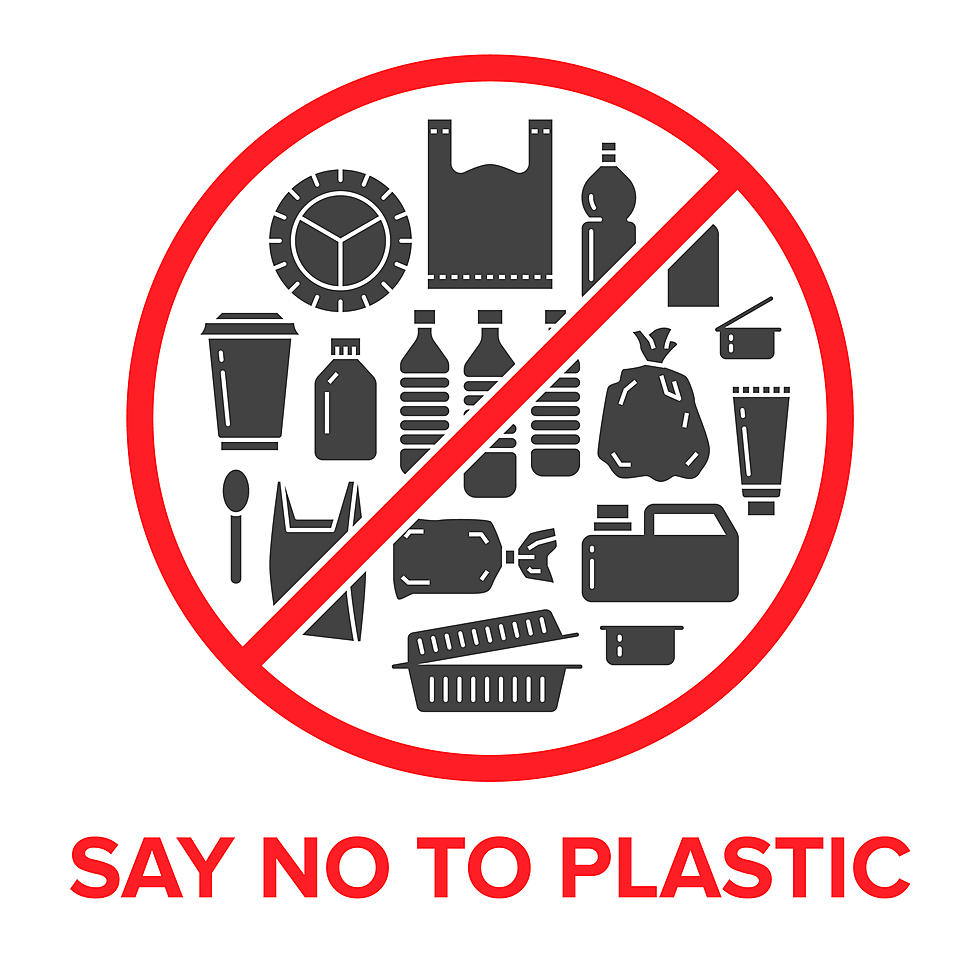
The main items that will be banned from next year includes;  plastic sticks found in earbuds, balloons, flags, ice creams, candies, etc. It also includes thermocol used for decoration and single use plastic cutlery items such as fork, knife, spoon, plates, cups, glasses, straw, trays, wrapping film around the sweet boxes. PVC banners with less than 100 micron will also be banned.  The ban is not applicable to any compostable plastic. 

According to the statements by the officials, the main objective of these changes is to protect the environment from harmful plastics. The major reason is that the plastic waste is neither collected nor recycled properly. Thicker plastic is easier to be recycled, as compared to the thinner or single-use plastic items. Officials have said that the alternatives for the banned plastic items such as single use cutlery will be ensured and promoted. 

As per the data of The Environment Ministry and The Energy Resources Institute (TERI) in 2018, 43% of the plastic manufactured is mostly for single use, and are used for the purpose of packaging. 9.7kg plastic is used by each person annually in India, most of which is used for packaging related activities. According to the experts, the consumption and waste management pattern has to be shifted with a more eco-friendly approach. Single use plastic contaminates the water as well as soil. It also chokes the waterways and blocks the sewage system. 

The reforms will be monitored by the Central Pollution Control Board and the State Pollution Control Boards. They will ensure to take into consideration the violations and impose penalties as per the Environmental Protection Act. The states and Union Territories have been requested to coordinate with a special task force to ensure the elimination of single use plastic. Previously, India had addressed the issue of single use plastic in the 4th UN environment assembly held in 2019. 

With the cooperation of the policy makers, manufacturers and the citizens, plastic waste can be reduced to a great extent.


Plastic Ban: An Initiative Towards Better Results!

Reducing Millions of Tons of CO2: EU Single-Use Plastic Ban

Plastic bags are a major cause of environmental pollution. Plastic as a substance is non-biodegradable and thus plastic bags remain in the environment for hundreds of years polluting it immensely. It has become very essential to ban plastic bags before they ruin our planet completely. Many countries around the globe have either put a ban on the plastic bag or imposed tax on it. However, the problem hasn’t been solved completely because the implementation of these measures hasn’t been as successful as expected.

People are more aware of the fact that plastic is harmful to the environment and if we keep increasing the use of plastic it is possible that we are creating a more harmful environment sooner than later. In this aticle on should plastic be banned it is important to understand that plastic in itself is not harmful when used, or recycled and reused, it is rather the littering of plastic on the streets, on land and water bodies, and the single-use plastic bags which are disposed in the same manner and cannot be recycled. Plastic is a non-biodegradable matter and takes lots of efforts to get decomposed so it is only natural that when such matter is only increasing then the threat to nature also rises.

Many countries like Italy, Bangladesh, China, and Kenya have taken the initiative to ban the use of plastic and are not given any to the public at any check out counter. However, there are many countries that have not adopted this, as it is also difficult to find an alternative to plastic that is easily decomposable and safer for the environment. So, rather than completely banning the use of plastic, we must find ways of recycling and reusing the plastic so that the dumping of plastic does not deteriorate the natural environment.

Important Reasons to Ban Plastic Usage:-

  1. Plastic can endure every climate and when littered travels through wind or water and reaches ocean bodies or gets stuck on lands and trees and harms these environments as it is non-biodegradable since it is made of non-renewable materials.
  2. The energy required to drive a car for 1 kilometre is used to make 9 plastic bags and this ratio is irrational as the plastic bag used is rather useful for only 11 minutes to carry materials and then discarded.
  3. An Environment Health Perspective reports that the components of plastic mimic hormones like estrogen and this causes severe damage to our health as it disrupts the natural hormonal balance in our body.
  4. It is a threat to wildlife who in negligence sometimes consume plastic which is littered along with their food. Many aquatic animals like turtles suffer a great deal as their digestive system is entangled in plastic and die.
  5. Plastic bags are not easy to recycle as the recycling rate by the recycling facilities is only 5% so it is tedious work.

Some Major Problems caused due to Plastics:-

  1. They are Non-Biodegradable

Plastic bags are made up of elements that are extremely hard to be degraded by the microbes in the environment. They take hundreds of years to be completely decomposed, which essentially means that almost all of the plastic ever made still exists in the environment causing pollution! In fact, plastic bags are a major source of pollution of land and water presently across the world. 

2. Effect of Plastic on Human Health

Due to the excessive use of plastics, there are a number of ways in which plastic finds its way into our food chain. Accumulation of nano plastics over a long period of time can cause organ failure, intoxication and respiratory and gastrointestinal distress. Burning of plastics also produces harmful smoke that can cause poisoning in humans. 

3. Harmful for Animals

Animals, both terrestrial and aquatic, consume a lot of plastic wastes unknowingly. Consuming large chunks of plastic often cause blockage in their respiratory tract. This may result in respiratory failure due to choking. After consuming plastic bag, an animal is not able to digest it and it stays inside its intestine causing complications and ultimately, untimely death.

4. Clogged Sewage

Another major problem of plastic bags is that it accumulates in waterways and clogs drains and sewages. This can result in overflowing drains which can then breed various vectors of diseases. Afterwards, from this accumulation of plastic bags oxygen supply to the water is reduced and aquatic animals die due to the lack of oxygen as well.

Conclusion:-

Although plastic is becoming a big threat for all of us, still this problem has often been overlooked and underestimated. This is because people do not look at the long term effect of these small, easy to carry bags they use in their everyday life. Besides all of these people keep using bags due to their convenience. But now everyone has to completely stop using the plastic bag to save our environment and earth.

It is safe to say that like any global problems affecting the environment and the people all over it is not easy to find a particular solution so we can only trust time to see what works and what doesn’t and in the meantime find alternatives which are biodegradable and instead of dumping reuse and recycle and spread awareness about its importance, in this way you can contribute to maintaining nature’s sanctity.

GREEN ECONOMY- THE ESSENCE OF PROGRESS

INTRODUCTION

                “What soul is to body, the same is sustainability is to the progress of a nation”
The United Nations Environment Program (UNEP) describes a green economy as “one that results in improved human well-being and social equity while significantly reducing environmental risks and ecological scarcities” (2010). The concept was first coined in 1989 by the London Environmental Economics Centre (LEEC) in a publication called the “Blueprint for a Sustainable Economy”, authored by David Pearce, Anil Markandya, and Ed Barbier. A green economy aims at converging the environment, society, and economy. However, several encumbrances have obstructed the transition towards a green economy. The foremost being the inefficacy of businesses to invest in the environment. It is mainly due to a myth that it would not yield economic benefits. The investment would generate additional jobs, increase trade and output. A well-framed strategy would facilitate poverty eradication, equity, and growth.

THE COGNITION BEHIND GREEN ECONOMY

A Green Intelligence Report estimated that by 2030, energy-related CO2 emissions in the United States increase to 6.9 billion metric tonnes (MT) under a “business as usual scenario’’. It has been projected that by 2050, the emissions would rise to 42.3 billion MT. According to “Environment Outlook to 2050 “, air pollution has been projected as a major environmental cause of mortality by 2050, ahead of the lack of clean drinking water and sanitation. As cited by The Global Alliance on Health and Pollution, almost 8.3 million premature deaths each year due to air pollution. India and China have the highest number of pollution deaths per year -2,326,711 and 1,865,566 deaths. The reasons for this seem to be their high population and ever-growing industrialization. According to Greenpeace, Centre for Research on Energy and Clean Air, as a share of GDP, these countries incurred 5.4% and 6.6% of the economic cost of air pollution in 2018. The estimated cost of air pollution was $ 2.9 trillion, equating to 3.3% of the global GDP. These projections indicate the urgent need for action as the cost of damages is exponential and will worsen if not addressed through a strategic framework.

Sweden has been ranked First by The Global Green Index, 2018. At the same time, it was one of the richest countries with the highest GDP per capita, amounting to around 51,615 USD (World Bank). Thus the concept of a green economy provides a potential solution to these problems. According to the study by Brookings Institution Metropolitan Policy Program called “Sizing the Clean Economy, a National and Regional Green Jobs Assessment”, investment in clean energy projects generates 3 times as many jobs as generated by fossil fuel projects. As cited by the report called “Towards a Green Economy: Pathways to Sustainable Development and Poverty Eradication”, governments should spend $1.3 trillion a year to facilitate the shift to a green economy.

GREEN ECONOMY-THE PROSPECTIVE SOLUTION

A green economy recognizes the interdependence between the environment, society, and economy. It tries to reduce pollution and uses resources efficiently while generating employment, reducing poverty, encouraging equity. It seeks systematic, accountable, and transparent governance as a prerequisite for framing and implementing effective policies. A circular economy is a potential sustainable economic model, a solution to the problems associated with a linear economy. In a Circular Economy, materials are reused, recycled, or recovered. It avoids or minimizes waste and prevents greenhouse emissions as well. Sustainable Development Goal (SDG) 12 on sustainable consumption and production (SCP) and UNEP’s circular economy approach complement each other. SCP is all about producing goods and services responding to basic needs while providing a better quality of life by minimizing toxic materials.

CONCLUSION

We need to understand that the concept of a green economy is not simply about renewable energy or sustainable utilization of resources. On the contrary, it is much deeper than that. Its ambit extends to factors like societal inclusion in terms of Social Equity, Gender Equity, and other factors like quality of life where everyone has access to basic requirements like sanitation or nutrition. It focuses not only on increasing growth in terms of GDP but aims to achieve inclusive growth wherein no section of the society is deprived of development or is left. Due to these reasons, the Green Growth Index gives significance to factors like social inclusion as well. We need a combined effort involving the active participation of civil society. Since the civilians are well acquainted with the needs and priorities of the local people, it would facilitate the initiative. It would also promote equity and poverty reduction, the underlying motives of a green economy. We ought to understand that environment, society and economy are complementary to each other. Hence we need integrated policy-making and effective methodology to move towards a green economy.

Pollution and its effect on environment and health

We all are familiar with the term Pollution and have heard and observed it lot of times. But here , I want to discuss different types of pollution’s effect on our Environment and health. whether it be air pollution, water pollution , noise pollution ,soil pollution or any other pollution. it has some serious effect on our environment.

As we all know that pollution is an undesirable change in the physical or chemical change in our environment due to accumulation of harmful substances and these substances who causes this pollution are called pollutants.

Now let us discuss some adverse effect of different types of pollution in our environment :-

  1. Effects due to air pollution: it is the one of the most common pollution it is caused due to unwanted particles in air. Major pollutants are carbon monoxide, oxide of Sulphur, hydrocarbons ,carbon dioxide etc.
  • Carbon monoxide : carbon monoxide has a damaging effect on us. it has affinity with haemoglobin and forms stable compound , due to which oxygen capacity of haemoglobin reduces.it can cause headaches, exhaustion and other effects . it can even cause death.
  • Oxides of Sulphur : it causes breathing difficulties and diseases like asthma and bronchitis. It is also harmful to plants and animals. Sulphur dioxide with Sulphur trioxide and water forms Sulphorous acid and Sulphuric acid. which causes acid rain. acid rain can damages various buildings plants and aquatic life.
  • Hydrocarbons: They are very dangerous and many hydrocarbons like methane when oxidizes with Carbon dioxide can increase amount of carbon dioxide in nature. Alkyl nitrates when reacting with molecules in atmosphere can affect blood kidneys and nervous system.
  • Carbon dioxide : high concentration of carbon dioxide can cause global warming and due to global warming it affects our climate and other things.

2. Effects due to water pollution : it is due to the unwanted substances in water bodies. which make it unfit and harmful for use.

  • Effects of nitrates : Excessive presence of nitrates in water is unfit to drink , especially for infants. This excessive nitrates is due to the use of hydrogen fertilizers.
  • Effect of pesticides: pesticides can easily penetrate our skin. it can also cause lung related problems.
  • effect of domestic wastes : it contains a lot of organic matter in forms of soap , detergents and food. such pollutants causes water pollution and can lead to diseases like typhoid cholera Diarrhoea. organic waste from various industries enter in water bodies and cause excessive growth of aquatic vegetation and decreases oxygen content of water.

3. Effects due to soil pollution : it causes loss of natural nutrients , soil organic matter and imbalances the nutrients present in the soil. crops that are grown in contaminated soil can absorbs those toxic material. it weakens the strength of trees. soil erosion is a very common problem.

4. Effects due to Noise pollution : Noise pollution occurs due to unwanted disturbing sound that causes problems to us. Excessive exposure to noise pollution can weaken our ears , can cause headaches , stress and anxiety. Noise pollution can damage ecosystem and also wildlife.

5. Effects due to radiation pollution : it is caused due to contamination of air , water with radioactive materials.

  • Effects of radioactive pollution: Radioactive pollution is a very dangerous and harmful pollution. it can cause diseases like cancer , haemorrhage etc. it can cause infertility of soil . radioactive pollution can damage plants it can affect their life.

nuclear disaster : a devastating fire in the reactor of chernobyl nuclear power plant took place on 26 April 198+6. this resulted in clouds of radioactive smoke affecting nearly 20000 people. Even today many people are suffering due to that.(veer Bala Rastogi , 237).

These all pollutions stated are very harmful for us . we should follow certain steps to decrease their effect in our environment .

HOW DDMP: 2041 ADDRESS THE ISSUE OF POLLUTION

Master Plan is a dynamic long term planning document which kays down guidelines for regulating and guiding the future growth and development of cities. Master Plan provides actions and strategies for meeting the social and economic needs of the current and future population. It includes analysis, recommendations, economy, housing, transportation etc. depending on the social, economic and environmental conditions of the are The purpose of a Master Plan is to promote growth and guide and regulate present and future development of towns and cities with a perspective of 20-25 years. It is an instrument to work out land and infrastructure requirements for various urban and rural uses, and allocate land for various uses to result in harmonious and sustainable distribution of activities. The plan guides the physical development of the community with the help of its long-term planning visions. This provides long ranged, comprehensive strategies which consists of all functions and make the community function.

DRAFT DELHI MASTER PLAN (DDMP)

The Master Plan of Delhi is the key instrument that facilitate and regulate Delhi’s development by assessing and analyzing the present condition and will guide how sustainable and balanced development can be achieved. The apex body of the master plan is the Delhi Development Authority and the implementation of this plan is the collective responsibility of all agencies involved in the development of Delhi.

The Draft Delhi Master Plan (DDMP)- 2041. focuses to take measures for reducing the tackling the air, water and noise pollution level in the city with the help of measures, such as ‘refuge points and self-sustained isolated residential areas to deal with the challenges of pandemic. Greener environment, Yamuna cleaning, economy focusing on areas such as IT, service sector and hospitality, enhanced mobility promoting cleaner fuels, addressing housing needs of the poor, and rejuvenation of the heritage fabric of the city are among the key features of the draft Master Plan of Delhi 2041.

DDMP aim to address issues of pollution

  1. Strategies to address Vehicle Pollution: The key strategies for achieving this include:  adoption of mix-use transit-oriented development (TOD), migration to greener fuels for public transport. The main aim of mix-use and transit-oriented development (TOD) is the reduction in average trip length and bringing jobs and homes closer to transit networks. With the help of using clean fuels the plan tries to encourage clean travel and green mobility by “improving pedestrian, cycling and EV infrastructure”.
  2. Strategies for Improvement of Water Quality: The improvement of water quality in the Yamuna and various natural drains, lakes and baolis by assigning different agencies with specific tasks, such as checking the outfall of untreated wastewater from surrounding developments.
  3. Strategies for large housing requirements: The plan tries to meet the future housing requirements through large scale greenfield development using “the land pooling method”.
  4. Strategies for low density housing requirements: The DMP tries to address the development of low density and low floor area ratio (FAR) residential areas within Green Development Area. It will also focus on regeneration of existing areas through “improvement of existing stock and creation of new units”.
  5. The second volume contains “Spatial Development Strategy and Action Plan” which highlighted major strategies and provisions covering both green field and brown field development in the city.

The Silent Killer of Immunity – Indoor Pollution

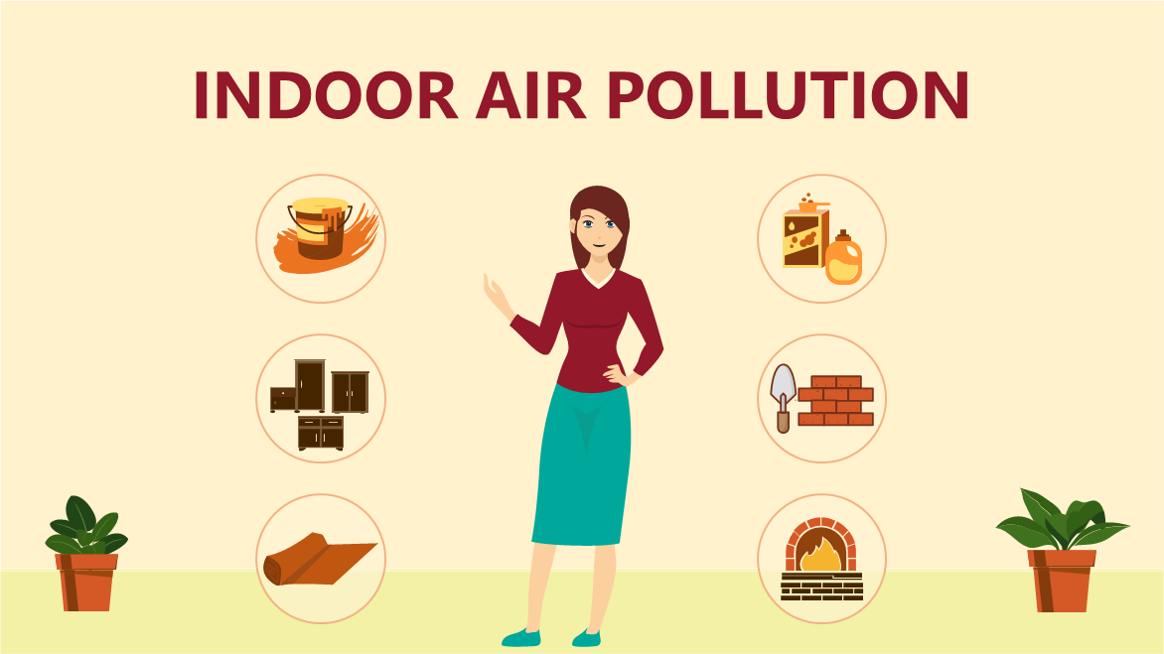
Hello everyone , Stay Home, Stay Safe. Today, everyone is advised to stay inside their homes if they want to be protected from the virus. But have you ever thought about the viruses inside your home? I’m talking about the pollution inside our homes. Whenever we talk about air pollution, we refer to the pollution outside in the city. But do you know that there are multiple sources of air pollution inside your home? Which are adversely affecting your health and immunity. 

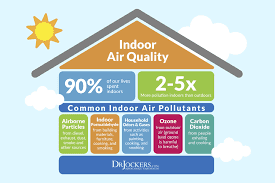
I think this will be an apt time to talk about indoor air pollution. What are the different sources of indoor air pollution? And how can you protect your health from them and fight against them? Come, let’s find out all of this, in today’s video. A US-based report of 2019 had stated that more than 6 Lakh Indians died because of indoor air pollution. The diseases from this type of pollution are respiratory. Pulmonary diseases. Like stroke, lung cancer, asthma, those diseases which are often caused by outdoor air pollution. But the good news is that, though you can’t control the outdoor pollution, but you can control the pollution inside your homes to quite an extent in simple and easy steps. 

Come, let’s get to know the sources and how to control them. You might not have to worry about the first and largest source perhaps because most of you live in cities where LPG cylinders are used. But in India, around 60% of the people, especially those living in rural areas, often use wood, charcoal and cow dung as fuel for cooking even today. The cooking fuels cause incomplete combustion which releases PM2.5. Which is very harmful to the lungs. Thankfully, for the last few years, through the Ujjwala scheme, the use of LPG cylinders has increased across the country. And the indoor pollution from this source has been reduced. If you know someone who still uses these cooking fuels, please advise them against it. 
The second source is something that can be easily found in the kitchens of the people living in cities. That is a non-stick pan with Teflon coating. Generally speaking, Teflon is safe. But when it is heated for more than 300°, the Teflon compound breaks down and harmful chemicals and gases are released. It is not very difficult to avoid this. If you have a Teflon pan, do not pre-heat it when it’s empty. Do not use it over extremely high heat. You can get its alternative, the ceramic pans which are not made of Teflon. The third source of indoor air pollution is your vacuum cleaner. Who would’ve thought? The machines that you use to clean your house are the ones who make it dirtier. 
Many vacuum cleaners, especially the old ones, suck in the dirt, dust and bacteria from the floor, and throw it back into the air. This was discovered by Australian researchers in 2012. That some vacuums instead of making things cleaner, spread more dirt. The same logic is applicable for brooms as well. The dust in the ground is spread into the air by the brooms. Which might then go into the respiratory system of the people. Friends, the simple solution to avoid this is to use the latest vacuum cleaners which have the High-Efficiency Particulate Air filters. The HEPA filters. When you buy a vacuum cleaner check whether it has the HEPA filter or not. These filters apparently capture 99.9% of dirt, dust and bacteria. The fourth source is the chemicals present in your personal care products. 
The air fresheners, perfumes, baby lotions and artificially scented candles which have synthetic fragrances in them. Synthetic fragrances are very harmful. There are petrochemicals in them. Benzene derivatives and Aldehydes which can cause cancer, birth defects and nervous disorders. The solution is very simple. Use such personal care products which do not have any synthetic fragrances. 
 The next source of indoor air pollution is paint. The paint that goes on the walls. You heard it right. Often, when the paint is wet. Many paints have VOCs which are very harmful to you. They may cause respiratory problems, headaches, nausea and your central nervous system may also be affected. Again, the solution is very simple. Use those paint companies which do not have VOCs. Or have minimal VOCs. Today, you will find many paint companies which sell VOC free paints. Second, when you get your walls painted, ensure that the windows remain open until the paint dries. And keep the paint cans tightly closed to prevent chemicals from leaking. 

The next source of indoor air pollution is something very common. Unfortunately, it is not so easy to avoid it. Mosquito coils, candles and incense sticks. You heard it right, friends. The things which are heavily used in our day-to-day lives. Especially, the candles and incense sticks. You would’ve read about combustion in school, friends. There are 5 main types of combustion. Let’s focus on the first two. Incomplete combustion and Complete combustion. In incomplete combustion, the combustion process is not fully completed. It means that unburnt soot particles are released. 
Combustion where the frame is of yellow colour. Like that in candles and incense sticks. And the blue frame is of complete combustion which is purer. Unburnt soot particles are not released. And fewer harmful gases are released. The logic is simple, friends. Whenever there is incomplete combustion, harmful gases will be released. Which are very harmful to your health. Not only candles and incense sticks, but also hookahs, cigarettes and wherever you find incomplete combustion. Obviously, in cigarettes and hookahs, there are many other harmful chemicals as well. 
Which are even more harmful to your health. Friends, cigarette smoke not only affects the health of the person smoking but if smoked indoors, the health of all the people in that house is also affected. Because the smoke from the cigarette spreads all over the house. It’s called Second-Hand smoking. You might have already heard about this. But, friends, did you know that after Second-Hand smoking there’s also something called Third-Hand smoking. When the ash residue from smoking falls on the furniture it can stay there for many days and release harmful gases. 
This third-hand smoking is as harmful as second-hand smoking according to several pieces of research. I talked about mosquito coils as well. They also release particulate matters. The solution here is that these things; mosquito coils, candles and incense sticks, avoid using them as much as you can. And when you have to use them, open the windows. Ensure proper ventilation. So that the air keeps moving and the smoke from them can go out of the house. 
While talking about ventilation, always remember one thing, friends, ventilation is a very important weapon not only against indoor air pollution but also to fight against coronavirus. Several research papers have said that if you keep your house well ventilated, keep the windows and doors open regularly so that the air can pass through, it reduces the spread of coronavirus to a large extent inside your house. The chances of your being infected by coronavirus are reduced a lot. Many research papers have stated that the spread of coronavirus and its infection has been seen indoors mostly. 
The infection rate outdoors is low. After ventilation, another important weapon is the sunlight. You might be amazed to know this, friends, that direct sunlight kills coronavirus. Not inside the human body but on the surfaces and in the air. When the direct sunlight falls on them. The scientists had previously assumed as such. But the latest research has proven that the intensity of killing coronavirus that direct sunlight has is 8 times as intense as was previously assumed. So open the doors and windows and let sunlight come in. Let it fall on your furniture and the floor and kill the germs and viruses.
 I hope that you would have learnt important and new things in this video. Share this video so that your friends and family can also get to know it. And get to safeguard their health. And can truly Stay Home and Stay Safe. 

The Noises of Modern World

 While everyone is concerned about environmental issues like air pollution and deforestation, there is another issue that has arised in our modern civilization- Noise Pollution. The sound of machines during construction and most importantly the honking in traffic are all contributors of noise pollution. These loud noises have become a part of our daily life. 

Noise pollution is an undesirable sound which generates discomfort to the ears and interferes with our peace of mind. The urban population is the most affected because vehicles contribute the most to noise pollution. WHO describes it as the most hazardous pollution after air and water, and has also listed some of its impacts on health. Not only humans, it also affects the wildlife of land as well as the water bodies. 


Impact on health

Noise pollution has many negative implications on our health. Exposure to noise pollution can cause psychiatric disorders,  anxiety, hypertension, stress, hormonal dysfunction, nausea, changes in mood and makes the person argumentative. Its effect on health also depends on the duration of exposure. 

Extremely disturbing sounds created by the machines disrupt the peace of mind of the person. It can also affect the ear and in adverse conditions may also lead to hearing impairment. In a few cases, exposure to noise can also lead to cardiovascular diseases

Sleep disturbance is a major problem associated with noise pollution. Chronic disturbance in sleep such as difficulty in sleeping, frequent awakening, waking up too early etc.can impact the overall well being of a person. 

Not only health, but also our social behaviour gets impacted by it. It can lead to negative social behaviour because noise builds stress and annoyance. It impacts and changes our everyday behavior and causes aggressiveness and unfriendly behaviour. 

Ways to reduce noise pollution

First step is to stop honking unnecessarily on the road. Most of the noise pollution is caused by honking in the traffic. Avoid playing Radio or Television at an extremely high volume as it can cause noise pollution inside the house as well as in the nearby areas. Try to use appliances with a low noise and turn it off when not in use. 

Planting trees can help to reduce noise because they act as a natural barrier to sound. Some trees have the quality of absorbing sound from the surrounding. A study by the US Department of Energy Study report states that trees can cut the noise levels by 50%. Not only noise, the trees can help to curb other forms of pollution also. 

In the wake of modernization, we have replaced the positive sound of birds and trees swaying in the breeze with a loud morning alarm and honking in the traffic. Some minor steps can help us to reduce the noise around us and restore peace of mind.


Why is wildfire smoke potentially worse than other pollutants in the air?

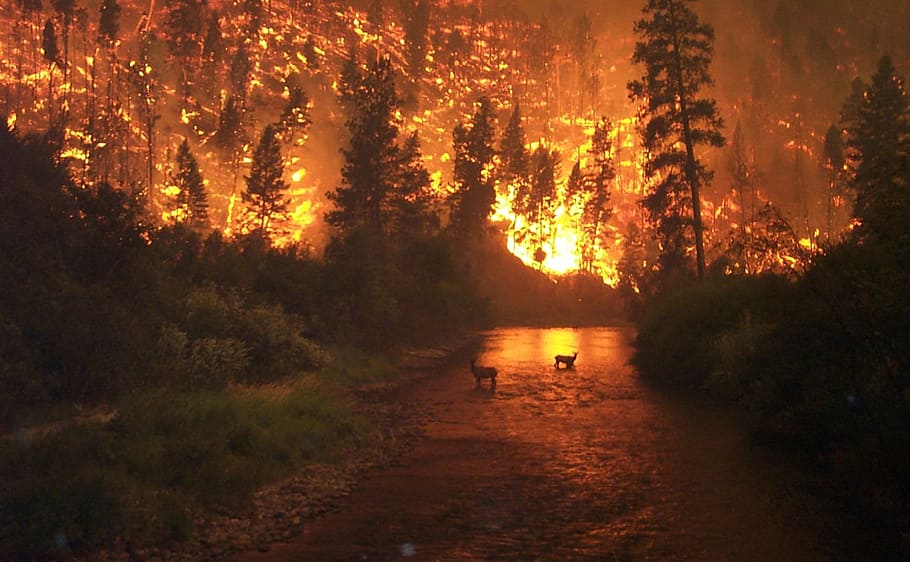
Wildfires in the Western United States have spread smoke across the landscape, posing a rising hazard to public health. The 2020 fire season was so terrible, because of climate change, that it nearly quadrupled the previous record for acres burned in California, and at-home monitoring of the smoke’s impact on air quality became practically ubiquitous. This year’s season is off to a disastrous start, with smoke from West Coast wildfires already darkening skies on the East Coast.

Smoke isn’t your typical form of pollution. According to studies published in the journal Nature earlier this year, the small particles present in smoke can be up to ten times more hazardous to human health than soot from other sources such as tailpipes and factories.

Fine particles, also known as PM2.5, are 30 times smaller than the diameter of a human hair follicle and were studied by researchers. When a fuel, whether it’s gas or plant, burns, tiny particles are released into the air and occasionally into our bodies. According to the study, fine particles from wildfire smoke resulted in 10% more respiratory hospitalizations than they would have been without the smoke. While pollution from other sources is also hazardous, it only increased hospitalizations by around 1%.

Rosana Aguilera, the study’s primary author and a postdoctoral researcher at the University of California, San Diego, spoke in an interview. She explained what she and other academics are doing to learn more about the effects of wildfire smoke on human health.

The interview was slightly altered for clarity.

What are “fine particles,” and why are they a concern?

Fine particles were investigated by the research group I work in since they are one of the primary components of wildfire smoke. These particles are distinct from others. Their chemical makeup varies depending on the items being burned. There are a variety of chemicals that may be found in wildfire smoke and fine particles, including carbon and heavy metals.

We’re concentrating on these small particles found in wildfire smoke right now because wildfire smoke is becoming increasingly prevalent as a source of emissions in various parts of the United States and the world. It’s one form of air pollution in California that appears to be on the rise in the foreseeable future. Some articles support the notion that wildfire smoke will be one of the primary sources of fine particulate matter in areas such as the Western United States.

What kind of impact may such tiny particles have on people’s health?

Because it’s tiny enough to infiltrate our respiratory system and reach deep into the lungs, it’s one of the air pollutants to be concerned about. It might enter the circulation and spread to other organs from there. It can make breathing difficult. It can irritate the skin and aggravate illnesses such as asthma and other respiratory and cardiopulmonary problems.

We mostly deal with acute impacts, which are the reactions that occur after being exposed to wildfire smoke for a few days. My study group isn’t focusing on long-term impacts right now, but I believe it’s an issue that needs to be explored more. Long-term exposure is more difficult to study since it requires following individuals who have been exposed to several wildfires.

So, how does wildfire smoke compare to other sources of pollution like vehicles, trucks, and industry?

When comparing wildfire smoke to non-smoke fine particles, we discovered that wildfire smoke is more hazardous in terms of increased hospitalizations.

The mix of traffic emissions and wildfire smoke may be extremely different. We haven’t looked at the chemical makeup of these tiny particles concerning their origins. However, several toxicological studies have delved into this further and shown that wildfire smoke toxicity may be enhanced. If it passes through a structure, it may pick up pollutants from homes and other structures.

What do you want to achieve with your research?

We’d like to investigate these differential effects of fine particles concerning emission sources, as well as try to learn more about the chemical makeup of various wildfires.

If wildfire smoke has a higher impact, and if it will be one of the primary sources of this sort of pollution in the future — or if it currently is — we need to learn more about why it is more damaging. Then, what kind of long-term impact can we expect?

Solid Waste Disposal

The piled up garbage dumps and the landfills as huge as a mountain that we see in our daily life is a clear indicator for us to consider eco-friendly waste disposal methods. Waste disposal and management is a highly ignored subject, as a result of which cities like Delhi produce 9,000 metric tonnes of garbage everyday. 

Efficient waste disposal methods and recycling can lead us to a bright “Zero-Waste-Future”. The eco-friendly methods of waste disposal require proper facilities for disposal of waste along with awareness among the masses.  


E-Waste Management

E- waste refers to obsolete electronic waste and managing these wastes is an emerging task as the number of electronic items are increasing day-by-day. The major problem is that people are not aware of disposal methods for E-waste and separate collection of E-waste is not easily accessible. This leads to dumping of it in the landfill with the normal garbage. It can adversely affect our environment and public health. 

 E-waste like batteries and cartridges have toxic chemicals in them like Lead, Mercury, Hexavalent Chromium etc. The groundwater near the landfill can get polluted with harmful chemicals like Lead. If it is burnt, then it can lead to toxic fumes in the air. 

Eco-friendly waste disposal methods

Firstly, reducing the amount of waste from our households is a crucial step. This can be ensured by some small changes on a daily basis. For instance, using a cloth bag while buying things instead of collecting many small polythene bags. Because these polythene bags bring in more plastic waste inside the house and it again becomes difficult to get rid of it in an eco-friendly manner. 


If the provision of two separate garbage collections is available, then the household should use two dustbins. One for the recyclable items and the other for the non-recyclable items. Making a product out of recycled goods takes much less energy than making a product with new items from scratch. If there is a separate hazardous waste disposal site in the vicinity, then the hazardous items like paint cans, tyres, and bulbs should be disposed of there and not mixed with the other wastes. 

Composting is a very easy and beneficial way of waste disposal. Waste from the kitchen like vegetable peels can be used as manure for the plants. Vegetable wastes have nitrogen rich minerals which makes the soil fertile and plants help to lower the greenhouse gases. It can be used for one’s own garden or can be donated as manure for a nearby park. It is one of the best ways for disposal of waste. Similarly, the green wastes such as trimmed grass from the garden can be used to feed the animals. 

The huge landfills are a result of the excess of waste generated. Hence it is important to act responsibly and promote efficient waste disposal methods. Some small steps taken in our everyday life can make an impact on the overall environment.