
Protein found in Zebrafish can regenerate aged discs in human vertebrae

 A protein found in the backbone of zebrafish that plays a positive role in disc maintenance and promotes regeneration in aged discs between vertebrae can have potential therapeutic implications to promote regeneration in degenerated human discs.

In humans, discs degenerate naturally, leading to many related health concerns, including low back, neck, and appendage pain. Currently, only symptomatic treatments for disc degeneration are available, including pain relievers or anti-inflammatories. In severe cases, disc replacement or disc fusion surgery is performed. Thus, there is an urgent need to develop a treatment either to suppress disc degeneration or to promote disc regeneration in humans. Medical examinations have given insights into the stages of degenerating human discs, but limited information is available about the cellular and molecular processes playing a role in the maintenance of the discs. Most importantly, no medical procedures or treatments have been known to suppress disc degeneration or induce disc regeneration.

A study by Agharkar Research Institute (ARI), Pune, an autonomous institute of the Department of Science and Technology, discovered that a protein called Cellular communication network factor 2a (Ccn2a) secreted from intervertebral disc cells induces disc regeneration in aged degenerated discs by promoting cell proliferation and cell survival by modulating the pathway called the FGFR1-SHH (Fibroblast growth factor receptor-Sonic Hedgehog) pathway.

The study which used Zebrafish as a model organism is the first in vivo study showing that it is possible to induce disc regeneration in a degenerated disc by activating an endogenous signaling cascade. The scientists also found that the Ccn2a-FGFR1-SHH signaling cascade takes a positive role in disc maintenance and augmenting disc regeneration. The study published in the journal Development used genetic and biochemical approaches and is likely to help design a novel strategy to suppress disc degeneration or induce disc regeneration in degenerated human discs.

Publication
https://journals.biologists.com/dev/article-abstract/doi/10.1242/dev.201036/285817/Ccn2a-FGFR1-SHH-signaling-is-necessary-for?redirectedFrom=fulltext

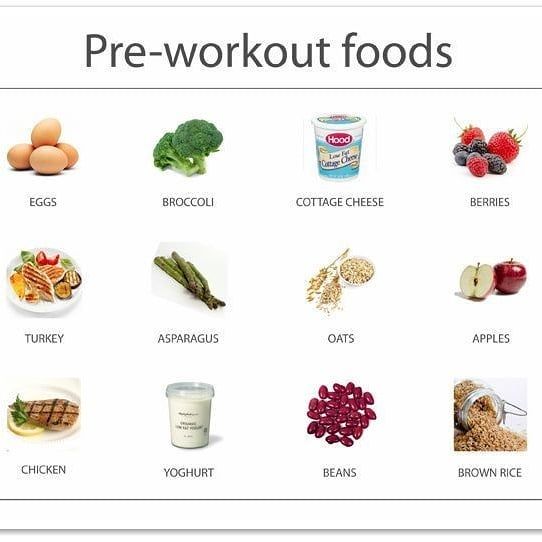
Pre workout meals

Good nutrition can help your body perform better and recover faster after each workout.

Optimal nutrient intake prior to exercise will not only help you maximize your performance but also minimize muscle damage. Fueling your body with the right nutrients prior to exercise will give you the energy and strength you need to perform better.Each macronutrient has a specific role before a workout. However, the ratio in which you need to consume them varies by the individual and type of exercise

Below is a brief look at the role of each macronutrient.

Carbs

Your muscles use the glucose from carbs for fuel.

Glycogen is the way the body processes and stores glucose, mainly in the liver and muscles.

For short- and high-intensity exercise, your glycogen stores are your muscles’ main source of energy (3Trusted Source).

But for longer exercises, the degree to which carbs are used depends on several factors. These include the intensity, type of training and your overall diet (3Trusted Source).

Your muscles’ glycogen stores are limited. As these stores become depleted, your output and intensity diminish (4Trusted Source5Trusted Source6).

Studies have consistently shown that carbs can increase glycogen stores and utilization while boosting carb oxidation during exercise (67Trusted Source8Trusted Source).

Carb loading, which involves consuming a high-carb diet for 1–7 days, is a well-known method to maximize glycogen stores (7Trusted Source8Trusted Source).

Protein

Many studies have documented the potential of pre-workout protein consumption to improve athletic performance.

Eating protein (alone or with carbs) prior to exercise has been shown to increase muscle protein synthesis (9Trusted Source10Trusted Source11Trusted Source).

One study showed a positive anabolic response after participants consumed 20 grams of whey protein before exercise (9Trusted Source).

Other benefits of eating protein before exercise include:

Fat

While glycogen is used for short- and high-intensity bouts of exercise, fat is the source of fuel for longer and moderate-to-low-intensity exercise (14Trusted Source).

Some studies have investigated the effects of fat intake on athletic performance. However, these studies looked at high-fat diets over a long period, rather than prior to exercise (15Trusted Source16Trusted Source).

For example, one study showed how a four-week diet consisting of 40% fat increased endurance running times in healthy, trained runners (15Trusted Source).

TIMING

To maximize the results of your training, try to eat a complete meal containing carbs, protein and fat 2–3 hours before you exercise.However, in some cases, you may not be able to get in a full meal 2–3 hours before working out.In that case, then you can still eat a decent pre-workout meal. However, keep in mind that the sooner you eat before your workout, the smaller and simpler the meal should be.If you eat 45–60 minutes prior to your workout, choose foods that are simple to digest and contain mainly carbs and some protein.This will help prevent any stomach discomfort during exercis

Plant based proteins

During times of change, many of us find comfort in simple pleasures. Like a great burger.
Yet, some of those simple pleasures have been compromised by the dramatic changes caused by COVID-19, including the disruption of the animal meat industry. Meat plants are closing, causing meat to be harder to find and its prices to rise. Some grocers are limiting the amount of meat shoppers can buy to curb pantry loading.
I know these issues will be resolved as the pandemic subsides. The animal meat industry will recover, and supply chains will be restored. But right now, you may be asking: What do I do without meat?
Now is the time to try plant-based protein. Made from simple ingredients you know, Lightlife
plant-based meat is as nutritious as it is delicious. And you can find the products in your grocer’s meat case.
To be clear, I’m not against the animal meat industry. I believe we’re all trying to solve the same complex challenge: how to feed everyone during this pandemic. But I do believe no diet should be entirely dependent on animal meat. That’s why Lightlife is committed to delivering plant-based protein throughout the country to ensure as many people as possible have access to the food they need.
At Lightlife, they are not asking you to give up animal meat. If you want to eat meat, eat meat. But they believe you should also eat plants: whole plants and plant-based protein. That’s why they strive to bring more high-protein options to your table. Fortunately, the trend toward eating more plant-based protein began well before COVID-19, driven by a desire for more balance and variety in our diets, as evidenced by the fact that 44 percent?of Americans now describe themselves as flexitarian.
In fact, Lightlife sales were up significantly in the first quarter of 2020. And longer term, the plant-based meat category is expected to grow exponentially, with the Good Food Institute predicting a threefold increase in the number of American households regularly purchasing plant-based protein1.
The reality is it takes a little more work these days to make a good burger, even the ones we make with simple ingredients. I want you to know that we’re committed to your dinner table. And your lunch table. And if you want a burger for breakfast, your breakfast table, too.
I am so happy for their production teams working around the clock to ensure our products are available at your local grocer. To ensure their health and safety, we have taken additional steps including social distancing wherever possible, daily temperature checks and health screenings, face coverings, increased sanitation efforts, and staggered breaks and start times to reduce the potential for congestion. This is in addition to the sanitation procedures our team is already accustomed to, and the variety of Personal Protective Equipment (PPE) we routinely wear.
This is all part of our dedication to getting high-quality, plant-based protein to your tables. Because whether your burger is made from ground beef or plant-based ingredients, a good burger is something we can all agree on. And I believe that together, we will celebrate that simple pleasure once again.