How to manage separation anxiety in children.

As a parent, it’s sometimes hard to be away from your kids. But it’s an indescribable, heartwarming feeling when you return – their smiles, the running to you with open arms, their tiny arms squeezing your neck. Whether you’ve been gone ten minutes or two days, that moment, this sweet reward, is everything.But what if reunions aren’t possible because the goodbyes are too much for your child to bear? If goodbyes are full of tears and fits, your little one might have separation anxiety.

Separation anxiety is a normal part of development that occurs when toddlers begin to grow more aware and develop stronger relationships with their caregivers. This awareness can make them more apprehensive and possibly feel unsafe without their parent or caregiver.Whether it’s dropping your child off at day-care or leaving your child at home as you head out to work, farewells can be difficult. Your child may understand that mommy and daddy didn’t vanish, but they might not know for how long. All they know is that they feel safest when you’re around.

When does it begin?

Separation anxiety typically develops before age 1 and peters out around age 3, but it can be experienced by older children and young adults as well—particularly during major life changes like transitioning to high school or leaving for college. Certain life stressors can trigger feelings of anxiety about being separated, such as divorce, loss of a pet, new caregiver, a new sibling, a new school or moving to a new place.

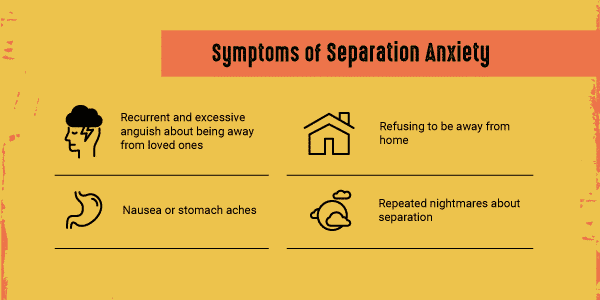
Separation anxiety can be normal and temporary. Although it can be difficult for your child, and for you as their parent, remember this indicates a strong attachment between you and your child.However, if you notice your child’s anxiety starts affecting their daily life and academics, talk to their doctor. Things like stomach aches, vomiting, headaches, constant worry about losing you or a loved one to a disease or illness or a reluctance to sleep away from you may be a sign of a more serious emotional problem called separation anxiety disorder (SAD. The main difference between the two is that with SAD their fears keep them from normal activities. Adult separation anxiety can have an onset in childhood or adulthood. Similar to other anxiety disorders, adult separation anxiety can affect your quality of life, but the condition can be managed with treatment. Talk to a medical professional if you suspect you or someone you love is living with this disorder.

Common causes of separation anxiety disorder

Separation anxiety disorder occurs because a child feels unsafe in some way. Take a look at anything that may have thrown your child’s world off balance, made them feel threatened, or upset their normal routine. If you can pinpoint the root cause—or causes—you’ll be one step closer to helping your child through their struggles.Common causes of separation anxiety disorder in children include:

  • Change in environment. Changes in surroundings, such as a new house, school, or day care situation, can trigger separation anxiety disorder.
  • Stress. Stressful situations like switching schools, divorce, or the loss of a loved one—including a pet—can trigger separation anxiety problems.
  • Insecure attachment. The attachment bond is the emotional connection formed between an infant and their primary caretaker. While a secure attachment bond ensures that your child will feel secure, understood and calm enough for optimal development, an insecure attachment bond can contribute to childhood problems such as separation anxiety.

Tips to reduce separation anxiety

Separation anxiety may come and go, but there’s plenty you can do to help ease your child’s symptoms. These tips can help them through this difficult period.

  • Talk to your child in a calm, positive tone. Let your child know what will happen while you are gone, who they will be with and all the fun things they get to do. Even if you feel your child is too young to understand, your positive tone and attitude will send a reassuring message. It may even be helpful to find and read picture books that talk about separation and that goodbyes aren’t forever.
  • Practice separating. Practice leaving your child at home with a caregiver for a short period of time. As time goes on, you can extend the time you are away before returning home.
  • Ease the separation. Leave your child with their favorite stuffed animal or toy.
  • Prepare an activity. Engage your child in a fun activity when the caregiver arrives or ask the daycare teacher to have an activity ready as soon as you drop your child off.
  • Make your goodbye short. Whenever you leave your child or drop them off, keep the goodbye brief. If you act anxious or keep returning for just one more hug or kiss, you may unnecessarily worry your child
  • Follow through on your promise. It’s important that you return when you promised to return as this helps your child build confidence and trust.
  • Aim for consistency. Kids like consistency, so try to schedule the same caregiver whenever possible, so your child feels more comfortable when you leave. Develop a brief, consistent routine for when you leave to create a familiar transition from being with you to being without you.
  • Attention: When separating, give your child full attention, be loving, and provide affection. Then say good-bye quickly despite their antics or cries for you to stay.

Additional tips for older children

Although separation anxiety tends to lower during adolescence, teens can experience it too. it is necessary to make sure an older child still feels safe and emotionally well to start being independent or it can resurface in untimely situations. . Here are some additional tips to help your adolescent child:

  • Acknowledge their fears. Let them know you’re there for them and that uneasy feelings are natural parts of adolescence.
  • Praise them for doing something they are anxious about.
  • Gently encourage, don’t force, them to do things that make them anxious.
  • Wait until your child is anxious before stepping in to help.
  • Remind your child of times when they were initially afraid but still managed to do something.

How to manage separation anxiety in children.

As a parent, it’s sometimes hard to be away from your kids. But it’s an indescribable, heartwarming feeling when you return – their smiles, the running to you with open arms, their tiny arms squeezing your neck. Whether you’ve been gone ten minutes or two days, that moment, this sweet reward, is everything.But what if reunions aren’t possible because the goodbyes are too much for your child to bear? If goodbyes are full of tears and fits, your little one might have separation anxiety.

Separation anxiety is a normal part of development that occurs when toddlers begin to grow more aware and develop stronger relationships with their caregivers. This awareness can make them more apprehensive and possibly feel unsafe without their parent or caregiver.Whether it’s dropping your child off at day-care or leaving your child at home as you head out to work, farewells can be difficult. Your child may understand that mommy and daddy didn’t vanish, but they might not know for how long. All they know is that they feel safest when you’re around.

When does it begin?

Separation anxiety typically develops before age 1 and peters out around age 3, but it can be experienced by older children and young adults as well—particularly during major life changes like transitioning to high school or leaving for college. Certain life stressors can trigger feelings of anxiety about being separated, such as divorce, loss of a pet, new caregiver, a new sibling, a new school or moving to a new place.

Separation anxiety can be normal and temporary. Although it can be difficult for your child, and for you as their parent, remember this indicates a strong attachment between you and your child.However, if you notice your child’s anxiety starts affecting their daily life and academics, talk to their doctor. Things like stomach aches, vomiting, headaches, constant worry about losing you or a loved one to a disease or illness or a reluctance to sleep away from you may be a sign of a more serious emotional problem called separation anxiety disorder (SAD. The main difference between the two is that with SAD their fears keep them from normal activities. Adult separation anxiety can have an onset in childhood or adulthood. Similar to other anxiety disorders, adult separation anxiety can affect your quality of life, but the condition can be managed with treatment. Talk to a medical professional if you suspect you or someone you love is living with this disorder.

Common causes of separation anxiety disorder

Separation anxiety disorder occurs because a child feels unsafe in some way. Take a look at anything that may have thrown your child’s world off balance, made them feel threatened, or upset their normal routine. If you can pinpoint the root cause—or causes—you’ll be one step closer to helping your child through their struggles.Common causes of separation anxiety disorder in children include:

  • Change in environment. Changes in surroundings, such as a new house, school, or day care situation, can trigger separation anxiety disorder.
  • Stress. Stressful situations like switching schools, divorce, or the loss of a loved one—including a pet—can trigger separation anxiety problems.
  • Insecure attachment. The attachment bond is the emotional connection formed between an infant and their primary caretaker. While a secure attachment bond ensures that your child will feel secure, understood and calm enough for optimal development, an insecure attachment bond can contribute to childhood problems such as separation anxiety.

Tips to reduce separation anxiety

Separation anxiety may come and go, but there’s plenty you can do to help ease your child’s symptoms. These tips can help them through this difficult period.

  • Talk to your child in a calm, positive tone. Let your child know what will happen while you are gone, who they will be with and all the fun things they get to do. Even if you feel your child is too young to understand, your positive tone and attitude will send a reassuring message. It may even be helpful to find and read picture books that talk about separation and that goodbyes aren’t forever.
  • Practice separating. Practice leaving your child at home with a caregiver for a short period of time. As time goes on, you can extend the time you are away before returning home.
  • Ease the separation. Leave your child with their favorite stuffed animal or toy.
  • Prepare an activity. Engage your child in a fun activity when the caregiver arrives or ask the daycare teacher to have an activity ready as soon as you drop your child off.
  • Make your goodbye short. Whenever you leave your child or drop them off, keep the goodbye brief. If you act anxious or keep returning for just one more hug or kiss, you may unnecessarily worry your child
  • Follow through on your promise. It’s important that you return when you promised to return as this helps your child build confidence and trust.
  • Aim for consistency. Kids like consistency, so try to schedule the same caregiver whenever possible, so your child feels more comfortable when you leave. Develop a brief, consistent routine for when you leave to create a familiar transition from being with you to being without you.
  • Attention: When separating, give your child full attention, be loving, and provide affection. Then say good-bye quickly despite their antics or cries for you to stay.

Additional tips for older children

Although separation anxiety tends to lower during adolescence, teens can experience it too. it is necessary to make sure an older child still feels safe and emotionally well to start being independent or it can resurface in untimely situations. . Here are some additional tips to help your adolescent child:

  • Acknowledge their fears. Let them know you’re there for them and that uneasy feelings are natural parts of adolescence.
  • Praise them for doing something they are anxious about.
  • Gently encourage, don’t force, them to do things that make them anxious.
  • Wait until your child is anxious before stepping in to help.
  • Remind your child of times when they were initially afraid but still managed to do something.

What is PTSD?

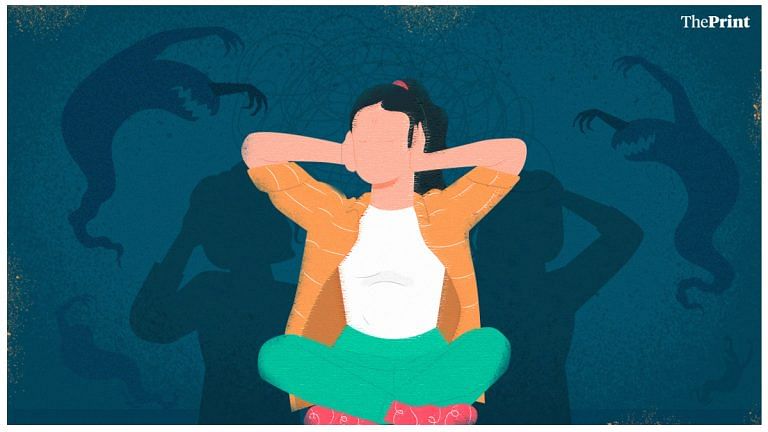
Most of us go through a frightening episode that we come out of without any damage or long term effects. But a large number of people exist who suffer the aftermath of a traumatic experience in unhealthy that puts pressure on one’s mental health. This condition, where negative thoughts interfere with daily life is called post-traumatic stress disorder or PTSD.

 Posttraumatic stress disorder (PTSD), once called shell shock or battle fatigue syndrome, is a serious condition that can develop after a person has experienced or witnessed a traumatic or terrifying event in which there was serious physical harm or threat. PTSD is a lasting consequence of traumatic ordeals that cause intense fear, helplessness, or horror. Examples of things that can bring on PTSD include sexual or physical assault, the unexpected death of a loved one, an accident, war, or natural disaster. Families of victims can develop PTSD, as can emergency personnel and rescue workers.

It is natural to feel afraid during and after a traumatic situation. Fear triggers many split-second changes in the body to help defend against danger or to avoid it. This “fight-flight or freeze” response is a typical reaction meant to protect a person from harm. Nearly everyone will experience a range of reactions after trauma, yet most people recover from initial symptoms naturally. Those who continue to experience problems may be diagnosed with PTSD. People who have PTSD may feel stressed or frightened, even when they are not in danger. Ptsd isn’t failing of a person or doesn’t make one weak willed, it is a treatable malfunction of the memory of certain dangerous experiences that allows us to cope better with it

PTSD Symptoms

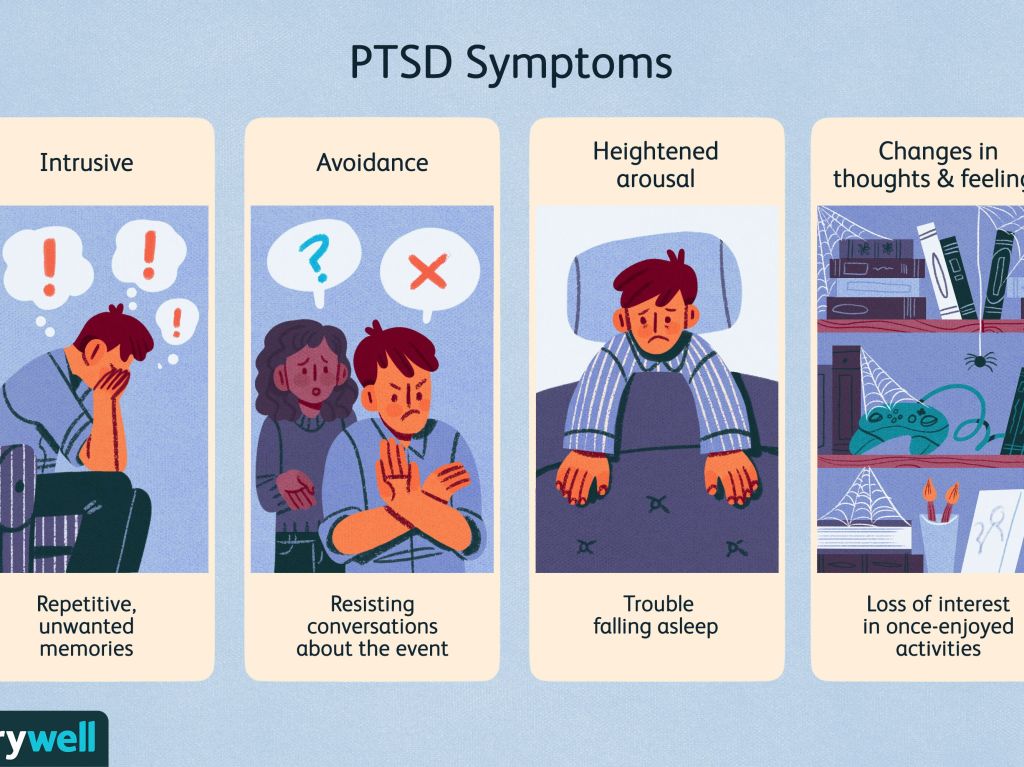
Symptoms of PTSD most often begin within 3 months of the event. In some cases, however, they don’t begin until years later. The severity and duration of the illness can vary. Some people recover within 6 months, while others have it much longer. A major challenge of coping is sensitivity to triggers, physical and emotional stimuli that the brain associates with the original trauma .Symptoms of PTSD often are grouped into four main categories, including:

Reliving: People with PTSD repeatedly relive the ordeal through thoughts and memories of the trauma. These may include flashbacks, hallucinations, and nightmares. They also may feel great distress when certain things remind them of the trauma, such as the anniversary date of the event.

Avoiding: The person may avoid people, places, thoughts, or situations that may remind them of the trauma. This can lead to feelings of detachment and isolation from family and friends, as well as a loss of interest in activities that the person once enjoyed.

Increased arousal: These include excessive emotions; problems relating to others, including feeling or showing affection; difficulty falling or staying asleep; irritability; outbursts of anger; difficulty concentrating; and being “jumpy” or easily startled. The person may also suffer physical symptoms, such as increased blood pressure and heart rate, rapid breathing, muscle tension, nausea, and diarrhoea.

Negative cognitions and mood: This refers to thoughts and feelings related to blame, estrangement, and memories of the traumatic event.

Anyone can develop PTSD at any age. According to the National Centre for PTSD, about 7 or 8 out of every 100 people will experience PTSD at some point in their lives. Women are more likely to develop PTSD than men, and genes may make some people more likely to develop PTSD than others.

It is important to remember that not everyone who lives through a dangerous event develops PTSD. In fact, most people will not develop the disorder. Many factors play a part in whether a person will develop PTSD. Some examples are listed below. Risk factors make a person more likely to develop PTSD. Other factors, called resilience factors, can help reduce the risk of the disorder.

Some factors that increase risk for PTSD include:

  • Living through dangerous events and traumas
  • Getting hurt
  • Seeing another person hurt, or seeing a dead body
  • Childhood trauma
  • Feeling horror, helplessness, or extreme fear
  • Having little or no social support after the event
  • Dealing with extra stress after the event, such as loss of a loved one, pain and injury, or loss of a job or home
  • Having a history of mental illness or substance abuse

Treatment

The goal of PTSD treatment is to reduce the emotional and physical symptoms, to improve daily functioning, and to help the person better manage with the event that triggered the disorder. The main treatments for people with PTSD are medications, psychotherapy (“talk” therapy), or both. Everyone is different, and PTSD affects people differently, so a treatment that works for one person may not work for another. It is important for anyone with PTSD to be treated by a mental health provider who is experienced with PTSD. Some people with PTSD may need to try different treatments to find what works for their symptoms. Medication for treating PTSD is antidepressants, which may help control PTSD symptoms such as sadness, worry, anger, and feeling numb inside. Other medications may be helpful for treating specific PTSD symptoms, such as sleep problems and nightmares.

Recovery from PTSD is a gradual and on-going process. Symptoms of PTSD seldom disappear completely, but treatment can help people learn to manage it more effectively. Treatment can lead to fewer and less intense symptoms, as well as a greater ability to manage feelings related to the trauma. Research is on-going into the factors that lead to PTSD and into finding new treatments.

What is PTSD?

Most of us go through a frightening episode that we come out of without any damage or long term effects. But a large number of people exist who suffer the aftermath of a traumatic experience in unhealthy that puts pressure on one’s mental health. This condition, where negative thoughts interfere with daily life is called post-traumatic stress disorder or PTSD.

 Posttraumatic stress disorder (PTSD), once called shell shock or battle fatigue syndrome, is a serious condition that can develop after a person has experienced or witnessed a traumatic or terrifying event in which there was serious physical harm or threat. PTSD is a lasting consequence of traumatic ordeals that cause intense fear, helplessness, or horror. Examples of things that can bring on PTSD include sexual or physical assault, the unexpected death of a loved one, an accident, war, or natural disaster. Families of victims can develop PTSD, as can emergency personnel and rescue workers.

It is natural to feel afraid during and after a traumatic situation. Fear triggers many split-second changes in the body to help defend against danger or to avoid it. This “fight-flight or freeze” response is a typical reaction meant to protect a person from harm. Nearly everyone will experience a range of reactions after trauma, yet most people recover from initial symptoms naturally. Those who continue to experience problems may be diagnosed with PTSD. People who have PTSD may feel stressed or frightened, even when they are not in danger. Ptsd isn’t failing of a person or doesn’t make one weak willed, it is a treatable malfunction of the memory of certain dangerous experiences that allows us to cope better with it

PTSD Symptoms

Symptoms of PTSD most often begin within 3 months of the event. In some cases, however, they don’t begin until years later. The severity and duration of the illness can vary. Some people recover within 6 months, while others have it much longer. A major challenge of coping is sensitivity to triggers, physical and emotional stimuli that the brain associates with the original trauma .Symptoms of PTSD often are grouped into four main categories, including:

Reliving: People with PTSD repeatedly relive the ordeal through thoughts and memories of the trauma. These may include flashbacks, hallucinations, and nightmares. They also may feel great distress when certain things remind them of the trauma, such as the anniversary date of the event.

Avoiding: The person may avoid people, places, thoughts, or situations that may remind them of the trauma. This can lead to feelings of detachment and isolation from family and friends, as well as a loss of interest in activities that the person once enjoyed.

Increased arousal: These include excessive emotions; problems relating to others, including feeling or showing affection; difficulty falling or staying asleep; irritability; outbursts of anger; difficulty concentrating; and being “jumpy” or easily startled. The person may also suffer physical symptoms, such as increased blood pressure and heart rate, rapid breathing, muscle tension, nausea, and diarrhoea.

Negative cognitions and mood: This refers to thoughts and feelings related to blame, estrangement, and memories of the traumatic event.

Anyone can develop PTSD at any age. According to the National Centre for PTSD, about 7 or 8 out of every 100 people will experience PTSD at some point in their lives. Women are more likely to develop PTSD than men, and genes may make some people more likely to develop PTSD than others.

It is important to remember that not everyone who lives through a dangerous event develops PTSD. In fact, most people will not develop the disorder. Many factors play a part in whether a person will develop PTSD. Some examples are listed below. Risk factors make a person more likely to develop PTSD. Other factors, called resilience factors, can help reduce the risk of the disorder.

Some factors that increase risk for PTSD include:

  • Living through dangerous events and traumas
  • Getting hurt
  • Seeing another person hurt, or seeing a dead body
  • Childhood trauma
  • Feeling horror, helplessness, or extreme fear
  • Having little or no social support after the event
  • Dealing with extra stress after the event, such as loss of a loved one, pain and injury, or loss of a job or home
  • Having a history of mental illness or substance abuse

Treatment

The goal of PTSD treatment is to reduce the emotional and physical symptoms, to improve daily functioning, and to help the person better manage with the event that triggered the disorder. The main treatments for people with PTSD are medications, psychotherapy (“talk” therapy), or both. Everyone is different, and PTSD affects people differently, so a treatment that works for one person may not work for another. It is important for anyone with PTSD to be treated by a mental health provider who is experienced with PTSD. Some people with PTSD may need to try different treatments to find what works for their symptoms. Medication for treating PTSD is antidepressants, which may help control PTSD symptoms such as sadness, worry, anger, and feeling numb inside. Other medications may be helpful for treating specific PTSD symptoms, such as sleep problems and nightmares.

Recovery from PTSD is a gradual and on-going process. Symptoms of PTSD seldom disappear completely, but treatment can help people learn to manage it more effectively. Treatment can lead to fewer and less intense symptoms, as well as a greater ability to manage feelings related to the trauma. Research is on-going into the factors that lead to PTSD and into finding new treatments.

Perfume: The Story of A Murderer Book Review

Cover of Perfume: The Story of A Murderer (1985)

Introduction

 Perfume: The Story of a Murderer (German: Das Parfum: Die Geschichte eines Mörders ) is a 1985 literary historical  fantasy novel by German writer Patrick Süskind. The novel explores the sense of smell and its relationship with the emotional meanings that scents may have. An acclaimed bestseller and international sensation, Patrick Suskind‘s classic novel provokes a terrifying examination of what happens when one man’s indulgence in his greatest passion – his sense of smell – leads to murder. This novel was later adapted into a famous movie in 2006 with the same name, starring Ben Whishaw, Alan Rickman, Karolina Herfurth and others.

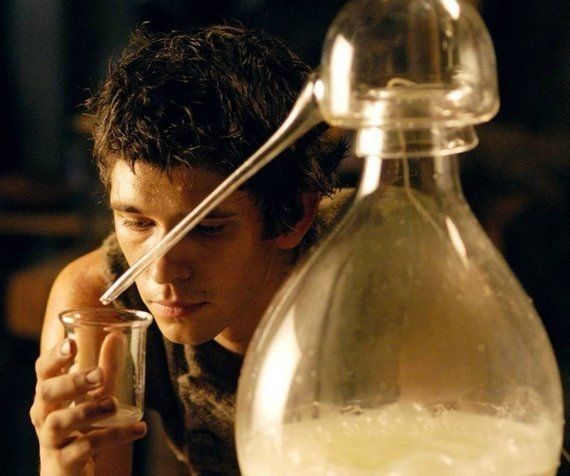
Ben Whishaw as Grenouille in Perfume: The Story of A Murderer (2006)

About The Author

Patrick Süskind ( born 26 March 1949) is a German writer and screenwriter, known best for his novel Perfume: The Story of a Murderer, first published in 1985. Süskind lives as a recluse in Munich, in Seeheim , and in France at Montolieu. After spending the 1970s writing what he has characterized as “short unpublished prose pieces and longer un-produced screenplays”, Patrick Süskind was catapulted to fame in the 1980s by the monodrama Der Kontrabass [The Double Bass, 1981:], which became an instant success and a favourite of the German stage. In 1985 his status as literary wunderkind was confirmed with the publication of the novel Das Parfüm. Die Geschichte eines Mörders [Perfume. The Story of a Murderer], which quickly topped the European best-seller list and eventually sold millions of copies worldwide.The public knows little about him; he has withdrawn from literary society and does not grant interviews or allow himself to be photographed.

Ben Whishaw as Grenouille and Karolina Herfurth as Girl with Plums in Perfume: The Story of A Murderer (2006)

Storyline of The Novel

The novel is set in Paris in the 1700’s and follows the life of a man named Jean-Baptiste Grenouille who is born with an incredibly strong sense of smell. His nose is so keen that he is able to smell people coming, can locate lost items simply by their scent, and can catalogue smells in his mind. Whilst his sense of smell may be keen, his heart is empty and he seems to be completely unrestrained by everyday emotions. As a young lad, Grenouille encounters the irresistible smell of a young girl entering puberty. He promptly murders her and sniffs every inch of her body to catalogue the unique scent. Believing it is his destiny to bottle such a scent, Grenouille decides to pursue a career as a master perfumer, he works as an apprentice where his unique skills quickly make him the best perfumers in France. The story then follows Grenouille as he becomes a famed perfumer and experiments in scents that allow him to either go unnoticed or incite various emotions among those who smell it. His obsession with scents goes on to reaches a head with extreme consequences for all.

Ben Whishaw as Grenouille in Perfume: The Story of A Murderer (2006)

Analysis of The Storyline

A book about the sense of smell could have been a dull affair, were it not for the excellent way it is written by Suskind. His use of language is beautiful and his descriptions make even some with a dull nose like mine feel like they can smell the essences on the page. It’s not hard to see why this book has become such a modern classic given how excellent Suskind’s prose is. I challenge anyone not to read this and not then start using their nose a little more.

Scene from Perfume:The Story of A Murderer (2006)

The character of Grenouille is both fascinating, sympathetic, and yet also repulsive. In early life he is beat down at every corner and one can’t help but root for the character as he tries to rise above his terrible beginnings. As he becomes more in control of his life, Grenouille quickly becomes insidious and deceptive and there’s something very creepy in the way he is described as living like a tick. Grenouille does indeed live like a parasite, taking whatever he needs from people. As he becomes more unstable, eventually resorting to killing a young virgin, Grenouille turns into a monster, but a compelling one nonetheless. Like Humbert Humbert from Lolita, he’s a character you feel bad for sympathising with, though Grenouille may be a little more redeemable.

Scene from Perfume: The Story of A Murderer (2006)

Criticism of The Storyline

this is in every sense an olfactory novel gives a striking sensory immediacy to the fiction itself. ”Perfume” is a historical novel but one in which the sheer physicality of its theme lends it an honorary present tense. And if Grenouille is the hero of the novel, his obsessions are also its informing presence. Just as he has difficulty with words ”designating non-smelling objects, with abstract ideas and the like,” so the novel itself creates an elemental world in which such abstract matters are only of token significance. The nose is defined here by a priest as ”the primitive organ of smell, the basest of the senses,” with its powers springing from ”the darkest days of paganism”; but it flourishes in Grenouille, even in an age of ”enlightenment,” and the unspoken message of ”Perfume” is that it flourishes still. The point about genuine historical fiction is that it is primarily concerned with the contemporary world. This is not a historical romance, full of ”Prithees!” and strange objects known as poniards, but a meditation on the nature of death, desire and decay.

Scene from Perfume: The Story of A Murderer (2006)

Conclusion

The story of perfume made us really re-evaluate the importance of scents and how certain smells can influence us on a subconscious level. It makes one wonder how much of our everyday lives are dictated by scents without us even realising it. Throughout the book, you get the feeling pressure is mounting and it ends in a finale that sees an orgy of scents come together in one hell of an ending that isn’t likely to leave you any time soon.

Psychological Disorders Part 10

Introduction

The Psychological Disorders Part 9 discussed Schizophrenia. It is a lifelong disorder but the intensity and the effect of it can be controlled with the help of planned treatment and various medicines prescribed by the psychologists. This article will discuss Personality Disorders.

Personality Disorders

Personality disorders involve a pattern of maladaptive thoughts, feelings and behaviours that cause serious detriment to various areas of life.

Antisocial Personality Disorder is also known as sociopathy. It is a mental disorder wherein a person continuously shows zero regard for what is right and wrong, in doing so the person also ignores the rights and feelings of other people. People with this disorder have a tendency of antagonizing, manipulating and treating others in a harsh manner. They also tend to show no guilt. The people with this disorder often end up violating the law and hence become criminals. Some of the symptoms are persistent lying, exploiting others, disregard for right and wrong, using wit to manipulate others for personal gain, being cynical, disrespecting others, arrogance, repeatedly violating the rights of others through dishonesty, criminal behaviour, being impulsive, lack of empathy, lack of remorse, aggression, violence, abusive relationships, dangerous behaviour, persistent irresponsibility, not considering negative consequences of their behaviour. Adults with this disorder usually start showing signs by the age of 15. This is a lifelong disorder.

Avoidant Personality Disorder (APD) is a mental disorder in which the person has a pattern of extreme shyness, they feel inadequate and are excessively sensitive to rejection. Symptoms of this personality disorder include fear of rejection, criticism, embarrassment, disapproval, intimate relationships, getting to know new people and fear of being ridiculed. People with this disorder might also have trouble believing someone likes them.

Borderline Personality Disorder is a mental disorder that impacts the way a person thinks and feels about themselves and others. It includes self-image issues and difficulty managing emotions. A person with this disorder will have an intense fear of abandonment or instability, which would make being alone difficult for them. This disorder usually begins by early adulthood. Some of the symptoms are intense fear of abandonment, pattern of unstable intense relationships, periods of stress-related paranoia, rapid changes in self-image, suicidal threats in response to fear of rejection, extreme mood swings, intense anger and an ongoing feeling of emptiness.

Dependent Personality Disorder involves being anxious about being left alone, that is, the inability to be alone. Some of the symptoms are behaving submissively, needing repeated reassurance, relying on others for making decisions, easily being hurt by disapproval, feeling nervous when alone, tendency to be naïve, fear of abandonment and fearing rejection.

Histrionic Personality Disorder involves people having a distorted image of themselves. They base their self-esteem on other’s approval. Some of the symptoms are uncomfortable in situations where they are not the center of attention, display of rapidly shifting emotions, interaction with others involving inappropriate seductive behaviour, consistently using physical attention to get others focus and showcasing exaggerated expression of emotions.

Narcissistic Personality Disorder is a mental disorder in which people have an inflated sense of importance, they need a lot of attention and admiration. They also have a lack of empathy. Some of the symptoms are having a sense of entitlement, expecting to be recognized as superior, exaggerating achievements and talents, belittling others, expecting special favours, arrogance, boastful and insisting on having the best of everything.

Obsessive-Compulsive Personality Disorder involves a person wanting extreme perfectionism, neatness and order. People with this disorder feel the need to impose their standards on others. Some of the symptoms are perfectionism to a point that it is difficult to finish tasks, rigid mannerisms, extreme attention to detail, overwhelming need to be punctual, fixation with lists, hoarding useless items, sense of righteousness and rigid adherence to ethical codes.

Paranoid Personality Disorder involves people being extremely suspicious of other people. Some of the symptoms are believing that people have hidden motives, trouble working with others, quickly becoming hostile, having trouble relaxing, socially isolated, defensive and doubting loyalty of others.

Schizoid Personality Disorder is when people avoid social activities and continuously shy away from interacting with others. They tend to have a limited range of emotional expression. Some of the symptoms are preferring being alone, not enjoying close relationships, feeling like can’t experience pleasure, appearing to lack motivation, feeling no desire for sexual relationships and may seem emotionally cold.

Schizotypal Personality Disorder is a disorder in which people are often described as odd and have very few close relationships. Some of the symptoms are being a loner, flat emotions, excessive social anxiety, belief in special powers, peculiar style of speech and dressing.

Conclusion

There are many kinds of personalities which brings many kinds of personality disorders as well. Personality is known to be fluid but the reason of these disorders includes brain chemistry and genetics because of which they remain permanent. These disorders are very harmful for the people themselves and their loved ones, which makes it important to consult a psychologist to get treatment and reduce the symptoms.

References

Note: this is the last part of the Psychological Disorders series.

Psychological Disorders Part 9

Introduction

The Psychological Disorders Part 8 discussed Neurocognitive and Obsessive-Compulsive Disorders. Both types of disorders need consultation from psychologists to control, monitor, and limit the effects they have on daily life. This article will discuss Schizophrenia.

Schizophrenia

This is a serious mental disorder in which people interpret reality in an abnormal way. People with this disorder require lifelong treatment. The DSM-5 says a person has schizophrenia if they show two or more of the following, each present for a significant portion of time during a 1-month period. At least one of the following must be delusions, hallucinations, or disorganized speech. The level of functioning in a major area such as work or self-care should be below the level achieved before the onset for a significant portion. And the signs of the disturbance must persist for at least 6 months. The symptoms of schizophrenia are:

  • Delusions – these are false beliefs that are not based on reality. For example, thinking you are famous, someone is harming you, a major catastrophe is about to take place.
  • Hallucinations – these involve seeing or hearing things that do not exist. For the person having them, it seems extremely real. The most common is hearing voices. For example, hearing someone whispering about a murder, or seeing aliens in the back alley.
  • Disorganized thinking – disorganized thinking and disorganized speech are linked. The person might start answering questions with things partially or completely unrelated. At times it is possible for them to make a sentence by mixing two or more words that do not make sense, this is known as word salad. For example, run desk making dinner sunglasses menu.
  • Abnormal motor behaviour – this can be in many ways such as childlike silliness, resistance to instructions, bizarre posture, and unpredictable agitation.
  • Catatonia – is a group of symptoms that includes a lack of movement and communication. For example, a person will sit silently in one position for very long stretches.
  • Negative symptoms – this includes lack of ability to function normally such as, a person neglecting personal hygiene, appear to be lacking emotions, the person may lose interest in daily activities.
  • Avolition – it is a lack of motivation to do activities that have an end goal such as paying bills.

The symptoms of schizophrenia in teenagers are similar to the ones in adults but they become difficult to recognize because of the similarity to a normal teenage behaviour, some of these symptoms are withdrawal from friends and family, trouble in sleeping, lack of motivation, a drop in performance at school, irritability and depressed mood. Although teenagers have a less chance of having delusions, they have a higher chance of visual hallucinations as compared to adults getting hearing hallucinations.

People with this disorder often have suicidal thoughts and behaviours. The cause of this disorder is not known but it is believed by the researchers that it is a combination of genetics, brain chemistry, and environmental factors. Some naturally occurring neurotransmitters known as dopamine and glutamate might be playing a role. Neuroimaging studies have learnt that there is a difference in the brain structure and central nervous system of the people with schizophrenia.

Conclusion

Schizophrenia is a lifelong disorder but the effect and symptoms can be managed with proper guidance and medication. Following the treatment plan is important to reduce these symptoms.

References

Note: this is just the Part 9 of the Psychological Disorders series.

Psychological Disorders Part 8

Introduction

In Psychological Disorders Part 7, Depressive and Substance-Related disorders were discussed. They are both very serious disorders that need immediate help. Both can be dealt with by consulting a psychologist and taking the proper medication needed. This article will discuss Neurocognitive and Obsessive-Compulsive Disorders.

Neurocognitive Disorders

These disorders are accompanied by deficits in cognitive functioning. These are different from the disorders of impaired cognition present at birth.

Delirium is a serious disorder concerning disturbance in mental abilities that results in confused thinking and reduced awareness of the surrounding environment. Delirium is usually very rapid; it starts within hours or a few days. It usually arises because of contributing factors such as a chronic illness, changes in metabolic balance, medication, infection, surgery, or intoxication. It is important to note that delirium and dementia look very similar but are different. Symptoms for reduced awareness of the environment are the inability to stay focused or continuously switching topics, getting easily distracted by useless things, getting stuck on one idea, and being withdrawn. Symptoms for poor thinking skills are disorientation, poor memory, difficulty in speaking or recalling words, trouble understanding speech, rambling, and difficulty in reading or writing. Some of the behavioural changes are hallucinations, calling out or moaning, lethargy, disturbed sleep habits, agitation, being withdrawn, and reversal of the night-day cycle. Some of the emotional disturbances experienced are depression, euphoria, apathy, anxiety, paranoia, anger, unpredictable moods, and personality changes.

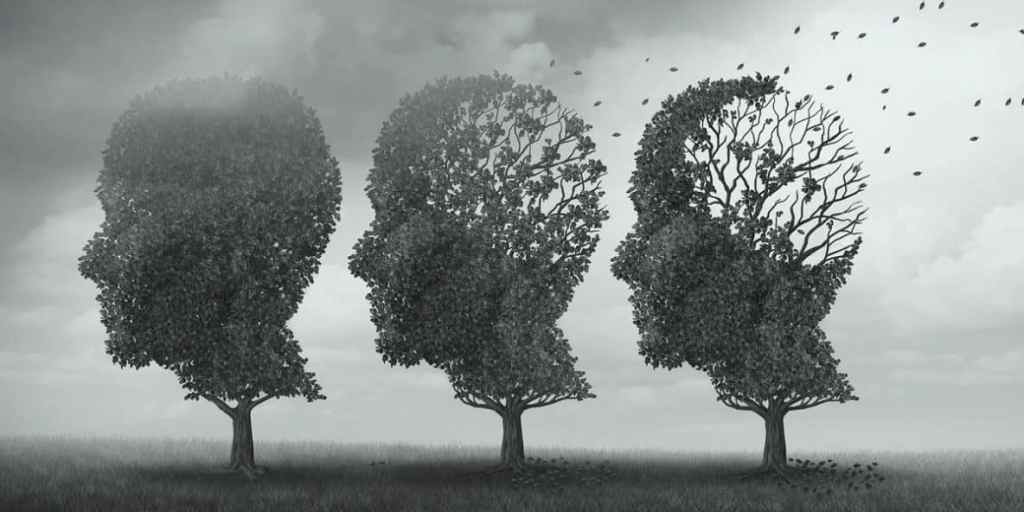
Neurocognitive Disorders used to be known as Organic brain syndrome. It is a group of conditions that leads to impaired mental function. These disorders usually occur in older people but that does not mean they cannot affect young adults. It includes problems with memory, changes in behaviour, trouble performing daily activities, and difficulty understanding language. These symptoms may be caused because of a neurodegenerative condition like Alzheimer’s disease or dementia. Neurodegenerative diseases result in the brain and nerves deteriorating over time which then causes loss of neurological function. Neurocognitive disorders can be a result of brain trauma or substance abuse. Symptoms for this are memory loss, confusion, anxiety, headaches, inability to focus, short-term memory loss, trouble performing normal tasks, changes in vision, and difficulty in walking and balancing. Some of the neurodegenerative diseases that cause this disorder are Alzheimer’s disease, Huntington’s disease, Parkinson’s disease, prion disease, dementia, and multiple sclerosis.

Obsessive-Compulsive Disorders

This is a category of psychiatric condition that includes obsessive-compulsive disorder (OCD), body-dysmorphic disorder, hoarding disorder, trichotillomania (hair-pulling disorder), excoriation disorder (skin picking), substance-induced OCD, and OCD because of a medical condition.

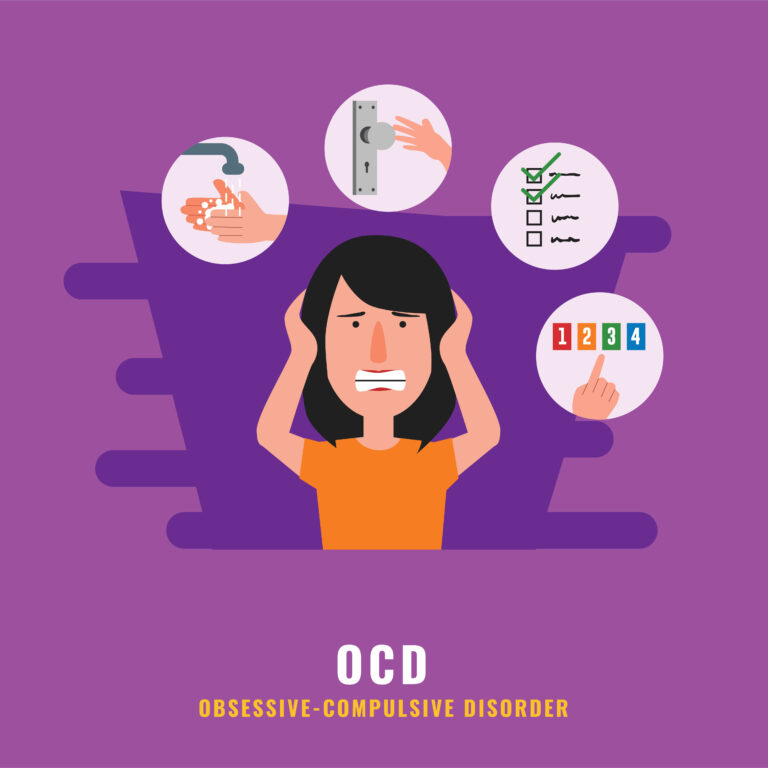
Obsessive-Compulsive Disorder is a pattern of unwanted fear (obsessions) which leads to doing repetitive behaviours (compulsions). This starts interfering in the daily activities. When a person tries to ignore the obsessions, the anxiety keeps increasing hence making the urge to do the compulsions stronger, and this is how the cycle of OCD is created. Obsessions usually have a theme such as fear of contamination, having difficulty tolerating uncertainty, needing things to be symmetrical, having horrific thoughts about losing control, and unwanted thoughts on religion or sexual subjects. Symptoms of obsession are fear of touching people because of contamination, doubts whether you have locked the door or turned off the stove, images of driving into a crowd of people, unpleasant sexual images, excessive stress when objects are not placed orderly, thoughts about acting inappropriately in public and avoiding situations that might trigger obsessions. Symptoms of compulsion are washing hands till the skin becomes raw, checking doors repeatedly, checking the stove repeatedly, counting in a pattern, silently repeating a word or phrase, and arranging things in a particular order.

Conclusion

Neurocognitive disorders remain chronic but they can be controlled and monitored by medication and therapy. There is no exact way to prevent OCD but it can be treated by consulting a psychologist and learning how to deal with the fears that lead to the compulsions.

References

Note: this is just Part 8 of the Psychological Disorders series.

Psychological Disorders Part 7

Introduction

In Psychological Disorders Part 6, Disruptive Disorders were discussed. They are rare and chronic but can be controlled with the help of medication and therapy, so if you think you have any, you should consult a psychologist. This article will discuss Depressive and Substance-Related Disorders.

Depressive Disorders

Depression is a mood disorder that involves a persistent feeling of sadness and a loss of interest. It is also called a major depressive disorder or clinical depression. This can cause trouble in doing daily activities. It is also important to remember that you cannot just snap out of it and it takes time but medication and therapy can help with it. Symptoms for depression are:

  • Feeling of sadness, hopelessness, or emptiness
  • Frustration and angry outbursts
  • Loss of interest in normal activities
  • Sleep disturbance like insomnia or hyposomnia
  • Reduced appetite or increased appetite
  • Lack of energy
  • Slowed thinking
  • Anxiety or restlessness
  • Unexplained physical problems like headache and backache
  • Trouble concentrating and remembering things
  • Suicidal thoughts
  • Feeling worthless

Although there are different types of depressive disorders based on the duration and timing:

Disruptive mood dysregulation disorder is a childhood condition in which the child has extreme anger and irritability.

Major depressive disorder is when the person feels a loss of interest in activities.

Persistent depressive disorder (dysthymia) is chronic depression.

Unspecified depressive disorder is when the case cannot be categorized into one particular category.

Premenstrual dysphoric disorder is a type of premenstrual syndrome (PMS) wherein the person feels depression, anxiety, and irritability before a week or two of the menstruation date.

Substance depressive disorder is when the person experiences the symptoms of depression while using alcohol or any other such substance.

Depressive disorder due to medical condition is when the person is going through depression because of another medical condition.

The cause for this is firstly, biological, people with depression have physical changes in their brains, secondly, brain chemistry, difference in the functioning of neurotransmitters, thirdly, hormones, change in the level of hormones can also cause depression like after delivery which is known as postpartum, and lastly, inherited traits, you are more likely to have depression if someone in your family has or had it.

Substance-Related Disorders

These are the disorders that involve the use of alcohol and drugs. Examples of this disorder are:

Alcohol-related disorders involve consuming alcohol wherein the person has a problem controlling the alcohol consumption. Symptoms include being unable to limit alcohol consumption, wanting to cut down the consumption but being unable to, spending a lot of time drinking or recovering from the use of it, craving alcohol, failing to fulfill major obligations because of the consumption, continuing to drink knowing the problem it is causing, giving up on work and hobbies, developing a tolerance for alcohol resulting into consuming more, experiencing withdrawal symptoms like nausea and using alcohol in unsafe situations like driving.

Drug-related disorders involve the inability to control the use of legal or illegal drugs or medication which affect the person’s brain and behaviour. Symptoms are the same as alcohol-related disorders, the only difference is of the substance being used.

It is important to note that substance-related disorders negatively affect the health and immunity of the person.

Conclusion

Depressive and Substance-related disorders are very common and serious. The way to deal with both of them is to approach psychologists and doctors. It is important to note that these two disorders can often be related, meaning that a person starts abusing alcohol because of depression and a person suffering from depression because of alcohol-related disorder. Depression is a very serious disorder, please consult a psychologist immediately if you think you are suffering from it.

References

Note: this is just Part 7 of the Psychological Disorders series.

Psychological Disorders Part 6

Introduction

In Psychological Disorders Part 5, Sleep Disorders were discussed. It is extremely important to consult a psychologist if you think you have any sleep disorders. This article will discuss Disruptive Disorders. These are all chronic disorders.

Disruptive Disorders

These are also known as impulse-control disorders, these are the disorders when a person is unable to resist a destructive urge. That is, an inability to control emotions and behaviours which end up in harm to self or others.

Kleptomania

Kleptomania is the inability to resist the urge to steal items that are generally not needed and have very little value. It is a rare yet very serious disorder as it holds the potential of causing emotional pain to the person and their loved ones. Symptoms for this are the inability to resist the urge to steal things of no need, feeling increased anxiety which leads to theft, feeling gratification while stealing, feeling shame after the theft, and the recurrence of the urge to steal. People with this disorder don’t steal for their gain, but because of the urge. The cause of this can be low levels of serotonin, addictive disorder because of the release of dopamine while stealing, and an imbalance in the brain’s opioid system which regulates the urges.

Pyromania

Pyromania is an impulse control disorder in which a person is unable to resist starting fires. People with this disorder know that it is harmful but it tends to be the only way they can get rid of the anxiety they get from the urge. Symptoms for this are setting a fire on purpose more than once, feeling tense before starting a fire, being obsessed with fire, and feeling gratification when setting a fire. This is an extremely rare disorder.

Intermittent Explosive Disorder involves repeated and sudden episodes of aggressive and violent behaviour, it can also include impulsive angry verbal outbursts. These outbursts are very out of proportion with the situation. These can cause a lot of distress and negatively impact the relationships of the person suffering. Some of the symptoms before an aggressive episode are rage, irritability, increased energy, tingling, palpitations, chest tightness, racing thoughts, and tremors. Some symptoms in case of explosive verbal and behavioural outbursts are heated arguments, property damage, assaulting people or animals, temper tantrums, shouting, slapping, physical fights, and tirades. This disorder can begin in childhood after the age of 6 years. Its possible causes are said to be the firstly, environment; if a child is exposed to such behaviour at their house, they are likely to have the same, secondly, genetics, it can be passed down from parents and lastly, it may be caused because of a difference in the structure and chemistry of the brain.

Conduct Disorder

Conduct Disorder is a serious emotional and behavioural disorder that can occur in children and teenagers. A child with this disorder may show a pattern of violent behaviour with problems in following rules. Symptoms of this are aggressive behaviour like fighting and bullying, destructive behaviour like the destruction of property and vandalism, deceitful behaviour like lying and shoplifting, and violation of rules like running away and skipping school. Children with this disorder have low self-esteem, temper tantrums, and often abuse drugs and alcohol. It is important to note that teenagers usually have behaviour related problems but this disorder only exists if the behaviour is long-lasting.

ODD

Oppositional Defiant Disorder (ODD) is a disorder in which a child or teenager has a pattern of anger, arguing, irritability, and defiance towards authority figures. Symptoms for an angry and irritable mood are easily losing temper, being easily annoyed by others, and is often angry and resentful. Symptoms for argumentative and defiant behaviour are often arguing with the person in authority, actively defying the adults, deliberately annoying people, and blaming others for their mistakes. Symptoms for vindictiveness are being spiteful and showing spiteful behaviour at least twice in six months. Its causes are genetic and environmental, the type of supervision from the parents.

Conclusion

These are the impulse-control disorders that disrupt the daily life of the person with the disorder as well as their loved ones. Although these disorders are chronic and there aren’t any permanent solutions to them, they can be controlled and monitored with the help of some medications and therapy. If you have any of the above-mentioned disorders are ashamed to come forward and seek therapy, please understand that it is not your fault and it is okay to seek help to protect yourself and your loved ones.

References

Note: this is just Part 6 of the Psychological Disorders series.

Insecurity

Everyone feels a little unsure at times. As humans, we constantly think, and some of our thoughts can be filled with doubt. This can lead to thoughts of insecurity. Too much insecurity can lead to other problems — in relationships and in your everyday life. However, there are ways you can work through your insecure thoughts and live life more confidently.

What Is Insecurity?

Insecurity is a feeling of inadequacy (not being good enough) and uncertainty. It produces anxiety about your goals, relationships, and ability to handle certain situations. Everybody deals with insecurity from time to time. It can appear in all areas of life and come from a variety of causes. It might stem from a traumatic event, patterns of previous experience, social conditioning (learning rules by observing others), or local environments such as school, work, or home. It can also stem from general instability. People who experience unpredictable upsets in daily life are more likely to feel insecure about ordinary resources and routines.On the other hand, insecurity can have no definite, external cause. Instead, it can appear as a quirk of personality or brain chemistry. Understanding the nature of insecurities can help you manage your own and offer others the support they need.  

Types of Insecurity:

There are almost limitless areas of potential insecurity. Moreover, insecurity often bleeds over from one area of life into another. However, there are some types of insecurity that appear frequently.

Relationship Insecurity: One of the most common kinds of insecurity concerns relationships or “attachments.” Attachment theory originated out of a desire to connect the attachment patterns of early childhood to later relationship patterns and expectations. When a child’s “attachment figures”, often parents or guardians, aren’t reliably available and supportive, the child often feels insecure, forms a negative self-image and relationship models, and experiences greater emotional distress and maladjustment later in life. Relationship or attachment insecurities don’t need to begin in early childhood. They can arise wherever previous experience or personal insecurity undermines someone’s security in their closest relationships.

Job Insecurity: Job insecurity occurs when you are anxious about your continued employment or about the continuation of certain benefits attached to your employment. It can be triggered by anxiety over your own job performance or anxiety over factors beyond your control, such as the economy, industry trends, workplace conflict, or the danger of company restructuring or failure. High rates of unemployment and temporary work increase job insecurity on a national scale and contribute to widespread mental health problems.

Body Image Insecurity : A common source of insecurity is body image. Many people feel insecure about the way they look and question whether they measure up to an imposed ideal. There is no necessary connection between actual body health or appearance and body insecurity. People of all body types can experience this type of insecurity.

Social Insecurity/Anxiety : Another common type of insecurity surrounds the way we are perceived by our peers and the ease with which we interact with them. This insecurity can be a recurring, low-level problem or can blossom into full-blown social anxiety disorder or social phobia.

Signs of Insecurity:

Signs of insecurity are as variable as the condition itself, but there are some common tendencies you can look out for.

Low or Superficial Self-Esteem : One sign of insecurity is low self-esteem or negative self-image, particularly when that image seems to be inconsistent with external observation. Low self-esteem means you think badly about yourself or your abilities. It can lead to other problems, especially concerning mental health. Talk to a doctor if your self-esteem is very low.Because the measurement of self-esteem generally relies on self-report, insecurity can lead to superficial self-esteem. People with insecurity often want to appear secure, and their explicit comments may be at odds with their automatic responses to certain stimuli. Deliberate self-misrepresentation or false behavior/information on social media can also be a sign of social anxiety. The act of faking then reinforces the social insecurity.

Perfectionism : The inability to be satisfied with progress and need to control and refine projects until they’re perfect can be a sign of insecurity. It stems from the sensation that you or your performance is never enough. It can appear as a manifestation of insecurity in any area of life but is frequently found in cases of job insecurity and body insecurity. Eating disorders, for example, often appear along with both harmful perfectionism and attachment insecurities.

Self-Isolation : Social insecurity can lead people to avoid social interactions, isolating themselves. Sometimes these people prefer to interact virtually in internet situations they feel they can control.

Anxious or Avoidant Attachment Styles : Attachment insecurities often result in problematic attachment styles, or dysfunctional approaches to relationships. The two most common are anxious or avoidant attachments. Anxious attachment styles are characterized by emotional dependence (relying on someone else for your emotional well-being), a fear of being alone, and fantasies of perfect relationships that can never be fulfilled. Avoidant attachment styles also stem from insecurity but go in the other direction. People with this style tend to keep relationships superficial and disengage from more intimate connections.

Poor Job Performance : Job insecurity (not having a stable job) can work to motivate some people, but it more often results in poorer performances. It can lead to absenteeism (avoiding work), turnover intention (wanting to change jobs soon after starting), disengagement from colleagues and in group projects, and poor work attitudes.

Depression or Anxiety : All types of insecurity can lead to decreased mental wellness. Depressive or anxious behavior or thinking is often an effect of insecurity, particularly when that insecurity produces (or is accompanied by) erroneous beliefs and patterns of thought.

Dealing with Insecurity :

Occasional insecurity is a natural part of life. For deeper and more longer-lasting feelings of insecurity, however, professional therapists can help you sort through your emotions and develop strategies for everyday life. In dealing with insecurity, there are a couple of helpful tips to keep in mind.

Social Networks Matter : Broad and meaningful social networks — frinedships, relationships with coworkers, and more — help to lessen both insecurity and its negative effects. There’s an inverse correlation between healthy social networks and insecure attachment styles. Having a wide circle of friends and many close connections allows you to develop the tools and confidence to engage in deeper adult relationships.Developing good friendships both in and out of the workplace also has a proven record of success as a coping strategy that helps prevent job insecurity, depression, and general anxiety. People who disengage from colleagues in response to job insecurity more frequently suffer in their mental health and job performance.

Trust Takes Practice : While having an overly trusting behavior creates its own problems, ask yourself if you have any reason to distrust expressions of affection or liking from others. People with insecurities sometimes express doubt and perceive rejection in everything from partner relationships to new acquaintances. These expressions can be self-fulfilling. Practice taking displays of interest at face value, something that can be easier in more casual relationships. You can build up the confidence to accept deeper affection and intimacy.

Psychological Disorders Part 5

Introduction

In Psychological Disorders Part 4, Eating Disorders were discussed. It is very important to consult a psychologist if you are facing any of the eating disorders as they can be life-threatening. This article will discuss Sleep Disorders.

Sleep Disorders

These disorders involve interruptions in the sleeping pattern which leads to distress and affects the daytime functioning of the person.

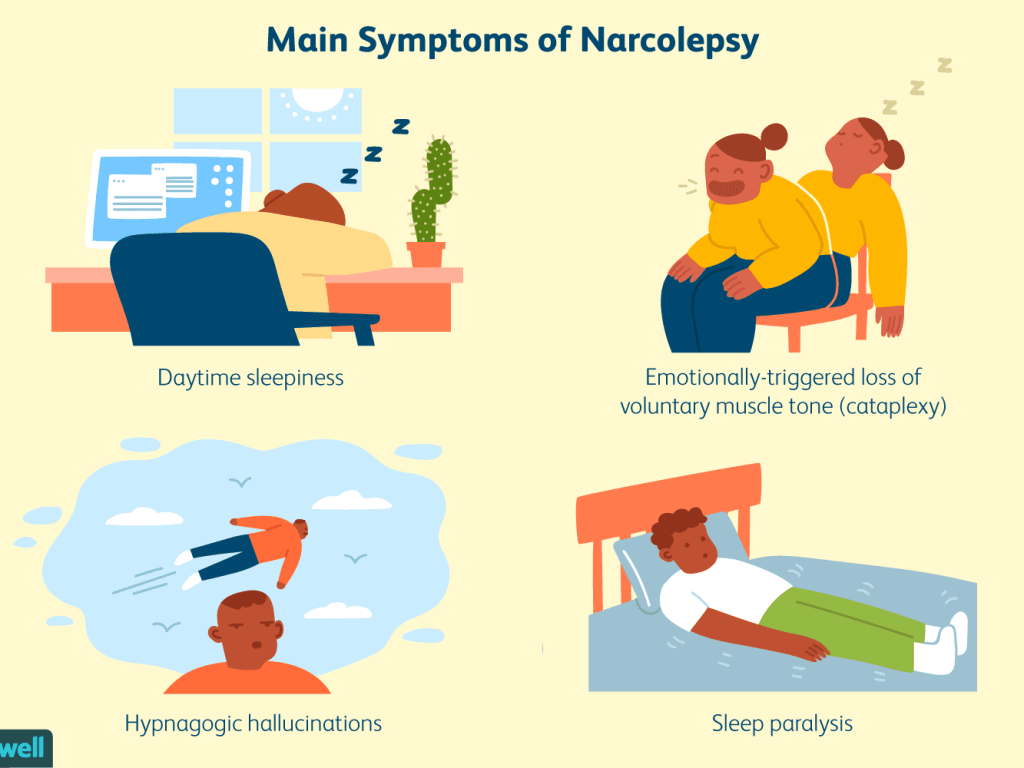
Narcolepsy is a chronic sleep disorder in which the person has overwhelming daytime drowsiness and sudden attacks of sleep. People with this disorder find it difficult to stay awake for long periods and this can cause excessive disruptions in their daily routine. There are two types of narcolepsies, one that is accompanied by a sudden loss of muscle tone, called cataplexy, this is type 1 narcolepsy and type 2 is without cataplexy. The symptoms for this are excessive daytime sleepiness, decreased alertness, sudden loss of muscle tone which can cause slurred speech, sleep paralysis, changes in REM sleep, and hallucinations. This is a chronic disorder so there is no cure for it but it can be managed with medication and some changes in the lifestyle. The cause for this is unknown but it is observed that in type 1, people have low levels of the chemical hypocretin which is important for the regulation of wakefulness and REM sleep.

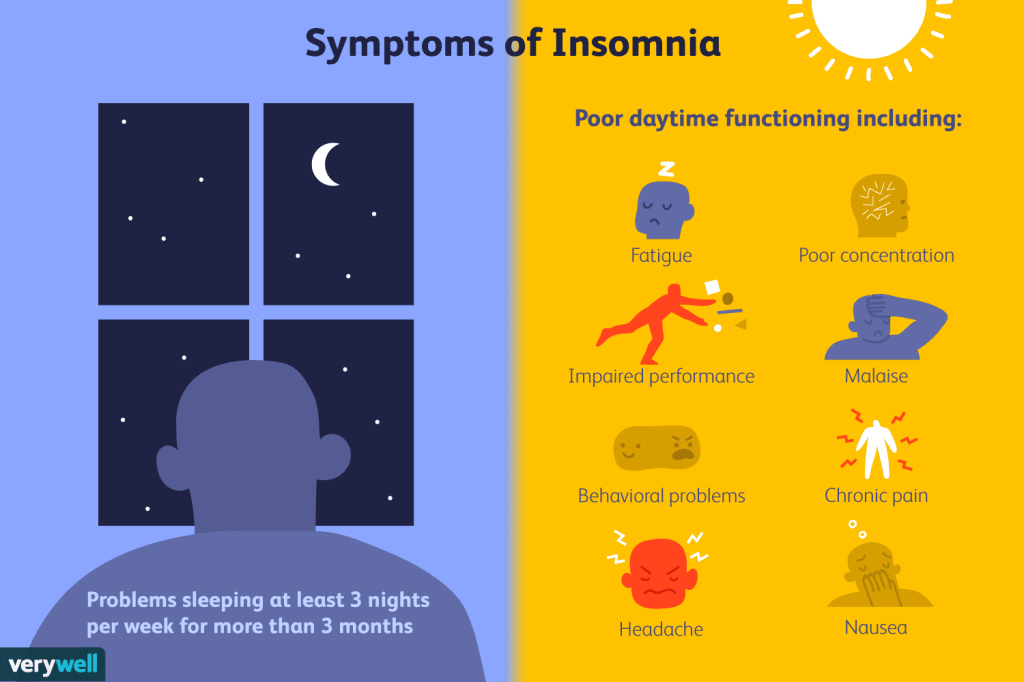
Insomnia Disorder is a disorder in which a person has trouble falling or staying asleep, it can be acute or chronic. There are two types of insomnia, primary and secondary. In the case of primary insomnia, the sleep problems are not related to any other health problem, whereas, in the case of secondary insomnia, the trouble in sleeping is because of another health condition. The causes for primary insomnia can be stress, noise, light, temperature, jet lag. Symptoms of insomnia are sleepiness during the day, grumpiness, problems with concentration and memory, and fatigue. You are more likely at risk of insomnia if you are a woman because of the hormonal shifts.

Hypersomnolence is when a person suffers from excessive sleepiness despite having slept enough. Symptoms for this are falling asleep several times during the day, taking naps to deal with the sleepiness but still not waking up refreshed, sleeping more than 9 hours but still not feeling rested, feeling confused when waking up, having difficulty waking up. This can cause problems at work, school, or other daily routines.

Sleep Apnea is a serious sleep disorder in which breathing continuously stops and starts. There are three main types of sleep apnea; firstly, Obstructive sleep apnea is when the throat muscles relax; secondly, Central sleep apnea is when the brain fails to send proper signals to the muscles which are responsible for controlling breathing; lastly, Complex sleep apnea syndrome is when someone is suffering from the combination of the first and second type of sleep apnea. Symptoms are gasping for air during sleep, loud snoring, episodes in which you stop breathing, morning headache, awakening with dry mouth, hypersomnia, difficulty staying asleep, irritability, and difficulty paying attention while awake.

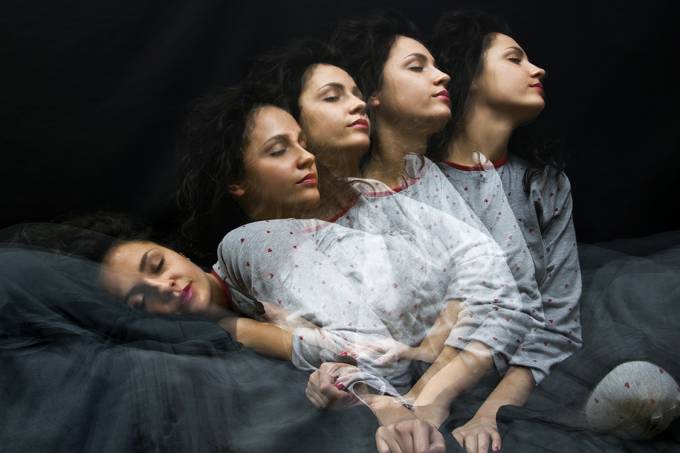
Parasomnia involves unusual and undesirable physical which disrupt sleep. It includes abnormal movements, talk, or other unusual things during sleep. There are two types of parasomnias, Non-REM and REM, this distinction is based on the stage of sleep in which they happen. Parasomnias during Non-REM include sleep terrors, sleepwalking, and sleep-related eating disorders. Parasomnias during REM include nightmare disorder, recurrent isolated sleep paralysis, and REM sleep behaviour disorder. Symptoms are waking up confused or disoriented, being tired during the day, difficulty sleeping through the night, and finding cuts and bruises which you do not remember.

Restless Legs Syndrome causes an uncontrollable urge to move your legs because of an uncomfortable sensation. Symptoms are sensations that begin after rest, relief with movement, worsening of symptoms in the evening, and nighttime twitching.

Conclusion

These sleep disorders are very serious. As we know sleep is very important for our health, it is important to sleep properly for the health of your body and if you think you have any of these sleep disorders, please consult a psychologist who can help you regulate your sleep.

References

Note: this is just Part 5 of the Psychological Disorders series.

Psychological Disorders Part 4

Introduction

In Psychological Disorders Part 3, Dissociative and Somatic Symptom Disorders were discussed. These are the fewer known disorders yet very interesting to know about. (Trigger Warning: this article talks about eating disorders)

Eating Disorders

These disorders arise because of obsessive concern over weight which results in a disruptive eating pattern that then affects the person’s physical and mental health.

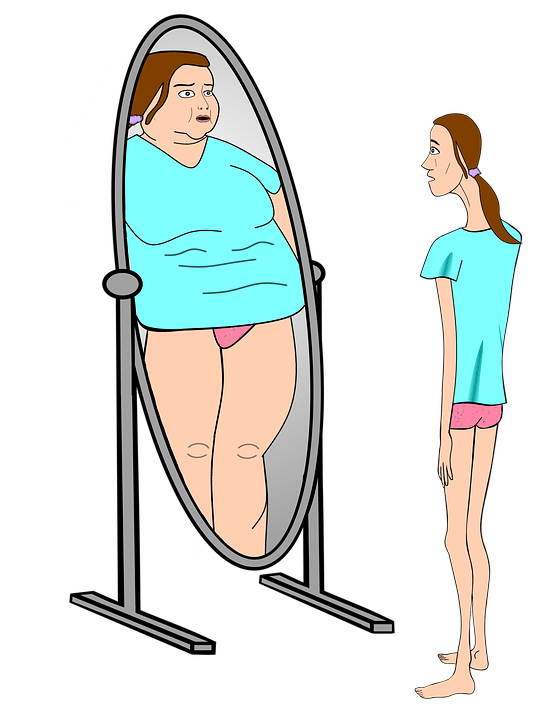
Anorexia Nervosa is also commonly known as anorexia which is an eating disorder wherein the person has an abnormally low body weight accompanied by an intense fear of gaining weight and a distorted perception of their weight. People with this disorder tend to take extreme measures to control their weight such as restricting their food consumption. The distorted image of the body can be a result of depression, anxiety, or emotional trauma. The physical symptoms are severe weight loss, dehydration, insomnia, weakness, dizziness, constipation, breaking hair, dry skin, bluish tinge to fingers, absence of menstruation, irregular heartbeat, and inability to tolerate cold. Some behavioural symptoms are eating only low-calorie food, trying to hide their body with baggy and loose clothes, skipping meals, avoiding situations where they have to eat, avoiding situations where they might have to show their body, and extreme exercising. Some emotional symptoms are poor self-esteem, agitation, depression, social isolation, and anxiety.

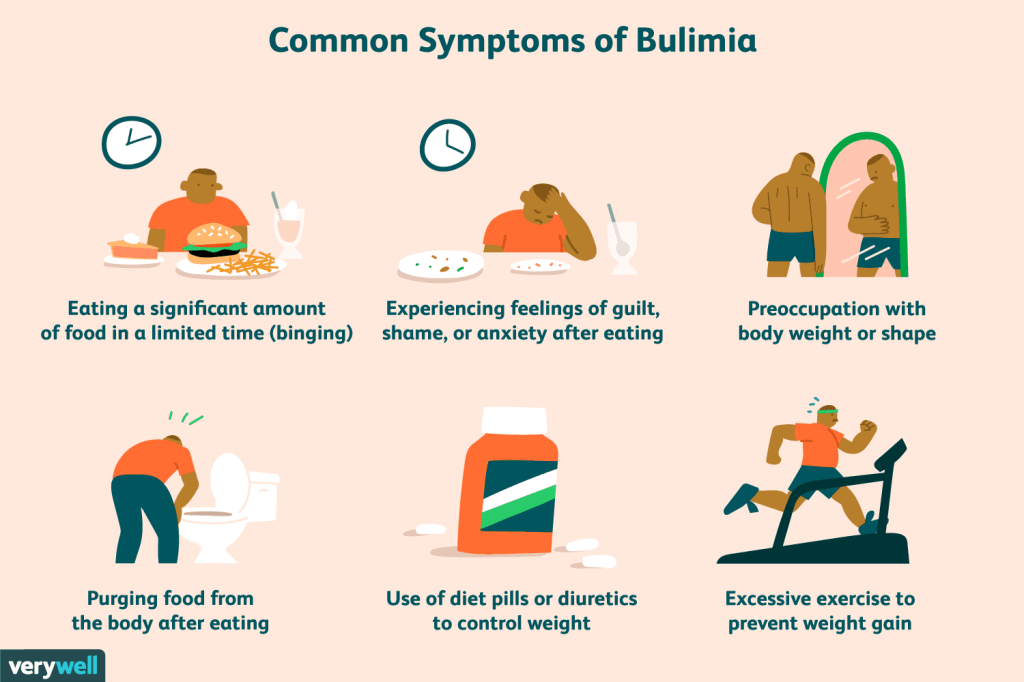
Bulimia Nervosa is also commonly known as bulimia is a serious and life-threatening eating disorder. People with this disorder secretly binge eat large amounts of food without any control over how much they are eating, then they panic and purge to get rid of those extra calories. There are two types of bulimia, purging and non-purging bulimia. To get rid of these extra calories, they use different methods such as self-induced vomiting, misuse of laxatives, weight-loss supplements, people with purging bulimia use these methods whereas people with non-purging bulimia follow strict dieting or excessive exercise. The physical symptoms can be life-threatening, some of these symptoms are weight fluctuation of 2 to 10 kgs in a week, bloodshot eyes which means eyes with busted blood vessels, chapped lips because of dehydration, scars on the knuckles from inducing vomiting, swollen lymph nodes, and mouth sensitivity because of receding gums and eroding tooth enamel. Some behavioural symptoms are consistent worry about weight and appearance, going to the bathroom right after eating, eating till it is uncomfortable, excessive exercising, not eating in front of others and restricting calories. The emotional symptoms of bulimia are the same as for anorexia.

The DSM-5 has moved the eating disorder of infants and children to the same category. Rumination Disorder is also known as rumination syndrome and it usually occurs in babies and people with developmental disabilities. Children and adults who have high levels of stress have a greater risk of having this disorder. This is a feeding and eating disorder in which the undigested food comes back up from the person’s stomach to their mouth. The symptoms for this are regurgitating on a regular basis, dental problems, chapped lips, weight loss, and digestive problems.

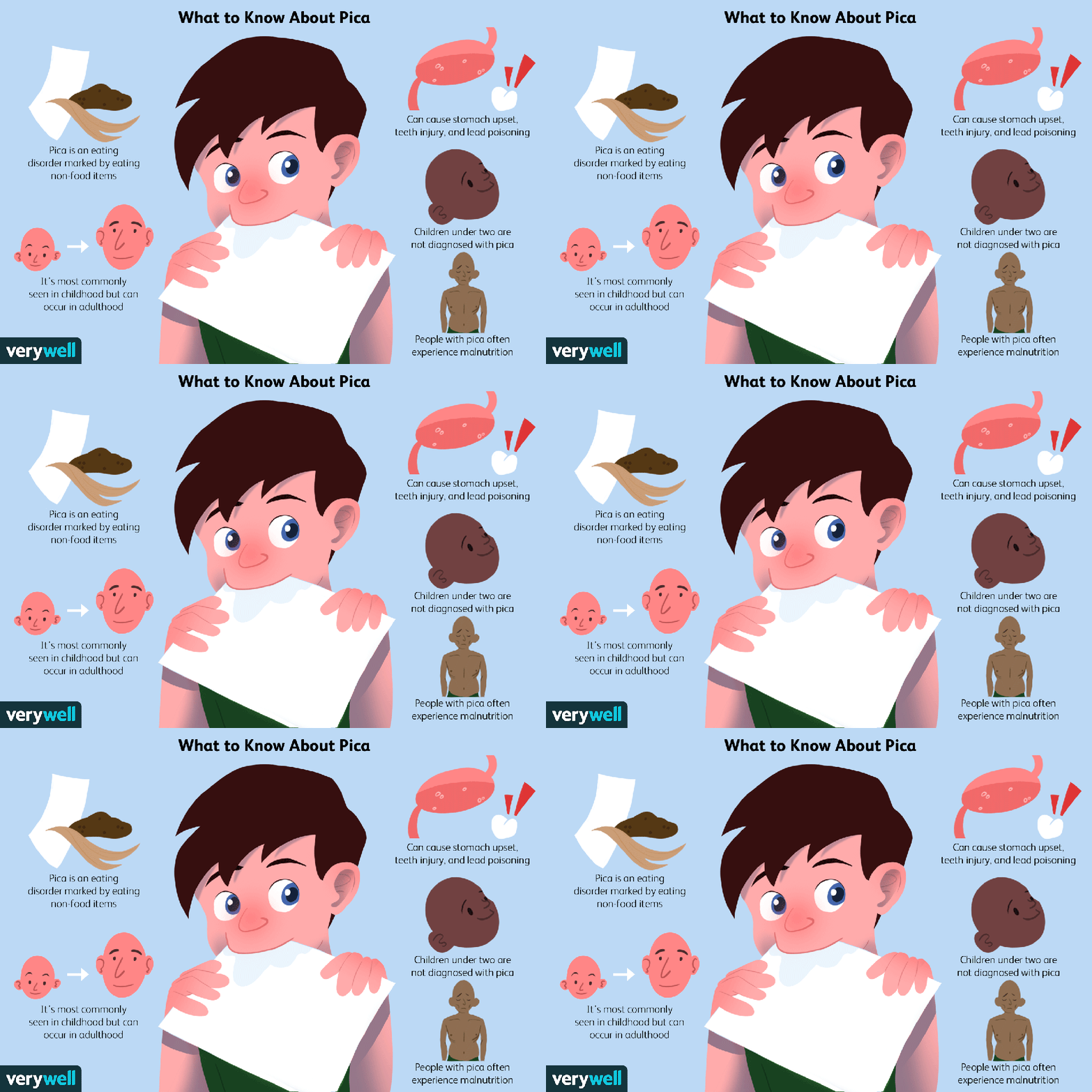
Pica is an eating disorder in which people eat non-food items like clay, dirt, and flaking paint. This disorder is more common in children but can also occur in adults with intellectual and developmental disabilities. The symptoms for this are upset stomach, bowel problems like constipation or diarrhea, stomach pain, and blood in the stool. If the consumption of non-food items continues, symptoms like lead poisoning, injuries to teeth, infections, and intestinal blockage can occur.

Binge-Eating Disorder (BED) is a feeding and eating disorder in which people eat a large amount of food in a short amount of time even if they might not be hungry. This can be triggered by emotional stress. The person may feel a sense of relief during the binge but will feel shame afterward. The symptoms are eating to a point that is uncomfortably full, eating more rapidly than normal, feeling of disgust with oneself, eating large amounts without feeling hungry, and eating alone because of feeling embarrassed.

Conclusion

It is difficult to figure out what causes these eating disorders but medical experts believe it is a combination of biological, psychological, and environmental factors. Genetics plays a role, if you have a family member who suffers from one, you are more likely to be diagnosed with the same. Emotional well-being plays a huge role, people who have experienced trauma or other mental health conditions are more likely to develop one. And finally, societal pressure plays another big role, the western ideal of body image has equated thinness with success and so people try to achieve thinness. If you have any eating disorder, it is important to know it is not your fault and you need to consult a psychologist immediately to get better.

References

Note: this is just Part 4 of the Psychological Disorders series.

Psychological Disorders Part 3

Introduction

In Psychological Disorders Part 2, Anxiety and Stress-Related Disorder were discussed. They are the most known and common disorders but they are not the only ones. There are many fewer known disorders. This article will discuss Dissociative and Somatic Symptom Disorders.

Dissociative Disorders

Dissociative Amnesia

Such disorders include an interruption to consciousness which includes aspects like memory. Dissociative Amnesia involves a temporary loss of memory which can be caused due to some psychological trauma. This disorder should not be confused with forgetfulness. People with this disorder escape reality in ways that disrupt their daily life. Some symptoms of this are memory loss, being detached from yourself and your emotions, blurred sense of identity, inability to cope with emotions, and other mental health problems like anxiety and depression.

Dissociative Identity Disorder

Dissociative Identity Disorder used to be known as multiple personality disorder. The person suffering from this disorder has multiple personalities and these personalities control the person’s behaviour. This can cause memory loss and delusions. Each personality has its own story, identity, history, traits, hobbies. Symptoms of this disorder are anxiety, delusions, disorientation, depression, substance abuse, suicidal thoughts, and memory loss. Example of this disorder can be seen in the movie “Split”.

Depersonalization Disorder

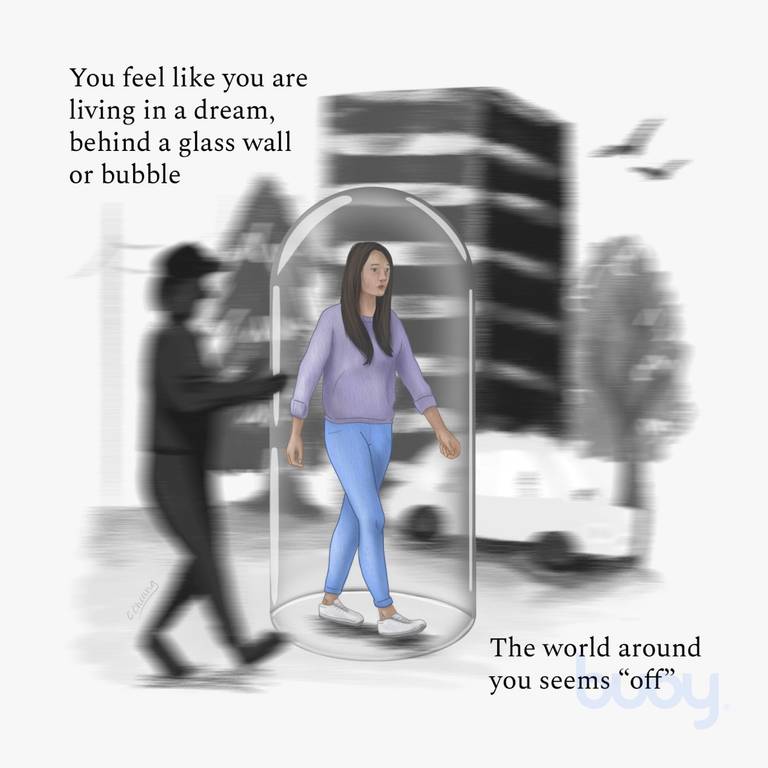
Depersonalization/Derealization Disorder involves a person feeling disconnected from their own body because of which they feel an involuntary disconnect from their memories, consciousness, and emotions. The person suffering from this feels disconnected from their environment. Although this can be a sign of other conditions like brain diseases, dementia, schizophrenia, seizure disorders. Symptoms include feeling as if you are observing your body from outside, panic, and being robot-like.

Somatic Symptom Disorder

These disorders were earlier known as somatoform disorders. The special thing about these disorders is that they involve a notable physical symptom that does not have a diagnosable physical cause. Somatic Symptom Disorder involves someone having a big focus on physical symptoms like weakness or pain which causes the person excessive distress and problems in normal functioning. The person then has continuous thoughts and feelings related to the physical symptom. The physical symptom may or may not be diagnosable as a medical condition but the person believes they are sick and are surely not faking it.

Illness Anxiety Disorder involves having an excessive fear of serious medical illnesses. A person suffering from this disorder pays extra caution about their health. They are easily alarmed by anything that can be diagnosed as some medical illness, for example, a headache can make them worry about having a brain tumor. Symptoms can include finding no assurance from doctor visits and negative results, repeatedly checking for signs of illness, avoiding people or going outside to not take any risks, and frequently searching the internet for symptoms about possible illnesses.

Conversion Disorder is when a person has blindness, paralysis, or other neurological symptoms that cannot be explained by any medical explanation. This can occur because of a psychological conflict. Symptoms include the inability to speak and numbness.

Factitious Disorder is a disorder wherein a person deceives others by appearing sick or by purposely causing injury or sickness to self. People with this disorder know they are causing the symptoms but they do not understand why. Symptoms can include extensive knowledge of medical diseases, vague and inconsistent symptoms, eagerness to have frequent tests, arguing with doctors, conditions that get worse for no reason, and conditions that do not respond in an expected manner. This disorder is very challenging to identify.

Conclusion

These are rarer disorders than anxiety and depression and so less heard of. It is important to note that only in the case of Factitious disorder are the patients faking the illness. These disorders are usually difficult to diagnose and can only be treated by extensive therapy.

References

Note: this is just Part 3 of the Psychological Disorders series.

Psychological Disorders Part 2

Introduction

In Psychological Disorders Part 1, Neurodevelopmental and Bipolar Disorders were discussed. The DSM (Diagnostic and Statistical Manual of Mental Disorders) contains a huge range of disorders which will be explained in a series of articles. This article discusses Anxiety and Stress-related disorders.

Anxiety Disorders

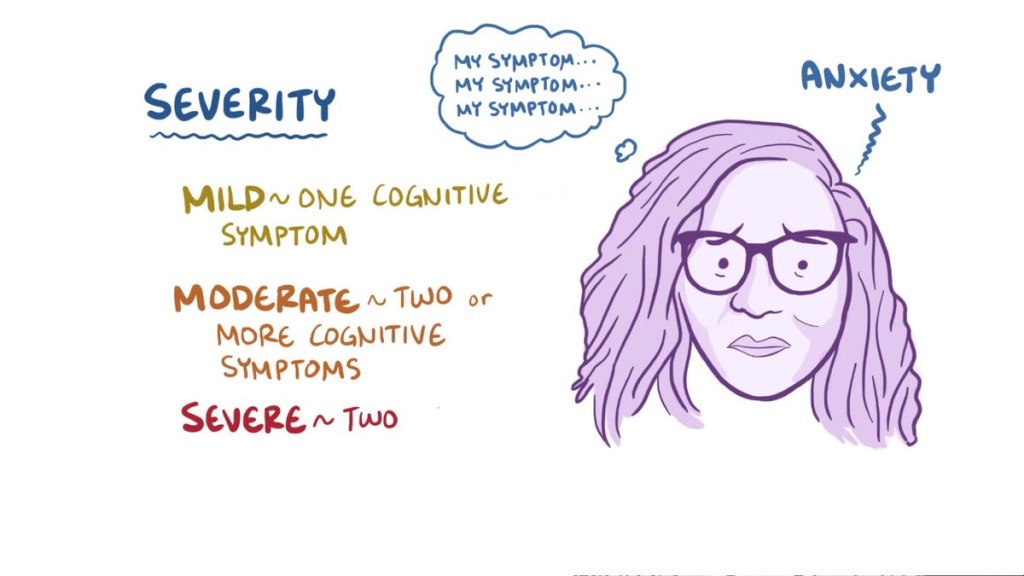
These disorders are characterized by persistent and extreme fear and worry. Fear is a response to a threat and anxiety is the anticipation of a threat in the future. There are various types of anxiety disorders which are explained further. Generalized Anxiety Disorder (GAD) involves extreme levels of worry about daily events, so much so that it interferes with the person’s daily functioning.

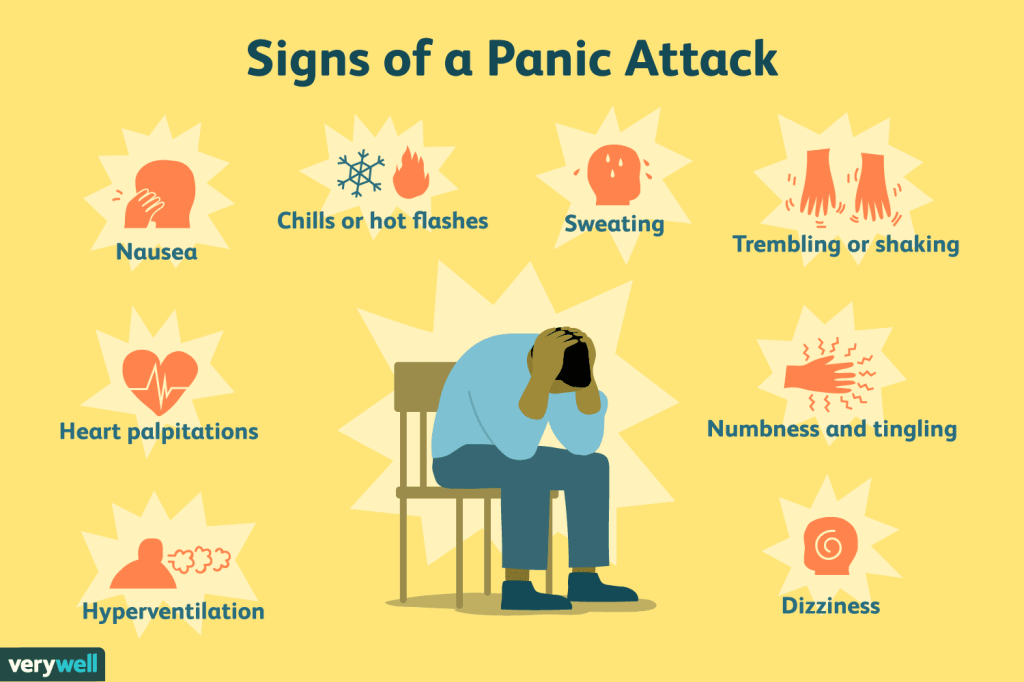
Panic Disorder involves having panic attacks in certain situations and so people start avoiding the situations which trigger a panic attack. A panic attack is a sudden episode of intense fear which brings symptoms like a sense of impending doom, rapid heart rate, sweating, shaking, chills, hot flashes, nausea, chest pain, headache, dizziness, and numbness.

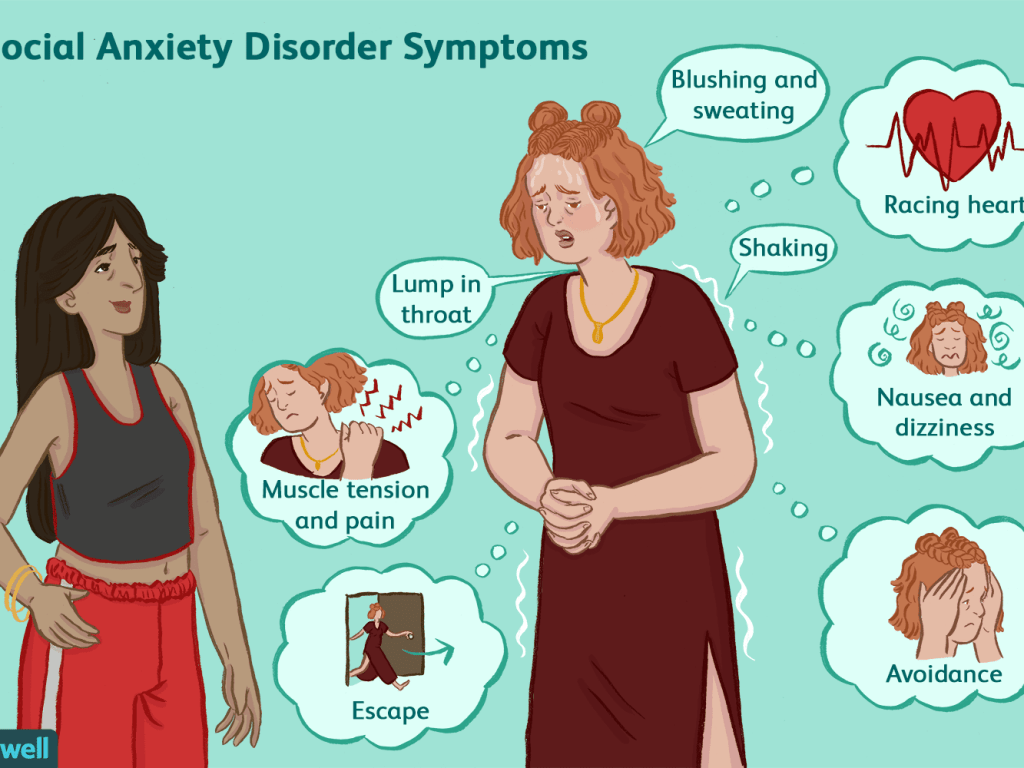
Social Anxiety Disorder involves an irrational fear of being judged or watched. This is a very common disorder and it interferes with functioning at school, work, and other social settings. For example, a person can have a fear of going to a party because of the fear of being judged by everyone.

Agoraphobia involves a fear of public places, that is that the people with this disorder have a fear of anticipating a panic attack in a place where they cannot escape or deal with it.

Specific Phobias involves an extreme fear of a specific object or a situation, such as fear of insects, animals, height. When people are confronted by their phobic object, they experience trembling, nausea, and rapid heart rate. These phobias usually arise from a bad associating event they have had before in their life.

Separation Anxiety Disorder involves a high level of fear of being separated from things and the people they are attached to. This is most common in the case of young children having the fear of being away from their parents but it also exists for adults.

Stress-Related Disorders

These previously used to be grouped with anxiety disorders but are now considered a separate category. These disorders usually arise because of trauma or stress-inducing event. Acute Stress Disorder involves severe anxiety for almost a month after a traumatic event, such as accidents or the death of a loved one. This can result in the person experiencing dissociative symptoms like inability to remember important parts of the event, flashbacks, and difficulty in experiencing positive emotions.

Post-Traumatic Stress Disorder (PTSD) can arise after a person has gone through a very traumatic event. This disorder includes symptoms such as reliving the event, feeling on edge, having negative thoughts, avoiding things that remind them of the event, nightmares, bursts of anger, and difficulty in concentrating.

Adjustment Disorders can arise because of a sudden change in life like losing a job, a break-up, shifting from one state to another. This disorder can bring symptoms like anxiety, worry, hopelessness, feeling of isolation, depressed mood.

Reactive Attachment Disorder forms when children in their early years of childhood fail to form a healthy relationship with their adult caregiver which later on results in being withdrawn from these caregivers, and they might also face social and emotional disturbance.

Conclusion

Some people keep claiming they have anxiety when they are just suffering from fear, same with the use of PTSD. It is important to not self-diagnose yourself as you might not be qualified to do so and it is wrong to claim to have disorders when you don’t as it creates a negative environment for people who are actually suffering from these disorders. It is important to consult a psychologist if you face any of the symptoms you think might point to anxiety or stress-related disorder as there are therapies to deal with it.

References

Note: this is the Part 2 of the Psychological Disorders series.