Best air purifying plants for bedroom

Insomnia is one of the common problems faced by many people today. It could be due to stress or unfavourable conditions in the bedroom such as uncomfortable temperature or humidity. According to doctors, the body should have healthy oxygen saturation levels, around 96% to 98%, to stay active and healthy.

Plants play a key role in keeping the environment favourable around. They help to purify air indoors so that you can stay healthier and away from toxins inside the house.

Best plants for Bedroom, which purifies air and induces good sleep.

1.Aloe vera plant

We all know that aloe vera plant has medicinal value. But do you know it also has the ability to eliminate toxins like benzene and aldehyde from the atmosphere and produces Oxygen. It can be the perfect plant for your bedroom.

2.Snake Plant

 This is a low-maintenance plant that has this unique feature to increase oxygen level during the night. Snake plant also removes toxic gases in the house like benzene and formaldehyde.  

3. Tulsi plant

Now a days also we can see a lot of people keep tulsi at homes and even worship it. It produces good amount of oxygen at night and has the power to absorb upto 90% of dust particles from the indoor atmosphere. The fragrance of tulsi plant induces good sleep.  

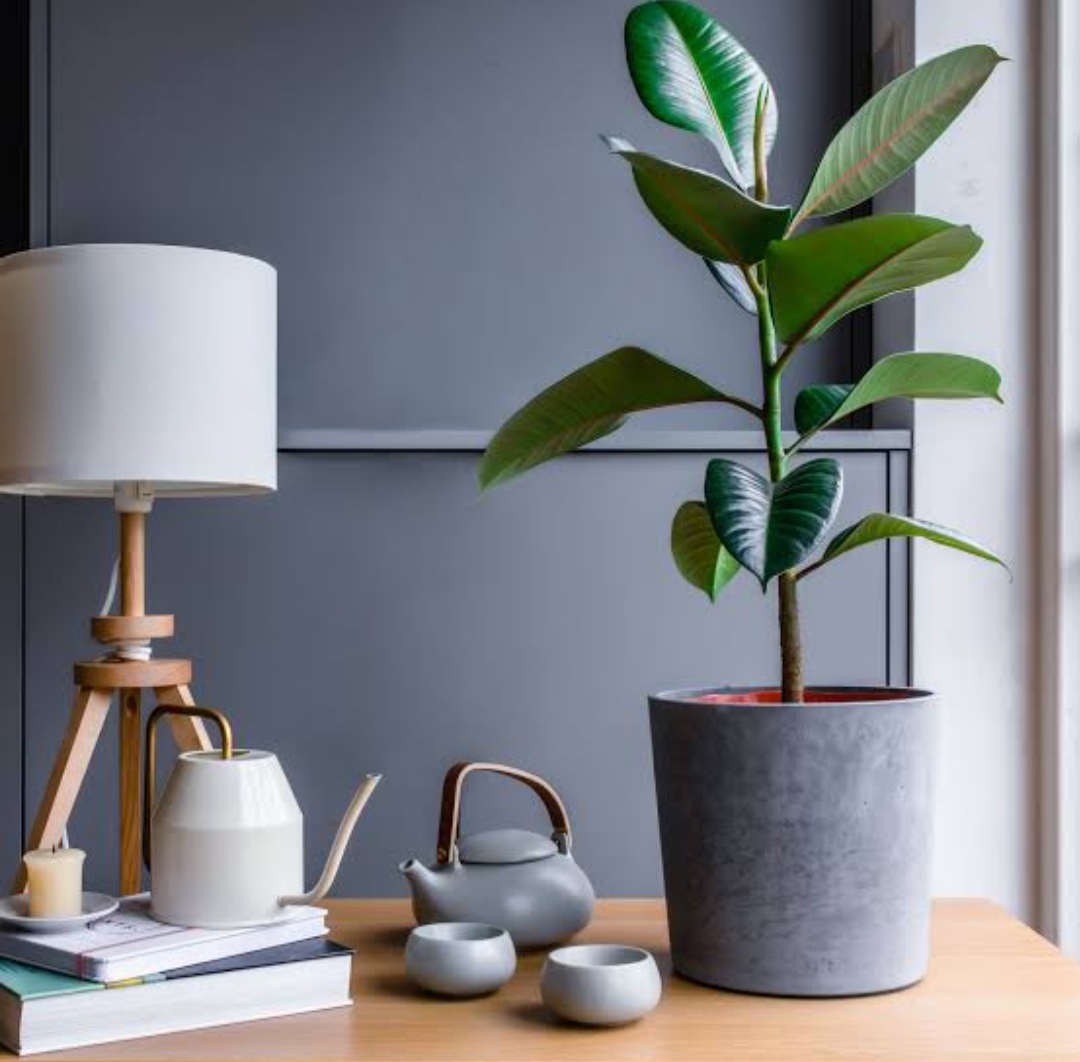
4.Rubber Plant

This is one of the most popular plants for the bedroom, as it effectively removes formaldehyde, mold spores, and bacteria present in the air. You can expect this plant to purify air upto 70%. It is also a low maintenance required plant. Its glossy leaves look gorgeous.  

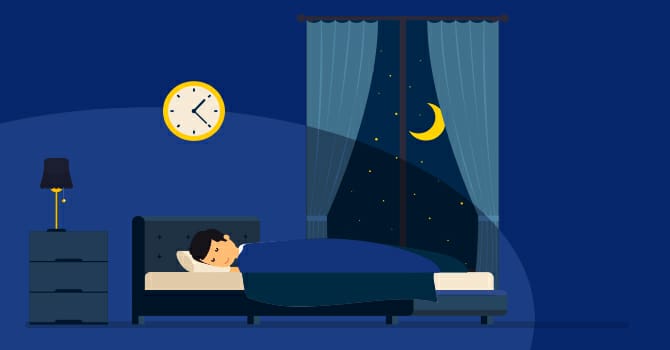
Sleeping is Important !!!

Sleeping is a state of mind which occurs naturally, repetitively and is often characterized by altered consciousness. Sleeping is a very important yet neglected component of ones physical and mental well being. Our body repairs itself when we’re sleeping. Having a good sleep for at least 8 hours have several health benefits.
Sleeping has a direct effect on concentration, productivity, performance and cognition. Lower sleep patterns lead to memory loss, lack of concentration, fatigue, mood swings, irritability etc. With lack of sleep, it is difficult to remember details because it is sleep that enables us to learn and memorise stuff. A good sleep on the other hand provides better performance, more energy, faster speed, better coordination and better mental performance and functioning.
Lack of sleep also causes the person to have an unhealthy lifestyle. This can lead to heart diseases or hyper tension. Getting adequate sleep enables the body to regulate the blood pressure. Less sleep leads to increased blood pressure which can cause strokes, cardiac problems etc. Adequate sleep boosts the immune system of the body. Inadequate sleep and a consequent lowered immunity are welcoming signs for acute diseases.
The mental wellbeing of an individual is very much affected by his sleeping habits. A proper sleep is a mood booster. While we are asleep, our brain processes our emotions. Lack of sleep causes and individual to have more negative thoughts than positive one. Over the years, through researches, it has been found that lack of sleep causes depression in individuals. Depression may lead to morbid thoughts or suicidal tendencies. Insomnia is a condition wherein an individual persistently finds it difficult to fall and stay asleep.
Sleep is also related to social and emotional intelligence. Those people who suffer from lack of sleep on daily basis start to develop a poor emotional intelligence. They fail to recognise or acknowledge emotions or expressions of others. The level of empathy also declines in these individuals.
Sleeping properly leads to a steadier blood glucose. When we’re in deep sleep, the amount of glucose in our blood falls. People with proper sleep are less likely to develop type 2 diabetes. Regular adequate sleep also controls weight. When we’re well-rested, we’re less hungry. Being sleep deprived messes with the hormones in the brain leptin and ghrelin that are responsible for controlling appetite.
Since it is evident that sleeping is more important than we think, here are some ways one can improve his/her sleeping practices.
• The first and foremost thing to do is to have a consistent sleeping pattern. Going to bed at different times every night is a common habit for many people. However, these irregular sleeping patterns could interfere with sleep because they interrupt the body’s circadian rhythm. Going to bed at the same time every night helps the body clock predict when to induce sleep.
•Turning off the lights prior to going to sleep is also helpful. Light influences the circadian rhythm, which helps the brain and body judge when it is night time. The catch is to keep the room dark.
•Avoiding unhelpful habits like taking caffeine or using blue light emitting devices at night is very helpful. These days, our exposure to blue light has increased significantly. This has an effect on our sleeping pattern. The key is to stop using electronic gadgets at least one hour prior to going to sleep.

https://www.webmd.com/sleep-disorders/benefits-sleep-more

https://www.medicalnewstoday.com/articles/322928#21-ways-to-fall-asleep

The Art of Meditation

Meditation is a very important tool to manage stress and reducing anxiety and depression. It is a conscious effort of allowing your anxieties, fears, and anger to calm down so that one can order their own mind , eliminate the stressful thoughts and enhances physical and emotional well-being. It helps us in attaining peace of mind and soul and also helps us tune into a positive mindset.

Meditation can give us a sense of calm, peace and balance that benefits both your emotional well-being and your overall health. They also lead us to a state of self realization, where our mind is away from the anxieties of the past and the anticipations about the future. With emotional stability and calmness, one ends up feeling more confident and is able to face life. It makes people empathetic and thus able to understand others’ emotions, actions, and behaviors. It also improve our physical health by reducing strain on the heart, lowering blood pressure, improved blood circulation, less perspiration , improved data retention and focus , improved sleep patterns and deeper relaxation.

Types of meditation and relaxation techniques include:

1. Mindfulness

Mindfulness meditation practices require you to concentrate in your present. It ensures stability and control of the present state without getting disturbed by what comes or goes. We establish an embodied presence and learn to see clearly and feel fully the changing flow of sensations, feelings of both pleasantness and unpleasantness, emotions and sounds. For example : close your eyes and start breathing, neither long breaths nor too short ones. Breathe like you naturally do. Just that you are conscious about it, not controlling it in any manner. While you do so, you are sure to feel multiple sensations. What we want you to do is to just feel them, coming and going, not attracting any neither repelling one. You just rest and relax, without any judgement. When you practice this discipline of mindfulness meditation, and while you are onto exercising the breathing routine, your thoughts start mingling and flowing in the process. The intention is not to get involved with the thoughts or to judge them, but simply to be aware of each mental note as it arises.

2. Transcendental Meditation

This is a technique of detaching oneself and promoting harmony and self realization. It involves sitting up with your back straight. In this method, we use a mantra such as a word , sound or phrase repeatedly silently to narrow your conscious awareness and eliminate all thoughts from your mind. We focus exclusively on your mantra to achieve a state of perfect stillness and consciousness. It curbs insomnia, gives more power to our body and mind and increases productivity.

3. Walking Meditation

In this meditation, practitioners move slowly and continuously while staying aware of the body and mind. It encourages us to focus on each footstep in order to be fully present.  We must take deep breaths , use good posture , take deep breaths, and experience the motions of the body. This allows us to cultivate a a sense of mind- body awareness by focusing on your body’s posture.

4. Mantra Meditation

In this type of meditation, we silently repeat a calming word , thought or phrase to prevent distracting thoughts and helps us concentrate on that one particular sound. In every moment that we pay full attention to the mantra, we are not disturbed by any other thoughts, memories, or sensations. This helps reduce stress and improves our concentration and well-being.

Meditation is a simple strategy that can help obtain better health and a happier life. It takes time to learn to meditate but the more we practice , the quicker we learn and the more benefits we get and hence this will certainly have a big difference in our life.