Benefits of Creating and using ResearchGate

Creating and using a ResearchGate account offers numerous benefits, especially for researchers, academics, and professionals in various fields. Some of these benefits include:

1. Networking: ResearchGate helps you connect with other researchers and professionals in your area of expertise, enabling collaboration on projects, sharing insights, and discussing new developments.

2. Access to Research: You can access a vast database of research papers, articles, and publications. Many researchers share their full papers, which are otherwise behind paywalls, giving you free access to valuable research materials.

3. Research Visibility: By creating a profile and uploading your publications, you can increase the visibility of your work, which can lead to more citations and collaborations.

4. Metrics and Impact: ResearchGate provides statistics such as the number of reads, citations, and the ResearchGate Score, which help track the impact of your publications over time.

5. Collaboration Opportunities: You can find potential collaborators by browsing profiles and publications in your field, or by joining discussions in topics relevant to your research interests.

6. Questions and Answers: The platform allows you to ask and answer questions related to your research, helping solve problems and gain insights from the academic community.

7. Job Opportunities: ResearchGate often features job listings relevant to researchers, including academic positions, postdocs, and research fellowships.

8. Profile Building: It provides an easy way to maintain a professional profile, showcasing your expertise, affiliations, and publications to a global audience.

9. Feedback and Peer Review: You can receive feedback on your work from the community, which can help you refine your research or approach and improve the quality of future publications.

Overall, ResearchGate helps foster a collaborative and informed research community by connecting professionals, providing access to academic materials, and offering tools to enhance professional growth.

Thirty Minerals Listed as Critical Minerals for India

 The Ministry of Mines had constituted a Committee on 01.11.2022 to identify the critical and strategic minerals. The Committee had, inter-alia, recommended to establish a National Institute or “Centre of Excellence on Critical Minerals” (CECM). The purpose of CECM is to periodically update the list of critical minerals for India, preferably every three years, and to notify the critical mineral strategy from time to time. The committee has recommended 30 minerals are critical for the country, out of which 24 minerals are included in the list of critical and strategic mineral in Part D of Schedule 1 of MMDR Act.

A joint venture company namely Khanij Bidesh India Ltd. (KABIL) has been incorporated with the equity contribution from three Central Public Sector Enterprises namely, National Aluminium Company Ltd, Hindustan Copper Ltd and Mineral Exploration and Consultancy Ltd with the objective to ensure consistent supply of critical and strategic minerals to Indian domestic market. On basis of commissioned study and selection criteria, KABIL has initiated engagement with several state owned organizations of the shortlisted source countries through Ministry of External Affairs and the Indian Embassies in countries like Argentina and Australia to acquire mineral assets overseas primarily the critical & strategic minerals.

The Central Government has further amended the Mines and Minerals Development and Regulation Act, 1957 (MMDR Act, 1957) through the MMDR Amendment Act, 2023, whereby 24 critical and strategic minerals have been inserted in part D to the Schedule-I of the MMDR Act, 1957 which have been identified as critical and strategic minerals for the country. Further, the amended Act has also empowered Central Government to auction critical and strategic minerals blocks. Government of India has launched first tranche of auction of these minerals on 29th November, 2023 for 20 blocks. The details of the blocks are at Annexure.

In addition, the Ministry of Mines under its ‘Science and Technology Programme’ provides grants for Promotion of Research and Innovation in Start-ups and MSMEs in Mining, Mineral Processing, Metallurgy and Recycling Sector (S&T-PRISM). One of the thrust areas under S&T-PRISM includes focus on extraction of strategic and critical

minerals at elemental level. 

Furthermore, the Ministry is also actively involved in Mineral Security Partnership (MSP) and other multilateral/ bilateral partnerships with various countries to secure the critical mineral demand of India. Under India’s G20 presidency, recognizing the significance of the role of critical minerals in global energy transition the Ministry of Mines got it included in the G20 New Delhi Leaders’ Declaration.

Annexure


The details of Critical Mineral Blocks which have been notified for auction are as detailed below:


Sl No

Block Name

State

Mineral

ML/

CL

1

Chutia-Nauhatta Glauconite Block

Bihar

Glauconite

CL

2

Pipradih-Bhurwa Glauconite Block

Bihar

Glauconite

CL

3

Genjana Nickel, Chromium and PGE Block

Bihar

Nickel, Chromium and  PGE  

CL

4

Kundol Nickel and Chromium Block

Gujarat

Nickel & Chromium  

CL

5

Muskaniya-Gareriatola-Barwari Potash Block

Jharkhand

Potash

CL

6

Dudhiasol East Nickel and Copper Block

Odisha

Nickel and Copper 


ML


7

Babja Graphite and Manganese Block

Odisha

Graphite and Manganese 

ML

8

Biarapalli Graphite and Manganese Block

Odisha

Graphite  and Manganese 

ML

9

Akharkata Graphite Block

Odisha

Graphite

CL

10

Vellakal Central (Segment-A) Molybdenum Block

Tamil Nadu

Molybdenum Ore

CL

11

Nochchipatti Molybednum Block

Tamil Nadu

Molybdenum Ore

CL

12

Velampatti North A & B  Molybdenum Block

Tamil Nadu

Molybdenum Ore

CL

13

Kurunjakulam Graphite Block

Tamil Nadu

Graphite

CL

14

Iluppakudi Graphite Block

Tamil Nadu

Graphite

CL

15

Mannadipatti Central Molybdenum Block

Tamil Nadu

Molybdenum

CL

16

Marudipatti (Central) Molybdenum Block

Tamil Nadu

Molybdenum

ML

17

Kurchha Glauconite Block

Uttar Pradesh

Glauconite

CL

18

PahadiKalan – Gora Kalan Phosphorite Block

Uttar Pradesh

Phosphorite

CL

19

Salal-Haimna Lithium, Titanium and Bauxite (Aluminous Laterite) Block

UT: Jammu and Kashmir

Lithium, Titanium and Bauxite(Aluminous Laterite) 

CL

20

Katghora Lithium and REE Block

Chhattisgarh

Lithium and REE

CL


This information was given by Union Minister of Coal, Mines and Parliamentary Affairs Shri Pralhad Joshi in a written reply in Rajya Sabha today.

****

Unveiling the Power of Knowledge: A Comprehensive Guide to Google Scholar

 Google Scholar, launched by Google in 2004, is a freely accessible web search engine designed to index scholarly articles, theses, books, conference papers, and other academic resources. It stands as a valuable tool for researchers, academics, students, and anyone seeking credible and scholarly information. This article delves into the key features, benefits, and impact of Google Scholar in the realm of academia and research.

1. Wide Academic Coverage

Google Scholar indexes a vast array of academic content, including peer-reviewed papers, theses, conference papers, preprints, technical reports, and more. It provides access to scholarly literature across various disciplines, making it a comprehensive platform for researchers seeking a wide range of academic resources.

2. User-Friendly Interface

Google Scholar offers a simple and intuitive interface, making it accessible to both seasoned researchers and newcomers to academic research. Users can easily search for specific articles, authors, keywords, or topics, and the results are displayed in a clear and organized manner, enabling efficient navigation through the scholarly landscape.

3. Citation Analysis and Metrics

One of the notable features of Google Scholar is its ability to track citations. Researchers can see who has cited their work, providing insight into the impact and influence of their research. Additionally, Google Scholar calculates metrics like h-index, i10-index, and citation counts, helping researchers gauge their scholarly productivity and influence within their field.

4. Integration with Libraries and Institutions

Google Scholar seamlessly integrates with academic libraries and institutions. It allows users to connect to their library’s subscription services, enabling access to full-text articles that may otherwise be behind paywalls. This integration enhances accessibility to a broader range of academic literature.

5. Alerts and Personalization

Researchers can set up alerts based on keywords, authors, or specific articles to stay updated on the latest research in their field. These email alerts notify users of new publications matching their criteria, ensuring they remain informed about recent developments and advancements.

6. Enhanced Discoverability

Google Scholar employs a robust search algorithm that enhances the discoverability of relevant research. The engine utilizes factors like relevance, citations, and authorship to rank search results, making it easier for users to find high-quality, pertinent academic material.

7. Global Accessibility and Open Access Advocacy

Google Scholar aligns with the ethos of open access by providing access to a substantial amount of freely available scholarly content. It emphasizes the importance of making research openly accessible, thereby contributing to the global dissemination of knowledge and fostering collaboration across geographic boundaries.

8. Limitations and Considerations

While Google Scholar is a powerful tool, it is important to acknowledge its limitations, including potential biases in indexing, varying quality of sources, and limited advanced search functionalities. Users should exercise critical evaluation and cross-verification of information obtained through Google Scholar.

Conclusion:

Google Scholar has emerged as an indispensable tool for researchers and academics, empowering them with easy access to a vast repository of scholarly knowledge. Its intuitive interface, comprehensive coverage, citation analysis capabilities, and dedication to open access underscore its significance in advancing the dissemination of knowledge. As Google Scholar continues to evolve and innovate, it is poised to play an even more critical role in shaping the landscape of academic research and collaboration.

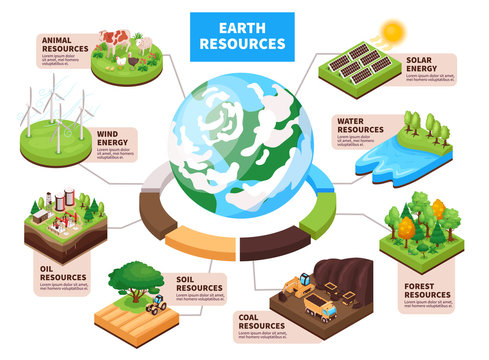
Renewable and Non-renewable Resources

Renewable Resources

The resources which cannot be exhausted even after continuous utilisation are termed renewable resources. Examples of renewable resources are the sun, wind, and tidal energy.

Non-renewable Resources

The resources which cannot be immediately replaced once they are depleted are called non-renewable resources. Examples of non-renewable resources include fossil fuels, such as coal, petroleum, natural gas and rare minerals typically found in meteorites.

Now, let us look at the major differences between renewable and non-renewable resources.

Differences between Renewable and Non-renewable Resources

The following are the major differences between renewable and non-renewable resources.

Renewable Resources Non-renewable Resources
Depletion
Renewable resources cannot be depleted over time. Non-renewable resources deplete over time.
Sources
Renewable resources include sunlight, water, wind and also geothermal sources such as hot springs and fumaroles. Non-renewable resources includes fossil fuels such as coal and petroleum.
Environmental Impact
Most renewable resources have low carbon emissions and low carbon footprint. Non-renewable energy has a comparatively higher carbon footprint and carbon emissions.
Cost
The upfront cost of renewable energy is high. For instance, generating electricity using technologies running on renewable energy is costlier than generating it with fossil fuels. Non-renewable energy has a comparatively lower upfront cost.
Infrastructure Requirements
Infrastructure for harvesting renewable energy is prohibitively expensive and not easily accessible in most countries. Cost-effective and accessible infrastructure is available for non-renewable energy across most countries.
Area Requirements
Requires a large land/ offshore area, especially for wind farms and solar farms. Comparatively lower area requirements.

Interestingly, some resources, such as uranium, is touted as a renewable resource. However, it is still a subject of debate as uranium is not exactly a renewable resource, according to many statutory definitions.

What is sustainable development?

With the advancements in technology and the rapid development of our
goals, our natural systems are unable to provide resources at scale and as a
result, our resources are depleting faster than they can be replenished. Finding
the right balance to ensure growth that is sustainable for years to come is the
basis of sustainable development. Some steps can be taken today that would have
a huge impact on society’s well-being and environment. Sustainable Development
is defined as the practice of setting goals and guidelines to use natural and
non-renewable resources responsibly and save energy to create new development
projects and maintain old projects.

Importance of sustainable development

1. Provides Essential Human Needs

People will have to compete for scarce resources including food,
shelter, and water due to the population growth. A long-lasting infrastructure
is nearly totally necessary for the adequate provision of these fundamental
needs.

2. Agricultural Requirement

Agriculture must keep up with an increasing population. It can be really
difficult to find solutions to feed more than 3 billion people. The focus of
sustainable development is on agricultural practices that increase yields while
preserving the health of the soil, which provides food for a big population,
such as efficient seeding methods and crop rotation.


3. Manage Climate Change


Sustainable development methods can
reduce climate change. The goal of sustainable development techniques is to
consume fewer fossil fuels, such as coal, natural gas, and oil. Fossil fuel
energy sources are unsustainable since they will run out in the future and
cause greenhouse gas emissions.


4. Financial Stability

Global economies can become more
financially sustainable by implementing sustainable development strategies.
Renewable energy sources can be used by developing nations without access to
fossil resources to power their economy.

5. Sustain Biodiversity

Overconsumption and unsustainable
development have a significant negative influence on biodiversity. The ecology
of life is set up so that species are dependent on one another to survive. For
example, plants create the oxygen that is necessary for human respiration.

Using organic farming methods and
renewable energy sources that don’t release greenhouse gases into the
atmosphere are encouraged by sustainable development techniques.


Goals of sustainable development


1. Eradication of poverty across the
world

These organizations typically target the poorest and least developed
nations in the world.

By extending social protection programs like school meals, cash
transfers, targeted food aid, etc., they want to abolish poverty on a global
scale.


2. The promotion of wellbeing and
health

At every stage of life, this sustainable development objective aims to
promote everyone’s health and well-being. The objective takes into account all
of the top health goals, including reproductive, maternal, and child health.

Additionally, it promotes better health financing, and more research and
development, and enhances each nation’s capacity for health risk management and
prevention.

3. Provision of Quality Education for
All

These organizations are aware that the number of children dropping out
of school is at an all-time high. Even as worldwide communities struggle to
assure quality and equity in the education sector, this gap must be overcome to
ensure sustainable future development.

4. Provision of Clean Water and
Sanitation

Regarding sustainable development, water and sanitation are at the top
of the list. They are essential for the planet’s and humanity’s survival. The
quality and sustainability of water resources around the world, as well as
issues with sanitation, hygiene, and drinking water, are all addressed in this
goal.

5. Building up Strong Infrastructure, Supporting
Inclusive and Sustainable Industrialization, and Incubating Innovation

Industrialization, infrastructure, and innovation are three components
of sustainable development that are considered in this objective.
Infrastructure is important because it provides the fundamental framework
required to facilitate the seamless operation of business and society as a
whole.

Industrialization promotes economic growth and creates employment
possibilities, which lowers poverty rates. Industrial sectors’ technological
capabilities are improved by innovation, which also sparks the growth of
innovative skills.

6. Making Affordable and Clean Energy
More Accessible


For most sustainable development objectives, energy is the most
important resource. Through improvements in industrialization, education, water
supply, health, and combating climate change, energy plays a crucial role in
reducing poverty.

The growth and expansion of renewable energy sources like solar, wind,
hydropower, liquid and solid biofuels, biogas, and geothermal are the main
objectives of this sustainable development aim.

These clean, renewable energy sources are best for the environment and
people’s health because they don’t release greenhouse gases into the
atmosphere.


Challenges faced in achieving
sustainable development


Two significant problems stand in the way of sustainable growth.

The first is that employing sustainable techniques and materials can be
costly in many development-related areas. Although sustainability does prove to
be less expensive in the long run than conventional development, developing a
sustainable project may be much more expensive in the beginning.

The lack of a universally acknowledged need for sustainable development
is the second significant problem. The solution to this problem in schooling
could take many years.

When projects are more expensive to start, contractors and investors
cannot see the value in them. It can be quite challenging to create a long-term
vision necessary to comprehend the significance of sustainability when the goal
is to make money in the near term.

To achieve this goal, new governmental rules and incentive
schemes have been implemented to make sustainable development a more alluring
choice for program and project managers.


Top 10 Urban planning tools

As an urban planner, you know the importance of legibility and comprehensibility in communicating plans for the built environment. Developing an understanding of the tools and techniques of urban design is a crucial benefit to the implementation of effective plans.
Urban Planners are often required use urban planning software which bridges the various disciplines involved in city planning. While not always the case, the softwares and tools used within the urban planning can be quite expensive. Especially when you are self employed. Fortunately, there are free urban planning software alternatives available, which does well in completing the necessary tasks. However, unfortunately some of the paid software do not have alternative free and open source software.
We have attempted to summarise the key urban planning software and tools used today, both free and paid. This list has been made in an effort to make it easy to understand the software that exists and is used today. Although, the list is currently not fully comprehensive it gives an overview. The list will moreover be updated once in a while to reflect software not listed here. 
We hope this list is useful and provides some help in finding urban planning software and tools that can support your work. \
Whether you’re a professional in the urban planning field or an urban planning student, learning basic design principles doesn’t require a graphic design degree. Thankfully, there are a number of free software tools available to take your plans to the next level, here are some of the urban planning tools that every planners need to know:

1. GIMP
GNU Image Manipulation Program, commonly known as GIMP, is a raster-based image manipulation software. If you’re familiar with Adobe Photoshop, you will find GIMP to be an effective (and free!) alternative with similar capabilities. In the context of urban design, GIMP is used to edit images, add text to images, and overlay graphic content on maps. Additionally, GIMP offers some great free educational resources and tutorials.
SketchUp is an indispensable tool to urban planners and urban designers alike. Unique in its ability to quickly and accurately render 3-dimensional forms, Sketchup provides users with an effective tool to visualize buildings, neighborhoods, and even cities. There are some limitations to the freeware version as opposed to SketchUp Pro, but there are workarounds you can learn in the Urban Design for Planners: Software Tools. What’s more, SketchUp integrates easily with Google Earth (read on to learn more!).
Inkscape is vector-based, open graphic manipulation tool often used as a counterpart to GIMP. For the urban designer, Inkscape is used to draw and manipulate shapes and lines on maps. Comparable to Adobe Illustrator, Inkscape offers a user-friendly alternative for planners and designers.
4. QGIS
QGIS is a free, open source Geographic Information System with powerful capabilities. Compatible with Esri (the industry standard maker of ArcGIS), QGIS is perfect for the planner looking to expand their design capabilities. Use QGIS to view multiple layers of mapped data relative to one another, group locations or elements with sets of criteria, determine distance calculations, examine proximities, and quickly create figure ground maps. QGIS makes it simple to quickly get up to speed with the program with an extremely active support community.
Google Earth is a crucial tool that lends itself to a variety of professional applications. Particularly useful to urban planners and urban designers alike is the ability to explore cities from an axonometric view (from the perspective of a low flying plane). Other settings provide the ability to experience a 3D perspective, accurately measure distance, and integrate with GIMP and SketchUp. Beyond these practical aspects, the potential to explore cities and landscapes around the world makes Google Earth a ground-breaking resource.
6. ESRI ArcGIS is the most widely used GIS software in the world. It allows 
The ArcGIS software have allowed planning agencies to carry out both traditional and previously impossible tasks more efficiently and easier. With the various functions the GIS programs offer, urban planners can create and assess different development scenarios and test the potential impacts they will have on future land use, demographics and employment options. Consequently, ArcGIS has created a spatial tool that provides more informed planning decisions.
7. ArcGIS CityEngine is another 3D modelling software. It is used by urban planners, urban designers and architects to create a large city without the need to model each building separately. The software allows you to measure areas, distances and paths, and compare various development proposals and analyse design solutions.
8. ArcGIS Urban is another ESRI application focused on the urban planning and design professions. The ArcGIS Urban software provides an 3D experience allowing for better understanding of potential land use and development. Thereby decision-making is better formed by visualising and understanding how development projects will fit into the local surroundings.
9. Modelur is a simple and inexpensive SketchUp extension that is somewhat similar to CityEngine. While Modelur is lacking rendering options and extensive functionality as included in CityEngine, it provides a powerful 3D tool to quickly create conceptual urban massing. It calculates your design’s urban planning parameters in realtime, such as Floor Area Ratio (FAR), Gross Floor Area (GFA), Built-up Area (BUA), Site Coverage, recommended parking lots and green area. Therefore you can easily adjust your design to be aligned with the requirements for the site in question. Furthermore, the software tool provides well informed decisions.
Modelur offers free student licenses, but you need to provide proof of university enrollment.
10. Streetmix is an online open source street design tool. It provides a user-friendly and fun way to create fast proposals for street and public space improvements. The tool was created for city planners, public and private companies, pedestrian and bike advocates to make street-making accessible for everyone.

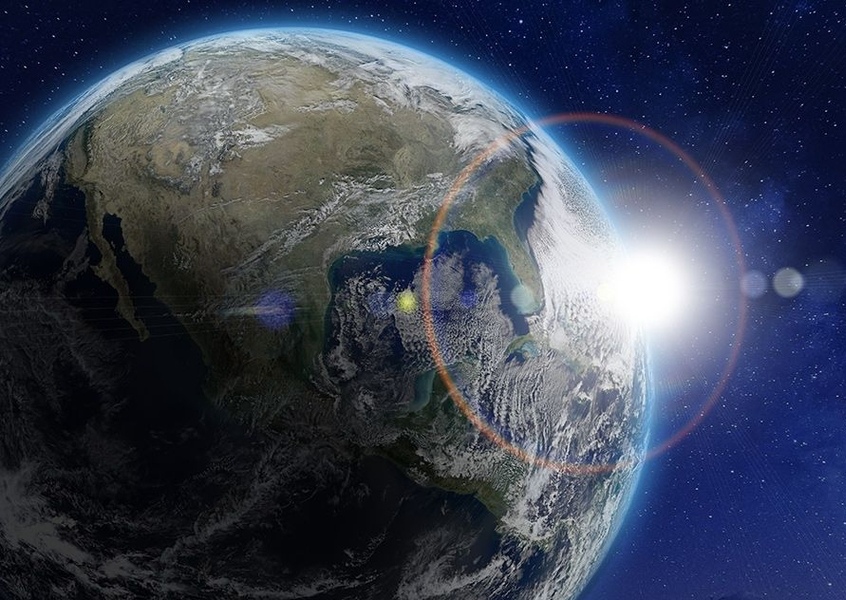
Mother Earth – Our home planet

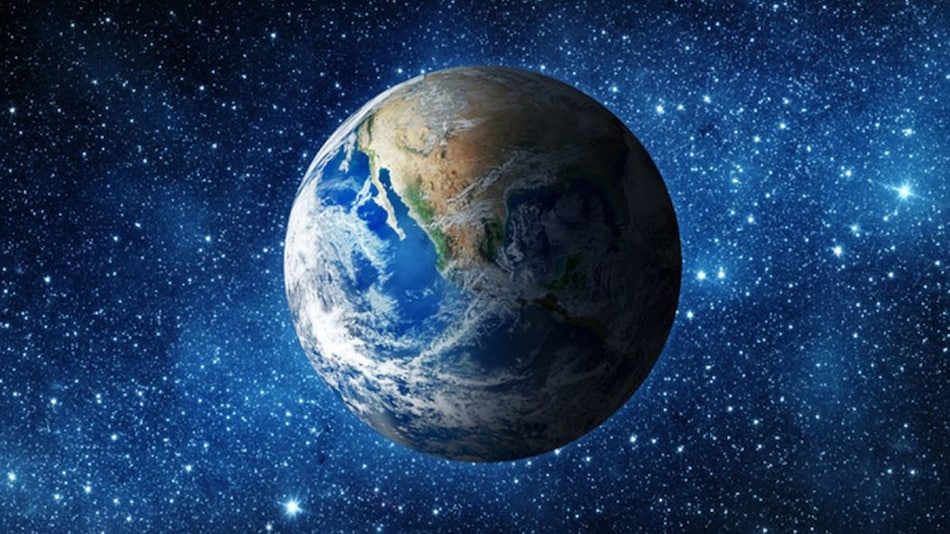
Earth is the only planet where life can exist.

Earth is also called Blue planet.

If we destroy the earth, we destroy the chance of life.

Earth is our mother as we born here,we grow here,we eat ,play and our whole life cycle take place on earth.
Earth  provide everything that we use today whether it is directly or indirectly.

Life existed on earth is as it is suitable for having an atmosphere, suitable temperature and water is present in its liquid form on Earth due to the position of Earth on solar system.

Earth is the third planet from the Sun at a distance of about 93 million miles (150 million km).

We called Mother earth because Earth provide everything to us like a mother. Our existence become possible only due to earth.
Everything that we needed to survive and thrive is only due to our mother earth it provide us  food, shelter, home , water, air, medicine , suitable temperature and everything that we need for our existence.
But we affect our mother Earth in various ways only for the sake of our greed.

Due to our greedy behaviour natural environment of Earth get changes.

Earth provides enough to satisfy Every man’s needs but not Every man’s greed

Mahatma Gandhi

Earth day is celebrated on 22 April.

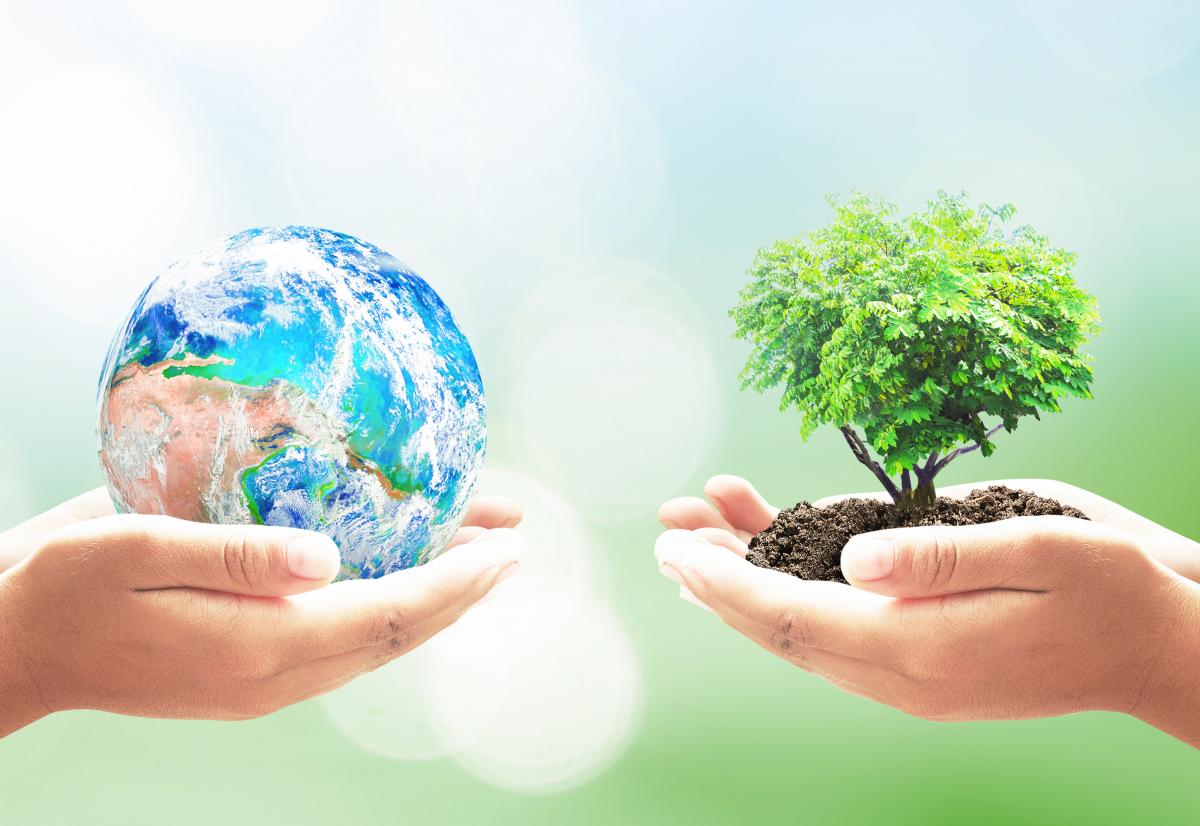
Thus ,there is a need to  save our mother Earth.

The optimal temperature of earth rises ,the glaciers are melting  and every type of pollution like air pollution water pollution ,soil pollution ,noise pollution every thing are going on its peak and that’s why why every living organism get affected by this.


Due to this anthropogenic action every single living organism get affected even when they don’t take part in this  destructive action.

Anthropogenic action is referred to as the action which is done by humans.

Impact of anthropogenic activities on  earth
First of all the major impact is  due to overpopulation –
● Due to overpopulation the overconsumption of resources are at its peak .
Even after the implementation of various sustainable act but it doesn’t make any major changes on environment.
● To fulfill the requirements of population we need more food supplies that’s why there is increase in uses of fertilizers and various chemicals to increase the food production.
■ And it will leads to lack of nutrients in grains ,soil infertility or or it may leads to desertification.
● To fulfill the requirements of people there is need to increase the land area so it has been observed that it leads to deforestation.
● Anthropogenic activities are responsible for an intensive emission of greenhouse gases to the atmosphere, leads to an increase of 35% of carbon dioxide (CO2, greenhouse gases) emissions between 1990 and 2010.
● Emission of large amount of carbon dioxide and other greenhouse gases leads to rise in temperature of Earth, increase pollution and it causes various type of disease also.
● For affordable price and easy to use the production of plastic also increases.


These all are the the main factors that affect the ecosystems too.

Measures taken to save mother earth:-

  • Reduce, reuse and recycle
  • Choose sustainable development
  • Volunteer for clean up our environment
  • Choose long lasting light bulbs
  • Try to use renewable resource more than non-renewable resources
  • Save water
  • Plant more trees
  • Use public transport system
  • Try to avoid plastic use
  • Try to minimise pollution at individual level
  • Use reusable shopping bags
  • Educate others about anthropogenic activities or the impact of anthropogenic actions on our environment and what can we do to prevent its bad effects

Save earth, save home

IMPACT OF COVID-19 ON CARBON EMISSIONS

The unprecedented global disruption caused by the coronavirus pandemic is likely causing a sharp, brief drop in carbon emissions. 

  • Due to global lockdown ‘s impact on transport, demand for oil has fallen at an unprecedented scale. 
  • Gas demand falls less than oil or coal. 
  • The country’s CO² emission fell down by 15% during March and fell 30%in April. 
  • According to Daily data from the national grid. Coal – fired power generation fell 15% in March and 31% in April. 
  • Renewable energy generation increased by 6.4% in March. 
  • Due to reduced power generation, Industrial activity and transport volume. Thus, it has reduced fossil – related and cement – induced CO² emission. 

China is  the first country where the virus’s impact on carbon emissions  became visible

Carbon dioxide emission in China

According to China Emissions Accounts and Datasets(CEADs) :

  • Reduction of 257.7 Mt. (11%) over Q1 2019
  • Secondary industry contributed 186.8Mt.(72.5%) CO² to the total reduction (largely due to lower coal consumption and cement production). 
  • Hubei contributed 40.6Mt. reduction (due to decrease of 48.2%in secondary industry).
  • Transportation significantly contributes 65.1Mt. With a change of – 22.3% in freight transport and – 59.1% in passenger transport compared with Q1 2019.

      Globally :

  • Aviation decreased by 75%.
  • Surface Transport by 50%.
  • Power generation by 15%.
  • Industry – uncertain but~35%.
  • Small increase in residential buildings of 5%.

     Fossil Fuel:

  • Drop 8% in 3 month and peak drop 17% unprecedented 
  • Emissions in individual countries decreased by ~27%.
  • Emission from surface transport accounted for 43% of decrease, industry and power together accounted 43% and aviation. 
  • Drop in CO² Emissions had no detectable impact on atmospheric CO² or Climate change 
  • It is extremely small compared to the emission accumulated. 

Carbon dioxide emissions in India 

  • As lower power demand growth and competition from renewables weakened the demand for thermal power generation through the last 1 year. 
  • CO² emission fell by an estimated 15% during March and 30% in April. 
  • The fiscal year ending March, coal sales by main coal producer Coal India Ltd. Fell by 4.3%.

Coal import increased by3.2%

Total coal delivery fell by 2%

  • In March, coal output increased 6.5%. 

     Oil Demand :

  • Oil consumption slow down since early 2019.
  • During national lockdown, oil consumption fell 18% on March 2020.
  • Crude oil production in India decrease 5.9% compared to last financial year.

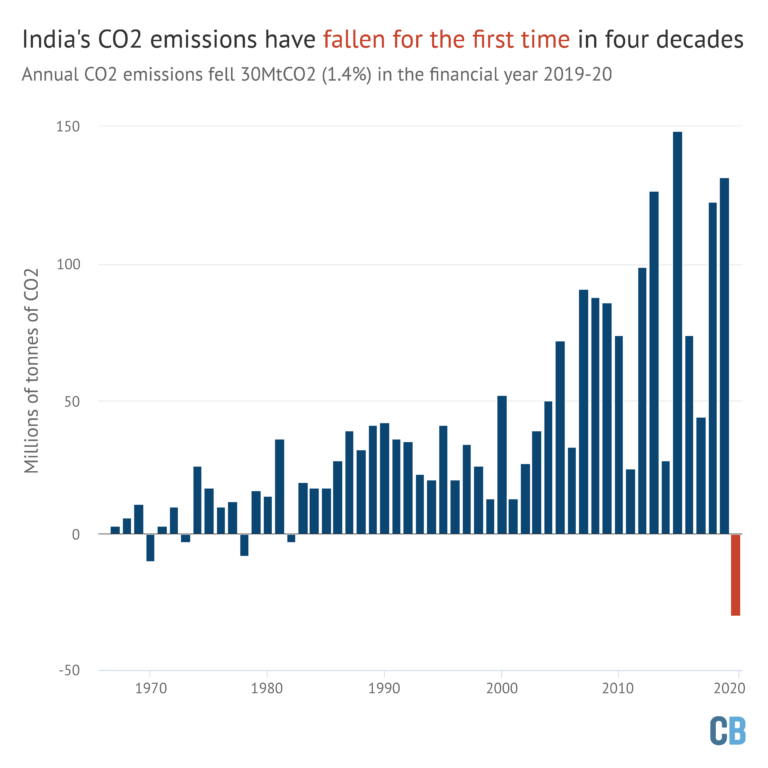
Thus, CO² emissions fell by 30mt.(1.4%) in fiscal year ending March. 

Environmental health due to Carbon Emission during Global lockdown

  • The positive effect of lockdown is to decrease the CO2 emission by −17% (−11 to −25%) by 7th April 2020 with respect to the mean level of emission in 2019.
  •  Air quality index (AQI) is the assessment of air quality. The lower the AQI value, the better is the air. The normal air quality index range is (100−200) and presently it is in the satisfactory range (50–100) category as reported by Gurfam being a scientist at SAFAR. 
  • Zambrano-Monserrate et al. (2020) reported that the air quality index (AQI) has decreased by 44%, 33%, 29%, 15% and 32% in north, south, east, central and western India respectively. 
  • The same study also shows that from March 16th to April 14th, 2020, 22 cities of India show the reduction of PM10 (Particulate matter), PM2.5, CO, NO2, by 43, 31, 10 and 18%. During the quarantine period in COVID-19, the amount of NO2 was decreased by 22.8 μg/m3 and 12.9 μg/m3 in Wuhan and China respectively. 
  • In 367 cities, the PM2.5 fell by 18.9 μg/m3. As per the report of CAMS 2020 reduction of 20–30% of PM2.5 is observed in a wide area of China.
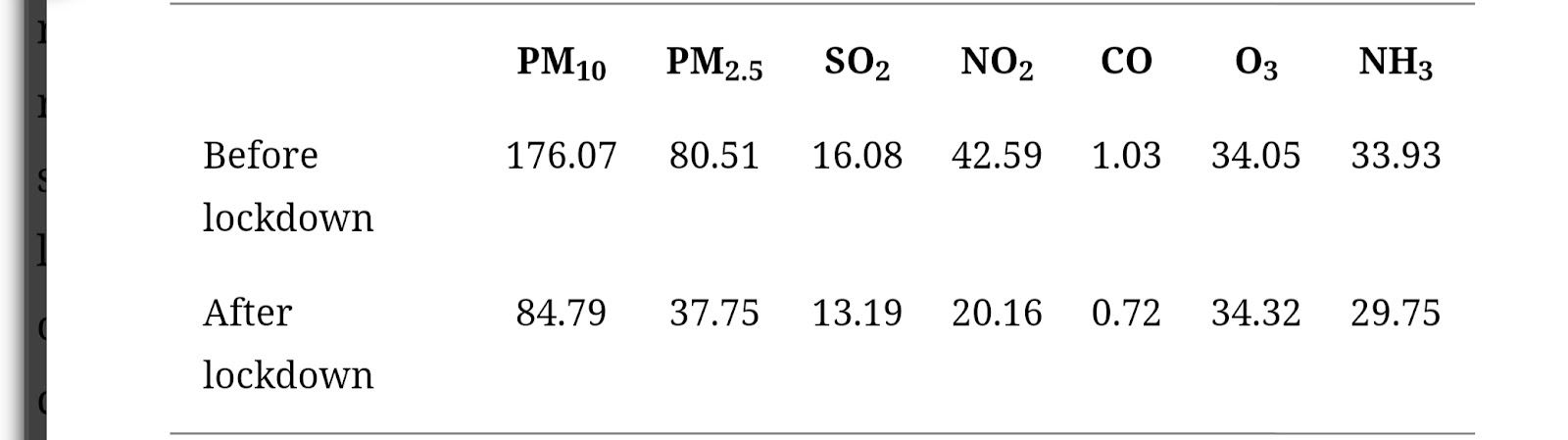
  •  Mahato et al.investigated that after three weeks of lockdown period from 24th March 2020, pollution of the Delhi, India, has experienced a noticeable reduction of different air pollution causing materials in the following Table

Comparison between different pollutants present in air before and after lockdown.

Reduction in carbon emission also lead to Ozone layer recovery over Antarctica:

  • The ozone layer is found in the upper atmosphere called the stratosphere between 10 and 50 km from the earth. 
  • The ozone layer acts as a natural sunscreen and plays a very important function by absorbing the harmful U—V rays from the sun. 
  • Ozone-depleting substances (ODS) are gases such as chlorine and/or bromine which breaks the ozone layer in the stratosphere. Various ODS are present in the environment are chlorofluorocarbon (CFCs), hydrochlorofluorocarbon (HCFCs), Methyl chloride and various halones.
  •  By the reaction with UV sunlight, these gases form chlorine and bromine and they are responsible for the depletion of the ozone layer. 
  • The international community signed the Montreal Protocol on substances about the depletion of the ozone layer, 30 years ago.
    •  According to the protocol, the consumption and production of ozone-depleting compounds should be regulated.
    •  By banning chlorine-containing synthetic compounds the rate of depletion declined and scientists expect to recover back to the 1980 level up to 2070.
    •  As per the scientific data of 2018, the stratosphere recovered at the rate of 1–3% per decade since 2000.
  •  After the lockdown began on Jan 23, the particulate matter pollution decreased by an average of 35% and NO2 decreased by an average of 60%. 
  • At the same period, scientists found the average surface ozone concentration increased by a factor of 1.5–2. 
  • Emission of ozone-depleting substances is also natural or man-made.
  •  All man-made emission is controlled because of lockdown during COVID-19. 
  • Production and consumption of ODS are also reduced. The World meteorological Organization (WMO) states that economic activity has been limited during COVID-19 which results in a decline in CO2 emission.
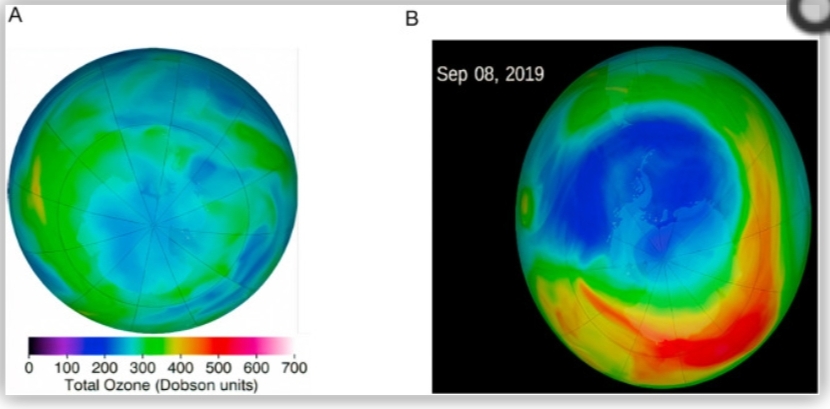
  •  In 2019, As per NASA and NOAA reported that the south pole region of Antarctica has warm temperature in the upper atmosphere which caused a small ozone hole since it was first seen in 1982 . 
  • On 23rd April 2020 Copernicus, atmospheric monitoring services (CAMS) announced that the largest hole was ever seen in the ozone layer over the arctic has been closed.
  •  Although lockdown is surely showing the prominent sign of nature, balance restoration of the ozone layer .
The map of holes in the ozone layer over Antarctica (a) 23rd May, 2020  (b) September 08, 2019

Impact of COVID 19 on Energy resources

The breakout of the Coronavirus Disease (COVID-19) toward the end of 2019 and its culminating transformation into a global pandemic sent shockwaves across the nations. Not only people lost their lives to it, but also numerous industries and governments as a whole succumbed to its impacts. To prevent the spread of the disease, many countries have resorted to observing country-wide lockdowns, damaging the normalcy of their economy. The world economy has seen new lows by trillions of dollars during this period, giving rise to times of constant anxiety about the future. The renewable energy sector, which has always been one of the leading areas to promote sustainability in terms of the environment, too is not spared from being affected by the pandemic. An amalgamation of the effects of the pandemic on the global economy and fluctuating oil prices resulting from country-wide lockdowns across the world further triggered its impact on the renewable energy industry. This work highlights the extensive impacts of COVID-19 on the renewable energy sector of India, a country that has proved itself to be proactive and progressive when it comes to solutions toward sustainable development. It showcases the present impacts of the pandemic on the sector and highlights future projections of the way it may continue to affect this sector as the world continues to struggle with the pandemic. The authors have brought up a set of their opined regulations that the administration and policymakers of the renewable energy sector of India can adopt to avert or reduce the extensivity of the impact of COVID-19 on their sector.

Assets of India

India, the seventh largest country of the world by area and the second largest country of the world by population is poised to become the super power in future. Country posses ample resources, both human as well as material to achieve that goal but the road to become super power is also full of challenges. A super power is not just a military super power but also economic super power, technological super power, political super power etc.

Assets of India which will be helpful for India to realize the goal of becoming a super power are :  

Human Resources : Most significant factor which vital for India to become super power is its human resources. For any country, the most important assets is its human resource power and India boasts of 17.5 percent of world human resources. The presences of ample human resources with the country can boon as well as bane for the country. If nation uses its man power efficiently and ensures their contribution in the nation building process, it will certainly be a boon but if its vast population becomes a burden, then certainly it will be drag for the country’s development.   

Ocean Resources : Oceans are one of Earth’s most valuable natural resources. It provides food in the form of fish and shellfish; about 200 billion pounds are caught each year. It’s used for transportation, both travel and shipping. It provides a treasured source of recreation for humans. It is mined for minerals (salt, sand, gravel, and some manganese, copper, nickel, iron, and cobalt can be found in the deep sea) and drilled for crude oil. India is surrounded by sea on the three sides and also lies on the major sea routes of the world. India’s location on the world trade route provides an opportunity to flourish with the increasing world trade. India has 12 major and 187 minor and intermediate ports along its more than 7500 km long coastline. These ports serve the country’s growing foreign trade in petroleum products, iron ore, and coal, as well as the increasing movement of containers. Already government is gearing up to develop Indian ports to meet the projected throughput of 3.2 billion tons by 2020 from the present 1 billion. Apart from trade, Department of Ocean Development is engaged in the development of technologies to which make the harnessing of resource, living as well non living, commercially viable. In the 21st century, Indians will have to depend a lot on sustainable use of ocean resources. Thirty per cent of our population lives in coastal areas. For a better India, we have to make a judicious use of our vast ocean wealth. For this to happen, we have to learn more about our oceans.  

Technology : One cannot imagine a super power with a trivial technology and India has developed its technology at a brisk pace. Indian Space Research Organization (ISRO), Defense Research and Development Organization (DRDO) etc have developed the military as well as civilian technologies. Role of ISRO in ushering the communication revolution cannot be neglected but there are few challenges which are yet to be addressed. For instance, for launching the geo-stationary satellites, Indian capabilities are very limited and such satellites are launched from French Korou.  

Agriculture : India is among the top ten producers of almost all agriculture crops, yet it is unable to wipe out the hunger. India is far away from achieving the Millennium Development Goals. There is no element of doubt that agriculture is an important asset of India but it is also true that agriculture production in India is not up to its potential. Every year, India had to import oil seeds and pulses in huge quantity. Productivity in India is much lower than other nations like China, US and most of the countries of European Union.  

Water Resources : India’s fresh water resources are third largest in the world and importance of water can viewed from the fact that many thinkers feel that the third world war will be fought for water. In the light of above fact, water is indeed an important asset for the country but the irony is many areas in India lacks potable water supply, only half of the country’s area is irrigated water borne diseases takes heavy toll on the health of citizens every year.   

Energy : As the country develops, its energy demand is poised to increase and so is the case with India. India boasts of ample coal and water resources, thus has huge potential of thermal as well as hydel power. Apart from this, being a tropical country, receives ample sunshine for most of the year which means that solar energy can also be utilized for the energy starved nation. Despite of such a huge potential, power supply of the country is always less than the demand.    

Forests : Forest resources are most important resources of our country useful in maintaining ecological balance, providing fire wood, providing raw materials to many industries, providing protection to wild animals and to conserve the soils. India has 75 million hectares under forest cover which accounts for 23% of total geographical area. Today forests resources are depleting due to urbanization and industrialization. Therefore the conservation of this asset is an urgent requirement not only for economic reasons but also for social reasons as many tribes depend on these resources for their livelihood.  

Minerals : Minerals are valuable natural resources being finite and non-renewable. They constitute the vital raw materials for many basic industries and are a major resource for development. Management of mineral resources has, therefore, to be closely integrated with the overall strategy of development; arid exploitation of minerals is to be guided by long-term national goals and perspectives. India with diverse and significant mineral resources is the leading producer of some of the minerals. India is the largest producer of mica blocks and mica splitting; ranks third in the production of coal and lignite, barytes and chromite; 4th in iron ore, 6th in bauxite and manganese ore, 10th in aluminium and 11th in crude steel. Iron-ore, copper-ore, chromite ore, zinc concentrates, gold, manganese ore, bauxite, lead concentrates, and silver account for the entire metallic production. Limestone, magnesite, dolomite, barytes, kaolin, gypsum, apatite, steatite and fluorite account for 92 percent of non-metallic minerals.  

Health :  Healthcare is one of India’s largest sectors, in terms of revenue and employment, and the sector is expanding rapidly. During the 1990s, Indian healthcare grew at a compound annual rate of 16%. Today the total value of the sector is more than $34 billion. This translates to $34 per capita, or roughly 6% of GDP. By 2012, India’s healthcare sector is projected to grow to nearly $40 billion. The private sector accounts for more than 80% of total healthcare spending in India. India’s expanding health facilities are also attracting the patients from the developing as well as developed world because of the power cost of treatment in India.  

Industry : Indian industries developed at a brisk pace during the post globalization years. Industries like automobile, textile, gems and jewellery are the important assets for the country which are also the most important foreign exchange earners. But industrial sector is not able to grow to its full potential because of poor infrastructure. Poor infrastructure is a significant challenge and it must be addressed on priority basis otherwise we might lose the edge to the developing markets in China, Bangladesh, Sri Lanka and Asian countries.  

Services : Services account for more than 55 percent of the country’s GDP. They are also the most important foreign exchange earner as the service account always earns a surplus in the Balance of Payment account. Further, service sector is employment intensive also. Services like Transport, financial services, communication, personal services software services etc are growing leaps and bound.  

Thus, India is neither short of resources nor efforts to become super power but still its far from becoming a super power. India cannot claim to become a super power with a medium level of human development index, one third of population living below poverty line, power cuts are frequent. Therefore it is expedient for the country to utilize its resources fully and ameliorate the internal challenges. Once India successfully fights with poverty, unemployment and inequality, it tag of super power will come automatically.