Tips to help you declutter

The idea of living a simple life with less stuff sounds attractive to many but seems almost impossible to get rid of stuff you have. They begin to feel overwhelmed, anxious, and defeated around the idea of owning less. That’s too bad. Learning how to declutter your home and as a result, decluttering your life, doesn’t need to be as painful as some make it out to be. And the benefits are numerous.

The Benefits of Decluttering from time to time.

  • Less to clean. Cleaning is already enough of a chore, but having to clean around things you have zero emotional attachment to (or worse, actively dislike) makes cleaning the house much more stressful.
  • Less to organize. Finding things suddenly become easier. Things don’t just “disappear” anymore. You can actually move around your home and enjoy the space, instead of moving around things that are in the way. You start to find your tiny house more spacious.
  • Less stress. Looking around at the clutter is a nausea-inducing sight once your home becomes cluttered enough. Wouldn’t it be nice to be able to look around and see a home you love? You can also do cleaning leisurely and not make rigorous plans.
  • Less debt. Spending less time shopping for material possessions and adding to the clutter means your wallet and bank accounts remain fuller, your credit cards’ statements are lower, and your home doesn’t get filled with costly things you don’t need.
  • More financial freedom. Decluttering, paired with minimalism, will help you build up savings to keep you protected in case of unexpected emergencies. Or you can spend it on invisible items like crypto or travel.
  • More energy for your greatest passions. With less debt, more financial freedom, and a clean home, you can now focus your energy on the things you enjoy instead of worrying about “Keeping up with the Joneses.” This will ultimately make you happier.

If you’re struggling and need guidance on how to declutter, you’ll need to get creative with your plans. Here are several interesting decluttering tips to get you started on decluttering your home:

  • Start with 5 minutes at a time. If you’re new to decluttering, you can slowly build momentum with just five minutes a day.
  • Give one item away each day. This would remove 365 items every single year from your home. If you increased this to 2 per day, you would have given away 730 items you no longer needed. Increase this number once it gets too easy.
  • Donate clothes you never wear. To identify them, simply hang all your clothes with hangers in the reverse direction. After wearing an item, face the hanger in the correct direction. Discard the clothes you never touched after a few months.
  • Create a decluttering checklist. It’s a lot easier to declutter when you have a visual representation of where you need to get started. You can use our decluttering checklist.
  • Take the 12-12-12 challenge. Locate 12 items to throw away, 12 to donate, and 12 to be returned to their proper home.
  • Take before and after photos of a small area. Choose one part of your home, like your kitchen counter, and take a photo of a small area. Quickly clean off the items in the photo and take an after photo. Once you see how your home could look, it becomes easier to start decluttering more of your home.
  • Get help from a friend. Have a friend or family member go through your home and suggest a handful of big items to throw away or give to someone else. If you defend the item and want to keep it, your friend has to agree with your reason. If they don’t agree, it’s time to get rid of it.
  • Use the Four-Box Method. Get four boxes and label them: trash, give away, keep, or re-locate. Enter any room in your home and place each item into one of the following boxes. Don’t skip a single item, no matter how insignificant you may think it is. This may take days, weeks, or months, but it will help you see how many items you really own and you’ll know exactly what to do with each item.

No matter which decluttering tip you choose to get started – whether it be one of these ten or one of countless others – the goal is to take your first step in decluttering your life with excitement behind it.

Removing clutter from our homes and our lives doesn’t need to be rushed or done in a single day. It’s something that can be done over time and may even need to be done on a semi-regular basis. As long as you start the process today, you’re further along than you were yesterday. Simple doesn’t mean sparse or boring. The opposite is true. With fewer mess and distractions, your home can become more peaceful. You can view your home as a space for rest and comfort, instead of a source of stress.
The need to save the ocean

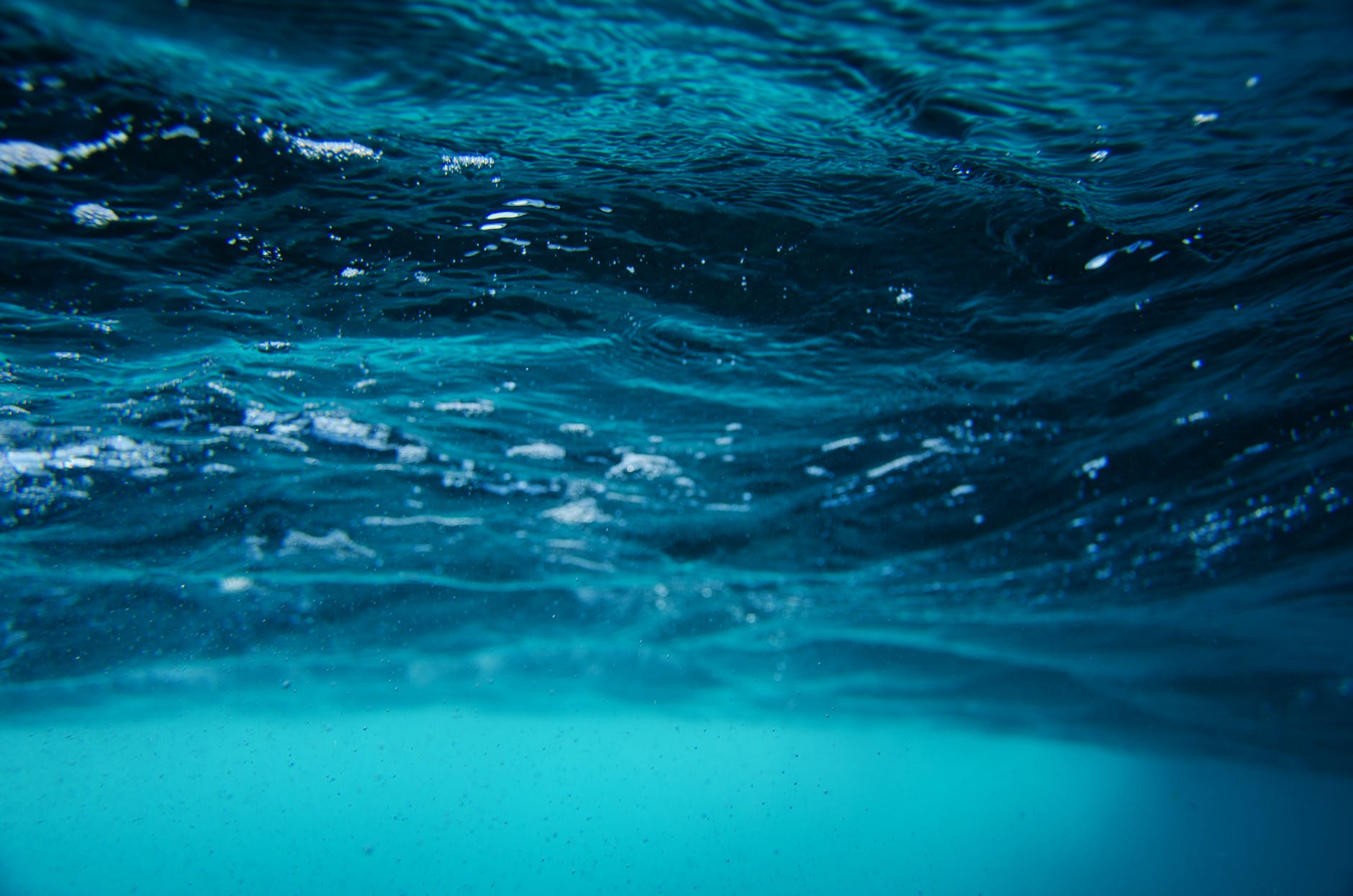
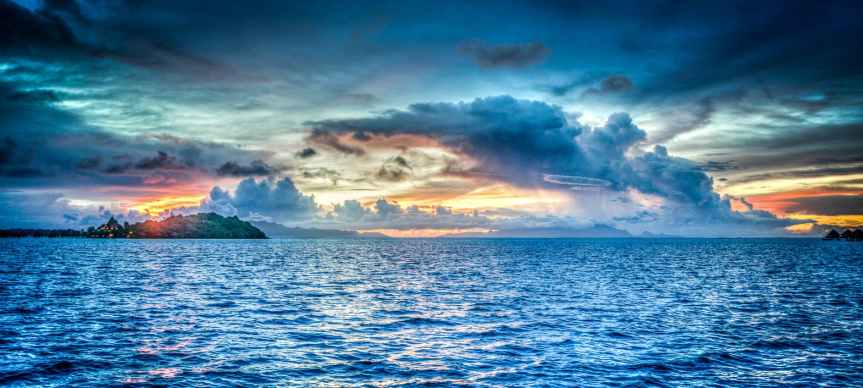
To paraphrase a line from Ron Burgundy, the ocean is a big thing. Big enough for scientists to point out that the term “Earth” is a misnomer. Water may be a more accurate name for a world that is nearly 3/4 covered in water, with marine plants contributing a whopping 50 percent or more of the oxygen we breathe. With all of that stated, it’s past time (high tide?) for us to band together to save the resource that has been depleted.

Photo by Kellie Churchman on Pexels.com

The state of the ocean is not good

The bad news is that human activity is wreaking havoc on the environment. The good news is that there are several things we can do to help stop (and even reverse!) those detrimental behaviors, which is why this is a message about hope and empowerment rather than doom and gloom.

Plastic pollution is destroying the ocean

A non-profit that works to protect the ocean Every year, 17.6 billion pounds of plastic is estimated to escape into the ocean from land-based sources, according to Oceana. Every 60 seconds, a garbage truck full of plastic is dumped into our waterways. The world’s most renowned (and largest) rubbish dump is located in the ocean.

The Great Pacific Garbage Patch covers 1.6 million square kilometres and contains 1.8 trillion bits of plastic in an estimated 80,000 metric tonne landfill. Plastic garbage in the ocean is believed to kill over one million sea animals each year, including sea turtles, sharks, and coral reef (yes, coral reef is an animal!).

Plastics in the ocean will surpass fish in the ocean (!?) by 2050, according to research, and 99 percent of seabirds will have plastics in their GI tract. Plastic pollution is not only destructive to the ocean; there is also evidence that it is harmful to humans.

Acidification in the ocean

Carbon dioxide emissions absorbed by the oceans over decades have changed the underlying chemistry of our ocean, resulting in an increase in acidity. Acidification causes small decreases in shell density in small creatures, which support entire ecosystems despite their small size.

As the world’s seas warm, species are moving in large numbers to new locations, posing new challenges or simply failing to develop as they should, while millions of people rely on fish as their primary source of nutrition. It’s also causing the Great Barrier Reef to perish. Coral reefs require all of the protection we can provide, given the disastrous effects of climate change.

Because it has the potential to cause the most apparent and immediate human misery, sea-level rise may be the most well-known of these concerns. Low-lying areas such as Miami and the South Pacific islands are growing increasingly vulnerable; 10% of the world’s population lives on the low-lying coast.

Meanwhile, deoxygenation, which is most typically caused by algal blooms fed by nutrient-rich fertilizer run-off, is causing enormous dead zones and suffocating marine life.

Overfishing

Fishing techniques that are illegal, uncontrolled, and unreported are common. Humans have already brought the giant grouper, several skates and rays, and a dozen or more other sturgeon species to the brink of extinction through fishing.

Bluefin tuna is one of the fish species whose populations may never recover as a result of unsustainable fishing techniques. Other apex predators, such as sharks, are among the most endangered.

Places like Monterey Bay National Marine Sanctuary have shown how impactful policy changes can be in helping species rebound.

Ocean conservation isn’t just a hobby for those who enjoy the water. You might not be a scuba diver, a fisherman, or a seaside dweller. Perhaps you have a seafood allergy and despise surfers! Even so, chances are you still breathe air and enjoy life when there is less human suffering.

Plants and trees are oxygen-producing powerhouses. But wait till you see what oceanic greens can accomplish! (Hint: it’s not just trees.)  More than half of the oxygen on the earth is produced by marine plants. 

Thoughts famous people have about ocean

Jacques Cousteau: “The sea, once it casts its spell, holds one in its net of wonder forever.”

Beyoncé Knowles: “I’m always happy when I’m surrounded by water, I think I’m a mermaid or I was a mermaid. The ocean makes me feel really small and it makes me put my whole life into perspective… it humbles you and makes you feel almost like you’ve been baptized. I feel born again when I get out of the ocean.”

William Wordsworth: “The ocean is a mighty harmonist.”

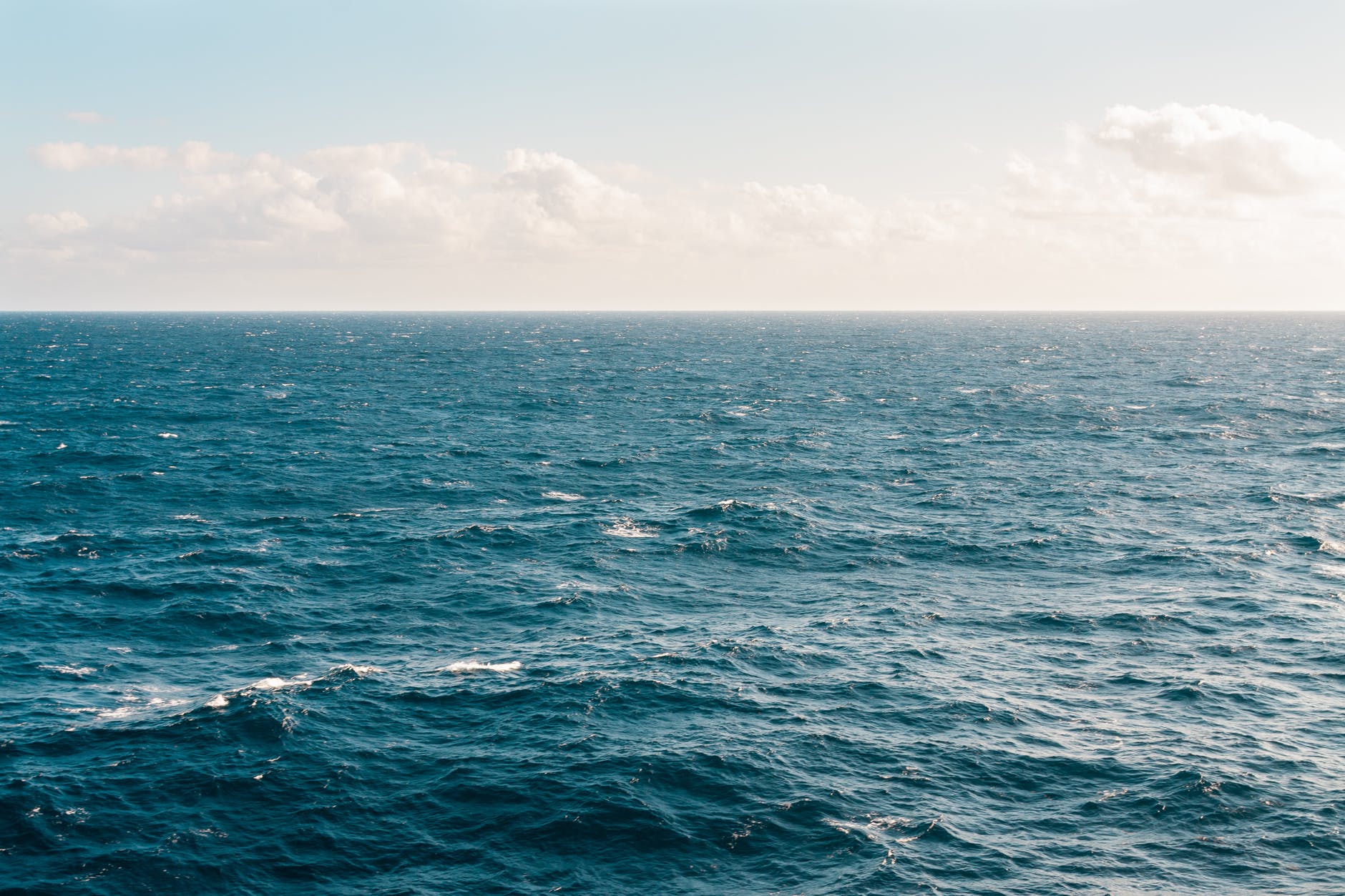
John F. Kennedy: “We are tied to the ocean. And when we go back to the sea, whether it is to sail or to watch, we are going back from whence we came.”

Photo by Emiliano Arano on Pexels.com

Ways in which you can help save the ocean

  1. EDUCATE YOURSELF

Step 1: Land and sea are far more intertwined than most people think, and activities taken on land have substantial consequences in the ocean. The good news is that there are a plethora of tools available—Pinterest offers a plethora of ocean-saving categorieS.

2. Opt for Ocean and Earth-Friendly Products

Oceana’s is to demand plastic-free alternatives to items such as plastic water bottles, straws, plastic cutlery, coffee cups, bags, balloons, plastic-wrapped produce, and take-out food containers.

References

http://www.growensemble.com

http://www.wikipedia.com

World Nature Conservative Day

Conservation of nature is basically conservation of resources such as wind, water, sunlight, land, vegetation, animal life and minerals. We get all these resources by nature without any human intervention. These resources are further employed to create various things that make the lives of humans as well as other creatures present on Earth comfortable.

Natural resources have been mainly classified into renewable resources and non-renewable resources. Renewable resources are those that can be naturally regenerated. It includes air, water and sunlight. The emphasis is generally on the use of renewable resources rather than nonrenewable resources as nonrenewable resources are depleting rapidly and are difficult to compensate.

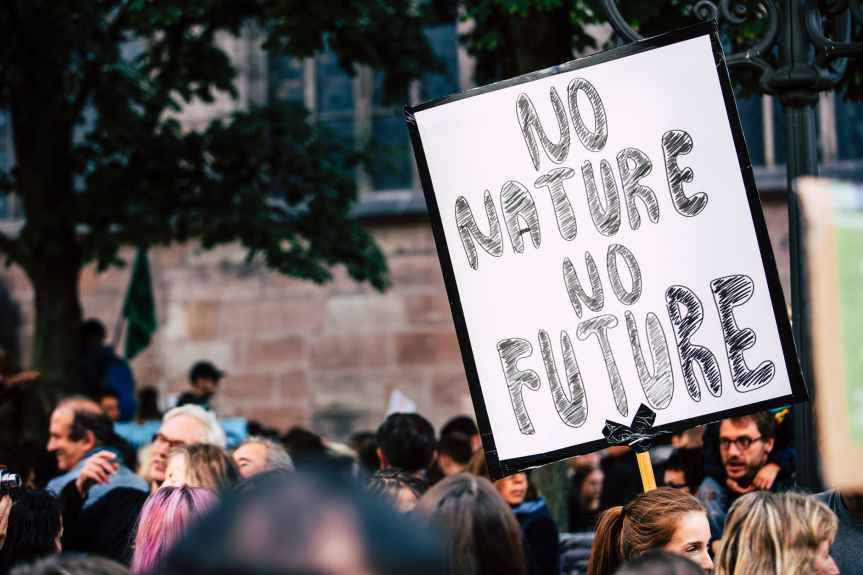
Photo by Artem Podrez on Pexels.com

Conservation of nature is an issue that needs to be taken seriously. Governments of various countries are using many methods to conserve resources, in the same way people should also come forward to contribute in this direction. There are some ways through which the common man can help in the preservation of nature. Those methods include planting trees, limiting paper usage, preventing wastage of water and electricity, stopping animal poaching, and employing rainwater reuse systems. It is not difficult to put the above measures into practice in a planned way. If each of us gave our meaningful contribution for the protection of nature, then whatever benefits it would bring would be truly tremendous for mankind.

Nature has provided us numerous gifts such as air, water, land, sunlight, minerals, plants, and animals. All these gifts of nature make our earth a place worth living. Existence on Earth would not be possible without any of these. Now, while these natural resources are present on Earth in plenty. Unfortunately, the necessity of most of these has increased extremely over the centuries due to growth in the human population.

What is Conservation of Nature?Conservation of nature means the preservation of forests, land, water bodies, and minerals, fuels, natural gases, etc. And to make sure that all these continue to be available in abundance. Thus all these natural resources make life worth living on Earth. Life would not be imaginable without air, water, sunlight as well as other natural resources present on the earth.Thus, it is essential to conserve these resources in order to retain the environment integral. Here is a look at the types of natural resources existing on Earth and the ways to conserve these:Types of Natural Resources:Renewable Resources:

These are resources such as air, water, and sunlight that refill naturally.Non-Renewable Resources: These are resources like fossil fuels and minerals that do not restock reform very slowly.Biotic: These originate from living beings and organic material like plants and animals.Abiotic: These come from non-living things and non-organic material. These comprise air, water, and land as well as metals like iron, copper, and silver.Natural resources are also categories such as actual resources, reserve resources, stock resources and potential resources based on their development stage.

How to Conserve Nature and Its Resources?Many of the natural resources are being used at a faster rate as compared to their speed of production. There is so a necessity for conservation of nature and the natural resources it offers. Here are some of the ways in which these resources can be conserved:Reduce Water ConsumptionWater is available in abundance on Earth. This is one of the reasons people do not consider much before using it. However, if we keep using it at this speed. In the future, we may not be left with as much of it. Therefore, simple things such as turn off the tap while brushing or reuse the leftover water to water the plants can help in this direction.Reduce Usage of ElectricityUse only as much energy as you require. It is thus advised to limit the usage of electricity. Simple habits such as turning off the lights before parting your room, turn off the electric appliances after use. Switching to energy-saving fluorescent or LED bulbs can make a change.

Restrict Usage of PaperPaper manufacturing depends only on trees. Increasing the use of paper means encouraging deforestation. This is one of the key reasons for concern is in today’s time Always ensure you use only as much paper as necessary. Stop taking print outs and use e-copies instead to do your bit.Use Newer Agricultural MethodsThe government must aware the methods such as mixed cropping, crop rotation. Also, the government should teach the minimum use of pesticides, insecticides. Appropriate use of manures, bio-fertilizers, and organic fertilizers to the farmers.Spread AwarenessSpreading awareness about the conservation of nature is always a necessary step. It can be achieved only when more and more people understand its importance and the ways in which they can help. Besides this, it is essential to plant more and more tress. It is necessary to contribute towards lowering air pollution. We must use shared transport and employing rainwater harvesting systems to conserve nature.ConclusionNature comprises of everything that surrounds us.

The trees, forests, rivers, rivulets, soil, air all are the part of nature. Keeping nature and its resources integral. So, it is very important for the continuation of life on earth. It would be difficult to imagine life on earth, which has a spoiled natural environment.Therefore, taking appropriate steps to conserve nature in its untouched form. It must be a priority for the human race. Only human beings with their power and ability can save nature in its purest forms.

Madagascar Droughts: Climate Change

Madagascar is the fourth biggest island in the world, situated in the Indian Ocean. The island country is deemed as ‘Megadiverse’ by Conservation International with more than 250,000 species of plants and animals most of which do not exist anywhere else. Almost 90% of the species found on the island are endemic. The island of 28 million people is one of the poorest countries in the world and has been ravaged by many natural and human-induced hazards.

So we can confidently say that the country is extremely rich and unique biodiversity. On the eastern coast of Madagascar the Rainforests of Atsinanana comprising of six national parks with an endemic rate of species touching almost 80%. This area has also been added to the World Heritage List since 2007. The area is considered important to both ecological and biological processes and it also supports the rare species of Lemurs and many other primates.

Deforestation has been a major issue in Madagascar and this has also threatened the Lemurs and them and many endemic species of the island heavily rely on these forests. Madagascar witnessed rapid deforestation for long a time and this only accelerated by the end of the 19th century due to French Colonization. The forested areas were gradually converted into coffee fields and the country lost its original forest cover by almost 80%. As of today, the primary forest cover stands a little over 10 percent.

Deforestation has not only affected the ecology of the country but has also affected the soil quality and increased soil degradation. Subsistence agriculture is quite common among the inhabitants of the islands. Slash and burn is another method that has affected the forest cover of the island as these methods are not beneficial after a certain population cluster. Another big reason for the rapid deforestation is illegal logging and this benefits private entities and large corporations. The country has also seen a rapid growth in its population which currently is estimated at 26 million, up from 2.2 million in 1900. This has increased the requirement for more land for cultivation.

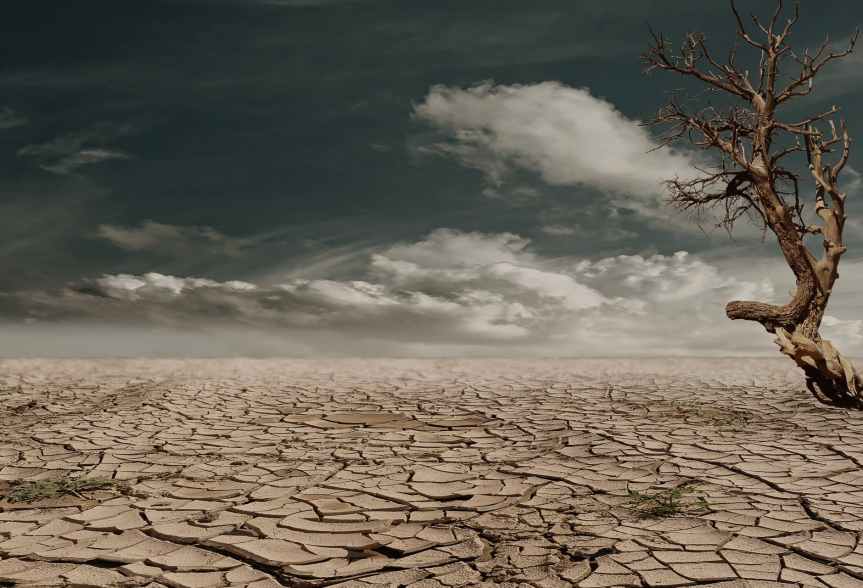
Currently, Madagascar is going through a very severe drought and deforestation can partly be a reason for this phenomenon. But there are other issues of cause too. Due to climate change, Madagascar has also suffered the consequence of the increased frequency of extreme weather events. It’s the worst drought in 40 years and has taken grip of the Southern part of the island. Due to low rainfall various streams, rivers and small dams built for irrigation dried up last year. The majority of the people in the south of the country rely on rain-fed, small-scale agriculture to survive.  With no rainfall and non-existent agriculture output, there has been an emergency in the country with severe food scarcity. Many people in the region have resorted to eating insects, wild roots.

According to experts’ deforestation, drier soils and higher temperatures due to climate change are the likely cause of droughts.

Climate experts

The island is already suffering from the covid-19 virus combined with the pressure of droughts and famines have caused strain to the poor country. Food and other aids are being provided to the affected areas of the country but supply is still not aligning with the current demand. A long-term solution will be required to tackle this situation as this problem is only going to get more serious in the future.

References:

Why Indians ignore global issues like climate change

Climate change is a change in the climate or environment of  the planet . it is not a natural process ,but an outcome of human activities and interference with nature. Climate change is not an issue of today or yesterday. It’s been started for a very long time. Transformation or variation in nature has been started in nature since the age of industrialization. climate change is the biggest threat for humanity .It is making our earth inhabitable. . Human civilization was developing at the cost of nature. And after that we all have followed their footprints for getting luxurious lifestyle, comfort, easiness .

development is required , but should not be done at the cost of nature.

Climate change is most worriment issue of today’s world. but the point is whether all countries are equally serious about it. Solemnity about this global issue varies from country to country , because economical condition of countries, lifestyle of their people, education level, women’s condition in countries are not same . That is why it is obvious to have difference in their awareness and  actions. the more people will aware the more they will take action. Awareness relies  on the economical, political and educational level of the country . climate change is such a issue that is difficult to understand .the  . having knowledge is worthless if proper actions are not being made and implemented. All the countries are accountable for this global issue ,however  their contribution is  unlike . the hazardous impact of climate change will not be as per of countries contribution . the planet is affected by this.

Climate change increase flood risk. The global average surface temperature has increased 2 degree since the pre – industrial era . Every upcoming year is becoming warmest year ,breaking the record of previous years.  incidents of wild fires have become more apparent of become more apparent ,extinction of wild species ,demolition of ozone layer ,shrinking glaciers , increasing sea level and intensity of tornados, avalanches , new epidemics , water ,air ,soil pollution and heat waves . it more likely to face adverse effect in forthcoming days.

India is the 4th largest emitter of greenhouse gas after china , united state  and EU . For country like india , it   is not possible to pay more attention on this global issue , when they have major issue like corruption , poverty, population, unemployment, education system, basic sanitation, healthcare system, women’s safety, infrastructure, agriculture distress etc. The germanwatch institute presented the result of the global climate risk index 2020.India is also in the top 10 countries. India’s climate risk index is 18.17 and is the major victim of extreme heat ,flood and sand storm among other divesting natural events . Global disasters are making headlines everyday .for instance California wildfire ,Uttarakhand wildfires, Australian bushfires, tycoon and floods etc. Human civilization has put itself in a great hazard by its activities.

India is a developing country and is not responsible much for it as compared to other countries. Two third of people  in india are  living in poverty,: they lack a basic need. Middle class aim to have decent well paid job, hope to own a house of their own, seek to have a secure retirement  and want to secure the  healthcare and  educational need of their family. Affluent section are  busy in their luxurious life. In India citizens are tackling with more sever issue such as food security ,shelter, employment ,lack of good education and politics is concern with other things .

 In Indian politics climate change is not a major issue. Indian politics revolves more around religion , faith, party system ,temple, cast etc. Good education makes people aware and it leads the country toward new innovations  and breakthroughs ,which will ultimately help us in fight with climate change .In agriculture  sector we need new crop seed  with climate resilient feature because our land will have to face more flood ,droughts and extreme heat. We need new innovation in renewable energy sector ,people will only switch their  energy source when they find renewable energy source as cheap as traditional one. Although many major automobile companies have launched electric vehicle ,electric cycle but they are so expensive that middle class can’t  afford to buy. Research and development in this sector will help them to reduce the price while improving its  functionality .one main thing we need to ensure  that  these electric vehicles must use renewable energy for their charging.

People’s participation is crucial in any anti climate action plan proposed by government .There is lot of examples  of individual endeavours  such as Greta Thunburg, Devaki Amma from Kerela state of India who alone grew a forest and Anupam  Mishra know for the conservation of rivers and water sources. So everyone has a place in fight with climate change .

Lack of coordination  at  both national  and international level. countries have made many agreements , protocols, pacts and organization to combat the climate issue like IPCC ,UNFCC,RIO SUMMIT ,PARIS PACT,MONTIAL PROTOCOL ,COP SUMMIT but we can clearly see the lack of seriousness in world politics. Their words are more than action. Like all developing countries, India’s concern about economic development and poverty alleviation is justified. And must be fully respected in any global climate regime, As virtually stated  explicitely in the UNFCCC  (United Nations Framework Convention on Climate Change).

At world level, the largest polluter or carbon emitter –US walked out  of the global agreement. However , later US  rejoin the paris agreement United state has produced  6.6 billion matric tons of carbon dioxide in 2019,the second largest emitter in the world after china. india is  the third largest emitter of greenhouse  gases.   For  the first time The Paris Agreement has  brought  together entire countries with a common goal of limiting   global warming to below 2 degree Celsius .  To attain this long  term temperature goal, countries motive to reach global peaking of greenhouse gas emissions as soon as possible  to achieve a climate neutral world by mid century.

The Hot Planet Story

Two frogs are playing in a pond, then suddenly, BAM! They are kidnapped and taken to a kitchen by a chef. The chef boils up a pot of water and throws one frog inside. Sensing danger, the frog jumps out of the pot and escapes. The chef tries a different strategy with the other frog. This time, he turns on the heat slowly so that the frog doesn’t realize that it is being cooked.

REST IN PEACE Froggy.

Are we not facing the same situation? Yes, Global Warming.

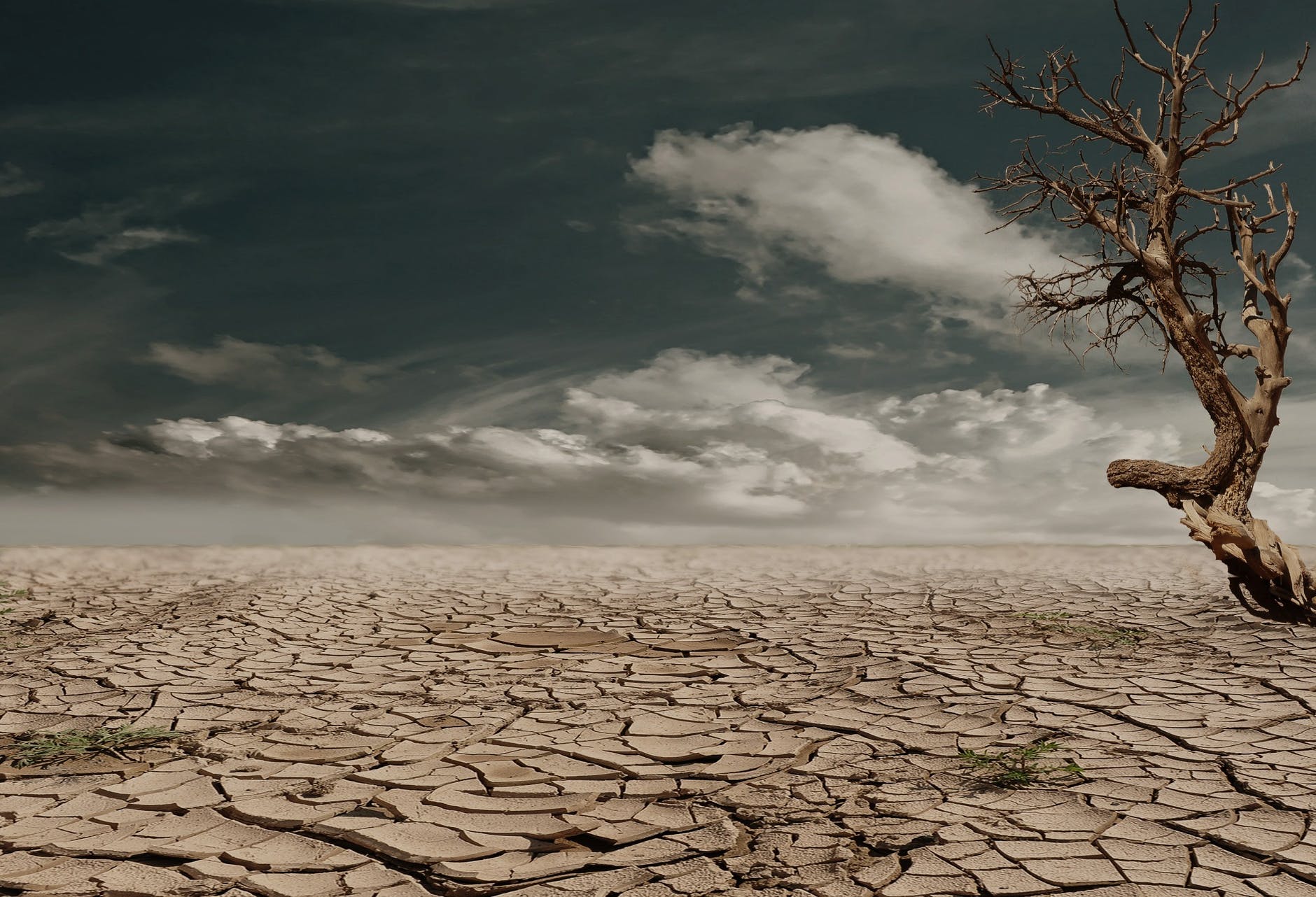
Photo by Pixabay on Pexels.com

Global warming is the increase in the average temperature of the earth. It is one of the greatest environmental challenges.

Global warming is caused due to many reasons, the primary one being human activity. Greenhouse effect is the main cause of global warming. A greenhouse is made of glass which helps the plants stay warm even when it is cold outside. Similarly, the greenhouse gases like methane and carbon dioxide act as an insulation to keep us warm. This is a natural process. But if more and more greenhouse gases enter the atmosphere, the earth becomes warmer rapidly. But what causes this?

Here we go again….. Human activity.

Over population

Deforestation

Burning of fossil fuels

Industrialization

All this leads to melting of glaciers which increases the sea level. This further leads to change in ecosystem. Rise in droughts, forest fires, hurricanes, and desertification are also caused due to global warming

Still, global warming remains to be a controversy, leading to many debates. Some people believe that global warming is just a natural cycle and the drastic climate changes have nothing to do with human activity. In my opinion, blaming the nature is not right. Since we are greedy and don’t want to fix the issue, we find such excuses.

Now moving on the solutions.

  • Spreading awareness, is a great step to fight against global warming, that is what this article is about, isn’t it?
  • Simple solutions like unplugging devices when not in use, carpooling, using LED lights and CFLs, planting trees and recycling can both save money and reduce our carbon footprint.
  • Using renewable energy sources, zero-carbon technologies like wind turbines, solar panels, and biomass boilers can be built to conserve energy.
  • Start-ups that develop such technologies should be encouraged and offered tax and loan incentives.

We can take such measures to protect our planet. Together we shall fight climate change and protect our dearest planet.

Photo by Olya Kobruseva on Pexels.com