Contemporary Fashion: The Minimalist’s Coverbook

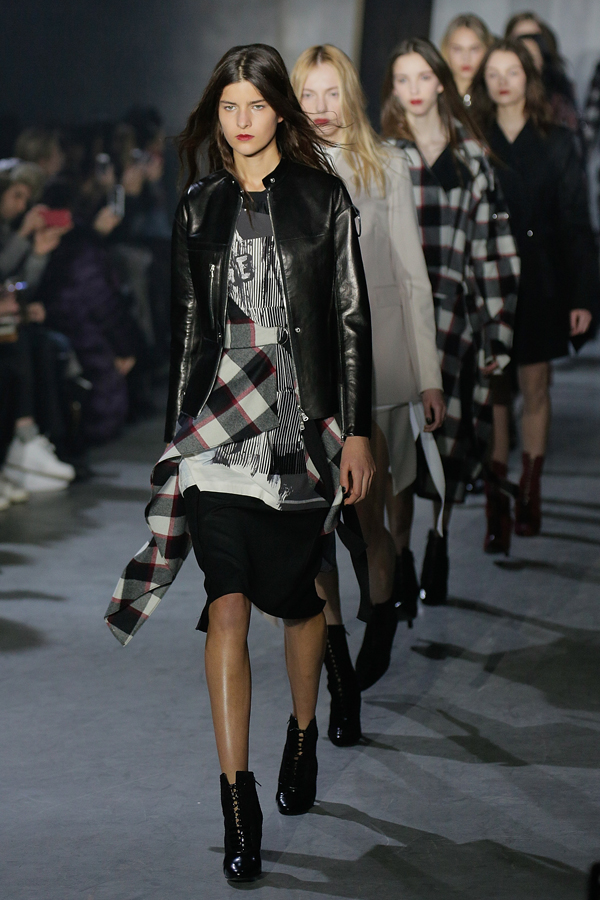
Models walk the runway at the 3.1 Phillip Lim Fashion Show during Mercedes-Benz Fashion Week Fall 2015 at Skylight Clarkson SQ. on February 16, 2015 in the Brooklyn borough of New York City.

Introduction

The sense of fashion never goes out-of-date for a true fashionista. Among the Millions of fashion lingos in today’s market , one that often dominantly buzzes around, is the term “Contemporary Fashion”.Meant to describe labels with a designer aesthetic and more accessible price points and we use the term “accessible” loosely, with most pieces averaging out around $500 , the term means big bucks where the fashion industry’s concerned, having become one of the biggest areas people spend their money in the last few years.

What Contemporary Fashion Is

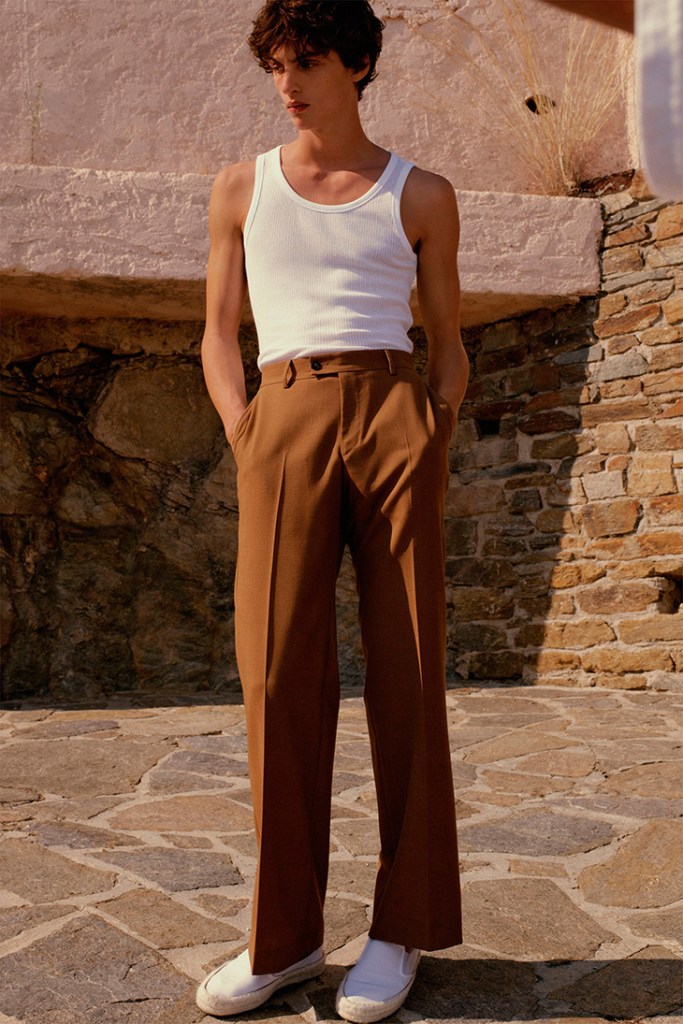
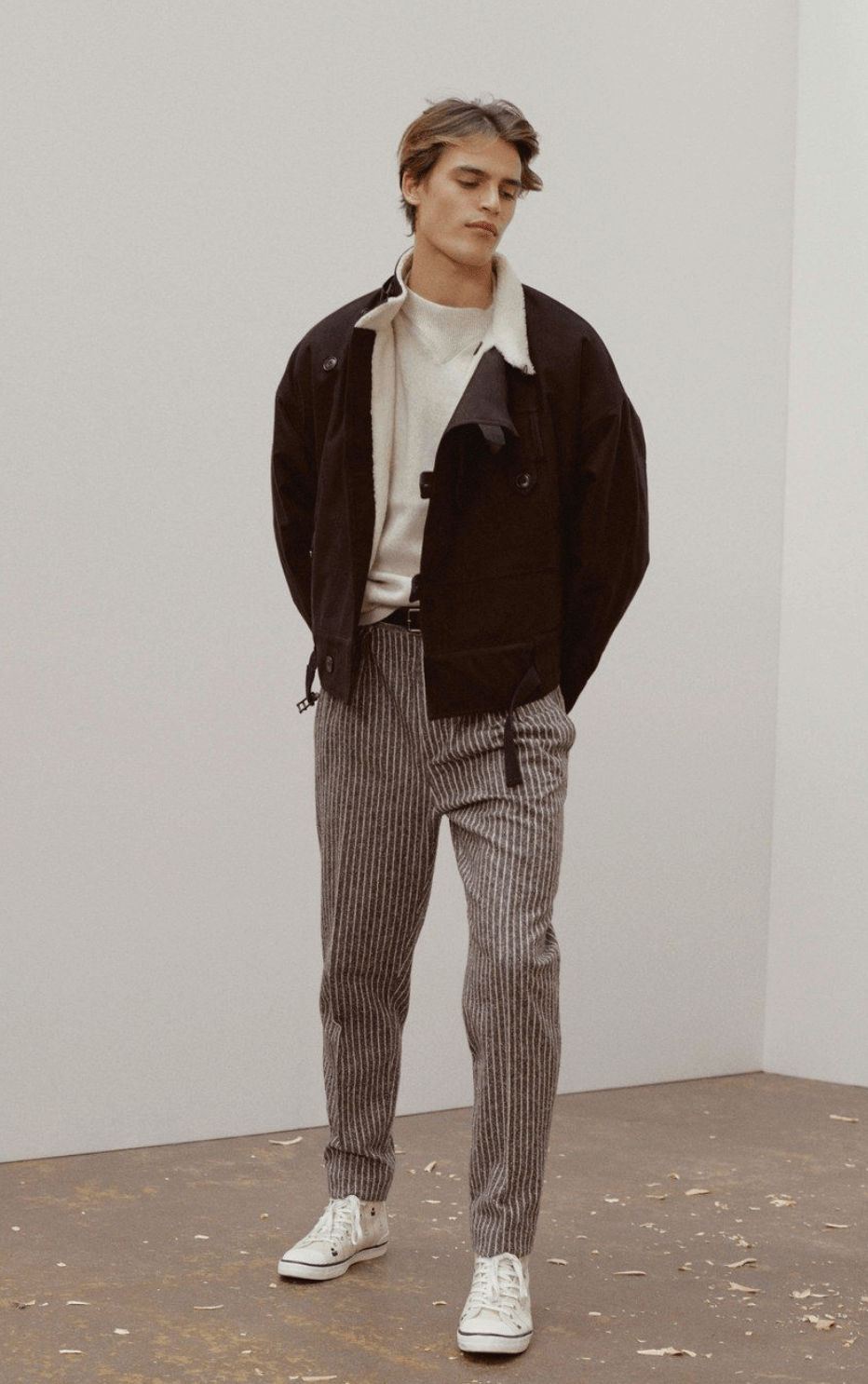
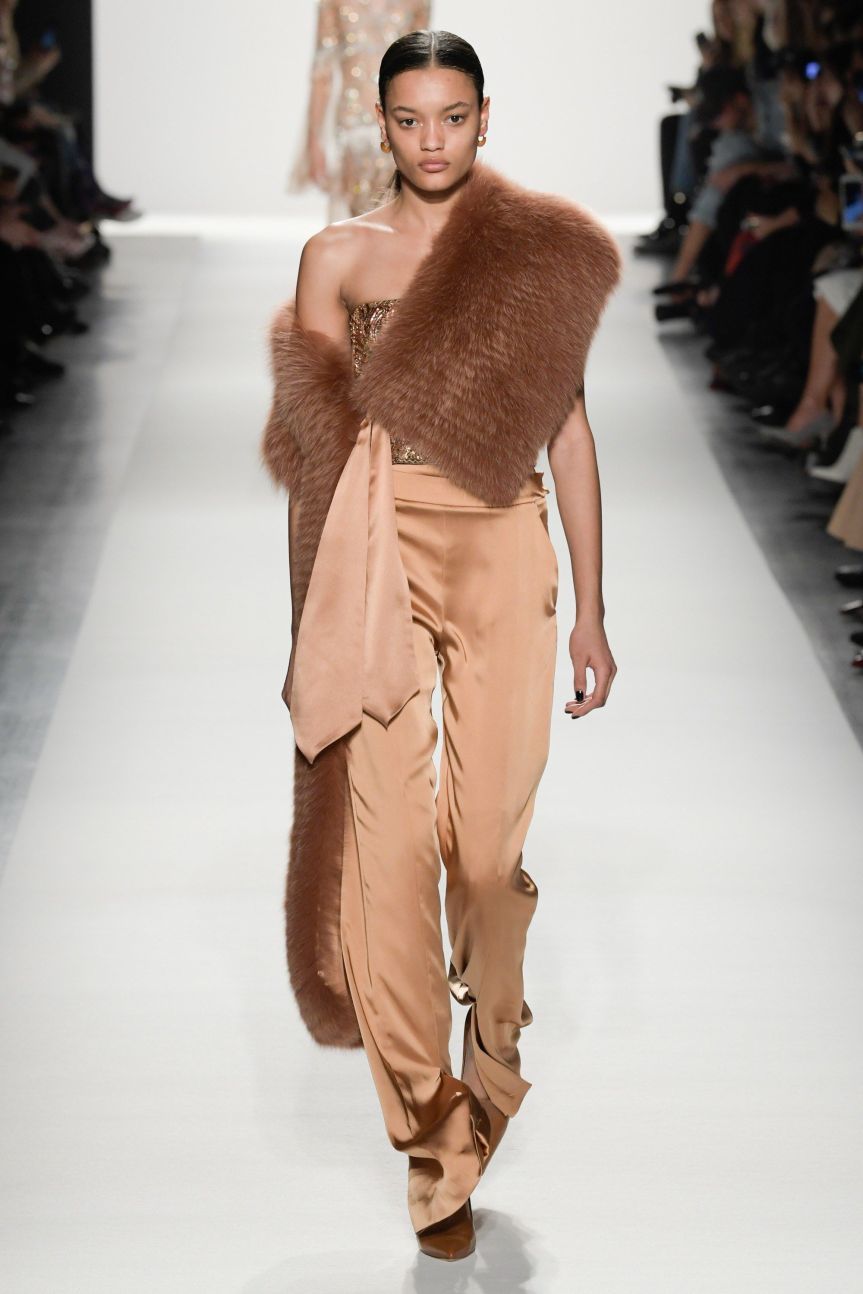
Contemporary apparel is clothing that is accessible, in price and in terms of the way people wear it. The contemporary category often contains more modern-style clothes compared to the higher end luxury market. The voice of the contemporary industry is a bit more modern and a tad younger. Contemporary brands appeal to both the luxury shopper and the new breed of aspirational shopper.  This tier has become a go-to for women who can no longer justify shelling out huge amounts of cash on designer garb. It is also appealing to people bored of regular fashion and who are prepared to spend that little bit extra for something that will last.

A great contemporary brand is one with a unique look and feel. Garments and accessories will have interesting construction details and a good-quality finish. The collections are in line with seasonal trends but also incorporate signature items that consumers immediately recognize and associate with the designer brand.
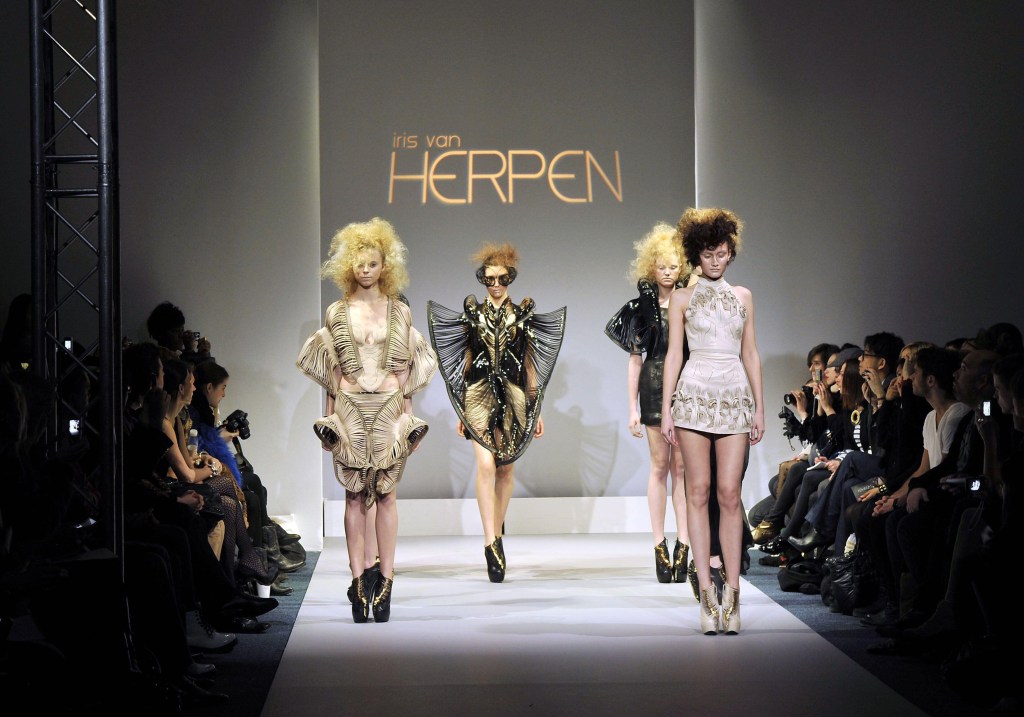
A Harpen Fashion Show

Is It Futurist: The Sustainability Question

In fashion, the term ‘futuristic’ is often used to describe avant-garde clothing designs. It could refer to several things, such as the clothing’s method of production, the materials used, or the garment’s design. Futurism can even refer to the 20th century Italian art movement, and indeed, this movement addressed the problem of designing fashion for the 20th century. We would learn much by examining Futurist fashions in order to understand its legacy in relation to contemporary fashion designers viewed as futuristic today. This paper will review this legacy by looking at five specific examples—Italian Futurists and their contribution to classless and genderless fashion; French designer Yves Saint Laurent’s iconic minidress inspired by the De Stijl art movement; fashion designed specifically for women with active lifestyles; technological advancement and space exploration seen in the designs of André Courrèges and Pierre Cardin; and advancements in textile manufacturing during the late 20th and early 21st century in relation to Karl Lagerfeld, Donatella Versace, and Hussein Chalayan. This leads to the primary analysis of Iris van Herpen and other contemporary designers including Noa Raviv and Neri Oxman. Their designs will be discussed in relation to the problem of labelling fashion as futuristic.
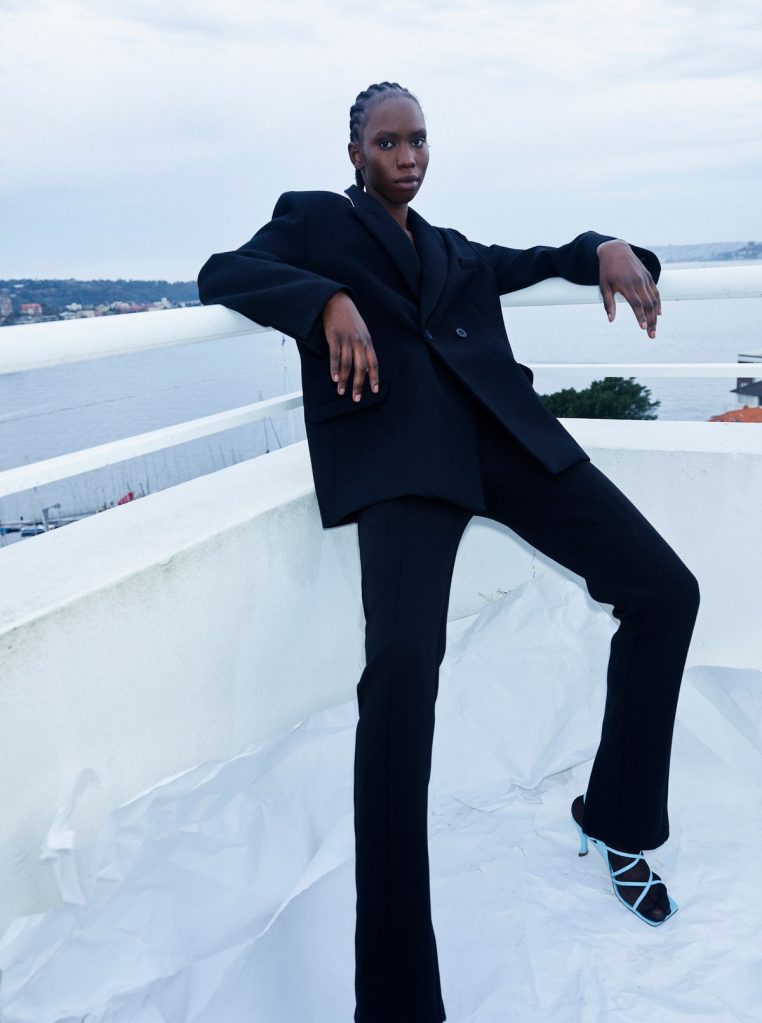
A Paris Georgia Apparel

Challenges of Contemporary Fashion

The contemporary brands fashion market is clearly brimming with a high level of competition. The up-and-coming contemporary designers are forced to continuously compete with older, established luxury brands in the targeting of the younger generation of consumers. The contemporary market began out of consumers’ need and want to own versatile clothing that could be worn on a daily basis.  Stylish consumers were hungry for locating a head-to-toe outfit that luxury brands create, but could be sold at a more reasonable tag.
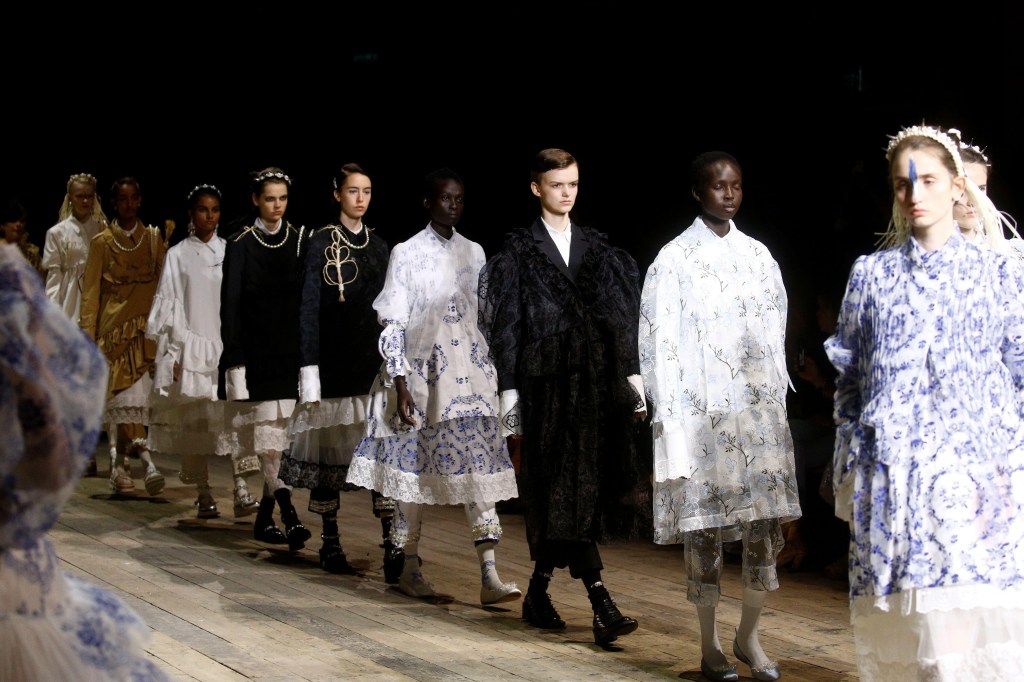
Simone Racha Catwalk Show at London Fashion Week

Scopes of Contemporary Fashion

Due to the fact that contemporary brands appeal to several groups of consumers, this industry will continue to see global opportunities. Fashion editors and industry insiders agree that contemporary brands have stolen the limelight and are helping to bridge the gap between luxury brands and main street.

Not only will contemporary labels allow you to up your designer arsenal without forcing you to exist on an exclusively Kraft Dinner diet, but the pieces are also constructed with everyday wear in mind (no couture-like assembly required). Not to mention that contemporary lines still boast that oh-so-coveted designer aesthetic and quality craftsmanship—perfect if you’re looking to break away from the usual suspects in fast fashion retail.

Famous Contemporary Fashion Designers and Their Works

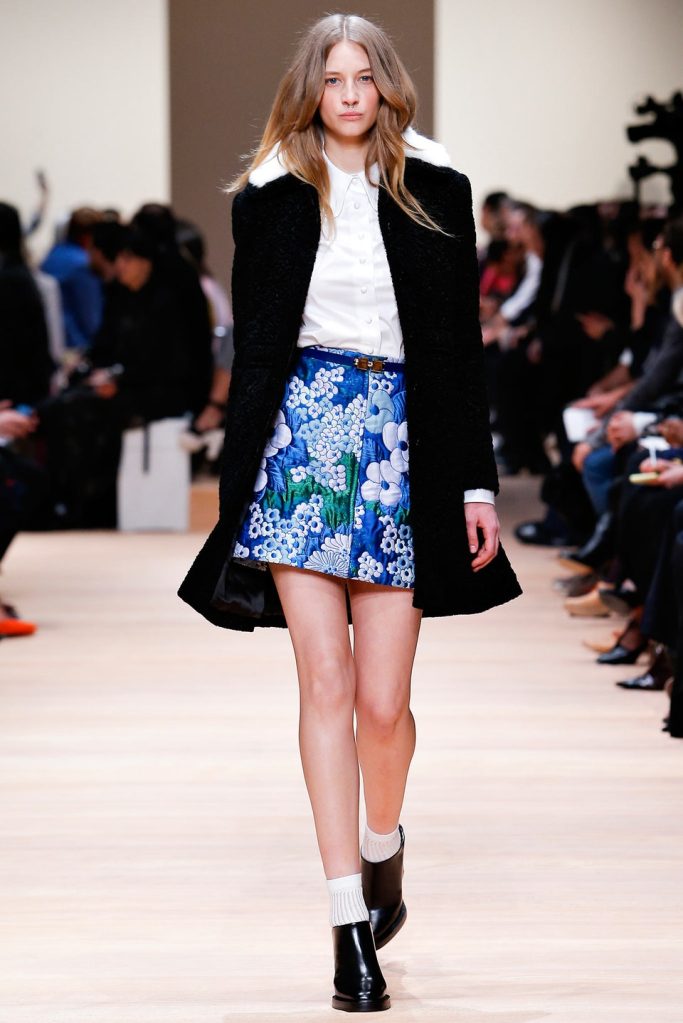
Carven: Founded in 1945 in Paris, Carven has enjoyed a resurgence since the hiring of designer Guillaume Henry in 2009, who transformed the house from old-school couturier into the cool girl’s label du jour.
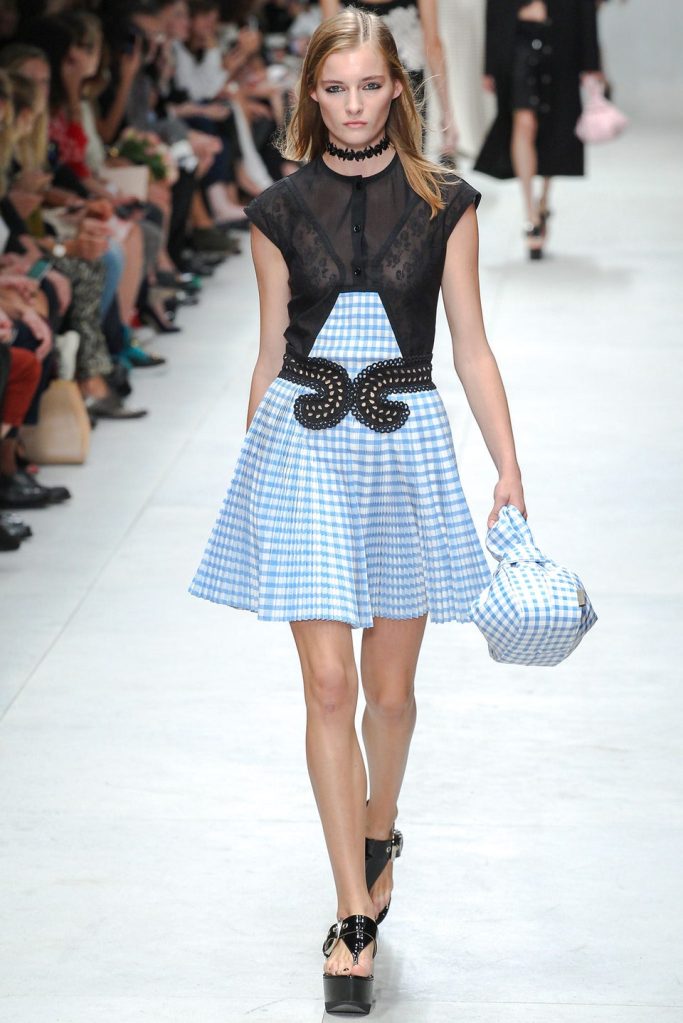
Carven Spring 2014 ready-to-wear collection
Carven Fall-Winter 2015-16 collection

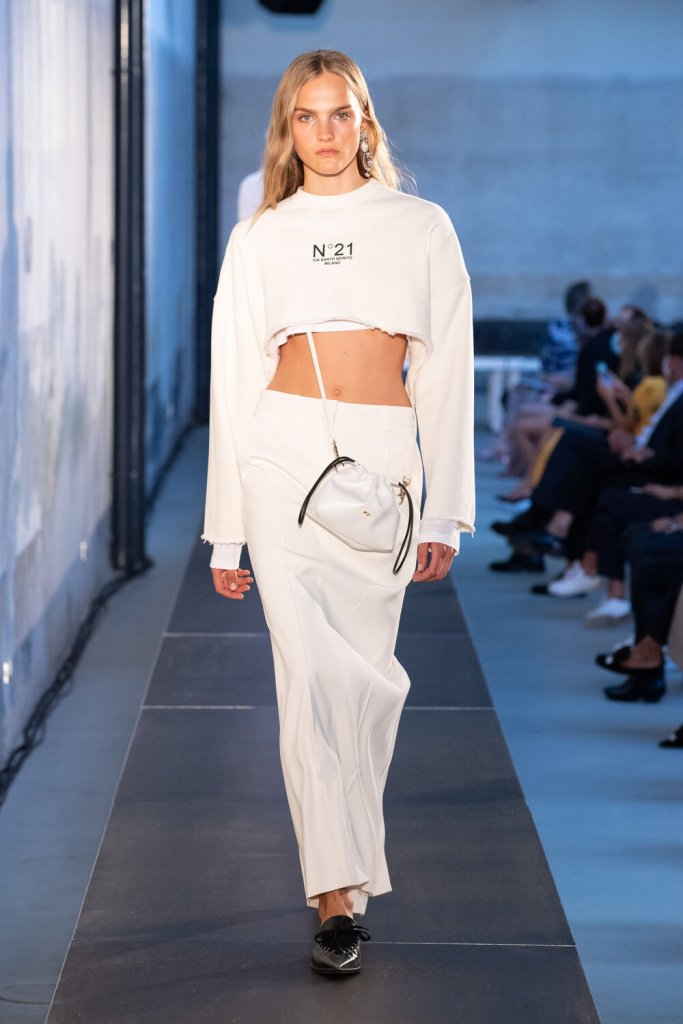
N°21:  Started in 2010 in Milan by designer Alessandro Dell’Acqua, the brand offers a smorgasbord of whimsical designs that can be effortless.
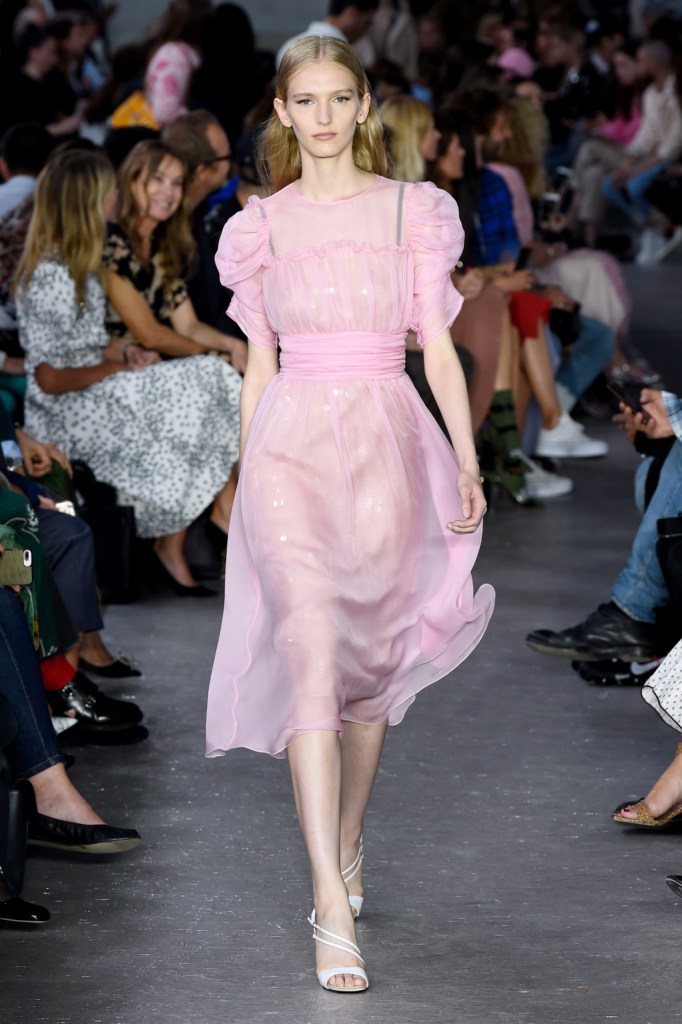
N°21 Spring- Summer 2018 collection
N°21 Spring-Summer 2021 collection

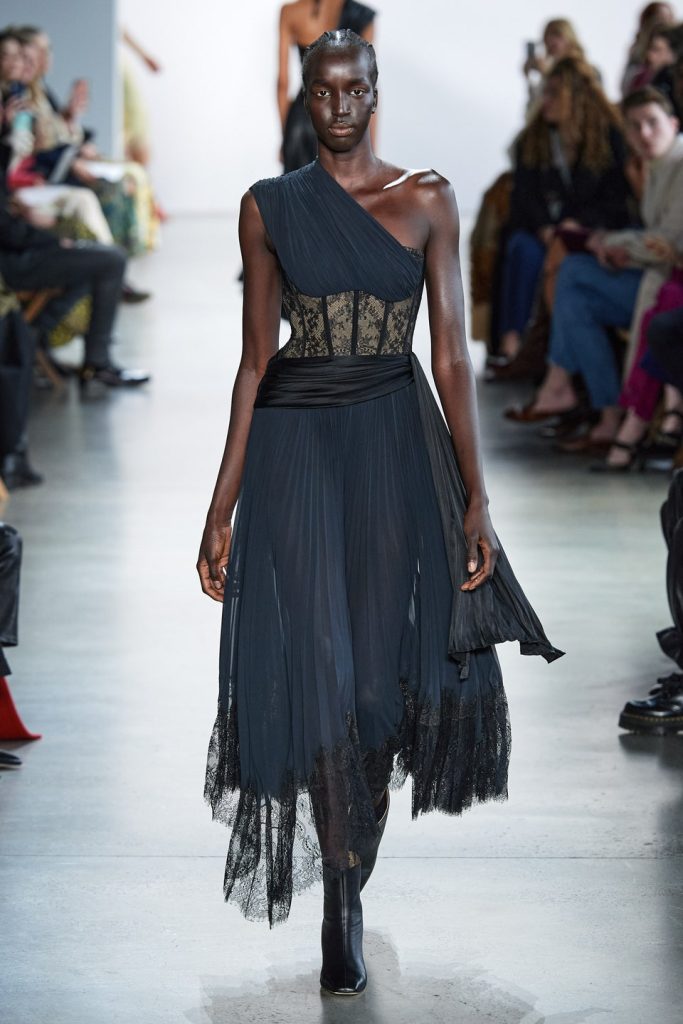
Jonathan Simkhai: Starting from NYC His first womenswear collection was shown in 2010, where Simkhai debuted his take on dressing for today’s cosmopolitan woman. A master at tailoring oversized pieces to flatter the female form, his designs run the gamut from exaggerated boxer shorts to basketball jerseys.
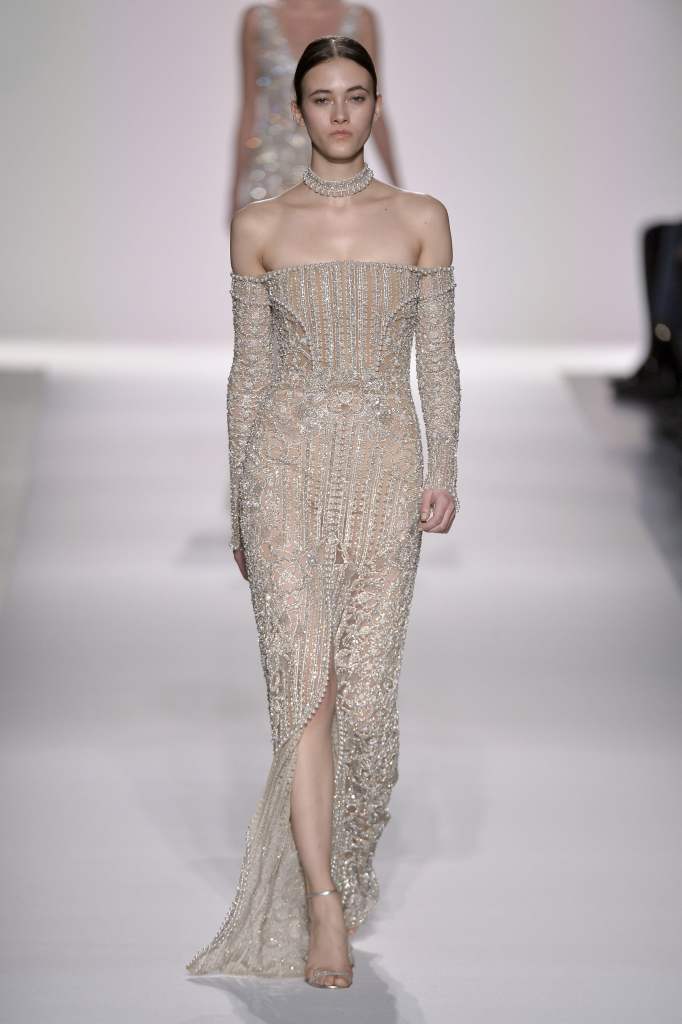
Simkhai Fall 2017 collection
Simkhai Fall 2020 ready-to-wear collection

Sandro : Launched by husband-and-wife duo Didier and Evelyne Chétrite, Sandro is a well-known and popular brand in the contemporary market.  Since its launch in 1984 (in the Marais district of Paris), the label has gathered a cult following with women charmed by its insouciant, season less separates and rock’n’roll aesthetic. Sandro has stores worldwide in places such as New York and Japan, and a flagship store based in Covent Garden, central London.
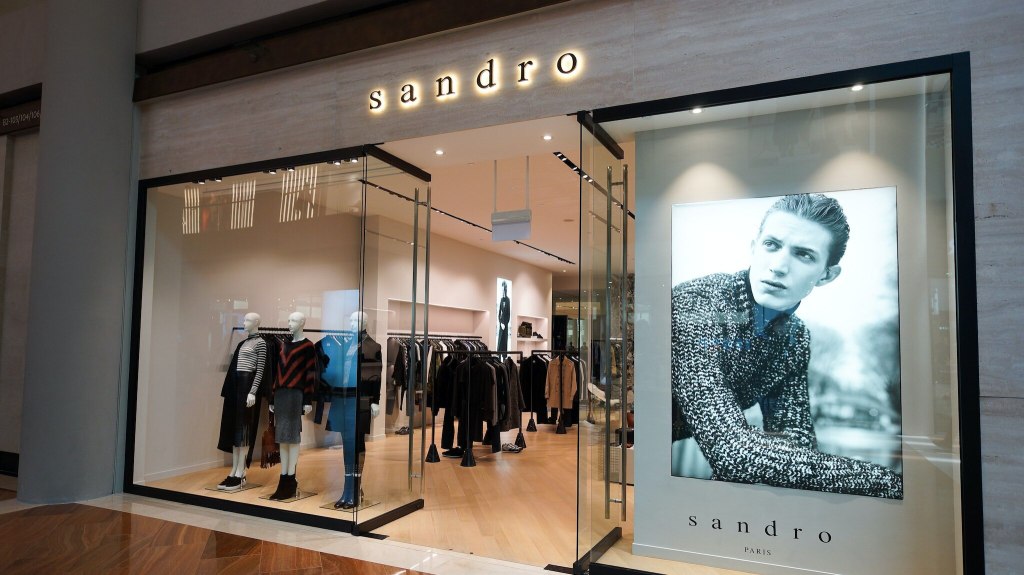
A Sandro Store
Sandro Spring-Summer 2021 Menswear Collection

Conclusion

Consumers want to feel like they own something special and unique. They want exclusive quality labels that are not mass produced, yet are still affordable.  It is important to keep in mind that this category is less expensive then higher tiers such as Haute Couture, but the prices are clearly higher than budget collections.The changing demographic of fashion consumers and the rise of contemporary brands. To stay in the game, luxury fashion marketers must compete on a global scale.
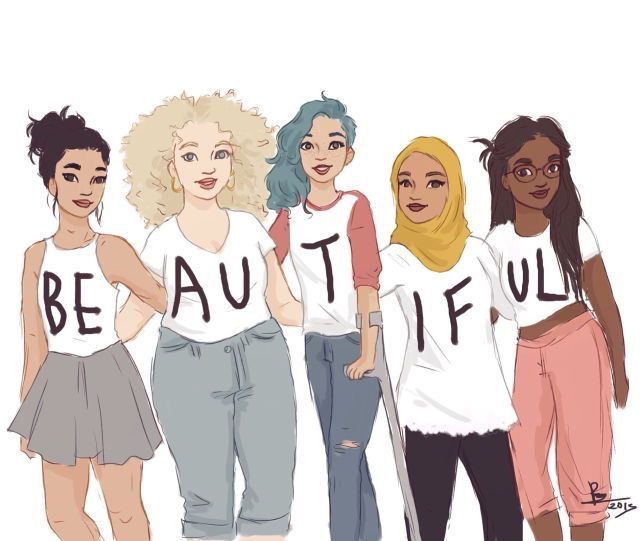
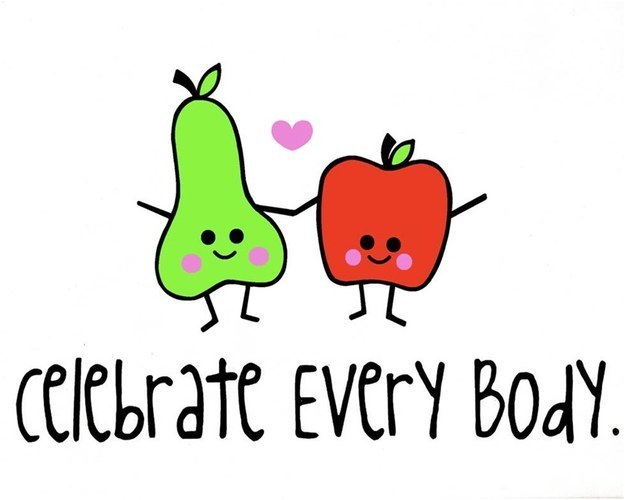
Body positivity

I have thighs that giggle a little when I run. So what?

I like it that way.

When I adorn myself in a new black dress some tell that it adds on to my darkness. So what?

I like it that way.

People presume that I may have any syndrome as I appear very thin. So what?

I like it that way.

You would be shocked to know that 20% of adults feel shamed and depressed of their body weight. Adults say that the images used in magazines and advertisements have caused them to worry about their body weight. 64% of teenage boys and 94% of teenage girls are being body shamed for the way their body looks. A doctor says that she sees patients as young as six years old with body image issues. Anorexia Nervosa is an earing disorder causing people to obsess about their body weight with an unwarranted fear of being overweight. It is the most lethal of all psychiatric conditions. It is the leading cause of death of many teenage girls.

Is being plus body sized, dusky, dark complexed or being very thin becomes a stigma or an an insecurity or does it mean that a person isn’t beautiful enough?

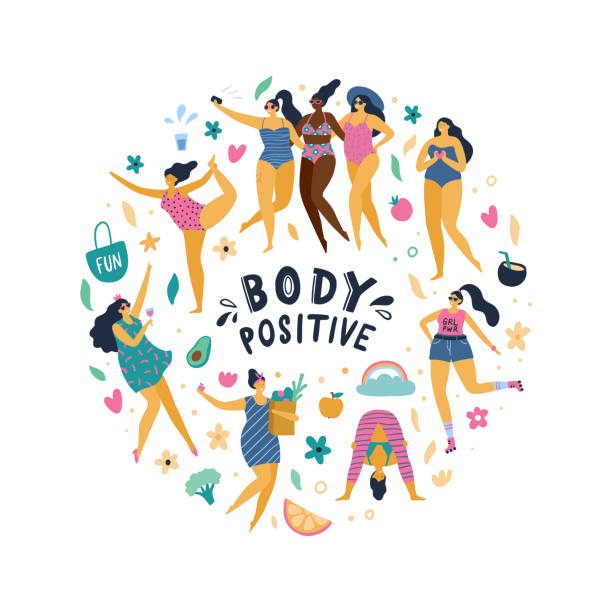
Body positivity renders a great response to all of these alike questions. Body is neither an object of shame nor an entitlement. Body positivity is a social movement initially laid to empower and popularize overweight women and men, while also challenging the ways in which the society presents and views a physical body. The movement advocates the acceptance of all physical bodies irrespective of size, race, appearance or physical ability. It asserts that all people over here deserve to have a positive body image, regardless of how others view them. It also recognizes that judgements are often made based on race, gender, shape, and appearance.

What do we mean by being beautiful? Is it being fair, slim, tall, chubby cheeks and rosy lips? The definition of beauty is being switched over randomly by people in line with their marketing of products. A Hair product adverts that silky and smooth hair is beauty. A skin product adverts that the soap and creams they vend makes you more beautiful. A diet product adverts that the food they provide you, turns you to size zero. All of these beauties just end up being a fantasy. What actually beauty means? It is possessing the quality that gives pleasure or satisfaction to see hear and think about. It is about being genuine, authentic and real, being yourself. Dimple chin or double chin doesn’t matter, DARE TO BE YOURSELF.

By whom are these are these beauty standards being framed ? Day in and day out people are being influenced by several factors like advertisements, brands, magazines and influencers who device body image problems and then exploit them. When we were young we would have had a great craze for barbie dolls which dictated the definition of beauty( fair, slim and tall). According to a study done the barbie dolls does have a huge effect on a younger and older girls’ self esteem because if a child is raised with dolls such as barbie wouldn’t their idea of perfect body image come from their experience by playing with their perfect barbie dolls. When we grow up beauty brands define perfect skin, fair and spotless. Images used in magazines, televisions and newspapers influence the concept of an ideal body weight of nearly 70% adolescent girls. In this world where beauty care is an investment people are expecting the providers of said products to deliver results. There are still products who actually do what they claim and invest on the actual research of products. However in this world where persuasion is done by emotion a lot of beauty care brands invest in advertisements rather than on the real products. If we think in depth beauty brands use hashtags like #loveyourself and #beyourself but are they really encouraging us to do so? They obliquely delude us that we aren’t beautiful enough and impose their selling of products on us. By using our ignorance the cosmetic industry climbs up and up the ladder.

Be aware of the business behind the products you use. Get rid of the unreal things happening around you. Body positivity is the only weapon to overcome these unreal beauty facts created by random people and stop getting influenced. It is the idea that one should be proud, happy and comfortable of ourselves regardless of the size and looks. Body positivity movement has flooded the timeline for years now. There are some who say that it promotes unhealthy lifestyle and encourages obesity, but the movement is all about self acceptance and not letting your physical appearance let you down. Don’t try hard to stick to the stereotypical order that someone has created. KNOW YOUR WORTH AND DEFINE YOUR OWN BEAUTY. There are many ways to motivate you to lose or gain weight but if you dont wish to do so gain enough confidence lose your timidness and confront others valiantly.

DONT TRY TO IMPRESS PEOPLE BY BECOMING FAIR OR SLIM , INSPIRE THEM BY BEING YOURSELF!!!

The closet of your dreams

Who doesn’t love good clothes, shoes or accessories? The perfect fit makes us fall in love with ourselves and makes us feel and look confident. A lot of the time we scroll Pinterest and follow celebrities or influencers for their fashion inspiration. We adore what they wear and love their closet.

It makes us think about our dream closet. We might obviously have a few clothes we adore but there are some pieces of clothes we aren’t exactly fond of and we don’t even know why we bought them in the first place.

We all have a closet of our dreams. Some people’s closet is more filled with shoes and accessories while others include clothes. But, we all have this closet that we think we will own someday. Well, the good news is you can start owning the closet from today. But, there are a few things you need to keep in mind:

Buy what you will wear: We often go shop and buy these average-looking clothes that don’t match our aesthetic or our style. We buy them thinking we will wear them on a casual day. But we never end up wearing it or even if we wear it someday, we don’t feel so great about it. Well not anymore, the next time you purchase a piece make sure you fall in love with it and can picture yourself wearing it from time to time.

Empty the space: we need space for what we like in our closets. So, give in the clothes you don’t wear to thrift shops or donate them to the people who need them. This way your closet will have more space and the clothes you don’t wear will be out of your vision.

Spice it up: You can always let your creative side experiment with your current clothes. If a pair of boring jeans is sitting in your closet, don’t be afraid to convert them into ripped jeans or shorts. Same way with your t-shirts, you can always crop them, tie-dye them, or dye them a different colour or even add a sequence of your choice. This would be a fun way to spice up your old boring clothes.

Fashion has no rules: Our generation has a certain piece of clothing, shoes, accessories that are considered “trendy”. But just because everyone is wearing it doesn’t mean you have to wear it too. There are no rules when it comes to fashion. You can wear whatever you like and what you feel comfortable in. The trends keep coming and changing so don’t be afraid to try something new.

Don’t go over budget: yes, you heard me right. You don’t have to spend a lot of money to get the closet of your dreams. Wearing designer brands shows people you have money, it doesn’t show people that you have a great fashion sense. There is no harm in having a few statement designer pieces but you don’t only have to buy expensive stuff.

Organize: Now that you have the closet of your dreams. Make sure to always organize it nicely. You can always colour coordinate your outfits or arrange them according to the occasion. This will make your closet look great and organized.

Clothes of your choice: If you are someone who isn’t able to find good clothes in the stores near you because they only have fast fashion clothes. Don’t be afraid to order clothes online. You can try a bunch of online sites but make sure they have a return policy. So in case, you don’t like the clothes you can always return them. There are also a lot of influencers who have their clothing lines, you can also try ordering from those. You can always try thrifting but make sure the thrift stores are good. We know that LA has great thrift stores but we don’t know if stores near us have that quality.

Fashion is about wearing what you feel most comfortable and powerful in. It is a way to express ourselves so don’t think about what people have to say. Wear what you like and wear it with confidence.

Indian Art Style

• Rajasthani miniature art

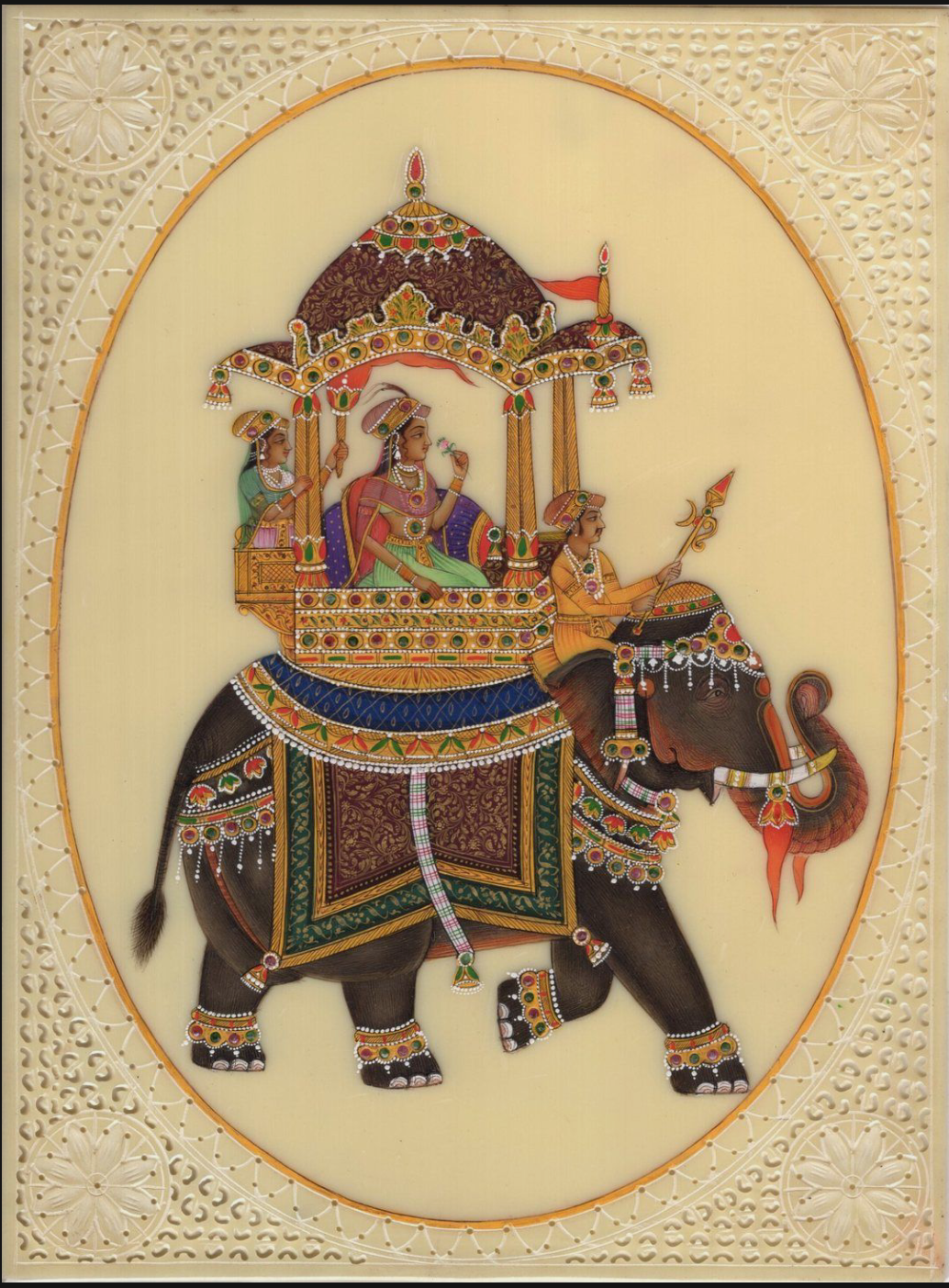
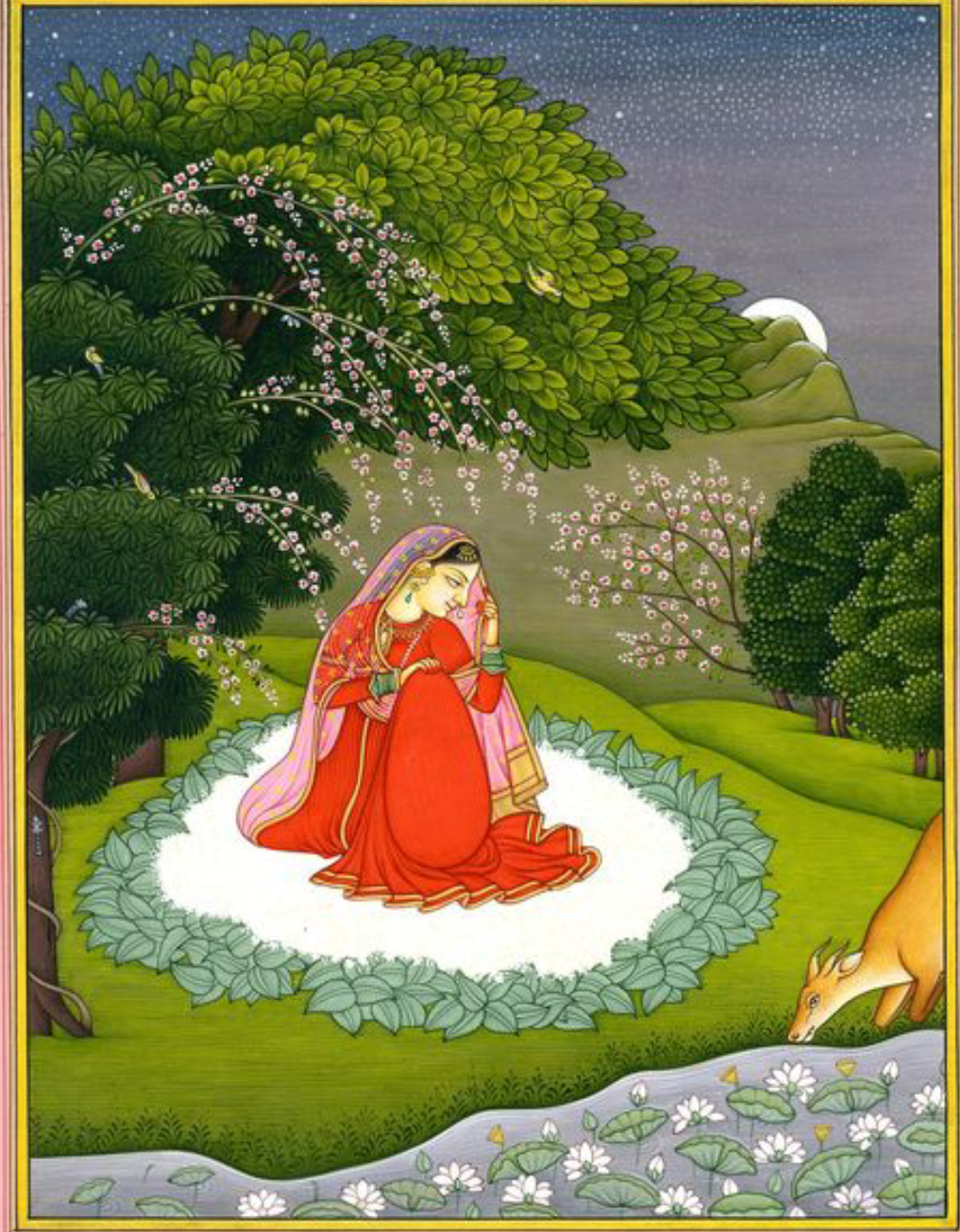
Rajasthan is one of the pioneer seats of miniature painting in India. Rajput painting, also known as Rajasthani painting, is a style of Indian painting evolved and flourished in the royal courts of Rajputana, India. Each Rajput kingdom evolved a distinct style but with certain common features. Rajput paintings depict a number of themes, events of epics like the Ramayana and the Mahabharata, Krishna’s life, beautiful landscapes and humans.

Miniatures in manuscripts or single sheets to be kept in albums were the preferred medium of Rajput painting but many paintings were done on the walls of palaces, inner chambers of the forts, havelis, particularly the havelis of Shekhawati, the forts and palaces built by Shekhawat Rajputs. The colours were extracted from certain minerals, plant sources and conch shells and were even derived by processing precious stones. Gold and silver were also used. The preparation of desired colours was a lengthy process, sometimes taking weeks. The brushes used were very fine.

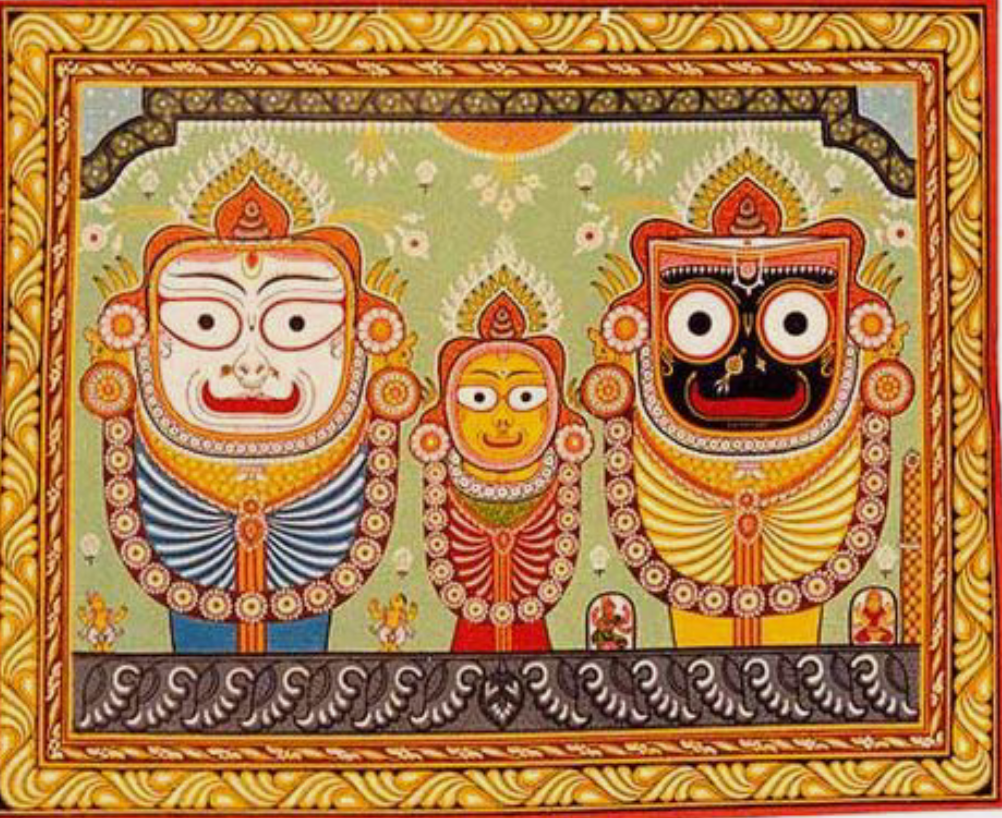
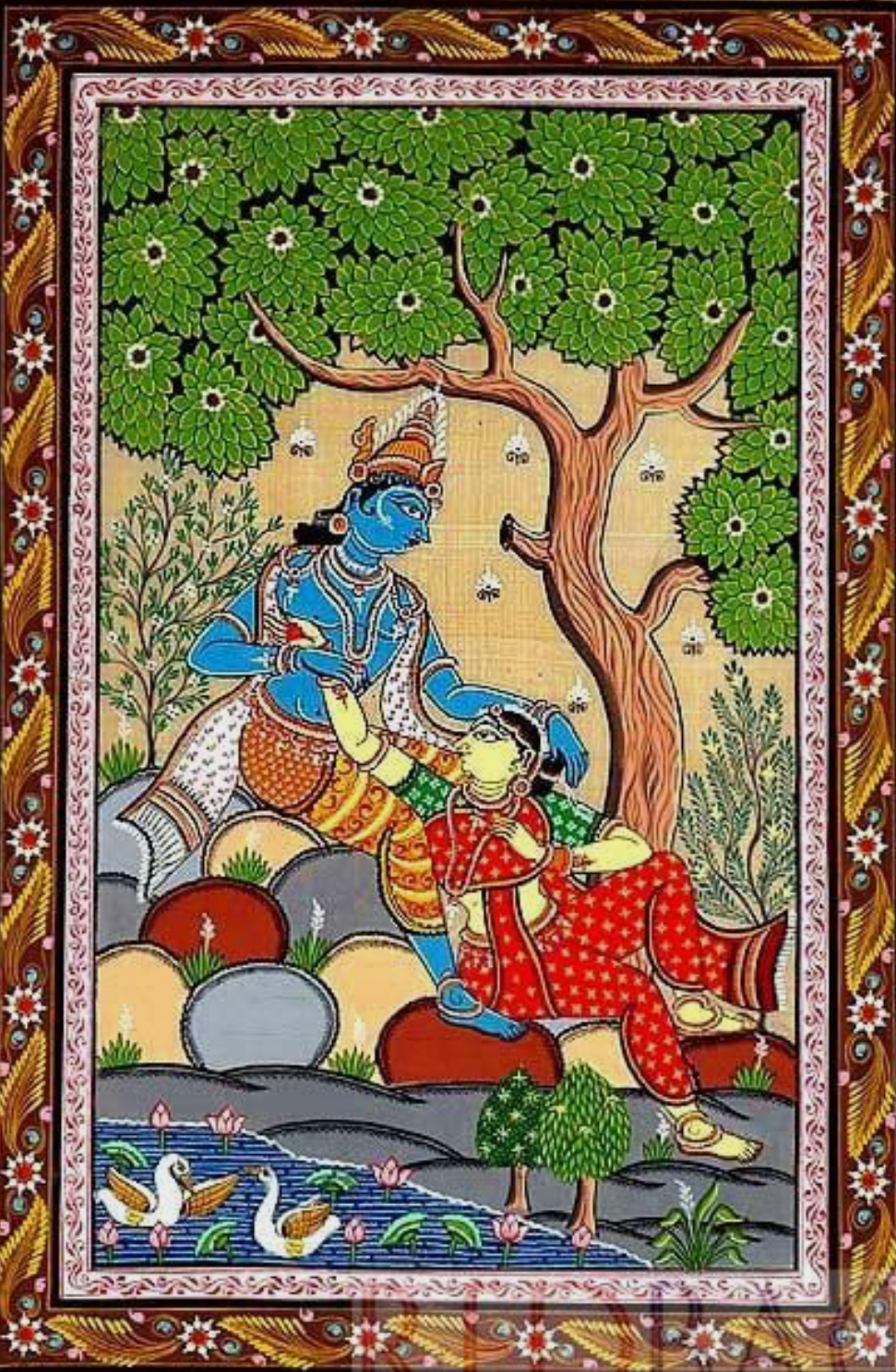
• Pattachitra

‘Pattachitra’ is a general term for traditional, cloth based scroll painting based in the eastern Indian state of Odisha. In the Sanskrit language, ‘patta’ literally means ‘cloth’ and ‘chitra’ means ‘ picture’. The pattachitra style of painting is one of the oldest and most popular art forms of Odisha.

All colours used in the paintings are natural and the paintings are made fully in the old traditional way by chitrakaras who are Oriya painters. Pattachitra is manifested by a rich colourful application, creative motifs and designs and portrayal of simple themes mostly mythological in depiction. The traditions of pattachitra paintings are more than a 1000 years old. Pattachitra paintings resemble the old murals of Odisha, especially those from the religious centres of Puri, Konark and Bhubaneswar regions, dating back to the 5th century BC. The best works are found in and around Puri, especially in the village of Raghurajpur. The theme of Oriya painting centers round the Jagannath cult and the Vaishnava cult. Since the beginning of pattachitra culture, Lord Jagannath, who is an incarnation of Lord Krishna, has been the major source of inspiration. In the 16th century, with the emergence of the Bhakti movement, the paintings of Radha and Krishna were painted in vibrant shades of orange, red and yellow. There are typical scenes and figures like Krishna, Gopi’s, elephants, trees and other creatures portrayed in these paintings. Krishna is always painted in blue and Gopis in light pink, purple or brown.

Thank you for reading. Have a nice day!🌼

If you like it, wear it.

Fashion styles

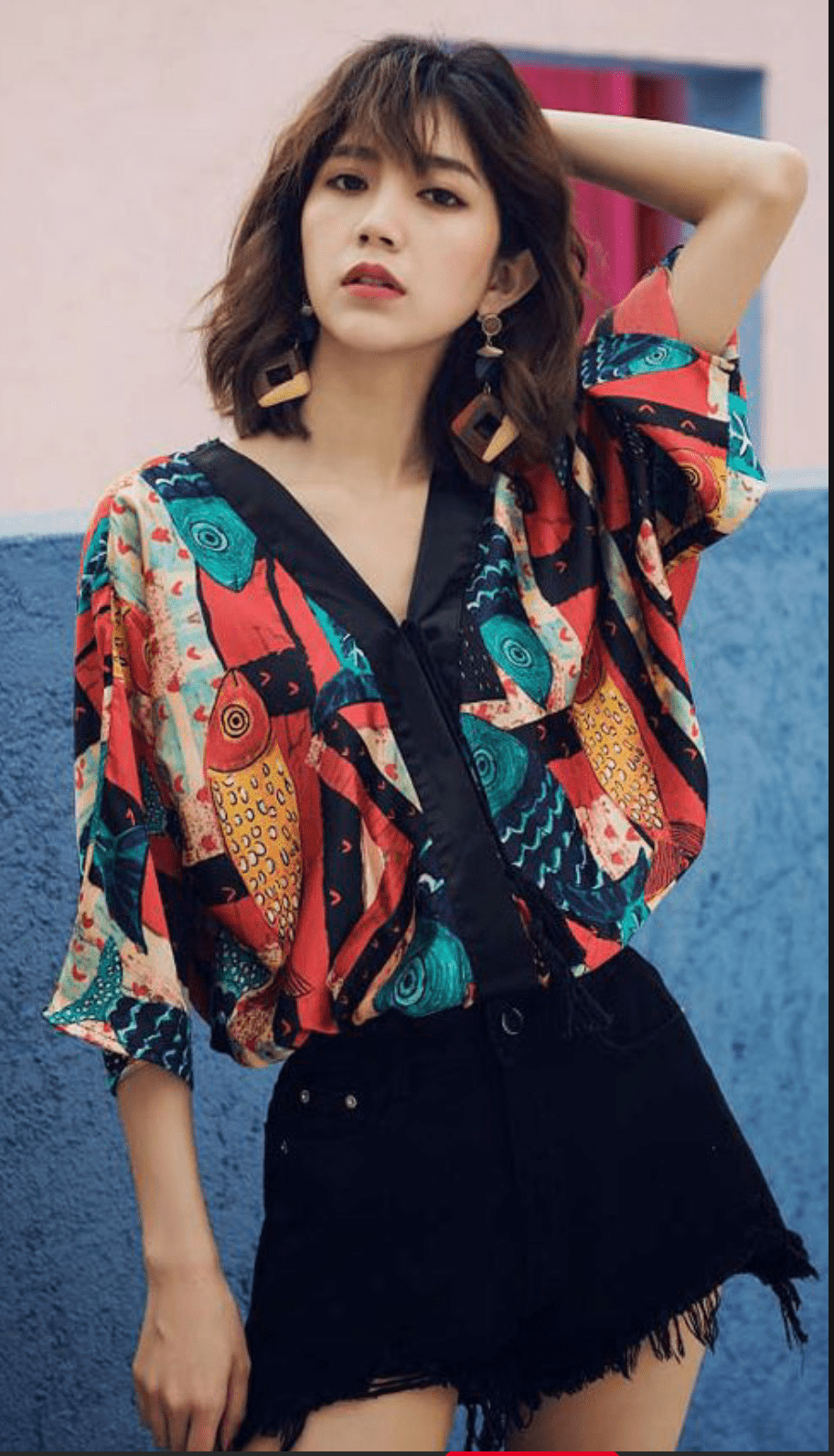
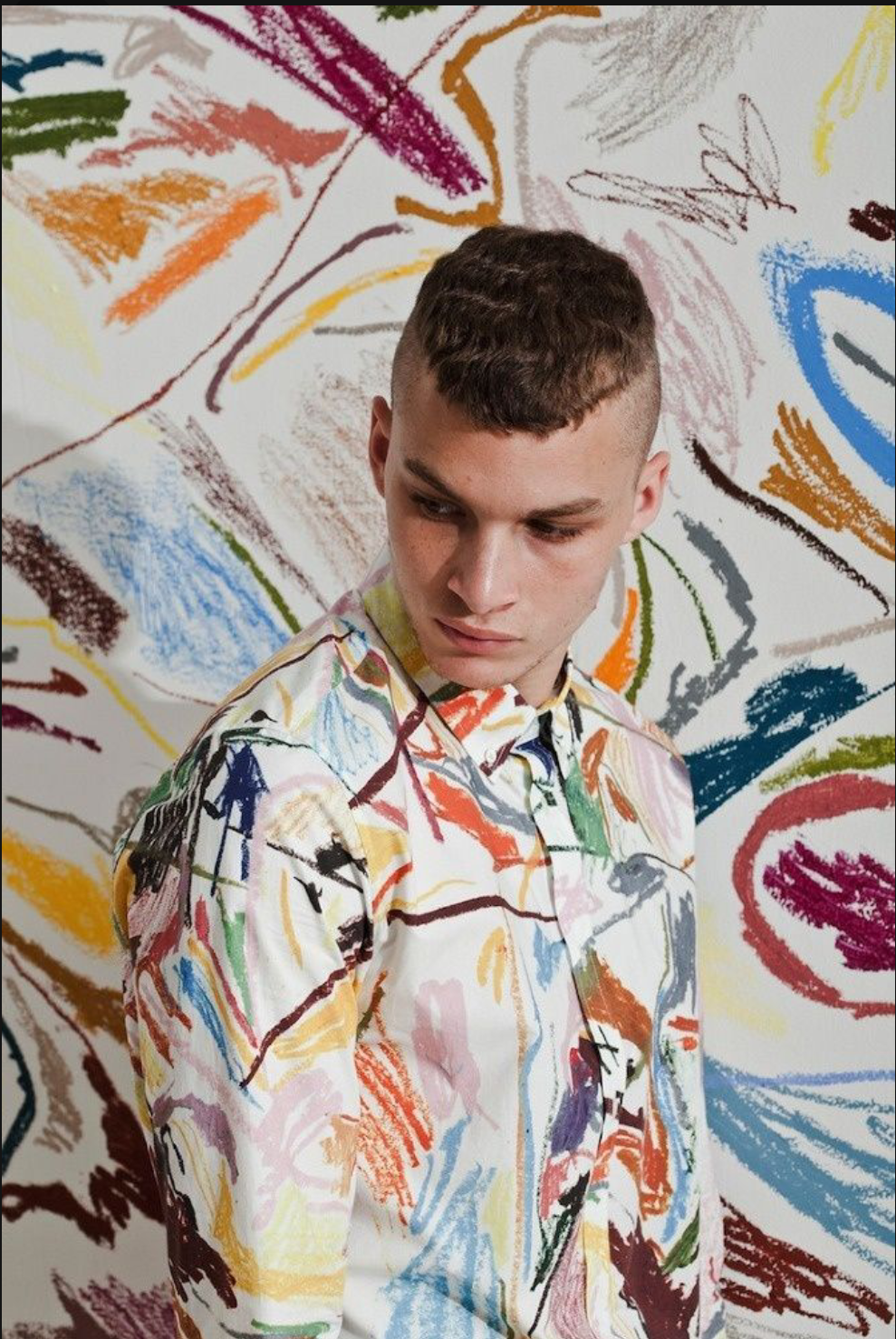
Artsy

Colourful and vibrant kind of style. Creative.


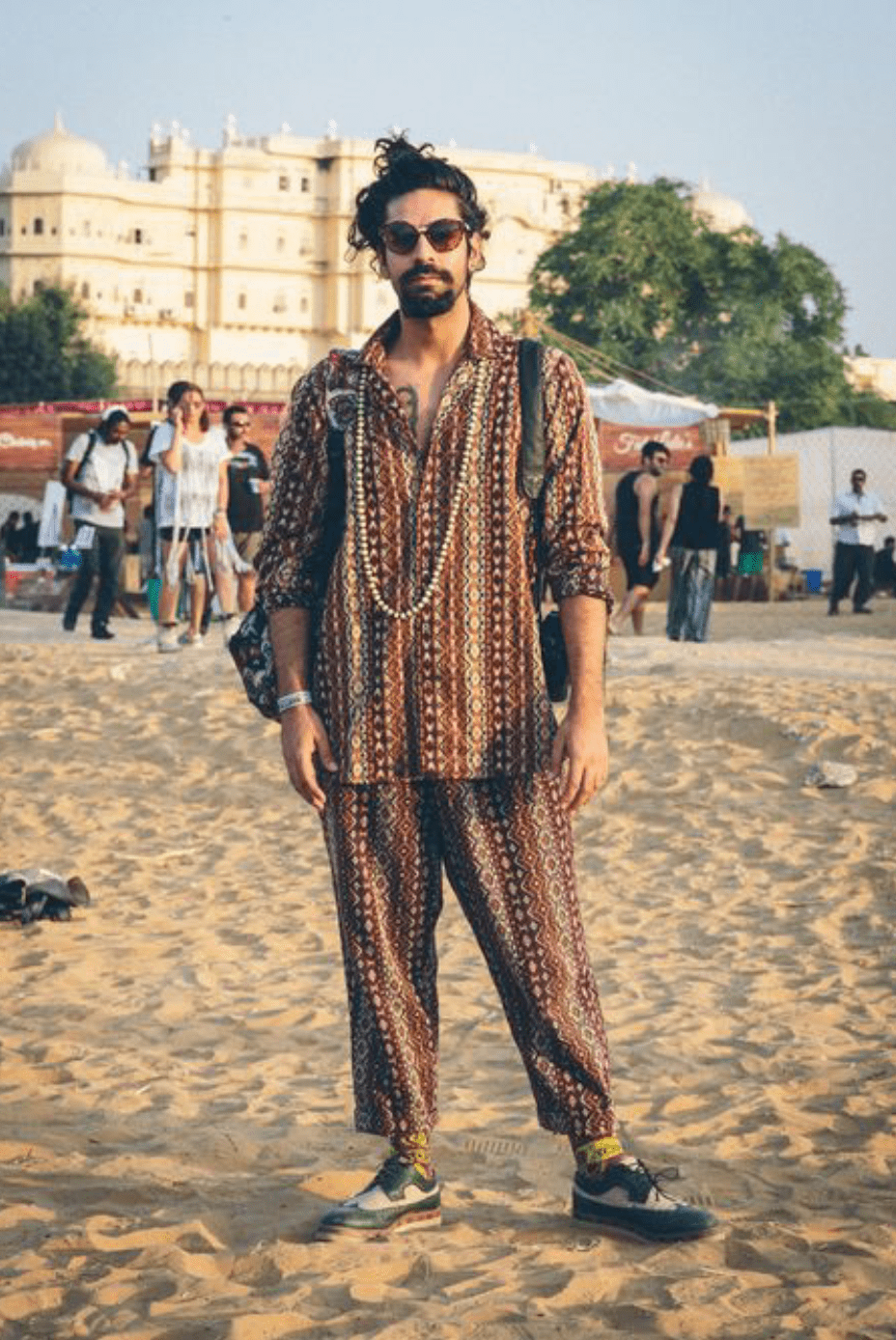
Bohemian

Personal favourite. Also known as Hippie fashion. With a modern touch to it looks fabulous on anyone.


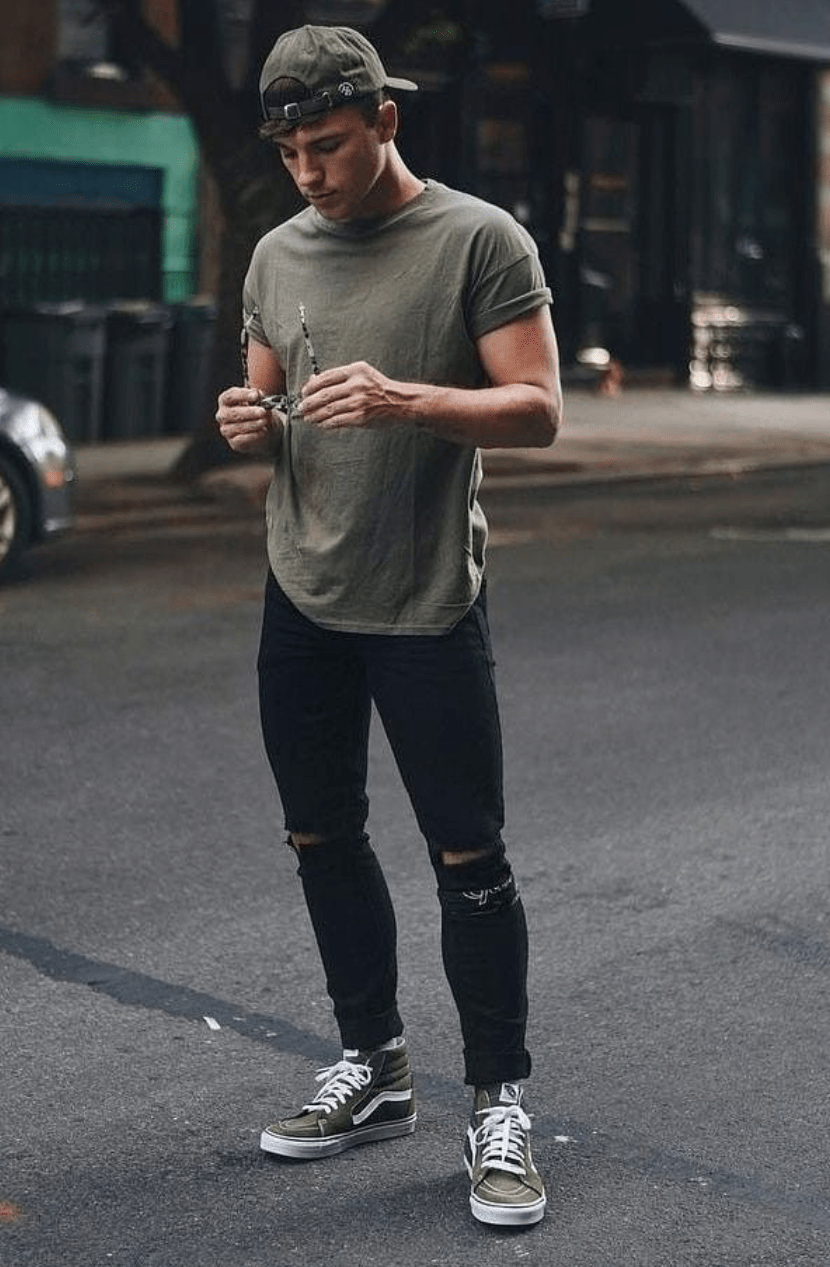
Casual

The I-don’t-care-I-feel-comfortable type of style. The simplest of clothes in your wardrobe.


Chic

The girls night out or a date night look where you actually put some effort in choosing the dress and makeup.


#5 Preppy

Basically classic but with bold and clean colours with a structured silhouette.


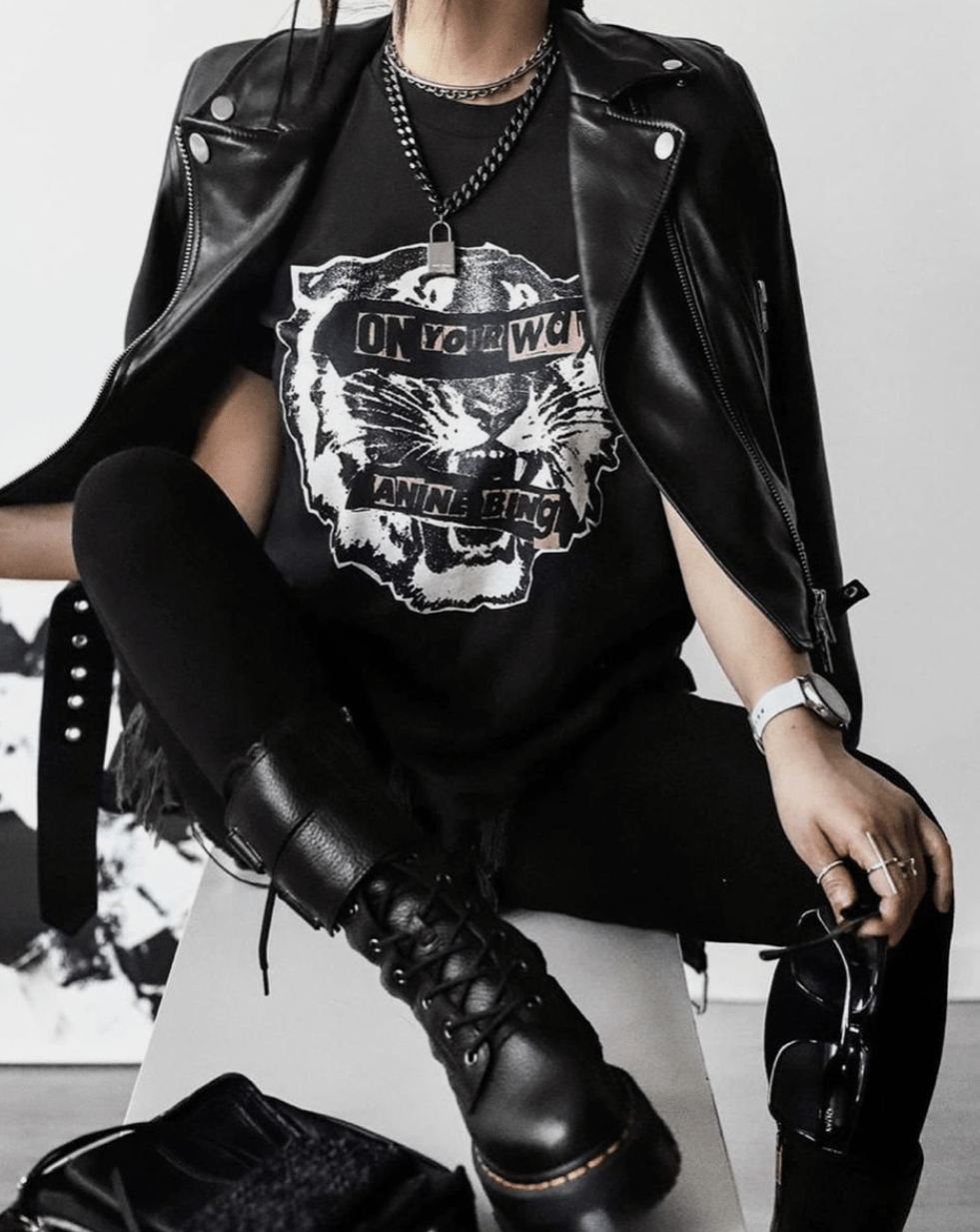
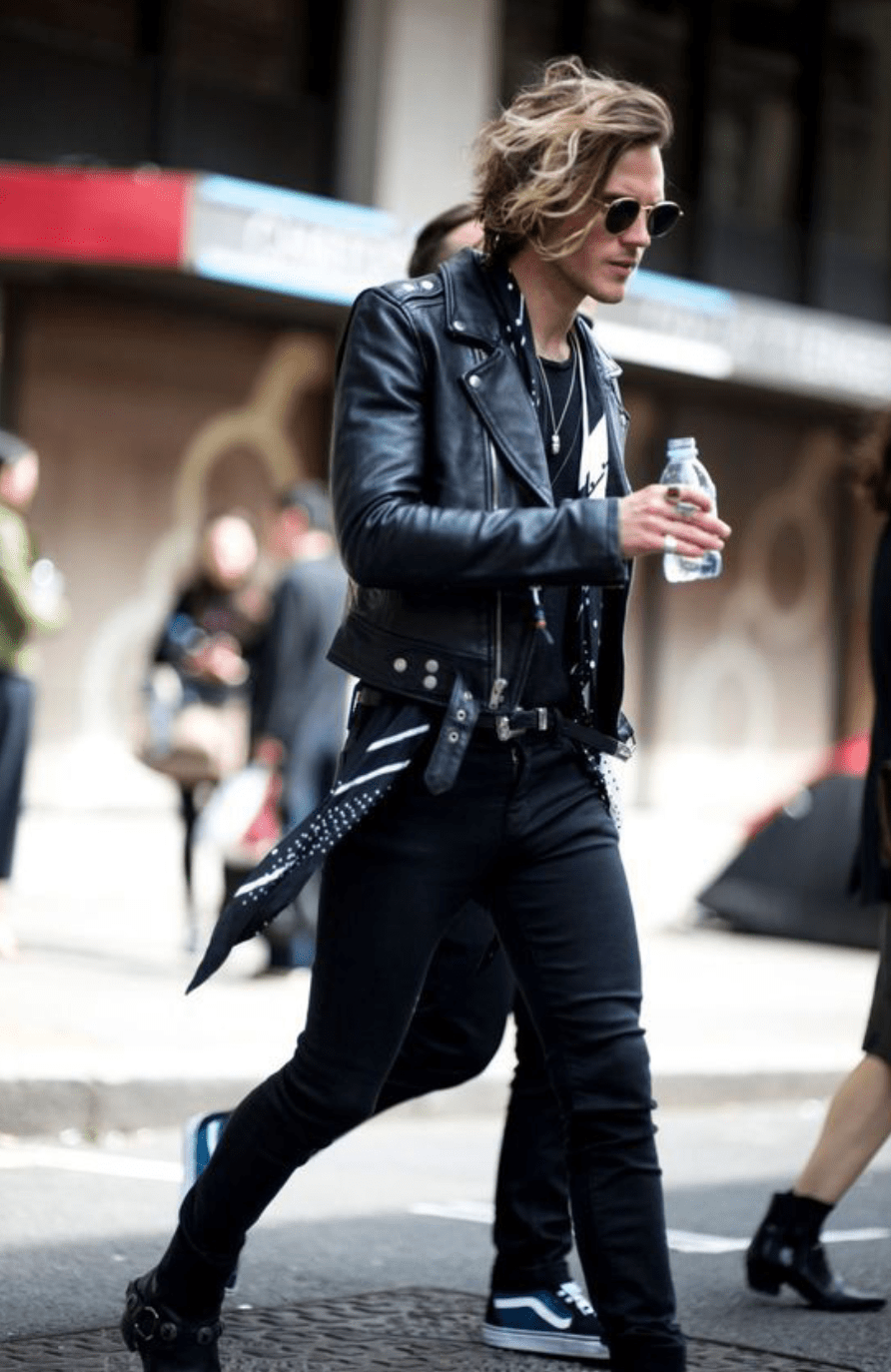
#6 Rocker

Mostly a leather jacket amd pants. Ripped jeans. Don’t-mess-with-me kind of look.


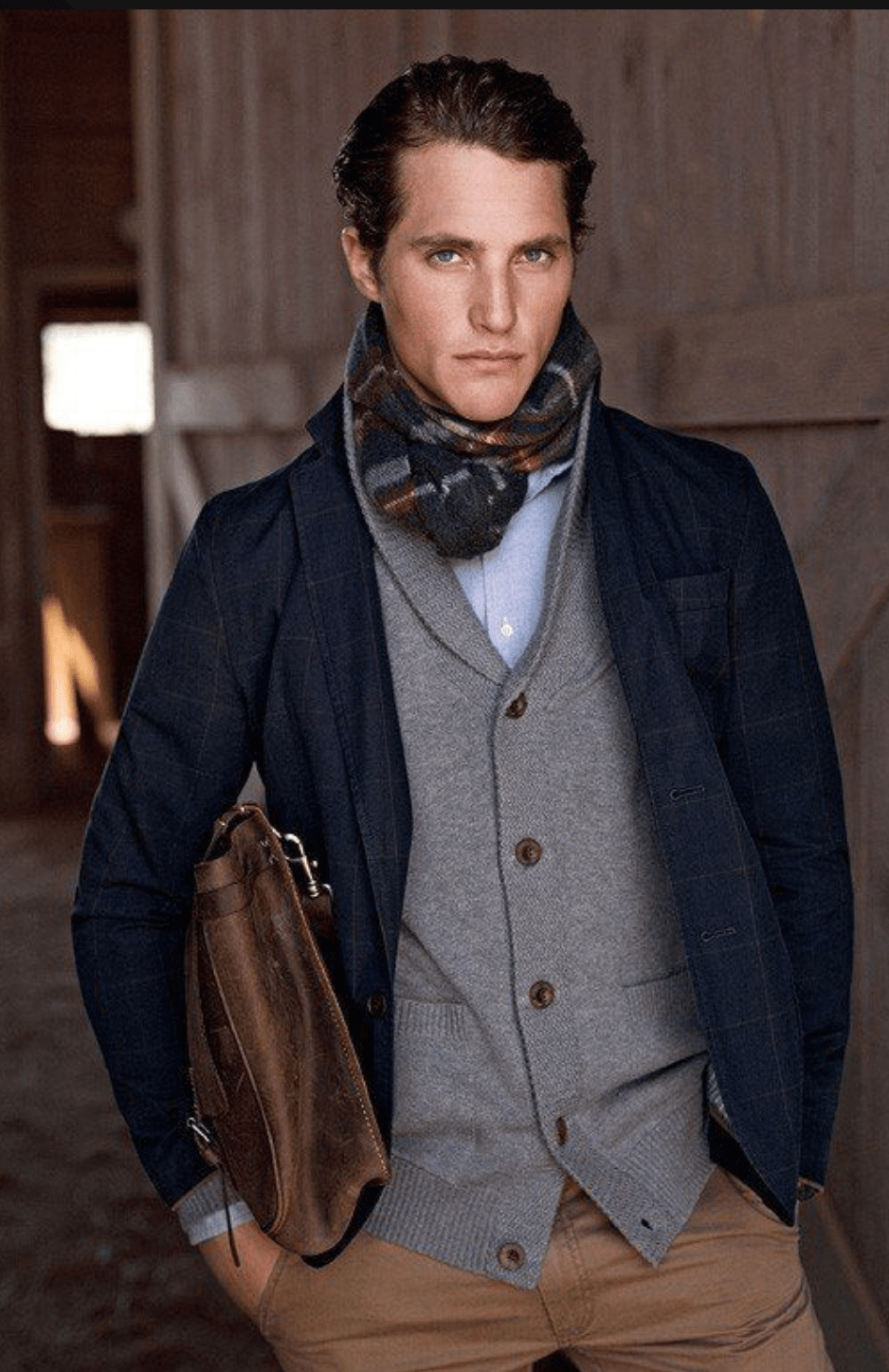
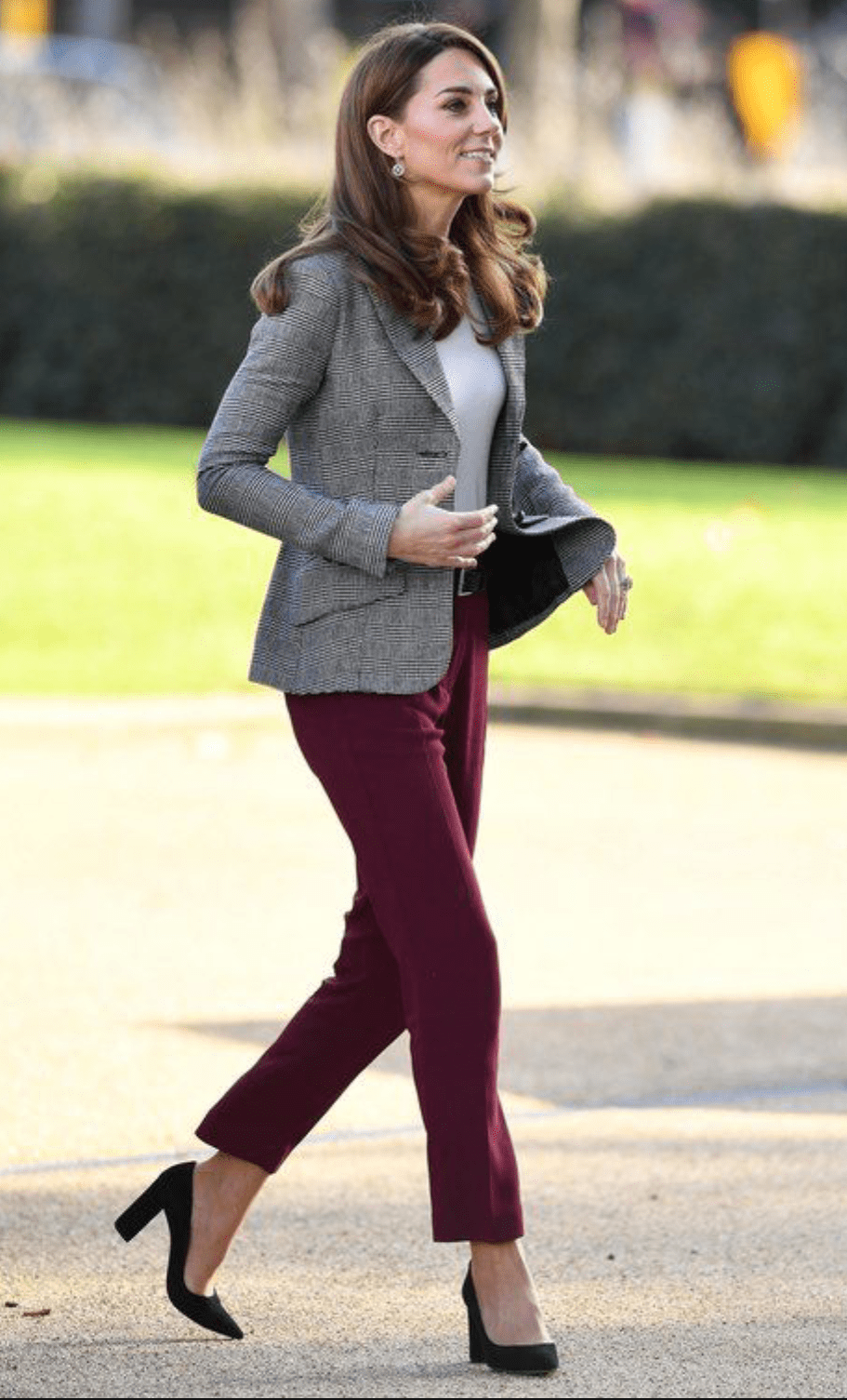
#7 Sophisticated/classic

Classic.


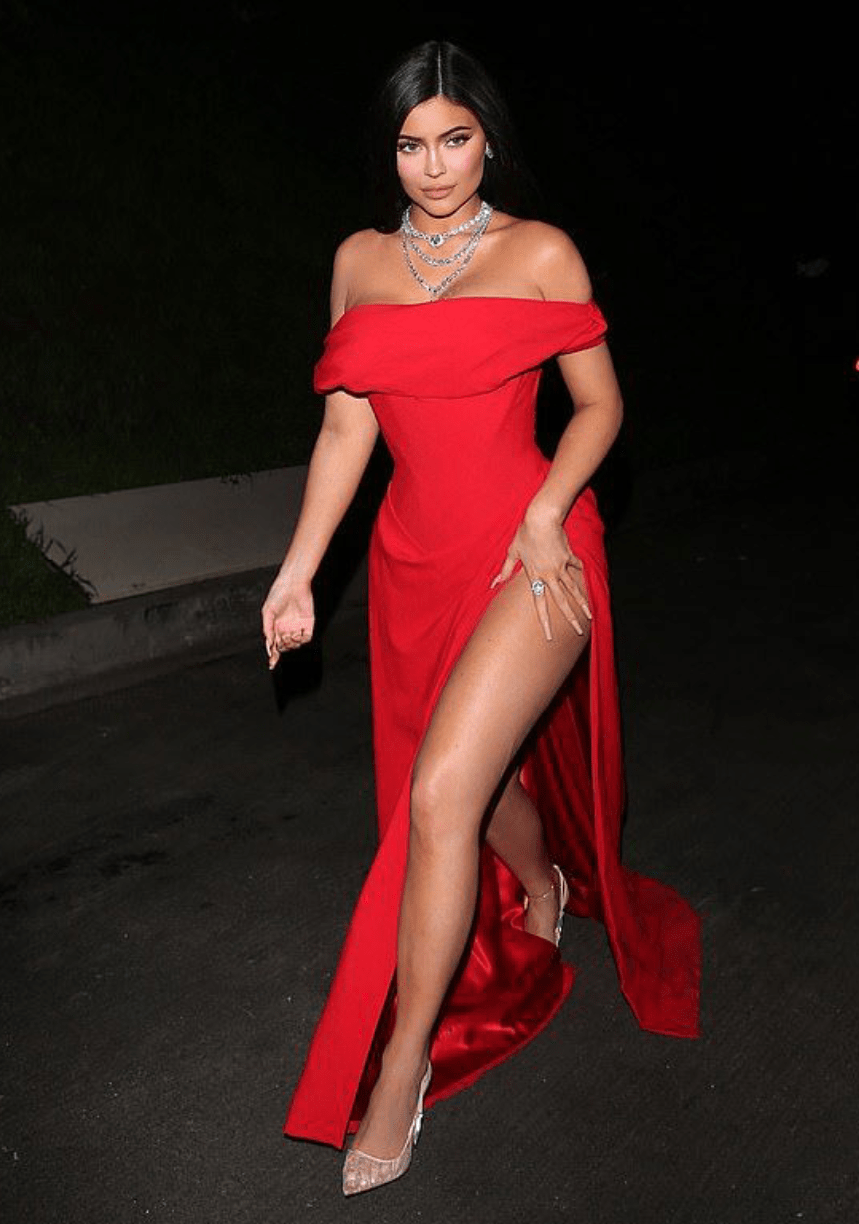
#8 Sexy

Especially for parties. Outgoing type.


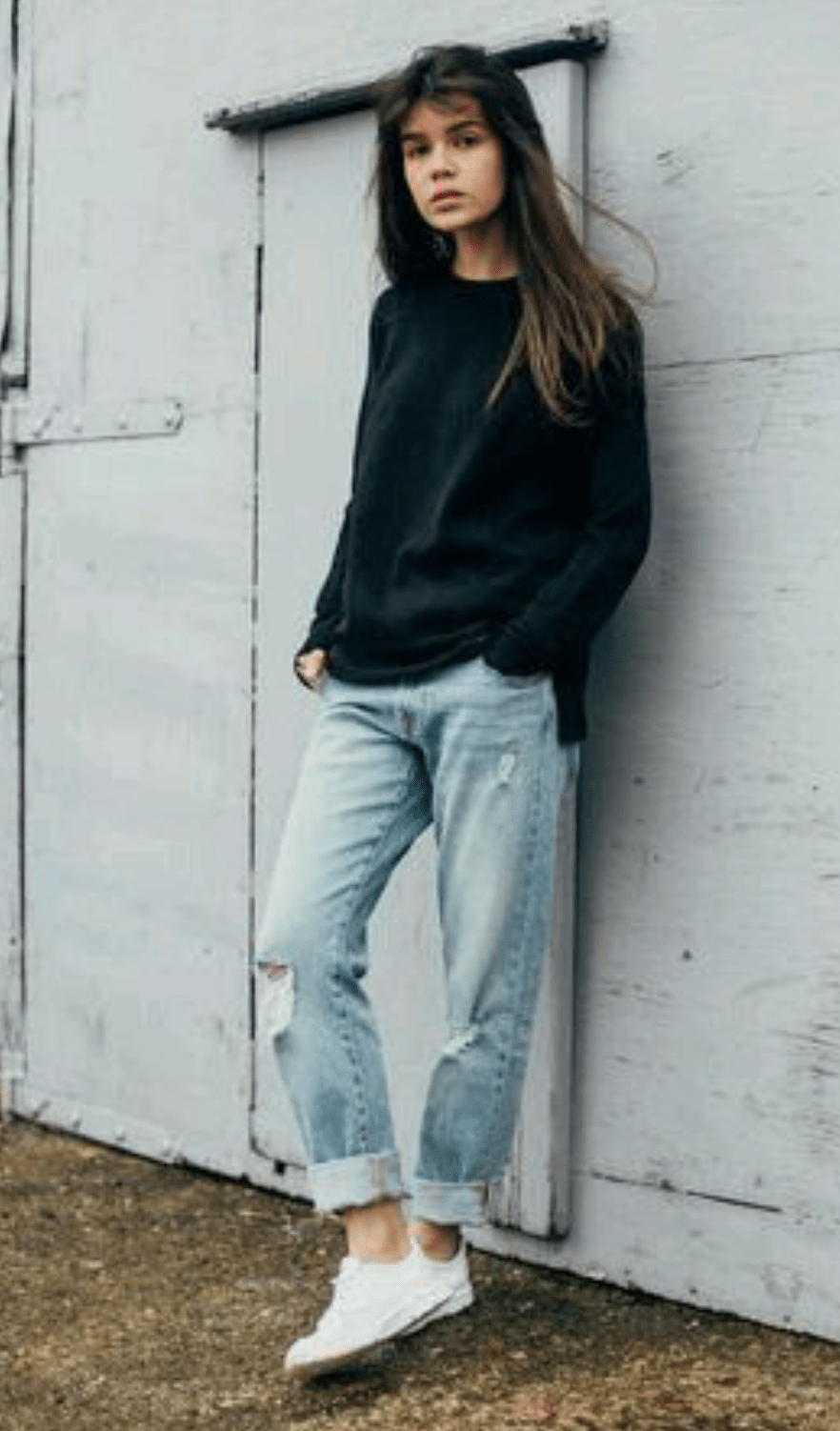
#9 Tomboy

Mostly loose clothes. Boyish, carefree. Billie Eilish’s iconic style.


#10 Vintage

Looks cute. Never goes out of style. Comfortable.

Thank you for reading. Have a nice day!