SIVASAGAR: LAND OF HISTORY AND HERITAGE

Sivasagar was the capital of the mighty Ahoms, who ruled Assam for more than six hundred years till the advent of British. The town, dedicated to Lord Shiva- its name literally meaning “the ocean of Shiva” is strewn with tell-tale ruins of a powerful empire. The most remarkable landscape of the town is the 280 years old Sivasagar tank comprising 129 good acres. Although situated within the heart of the town, the water level of the lake is above the level of town. On its bank are three temples- the Shivadol, the Vishnudol and the Devidol- all three built by Queen Madamika, wife of Shiva Singha in the year 1734. The Shivadol is believed to be the highest Shiva temple in Assam.

PLACES TO EXPLORE 


RANG GHAR
Rang Ghar also known as “Colosseum of the East” the towering and expansive Rang Ghar stands tall in Sivasagar. The two storied oval shaped amphitheater was constructed by Ahom King Swargadeo Pramatta Singha (1744-1751) in the 18th Century and served as a pavilion from where royal and dignitaries watched various sports and games like buffalo-fight, cock-fight, wrestling and races, etc held in the Rupshi Pathar- the vast field in front of it. 

KARENG GHAR AND TALATAL GHAR
A seven storied palace having three storeys underground known as Talatal Ghar and upper storeys known as Kareng Ghar built by Swargadeo Rudra Singha (1696-1714) stand majestically at 4 kms away from Sivasagar town. A well planned brick-wall compound, which housed the royal court and offices, as well as the strategic military headquarters of the Ahom Kingdom. It also had two underground tunnels from Talatal Ghar connecting Dikhow River and Gargaon Palace which were subsequently closed by East India Company.
GARGAON PALACE 
Gargaon, the principal towns of Ahoms, built by the XV the king, Suklengmung in 1549, lies 13 kms east of Sivasagar. The old Palace was destroyed and the present seven palace was rebuilt around 1762 by King Rajeswar Singha.
NAMDANG STONE BRIDGE
The bridge, a cut out from a single rock over the Namdang river, 12 kms from Sivasagar town was constructed by workmen brought from Bengal during the reign of Swargodeo Rudra Singha in 1703. Today, the National Highway 37 passes over the bridge.

JOYSAGAR TANK
Considered as the largest man-made in India, the Joysagar Tank is an example if human excellence. Encompassing an area of about 318 acres, the tank was built by Swargadeo Rudra Singha (1696_1714) in the memory of his mother “Joymoti Kunwari” who was tortured to death by their enemies because she would not reveal her husband’s where-abouts, who later ascended the Ahom throne as Gadadhar Singha.
GAURISAGAR TANK AND TEMPLE 
The Gaurisagar tank was built by Queen Phuleswari Devi (1722-1791) and was dedicated to Goddess Durga. It is 150 acres under water  and on its banks stand the Devidol, Sivadol and the Vishnudol temples. Gaurisagar is only 12 kms from Sivasagar.

PANIDEHING BIRD SANCTUARY
A rich wetland Eco-system of 33.93 sq. km situated on the southern bank of river Brahmaputra in the Sivasagar district. This bird sanctuary is a paradise of migratory and resident birds; so far 165 species of birds have been identified and recorded.
ALSO VISIT: Rudrasagar Tank and Temple, Ajan Pir Dargah Sarif, Ramkhapith Devaloy and Pahugarh.

NEW TEHRI: UTTARAKHAND

NEW TEHRI
New Tehri is a modern town spread over an altitude from 1,550 mts. to 1,950 mts. above sea level, overlooking the gigantic lake and the Tehri Dam. The ruins of Old Tehri lie under water today. The newly established township is the district headquarters of Tehri Garhwal, a modern and well planned town, only 11 kms. from Chamba & 24 kms from Old Tehri.
SIGHTSEEING

TEHRI DAM
Tehri Dam is one of the world’s largest hydro electric projects harnessing waters of two important rivers of the Himalayas namely Bhagirathi and Bhilangana
DEVPRAYAG
Situated at the confluence of the Alaknanda and the Bhagirathi rivers, the town of Devprayag lies at an altitude of 472 ints, and about 64 kms away from New Tehri. Near the town there are two suspension bridges one over the Bhagirathi and the other over the Alaknanda. Devprayag is one of the five sacred Prayags (confluences) of the Alaknanda. Tradition has it that the town is named after Deosharma, a sage, which led a life of penance here and succeeded in having a glimpse of God.
CHAMBA
Chamba happens to be a focal point, being located at the junction of roads leading from Mussoorie, Rishikesh, Tehri and New Tehri, 60 kms. from Mussoorie and 48 kms. from Narendra Nagar on the road to Gangotri. Chamba is a township lying high at an altitude of 1676 mts., offering a splendid view of the snow capped Himalayas and the serene Bhagirathi valley. The Chamba-Mussoorie fruit belt is also famous for its delicious apples.
KANATAL
Kanatal is a hamlet built around numerous hills, a locale which personifies the romantic aura of Tehri district located on the Chamba-Mussoorie highway 35 kms from Tehri Garhwal. With a spectacular view of the snow-covered hills and green forests, Kanatal is situated nearly 300 kms. from Delhi at an altitude of over 8500 feet (2590 metres). The natural beauty of Kanatal allures many tourists every year.
SURKANDA DEVI
Surkanda Devi is a Hindu temple situated close to the small resort hamlet of Dhanaulti in Tehri District. It lies at an altitude of about 2,757 meters, or 9976 ft. and is close to nearby hill stations of Dhanaulti (8 kms) and Chamba (22 kms.) and walking distance of approx 3 kms. from Kaddukhal, the place where vehicles are parked. It is surrounded by dense forests and affords a scenic view of the surrounding region including the Himalayas to the North. The Ganga Dussehra festival is celebrated every year between May and June and attracts many tourists.
CHANDRABADNI
Chandrabadni is a mountain (2.277 ents. above sea level). On the border of Devprayag and Pratapnagar is the well known temple of Chandrabadni Devi, at the top of the mountain about 10 kms. north of Kandi Khal (on the Devprayag Kirti Nagar road). The legend says that the torso of Sati fell here and her weapons got scattered all around the place. Thus, even today a huge number of iron Trishuls (Tridents) and some old statues can be seen lying around the revered temple of Chandrabadni.
Chandrabadni commands a beautiful view of the Sirkanda, Kedarnath and Badrinath peaks. The temple is very small and contains a Shri-Yantra carved out on a flat stone instead of an idol. Traditionally, a cloth canopy is tied to the ceiling over this Shri-Yantra once a year by a Brahmin priest who is blindfolded. Road distance from Tehri Dam to Maa Chandrabadni Temple is 86 kms.

ALSO VISIT: Narender Nagar, Sem Mukhem, Budha Kedar and Kunjapuri.

SPIRITUAL CIRCUIT: BIHAR

GURU CIRCUIT 

TAKHAT SRI HARMANDIR SAHIB 

Maharaja Ranjit Singh Ji, the first king of the Sikh Empire, took up the reconstructions of this sacred birthplace of the great Guru in 1839. The present gorgeous edifice of Harmandir Takhat was reconstructed in 1954 as the earthquake of 1934 destroyed some part of it.

GURDWARA PAHILA BARI AKA GURUDWARA GAE GHAT 

Popularly known as Gurudwara Gae Ghat, it is dedicated to Guru Nanak Dev Ji, who stayed here during his visit to Patna in the early 1500’s

GURDWARA BAL LILA MAINI SANGAT 

Situated close to Takhat Sri Harmandir Sahib ji, this shrine stands at the former home of Raja Faateh Chand Maim. His wife or the Rani treated young Gobind Rai as her own son. When Gobind Rai left Patna, the Rani had a Gurdwara built in her home. 

GURDWARA SHRI GURU GOBIND SINGH GHAT

This Gurdwara commemorates the arrival of Guru Tegh Bahadur to Patna. After four years of touring Eastern India, the na Guru returned to Patna to join his family. 

GURDWARA HANDI SAHIB DANAPUR 

The Gurdwara was built in the memory of Shri Guru Gobind Singh Ji. An old lady whose name was Mata Jasni cooked khichdi in a handi and for Guru Ji offered it to Satguru Ji. So this place is known as Handi Sahib. 


GURDWARA BARI SANGAT SHRI GURU TEGH BAHADUR JI CHAUKI 

Gurdwara Bari Sangat Shri Guru Tegh Bahadur Ji Chauki – Bhagalpur has two Sikh Sangats where Guru Tegh Bahadur visited it in 1667. An old hand-written copy of Guru Granth Sahib acquired from the former Udasi priest of the Shrine is preserved in Gurudwara Singh Sabha.


SHRI GURU TEGH BAHADUR AITIHASIK GURDWARA, KATIHAR 

This historical gurdwara is situated at Lakshmipur Panchayat of Barari Block of Katihar District. It is approx 40km from the district headquarters. Many people visit this village as it is associated with Guru Tegh Bahadur Sahib. An ild volume of Guru Granth Sahib is also preserved here.

ALSO VISIT: Gurdwara Chacha Phaggu Mal- Sasaram, Gurdwara Pakki Sangat and Gurdwara Shri Guru Tegh Bhashur Ji- Gaya.

JAIN CIRCUIT 

KAMALDAH, PATNA 

In the area called Kamaldah (Gulzarbagh, Patna) is a high mound of brick ruins on which two Jain temples stand. There is mausoleum of Jain saint Sthoolhdbhadra and the temple of Sudarshan Swami.

KUND GRAM, MUZAFFARPUR 

As per Jain scriptures, Lord Mahavira, the 24th Tirthankar, was born at Kundagrama and his residence was at Vaniyagrama. Both the places were part of or near Vaishali. The modern Village of Bania is at the site of ancient Vaniagrama and Kund Gram is identified with the modern Village of Vasokund, about 2km northeast of the gadh mound. 

KUNDALPUR, NALANDA

A beautiful Jaisalmer stone temple is situated close to the ruins of ancient Nalanda University at Kundalpur. This houses statues of Lord Mahavira, Adinath Swami and Gautam Gandharva. This place is believed to be birthplace of Gautam Gandharva, the first disciple of Lord Mahavira. An ancient Jain temple is also here.

JALMANDIR, PAWAPURI 

Also known as Apapapuri, the sinless town, is a very sacred Jain pilgrimage center. As per Jainism belief, Lord Mahavira, the greatest propounder of Jainism, attained Nirvana at Pawapuri. Hundreds of thousands of his disciples and devotees took away the ashes after his cremation here. The rush was so great even the soils of the area were taken away and it became a tank. Later on, a beautiful temple known as Jalmandir with white marble was constructed at the center of the tank to commemorate the Lord’s Nirvana.


SAMOSARAN

This beautiful temple honors the place where Lord Mahavira sat to teach his disciples. The temple is constructed with white marble, rising by low steps into several concentric terraces with a beehive shaped shrine on the top containing the footprints of Lord Mahavira.


GONAVA JEE, NAWADA 

Gonava village is situated at around 1km north of Nawada on Patna-Ranchi road. This is a pilgrimage site for the Jains of both sections. The Digambar Jain temple is just by the side of the main road while the Shwetambar Jain temple is behind it. The temple is famous and known as a place of Nirvana of Lord Mahavira’s first disciple Gautam Gandharva. 

BISRAM, BHOJPUR

This place in the town called Arrah houses 45 Jain temples. Lord Mahavira, the 24th Jain Tirthankara, took rest here for some time during his wanderings and hence this place is called Bisram (rest).

MANDAR HILLS, BANKA 

The Mandar hills is about 700ft high that consists of a huge mass of granite overgrown near the summit with low jungle. The Sakand Purana associates Mandar or Sumeru with the old story of Amrita Manthana or churning of the ocean. Due to this religious association, the hills has assumed considerable sacred significance and is a place of pilgrimage. Two Jain Temples are situated on the summit of the hill where the Jain pilgrims worship Lord Vasupujyanatha. 
ALSO EXPLORE: Champanagar, Kundghat, Maniyar Math, Sone Bhandar, Lachhaur and Masadh. 

BUDDHIST CIRCUIT 

VAISHALI 

Vaishali was made immortal by numerous visits of Lord Buddha who came here to give sermons and lectures.He also delivered his last sermon and announced his Parinirvana (attainment of enlightment) on this holy soil. Buddha Stupa is present in this city. 

NALANDA 

Nalanda came into prominence when Lord Buddha visited here to deliver sermons and speeches. Here is Nalanda Archaeological Museum, which houses Hindu and Buddhist bronze statues, some of which are undamaged. The main attraction in the museum is the two huge terracotta jars of the first century. One can also visit Nava Nalanda Mahavira, which is an institute  completely dedicated to study and research in Pali Literature and Buddhism. 

BODH GAYA 

Bodh Gaya is the place where Prince Siddhartha attained enlightenment under a Bodhi Tree and became Lord Buddha, and gave rise to a new religion called Buddhism. Bodh Gaya is scattered with numerous stupas carved with statues of Lord Buddha in different postures. There are many international monasteries and temples here that belong to different countries. The most beautiful and grand one is the Thai Temple situate on the western side of Mahabhodi Temple. 

KESARIA, EAST CHAMPARAN 

Kesaria has a lofty brick mound capped by a solid brick tower of considerable size, which is the remains of Buddhist Stupa. Kesariya stupa is believed to be built to honour the place where Lord Buddha has spent last days of his journey, before attaining Nirvana. It is said that Lord Buddha handed over his begging bowl to the Lichhivis, people of Vaishali and requested them to go back to Vaishali after his death. To venerate the end of the life of Lord Buddha the Lichhivis are said to have build this Stupa. While formerly, it was only a mud stupa, it gain its present structure in the Maurya, Sunga and Kushana period. 

LAURIA NANDANGARH 

Lauria Nandangarh is a rural community in the region of Champaran. An attractive skeleton of an enormous stupa is present here. It is a 26m elevated ancient block reflected to be the stupa where the remains of Lord Buddha were preserved. 

RAMAYAN CIRCUIT 


JANKI TEMPLE (SITAMARHI)

This more than 100 years old Hindu temple, situated near Sitamarhi, is related to Goddess Sita’s life. The temple is believed to be the birth place of Goddess Sita.

PANTH PAKAR (SITAMARHI)

An age old banyan tree still stands here about 8km north east of Sitamarhi. It is said that when Sita left Janakpur in a planquin for Ayodhya after the marriage with Shri Ram, she was given rest for a while under this very Banyan tree. 


CHANKI GARH (WEST CHAMPARAN)

It is also known as Janaki Garh. There is a large mound in the eastern part of the village. It is a mass of solid brickwork and is 90 feet high. It was probably originally a fort and the remains of fortification can still be seen. The local tradition asserts that it was a fort of King Janak. 

VALMIKI NAGAR (WEST CHAMPARAN)

It is a place where Maharishi Valmiki lived. On the ocassion of Makar Sankranti every year a fair is held on the bank of River Gandak. There is also ancient temples of Nara Devi and Gauri Shankar at Valmiki Nagar. 

PHULLAHAR (MADHUBANI) 

It is believed that Sita, the daughter of King Janak, used to come here everyday to worship the Goddess. Lord Rama saw her first time at this place. 


KAKO (JEHANABAD) 

It is believed that Lord Ramchandra’s stepmother, Rani Kaikeyi of Ayodhya lived here for some time and the village took its name after her. 


RAINCHURA (VAISHALI)

Ram Chandra had stopped at Rainchur for a bath on his way to Janakpur. There are some marks on stone, which are said to be his footprints. 


AHIRAULI (BUXUR)

Ahirauli has a temple of Devi Ahilya. According to the legend, Rishi Gautam cursed his wife and she turned into a stone. When Lord Ram’s feet touched the stone, Ahilya became alive out of it.


TAR (BHOJPUR)

The village derives its name from Tarka, a demon killed by Lord Rama. There is a old tank in a village that is said to be the wrestling ground of Tarka. 


GIDDHESHWAR (JAMUI)

According to local legends, on Ravan’s way back to Lanka after abducting Sita, the epic fight between the vulture Jatayu and Ravan took place here on the hill tat is situated about 13km south of Jamui. 
ALSO VISIT: Sita Kund (Munger), Pretshila Hills (Gaya), Haleshwarsthan (Sitamarhi), Ahilyasthan (Darbhanga).


SUFI CIRCUIT 


MANER SHARIF (MANER, PATNA)

In the early ages, Maner was a centre of learning and it is said that grammarian Panini, and also Bararuchi, live and studied here. Maner contains two well-known Sufi tombs, that of Shah Daulat or Makhdum Daulat, known as Chhoti Dargah and the other that of Sheikh Yahia Maneri or Makhdum Yahia, called the Bari Dargah.


KHANQUAH MUJIBIA (PHULWARI SHARIF, PATNA)

Khankah Muzibia is founded by Hazrat Pir Muzibullah. An old Madrasa here has been the most important center for teaching of Islamic philosophy since its establishment. Sacred hairs of the beard of Paigamber Hazrat Muhammad Saheb are preserved here that attracts throngs of his followers. 


DARGAH SHARIF, MITHAN GHAT (PATNA CITY, PATNA)

The beautiful double storied mosque was built by Mughal Prince Azim for his teacher Mulla Mittan. It was the place where the great Sufi Saint Hazrat Makhdum Munnem used to preach his disciples during the 18th century. The ancient mosque still exist and is popularly known as Dargah Sharif. 

BIBI KAMAL SAHIBS (KAKO, JEHANABAD)

This village has the tomb of Hazrat Bibi Kamal Sahiba, a great Muslim lady saint. It is said that this lady was the aunt of Hazrat Makhdum Saheb of Bihar Sharif and possessed divine powers.
ALSO VISIT:Khanquah Emadia, Hajipur Karbala, Hasanpura, Baddi Dargah and Chhoti Dargah. 

Karnataka Trails: Part 2

HANDICRAFT TRAILS 

SANDALWOOD CARVING

Undoubtedly one of the most exquisite arts associated with Karnataka, sandalwood carvings has an illustrious thousand year history. Elegantly carved and scented sandalwood figurines, tables, boxes, caskets, stationery and even furniture has found patrons around the world. The Gudigar families of shimoga, Uttara Kannada and Mysore specialise in this craft. 


BIDRIWARE

In the historical town of Bihar, under the rule of the Bahamani Sultans in the 14th century, originated a unique metalware- the Bidriware. Hookahs, goblets, plates and even bangles with patterns of vines are made out of an alloy of zinc, tin, lead and copper, inlaid with the sheets of pure silver. 


CHANNAPATNA LACQUERWARE 

Channapatna or ‘gombegala ooru’, is the small town of toys. Everyday, over 300 local craftsmen produce colorful lacquerware including wooden toys, powder boxes, napkin rings and jewellery.

SILK SAREES                                                                        

Karnataka’s silk history dates back to the time of Tipu Sultan’s reign. The Silk produced in the Kingdom of Mysore was the most grossing and widely popular culture during his period. However, the Great Depression saw the decline of the Silk due to intense competition from imported silk and rayon.The popular Silk from Karnataka now called Mysore Silk saw its revival in the 20th century. 

NAVALGUND DHURRIE                

Jamkhanas (durries) in Kannada means floor covering mats which are usually used during marriages and functions. These durries from Navalagund near Dharwad, Karnataka are well known for their structure, bold colors and form that makes them unique as compared to other durries. This craft is believed to have originated during the time of Ali Adil Shah of Bijapur. In the sixteenth century during the tussle between Deccan Sultanate and Vijayanagar Empire in 1565 AD, Jamkhana weavers migrated from Bijapur to Navalgund and continued this craft. Navalgund or Navelu in Kannada means peacock. These birds are found in abundance in this area and later got incorporated as a part of the pattern in the jamkhana.

ALSO BUY: Rosewood carving and metalware.

CULINARY TRAILS 


MANGALORE                                 

 Mangalore and love rice in all forms- red grain rice, pancakes, rice rotti and neer dosaa are extremely popular. Do not miss the mouth watering Mangalorean seafood preparations, which have taken a global appeal, and Patrode, a special dish prepared by steaming stuffed colocasia leaves.

UDUPI                                                        

The very common masala dosa has its origin in Udupi, and a whole school of South Indian vegetarian cousine taken its name from this town. This is pure vegetarian food, sans onion or garlic. Adyes, ajayinas and chutneys, including one made of the skin of the ridge gourd, are the specialties of this region.

KODAGU                                                         

Kodava cuisine is very distinctive, just as the costumes, customs and festivals of the Kodavas. Pandi curry and kadumbuttu are arguably the most delicious dishes in the Kodava repertoire. The juicy Koli curry, book putty and bembla curry are also worth trying.

ALSO TRY: Uppittu, Kori Rotti and Sandige.

CULTURE TRAILS 

YAKSHANANA                                         

The ‘celestial song’ or ‘Yakshagana’ is the most enchanting combination of dance, music and literature. The traditional theater form with a history of over 400 years is known for its extemporaneous dialogue delivery, hued costumes and dynamic dance forms. Bhagavantha, the main storyteller, accompanies a group of musicians- ‘chande’ and ‘mavdale’ as they weave mythological stories. 

DOLLU KUNITHA                                              

The Dollu Kunitha is a powerful drum dance accompained by arobatic movements, synchronised group formations and occasional screams. The shepherd community of ‘Kurubas’ performs the dance to honour their deity, Beereshwara, a form of the Hindu God, Shiva.

VEERAGAASE    

 Veeragaase gets its name from the Hindu legendary warrior, Veerabhadra, where dancer narrate the story of Daksha Yajna. Dressed in colorful garb and traditional headgear, the dancers carry a  wooden plaque of Veerabhadra in their left hand and a sword in their right.

KRISHNA PARIJATHA                                    

Krishna Parijatha is a fascinating theatrical art form and is most popular in the northern part of Karnataka. The folk art narrates the adventure of Lord Krishna and Lord Indra and is quite popular throughout the whole country. Along with the vibrant and distinct costumes, Krishna Parijatha has the capability to enchant the viewer with its powerful performance. Moreover, the simple dialogues and the exciting plot add to the charm of the performance.

BEESU KAMSALE                                          

Kamsale refers to the musical instrument, which is made of brass and is used in the performance of the art form of Beesu Kamsale. The dance is performed with rhythmic and synchronized movements of the performers in tune with the music. This art form requires the performer to have intense training and concentration to present a powerful performance.

CHOWDIKE MELA                                            

The devotees of Yellama, the patron goddess of the rural folk of North Karnataka, perform Chowdike Mela. ‘Chowdike’, a unique stringed instrument, partners their mesmerizing praise of the Goddess. The singers usually dedicate their entire lives solely to singing the heavenly glory.

OTHER ART FORMS: Puja Luniya, Jaggahalige Kunita, Suggi Kubota and Ummaattaattu. 

DASARA                                                            

The town of Mysore transforms dramatically into city of lights and celebration during the Dasara festival, held annually to commemorate the victory of Goddess Chamundi over the demon mahishasura. The ten day festival culminates in a magnificent display of horsemanship and the ever memerising torchlight parade. 

HAMPI UTSAV                                                  

The ancient, mystic charm usually sported by the village of Hampi is traded with three days of dance, music and art during the Vijaya Utsav, bringing back the grandeur of the erstwhile Vijayanagar Empire. The festival is held annually by the state government. 

BENGALURU UTSAV                                        

This nine- day long festival is conducted by the Thigalar community, in the heart of city Bangalore. The festival is dedicated to Shakthi Devi, Draupathi in her godly form. The main priest is dressed in female attire, complete with a large pyramid of flowers on the head to symbolize her. He leads a spectacular procession of Thigalars who, with swords in hands, play the mythical roles of fearless soldiers of the Goddess, once more.

OTHER FESTIVALS: Kambala, Vairamudi, Tula Sankramana, Huthri &Kadalekayi Parishe.

AQUA TRAILS 

JOG FALLS                                                       

 Visit to nature’s headlong tumble as the Sharavati River takes a spectacular drop of 956ft. In four distinct waterfalls to create highest waterfall in India.

SHIVANASAMUDRA FALLS                            

Discover nature’s creation in the form of this tiny island- town, 65km south-east of Mysore. Here the Cauvery River plummets from a height of 75m into a rocky gorge with the deafening roar. It is also home to Asia’s first hydro- electric project.

IRRUPU FALLS                                                  

Nesting beside the Nagarahole National Park, Irrupu Falls presents a stunning sight during the monsoons. The falls plunge 170 ft. In two distinct stages. It is a great picnic spot.

UNCHALLI FALLS                                            

 A 5km trek from Heggarne, a dreamy hamlet in Uttara Kannada District, through dense forests brings you to the picturesque Unchalli Falls. The sound of the large waterfall hurtling down the hilly tract shatters the silence of forests, making it an unforgettable sight. 

ALSO VISIT: Gokak Falls, Hebbe Falls, Abbey Falls, Kalhatti Falls, Magod Falls, Sathodi Falls and Lalguli Falls. 

KARWAR                                                            

With gentle waves, miles of golden sand, rugged hill ranges, thick woods and acres of emerald greenery, Karwar is a great holiday destination.

GOKARNA                                                        

This coastal town draws Hindu pilgrims, Sanskrit scholars and beach buff. Visit Om beach, which is in the shape of ‘Om’, a spiritual symbol. 

KAUP                                                               

Situated 12km south of Udupi, on the coastal belt that passes through the West Coast National Highway, Kaup has a lovely beach, a ruined fort and an old 100ft. light house. The two temples of Goddess Marianna and the Jain Basadis her, though in ruins, are worth visiting. 

ST. MARY’S ISLAND                                        

The 300m long and 100m wide palm- fringed St. Mary’s Island bears the cross placed by Vasca de Gama when he landed in 1498. Famous for its unique salt rock formations and geological importance, it has been declared National Geological Monument.

ALSO VISIT: Maple, Murudeshwara, Marawanthe, Ullal Beach, Suratkal Beach and Bhatkal. 

ADVENTURE TRAILS 

WHITE WATER RAFTING & OTHER SPORTS                                                

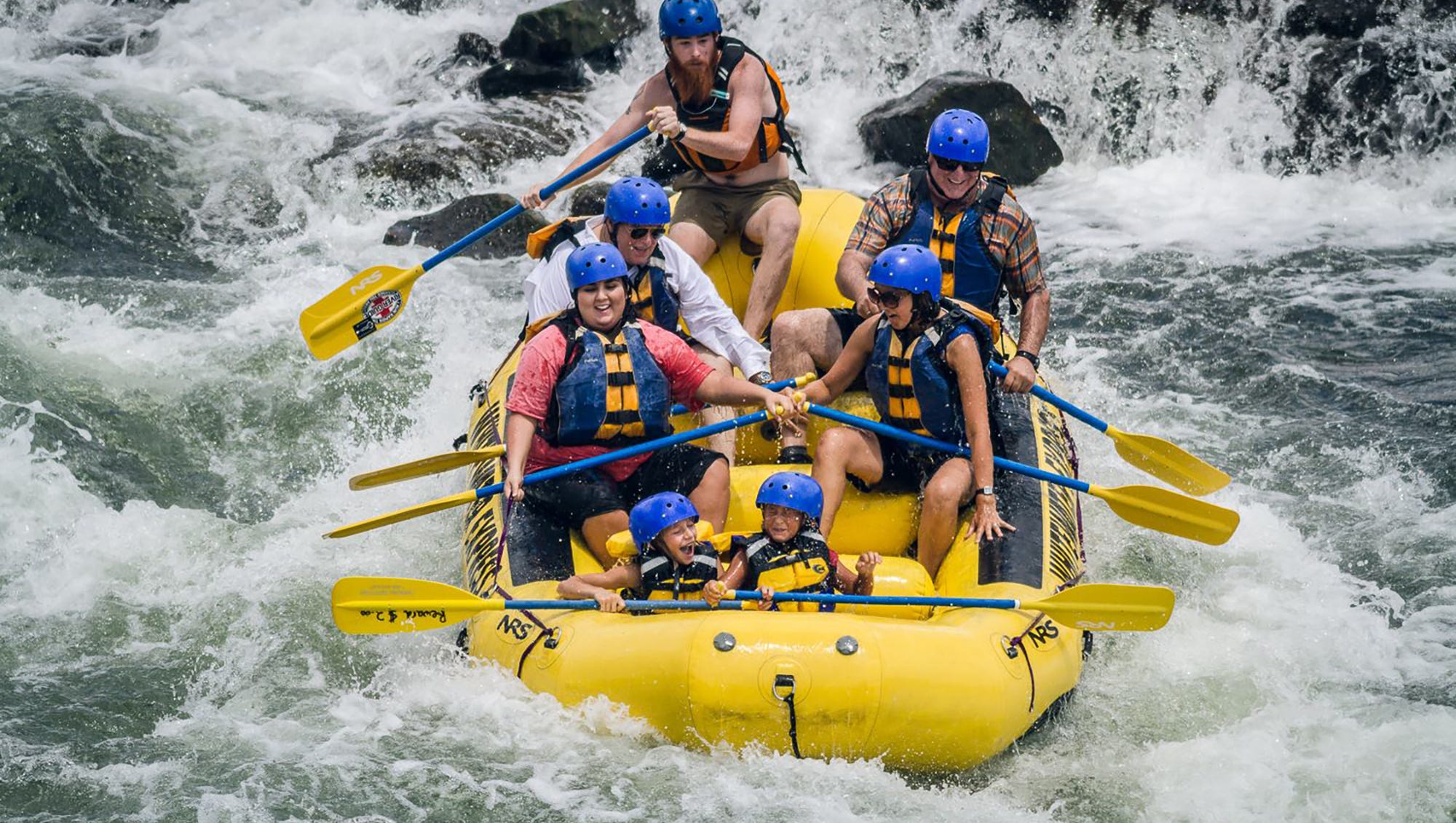
Indulge in the thrills of white water rafting on some unpredictable stretches of the Kali River at Dandeli, an experience so far unavailable this side of the Ganga. Kemphole, Sitanadi and Netravati are other popular destinations for white water enthusiasts. The azure waters of the Cauvery also provide for some great river rafting.                                              

Karnataka is a haven for all kinds of water sports. If you are looking for activities like coarcling, canoeing, kayaking and wind surfing, visit Honnemaradu. For scuba diving, power sailing, water skiing, sailing and water sledging, Devbagh is the ultimate  destination.

TREKKING                                                  

Die-hard trekkers can explore the coastline on foot via the enchanting Golden Trek from Karwar to Gokarna. If you want to view the distant Arabian Sea, trek to Tadiyendamol, the tallest peak in Kodagu. When it comes to rock climbing areas like Ramanagar, Savanadurga, Tumkur, Yana, Hampi and Kanakapura are the best places for it. 

JUNGLE TRAILS          


BANDIPUR NATIONAL PARK   
                

This was the private hunting ground of the Mysore Maharaja. Set against the picturesque backdrop of enchanting Nilgiris, with its mist covered peaks, this reserve is a playground for wildlife, with elephants taking lead role. Also found are tigers and other rare wild animals.

BHADRA WILDLIFE SANCTUARY                    

It is a great place to sight the tiger, the Indian bison, striped hyena and the rare flying lizard. The southern part of the sanctuary is rich in birds, butterflies and reptiles. More than 250 species of birds can be spotted here. 

RAJIV GANDHI NATIONAL PARK (NAGARAHOLE)                                  

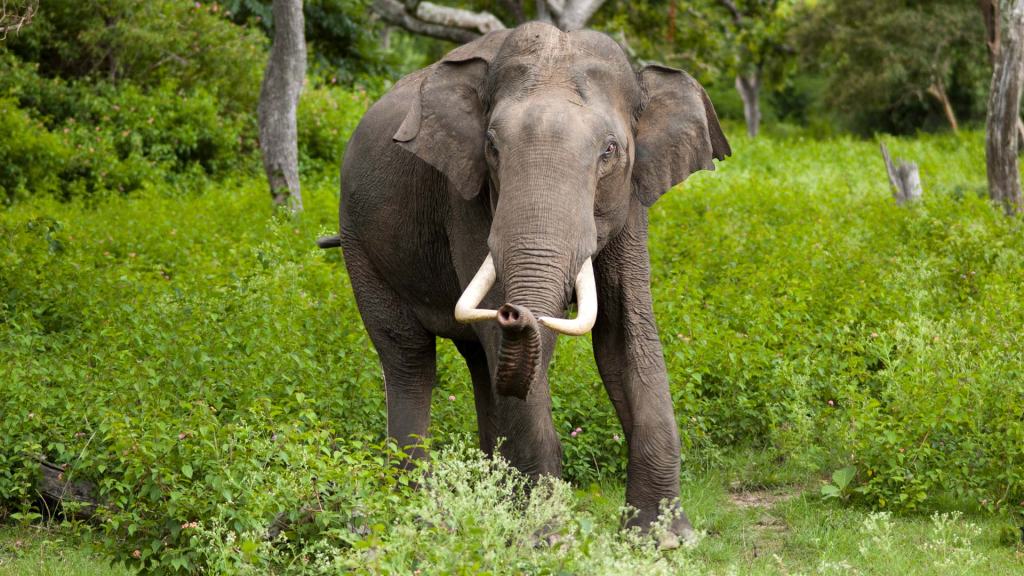
Explore the surroundings of Nagarahole, which means ‘Snake River’ in Kannada. The park derives its name from winding course of the River Kabini that flows through the forests. Nagarahole has astonishing abundance of wildlife, especially the Asiatic elephant. It also has the backdrop of distant misty blue Brahmagiri. 

ALSO VISIT: Cauvery Wildlife Sanctuary, Anshi National Park, Daroji Bear Sanctuary, Ranganath ittu Bird Sanctuary.

NATURE TRAILS 

COORG                                                   

Coorg (also called Kodagu) is the land of coffee, cardamon, and colonels, located in beautiful hilly area settings, surrounded by the forested slopes of the Western Ghats. Kodagu seems to be a little corner of England. It is the place where River Cauvery originates. 

CHIKMAGALUR  

Nested in the Baba Budan Giri Hills, where India’s first coffee seeds were planted is a calm, serene town full of scenic surprises with hills, valleys, streams and coffee plantations. Chilamagalur is a trekker’s due to its rugged mountain trails.

KUDREMUKH  

Kudremukh or Horse Face Range gets its name from the unique shape of its peak. It is a trekker’s paradise. This wonderland of lush green forests interspersed with rivers, grassy slopes, rare orchids, caves, cascades, ruins and traces of old civilizations amaze you as you trek your way through it.

ALSO VISIT: Agumbe, Kundadri, Kemmanagundi, Nandi Hills, BR Hills and Kodachadri.


Karnataka Trails: Part 1

Karnataka is a paradise with lush green forest that want you to delve, cool blue seas that calm you down, heritage sites that take you to a fore time era, hills that challenge you to conquer, wildlife that invites you to explore, beaches that make you feel exotic, and a culture that helps you celebrate.
Capital of Karnataka is Bangalore. It has 30 districts and English is widely spoken here. Other languages spoken here are Kannada, Tula, Konkani, Kodava and Hindi. Bangalore, Mangalore, Hubli, Belgaum, Mysore and Bellary are the airports in Karnataka. Rainy season in Karnataka is from June to September.

Luxury Trails 

The Golden Chariot 

Rated by vanity as one of the top seven luxury train journeys in the world, The Golden Chariot defines luxury on wheels. It has premium facilities such as a spa, a gym, restaurants, good  ambiance rooms and a bar.
Journeys given by Golden Chariot :-
1.Pride of Karnataka                                                                                                            
 Itinerary-                                                                                              
Bengaluru — Bandipur — Mysore — Halebidu — Chikamgaluru — Hampi — Pattadakal and Aihole   –Goa — Bengaluru

2.Jewels of South                                                                                                                     
Itinerary-                                                                                                                              
 Bengaluru — Mysore –Hampi — Mahabalipuram –Thanjavur– Chettinad — Cochin –Kumarakom — Bengaluru
3.Glimpses of Karnataka                                                                                                            
Itinerary-                                                                                                                                       
 Bengaluru — Bandipur –Mysore — Hampi– Bengaluru

Health and Wellness

 Karnataka holds its own as a leading wellness destinations. Right from allopathy to alternate healing such as Ayurveda, siddha, unani and naturopathy, a variety of unconventional forms of therapy are offered around the state. 

Shopping                                                                                                                             

With its shimmering silks, sandalwood and rosewood carvings, and exquisite handicrafts, Karnataka is a shopper’s paradise. The world’s best and most popular brands line  the Bangalore’s streets.

URBAN TRAILS 

BANGALORE                                                                                                         

Bangalore  presents a cityscape that layers diverse culture with historic monuments, pubs and shopping malls with arts and craft markets, and technology parks with sprawling entertainer centers. The multi-faceted city is also one of the Asia’s most preferred cities for health care services, the array of choices ranging from specialty hospitals to traditional methods of treatments preserved intact through the centuries 

MYSORE                                                                                                                           
Once the capital of the eminent Wadiyar kings, the city of Mysore still evokes memories of grandeur and glory. Mysore continues to be hub of great activity in industry, education and the arts.The Dasara celebrations in the ‘City Royale’ are matchless- each evening during 10 day celebrations, the Mysore Palace is adorned with approximately 98000 light diyas. It is known for its magnificent palaces, majestic buildings sprawling gardens and tree lined Avenue, shimmering silks and sandalwood.

HERITAGE TRAILS 

HAMPI 

Hampi was the magnificent capital of the mighty Vijayanagara Empire. It was described as a city with extremely rich palaces, marvelous temples, aquaducts, pavilions and elegantly carved pillars. A city where merchants traded diamonds, pearls, brocades and horses. Though it lies in ruins today, one can experience rich architecture at this UNESCO World Heritage Site.
     

PATTADAKAL


Pattadakal lies on the banks of the Malaprabha River and bears testimony to the richness of Chalukyan architecture. Temples of Jambulinga, Kadasiddeshvara and Galaganatha with their curvilinear shikaras or spires are worth watching. The embellished Papanatha Temple is yet another impressive piece of architecture, with delicately chiselled ceilings and a 16- pillared main hall.


AIHOLE   

 A peaceful village on the banks of Malaprabha River, Aihole is acclaimed as the cradle of Hindu temple architecture. The most impressive one is Durga Temple with its semicircular apse, elevated plinth and the gallery encircling the sanctum.

BADAMI

It is situated at the mouth of ravine between two Rocky hills, the beautiful sculptures and rust red sandstone cliff of Badami tell many a tale of bygone era. Climb  a flight of steps to reach the four ancient rock- cut caves replete with carved pillars and bracket figures. Welcoming you will be the 18- armed Nataraja striking 81 dance poses in the first cave. The largest of these caves in the third cave, dedicated to Lord Vishnu. Below the caves in the Agastya Theertha Tank, its banks dotted with a cluster of Boothanatha temples.


BIDAR

Bidar Fort is surrounded by a triple- moated wall carved out of red rock, with complex battlements and an imposing gateway. Take a look at the ruins of royal bath, kitchen and pleasure pavilions. Experience the Rang Mahal with its elaborately carved wooden pillar, Persian couplets engraved in tiles and beautiful mother-of-pearl inlay work.

 BELUR, HALEBEEDU

Ancient capital of the Hoysalas, Belur and Halebeedu are adorn with the beauty of magnificent temples built by the dynasty. Temples here are great examples of sculptors art. There is a star- shaped Chennakesava Temple, with its 3.7m image of Lord Vijaya Narayana.

CHITRADURGA FORT

Chitradurga is known for its massive kallina kote (stone fort). It has 19 gateways, 38 posterior entrance, a palace, a mosque, granaries, four secret entrance and water tanks. The Ekanatha Temple and Chandravati Caves are worth seeing.

KITTUR CHENNAMMA FORT 

The tiny town of Kittur with its tumbledown palace, monuments, statues and horse tongas tell us about the bygone era. The fort is a  evidence  to the great freedom struggle led by Rani Chennamma.
ALSO VISIT: Bijapur, Basava kalyana, Srirangapatna & Bellary Fort. 

PILGRIMAGE TRAILS 

DHARMASTHALA

It is a  beautiful historic temple that is 8 centuries old. The temple is mainly dedicated to Lord Shiva. Besides the primary diety there are other idols like Dharma Daivas and Shakti or Ammanavaru as well as the four guardian of spirits of Lord Dharma such as Kalarkayi, Kanyakumari, Kalarahu and Kumaraswamy.
SHRAVANABELAGOLA 
That the Mastakabhisheka, the sacred head anointing ceremony of Lord Gomateshwara, is held only once in 12 years, speaks of the importance tied to the event. One of the major Jain pilgrimages of the nation, the city of sharvanabelagola sees thousands of devotees making their visit to the 57ft. tall statue of Lord every year.

ST. PHILOMENA’S CATHEDRAL, MYSORE

Krishnaraj Wadiyar IV laid the foundation for this imposing Roman Catholic Church in 1933. The stained glass windows of this imposing Roman Catholic Church in 1933. The stained glass window of this Gothic structure depict biblical scenes. It is believed that a piece of bone and drapery of St. Philomena from Rome is preserved here. 


KOLLUR MOOKAMBIKA TEMPLE 

The village of kollur lies 130km from Mangalore, amid the green canopy of the Western Ghats. Here the, Mookambika Temple, one of the seven most sacred spots of the costal region, is dedicated to the Goddess of emotional power and strength. Adi Shankaracharya, the great philosopher, is said to have visited this temple to perform penance.

GURUDWARA NANAK JHIRA SAHIB, BIDAR

It is said that Guru Nanak halted in Bidar, at a time when the area was suffering a severe drought. The Muslims saints requested him to invoke the blessings of the divine in order to obtain water. The crystal clear stream that flows out of the rock near the Gurudwara is believed to be the God’s answer to the Guru’s prayers.
ALSO VISIT: Udupi, Iskon Temple, Kudala Sangama and Madani Dargah.
                                    To be continued……….

STUNNING NATIONAL PARKS OF INDIA

Beyond India’s booming metropolis, wildlife enthusiasts can discover idyllic sanctuaries teeming with life. India’s national parks, numbering in the hundreds, cover around 15,600 square kilometers of protected land. Discover and appreciate all that nature has to offer by visiting these gorgeous wildlife National Parks. Enjoy breathtaking panoramas, adrenaline-pumping jeep safaris, and sightings of rare and ferocious creatures.

 Kaziranga National Park, Assam

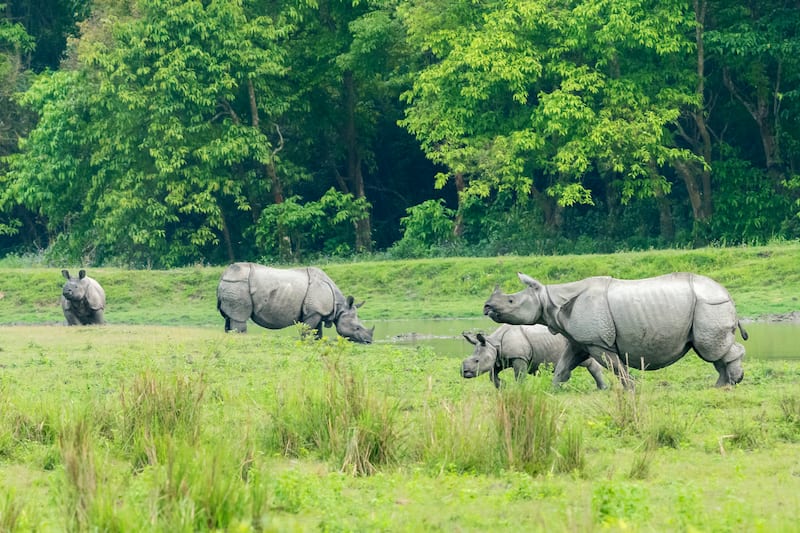
On the floodplains of the Brahmaputra River, Kaziranga National Park lies partly in Golaghat District and partly in Nagaon District of Assam. Established in 1905 as a forest preserve to save the greater one-horned rhinoceros from extinction, it is Assam’s oldest park, encompassing 430 square kilometers. It’s among the few untouched natural places in India’s north-eastern region. 

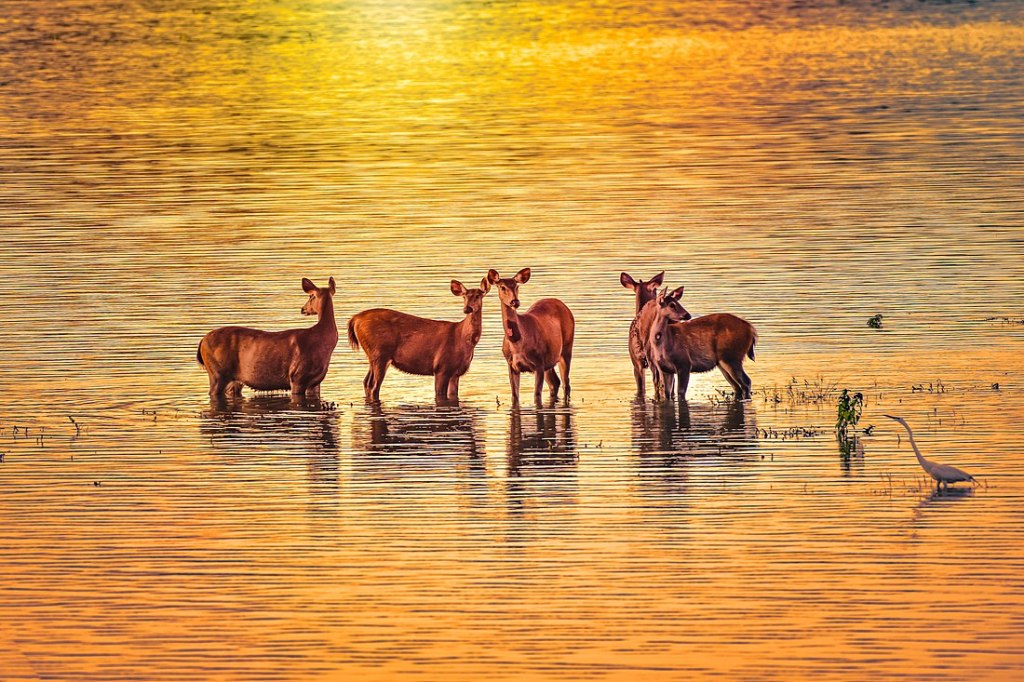
With its elephant-grass meadows, swampy lagoons, rugged reeds, marshes, shallow waters, and dense woods, Kaziranga National Park is one of India’s most popular wildlife tourist hotspots. Over 2200 Great Indian one-horned rhinoceros call it home, accounting for roughly two-thirds of the world’s total. Tigers can also be sighted here, camouflaged among the elephant grass and lush forest. There are also buffalo, rare swamp deer, and river dolphins to witness. In 1985, it was declared as a UNESCO World Heritage Site. The park is open all year, however, during monsoon season in July and August, it may close owing to flooding.

Nagarhole National Park, Karnataka

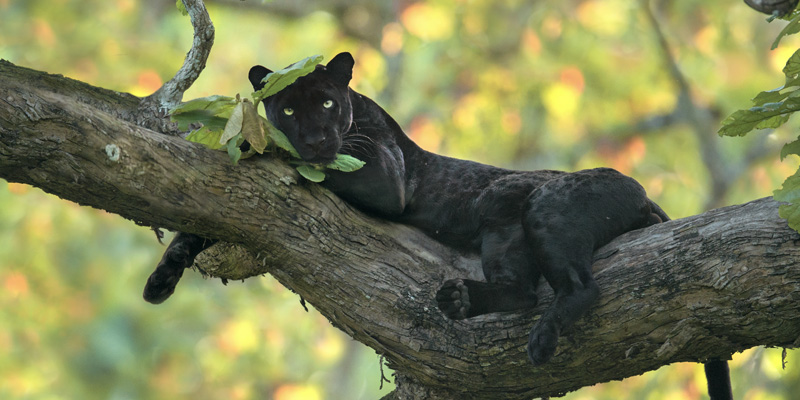
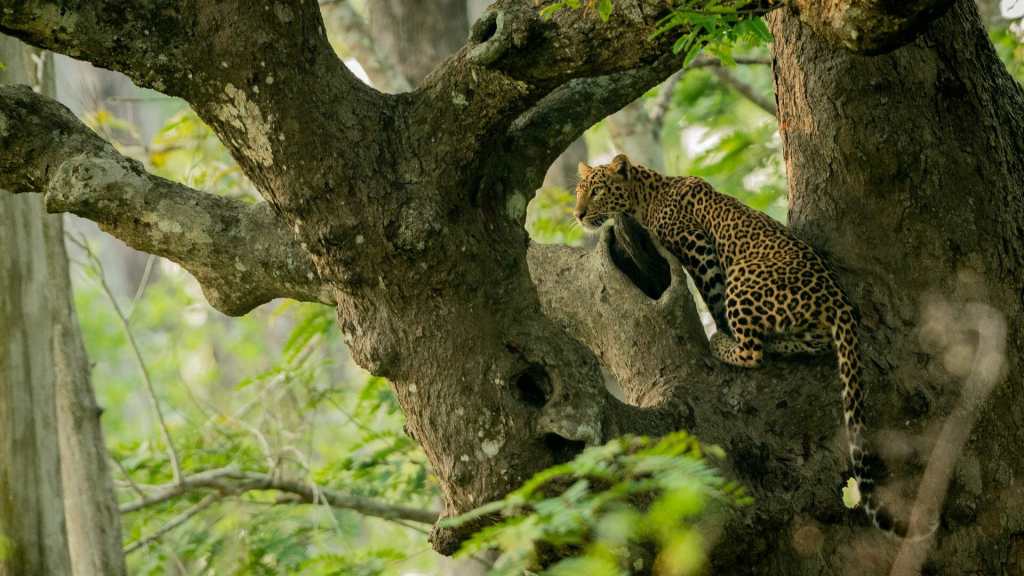
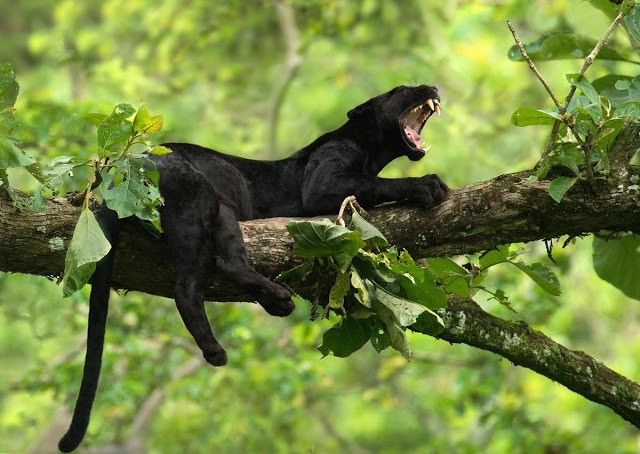
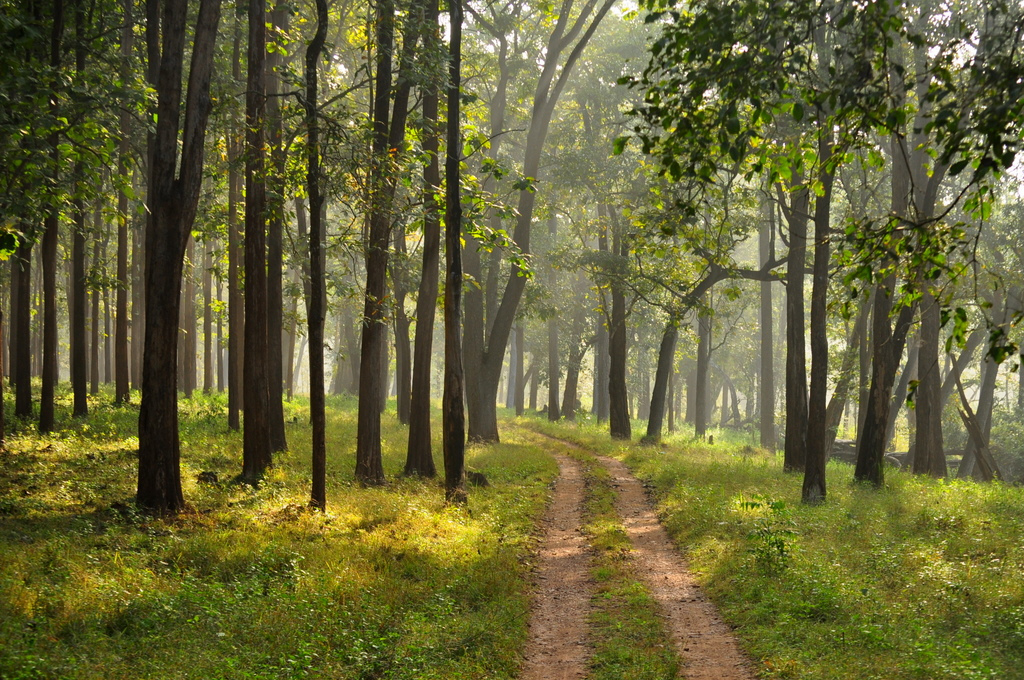
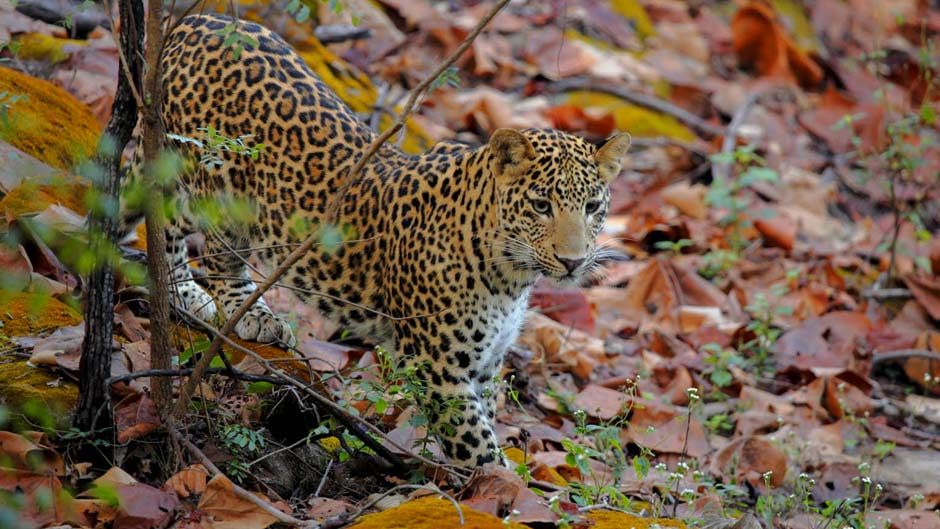
Nagarhole National Park, also known as Rajiv Gandhi National Park, is the enchanting 247 square-mile-long wild reserve located in Kodagu and Mysore district. It is one of the best places in the world to see leopards. It was designated as India’s thirty-seventh Tiger Reserve. UNESCO has designated it as a World Heritage Site. The park, ringed by the Western Ghats, is abode to aromatic sandalwood and teak trees, dense bamboo groves, and myriads of streams, including the Lakshmmantirtha River, Sarati Hole, Nagar Hole, BalleHalla, Kabini River, four perennial streams, 47 monsoonal rivulets, four small perennial lakes, 41 manmade tanks, several swamps, Taraka Dam, and the Kabini reservoir.

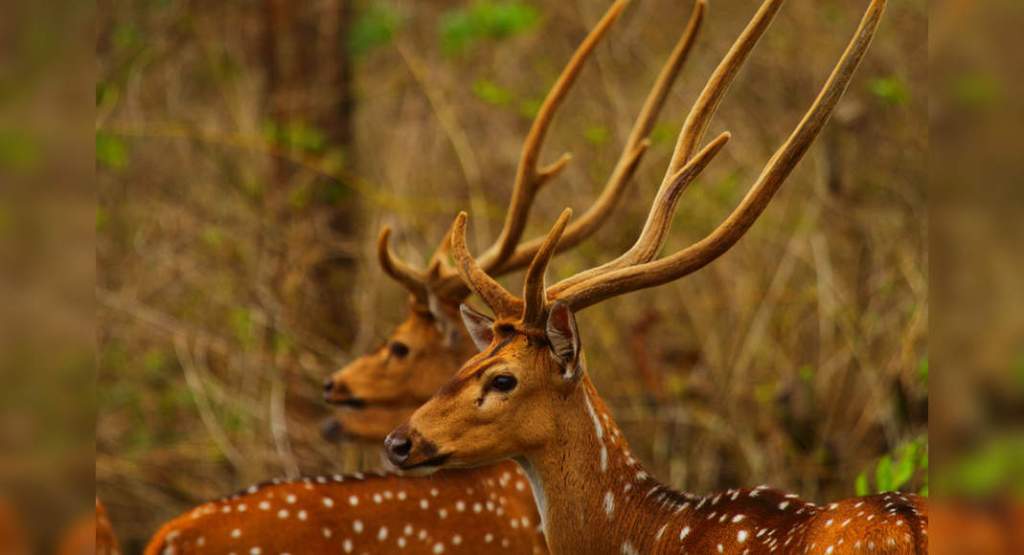
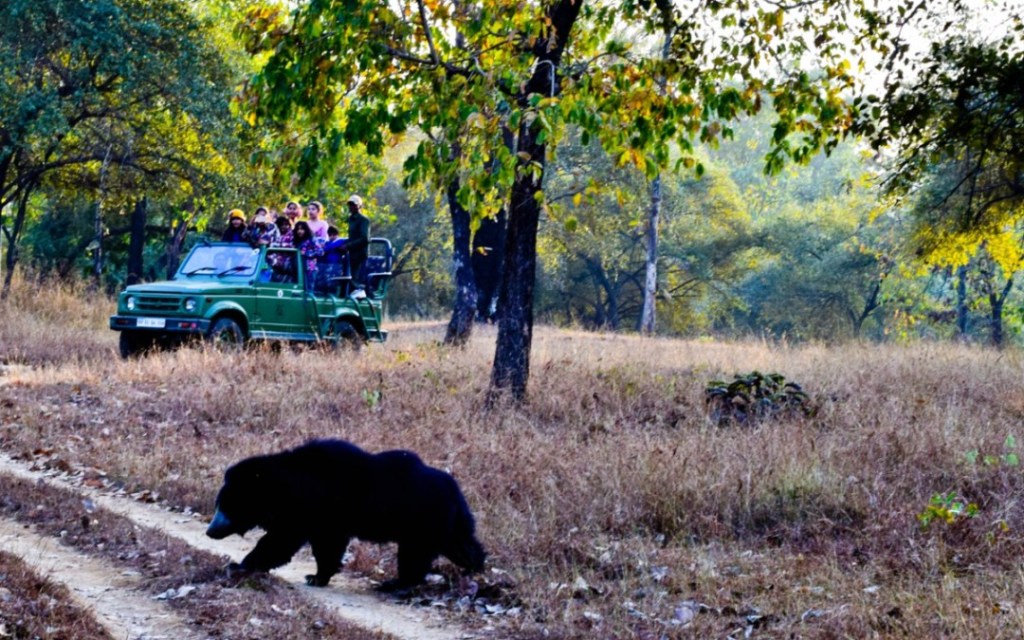
It houses ferocious predators like Bengal tigers, leopards, wild dogs, sloth bears, and hyenas. Many herbivores like spotted deer, sambar, barking deer, four-horned antelope, Bosgaurus, wild boar, and elephant, dwell in the girded region. The Bonnet macaque, jungle cat, slender Loris, common langur, civet cat, leopard-cat, mongoose, common otter, giant flying squirrel, porcupine, jackal, mouse-deer, hare, and pangolin, can also be spotted. Around 250 bird species can be spotted in the Nagarhole area, including the blue-bearded bee-eater, scarlet minivet, and Malabar whistling thrush, as well as ospreys, herons, and ducks.

The marsh crocodile, monitor lizard, rock python, and plenty more species are the most abundant reptiles in the vicinity. Marine and terrestrial tortoises, frogs, toads, and tree frogs, as well as a plethora of insects, including some very vibrantly colored butterflies, dwell in this lush southern Indian forest. A jeep expedition is the finest way to see big cats, whereas a leisurely cruise across the Kabini River in a coracle (a small circular boat) provides splendid views of aquatic birds, crocodiles, and Indian elephants.

Mahatma Gandhi Marine National Park, Andaman Islands

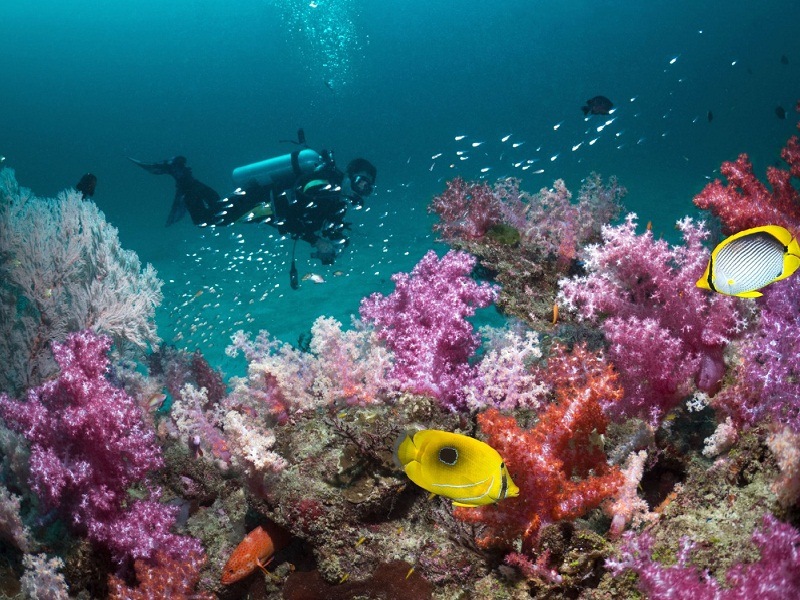
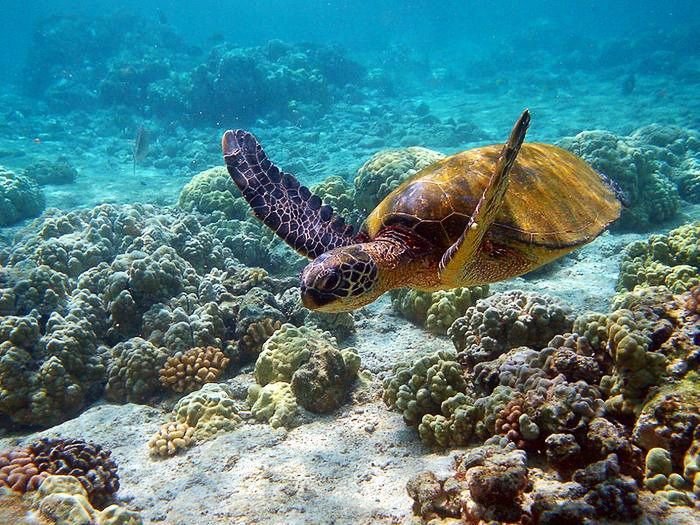
The Mahatma Gandhi Marine National Park is located 29 kilometers west of Port Blair and occupies an area of 281.5 sq. km. There are open seas, waterways, and 15 small and big islands in this vicinity. Rare corals and underwater aquatic life can be seen from glass-bottom boats. Tourists can also enjoy scuba diving and snorkeling. Guided excursions of the Mahatma Gandhi Marine National Park are available through private ferry operators. As part of the guided tours, visitors are also allowed to spend two and a half hours on Jolly Buoy Island or Red Skin Island. It was founded to safeguard marine life, notably sea turtles and coral reefs.

Hemis National Park, Jammu & Kashmir

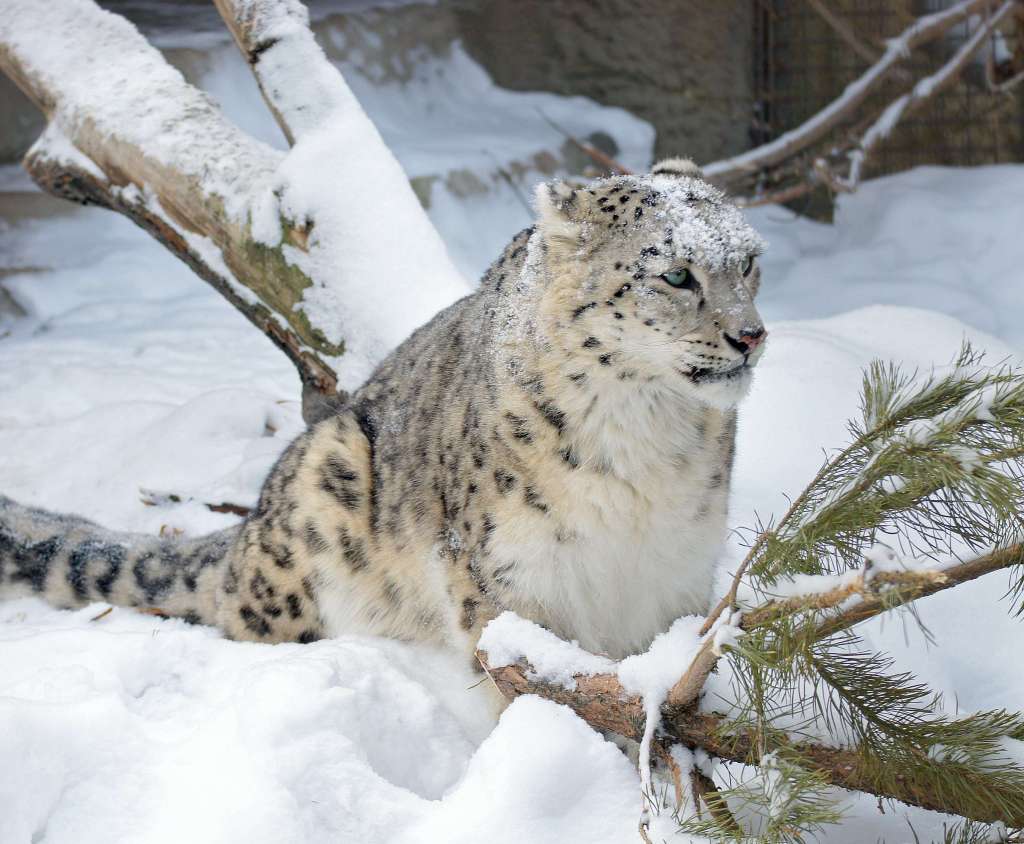
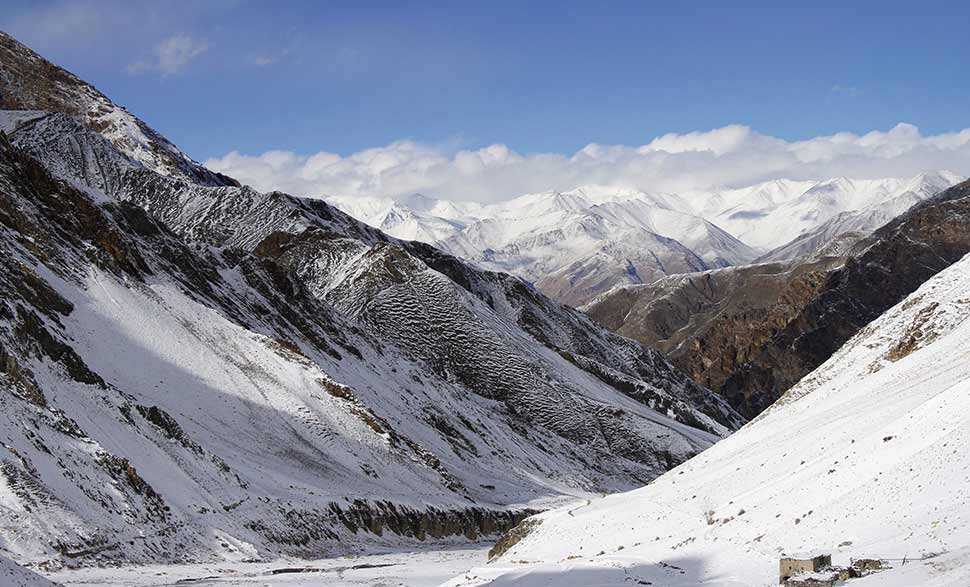
Hemis National Park, the largest national park in South Asia,  is situated in the eastern section of the Ladakh district in Jammu and Kashmir, India. The park is host to 17 mammal species and 73 bird species. Leopards, Asiatic ibex, Tibetan wolf, Eurasian brown bear, and red fox are among the area’s endangered fauna. It also plays host to 200 leopards and is India’s sole Ladakhi Urial habitat. Small creatures such as the Himalayan marmot, mountain weasel, and Himalayan mouse hare call it home.

It’s an excellent spot for bird watchers. Brown Accentor, Robin Accentor, Tickell’s Leaf Warbler, Streaked Rosefinch, Tibetan Snowfinch, Chukar, Fork-tailed Swift, Red-billed Chough, Himalayan Snowcock, Fire-fronted Serin, golden eagle, Lammergeier vulture, and Himalayan griffon vulture can all be spotted here. The picturesque splendor of the national park is very well-known. It’s a visual feast, with lofty mountains and alpine juniper and subalpine dry birch forests. The Stok Kangri summit can be seen from the park. The park’s boundary is the confluence of the Indus and Zanskar rivers, which is a beautiful sight.

Satpura National Park, Madhya Pradesh

Satpura National Park, located in the Hoshangabad district of Madhya Pradesh, is a magnificent wildlife park with a total area of 524 square kilometers. It is home to 52 mammal species, 31 reptile species, and 300 bird species, 14 of which are endangered.

For animal enthusiasts, it is a stunning jungle paradise. Leopards, tigers, chitals, nilgais, four-horned antelopes, bhedkis, rhesus monkeys, wild boars, deer, foxes, flying squirrels, and Indian joint squirrels are just a few of the wildlife that may be discovered here. Satpura Park’s biodiversity is impressive, with over 1300 species of flora, notably teak, sal, tendu, mahua, bel, bamboos, grasses, bushes, and other medicinal plants possessing therapeutic and medicinal effects. Besides, there are several bird species like the Malabar pried hornbills, crested hawk eagles, honey buzzards, paradise flycatchers, thrushes, pheasants, and peafowl. One can enjoy the Jungle Safari by Jeep, boat, or elephant.

10 REASONS WHY YOU SHOULD TRAVEL TO THE MOUNTAINS

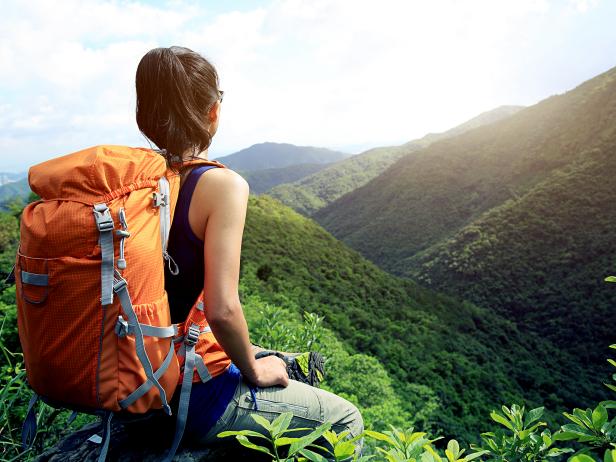
The mountains show the raw beauty of nature, extreme calmness and offer so much more than you can imagine. Feel the sun on your face and back and enjoy the cast number of activities provided by the mountains…. It can be canoeing or hiking or climbing or fishing etc. which will never make you regret your decision to travel the mountains. Go and Retreat on your next vacation.

REASONS TO TRAVEL MOUNTAINS :

  1. Health Benefits: Travel to mountains can be very therapeutic with the miles stretching greenery and beautiful sounds of birds.
  2. Finding Peace: Mountains help you find your inner peace in life and give the opportunity to discover and explore the beauty of nature.
  3. Mesmerizing Beauty: The terrain is rough and reaching some places can be tough but you will get to feel that because you will be mesmerized with the beauty of the mountains. This beauty helps in healing, giving peace and a whole pure feeling.
  4. Tranquility and Peace: People head to mountains when they need some peace and space. The mountains take you to a uncomplicated lifestyle. 10 minutes of meditation can heal your soul and give the peace that you want.
  5. Pure Air: One of the best things about mountains is the pure air which you won’t find anywhere else. Take a deep breathe and feel it immediately. You will get to know and feel the difference. You will surely miss this fresh air once you return to the city life.
  6. Adventures: Mountains offer a range of adventures which will add better experiences to your trip. And hiking is one of the best and most amazing adventures to do in mountains.
  7. Welcoming Nature of the People: The people of the mountains welcome you with a warm smile and everyone you meet in the mountains will be very polite and helpful. You will not feel like a stranger there.
  8. Disconnect: Mountains give you the perfect chance to escape from the chaotic lifestyle and everyday rush. It is important for everyone to take a break and enjoy their life with a free time.
  9. Build Relationships: Travelling to mountains give a great time to spend with your family and friends. Mountains offer many activities and adventures which can be done in groups and here you can do them with your family and friends and even other travelers which gives you an opportunity to build relationships.
  10. Not a Sight but an Experience: The best thing about the mountains is the experience that you will get and not just the scenes. You will understand and explore nature; come across different people and welcoming locals; adventures and events; fresh air and purity and peace. You will be disconnected from the entire chaos and hectic lifestyle and will get a perfect vacation filled with purity, tranquility and adventures.

The adrenaline rush from the peaks, the serene tranquility and the heights of mountains will fill your heart with happiness and joy. Mountains really bring out the best from you, set your soul free and happy. The tall peaks, the misty environment, the warm locals- a retreat to the mountains brings you back to the city with a clearer mind and a happier heart.

WHY BEACHES ARE THE BEST CHOICE FOR VACATION

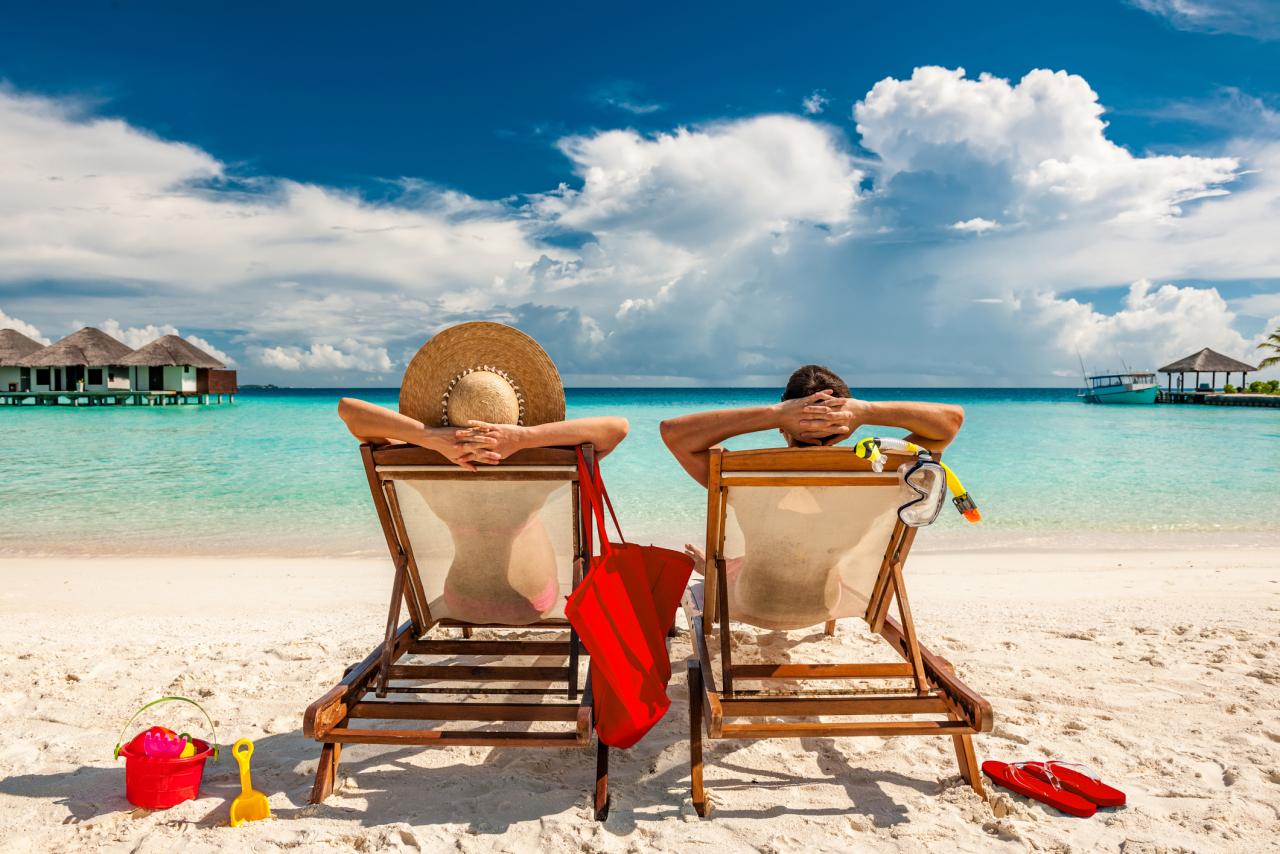
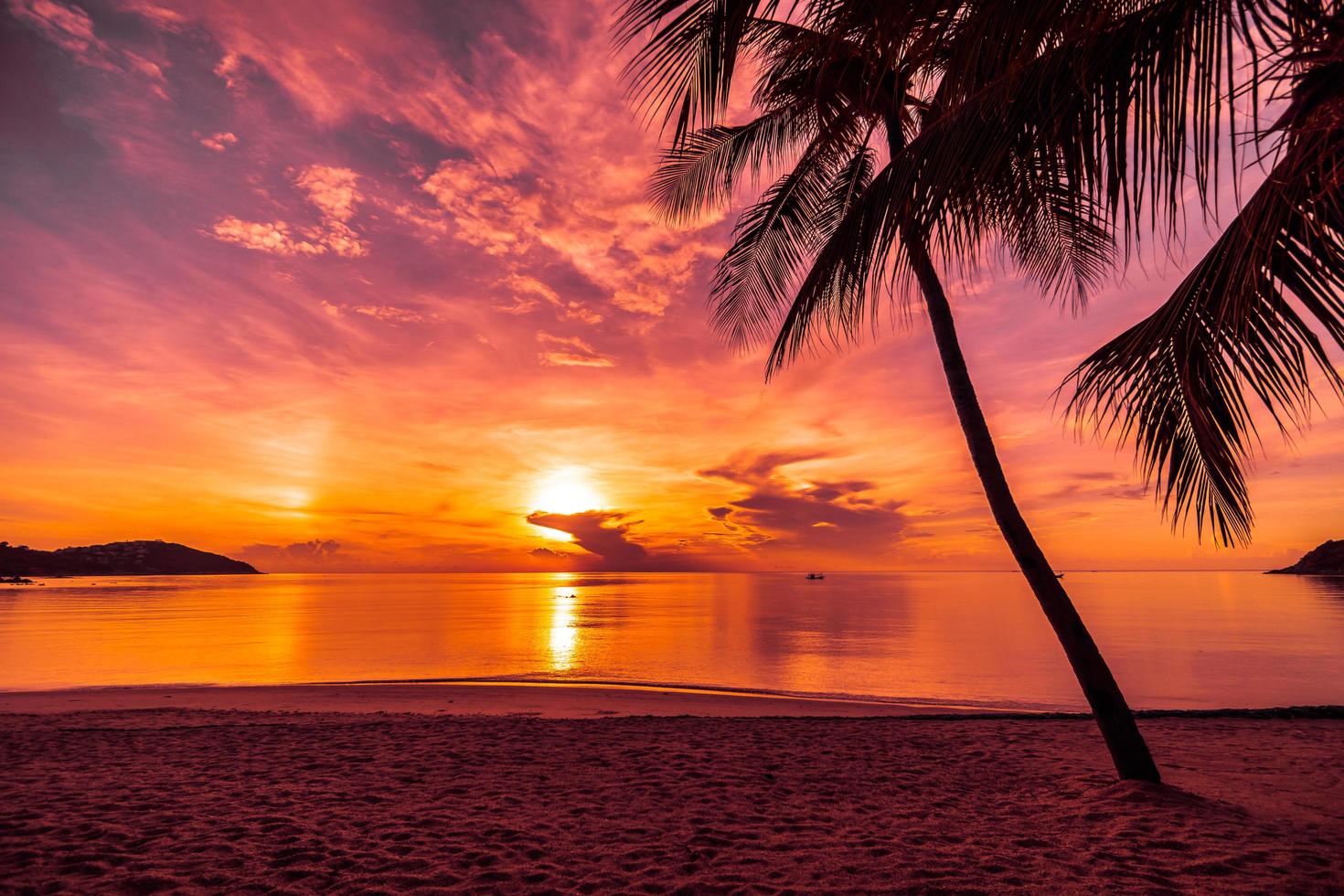
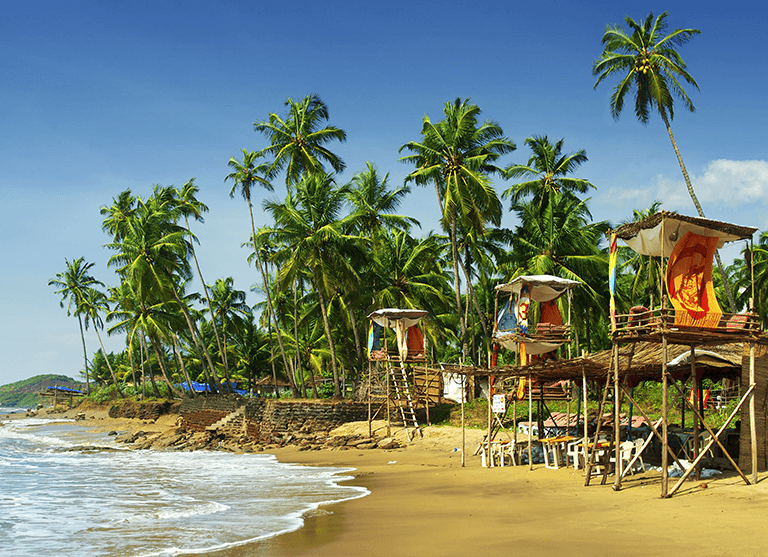
India has a variety of landscapes to offer. It can be the snowy mountains or river sides and lakes or plantations or beaches. India has a coastline of over 7500 km and has numerous beaches. Vacation means different for different people. For some it could be visiting prestigious museums, learning local language and for some it can be exploring the new place and for some it can be doing adventures and even trying the exotic new foods and cuisines. The sea sides give the free winds of the beach, gentle caressing waves and the mysterious depths of water will increase your interest in travelling the sea even more. The feeling achieved after sitting beside the seashore and watching beautiful sunset cannot be matched with anything else.

Lets see why you should plan your next holiday to the beach :-

  1. RECONNECT WITH NATURE: You will get to connect with the nature and the beach is the best spot to do so. From witnessing the vast sea to watching the tiniest seashell you will experience everything.
  2. ENJOY THE EXCITING BEACH ACTIVITIES: The beaches can also make your trip exciting with the beach activities and endless ways to enjoy your stay. There are many outdoor activities to try. From beach games to extreme sport, beaches are the power pack of excitement and joy. The beaches offer many activities, it can be renting a jet ski, boat, kayak, or paddleboard. It is like camping.
  3. It’s Chill: Wear filp flops, sundresses and play clothes and there you go…. You are ready to enjoy the amazing beaches! Your time here will be filled with comforts, casual (without any hurried itinerary) and adorable and unique little stores and little things, yummy ice creams and quiet streets all these are very adorable. Nothing is like the chaos of the big city. You can relax in the safe, warm and welcoming sunset beach. It’s cool and exciting…
  4. AWESOME FOOD: Vacations offer you the opportunity to try new tastes and cuisines. You can find top-notch restaurants and fresh seafoods from little shops and store. You can find the, in new and creative ways and beach is thus the perfect place. All you need to do here is, some meal planning, search few restaurants of your interest and enjoy the awesome food.
  5. SUNSETS AND STARS: There is no place for stargazing than beach! Here, the evenings are quiet and peaceful. You will get to enjoy the vast sea and ocean, stars and sky. Beaches will give you the best days with their amazing little things and vast experiences…. And Yes, Sunset beaches are the best place to watch sun set and nights. There is something in these beaches which will always attract you and you should visit them…
  6. BEACH TOWNS AND ISLAND PEOPLE : Everyone here is in a chilling mood and is very welcoming. Everyone has a smiling face which will not make you feel as a stranger there. Enjoyment is in the air! Relax! Life is simple. Let the islanders remind you.

The view of the mesmerizing sunsets, the soothing sound of the sea and the children playing is a pleasing scene and noise which can only be experienced in beaches. Yup, holidays are awesome and can be very purposeful and good to soul. We can escape from or hectic lifestyle and can earn our days off. A beach holiday can be very healing and can renew your perspective in a very special way.

INDONESIA: PERFECT DESTINATION FOR BUDGET TRAVELERS

20’s are the most precious days of our life and are incredible. In this phase, you are old enough to be reasonable, responsible, courageous and knowledgeable. And in this age, you are young enough to have your time of freedom and open- mindedness.

WHAT IS THE BEST ACTIVITY TO DO IN YOUR 20s ? TRAVELLING…. Travelling gives a great experience and is a great way to enjoy these days of young age, to start exploring the world and to start a career. But in this age, we also think about doing activities which will be pocket friendly and will also not drain out the money. Therefore, money is a major obstacle for adventure and travelling for the people in their 20s. It’s very rare to find young persons who have sufficient amount of money for travelling.

The first step towards selecting a place for travelling is “doing a research”. Travelers seek out more unique and affordable ways to travel and the solution to this is research… Iam also one of those individuals who are aspiring to travel and here I have mentioned some awesome countries which are budget friendly and are easy to travel when you’re young and while on a budget from my research’s and bucket list. And Iam super excited to share about Indonesia from my researches.

The world has numerous countries, infinite number of gorgeous places and the more we travel, the more we get interested to explore and it is good to travel. There are many perfect places which are accessible without paying for private tour guide to travel in your 20s.

What makes Indonesia an ideal place for tourists ?

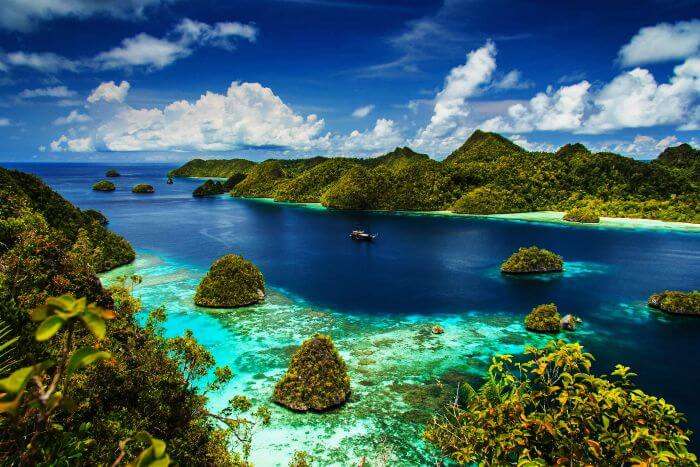
  • Indonesia is a land gifted with beaches, exotic water villas on peaceful islands, cultural ethos and vibrant tribes. The country provides many surreal places and all together they offer a mix of outlandish island and numerous adventures which will make a successful trip.
  • The country has many beautiful islands, beaches and lakes for beach and water bodies lover; national parks for wildlife lovers; active volcano sites for adventurous soul and many places to explore.
  • Indonesia is perfect place for every type of travelers. It is a place that gives peaceful time and alone time as well as adventures. Starting from wild and extravagant adventures to beautiful sights, Indonesia is the summation of every sort of adventure and peaceful. So, pick your favorite place and experience the adventure and peace of a lifetime.
  • Bali is the main tourist destination and in addition to that, the country has hundreds of little islands to visit every single day.
  • Indonesia is a perfect destination for a low cost vacation. As you move towards the inland more, the more the prices will go down. This place is economically feasible and you can also visit Lombok or Sumatra island.
  • The main deciding factor of budget is “transportation” . Depending on the transportation, the trip can get cheaper or even expensive. Intercity travelling can be very expensive and time consuming, so sticking to one region can be a solution. Indonesia gives large number of adventures to experience, explore and rejoice. So, spending more time in a particular place will allow you to travel deeper and explore more and will make the experience more meaningful.
  • If someone wants to travel far and wide on a budget, then using local transportation can be a solution.
  • Apart from Bali, Indonesia provides many beautiful resort island and Indonesia’s archipelago is even wider than United States and offers a whole world to discover.

From white sand beaches to jungles and savannahs, and from blue flame spewing volcanoes to remote rainforests which has orangutans…

Indonesia is a budget traveler’s dream. Indonesia’s best islands and mountains await your wandering soul! Have a look.

ROYAL PALACES OF RAJASTHAN

Rajasthan often dubbed as the “Land of Kings,” enchants visitors with its opulent & grand palaces, majestic forts, and a myriad of historical landmarks. The princely state still retains the essence of its rich history, powerful & extravagant Kings, and abundance of grandeur. It is the perfect place to feel like a Modern-day King or Queen & experience the warmest hospitality. The Grand Palaces of Rajasthan redefines royalty & hospitality like no other.

umaid bhawan palace, Jodhpur

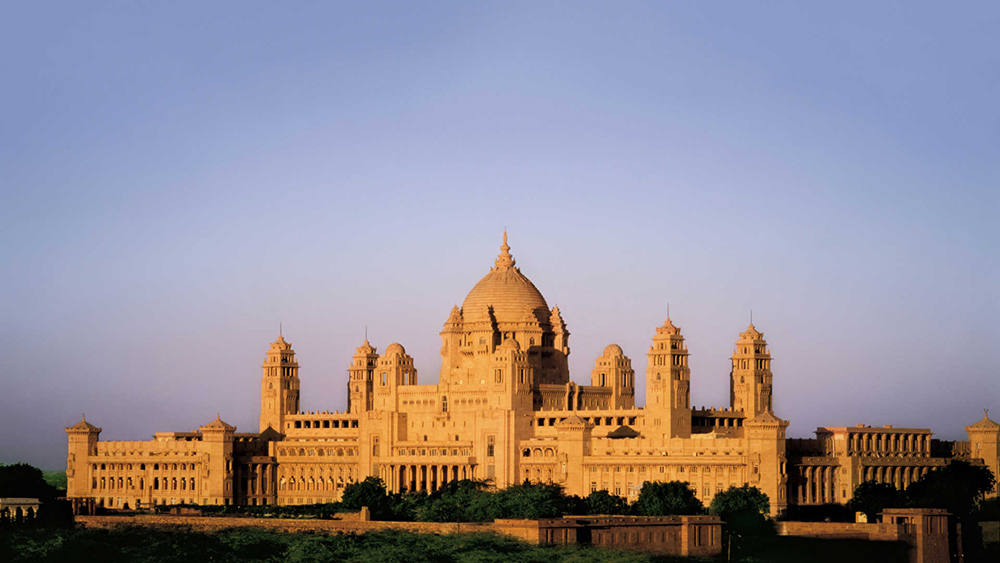
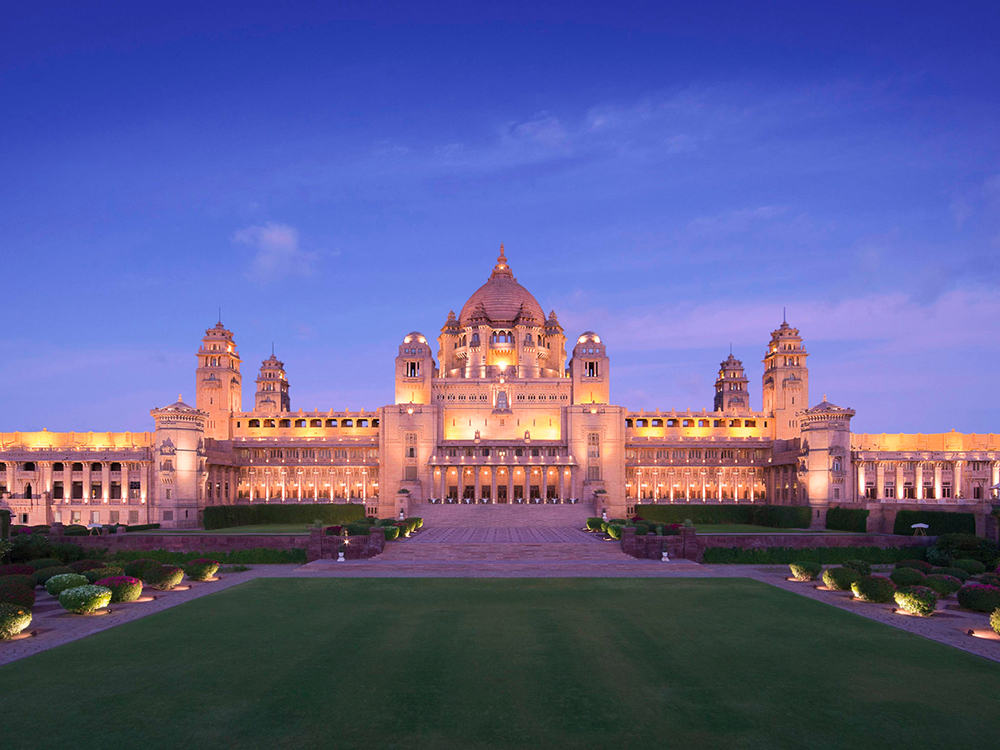
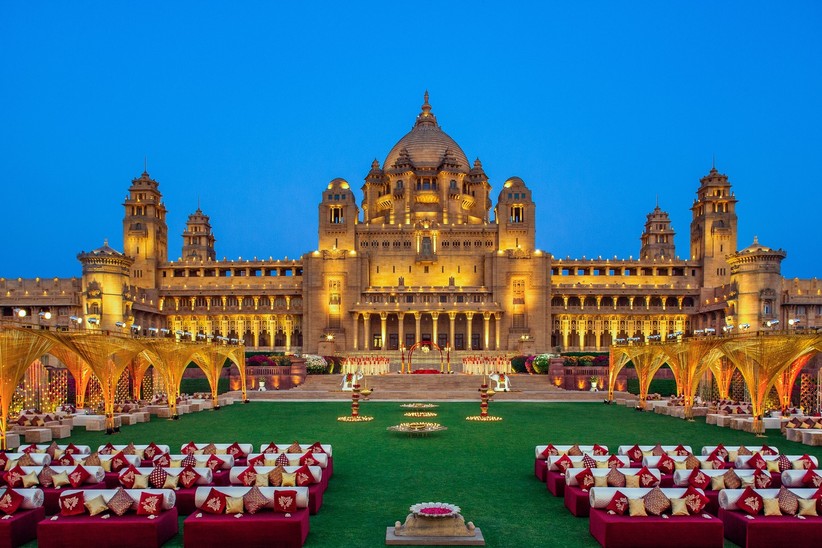
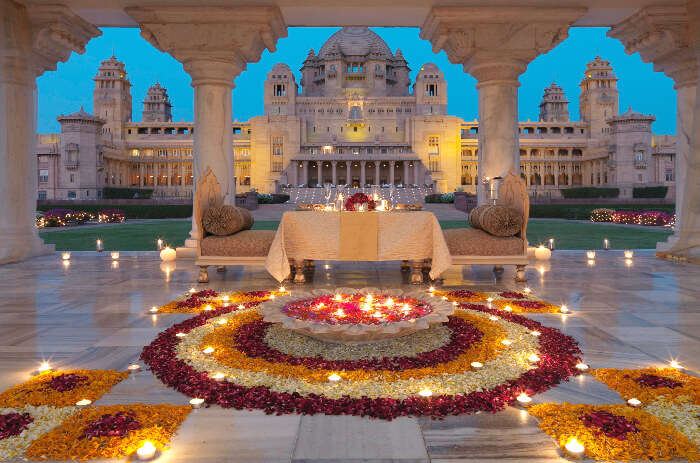
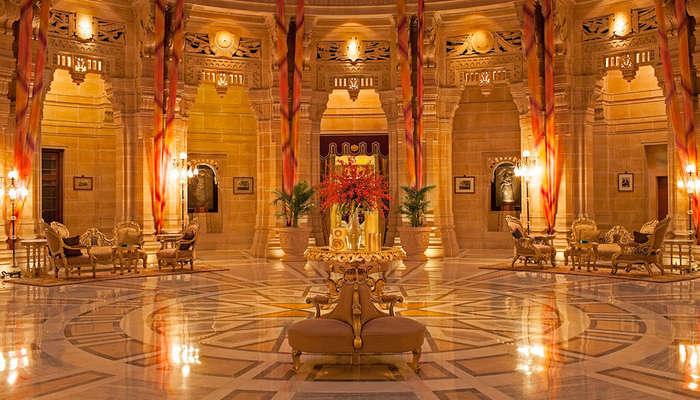
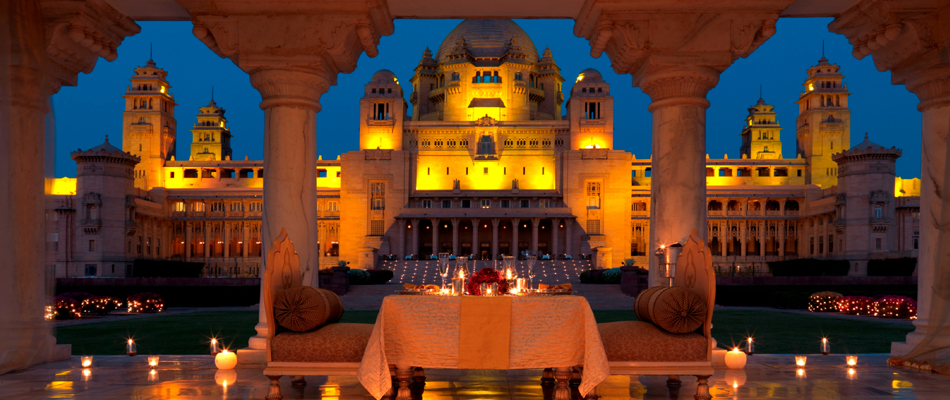
The Umaid Bhawan Palace, designed by legendary Edwardian architect Henry Lanchester, is a fusion of eastern and western architectural styles. The palatial suites and rooms, ornately carved balconies, open terraces, stunning courtyards, and lush green lawns take guests back in time to the days of Royal kings and queens. The hotel’s ambiance is reminiscent of a lavish palace, and the exotic and delectable Rajasthani cuisine offers a delightful culinary experience.

The Maharani Suite, the most spectacular and regal of the Palace suites, was historically the private residence of the erstwhile Maharani of Jodhpur, and its pink, black, and chrome tones reflect her personalized aesthetic. The Mehrangarh fort and imperial grounds are best enjoyed from its expansive balcony. It has a spectacular bedroom, a relaxing living area, a lavish dining room, and a large bathroom with a jacuzzi. The luxuries include a huge walk-in closet, dressing area, private kitchenette, in-suite spa, and steam room.

The Maharaja Suite, once the personal suite of the erstwhile Maharaja of Jodhpur, retains a charm of the past. It has a spectacular sitting room, dining room, a secret bar, a magnificent bedroom, a steam room, and a spa. The Grand Royal Suites,  once earmarked for visiting royalty, are fashioned in the influential Art Deco style. With its unique color palette and princely passion theme, each suite is one-of-a-kind.

The Rambagh Palace, Jaipur

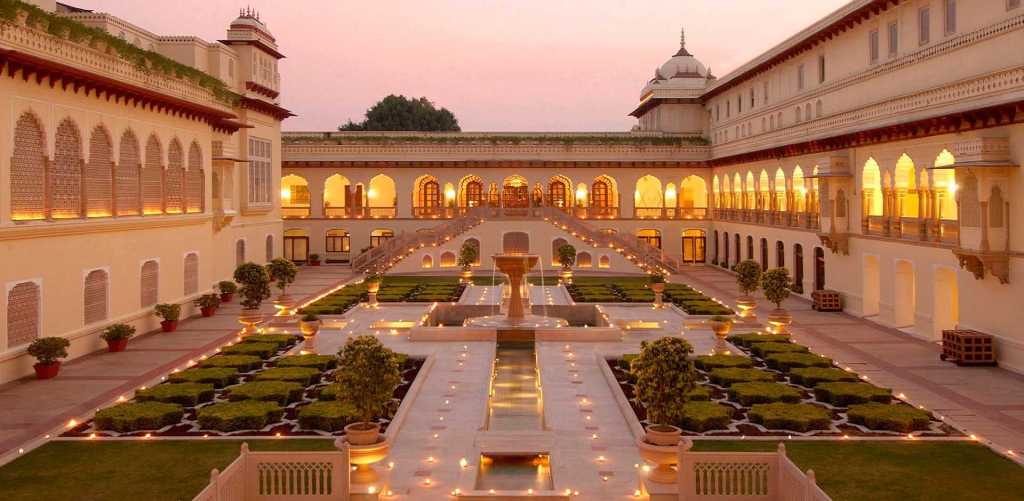
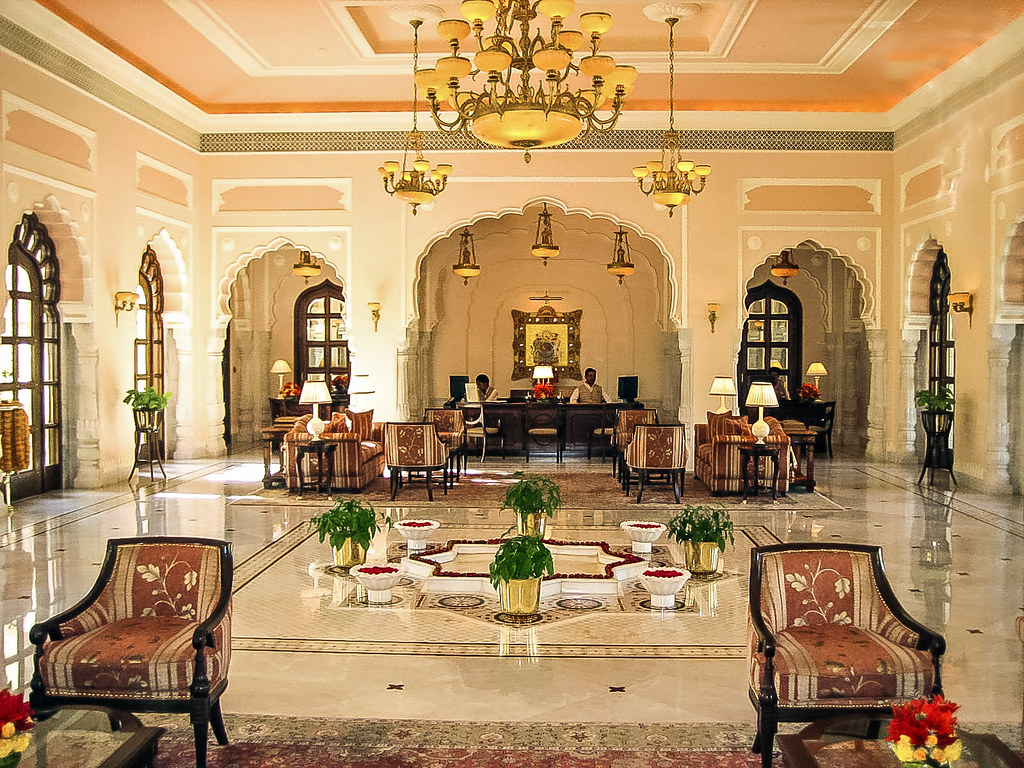
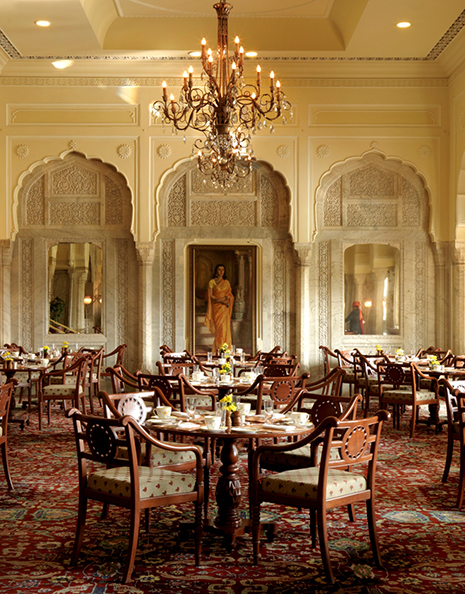
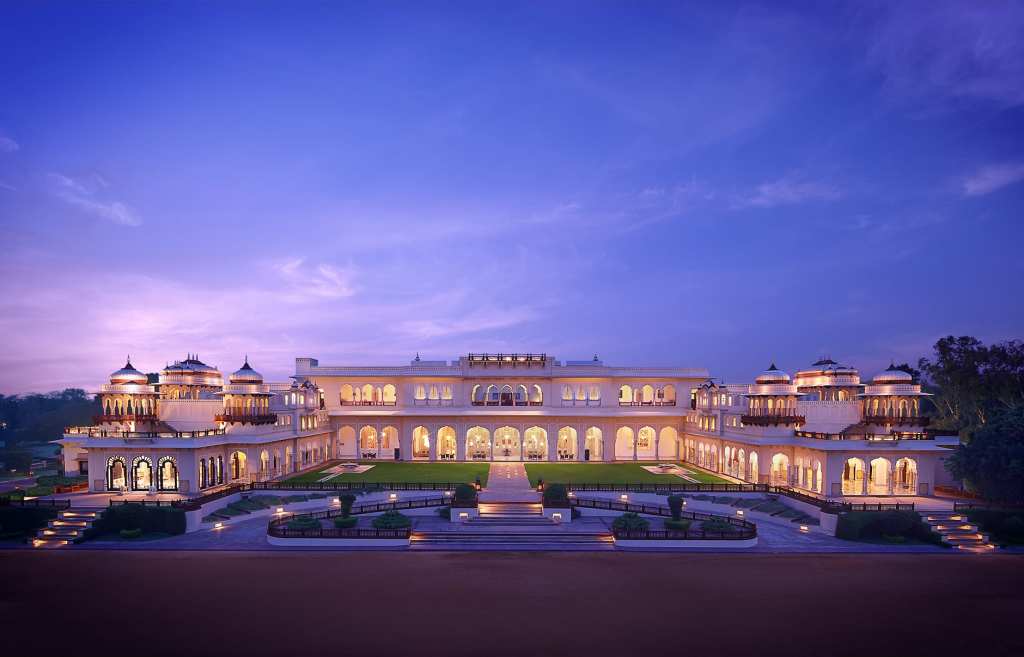
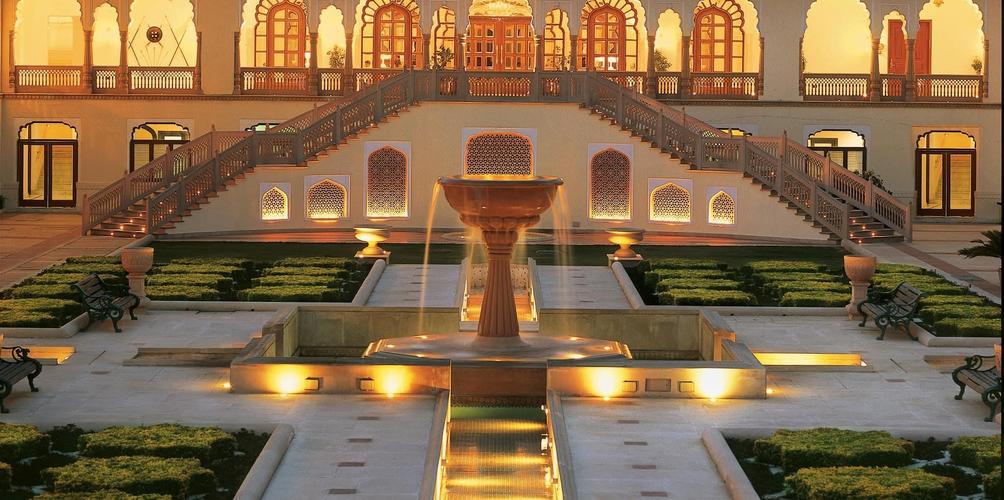
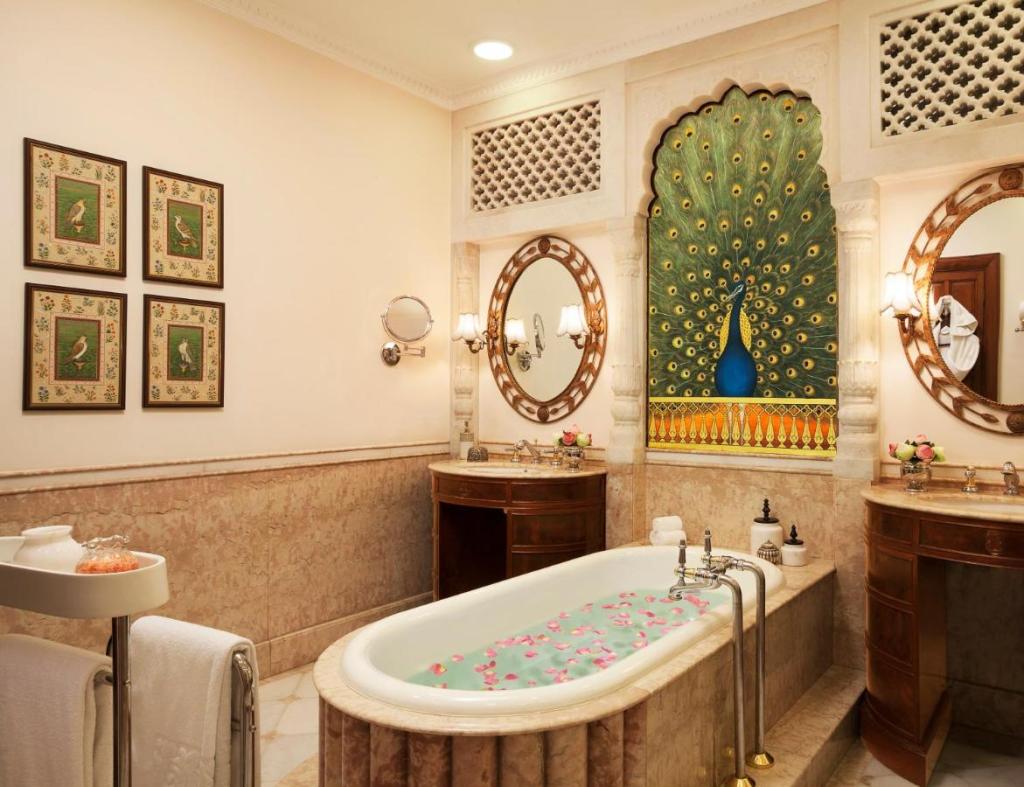
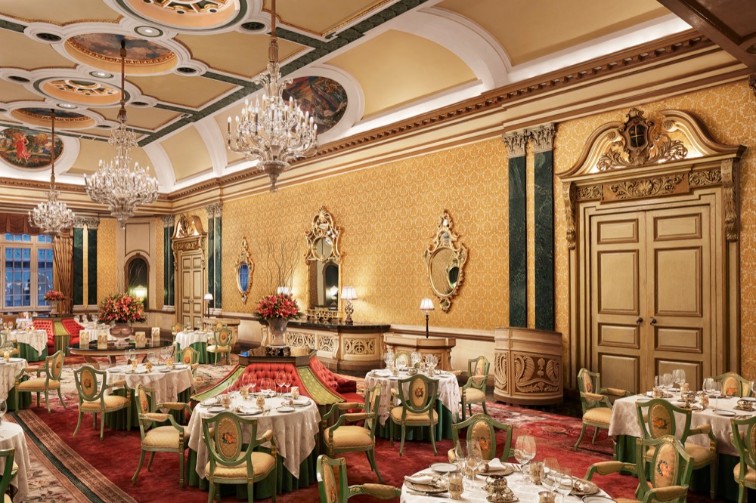
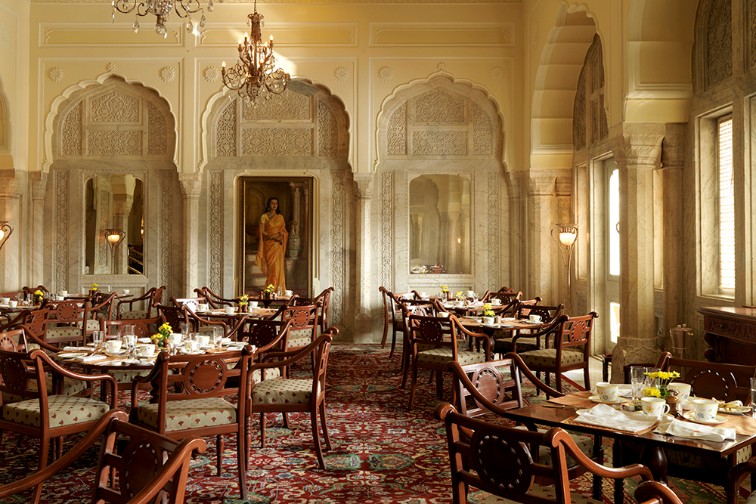
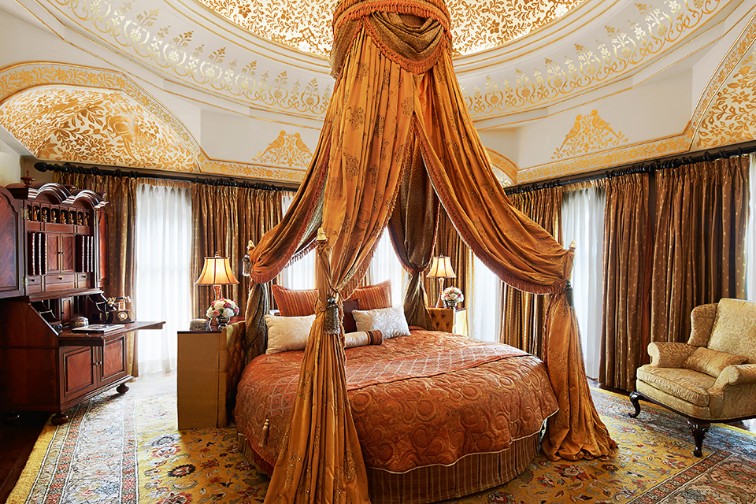
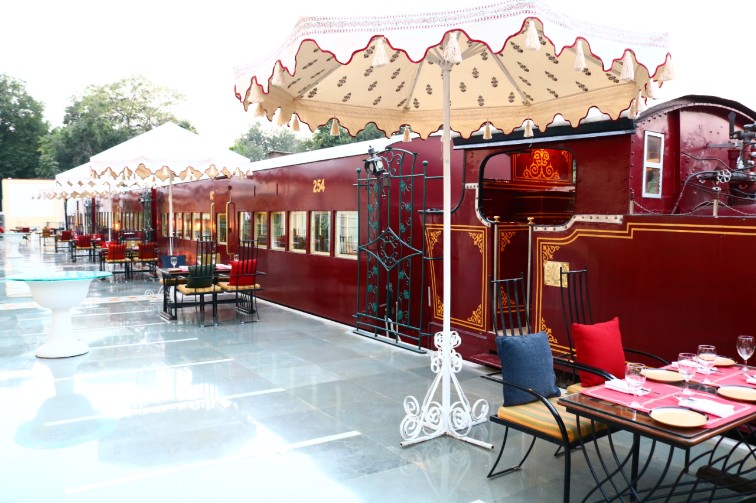
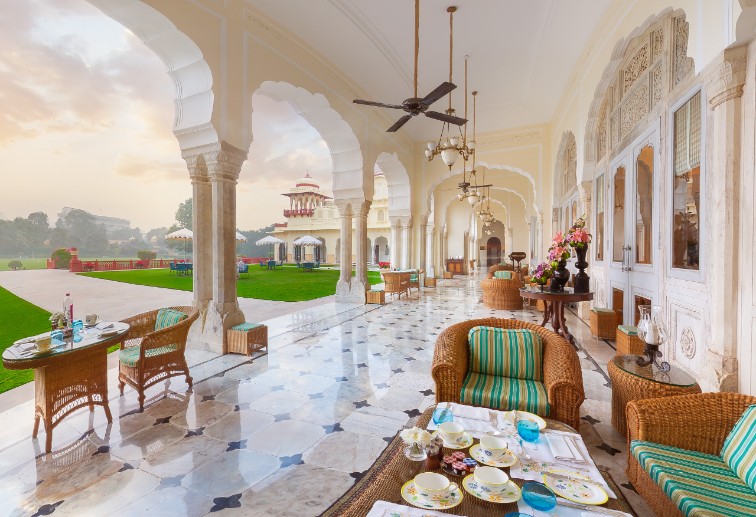
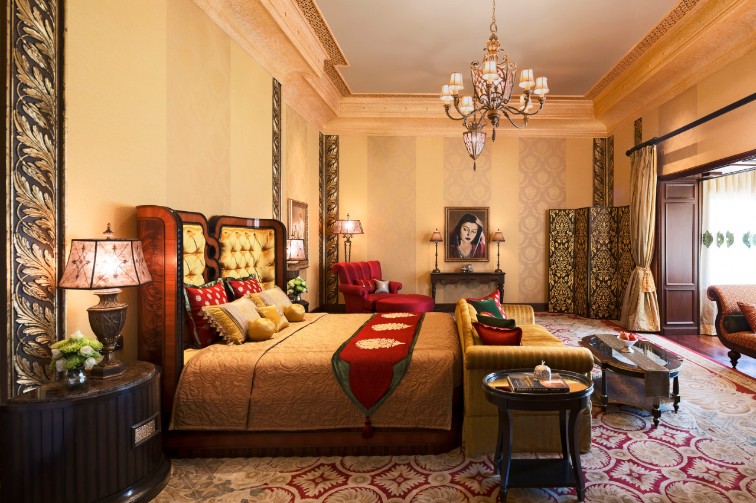
Designated as the official residence of the Maharaja of Jaipur in 1925, The Rambagh Palace has been abode to several generations of royals since then. The palace is luxuriously embellished with hand-carved marble, sandstone balustrades, cupolas, cenotaphs, as well as magnificent Mughal Gardens. The visitors are served a regal Indian feast in Suvarna Mahal, a former palace ballroom with shimmering enormous crystal chandeliers designed in the 18th-century French style.

Visit Rajput Room, an all-day dining restaurant, or Verandah Café for a variety of cuisines. Savor Mediterranean delicacies at Steam, a lounge bar, or relax in the Polo Bar, featuring trophies and memorabilia from the Jaipur polo team on exhibit. To take your royal getaway to the next level, luxuriate in signature treatments at the Jiva Grande Spa, experience the goodness of the ancient Indian wellness therapies. It has hosted several famous faces over the years, including Lord Louis Mountbatten, Prince Charles, and Jacqueline Kennedy.

Taj Lake Palace, Udaipur

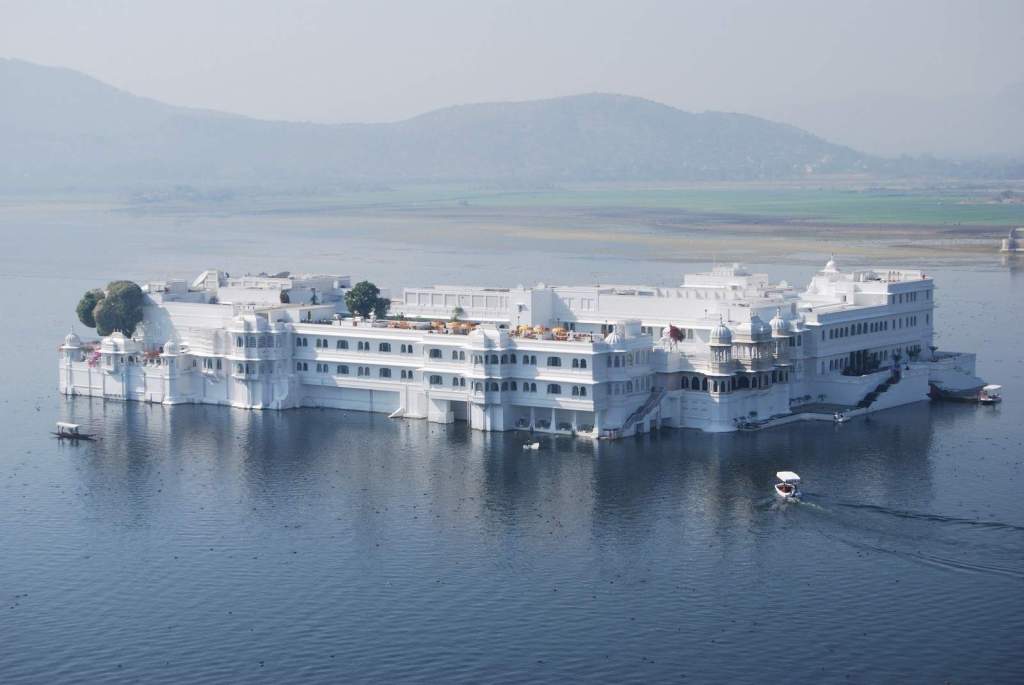
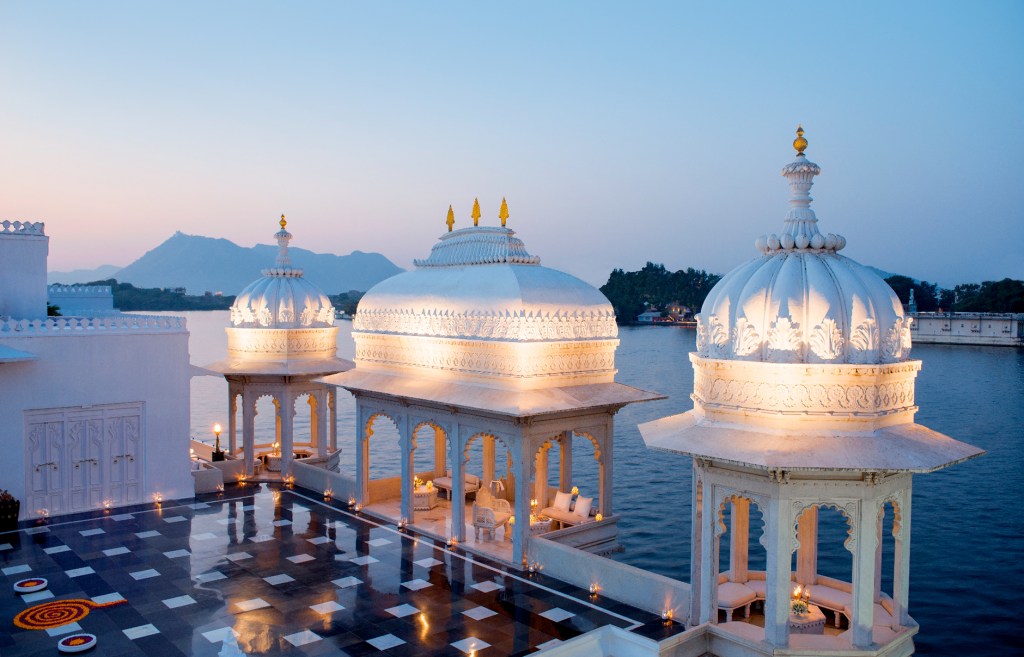
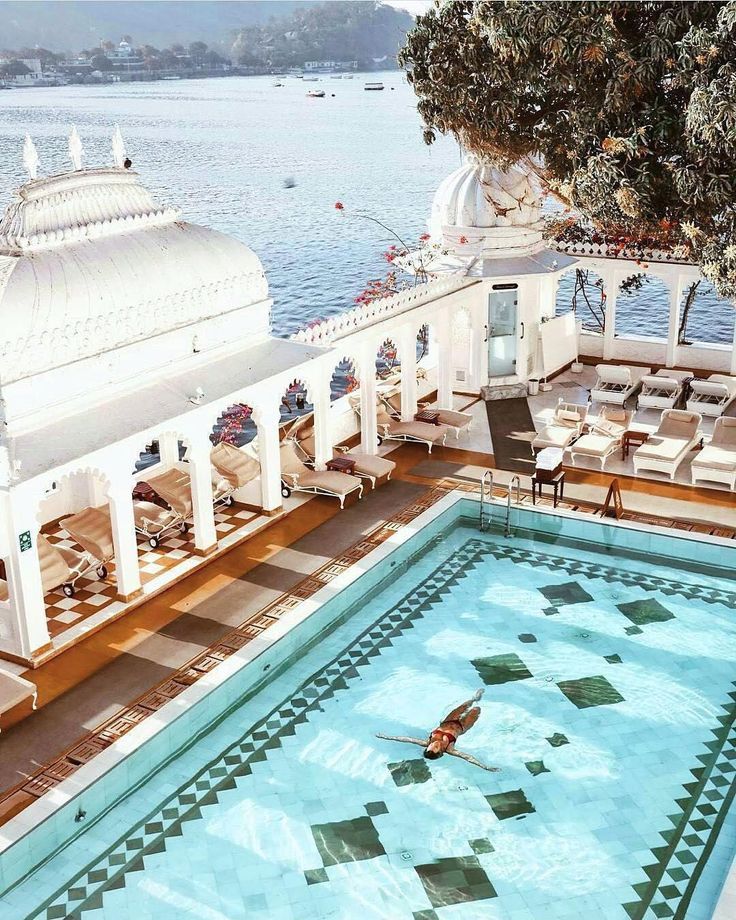
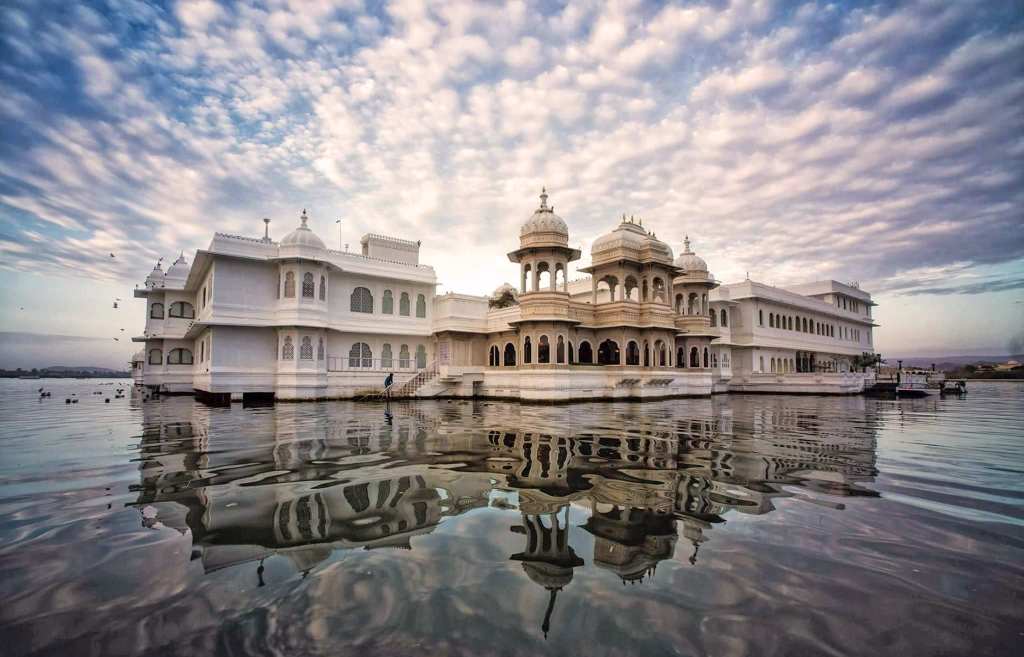
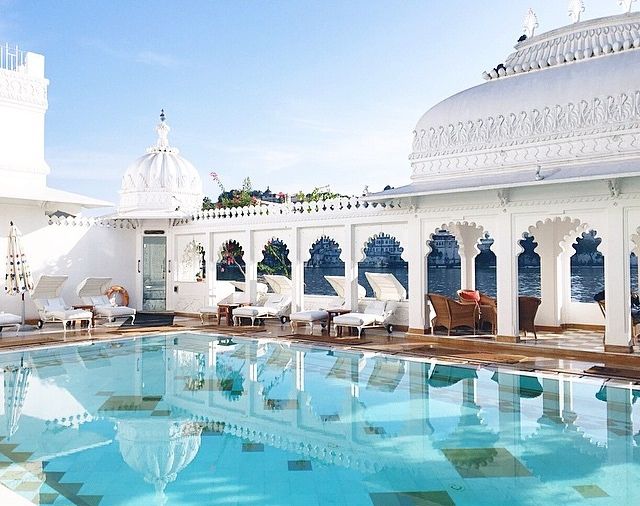
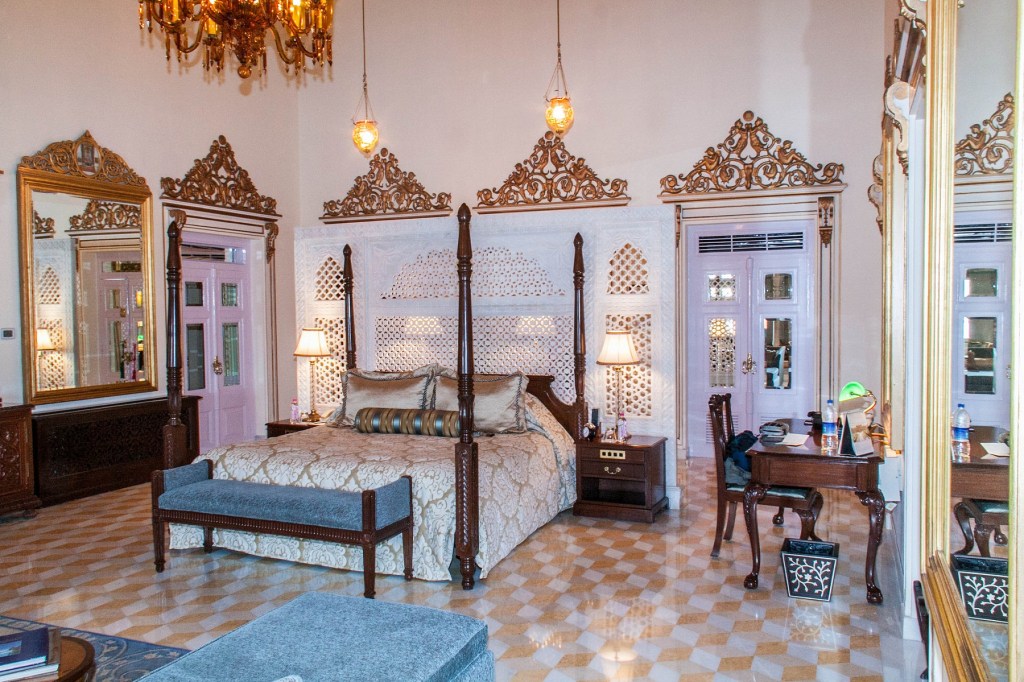
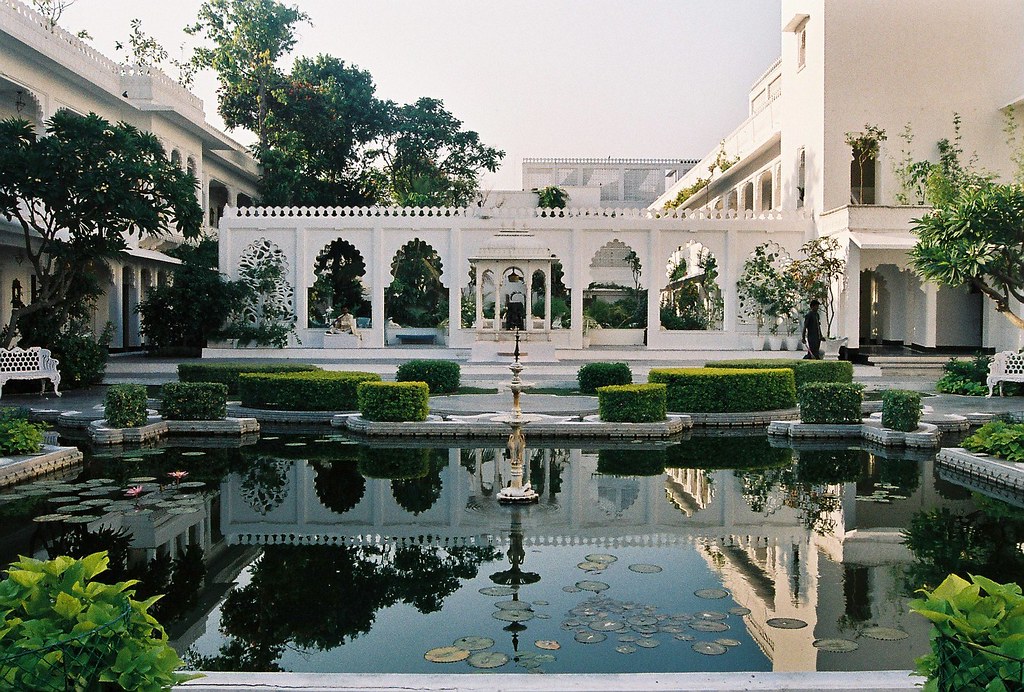
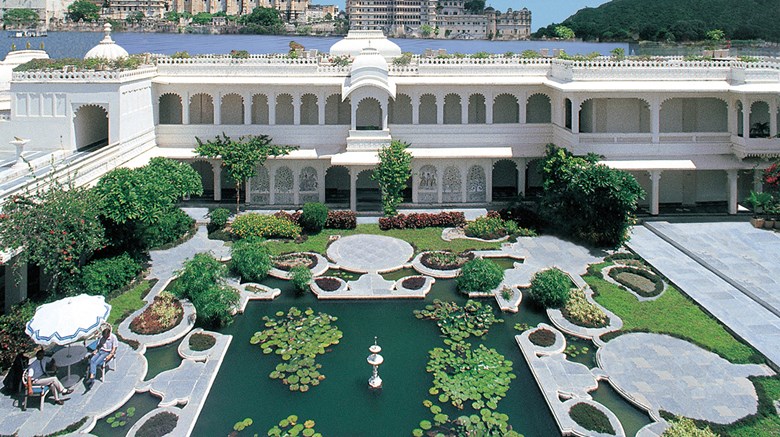
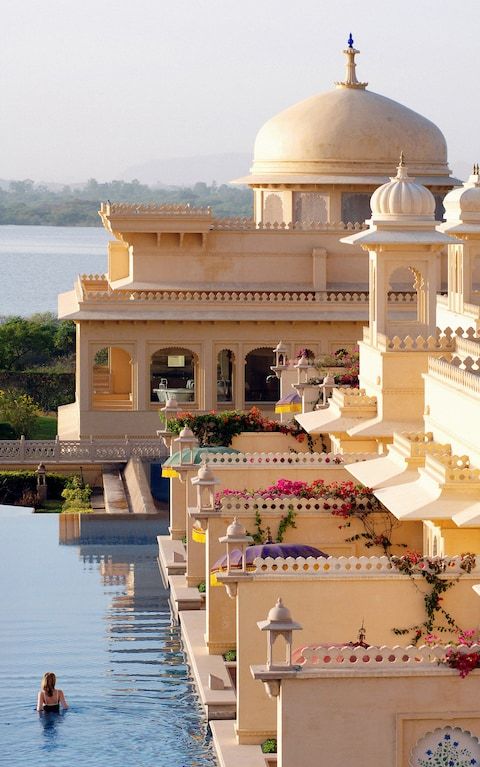
The awe-inspiring Taj Lake Palace, originally known as the Jag Niwas, stands like a mirage in the heart of Lake Pichola. The elegant marble palace was built between 1743 and 1746 and served as the Maharana Jagat Singh II of the Mewar royal dynasty’s winter residence. The white and black marble walls of this exquisite palace are embellished with semi-precious stones and carved niches. The palace’s interiors are decorated with beautiful gardens, fountains, and pillared patios, and gorgeous courtyards with peacocks strolling by, evoking the grandeur of the past. The Royal Butlers, the descends of the original palace attendants, provide unparalleled splendor and hospitality to the guests.

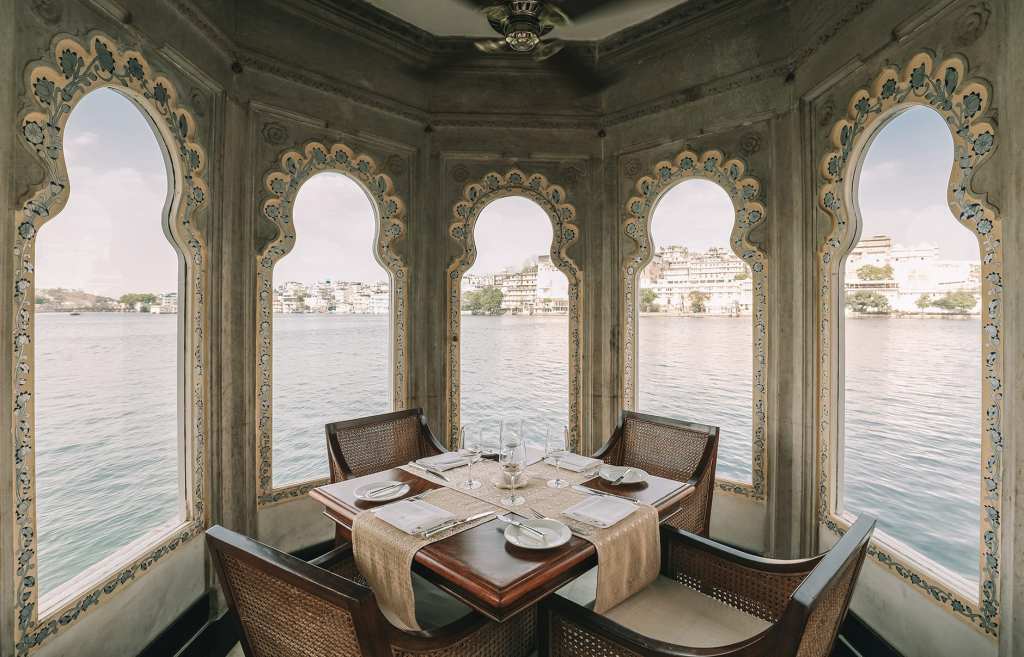
It has 66 deluxe rooms and 17 royal suites, with spectacular views of the lake surrounding the property and The Udaipur city. An ideal place for witnessing sunsets and sunrises. At Neel Kamal, you can savor authentic Rajasthani cuisine while enjoying the spectacular scenery. Modern European cuisine is served at Bhairo, an open-air restaurant. The hotel’s plush and glamorous bar, Amrit Sagar, offers a diverse assortment of premium spirits, wines, and unique cocktails. The world-famous Taj Lake Palace has hosted numerous memorable film shootings, including the James Bond film Octopussy. It has entertained notable figures such as Jacqueline Kennedy, Lord Curzon, Queen Elizabeth II, and Vivien Leigh.

Amer Fort, Amer

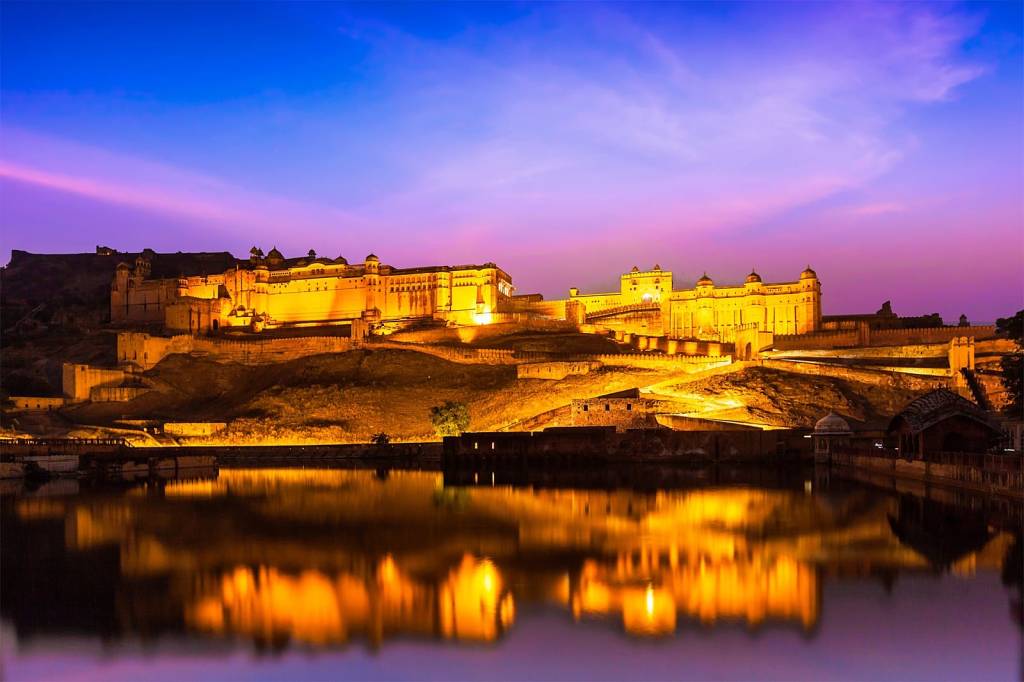
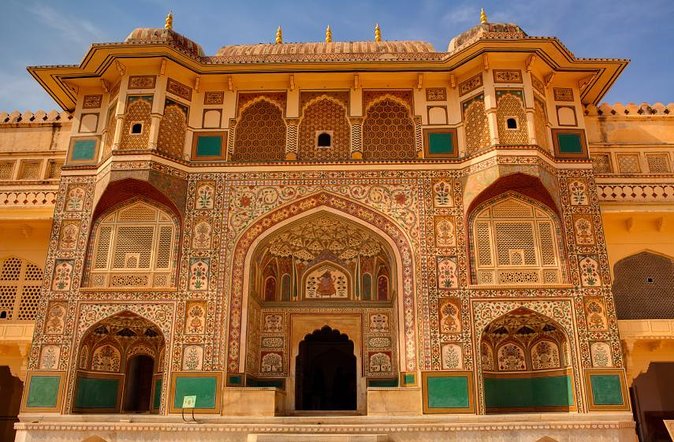
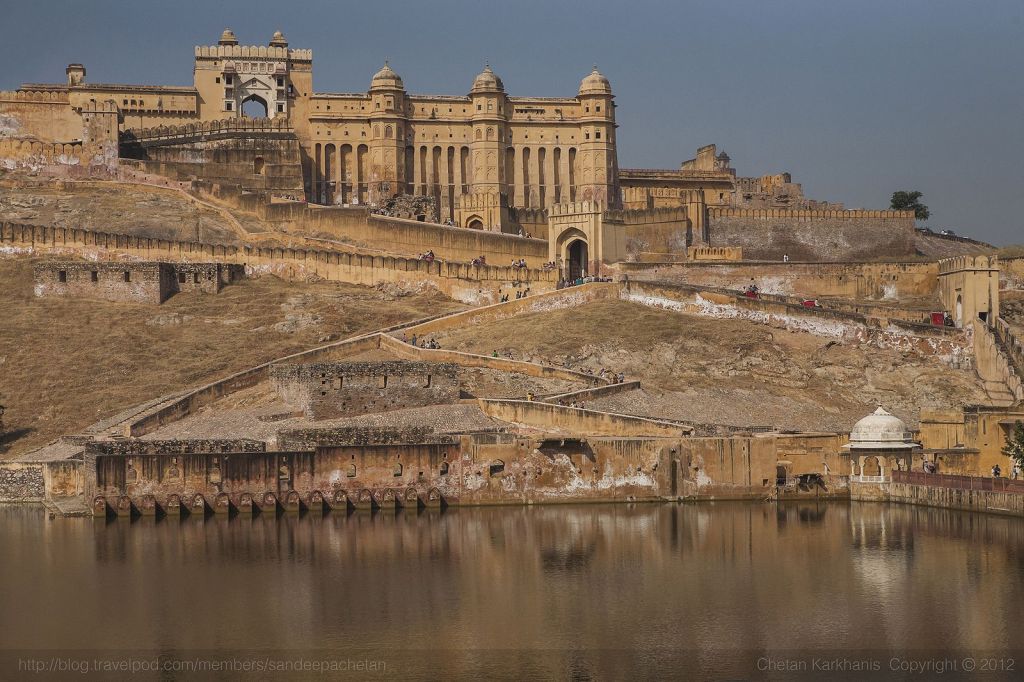
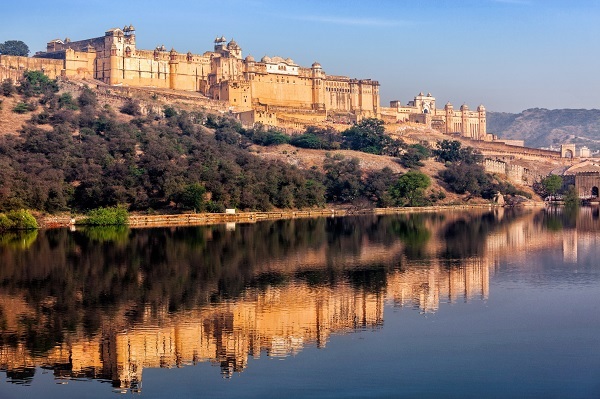
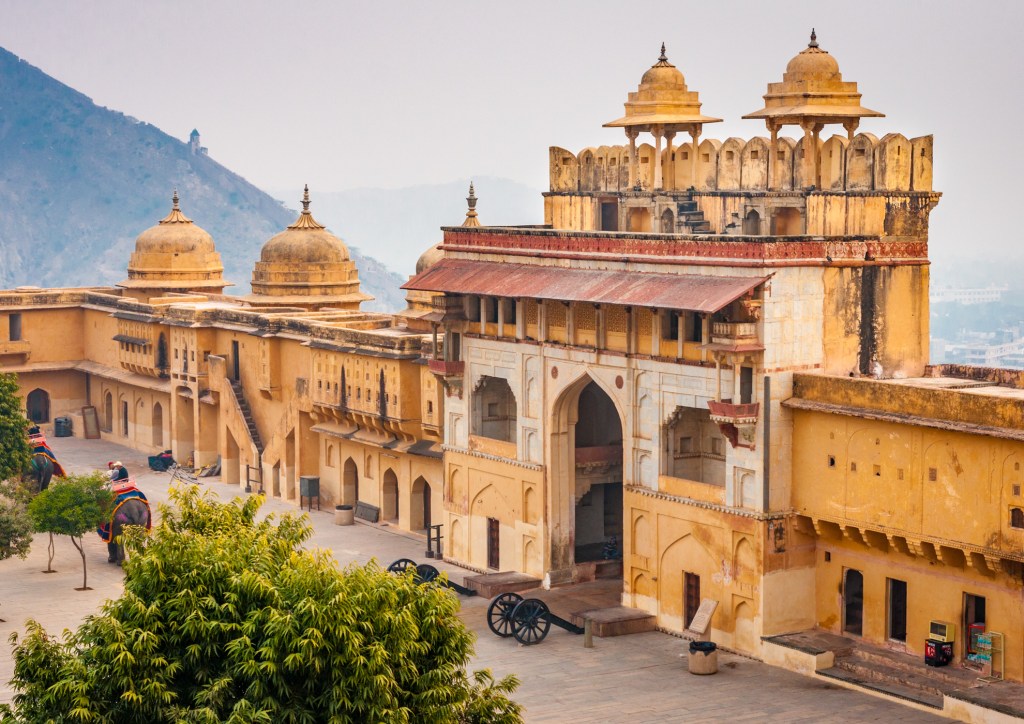
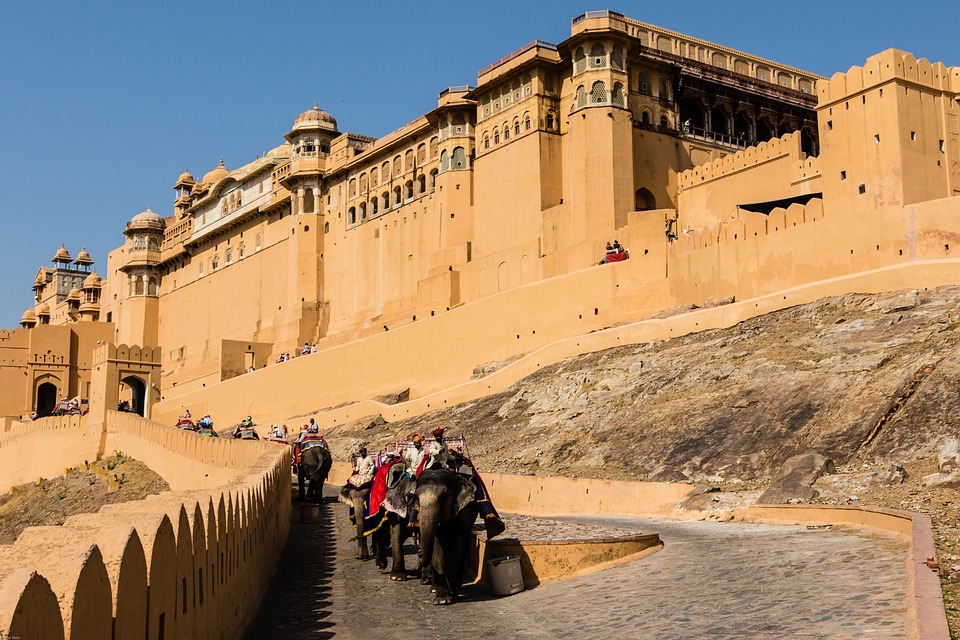
The colossal Amer (palace) Fort, one of Jaipur’s most popular tourist destinations, sits atop a tiny hill. One can either walk uphill, ride an elephant, take a jeep, golf cart or drive its vehicle to the top entrance. In 2013, the fort was declared a UNESCO World Heritage Site. Its architecture is a unique blend of Rajput and Mughal influences. The majestic Amer Fort is a sprawling former royal residence built of pale yellow and pink sandstone and white marble. The fort is split into 4 portions, each with its very own courtyard. At the Amer Fort, there are dozens of sites to explore, like the diwan-e-aam, such mandir, and the Sheesh Mahal. Amer Fort has underground tunnels connecting it to Jaigarh Fort. A segment of these restored tunnels is now open to the public.

The main courtyard, known as Jaleb Chowk, is located at the entrance. The king’s warriors used to gather and parade here. Inside the fort, ascend the grand staircase from the Jaleb Chowk courtyard to the second courtyard, which contains the Diwan-e-Aam (Hall of Public Audience) with its many pillars. The king’s former private rooms are located in the third courtyard, reached through the exquisite mosaic Ganesh Pol. It comprises 2 structures split by a large decorative garden. The Diwan-e-Khas (Hall of Private Audiences) is the most beautiful area of the fort, with its walls adorned with elaborate mirror work. As a result, it’s also known as Sheesh Mahal (Hall of Mirrors). The Jas Mandir contains exquisite floral motifs with glass in them.

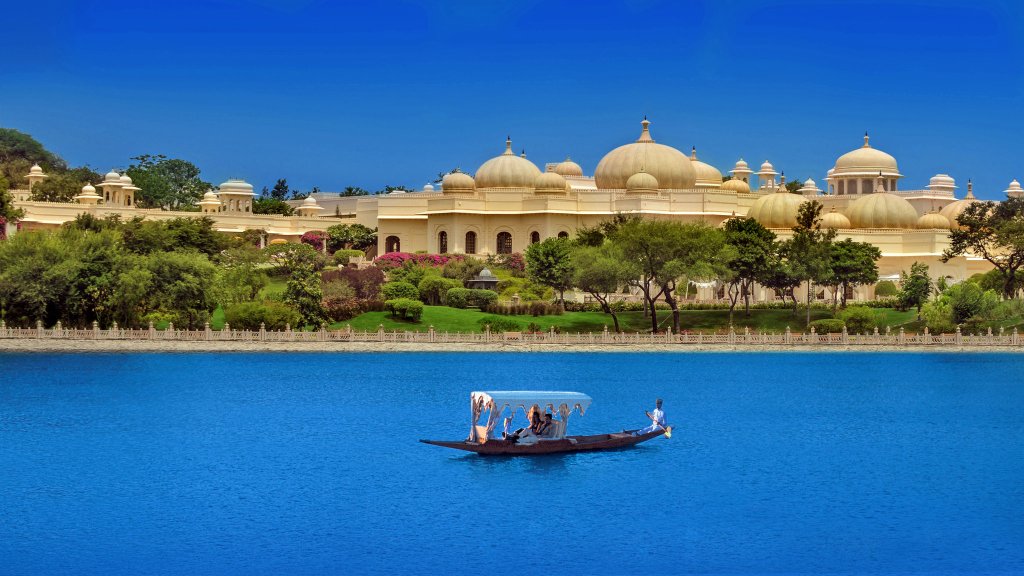
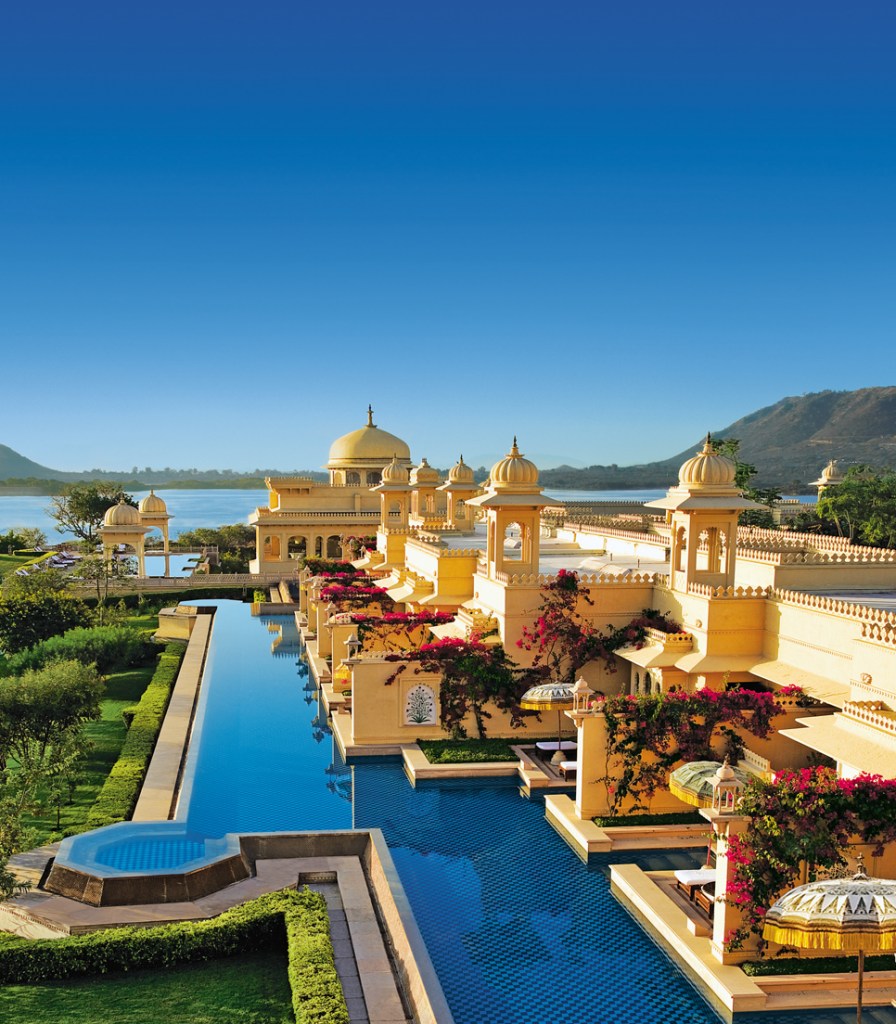
The Oberoi Rajvilas, Jaipur

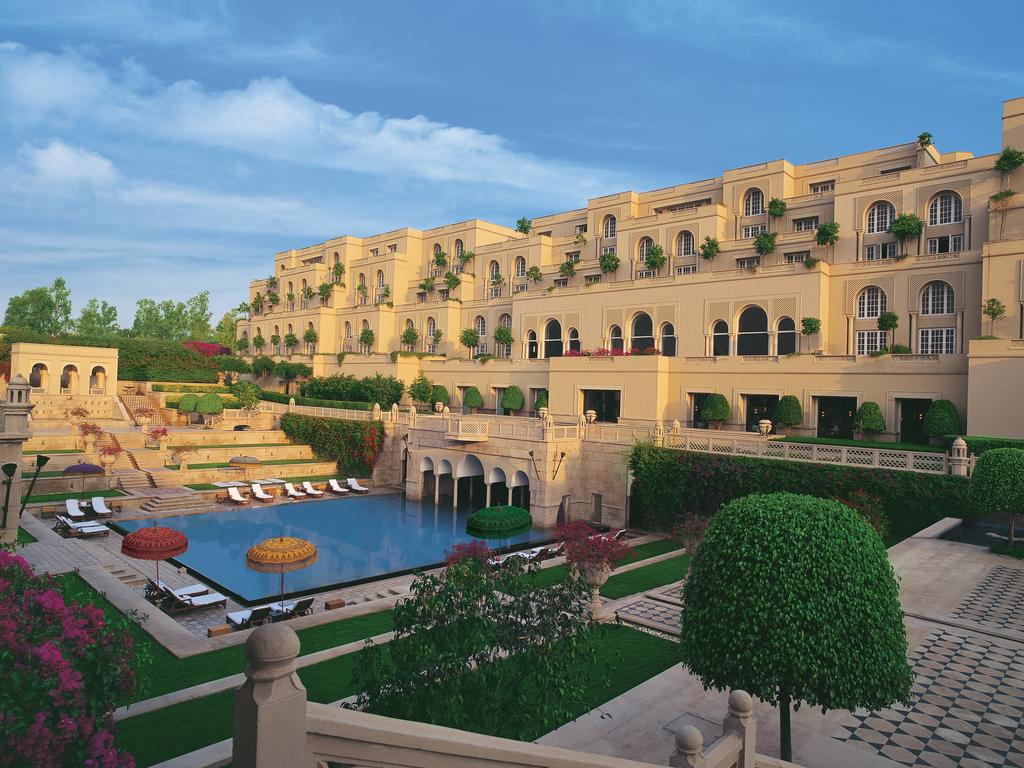
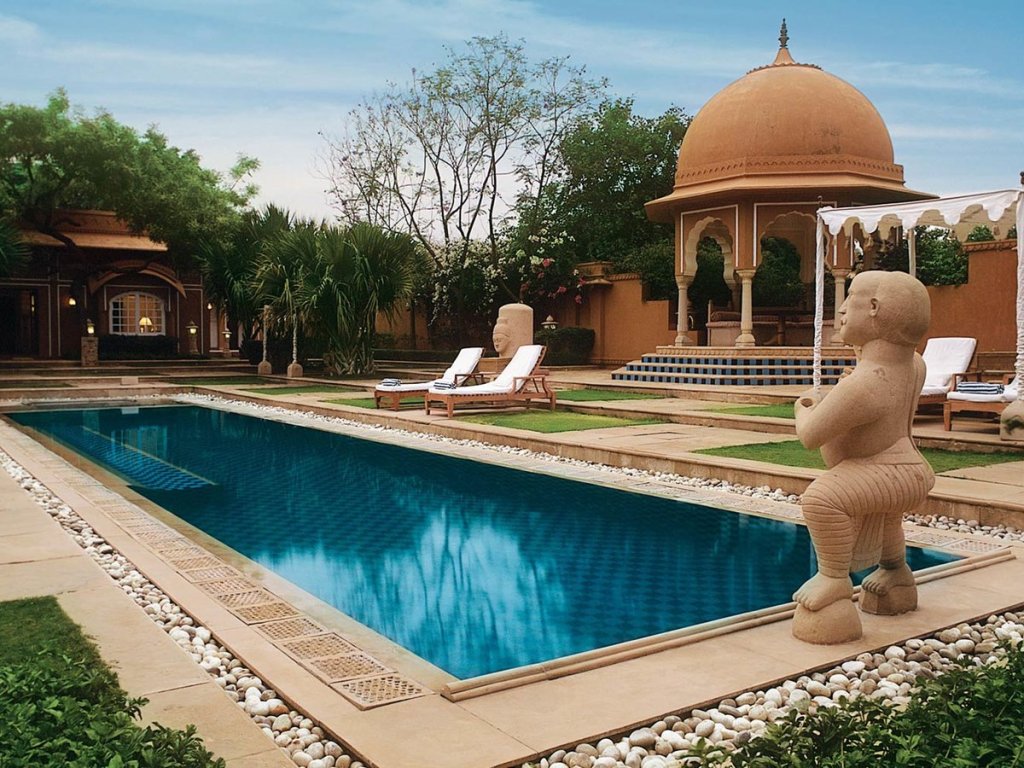
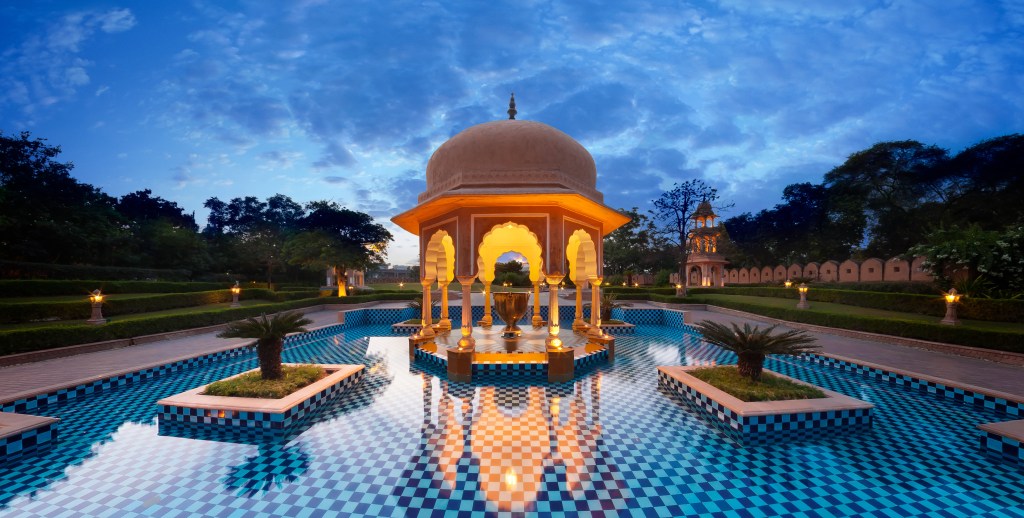
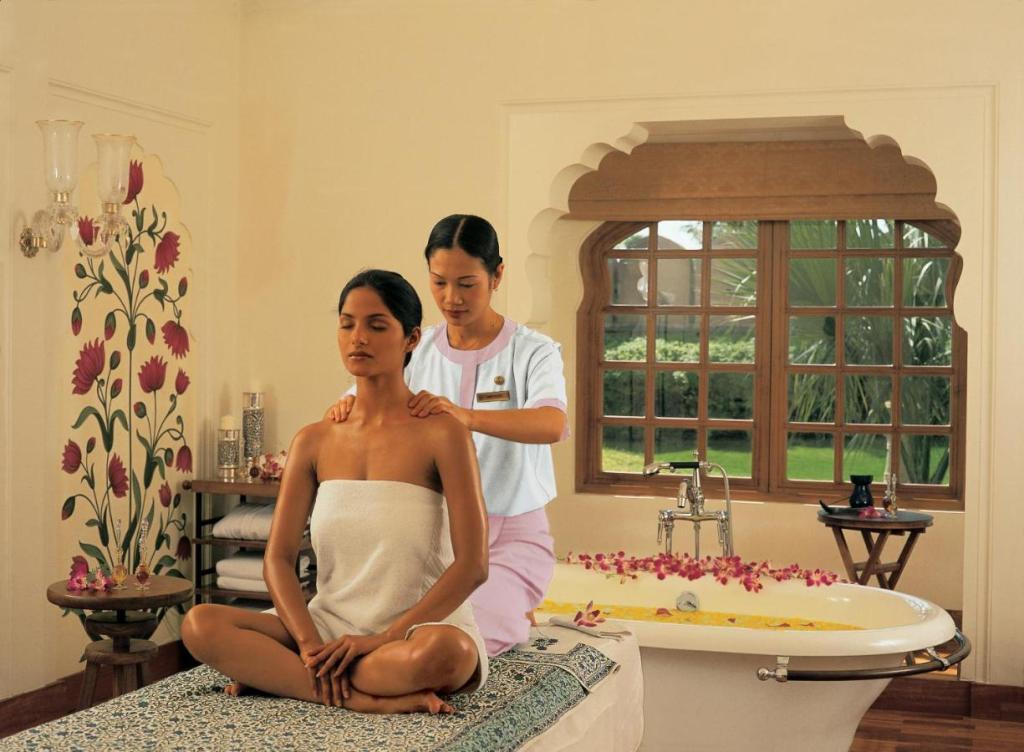
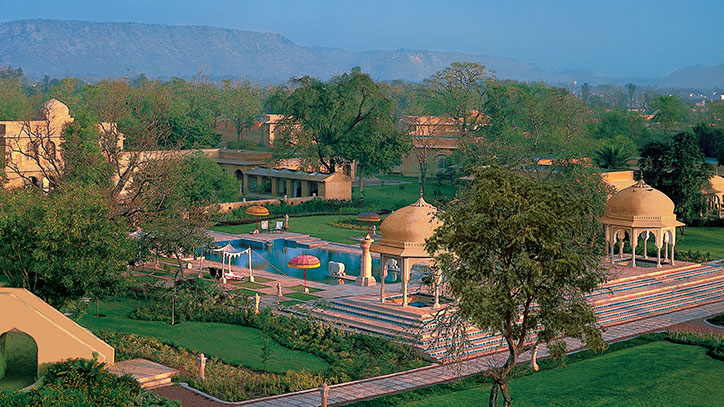
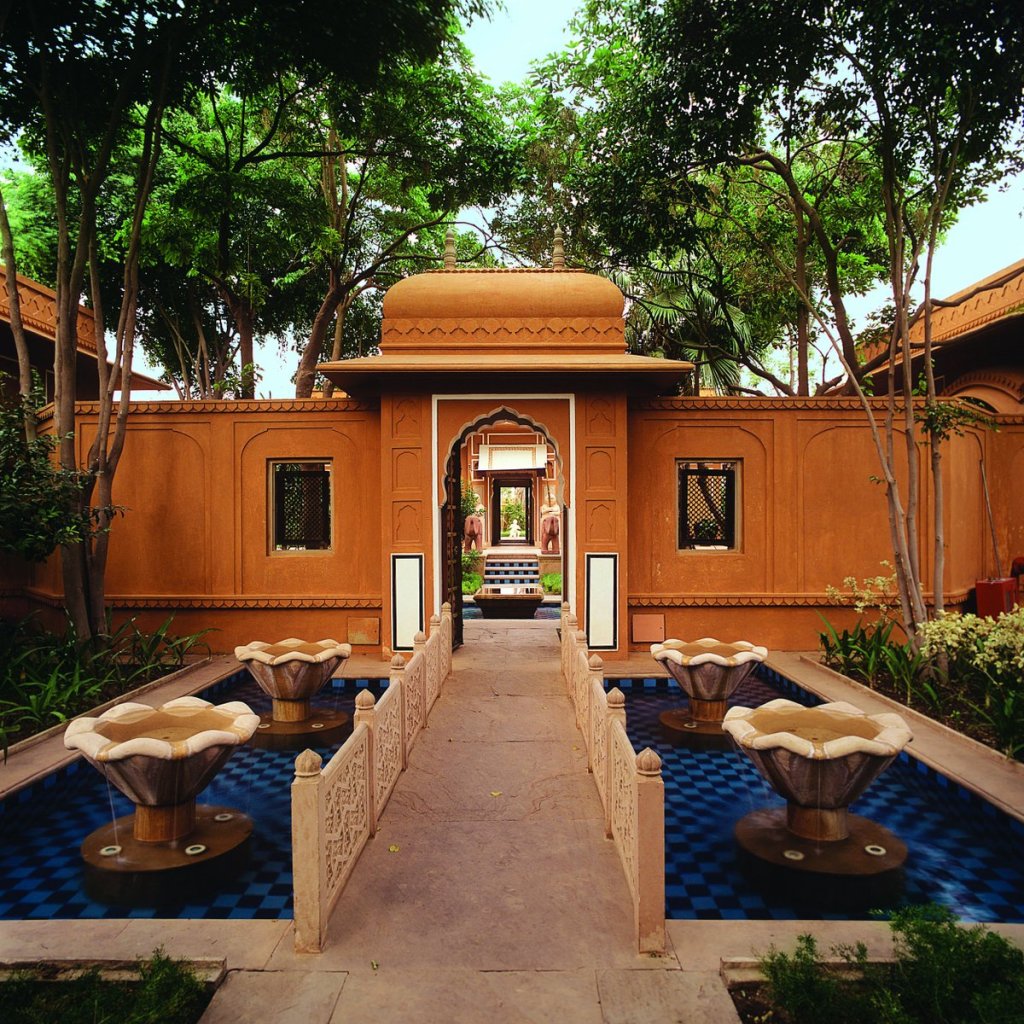
The Oberoi Rajvilas, set in 32 acres of prime settings, beautifully recreates the splendor of Rajasthani royals. LCD TVs, DVD players, satellite television, and wired and wireless broadband Internet access are available in all of the property’s rooms, tents, and villas. Butler service is accessible 24 hours a day. The fully air-conditioned luxury tents set this property apart. Each tent has its very own patio and garden, both surrounded by a mud wall. The tents are light and airy on the inside, with colonial touches like a free-standing claw-footed bathtub and a separate shower. In addition to a state-of-the-art fitness facility, flood-lit tennis courts, and an outdoor pool in a magnificent garden setting, there’s also a spa with a full suite of massage and spa treatment options.

Inside it is ‘The Surya Mahal’ (Sun Palace) a fine dining restaurant, open 24 hours a day. During the day, it is bright with natural light. After dark, the phosphorescent moon twinkles in the alfresco courtyard, and the crystal chandelier twinkles in the main hall. Western, Mediterranean, Asian, and Indian cuisines are included on the menu.

Rajwada Library Bar, a great place to grab an aperitif or a post-dinner drink. Pour a fine wine, a traditional cocktail, or a single malt whisky into your glass.  Attend one of the bi-weekly interactive history sessions, all while enjoying the regal appearances of past Maharajas depicted in lithographs on the walls.