Street Space Index (SSI)

Daily writing prompt
Describe a man who has positively impacted your life.

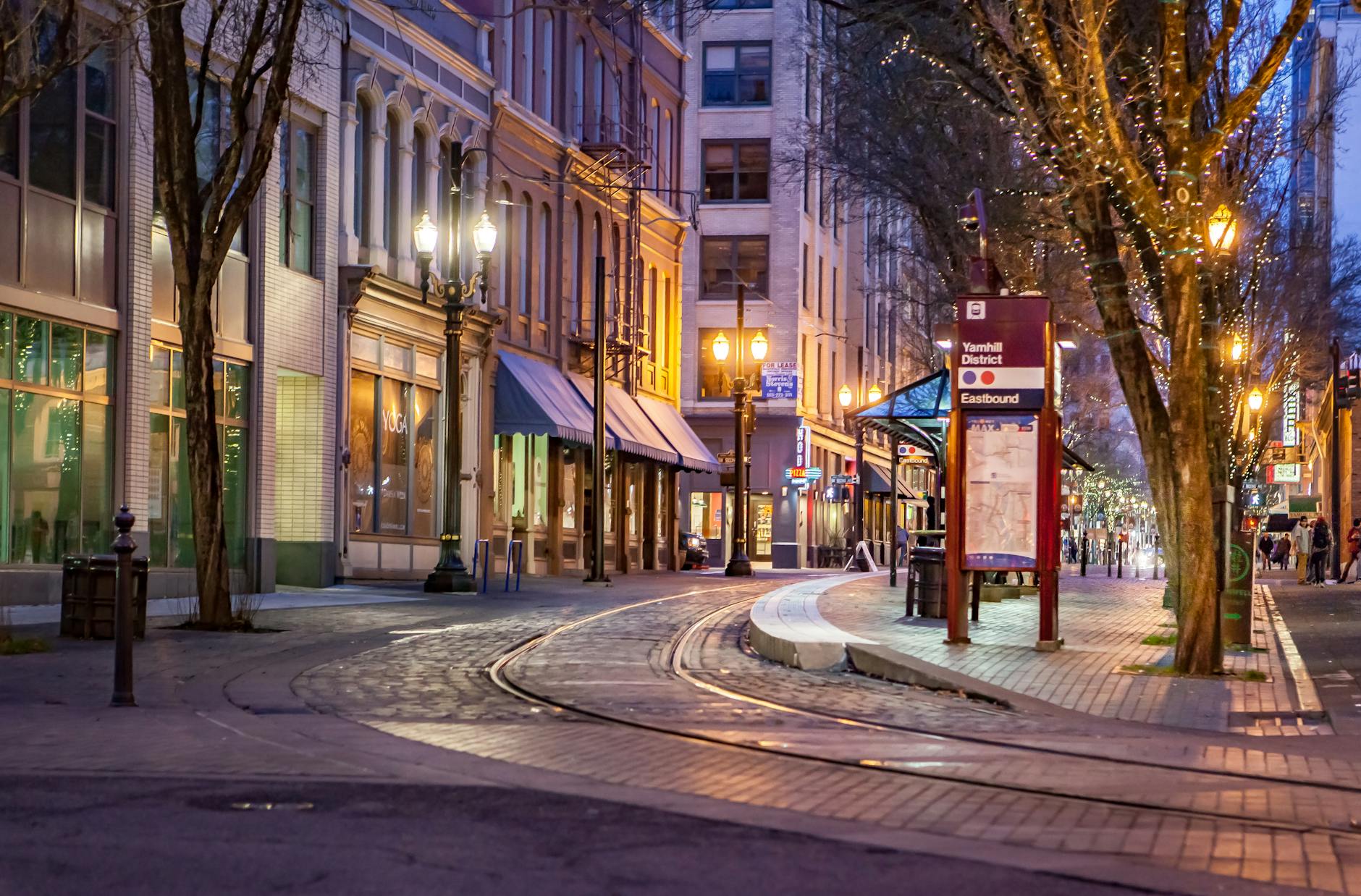
The Street Space Index (SSI) is a concept used primarily in urban planning and transportation studies. It is a measure that assesses the efficiency, accessibility, and utilization of street spaces in cities. The index evaluates how well the street environment accommodates different functions like walking, cycling, driving, and public transport. The goal is to help cities improve the design and use of their streets for more sustainable and livable urban spaces.

Photo by Chris Larson on Pexels.com

Key Aspects of Street Space Index:

  1. Multimodal Transport Integration: The SSI often takes into account various transportation modes—cars, buses, bicycles, pedestrians, etc.—and measures how well these modes coexist and are prioritized in the street design.
  2. Space Allocation: It looks at how much space is dedicated to each mode of transportation and public space (e.g., sidewalks, bike lanes, lanes for cars, parking spots). A high-quality street space prioritizes pedestrians and cyclists over cars, enhancing safety and reducing congestion.
  3. Accessibility and Connectivity: It considers how easily people can access public transport, walkways, or bike paths, and how well-connected the street is to other key areas of the city.
  4. Public Space and Amenities: The SSI may also evaluate the presence of public amenities such as benches, trees, lighting, and street furniture that contribute to the street’s overall livability.
  5. Environmental Impact: The environmental sustainability of street space is also a consideration. This includes assessing factors like green spaces, water drainage, and the presence of nature, as well as the promotion of low-carbon transport options.

Purpose of the Street Space Index:

  • Urban Planning: The SSI helps city planners identify areas where streets are underutilized or poorly designed. This information can guide interventions to make streets more efficient and inclusive for all users.
  • Sustainability: It aids in designing streets that promote sustainable transport modes like cycling or public transport and reduce dependency on private cars.
  • Quality of Life: By improving the design and functionality of street spaces, cities can enhance residents’ overall quality of life, making neighborhoods more pedestrian-friendly and less car-dominated.

In essence, the Street Space Index provides a quantitative and qualitative evaluation of how streets function and how they could be improved to meet the needs of urban communities.

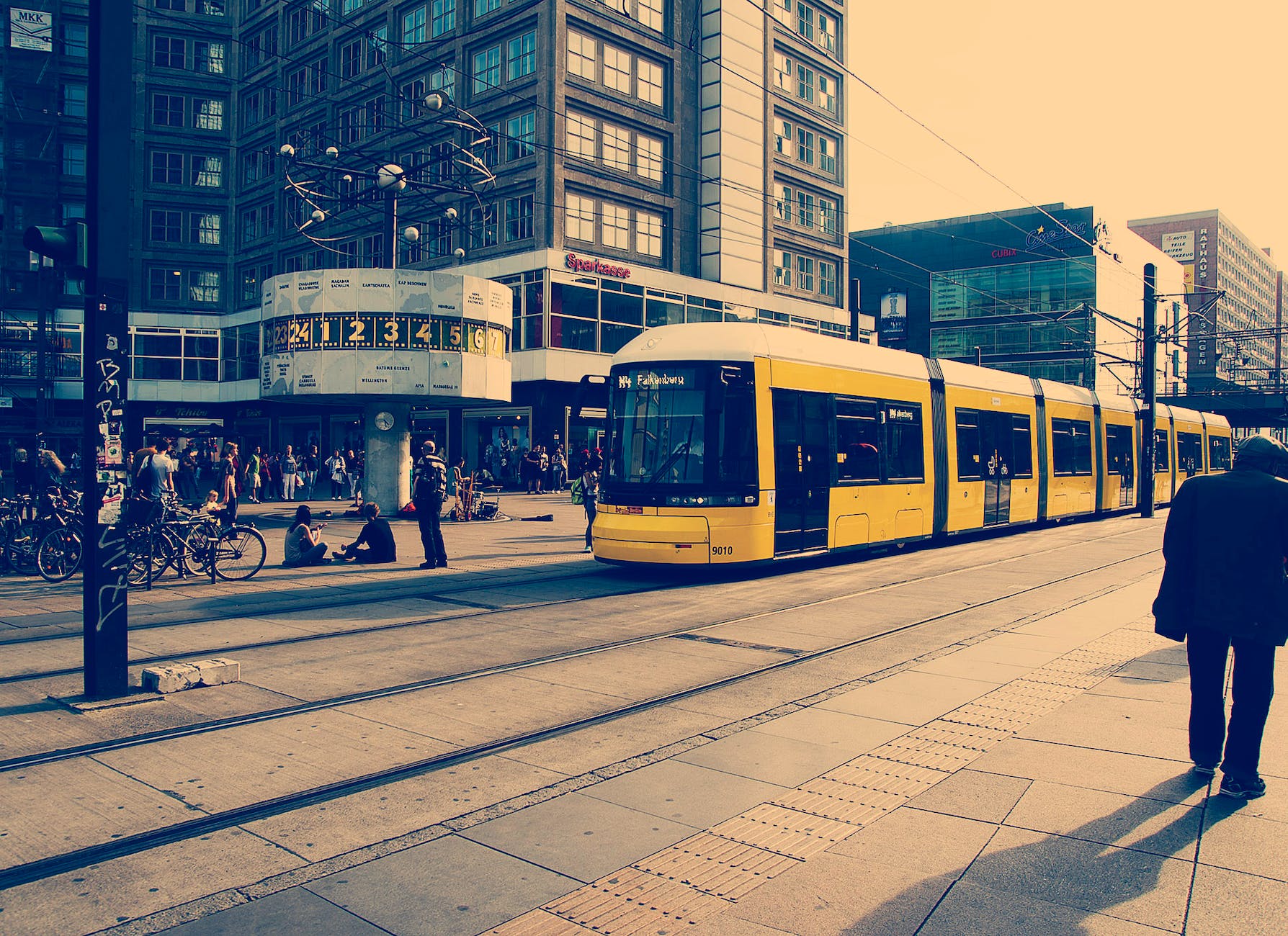
Exploring Red Rocks Shuttle: Seamless Transportation from Denver

Located near Denver, Colorado, Red Rocks Amphitheatre stands as one of the most iconic concert venues globally, nestled amidst stunning rock formations. For visitors eager to experience its allure, transportation logistics often pose a challenge. Enter Red Rocks Shuttle, a company specializing in convenient transit solutions from Denver to Red Rocks Amphitheatre.

Photo by Carlos Pernalete Tua on Pexels.com

Red Rocks Shuttle prioritizes passenger convenience and comfort above all else. With a fleet of modern, well-maintained vehicles, the company ensures a smooth and enjoyable journey for concert-goers and tourists alike. From spacious seating to climate control, every aspect of the shuttle experience is tailored to enhance customer satisfaction.

Professionalism and Reliability

What sets shuttle bus to Red Rocks apart is its unwavering commitment to professionalism and reliability. The company employs experienced drivers who navigate the route with precision and efficiency. Whether it’s a bustling concert night or a leisurely afternoon visit, passengers can rely on Red Rocks Shuttle to deliver prompt and dependable service.

Recognizing the diverse needs of its clientele, Red Rocks Shuttle offers flexible scheduling options. Passengers can choose from a range of departure times, allowing for seamless integration with their itinerary. Additionally, the company provides convenient pickup and drop-off locations in Denver, ensuring accessibility for customers from various points within the city.

Safety Measures

In an ever-evolving landscape, safety remains paramount. Red Rocks Shuttle adheres to stringent safety protocols to safeguard the well-being of its passengers. From regular vehicle inspections to driver training programs, every measure is taken to uphold the highest standards of safety and security.

As stewards of the environment, Red Rocks Shuttle embraces sustainability practices to minimize its ecological footprint. The company invests in fuel-efficient vehicles and explores innovative technologies to reduce emissions. By promoting eco-friendly transportation solutions, Red Rocks Shuttle contributes to the preservation of Colorado’s natural beauty for future generations to enjoy.

Exceptional Customer Service

At the heart of Red Rocks Shuttle is a dedication to exceptional customer service. From the moment passengers book their journey to the final drop-off, they are met with professionalism, courtesy, and attentiveness. Whether it’s assisting with inquiries or accommodating special requests, the team at Red Rocks Shuttle goes above and beyond to exceed customer expectations.

In summary, Red Rocks Shuttle stands as a beacon of excellence in the transportation industry, offering unparalleled service from Denver to Red Rocks Amphitheatre. With a commitment to convenience, professionalism, safety, and environmental responsibility, the company continues to redefine the standards of transit excellence. For those seeking a seamless and unforgettable journey to one of Colorado’s most cherished destinations, Red Rocks Shuttle remains the premier choice. For additional information you can visit our site: https://redrocksshuttle.com/.

More than tenfold increase in share in ‘domestic transportation of small passenger vehicles(cars)’

  Railways, being a cleaner mode of transportation, not only helps automobile industry to quickly transport bulk volumes over long distances, but also gives opportunity to reduce their carbon footprint. Automobile traffic over Indian Railways has witnessed a tremendous growth during the recent past. This growth in automobile traffic has been the result of various initiatives viz. availability of specialized privately owned wagons. On the basis of the issues raised by the stakeholders in the automobile industry, including Society for Indian Automobiles Manufactures (SIAM), the Automobile Freight Train Operator (AFTO) policy has been liberalized from time to time. It allows automobile manufacturers to own their wagons specialized for their needs.

To accommodate SUV cars, new design of auto-carrier wagons is under finalization in RDSO in addition to existing BCACBM wagons.

To facilitate loading /unloading of automobiles, design-modification to the existing NMG wagons is also under execution (NMGH and NMGHS) based on the suggestions received from investors/logistics providers.

Also, for increasing short lead traffic, freight rate has been revised for NMG/BCCNR and BCACM wagons upto -1200 km. More terminals are being opened up for automobile traffic as per demands of the industry.

Presently, Indian Railway has a fleet of 90 NMG rakes. In addition, 43 BCACBM rakes have been inducted by approved Train Operators under AFTO scheme.


Number of rakes loaded

2019-20

1,599

2020-21

2,681

2021-22

3,344

2022-23 (till Aug)

2,206


Comparison with last year:


Number of rakes loaded

2021-22

2022-23

April

270

369

May

123

392

June

284

443

July

317

494

August

320

508


Therefore, volume of transportation of small passenger vehicles(cars) by railways has increased by 68% YoY during the first five months of the current FY.

Modal share in ‘domestic’ transportation of ‘passenger vehicles (cars)’*:

2013-14: 1.50%

2014-15: 2.08%

2015-16: 3.62%

2016-17: 4.13%

2017-18: 4.50%

2018-19: 7.06%

2019-20: 11.17%

2020-21: 14.71%

2021-22: 16.00%

* These are estimates based on transportation of cars only. Domestic traffic of 2-wheelers and commercial vehicles have not been taken into account.

***
 

Hand-Rickshaw Pullers of Kolkata: The Legacies Left Behind

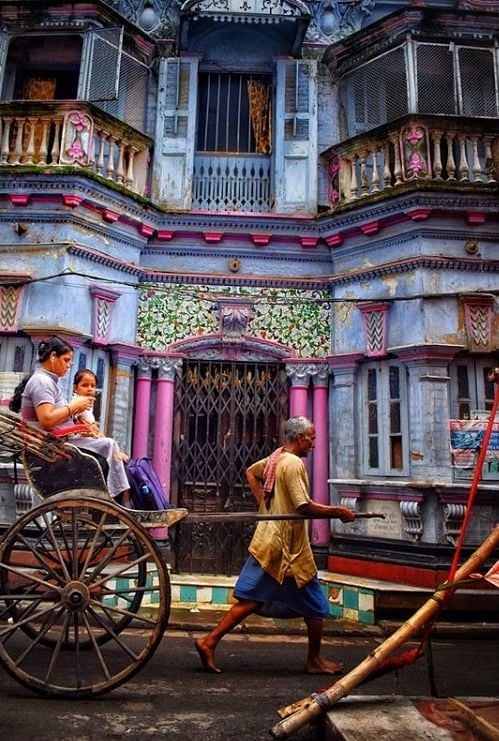
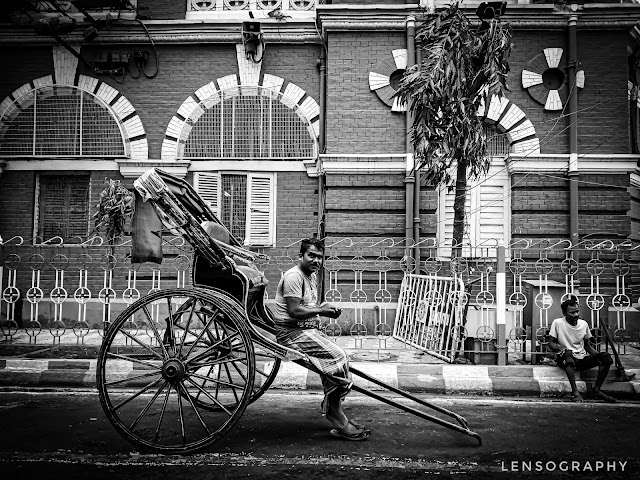
Hand-Rickshaw puller of Kolkata

Introduction

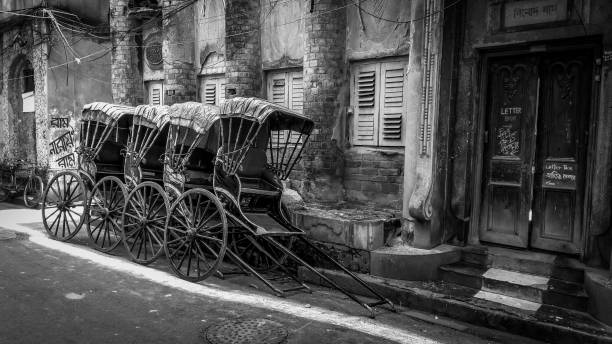
Kolkata is a city that is an amalgamation of the old and new. A city that is being modernised everyday but still manages to hold on to the old charm vibe. It is the only city in India to have various modes of transportation, dating back to the British era. The first city in India to construct a metro rail, it is now the only city in the world that continues to operate licensed hand-pulled rickshaws (called tana rickshawin Bengali) as a mode of public transport. One can still see the tram cars and hand-pulled rickshaws plying on the narrow bylanes of Kolkata.

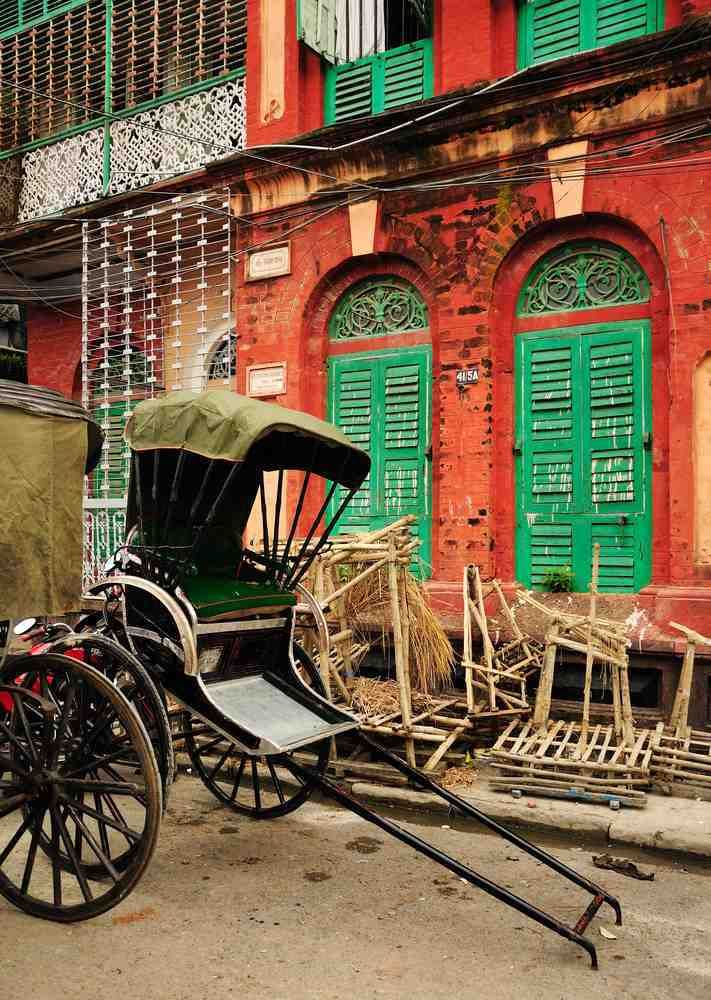
Hand Rickshaw in Kolkata

Histrionic Background

The word ‘rickshaw’ originates from the Japanese word ‘Jin-riki-sha’ (jin meaning human, riki meaning power, and sha meaning vehicle; which translates to human-powered vehicle). The hand-pulled rickshaw was invented in Japan in 1869 and was introduced in China by 1874. Unlike previous modes of transport, like kago, sedan chairs, etc. which needed two persons to carry, the rickshaw had the significant advantage of being driven by a single person. The following decades witnessed a boom of hand-pulled rickshaws in Japan, China, Singapore, India, Indonesia and Malaysia. They served as cheap means of transportation and provided employment to millions of poor working-class families living in cities. 

The British were the dominant colonial power in Asia and the usage of a human to pull another human definitely served in reinforcing the master-slave power hierarchy. Post World War II, colonialism declined in Asia and the hand-pulled rickshaw faded out of use from erstwhile British colonies. Strangely, the legacy of rickshaws continued in Calcutta long after the British Empire was gone (1947), and long after the communist government in China banned (1949) the use of rickshaws. Not only did it survive in Calcutta but the tenacious hand-pulled rickshaw has become an icon of the metropolis

A Hand-Rickshaw in an alley of Kolkata City

A Staple to Kolkata’s Culture

Kolkata’s hand-pulled rickshaws are mentioned in many literary books and featured in films of different languages. It plays the protagonist in Rudyard Kipling’s ‘The Phantom Rickshaw’. The story is set in Shimla of the 1980s. Greg Vore, an international travel photographer, researched on the life, role and history of hand-pulled rickshaws in Kolkata and Bangladesh. Bimal Roy’s classic Do Bigha Zamin (released in 1953) tells the story of a farmer who becomes a rickshaw wallah in the then Calcutta.

Present Situation of Rickshaw: How They Are Doing

The hand-pulled rickshaw survives due to a number of socio-economic reasons peculiar to Kolkata. Firstly, pulling a rickshaw does not require skill; it requires hard physical labour. Unemployed and unskilled labourers find employment as rickshaw pullers in Kolkata. They do not undergo any training or require a driver’s license to operate. Most rickshaw pullers do not even know the names of the roads they ply their trade on, nor do they understand the various traffic symbols. This is because they are mostly illiterate and speak Hindi instead of the local Bengali. Many rickshaw pullers do not even own the vehicles themselves, but rent them from sardars (rickshaw owners) who own khatals (rickshaw garages). This arrangement evolved because many rickshaw pullers are either too poor or seasonal migrants, plying the rickshaws only for a few months when their fields back home lie fallow. 

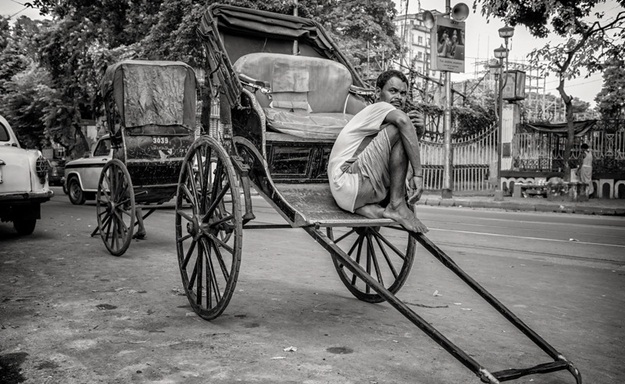
Leisure between the fare trips

Today, due to declining popularity and availability of other modes of transport, rickshaw pullers earn a meagre amount and mostly live on the streets, saving every rupee to send to their families. Added to this are costs for food and rent paid to sardars, after which they are left with very little money for themselves. Many turn to alcohol and suffer from various diseases and medical problems associated with old age and the physical stress of the job.

Kolkata does currently have 18,000 rickshaw pullers and 6000 rickshaws, though not all of them are licensed by the municipality

Queued up for passengers

The “Ban” for Rickshaws: The Efforts to Demolish The Rickshaw Transportation

Kolkata has faced much flak due to the existence of this colonial relic. In 2006, the state government tried permanently banning these rickshaws by the passing of the Calcutta Hackney-Carriage (Amendment) Bill, but it was never implemented. Nothing has changed after the change of government in 2011, though promises were made about replacing the licensed hand-pulled rickshaws with electric or cycle rickshaws. If these rickshaws need to be permanently removed from the streets, a justifiable solution needs to be worked out to ensure proper rehabilitation for all the people directly and indirectly attached to the trade.

On the streets of Kolkata

The Positive Side: Why Hand-pulled Rickshaws Are Relevant To Kolkata

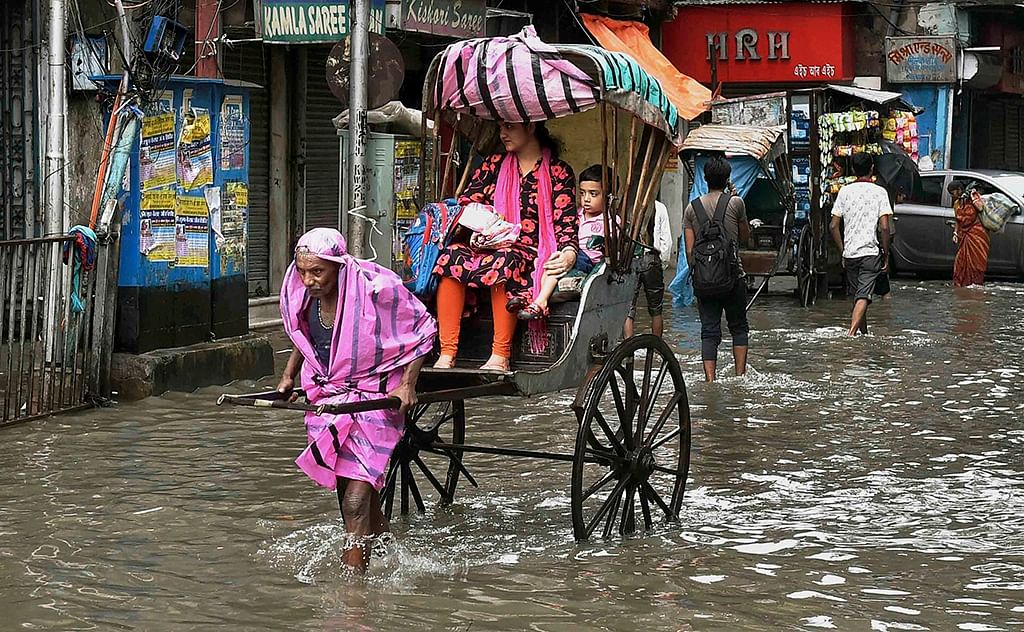
The narrowed urban planning of Kolkata has also played a part in the continuance of this mode of transportation. Due to poor drainage, streets in low-lying areas get flooded frequently. During heavy monsoons, the hand-pulled rickshaw is the only form of transport which can navigate flooded streets. Its non-reliance on fossil fuels makes it less expensive and non-polluting, and its compact size allows easy navigation through the narrow lanes of Kolkata

Carrying passengers in flooded road

Conclusion

Hand-pulled Rickshaws are the legacies of Kolkata’s British colonial past. The demolition of these mannual carts and their replacement with electric mode of carrier carts, would slightly dim the spirit the of the old city. But with time’s stand, it is on the behalf of saving the human labour in a more cost-effective and eco-friendlier way. Although, Kolkata will always cherish its beautiful past garnered with these wooden carts, that served the city and its citizens for ages.

Japanese Bullet Trains

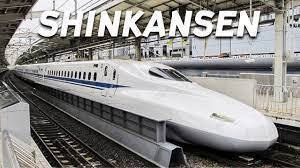
The Japanese bullet train, or “ The Shinkansen”, is a type of passenger train which operates on Japan’s high-speed railway network. It is capable of reaching a maximum speed of 320kms per hour and it offers riders an exceptionally unique and efficient travel experience. The railway network is spread across the cities of Akita, Hokuriku, Joetsu, Kyushu, and Yamagata. They offer high speed travel to the destinations of your choice, as well as frequent and punctual departures. Rail passes that include travel on bullet trains will help save a lot of money and time travelling through the cities of Japan. The bullet train max speed can vary from 240 to 320 km/h (150 to 200 mph) which is much faster than in the United States, France, Spain etc.

Most shinkansen trains in Japan offer seats in two classes, which are typically found in separate cars. These classes are the ordinary class and the green car class. Ordinary class seats are the regular seats found on all shinkansen trains. Although the size and foot space of ordinary seats varies between train sets, ordinary seats on shinkansen are generally comfortable and offer a generous amount of foot space. They usually come in rows of 3+2 seats. The Green car class is comparable to business class on airplanes, green cars offer seats that are larger and more comfortable than ordinary seats and offer more foot space. The seats are arranged in rows of 2+2 seats. Green Cars are often less crowded than ordinary cars. Now, the new Gran Class is available on new train sets. It is Comparable to first class on airplanes, Gran Class offers seats that are even more spacious and comfortable than Green Car seats (in rows of 2+1 seats) and additional amenities and services.

The first train was built in 1964 with the inauguration of the Tokaido Shinkansen line for the first Tokyo Olympics. Speed travel in Japan started at least 10 years before the rest of the world. Since then, speed travel continued to evolve by creating new lines and using even more up-to-date technology. Also, there has never been any passenger casualty in more than 50 years. There are over 15 different types of shinkansen trains. Some of them are Komachi, Hayabusa, Hayate, Sakura and Kodama. Riding the bullet train is a very comfortable experience. These amazing high speed trains have wide seats (even in the ordinary class), they don’t need seat belts and you can eat and drink on the train. What makes the shinkansen travel so relaxing is that people keep their voice down and don’t answer the phone while in the shinkansen. The Shinkansen trains are truly a technological marvel of the modern era.

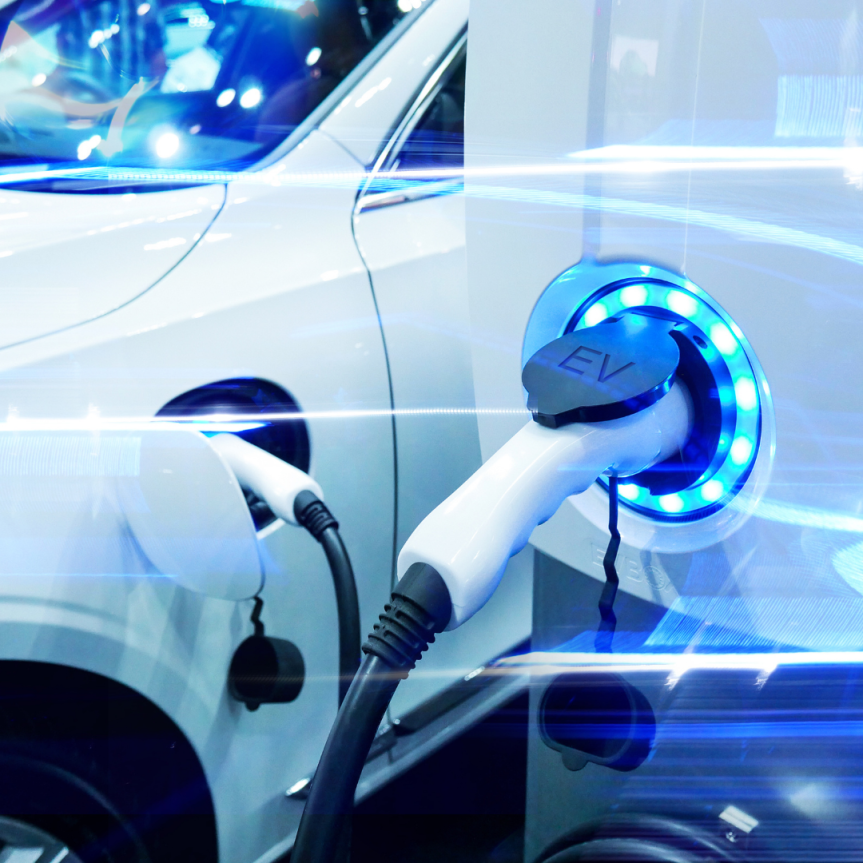
Will the transition to electric automobiles have a positive impact on our environment?

In the present scenario, the mightiest contributor to air pollution is the transport industry. Today we have automobiles zooming past us at an alarming rate. In our country, the previous year i.e., 2020 we saw the sales of passenger cars almost hit 3 million. If this trend continues how it is growing, we might not have a future to live. The possible solution to reduce the emissions from an automobile is to either shift to a Hybrid vehicle or an all-electric one. Let’s see what’s going to happen if we could successfully undergo this transition.

Firstly, let’s take a look at why the people in our country aren’t open to electric vehicles. The major issue is the easiness of refueling the vehicle. Currently, it is very easy to do so with fuel-run vehicles; but if forced to shift to an electric vehicle causes a major drawback in the time taken to refuel the vehicle. Next, we have the affordability; the current average price of a regular automobile ranges from 7.5 lakhs to 8.5 lakhs. The average cost of a hybrid or electric vehicle is approximately situated at 20 lakhs, which makes a major financial hindrance to the con-man of our country.

Although during a drive an electric vehicle produces almost no harmful emissions directly to the environment some indirect emissions cause harm to the environment. To charge an electric vehicle the need for electricity is very essential. Presently, in our country around 60% of the electricity produced comes from burning coal. Burning up fossil fuels results in enormous amounts of carbon emissions into the atmosphere. Here we are trying to reduce the effect of pollution on our environment by just finding new methods to harm our environment.

On the contrary, the emission produced by an electric vehicle is just half of that produced by a fuel-run car annually. This provides a huge amount of relief and satisfaction that we might able to reduce our carbon footprint. But questions arise whether it is possible to make one’s transport almost completely green and harmless to the environment. Possibly, there might be a way to do so. To reduce the amount of electricity generated by incinerating fossil fuels, we must explore other greener sources of energy. One might consider these to be energy produced from solar, wind, geothermal, hydel and many more., these sources might help us in building a better environment.

It is not a feasible approach to drastically switch to an electric approach; it will take immense time to completely switch. Although it seems to be nearly impossible, but with right investment and policies from the government we can ensure a smooth transition. By supporting this transition, we can reduce the emissions from our conventional automobiles. It is clear that the cost of electric automobiles is currently rocket high, but when manufacturing companies see the trend for EV’s they will consider mass production a large scale and then prices will gradually reduce.  

To conclude, EV’s are the future and will surely help reduce the effects of global warming, ozone depletion and many other environmental issues. Currently, a conventional gasoline run automobile can only provide an efficiency of 60-70%. Whereas an electric powered vehicle has an efficiency in the range of 80-90%. Hence the shift to electric powered vehicles, will not only reduce the harm on our environment, but also will be lighter on the pocket.

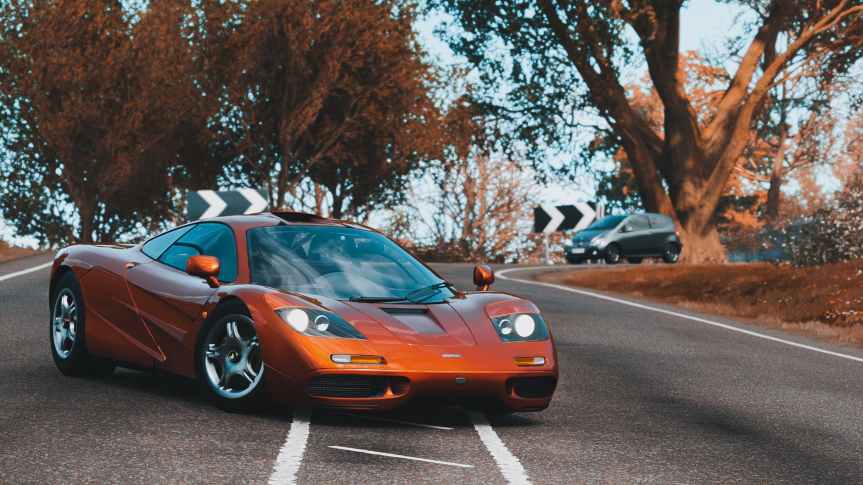
McLaren F1: The Ultimate Road Car Ever

McLaren F1 was the fastest production car for 12 straight years from 1993 to 2005. At the time of its unveiling, McLaren F1 was an engineering marvel with numerous pioneering technological innovations. It was designed by the legendary designer and engineer Gordon Murray.

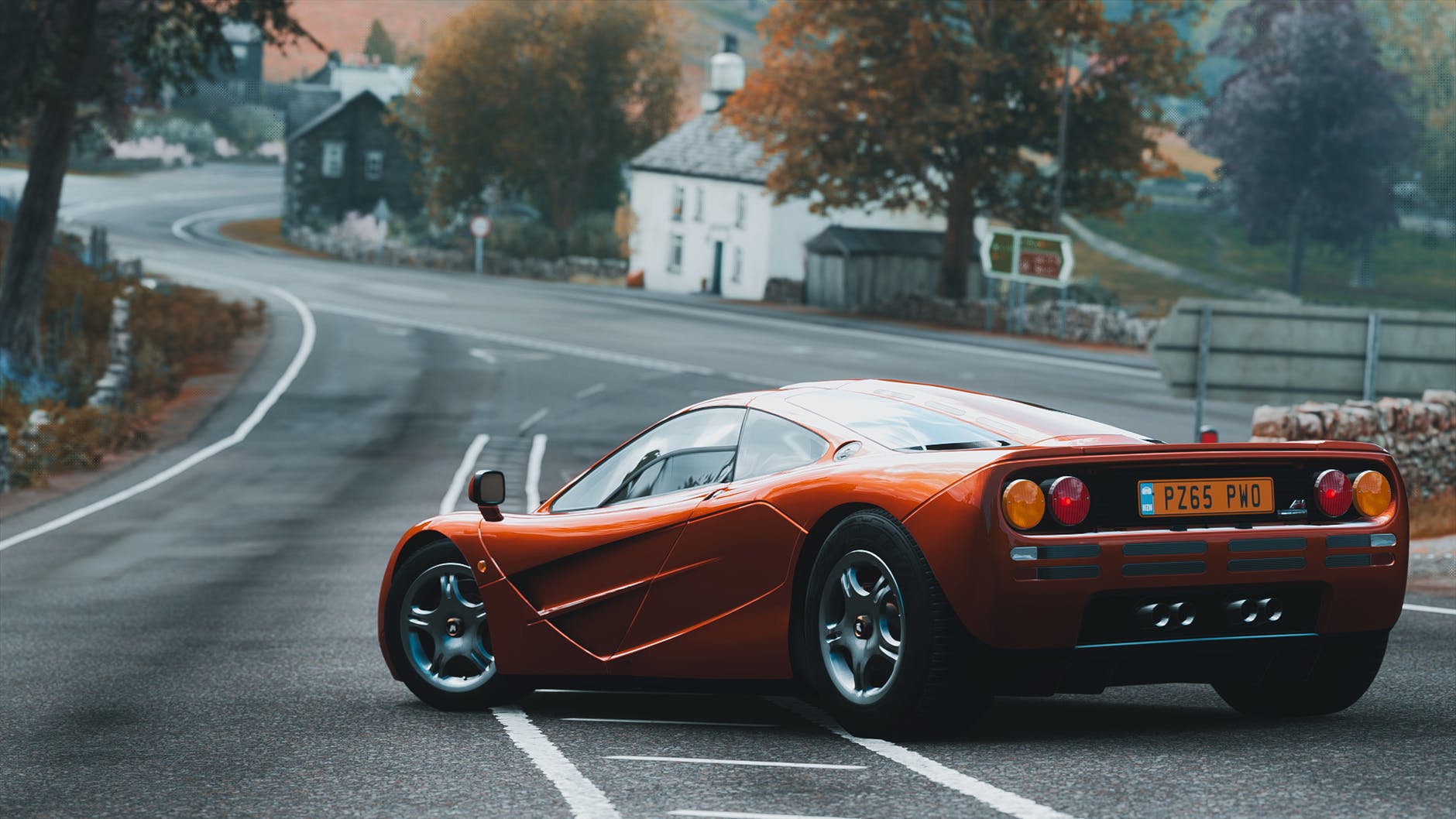
McLaren F1 Rear

It was the first road production car to be fully built carbon fiber. The entire Carbon fiber monocoque weighs just fewer than 220 pounds and 5000 pieces of carbon fiber pieces were used to mold the final frame.  This gives it double the strength of steel but it makes it five times lighter than traditional frames.

The car has a central seating position which is unique to this car. While developing McLaren F1, Gordon Murray drove and tested all the contemporary supercars of that time and he realized that their three-pedal boxes were somewhat offset. So He wanted to eliminate that. To solve this problem he placed the seat in the central driving position similar to a traditional F1 racing car. The central position also helps in increasing the visibility of the driver.

It has a naturally aspirated 6.1-liter V12 engine, but initially, McLaren has asked Honda to supply an engine for them as they were also the supplier for their F1 racing team at that time. But Honda didn’t follow the specification stated by Gordon Murray. Later they asked BMW to supply them with the engine of their car. BMW had to make a new engine as per the specification and the final results were incredible. The Engine is called BMW Motorsport S70/2

 The engine possesses extremely efficient heads. It also has continuous variable inlet valve timing and an emission-control system and four catalytic converters with ‘Lambda’ exhaust gas analysis control. Even with a 6064 CC displacement and a power output excess of 550bhp, the engine is quite efficient. The engine created so much heat that it had to be covered with a good heat deflecting material and to solve that problem the engine bay was covered with 16 grams of gold foil.

On 31 March 1998, Andy Wallace drove the McLaren F1 XP5 prototype at Volkswagen’s test track in Ehra-Lessen, Germany, and broke the record created by McLaren F1 itself in 1993. The car reached the top speed of 391 kilometers per hour or 243 Miles per hour. As of today, the F1 remains the fastest naturally aspirated production car in the world.

https://www.autozine.org/Archive/McLaren/old/F1.html

The car had a limited production of 106. Of those only 64 of them were road-going cars and 28 of them were racecars and the remaining of them were prototypes and special editions like the LM and longtail version. Rowan Atkinson (Mr. Bean) was for one period the owner of McLaren F1 as well.

Back in 1993, a brand-new McLaren F1 cost £540,000. In today’s money it would be approximately 1.1 million pounds but due to the rarity and the special status and engineering feat of the car. McLaren F1 has steadily climbed in value since then. As of today a McLaren F1 costs around £16 million and special versions can fetch even more. This car has also stood the test of time in its design, engineering, and craftsmanship.

References:

Important Functions of Transportation Network

 Cities play a vital role in promoting economic growth and prosperity of a nation. The development of cities largely depends upon their physical, social and institutional infrastructure. Transport demand in most Indian cities has increased substantially, due to increases in population as a result of both natural increase and migration from rural areas and smaller towns. Urban productivity is highly dependent on the efficiency of its transport system to move labour, consumers and freight between multiple origins and destinations. The primary function of transportation is the transfer of messages and information. It is also needed for rapid movement of troops in case of emergency and finally movement of persons and goods. The political decision of construction and maintenance of roads has resulted in the development of transportation system. The entire economic, social and political life of a modern country depends upon an efficient system of transport. The benefits of transport can be studied under the following categories. 

I) Economic Benefits/Functions 

The economic effects of good transport facilities are as follows. 

1) Extensive Market 

Transport helps in the assembly of raw materials and distribution of finished goods. It makes it possible to move goods from the place of production to the place where they are to be consumed. In the earlier days, there were only local markets due to the absence of safe means of transport. Now a days, trade is not restricted to the boundaries of a nation, but has spread throughout the world. Development of the efficient means of transport has knit together all the nations of the world into the one big world market. Even the perishable articles like fish, dairy products, meat etc. are being transported to distant places of the world. But for good transport facilities, such a development in trade and commerce would not have been possible. 

2) Mobility of Labour and Capital 

Transport reduces the rigours of immobility of certain factors of production. Mobility of labour and capital increases with the development of transport. An efficient network of transport services encourages the movement of people from one place to another. Labour can migrate to the place where they can get better job opportunities, which reduces the exploitation of workers. The development of Australia and United States would not have been possible without immigrations from Europe. With the development of transport, the investment of capital is also channelized to new lands and other places of the world. 

3) Specialization and Division of Labour 

Transport helps each region and country to make optimum and efficient use of its national resources. Each region can concentrate on production of those goods for which its resources are best suited. Thus, movement of goods and people from one place to another leads to specialization and division of labour which results in minimum wastage of resources and reduction in the cost of production. 

4) Economies of Large Scale Production 

Transport has helped the development of large scale industries. It would not have been possible for these industries to procure raw materials, gather large number of workers and sell the finished goods, without the efficient facilities of transport. Thus, transport has made possible the various economies of large scale production which tend to reduce unit cost of production and help the economy. 

5) Stability in Prices 

Transport facilities iron out wild fluctuations. Goods can be transported to places where there is scarcity and the prices are high from places where there is surplus and the prices are low. Such movement of goods helps in maintaining uniform prices throughout the country and further tends to equalize the prices of goods throughout the world.

6) Benefits to Consumers 

Improved means of transport benefit the consumers in many ways. The consumers can enjoy the benefit of use of many goods, which cannot be produced at their place, by transporting such goods from other distant places. Further, it helps in reducing the cost of goods of consumers and increases their purchasing power. 

7) Employment Opportunities and Increase in the National Income 

The various means of transport provide employment to millions of people throughout the world. The economic development of a country depends upon the improved means of transport. Thus, transport contributes substantially to the national income of the nations. 

8) Discouragement to Monopoly 

The scope of total income is extended by the development of the means of transport. As commodities can be quickly transported from one place to another, local producers cannot charge prices at their own will. This discourages monopoly and encourages competition. 

9) Development of Agriculture 

Transport has helped in the development of agriculture also. The business of agricultural products has grown to such a large extent only do to the efficient means of transport. It would not have been possible to use modern techniques of agriculture, improved quality of seeds and fertilizers, etc., but for good transport facilities. 

10) Industrial Development 

Transport facilitates the industrial development of a country. It helps the growth of industries by making available various factors of production. It would not have been possible to make such rapid industrial development without efficient means of transport. 

11) Increase in National Wealth 

Transport helps in increasing the national wealth of a country by facilitating agriculture, industry, trade and commerce. 

II) Social Benefits/Functions 

Transport has substantially influenced the life of the people. The various social advantages of an efficient transport are as follows. 

1) Discovery of New Lands 

Transport has helped the discovery of new lands and the growth of cities and urban areas. Due to the availability of long distance cheap transport, land has been utilized to the maximum advantage of the people all over the world. Even the waste lands are now being used. It also increases the value of land. 

2) Diffusion of population 

It reduces the concentration of population in the area of production. People can reach from distant places if there is an adequate and efficient system of transport. 

3) High Standard of Living 

Transport helps in the increase of production thereby raising the standard of living of the people. It is possible only through the means of transport that the ‘five M’s – Men, Material, Money, Machinery and Management’ can be assembled at the place of production. So, industries depend upon efficient system of transport and it creates new industries.

4) Mutual Understanding 

It removes the problem of distance, helps the people of different regions to come in contact with each other, encourages exchange of ideas and culture and promotes co-operation, understanding the cordial relations, amongst the people of the world. 

5) Ability to Face Natural Calamities 

Transport enables the society to face natural calamities such as famine, earthquake, drought, floods, etc. In such emergencies, commodities can quickly be transported to the places of mishap. 

6) Broadens the Outlook of the People 

Transport promotes mutual understanding. It has broadened the outlook of the people of the world and has knitted together all the nations of the world. 

7) Destroys Ignorance 

It promotes culture, removes prejudices and destroys ignorance. It helps in spreading knowledge and furthering the cause of education. 

III) Political Benefits/Functions 

In addition to the economic and social advantages, transport enjoys a great political significance. 

1) National Unity, Integration and Peace 

Transport helps in maintaining internal peace and national unity of a country. It brings about national integration. A vast country like India cannot be held together without efficient means of transport. Transport encourages economic and political interdependence by promoting specialization and division of labour and this strengthens the need for unity and national integration. 

2) National Defense 

Transport is essential for strengthening the national defense of a country. In the days of war, it is only through improved means of transport that the defense personnel, material and equipment can be moved rapidly to the border areas. Defense of a country, therefore, necessitates the existence of improved transport facilities. 

3) Political Awakening 

Efficient means of transport help in creating political awakening in the people and the growth of civilization. 

4) Source of Revenue 

Transport helps in increasing the national wealth and income of a country. It is also a source of revenue to the Government.