COVID 19 PANDEMIC- IS IT THE END OF THE WORLD?

BY: VAIBHAVI MENON

“We are in this together and we will get through this together” is a quote we often hear in today’s time. The COVID 19 pandemic was definitely a situation that most of us didn’t expect and it resulted in a loss of thousands of lives and heart breaking situations. Coronavirus disease (COVID19) is an infectious disease caused by a newly discovered coronavirus.  The first COVID case was reported from Wuhan, China, on 31 December 2019. From there began the endless struggle to free the world of this hazardous disease and methods on how to do so are still being conducted as of today. The virus spread so quick that no one had time to prepare resulting in loss of economy and loved ones. The numbers kept increasing and it became hard to provide facilities for everyone in need of them.

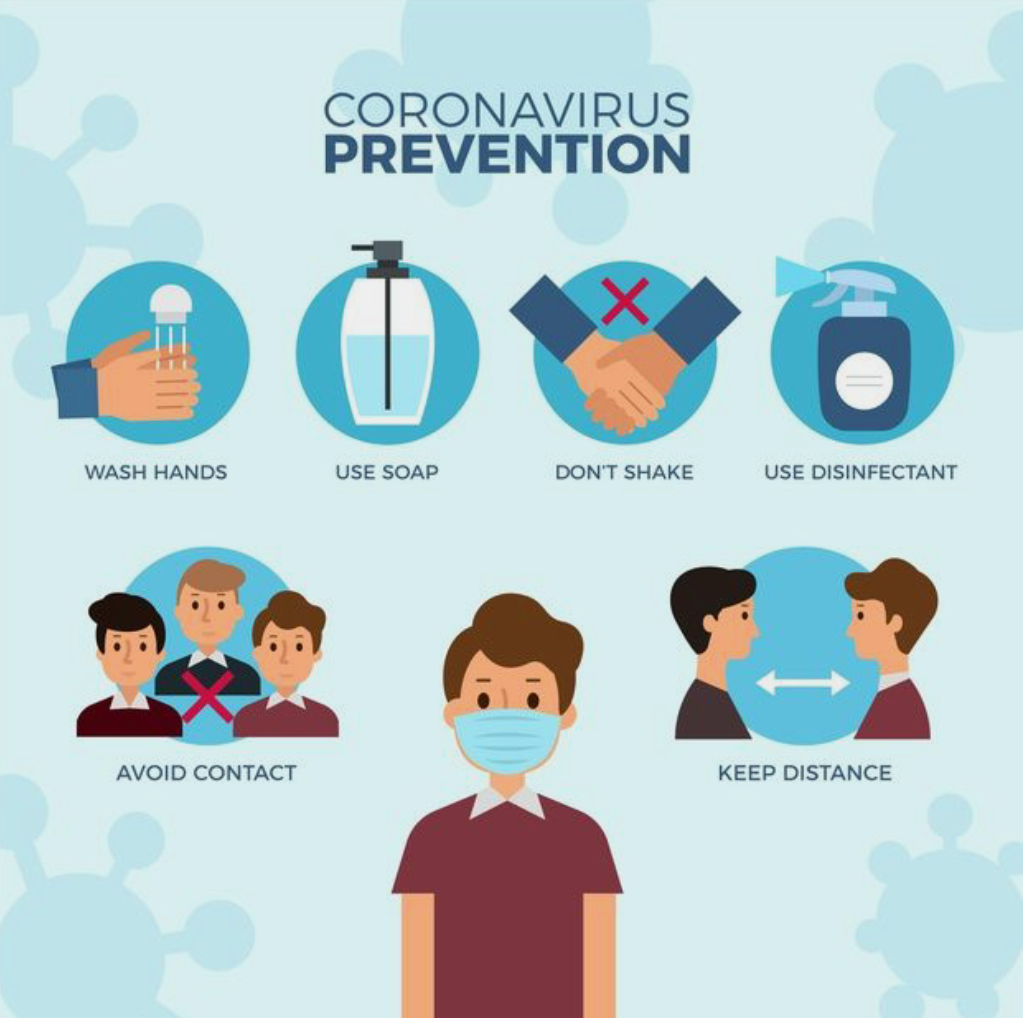
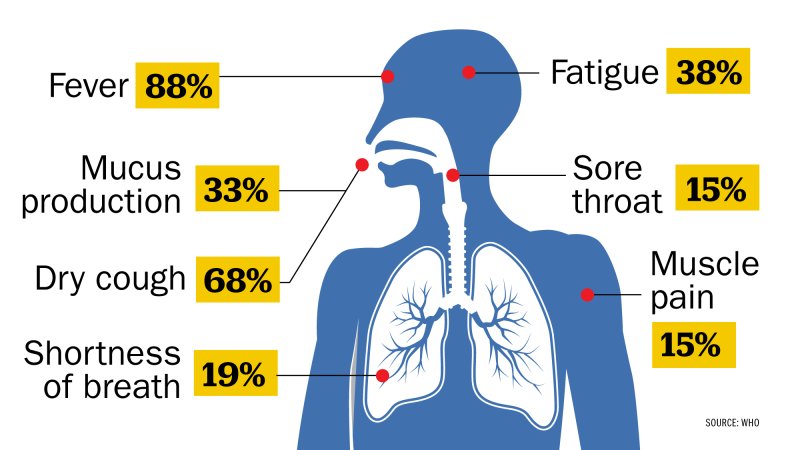
However ways on how to prevent the virus have definitely been helpful to a lot of us. One huge step taken was the world wide lockdown where people were asked to remain in quarantine and airplanes had shut down preventing travel of citizens to avoid spreading the virus. Prevention methods such as wearing of masks, maintaining social distance, avoiding social gatherings and even a nationwide lockdown were all put into place. Various testing methods had been developed to diagnose the disease. The standard diagnostic method is by detection of the virus’ nucleic acid by real-time reverse transcription polymerase chain reaction (rRT-PCR), transcription-mediated amplification (TMA), or by reverse transcription loop-mediated isothermal amplification (RT-LAMP) from a nasopharyngeal swab. Some common symptoms of the virus could be dry cough, fatigue or headaches while non common symptoms could be loss of taste and smell, breathing difficulties etc. Although the virus affected everyone in a negative manner, there were several companies who benefited from it and used it to their advantage. Companies such as Amazon, Zoom, Tesla, Apple had a rise in their economic prices. Vaccinations were soon introduced from different countries where some worked while some didnt and there was shortage in the number of vaccinations due to high demand for them. People also found new ways of communication through the technological platforms further helping in development of countries. Another positive aspect of this is that we as an individual have found time to spend with our family thus strengthening relationships and bonds with family. On the other hand communication has become more hander and children growing in this pandemic have tended to develop a introvert personality which could be a negative feature for them in the future.

In the present people have began to adapt to this form of lifestyle where technology plays a important role in survival and are slowly learning to be more comfortable with this method of communication. Inspite of that studies are still being made on how to put a stop to the virus or how to develop better methods of prevention which hopefully is something that’ll happen soon because We are in this together and we will get through this together.
HEALTH MINISTRY WAVES GREEN FLAG TO COVID 19 VACCINES IN INDIA

It’s been almost a year since the first case of COVID 19 was reported in the country. Around one crore people have effectively recovered from the pandemic while almost one and a half lakh lost their lives to it. The government has taken diverse measures to bring the pandemic under control but the high contagiousness of the virus made it hard for them to repress its spread. Countries and organizations around the globe were actively engaged in developing COVID 19 vaccines since its inception in China. Russia was the first country to successfully conduct the trials and roll out the vaccine for its public.

India on its way to mass vaccinating the country has approved two different vaccines; COVISHILED, a variant of AZD1222 vaccine developed by Oxford University and AstraZeneca manufactured by Serum Institute of India and  COVAXIN, manufactured by Hyderabad-based Bharat Biotech in collaboration with the Indian Council of Medical Research (ICMR), making them India’s first vaccines against the pandemic. Drug Control General of India (DCGI) VG Somani has granted permission for the restricted use of the vaccines and has confirmed the effectiveness of the vaccines on their trial runs. He said that “We’ll never approve anything if there is slightest of safety concern. The vaccines are 110 per cent safe” and also added that the COVISHIELD was found to have an efficiency rate of 70.42 per cent.  The Subject Expert Committee (SEC)  has reviewed Bharat Biotech’s data on “safety and immunogenicity” and gave permission for “restricted use in an emergency situation in the public interest” and has also recommended an accelerated approval of the request to Bharat Biotech International for phase-III trials of COVAXIN. The approval was given after India conducted a dry run across its states and union territories on Saturday as part of rehearsing the massive vaccination drive.

The Government is planning to vaccinate one crore healthcare workers belonging to both the private and public service sector as the initial step of the vaccination process. A digital platform named CoWIN has been introduced by the government, which will serve as a centralised system to record all details about the people to be vaccinated and helps in scaling and processing the vaccination drive. The second round of the vaccination drive will see the frontline and municipal workers of state and central service departments getting vaccinated. Using the latest electoral roll for Lok Sabha and Legislative assembly elections, people above 50 years of age will be identified and will form the third round of vaccination drive. People belonging to the geographical areas where the COVID infection is highly prevalent and people from high populated areas will also be vaccinated. The introduction of the COVID vaccines will be an added armour in India’s fight against the pandemic and the first step in bringing the country and its people back to normal life.

Vaccination and COVID-19

How long has it been since we went to school met our friends or had a family dinner at some restaurant? Since March 2020, we have all been advised to stay home and sanitise ourselves in order to stay safe. Sanitizers and masks have been added to our daily use products, all because of one tiny yet dangerous virus Covid-19!

The world is now waiting anxiously for a vaccine against this dreaded virus. Researchers around the world are working round the clock to develop vaccines to combat the pandemic. Currently, more than 165 vaccines against the corona virus are under process and 27 vaccines are undergoing human trials. Vaccines typically require years of research and testing before reaching the clinic. Today, scientists all over the world are racing to produce a safe and effective vaccine by next year.

When did the efforts start

Efforts to make a successful Covid-19 vaccine began in January 2020 with the deciphering of the SARS-CoV -2 genome. The first vaccine safety trials in humans started in March but the road ahead remains uncertain. Some trials will fail and others may end without a clear result. But a few may succeed in stimulating the immune system to produce effective antibodies against the virus.

• India and vaccine against Covid-19

Like many other countries, India too is immersed in the efforts to develop successful vaccines to counter Covid-19. Thirty different Indian companies are trying to produce a vaccine to fight the infection. 7 out of these have received approval from the World Health Organization. These vaccines are in different stages of testing and clinical trials now.

COVAXIN

COVAXIN is developed by Hyderabad based Bharat Biotech International Limited in collaboration with ICMR and NIV, Pune. This is the first vaccine from India to get regulatory approval. The vaccine makes us an inactive version of a virus to spike up production of antibodies in the host body. It recently initiated Phase I and Phase II of clinical testing.

ZyCoV-D

ZyCoV-D is being developed by Zydus Cadila based in Ahmedabad. The Phase I trials of the vaccine have already begun. Extensive research was done regarding the same in collaboration with medical labs in Europe and US.

• Russia and vaccine against Covid-19

Russia is one of the countries worst affected by Covid-19. The country has been pushing extensively for a Covid-19 vaccine for quite some time now; Russia too is a part of the race to produce the world’s first Covid vaccine. It is possible that Russia would be ready with its first domestic corona virus vaccine soon. The clinical trials were conducted by the Gamaleya National Research centre of Epidemiology and microbiology. There seem to be no reports of side effects on the volunteers. All the participants showed immunity and the country is planning for the serial production of the vaccine by September. By the beginning of next year, Russia hopes to manufacture several million doses of corona virus vaccines per month.

• Oxford University’s efforts to develop a vaccine

The university of Oxford has partnered with AstraZeneca, a British-Swedish pharmaceutical company to develop an adenovirus vector vaccine to combat Covid-19. The vaccine prototype is currently in Phase III of testing. Trials of the vaccine developed by Oxford University show it can trigger an immune response. The vaccine which has so far been found to be safe and effective is expected to be made available for the masses by the end of 2020. This vaccine would also be the first such vaccine to have a large scale testing in India. The observatory data for this vaccine is expected to be available by November this year. The company has tied up with Pune based serum institute of India to mass produce the vaccine once the company gets required approvals and licensing from medical boards.

• Some methods used to make vaccines for Covid-19

Different scientists across the world try different techniques and formulas to develop vaccines. The Oxford researchers have put small sections of the corona virus genetic code into a harmless virus that infects chimpanzees. They appear to have developed a safe virus that looks enough like the corona virus to produce an immune system. Some other scientists have used pieces of raw genetic code, either DNA or RNA. When these are injected into the body it would start producing bits of viral proteins which the immune system can learn to fight. There is also work on corona virus vaccines called ‘plug and play’ vaccines. This method is new and less tested.

Thank you for reading. Have a nice day!🌼

Day to Day Sings & Symptons…DAY 1 to 22

Day to Day Signs and Symptoms of Coronavirus DAY TO DAY SYMPTOMS OF COVID-19 Before proceeding, please note that this general overview is compiled for initial self-assessment only and should vary for each individual. If you are not feeling well, you ought to immediately consult a medical man to possess an accurate diagnosis and proper treatment of COVID-19. The typical daily symptoms are concluded from the study of 138 patients at Zhongnan Hospital of Wuhan University and another study involving 135 patients from Jinyintan Hospital and 56 patients from Wuhan Pulmonary Hospital.

Update: China reports 1,287 confirmed cases of new coronavirus ...

These symptoms are broken down into:

DAY 1 to DAY 2 the start symptoms are almost like the cold with a light pharyngitis and neither having a fever nor feeling tired. Patients can still consume food and drink as was common .

DAY 3 The patient’s throats start to feel a touch painful. Body temperature reads at around 36.5° celsius. Although it’s uncommon, other symptoms like mild nausea, vomiting or mild diarrhea are possible to set in.

DAY 4 Throat pain becomes more serious. Other symptoms like feeling weak and joint pain start to manifest. The patient may show a temperature reading between 36.5° to 37° celsius.

DAY 5 to DAY 6 Mild fever starts. The patients show a temperature reading above 37.2° celsius. The second most common symptom, dry cough, also appears. Dyspnea or breathing difficulty may occur occasionally. Most patients during this stage are easily feeling tired. Other symptoms remain about the same. These four symptoms are among the top five key indications of COVID-19 according to the final report of the initial outbreak conducted by the joint mission of China and WHO.

DAY 7 get more serious coughs and breathing difficulty. Fever can get higher up to 38° celsius. Patients may develop further headache and body pain or worsening diarrhea if there’s any. Many patients are admitted to the hospital at this stage.

DAY 8 to DAY 9 On the 8th day, the symptoms are likely to be worsened for the patient who has coexisting medical conditions. Severe shortness of breath becomes more frequent. Temperature reading goes well above 38°.

DAY 9 is that the average time when Sepsis starts to affect 40% of the patients.

DAY 10 to DAY 11 Doctors are ordering imaging tests like chest x-ray to capture the severity of respiratory distress in patients. Patients are having loss of appetite and should be facing abdominal pain. The condition also needs immediate treatment in ICU.

DAY 12 to DAY 14 For the survivors, the symptoms can be well-managed at this point. Fever tends to urge better and breathing difficulties may start to cease on day 13. But Some patients should be suffering from mild cough even after hospital discharge.

DAY 15 to DAY 16 Day 15 is the opposite condition for the rest of the minority patients. The fragile group must prepare for the possibility of acute cardiac injury or kidney injury.

DAY 17 to DAY 19 COVID-19 fatality cases happen at around day 18. Before the time, vulnerable patients may develop a secondary infection caused by a new pathogen in the lower respiratory tract. The severe condition may then lead to blood coagulation and ischemia.
DAY 20 to DAY 22 The surviving patients are recovered completely from the disease and are discharged from the hospital.

STAY HOME & STAY SAFE

Instagram Launches 'Stay Home' Story & Co-Watching Feature Amid ...

Maharashtra, Delhi, amongst five states to receive the first batch of COVID-19 drug

Hetero Drug Limited, which is one of India’s leading pharmaceutical companies, has the approval to manufacture and market the generic version of the experimental COVID-19 drug Remdesivir. The company has sent 20,000 vials to five states which include Maharashtra and Delhi.

Both Maharashtra and Delhi happen to be the worst affected states when it comes to the coronavirus. Gujarat and Tamil Nadu are the other two states that will receive the first batch of the drug. The drug Remdesivir is being marketed under the brand name COVIFOR in India.

The capital of Hyderabad, Telangana, where the company is based, will also receive the first batch of the drug. The next batch of the drug is to be shipped to Kolkata, Indore, Bhopal, Lucknow, Patna, Bhubaneshwar, Ranchi, Vijayawada, Kochi, Trivandrum and Goa.

According to the pharmaceutical company, a 100-milligram vial of the drug will cost ₹5,400. The recommended dose for both adults and the paediatric patients are said to be 200 mg on day one followed by a maintenance dose of 100 mg for five days.

At the moment, the drug is being manufactured at the company’s formulation facility in Hyderabad. The active pharmaceutical ingredient (API) is being made in the firm’s Visakhapatnam facility, as per reports by a news agency.

The DCGI had earlier approved the generic versions made by Cipla and Hetero for emergency use in severe cases of coronavirus. The treatment was the first to show results in trials conducted on patients suffering from the disease. It has won approval for emergency use in patients from the US, South Korea and has further received full approval in Japan.

Maharashtra, which is the worst affected state in the country because of the pandemic can, therefore, use this drug to treat critically ill patients. The state currently has 1,47,738 cases of coronavirus with 70,878 cases in Mumbai only.

WHO : Astrazeneca leading in Covid-19 vaccine race, Moderna not far behind

The WHO is in talks with multiple Chinese manufacturers, including Sinovac, on potential vaccines

syringe and pills on blue background
Photo by Anna Shvets on Pexels.com

AstraZeneca’s experimental Covid-19 vaccine is probably the world’s leading candidate and most advanced in terms of development, the World Health Organization’s (WHO) chief scientist said on Friday.

The British drugmaker has already begun large-scale, mid-stage human trials of the vaccine, which was developed by researchers at University of Oxford.

This week, AstraZeneca signed its tenth supply-and-manufacturing deal.

“Certainly in terms of how advanced they are, the stage at which they are, they are I think probably the leading candidate,” WHO chief scientist Soumya Swaminathan told a news conference.

“So it’s possible they will have results quite early.”

Swaminathan said Moderna’s Covid-19 vaccine candidate was “not far behind” AstraZeneca’s, among more than 200 candidates, 15 of which have entered clinical trials.

ALSO READ: Coronavirus LIVE: Vaccine tests need over $30 bn in 12 months, says WHO

“We do know that Moderna’s vaccine is also going to go into phase three clinical trials, probably from the middle of July, and so that vaccine candidate is not far behind,” she said.

“But I think AstraZeneca certainly has a more global scope at the moment in terms of where they are doing and planning their vaccine trials.”

The WHO is in talks with multiple Chinese manufacturers, including Sinovac, on potential vaccines, as well as with Indian researchers, Swaminathan said.

She called for drugmakers to consider collaborating on Covid-19 vaccine trials, similar to the WHO’s ongoing Solidarity trial for drugs. A WHO-led coalition fighting the pandemic on Friday asked government and private sector donors to help raise $31.3 billion in the next 12 months to develop and deliver tests, treatments and vaccines for the disease. The initiative is called the ACT-Accelerator.

Andrew Witty, Special Envoy for the ACT-Accelerator, said it was important to consider a “portfolio of research efforts” for vaccines.

“It’s still very early days in this journey, we may be super lucky – which would be terrific – and have an early win,” Witty said. “Even if it takes 12 to 18 months that would be without precedent, the world’s fast development of vaccine.”


Dexamethasone- Corona Vaccine Update!!!

Finally some good news today dexamethasone is now being called a major breakthrough based on a recent randomized controlled trial in the UK. Dexamethasone also known as Decadron is an example of a glucocorticoid are sometimes referred to as corticosteroids other examples of glucocorticoids include hydrocortisone methyl prednisolone prednisolone, prednisone beta methazone and triamcinolone so glucocorticoids are a class of steroid hormones that bind to the glucocorticoid receptor in the body cortisol aka hydrocortisone is the glucocorticoid.

pexels-photo-4031867.jpeg
Photo by Edward Jenner on Pexels.com

We naturally make in our body it’s essential for life it regulates or supports various cardiovascular metabolic and homeostatic functions it also plays a big role in our immune system especially when it comes to reducing certain aspects of inflammation this is why we use them all the time in medicine we sometimes give these steroids for asthma copd rheumatologic type diseases and countless more diseases. Sometimes it is also given for steroids for meningitis and also for some forms of cancer we also give them in the early course of severe ards acute respiratory distress syndrome whether that ards is due to infection such as pneumonia or vaping lung injury or whatever the cause for severe ards we typically give methylprednisolone or solumedral at a dose of one milligram per kilogram per day. So, for most people that ends up being around 80 milligrams per day so this is the equivalent of 15 milligrams of dexamethasone the idea here is to suppress the cytokine storm that has taken place meaning that the massive amount of inflammation that causes lung damage and can indirectly cause damage to other organs as well our body naturally makes cortisol in our adrenal glands specifically in the zona fasciculata of the adrenal cortex the adrenal gland then secretes cortisol into the bloodstream and the cortisol travels to different tissues of the body and then binds to the glucocorticoid receptor inside cells it then stimulates the cell to make more anti-inflammatory proteins and causes the cell to make less pro-inflammatory proteins but giving someone glucocorticoids meaning steroids to someone who has an infection is somewhat of a tricky thing because the fear is that if you suppress the body’s immune system it has the potential to make the infection worse. Sometimes the body’s immune system does more damage than the actual infection for example in cases of meningitis that is due to either streptococcus or tuberculosis we give steroids because the medical evidence shows that they have better outcomes when we do so and giving someone steroids for viral pneumonias like influenza is more controversial because doing so generally leads to worse infection with that said if the viral pneumonia is so bad to the point of causing severe ards most doctors will give steroids in that situation. So this is why, the general medical guidelines so far recommend against giving steroids for covert pneumonia unless the patient has severe ards and we’ve been waiting for randomized controlled trials to come out for steroids in covid and here we are now with this study so in march of 2020 the recovery trial which stands for randomized evaluation of covid-19 therapy was one of the randomized control trials that actually looked at several different potential treatments for covid which included low-dose dexamethasone this trial was done in the UK.

skynews-dexamethasone-covid-19_5014958

Image source: Sky News

Over 11 500 patients in it so this trial has not been peer reviewed as of has not been published in the journal yet so everything I know so far is based on what’s been released to the general public in this trial over 2100 patients were randomized to receive dexamethasone specifically six milligrams once per day for 10 days and this group was compared with over 4 300 patients that were randomized to the standard care alone so 6 milligrams of dexamethasone is the equivalent of 32 milligrams of methylprednisolone so this is about half the dose we would typically use for someone with severe ards so among the patients who received standard care alone 20-day mortality was highest in those who required mechanical ventilation this was 41 and then intermediate in those patients who required supplemental oxygen only this was mortality rate of 25 percent and the mortality rate was lowest among those who did not require supplemental oxygen in which that mortality rate was 13 for patients who were on mechanical ventilators dexamethasone reduced mortality from 41 percent to 28 percent for patients who needed supplemental oxygen it reduced mortality from 25 percent to 20 percent and there was no benefit among those patients who do not require supplement oxygen in other words if someone only had mild disease there was no point in giving dexamethasone so based on these results one death would be prevented by the treatment of around eight ventilated patients. So that’s the number needed to treat for ventilated patients and then the number needed to treat for the ones who required supplemental oxygen that number needed to treat would be 25 so these preliminary results are significant but it doesn’t mean that dexamethasone is a miracle drug it’s certainly not a cure but it does seem to help based on these numbers index and methazone could be of huge benefit and not just rich countries but poorer countries as well because this drug is very cheap and is widely available so this is great news and very exciting but there are still a lot of questions that need to be answered like what is the ideal dose should we use higher doses in patients who are mechanically ventilated with ards and when will it be approved for use in the united states and we’ll get these answers pretty soon now another.

person holding petri dish
Photo by Anna Shvets on Pexels.com

Interesting question is should we give decadron dexamethasone to people who have mild disease now even though this study didn’t show any benefit the reason why i bring this up is because some people start out with mild disease and then go on to have moderate or severe disease and we have no way of predicting who goes on to do that and also it happens very quickly lots of times someone could be doing just fine and then all of a sudden within hours they all of a sudden are deteriorating and they have severe disease so should we give those patients decadron regardless is there any harm doing so that’s another question that remains to be seen.

Corona Vaccine Update!!!

The situation in the world are very worse and so our hope for vaccine also. Scienticts are trying hard and hard to discover the vaccine. Scientist and pharma industry from all over the world are in danger in terms of health and wealth.

Here are some updates related to corona virus vaccine;

Moderna Therapeutics‘ invented mRNA-1273 vaccine prototypes which is heading towards success with high speed. The vaccine, is currently in its second phase of testing is more likely to be tested ahead on its third phase of clinical testing, Moderna therapeutics plans to involve about 30,000 participants between the ages of 18-55 and those who are at high risk of corona virus. If the trials are successful than it would be much relief for the people all around the world, by the time, Moderna promised to manufacture 100 million doses of the vaccine. The third phase of the testing is most likely to start in July.

Oxford University & AstraZeneca of Brazil which is worst affected country due to COVID-19 are jointly working to develop the corona virus vaccine. Once they tried to develop the vaccine but it failed in testing, now after much of research and time they again got hope and now they are soon ready to begin the trails on humans. To speed up the development of vaccine and minimizing the clinical trial time they are conducting both phase I and phase II trials at the same time.

Serum Institute of India (SII) India is also leading in development of  vaccine it has already tested for 18-55 age but side effects were observed and is again under development and testing. If India is able to development the vaccine first than India will become super nation as India will show to world that still India can do better in health sector and obvious youth is also at great potential so, ultimately it will attract many of the MNCs to India.

HERD IMMUNITY: Will it be the solution to this pandemic?

Corona Virus or COVID 19 is here to stay with us for a long time, it has left the world in utter chaos and has created disturbances which would have a long lasting effect on the world be it economy or lifestyle.

COVID 19 is spreading at an alarming rate and the fact that it is super contagious and the death rate is the highest which has ever been seen when compared to other deadly disease outbreaks or pandemics has left us all in a state of delirium. Even though many have recovered after getting infected by corona virus still the chances of a second revival (infection) amongst the recovered is high.

Many experts are saying  that “Herd immunity” is one of the strongest and the smartest solutions to tackle COVID 19, Herd immunity is developed when a majority of the individuals are immune to a deadly disease(epidemic/pandemic) ,this immunization of the high proportion of the population is possible through vaccination or when more than half of the population has developed immunity over time maybe after contracting that disease which would eventually help the whole population hence this can prove to be the ultimate cure to the pandemic. For example because of polio vaccination (mandatory) which is given to every child, it has allowed the population to develop herd immunity and this has made India a polio free country. Around at least 70% of the population has to develop herd immunity to enable herd protection within the population.

But again there are drawback to this as many experts state that even if we achieve herd immunity the old and the young children will still be very much vulnerable to the disease and it won’t last for more than an year amongst the population and henceforth herd immunity achieved through vaccination is a better choice over the other ways and could be the solution to decrease the rate of infections.

We won’t be seeing the invention of a vaccine in the year 2020  which can be the solution to free ourselves from corona neither will we be seeing the invention of any medication. Most of us have gone our way ahead and consumed homeopathy courses of medication which would boost our immunity but will it really do its job of amplifying our immunity to a level where the corona virus can’t infect our bodies is the big question. Most of us are not leaving  any stone unturned when it comes to taking precautions we have literally gone our way ahead and tried to follow all the instructions which we saw on YouTube, news or even WhatsApp and Facebook forwards .WHO has even come out with the concept of an “immunity passport” which would be given to people who are fit enough to travel as antibodies have been found in their blood which can fight the SARS-CoV-2 virus(cause of COVID 19) and have recovered from the infection to travel and work overseas.

Many Scientists state that a vaccine which can prevent COVID 19 might just never come out or even if it is invented it will take a minimum of another six months, but still there is no proof that this statement is completely true. The trial and error of vaccines are still on the go and we have not lost hope.

Abdhi Upadhyay