Top Restaurants in Pune

Daily writing prompt
What is your favorite restaurant?

Pune, a vibrant city in Maharashtra, India, is renowned for its rich culinary heritage, blending traditional Maharashtrian flavors with diverse culinary influences from across India and the world. Here’s a glimpse into some of the top restaurants in Pune that offer an exquisite dining experience:

Photo by Helena Lopes on Pexels.com
  1. Shreyas: Nestled in the heart of Pune, Shreyas is celebrated for its authentic Maharashtrian thali, showcasing a delightful array of traditional dishes served in a classic ambiance. From delectable sabzis to fragrant rice and mouthwatering desserts, Shreyas offers a culinary journey through the flavors of Maharashtra.
  2. Paasha: Perched atop the JW Marriott Hotel, Paasha offers panoramic views of Pune along with an extensive menu of North Indian cuisine. With its elegant décor and sumptuous dishes, Paasha promises a memorable dining experience, featuring flavorful kebabs, rich curries, and indulgent desserts.
  3. Baan Tao: Located in the Hyatt Pune, Baan Tao invites diners to savor the flavors of Asia in a contemporary setting. Specializing in Thai, Chinese, and Vietnamese cuisine, this restaurant offers an innovative menu crafted with fresh, high-quality ingredients and impeccable presentation.
  4. Malaka Spice: Known for its vibrant ambiance and eclectic menu, Malaka Spice is a beloved destination for lovers of Southeast Asian cuisine. From fragrant Thai curries to tangy Vietnamese salads, Malaka Spice offers a diverse culinary experience that delights the senses.
  5. German Bakery: A Pune institution, the German Bakery is cherished for its cozy atmosphere and delectable baked goods. Whether it’s freshly baked bread, savory quiches, or decadent pastries, this charming café is a favorite among locals and tourists alike.
  6. Café Moshes: Tucked away in Koregaon Park, Café Moshes is renowned for its relaxed vibe and delicious comfort food. From hearty sandwiches to indulgent desserts, this café offers a menu that caters to diverse tastes, making it a popular choice for casual dining.
  7. The Flour Works: With its emphasis on fresh, seasonal ingredients and artisanal bread, The Flour Works has carved a niche for itself in Pune’s culinary scene. Whether it’s a leisurely brunch or an intimate dinner, this charming café offers a menu that celebrates the joys of simple yet flavorful cuisine.
  8. Arthur’s Theme: Inspired by the legendary King Arthur, this restaurant exudes old-world charm and sophistication. Known for its European-inspired menu and extensive wine list, Arthur’s Theme offers an elegant dining experience that transports diners to a bygone era.

These are just a few highlights from Pune’s vibrant culinary landscape, which continues to evolve with new flavors and experiences waiting to be discovered. Whether you’re craving authentic regional cuisine or international flavors, Pune’s top restaurants promise a gastronomic adventure like no other.

Veganism in a Nutshell

Once considered a niche diet, veganism has gone mainstream — so much so that the number of people following a vegan diet has increased by 350% in the last decade. By definition, veganism is a way of living in which people exclude, as much as possible, all forms of animal exploitation and cruelty.

At first glance, a vegan diet may seem complicated or overly restrictive. Many of my clients who are considering switching over to a vegan diet are initially worried about finding suitable vegan alternatives to their favourite meals. Yet, most find that once they get a few basics down, the transition is less difficult than they initially expected.

According to the Vegan Society, the term “vegan” was coined back in 1944 by a small group of vegetarians who broke away from the Leicester Vegetarian Society in England to form the Vegan Society. In addition to refraining from eating meat, they chose not to consume dairy, eggs, or any other products of animal origin The term “vegan” was chosen from the combination of the first and last letters of “vegetarian.” By 1949, the first definition of veganism had been born. It has changed slightly over the years to become what it is known as today. Many people use the term “vegan” to refer exclusively to diet. However, by this latest definition, veganism extends beyond eating a plant-based diet.

Those who identify as vegans typically aim to exclude animal exploitation or cruelty in all aspects of their lives, including the clothes they wear, the cosmetics they use, and the leisure activities they take part in .As a result, many vegans avoid purchasing wool coats, leather furniture, or down pillows and comforters. They may also opt to visit animal sanctuaries instead of going to zoos, the circus, or animal petting farms.

Reasons people go vegan

Health-Some people choose a vegan diet for its potential health benefits. Diets high in meat — especially red meat — have been linked to cancer, heart disease, and type 2 diabetes .On the other hand, plant-based diets have been linked to a lower risk of developing or prematurely dying from these diseases. Lowering your intake of animal products in favour of more plant-based options may also improve your digestion and reduce your risk of Alzheimer’s disease .A vegan diet can also help minimize the side effects linked to the antibiotics and hormones used in modern animal agriculture .Finally, vegan diets appear to be especially effective at helping people lose unwanted weight. Several studies link a vegan diet to a lower likelihood of obesity

Moral ideals-Ethical vegans strongly believe that all creatures have a right to life and freedom. They view all animals as conscious beings that, just like humans, wish to avoid pain and suffering .Because of this, ethical vegans are opposed to killing an animal in order to eat its flesh or wear its fur or skin. Vegans are also opposed to the psychological and physical stress that animals may endure as a result of modern farming practices — for instance, the small pens or cages that animals typically live in and rarely leave between their birth and slaughter.

Environment

People may also choose to avoid animal products in an attempt to limit their environmental impact. According to recent data, animal agriculture heavily contributes to greenhouse gas emissions (GHGEs), which cause climate change.Meat eaters are thought to be responsible for 2–2.5 times more GHGEs than people following a vegan diet. Ruminant animals, such as cattle, sheep, and goats, appear to emit the largest amount of greenhouse gases per gram of protein they deliver. Therefore, diets that reduce or totally eliminate dairy also produce significantly fewer GHGEs.

Foods that vegans eat

Avoiding animal products doesn’t restrict you to eating salads and tofu alone. There’s a wide variety of delicious foods you can eat on a vegan diet.

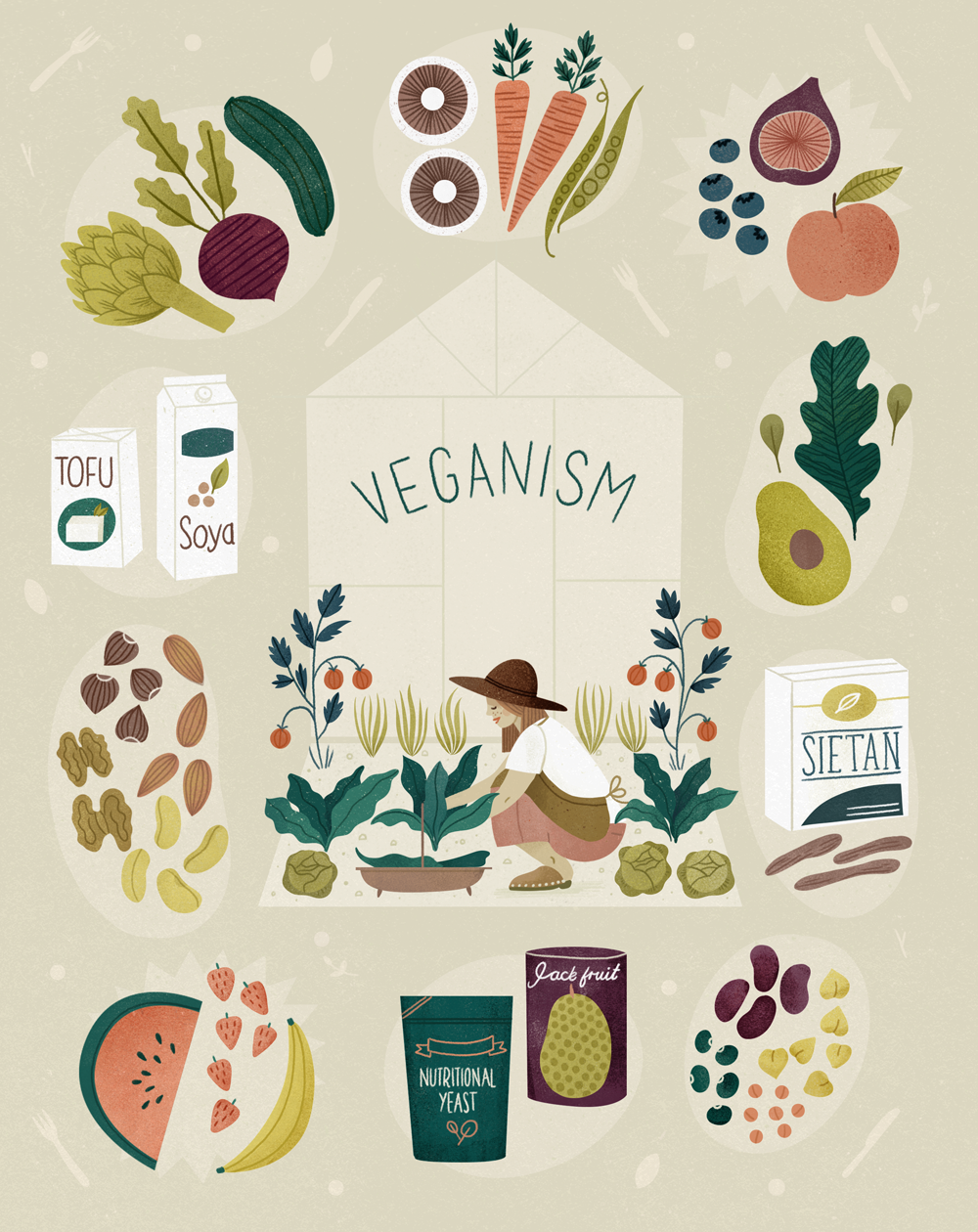
  • Beans, peas, and lentils: such as red, brown, or green lentils; chickpeas; split peas; black-eyed peas; black beans; white beans; and kidney beans
  • Soy products: such as fortified soy milk, soybeans, and products made from them, such as tofu, tempeh, and natto
  • Nuts: such as peanuts, almonds, cashews, and their butters
  • Seeds: such as sunflower seeds, sesame seeds, and their butters, as well as flaxseed, hemp seeds, and chia seeds
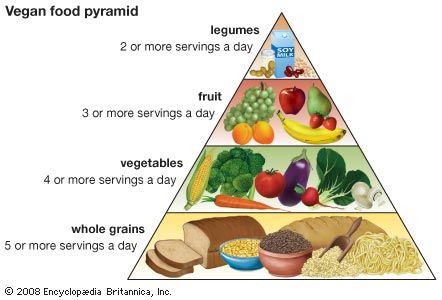
  • Whole grains: such as quinoa, whole wheat, whole oats, and whole grain brown or wild rice, as well as products made from these foods, such as whole grain bread, crackers, and pasta
  • Starchy vegetables: such as potatoes, sweet potatoes, corn, squash, beets, and turnips
  • Nonstarchy vegetables: such as broccoli, cabbage, asparagus, radishes, and leafy greens; these may be raw, frozen, canned, dried, or pureed
  • Fruit: such as apples, pears, bananas, berries, mango, pineapple, oranges, and tangerines; these may be purchased fresh, frozen, canned, dried, or pureed
  • Other plant-based foods: such as algae, nutritional yeast, fortified plant milks and yogurts, and maple syrup

There’s a good chance that many of the dishes you currently enjoy either already are vegan or can be made vegan with a few simple adjustments.For instance, you can swap meat-based main dishes for meals containing beans, peas, lentils, tofu, tempeh, nuts, or seeds.

Transitioning to a vegan diet is easier than most people think. That said, it does require a little additional nutrition knowledge.So if you’re interested in making the switch, consider seeking advice from a registered dietitian specializing in plant-based diets to make sure you’ve got your basics covered.Depending on your knowledge, budget, and culinary skills, you may also want to consider taking certain supplements to ensure you’re providing your body with all the nutrients it need

Veganism in a Nutshell

Once considered a niche diet, veganism has gone mainstream — so much so that the number of people following a vegan diet has increased by 350% in the last decade. By definition, veganism is a way of living in which people exclude, as much as possible, all forms of animal exploitation and cruelty.

At first glance, a vegan diet may seem complicated or overly restrictive. Many of my clients who are considering switching over to a vegan diet are initially worried about finding suitable vegan alternatives to their favourite meals. Yet, most find that once they get a few basics down, the transition is less difficult than they initially expected.

According to the Vegan Society, the term “vegan” was coined back in 1944 by a small group of vegetarians who broke away from the Leicester Vegetarian Society in England to form the Vegan Society. In addition to refraining from eating meat, they chose not to consume dairy, eggs, or any other products of animal origin The term “vegan” was chosen from the combination of the first and last letters of “vegetarian.” By 1949, the first definition of veganism had been born. It has changed slightly over the years to become what it is known as today. Many people use the term “vegan” to refer exclusively to diet. However, by this latest definition, veganism extends beyond eating a plant-based diet.

Those who identify as vegans typically aim to exclude animal exploitation or cruelty in all aspects of their lives, including the clothes they wear, the cosmetics they use, and the leisure activities they take part in .As a result, many vegans avoid purchasing wool coats, leather furniture, or down pillows and comforters. They may also opt to visit animal sanctuaries instead of going to zoos, the circus, or animal petting farms.

Reasons people go vegan

Health-Some people choose a vegan diet for its potential health benefits. Diets high in meat — especially red meat — have been linked to cancer, heart disease, and type 2 diabetes .On the other hand, plant-based diets have been linked to a lower risk of developing or prematurely dying from these diseases. Lowering your intake of animal products in favour of more plant-based options may also improve your digestion and reduce your risk of Alzheimer’s disease .A vegan diet can also help minimize the side effects linked to the antibiotics and hormones used in modern animal agriculture .Finally, vegan diets appear to be especially effective at helping people lose unwanted weight. Several studies link a vegan diet to a lower likelihood of obesity

Moral ideals-Ethical vegans strongly believe that all creatures have a right to life and freedom. They view all animals as conscious beings that, just like humans, wish to avoid pain and suffering .Because of this, ethical vegans are opposed to killing an animal in order to eat its flesh or wear its fur or skin. Vegans are also opposed to the psychological and physical stress that animals may endure as a result of modern farming practices — for instance, the small pens or cages that animals typically live in and rarely leave between their birth and slaughter.

Environment

People may also choose to avoid animal products in an attempt to limit their environmental impact. According to recent data, animal agriculture heavily contributes to greenhouse gas emissions (GHGEs), which cause climate change.Meat eaters are thought to be responsible for 2–2.5 times more GHGEs than people following a vegan diet. Ruminant animals, such as cattle, sheep, and goats, appear to emit the largest amount of greenhouse gases per gram of protein they deliver. Therefore, diets that reduce or totally eliminate dairy also produce significantly fewer GHGEs.

Foods that vegans eat

Avoiding animal products doesn’t restrict you to eating salads and tofu alone. There’s a wide variety of delicious foods you can eat on a vegan diet.

  • Beans, peas, and lentils: such as red, brown, or green lentils; chickpeas; split peas; black-eyed peas; black beans; white beans; and kidney beans
  • Soy products: such as fortified soy milk, soybeans, and products made from them, such as tofu, tempeh, and natto
  • Nuts: such as peanuts, almonds, cashews, and their butters
  • Seeds: such as sunflower seeds, sesame seeds, and their butters, as well as flaxseed, hemp seeds, and chia seeds
  • Whole grains: such as quinoa, whole wheat, whole oats, and whole grain brown or wild rice, as well as products made from these foods, such as whole grain bread, crackers, and pasta
  • Starchy vegetables: such as potatoes, sweet potatoes, corn, squash, beets, and turnips
  • Nonstarchy vegetables: such as broccoli, cabbage, asparagus, radishes, and leafy greens; these may be raw, frozen, canned, dried, or pureed
  • Fruit: such as apples, pears, bananas, berries, mango, pineapple, oranges, and tangerines; these may be purchased fresh, frozen, canned, dried, or pureed
  • Other plant-based foods: such as algae, nutritional yeast, fortified plant milks and yogurts, and maple syrup

There’s a good chance that many of the dishes you currently enjoy either already are vegan or can be made vegan with a few simple adjustments.For instance, you can swap meat-based main dishes for meals containing beans, peas, lentils, tofu, tempeh, nuts, or seeds.

Transitioning to a vegan diet is easier than most people think. That said, it does require a little additional nutrition knowledge.So if you’re interested in making the switch, consider seeking advice from a registered dietitian specializing in plant-based diets to make sure you’ve got your basics covered.Depending on your knowledge, budget, and culinary skills, you may also want to consider taking certain supplements to ensure you’re providing your body with all the nutrients it need

Eating for the Environment

According to the Cambridge Dictionary, veganism can be defined as : the practice of not eating or using any animal products, such as meat, fish, eggs, cheese, or leather. The term ‘vegan’ was coined in 1944 by Donald Watson, co-founder of ‘the Vegan Society’. Initially, the term was used to describe ‘non-dairy vegetarians. However, in 1951 the Vegan Society has updated the definition to:“exclude all forms of animal exploitation…” Veganism seems to be rising fast as a dietary choice with the number of vegans in the U.S. growing by 600% from 4 million (2014) to 20 million (2018). However, it is still in the minority with less than 1 percent of the total world population (79 million out of a total 7.9 billion) being vegan.

  • Health Benefits

The increasing numbers of people are moving toward vegan diets due to health, animal welfare, or environmental concerns. Vegan diets tend to be rich in nutrients and low in saturated fats. Research suggests that the diet can improve heart health, protect against cancer, and lower the risk of type 2 diabetes.

Vegan diets can boost heart health in several ways. A large-scale study conducted in 2019 had linked a higher intake of plant-based foods and lower intake of animal foods with a reduced risk of heart disease and death in adults. Animal products such as meat, cheese, and butter are the main dietary sources of saturated fats. According to the American Heart Association, eating such foods that contain these fats raises cholesterol levels. High levels of cholesterol increase the risk of heart disease and stroke. Plant foods are also high in fibre, which are linked with better heart health. Animal products contain very little or no fibre in comparison. In addition, people on a vegan diet often take in fewer calories than those on a standard Western diet. A moderate calorie intake can lead to a lower body mass index and a reduced risk of obesity, a major risk factor for heart disease.

According to a 2017 review, eating a vegan diet may also reduce a person’s risk of cancer by 15%. This health benefit may be due to the fact that plant foods are high in various vitamins and phytochemicals (biologically active compounds in plants) that protect against cancers. The International Agency for Research on Cancer has also reported that red meat is “probably carcinogenic,” noting that research has linked it primarily to colorectal cancer but also to prostate cancer and pancreatic cancer. Eliminating red and processed meats from the diet removes these possible risks.

  • Environmental Benefits

Going Vegan also has multiple environmental benefits.

The high levels of carbon dioxide, methane, and other Greenhouse gasses (GHG) produced by animal agriculture generate over 14% of global emissions, greater than all transportation emissions. Studies show that adopting a vegan diet can cut agricultural greenhouse gases in half.

With greenhouse gases being the leading cause of climate change, due to the “greenhouse effect”, we should expect Veganism to help mitigate climate change. Studies have found that if everyone went vegan, emissions contributing to global warming would be cut by 70%, enough to stop and reverse the harmful effects of climate change including rising sea levels, floods, melting glaciers, and droughts.

Animal agriculture impacts the world’s biodiversity by using wild land for soy and maize crops, the primary livestock feed. The increasing use of land has led to a number of native species being threatened on a global level, including different species of monkeys, elephants, bears, tigers, alligators, lions, wolves, and parrots. Choosing a vegan diet will go a long way in preventing species extinction by eliminating the need of livestock and factory farms feed crops. Veganism provides a more sustainable agricultural model, focused on feeding people, not animals for slaughter.

  • Negative Benefits

Vegan diets tend to be rich in many nutrients, low in saturated fat and cholesterol, and also higher in dietary fibre. But there are many nutrients that those following a vegan diet oftentimes do not consume enough of. If you’re not careful, following a vegan diet can cause in the development of some deficiencies in vitamin D, calcium, omega-3 fatty acids, and zinc. These deficiencies can impact the body in a variety of ways, possibly causing a weakened immune system, a higher risk of experiencing bone fractures, high blood pressure, rashes, or fatigue.

Iron plays a crucial role in transporting oxygen throughout your body but it can be difficult to get enough of it when following a vegan diet. Heme iron (a type of iron) is found only in animal sources. Since those following a vegan diet do not consume heme iron, they must rely on non-heme iron, which can be found in plant sources, but it is not as readily absorbed by the body as heme iron is.

In addition, certain plant-based compounds can further inhibit iron absorption, making it more difficult for those following a vegan diet to consume enough iron, per a paper published in the American Journal of Clinical Nutrition in 2010. Not consuming enough iron could cause the body to feel lethargic and it could put at risk for developing iron-deficiency: anaemia, which is a potentially serious condition that occurs when your body isn’t making enough red blood cells.

Ultimately the success of a vegan diet will rest on the conscientiousness of the individual undertaking it. It may be a restrictive diet and unless we pay attention to the elements of the diet that it excludes, then we might be putting ourselves at risk of developing deficiency-related problems. It has become easier to follow with vegan-friendly food products in supermarkets, which are fortified with nutrients that can be absent from the diet.