Veganism in a Nutshell

Once considered a niche diet, veganism has gone mainstream — so much so that the number of people following a vegan diet has increased by 350% in the last decade. By definition, veganism is a way of living in which people exclude, as much as possible, all forms of animal exploitation and cruelty.

At first glance, a vegan diet may seem complicated or overly restrictive. Many of my clients who are considering switching over to a vegan diet are initially worried about finding suitable vegan alternatives to their favourite meals. Yet, most find that once they get a few basics down, the transition is less difficult than they initially expected.

According to the Vegan Society, the term “vegan” was coined back in 1944 by a small group of vegetarians who broke away from the Leicester Vegetarian Society in England to form the Vegan Society. In addition to refraining from eating meat, they chose not to consume dairy, eggs, or any other products of animal origin The term “vegan” was chosen from the combination of the first and last letters of “vegetarian.” By 1949, the first definition of veganism had been born. It has changed slightly over the years to become what it is known as today. Many people use the term “vegan” to refer exclusively to diet. However, by this latest definition, veganism extends beyond eating a plant-based diet.

Those who identify as vegans typically aim to exclude animal exploitation or cruelty in all aspects of their lives, including the clothes they wear, the cosmetics they use, and the leisure activities they take part in .As a result, many vegans avoid purchasing wool coats, leather furniture, or down pillows and comforters. They may also opt to visit animal sanctuaries instead of going to zoos, the circus, or animal petting farms.

Reasons people go vegan

Health-Some people choose a vegan diet for its potential health benefits. Diets high in meat — especially red meat — have been linked to cancer, heart disease, and type 2 diabetes .On the other hand, plant-based diets have been linked to a lower risk of developing or prematurely dying from these diseases. Lowering your intake of animal products in favour of more plant-based options may also improve your digestion and reduce your risk of Alzheimer’s disease .A vegan diet can also help minimize the side effects linked to the antibiotics and hormones used in modern animal agriculture .Finally, vegan diets appear to be especially effective at helping people lose unwanted weight. Several studies link a vegan diet to a lower likelihood of obesity

Moral ideals-Ethical vegans strongly believe that all creatures have a right to life and freedom. They view all animals as conscious beings that, just like humans, wish to avoid pain and suffering .Because of this, ethical vegans are opposed to killing an animal in order to eat its flesh or wear its fur or skin. Vegans are also opposed to the psychological and physical stress that animals may endure as a result of modern farming practices — for instance, the small pens or cages that animals typically live in and rarely leave between their birth and slaughter.

Environment

People may also choose to avoid animal products in an attempt to limit their environmental impact. According to recent data, animal agriculture heavily contributes to greenhouse gas emissions (GHGEs), which cause climate change.Meat eaters are thought to be responsible for 2–2.5 times more GHGEs than people following a vegan diet. Ruminant animals, such as cattle, sheep, and goats, appear to emit the largest amount of greenhouse gases per gram of protein they deliver. Therefore, diets that reduce or totally eliminate dairy also produce significantly fewer GHGEs.
Foods that vegans eat

Avoiding animal products doesn’t restrict you to eating salads and tofu alone. There’s a wide variety of delicious foods you can eat on a vegan diet.

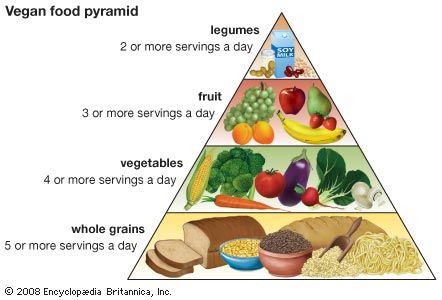
  • Beans, peas, and lentils: such as red, brown, or green lentils; chickpeas; split peas; black-eyed peas; black beans; white beans; and kidney beans
  • Soy products: such as fortified soy milk, soybeans, and products made from them, such as tofu, tempeh, and natto
  • Nuts: such as peanuts, almonds, cashews, and their butters
  • Seeds: such as sunflower seeds, sesame seeds, and their butters, as well as flaxseed, hemp seeds, and chia seeds
  • Whole grains: such as quinoa, whole wheat, whole oats, and whole grain brown or wild rice, as well as products made from these foods, such as whole grain bread, crackers, and pasta
  • Starchy vegetables: such as potatoes, sweet potatoes, corn, squash, beets, and turnips
  • Nonstarchy vegetables: such as broccoli, cabbage, asparagus, radishes, and leafy greens; these may be raw, frozen, canned, dried, or pureed
  • Fruit: such as apples, pears, bananas, berries, mango, pineapple, oranges, and tangerines; these may be purchased fresh, frozen, canned, dried, or pureed
  • Other plant-based foods: such as algae, nutritional yeast, fortified plant milks and yogurts, and maple syrup

There’s a good chance that many of the dishes you currently enjoy either already are vegan or can be made vegan with a few simple adjustments.For instance, you can swap meat-based main dishes for meals containing beans, peas, lentils, tofu, tempeh, nuts, or seeds.

Transitioning to a vegan diet is easier than most people think. That said, it does require a little additional nutrition knowledge.So if you’re interested in making the switch, consider seeking advice from a registered dietitian specializing in plant-based diets to make sure you’ve got your basics covered.Depending on your knowledge, budget, and culinary skills, you may also want to consider taking certain supplements to ensure you’re providing your body with all the nutrients it need

Veganism in a Nutshell

Once considered a niche diet, veganism has gone mainstream — so much so that the number of people following a vegan diet has increased by 350% in the last decade. By definition, veganism is a way of living in which people exclude, as much as possible, all forms of animal exploitation and cruelty.

At first glance, a vegan diet may seem complicated or overly restrictive. Many of my clients who are considering switching over to a vegan diet are initially worried about finding suitable vegan alternatives to their favourite meals. Yet, most find that once they get a few basics down, the transition is less difficult than they initially expected.

According to the Vegan Society, the term “vegan” was coined back in 1944 by a small group of vegetarians who broke away from the Leicester Vegetarian Society in England to form the Vegan Society. In addition to refraining from eating meat, they chose not to consume dairy, eggs, or any other products of animal origin The term “vegan” was chosen from the combination of the first and last letters of “vegetarian.” By 1949, the first definition of veganism had been born. It has changed slightly over the years to become what it is known as today. Many people use the term “vegan” to refer exclusively to diet. However, by this latest definition, veganism extends beyond eating a plant-based diet.

Those who identify as vegans typically aim to exclude animal exploitation or cruelty in all aspects of their lives, including the clothes they wear, the cosmetics they use, and the leisure activities they take part in .As a result, many vegans avoid purchasing wool coats, leather furniture, or down pillows and comforters. They may also opt to visit animal sanctuaries instead of going to zoos, the circus, or animal petting farms.

Reasons people go vegan

Health-Some people choose a vegan diet for its potential health benefits. Diets high in meat — especially red meat — have been linked to cancer, heart disease, and type 2 diabetes .On the other hand, plant-based diets have been linked to a lower risk of developing or prematurely dying from these diseases. Lowering your intake of animal products in favour of more plant-based options may also improve your digestion and reduce your risk of Alzheimer’s disease .A vegan diet can also help minimize the side effects linked to the antibiotics and hormones used in modern animal agriculture .Finally, vegan diets appear to be especially effective at helping people lose unwanted weight. Several studies link a vegan diet to a lower likelihood of obesity

Moral ideals-Ethical vegans strongly believe that all creatures have a right to life and freedom. They view all animals as conscious beings that, just like humans, wish to avoid pain and suffering .Because of this, ethical vegans are opposed to killing an animal in order to eat its flesh or wear its fur or skin. Vegans are also opposed to the psychological and physical stress that animals may endure as a result of modern farming practices — for instance, the small pens or cages that animals typically live in and rarely leave between their birth and slaughter.

Environment

People may also choose to avoid animal products in an attempt to limit their environmental impact. According to recent data, animal agriculture heavily contributes to greenhouse gas emissions (GHGEs), which cause climate change.Meat eaters are thought to be responsible for 2–2.5 times more GHGEs than people following a vegan diet. Ruminant animals, such as cattle, sheep, and goats, appear to emit the largest amount of greenhouse gases per gram of protein they deliver. Therefore, diets that reduce or totally eliminate dairy also produce significantly fewer GHGEs.
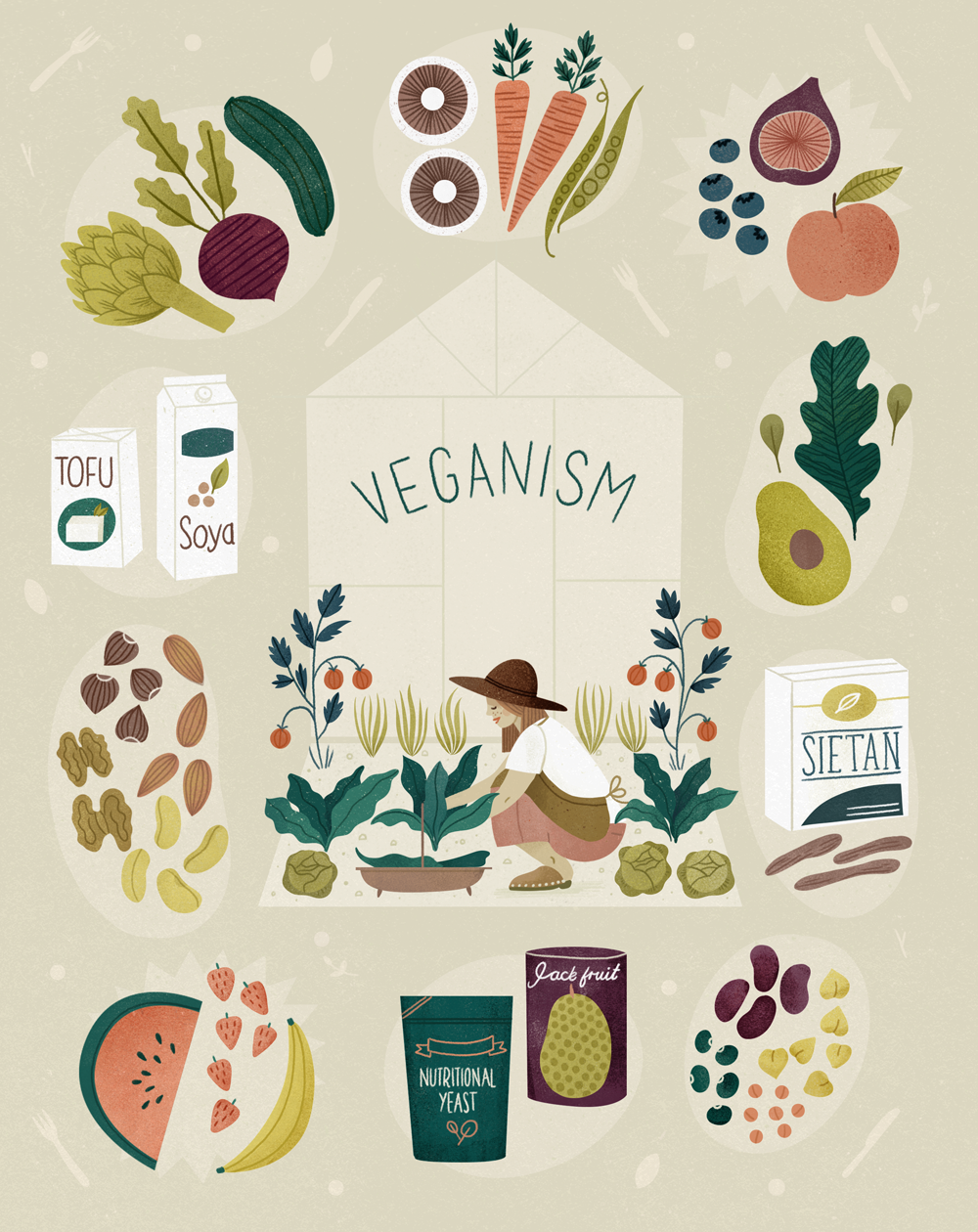
Foods that vegans eat

Avoiding animal products doesn’t restrict you to eating salads and tofu alone. There’s a wide variety of delicious foods you can eat on a vegan diet.

  • Beans, peas, and lentils: such as red, brown, or green lentils; chickpeas; split peas; black-eyed peas; black beans; white beans; and kidney beans
  • Soy products: such as fortified soy milk, soybeans, and products made from them, such as tofu, tempeh, and natto
  • Nuts: such as peanuts, almonds, cashews, and their butters
  • Seeds: such as sunflower seeds, sesame seeds, and their butters, as well as flaxseed, hemp seeds, and chia seeds
  • Whole grains: such as quinoa, whole wheat, whole oats, and whole grain brown or wild rice, as well as products made from these foods, such as whole grain bread, crackers, and pasta
  • Starchy vegetables: such as potatoes, sweet potatoes, corn, squash, beets, and turnips
  • Nonstarchy vegetables: such as broccoli, cabbage, asparagus, radishes, and leafy greens; these may be raw, frozen, canned, dried, or pureed
  • Fruit: such as apples, pears, bananas, berries, mango, pineapple, oranges, and tangerines; these may be purchased fresh, frozen, canned, dried, or pureed
  • Other plant-based foods: such as algae, nutritional yeast, fortified plant milks and yogurts, and maple syrup

There’s a good chance that many of the dishes you currently enjoy either already are vegan or can be made vegan with a few simple adjustments.For instance, you can swap meat-based main dishes for meals containing beans, peas, lentils, tofu, tempeh, nuts, or seeds.

Transitioning to a vegan diet is easier than most people think. That said, it does require a little additional nutrition knowledge.So if you’re interested in making the switch, consider seeking advice from a registered dietitian specializing in plant-based diets to make sure you’ve got your basics covered.Depending on your knowledge, budget, and culinary skills, you may also want to consider taking certain supplements to ensure you’re providing your body with all the nutrients it need
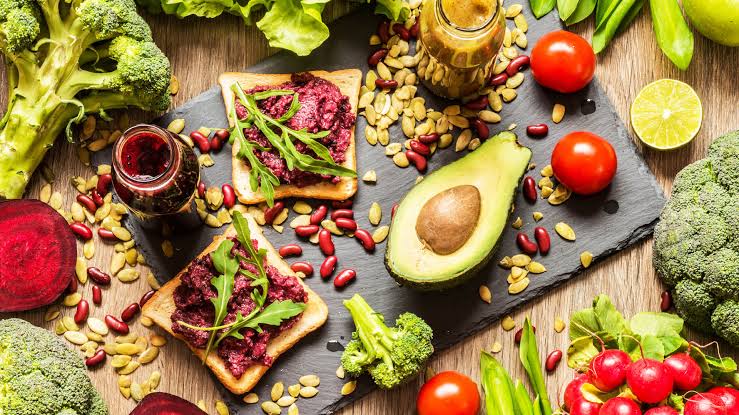
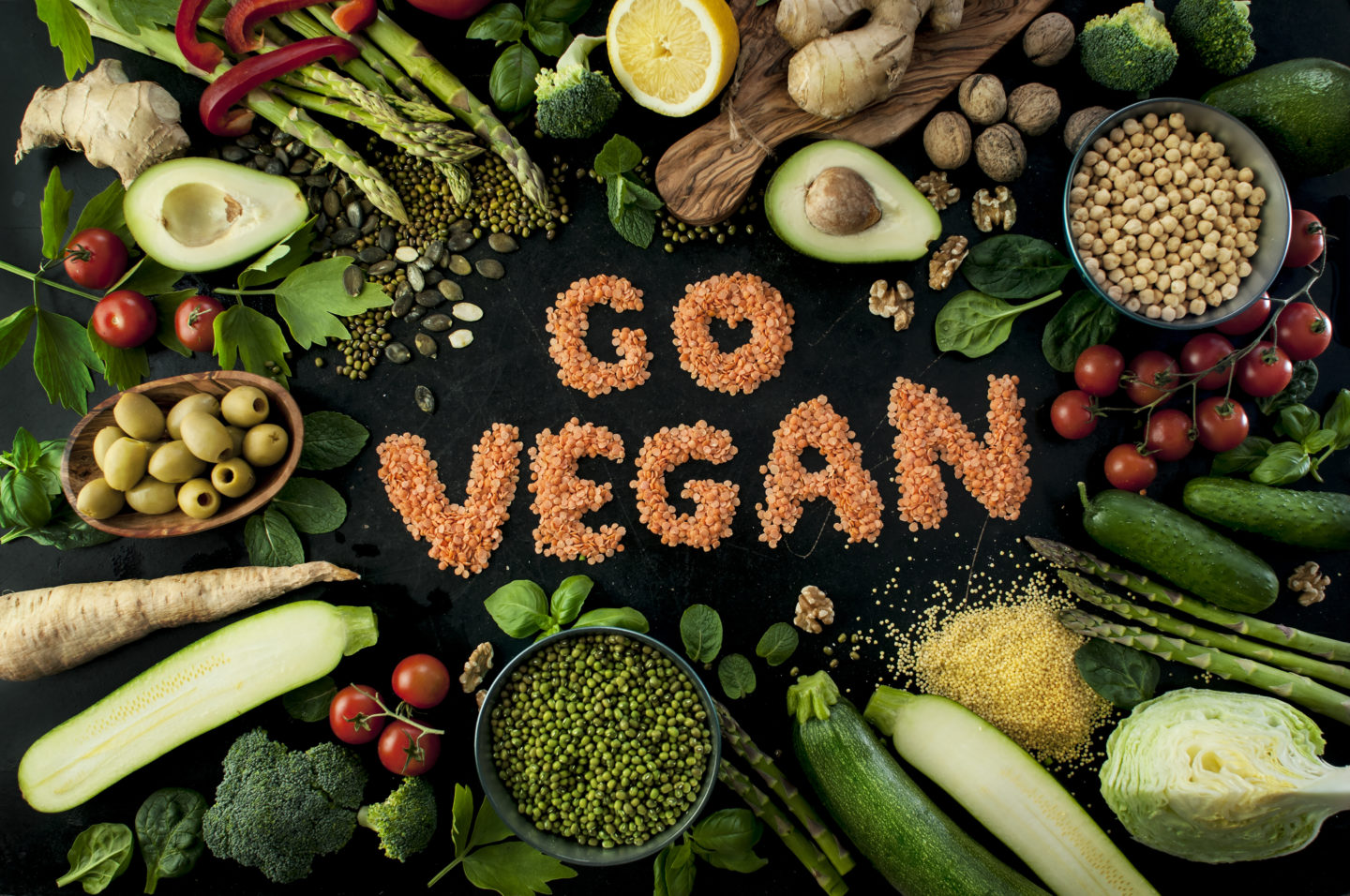
Eating for the Environment

According to the Cambridge Dictionary, veganism can be defined as : the practice of not eating or using any animal products, such as meat, fish, eggs, cheese, or leather. The term ‘vegan’ was coined in 1944 by Donald Watson, co-founder of ‘the Vegan Society’. Initially, the term was used to describe ‘non-dairy vegetarians. However, in 1951 the Vegan Society has updated the definition to:“exclude all forms of animal exploitation…” Veganism seems to be rising fast as a dietary choice with the number of vegans in the U.S. growing by 600% from 4 million (2014) to 20 million (2018). However, it is still in the minority with less than 1 percent of the total world population (79 million out of a total 7.9 billion) being vegan.

  • Health Benefits

The increasing numbers of people are moving toward vegan diets due to health, animal welfare, or environmental concerns. Vegan diets tend to be rich in nutrients and low in saturated fats. Research suggests that the diet can improve heart health, protect against cancer, and lower the risk of type 2 diabetes.

Vegan diets can boost heart health in several ways. A large-scale study conducted in 2019 had linked a higher intake of plant-based foods and lower intake of animal foods with a reduced risk of heart disease and death in adults. Animal products such as meat, cheese, and butter are the main dietary sources of saturated fats. According to the American Heart Association, eating such foods that contain these fats raises cholesterol levels. High levels of cholesterol increase the risk of heart disease and stroke. Plant foods are also high in fibre, which are linked with better heart health. Animal products contain very little or no fibre in comparison. In addition, people on a vegan diet often take in fewer calories than those on a standard Western diet. A moderate calorie intake can lead to a lower body mass index and a reduced risk of obesity, a major risk factor for heart disease.

According to a 2017 review, eating a vegan diet may also reduce a person’s risk of cancer by 15%. This health benefit may be due to the fact that plant foods are high in various vitamins and phytochemicals (biologically active compounds in plants) that protect against cancers. The International Agency for Research on Cancer has also reported that red meat is “probably carcinogenic,” noting that research has linked it primarily to colorectal cancer but also to prostate cancer and pancreatic cancer. Eliminating red and processed meats from the diet removes these possible risks.

  • Environmental Benefits

Going Vegan also has multiple environmental benefits.

The high levels of carbon dioxide, methane, and other Greenhouse gasses (GHG) produced by animal agriculture generate over 14% of global emissions, greater than all transportation emissions. Studies show that adopting a vegan diet can cut agricultural greenhouse gases in half.

With greenhouse gases being the leading cause of climate change, due to the “greenhouse effect”, we should expect Veganism to help mitigate climate change. Studies have found that if everyone went vegan, emissions contributing to global warming would be cut by 70%, enough to stop and reverse the harmful effects of climate change including rising sea levels, floods, melting glaciers, and droughts.

Animal agriculture impacts the world’s biodiversity by using wild land for soy and maize crops, the primary livestock feed. The increasing use of land has led to a number of native species being threatened on a global level, including different species of monkeys, elephants, bears, tigers, alligators, lions, wolves, and parrots. Choosing a vegan diet will go a long way in preventing species extinction by eliminating the need of livestock and factory farms feed crops. Veganism provides a more sustainable agricultural model, focused on feeding people, not animals for slaughter.

  • Negative Benefits

Vegan diets tend to be rich in many nutrients, low in saturated fat and cholesterol, and also higher in dietary fibre. But there are many nutrients that those following a vegan diet oftentimes do not consume enough of. If you’re not careful, following a vegan diet can cause in the development of some deficiencies in vitamin D, calcium, omega-3 fatty acids, and zinc. These deficiencies can impact the body in a variety of ways, possibly causing a weakened immune system, a higher risk of experiencing bone fractures, high blood pressure, rashes, or fatigue.

Iron plays a crucial role in transporting oxygen throughout your body but it can be difficult to get enough of it when following a vegan diet. Heme iron (a type of iron) is found only in animal sources. Since those following a vegan diet do not consume heme iron, they must rely on non-heme iron, which can be found in plant sources, but it is not as readily absorbed by the body as heme iron is.

In addition, certain plant-based compounds can further inhibit iron absorption, making it more difficult for those following a vegan diet to consume enough iron, per a paper published in the American Journal of Clinical Nutrition in 2010. Not consuming enough iron could cause the body to feel lethargic and it could put at risk for developing iron-deficiency: anaemia, which is a potentially serious condition that occurs when your body isn’t making enough red blood cells.

Ultimately the success of a vegan diet will rest on the conscientiousness of the individual undertaking it. It may be a restrictive diet and unless we pay attention to the elements of the diet that it excludes, then we might be putting ourselves at risk of developing deficiency-related problems. It has become easier to follow with vegan-friendly food products in supermarkets, which are fortified with nutrients that can be absent from the diet.

Check your privilege : Veganism.

There is a sense of entitlement that goes along with being vegan. In case you aren’t familiar with veganism, it is best described as vegetarian fundamentalism.
According to the Oxford dictionary; “Veganism is the practice of abstaining from the use of animal products, particularly in diet, as well as following an associated philosophy that rejects the commodity status of sentient animals.”  Although like most ideologies and religions there are varying degrees of adherence, vegans do not consume, wear, possess or use products that involve the use of animals.

Most vegan substitutes, like nondairy milk or cheese, fake meats, and other specialty ingredients for recipes are expensive. If someone were lower-class and struggling financially, buying these foods absolutely would not be a possibility.
Yet, many middle and upper class vegans will still shame people who cannot afford to spend an excessive amount of money on food.
No, no one’s bashing veganism, mose people’s intentions are good but the thing is one can’t ignore the unprivileged people while talking about veganism.
Speaking specifically about our own country, we need to check our privilege when promoting veganism. Almond milk for eg, costs around Rs.390/litre. Clearly, not everyone can afford that.

People who are being crushed by the demands of capitalism and facing oppression are often not thinking about going vegan.
Yet, privileged vegans (not all) will still find it necessary to indirectly shame them by boasting about how cheap being vegan really can be and why everyone should go vegan because of this.
Ignoring the fact that tribal people have been relying on meat for generations in order to survive and that the current situation is the fault of capitalists, is problematic.
In many regions, eating home reared is more sustainable than clearing land of vegetation for agriculture.

When families are struggling to put food on the table, the last thing they need is to be shamed for what kind of food that is.

The problem with the vegan movement isn’t its aims and goals at stopping animal cruelty and saving the environment. The problem is a perceived lack of accessibility and options for many Indians. While having food choice is a privilege, having that privilege used for justice is essential.

When vegans pressure their diet onto others, they neglect to acknowledge both financial struggles and accessibility.
Caring for animals isn’t wrong, but it’s  socially irresponsible to care more for animals than humans, especially when so many are falling below the poverty line and struggling to afford food of any kind.

If it is a viable option for you to go vegan, you can simultaneously follow the diet while acknowledging that by accident of birth only, you have the financial means to maintain the practice. By the same token, if you believe this is a lifestyle option that should be equally accessible to everyone, you can use your platform and knowledge to fight for the deconstruction of a system that prevents this accessibility.

Doing this will be more effective than condemning those are not vegan for reasons personal to them.
It’s unfair but realistic that a financially comfortable individual will find it easier to pursue a healthy vegan diet than someone at a comparative economic disadvantage.
We also cannot hold people morally accountable if they have grown up in a culture that says there is nothing wrong with eating meat; it is a necessary part of human nutrition and we are not bad for doing so.

I support going vegetarian or vegan if you have the privilege to do so, because I truly do believe it can make a positive impact on our environment, but one can’t force it on others without realizing the fact that everyone isn’t in the same economic or dietary position.

Veganism

Over the past few years, the concept of veganism has become largely popular. Many famous personalities have also started switching into veganism. According to Wikipedia, “Veganism is the practice of abstaining from the use of animal products, particularly in diet, and an associated philosophy that rejects the commodity status of animals.” There is a specific pattern of eating involved in it which includes only plant-based food items. Vegan people replace dairy products with plant based milks like soy, scrambled eggs with scrambled tofu, honey with maple syrup and similar other options. They also refrain from using other animal products like clothing from animal products and leather. It is a lifestyle which attempts to decrease animal exploitation as much as possible.

The term “vegan” was first coined by Donald Watson in 1944 when he founded the Vegan Society with a small group of vegetarians, who broke away from the Leicester Vegetarian Society in England. It is said that the term “vegan” was constructed by combining the first and last letters of “vegetarian.” At first it was used to mean “non-dairy vegetarian” and by May 1945 vegans started abstaining from “eggs, honey; and animals’ milk, butter and cheese”. They chose to not consume dairy or any other product of animal origin along with abstaining from meat like vegetarians. In 1951, the Society changed its definition to “the doctrine that man should live without exploiting animals”. It is currently defined as “a way of living that attempts to exclude all forms of animal exploitation and cruelty, be it from food, clothing, or any other purpose.” Interest in Veganism started from the latter part of 2010s as more and more vegan stores opened increasing vegan options. These have started to be increasingly available in supermarkets and restaurants across the world.

Reason behind going Vegan

Vegans generally choose to avoid animal products for reasons like Ethics, Health and Environment.

Photo by Bulbfish on Pexels.com

People who support the ethics of the practice are called Ethical Vegans who strongly agree to the belief that all creatures have the right to life and freedom. So, they oppose killing a conscious being to simply consume its flesh, drink its milk, or wear its skin — especially when alternatives are available. They also oppose the psychological and physical stress that animals may endure as a result of modern farming practices. For instance, the small pens and cages in which many livestock animals are forced to live between birth and slaughter, the farming industry’s practices of the grinding of live male chicks by the egg industry or the force-feeding of ducks and geese for the foie gras market. Ethical vegans also protest against animal cruelty and raise awareness about ending all forms of cruelty towards animals.

Some also choose veganism due to its health benefits. Plant-based diets may reduce the risk of heart disease, type 2 diabetes, cancer, and premature death. Lowering the intake of animal products may likewise reduce the risk of Alzheimer’s disease or dying from cancer or heart disease. One can also avoid the side effects linked to the antibiotics and hormones which are used in modern animal agriculture. Studies show that there is a relation between vegan diets and lower body weight and body mass index (BMI).

Photo by Daria Shevtsova on Pexels.com

Vegan diets are high in dietary fiber, magnesium, folic acid, vitamin C, vitamin E, iron, and phytochemicals; and low in dietary energy, saturated fat, cholesterol, long-chain omega-3 fatty acids, vitamin D, calcium, zinc, and vitamin B12. There is also the possibility of nutrition deficiency because elimination of all animal products may lead to nutritional deficiencies. Some of these can only be prevented through the choice of fortified foods or the regular intake of dietary supplements. Vitamin B12 supplementation is considered to be very important in some cases.

Some people avoid animal products and shift to veganism for the environmental impacts. It is widely known that animal agriculture is a very water intensive process. The UN report of 2010 suggests that animal products need more resources and produce a higher percentage of greenhouse gas emissions than plant-based options.