
The women’s suffrage movement

The Nineteenth Amendment to the US Constitution was ratified on August 18, 1920. It declares that “The right of citizens of the United States to vote shall not be denied or abridged by the United States or by any State on account of sex. Congress shall have power to enforce this article by appropriate legislation. “The amendment, which granted women the right to vote, represented the pinnacle of the women’s suffrage movement, which was led by the National American Woman Suffrage Association (NAWSA).In their decades-long struggle for female enfranchisement, women’s rights advocates met with strong opposition from anti-suffrage activists.

The women’s suffrage movement has its origins in the Seneca Falls Convention of 1848, the first women’s rights convention ever held in the United States. Approximately three hundred activists, female and male, gathered to discuss the condition of women and to devise strategies for achieving social and political rights for women. Though women’s suffrage was a topic of debate at the convention, it was not the main goal of the movement at this early stage, and the convention’s resolution demanding women’s suffrage was the only resolution that was not passed unanimously.
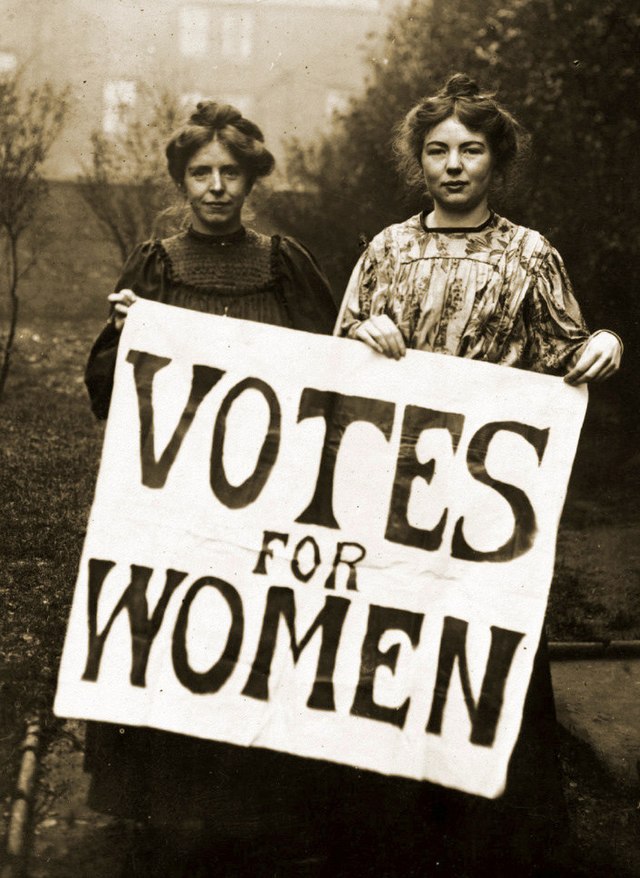
The first women’s suffrage organizations were created in 1869. Susan B. Anthony and Elizabeth Cady Stanton founded the National Woman Suffrage Association (NWSA), while Lucy Stone, Julia Ward Howe, and Henry Blackwell founded the American Woman Suffrage Association (AWSA). These two rival groups were divided over the Fifteenth Amendment, which guaranteed African American men the right to vote. The AWSA supported the Fifteenth Amendment, while the NWSA opposed it because it did not include suffrage for women. In 1890, the two competing organizations were merged into the National American Woman Suffrage Association (NAWSA).

During the 1870s, suffragists (women’s suffrage activists) began attempting to vote at polling places and filing lawsuits when their attempts were rejected. This drew attention to the women’s rights movement, particularly after Susan B. Anthony was arrested and put on trial for voting in the 1872 presidential election. Suffragists hoped that the lawsuits would work their way up to the Supreme Court, and that the justices would declare that women had a constitutional right to vote. In 1875, the Supreme Court, rejected women’s suffrage, ruling that the US Constitution did not confer the right of suffrage to anyone.

After the Supreme Court ruling, leaders of the women’s rights movement adopted other strategies for securing universal suffrage. Activists began organizing a drive to pass a constitutional amendment guaranteeing women the right to vote. The National American Woman Suffrage Association launched a campaign to achieve victories at the state level, in the hopes that if enough states allowed women the right to vote, federal legislation would follow. These efforts were so successful that by the time of the ratification of the Nineteenth Amendment, over half of all states had already granted limited voting rights to women.

The Nineteenth Amendment
In January, 1878, Republican Senator Aaron A. Sargent of California formally introduced in the Senate a constitutional amendment to guarantee women the vote. The bill languished in committee until 1887, when it finally went up to a vote, and was defeated. Not until 1914 was another constitutional amendment for women’s rights considered, and again rejected, by the Senate.

Though the movement for women’s suffrage was well-organized and gaining momentum by the early twentieth century, it met with strong opposition from some sectors of US society. Brewers and distillers were opposed to female enfranchisement because they assumed that women would vote for the prohibition of alcoholic beverages, while businesses that employed children feared that women would vote to eliminate child labour. Anti-suffrage organizations sprang up all over the country to oppose the drive for female enfranchisement. Anti-suffrage activists were not just men; indeed, many upper class women joined the movement, arguing that politics was a dirty business that would sully the moral and spiritual authority of women

The National American Woman Suffrage Association in 1900, launched an effort to link the drive for female suffrage to the US war effort in the First World War. Though many of her fellow suffragists were anti-war pacifists, Catt made the controversial decision to support the war and to thereby portray the women’s suffrage movement as patriotic. The effort was a success; in his 1918 State of the Union address, President Woodrow Wilson declared his support for female enfranchisement.

On August 18, 1920, Congress ratified the Nineteenth Amendment, which guaranteed the right to vote to all US citizens regardless of sex. The Nineteenth Amendment represented a major victory and a turning point in the women’s rights movement.

The women’s suffrage movement

The Nineteenth Amendment to the US Constitution was ratified on August 18, 1920. It declares that “The right of citizens of the United States to vote shall not be denied or abridged by the United States or by any State on account of sex. Congress shall have power to enforce this article by appropriate legislation. “The amendment, which granted women the right to vote, represented the pinnacle of the women’s suffrage movement, which was led by the National American Woman Suffrage Association (NAWSA).In their decades-long struggle for female enfranchisement, women’s rights advocates met with strong opposition from anti-suffrage activists.

The women’s suffrage movement has its origins in the Seneca Falls Convention of 1848, the first women’s rights convention ever held in the United States. Approximately three hundred activists, female and male, gathered to discuss the condition of women and to devise strategies for achieving social and political rights for women. Though women’s suffrage was a topic of debate at the convention, it was not the main goal of the movement at this early stage, and the convention’s resolution demanding women’s suffrage was the only resolution that was not passed unanimously.

The first women’s suffrage organizations were created in 1869. Susan B. Anthony and Elizabeth Cady Stanton founded the National Woman Suffrage Association (NWSA), while Lucy Stone, Julia Ward Howe, and Henry Blackwell founded the American Woman Suffrage Association (AWSA). These two rival groups were divided over the Fifteenth Amendment, which guaranteed African American men the right to vote. The AWSA supported the Fifteenth Amendment, while the NWSA opposed it because it did not include suffrage for women. In 1890, the two competing organizations were merged into the National American Woman Suffrage Association (NAWSA).

During the 1870s, suffragists (women’s suffrage activists) began attempting to vote at polling places and filing lawsuits when their attempts were rejected. This drew attention to the women’s rights movement, particularly after Susan B. Anthony was arrested and put on trial for voting in the 1872 presidential election. Suffragists hoped that the lawsuits would work their way up to the Supreme Court, and that the justices would declare that women had a constitutional right to vote. In 1875, the Supreme Court, rejected women’s suffrage, ruling that the US Constitution did not confer the right of suffrage to anyone.

After the Supreme Court ruling, leaders of the women’s rights movement adopted other strategies for securing universal suffrage. Activists began organizing a drive to pass a constitutional amendment guaranteeing women the right to vote. The National American Woman Suffrage Association launched a campaign to achieve victories at the state level, in the hopes that if enough states allowed women the right to vote, federal legislation would follow. These efforts were so successful that by the time of the ratification of the Nineteenth Amendment, over half of all states had already granted limited voting rights to women.

The Nineteenth Amendment

In January, 1878, Republican Senator Aaron A. Sargent of California formally introduced in the Senate a constitutional amendment to guarantee women the vote. The bill languished in committee until 1887, when it finally went up to a vote, and was defeated. Not until 1914 was another constitutional amendment for women’s rights considered, and again rejected, by the Senate.

Though the movement for women’s suffrage was well-organized and gaining momentum by the early twentieth century, it met with strong opposition from some sectors of US society. Brewers and distillers were opposed to female enfranchisement because they assumed that women would vote for the prohibition of alcoholic beverages, while businesses that employed children feared that women would vote to eliminate child labour. Anti-suffrage organizations sprang up all over the country to oppose the drive for female enfranchisement. Anti-suffrage activists were not just men; indeed, many upper class women joined the movement, arguing that politics was a dirty business that would sully the moral and spiritual authority of women

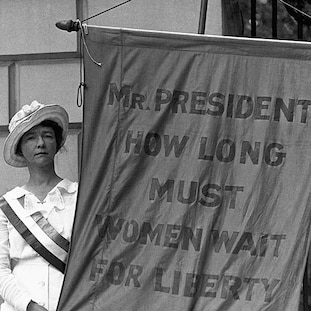
The National American Woman Suffrage Association in 1900, launched an effort to link the drive for female suffrage to the US war effort in the First World War. Though many of her fellow suffragists were anti-war pacifists, Catt made the controversial decision to support the war and to thereby portray the women’s suffrage movement as patriotic. The effort was a success; in his 1918 State of the Union address, President Woodrow Wilson declared his support for female enfranchisement.

On August 18, 1920, Congress ratified the Nineteenth Amendment, which guaranteed the right to vote to all US citizens regardless of sex. The Nineteenth Amendment represented a major victory and a turning point in the women’s rights movement.
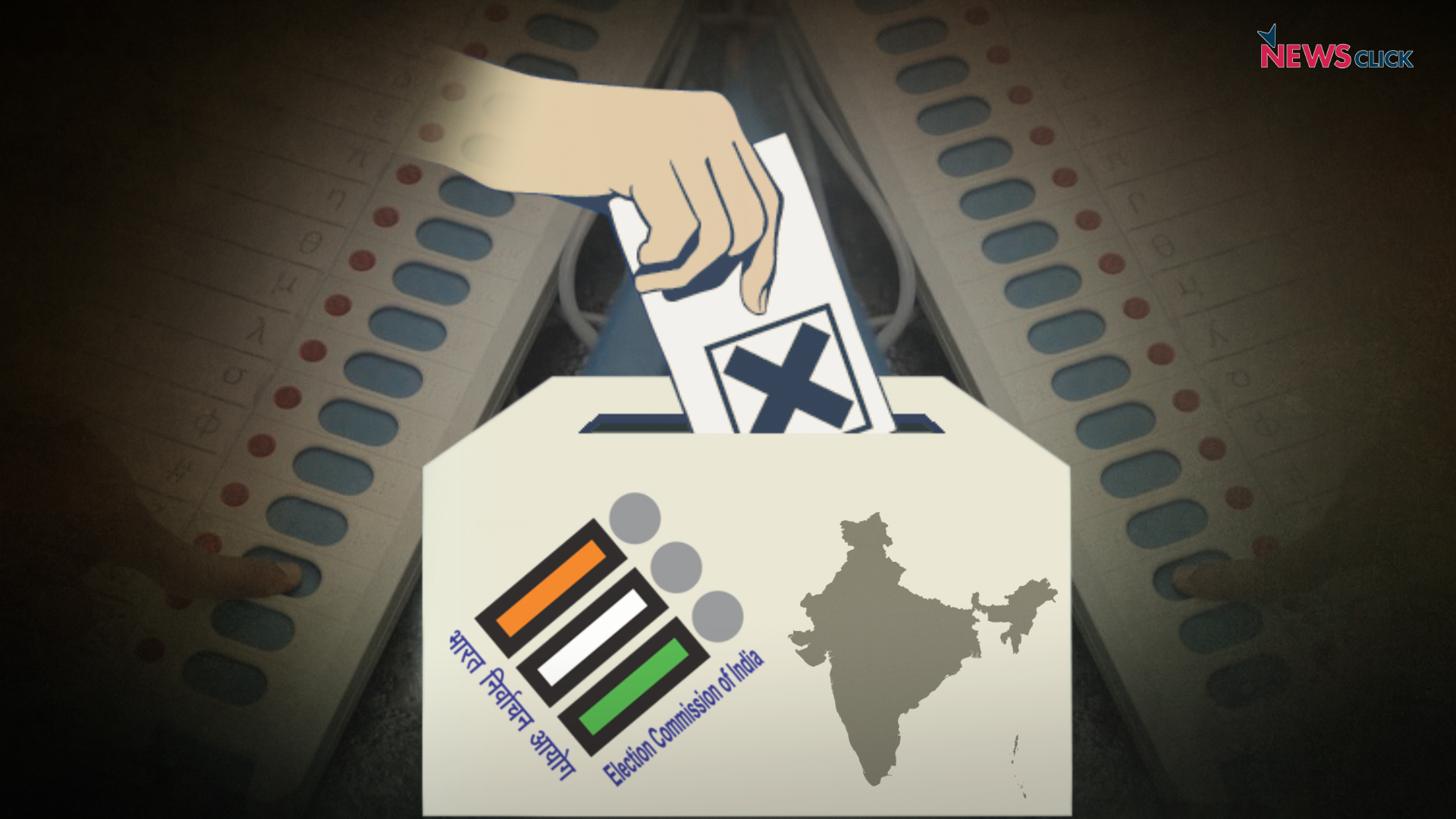
How India’s massive Election System works?

The world’s biggest democracy just had an election. The world’s biggest democratic election It’s a marathon election A mammoth undertaking It’s the world’s biggest exercise in democracy In India, voters picked its central government for the next five years. An eighth of the world’s population was eligible to vote in this election. In the year, 2019, there are 900 million eligible voters in India making this the largest Democratic exercise in the history of humanity.

A vote for reform: Election Commission collaborating with IIT-M on ...

In one of the largest and most populous countries in the world, that isn’t an easy task. India has to reach voters in coastal cities in the south, in the rural regions of the west, and jungles to the east and everywhere in between. And what’s more, they want every Indian citizen to be within 2 km of a voting station. That’s only about 25 city blocks no matter where you are in the country. It’s an incredibly ambitious goal and yet, somehow they’re able to do it. This is the biggest election in the world and I wanted to know how does it work. Every election a team of state officials and security forces, get on a ship within the east of India to require off towards this island. They travel about 100 km to get here, all to securely deliver these Electronic Voting Machines or EVMS, the instrument that logs India’s votes, the heart of this elaborate election process.

Election Commission's crackdown on poll-related monetary ...

India has 2.3 million voting machines for its 900 million voters. So, getting these machines on the brink of every voter may be a big logistical undertaking. That’s why India doesn’t have one polling day , instead, it’s closer to an election month with multiple phases that last weeks. This process takes more than 11 million election officials and security forces, who move from polling station to polling station to polling station from densely populated cities to the rural areas where the majority of Indians live. Once on the island with the EVMs, officials pile on to bike carts and head towards the polling station. Once they arrive, they start setting everything up for the vote.

On Election Day, voters line up, cast their vote, and get their fingers inked to prevent double voting. This is where the process ends for the voters, but for the election officials this is just the beginning. Driving a boat out to a remote island is just one of many ways that officials reach every voter. India’s vast and diverse terrain requires transportation methods of all kinds, like in the jungles of this northern state where elephants transport voting machines to reach a remote town or in the Himalayas where officials hike for hours to bring EVMS for election day. Helicopters, trains, they even use camels. But what makes India’s elections so impressive is not just how they reach everyone in such an enormous country, that’s just half the battle. It’s also the ways they try to include voters of all backgrounds into the process, a challenge that has been a part of India’s elections since the very beginning. India has 22 official languages and hundreds of dialects and when India became an independent nation, less than a quarter of the population could read and write.

Why EC Owes an Answer to the Country Over 'Phantom Votes' | NewsClick

The newly formed Election Commission of India created a range of symbols to correspond to each political party, like an elephant, a lotus, a hand or even an alarm clock so that from the beginning all people regardless of literacy level and language could vote with confidence. Since 1947, the literacy rate has increased significantly, but it’s still only 75 percent, so these symbols are still useful to many when casting a vote. But this is a massive sprawling operation and over the years it’s run into some pretty serious problems like allegations of election rigging and problems with a practice called booth capture, where gangs actually take over polling stations and tamper with the elections. It’s partly because of these problems that the Commission introduced these voting machines in the 1990s.

It also increased security around the elections. These efforts to include all voters and protect elections seem to be working. In 2019, India saw the highest voter turnout yet and for the firsttime women voted just as much as men. India’s elections are only getting bigger and more complicated. India has one among the fastest growing populations within the world. and in 2020, young people will make up more than a third of the country. This is the most important election within the world that takes many officials fanning out across a huge country to assist many millions vote.

Election Commission rejects Opposition demand to tweak VVPAT ...