PARLIAMENT QUESTION: Increase in Tiger Population

The tiger population has increased as per the All India Tiger Estimation done in 2022, with an estimated number of 3682 (range 3167-3925) as compared to the 2018 estimation of 2967 (range 2603-3346) and 2014 estimation of 2226 (range 1945-2491).  The tiger population is increasing at a rate of 6% per annum in India when consistently sampled areas are compared.  The details of tiger estimation pertaining to tiger landscapes in the country, for the years 2006, 2010, 2014, 2018 and 2022 is at Annexure-I.

The Government of India, through the National Tiger Conservation Authority, has advocated a three pronged strategy to manage human-wildlife negative interactions as follows:-

(i)         Material and logistical support: Funding support through the ongoing Centrally Sponsored Scheme of Project Tiger, is provided to tiger reserves for acquiring capacity in terms of infrastructure and material, to deal with tigers dispersing out of source areas. These are solicited by tiger reserves through an Annual Plan of Operation (APO) every year which stems out from an overarching Tiger Conservation Plan (TCP), mandated under Section 38 V of the Wildlife (Protection) Act, 1972. Inter alia, activities such as payment of ex-gratia and compensation, periodic awareness campaigns to sensitize, guide and advise the general populace on man-animal conflict, dissemination of information through various forms of media, procurement of immobilization equipment, drugs, training and capacity building of forest staff to deal with conflict events are generally solicited.

(ii)        Restricting habitat interventions: Based on the carrying capacity of tigers in a tiger reserve, habitat interventions are restricted through an overarching TCP. In case tiger numbers are at carrying capacity levels, it is advised that habitat interventions should be limited so that there is no excessive spill over of wildlife including tigers thereby minimizing man-animal conflict. Further, in buffer areas around tiger reserves, habitat interventions are restricted such that they are sub-optimal vis-à-vis the core/critical tiger habitat areas, judicious enough to facilitate dispersal to other rich habitat areas only.

(iii)       Standard Operating Procedure (SOPs): The National Tiger Conservation Authority has issued following three SOPs to deal with human-animal conflict, which are available in public domain:

i. To deal with emergency arising due to straying of tigers in human dominated landscapes

ii. To deal with tiger depredation on livestock

iii. For active management towards rehabilitation of tigers from source areas at the landscape level.

The three SOPs inter alia include the issue of managing dispersing tigers, managing livestock kills so as to reduce conflict as well as relocating tigers from source areas to areas where density of tiger is low, so that conflict in rich source areas does not occur.

Also as per Tiger Conservation Plans need based and site-specific management interventions are undertaken by the tiger reserves for improving the quality of wildlife habitat and funding support for these activities is provided under the Project Tiger Component of the ongoing Centrally Sponsored Scheme of Integrated Development of Wildlife Habitats.

As reported by States, the details of tigers lost due to confirmed unnatural causes (poaching, seizures and unnatural not poaching) during last three years and current year are at Annexure-II.

Annexure-I

Details of tiger estimation pertaining to tiger landscapes in the country, for the years 2006, 2010, 2014, 2018 and 2022 (As per All India Tiger Estimation Reports)

 StateTiger Population 
20062010201420182022
Shivalik-Gangetic Plain Landscape Complex
Uttarakhand178227340442560
Uttar Pradesh109118117173205
Bihar108283154
Shivalik Gangetic297353485646819
Central Indian Landscape Complex and Eastern Ghats Landscape Complex
Andhra Pradesh9572684863
Telangana2621
Chhattisgarh2626461917
Madhya Pradesh300257308526785
Maharashtra103169190312444
Odisha4532282820
Rajasthan3236456988
Jharkhand10351
Central India60160168810331439
Western Ghats Landscape Complex
Karnataka290300406524563
Kerala4671136190213
Tamil Nadu76163229264306
Goa535
Western Ghats4125347769811087
North Eastern Hills and Brahmaputra Flood Plains
Assam70143167190229
Arunachal Pradesh1428299
Mizoram65300
Nagaland00
Northern West Bengal10302
North East Hills, and Brahmaputra100148201219236
Sunderbans707688101
TOTAL14111706222629673682

Annexure-II

Details of tiger lost due to confirmed unnatural causes (poaching, seizures and unnatural not poaching) during last three years and current, State-wise

State2021202220232024(as on 20.11.2024)
PSUNPPSUNPPSUNPPSUNP
Andhra Pradesh121
Arunachal Pradesh
Assam23
Bihar111
Chhattisgarh2
Delhi
Goa
Gujarat
Haryana
Jharkhand
Karnataka13
Kerala311
Madhya Pradesh31511531
Maharashtra522213
Nagaland
Odisha1
Rajasthan
Tamil Nadu1121
Telangana
Uttar Pradesh12
Uttarakhand1111
West Bengal
Total8111122111249100

P – Poaching

S – Seizure

UNP – Unnatural not poaching
Career in Environment and Wildlife Conservation

 The Ministry of Environment, Forest & Climate Change is implementing the Environment Education, Awareness and Training (EEAT) Scheme with the objective to promote environmental awareness especially among school and college students and to mobilize their participation for conservation of environment. Under the National Green Corps (NGC) programme of this Scheme, more than one lakh Eco-clubs have been formed in schools and colleges to educate students and to spread awareness on environmental issues. Further, this Ministry also supports organization of field visits/ nature camps for school students in Protected Areas, Wildlife Sanctuaries, National Parks, etc. under the National Nature Camping Programme of EEAT Scheme with an objective to provide ‘nature experience’ to students and thereby to trigger their sensitivity towards nature and its conservation. As per information provided by Department of Youth Affairs, awareness on environment conservation and enrichment is a component in the regular activities of National Service Scheme (NSS). Volunteers of NSS organize activities on environment conservation, climate change, use of renewable energy and other related issues in addition to plantation drives.

This Ministry has launched the Green Skill Development Programme (GSDP) in June 2017 under the ongoing Environmental Information System (ENVIS) Scheme, on a pilot basis, at 10 locations, spread over 9 biogeographic regions of the country with the objective to skill youth in environment, forest and wildlife sectors and enabling them to be gainfully employed or self-employed.Based on the success of the pilot phase, the programme was extended to pan-India level in 2018-19 covering diverse fields like pollution monitoring (air/water/soil), emission inventory, operation of Sewage Treatment Plant(STP)/ Effluent Treatment Plant (ETP)/ Common Effluent Treatment Plant(CETP), waste management, environmental impact assessment, forest management, water budgeting and auditing, wildlife management, para taxonomy including Peoples Bio-Diversity Register(PBR), bamboo management and livelihood generation, etc. The training imparted under GSDP endeavours to enhance technical knowledge of the skilled workforce with a focus on hands-on training.The ENVIS Hubs/ Resource Partners and other institutions imparting training under the GSDP invite applications from all over the country and the placements take place based on employment opportunities available within or outside the State / Union Territory.

Human-wildlife conflict has Climate Change as an emerging Factor

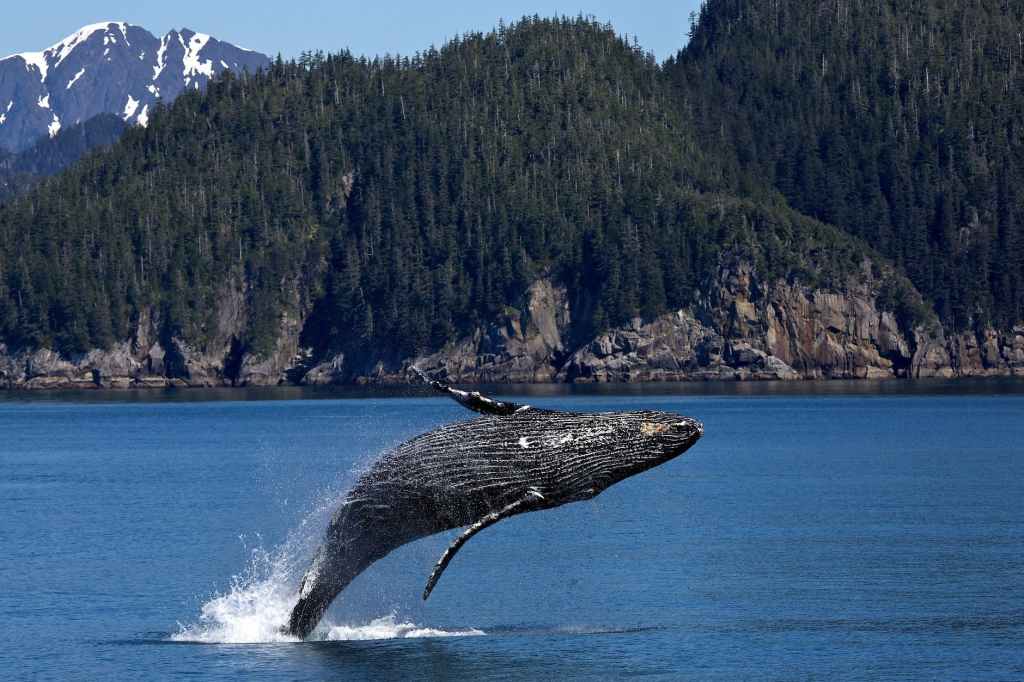
In 2015, the largest marine heat wave in the U.S. hit the Pacific Coast. Whales moved closer to shore to find prey, but they came across something dangerous—they were getting entangled in crab fishing gear.

Crab fishermen and women wouldn’t usually be out at that time of year. But the change in climate was also causing an algal bloom, toxic to crabs. So the fisheries delayed their timing by several months—the same time migrating whales were on the coast.


“It was this double-whammy,” said Briana Abrahms, an assistant professor in the Department of Biology and Center for Ecosystems Sentinels at the University of Washington.

This was one of the topics Abrahms was studying when she realized there hadn’t been much published research on how climate change is exacerbating human-wildlife conflicts. Looking at scientific literature and government reports, she came across only a few dozen. And many of those were either buried in obscure journals or just anecdotal mentions.


In a paper published in Science, she delved deeper into this area and wrote a call to action for managers and researchers to focus on this issue.Abrahms was working on another project at the same time as her whale research that was on completely different species in a completely different area, but seemed to have some similarities when it came to climate and conflict.

In Botswana, a government report cited some of the highest numbers of human-wild conflicts on record, mostly large carnivores preying on livestock. That happened to be during an extreme drought in 2018. “It struck me how different these systems were, but the story was the same,” she said. “I felt like it was really important to tell this story and draw attention since these climate changes and conflicts are likely to increase in the future.”


As part of her paper, Abrahms applauded a new, proactive risk assessment developed by the state of California to help managers figure out when and where to close fisheries under different climate and ocean conditions. “If you understand what the underlying driver is, in this case climate is a factor in these dynamics, you can better prepare to make management decisions and reduce conflict—or avoid it in the first place,” she said.


Abrahms also pushes for more research in these areas, especially where there are geographic and taxonomic gaps. “We definitely need more research and also need to be synthesizing research across everything already out there to understand how much we should be more worried about long-term changes,” she said.

Wildlife crimes rise by 100% in a year in Kerala

KOCHI: Wildlife-related crimes have increased dramatically in the state and there has been a 100% rise in the number of cases registered in 2020 compared to the previous year.

According to data obtained under the Right to Information (RTI) Act, the state registered 303 cases in 2020 as against 151 in 2019 and 61 in 2018. As many as 156 cases were recorded in the state in 2021 till August 26 this year.


Most cases pertained to poaching of endangered animals and reptiles, hunting for meat and illegal trading and possession of horns, tusks, nails, and teeth. Removing tusks or nails and collecting meat from animals that died naturally is also an offence. More than 80% of the total cases registered each year are in connection with poaching of wild animals other than wild boars that cause extensive damage to standing crops.
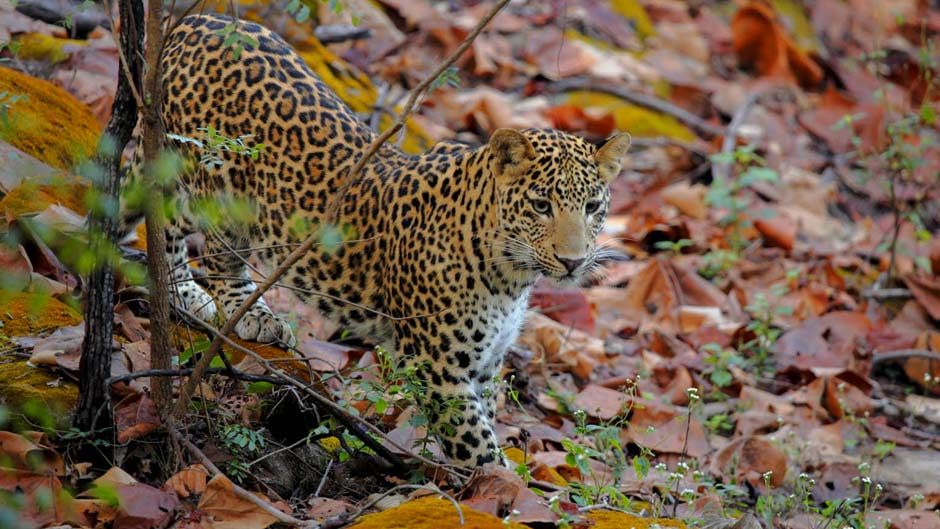
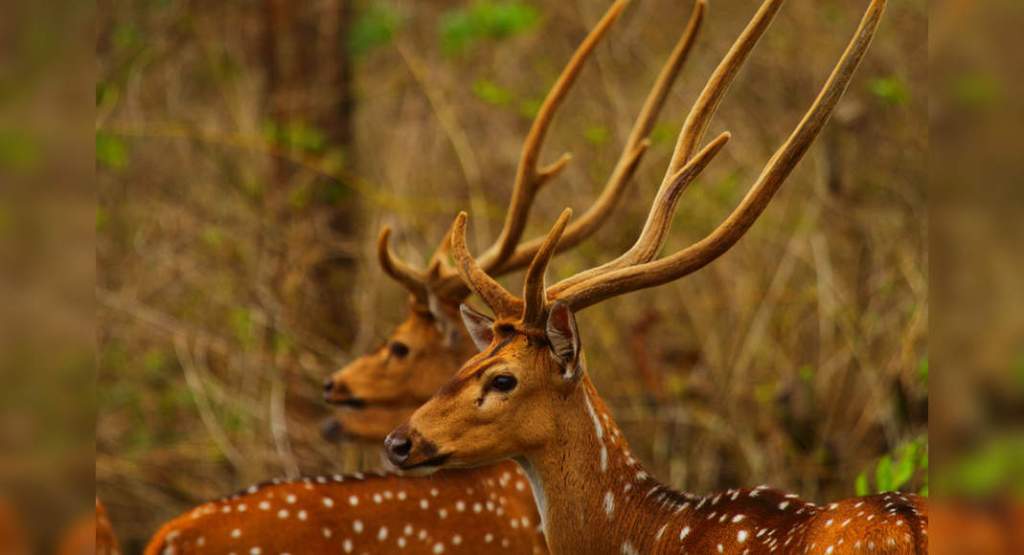
Besides wild boars, sambar deer, spotted deer, porcupines, monitor lizards, pythons, civets and turtles are among those that fall prey to poaching. Occasionally, elephants, leopard, tigers and wild gaurs are also hunted down, say the data.


“Since movements were restricted during the Covid period, people living adjacent to forests got more opportunities to engage in poaching. Poachers have also improved their intelligence gathering. The presence of wild animals also increased in the fringe areas, leading to the rise in poaching incidents,” said a member of a flying squad of the forest department.

People also lay electric wires to electrocute the animals, besides using poisoning too.
Besides killing the animals, depriving them of food is also an offence, as the data show. Among the registered cases, two are in connection with freeing chickens from the mouth of a python forcefully.

The Most Venomous Snakes in the World

Most people in the world have a fear of snakes. Those with an abnormal fear have a whole fear named for them—“Ophidiophobia”. However, the fear seems perfectly rational seeing as how dangerous some of these snakes can be. But a question begs to be asked— Are snakes really that dangerous? The simple answer is that while a majority of the snakes are harmless, we still need to maintain a distance. Bites from venomous or non-venomous snakes can be extremely painful. There are quite a few dangerous snakes in the world and it is always better to know what kind of snake you are dealing with before you decide your next step. So, in order to be better informed we bring to you the top 10 deadliest snakes in the world.

Here are 5 most Venomous Snakes in the world and what make them so-

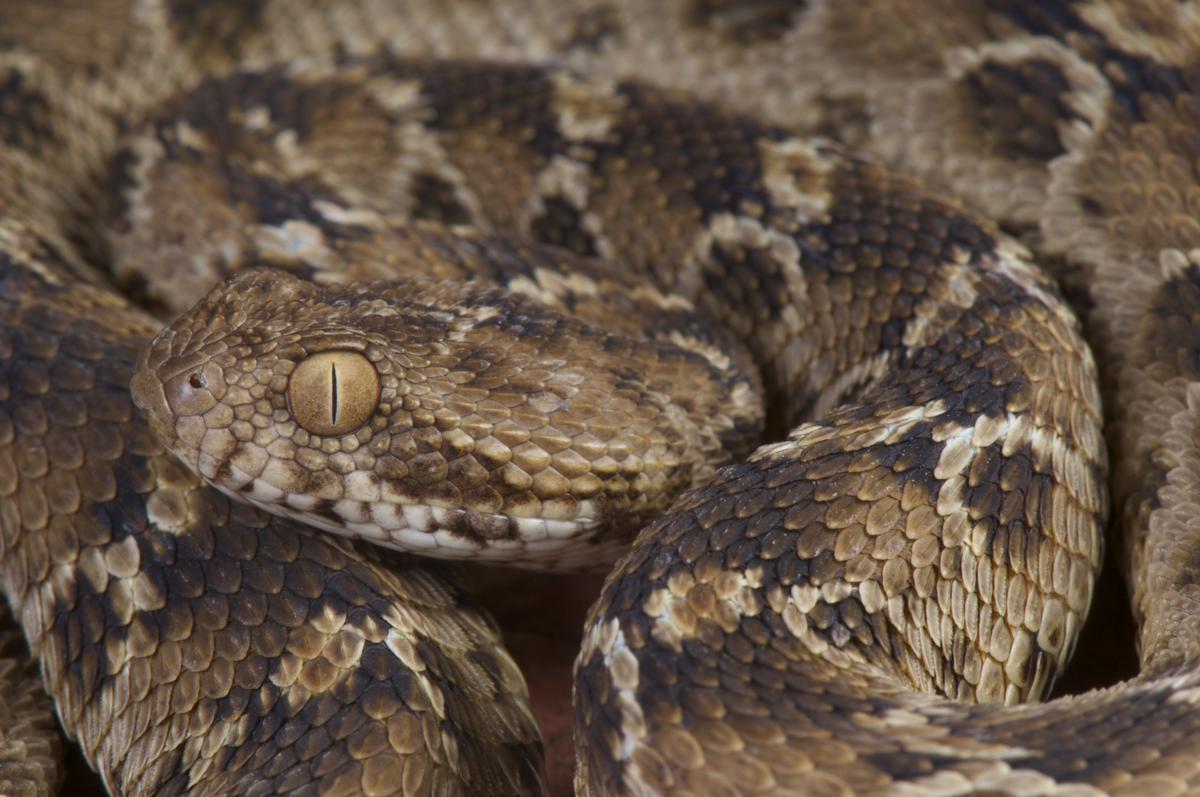
1. Saw-scaled Viper (Deadliest in the world)

Although its venom is not very potent, the Saw-Scaled Viper is considered as one of the world’s deadliest snakes as it is believed to be responsible for more human fatalities than all other snakes put together. These snakes have a stout body with a pear-shaped head which is distinct from the neck. Adult Saw-Scaled Vipers range in length from 0.3 to 0.9 metres and they come in shades of brown, grey, or orange with darker dorsal blotches and lateral spots. Unlike most snakes, the Saw-Scaled Viper moves sideways (sidewinding locomotion). They are nocturnal and feed on mammals, birds, other snakes, lizards, amphibians, scorpions and centipedes. They can be found in arid regions and dry savannahs north of the Equator across Africa, India, Sri Lanka, Pakistan, and the Middle East. Saw-Scaled Vipers are considered to be one of deadliest snakes of the world because they are often found in populated areas and a lack of readily accessible antivenom in rural areas adds to their lethality. So clearly, the potency of the venom has no bearing on the list of world’s deadliest snakes.

Some fun facts about the saw-scaled viper: 

  • Saw-Scaled Vipers can live for up to 23 years. 
  • Up to 80 per cent of these adults climb up bushes and trees when it rains.
  • In northern regions, they hibernate during winter.

2. King Cobra (World’s Longest Venomous Snake)

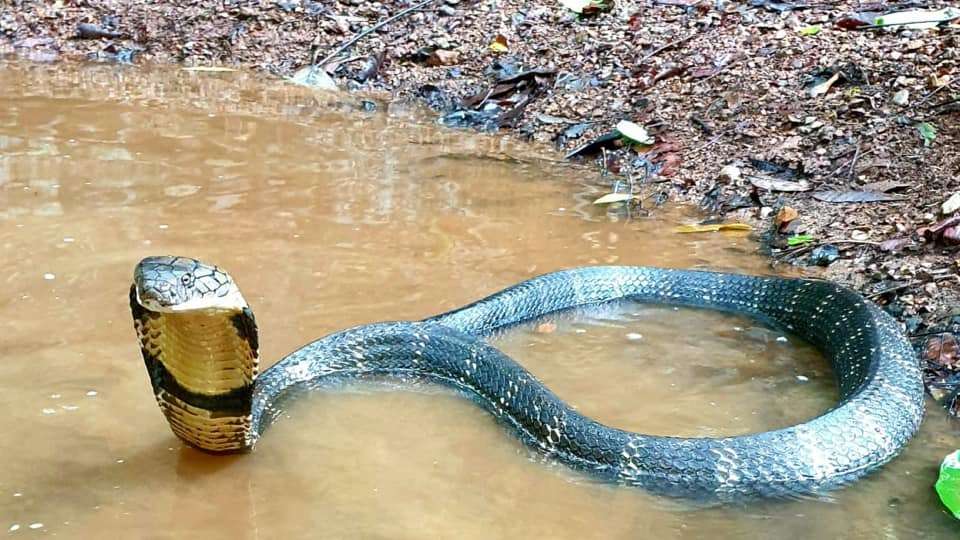
In India, the King Cobra is not only revered and worshipped but also feared, as they are one of the most venomous snakes of India. In one bite, a King Cobra delivers a tremendous amount of neurotoxins that induces paralysis. They are so fearsome that they find themselves on almost all lists of world’s deadliest snakes. King Cobra is dark olive or brown in colour with black bands and white and yellow crossbands with cream or pale yellow undersides. A King Cobra measures up to 3 to 4 metres in length and has blackheads with two crossbars near the snout and two behind the eyes. Young cobras are shiny black with narrow yellow bands. King Cobras are found in Bangladesh, Bhutan, Brunei, Cambodia, China, Hong Kong, India, Indonesia, Laos, Malaysia, Myanmar, Nepal, Philippines, Singapore, Thailand and Vietnam. The world’s longest venomous snake, a King Cobra’s venom is so strong that it can kill an elephant in just a few hours and can cause death in 50 to 60 per cent of untreated human cases.

Some fun facts about the King Cobra:

  • King Cobras (Ophiophagus Hannah) are monogamous, which means they mate with only one partner for life.
  • In the generic name, King Cobra Ophiophagus Hannah, Ophiophagus is derived from Greek and means “snake eater”.
  • The longest venomous snake, King Cobras have a slow metabolic rate and so, can go for months without food after a large meal.
  • A single bite from a King Cobra can kill an elephant.
  • The cobra only spreads its hood when it feels threatened or is disturbed. While most pictures showcase cobras with their hoods fanned, chances are you may spot a cobra without its distinctive hood, so be careful either way.

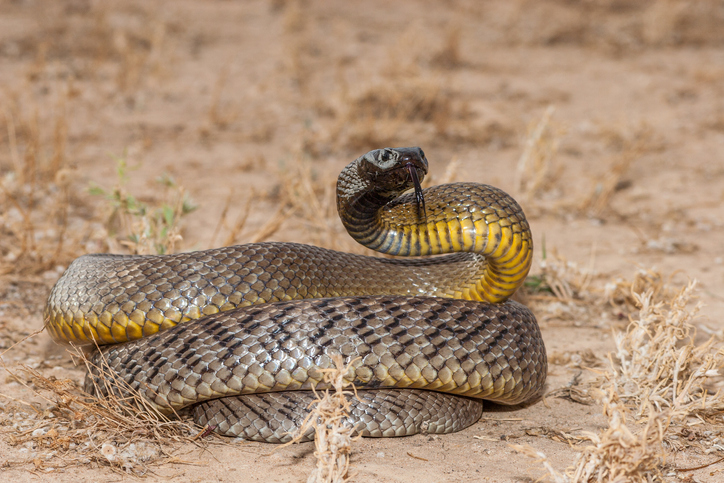
3. Inland Taipan (Deadliest Venom)

Also known as the “fierce snake”, the Inland Taipan is one of the world’s most venomous snakes. A bite from this variety of Taipan often causes paralysis of the victim’s nervous system and clots the blood. The Inland Taipan, one of three types of Taipans (Coastal, Inland and Central Ranges), is dark tan in colour, ranging from a rich, dark hue to a brownish light-green, depending on the season. This variety of Taipan is found to be smaller than the coastal variety and can grow up to 1.7 metres in length. Although the Inland Taipan is an extremely venomous and dangerous snake, they are usually shy and prefer to escape trouble. They will, however, defend themselves and strike if angered, mishandled or stopped from escaping, earning it a place on the list of the deadliest snakes in the world. The venom of an Inland Taipan consists of taipoxin, a complex mix of neurotoxins, procoagulants, and myotoxins that can hinder breathing, cause haemorrhaging in blood vessels and tissues, and paralyze and damage muscles. Respiratory paralysis can set in anywhere from two to six hours after you are bitten.

Some fun facts about the Inland Taipan:

  • Inland Taipans’ venom is specially adapted to kill warm-blooded animals.
  • It is an extremely fast and agile snake and can strike instantly with extreme accuracy.
  • It is called “fierce snake” for its venom, not its temperament.
  • They change the colour of their skin for thermoregulation, allowing them to absorb more light in colder months.

4. Blue Krait (Asia’s Most Venomous)

Also known as the Malayan Krait, the Blue Krait is a highly venomous snake of the elapid family. Its venom can paralyze its victim’s muscular system; a truly scary thought that has earned this snake a place on the list of the deadliest snakes in the world. The Blue Krait has a colour pattern of bluish-black crossbands separated by yellowish-white interspaces. They can grow up to lengths of approximately 1.1 metres. These Kraits are generally not aggressive or strongly defensive and tend to bite only when really provoked. While they primarily feed on other snakes, they also eat lizards, mice, frogs and other small animals. Blue Kraits have been found to be primarily nocturnal while hunting and have shown a preference for fields, holes, and sometimes even homes. A Blue Krait’s venom consists of extremely powerful neurotoxins made up of presynaptic and postsynaptic toxins. This mixture is known to directly attack an individual’s ability to speak or think clearly and can paralyze the muscular system. The venom also attacks an individual’s respiratory system, causing suffocation within hours. The bite causes no pain, giving the victim a false reassurance. However, if left untreated, death can come within four hours.

Some fun facts about the Blue Krait:

  • They are widespread in their regions, but encounters are uncommon.
  • They prefer the wet season.
  • Like other Kraits, they hide their heads under the coils of their body when threatened.

5. Black Mamba (Fastest Snake in the World)

The Black Mamba is the second-longest venomous snake after the King Cobra. They are known for their large size, quickness, and extremely potent venom, making them one of the deadliest snakes in the world. The inside of this snake’s mouth is black, hence its name – Black Mamba. They have a coffin-shaped head and can vary in colours from olive, yellowish-brown, khaki and gunmetal but they are rarely black. An average Black Mamba is 2–2.5 metres long, with a maximum length of 4.3 metres. While they have a reputation for being aggressive, Black Mambas are generally found to be shy and nervous. They primarily eat small mammals and birds. While they prefer warm-blooded prey, a black mamba will also feed on other snakes. They can be found in Angola, Botswana, Central African Republic, DR Congo, Eritrea, Ethiopia, Kenya, Malawi, Mozambique, Namibia, Somalia, South Africa, Tanzania, Uganda, Zambia, and Zimbabwe. f they are disturbed or cornered, Black Mambas will attack with repeated bites. Their venom is extremely toxic and just two drops are reportedly enough to kill most humans.

Some fun facts about the Black Mamba:

  • They are some of the world’s fastest snakes and are capable of speeds of more than 12 miles (19 km) per hour and hence will be the one which can kill the fastest.
  • In the wild, a black mamba can live for up to 11 years. In captivity, they can live for longer than 20 years.

Environmental and Wildlife Crime

                                                          (Photo: Wildlife Conservation Trust)

Environmental and Wildlife crime is an illegal act which directly harms the environment.

There was a time when people were dependent on the environment and its resources for their existence. As if like they can’t live without it. But with time the situation changed. People started misusing the environment and wildlife for their own greedy purposes which led to a massive destruction of our environment, wildlife and especially our ‘Mother Earth’. As our country is developing, people are becoming greedy and selfish day by day. They have started mismanaging the resources that are actually meant to be used for useful purposes ,and due to this nowadays we are facing many harmful disasters like Tsunami, Earthquake, Flood, Poverty, Economic downfall all over the world. Not only these there are many other problems too.

Coming to the Wildlife, many animals are forcefully placed at zoo in a cage confining their lives within the walls of the zoo. We all know about Deforestation ,that is, “Cutting down the trees and plants”. Thousands of plants and trees are cut down everyday but we never think about the animals like how they will survive as forests are their only home to live in. Many animals are killed leading to the decreasing number of animals in the world. They are left abandoned or some people sell them just to mint money or use their skin to make leather and for many other purposes.

It is a true fact that human activities have a worse impact on nature and wildlife. “The term Environmental and Wildlife crime” should be categorized as crime in the present time. Many factors that influence these crimes are Socio-political and the weak judiciary. As we are all aware that there is no strict implementation of laws in many countries like, India. There are many organizations who works to highlight the issues and work on to prevent but there is no strict implementation not even the judiciary .And people do take benefits from this, and they continue to do these illegal crimes endangering our environment and wildlife. Coming to another factor ,that is, Economy. To increase the economy of the country, many people go after trading of the animals ,selling them at highest price just to mint money. Or even killing it before selling because we know that how expensive animals organs could be and how even just the skin of animals can be used for manufacturing purposes or say for preparing chemicals or weapons. Another factor is supply and demand. As our society is progressing, the demand is also increasing and so as the supply. This also increases an illegal employment opportunity for the people interested and thus, increasing their income.

Environmental and Wildlife crimes have caused a great threat to our environment and stood up with many challenges. Both the crimes have previously not been given importance in most of the countries thus, resulting in the lack of awareness and facilitating these crimes at a high speed which are actually a threat for various countries.

“The wildlife crimes has resulted in the loss of species and we need to start preventing it rather than waiting for the crimes to take place”. The organization has and is facing many problems such as jurisdiction where there is no strict implementation. All these factors have posed a serious threat not only to the environment but also to the organization.

SUGGESTIONS

·       To prevent the Environmental and Wildlife crime, first we need to create awareness about these among mass population.

·       The government shall become strict regarding the implementation of the norms in order to prevent it.

·       National organizations shall work together to keep a record of all the information related to both the crimes and to keep a steady pace with the change.

·       The government shall implement the principle of sustainable development due to the increase in the demands of the people in order to use the resources judiciously.

·       The countries where these crimes are prevalent must join the hands of the national organizations to work as a team for the speedy disposal of the cases.

·       Create a new organization which will deal with both the crimes to prevent any haphazard .This will decrease the burden on the judiciary court and will ensure the speedy disposal of the cases.

·       Organize campaigns and various other programs to educate people about both the crimes and teach them how these crimes are harmful for the society .

·       Involving the people of the society by asking them their suggestions or ideas to prevent the crimes.’

·       Plant more and more trees around your place ,on the streets to curb the pollution.

·       Stricter implementation of the guidelines under Wildlife protection act and Environmental act must be enforced.

Environment and Wildlife are important part of our lives. Environment and society are dependent on each other and we as the members of the society have a responsibility to protect our environment. Many laws and regulations have been made by various countries to protect our environment and wildlife. The protection of environment and wildlife has become a necessity today. Our judiciary looks after the constitutional provisions and reviews its own decisions but the strict implementation of the laws is not yet enforced. And that’s what needs to be changed. Unless and until there is strong and strict implementation, the main objectives of protecting the environment and wildlife cannot be achieved. Also the punishment for harming the environment should be made more strict and the convicts should be made to pay for their deeds. Each and every individual should be made aware towards the environment and wildlife because the government alone cannot fulfil the goals so the involvement of people at a large scale is really important. So it should be remembered that this environment belongs to everyone and the responsibility of conserving the environment and wildlife belongs to everyone.

“True benevolence or compassion, extends itself through the whole of existence and sympathizes with the distress of every creature capable of sensation”.

ANIMAL HYBRIDS🐫🐆🐎

A hybrid is an offspring produced from the mating of parents from different species or sub-species. Albeit it is rarer, animals from distinct but closely linked species do mate in nature. The result, a genetic amalgam, an offspring with characteristics from both parents. Certain hybrids occur because of human interference, typically created to combine the finest qualities of both creatures, although they might have dire repercussions. Mentioned below are some of the most unique hybrids that exist on the planet.

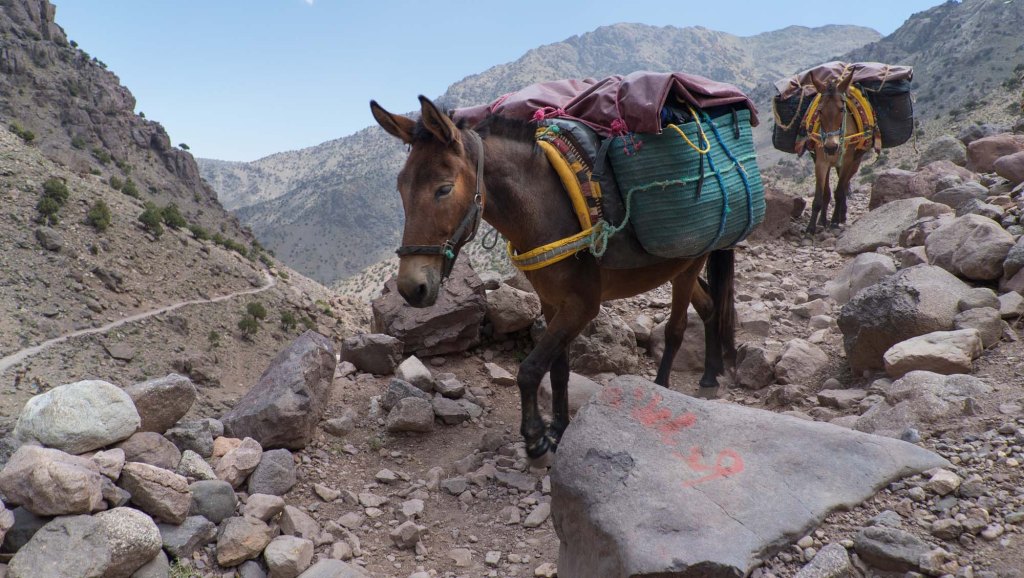
Mule

Mules are the offspring of a crossbreeding between male donkeys and female horses. A mule’s size and look vary greatly from one to the next and is mostly dictated by their horse mother’s size and ancestry. Mules exist in a variety of sizes and shapes, including miniatures, smaller pony-types, tall and lightweight physiques, and even heavyweights. Mules have donkey-like limbs, narrower hooves, and short manes, but they are horse-like in height, neck length, tail appearance, and hindquarters, as well as color.

Female mules are 99.9% infertile, whereas male mules are all sterile. They can’t procreate, thus their existence is solely dependent on human assistance. Mules are sterile due to their odd number of chromosomes. Because a horse has 64 chromosomes and a donkey has 62, the mule inherits 32 horse chromosomes from the mother and 31 donkey chromosomes from the father, totaling 63 chromosomes. This inhibits the mules from producing gametes, which are required for male and female mules to produce offspring. Because their chromosomes do not match up properly, they have problems producing sperm or eggs.

Mules enjoy the best of both worlds as crossbreeding eliminates undesirable hereditary traits while passing on beneficial ones. They are tougher, eat less food, have a better immune system, live longer, and have greater stamina than horses of comparable size and height. Vulnerable to the same illnesses as horses and donkeys, they tend to get sick less often. Mules are clever and less obstinate than their fathers, donkeys. They are more vigilant and mindful of the danger, making them safer to ride through treacherous terrain. Mules have an average lifespan of 35 to 40 years.

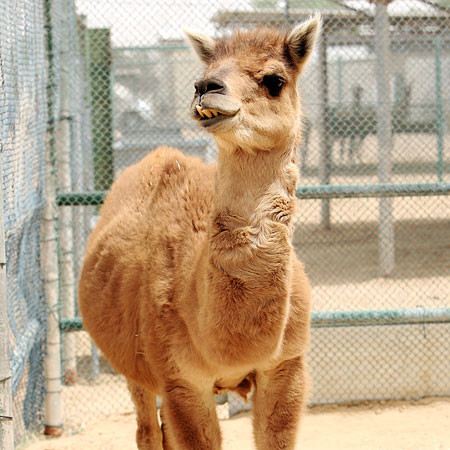
Cama

Cama is a cross between a dromedary camel from Asia and a llama from South America. Camels and llamas are distant relatives despite their variations in size, anatomy, and geographic distribution. They share a common ancestor, a camelid species that existed 30 million years ago in the Rocky Mountain region of North America. On January 14, 1998, the first cama was born. The goal with lama was to produce an animal that could yield more wool than a llama while still possessing the size, power, and cooperative attitude of a camel.

Because a mature dromedary camel can weigh up to six times that of a llama, the hybrid must be created by artificial insemination. Inseminating a female camel with llama sperm has not generated healthy offspring. The only successful combination is inseminating a female llama with dromedary camel sperm. Cama stands between 49 and 57 inches tall (at the shoulder) and has no hump on the back. They possess soft fur that is slightly shorter than llama fleece, small ears, a long tail, and cloven hooves. Just like camel, Cama is a herbivore, and can drink vast amounts of water at once, and survive without it for lengthy periods.

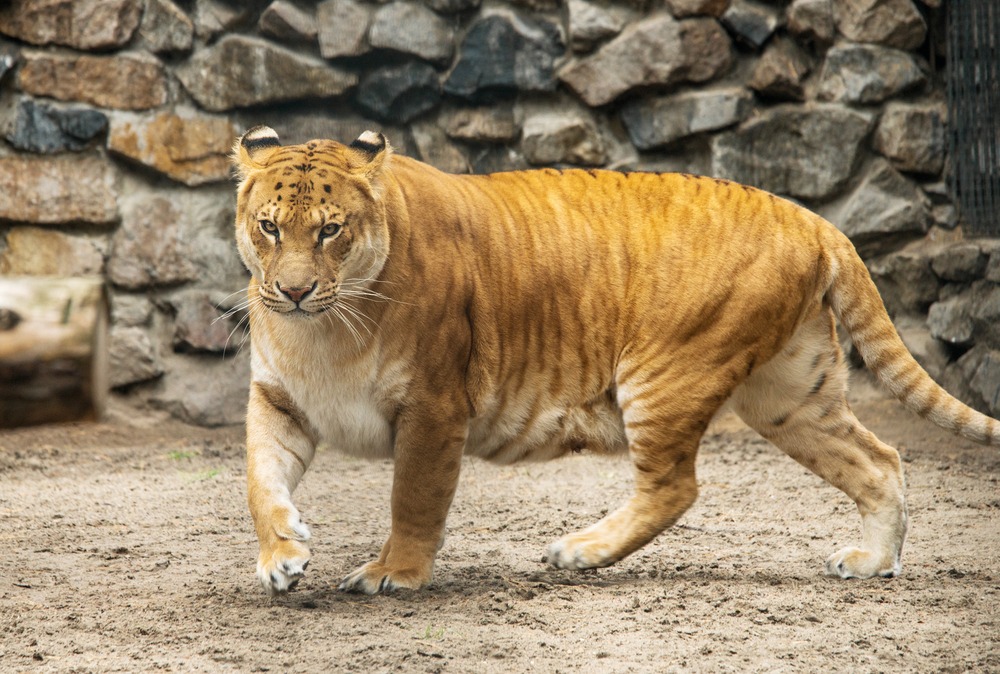
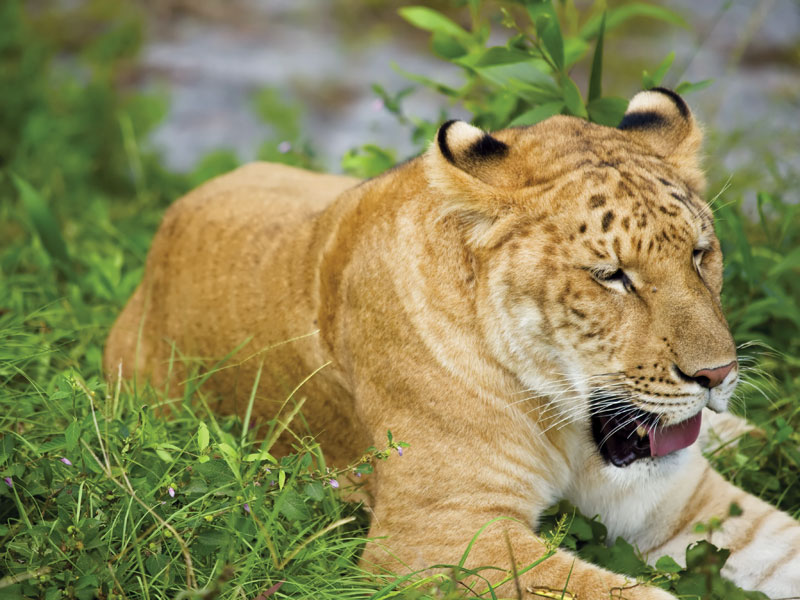
Liger

The liger is a cross between a male lion and a tigress, both of which belong to the genus Panthera but, are of the species Leo and Tigris. The liger is the world’s largest feline, reaching up to 12 feet tall while standing on its hind legs. Ligers are generally larger and heavier than their parents. The absence of specific growth-limiting genes, according to biologists, is the explanation of the liger’s enormous size.

Because ligers are often bigger than either parent, carrying the baby puts the tigress at risk, necessitating C-section deliveries or even killing her. These cats are genetically unfit and suffer from a life of neglect and isolation. Ligers are prone to obesity and aberrant growth, which puts stress on their internal organs and are prone to birth abnormalities that result in premature death.

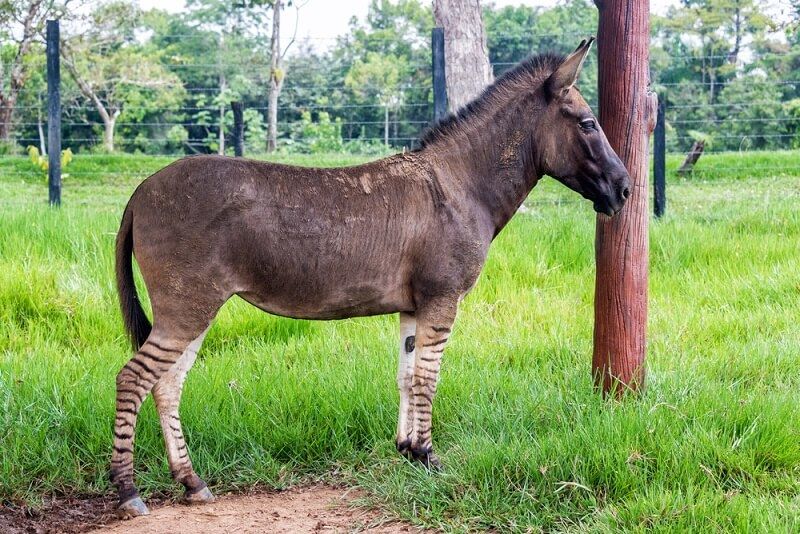
Zonkey

A “zonkey” is a male zebra crossed with a female donkey. Due to their power and stamina, zonkeys are bred for riding and as labor animals for transporting and carrying heavier things. They have the appearance of a little equine & their overall hue is tan, brown, or grey, with a lighter underside. The darker stripes of the zonkey are particularly visible on the lighter regions of the body and their legs. They have a black mane that runs the length of their back ridge to the tip of their tail, which is usually black as well. Their head and ears are both enormous, giving them the look of a donkey rather than a zebra.

Male zonkeys are sterile & cannot procreate, whereas female zonkeys are mostly infertile. The explanation for sterile hybrids is straightforward: It inherits an odd number of chromosomes. A zonkey is a hybrid between a zebra (44 chromosomes) and a donkey (62 chromosomes). As a result, the child’s chromosomal count is 53. Zonkeys are herbivores,  Grass & plants that grow on the ground make up a great portion of their diet. For grazing and grinding down the fibrous grass, they have flat, broad teeth.

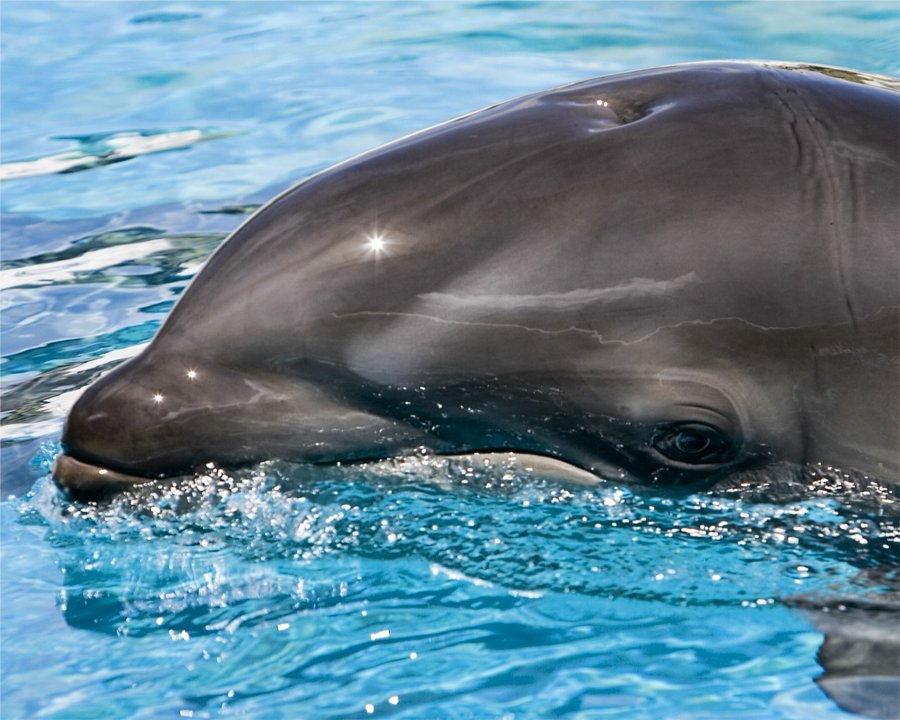
Wholphin 

A wholphin is a rare hybrid born when a female bottlenose dolphin and a male false killer whale mate. On May 15, 1985, the first captive wholphin was born in a pool, which a female bottlenose dolphin and a male false killer whale shared. The wholphin is a blend of the parent species in terms of size, color, and shape. The bottlenose dolphin has 88 teeth, the fake killer whale has 44 teeth, and the wholphin, their hybrid, has 66 teeth, the average number of teeth of its parents.

Wholphin is a carnivorous creature. Its diet consists of fish like herring and capelin. They grow quickly, and only a few months after birth, they are the size of a one-year-old dolphin. Female wholphins are fertile and can create new offspring of wholphins after mating with dolphins. Wholphins have a 40-year average lifespan.

STUNNING NATIONAL PARKS OF INDIA

Beyond India’s booming metropolis, wildlife enthusiasts can discover idyllic sanctuaries teeming with life. India’s national parks, numbering in the hundreds, cover around 15,600 square kilometers of protected land. Discover and appreciate all that nature has to offer by visiting these gorgeous wildlife National Parks. Enjoy breathtaking panoramas, adrenaline-pumping jeep safaris, and sightings of rare and ferocious creatures.

 Kaziranga National Park, Assam

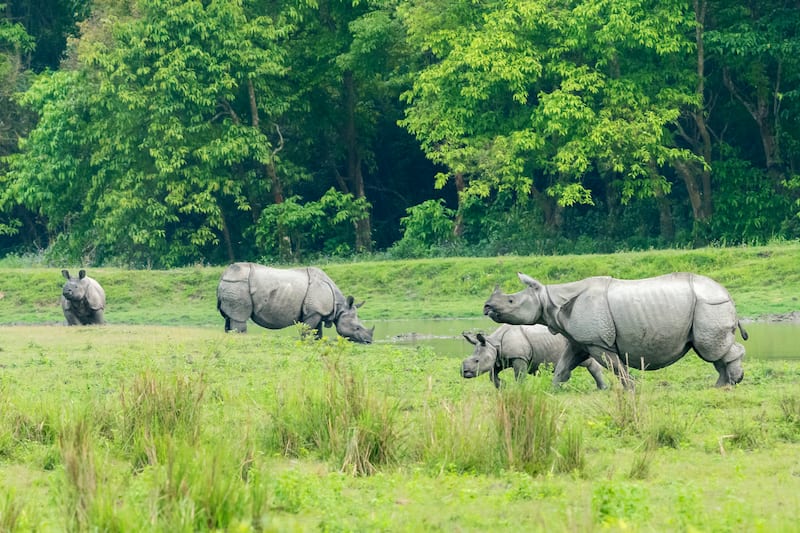
On the floodplains of the Brahmaputra River, Kaziranga National Park lies partly in Golaghat District and partly in Nagaon District of Assam. Established in 1905 as a forest preserve to save the greater one-horned rhinoceros from extinction, it is Assam’s oldest park, encompassing 430 square kilometers. It’s among the few untouched natural places in India’s north-eastern region. 

With its elephant-grass meadows, swampy lagoons, rugged reeds, marshes, shallow waters, and dense woods, Kaziranga National Park is one of India’s most popular wildlife tourist hotspots. Over 2200 Great Indian one-horned rhinoceros call it home, accounting for roughly two-thirds of the world’s total. Tigers can also be sighted here, camouflaged among the elephant grass and lush forest. There are also buffalo, rare swamp deer, and river dolphins to witness. In 1985, it was declared as a UNESCO World Heritage Site. The park is open all year, however, during monsoon season in July and August, it may close owing to flooding.

Nagarhole National Park, Karnataka

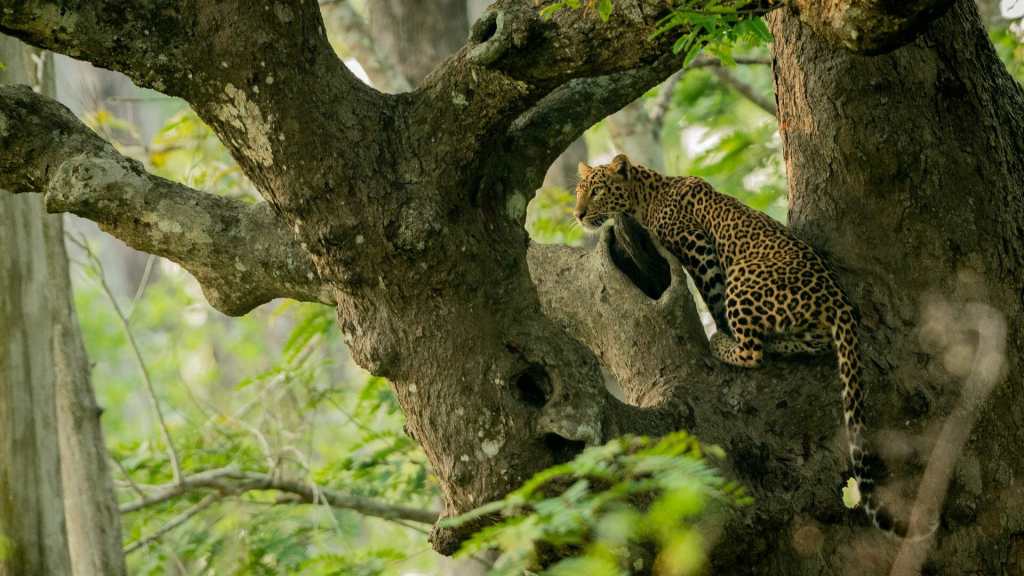
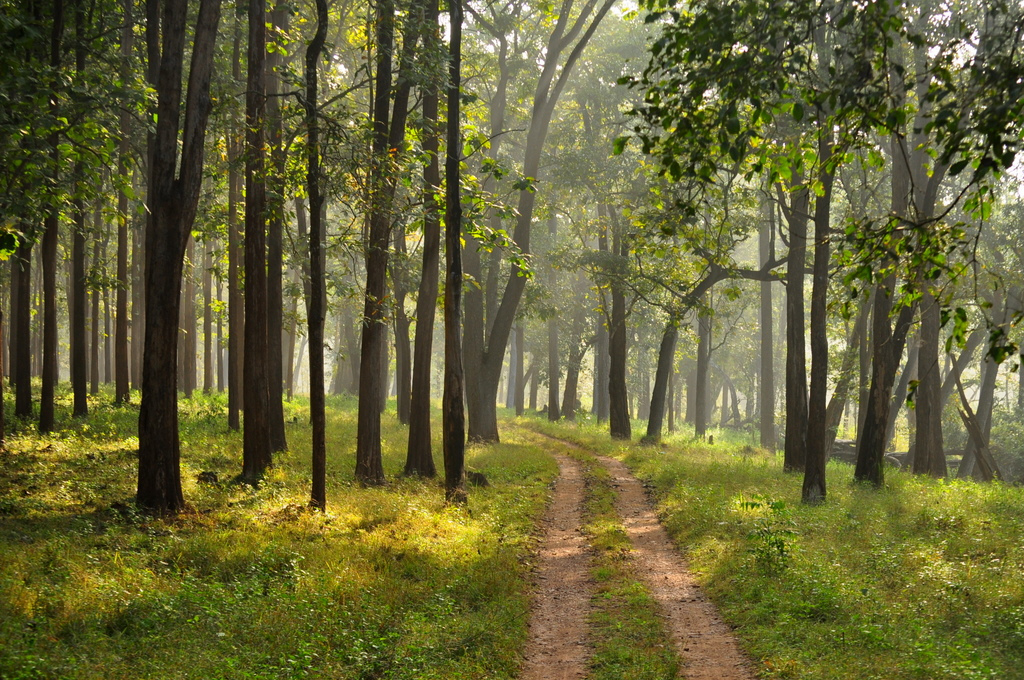
Nagarhole National Park, also known as Rajiv Gandhi National Park, is the enchanting 247 square-mile-long wild reserve located in Kodagu and Mysore district. It is one of the best places in the world to see leopards. It was designated as India’s thirty-seventh Tiger Reserve. UNESCO has designated it as a World Heritage Site. The park, ringed by the Western Ghats, is abode to aromatic sandalwood and teak trees, dense bamboo groves, and myriads of streams, including the Lakshmmantirtha River, Sarati Hole, Nagar Hole, BalleHalla, Kabini River, four perennial streams, 47 monsoonal rivulets, four small perennial lakes, 41 manmade tanks, several swamps, Taraka Dam, and the Kabini reservoir.

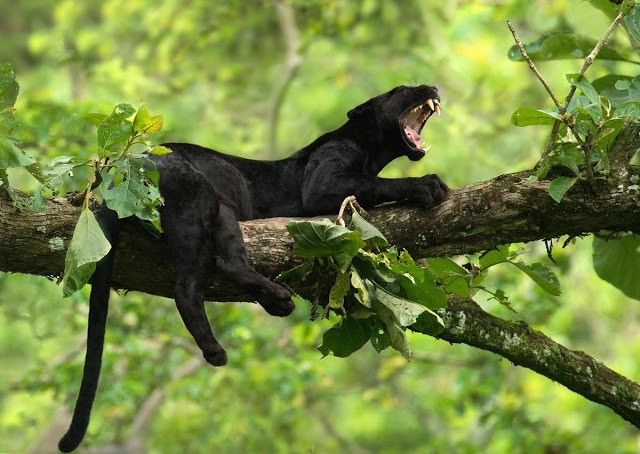
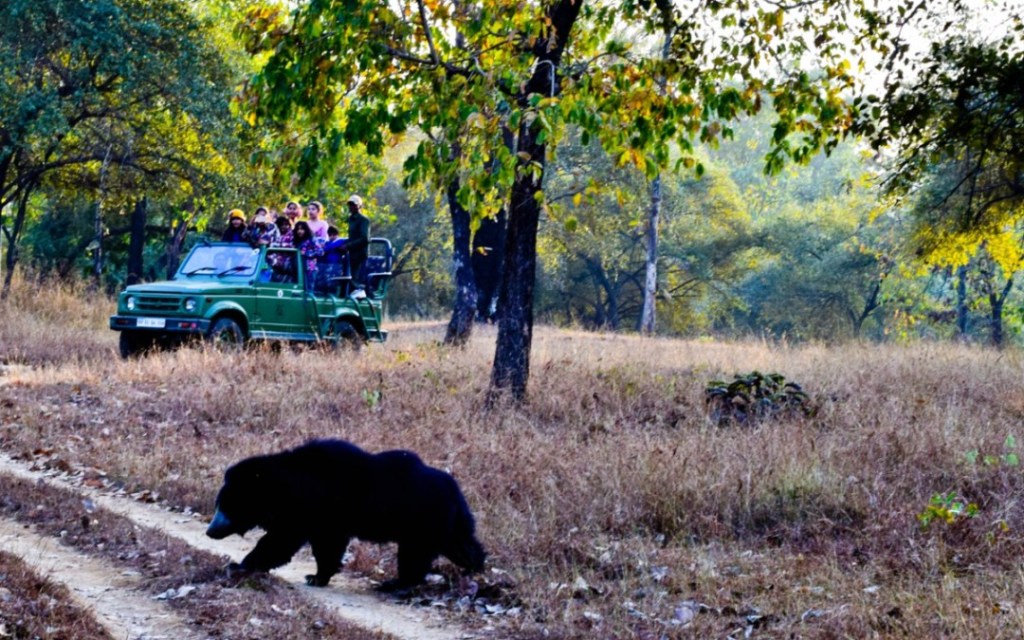
It houses ferocious predators like Bengal tigers, leopards, wild dogs, sloth bears, and hyenas. Many herbivores like spotted deer, sambar, barking deer, four-horned antelope, Bosgaurus, wild boar, and elephant, dwell in the girded region. The Bonnet macaque, jungle cat, slender Loris, common langur, civet cat, leopard-cat, mongoose, common otter, giant flying squirrel, porcupine, jackal, mouse-deer, hare, and pangolin, can also be spotted. Around 250 bird species can be spotted in the Nagarhole area, including the blue-bearded bee-eater, scarlet minivet, and Malabar whistling thrush, as well as ospreys, herons, and ducks.

The marsh crocodile, monitor lizard, rock python, and plenty more species are the most abundant reptiles in the vicinity. Marine and terrestrial tortoises, frogs, toads, and tree frogs, as well as a plethora of insects, including some very vibrantly colored butterflies, dwell in this lush southern Indian forest. A jeep expedition is the finest way to see big cats, whereas a leisurely cruise across the Kabini River in a coracle (a small circular boat) provides splendid views of aquatic birds, crocodiles, and Indian elephants.

Mahatma Gandhi Marine National Park, Andaman Islands

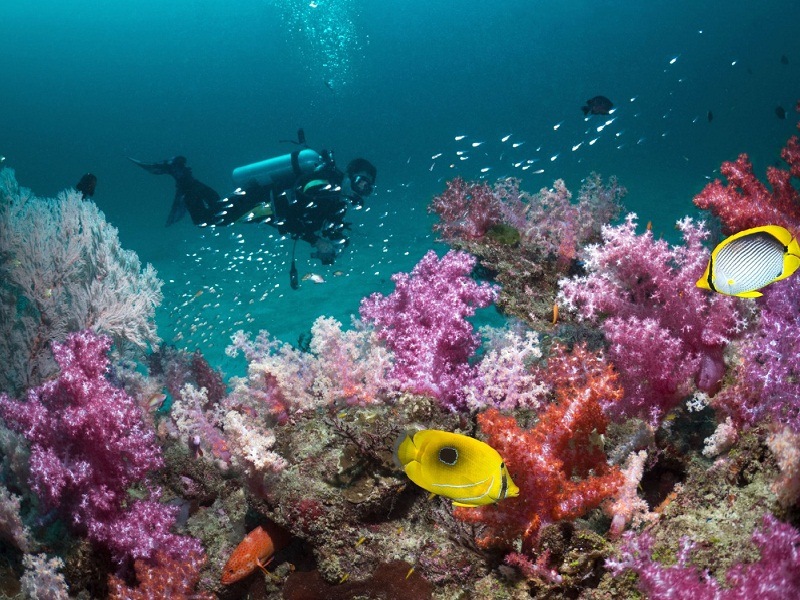
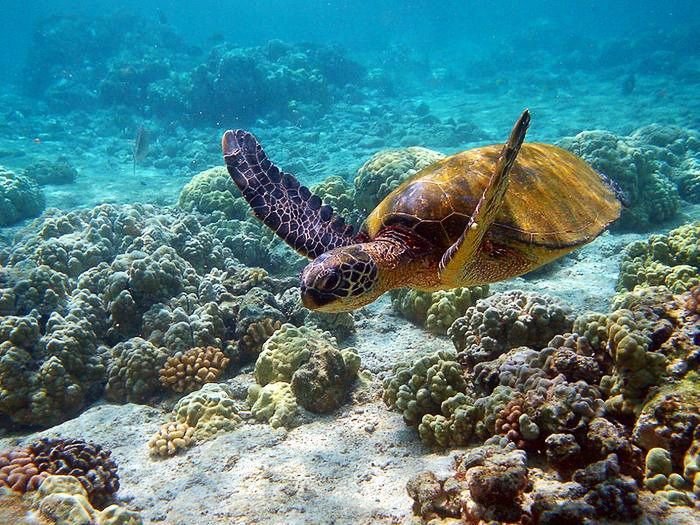
The Mahatma Gandhi Marine National Park is located 29 kilometers west of Port Blair and occupies an area of 281.5 sq. km. There are open seas, waterways, and 15 small and big islands in this vicinity. Rare corals and underwater aquatic life can be seen from glass-bottom boats. Tourists can also enjoy scuba diving and snorkeling. Guided excursions of the Mahatma Gandhi Marine National Park are available through private ferry operators. As part of the guided tours, visitors are also allowed to spend two and a half hours on Jolly Buoy Island or Red Skin Island. It was founded to safeguard marine life, notably sea turtles and coral reefs.

Hemis National Park, Jammu & Kashmir

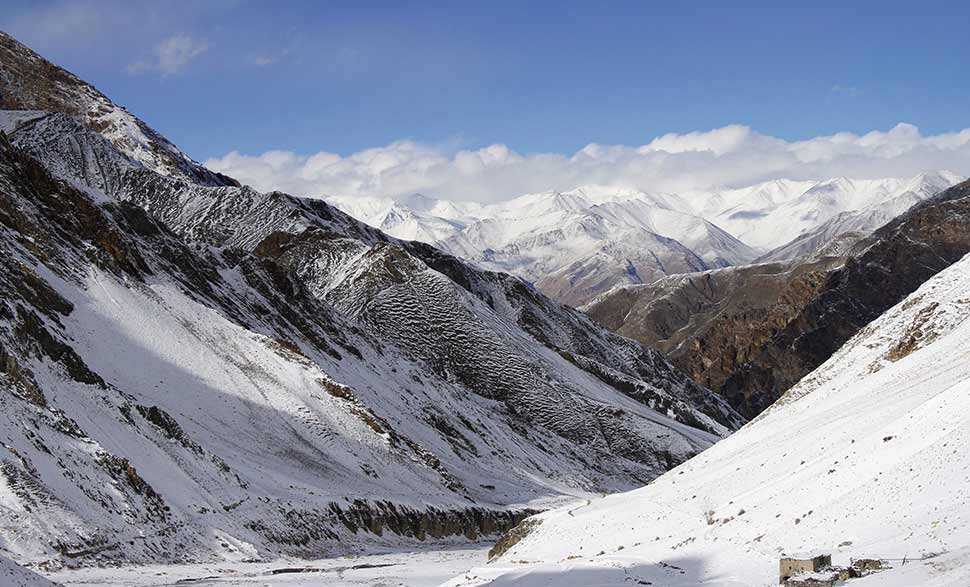
Hemis National Park, the largest national park in South Asia,  is situated in the eastern section of the Ladakh district in Jammu and Kashmir, India. The park is host to 17 mammal species and 73 bird species. Leopards, Asiatic ibex, Tibetan wolf, Eurasian brown bear, and red fox are among the area’s endangered fauna. It also plays host to 200 leopards and is India’s sole Ladakhi Urial habitat. Small creatures such as the Himalayan marmot, mountain weasel, and Himalayan mouse hare call it home.

It’s an excellent spot for bird watchers. Brown Accentor, Robin Accentor, Tickell’s Leaf Warbler, Streaked Rosefinch, Tibetan Snowfinch, Chukar, Fork-tailed Swift, Red-billed Chough, Himalayan Snowcock, Fire-fronted Serin, golden eagle, Lammergeier vulture, and Himalayan griffon vulture can all be spotted here. The picturesque splendor of the national park is very well-known. It’s a visual feast, with lofty mountains and alpine juniper and subalpine dry birch forests. The Stok Kangri summit can be seen from the park. The park’s boundary is the confluence of the Indus and Zanskar rivers, which is a beautiful sight.

Satpura National Park, Madhya Pradesh

Satpura National Park, located in the Hoshangabad district of Madhya Pradesh, is a magnificent wildlife park with a total area of 524 square kilometers. It is home to 52 mammal species, 31 reptile species, and 300 bird species, 14 of which are endangered.

For animal enthusiasts, it is a stunning jungle paradise. Leopards, tigers, chitals, nilgais, four-horned antelopes, bhedkis, rhesus monkeys, wild boars, deer, foxes, flying squirrels, and Indian joint squirrels are just a few of the wildlife that may be discovered here. Satpura Park’s biodiversity is impressive, with over 1300 species of flora, notably teak, sal, tendu, mahua, bel, bamboos, grasses, bushes, and other medicinal plants possessing therapeutic and medicinal effects. Besides, there are several bird species like the Malabar pried hornbills, crested hawk eagles, honey buzzards, paradise flycatchers, thrushes, pheasants, and peafowl. One can enjoy the Jungle Safari by Jeep, boat, or elephant.

Tardigrades

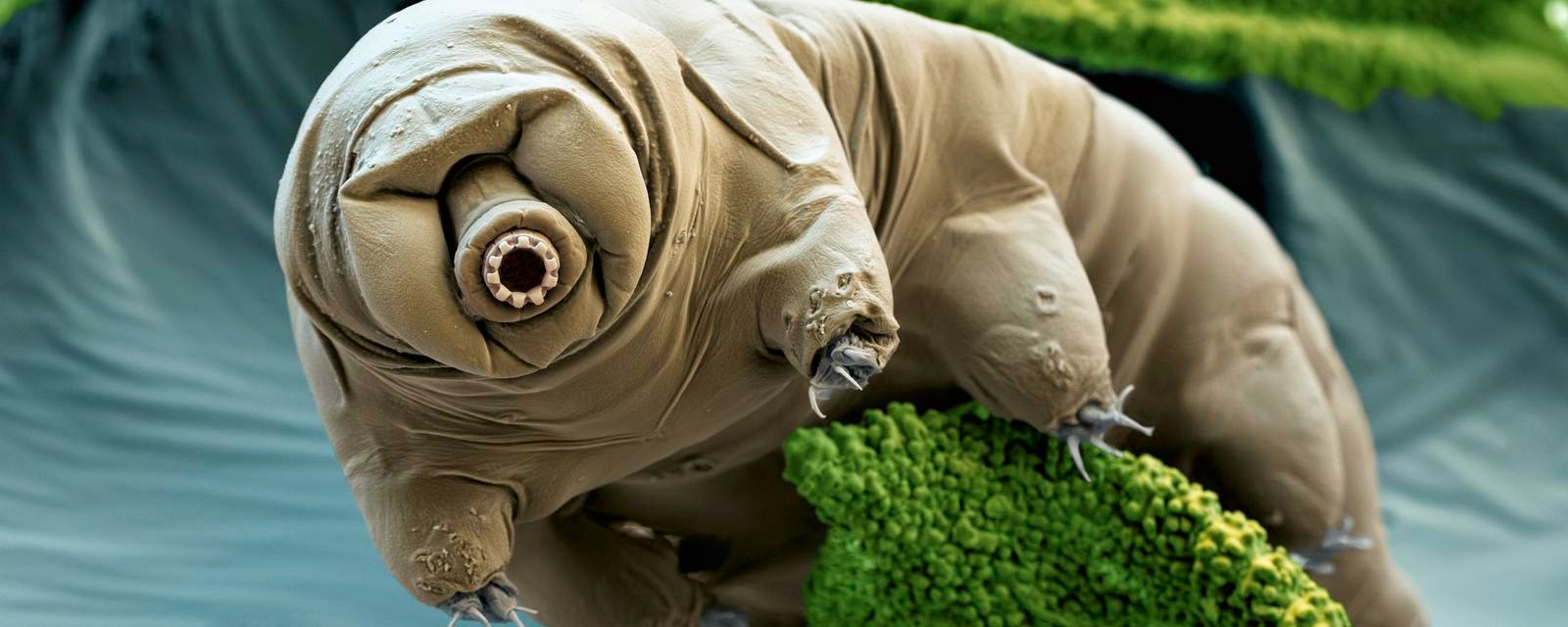
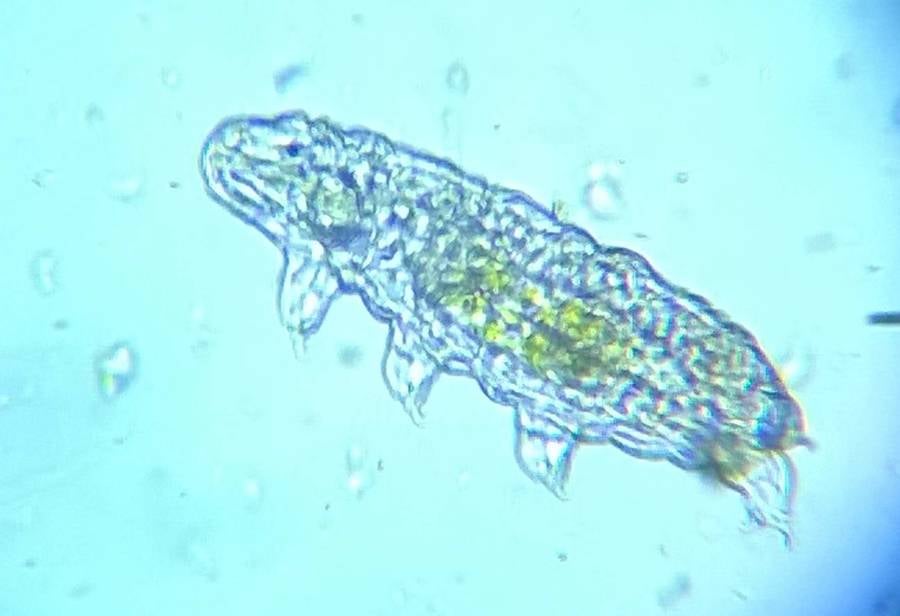
The tardigrade, better known as a water bear or moss piglet, is the real star in the race of survival. This eight-legged, water-dwelling animal, which is a closer relative to nematodes (roundworms) than they are to their look-alikes, the arthropods (insects, myriapods, arachnids and crustaceans), has gone unseen for a significant part of our existence. Astonishingly, there are over 1200 different species of tardigrades, and it is believed that less than 10% of the species have been identified.

How big are tardigrades?

The biggest adults reach a body length of only around 1.5 mm, while the smallest is less than 0.1 mm. Newly hatched tardigrades may be even smaller than 0.05 mm. You would need microscopic vision to see these impeccable wonders of nature. Tardigrades are nearly translucent and they average about half a millimeter (500 micrometers) in length, about the size of the period at the end of this sentence. In the right light you can actually see them with the naked eye. But researchers who work with tardigrades see them as they appear through a dissecting microscope of 20- to 30-power magnification—as charismatic miniature animals.

What do tardigrades eat?

They feed on the fluids of plant and animal cells, piercing their cell walls and membranes, with the help of primitive piercing mouthparts, called stylets. Some species of water bears are known to engulf entire live organisms, such as rotifers. Tardigrades even eat other tardigrades! Yes, cannibalism is very much alive and well among certain species of tardigrades. When they have enough food and water to support their bodily functions, they live out the natural course of their lives. They are probably the most paradoxical animals on this planet. These organisms are impossibly cute, like tiny blimps bumbling around harmlessly on their stubby little legs, but they also enjoy a legendary reputation as the toughest and most indestructible creatures on Earth.

Tiny but Robust

Tardigrades are biologically immune to apocalyptic events like Gamma Ray Bursts (left) or meteor showers (right).

Tardigrades have been reported to survive the piping hot sulphur springs amidst volcanic mountains; they have survived atop the Himalayas, beneath layers and layers of thick ice, remaining unscathed by the immense pressures and exceedingly low temperatures. Tardigrades are fully capable of surviving complete global mass extinctions caused by astrophysical events, such as gamma-ray bursts and giant meteorite impacts.

Tardigrades and Ant-Man

Ant-Man and the Wasp(2018)

Pop culture seems to love tardigrades. And with good reason! Tardigrades have been a part of several sci-fi movies, shows, and documentaries. Science fiction loves good space monsters that are biologically dominant to their heroic counterparts. Tardigrades are no stranger to this culture; they have been featured in various movies like Star Trek: Discovery, Ant-Man, and Harbinger Down. However, was it just their terrifying and gruesome appearance that inspired the filmmakers to caste these critters, or were they well aware of their dominant stature amongst other mortal creatures? Either way, they weren’t wrong!

Tardigrades in Space

In 2007, a group of researchers pushed the resilience of these extraordinary animals to the extreme, in conditions that would be impossible for any other known living creature to survive. A sample of dehydrated tardigrades was exposed to outer space for ten whole days. The vacuum of space, which results in severe dehydration and cosmic radiation, was not a problem for water bears. When those same specimens were returned to earth and rehydrated, 68% of those shielded from the radiation survived; even a handful of those without radiation protection not only came back to life but also produced viable offspring

Cryptobiosis

The adaptation that allows tardigrades to live through such barbarous conditions is their ability to enter a dehydrated state, one that closely resembles death, and this is what makes all the difference. When encountered with environmental stresses, a tardigrade will moult its skin, and inside the shed skin, it curls up into a dry, lifeless ball called a tun. This reduces its metabolic activity immensely, to around 0.01% of its normal levels, but still protects their DNA. To do this, their body produces trehalose, a natural protective sugar that forms a gel-like medium that suspends and preserves the cell organelles and membranes. In the tun, a tardigrade can survive for decades or more. Once immersed in water, their bodies return to a normal metabolic state over the course of a few hours. In one such incident, a group of dehydrated tardigrades was reportedly taken from a museum sample of 100-year-old dried moss and was brought back to life by simple rehydration. That being said, the longer a tardigrade persists in a dehydrated state, the lower are its chances of being successfully revived.

Conclusion

Whether it is the scorching heat of thermal vents, the icy cold of subglacial lakes, or even the vacuum of space, these hard little critters will survive it all. Boil them, mash them, stick ’em in a stew… they are versatile and probably the most durable creatures on the planet. Having survived five great mass extinctions over a period of half a billion years, they might be the strangest combination of cute and terrifying that anyone has ever experienced while looking through a microscope. Extreme conditions that terrify us and would most certainly kill almost any life form, barely even faze them. These tiny tots have expanded the notion of habitable environments, and understanding their indestructibility will have profound implications for both earthbound medicines and survival on other worlds.


WORLD’S RAREST ANIMALS…fewer than 100.

Humans, with their 7.7 billion population, represent just 0.01% of all living things. Despite this, humanity has wiped out 83 % of all wild creatures and half of all vegetation. And we do not appear to be learning. Due to rampant human intervention, the below-mentioned rare animals are in jeopardy, with their numbers dwindling to as little as 100.

Amur leopard

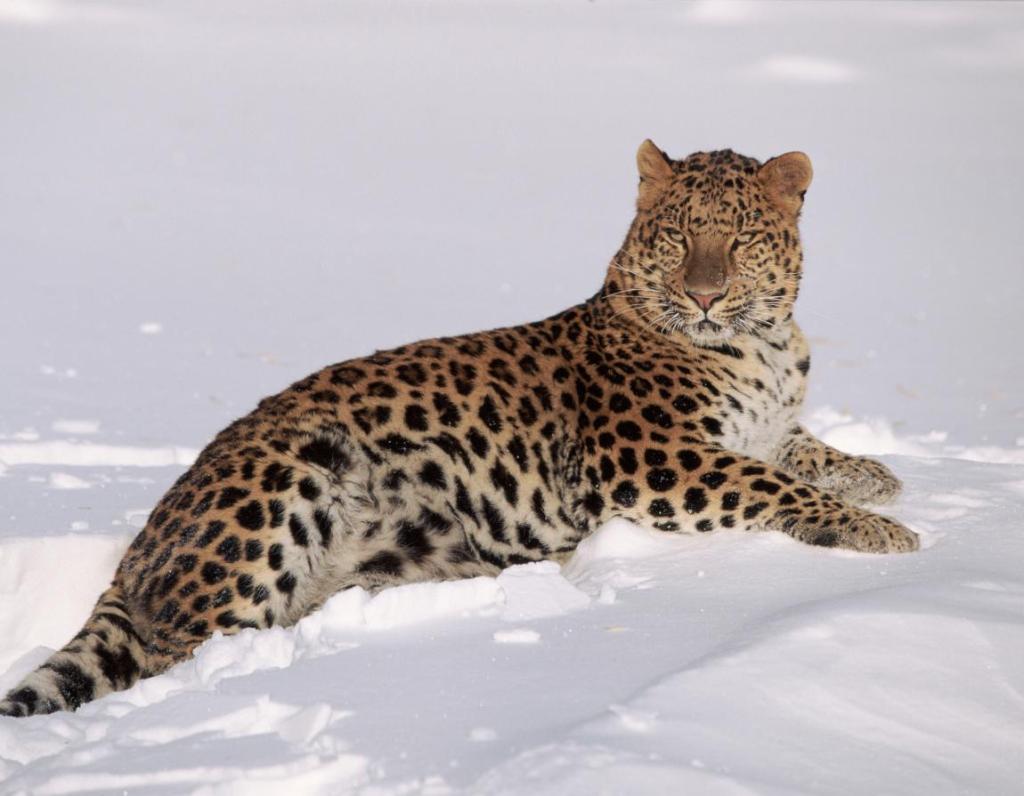
Owing primarily to habitat loss and excessive poaching, there are only around 100 Amur leopards left in the wild. But, The heartening half of this data is thanks to conservation measures-their statistics have begun to soar in the recent decade. Despite this, this exquisite creature is critically endangered, making it the rarest big cat to spot in the wild.

Amur leopards are located primarily in Russia’s southwest Primorye region, with a tiny population in northeast China’s Jilin Province. Named after the Amur River, which flows along both countries’ borders, they have acclimated admirably to their difficult surroundings. In the freezing cold, their silky, thick fur keeps them warm, and their huge paws act as snowshoes, allowing them to travel on snow without sinking.

It is one of the most stunning leopards, with a magnificent speckled pelt of black splotches and flecks that lays it apart from other leopards. Despite being smaller than its African cousins, the Amur leopard can attain remarkable speeds of 37 mph and horizontal leaps of up to 19 feet.

Sumatran rhino

The Sumatran rhinoceros is the most endangered of all rhinoceros species, with fewer than 80 left. In the last two decades, poaching has reduced their population by more than 70%, with Indonesia now harboring the only surviving populations. In 2015, the species was reported extinct in the wild on the Malaysian mainland, and in 2019 on Malaysian Borneo.
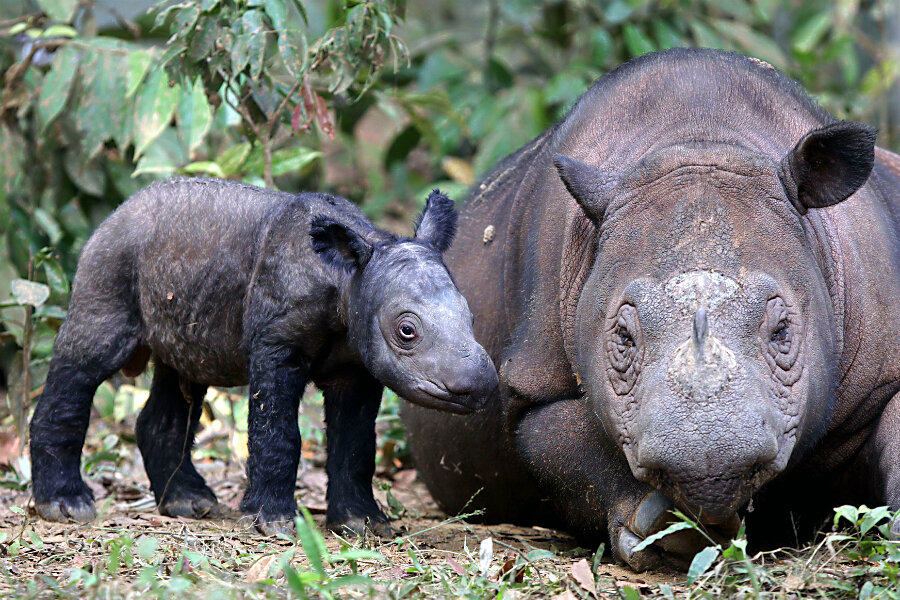
This species is an opportunistic eater, consuming a wide range of plants, possibly over 100. These solitary animals favor lower altitudes, particularly secondary forests with plentiful low-growing plants. Albeit they prefer densely forested areas, their habitat varies from lowland marshes to montane forests.
Because Sumatran rhinos are so rare, experts now feel that isolation is the primary obstacle to the species’ survival. It is because cysts and fibroids can form in the reproductive systems of females of this species who do not mate for a long time.

The smallest rhinoceroses on the planet, Sumatran rhinoceroses are the only Asian rhinoceroses with two horns. The front horn is bigger, ranging from 10 to 31 inches in length, while the second horn is smaller, typically less than 3 inches in length. They are more closely linked to extinct woolly rhinos than any other living rhino species.

Hainan gibbon

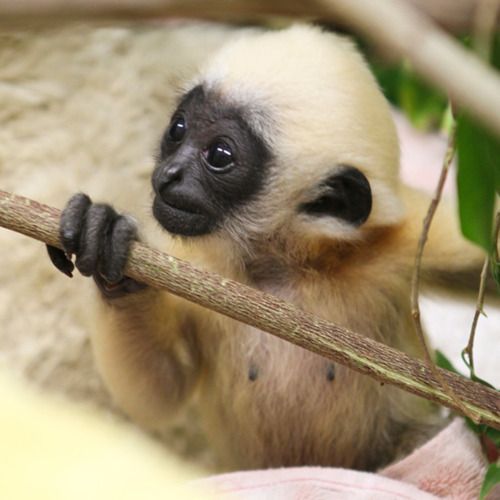
Only about 30 Hainan gibbons remain in the wild, making it the world’s rarest ape, monkey, and possibly mammal species. Previously numbering over 2,000 individuals in the 1950s, their numbers plummeted in the late twentieth century as a result of habitat degradation and poaching. Endemic to Hainan Island, it is found exclusively in the Hainan Bawangling National Nature Reserve.

Adult males are jet black & sport a distinct crest on the crown of their head, whilst adult females are golden yellow and have a black patch on the crown of their heads that fades to the back of the neck. Hainan gibbons are entirely frugivorous (fruit eaters), with a preference for figs and lychee fruits. An alpha male, two mature females, and their children make up typical gibbon families. Hainan gibbons are categorized as a “diurnal species” since they are active during the day. They spend this time foraging, eating, grooming, and playing; they take a mid-day siesta and sleep at dusk.

The Pygmy Three-Toed Sloth

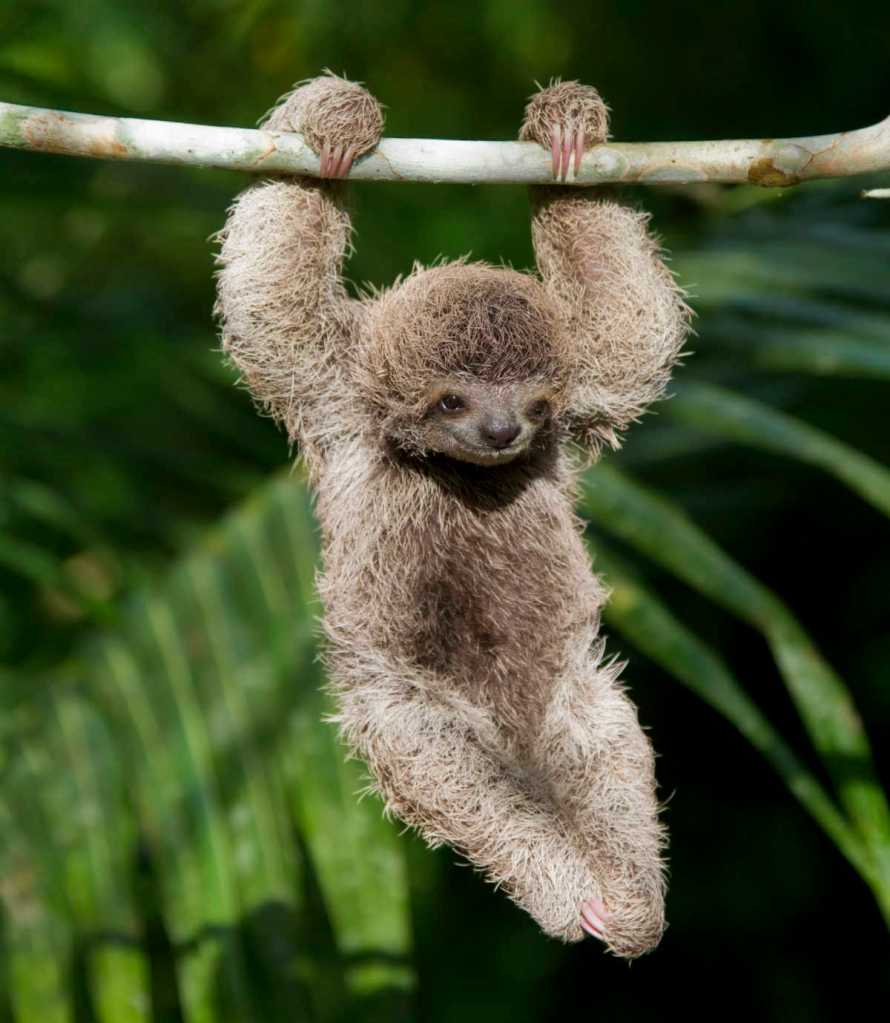
With fewer than 100 individuals remaining in the wild, the pygmy three-toed sloth, endemic to the island of Escudo de Veragua, off Panama’s Caribbean coast, is on the verge of extinction. It is the world’s slowest mammal, with algae growing on its fuzzy coat owing to its inactive lifestyle. It gets its greenish tint from the plant, which helps it blend in with the trees in its Central and South American rainforest habitat.

A mature pygmy three-toed sloth can weigh anywhere between 5.5 and 7.7 pounds and grow 19 to 21 inches tall, making it substantially smaller than other sloth species. The population of pygmy three-toed sloths has declined dramatically due to habitat degradation and fragmentation, exploitation for food, the invasion of feral cats, and a lack of adequate legislative protection for pygmy three-toed sloths and their habitat.

Sloths sleep a lot, about 15 to 20 hours per day, and spend nearly all of their time in the air, clinging to branches with their strong claws. They even mate and have babies while suspended in the air. They eat tree leaves, shoots, and fruit at night, and acquire practically all of their water from juicy plants.

The Seychelles Sheath-Tailed Bat

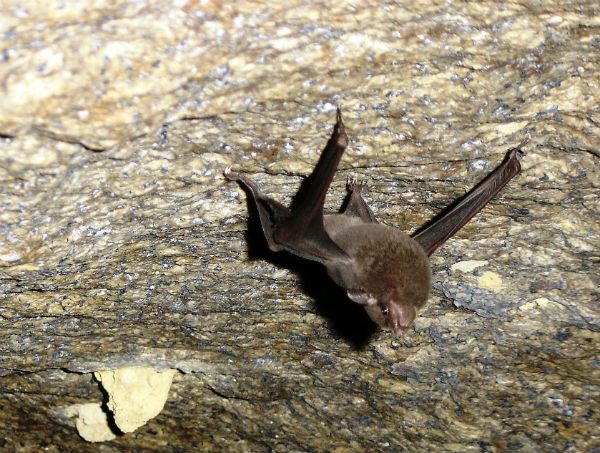
The Seychelles sheath-tailed bat, so named for its long, membranous cape-like skin that can be stretched or shortened for flying assistance, is Critically Endangered, with less than 100 left. It is endemic to the Seychelles Islands. The clearing of their lowland forest habitat for cultivation is the most serious threat they experience. Predation by barn owls, roost disruption, and decreases in insect abundance owing to pesticide use are all plausible causes of its decline. It navigates and recognizes targets using echolocation.

WORLD’S MOST BIZARRE & OUTRÉ CREATURES

The animal realm is as ruthless as it is compassionate, as peculiar as it beautiful, as fascinating as it is perplexing. As a result of the fierce competition, species have evolved some of the most bizarre, incredible, and odd defense mechanisms. Below are a few instances of these one-of-a-kind creatures.

HORNED LIZARD

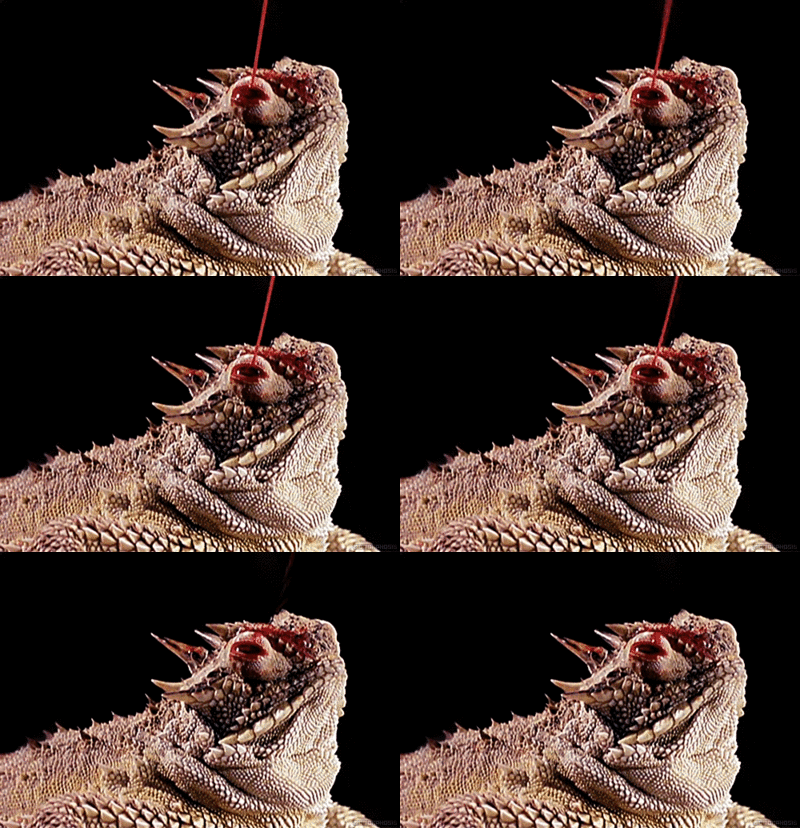
A number of predators prey on desert horned lizards in North America. As an unusual survival tactic, blood is pumped into their ocular sinuses, the tissues beneath their eyes. When a horned lizard is confronted by a predator, it will, as a defensive weapon, spew blood from its flooded sinuses and eye sockets. As a result, the predator usually becomes scared and flees. The lizard uses this approach to clean foreign particles from the surface of its eyes. It has the ability to strike a four-feet-long blood stream.  this process can be repeated multiple times in a short span of time if essential.

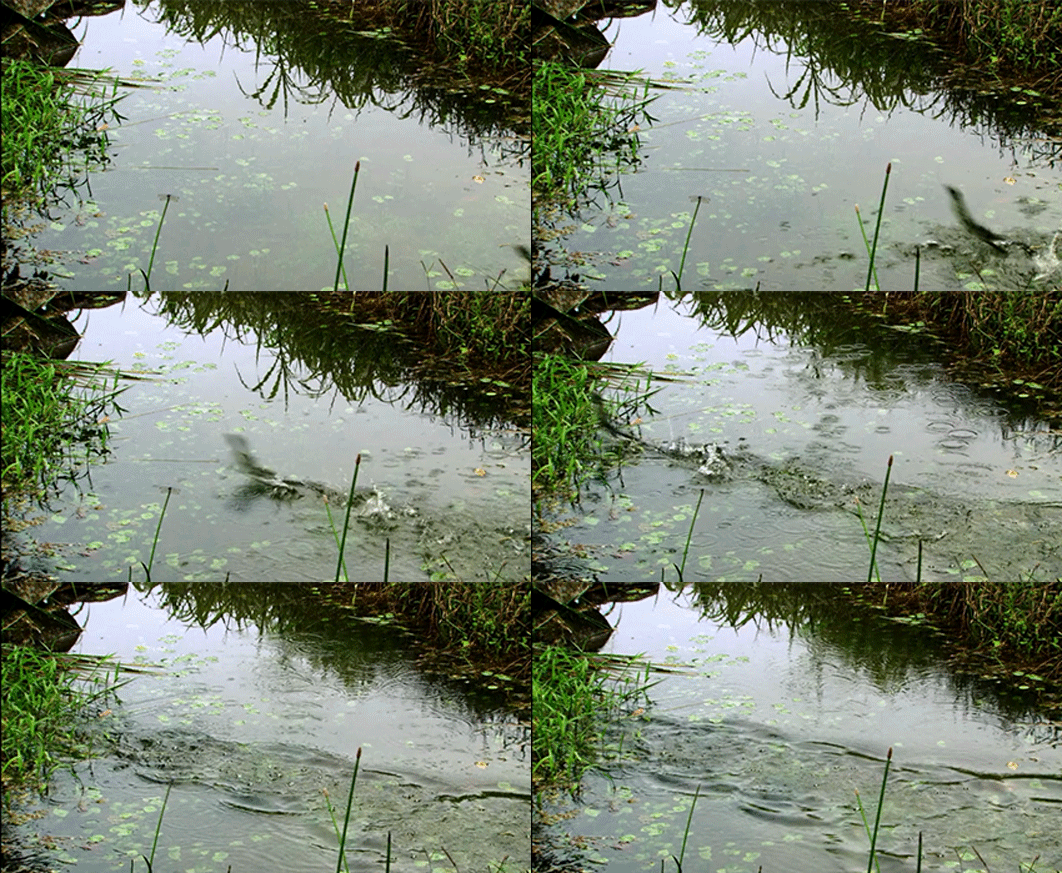
green basilisk lizard

Famed for its exceptional ability to run on water, this unique lizard is ‘The green basilisk lizard’  also referred to as a plumed or double-crested basilisk. Green basilisks can be found in Central America’s tropical rain forests, from southern Mexico to Panama. They spend a lot of time in the woods and are seldom far from a waterway. When startled, they fall from the tree into the water and dash through the water at a rate of about 5 feet per second.

Long toes on its back foot, together with skin fringes that unfurl in the water and enhance the surface area, are what allows them to perform this incredible feat. They strike their wide feet into the water with power and immediately rotate their legs, generating a tiny air pocket that saves them from sinking as long as they remain going. They can travel up to 15 feet along the surface as a result of this. The basilisk uses its incredible swimming abilities to stay airborne until gravity finally catches up with it. Green basilisks, members of the iguana family, grow to a height of about 2 feet, including their long, whip-like tail.

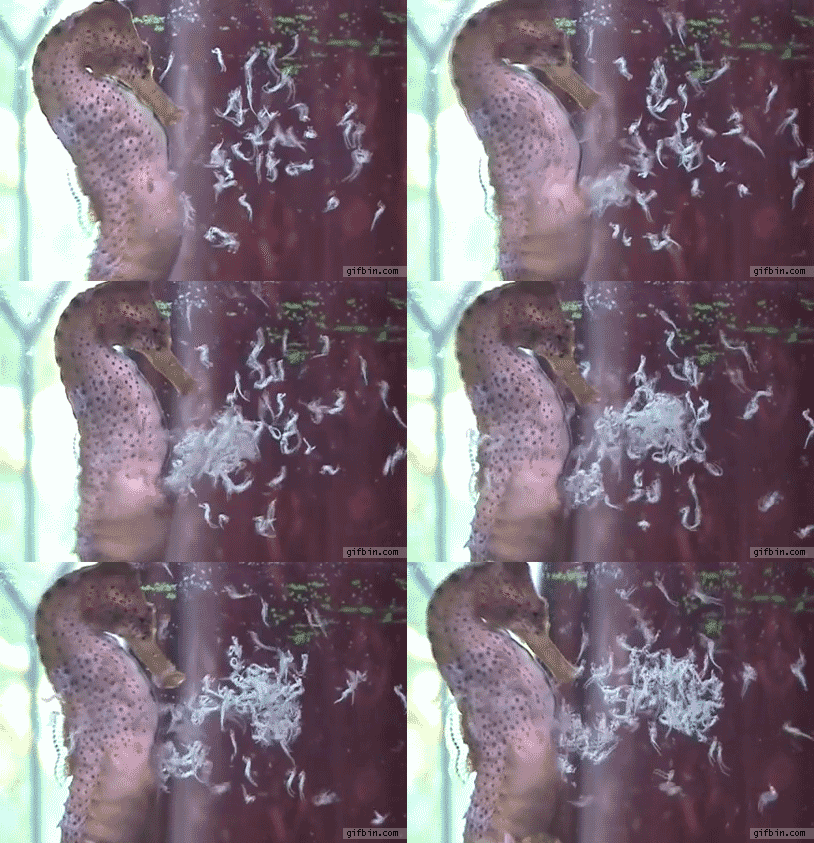
Male seahorses

Male seahorses (and their near cousins) are the only male animals in the animal kingdom that can become pregnant and give birth to children. Male seahorses carry the eggs but do not produce them. The female seahorse places her eggs into the male’s pouch after the male and female have spent time mating. After that, the male fertilizes the eggs in the pouch.  Their pouch gives oxygen and nourishment to the maturing eggs while also regulating temperature, blood circulation, and salinity. Male seahorses normally carry their eggs for 2 to 4 weeks, depending on the species and can give birth to 100 to 1,000 babies.

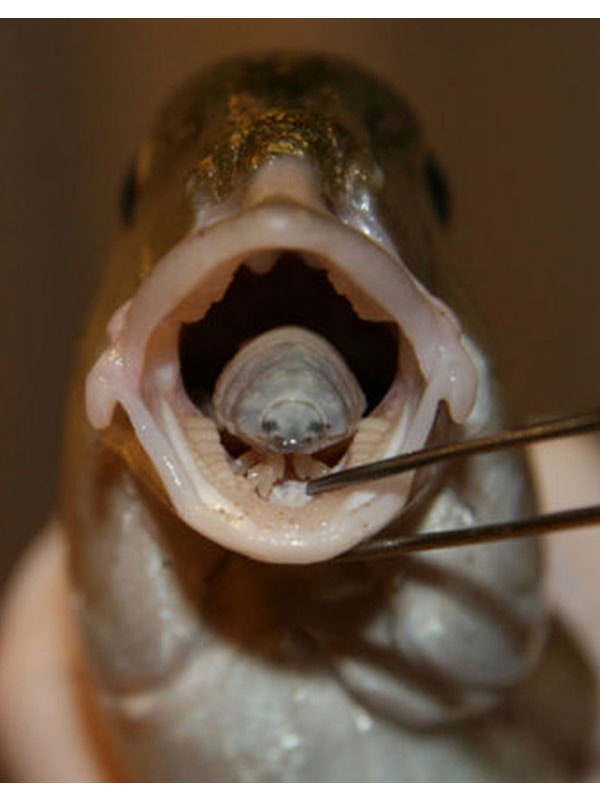
Cymothoa exigua

Cymothoa exigua is a parasitic isopod that is born male but can change sex later in life. The parasites penetrate a host fish’s gills and establish a stronghold to grow. The female then crawls out of the gills and latches onto the fish’s tongue. This is where things start to go horribly wrong. It penetrates the tongue and begins sucking blood as a source of nutrition, progressively getting larger and larger until it inhabits a huge portion of the mouth. It doesn’t drink enough to kill the fish, but she drinks enough that the parasite’s tongue dries away and falls off, putting the parasite as a faux in its stead. The fish lives on, with the infiltrator ingesting whatever the host consumes.

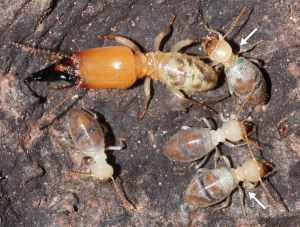
TERMITES

In the rainforests of French Guiana, a termite species appears to take selflessness to a new level by growing sacks of dangerous blue liquid that they blow up on their enemies in a suicidal deed of self-sacrifice. Neocapritermes taracua’s “explosive backpacks” are filled with blue crystals secreted over the course of their life by a specialized pair of glands on their abdomens. Older workers carry the heaviest and most dangerous backpacks.

The Greatest Threat to Wildlife

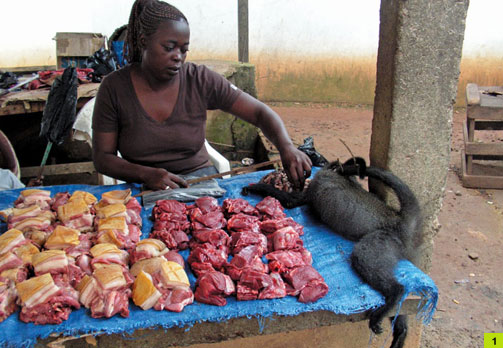
In Africa the poaching of animals such as tigers or elephants for their skins or tusks has been a problem well known throughout the world. But the impact of hunting for their meat may pose a greater threat, such a trade is known as bushmeat trade. It refers to the non-traditional hunting of non-game animals for meat. Wild chimpanzees and other forest animals are systematically hunted and sold as meat through markets across Africa and cities across the world. What once was a form of subsistence hunting in rural villages, has now evolved into a commercial trade that has grown in scale over recent decades.

While Bushmeat has been practiced since the late 1800s, the scale of hunting is far greater today and has been increasing, facilitated by road building in the forest for logging and mining operations and fuelled by growing demand in urban markets, where comparatively well-off customers consider wild-sourced protein a delicacy and a status symbol. A smaller international market for exotic meat thrives in Europe and the United States.

THE ENVIRONMENTAL IMPACTS OF BUSHMEAT TRADING

  • Environmental Imbalance

 Poachers and hunters involved in the illegal bushmeat market mainly use snares to trap these beasts and often larger animals like jackals, lions, cheetahs, wild dogs get caught in these traps. These carnivores the primary one being lions are the ones most affected due to the trading of bushmeat in two ways; by dramatically reducing the populations of animals that are food sources for lions such as antelopes and other small animals (pigs and boars) and by directly killing these animals who inadvertently are caught in the wire snares that are set to illegally harvest other species. The removal of any animal from the food chain causes an imbalance for both the species as well as other species dependant on it for food.

  • Endangering of animals

There are roughly 301 mammal species threatened by hunting for bushmeat including 126 primates, 65 even-toed ungulates, 27 bats, 26 diprotodont marsupials, 21 rodents, 12 carnivores and all Pangolin species. On Bioko Island, off the coast of Equatorial Guinea, for example, hunting for bushmeat has decimated populations of the island’s seven endemic monkey species, which are all endangered. Another prime example is the elephant which have been hunted for their tusks are also for their meat. It has been done to the extent that the bushmeat trade is estimated to be worth higher than the ivory industry. While the ivory obtained from tusks may be sold for around $180 (in 2007), a poacher could sell the meat (approximately 1,000 pounds) for up to $6,000 this may be primarily due to the high demand and the fact that the elephant’s meat is considered prestigious and hence sold at higher costs. The elephant’s population has dropped by 62% in the recent decade and the situation has not improved since with population going from 1.34 million in 1976 to barely 415,00 elephants in 2018

The Impact of Bushmeat on Humans

Animal sources may have been the cause for infectious diseases such as tuberculosis, leprosy, cholera, smallpox, measles, influenza, and syphilis acquired by early agrarians. The emergence of HIV-1, AIDS, Ebola virus disease, and Creutzfeldt-Jakob disease are attributed to animal sources today. Thomas’s rope squirrel and red-legged sun squirrel were identified as reservoirs of the monkeypox virus in the Democratic Republic of the Congo in the 1980s. Outbreaks of the Ebola virus in the Congo Basin and in Gabon in the 1990s have been associated with the butchering and consumption of chimpanzees and bonobos. The risk of bloodborne diseases to be transmitted is higher when butchering a carcass than when transporting, cooking and eating it. Many hunters and traders are not aware of zoonosis and the risks of disease transmissions. An interview survey in rural communities in Nigeria revealed that 55% of the respondents knew of zoonoses, but their education and cultural traditions are important drivers for hunting and eating bushmeat despite the risks involved.

Wild meat provides a primary food source for many millions of people throughout the developing world, especially where other food options are not readily available. Unsustainable hunting has now metamorphosed into a global hunting crisis taking the form of a serious threat to the food security of many people as well as the immediate survival of hundreds of mammal species, other wildlife and altered ecological cascades rippling through ecosystems. Averting this crisis requires bold and prompt actions. Approaches that benefit both local people and wildlife will be required to avoid a future of hungry desperate people inhabiting ‘empty landscapes’ across much of the planet Earth.

INDIA’S DEADLIEST SNAKES

In India, there are approximately 350 snake species however, only 15 to 17 percent of all snakes, including sea snakes, are venomous. Russell’s viper, Pit vipers, Saw-scaled vipers, Trimeresurus stejnegeri, Ptyas mucosa, Echis carinators, and many other venomous and poisonous snake species can all be found in India.

In India, approximately two lakh people are bitten by snakes each year, with about 50,000 of them dying. According to recent data, 1.2 million individuals in India have died as a result of snake bites in the last 20 years. Some of the snakes accounting for the bulk of casualties are mentioned below.

RUSSELL’S VIPER

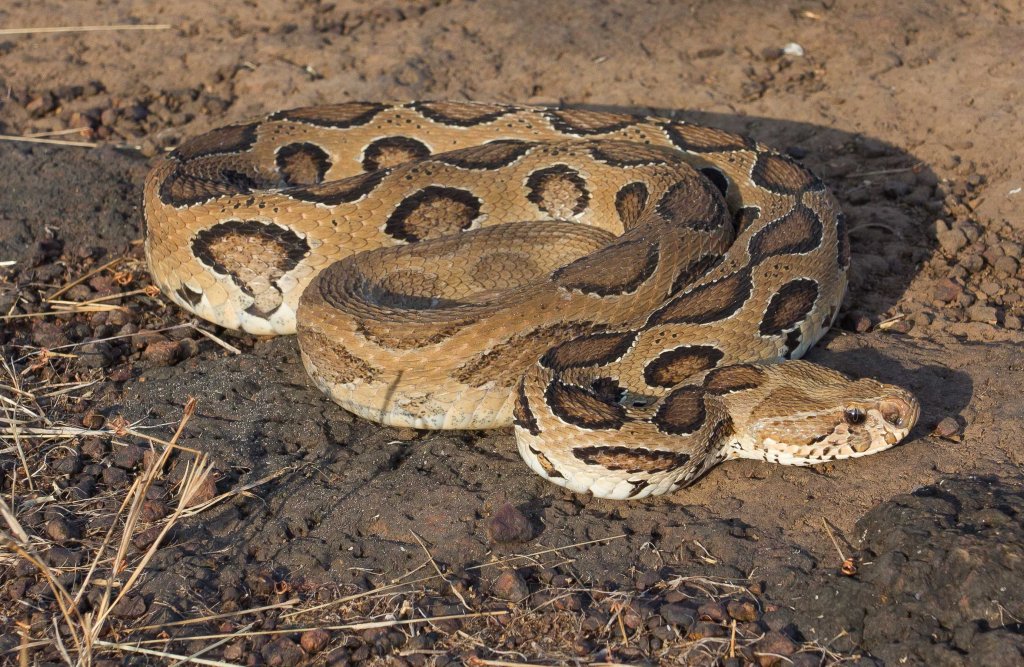
Russell’s viper (Daboia russelii), often known in the community as “Daboia” or “Koriwala,” is a highly venomous terrestrial snake belonging to the Viperidae family. The Russell’s viper has killed more people in India than any other snake because it dwells in farmlands where there is a lot of human contact and rodent preys. Its bites have the potential to be fatal. Its venom is a hemotoxin, which affects the nervous system of any creature. Its bite can kill a human after internal bleeding, excruciating pain, and a brain hemorrhage. This dark brown or brownish-gray snake- with an average length of 4 feet, strikes and envenomates rodents, small birds, and lizards. The viper reaches a maximum size of 5 feet. It has a life expectancy of 10-17 years. Vipers have a pair of long, hollow venom-injecting fangs that are linked to moveable upper jaw bones and retracted in the mouth when not being used. Without antivenom, its bite can kill a human in 45 minutes.

King Cobra

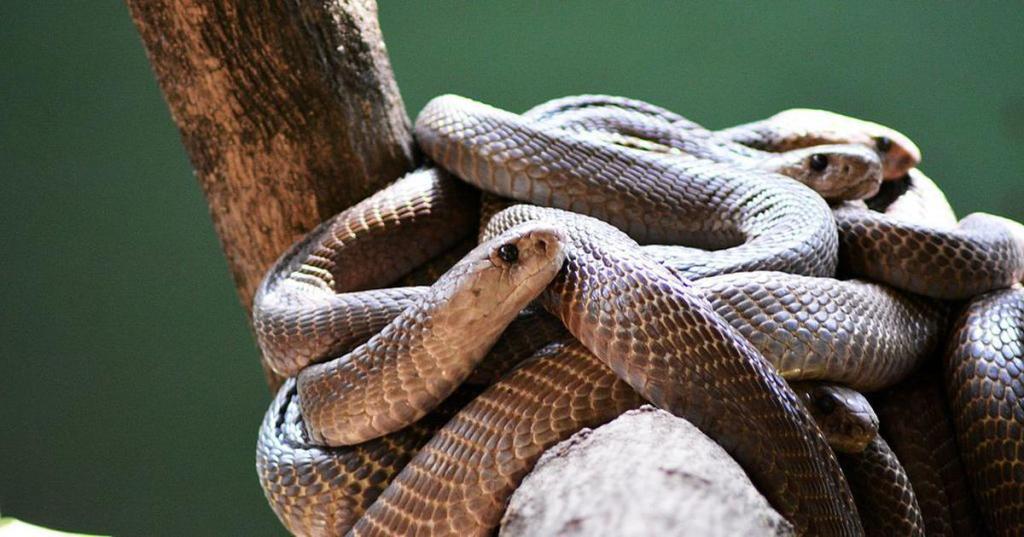
The king cobra (Ophiophagus Hannah) also called hamadryad, is the world’s biggest venomous snake, with a length of up to 5.5 meters and the ability to elevate its head 2 meters above the ground. It’s a creophagous snake that eats other snakes as well. The non-venomous rat snake, other cobras, kraits, and small pythons are among its preferred targets. It is not often belligerent toward human beings but is hostile and threatening during breeding season or when frightened. The front section of the king cobra hoists when provoked. It can swerve or dart forward in this stance to strike its target.

The venom of a king cobra is lethal enough to kill an elephant in just three hours after being bitten. Without antivenom, its bite can kill a human in 30 minutes. It can be encountered in India’s deep jungles, damp wetlands, bamboo clusters, and tropics. This colossal and powerful snake with pale yellow crossbars can be brown, olive green, or black. The king cobra is distinguishable from other cobras by the presence of 11 enormous scales on the crown of its head. They have an average life-span of 20 years.

saw-scaled viper

The saw-scaled viper (Echis Carinatus) has a robust body with a distinct pear-shaped head, vertically elliptical pupils, tough and strongly keeled scales, and a short thin tail. Both sides of the body are covered in several rows of obliquely oriented serrated scales. Adults range in length from 1 to 3 feet. Echis, come in a range of colors including brown, grey, and orange, with darker dorsal blotches and lateral patches. They have an average life-span of 23 years. Saw-scaled vipers use sidewinding propulsion. They are nocturnal, emerging at dusk to forage on mammals, birds, snakes, lizards, amphibians, and invertebrates such as scorpions and centipedes.

Although saw-scaled vipers are diminutive, they are incredibly dangerous due to their irritability, aggressive temperament, and lethal venom. Saw-scaled vipers are believed to be responsible for more human deaths than all other snake species combined, in the areas where they dwell. The oblique scales brush against each other, creating a hissing sound that serves as a defensive warning to potential predators. These snakes strike quickly and bite victims have a high death rate.

Spectacled Cobra

The Indian Cobra (Naja naja), often referred to as the Spectacled Cobra, belongs to the Naja genus, found all across India. This species is one of the four snakes in India that are responsible for most human bites. The geographical region in which a Spectacled Cobra is found has a big influence on its coloration and patterning.  This species might be grey, yellow, tan, brown, reddish, or black in hue. On numerous specimens, a hood mark with two circular motifs joined by a curved line, resembling spectacles, can be seen. They have an average life-span of 9 years.

The remarkable hood of this species, which widens when alarmed, makes it easy to identify. It hisses and strikes viciously if disturbed. The length of an adult specimen varies between 3.3 and 4.9 feet. Dense forests, broad plains, agricultural belts, rocky terrain, and marshes are all locales where it can be spotted. Rodents, toads, frogs, birds, and snakes make up the prey base.

The Spectacled Cobra is an oviparous species that produces its eggs from April to July, the female cobra lays up to 10 to 30 eggs. The female stays with the eggs for roughly 60 days, until they hatch. The hatchlings range in length from 20 to 30 centimeters. They are self-sufficient from the beginning of life and have fully working venom glands. The Spectacled Cobra can swim proficiently. Without antivenom, its bite can kill a human within 2 hours.

Indian Krait

Kraits (Bungarus Caerulus) belong to the Elapidae family, which includes cobras. The average adult krait stands 5 feet tall. With little dark eyes, the head is short and rather flat. To the tip of the tail, they exhibit a bold pattern of contrasting dark and light bars. The body is long and narrow, with a triangular cross-section. Kraits have a smooth and shiny appearance. It has a 10-to-17-year life expectancy. Kraits are nocturnal creatures that feed on other snakes, including their own kind. The krait holds on to a victim snake’s body until it is motionless after plunging its fangs into it. Bites to humans are uncommon, yet they can be fatal.

Female kraits lay 5 to 12 eggs at once. Hatchlings are around 12 inches albeit they are not as colorful. Without anti-venom, its bite can kill a human within 45 mins.

ENDANDERED ANIMALS – NATIVE TO INDIA

India has a high level of biodiversity, with roughly 8% of all species on the earth found there.  It is home to 7.6% of all mammals, 12.6 percent of all avian, 6.2 percent of all reptilian, 4.4 percent of all amphibian, 11.7 percent of all fish, and 6.0 percent of all flowering plant species, making it one of seventeen megadiverse countries.

The country is home to 4 of the world’s 34 biodiversity hotspots: the Himalayas, the Western Ghats, the North-East, and the Nicobar Islands. India plays host to a plethora of rare & exotic animals like The Greater One-Horned Rhinoceros, Nilgiri tahr, Nilgiri marten, Bengal tiger, Kashmir Hangul and, pygmy hogs, to name a few.

Kashmir Hangul (Kashmir Stag) 

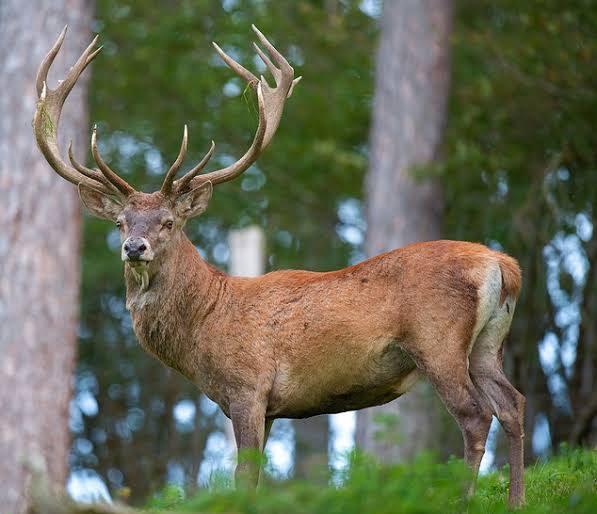
Hangul, Jammu & Kashmir’s state animal, previously widely distributed throughout Kashmir’s mountains, is now limited to the Dachigam National Park in Kashmir. The Hangul’s population has steadily dropped throughout the decades, from a peak of 5,000 in the early 1900s. Experts have highlighted habitat fragmentation, a lack of favorable breeding, predation, and a relatively low fawn-female ratio as the most significant obstacles to Hangul conservation and population expansion. The Kashmir Hangul’s fawns are preyed upon in huge numbers by the Common Leopard, Himalayan Black Bear, and nomads’ dogs, threatening their survival. The Kashmiri Red Stag, famed for its 11- to 16-point antlers, has been designated as a critically endangered species by the International Union for Conservation of Nature (IUCN).

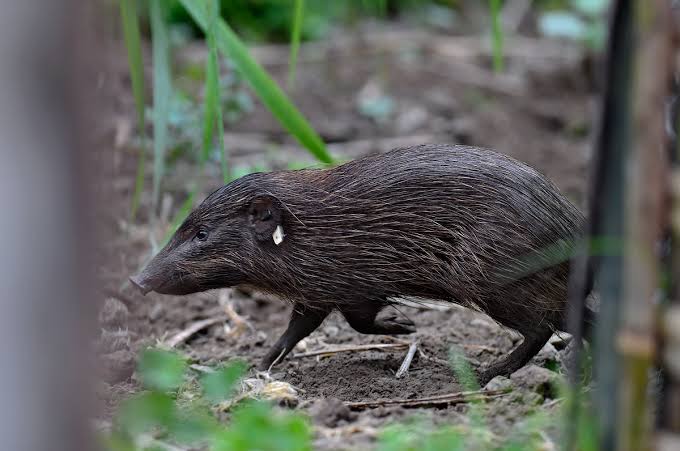
Pygmy Hog

They are indigenous to India and can only be seen in a few scattered sites near Manas National Park in north-western Assam. Pygmy hog (Porcula salvania) is the world’s tiniest pig, standing at 20-30cm in height – with its sporadic hair and streamlined body that is nearly the size of a cat, it is also exceptionally rare.

 Unfortunately, with only 200 left, they have been classified as an Endangered species in the IUCN red list. Habitat decay and degradation result from human settling, farming, seasonal burning, livestock pasture, and commercial forestry constitute the main challenges confronting the already jeopardized pygmy hogs.

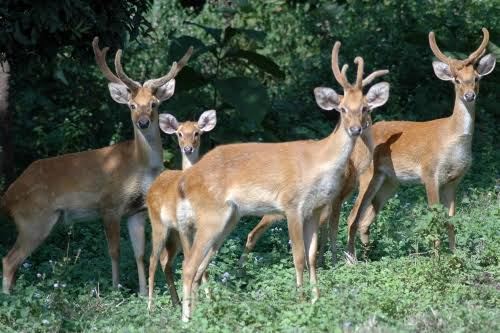
Sangai Deer 

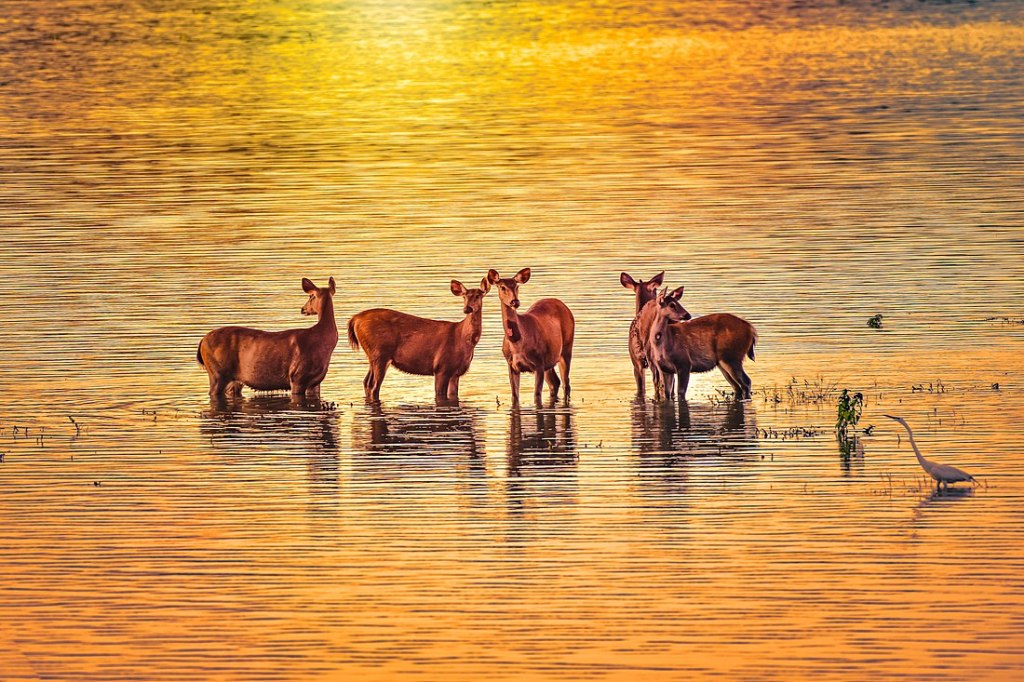
The recherché Sangai as know as  the brow-antlered deer or the dancing deer, is only found in the Keibul Lamjao National Park, the world’s sole floating national park, and is indigenous to Manipur. Sangai eats a diverse range of aquatic plants, grasses, herbaceous plants, and shoots, including Zizania latifolia, Saccharum munja, S bengalensis, Erianthus procerus, E ravernnae, and others. According to the latest wildlife estimation undertaken by the Manipur Forest Department, the sangai deer’s population is static at 260. Marked endangered by the International Union for Conservation of Nature (IUCN), The Sangai population continues to dwindle as a consequence of low genetic diversity, disease proneness, hovering biomass habitat depletion, and hog deer competition.

Gooty Tarantula

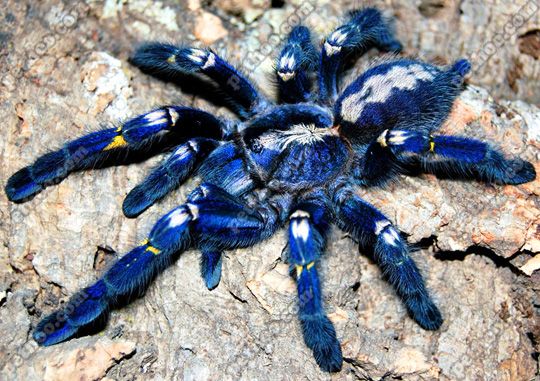
The Peacock Parachute Spider, sometimes referred as the Gooty Tarantula, is a spider belonging to the genus Poecilotheria. The blue colour is caused by the arrangement of nanocrystals in their body hairs, which reflect blue wavelengths of light.  P. metallica, endemic to India, lives in the wild in holes in towering trees, where it weaves asymmetric funnel webs. They prey on a myriad of flying insects. The “quality of habitat” of spiders that seek cavities and deep cracks in old woods is also dwindling. The spiders have been labelled as critically endangered by the International Union for Conservation of Nature (IUCN).

great Indian bustards

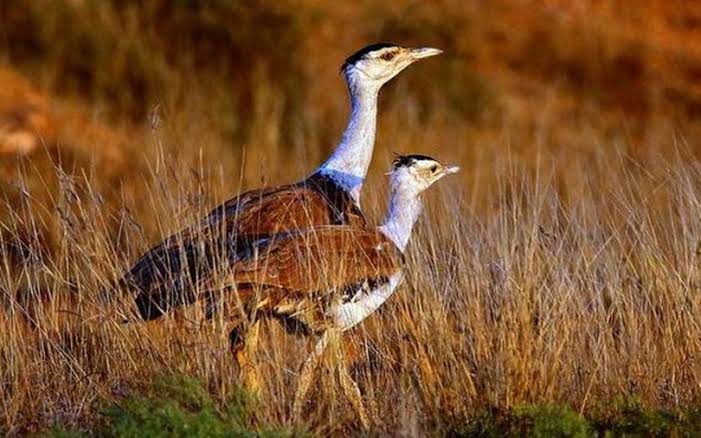
Rajasthan is home to about 122 of India’s estimated 150 critically endangered great Indian bustards (GIB), which are clustered in the Desert National Park on the western flank. Great Indian bustards are big birds with long legs and a long neck, with the tallest individuals reaching 1.2 metres (4 feet) in height. The males and females are about the same size, with the largest weighing 15 kg (33 pounds). The colour of a bird’s feathers distinguishes males from females.

Wildlife Conservation

Photo by Blue Bird on Pexels.com

Wildlife, nature’s gift to mankind, is continuously helping in maintaining the ecological balance of the earth. But, due to some human activities like mass killing of wild animals for their teeth, bones, fur, skin etc along with population growth and expansion of agriculture field reduces the number of wild animals and many species of wild animals have become extinct.Wildlife conservation is a process of protecting all the wild plant and animal species with their habitat. As we know, every living creature in this earth contribute to the ecosystem in their own special way, wildlife conservation has become one of the most important tasks for mankind.

There are mainly two types of wildlife conservation, namely “in situ conservation” and “ex-situ conservation”. 1st type of wildlife conservation includes programs like National Parks, Biological Reserves etc and the 2nd type includes programs like Zoo, Botanical Garden etcWildlife, like trees, is also a domestic asset that not only helps to maintain the ecological balance but also benefits from financial, recreational and aesthetic points of perspective. There was a time when the number of wild animals was quite large when human interference was minimum and there was no issue with their safety or conservation. But, with the development of farming, settlement, industrial and other development activities, and primarily due to man’s greed, the number of wild animals gradually decreased and decreased. As a consequence, several animal species have become extinct and several are on the brink of being so. The Wildlife Conservation Essay is an insight into the requirements of conserving wildlife globally.

DeforestationDeforestation is also a major cause of wildlife loss. Mass murders of wild animals are taking place all over the globe for their meat, bones, fur, teeth, hair, skin, etc. The need for conservation of wildlife has now become a necessity.Population growth, agricultural and livestock development, urban and road building, and pollution are among the many pressures on wildlife’s natural habitat. In addition to illegal hunting, the decrease of habitat and its degradation has endangered the biodiversity of the widespread areas.Wildlife preservation does not imply blanket protection for all species of fauna and flora; rather, it means adequate, judicious control over the multiplication of crops and animals that communicate to provide a suitable atmosphere for the man whose very life is at risk today.In the past, due to the irrational use of the earth’s natural and biotic resources, most wildlife was demolished after recovery. It is our immediate responsibility to safeguard the ecosystem’s natural splendor and to develop a system of coexistence with every living creature on earth.While the world’s nations must be very specific in terms of wildlife conservation, the amount of wildlife is diminishing day by day. The World Wild Life Fund is a global organization that does a praiseworthy job of encouraging wildlife protection. National agencies are also involved in wildlife conservation.

Steps Towards Wildlife ConservationTo study and retrieve all wildlife data, in particular, the amount and development of wildlife.Habitat protection through forest protection.Delimiting their natural habitat regions.Protecting animals against pollution and natural hazards.Full limitation on wildlife hunting and capture.To impose constraints on the export and importation of wildlife products and to impose serious penalties on those engaged in such activity.Developing game sanctuaries for particular wildlife or world life in particular.Special arrangements should be made to safeguard those very restricted species.To create a general understanding of wildlife protection at domestic and international level.The adoption by trained personnel of a wildlife management system.