

Day: January 29, 2021
Setting Goals
Setting realistic goals can help you to improve your skills and achieve your goals. You can use it to set goals when you are given a specific task or project, or to improve in some way. You can set goals in terms of promotion, intelligence, education and many other ways to improve your health and career.
Let’s take a look at why setting goals can help improve your career, what kinds of goals you can set and how you can set goals.
Why setting goals is important
Setting goals is important because it gives you a framework for achieving long distances. Wanting to do or complete certain things in life is a good start. Setting goals provides a way for you to actually do it. There are two types of goals to consider: short-term and long-term.
What are the short-term goals?
Short-term goals are immediate goals that you set for yourself to achieve your larger, long-term goals. You can think of short-term goals like big steps or stepping stones. Short-term goals usually cover a set period of time, anywhere from days or months to one or two years. Examples of short-term goals could include completing small tasks or projects, gaining information or learning. You will use your short-term goals to achieve your long-term goals.
What are long-term goals?
Long-term goals are usually the ones that you want to reach in a few years. You will use several lines to achieve long-term goals, setting short-term goals to achieve them. Long-term goals could include finding a job, promoting a career, or completing a long, complicated project.
Setting personal goals
Setting goals for yourself will help you to achieve your goals. You can set personal goals for a number of areas of life, such as recreation, health, or education. Setting personal goals can help you to succeed in your endeavor.
Advancing your interests by building knowledge on your hobbies or skills that you want to improve can easily transfer to your professional life. These are just some of the goal setting shareware that you can use with your resume. Spending time developing the things you want in your personal life can also help you stay focused and energized at work by paying attention to the balance of your work life.
Here are a few examples of personal goals:
Promoting hobbies such as playing a musical instrument or playing a game
Improving skills such as graphic design or public speaking
Extending your knowledge of a particular topic or study area
Focus on building or improving relationships
Financial goals such as saving for a purchase
Physical objectives such as marathon training or completing a certain fitness challenge
Setting professional goals
Setting professional goals can help you both accomplish specific tasks or projects and achieve any career goals you may have. If your company or manager does not have a specific set of goals for your work, you may consider setting your own career goals. You can also set your goals if you are self-employed. Your career goals should address your current situation and your long-term career aspirations.
While there are a number of ways to set goals, there are a few steps you can take to ensure success. Your goals should include at least five essential elements in order to achieve them. These five elements form what is known as the “SMART goal” framework. SMART stands for precision, measurement, accessibility, timeliness and timeliness. Let’s take a look at how to set a goal for SMART:
- Make your goal as clear and detailed as possible
For example, instead of saying, “I want to be better at speaking in public,” you could say, “I want to give a 10-15 minute presentation to an audience of 50 or more.” - Explain how you will measure success
For example, if you want to switch from sales to marketing to marketing work, you can set up highways that will address how you can develop the skills and knowledge that marketing owners want. To do this, you can set your rate as a reading and focus on one skill per month. - Examine whether your goals are achievable
Setting realistic goals will help you to stay motivated and focused. You should work on understanding the full scope of your goal ahead of time to ensure that it is achievable.
For example, if you are in your first professional engineering career and your goal is to become a professional engineer. If you find that the goal is not achievable because you do not have enough experience, one of your new goals should be to get more information.
- Make sure your goal is right
You need to set goals that are consistent with your values and contribute toward achieving your long-term goals. Each goal you set should be consistent and meaningful to you, bringing you closer to where you want to be. To make sure you set the right goals, you might ask yourself, “How will achieving this goal help me?” “Does achieving this goal contribute to achieving my big, long-term goals? Why is this goal important to me?” - Set start and end date
Setting a timetable to achieve your goal can help you stay motivated and up-to-date. Before setting a deadline for goals, be sure to research all the major stages and roadblocks you may encounter along the way.
Communication Barriers

At work, you will use a variety of word-for-word communication tools to share information and keep track of business operations.
As an employee, you may sometimes face obstacles that make communication difficult. When communication barriers arise, it can be difficult to maintain and develop relationships with partners, leaders or clients. This often leads to confusion and can make your daily activities very difficult. By seeing these barriers and knowing your communication habits, you will be better able to solve these problems when they arise.
A pot is used
Every industry has its own collection of unique words and phrases. While the use of these terms may seem effective at times, it is often confusing for those who are outside the field or have little or no experience. Using jargon or very technical language can elicit your messages and make it a great challenge for people to understand important details.
Instead, try and avoid jargon and separate the abbreviations. For example, while someone in marketing or sales may be familiar with the term “KPI,” an employee development product may not know what it stands for “key performance indicator” or how much an organization is trying to determine how well an business is performing to achieve a business objective. By taking the time to explain the word, you can ensure that everyone understands your message. Doing so also helps people feel included, confident and able to be present and productive.
Providing more information at once
Whether you give a presentation during a team meeting, train a new employee or explain a product to customers, it is easy to share too much information. Sometimes you may feel that the information you provide, clarifies your message. However, providing too much information can confuse your message and make it difficult for your audience to understand.
To make it easier for people to understand your message, keep your description short and share only the most relevant to them. If you are sharing an introduction or using a written link, be sure to use a dotted list instead of large text blocks. Give your audience time to ask questions, either at the end or during the interview – this is a good time to share more details they are ready to eat.
Different communication methods
Everyone has their own unique style of communication. Some people express themselves outdoors while others maintain a more neutral tone. Some people use gestures when speaking in front of an audience while others avoid them. Sometimes, these differences can be barriers to communication. For example, a person who is very detailed and clear in his messages may have trouble understanding the contact you choose to use.
Here are a few things you can do to help get your point across to people with different communication styles:
Use a confident tone
No matter what your method of communication is, stay positive and confident. When speaking, speak clearly and clearly. When writing, try to avoid phrases like “I think” or “I hope” or “I think.”
Include examples
When you explain something, it is very helpful to illustrate your point with examples. For example, if you are training a job with a tool, show it. Be aware of potential learning styles for your audience.
Ask if anyone needs clarification
When you have finished sharing a point, ask your audience if they need clarification and make yourself available for follow-up questions to make sure they understand your meaning. You can do this by asking, “Does anyone have any of the following questions?” or “Is that clear to everyone?”
Mirror other communication styles
When you are in a face-to-face meeting, try to model your communication style behind the person you are talking to.
Barriers to language and hearing
If someone has a hearing problem or does not speak your language well, they may have a hard time understanding what you are saying. Even if you did understand some of your message, there is a good chance that they will not miss out on sensitive information.
In these cases, it is important to make all the necessary arrangements to ensure that you are able to communicate effectively with each other. For example, you may need to request the services of a translator or sign language translator.
Physical barriers
One of the most common communication barriers is physical boundaries. While face-to-face contact is often very effective, it is not always the case – especially businesses with multiple locations or remote employees.
When dealing with physical barriers, it is important to change your communication skills. For example, when you are talking to someone on the phone, you cannot rely on non-verbal communication such as hand gestures, facial expressions and other gestures, so you will need to make sure that all conversations are spoken orally. When speaking primarily by email or chat, it is important to use the same tactics that you will use in oral conversations, such as starting exchanging messages with greetings, so that you do not come together as rude or disrespectful.
Clear and direct communication is essential to maintaining a productive and safe working environment. In addition, well-developed communication skills are essential for success in any endeavor. By giving yourself time to understand and identify barriers to communication, and work to solve these challenges, you can ensure good information for your colleagues and any clients you work for.
Improve Time-Management Skills
Time management skills enable the technician to fulfill his day-to-day responsibilities quickly and effectively. If a professional who finds time management is challenging, it may be helpful to know the various strategies you can use to improve your time management skills. In this article, we will consider 10 ways to manage your time effectively.
Why is time management important?
Time management skills are a comprehensive set of skills that help you manage the time you spend during the working day and ensure that you use them as effectively as possible. A few important time management skills include:
Priority
This is an act of giving value to the various tasks and ensuring that the most important tasks are completed before the less important tasks. Successfully prioritizing your tasks requires that you have a clear understanding of how long each task will take you. Having the ability to prioritize your responsibilities will also allow you to complete your important tasks effectively.
Planning
Being able to analyze a task or a set of tasks and create a schedule for their completion is essential. Effective time management requires strong planning skills to ensure that you can develop and apply a clear understanding of your responsibilities when creating your work schedules.
Stress management
The ability to see your own stress levels and create a living space within your work can keep your stress level low. Self-improvement, delegating and taking breaks where needed allow you to stay focused and motivated as you carry out each of the daily tasks in your system. Understanding your stress levels will also help you to make the most of your day-to-day breaks and know when to say no to tasks that will overwhelm you.
Setting goals for yourself
Setting defined goals for all of your work, such as accomplishing a task or part of a task, is an important part of time management. Setting a series of realistic goals and a series of relevant goals allows you to feel each accomplishment in your day as a source of inspiration and inspiration. Setting goals can work in conjunction with stress management to help you increase your efficiency every hour and every day.
Communication
This ability represents your ability to express your goals, plans and needs in words and in written form. Well-developed communication skills allow you to create efficient schedules and programs. It also helps you to accomplish your tasks more efficiently and collaboratively.
- Start your activities early
If you have the opportunity, starting a project before you are scheduled to start working on it can help you win the first stages of preparation for assignment. This allows you to start building your own volunteer strategy, which can also help you overcome procrastination. - Set boundaries to say yes
Most people will accept many responsibilities as some ask them to make a good impression and show their commitment to their work. However, taking on more responsibilities can make the system that embraces all your tasks a big challenge. Setting limits on how much work you are willing to do for others can help you to avoid becoming a burden to others. - Take breaks
Dedicating your day to a short cut in your work will allow you to slow down and get back to your active activities with a new perspective. Learning when to take time off for the rest of your day will help you to develop effective stress management habits. - Put your tasks first
Find out how important your work is to each other. Giving priority to specific tasks can help you focus your efforts on things that require the most time. Practicing prioritizing your tasks allows you to better understand how to better create your own schedules and determine which tasks should be assigned. - Schedule your activities and deadlines
Take the time to write out a detailed schedule for each of your tasks and set a time limit. Doing this can help you to visualize what tasks will require a lot of effort and will help you to understand better how quickly you can complete your task. Make it a practice to keep your schedule up-to-date, as a comprehensive plan can serve as a basis to help you improve your planning and prioritization skills. - Plan your work environment
A good work environment can save you time in the middle of your day by preventing you from finding the things you need to complete each task. In addition, developing organizational skills will help you improve your planning skills. Not worrying about getting certain documents or work items will help reduce daily stress. - Learn your production methods
Everyone has different patterns of production throughout the day. Some people work very well in the earlier hours of the day, while others may not get their product up until after lunch. Finding out which times of the day are most productive for you can help you use each part of the day more effectively. By organizing quick or easy tasks during your less productive times, you ensure that your high quality product is delivered to long, very important tasks.
Protect Your Identity Online
As the percentage of people using the Internet increases, so do security risks.
With the increasing use of social networking sites and networks, people are making more and more personal information available online, making it more difficult to protect sensitive information. Fortunately, there are various ways to protect your online identity and personal information.
Here are the top ten ways you can protect yourself online:
- Use strong passwords
A common way to protect your online identity is to focus on creating strong passwords. When creating a password, select something that will not be easily broken or decrypted. Never use the name or number of someone you can identify with as a first, middle, or last name, spouse or child name, address, phone number, employers, or other identifying letters or numbers. Combine the letters and numbers used in your password and use symbols and combinations of as many and as many numbers as possible to protect yourself from online security breaches. In addition, it is important that you never share your password with anyone. You may need to change your passwords a few times each year. - See Encryption
Before engaging in any form of online financial transaction, look for signs indicating whether the website is encrypted or not. To do this, look for two things: reliable security lock symbols and additional “s” at the end of http in the URL or web address bar. If you are on a page requesting credit card details, “http” switches to “https” if it is a secure site. At the same time, a lock icon will also appear on the right side of the address bar or at the bottom left of your browser window. These two signs indicate that the site is encrypted, which means that no one will be able to see the information as it is sent to the owner of the website. This keeps your name, phone number, address, credit card number and other sensitive information visible to anyone else. - Install Security Suites
Security suits are security programs that keep people and unscrupulous programs from infecting your computer and stealing information and data from you. This includes blocking malicious software such as spyware, viruses, and criminal scams to steal sensitive information that can be secretly posted online. Other popular security suits include Norton Antivirus, McAfee Virus Protection, Ad-Aware Pro Security, and AVG Internet Security. Make sure you purchase and install one of these sites to protect your online information.
4.Open the Web Browser Block List
The lack of internet security is partly due to the Internet browser used. Many web browsers have additional security options such as blacklisting. This allows you to set up a process for sites to navigate; only secure, reliable sites will be available for a visit.
- Avoid the crime of stealing sensitive information
Fraudulent identity theft scams use a variety of methods to obtain your information and steal your identity. There are many types of identity theft scams out there, but they can be avoided by teaching them how to detect them. To avoid becoming a victim of fraudulent theft of sensitive information, do not open emails or attachments where the sender is anonymous and do not click on unsafe links from unfamiliar emails. In addition, avoid anyone who donates money, unusual job opportunities or donation requests to charities as this can be a strategy for obtaining your personal information and online identity.
- Get Privacy Protection
Another way to protect your online identity and sensitive information when you share online is to obtain privacy data protection. This type of security will protect any privacy data embedded in emails, private shipping systems, social networking sites, or on various blogs. By using the personal data protection suite, you can continue to protect hackers from collecting your personal information. - Password-Protect Your Wireless Router
A wireless router that accesses the Internet at your home or business should always be password protected. If you do not have a password on your wireless network, anyone in your class can use and access your internet, or a criminal. A cybercrime hacker will take advantage of that and steal information from your computer while accessing your route. You should also enable the encryption feature on the wireless router, which processes any data you send online to further protect your sensitive data. - Hide your details
You may accidentally share your personal information with others if you do not set up your web browser properly. Whenever you get a new computer or download and install a new browser, you can start configuring it. To do this, you will be able to access the “set-up” option in the browser and choose to stop the browser from disclosing your name, email address or other information. Be sure to take this extra step when you download or install the browser to ensure your privacy and security. - Enable cookies in your web browser only when required
Another option to set up your browser is to protect your online data to enable cookies only when a website is required. These cookies contain information that is stored on your computer, including information about the sites you visit and what you do there. Most of them keep information to themselves, but this is also a way for dishonest people to access your information. You want cookies enabled, but you are only limited to the websites you need. - Protect Your Credit Card Information
Another option to set up your browser is to protect your online data to enable cookies only when a website is required. These cookies contain information that is stored on your computer, including information about the sites you visit and what you do there. Most of them keep information to themselves, but this is also a way for dishonest people to access your information. You want cookies enabled, but you are only limited to the websites you need.
Simple Ways to Relieve Stress

Tips for dealing with stressful situations
You may be surprised to learn that bouts of depression are more recent. It was not until the late 1950s that endocrinologist Hans Selye began identifying and recording depression.
Symptoms of depression existed long before Seleye, but his discovery led to new research that has helped millions to cope with stress. We have compiled a list of the top ten ways to reduce stress.
listen to music
If you feel overwhelmed by a stressful situation, try taking a break from listening to soothing music. Playing soft music has a positive effect on the brain and body, can lower blood pressure, and lower cortisol, a hormone linked to stress.
We recommend cello master Yo-Yo Ma to play Bach, but if classical is really not your thing, try listening to the sea or the sounds of nature. It may sound hot, but there are similar relaxing effects in music.
Talk to your friend
When you feel the pressure, take a break to call a friend and talk about your problems. Good relationships with friends and loved ones are essential for any healthy lifestyle.
They are especially important when you are under a lot of pressure. A reassuring word, or a moment, can put everything in its place.
Talk to yourself about it
Sometimes calling a friend is not an option. If so, talking to you calmly may be the next step.
Don’t worry about looking crazy – just tell yourself why you’re stressed, all you have to do is complete the task, and most importantly, everything will be fine.
Eat well
Stress levels and diet should be closely related. When we are frustrated, we often forget to eat well and use nutritious, fatty foods as a beverage.
Try to avoid sugary snacks and plan ahead. Fruits and vegetables are always good, and fish with high levels of omega-3 fatty acids have been shown to reduce symptoms of stress. The tuna sandwich is actually brain food.
It’s funny
Laughter releases endorphins that enhance mood and reduce levels of stress hormones cortisol and adrenaline. Humorous your nervous system makes you happy.
Our suggestion: watch old Monty Python drawings like “The Ministry of Silly Walks.” Those Brits are so funny, soon you will be cracked, rather than cracked.
Drink tea
High levels of caffeine cause a temporary spike in blood pressure. It can also cause your hypothalamic-pituitary-adrenal axis to go to extremes.
Instead of coffee or energy drinks, try green tea. It contains less than half the coffee caffeine and contains healthy antioxidants, as well as theanine, an amino acid that has a calming effect on the nervous system.
Remember
Most of the tips we have suggested provide immediate relief, but there are also many lifestyle changes that can work better over time. The concept of “thinking” is a large part of meditation techniques and certain forms of mental health and has become popular recently.
From yoga and tai chi to meditation and Pilates, these meditation programs include physical and psychological exercises that prevent stress from becoming a problem. Try joining a class.
Exercise (or minute)
Exercising does not mean lifting strength in the gym or training in a marathon. Walking slowly around the office or simply stopping to stretch during breaks at work can provide immediate relief from stress.
Your blood circulation releases endorphins and can improve your mood almost immediately.
Sleep better
Everyone knows that stress can make you lose sleep. Unfortunately, sleep deprivation is also a major cause of stress. This vicious cycle causes the brain and body to degenerate and become worse over time.
Make sure you get a doctor’s recommended hours of sleep seven to eight hours. Turn off the TV in front of you, turn off the lights, and give yourself time to rest before going to bed. It would be the most effective pressure barter on our list.
Breathe easily
The advice to “take a deep breath” may seem like a short clip, but it works when it comes to depression. For centuries, Buddhist monks have been known to deliberately breathe during meditation.
A simple exercise for three to five minutes, sit on a chair with your feet up and hands on your knees. Breathe in and out slowly and deeply, focusing on your lungs as they fully develop in your chest.
While abnormal breathing causes stress, deep breathing breathes your blood, helps to stabilize your body, and clears your mind.
Learn more about stress relief
Depression is an inevitable part of life, but that doesn’t mean you should ignore it. Untreated depression can cause serious physical and mental problems.
The good news is that in many cases, stress is manageable. With some patience and a few practical strategies, you can reduce your stress, whether it is family stress or stress at work.
How Video Games Can Improve Your Life?

We love video games with their fun and exciting nature, but whether we put the controls down, video games or at least thinking like a gamer can have a positive impact on our entire lives. Here are ten video features that do us good.
- Learn Personal Accountability
The best video games are a challenge. Pushing those challenges can teach us patience and self-accountability – we learn how to focus on our actions and what we can control to improve the conditions around us. It may not be an obvious lesson from video games, and it requires self-examination, but lessons like these continue from play to real life. - Learn How To Deal With People In Real Life
Online games offer many opportunities to connect with other players. One of these experiences can teach you a few things about how to interact with others in real life – you can work well with anyone, perhaps, if you have the same goal (whether ending a prison or working with a presentation) and how clear past communication is important because others can’t read our minds.
- Relax and reduce anxiety and stress
For many people, playing video games is a much-needed leisure time. The psychological benefits of playing video games can extend to real life as it relieves stress and anxiety. Some studies have shown that immersion games can cure post-traumatic stress disorder. Of course, this depends on us not playing games that provoke anger. - Meet Young People
Some games take the social environment of the game to a whole new level. Ingress, for example, is a real game that helped our Alan Henry explore new places and get out of the real world to meet new people. Even if you don’t play one of those realistic games that is unpopular with the taxpayers we see, you can make friends in real life with this same interest, whether you’re attending a sports conference or just joining an online community of players. (Seriously, making friends is hard work, but video games can be very fun.) - Be better at multi-tasking
Doing a lot of work is not good for our overall production, but you may be better at it, even if you are not a “big boss” of nature. Cognitive researcher Daphne Bavalier found that older people playing video games such as Call of Duty were better able to deal with visual and auditory disturbances at the same time. - Learn how to restart and release
One thing that all video players can learn is the sadness of ending a favorite game or calling it quitting the one that no longer gives you that pleasure. Whether it’s World of Warcraft or Happy Bird, games force us to deal with the frustration of starting over or walking away. These are the same emotions we have to deal with at some point in real life — and video games can be a good habit of knowing when to stop normally. - Get into a good workflow
You can also use video game rules to adjust your workflow: set time limits to create a sense of urgency, divide work into different “levels” or stages, and reward yourself for each level of progress. Video game music may be the best music you can listen to while working or studying and put you in that state of focused flow.
- Upgrade Your Lifetime
Whether you are a hardcore player or not, when you think of a life like a video game, it can be easy to improve your stamina and achieve some of your goals. Think of yourself as a character starting at level 1, work on your skills (yes, sometimes it will be grinding), and keep track of your progress. You can play with almost every aspect of your life and learn to use the best “winning” game
Benefits of Yoga In Life

Yoga offers both physical and mental benefits to people of all ages. Also, if you are experiencing illness, surgery, or chronic illness, yoga can be an important part of your treatment and may even speed up your recovery.
A yoga therapist can work with patients and bring together independent programs that work in conjunction with their therapies and surgeries. Thus, yoga can support the healing process and help a person see symptoms with greater concentration and less stress.
- Yoga promotes strength, balance and flexibility.
Slow walking and deep breathing increase blood flow and warm the muscles, while holding the space can build strength.
Experiment: The Question Tree
Balance with one foot, while holding the other foot on your calf or above the knee (but never twisted) at the right angle. Try to focus on one area in front of you, while measuring one minute.
- Yoga helps relieve back pain.
Yoga is like a basic stretch in relieving pain and improving the mobility of people with low back pain. The American College of Physicians recommends yoga as a first-line treatment for chronic pain.
Try it: Cat-Cow Pose
Get on all fours, and place your hands under your shoulders and your knees under your hips. First, breathe in, as you let your stomach down. After that, breathe, as you pull your navel toward your spine, wrapping your spine like a sleeping cat.
- Yoga can reduce the symptoms of arthritis.
Gentle yoga has been shown to reduce some of the joint discomfort, which is common in people with arthritis, according to Johns Hopkins’ review of 11 recent studies. - Yoga benefits heart health.
Practicing regular yoga can reduce stress and inflammation throughout the body, contributing to a healthier heart. Many causes of heart disease, including high blood pressure and excess weight, can also be treated with yoga.
Try it: Down Dog Pose
Get on all fours, then put your toes down and bring your bones sitting up, to make the triangle stand up. Keep a slight bend at your knees, while stretching your spine and tailbone.
- Yoga relaxes you, helping you sleep better.
Studies show that a continuous sleep yoga routine can help you get into the right mindset and prepare your body for sleep and sleep.
Try it: Legs-Up-the-Wall Pose
Sit on your left side of the wall, then gently turn to the right and lift your legs to relax on the wall, keeping your back down and your bones sitting close to the wall. You can stay in this position for 5 to 15 minutes.
- Yoga can mean a lot of energy and bright feelings.
You may feel an increase in mental and physical strength, increased alertness and enthusiasm, and a few negative emotions after practicing yoga. - Yoga helps you manage stress.
According to the National Institutes of Health, scientific evidence shows that yoga supports the management of stress, mental health, meditation, healthy eating, weight loss and sleep quality.
Try: Carcass Pose (Savasana)
Lie on the floor with your legs outstretched, away from the body, palms up. Try to clear your mind while breathing loudly. You can hold this pose for 5 to 15 minutes.
- Yoga connects you to a supportive community.
Participating in yoga classes can reduce loneliness and provide a place for group healing and support. Or in individual times loneliness diminishes as the person is accepted as a different person, listened to and participates in creating a personalized yoga program. - Yoga promotes better self-care.
Scientific Research on the Benefits of Yoga
The U.S. military, the National Institutes of Health and other major organizations are listening to – and including – scientific confirmation of the importance of yoga in health care.
Successful Entrepreneur Traits
Businessmens is something we can all learn from. You may be running a business (or not), perhaps thinking of becoming a solopreneur, self-employed, or a freelancer. With the recent closure of COVID-19, we can all learn from entrepreneurs, whatever we do in life, for the better!
As a self-improvement blogger, I’m excited to dedicate this post to successful business features, features, and attributes. This post is always green, and these tips will always be helpful at all times, or after closing.
Here are ten of them:
- Getting up in the morning
Research respects having a morning routine as part of the daily routines of successful people. I always sharpen my own, work on my goals, and write about it to help improve all the time. Do you have a regular morning routine? How does it support you? - Motive
Motivation is the key to success and achievement. Whatever you choose as a goal, staying motivated and working all the way, contributes greatly to your end results. Those who take on challenges and stay focused are much better off than those with short-term ambitions.
Entrepreneurs teach us a lot in the sense that those who run successful businesses know how to stay in line with what they are trying to do.
- Self-confidence
Meeting people at social events, making presentations, presenting products, and so on, helps build confidence. This is true in any field you may be in. However, being an entrepreneur puts people in situations where they are likely to break the ice when they meet new people, build new contacts, make efforts to get out of their comfort zone. You benefit by developing such skills, no matter what you do in life. - Patience
Persistence is probably one of the highest qualities of successful entrepreneurs. It is often said that what makes the difference between the gold medalist and others is the fact that the winner persevered while everyone else lost hope.
“The winners never give up and the people who give up never win.” – Vince Lombardi
I am a strong supporter of this feature. I also believe that if it is not the quality we are born with, then we can all show, learn, and improve this way of life.
- Taking risks
Business involves taking risks, financially and otherwise. Entrepreneurs tend to be empowered, or so, with knowledge. As we learn from this, we can all benefit from applying it in various aspects of life. - Don’t procrastinate
Procrastination is an enemy of success. Top players know this and have learned to fight it. While spending time is important, setting aside what you should have done over time, later, and later … is not productive. - Continuous student
Learning should be a lifelong, or ongoing process. Many entrepreneurs do not have a business degree, or, even a formal education. However, they also learn other ways. Success comes to them because they are constantly improving and growing on their own. Learning from past failures is a good life lesson.
By lifelong learning and practice, you can stay informed about developments in your industry, build the right skills, and much more.
- Team leader
Leaders can be organized or unorganized. As a business leader, a businessman leads his team. Solopreneurs tend to be self-employed, but may release certain tasks, over a period of time. As they grow their customer base, they will need a support team. To be successful, a well-respected team leader is essential.
When your employees or team members look at you, they are more likely to work wholeheartedly. You may or may not be an entrepreneur, but good leadership skills will help you in a variety of ways. Take full advantage of these provisions.
- Counselor
In addition to being a team leader, some go so far as to be a mentor. One might say, why would a busy businessman or a businesswoman want to spend time advising their employees? Those who are sympathetic, however, are aware of the importance of keeping their team members motivated. They also know that people need to develop themselves, to feel valued and respected. Eventually, the whole team will benefit (as well as the business). - Self-care
Although successful entrepreneurs are often under great pressure, they also recognize the importance of caring for themselves. Selfishness is not a luxury, it is not an option and it is not selfish. They need to take care of themselves in order to stay in good shape.
Learning to say ‘no’ there should be good because you need to relax in order to relax and refresh. Spend time with people close to you to strengthen bonds, meditation, exercise, nutrition, and more. Such activities are likely to have a negative impact on your work while it is important for the well-being and well-being.
Find the trade qualities you look for most, embrace them and make them your daily routine.
SOCIAL, CULTURAL AND POLITICAL PERSPECTIVE ON SLUMS
Rapid urbanization represents major threats and challenges to personal and public health. The World Health Organisation identifies the ‘urban health threat’ as three-fold: infectious diseases, non-communicable diseases; and violence and injury from, amongst other things, road traffic. Within this tripartite structure of health issues in the built environment, there are multiple individual issues affecting both the developed and the developing worlds and the global north and south.
Reflecting on a broad set of interrelated concerns about health and the design of the places we inhabit, this book seeks to better understand the interconnectedness and potential solutions to the problems associated with health and the built environment. Divided into three key themes: home, city, and society, each section presents a number of research chapters that explore global processes, transformative praxis and emergent trends in architecture, urban design and healthy city research. Drawing together practicing architects, academics, scholars, public health professional and activists from around the world to provide perspectives on design for health, this book includes emerging research on: healthy homes, walkable cities, design for ageing, dementia and the built environment, health equality and urban poverty, community health services, neighbourhood support and wellbeing, urban sanitation and communicable disease, the role of transport infrastructures and government policy, and the cost implications of ‘unhealthy’ cities etc. To that end, this book examines alternative and radical ways of practicing architecture and the re-imagining of the profession of architecture through a lens of human health.


EDITED BOOK Background
Slums is typically understood to involve all aspects of residential areas. Slums is studied by wide range of schoalrs. They include sociologists, human geographers, public health professionals, architects, planners, and urban designers, to mention just a few.
Sociologists study the life of communities in our cities, towns and neighbourhoods. Human geographers research issues ranging from into the migrations of people from rural to urban to the socio-political settings and the patterns of life and activity that characterise cities across the world. Public health professionals today continue the work of over two centuries in their field concerned with the city as an important site for public health debates. Examples in recent years include the Healthy Cities initiative developed by the World Health Organisation and multiple governmental and NHS projects to promote notions such as the ‘walkable city’, not to mention the health, community and social agenda promoted by the UN Habitat programme.
All of this research and activity of course happens alongside, and in collaboration with, those academics and professionals engaged in the built environment in more traditional ways. Architects form example have long engaged in designing buildings while working with social groups and communities on ‘community design’ projects and collaborating with the public to create more ‘human’ city environments. Urban planners obviously work with policy makers and architects directly, but are also now fully embedded in community participation exercises involving human geographers and sociologists. At an even larger regional planning level these issues are linked to government policy of community regeneration and a broader narrative on public health and healthy living that encourages active lifestyles and thus, walkable and bicycle friendly city streets.
Edited Book Chapters Rationale
Slum is an inherently interdisciplinary phenomenon. However, currently, this reality is only partially reflected in literature that periodically explores specific aspects of this interdisciplinary field, but has not yet developed a coherent platform on which to explore the full range and depth of the cross disciplinary nature of life in our cities, their physical infrastructure, their planning policies, health implications and community bonds. As a result, there is a need to develop a platform that supports research into the built environment of cities across disciplines such as sociology, human geography, community and political studies in a coherent and interconnected way.
In serving this role, the series will make a major contribution to the most embedded field of built environment studies (architecture, urban design, planning) and make significant contributions to those fields that inevitably engage with it in the course of their own specific studies (such as sociology, human geography, public health and community studies etc).
The series promises to become a fundamental reference point to scholars across disciplines in the India and further afield, giving multiple disciplines a platform to interconnect and learn from each other. It is expected to establish a clear interdisciplinary definition and reference point for the multiple perspectives and approaches to research in, and related to, the built environment.
How to Submit a Proposal
Please submit book chapters to editor@pen2print.org
ISBN 978-81-951119-4-7
5 tips for a cyber Secure Home Experience
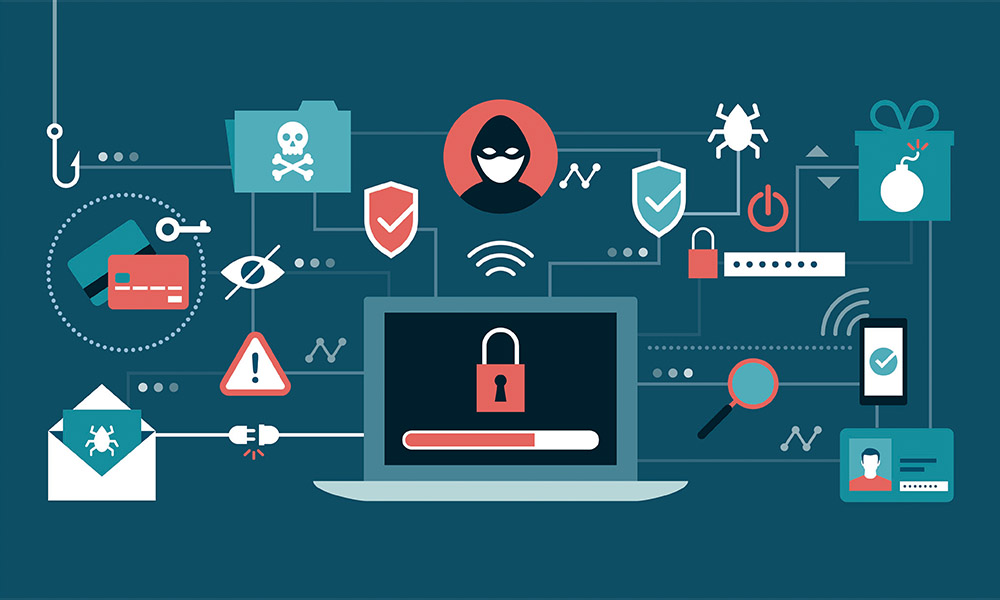
Cybersecurity became a full new ball game for a few IT departments when coronavirus forced businesses into enabling employees to figure from home, many of them for the primary time. Risk-averse organizations will have it covered with long-standing business continuity plans; others may have been smart enough to determine protocols and processes within the origin of the lockdown, but more are struggling to place something in situ after the event. One certainty in uncertain times is that hackers and complicated cybercriminals are looking to use the explosion in home working and vulnerabilities that are inevitable when unexpected arrangements replace the carefully monitored activity that typically protects a business. Here’s a list of the top 5 things that can help you secure your home cyber experience.
-
Make a password management tool and make sure you use strong passwords: You may have heard that strong passwords are critical to online security. Use this link (https://iprouterlogin.com/192-168-2-1/ ) to know about the ip logins and passwords. The reality is passwords keep your hackers out of your data. If you want to make it easy to manage your passwords, try to use a password account vault or a password management tool. According to the National Institute of Standards and Technology’s (NIST)2017 new password policy framework, you should consider:
-
Dropping the crazy, complex mixture of upper case letters, symbols, and numbers. Instead, go for something that is more user-friendly but at least eight characters and a maximum of 64 characters.
-
Do not use the same password twice.
-
Always reset your password in case you forget it and change it at least once in a year for general safety.
-
Your password should contain at least one lowercase letter, one uppercase letter, one number, and four symbols but not the following &%#@_.
-
Set your password that is easy to remember and never leave any hint for the public or the hackers to hack it.
2. Use anti-virus protection and firewall: Anti-virus (AV) protection software has been the foremost prevalent solution to fight malicious attacks. Antivirus software stops any kind of viruses from entering your device and hampering it. Take an AV software from a trusted vendor and use only that software for your device. Using a firewall is additionally important when defending your data against malicious attacks. A firewall helps classify hackers, viruses, and other malicious activity that happens over the web and determines what traffic is allowed to enter your device. Your router should even have a firewall inbuilt to forestall attacks on your network.
3. Keep your software up to date: Ransomware attacks were a serious attack vector of 2017 for both businesses and consumers. One of the foremost important cybersecurity tips to mitigate ransomware is patching outdated software, both software systems, and applications. Here are some quick tips to induce you started:
-
Turn on automatic system updates for your device
-
Make sure your desktop browser uses automatic security updates
-
Keep your applications program plugins like Flash, Java, etc. updated
4. Learn about Phishing Scams – be very suspicious of emails, phone calls, and flyers: In a phishing scheme attempt, the attacker poses as someone or something the sender isn’t to trick the recipient into divulging credentials, clicking a malicious link, or opening an attachment that infects the user’s system with malware, trojan, or zero-day vulnerability exploit. This often ends up in a ransomware attack. 90% of ransomware attacks originate from phishing attempts. A few important cybersecurity tips to recollect about phishing schemes include:
-
Bottom line – Don’t open email from people you don’t know
-
Know which links are safe and which don’t seem to be – hover over a link to find where it directs to
-
Be suspicious of the emails sent to you generally – look and see where it came from and if there are grammatical errors
-
Malicious links can come from friends who are infected too. So, be extra careful!
5. Protect Your Sensitive Personal Identifiable Information (PII): Personal Identifiable Information (PII) is any information that may be employed by a cybercriminal to spot or locate a person. PII includes information like name, address, phone numbers, date of birth, Social Security Number, IP address, location details, or other physical or digital identity data. Your MasterCard information should be protected by companies if they follow the PCI DSS standards.
In the new “always-on” world of social media, you ought to be very cautious about the data you include online. it’s recommended that you just only show the very minimum about yourself on social media. Consider reviewing your privacy settings across all of your social media accounts, particularly Facebook. The risk of social security will increase if you add your birth date, home address, or other personal identification information. Hackers use this information to their advantage!
So here are few tips that can help you secure your home cybersecurity. Do give it a read and apply it.
Own your learning style
Have you ever wondered how to read so much better? Which of the following formats / methods or information do you understand the quick, easy, and most important information, to keep it all? You can be a student, entrepreneur, entrepreneur, housewife, housewife, retired full of wisdom… We all need to continue to learn and improve in order to grow, achieve goals, and be successful. Does this sympathize with you? If so, read my blog post on reading styles.
Learning styles refer to a variety of conflicting and conflicting ideas that aim to respond to the diversity of human learning. Many theories share the suggestion that people can be classified according to their learning style, but differ in the way the proposed styles are common.
Knowledge is power
Knowledge really is the power of truth. Apply what you know by applying it, taking the risks listed in the form of informed decisions. Those who do not have enough knowledge can sometimes be helped by people with bad intentions, and who are dishonest. Therefore, apply your knowledge to all aspects of life, for the better. In other words, take action based on what you learn.
Other learning models
Just a brief look at some types of reading styles (such as in the Wikipedia article I refer to):
David Kolb’s model is based on experiential learning.
The model of Peter Honey and Alan Mumford ‘shows four learning styles such as activist, theater, theologian, and the pragmatist.
Walter Burke Barbe and colleagues have proposed three modes of learning, namely vision, hearing, and kinesthetic expression (known as the VAK acronym).
Neil Fleming’s VAK / VARK model shows four sensory pathways. Visual, auditory, physical, and social studies are studied.
Anthony Gregorc’s model (by Anthony Gregorc and Kathleen Butler) shows different learning styles. People find and process information differently, as ‘There are four combinations of cognitive skills and order-based order skills: concrete sequence, random sequence, invisible sequence, and random concrete sequence’.
The concepts of Anthony Grasha and Sheryl Riechmann. Their learning styles are avoidance, participation, competition, teamwork, dependence, and independence.
The NASSP model is one of the National Association of Secondary School Principals (NASSP).
You can find out more by reading this Wikipedia article on learning styles.
Analysis of learning models
While many models support learning styles, on the other hand, there is criticism directed at them as well. How effective are they? Can they be relied on? And so on.
My favorite ways to learn
When it comes to me, I have a combination of different styles. Thank you so much for learning so much online about my university degrees (with integrated reading)! Although I had a regular classroom education at a young age, I chose to study part-time (while working full-time in companies) with a business degree from a UK university.
Now that I work from home, as my manager, I continue to learn skills to grow my business and my blog. I often take video lessons online, read articles, books, ebooks, and sometimes listen to podcasts. Before the public exposure to COVID-19 (at the time of writing this blog article), I sometimes went to physical events, held locally.
Find your styles / styles of your choice
Find out how to read better, store things, and exercise better. You can choose an informal method than the official one or vice versa. Make good use of your good study methods to get the results you want, and improve your success.
Self-improvement is a fun journey… Keep improving yourself every day, see the inner benefits, and stay motivated. Embrace ongoing and lasting learning. You will always be the best for those who don’t.
Being Self-Employed
Do you already have a job or do you think you will ever do it in the future? Are you tempted to become your own boss? I have been working on my goals for over 1.5 years .
First of all, my blog post is about the benefits of running your business on regular occasions. That is year-round and does not necessarily include the current COVID-19 lock (at the time of writing this post). However, you too will benefit from it during locking, as it is always green.
8 Benefits of running your business:
- He is your boss
One of the top reasons anyone can choose to work for themselves is the joy of being their boss. There is no need to ask for someone else’s permission, you can easily take a break when needed, and so on. Being your boss is great!
Looking for a great platform to sell or purchase digital creative resources?
- Make big decisions
You make big decisions for your business. This helps you develop a variety of skills. You take the listed financial risks, so you know you are the captain of the ship. - Save travel time
If you work from home in your home office, you will save time and energy without having to travel every day. You can choose to spend an extra hour or so on more desirable things. I use a lot of self-care and self-improvement activities. - Home office
With a home office, you benefit from not having the cost of renting an office. It’s simple and you can set it up in the corner of your choice.
It is important to define and set boundaries when working from home, have ergonomic or at least comfortable furniture, be well equipped, and have stationery that helps you. Do not work, as you usually do.
- You can hire private people
Depending on the nature of your work, you may be able to hire a team of freelancers who also work from home. In the course of my business experience, I have worked with an independent graphic designer when I needed specialized types of photographic work. Most of the time, however, I use Canva a lot, by creating simple and artistic designs on my own! - Flexible performance
Self-employment does not automatically mean that you can work according to circumstances. Depending on the type of business you are using. For example, if you manage employees in a company office, then you may have working hours.
On the other hand, if you work from home, you are more likely to choose when you want to work. This also depends on the type of work you do. As a blogger, and running other businesses at home, I enjoy a lot of flexibility!
- Feel in control
If you work according to your rules, make big decisions, and take the risks listed in your jobs, you may feel in control of your life. I feel that way… Having had business, business, and (currently) working experience at home, I feel satisfied and satisfied with what I am doing now.
Although everyone is different, with different personalities, the ability to feel competent is often attractive. When you feel in control of your morning, daily agenda, and so on, you may feel more confident and calm. No unnecessary stress… or less!
- Self-care
Lastly, put your attention on your daily routine. It is good to set your agenda, but at the same time, overwork and exhaustion are also dangerous if you work for yourself! Make sure you take advantage of every opportunity you have, and give your child enough time to take care of himself or herself.
The conclusion
Self-employment is fun! Most people already do, or maybe even consider doing it. Do you work according to your goals? Would you like to share your experience? Please do so. Thank you !!
Healthy Breakfast Benefits
I love eating healthy breakfast, every day! You too? If you are skipping breakfast, occasionally, or skipping junk food for convenience, then you are missing out on the benefits of a proper breakfast, and you need to take action!
Oxford Dictionary defines breakfast as ‘Breakfast, the first of the day’. As you sleep for about eight hours (however) every day, you wake up and ‘break your fast’ with your first meal of the day. Having a healthy breakfast helps you stay hydrated, so that you can pass the day in a strong and focused way.
Breakfast
Some of the benefits of eating a healthy breakfast, suitable for your well-being and well-being are:
- You can concentrate better on your studies or work and have a healthy breakfast.
- The people who eat breakfast are often smaller than those who skip it, as these usually eat more during the day.
- Combine preparing and eating a healthy breakfast in your breakfast routine to make it your daily routine. Being professional is often linked to work success.
- Plan your breakfast habits and fitness together, as they go hand in hand, giving you the full benefits, and the longer.
- Are you bad for being a morning person? A good breakfast plan can help motivate you, so waking up in the morning is something you look forward to, making it a daily habit.
- Other examples of healthy breakfast include (but not limited to) oats, yoghurt, fruit, eggs (low-calorie recipes), whole wheat toasts, various smoothies, more… To make breakfast interesting, you can vary the way you take it. -Your oats, use your toasts, and use a variety of fruits for your smoothie. The ideas are endless!
“Good nutrition does not have to be complicated. Go back to the lessons you learned as a child. Start with a real breakfast; never miss that. If you get up early to run, make sure you drink at least a glass of water and put something healthy in your stomach before going out the door. ”- Summer Sanders, as in Brainy Quote.
“All happiness depends on a leisurely breakfast.” – John Gunther, as in Brainy Quote.
“The answer is a champion breakfast.” – Ken Blanchard, as in Brainy Quote.
Speed Reading Benefits

Reading is a wonderful thing! You learn to learn new things, increase your job opportunities, and have fun, and much more. The more you learn, the more you gain.
I’m a self-promoting blogger and I love books! However, with so much to do in a day, I began to realize that I was not living up to my educational goals. I was looking for a speed reading and would love to share some of the benefits you should not miss.
‘Read quickly -“ Learn quickly by combining multiple sentences or sentences at once. ”- Lexico
- Learn more in less time
One of the most important benefits is that speed learning allows you to learn more in less time. You can save time and improve the amount of content you receive. Do more in less time.
You benefit by learning more and faster. Once you have a good habit, you can, not only learn a lot in a short time but also learn more, in whatever you choose to learn.
- Succeed despite the abundance of knowledge
Our world is full of details! Internet, media, social media… Even with technology, you need to enter a lot of information, understand and make decisions at the right time. - Suitable for torture skills
Improve and improve your concentration skills. This helps you stay in line by focusing on important tasks and getting things done. This also means better discipline. - Better time management
When you know you are going to finish a book at a certain time, you can get a lot in a day, usually. For example, take a few days to read a book, instead of more than one week, and find more time to devote to activities you enjoy. - Be ahead of others
Whether you like it or not, it’s a competitive world. I don’t support the rat race, either. However, with faster learning, you have the opportunity (more than others) to learn more in less time and to be the first to take action. - Expand your knowledge
And often in any field or type of interest you have, you can learn a lot in a short amount of time. This expands your knowledge and enriches you. Even if you do not take formal education, you will grow your general knowledge and learn new skills. - Confidence
Knowing that you are knowledgeable, and always open to learning, you are truly confident. It is not arrogance, but self-confidence and the joy of continued human growth! - Reach your goals
When you know that the more you read, the more you can learn, you may want to set goals for reading. By studying faster, you can achieve such goals. Think about how much information you can use and keep it. This is also an important factor to consider when studying fast.
The conclusion
In summary, the speed learning harness is self-improving and effective. It helps you to learn more in less time. Whether you choose to study general knowledge, educational goals, professional benefits, or leisure, you will find inside.
 Eduindex