News and Current affairs

Current Affairs 2021 for Banking, SSC, Railways and other Sarkari Exams

Current Affairs 2021: Today Current Affairs GK:-

Welcome to the Current Affairs Section of Adda247. Get Daily & Latest Current Affairs 2021 for UPSC, IAS/PCS, Banking, IBPS, SBI, RBI, SSC, Railway, UPPSC, RPSC, BPSC, MPPSC, TNPSC, UKPSC, APPSC, MPSC, KPSC and other competitive exams.

1. A Book Titled “Kashmiri Century: Portrait Of A Society In Flux” Released:-

A book titled “Kashmiri Century: Portrait of a Society in Flux” authored by Khemlata Wakhlu. She is a writer, a political leader and a social worker, who has devoted the past fifty years to using her many talents to improve a lot of the people of Jammu and Kashmir.

The essence of the book:

  • A Kashmiri Century is a powerful and rare compilation of human-interest stories. Spanning a full century, it throws a compassionate light on the innocent and hard-working people who live in the beautiful valley of Kashmir.
  • The stories are all based on the author’s personal experiences and her intimate understanding of what it means to be a Kashmiri-speaking native. They cover the period from the late 19th century to the present day.
  • None of the available political treatises has ever delved deeply into the sociological and the human sides of living in the valley.
  • The author’s intimate insights into Kashmiri society, its evolution in an enticing, remote valley, and how her people dealt with Kashmir’s bitter and tempestuous history, are sprinkled liberally across the book.

2. Andhra Pradesh introduces SALT programme:-
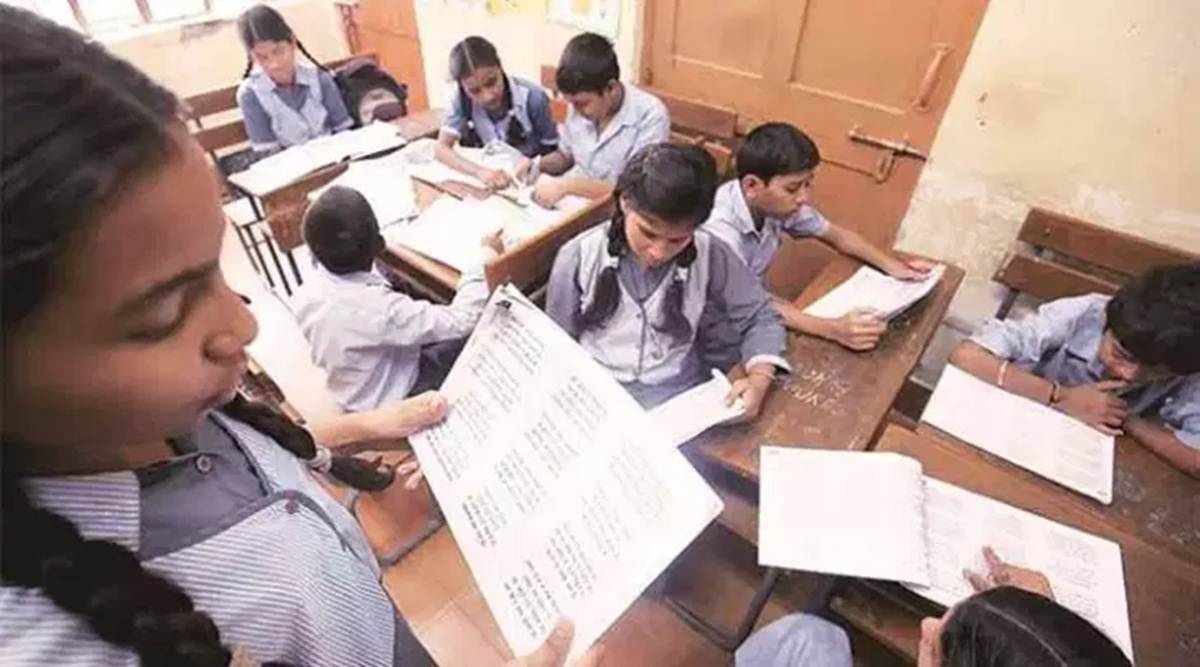
Andhra Pradesh has started a Supporting Andhra’s Learning Transformation (SALT) programme to transform foundational learning in government schools for which the World Bank has approved a loan of 250 million dollars. The main objectives of the programme are strengthening foundation schools and providing training and skill development to teachers. Andhra Pradesh’s public school education system has more than 40 lakh children and nearly 2 lakh teachers.

About the programme:

  • The five-year programme is result-oriented with the WB releasing funds after key goals are achieved. The government has converted all Anganwadis into pre-primary schools and attached them to the nearest schools.
  • The government’s document on SALT documents several challenges to improving the learning outcomes.
  • These include inadequate facilities in schools and a need for increased focus on foundational learning, the need for upgrading teaching skills of teachers, improving teacher-student interactions in classes, and capacity development of state-level institutions such as the Andhra Pradesh State Council of Education Research and Training (SCERT), State Institute of Education Management and Training (SIEMAT) and District Institutes of Education and Training (DIETs).
  • The government is also setting up new administrative structures which will monitor the working of schools, like the AP School Education Regulatory and Monitoring Commission.

Important takeaways for all competitive exams:

Chief Minister of Andhra Pradesh: YS Jagan Mohan Reddy; Governor: Biswa Bhusan Harichandan.

3. A book titled “Policymaker’s Journal: From New Delhi to Washington, DC” by Kaushik Basu:-
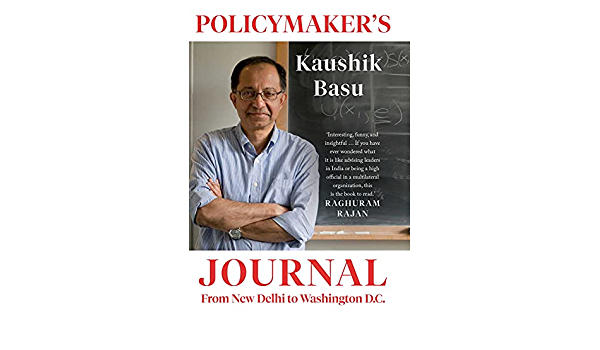
A book titled “Policymaker’s Journal: From New Delhi to Washington, DC” authored by Kaushik Basu released soon. This book charts the course of Kaushik Basu’s career over seven years, as he moved out of the cloisters of academe to the frenetic world of policymaking, first in India as Chief Economic Adviser to the Indian Government and after that as Chief Economist at the World Bank in Washington.

About Kaushik Basu:

Kaushik Basu is an Indian economist who was the Chief Economist of the World Bank from 2012 to 2016. He is the C. Marks Professor of International Studies and Professor of Economics at Cornell University. From 2009 to 2012, during the UPA government’s second term, Basu served as the Chief Economic Adviser to the Government of India.

4. WhatsApp appoints Manesh Mahatme as Head of Payments in India:-

WhatsApp has appointed former Amazon executive Manesh Mahatme as a director to lead the growth of its payments business in India. As Director, WhatsApp Payments-India, Mahatme will focus on enhancing the payments experience for users, scaling the service and work towards contributing to the messaging app’s vision of digital and financial inclusion in India.

Important takeaways for all competitive exams:

  • WhatsApp Founded: 2009;
  • WhatsApp CEO: Will Cathcart (Mar 2019–);
  • WhatsApp Headquarters: Menlo Park, California, United States;
  • WhatsApp Acquisition date: 19 February 2014;
  • WhatsApp Founders: Jan Koum, Brian Acton;
  • WhatsApp Parent organization: Facebook.

5. Swedish PM Stefan Lofven resigns following no confidence vote:-

The Prime Minister of Sweden, Stefan Lofven, has announced his resignation on June 28, 2021, after he lost a confidence vote in parliament. The 63-year-old Lofven is the first Swedish government leader to be defeated by a no-confidence vote. He was serving as the prime minister of Sweden since 2014.The confidence motion was filed by the far-right Sweden Democrats after the Left Party said it was planning such a motion itself in protest against a plan to ease rent controls.

Important takeaways for all competitive exams:

Sweden Capital: Stockholm; Currency: Swedish krona.

6. Two more complaints, call for legal action against Twitter India:-

Twitter
Twitter India’s troubles continued on Tuesday after at least two more complaints being filed against the microblogging platform, and a political leader calling for legal action.
Twitter India Country Head Manish Maheshwari and news partnerships head Amrita Tripathi had been booked under Section 505 (2) of the Indian Penal Code and Section 74 of Information Technology (Amendment) Act 2008 for showing a wrong map of India on its website, on the complaint of a Bajrang Dal leader in Bulandshahr, Uttar Pradesh.
The issue revolves around a controversial map of India on the career section of Twitter, and showed Jammu and Kashmir and Ladakh as a separate country. This led to angry reactions on Twitter, and the microblogging platform removed the map on Monday night.
Later in the day, on Tuesday, Madhya Pradesh Home Minister Narottam Mishra said that he had asked the Director General of Police (DGP) to investigate the same issue and take legal action against Twitter for “distorting” India’s map.
In a separate case, the Delhi Police registered an FIR against Twitter, based on a complaint filed by the National Commission for Protection of Child Rights (NCPCR). The complaint alleges that Cchild pornographic videos and links were available on Twitter.
News reports said the Deputy Commissioner of Police, Cyber Cell had been summoned Tuesday by the NCPCR for not taking action against Twitter despite repeated letters.
“Twitter has a zero tolerance policy for child sexual exploitation (CSE) and we have a proactive approach to combating sexual exploitation of minors on our service. We have been at the forefront of responding to the evolving challenge of preventing the exploitation of children on the Internet and will continue to aggressively fight online child sexual abuse, as well as invest in the technology and tools that are essential to stay ahead of this issue. We will continue to invest in proactive detection and removal of content that violates the Twitter Rules and work with law enforcement and NGO partners in India to tackle the issue,” said a spokesperson at the microblogging platform.
According to Twitter, it uses PhotoDNA technology, its own proprietary tools, and other systems to detect behavioral signals and remove media. In many cases, it lets Twitter remove new accounts linked to this type of content before they have even sent their first tweet.
Twitter considers anyone under the age of 18 as a minor, and all viewing, sharing, or linking to child sexual exploitation (CSE) material, regardless of the intent, contributes to the re-victimization of the depicted children and is prohibited on our service, it says.
This includes media, text, illustrations, or computer-generated images. This also applies to content that may further contribute to the victimization of children through the promotion or glorification of child sexual exploitation, according to the social media platform.
Maheshwari has also been named in another FIR filed by UP Police in Ghaziabad. The Karnataka HC had on Thursday granted him interim relief in a case relating to an assault video that had gone viral on the microblogging platform. The HC had also directed that no coercive action be taken against him till Tuesday.
Karnataka HC said Tuesday it will hear the criminal case against Maheshwari on July 5.
The case relates to an ongoing complaint related to tweets on the assault of an elderly Muslim man in Ghaziabad.
Twitter on June 21 restricted tweets showing the video and images from it.
The government has been at loggerheads with Twitter ever since January, when the microblogging platform refused to take down some content related to the farmers’ protests in India, saying it goes against their company policies.
This further intensified after India enacted new rules for social media intermediaries. The government has said Twitter has not complied with the requirements, and may have lost its safe harbour protection under the IT Act.

7. Facebook, Google to soon publish reports as required by new IT Rules:-

Google search
Technology giants Facebook and Google will soon publish reports, as mandated by the new Information Technology Rules, providing information about the actions they took on user complaints in India.
While Facebook said on Tuesday it will publish an interim report on July 2 as mandated by the IT rules, Google will publish its transparency report as required under the new IT Rules in India.
“In accordance with the IT Rules, we’ll publish an interim report for the period May 15-June 15 on July 2. This report will contain details of the content that we have removed proactively using our automated tools. The final report will be published on July 15 containing details of user complaints received and action taken. The report on July 15 will also contain data related to WhatsApp, which is currently being validated,” said a Facebook spokesperson.
Twitter did not immediately respond to a request for comment.
The IT Rules, notified on February 25, ask significant social media intermediaries, or those with over 5 million users, to “publish periodic compliance report every month mentioning the details of complaints received and action taken thereon, and the number of specific communication links or parts of information that the intermediary has removed or disabled access to in pursuance of any proactive monitoring conducted by using automated tools or any other relevant information as may be specified”.
This was among the key issues that industry wanted clarity on in the new Rules. Many intermediaries were unclear about the format of these reports. A government official told Business Standard earlier that the compliance reports should have bare minimum details, on what type of content was removed or what other action was taken.
While most SSMIs publish annual or bi-annual transparency reports and would most likely publish compliance reports in a similar pattern, there was little clarity on whether those would be compliant with the new Rules.
Another issue that SSMIs are awaiting clarity on is that of the quantum of time required before which a user needs to be informed about their content being taken down. The kind of content on which intermediaries are required to do so includes content of pornographic nature, paedophilic, infringes trademarks and so on.
The government, it is understood, will bring out a standard operating procedure on the new IT Rules in consultation with industry and stakeholders, addressing some of the concerns that have been raised by them.
In addition, the Ministry of Electronics and Information Technology will be soon releasing a set of “frequently asked questions” to simplify the requirements in the Rules, on similar lines as done by the Ministry of Information and Broadcasting a few days ago.
While the Rules apply to all social media companies, the largest ones among these are Facebook, Google, WhatsApp, Twitter and the like.
According to data provided by the government, India has 530 million WhatsApp users, 410 million Facebook users, 210 million people on Instagram, and 17.5 million accounts on Twitter.

8. Top headlines: India approves Moderna vaccine; Sebi announces reforms:-

Moderna vaccine

India approves Moderna’s vaccine for emergency use; Cipla to import jab:


Drug major Cipla has been approved by India’s drug regulator to import Moderna’s coronavirus vaccine for restricted emergency use in the country, the government said on Tuesday. Moderna is said to have applied for the emergency use approval in India following the US agreement to donate doses to India via Covax. Cipla on behalf of the US pharma giant has requested for import and marketing authorisation of these jabs.

Sebi overhauls norms for appointment, removal of independent directors:

The Securities and Exchange Board of India (Sebi) on Tuesday overhauled norms pertaining for appointment, removal and remuneration of independent directors (ID) in order to reduce the sway of promoters on them. The regulator also reduced the minimum application amount for REITs and InvITs to Rs 10,000-15,000, from Rs 55,000 at present, aligning them with equity IPOs.

Monetise reserves or get set for auction: Dharmendra Pradhan to ONGC, OIL:

Taking into account the acreage Oil and Natural Gas Corporation (ONGC) and Oil India Ltd (OIL) hold amid the country’s dependency on imports for oil, Petroleum Minister Dharmendra Pradhan today said that the reserves held need to be monetised else the government would take it away for auctioning.

Bharti to invest Rs 3,700 crore in OneWeb; become largest shareholder:

Bharti will invest an additional USD 500 million (over Rs 3,700 crore) into OneWeb, to become the largest shareholder in the satellite communications company that billionaire Sunil Mittal-run Bharti Group along with the UK government had rescued from bankruptcy last year.

SBI to levy charges for cash withdrawal beyond four free transactions a month:

The country’s largest lender SBI will levy charges for cash withdrawal beyond four free transactions in a month from customers holding the basic savings bank deposit (BSBD) accounts. These customers will also be levied charges for cheque book beyond 10 leaves in a year.

9. Covid-19: Over 11,000 ‘super-spreaders’ vaccinated in Ahmedabad:

vaccination, coronavirus, covid-19, vaccine
More than 11,000 people categorised as ‘super-spreaders’ have been vaccinated against COVID-19 in Gujarat’s Ahmedabad city so far in a special drive started recently for their inoculation, local civic body said on Tuesday.
‘Super-spreaders’ are those who transmit an infectious disease to a large number of other people due to the nature of their job.
The Ahmedabad Municipal Corporation (AMC) recently started a special vaccination drive for ‘super-spreaders’, like vegetable vendors, grocers, petrol pump staff, barbers, courier and food delivery agents.
A total of 11,013 such people have been inoculated so far as part of the drive, the civic body said in a release.
A centre has been set up in each of the city’s seven civic zones to facilitate the vaccination of ‘super-spreaders’ so that they pose little danger of the spread of the disease to other people, the AMC said.
“To make the vaccination campaign more effective, it was decided to inoculate super-spreaders by running a special drive so that their chances of getting infected from COVID-19 are reduced, since they come in contact with many people due to the nature of their job,” it said.
On Monday, a total of 923 such people were vaccinated, including 582 in the age group of 18 to 44 years, and 341 in the 45 years and above category, he said.
Of late, Ahmedabad has seen a sharp drop in the number of coronavirus cases reported daily.
As per the AMC’s COVID-19 bulletin issued on Monday, there were 830 active COVID-19 cases in the city.
Ahmedabad has so far reported a total 2,30,660 coronavirus cases and 3,310 deaths due to the infection. Besides, 2,26,520 people have recovered from the disease, the bulletin said.

10. Monetise reserves or get set for auction: Oil minister Pradhan to ONGC, OIL:-

ONGC, oil exploration
Taking into account the acreage Oil and Natural Gas Corporation (ONGC) and Oil India Ltd (OIL) hold amid the country’s dependency on imports for oil, Petroleum Minister Dharmendra Pradhan today said that the reserves held need to be monetised else the government would take it away for auctioning.
Speaking at BNEF Summit today, Pradhan said that the two state-owned firms cannot indefinitely sit on resources when the nation is a net importer of oil and gas.
“We have asked them to do two things – do it yourself, (produce oil and gas) through some joint venture (with domain experts and foreign companies) (and) through a new business model. But the government cannot permit you to hold resources for an indefinite time,” he said.
Despite India bidding out acreages to private and other companies since the 1990s, ONGC) and OIL hold a “sizeable number of acreage for years,” he said.
ONGC and OIL, which discovered and brought to production all of India’s eight sedimentary basins, produce about three-fourths of the nation’s oil and gas.
Pradhan said India needs energy for its ambitious economic growth agenda. “We want to reduce import dependency. We want to monetise our own resources.”
The two state-owned companies, especially ONGC, have faced criticism ranging from not being able to quickly bring discoveries to production to lower recovery.
“We have given policy guidance to our state-owned oil companies – either you do on your own through new partners and new economic model, (else) the government will after a particular period intervene and use its authority to bid out the resources,” he said.
The government has already taken away dozens of small and marginal discoveries from the two firms and auctioned them in what is known as Discovered Small Field (DSF) rounds.
DSF offers pricing and marketing freedom to operators, something which ONGC and OIL do not have currently, constraining their efforts to monetise smaller discoveries.
Pradhan indicated the government would not hesitate to take away larger idle discoveries and auction them to private and foreign players.
Earlier this month, the minister had stated that the Directorate General of Hydrocarbons (DGH), the oil ministry’s technical arm, had the “full mandate” to identify unmonetised major fields that could be offered for bidding.
“Resources don’t belong to a company. They belong to the nation and the government. They cannot lie with a company indefinitely. If somebody cannot monetise them, we will have to bring a new regime,” he had said.
The statement comes weeks after his ministry told ONGC to sell a stake in producing oil fields such as Ratna R-Series in western offshore to private firms and get foreign partners in KG basin gas fields.
In October 2017, the DGH had identified 15 producing fields with a collective reserve of 791.2 million tonne of crude oil and 333.46 billion cubic meters of gas, for handing over to private firms in the hope that they would improve upon the baseline estimate and its extraction.
A year later, as many as 149 small and marginal fields of ONGC were identified for private and foreign companies on the grounds that the state-owned firm should focus only on bid ones.
ONGC produced 20.2 million tonne of crude oil in the fiscal year ending March 31 (2020-21), down from 20.6 million tonne in the previous year and 21.1 million tonne in 2018-19. It produced 21.87 billion cubic meters of gas in 2020-21, down from 23.74 bcm in the previous year and 24.67 bcm in 2018-19.

Reference Link:

https://currentaffairs.adda247.com/
https://www.business-standard.com/current-affairs

POLLUTION : A THREAT TO THE ENVIRONMENT

What is pollution?

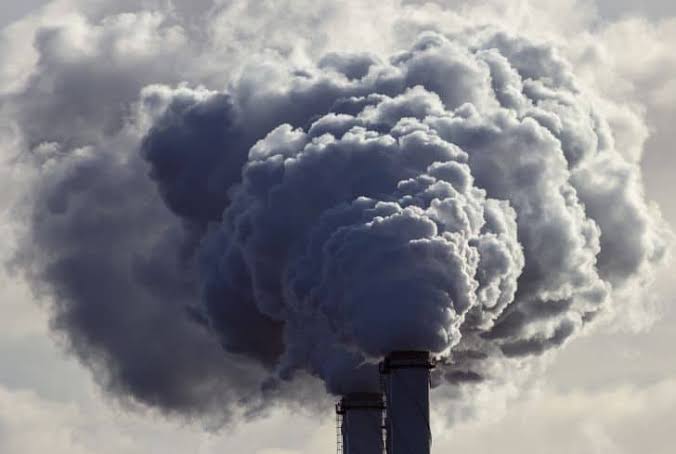
The condition in which harmful and hazardous materials get mixed with the environment making it impure is called pollution . The harmful materials that make the environment impure are called pollutants. Pollutants can be natural as well as man made. For example volcanic ash is a natural pollutant whereas trash or runoff produced by factories are the pollutants created by humans. Pollutants damage the quality of air, water, and soil.

Types of pollution

Usually there are three types of pollution. They are as follows :-

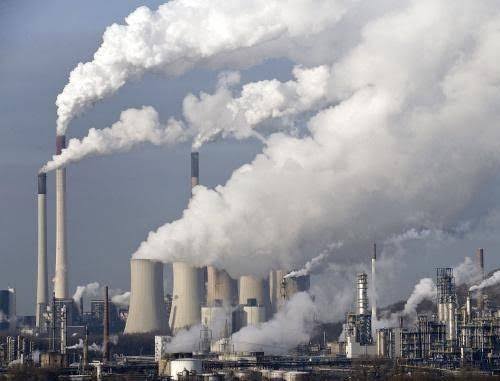
Air pollution : When the harmful hazardous substances mix with the air making it impure to breathe, it causes air pollution . According to the World Health Organization (WHO), every year almost seven million deaths occur because of air pollution. Nine out of ten human beings currently breathe air that exceeds the WHO’s guideline limits for pollutants, with those living in low- and middle-income countries suffering the most.

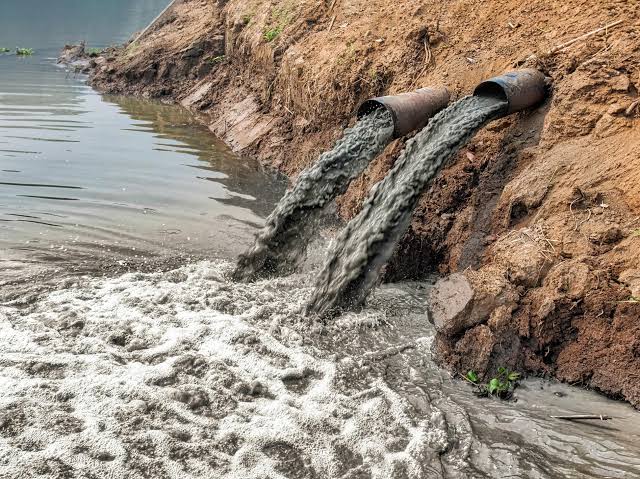
Water pollution : Water pollution (or aquatic pollution) is the contamination of water bodies, usually as a result of human activities. Therefore when harmful pollutants and chemicals mix with the water of water bodies like lakes, rivers, oceans, aquifers and groundwater leads to water pollution. Water pollution is the leading worldwide cause of death and disease, e.g. due to water-borne diseases.
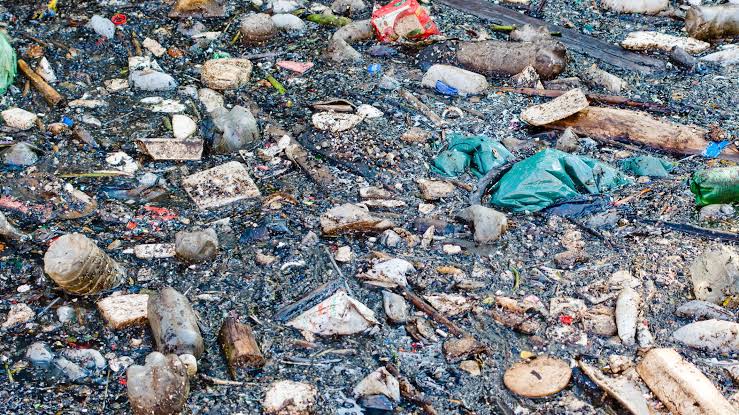
Soil Pollution : The removal of useful substances from the soil or the addition of harmful substances to it is called soil pollution. Garbage, cotton clothes, newspapers, tree waste, are the causes of soil pollution. Plastic, glasses and metal objects may also cause soil pollution.

Causes of pollution in environment :

There are many causes of environmental pollution. The causes of pollution are as follows :
Industries
From the time of the industrial revolution,Industries have been polluting our environment. This is caused due to the increasing use of fossil fuels. In the 19th century and for a significant part of the 20th century, human force was being replaced by coal to make machines work faster.

Pollution by industries is the main cause of air pollution but it also causes contamination in soil and water. This is particularly the case for power-generating industries, such as plants producing electricity (May they be a dam, a nuclear reactor or some other type of plant).
Transportation can also be harmful for the environment like petrol is transported through pipelines. A leak in the pipeline will automatically pollute the soil.
At the same time, if the tanker transporting petrol from its production plant to the place where it will be consumed leaks or sinks then it will contaminate the water.

2. Transportation
After the time when people r using petrol vehicles for transportation instead of using animal power the rate of environmental pollution has increased. Its levels have only been increasing day by day. Similarly to industries, pollution caused by transport can mainly be attributed to fossil fuels.

3. Agricultural Activities
Agricultural waste is mainly a cause of water and soil pollution. This is caused by the increased use of pesticides, as well as by the intensive character of its production. Most of the pesticides are made from chemical substances and are meant to keep diseases and threatening animals away from the crops.
However, by keeping these forms of life away, the harm is almost always made to the surrounding environment as well.

4. Trading Activities
The production and exchange of goods and services fall under this category. As regards goods, pollution can be caused by packaging (which often involves the use of plastic, which is made from fossil fuels) or transport, mainly.


5. Residences
Finally, residential areas provide their fair share of pollution as well. To build homes, the natural environment has to be destroyed in one way or another.
Wildlife and plants are driven away and replaced by human constructions. As it requires the work of industries, construction itself is also a source of contamination of the environment.

Effects of Environmental Pollution

Now that we have identified the main causes of environmental pollution, let us study the negative effects it has:

1. Effects on Humans
The effects of environmental pollution on humans are mainly physical, but can also turn into neuro-affections in the long term. It causes respiratory infections, in the form of allergies, asthma, irritation of the eyes and nasal passages, or other forms of respiratory infections. Environmental pollution has been proven to be a major factor in the development of cancer. This can happen, for example, when we eat reminiscences of pollutants used in the production of processed foods or pesticides from the crops. Other rarer diseases include hepatitis, typhoid affections, diarrhea, and hormonal disruptions.

2. Effects on Animals
Environmental pollution mainly affects animals by causing harm to their living environment, making it toxic for them to live in. Acid rains can change the composition of rivers and seas, making them toxic for fishes; an essential quantity of ozone in the lower parts of the atmosphere can cause lung problems to all animals.
Toxic algae overgrowth will be caused due to Nitrogen and phosphates present in water preventing other forms of life to follow their normal course.

Soil pollution will cause harm and, sometimes, even the destruction of microorganisms, which can have the dramatic effect of killing the first layers of the primary food chain.

3. Effects on Plants
As for animals, plants, and especially trees, can be destroyed by acid rains ozone in the lower atmosphere block the plant respiration, and harmful pollutants can be absorbed from the water or soil.


4. Effects on the Ecosystem
In short, environmental pollution, almost exclusively created by human activities, has a negative effect on the ecosystem, destroying crucial layers of it and causing an even more negative effect on the upper layers.

Prevention of environmental pollution

Environmental pollution can be reduced in many ways. The ways are as follows:
The most important thing we can do is reduce , reuse and recycle goods like plastic things etc.
We should lower the use of non biodegradable wastes
Uses of chemical fertilizers must be reduced.
To avoid pollution we should start afforestation.
We must take care during sewage disposal so that the chemical does not contaminate the soil or water.

@track2trainingseminar @track2trainingservice @track2traininginstitute @edunewsnetwork

https://www.britannica.com/science/pollution-environment

https://www.journals.elsevier.com/environmental-pollution

Condition of teachers in lockdown.

Teacher’s condition in lockdown in India

“In is the supreme art of the teacher to awaken joy in creative expression and knowledge”.

  • Albert Einstein

A Meerut-based English teacher had experience. “At least twice I was abused by parents who were angry at my incessant calling. I have been asked to call up 30 ‘defaulters’ every day. Fees collection is school management’s duty, not that of teachers, but everyone is afraid to say no since there is insecurity about jobs due to the pandemic”, she said.

In this outbreak of coronavirus, everyone’s life has been shaken. School, Student and Teacher have been affected very badly.

Teaching has taken to the online platform and the difficulty faced by teachers is ignored by everyone.

We have to through the light on these unresolved issues.

Some of the Complications faced by teachers :-

  • They were not given any specific training for online classes.
  • They were not given a proper set for WiFi even they are bearing the cost of internet by themselves.
  • Many of them do not have touch screen phones.
  • In many remote areas, the problem of the network is constant.
  • They, face bullying and misbehaviour from students.
  • They were forced to do the thing which they don’t want to do to save their only source of income and employment security in the pandemic.
  • They were not paid on time or even a full salary, although private schools and coalleges are getting full payment from students.

College from Delhi University reported abusive and misbehaviour from students from zoom call.

  Links have been shared with other student teachers.

A teacher from Utter Pradesh reported that class 9 students had been showing his private part to her.

It’s sad to see senior teachers struggling to get video or audio on for class and then the whole class disrespect them.

Some students find it amusing t9 tease teachers or see them struggling. Every teacher gives their 100% to teach us . They have been facing pressure from both the ends institute and students.

In this pandemic everyone going through hard time and it’s high time to support each other .

Wireless Sensor Networks (WSN)

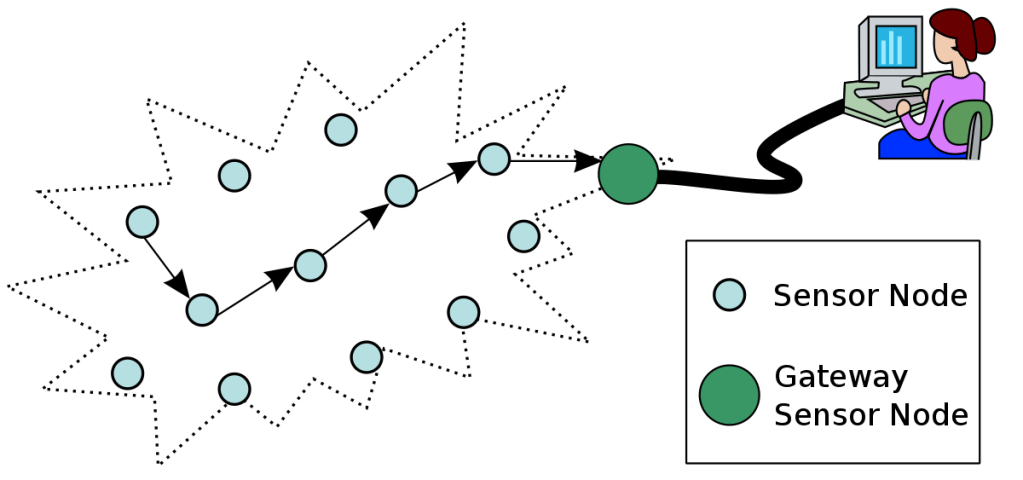
Sensors, a controller, and a communication system make up a typical sensor network. Wireless Sensor Networks, or simply WSNs, are networks in which the communication mechanism in a Sensor Network is implemented using a Wireless protocol.

Sensor Nodes are placed in high density and frequently in huge quantities to provide sensing, data processing, embedded computing, and communication in a Wireless Sensor Network.

Elements of WSN

A typical wireless sensor network is made up of two parts. They are as follows:

  • Sensor Node
  • Network Architecture

Sensor Node

In a WSN, a Sensor Node has four fundamental components. They are as follows:

  • Power Supply
  • Sensor
  • Processing Unit
  • Communication System

The sensor takes analog data from the physical environment, which is then converted to digital data by an ADC. The main processing unit, which is generally a microprocessor or a microcontroller, processes and manipulates data intelligently.

A communication system consists of a radio system for data transmission and receiving, which is generally a short-range radio. Due to the fact that all of the components are low-power electronics.

Sensor Nodes include not just the sensing component, but also key characteristics like as processing, communication, and storage.

Network Architecture

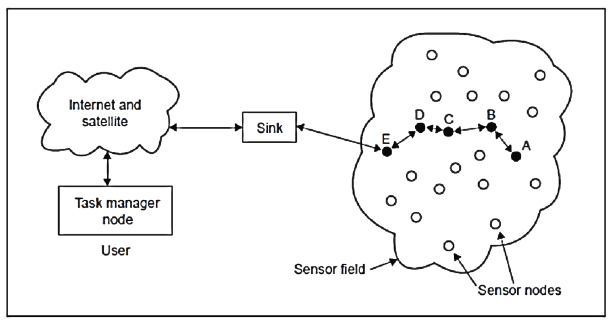
The networking of these sensor nodes is requirements is to ensure when a large number of sensor nodes are put in a broad region to cooperatively monitor a physical environment. A sensor node in a WSN uses wireless communication to connect not only with other sensor nodes but also with a Base Station.

The base station delivers orders to the sensor nodes, and the sensor nodes collaborate to complete the task. The sensor nodes relay the data back to the base station after gathering the required information.

A base station can also connect to other networks through the internet. A base station receives data from sensor nodes and conducts basic data processing before sending the updated information to the user through the internet.

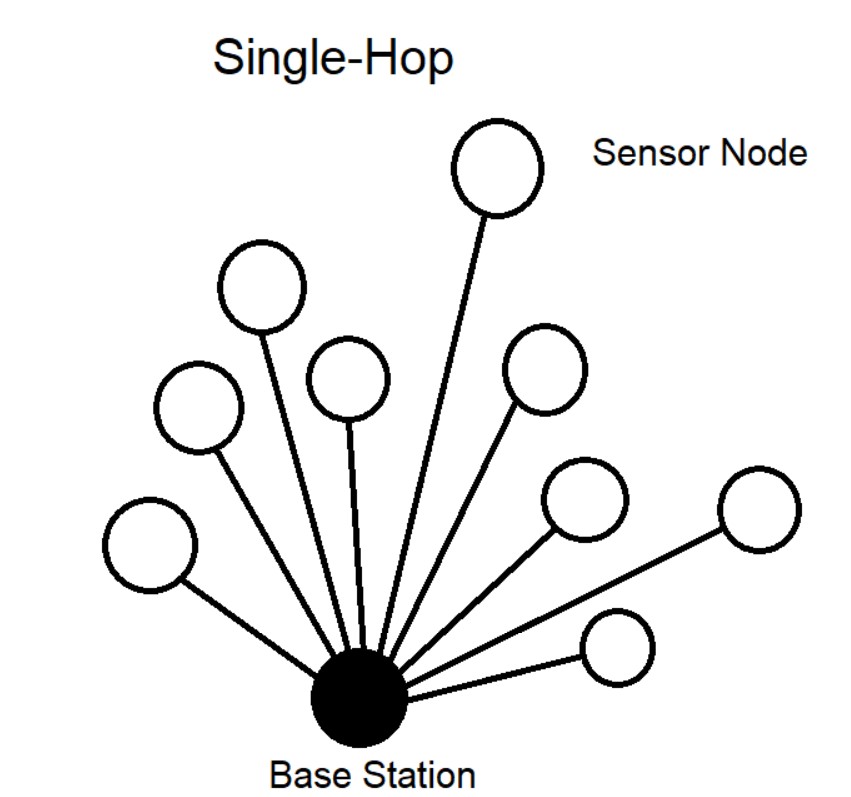
A single-hop network design is one in which each sensor node is linked to the base station.

In Multi-hop network architecture, the data is sent through one or more intermediary nodes.

Network Topologies in WSN

A few alternative network topologies utilized in WSNs are listed below.

Star Topology

Every node in the network is connected to a single central node, known as a hub or switch, in a star architecture.

Tree Topology

A tree topology is a hierarchical network in which the top node is a single root node, which is connected to numerous nodes at the next level, and so on.

Mesh Topology

Apart from delivering its own data, each node in a mesh architecture also functions as a relay receiving data from other linked nodes. Fully Connected Mesh and Partially Connected Mesh are the two types of mesh topologies.

Each node in a fully connected mesh topology is connected to all other nodes, whereas a node in a partially connected mesh topology is connected to one or more surrounding nodes.

(The left diagram is fully connected mesh topology and the right diagram is partially connected mesh topology.)

Applications of Wireless Sensor Networks

Wireless Sensor Networks have an almost limitless number of uses. Heating, ventilation, and air conditioning (HVAC), air traffic control (ATC), automotive sensors, earthquake detection, disaster management, tsunami alert systems, industrial automation, personal health care, weather sensing, and monitoring are just a few of the applications of wireless sensor networks.

WHAT IS MENTAL HEALTH AND MENTAL ILLNESS?

Mental health and Mental illness are not the same, though it seems so they both are entirely different concept. According to the Centers for Disease Control (CDC) Mental health reflects” our emotional psychological and social well-being “Affecting “how we think, feel and act “, mental health has a strong impact on the way we interact with others, handle problems, and make decisions. And Mental illness refers to “conditions that affect a person’s thinking feeling, mood, or behavior.” These can include but not limited to depression, anxiety bipolar disorder, or schizophrenia.

Christopher M. Palmer, MD, director of McLean’s Department of Postgraduate and continuing education, pointed out that mental health and mental illness are similar to the concept of physical health and physical illness. He said the term mental health, implies the absence of illness or disorder. But there are a lot of ways people can be mentally healthy or ill, just like there are many ways people can be mentally healthy or ill, just like there are many ways to be physically healthy or unwell.”

By increasing the understanding of mental health and mental illness can help eliminate stigma and other barriers that keep people from seeking help when they require.

Mental illness affects more people than that we think, it is that we should understand what these two terms mean, the given prevalence of mental illness throughout the world. The WHO points out that around 800,000 individuals die by suicide each year, also about 20% of world’s children and adolescents have a mental disorder and depression affects about two hundred and sixty plus people worldwide.

The thing with all mental health disorders is that none of them define the entire person. Although their symptoms might impair their ability to do things others are able to do, they still have areas of strength and competence. Whenever we talk about health versus illness, it’s always important to remember this.

Being mentally healthy enables you to feel, think and act in ways that help you enjoy life and cope with its challenges. Poor mental health may result in feeling unhappy, difficulty thinking clearly, or feeling overwhelmed by stressful situation. Resiliency (The inner strength that you use to cope with stressful situations) is also a major part of mental health. Building resiliency can help you avoid being overwhelmed by stressful situations. This in turn further builds resiliencies gives you confidence to know you can get through difficult times when they come up again. It’s important to give your mental on going health and attention. There are things you can do to maintain good mental health, and other factors that influence mental health to learn about to help you build your understanding.

While mental health is always there and may be positive or negative, mental illness affects a person’s ability to function over a long period of time. It’s not the same as feeling sad, unhappy, or stressed because of difficult situations. People with mental illness feel distressed regularly and may not feel in control of their lives .

ARE WE AWARE OF ALL THE TRAFFIC SIGNS?

We are taught about the basic traffic signs since childhood, but are you confident that you know all of them right.

THE HOW AND HISTORY

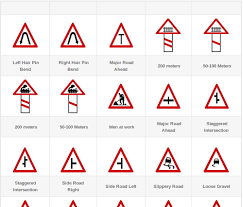
Traffic signs or road signs are signs erected at the side of or above the roads to give instructions or provide information to road users. They are very important as they are a major source of help to avoid accidents. There are many traffic signs or road signs that we are unaware of and if we happen to see them on road we are hung in confusion. The earliest signs were simple wooden or stone milestones. Later, signs with directional arms were introduced. Later all countries adopted pictorial signs to make people understand better.

THE NEED OF TRAFFIC SIGNS

There are a couple reasons why we need to follow and know traffic signs. Some of the points are listed below,

  • Ensures smooth traffic as it informs the driver about the correct lanes to drive in
  • Knowing traffic rules in India reduces the number of accidents by ensuring discipline of the roads
  • Provide instructions and information on the road condition ahead
  • All information about important curves and junctions, the presence of school and hospitals and speed limits is provided
  • The traffic rules and signs inform the driver about entry and exit points and about parking areas
  • Provides drivers to follow the traffic rules in India and about potential dangers on the road

SOME IMPORTANT TYPES OF SIGNS

Mandatory Traffic Signs

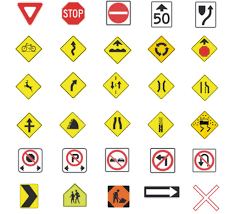
Mandatory traffic signs are made to ensure the traffic moves freely. With the knowledge of these signs, the drivers come to know about the prohibitions and the rules and regulations which they need to keep in mind while driving on the road. Some of the mandatory traffic signs are “Stop”, “No Entry”, “One Way”, “Right Turn Prohibited”, “Speed Limit” etc.

Cautionary Traffic Signs

These are the road signs which are made to inform the driver about the potential dangers and the hazards on the road. This ensures the driver is more careful. Some of the examples of these signs are, “Pedestrian Crossing”, “Narrow road ahead”, “Hair Pin Bend”, “Round About” etc.

Informatory Signs

These are the traffic signs with their meanings which inform the driver about distance, directions, alternative routes, destinations and important places like hospitals, schools etc. These signs not only help us to locate places but also reminds us to be careful of the crowd that might be present at the location.

QUIZ YOURSELF

Check out how many traffic signs are you really aware of!

Don’t forget to check out the signs you are unaware of. Educate others on basic signs.

Article by : Haniah Mirza

How Reading can be an Obsession for Creative Minds

Photo by Sofia Alejandra on Pexels.com

“ A reader travels a world of visionary thoughts where his real self creates an extraordinary idol of thoughts without being judged and scared which they can’t do in the real world”.

The above quote straightaway refers to a person who is fascinated with books or popularly known as a “Bibliophile” in today’s era.  Often, we as non-readers don’t even consider reading as a daily habit because we are so much absorbed with our bustling life that reading is merely a tedious job and a waste of time.

We have dwelled our body and mind into the materialistic things of the world and in that process,  we don’t even invest 1% in self-productivity. Self-Productivity is one of the significant elements in which we all as humans lack in and therefore, the ones who accomplish by being self-productive reach their destination of living a successful life. The moto of our rustic life is also to become productive in our jobs and careers rather than being focused on ourselves.

Reading is not only a key to the unexplored ideas of great thoughts, but it is also a doorstep to explore yourself. Still, you might be reluctant with my perspective of reading books, so let’s give you some major reasons as to what happens if you have reading as a daily habit:

  1. You have a Critical  Mindset: When you start thinking out of the box, your mindset and persona are broadened. The more you read the better you will understand yourself. Reading is just not only mere streaming of words by your brain and mind, but it also provides a quick start for your inner mind to think critically.

Reading is like watering your mind and soul to grow in a fruitful manner. So, watering your plants daily provides the roots to live a long time, similarly, reading every day is like you are watering your soul, mind, and thoughts with a decent quality of information that will help you think critically in any situation.

Bingo! Having a critical mind will make your perspective for your life in a different way. The way we think is the way we, our thoughts develop and so our life provides experiences accordingly.

  • Reading equals No Insomnia: Another prominent cause which we humans face in this era is having sleep problems and living an unhealthy life. Lack of sleeping also gives birth to other sicknesses like depression, anxiety, obesity, etc.

We are addictive to so much of tech life that we have started to ignore ourselves and our body which faces certain inconvenience which occurs by our ignorance towards our body. Spending so much time on social media and scrolling till 2 am makes our eyes tired but still we continue to scroll up. Staying awake makes us insomniacs, that we feel lethargic and drowsy the whole day.

But have you ever tried reading a book, instead of using your phones? Reading is the best medicine to cure your insomnia because when you develop a good reading habit then you dedicate your whole brain and concentration to reading which will help you to sleep faster in no time.

Hence, reading is also a secret to living a long and happy life as it inculcates certain elements that you only experience if you are an ardent reader.

  • Reading welcomes all sorts of readers! : Most of the times, the non-readers don’t believe that reading is their cup of tea and give up easily due to the fact that, they don’t connect themselves. But one must know that there are several types of genres and sections in books which is easily available and one can choose according to their taste for books.

Whether it is Fictional, Non- fictional, Biographical, Historical, etc, and to be surprised that there are many unexplored sections that are yet to discover. Reading is a vast ocean and when you pour yourself into it, you will recognize a radical change in your personality and your way of living life.

Finding a connection with the book also helps a person understand the book better and improve themselves better. While reading when a person goes through the process of catharsis; it also releases their emotional and mental stress. 

  • Helps to Flush your Intrusive Thoughts: A very common tip to everyone: “When you overthink, write; and when you underthink then read and when you feel both then do both.

Reading is a mental therapy that will help you as a reader  to get away from those intrusive thoughts which always make you  distant from yourself. To avoid those unwanted emotions and thoughts which runs into your head, you must keep yourself with a good book and read it daily so that your mind will be occupied with a beautiful vibe of  quality content.

Remember, whenever you have such an intrusive thought, it is better to do something that will provide your mind with something positive connection between you and the mind. In this instance, reading is one of them that will help you get away from those unwelcome thoughts.

  • It Boosts your Concentration: Reading can be one of those habits which will help to deal with a good concentration level in your everyday life. Your brain cells are often guided right when they are on the pages rather than being on addictive sites. These days, attractive sites are often a cobweb of distracting your mind by spending more time on these unwanted platforms which will reduce the creative level of our brains and the capacity to think precisely.

Technology advancement has taken the perks of pleasure reading, so in short, when we are reading books, we are helping our mind to focus on the book rather than on other elements.

In short, it’s better to meddle with books and travel each letter of the world through your fingertips rather than meddling with your brain to do unwanted misadventures. Therefore, one should prefer a book to read to keep yourself wise , knowledgeable and sane!

BASTAR’S EXOTIC FUNGI ”BODA”

AN EXPENSIVE EDIBLE FUNGUS

Chitrakote Waterfalls

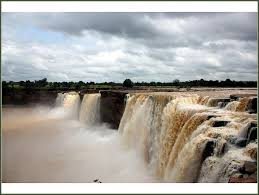
Situated at the foot of Indian state Chhattisgarh, Bastar is a tribal district. Nature has clearly lent Bastar it’s generous hands. There are nearly 5 to 6 waterfalls around the place, two of which are very near to Jagdalpur city (headquarter of Bastar district). Chitrakote Water fall is known by the name “Niagra Falls of India” because of it’s width. It is the widest fall in India, reaching a width of nearly 300 metres (980 ft) during the monsoon season. (Fun Fact: Chitrakote Fall has a Horse shoe shape and Chhattisgarh itself is in Seahorse shape!)

Formation of Stalectites and Stalagmites in Kutomsar Cave

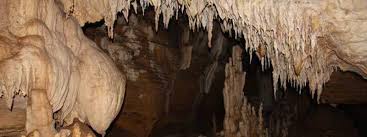
The caves are much to be talked about.  Kotumsar cave is a major attraction for people interested in ecotourism. It is a limestone cave formed on the Kanger limestone belt, situated near the bank of the River Kanger, a tributary of the Kolab River. Apart from this, there was a new species of Blind fish found inside the cave. there are yet another caves which are yet to be explored. Dandak Cave, for example is not open to public but forest officials. This clearly shows how people are concerned about not interfering with nature’s business.

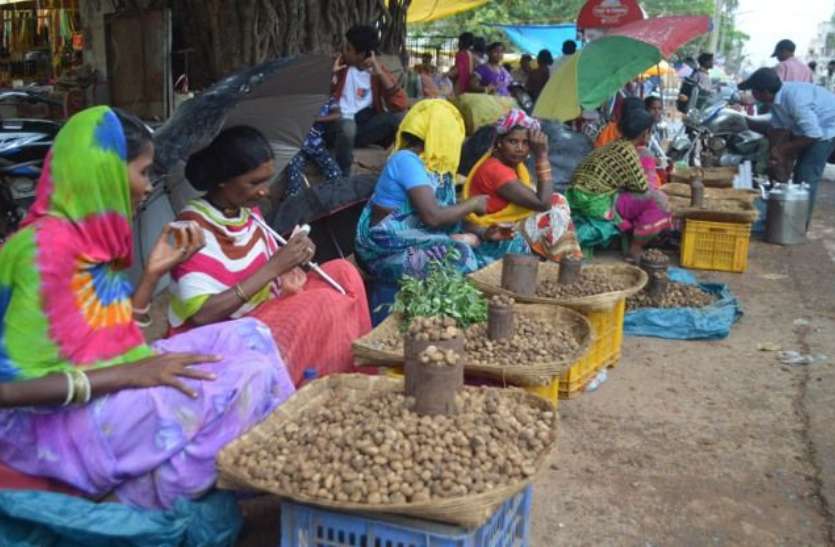
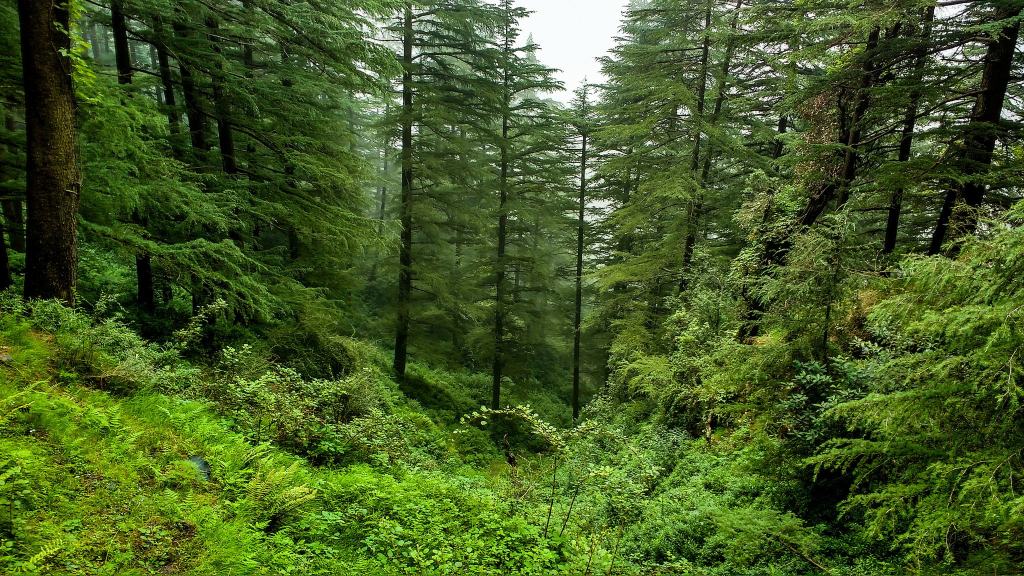
Talking of Boda (scientific name: Astraeus hygrometricus), it is a species of fungus which lives solely in a symbiotic relationship with the decayed Sal tree leaves and earth. Yes, Sal trees are the whole soul guardians to these spherical angels! During monsoon, when the leaves from Sal trees fall on ground, the exclusive juices from the trees help in development of these fungi. These little ball-like organisms are packed with carbohydrate and lots and lots of nutrition.

BAZAARS OF BODA IN BASTAR

You may shriek with amazement when I mention Boda’s price. These fungi remain in markets for about 2 months only and cost an arm and leg. During the first quarter of this time period, the price hikes up to Rupees 2000 per kilogram and more! Well this is no surprise for inhabitants rather it seems strange if the inflation does not occur. Obviously, the rarity and exertion which takes to search and pick the fungi out of ground make the price reasonable. And taste is definitely out of question. The outer layer is juicy and chewy while the inside part is as soft as butter.

The initial batches of Boda have darker outer cover; known as “Jaat Boda” while with the progress in time the outer layer becomes lighter and white; they are called “Laakdi Boda”. People mostly prefer Jaat Bodas because the are comparitively softer than their variation, Laakdi Boda. However the latter ones are no less good.

These fungi do not cease their limit here. They are also of vital importance in Medicinal field. Facial creams are made out of them for medicinal purposes.

But do NOT forget that all good things come at a price. Before you decide on enjoying these fungi as exotic food, you must brace yourselves for the cleaning process, for these underground beings are no joke to clean. They have a strong affinity for earth.

The two main lessons we learn are (a) the exclusive food of Bastar teaches us to PRESERVE TREES, therefore nature. For, how else is the world going to benefit from the treasury of mother nature? (b) Try your best to visit Bastar around early June to enjoy nature’s bounty at its fullest; with overflowing waterfalls, Boda, mangoes and much more!

CIVILIZATION PROGRESSES ON THE LAP OF FOREST

“Earth provides enough to satisfy every man’s needs, but not every man’s greed.” ― Mahatma Gandhi

FORESTS: SOURCES OF MANY ESSENTIAL MATERIALS

Forests are very important for the survival of man on earth. They fulfil our fundamental needs-food, clothes and shelter. Whatever we eat are the product of plants and trees. The clothes we wear are made from the plant fibre. The houses we live in are made of wood or have wooden materials. Not only this, the plants and trees are the sources of many essential materials-firewood, varieties of resin and gum, herbal medicines, etc. They also attract clouds and thus cause rain which is essential for agriculture. They defend soil from erosion and purify atmosphere by absorbing carbon-di-oxide and releasing oxygen. They also give shelter to birds and animals.

POPULATION EXPLOSION AND DEFORESTATION: DANGEROUS

“To be poor and be without trees, is to be the most starved human being in the world. To be poor and have trees, is to be completely rich in ways that money can never buy.” ― Clarissa Pinkola Estés, The Faithful Gardener: A Wise Tale About That Which Can Never Die

But the growth of civilization has led to the removal of forests. The population explosion and industrialisation have led to the indiscriminate felling of trees. It has proved to be very dangerous. It has reduced the amount of rainfall. As a result, vast areas of land have become barren. Many pools and ponds have lost their existence. The rarity of pure air has led to many dangerous diseases. The pollution of air has caused crack in the ozone-layer which saves life on earth from the scorching sunrays. The rise of atmospheric temperature year by year is the result of deforestation.

PRESERVATION OF FORESTS IS VERY NECESSARY

“Wildness is the preservation of the World.”― Henry David Thoreau, Walking

So, the preservation of forests is indispensable. Deforestation was done for the progress of civilization; afforestation is necessary for the continuity of civilization. Destroy forest is to destroy life; to save forest is to save life. Nature does not betray the heart that loves her; she does not spare the heart that disturbs her. Man’s ignorance has upset the balance of Nature; Nature’s wrath has upset the joy of man.

Demystifying my version of Bombay

Bombay/Mumbai city of dreams, I get that, at a certain age my grandfather was such a believer too, and it didn’t disappoint him either, but does this belief still stand such waves of life and reality?

The answer is pretty simple to me, and that is a NO. Mind you, I am not demotivating the zeal that you have to come here, probably would take it as once in a lifetime opportunity to do and be better, and still for some it may hold true too. 

Having being in conversations with people who came here to study, while also get their experience of Bombay, they are quite disappointed with what they have seen. A city with barely any space and hidden opportunities, that is difficult to tap into. So what is worth it? The experience perhaps, to live in a metropolitan region, to experience a diverse and translucent culture, to celebrate this divergence, but beyond that I don’t find a lot that makes me wanna stay in this city of shared nightmares. 

Safety is an issue that we’ve never addressed with this region because it never sleeps, but someone who hasn’t ever slept has faced issues that tears at them, and similarly with this region security is something that isn’t even close to what it should ever be. 

Moreover, I could just be a bitter biased person, because I stay here but since I have stayed here, I find that there isn’t much that city could offer me, and the thing that makes me stay here are connections, but I could just move on and find a better place and better opportunity that could suit my need and wouldn’t force me to be a certain way just so that I could stay at a certain place, there are definitely lot of factors to be considered and majority of which is personal and subjective to everyone of us. 

So, do you consider that I wrap it up, k honestly can’t there is too much for me to say that might offend someone because I’m subjectively biased and therefore I’d ask you to let me know what you think of your own experience ad possibly change my prejudice. 

Menstrual hygiene: necessity and not a luxury

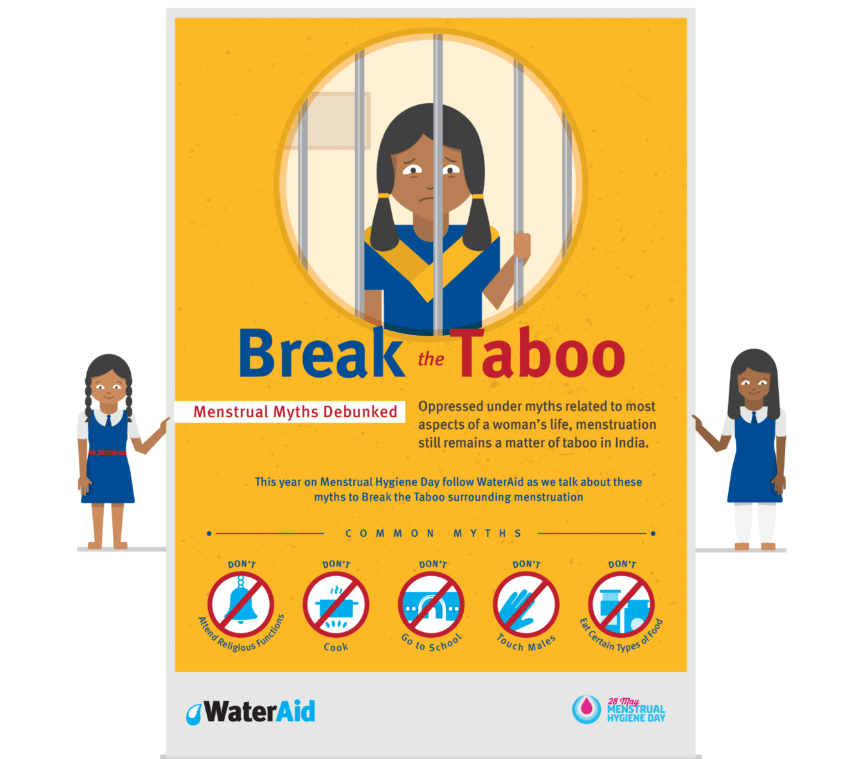
Break the taboo


Menstruation is associated with the onset of puberty in girls. Menstrual health and hygiene or menstrual hygiene management brings up the adequate access to menstrual hygiene products to collect and absorb the flow of blood during the menstruating period. It also refers to the privacy to change the used material to a new and clean one and to dispose the used one .
Still today in many parts of India , menstruation is considered a taboo and often it brings with it tons of rules , many restrictions and sometimes discrimination and isolation. A girl or a women in her period is often excluded from many social and religious events and even sometimes they are not even allowed to enter in the kitchen of their own house .
Cause of menstruation still being a taboo –
Still today girls and women feel uncomfortable to talk about their period loudly and consider it a shame ; and not being talked about it loudly results in adolescent girls remaining unknown and ignorant of the hygiene and health practise which many a times results in adverse health conditions. Illiteracy , poverty and lack of awareness are the major behind menstruation still being a taboo in indian society. Several studies indicate that in india, specially in the rural areas and in the slums, most of the girls and women do not have consistent and adequate access to good quality menstrural hygiene products with 88% of them using homemade alternatives such as clothes, rags, hay, sand and ash.
OUTCOMES OF NOT HAVING ACESS TO MENSTRUAL HYGIENE PRODUCTS
Not having adequate access to clean and proper menstrual hygiene products causes many health problems like Reproductive Tract Infections (RTI), irritation of skin which causes discomfort and possibly results in dermatitis which is a medical condition in which the skins swells , turns red and at times becomes a sore with blisters. There is a balance of good and bad bacteria that live in the vagina . If this balance gets disrupted or hampered because of certain poor menstrual hygiene it causes vaginosis . This impact women the most when they are pregnant or trying to get pregnant . RTI also increases the chances of having cervical cancer. Added to the discomfort it also hampers their mobilty and day – to – day activites.
Why is menstrual awareness important ?
Myths about menstruation is largely prevalent forcing many girls to dropout of school early year at menarche in India . A study finds a 12 % decline in school enrollment rate for girls in the menarche group , also in the co-ed schools , disparity is clearly visible in the ratio of girls to boys always remaining low.
It is very important to spread awareness on menstrual hygiene . Menstruation considered a taboo topic , most of the adolescent girls when they get their first period, they don’t know about “menstrual hygiene management “. Many a time, unawareness about menstrual hygiene has an a adverse impact on women’s health especially in rural areas and the slums of the cities. Not having access to proper menstrual hygiene products is the harsh reality of most rural and slum womens. Lack of information and other socio-cultural norms and the use of unhygenic products instead of safe sanitary napkins and tampons makes it difficult for the girls to remain hygenic .
Its high time we spead correct information and educate the adolescent girls about menstruation and help them know about how to maintain proper menstrual hygiene . To educate girls and spread awareness among the womens of slums and the rural areas , the much needed measure is to spread awareness that it a normal very biological process and busts the myths associated with menstruation to ensure healthy menstrual practices.
Spreading awareness about menstruation and menstrual hygiene can help in creating a culture that welcomes discussions about it and can also prevent many diseases and infections caused due to unhygenic practices.
MENSTRUAL PRODUCTS IS A BASIC NECESSITY
Poverty is another reason why the womens of rural areas and slums use alternatives most of them cannot afford adequate and proper menstral products . the unavailability of menstrual products n rural areas ans high cost of the same in the cities deter menstrual hygiene in India.
To increase awareness about menstrual hygiene product being a necessity the washrooms in schools shouls also stock menstrual product besides stocking soaps , papaer towels etc. Having the supply of free menstrual products in every schools will not only ensure that every menstruating girl gets access to the basic needs easily , but many a times it helps in solving economic issues.
Its time for us to start spreading awareness about menstrual hygiene and spread knowledge and correct information about it and start treating it is as a healthly biological process and not a taboo.

https://swachhindia.ndtv.com/menstrual-hygiene-day-facts-26-percent-use-sanitary-pads-periods-34309/

References:

https://www.hindawi.com/journals/jeph/2018/1730964/

https://swachhindia.ndtv.com/menstrual-hygiene-day-facts-26-percent-use-sanitary-pads-periods-34309/

Menstrual hygiene products should be treated as a necessity

The Basics Of Database Management System

Data processing has undergone evolutionary changes in the past 30 years. Processing with a database management system offers a number of advantages. Presents the basics of today′s dynamic database management systems. Reviews the relevant professional magazines and concludes that systems now are more user‐friendly.
A collection of interrelated data together with a set of programs to access the data, also called database system, or simply database. The primary goal of such a system is to provide an environment that is both convenient and efficient to use in retrieving and storing information.
A database management system (DBMS) is designed to manage a large body of information. Data management involves both defining structures for storing information and providing mechanisms for manipulating the information. In addition, the database system must provide for the safety of the stored information, despite system crashes or attempts at unauthorized access. If data are to be shared among several users, the system must avoid possible anomalous results due to multiple users concurrently accessing the same data.
Examples of the use of database systems include airline reservation systems, company payroll and employee information systems, banking systems, credit card processing systems, and sales and order tracking systems.

A major purpose of a database system is to provide users with an abstract view of the data. That is, the system hides certain details of how the data are stored and maintained. Thereby, data can be stored in complex data structures that permit efficient retrieval, yet users see a simplified and easy-to-use view of the data. The lowest level of abstraction, the physical level, describes how the data are actually stored and details the data structures. The next-higher level of abstraction, the logical level, describes what data are stored, and what relationships exist among those data. The highest level of abstraction, the view level, describes parts of the database that are relevant to each user; application programs used to access a database form part of the view level.
The overall structure of the database is called the database schema. The schema specifies data, data relationships, data semantics, and consistency constraints on the data.
Underlying the structure of a database is the logical data model: a collection of conceptual tools for describing the schema.
The entity-relationship data model is based on a collection of basic objects, called entities, and of relationships among these objects. An entity is a “thing” or “object” in the real world that is distinguishable from other objects. For example, each person is an entity, and bank accounts can be considered entities. Entities are described in a database by a set of attributes. For example, the attributes account-number and balance describe one particular account in a bank. A relationship is an association among several entities. For example, a depositor relationship associates a customer with each of her accounts. The set of all entities of the same type and the set of all relationships of the same type are termed an entity set and a relationship set, respectively .

The information in a database is stored on a nonvolatile medium that can accommodate large amounts of data; the most commonly used such media are magnetic disks. Magnetic disks can store significantly larger amounts of data than main memory, at much lower costs per unit of data.
To improve reliability in mission-critical systems, disks can be organized into structures generically called redundant arrays of independent disks (RAID). In a RAID system, data are organized with some amount of redundancy (such as replication) across several disks. Even if one of the disks in the RAID system were to be damaged and lose data, the lost data can be reconstructed from the other disks in the RAID system.
Data manipulation is the retrieval, insertion, deletion, and modification of information stored in the database. A data-manipulation language enables users to access or manipulate data as organized by the appropriate data model. There are basically two types of data-manipulation languages: Procedural data-manipulation languages require a user to specify what data are needed and how to get those data; nonprocedural data-manipulation languages require a user to specify what data are needed without specifying how to get those data.
A query is a statement requesting the retrieval of information. The portion of a data-manipulation language that involves information retrieval is called a query language. Although technically incorrect, it is common practice to use the terms query language and data-manipulation language synonymously.
Database languages support both data-definition and data-manipulation functions. Although many database languages have been proposed and implemented, SQL has become a standard language supported by most relational database systems. Databases based on the object-oriented model also support declarative query languages that are similar to SQL.
SQL provides a complete data-definition language, including the ability to create relations with specified attribute types, and the ability to define integrity constraints on the data.
Data Security:
The DBMS can prevent unauthorized users from viewing or updating the database. Using passwords, users are allowed access to the entire database or a subset of it known as a “subschema.” For example, in an employee database, some users may be able to view salaries while others may view only work history and medical data. See database security.
Data Integrity:
The DBMS can ensure that no more than one user can update the same record at the same time. It can keep duplicate records out of the database; for example, no two customers with the same customer number can be entered.
Intelligent Databases:
All DBMSs provide some data validation; for example, they can reject invalid dates or alphabetic data entered into money fields. But most validation is left up to the application programs.
Intelligent databases provide more validation; for example, table lookups can reject bad spelling or coding of items. Common algorithms can also be used such as one that computes sales tax for an order based on zip code.
When validation is left up to each application program, one program could allow an item to be entered while another program rejects it. Data integrity is better served when data validation is done in only one place. Mainframe DBMSs were the first to become intelligent, and all the others followed suit.

SPACE-TIME-GRAVITY

Gravity is the curvature of space time-

According to Albert Einstein’s general theory of relativity, gravity is no longer a force that acts on massive bodies, as viewed by Isaac Newton’s universal gravitation. Instead, general relativity links gravity to the geometry of spacetime itself, and particularly to its curvature.

In classical physics, time proceeds constantly and independently for all objects. In relativity, spacetime is a four-dimensional continuum combining the familiar three dimensions of space with the dimension of time.

To account for gravity in relativity, the structure of this four-dimensional spacetime must be extended beyond the rules of classical geometry, where parallel lines never meet and the sum of a triangle’s angles is 180°. In general relativity, spacetime is not ‘flat’ but is curved by the presence of massive bodies.

This artistic representation visualises spacetime as a simplified, two-dimensional surface, which is being distorted by the presence of three massive bodies, represented as coloured spheres. The distortion caused by each sphere is proportional to its mass.

The curvature of spacetime influences the motion of massive bodies within it; in turn, as massive bodies move in spacetime, the curvature changes and the geometry of spacetime is in constant evolution. Gravity then provides a description of the dynamic interaction between matter and spacetime.

1) Introduction to the solar tree

Photo by Pixabay on Pexels.com

Solar Tree or Solar Photovoltaic Trees are a kind of construction that looks similar to trees. They may be framed from small scale to big scale. It is an artwork which is a combination of creative and technological effort. Solar panels are put on top of its “branches”. Utilizing the sunlight energy, solar panels produce electric energy which is then used for charging gadget. It is very essential now to use the solar energy due to growing pollution form different energy producing power plant. And dew to growing population it is best renewable source of energy with no causing pollution and natural hazards.

It consumes very less space as compared to conventional flat a

.2) Introduction of Solar panel & types of solar panel

Solar panel are made of small unites called solar cell this is made up of silicon this works on the photo-voltaic (P-V) module.A PV module is an assembly of photo-voltaic cells mounted in a framework for installation. Photo-voltaic cells use sunlight as a source of energy and generate direct current electricity. In this module two type of silicon is used

  • N-type silicon
  • P-type silicon

And the combination is known as P-N junction this creates the positive and negative charge.

These days, solar panels are used in wide-ranging electronic equipments like calculators, which work as long as sunlight is available.

However, the only major drawback of solar panels is that they are quite costly. Also, solar panels are installed outdoors as they need sunlight to get charged.

Reference links

https://www.google.com/url?sa=t&source=web&rct=j&url=https://en.m.wikipedia.org/wiki/Solar_tree&ved=2ahUKEwiIhMS3o73xAhWgILcAHW81DD8QFjAYegQIPRAC&usg=AOvVaw3TwxzdGYrs4aiZTmc9RdaI

https://www.google.com/url?sa=t&source=web&rct=j&url=https://mercomindia.com/india-develops-largest-solar-tree/&ved=2ahUKEwiIhMS3o73xAhWgILcAHW81DD8QFjAXegQIKxAC&usg=AOvVaw0r5jJu2b–zk89PRBKfyep

RANN OF KACHCHH

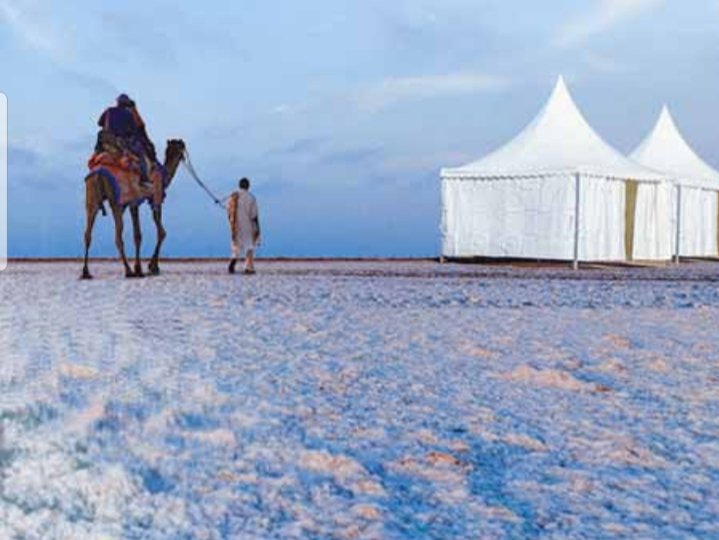
The Great Rann of Kutch  is a salt marsh in the Thar Desert in the Kutch District of Gujarat, India. It is about 7500 km2 (2900 sq miles) in the area and is reputed to be one of the largest salt deserts in the world . It is an extension of the Thar Desert.

The Rann of Kachchh is a salt marshy land in the Thar Desert in the Kachchh district of western Gujarat. It lies between Gujarat in India and the Sindh province in Pakistan. … The Rann of Kachchh is famous for its white salty desert sand and is reputed to be the largest salt desert in the world.

Winter is really the best time to go to Rann of Kutch. It really comes into its own during this season. There’s nothing like sitting around a warm bonfire and enjoying a night of the local culture, especially on a full moon night.

If you prefer greater comfort in your choice of accommodation, then the Rann Utsav is definitely the best time to visit the Rann of Kutch! Sightseeing: Rann Utsav packages come with many included and optional sightseeing tours of other interesting places nearby such as Bhuj, Dhordo, Mandavi Beach, and Dholavira etc.

Rann Utsav, the Carnival of Music, Dance & Culture of Gujarat. Enhance the natural beauty of White Rann when the light of Full Moon spread it on the white land.

Rann Utsav is a festival of crafts, art, music, dance, food, nature and the people of Kutch attended by thousands of people every year. This annual festival celebrates the rich heritage of the ecologically and ethnically diverse land of Kutch district, Gujarat.

Handicrafts and Traditional Shopping during Rann Utsav –

• Embroidery. Kutch is renowned world over for its mirrored embroideries.

• Hand block printing.

• Wood carving.

• Mud wall painting.

• Silver work.

• Pen knives and nutcrackers.

• Iron bells with copper coating.

• Seashell toys.