Judicial Activism in India


Judicial activism must re-emerge as guardians, finally rescuing the populace and reminding/pressuring the authorities to carry out their duties. There is no disputing that we are living in unprecedented times, but it is equally true that extraordinary circumstances necessitate extraordinary answers, or at the very least a genuine attempt to deliver extraordinary remedies. The inhabitants are not upset because the standards are not being met due to a lack of resources; rather, the actual issue is a lack of complete will. The second wave appears to have been abandoned by all authorities, or at least policymakers. They have accepted defeat in front of the court.
Separation of powers, judicial review, judicial activism, and the role of the judiciary across time are discussed in the sections that follow.

Many people and in various locations have defined the term “separation of powers,” including multiple judicial rulings. However, the meaning of power separation can be divided into three categories:

A person who is a part of one organ should not be a part of another.

1.The functioning of one organ should not be hampered by the functioning of the others.

2. It is not appropriate for one organ to perform the functions of another.
3. It was admittedly done since none of the organs could possibly conduct all of the functions in a systematic and suitable manner.

As a result, the powers are divided among the legislative, executive, and judiciary in order for them to work properly. Let us now look into the specifics of each organ’s operation.

The legislature’s primary role is to enact legislation. Enacting a law conveys the state’s will and also serves as a waiver of the state’s autonomy. It is the foundation upon which the executive and judicial branches of government operate. Executives are in charge of carrying out, carrying out, or enforcing the state’s will as expressed by the constituent assembly and the legislature.

1) Legislative Action Reviews,

2) Judicial Decision Reviews, and

3) Administrative Action Reviews

are the three types of judicial review. As a result, judges have a responsibility to maintain the balance of power, protect human rights, fundamental rights, and people’ rights to life and liberty.

The Evolution of Judicial Activism
For the first decade after independence, judicial activism was essentially non-existent; the government’s executive and legislative institutions actively dominated and intervened in the judiciary’s operations. The Supreme Court began to consider the judicial and structural aspects of the constitution in the 1970s.

The Golaknath case, the nationalisation of banks case, the elimination of privy purses case, and the Minerva mills case are all examples of judicial review.
When it comes to judicial activism, one of the most common criticisms we hear is that it is done in the guise of interpreting constitutional provisions. The claims are that the judiciary frequently rewrites them without saying so. Some of the judges’ personal beliefs become legal principles and constitutional values as a result of this process.

Another critique is that, in the name of judicial activism, the principle of separation of powers is thrown out the window, and the judiciary is undermining the legislative and executive branches of government by intruding into their domains.

Conclusion
In summary, I believe that judicial activism has both positive and harmful aspects. If the court meddles too much in the operations of other government institutions and attempts to overstep its constitutional authority, the concept of judicial activism loses its significance and meaning. Power separation theory is being undermined in the name of activism, and the judiciary frequently rewrites personal opinions in the name of activism.

PSYCHOLOGY

It is a scientific discipline that studies mental states and processes and behaviour in humans and other animals. the discipline of psychology is broadly divisible into 2 parts; a large profession of practisioners and a smaller but growing science of mind , brain and social behaviour. the two have distinctive goals, training and practices but some psychologists integrate the two.

HISTORY:

In western culture contributors to the development of psychology came from many areas, beginning with philosophers such as plato and aristole. hippocrates philosophized about basic human temperaments and their associated traits. informed by the biology of his time, he speculated that physical qualities such as yellow bile or too much blood, might underlie differences in temparament. aristole postulated the brain to be the seat of the rational human mind and in the 17th century one of the scientist argued that the mind gives people the capacities for thought and consciousness the mind decides and the body carries out the decision a dualistic mind body split that modern psychological science is still working to overcome. therefore the principles of psychology defined psychology as the science of mental life and provided insightful discussions of topics and challenges that anticipated much of the fields of research agenda a century later. during the 1st half of the 20th century however behaviourism dominated most of american academic psychology. one of the scientist argued that psychology as a science must deal execlusively with directly observable behaviour in lower animals as well as humans emphasized the importance of rewarding only desired behaviours in child rearing, and drew on principles of learning through classical conditioning.

BEHAVIOURISM:

Leading the way of demonstrating the power of operant conditioning through reinforcement. behaviourists in university settings conducted experiments on the conditions controlling learning and shaping behaviour through reinforcement usually working with laboratory animals such as rats and pigeons. their work showed that social behaviour is readily influenced by manupulating specific contingencies and by changing the consequences or reinforcement to which behaviour leads in different situations. changes in those consequences can modify behaviour in predictable stimulus response patterns. likewise a wide range of emotions both positive and negative may be acquired through process of conditioning and can be modified by applying the same principles.

EVOLVING SCOPE AND STRUCTURE OF PSYCHOLOGICAL SCIENCE

The discoveries and advances of psychological science keep expanding its scope and tools and changing its structure and organization. psychological science consisted of a variety of specialized subfields with little interconnection. they ranged from clinical psychology to study of individual difference and personality to social psychology to industrial organizational psychology to community psychology to experimental study of such basic process as memory, thinking, perception and sensation to animal behaviour and to physiological psychology. the various subfields each with its own distinct history and specialized mission usually were bundled together within academic departments essentially a loose federation of unrelated disciplines, each with its own training program and research agenda. in early years psychology became an increasingly integrative science at the intersection or hub of diverse other disciplines, from biology, neurology, economics, to sociology and antropology.

What is Firewall and its types

A firewall forms a barrier through which the traffic going in each direction must pass. A firewall security policy dictates which traffic is authorized to pass in each direction. A firewall may be designed to operate as a filter at the level of IP packets, or may operate at a higher protocol layer. Firewalls can be an effective means of protecting a local system or network of systems from network-based security threats while at the same time affording access to the outside world via wide area networks and the Internet.

TYPES OF FIREWALLS

  1. Packet Filtering Firewall

It is simplest, fastest firewall component. It is Foundation of any firewall system. Examine each IP packet (no context) and permit or deny according to rules. Hence restrict access to services (ports). A packet filtering firewall applies a set of rules to each incoming and outgoing IP packet and then forwards or discards the packet. The firewall is typically configured to filter packets going in both directions (from and to the internal network).

2. Stateful Packet Filters

A traditional packet filter makes filtering decisions on an individual packet basis and does not take into consideration
any higher layer context. To understand what is meant by context and why a traditional packet filter is limited with regard to context, a little background is needed. Most standardized applications that run on top of TCP follow a client/server model. A stateful packet inspection firewall reviews the same packet information as a packet filtering firewall, but also records information about TCP connections.

3. Application Level Gateway (or Proxy)

An application-level gateway, also called an application proxy, acts as a relay of application-level traffic. Application-level gateways tend to be more secure than packet filters. Rather than trying to deal with the numerous possible
combinations that are to be allowed and forbidden at the TCP and IP level, the application-level gateway need only scrutinize a few allowable applications. In addition, it is easy to log and audit all incoming traffic at the application level. A prime disadvantage of this type of gateway is the additional processing overhead on each connection.

4. Circuit Level Gateway

This can be a stand-alone system or it can be a specialized function performed by an application-level gateway for certain. A circuit-level gateway does not permit an end-to-end TCP connection; rather, the gateway sets up two TCP connections,
 Between itself and a TCP user on an inner host.
 Between itself and a TCP user on an outside host.

India’s Afghanistan Challenge

As the United States of America continues to pull out its troops out of Afghanistan, there has been wide discussions as to who would fill that vacuum

Biden’s decision to remove all US soldiers from Afghanistan has fueled domestic unrest in the nation, where violence is on the rise as the Taliban scores more combat successes against the Afghan government and foreign forces disengage. However, Washington’s decision to withdraw has prompted a regional struggle for power, with many parties ranging from China to Turkey, Russia to India, trying to capitalise on the diplomatic power vacuum in Afghanistan.

India, which has long provided diplomatic and financial assistance to the Afghan government, has allegedly altered its long-held policy of not interacting with the Taliban and is now engaging in direct discussions with the rebel group’s leadership. However, India’s presence in Afghanistan has long been balanced by the presence of the one nation that, whether it wants to or not, will have to pick up the majority of the pieces America leaves behind: Pakistan. 

India is engaging with the Taliban because the Taliban are winning. Conservative, largely rural, and illiterate Afghans defeated the Soviet Union at its peak as the Mujahideen. They achieved it with enormous support from the United States, Pakistan, Saudi Arabia, China, and others. The same group has now vanquished the world’s sole superpower. They’ve done it with only Pakistan’s aid. 

Before delving into the risks and advantages of dealing with the Taliban, it is important to reaffirm the primary objective of India’s Afghanistan policy, which is to maintain a strategic balance between Kabul and Islamabad. Despite the disparity of strength between two nations, India wants to guarantee that nationalist Afghan thought, which is critical of Pakistan’s interventionism, stays active and aggressive. This is why New Delhi has maintained its support for a “Afghan-owned, Afghan-led” peace process. Engaging with the Taliban is an exercise in averting harm to India’s interests as it is in determining the extent of the group’s nationalism.

The advantages of this successful outreach are obvious. The Taliban recognises India’s beneficial role in Afghanistan and does not want its diplomatic presence to be reduced.The outreach in Doha has given Indian authorities cautious hope that the Taliban will not be openly antagonistic and may even want deeper ties in the medium term. 

However, the outreach is not without danger. One possibility is that the Taliban would break its pledges and, with a shove from Pakistan, will strike Indian interests. If this does not happen, the Taliban interlocutors with whom India is negotiating may be marginalised, or worse, replaced by pro-Pakistan supporters such as the Haqqanis. Second, reaching out to the Taliban might hasten the fall of Kabul while complicating India’s ties with existing allies.

Despite these concerns, India has solid reasons to engage the Taliban. For one thing, these worries would persist regardless of India’s approach. If nothing else, undoubtedly India’s absence from the Taliban’s calculus makes it much more vulnerable if the Islamic republic falls apart. For India, the only way to achieve long-term peace in Afghanistan is for there to be peace within Afghanistan and peace around Afghanistan, which will need aligning the interests of everybody, both inside and outside that country.

CHOKE POINTS

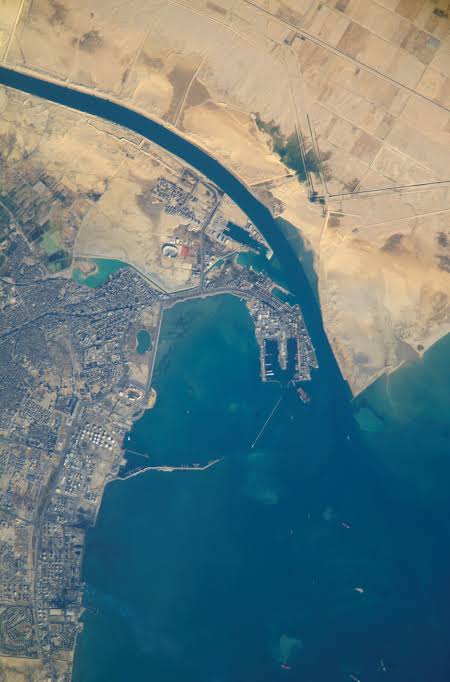
A strait is a naturally formed passage connecting two large water bodies. Canal too connects two large water bodies but are man-made i.e. intentionally constructed for faster connectivity. We can call it a man-made strait. Canals such as the Panama Canal(connecting Pacific and Atlantic) and Suez Canal(connecting Red sea and the Mediterranean) have drastically reduced the time required for inter Continental connectivity and are of massive economic value. Recently when the Suez Canal was blocked it costed dearly in economic terms an estimated loss of $ 54 billion in trade. The enormous dependence on Straits and canals also means it is of tremendous strategic importance to countries, total control over one of the busiest choke points gives a country immense bargaining power and will be an obvious member in any global trade-related groupings.

Suez Canal

Some of the world’s busiest Straits include Malacca Strait, Strait of Hormuz, Dover Strait, Bosphorus Strait, The Danish Straits, Sunda Strait among others that connect prominent continents. Malacca strait is the shortest shipping channel between the Indian Ocean and the Pacific Ocean. Among artificial shipping routes, Germany’s Kiel Canal is the world’s busiest canal which accommodates more ships than the Suez and Panama Canal combined.

In today’s highly globalized world imports and exports are a necessary part of daily commercial business. Trade with other countries is one of the ways how countries can establish their presence for profitability or goodwill(or both)in a foreign land. All of these in turn for their faster functionality are dependent on Straits and Canals. Any obstruction or blockage of one of these chokepoints can have a vast and far-reaching cascading effect.

UNIFICATION OF GERMANY

(unification through diplomacy)

Do you ever feel the need of being diplomatic or is straightforwardness your only guide in life? Well, a peek at the events of Germany’s unification might enlighten your thoughts.

 INTRODUCTION

It all started in the early 19th century with Napoleon Bonaparte, the fearless ruthless French emperor who took half of the Europe in a sweep. Germany was divided into 100 independent states. After the conquer Napoleon congregated them into 39 larger states. He also established the Confederation of the Rhine, a league of 16 German states. This brought further unification to Germany. Bonaparte was ultimately defeated in the Battle of Waterloo (1815). The defeat however arose in the Germans the collective feeling of Nationalism. They understood the concept of UNITED WE STAND, DIVIDED WE FALL. This created German Federation in 1815, containing all territories of the former Empire with majority German speakers. Prussia and Austria became the main powers.

Initial efforts at unification were not political but economic. Zollverin was a trade agreement in which the tariff barriers were removed, taxes decreased. Then came the Romantic movement. “The Wanderer above the Sea of Fog”, a painting by German romanticist Caspar David Friedrich dwelled upon the unknown future.

Congress of Vienna created in 1814–1815 after fall of Bonaparte was an international diplomatic conference. It aimed to restore the European political order after French and Napoleonic Wars. The conference however faced backlash due to its ignorance towards national and liberal impulses. The reaction against Congress of Vienna were the Revolutions of 1848 (which had spread across Europe). These revolutions did stir feelings of nationalism in public. However The Revolution of 1848 failed in its attempt to unify the German-speaking states because the Frankfurt Assembly reflected the many different interests of the German ruling classes.

ENTRY OF OTTO VON BISMARCK

King William I appointed Otto von Bismarck as the new Minister President of Prussia in 1862. After less than a decade, he served the public with a unified Germany! For this he chose the path of diplomacy.

Otto von Bismarck (1818- 1898) was a Conservative Statesman from Prussia. He believed in Mcachiavelli’s ideology of Real Politik i.e. policy to be applied rather than have a handbook. In his famous Blood Iron Speech he said:

“Germany does not look to Prussia’s liberalism

but to her power…not by speeches and

majorities will the Great Questions of the day

be decided- but by Iron & Blood.”

He was a master of complex politics. His diplomacy helped win support of Liberals and Socialists. For Liberals’ support-

  • Diminished church rights
  • The class struggle with Catholic churches was called Kulturkampbh
  • Bismarck was already a supporter of Industrialisation, this benefited in gaining liberal support

For Socialists’ support-

  • Socialist party was banned at first
  • Social welfare programs were started instead: Health insurance, accident insurance and old age pensions


WAR STRATEGIES

The unification of Germany was done with three wars and several layers of diplomacy.

First war included Prussia and Austria against Denmark (1864). It was a diplomacy to gain Austria’s support. Denmark lost and the states of Schleswig and Holstien were taken by Prussia and Austria respectively.

The second war saw clash between Austria and Prussia in Austria-Prussian War (1866). Prussia obviously won and Austria’s territories were annexed. This made Prussia the leader of German unification. Prussia was backed by Italy here because of a treaty signed between the two nations against Austria.

The final war of Franco-Prussia (1871) was a mind game played by Bismarck. He wanted France to attack on Germany to arouse Nationalism. For this first he declared that Spain would be ruled by German. Next, he modified the news that Kin William I insulted French ambassador Count Benedetti. This enraged France and accordingly it waged war.

CONCLUSION

With all the diplomacies, he provoked three short, decisive wars against Denmark, Austria, and France, aligning the smaller German states behind Prussia in its defeat of France. Therefore whenever it is said that Bismarck is the architecture of Unified Germany, it must be mentioned that Diplomacy was his tool.

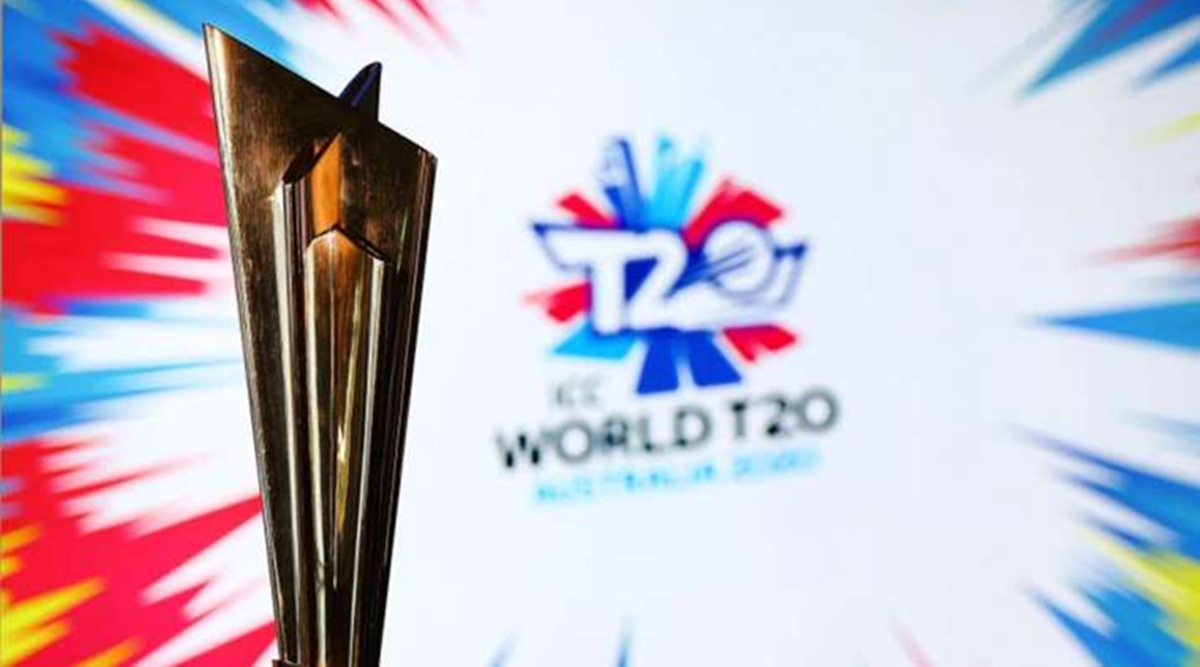
T20 world cup shifted from India to UAE AND OMAN

The T20 world cup 2021 will be held from October 17 to 14 November in UAE and OMAN as confirmed by the ICC on Tuesday. Matches will be played in four venues – Dubai International stadium, the sheikh Zayed stadium in Abu Dhabi, the OMAN Cricket Academy ground and Sharjah stadium. BCCI will remain the host of the event.

BCCI confirms T20 World Cup in UAE, Oman | Sports News,The Indian Express

It the heartbreaking news for Indian fans but because of the pandemic and keeping in mind safety of the players this decision has been taken by ICC and BCCI .Good news is that T20 World cup going held without any delay and fans can watch it on their TV or in phone .

“The ICC Men’s T20 world cup 2021 will be staged in UAE and OMAN due to the on going covid-19 situation in India” ICC said on their official release.

Acting ICC CEO Geoff Allardice said: “Our priority is to deliver the ICC Men’s T20 World Cup 2021 safely, in full and in its current window. Whilst we are incredibly disappointed not to be hosting the event in India, the decision gives us the certainty we need to stage the event in a country that is a proven international host of multi-team events in a bio-secure environment. We will work closely with the BCCI, the Emirates Cricket Board and Oman Cricket to ensure fans can enjoy a wonderful celebration of cricket.”

President BCCI Sourav Ganguly  said: “The BCCI is looking forward to hosting the ICC Men’s T20 World Cup 2021 tournament in UAE and Oman.  We would have been happier hosting it in India but considering the uncertainty due to the Covid -19 situation and the importance of a world championship, the BCCI will now continue to host this tournament in UAE and Oman. The BCCI is looking forward to creating a spectacle.”

BCCI Secretary, Jay Shah, said: “The BCCI made every effort to stage the ICC Men’s T20 World Cup in India and provide its passionate fans with a reason to cheer after a long period of gloom. However, the prevailing pandemic situation in the country meant that the health and safety of everyone concerned was fraught with risk should a tournament of this stature is held across the country. The BCCI will continue to host the tournament, which will now be held in the UAE and Oman and work closely with the ICC to make it a memorable event.” 

Vice President Emirates Cricket Board, Khalid Al Zarooni said: “Emirates Cricket Board is honoured that the BCCI (Board of Cricket Control India) and the ICC (International Cricket Council) have entrusted us with staging and delivering the ICC Men’s T20 World Cup. The UAE’s reputation as being a safe country in which to host high-profile sporting events is a strong compliment to our government’s unwavering commitment to implementing and monitoring effective health practices during the pandemic. Having hosted a number of high-profile tournaments in recent months our team is well-prepared and ready to mobilise to ensure the success of the T20 World Cup.”

Oman Cricket Chairman, Pankaj Khimji said, “It is indeed a great moment for Oman Cricket to be selected as a venue/host of the forthcoming ICC Men’s T20 World Cup. We shall leave no stone unturned to exceed the requirements of BCCI and ICC. Oman will certainly extend a very warm welcome to all the teams, officials and media in October.” 

Lifestyle.

Lifestyle often refers to:

Lifestyle (sociology), the way a person lives
Otium, ancient Roman concept of a lifestyle
Style of life, dealing with the dynamics of personality.

Lifestyle is the interests, opinions, behaviours, and behavioural orientations of an individual, group, or culture. The term was introduced by Austrian psychologist Alfred Adler in his 1929 book, The Case of Miss R., with the meaning of “a person’s basic character as established early in childhood”. The broader sense of lifestyle as a “way or style of living” has been documented since 1961. Lifestyle is a combination of determining intangible or tangible factors. Tangible factors relate specifically to demographic variables, i.e. an individual’s demographic profile, whereas intangible factors concern the psychological aspects of an individual such as personal values, preferences, and outlooks.

But why does everyone wants a good standard of living life. As in this is a mental tandancy human wants are unlimited. And the resources are scarce but that doesn’t matter the thing is lifestyle as all of us want to live a good life eat what we want Live where we want and spend the whole money where we want to the best.

Lifestyle may also refer to:

*Lifestyle business, a business that is set up and run with the aim of sustaining a particular level of income.
*Lifestyle center, a shopping center or mixed-used commercial development that combines the traditional retail functions of a shopping mall with leisure amenities.
*Lifestyle (department store), a retail fashion brand which is part of the Dubai-based Landmark Group.

And many more, but all this centers, businesses offers the best for an individual’s lifestyle.

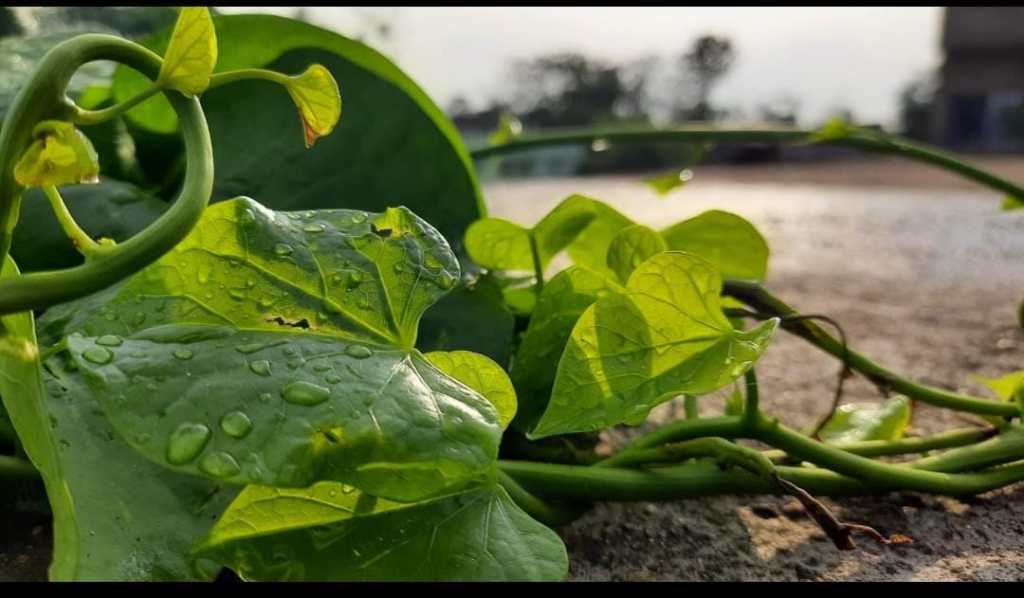
A Miracle Herb: Giloy

Scientific name of giloy is Tinospora Cordifdia also known as Guduchi in Hindi. It belongs to Menispermaceae family. It is climbing shurb have heart shaped leaf and also known as Heart-leaved moonseed.

Medicinal properties of Giloy

Giloy contains several important nutrients like Alkaloids, Terpenoids,Lignans, Steroids, etc. It can be used to cure fever, urinary problem, skiin disease, diabetes, etc.

Benefits:-

  • Chronic fever:- Giloy is a anti-inflammatory, antipyretic herb which helps to boost immunity.
  • Controls blood sugar level:- Giloy is known as “Madhunashini” in Ayurveda which means destroyer of sugar.
  • Improves digestion:- Giloy can reduce digestion-related problems like diarrhea hyperacidity, etc.
  • Reduces stress:- Giloy cools down the body and improves memory power

Artificial Intelligence in 2021

Artificial Intelligence is one of, if not the most, innovative technologies that has had a significant impact on the modern world. With frequent advances and researches done by scientists, engineers, and entrepreneurs trying to progress the subject, it is an idea that continues to reach a wider audience. 2021 appears to be a good year for AI research and breakthroughs that will change how we operate in the future years.

Machine learning, a form of artificial intelligence, was producing disruptions across businesses before the pandemic wrecked havoc in 2020. During the COVID-19 pandemic, however, it became clear that self-teaching algorithms and smart devices will play an important role in the ongoing fight against viral outbreaks and will continue to benefit our civilization in the future. Artificial intelligence technology is still a hot topic in our professional and personal lives. So, here’s a rundown of AI breakthroughs in 2021 so far.

AI Predicting Behavioral Changes and aiding marketing

As businesses closed physically, with the onset of the covid-19 pandemic, we all realized that going online was the only facet that was left for businesses to run in the fast growing automated world. Today we see a significant development in several AI tools, developed over the course of the last couple of years that help us in doing exactly that. Brands today, are employing several AI integrated tools on their websites to harvest the metrics, demographics, locations etc. of the users that visit their site; and then utilize this so called ‘big data’, in personalizing user experience. Moreover, we also see that this big data collected by several different companies may actually be useful in predicting general trends that users follow, and the general behaviour of a population. Businesses who had previously been hesitant to use digital platforms have realised the seriousness of the problem and the high demand of AI. As small and medium-sized firms prepare to establish themselves in the digital age, AI-tools that provide organizations with self-service access to this emerging technology of data harvesting will become more popular throughout 2021.

Analyzing and eliminating the threat of another pandemic

Researchers and scientists are striving to develop AI systems that can predict the future. These AI-powered epidemiological tools will be solely focused on developing systems that can effectively anticipate the timing and location of future outbreaks. In fact, the study has progressed so far that AI was responsible for the first alerts regarding the current coronavirus outbreak. When Toronto-based BlueDot issued an alarm about a potential epidemic in Wuhan, China, on December 31, 2019, its programme examined 100,000 official and media data sources on a regular basis. 6 months into 2021, we may anticipate further artificial intelligence advancements. However, this will necessitate worldwide cooperation between governments and private businesses. Global politics and the pace of technology advancement will have an impact on the outcome. As a result, concerns like as access to medical datasets for prediction and detection models, as well as hurdles to international information interchange, may become major subjects in the near future.

AI and Vaccine Development

A new vaccination often takes years, if not decades, to create. However, barely three months after the first reported cases, vaccine candidates to combat covid-19 were already starting human testing by March 2020. AI models assisted researchers in analysing massive volumes of data regarding coronavirus, allowing vaccine development to move at a breakneck pace.
The exterior proteins of a virus have tens of thousands of subcomponents. Machine learning algorithms can sift through this deluge of information and determine which subcomponents are the most immunogenic – i.e., capable of producing an immune response—and thereby guide researchers in designing targeted vaccines. Thus use of AI in vaccine development may revolutionize the way all vaccines are created in the future. Additionally, we may also see a increased investment of AI in the healthcare sector with more and more machine learning tactics being employed to simplify the manufacture of medication and treatment for patients. Moreover, the high long term return on investment with AI integrated technology will also motivate many countries to quickly start taking AI seriously for the benefit and welfare of their people.

SELF CONFIDENCE

Self-confidence is defined as a feeling of trust in one’s abilities, qualities, and judgement. Self confidence can help you become successful in your personal and professional life.

Having self-confidence can bring many benefits – at home, at work, and within your relationships. Few of the positive effects self-confidence can have on your life.

1.Healthy relationships: Self confidence helps you better understand and love others. It also gives you strength to walk away if you’re not getting what you deserve.

2.Better performance: You’ll perform better when you feel confident. Rather than waste energy and time worrying that you aren’t good enough, you can devote your energy to your efforts.

3.Openness to try new things: When you have confidence in yourself and your abilities, you’re more willing to try new things.

4.Resillience: Believing in yourself can enhance your resilience, or ability to bounce back from any challenges or adversities you face in life.

There are things you can do to boost your self-confidence. When you struggle to feel confident about

anything, these strategies can help.

WAYS TO BUILD YOUR SELF-CONFIDENCE

  1. Surround yourself with Positive people: The people you spend time with influence your thoughts and attitudes about yourself more than you think. Surround yourself with people who love you and want the best for you.
  2. Take care of your body: If you practice self care, you know you’re doing something positive for your mind, body, and spirit, and you’ll naturally feel more confident.
  3. Practice positive self talk: Using self talk can help you build self confidence, overcome self-doubt, and take on new challenges. On the other hand, negative self-talk can limit your abilities and lessen your confidence.
  4. Face your fears: Stop putting things off until you feel more confident. The best way to build your confidence is by facing your fears.

Steps to improve waste disposal methods

The population of humans is increasing at a rapid rate due to which the wastes produced by them are increasing at a significant phase. Recycling is the only way to make the situation better. We all are aware of this fact, but the efforts we put into recycling are at rock bottom. Either by knowingly or unknowingly we do a lot of mistakes that are worsening the existing circumstances. So, let’s have an understanding of the steps we need to follow to improve the waste disposal process and thus contribute to a better future.

Steps to be followed in our homes:

Our homes are the starting point of the wastes which are dumped in huge piles across the country. Everyday morning we cut the edges of milk packets and throw them away unaware of the fact that it could turn into a huge threat to society. Recently Karnataka Vice President tweeted that if Bangalore alone cuts the milk packet without tearing the corning edge 50,00,000 pieces of wastes can be saved. She says that if the edges are being cut, it’s difficult to recycle those pieces even if they are properly segregated. Also, these pieces easily get missed out while transportation and they cause huge trouble by clogging in public drainages.

Segregation of bio-degradable and non-biodegradable waste is the primary step to be followed in waste disposal which most of us do not pay full attention to. Place two separate bins in your house and make sure every member of your house pays attention while disposing of the waste. If you live in apartments or societies encourage everyone to practice waste segregation in a proper manner. Those who are maintaining gardens at your house, reuse the plastic bottles and buckets in your house for planting and use the waste food as manure to the soil. 

Reduce, Reuse, Recycle:

“All wastes must be viewed as a recycling opportunity” – Beezer Molten

The more effort paid to recycle or reuse the products, the more sustainable our future is. Both in your house and in your workplace find ways to reuse and recycle products. Encourage your children to actively participate in the cleaning of public places like beaches in order to make them understand the importance of recycling. 

There are startups that actively build products that are recycled and are cool to fit in our lifestyles. Some of such startups are as follows:

  1. Econiture: is a Bangalore-based startup that turns recycled plastic into beautiful home decor and furniture.
  2. Anthill creations: is an IIT alumni based startup where they use old tyres and plastics and turn them into beautiful playgrounds and libraries.
  3. Trashcon: is an emerging startup that collects, plastics, segregates it using robots and turns them into home and office furniture. 

There are products that could be used as an alternative to our everyday plastics such as wooden combs, toothbrushes, pens etc. Many companies are producing such ecofriendly products nowadays. Let us all support their initiative by purchasing from them.

https://www.thenewsminute.com/article/here-s-why-you-should-not-snip-tip-your-milk-packet-104271

Discrimination- Still a social issue

Discrimination is such a social issue that is prevalent in India from a long time. Though Indian Law describes discrimination as punishable crime under Civil Right Act 1964, we often see many cases of it. Why is this so?? Why even after so many years of evolution and development we see such social issues?? All the answers to these questions lies in our foundation and environment that we grow in. 

From the very start of growth many children are not taught the difference between “leg pulling” and discrimination. Many young as well as elderly people discriminate people and remark it as a “joke.” For instance calling someone “black” just for fun seems funny but in reality it is a huge social drawback. This shows how much we lack education. Recent incident of “youtuber Paras Singh calling Arunachal Pradesh a Chinese Territory” proves the fact. Though he apologized and realized his mistakes , no one can neglect the fact that this incident would not have occurred if we were more cautious and educated. 

There is a huge hole in our mindset and its needed to be filled before it eat us all. A discriminated person faces huge mental trauma and may have a severe impact. We need to be more sensitive while dealing with such topics. Educating children from the young age  as well as educating ourselves on such topic may bring a huge change in near future. It is well known that discrimination have a long history and it will not eradicate instantly. But taking small steps today will bring major change in near future

FRIENDS: A Sitcom Which Owes Everyone’s Heart

Friends is one of the best sitcoms that it just as funny watching it for the first time as it was watching it for the 10th time. The humor is universal. There has never been a sitcom this amazing. It is not just episode of comedy but it truly identifies the real-life situation that one faces. It feels like that you are part of it when you watch it every time because you go through different emotions they go through.


FRIENDS is an American sitcom. This show was aired on September 22, 1994 on NBC and since then it has been one of the greatest hits. The show was directed by James Burrows. He has been working in television since the 1970s. He has directed over 50 television pilots and co-created the long-running television series Cheers. Some of shows directed by him includes Wings, The Class, Back to You, The Big
Bang Theory and much more. The show consisted of 10 seasons. The plot of the show revolves around 6 main characters Ross, Rachael, Monica, Joe, Phoebe and Chandler. Wherein Ross and Monica are siblings. Friends wasn’t actually filmed in New York. Session was filmed on Stage Five of Warner Bros, Studios in Burbank California. IMDB rating of the show is 8.9. the show has earned many awards which includes Primetime Emmy Award, Golden Globe Award and many more. It has been nominated for many
awards and won many too

Let’s talk about the character of the show. For all those teens who were spoiled on their dad’s money could relate to Rachael as she was one initially. Later on, became independent. Racheal here is played by Jennifer Anigston. For all those who were insecure about their bodies in their school time and had an OCD of perfection and cleanliness could relate to Monica Gallan played by Courtney Cox. Chandler being the king of sarcasm-initiated sarcasm in our lives played by Mathew Perry. There are many who have lost their families and still strive to struggle through the lives with a smile on their faces and then there is Phoebe who gives people ray of hope.

The show is a reflection of our lives wherein six friends grow up through different phases of lives. Learning a lot from situations and people. The show ended with a best happy ending one could ever ask for. The show might have ended but the legacy remains in our hearts and soul.

How PharmEasy’s Net Worth Became 700 Million Dollars in just 5 Years

PharmEasy was founded in 2014 by Dharmil Seth and Dhawal Shah. Its parent company is API holdings private limited. It provides doorstep delivery of medicines and other medical equipment in India across 98% of Indian pin codes.  The customers can order their items through PharmEasy’s Website or its mobile app. The idea behind this startup was to digitize the pharmacy sector and bring it under the umbrella of E-commerce. During the pandemic, PharmEasy doubled its revenue to 637 crores. The Pandemic has helped in accelerating its growth. The company’s current net worth is around $700 million. The company is all set to get listed in stock exchange and raise money through IPO (Initial Public Offering). On September 22, 2020, PharmEasy merged with Medlife and API Holdings Private Limited has acquired 100% stake of Medlife.

BUSINESS MODEL OF PharmEasy

The Business Model of PharmEasy is similar to any E-commerce Website like Flipkart, Amazon and Myntra. It sells Medicines and other equipment at cheaper rates and provides doorstep delivery of the products. The customers need to upload their prescriptions of medicines for verification. They can also verify their prescription from a doctor appointed by PharmEasy if the customers face any problems in verification. They provide up to 20% discounts on bookings done through mobile app so that more people download their app. They also earn money by displaying sponsored results of various pharmaceutical entities.

CHALLENGES AND COMPETITORS OF PharmEasy

  •  The foremost challenge faced by PharmEasy was to attract customers to buy their medicines and other medical equipment online. Generally, People preferred buying their medicines from a physical pharmacy store.
  • India has low smartphone penetration among its population. Also, Internet users in India compared to the entire population is also quite low. Thus, It narrows the customer base for PharmEasy.
  • Customers hesitate in providing their prescriptions online. They are also afraid of getting expired and fake medicines.
  • The Competitors of PharmEasy are MedPlus, Netmeds, 1mg, Myra etc. PharmEasy has the market dominance and generates the maximum revenue in comparison to its Competitors.

FUTURE OF PharmEasy IN INDIA

  • PharmEasy has been expanding its network by investing more in Capital expenditure. It has been in talks that it is going to buy Thyrocare at 7000 crores which will increase its customer base and capital assets.
  • The Covid-19 Pandemic has provided a conducive Business Environment for PharmEasy. Now, People prefer to shop online and contactless delivery of products.
  • The increase in the demand of vitamins, immunity boosters, and other medicines has also contributed to the growth of PharmEasy. Pandemic has led to increase in demand of medicinal equipment.
  • There has been increase in the number of Internet users and the smartphone users in India in the past few years. It will help in increasing their potential customer base.
  • PharmEasy will have to face tough competition from other players which are aggressively participating in the market to increase their revenues.