We live in a technologically advanced society where technology is always evolving. Smart phones have supplanted cell phones, LEDs and LCDs have supplanted televisions, and laptops and tablets have supplanted desktop PCs. When a new model of a product is released, the prior one rapidly becomes obsolete, and obsolete things are frequently dumped as waste. These electrical items have reached the end of their useful life and are unwanted, broken, or obsolete. Those who have reached the end of this are referred to as e-waste, which includes electrical devices such as computers, cellphones, televisions, washing machines, refrigerators, and so on.
Millions of tonnes of e-waste are produced each year in developed countries; worse, e-waste from illicit countries like Japan, Malaysia, Ghana, Nigeria, Pakistan, and India, as well as developed countries like the US and Japan, should be dumped in underdeveloped countries. That was how it used to be. The cost of processing e-waste in wealthy countries is high. This is owing to the low cost of shipbuilding, which stimulates the export of rubbish to developing countries.
In undeveloped countries, where waste is buried, consuming and ill-equipped recycling facilities, local residents, industrial owners, and labourers are allowed to harvest valuable commodities from this garbage according to their needs. To leave the others behind, the majority of them acquire vital knowledge. To recover important components, acid baths and electrical burns are used. These practices, in turn, produce serious health problems and may injure those who engage in them. Circuit boards, electric parts, mono boards, and cables are likely to include hazardous metals such as lead, mercury, arsenic, copper, cadmium, nickel, zinc, gold, silver, and beryllium.
These metals have been linked to the release of hazardous chemicals into the environment via soil, causing health issues in both animals and humans. Chemicals can most likely be produced on land, resulting in both land and water pollution.
Polychlorinated biphenyl and polybrominated defanel ether, two important components of e-waste, have a dangerous side effect. They are the leading causes of ozone depletion. These poisons are also stored in food chains and food traps, posing a serious threat to all species on the planet.
Indeed, e-expanding waste’s environmental imprint is a matter of concern. The growing amount of e-waste must be managed by both consumers and producers. Reusable components are found in the majority of electronic materials.
This reusable component contains metals such as copper, aluminium, lead, and iron. A unique eco-friendly procedure should be developed to properly extract this chemical from garbage items. Both manufacturers and licenced recyclers must promote recycling models. Producers can enter the recycling chain by providing a collecting service and, compared to the unorganised sector, can raise their buyback offer. Consumers have a natural predisposition to see trash as having economic worth, which is where financial incentives to engage in the formal recycling system can be supplied. They should be persuaded to get rid of all of their technological equipment. Many businesses, including as Dell, Apple, and HP, have started recycling programmes. When it comes to trash disposal, the 3R approach, which includes reuse and recycling, can be extremely beneficial.
E-Parisissa is a remarkable initiative for e-waste treatment in India. Every year, Bangalore generates 8000 tonnes of computer waste, which is then sold to scrap merchants. E-Parisia, India’s first e-waste recycling facility, is located on the outskirts of the city and is environmentally friendly. Its mission is to reduce pollution and landfill trash via environmentally friendly recycling of valuable metals, plastic, and glass.
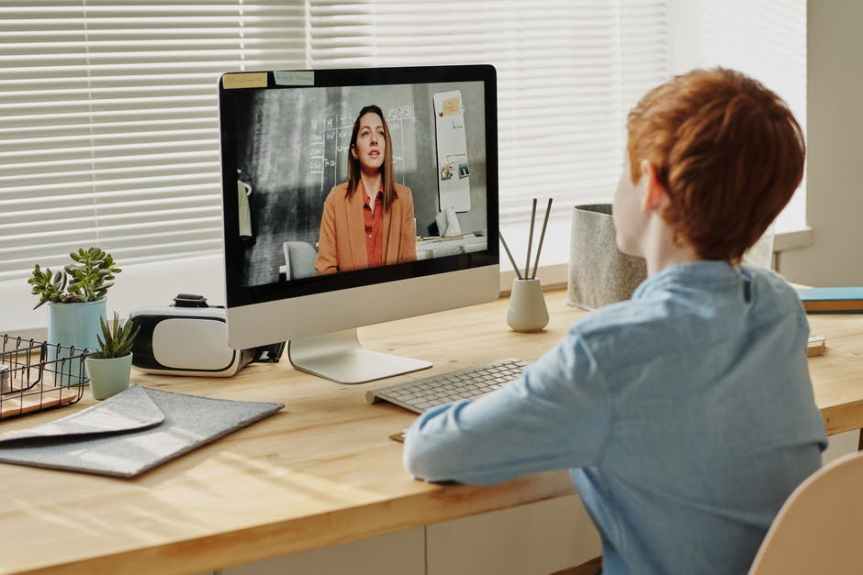
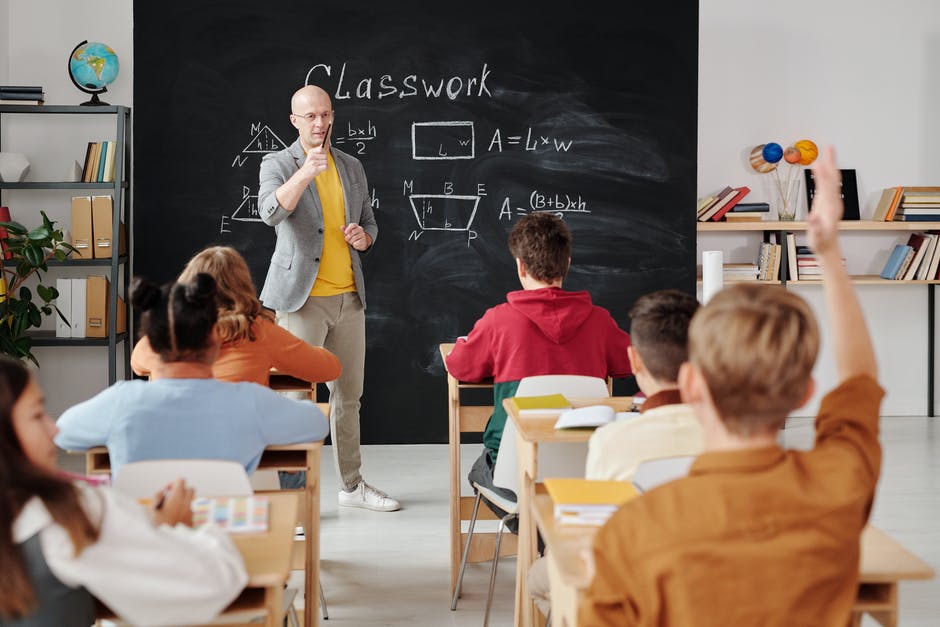
Students and teachers can communicate with each other through virtual or online learning using numerous channels such as email, online chat, and video conferencing. There is just one way for students to communicate with one another in a classroom. Many pupils have a visual memory and appear to study more eagerly, as well as being engaged in online learning. Due to the closure of schools and institutions, virtual learning has become popular. To some extent, it is advantageous because it eliminates the need to wake up early, there is no worry of being reprimanded, and one may study in a relaxed environment. However, the greatest way to create a teacher-student bond is in the classroom. An online engagement cannot replicate the conversation and questions that a student asks the lecturer in class. In an emergency, virtual learning can be a suitable substitute for classroom learning, but it cannot replace the classroom. Classroom learning is still the preferred method of imparting education and knowledge because it allows for the teaching of discipline. Virtual classrooms and reality Because it is not completely’ real,’ the virtual classroom cannot replace the traditional classroom. Teaching on the Internet is like teaching in a virtual world, but it isn’t the same as teaching in the actual world. Is this to say that any education provided or obtained on the Internet isn’t genuine? There is no way. The professors are trustworthy. These are genuine students. The substance is authentic. Virtual teaching, on the other hand, cannot replace classroom teaching because the atmosphere isn’t real.
Interaction between the teacher and the students Teachers are not taught to just provide their students data and figures and then leave for the day. A teacher’s abilities extend beyond the topic to include the capacity to lead students, filter through material when it isn’t well received by a class, change up material as needed, and even handle random queries that may necessitate more exploration of a thought. Teachers are expected to lead in a real-life classroom setting, where face-to-face interactions with students set the tone for the day’s instructional planning and execution. Interaction between students and teachers The course instructor or moderator in a virtual classroom is someone who merely watches the activities of an online classroom to verify that students log in and finish assignments on time. Assignments are assessed, and feedback is provided by e-mails, texts, and video chats on occasion. There are no one-on-one sessions with the teacher, no subject discussions, and no contacts with the teacher.
Interaction between students Students can influence the course of a day’s lesson, as any instructor who has taught in a real-life classroom situation understands. A student may ask a question about the subject matter that necessitates pausing for a time to investigate a completely different topic. Students can benefit from one other in the same way. For example, suppose the teacher poses a question, and a student’s response prompts another student to respond with an additional answer or question. The teacher has soon steered the students’ ideas and questions into a deeper study of the subject matter, assisting them in gaining more insight; however, this is unlikely to happen in the virtual classroom.
Classrooms are created by their surroundings. The only way for teachers to acquire the entire training and teaching they need to be the greatest at what they do is in a genuine classroom setting with students and teachers engaging with one another. Whether a virtual or classroom teacher is desired, the foundation for this vocation will always be laid in a genuine classroom setting. Leading, guiding, instructing, connecting, and growing as a teacher are all skills that must be learned. Because the classroom is created by the environment, virtual teaching will never completely replace traditional classroom instruction.
National Doctors Day is celebrated nationwide, every year, on the 1st of July. But why? This is to express our gratitude towards doctors and physicians for their service towards our well-being. Legendary physician and the second Chief Minister of West Bengal, Dr Bidhan Chandra Roy was born on the 1st of July in Patna, Bihar in 1882 and coincidentally died on the very same date in the year 1962. In 1961, Dr Roy was conferred with the nation’s highest civilian award, Bharat Ratna. Doctors day in India was established in 1991 in honour of his birth and death anniversary.
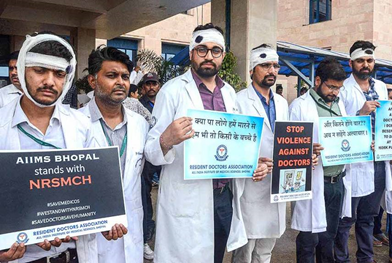
Well, Doctors day is celebrated every year on the 1st of July but this year another day was observed, by the doctors of IMA (Indian Medical Association) on 18th of June, NATIONAL PROTEST DAY. Doctors came together against the assaults on doctors in COVID wards. IMA observed nationwide protests demanding central law to protect doctors against violence.
Doctors and healthcare workers held placards and raised slogans like doctors bachao desh bachao (save doctors, save nation) and save the saviour. Doctors and medical staff at the IMA office in Hyderabad protested wearing black badges. Doctors from AIIMS Delhi and IMA unit, Ludhiana also took part in the agitations. Various state-level protests were taking place for a long time.
Why are these protests taking place?
Let me brief you here
Bhopal: A local politician was seen screaming at a Bhopal doctor who couldn’t save the life of a patient who was bought to the hospital at an oxygen level of 30. This left the doctor in tears and he was demoralised to the extent that he wanted to resign.
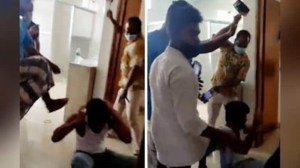
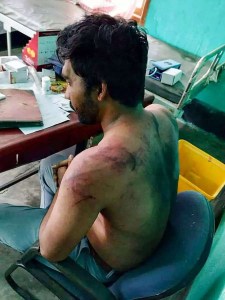
Guwahati: A doctor at a coronavirus facility in Assam was punched, kicked, and pounded with metal trash cans and bricks, by the relatives of a Covid patient who had died, allegedly due to oxygen shortage. Locals also assaulted the doctor who was then hospitalised.
Kerala: A police official allegedly attacked a doctor in the Alappuzha district. The official is accused of slapping Dr Rahul Mathew, who was working the night shift at the Mavelikkara district hospital, after the former’s mother, a COVID-19 patient, was brought dead to the hospitals. Doctors protest for the non-arrest.
And many more such cases went viral on social media. Assaults on doctors might not make it to the news daily, but take place every day.
What exactly did they do to get such treatment?
Grinded in high school, cracked NEET, spent 7-8 years working hard and studying in college, paid a hefty amount of fees to medical colleges or even took loans for their studies.
Who does that? Their fault, right?
Image source: Google | Image by: BusinessToday.In
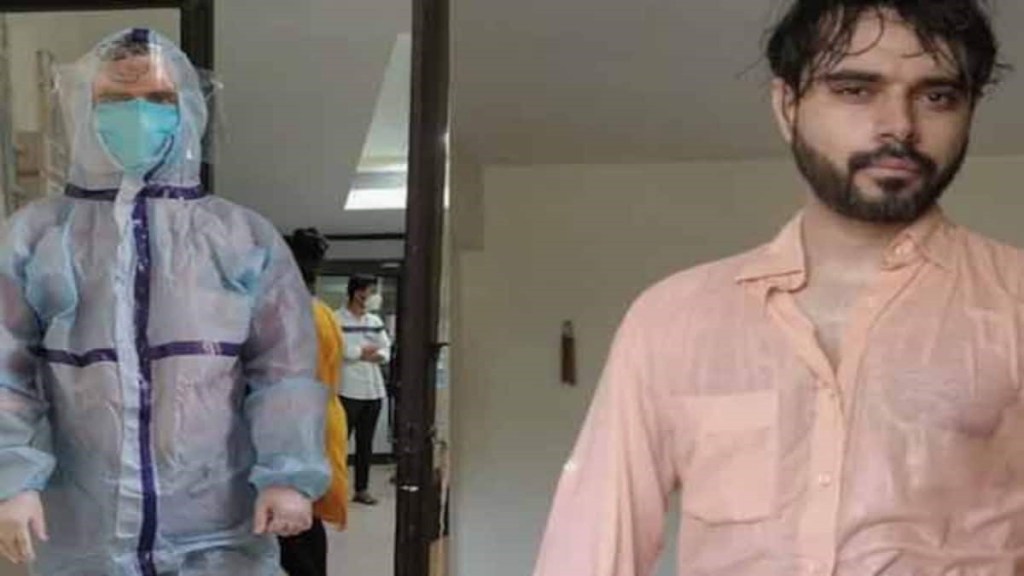
During COVID lockdown when most of us were busy making dalgona coffee and baking cakes, they were out there in scorching heat, wearing PPE kits dealing with patients. Burning the candle at both ends, forgetting they have a life of their own, forgetting they have a family waiting for them, isolating themselves from their own family members, in their own houses to protect their families from contracting the virus, more than 500 doctors died during COVID, trying to save our lives. But why, just to save us. Imagine how demoralising it is for them to get beaten up by the ones they’re working for.
What is the probable reason?
Lack of infrastructure
Manpower
Laws in place
Security arrangements
Lack of infrastructure
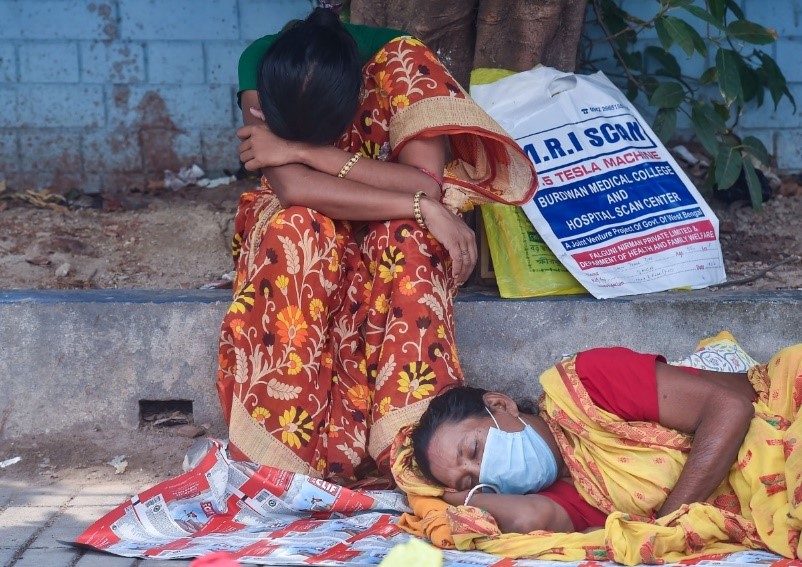
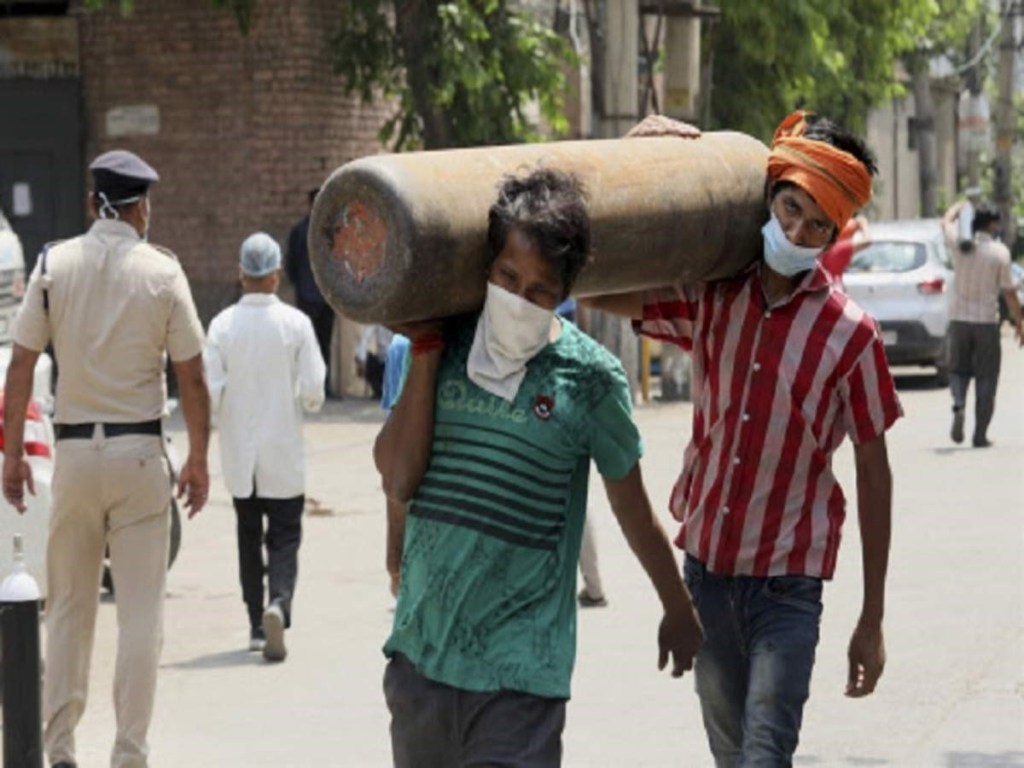
The shortfall of ICUs, no beds for patients, dearth of oxygen support, the inadequacy of medicines, caretakers bound to wait in long queues for medicines at dispensaries, patients gasping outside hospitals, black marketing of almost everything required for a person to recover, our health infrastructure was crippling.
Image source: Google | Image by: The Times Of India
Manpower
Along with the tools used to help fight COVID, there is a paucity of our warriors too. There should be at least one doctor per 1000 patients according to WHO, whereas in India there is one doctor who attends more than 1445 patients. Not just doctors, the suggested number of nurses per 1000 patients is at least 3, there are just 1.7 in India (43% less than WHO standards). This leads to overworking of doctors and medical staff ignoring their basic requirements like sleep and a proper diet.
Laws in place
Medicare Service Persons and Medicare Service Institutions (Prevention of Violence and Damage to Property) Act, also known as the Medical protection act is there in at least 19 states, which when breached can lead to an imprisonment of up to 3 years and a fine of INR 50,000. Damage to any medical devices and equipment is a punishable offence and offenders are liable to pay twice the amount of the damaged equipment’s cost.
The Act, however, fails to really protect doctors because it features neither in the Indian Penal Code (IPC) nor in the Code of Criminal Procedure (CrPC). This makes it difficult for victims to approach the police for help or the latter to file a complaint against suspects.
Security arrangements
Doctors are not politicians with scores of gunmen and bouncers around them, who will assure their safety? Due to lack of security at hospitals and clinics, doctors and other staff are the soft targets for unhappy relatives and agitated patients.
Stepping into doctor’s shoes
Imagine yourself as a teacher who fears being beaten up to death by parents for their child’s poor performance at a test, will you even be willing to teach anymore with the same zest. I don’t think so. Hospitals are understaffed, doctors are overworked, patients are overwhelmed.
But this isn’t the fault of our doctors. They are going an extra mile in order to save as many patients as they can, making 3 patients share a bed or switching oxygen support among patients, they have our best interest at heart.
Doctors are not supposed to be accountable for the paralyzed infrastructure, that is where the leaders we vote for come into play. They’re made to work for 15+ hours at a stretch that too in a harsh environment, in a place they no longer feel safe or comfortable in.
What do doctors want?
All they want is for the government to sit with them and consider their problems.
For a law to protect their lives so that they can continue with their duties towards the nation. The implementation of existing laws.
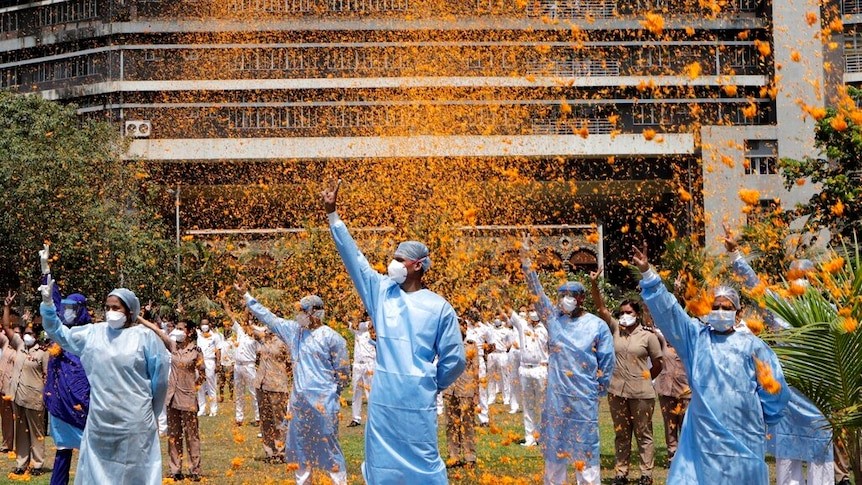
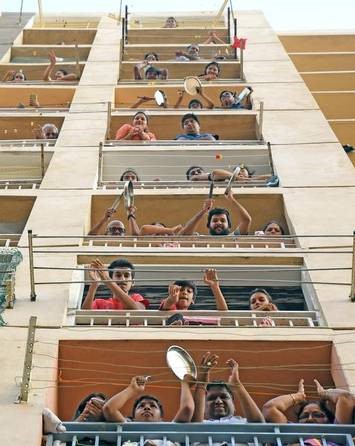
They don’t demand banging of thalis from our balconies or something like that in order to pay our respect, they didn’t ask for showering of flowers upon them for their service, all they’re asking for is to be able to practice in a safe environment where they’re worried for patients’ life, not scared of getting beaten up by sticks.
Image source: Google | Image by: Anjana Pasricha ( VoA)
We were always raised to believe doctors are God on land. Saving our life, giving us a new one at times, while risking their own. What they now want is not godly, but at least a humanly manner.
How can we help?
First and foremost, don’t be someone they need protection from. i.e. don’t be an assaulter.
Secondly, don’t ignore if you see someone being unfair toward them. Raise your voice, report if you see something like this.
A simple realisation that we can trust our doctors can do wonders.
Lastly, don’t forget they’re humans too. Thank them, pay your respect, or at least, just don’t be a jerk.
This Doctors day, I bet Dr Bidhan Chandra wouldn’t be proud of our country treating its doctors and medical staff like this.
Let’s all come together and promise that we’ll make the world a better place to live for our selfless human beings. We owe them.
Ending here with a salute to any doctor or an aspiring doctor reading this, and a sincere tribute to the warriors that lost their lives.
The presence of the doctor is the beginning of the core.Doctor’s day is celebrated on 1st july .It is an occasion to marked to pay tribute to the doctor and their contribution in the society .In india,it is celebrated in honour Dr. Bidhan Chandra Roy’s birth and death anniversary .
We heard about the one nation, one election system also known as simultaneous election that because there is a proposal to conduct the elections to the Lok Sabha and a State assemblies at the same time. The concept was introduced by our Prime Minister Narendra Modi in 2016. Due to the introduction there going an over all discussion about the topic of ” simultaneous election”.
One Step taken by the Law Commission submitted draft report to our government on 30 August 2018 , showing the proposal of the concept. It also suggested the changes to the Constitution and the electoral law for the simultaneous polls .
The idea of “One Nation, One Election” introduced a system where elections to all states and the Lok Sabha will have to be held simultaneously. This will involve the rebuilding of the Indian election cycle in a manner that elections to the states and the central integrate . This mean that the voters will cast their vote for electing members of the Lok Sabha and the state assemblies on a single day, at the same time .
In my opinion I don’t support the concept of The One Nation, One Election because the simultaneous election will erode our Constitution there will be weaken democracy and also obliterate regional parties . Yes some people support the concept because of the reduce vast costs involved in separate election but expenses can’t be an excuse for supporting the concept.
The PM has justified two points , Firstly that often conducting elections is a costly affair, and holding elections simultaneously will make them less expensive. Second, that “regularly” elections mean that the model code of conduct (MCC) is frequently in place, which assumedly prevents the government from focusing on the development activities of our country.
Parliamentary democracy is part of the basic structure of the Constitution, as is federalism. The most important feature of parliamentary democracy is that elected legislatures are dynasty, and that the government of the day is only lawful as long as it enjoys a majority in the legislature. In other words, parliamentary democracy is sustained by fixed term elections, regardless of how much they cost and regardless of whether these are in duet with other state elections or not.
It is unfair to the voters to wait for the government simply because the PM supported all elections will be held together our country is an democratic nation which have a vast population simultaneous election will be a threat to democracy and federalism.
The Constitution measure subjects on which the states alone are able to legislate or administer, without interference from the Centre. State governments do not function at the delight of the Union government but the proprietorship of the state legislature. If a state legislature fails to throw up a government, then the Constitution provides a simple solution to this instability — re-elections.
National and state issues are different, and simultaneous election will affect the decision and judgement of the voters where we believe election is the most important role of democracy.
Since elections will be held once in five years, it will reduce the government’s liability to the people. Repeated elections increases liability
One nation-one election will also mean the total destroy of regional parties , the more national parties than regional or hyperlocal parties and mean the destruction of India’s multi-party system in support of a unipolar electoral platform. The absence of regional parties will mean that regional concerns are left without a voice at the decision-making table.
To treat India’s diversity as somehow will severely damage federalism and parliamentary democracy. By choosing to sacrifice constitutional principles and danger position to our democracy system of India.
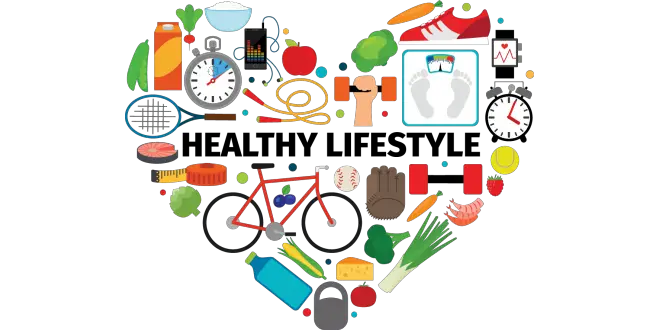
Overview What do you mean by Healthy Lifestyle? It is not just the good health of a person. A healthy lifestyle also includes a healthy routine, and healthy eating habits, etc. Good nutrition, daily exercise, and adequate sleep are the foundations of healthy living. A healthy lifestyle keeps you fit, energetic, and at reduced risk for disease. According to WHO, Healthy living is a way of living that helps you enjoy more aspects of your life. It is a way of living that lowers the risk of being seriously ill or dying early. Health is not just about avoiding a disease or illness. It is about physical, mental, and social well-being too. When you adopt a healthy lifestyle, you provide a more positive role model for other people in your family, particularly children. You will also create a better environment for them to grow up in. By helping them to follow a healthier lifestyle, you will contribute to their well-being and enjoyment of life now and in the future. Factors that affect your lifestyle on a regular basis Managing stress in positive ways, instead of through smoking or drinking alcohol, reduces wear, and tear on your body at the molecular level. For a longer and more comfortable life, you should adopt a healthy lifestyle. Following factors may affect your lifestyle on a regular basis: Eating It plays a vital role in your lifestyle. It is providing nutrients to the body so that it can help in cell growth and metabolism. You need to eat a varied diet to get essential nutrients in the form of protein, vitamins, carbohydrates, minerals, and fats. Consume lean meat such as chicken along with legumes, eggs, and nuts for healthy living. Also, a balanced diet is needed to maintain a good lifestyle which lies under eating habits. Not just eating healthy food but, drinking healthy liquids like juice, and green tea, etc. Exercise Your lifestyle should include exercise. It majorly contributes to maintaining a healthy lifestyle. Calories accompany the nutrition in food and if you don’t exercise, you’ll gain weight. Carrying extra weight increases your risk for heart disease, type 2 diabetes mellitus, and cancer. Your lifestyle should support a constant healthy weight for normal daily activity. You should always do muscle-strengthening exercises, such as weight lifting, along with aerobic exercises, such as walking or running. You should also include exercise, such as yoga to improve body flexibility. Sleeping Daily metabolism perpetuates the decline and rejuvenation of cellular tissue and the body’s self-repair takes place when you are asleep. Memory consolidation and appetite regulation also occur during this time of reduced physical activity. Seven to nine hours of night sleep daily is considered an optimum for most individuals for a healthy lifestyle. Reducing Stress Your body responds to everyday stress with a release of hormones that prepare you to react. Although some stress is inevitable and necessary, the excess can lead to various health problems. If you don’t relieve this excessively stressful state through relaxation, the effects build and can create muscular pain, headaches, sleep disturbances, and other symptoms. A lifestyle that includes regular stress management, breaks this cycle before it can progress to unhealthy levels.
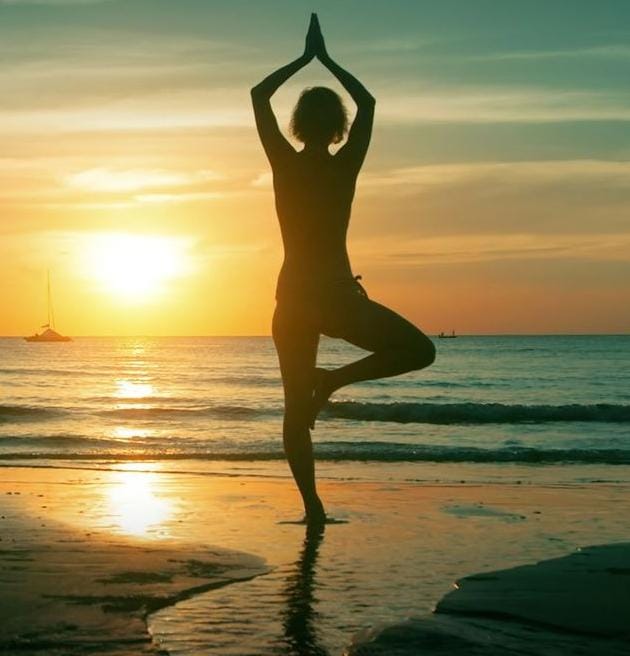
Yoga is derived from Sanskrit word ‘Yuj’ (verb) which means unite. Yog means union of individual soul with the absolute soul. It also means unification of physical, mental, intellectual and spiritual aspects of human being
Benefits of Yoga
Physical Purity :- There are three substance in our body i.e; vaat, pitt and kaph. If these three substance is in proper balance we may remain healthy. Neti, Dhoti, Nauli, Basti, Tratak etc. are some yogic exercise which keep internal organ of our body in clean state.
Reduces Mental Tension :- Prathyahar, Dharna and Dhyan plays important role for restoring peace of mind. Makarasana, Shavasana, Shalabhasana are benefical for releasing stress.
Spiritual Develpoment :- We can generate good control on our mind by doing regular exercises. Padmasana and Siddhasana are the best asana for spiritual development.
Increase Flexibility :- Flexibility plays a significant role in every ones life. Flexibility makes the body movement efficiently. Chakrasana, Dhanurasana, Halasana, Bhujangasana are beneficial for increasing flexibility.
Reduces Obesity :- Nowadays obesity is worldwide problem. Obese people may suffered from various diseases. Pranayama and meditative asana reduces obesity.
It is an attempts to alter system resources or affect their operation. It includes Modification of data, or creation of false data.
Four categories Masquerade Replay Modification of messages Denial of service
Masquerade : It takes place when one entity pretends to be a different entity. For example, authentication sequences can be captured and replayed after a valid authentication sequence has taken place, thus enabling an authorized entity with few privileges to obtain extra privileges by impersonating an entity that has those privileges.
Replay : Replay involves the passive capture of a data unit and its subsequent retransmission to produce an unauthorized effect.
Modification of Messages : Modification of messages simply means that some portion of a legitimate message is altered, or that messages are delayed or reordered, to produce an unauthorized effect.
Denial of Service : The denial of service prevents or inhibits the normal use or management of communications facilities. This attack may have a specific target; for example, an entity may suppress all messages directed to a particular destination (e.g., the security audit service). Another form of service denial is the disruption of an entire network, either by disabling the network or by overloading it with messages so as to degrade performance.
Passive Attacks
It attempts to learn or make use of information from the system but does not affect system resources. Passive attacks are in the nature of eavesdropping on, or monitoring of, transmissions. The goal of the opponent is to obtain information that is being transmitted.
Two types of passive attacks:
Release of Message Contents
Traffic Analysis
Release of Message Contents : A telephone conversation, an electronic mail message, and a transferred file may contain sensitive or confidential information. We would like to prevent an opponent from learning the contents of these transmissions.
Traffic Analysis : The opponent could determine the location and identity of communicating hosts and could observe the frequency and length of messages being exchanged. This information might be useful in guessing the nature of the communication that was taking place.
In India, Teachers’ Day is celebrated annually on September 5 to mark the birthday of the country’s former President, scholar, philosopher and Bharat Ratna awardee,Dr. Sarvepalli Radhakrishnan.
Dr. Sarvepalli Radhakrishnan who was born on this day in 1888.
World Teacher’s day celebration
World Teachers’ Day, also known as International Teachers Day, is an international day. Established in 1994, it commemorates the signing of the 1966 UNESCO/ILO Recommendation concerning the Status of Teachers, which is a standard-setting instrument that addresses the status and situations of teachers around the world.
This recommendation outlines standards relating to education personnel policy, recruitment, and initial training.World Teachers’ Day aims to focus on “appreciating, assessing and improving the educators of the world” and to provide an opportunity to consider issues related to teachers and teaching.
World Teachers’ Day 2020 will celebrate teachers with the theme ‘Teachers: leading in crisis, reimagining the future’. This theme reflects the commitment teachers have made as leaders particularly teaching throughout the coronavirus (COVID-19) pandemic, in a range of environments.
Wishing you joy and happiness, you are an amazing teacher, and you only deserve the best. The best teachers teach from the heart, not from the book. Thank you for all Teachers.
Best Teachers
You are the spark, the inspiration, the guide, the candle to my life. I am deeply thankful that you are my teacher. Books, sports, homework and knowledge, you are the pillar of our success and in the classroom, you are the best of all.
Significance of September 5
Teachers’ Day is celebrated on September 5, every year on the occasion of the birth anniversary of India’s second President, Dr. Sarvepalli Radhakrishnan.
Dr. Sarvepalli Radhakrishnan was ✓The first Vice President.
✓the second President of India.
Positive messages
✓“Let your unique awesomeness and positive energy inspire confidence in others.”
✓“Wherever you go, no matter what the weather, always bring your own sunshine.”
✓“If you want light to come into your life, you need to stand where it is shining.”
✓“Success is the sum of small efforts repeated day in and day out.”
Birsa movement named after Birsa Munda is one of the prominent 19th-century tribal rebellions in the subcontinent. It took place in the region south of Ranchi in 1899-1900. The Ulgulan or the great tumult sought to establish Munda Raj and independence.
Causes:
Economic causes- Mundas traditionally enjoyed the role of ‘Khuntkattidars’ or the original cleaners of the forest. With the coming of the non-tribals, the Mundas could see the erosion of this system. They started facing land alienation. The incidences of forced labor or Begar also increased.
Spread of Education- The spread of education through Christian missionaries made the tribals more organized and conscious of their rights. They became aware of how their culture was perceived by non-tribals.
Role of Birsa Munda- He played an important role in spreading awareness among the tribals and providing definite direction to the movement. He called upon the Mundas to fight against superstition, give up animal sacrifice, etc. He organized masses to stop paying debts to the moneylenders.
The course of the movement:
Birsa awakened the masses and sowed the seeds of revolt in them against the landlords as well as the Britishers. He formed two military units, one for military training and armed struggle and the other for propaganda. He traveled far and wide across villages giving discourses and building a politico-military organization.
The British fearing a conspiracy jailed Birsa for two years in 1895. The rebels attacked the police stations, officials, zamindars, and moneylenders. On 9th January 1900, the rebels were defeated and Birsa Munda was arrested and died in jail.
Result of the movement:
The struggle against the exploitation and discrimination of the tribals led to passing of the Chotanagpur Tenancy Act in 1908.
Chotanagpur Tenancy Act 1908 restricted the passing of land from the tribal people to non-tribals,recognised the ‘Khuntkatti rights’ and banned forced labour.
Hence , the Birsa Movement continues to remain one of the most significant revolt fought for the rights of the tribals.
• Long-term change in the average weather patterns that have come to define Earth’s local, regional and global climates. Frequent and intense drought. Increased frequency and intensity of storms and heat waves. Caused rising sea levels, melting of glaciers and warming of oceans. Directly harm flora and fauna, destroy the places they live, and wreak havoc on people’s livelihoods and communities.
Atlas of Glacial Lakes
• Ministry of Jal Shakti -updated atlas of glacial lakes that are part of the Ganga River basin.
• Similar inventory of glacial lakes was prepared for the Indus River basin.
• Present Ganga study – Glacial lakes were mapped using Resourcesat-2 (RS-2) Linear Imaging Self Scanning Sensor-IV (LISS-IV) satellite data.
• Process of lake formation, location, and type of damming material – glacial lakes are identified in nine different types & majorly grouped into four categories.
• Bhuvan portal of National Remote Sensing Centre, ISRO.
• Create “comprehensive and systematic” glacial lake database for Ganga River basin.
Ganga River
• Ganga rises in the Gangotri glacier -Uttarkashi district of Uttarakhand.
• Source -Bhagirathi.
At Devprayag joining another hill stream Alaknanda becomes Ganga.
• Principal tributaries from right – Yamuna, the Son and the Damodar.
• Principal tributaries from left -The Ramganga, the Ghaghra, the Gomati, the Gandak, the Kosi and the Mahananda. • The Chambal and the Betwa -important sub- tributaries.
• River Ganga -Uttarakhand, Uttar Pradesh, Bihar, Jharkhand, and West Bengal.
• River basin -Uttar Pradesh, Bihar, West Bengal, Madhya Pradesh, Rajasthan, Jharkhand, Haryana, Uttarakhand, Chhattisgarh, Himachal Pradesh and the Union Territory of Delhi.
Film certification and censorship in India Established the Central board for film certification Statutory body Under ministry of information and broadcasting Head quartered in Mumbai Members of the committee are appointed by the central government inc Chairman.
• Justice Mukul Mudgal, 2013 – To examine the issues of certification under the Cinematograph Act, 1952.
• Shri Shyam Benegal Committee in 2016
To evolve broad guidelines for film certification within the ambit of the Cinematograph Act and Rules.
• With that consultation the ministry has proposed to introduce the Cinematograph (Amendment) Bill, 2021.
• Up for public consultati
• Age-based categories:
‘Unrestricted public exhibition’ category is proposed to be amended Film category “U” – unrestricted public exhibition “A” – restricted to adult audiences “UA” – unrestricted public exhibition subject to parental guidance for children below the age of twelve “S” – Restricted to a special class of audience.
• Draft bill proposes to further sub-divide the existing UA category into age-based categories – U/A 7+, U/A 13+ and U/A 16+
• Amendment of sub-section (3) of section 5A – ‘Validity of certificate’
Act of 1952 – certificate issued by the CBFC is valid for 10 years Amendment – certificate will be valid in perpetuity.
• Adding sub-section(1) of section 6 – when the Central government received any complaints for violation of section 5B(1) on any film that is already certified by CBFC – in that case the Central government may ask the chairman of the CBFC to reconsider the certification.
• Film piracy – insertion of section 6AA:
Piracy rose 62% in India in the last week of March 2020 compared to the last week of February 2020 following the COVID lockdowns. Cinematograph Act, 1952 – No provision to check privacy Prohibits unauthorised recording Prescribes punishment – imprisonment for minimum of three months and maximum of three years, fines the individual with minimum of Rs 3 lakhs.
Criticism
• An attempt by union government o act as a “super censor” body. SC in K.M. Shankarappa vs Union of India, 2000 case – Union government cannot exercise revision powers on films that are already certified by the CBFC Despite the SC judgement, this is an attempt to add another layer to quell freedom of expression through films Government scraped the existence of Film Certificate Appellate Tribunal (FCAT) through an ordinance. (A body to hear appeals of film-makers against decisions of the CBFC)
Conclusion
A way to stifle free speech as expressed through films. And that is why this draft bill is being criticised
“Happiness is the meaning and the purpose of life, the whole aim and end of human existence.”
Aristotle
Aristotle said this more than 2,000 years ago. And it still holds true today. What is the true purpose of life, if not to live a happy life until we die?
Happiness is one of the most sought-after goals in life, yet for many it seems to be elusive. In reality, happiness is available to all of us, right now. A big house or a new car won’t actually make you happier; it’s the simple joys in life that bring true happiness. Read on to learn 10 simple ways that you can start living a happier life today.
1. Do What You Love If your passion is playing soccer, writing poems, or teaching children how to swim, make time to do it. You’ll find that when you’re doing what you love, you’re filled with joy. How much better does that sound than forcing yourself do something you don’t like?
2. Help Others Sometimes after we’ve achieved our own personal goals, we still feel empty inside because we haven’t made a meaningful contribution to someone else’s life. When we volunteer or help others, it feels good to just be of service to someone else. The impact we make feels fulfilling and is a big potential source for our own happiness.
3. Be Thankful When you think of all the things that you have to be grateful for, you realize how blessed you already are. Without even realizing it, we take our basic necessities for granted — a roof over your head and plenty of food to eat. By appreciating the things that you already have, you’ll begin to feel happier in your life.
4. Exercise When was the last time you went to the gym or worked out? Exercise reduces stress and releases endorphins, also known as a “runner’s high.” Playing sports is a fun way to exercise as well, whether it’s kicking around a soccer ball or shooting hoops.
5. Find Ways to Manage Stress Don’t let stress rob you of your birthright to be happy. You deserve to be happy, and it wouldn’t be right to let stress get in the way. Practices such as meditation can help you to manage stress better and feel great.
6. Eat Healthy It’s much more challenging to feel truly happy when you’re sick. But when you eat right, you feel better both physically and mentally. And you’ll avoid that guilty feeling that you just pigged out on junk food.
7. Spend Time With Your Loved Ones There’s no replacement for spending quality time with your loved ones. We’re social beings, even if you’re an introvert or a loner. People love spending time with their friends and family for good conversation, bonding, and some laughs. Life’s too short to live it completely alone.
8. Dump Negative Thinking You already know that negative thinking will bring you down. So how do you stop it? Become more aware of it and try replacing your negative thoughts with some positive ones. Spend less time with negative people and more time with positive people.
9. Take a Walk in Nature Spending time out in nature can be very refreshing and renewing, especially when you’re living in an artificial, manmade world. Taking a walk in your local woods or park and getting some fresh air can allow you to appreciate the beauty of the natural world.
10. Be Yourself As Steve Jobs said, “Your time is limited, so don’t waste it living someone else’s life.” Accept who you are, just be yourself, and you’ll feel a world of difference.
Well, actually, it’s both … the charm of hummingbirds is most certainly apropos and “a charm” of hummingbirds is actually factual! Yep, that’s right, the collective noun for these unique creatures – just like a gaggle of geese or a flock of birds, is a charm of hummingbirds. Since the definition of the noun ‘charm’ is “the power of giving delight or arousing admiration,” one doesn’t need to be a wordsmith to see how right that is. Hummingbirds are charming. And there are over 330 varieties of the species, Trochilidae, which is their biological family name and they’re found in the Western Hemisphere. When one sees a hummingbird, it’s a stunning, stop-in-your-tracks sight. Their brilliant throat color is actually a result of the iridescence in the arrangement of their feathers, not color pigment. Light level, moisture, angle of viewing and other factors all influence just how bright and colorful their throats may appear. Perhaps you’ve heard them, too – the name hummingbird comes from the buzzing sound of their fast-flapping wings.Hummers are migrant birds, so although many stay close to the Equator, lots of varieties travel this time of year, so there may be a ‘charm’ coming to your backyard soon. If you have the desire to see one up close or are curious about how to attract them to your yard, the folks at Cole’s Wild Bird Feed Co have got you covered. First, they figured out the engineering of an elegant, deceptively simple, easy-to-use (and easy-to-clean!) feeder. The patented Hummer High Rise has a clever design that offers a stress-free position for your charming guests to get their fill, a fantastic 360-degree vista, all the while keeping other unwanted creatures at bay.For example there’s an ant moat that stops the armies of industrious workers who’d love to get some sweet nectar, from beating a path to the liquid food. The genius is, it’s an actual moat, with nothing but H2O keeping the ants at bay, so while it does its job, it doesn’t do harm. Nice! A charm magnet. The second definition for the noun ‘charm’ is a small ornament worn on a necklace or bracelet. Hummingbirds weigh on average the same as a nickel, so while you’ll want to wear a replica from the jewelers, Hummers can be your own garden’s jewelry all season long.And in return for their arousing your admiration, they’ll feed on those annoying garden insects and pests. For their small size, hummers eat a lot. They are voracious eaters, feeding on mosquitos, gnats, spiders, aphids and other six-legged creepy crawlers. But, besides pests for protein, their primary ‘food group’ is nectar, which they get in by flitting from flower to flower and using their long beaks and equally long tongues to get their fill. All that flitting is exhausting!Since hummingbirds drink up to half their body weight a day of nectar you can help them out by keeping your High Rise fully stocked, for a one-stop fill of their favorite nectar treat.Let’s not leave out the definition of the verb, “charm,” which is to “delight greatly.” If you want these Disney-esque caricatures to delight you on a regular basis with their wonder – and bring their distinctive song to your yard – there is something you can buy: the creme-de la creme of what these charmers crave: Nature’s Garden from Cole’s.By identifying and harnessing the nutrients of the hummer’s favorite wildflowers, and tapping their vast store of wild bird knowhow, Cole’s has created the next-best-thing to actual flower nectar – a proprietary formula that’s far and away a cut above your ‘garden-variety’ sugar water. Nature’s Garden is a healthy, all-natural alternative to homemade syrup, no mixing and no boiling required. It comes in an eco-friendly soft pouch; just shake and pour. You’ll be delighted with how easy it is to keep your hummer feeder filled and overjoyed at seeing hummers frequent your yard. Your neighborhood hummingbirds will love it, so they’ll keep coming back.A brief postscript: a natural predator to the hummingbird is the praying mantis. Despite their equally small size and saintly appearance, they feed on our fascinating feathered friends and are a real threat (and a protected species), so if you find a mantis hanging around your High Rise, take care to evict it gently, to a lower piece of real estate and keep hummers safe.











 Eduindex
You must be logged in to post a comment.