Video Game crash of 1983

In 1983 the video games industry was hit with a recession that almost ended the existence of video games of that time period. This period lasted for almost two years from 1983 to 1985. Many people and journalists who were critical were calling video gaming a fad. Numerous companies went bankrupt or stopped making video games entirely. This recession is known as the Great North American Video Game Crash or Atari Shock (Primarily in Japan).

Video games in the 1970s were dominated by arcade machines and by the end of the decade home game consoles were also getting popular. With the start of the 1980s, the video gaming industry witnessed a boom with numerous companies like Mattel, Atari, and Coleco dominating the market. The early 80s was a time of innovation and growth in the video game industry but there was instability in the industry as well. This was a time period when video games were becoming more mainstream and popular. Many new players entered the market ranging from industries to small developers that had no association or prior experience in game development in general.

Pacman was a big hit in the early 80s and it was not of the most popular video games in the arcades. Its successor Miss. Pacman improved on the formula and was a success as well. After the success of Pacman in the arcades, Atari wanted to replicate the success in the home game consoles. But with the limited constraints with the memory and short development period, the game was not well received by the consumers and critics alike. In 1982 Atari also brought the license to release the video game of the movie for 21 million. The game was developed in a time period of only 5 weeks. The game was negatively received and only 1 million copies of the game were sold off the 5 million manufactured. Many of the sales were also returned to the retailers furthering the damage. During this period video games were being published by small developers with very poor quality and many big developers were producing games that were more of a marketing token than the game. There were many clones of the same games with little to no redeeming quality and replayability. There were also numerous consoles unlike today with too many options that were no different from one another. With the abundance of supply and low sales of games, retailers started to remove stocks of video games and this led to the shrinking of the industry. Atari had lost $500 Million in 1983 and had to cut its workforce from 10,000 employees to just 400 employees.

During the 1980s there was a boom in the Personal Computers market as well. The PCs were much more powerful than consoles and they could play games and do many tasks like word processing and spreadsheets. The PC industry was unaffected by this low point of video game consoles.

In 1985 Nintendo Corporation launched the Nintendo Entertainment systems in North America and Nintendo ensured that only a limited number of games to be released under their license agreement. This ensured a certain threshold of quality for the games that were released for the system and Nintendo emerged out of the survivor from the video game crash. The Nintendo Corporation started to dominate the video game industry with an assurance of quality that was unmatched by any other corporation at that time. Many other entrants like SEGA also emerged after the crash. Nintendo with its approach and license and quality assurance of video games has left a big impact on the industry to this date. Video games industry has only grown since then and also overtaken other source of entertainment. Nintendo can be credited to provide the industry a trajectory that was severely needed after the crash of 83.

References:
A UNIQUE FASHION ; for a Safe environment!

India consists a total population of 139.978 crore individuals and cloths being the most basic necessity of a person to recite on this planet is produced in hundreds and thousands of square metres regularly. Over this, Increasing modern and western culture in the country has boosted up the demands and production of these Industries at a huge percentage. Wishing to have a good appearance is a very usual part of human Psychology. For which, wearing good clothes plays an important role. Majorly, teenagers and youth are the ones’ who tend to follow the trends, look attractive, maintain their social status high which is often judged by how Fancy / cool / branded one’s clothes are and not only them but even elders are seemed to be changing and adapting these notions. Celebrities and fashion bloggers are currently one of the most influential people on social media. India is expected to have 34.33% share of youth in total population by 2020. Thus, clearly desire for fashion and numerous clothing apparels of each person is rapidly rising. In such case, Butobviously tones of material is used everyday and production process of anything is incomplete without Waste Discardation. Previously, population was less, needs were lesser and technology amd productions were limited. However, now with too much demand and availability of all the materials production processes have reached a high pace of resultant hazardous and non- biodegradable waste. Large manufacturers can also recycle these wastes up to a very limited extent only and most of the waste acts as a contribution to landfills which are tragically harmful for environment in present and for several upcoming years.

Image source

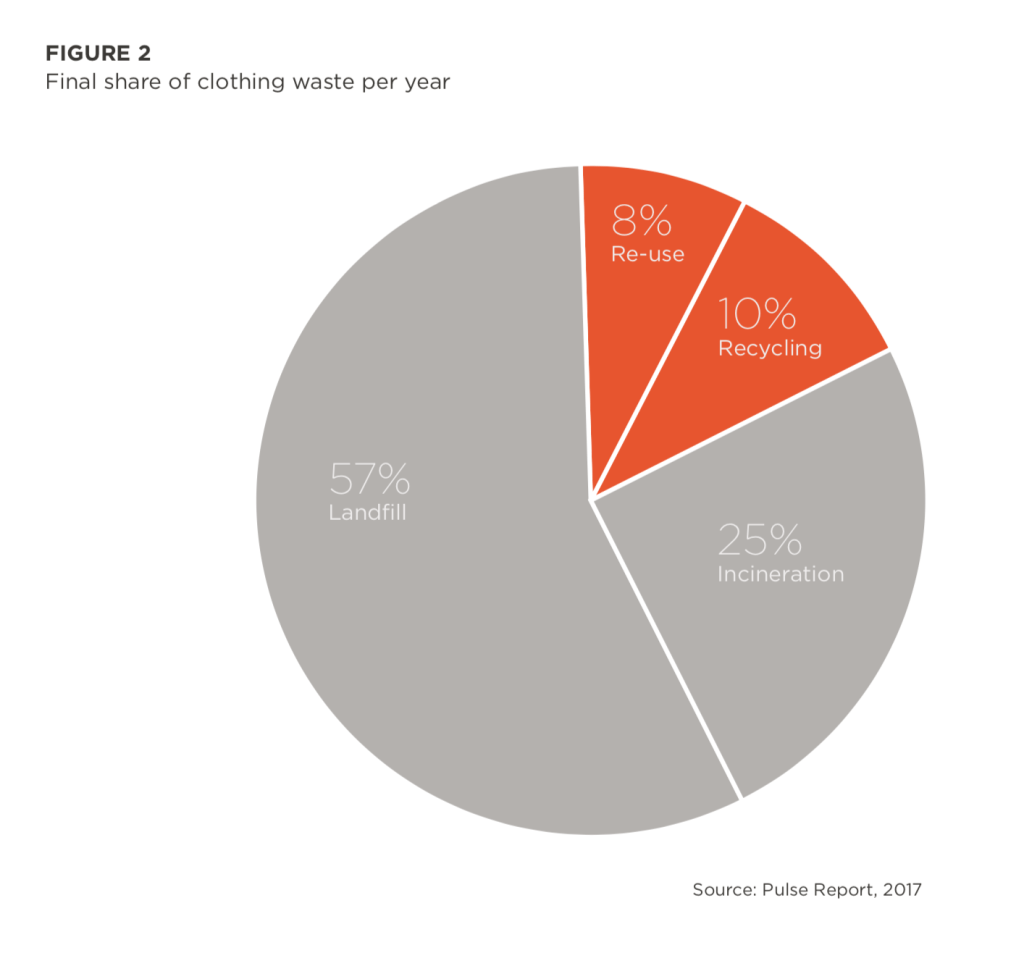
As per the Indian Textile journal – 2011, the study mentions that more than 1 million tonne textiles are disposed every year based on estimates, with most of this coming from household sources. But, as we have heard ” Where there’s a will, there’s a way”.

A DOOR TO SOLUTION.

Back in 2012, Kriti Tula after completing her Masters degree in design management from London College of Fashion, studied and analysed a lot over wastage created by fashion industry on a regular basis. She saw that a study cites that approximately 16.36% of fabric is wasted from the total material intake during the process of cutting, 6.37% of it is wasted in the stitching process and approximately .09% goes out in quality check. According to calculations last done in 2010, in an optimistic scenario, about 40 billion square meters of leftover fabrics and scraps are created every year.
“As a kid raised in the 90’s in India, upcycling was a deeply rooted tradition in most middle and upper-middle class families. Every garment was cherished and every piece lasted more than we hoped. We were simply not so wasteful and everything was less disposable as everyone had much lesser money to spend. It was a good time for earth.” – Kriti Tula, Co-Founder and Creative director Doodlage. So as to live a dream of doing something to sort these problems in a beautiful manner while, trying to return the Environment it’s happiness again, There she ended up finding the concept of producing and selling sustainable and up-cycled garments from the waste collected by other textile Or fashion industries, which gave a birth to her label “DOODLAGE” Settled in New Delhi, India

Image source
Image source

THE IDEA BEHIND.

The aim of Doodlage is to create a sustainable clothing brand, which is an initiative towards protecting the earth from non biodegradable fabric waste and simultaneously fits as per the choices of today’s generation. Each and every attire here is not just eco-friendly but is also very precisely designed and processed. Outfits are all made from scrap, used and leftover materials yet are absolutely stunning, comfortable, cool and highly fashionable in appearance. In 2016, Doodlage collection was also recognised by LAKME FASHION WEEK and they are present in over 40 stores in the country. Kriti got the idea while interning with mass producing brands and export houses. She said “After graduating from Pearl in 2010, I worked with a number of export houses and noticed a lot of fabric was getting wasted at every level of production – cutting, stitching and piece rejection. I knew that I wanted to work on something that already exists and supports a circular economy.” According to her, recycling or up- cycling the products and making the best use of them even if it’s from scrap is what can be called an essential part of lifestyle.

In addition to that, she says art is easy to replicate but doodles are not.
“Every doodle is one of a kind. Similarly every piece at Doodlage is one of a kind”.

The brand started at a time where nobody even understood the terms like ‘ethical fashion’. They believe, the reason for its sucess is the Good quality of products. The story doesn’t ends here ; Because the biggest motive of the label was to convert the left over fabric wastes of the industry or the other companies into usable apparels, they even came up with an idea to prevent the wastage of cut outs produced within processing of their own garments by shredding them to create new fabrics and use them as materials for making bags and furnishings. Team of Doodlage for sure is a great inspiration for fashion industry today and in future.

Neuralink – connecting the human brain to technology

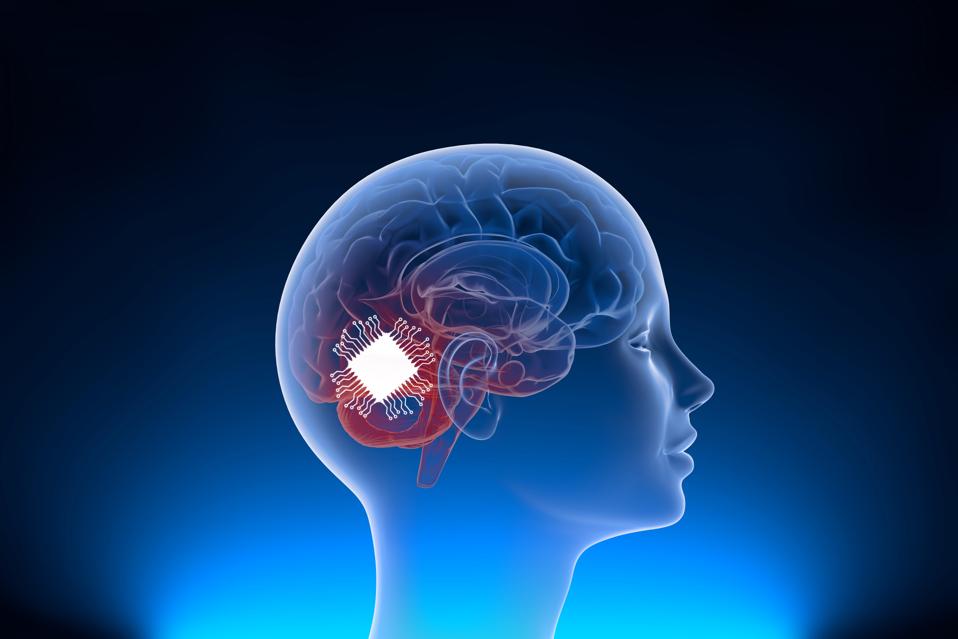
Neuralink is a controversial chip that binds together humankind with artificial intelligence. Surgically implanted into one’s brain, it can connect the brain to technology by reading neuron signals. This means that people can operate their phones and computers directly with their brain. The chip also gives one access to all public knowledge in the world. Designed for people with brain disorders and other medical problems, the chip can help cure neurological conditions like Alzheimer’s, dementia and spinal cord injuries.

At first glance, it seems like this is the technology of the future, giving paralysed people the platform to easily carry out the same actions as the non-paralysed. However, the chip also gives rise to a few practical and ethical problems. Even if it assured to be safe by experts, there is still a chance that it could potentially be dangerous for certain bodies, something which no one can fully predict. Furthermore, another factor to consider is that the chip may only be accessible to those with money, which can be unfair to those who are mentally disadvantaged and do not have the means to pay.

A representation of the peak of the technological world, this tiny device may be the key to curing major medical problems, but its success is yet to be determined.

GLOBAL WARMING

“Global warming is a term that refers to a steady rise in the average temperature of the Earth’s atmosphere and oceans, a phenomenon that is thought to be irreversibly altering the Earth’s climate.”
The increase in the average global temperature of the Earth is used to measure global warming. Some sections of the Earth may become colder as our average global temperature rises, while others may become warmer—hence the concept of average global temperature. Atmospheric heating and agitation induced by greenhouse gases increase the unpredictability of weather and climate, as well as the severity, scale, and frequency of storms, droughts, wildfires, and severe temperatures. The gases in the atmosphere that absorb and release heat radiation include water vapour, carbon dioxide, methane, nitrous oxide, and ozone. Increasing or lowering the amount of greenhouse gases in the atmosphere causes the sun’s heat to be trapped or released more.

Causes of global warming:

Fossil fuel combustion: CO2 pollution is released into the atmosphere when fossil fuels such as coal and gas are burned to generate energy or power our cars. Burning coal, oil, and gas produces carbon dioxide, the most major greenhouse gas in the atmosphere, as well as nitrous oxide, which is certainly the initial source of global warming.

Deforestation: Forest exploitation is a significant contributor to global warming. By absorbing CO2 from the atmosphere, trees aid in climate regulation. When trees are cut down, the carbon contained in them is released into the atmosphere, negating the positive effect. Forests and wilderness serve as carbon sinks, helping to keep global warming below 1.5 degrees Celsius. Humans, on the other hand, clear enormous swaths of land for farming, urban and infrastructural development, and the sale of tree products like lumber and palm oil all over the world. When vegetation is cut down or burned, the stored carbon is released as CO2, contributing to global warming.

Farming & Agriculture: Methane is a greenhouse gas produced by livestock, such as sheep and cattle. The amount of methane created by livestock grazing on a vast scale, such as in Australia, contributes significantly to global warming. Intensive farming, which includes not just ever-increasing livestock but also plant protection products and fertilizers, is another contributor to global warming. When cattle and sheep digest their food, they produce enormous volumes of methane, whereas fertilizers emit nitrous oxide.

Mining: The mining and metallurgical industries are vital to modern living. Metals and minerals are the raw materials that are used to create, transport, and manufacture items. This market accounts for 5% of all greenhouse gas emissions from extraction to distribution. Decarbonization initiatives across industries may result in significant shifts in commodity demand for the mining industry. Governments, investors, and society will put pressure on the mining sector, which is responsible for 4 to 7% of global greenhouse gas (GHG) emissions, to reduce emissions.

Eruption of a Volcano: When volcanoes erupt, they release large amounts of carbon dioxide. Volcanoes have a minor impact on global warming, and eruptions result in short-term global cooling because ash in the air reflects more solar energy. Volcanic eruptions release gases and dust particles into the atmosphere, which have an impact on the climate. The majority of the particles ejected by volcanoes cool the earth by shielding it from the sun’s rays. Depending on the features of the eruption, the cooling impact can continue anywhere from months to years.

A COMPUTER WILL NEVER REPLACE A BOOK

In this digital era we always use an electronic device like computer for getting our works done but coming to the taste of experience a computer will never replace a book. There might be several reasons to say that computer is best than a book but for sure what ever the epic information that we see today in a computer was written in a book priorly. A good book in the words of John Milton is the precious lifeblood of a master spirit, embalmed and treasured up to a purpose of life.

The thoughts and ideas contained in a book are immortal like tulasidas’s Rama Charitra Manas, Veda Vyas Mahabaratha, The Bible and many other religious literary works like shakespere’s play etc… On the other hand, a computer is a machine that can visualize the contents of a specific book but thinking about the replacement of a book by a computer is unthinkable and far fetched.

A book provides the most cost effective for spreading education and literacy. It is available at a fraction of the cost of a computer. Moreover it is extremely portable and handy, it is not dependent on any external factors like availability of power supply, software and space which are essential prerequisites for a computer. To go through the contents of a book, the two basic ingredients required are time and inclination. It can be read at any time of day or night and anywhere, like while travelling or even while dozing off to sleep.

Though the above mentioned all phases can be full filled by an electronic gadget also reading a book does not create any physical discomfort or eye strain. We all are aware of the hazards of back pain and eye strain caused by a long stretch of viewing a computer screen. Another factor in favor of the book is the general high degree of respectability and faith commended by the written word. Thus while we may see or hear event on our computer terminal, there is nothing better than to confirm the same from a newspaper or a book. Besides helping in spreading education to masses, a plays an important role in developing our power of expression, and the generation of new ideas and thoughts, which help in modelling our personality .

A book is a source of knowledge on a particular subject, offering no diversion or distraction while a computer offers multiple sources like reading, entertainment, games or news on one go along with several advertisements which some times leads to the distraction of our mind and consequently hinders the acquisition of knowledge.

Thus the computer can never replace a book either now or in the near future, this is for the conviction and convenience offered by a book and it can never be possible through a computer. Moreover being a machine it has chance to break down or show an error, these factors are non-existent while reading a book.

Tall girl short boy can still be couple

Love is the most profound emotion known to Humans but still society has its own definition of beauty standard and if you don’t fit in that than you cant be perfect couple.

Well some examples are tall girl and short boy, older women and younger Men these are some beauty standards made by our society but if we think who is society society is made by us only, I think size, age should not be defining your definition of us if two people love each other they never think about it because love is irrespective of this and these are just stereotypes made by society and we have to improve this we have to accept the love weather its Love if young men and older women or love of bisexual.

love is love start valuing it irrespective of all bullshits. Accept flaws and move on. Love person not looks, age and other things.

Cyber Bullying

What is Cyber Bullying?

When a young person uses the Internet or technology to harass, threaten, embarrass, or target another person, this person is called a cyberbullying. Typically, cyberbullying involves tweens and teens; but it’s not uncommon for adults to experience cyberbullying and public shaming as well. Even if someone deletes a mean post, chances are it’s still available in some form such as in a screenshot or a shared text message. Worse yet, those targeted by cyberbullies often don’t know who is bullying them, so they often have no way to bring it to an end.

Impact of Cyberbullying

If your child is being targeted by cyberbullying, it’s important that you work with them to report the cyberbullying and do everything you can to get the victimization to stop. Additionally, you should talk to their pediatrician or a mental health professional about what your child is experiencing. Expecting your child to cope with the cyberbullying on their own is not realistic. Cyberbullying also can lead to increasing levels of anxiety and depression. One study found that as many as 93% of kids victimized by cyberbullies reported feelings of sadness, hopelessness, and powerlessness.

Coping with Cyberbullying

  • Encourage your child to reclaim control. Cyberbullying can make teens feel like their lives are out of control. For this reason, you want to give them opportunities where they feel like they have some control. One way to do this is to encourage your child to use what they have experienced and turn it into something good like helping others going through the same thing.
  • Focus on learning from the experience. Whether your child needs a boost to their self-esteem or they need to learn to think positively, help your child identify what they can learn from this experience. You also can help them reframe their experience and focus on the good that has come from it rather than the pain that it caused.

The rivers in the rainy season.

The monsoon rain is believed to be a blessing as well as a curse. When the rain comes down in sufficient quantity, it is a blessing for us after the scorching heat of summer and also for the farmers because the crops grow in abundance. After the dry summer spell the rivers fill up. Fed by the monsoon rain the rivers become furious in size and volume in the rainy season. At that time water runs down from hills and mountains and strong currents overflow the banks of the rivers. Sometimes crops are washed away by flood water on both sides of the river. When the flood becomes more furious, some domestic animals are drowned. The roads and national highways are inundated, and people become homeless. They are bound to starve for a number of days. The whole system of economy of the rural areas as well as urban areas is miserably hampered by the floods in the rivers. The heavy rains in the highland regions cause soil erosion. The rainwater gushes down bringing with it all the top soil and plants. This makes the river water very muddy. Sometimes big trees are uprooted and they too flow down the river.

So, to control floods dams are erected on some of the rivers to check such devastating floods. When the volume of water is controlled through dams, flood is stopped, and it causes good harvest by the useful use of the river water. Thus, sometimes the rivers become a curse and sometimes a boon in the rainy season.

So we always hope for moderate but sufficient rainfall so that the rivers in the rainy season remain manageable.

Delhi- The most polluted city of the world

Among the most polluted cities of the world, Delhi enjoys the dubious distinction of topping the list.

It is not only the most polluted city in India, but the whole world. The reason are quite obvious. Delhi has developed and expanded phenomenally at the great extend. With the ever increasing population, the number of vehicles plying on the road has also multiplies manifold. Growing number of industries, and infrastructure are emitting poisonous gases is another contributory factor for air pollution and environment degradation. The discharge of chemical waste into the Yamuna has polluted the water of the river. It is now unfit even for animals.

Main causes of air pollution in Delhi:-

Pollution caused by the traffic menace in Delhi is another reason contributing to this air pollution and smog. The air quality index has reached ‘severe’ levels. Vehicular emission is increasing the hazardous effects of air pollution and smog. The Central Pollution Control Board (CPCB) and the National Environmental Engineering Research Institute (NEERI) have declared vehicular emission as a major contributor to Delhi’s increasing air pollution.

As the winter season sets in, dust particles and pollutants in the air become unable to move. Due to stagnant winds, these pollutants get locked in the air and affect weather conditions, resulting in smog.

Another reason of air-pollution is over-population in the capital. Over-population only adds up to the various types of pollution, whether it is air pollution or noise pollution.

Investing less on public infrastructure is another reason of air pollution. In India, investment in public transport and infrastructure is low which leads to congested roads, and hence air pollution.

Large scale construction in Delhi-NCR is another culprit that is increasing dust and pollution in the air. Considering the dipping air quality, a number of construction sites have stalled work, as directed by the Delhi Government.

Industrial pollution and garbage dumps are also increasing air pollution and building-up smog in the air.

Despite the ban on cracker sales, firecrackers were a common sight this Diwali. It may not be the top reason for this smog, but it definitely contributed to its build up.

So, to decline the pollution immediate steps should be taken to check carbonisation. Tree- plantation and preservation should be given top priority. Mass public awareness has to be built. Only then we can control the demon of pollution.

Why People Are So Much Into BlAcK!

silhouette of forest during nighttime

Authoritative and powerful, the colour black can evoke strong emotions and an excessive amount of black are often overwhelming. Black is related to power, fear, mystery, strength, authority, elegance, formality, death, evil, and aggression, authority, rebellion, and class .
Black is everything combined into one. All of these colors, blue, red, yellow, green, etc. They’re combined to be black.
people who choose black as their favorite color are often artistic and sensitive. they are doing not share their life details easily with others. Sometimes people hide their kidish-self behind black colour. It gives them a way of security and authority within themselves.

Possibly,Chimpanzees have black hair on their body (both male and female), and if any animal is healthy, it’ll have many shiny hair. Since we evolved from chimpanzees, we subconsciously think that the opposite person (wearing the black clothes) is healthy, so when an lady gender wears it, we like it . Because who won’t sort of a healthy partner.

Black is taken into account as a sober and stubborn color. people that follow blackfashion are the people that know what they need in life and their life goal is extremely clear to them. The people hardly stray and that they wish to be observed by others this manner .
Black gives a mature but younger look. It helps to cover wearer’s body flaws. It also helps to cover garments flaws as black color always looks clean. If even, unfortunately, you bought a mark on your favorite piece of black clothing, still it’ll look clean.

Little Ice Age

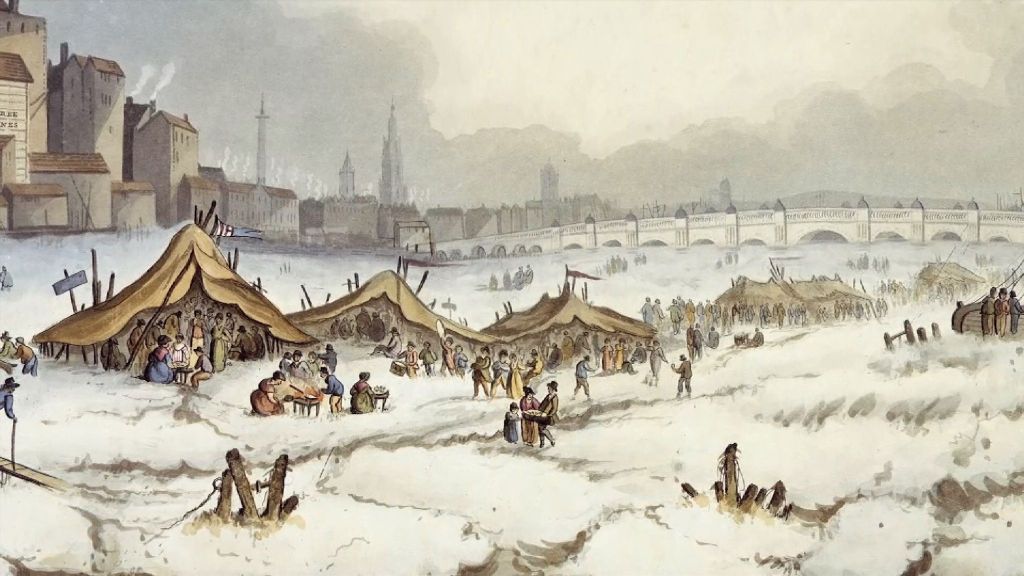
Little Ice Age (LIA), climate interval that occurred from the early 14th century through the mid-19th century, when mountain glaciers expanded at several locations, including the European Alps, New Zealand, Alaska, and the southern Andes, and mean annual temperatures across the Northern Hemisphere declined by 0.6 °C (1.1 °F) relative to the average temperature between 1000 and 2000 CE. The term Little Ice Age was introduced to the scientific literature by Dutch-born American geologist F.E. Matthes in 1939. Originally the phrase was used to refer to Earth’s most recent 4,000-year period of mountain-glacier expansion and retreat. Today some scientists use it to distinguish only the period 1500–1850, when mountain glaciers expanded to their greatest extent, but the phrase is more commonly applied to the broader period 1300–1850. The Little Ice Age followed the Medieval Warming Period (roughly 900–1300 CE) and preceded the present period of warming that began in the late 19th and early 20th centuries.

Geographic extent

Information obtained from “proxy records” (indirect records of ancient climatic conditions, such as ice cores, cores of lake sediment and coral, and annual growth rings in trees) as well as historical documents dating to the Little Ice Age period indicate that cooler conditions appeared in some regions, but, at the same time, warmer or stable conditions occurred in others. For instance, proxy records collected from western Greenland, Scandinavia, the British Isles, and western North America point to several cool episodes, lasting several decades each, when temperatures dropped 1 to 2 °C (1.8 to 3.6 °F) below the thousand-year averages for those areas. However, these regional temperature declines rarely occurred at the same time. Cooler episodes also materialized in the Southern Hemisphere, initiating the advance of glaciers in Patagonia and New Zealand, but these episodes did not coincide with those occurring in the Northern Hemisphere. Meanwhile, temperatures of other regions of the world, such as eastern China and the Andes, remained relatively stable during the Little Ice Age.

Still other regions experienced extended periods of drought, increased precipitation, or extreme swings in moisture. Many areas of northern Europe, for instance, were subjected to several years of long winters and short, wet summers, whereas parts of southern Europe endured droughts and season-long periods of heavy rainfall. Evidence also exists of multiyear droughts in equatorial Africa and Central and South Asia during the Little Ice Age.

Effects on civilization

The Little Ice Age is best known for its effects in Europe and the North Atlantic region. Alpine glaciers advanced far below their previous (and present) limits, obliterating farms, churches, and villages in Switzerland, France, and elsewhere. Frequent cold winters and cool, wet summers led to crop failures and famines over much of northern and central Europe. In addition, the North Atlantic cod fisheries declined as ocean temperatures fell in the 17th century.

During the early 15th century, as pack ice and storminess increased in the North Atlantic, Norse colonies in Greenland were cut off from the rest of Norse civilization; the western colony of Greenland collapsed through starvation, and the eastern colony was abandoned. Iceland became increasingly isolated from Scandinavia when the southern limit of sea ice expanded to encapsulate the island and locked it in ice for longer and longer periods during the year. Sea ice grew from zero average coverage before the year 1200 to eight weeks in the 13th century and 40 weeks in the 19th century.

In North America between 1250 and 1500, the Native American cultures of the upper Mississippi valley and the western prairies began a general decline as drier conditions set in, accompanied by a transfer from agriculture to hunting. Over the same period in Japan, glaciers advanced, the mean winter temperature dropped 3.5 °C (6.3 °F), and summers were marked by excessive rains and bad harvests.

Causes

The cause of the Little Ice Age is not known for certain; however, climatologists contend that reduced solar output, changes in atmospheric circulation, and explosive volcanism may have played roles in bringing about and extending the phenomenon.

Increased volcanism

Cool conditions in different regions during the Little Ice Age may have been influenced by explosive volcanic eruptions, such as the eruptions of Laki in Iceland in 1783 and Tambora on Sumbawa Island in 1815. Explosive eruptions propel gases and ash into the stratosphere, where they reflect incoming solar radiation. Consequently, they have been linked to conditions of lower average temperature around the world that may last a few years. Some scientists hypothesize that such volcanic activity may strengthen and extend the negative phase of the NAO, thus bringing on cooler conditions in northern Europe. Other scientists, however, argue that explosive eruptions may be linked to warmer winter conditions across northern Europe.

The other side of pandemic

This pandemic has proven dangerous to human breed, in the past two years the humankind has experienced a lot of negativities and we still are. When, a year passed into the pandemic people were like better days be coming. its just a phase, it will pass and we all will be back to normal but, somehow the flashing headlines on TV which are now forecasting third wave is making things complicated for many. Currently, every single person is been affected by the ongoing pandemic it can be in the form of financial loss or even the loss of mental health. During this whole time no matter how much, we try to get detached from that unusual feeling which can look like boredom, constant pressure and stressing about future or present or not trying to make efforts we often end up thinking about the same whole day.


This is the influence of a global pandemic. Just like social media can influence a person in a good or bad way same goes with the ongoing situation. We are experiencing some unusual changes in our daily life many people have updated their habits healthy eating, meditation, yoga etc. reason can be that they have observed that health is important than anything else on the other hand there must be people who used to be happy and cheerful can be sitting alone in the house, not in contact of any close friend and depressed. We can not say its totally normal because adapting to few things is still a difficult task just like taking online classes can be normal but, not when they are imposed permanently and there is no other option left Afterall we have to get our degree. Many people among us must be thinking that they are missing out so much by just sitting home and yes we are. Every age group is missing out on something or the other and also wondering how different I was two years back or how I was enjoying so much two years back. But, we should all be thankful and grateful for what we have right now. Yes we cannot go out and have fun but, at least we are able to afford the basic necessities of life, we are safe in our houses, we have family and friends. as there are people who are suffering right now who are in the worst situation.


We live on hope, it is what keep us alive and motivate us to keep going. As humans we are still hopeful for better days to come, things will be in better condition. The important thing is to learn our lesson and keep looking forward instead of stressing on past, present or future facing the current situation and accept things the way they are but, not forgetting to improve ourselves be it personally, professionally, mentally, emotionally or physical. Focusing on the positive aspect of life is the main aim, it will not only save you from negativity that can spread but, it will surely strengthen us inside.

10 Best Places to visit in Manali

Manali is a resort and tourism town in the Himachal Pradesh highlands of India. It is located in the Kullu Valley, which is created by the Beas River.

Some places you must visit if you are visiting Manali are –

Hadimba Temple

This historic temple, also known as Hidimba Devi Temple and Dhungari Temple, was built by Maharaja Bahadur Singh in 1553. The temple is devoted to Hidimba Devi, Bheema’s wife, as the name suggests. On the grounds, there is another temple dedicated to Hidimba Devi’s son Ghatotkacha.

Solong Valley

Manali is only a short drive away from Solang Nala. It’s a sanctuary for adventure and sports enthusiasts, and you can test your abilities on a pair of skis or go on a snowmobile adventure while you’re here. People come here to do zorbing and paragliding when the weather warms up. You may also take a cable car ride to see breathtaking views of the Himalayas. Winter is the greatest season to visit if you want to participate in snow-based activities and sports, while summer is excellent for other adventure sports.

Hampta Pass

The Hampta Pass walk offers spectacular views of the Kullu Valley and the Lahaul Valley. The trek’s main feature is Chandratal Lake, which is located along the way. The pass is located at an elevation of nearly 4000 meters in the Pir Panjal Range, and the path includes spectacular river crossings.

Arjun Gufa (Arjun Cave)

The Arjun Cave, which lies adjacent to the Beas River’s rushing currents, is linked to a legend from the Hindu epic Mahabharata. Arjun, one of the Pandava brothers, is said to have meditated here. Arjun Cave, one of the greatest spots around Manali for a basket picnic, offers breathtaking views of the surrounding hills and valleys.

Himalayan Nyingmapa Buddhist Temple

The serene stillness of Manali’s Nyingmapa Buddhist Temple can soothe even the most frayed nerves. This Shangri-La-style sanctuary is in the heart of the bustling city, with pagoda-style buildings and vivid colours adding a magical charm to the scene.

Vashisht Hot Water Springs and Temple

Vashisht village is home to a magnificent temple nestled within the spectacular Himalayan landscape, making it a spiritually significant location. The shrine’s interiors include wooden carvings, ancient figures, and paintings, and the temple is thought to have a history of over 4000 years. The existence of hot springs, which are thought to have therapeutic powers, adds to the uniqueness of this place.

Beas River

The Beas River is a natural icon in the area that will accompany you on your Manali vacation for the most of the time. Vashisht village is known for having some of the greatest views of the river valley, while a journey to Kothi will get you up close to its beautiful blue waters. Water sports such as kayaking and rafting are popular in the Beas.

Great Himalayan National Park

Many unique species, including over 1000 plants, 209 bird species, and 31 animal species, may be found in the park. The secretive snow leopard reigns supreme, with populations of Himalayan tahr and brown bears also present. Photographers will be fascinated by the variety of wildflowers and glacial valleys that dot the landscape.

Gulaba

A vacation to Manali should involve trips to surrounding villages to learn about the local culture as well as take in the breathtaking scenery. The village features some of Himachal Pradesh’s most fascinating trekking paths, making it a popular winter destination for those seeking snowy scenery.

Rohtang Pass

This high mountain pass in the Pir Panjal Range, at an elevation of 4000 meters above sea level, will take your breath away. Rohtang Pass is a haven for adventurous sports like mountain biking and skiing, in addition to being a favorite hub of nature enthusiasts, painters, and photographers for decades.

Impact of Covid-19 on environment

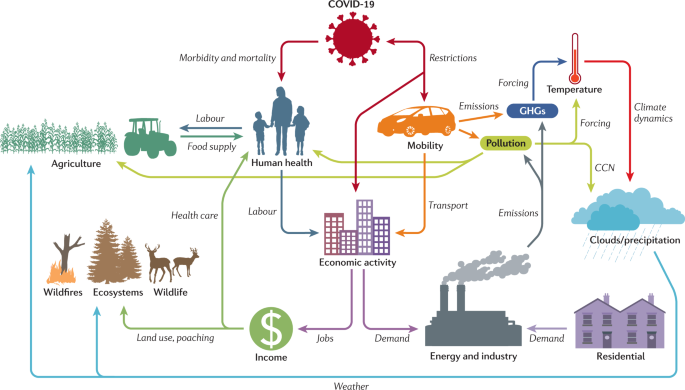
The activities human does has its impact directly on the environment which in turn affect humans in the long term . In the last two centuries the concern for the environment protection arose first during the Industrial Revolution in Europe which changed the entire dynamics of the world leading to revolutionary changes but the burning of coal to run the machines in the industries led to smoke pollution. With time as the number of industries increased globally so did the number of harmful pollutants released in the air causing high smog level, acid rain , respiratory diseases among many other things. It was not just the air but also the water where the waste from industries was directly released making water misfit for humans as well as posing threat to the animals in there. Everything on the surface of earth is interrelated , the cycle of destruction which once starts consumes everything within it fueled by the human greed. Extensive mining , improper waste disposal, excessive noise from honking of cars and other sources leads to different forms of air, soil and noise pollution . Over the years, different governments have come up with different plans to preserve and protect the natural resources and environment along with various methods to reduce the negative impact of globalization and industrialization on the environment.

The covid-19 pandemic which hit the world in early 2020 and has claimed almost a million lives till now had the countries going into the complete lockdown to prevent the further spread of the disease. Lockdown ceased the normal routines of the people as everyone was caged inside their houses with many loosing their jobs, many getting rest from the normally hectic lives, the conditions of the medical professionalists being worse as they had to deal with a foreign deadly disease which they had no idea about. The lockdown which closed all industries and workplaces brought down the world economy to a major level. Despite all these hardships, the only positive thing which happened was the clearance of the environment such as air and water which had been polluted beyond repair by the humans.

Everything has its own pros and cons. This blogs will tell you about the positive and negative impact of covid-19 on environment.

Positive impacts

  • There was a phenomenal reduction observed in the emission of green house gases such as carbon dioxide , methane and nitrous oxides due to closed industries and shut down of transportation which led to cleaner air. According to a study, China which had an average of 2,00,000 metric tones of carbon dioxide emission saw the emission being reduced by 25% which according to the Earth system scientists saved the lives of over 77000 people in two months. The decrease in air pollution brought with it 50% reduction of nitrogen dioxide and oxides of carbons levels which also decreased the rain in that particular time period being acidic. Acid rain which had led to many diseases and corrosion of metals and monuments such as our mighty Taj Mahal is caused by the combination of nitrogen dioxide with oxygen and water vapor present in the atmosphere which leads to the production of the harmful nitric acid along with water.
  • India, where the AQI(Air Quality Index) had worsen in the last decade, saw a drastic improvement in the air quality. The AQI obtained by the Central Pollution Control Board(CPCB) was assessed by comparing the level of pollutants degrading the air quality( PM10, PM2.5, Carbon monoxide and sulphur dioxide) in the unlock (pre covid-19) phase to that in the four lockdowns which the country experienced. It was observed that there was a gradual to rapid reduction in the level of these harmful pollutants and increment in ozone concentration due to the reduction in Nitrogen dioxide concentration by almost 80%.
  • Water Pollution which is a major problem in India and Bangladesh with industries releasing their waste water without its proper treatment in the water bodies causing the decrease in oxygen level in the water affecting the aquatic life present there and also making it unfit for human use. According to various reports, the Ganga and Yamuna rivers of the country which were one of the highly polluted rivers due to the dumping of garbage and industrial releases pre covid showed the signs of rejunevation during the lockdown. No discharge of harmful affluent in these water bodies led to the decline in nitrite concentration in water increasing the dissolved oxygen level. Further, it was reported that the districts in Ganga river basins experienced 60% more rainfall than what it normally experiences which led to the increased discharge of water in river further contributing towards the dilution of remaining pollutants.
  • Also, the animals which were rarely found in open such as the sea turtles finally retreated to their original natural habitant with many sea turtle and rare species of fishes being spotted in the open and on the beaches which were deserted in the lockdown.

Negative Impacts

  • People were advised to use masks and gloves as a precaution against covid-19. The inappropriate disposal of masks and gloves along with other bio medical waste which was used to treat the covid-19 patients will lead to more harm in the long term. Governments advised people against the open disposal of the bio medical wastes but lack of proper knowledge led people to do the otherwise contributing in the water and soil pollution.
  • Also, the flora and fauna which was protected by human guards against the illegal human activities was also at risk. As with lockdown, decrease in man power guarding the reserved forests and sanctuaries decreased which led to the increase in illegal deforestation, wildlife hunting among other things.

Covid-19 can be seen as the nature’s warning to humans to stop interfering in the natural things and to mend its relation with the environment , else the consequences will be terrible.

Dark Web

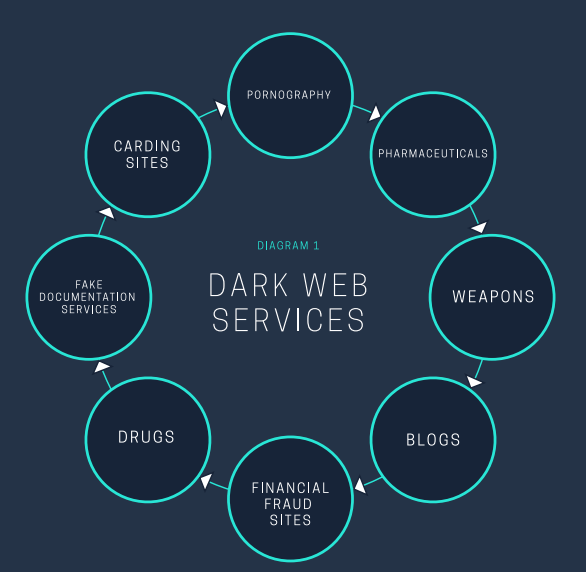
The term “dark web” sounds ominous, and there’s a reason for that. The dark web is a part of the internet and made up of hidden sites that you can’t find through conventional web browsers. Instead, you must rely on browsers and search engines designed specifically to unearth these hidden sites.

There’s also plenty of secrecy surrounding this corner of the internet. Sites on the dark web use encryption software so that their visitors and owners can remain anonymous and hide their locations. It’s why the dark web is home to so much illegal activity. If you tap into the dark web, you’ll find everything from illegal drug and gun sales to illicit pornography and stolen credit card and Social Security numbers.

Dissidents who fear political prosecution from their governments might use the dark web to communicate with each other. You might visit the dark web to get medical advice that you want to make sure remains anonymous. Sometimes journalists use the dark web so that they or their sources can remain anonymous.

Here’s a guide that will help you learn about the dark web, the sites that populate it and how you can visit it. Be careful, though: The dark web can be dangerous. And if you want to explore it for illegal activities, you could face prosecution and jail time. Depending on where you visit, and what you download, you could also be exposed to scammers and cybercriminals who could attempt to infect your devices with malware or steal your personal information.

What’s on the dark web?

The dark web has earned some of its seedy reputation. A 2016 report from researchers Daniel Moore and Thomas Rid, of King’s College in London, looked at 5,205 live sites on the dark web and found that 2,723 contained illicit content.

What does this mean? The report found that visitors to the dark web can buy and sell guns, drugs, counterfeit money, other people’s Netflix accounts, credit card numbers, and more. You can also find software that you can use to access other people’s computers.

But, again, the dark web isn’t just for criminals. You’ll also come across online versions of books that have long been out of print, a collection of political reporting from mainstream news sites, and several sites run by whistleblowers looking to expose corporate and government corruption.

Drugs

The dark web might be most notable for providing black markets that visitors can use to buy illicit drugs. Silk Road is a good example. This site was famed for the drugs visitors could find on it. The FBI shut down Silk Road in 2013. A new version of the site came online later that year but was also shut down.

The founder of the site, Ross Ulbricht, who went under the false name Dread Pirate Roberts, was arrested in late 2014 and sentenced to life in prison without the possibility of parole. AlphaBay was another popular online marketplace filled with illegal products. It was shut down in 2017.

Passwords and usernames for streaming services

If you don’t mind stealing, you can find the passwords to a host of streaming services — both those offering mainstream movies and those hosting pornography — on the dark web. Cybercriminals sell these passwords to those who want to skimp out on paying the monthly fees for streaming subscriptions.

Passwords and usernames available typically include those for services such as Netflix, Hulu, HBO, Amazon Prime, and other streaming services.

Credit card and debit card numbers

Here’s a scary one: According to a report by Gemini Advisory, 115 million stolen debit and credit card numbers were posted to the dark web in 2020.

Criminals sell these stolen numbers to other thieves. Armed with these numbers, criminals can make unauthorized purchases online using your information. And, yes, you can dispute these purchases, but who knows how much damage these thieves can do before you catch these illegal purchases?

Bank account numbers and passwords

If thieves sell credit and debit card numbers on the dark web, you can bet that they’ll sell bank account numbers and passwords to online savings and checking accounts, too.

According to a report by cybersecurity firm Digital Shadows, more than 15 billion pieces of financial account details are now being sold in online marketplaces. According to the report, banking and financial accounts made up about a quarter of these online listings.

Again, criminals can do a lot of damage after buying your bank account details. They can use your account to make purchases and drain your savings or checking accounts quickly.

Social Security numbers

Criminals can also find Social Security numbers — along with other personal information like people’s birthdates, addresses, and phone numbers — for sale on the Dark Web.

Criminals can use your Social Security number to help steal your identity. That can lead to serious financial pain, as these thieves can use your identity to apply for credit cards in your name, apply for mortgage loans, and even file your income taxes in the hope of stealing your refund.

Difference between dark web and deep web

It’s easy to confuse the dark web with the deep web. But they aren’t the same.

The deep web is also hidden, in a way. But it’s home to benign sites, such as people’s password-protected email accounts, the intranets run by businesses, the online bank account pages of consumers, government databases, and private sites that require users to type in a log-in name and password.

Think of the dark web, then, as a small subset of the deep web that has become a haven for illegal activity.

Is it illegal to access the dark web?

Surfing the dark web isn’t illegal. Buying illegal drugs or firearms from a site on the dark web or downloading child pornography? That is illegal.

For instance, in the summer of 2018, the U.S. Department of Justice, U.S. Department of Homeland Security, U.S. Secret Service, Drug Enforcement Administration, and the U.S. Postal Inspection Service teamed up to arrest more than 35 dark web vendors of drugs, weapons, and other illegal products. The agencies also seized $23.6 million in illegal guns, drugs, gold, and Bitcoin.