Education is very important role on the our life this is a part of our life
It helps people become better citizens, get a better-paid job, shows the difference between good and bad. Education shows us the importance of hard work and, at the same time, helps us grow and develop. Thus, we are able to shape a better society to live in by knowing and respecting rights, laws, and regulations.
An education can greatly improve your quality of life. Keeping your mind sharp with new and interesting information can potentially decrease your risk of Alzheimer’s disease and dementia. … With a good education, you could also become well-informed about healthy living, making you more likely to live longer.
You gain knowledge, skills and experience to help you both in your career and in life in general. On top of that, by gaining additional skills in communication and problem solving and achieving your goals, you can also increase your confidence.
The governance of nations differs significantly based on who has power. There are different forms of government. ✓Aristocracy ✓Monarchy ✓Autocracy ✓Oligarchy ✓Theocracy ✓Democracy ✓Republic
Aristocracy
A form of government in which power is in the hands of a small previleged ruling class (nobels). Example: United Kingdom, Spain
Monarchy
A system of government in which one person reigns supreme, usually a king or queen (constitutional monarchy). Example: Bhutan, Oman, Qatar
Autocracy
A system of government by one person with absolute power. Example: North Korea, Saudi Arabia
Oligarchy
A small group of people having control of a country or organisation. Example: Former Soviet Union, China, Venezuela, North Korea
Theocracy
A system of government in which religious doctrines form the basis of government headed by a priest who rules in the name of God or proclaims himself as a God. Example: Vatican
Democracy
A system of government in which eligible members in the population vote to elect their elected representatives, and the party or individual who obtains the majority votes forms the government. Example: India, USA, France
Republic
A state in which supreme power is held by the people and their elected representatives and which has an elected or nominated President rather than a monarch. Example: India, Australia
The governance of nations differs significantly based on who has power. There are different forms of government. ✓Aristocracy ✓Monarchy ✓Autocracy ✓Oligarchy ✓Theocracy ✓Democracy ✓Republic
Aristocracy
A form of government in which power is in the hands of a small previleged ruling class (nobels). Example: United Kingdom, Spain
Monarchy
A system of government in which one person reigns supreme, usually a king or queen (constitutional monarchy). Example: Bhutan, Oman, Qatar
Autocracy
A system of government by one person with absolute power. Example: North Korea, Saudi Arabia
Oligarchy
A small group of people having control of a country or organisation. Example: Former Soviet Union, China, Venezuela, North Korea
Theocracy
A system of government in which religious doctrines form the basis of government headed by a priest who rules in the name of God or proclaims himself as a God. Example: Vatican
Democracy
A system of government in which eligible members in the population vote to elect their elected representatives, and the party or individual who obtains the majority votes forms the government. Example: India, USA, France
Republic
A state in which supreme power is held by the people and their elected representatives and which has an elected or nominated President rather than a monarch. Example: India, Australia
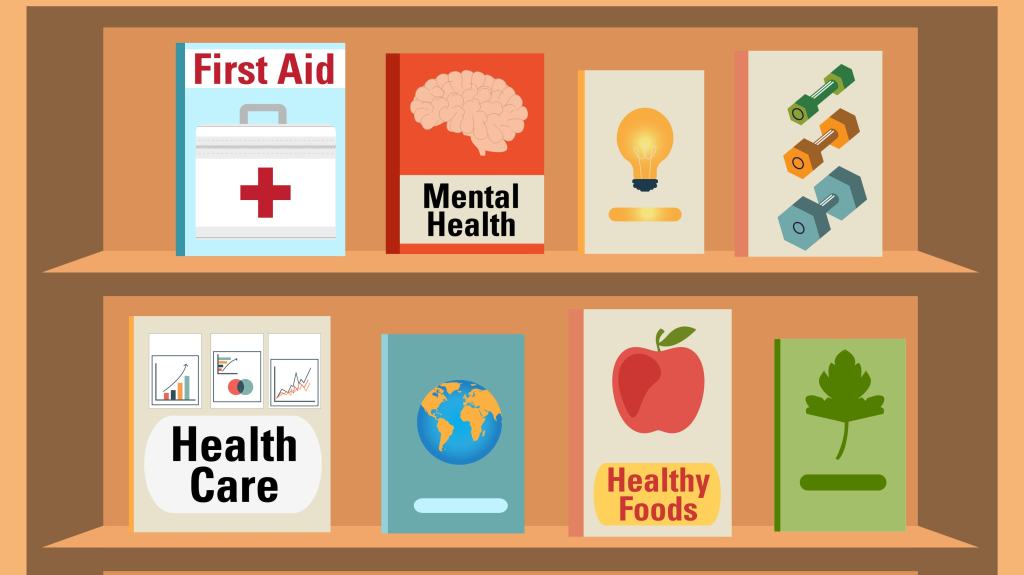
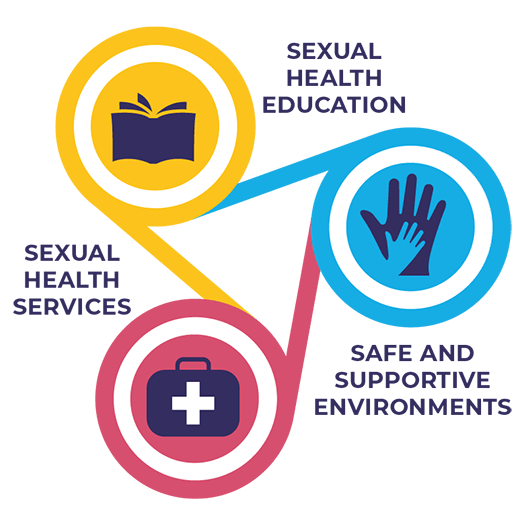
Health education is a profession of educating people about health. Areas within this profession encompass environmental health, physical health, social health, emotional health, intellectual health, and spiritual health, as well as sexual and reproductive health education.
Health education teaches about physical, mental, emotional and social health. It motivates students to improve and maintain their health, prevent disease, and reduce risky behaviours. It also focuses on emotional, mental and social health too. Educating students on the importance of health builds their motivation.
Health education is one strategy for implementing health promotion and disease prevention programs. Health education provides learning experiences on health topics. Health education strategies are tailored for their target population. Health education presents information to target populations on particular health topics, including the health benefits/threats they face, and provides tools to build capacity and support behavior change in an appropriate setting.
History
From the late nineteenth to the mid-twentieth century, the aim of public health was controlling the harm from infectious diseases, which were largely under control by the 1950s. By the mid 1970s it was clear that reducing illness, death, and rising health care costs could best be achieved through a focus on health promotion and disease prevention. At the heart of the new approach was the role of a health educator.
Code of ethics
The Health Education Code of Ethics has been a work in progress since approximately 1976, begun by the Society for Public Health Education (SOPHE).
“The Code of Ethics that has evolved from this long and arduous process is not seen as a completed project. Rather, it is envisioned as a living document that will continue to evolve as the practice of Health Education changes to meet the challenges of the new millennium.”
Importance of Health Education .
Health education builds student’s knowledge, skills, and positive attitudes about health. Health education teaches about physical, mental, emotional and social health. It motivates students to improve and maintain their health, prevent disease, and reduce risky behaviours.
Health education curricula and instruction help students to learn skills so that they will use to make healthy choices throughout their lifetime.
Health education teaches people of all ages about how diet and exercise contribute to a healthy lifestyle. It also encourages positive changes in behaviour and lowers the risk of addiction to drugs, alcohol and unsafe sexual practices. The majority of schools around the country have courses aimed at teaching health education to students. These courses often revolve around the body, healthy eating, sex and exercising. Some students are taught basic health and physical fitness early on. More in-depth courses are designed for middle and high school students.
Health education encourages a person to make healthy choices. They are instructed to avoid unhealthy habits. ‘A sound mind lives in a sound body’. Rabindranath Tagore and C.V. Raman, if they were confined to sick bed, could not have won the Nobel Prize. In fact, a sickly student with all his talents and abilities lags behind in the race of life.
Health education also teaches about the emotional and mental health of the student. A healthy person is the happiest person in the world.
Health education is a profession of educating people about health. Areas within this profession encompass environmental health, physical health, social health, emotional health, intellectual health, and spiritual health, as well as sexual and reproductive health education.
Health education teaches about physical, mental, emotional and social health. It motivates students to improve and maintain their health, prevent disease, and reduce risky behaviours. It also focuses on emotional, mental and social health too. Educating students on the importance of health builds their motivation.
Health education is one strategy for implementing health promotion and disease prevention programs. Health education provides learning experiences on health topics. Health education strategies are tailored for their target population. Health education presents information to target populations on particular health topics, including the health benefits/threats they face, and provides tools to build capacity and support behavior change in an appropriate setting.
History
From the late nineteenth to the mid-twentieth century, the aim of public health was controlling the harm from infectious diseases, which were largely under control by the 1950s. By the mid 1970s it was clear that reducing illness, death, and rising health care costs could best be achieved through a focus on health promotion and disease prevention. At the heart of the new approach was the role of a health educator.
Code of ethics
The Health Education Code of Ethics has been a work in progress since approximately 1976, begun by the Society for Public Health Education (SOPHE).
“The Code of Ethics that has evolved from this long and arduous process is not seen as a completed project. Rather, it is envisioned as a living document that will continue to evolve as the practice of Health Education changes to meet the challenges of the new millennium.”
Importance of Health Education .
Health education builds student’s knowledge, skills, and positive attitudes about health. Health education teaches about physical, mental, emotional and social health. It motivates students to improve and maintain their health, prevent disease, and reduce risky behaviours.
Health education curricula and instruction help students to learn skills so that they will use to make healthy choices throughout their lifetime.
Health education teaches people of all ages about how diet and exercise contribute to a healthy lifestyle. It also encourages positive changes in behaviour and lowers the risk of addiction to drugs, alcohol and unsafe sexual practices. The majority of schools around the country have courses aimed at teaching health education to students. These courses often revolve around the body, healthy eating, sex and exercising. Some students are taught basic health and physical fitness early on. More in-depth courses are designed for middle and high school students.
Health education encourages a person to make healthy choices. They are instructed to avoid unhealthy habits. ‘A sound mind lives in a sound body’. Rabindranath Tagore and C.V. Raman, if they were confined to sick bed, could not have won the Nobel Prize. In fact, a sickly student with all his talents and abilities lags behind in the race of life.
Health education also teaches about the emotional and mental health of the student. A healthy person is the happiest person in the world.
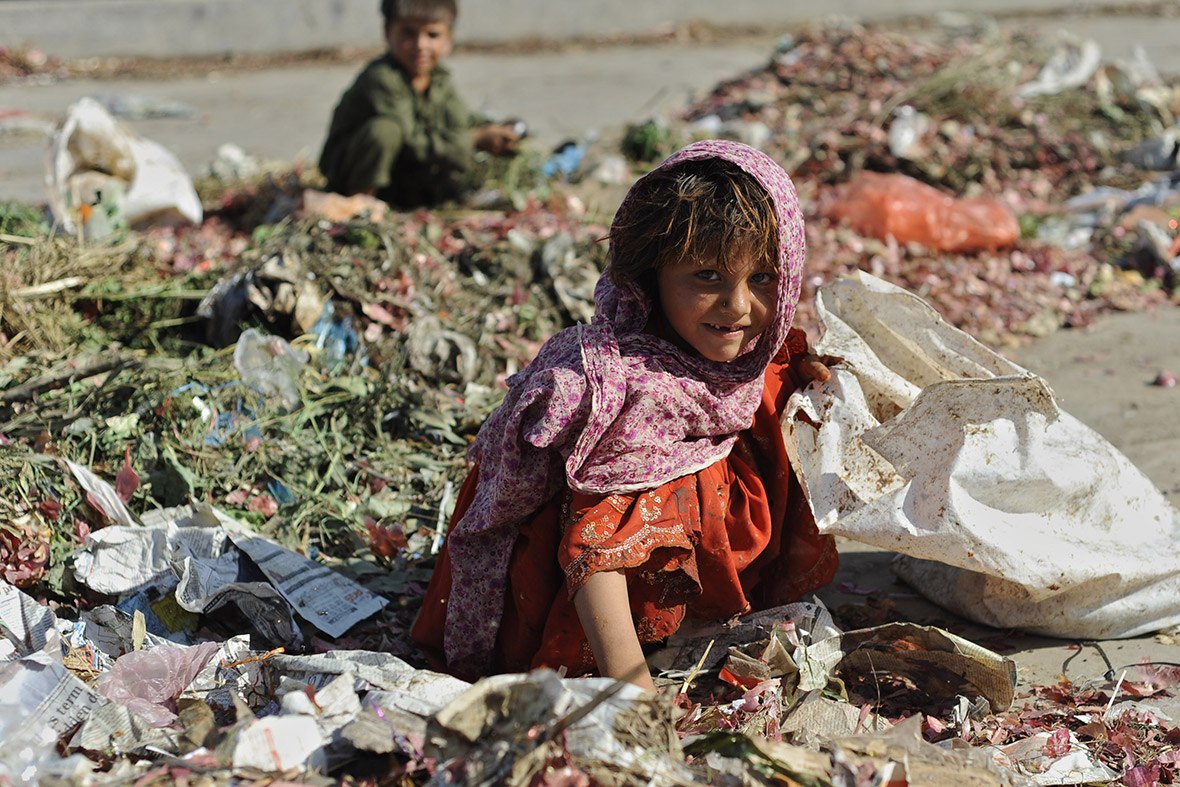
“child labour” is often defined as work that deprives children of their childhood, their potential and their dignity, and that is harmful to physical and mental development.
Various causes of child labour like the curse of poverty, lack of educational resources, Social and economic backwardness, Addiction, disease or disability, The lure of cheap labour, Family tradition, Discrimination between boys and girls.
Why does child labour happen?
POVERTY When families cannot afford to meet their basic needs like food, water, education or health care, they have no choice but to send their children to work to supplement the household income.
LACK OF ACCES TO QUALITY EDUCATION School needs to be a welcoming environment, with appropriate class sizes, a curriculum designed for the local context, and affordable for rural communities.
LIMITED UNDERSTANDING OF CHILD LABOUR When families do not understand the dangers of child labour, and how these impact on the health, safety, well-being and future of their child, they are more likely to send their children to work.
Child labour act in India
Article 24 of the Indian constitution clearly states that, “No child below the age of fourteen years shall be employed to work in any factory or mine or employed in any hazardous employment.”
The Children (Pledging of Labour) Act, passed into law in 1933, is the first acknowledgment of the problem of child bondage.
“child labour” is often defined as work that deprives children of their childhood, their potential and their dignity, and that is harmful to physical and mental development.
Various causes of child labour like the curse of poverty, lack of educational resources, Social and economic backwardness, Addiction, disease or disability, The lure of cheap labour, Family tradition, Discrimination between boys and girls.
Why does child labour happen?
POVERTY When families cannot afford to meet their basic needs like food, water, education or health care, they have no choice but to send their children to work to supplement the household income.
LACK OF ACCES TO QUALITY EDUCATION School needs to be a welcoming environment, with appropriate class sizes, a curriculum designed for the local context, and affordable for rural communities.
LIMITED UNDERSTANDING OF CHILD LABOUR When families do not understand the dangers of child labour, and how these impact on the health, safety, well-being and future of their child, they are more likely to send their children to work.
Child labour act in India
Article 24 of the Indian constitution clearly states that, “No child below the age of fourteen years shall be employed to work in any factory or mine or employed in any hazardous employment.”
The Children (Pledging of Labour) Act, passed into law in 1933, is the first acknowledgment of the problem of child bondage.
Women , the primary caregivers of almost every family of our country, tend to be the most discriminated against in almost every sphere- whether social, economic, political and especially health. And now as we are stuck in the pandemic, we are bound to bounce back decades on our progress made on poverty, education and healthcare. (Source: https://unstats.un.org/sdgs) , and the women will , once again, be on the frontline.
With the female LFPR of 20.8% in 2019(fallen from 30.27% in 1990) that was not even half the global average of 47% and the women’s share in new formal payrolls below 20% in August 2020, India was no country for working women even before the pandemic. And now, due to the pandemic, women who earlier accounted for only 24% of the total workforce, now share 28% of the total number of jobs lost.
Reasons:
According to Mckinsey study, women did 75% of the world’s total unpaid work. With people being stuck in homes due to the pandemic, the household workload on women increased indefinitely, which is why many of them left their jobs.
Either due to pregnancy and related reasons or due to vaccine hesitancy, fewer women were taking vaccine jabs.
Women are more likely to engage in unorganized sector, hence, being more prone to loosing jobs in such times of crisis. (eg.- tailoring and stitching, house-help)
Post pandemic, women are 11 times more unlikely to return to work and women comprise 48.04% percentage of the population. For a country that wishes for a speedy economic recovery as well as future growth, a 79.8% (and increasing) working population being a liability on the economy doesn’t align well with its economic ambitions.
Degrading social status-
With increased news publishing related to domestic violence, child marriages, sexual abuse and women trafficking during the pandemic, it’s hardly an assumption that the conditions of women will deteriorate further in days to come.
Reasons:
With decreasing family incomes, women school dropout rate has increased and will continue to do so in the near future.
With everything going online, children with no digital equipment accessibility lag behind. The households that are able to afford internet connectivity and mobiles give preference to their male child.
Due to being stuck in the house, the female members spend a larger amount of time doing house-hold work. So, they find less time to devote to studies that now require more effort. Also, it tends to align them more towards house-hold work as well as present them primarily as caregivers amongst the younger generations.
Women increasingly suffer from online harassment. In such cases, it takes a larger amount of time to track down the perpetrator as the person’s identity is unknown.
With the administration occupied with covid-19 management, the cases of child marriage, trafficking and domestic violence are on rise. Women, being stuck in the same house as their molester and many-a-times being financially dependent on them due to job-loss during pandemic, find it difficult to file a complaint.
Health Concerns-
In India, women already suffer from malnutrition, morbidity and various maternal as-well-as reproductive health issues. In addition to this, women are more prone to mental health issues as well. As of July 2005, women represented approximately 40 percent of HIV/AIDS cases in India. These situations of pandemic are bound to worsen the already poor conditions of female health.
Reasons:
The reduction in supply of food due to reducing incomes affect the food security of women the most when compared to any other member of the family.
Women can, now, no longer afford menstrual sanitation products and contraceptives
Being a victim of domestic violence or even stress, a woman’s mental as well as physical well-being will be neglected.
Women with underlying health conditions have, due to declining economic resources, experienced worsening health conditions as a result of skipping medical care.
What can be done??
The PDS system should be expanded to provide dry ration for a longer duration as well as larger amount. It should also include sanitary napkins .
Through ASHA workers, the government should spread awareness related to reproductive health, hygiene and mental health as well.
The government can grant free internet as well as set up mobile towers in areas of low connectivity. Also, internet cafes following proper covid-19 norms should be set up to provide digital equipment to those who cannot afford them.
MGNREGA scheme should be expanded to incorporate the increased number of unemployed with special provision for women, including larger number of working days for all and social schemes should be set up for informal sector workers.
Social awareness about letting girls continue their studies, as well as, motivating women to join workforce when situation stabilize is an important step.
A national helpline number bringing together all NGOs who have come forward to help should be set up. It will make identifying those in need easier, with a uniform toll-free number as well as added government expertise.
Conclusion:
Women can be the backbone of economic development in times of crisis. Making right developments towards women’s issues now could prove to be beneficial to the country’s economy as well as society in the long run.
Women , the primary caregivers of almost every family of our country, tend to be the most discriminated against in almost every sphere- whether social, economic, political and especially health. And now as we are stuck in the pandemic, we are bound to bounce back decades on our progress made on poverty, education and healthcare. (Source: https://unstats.un.org/sdgs) , and the women will , once again, be on the frontline.
With the female LFPR of 20.8% in 2019(fallen from 30.27% in 1990) that was not even half the global average of 47% and the women’s share in new formal payrolls below 20% in August 2020, India was no country for working women even before the pandemic. And now, due to the pandemic, women who earlier accounted for only 24% of the total workforce, now share 28% of the total number of jobs lost.
Reasons:
According to Mckinsey study, women did 75% of the world’s total unpaid work. With people being stuck in homes due to the pandemic, the household workload on women increased indefinitely, which is why many of them left their jobs.
Either due to pregnancy and related reasons or due to vaccine hesitancy, fewer women were taking vaccine jabs.
Women are more likely to engage in unorganized sector, hence, being more prone to loosing jobs in such times of crisis. (eg.- tailoring and stitching, house-help)
Post pandemic, women are 11 times more unlikely to return to work and women comprise 48.04% percentage of the population. For a country that wishes for a speedy economic recovery as well as future growth, a 79.8% (and increasing) working population being a liability on the economy doesn’t align well with its economic ambitions.
Degrading social status-
With increased news publishing related to domestic violence, child marriages, sexual abuse and women trafficking during the pandemic, it’s hardly an assumption that the conditions of women will deteriorate further in days to come.
Reasons:
With decreasing family incomes, women school dropout rate has increased and will continue to do so in the near future.
With everything going online, children with no digital equipment accessibility lag behind. The households that are able to afford internet connectivity and mobiles give preference to their male child.
Due to being stuck in the house, the female members spend a larger amount of time doing house-hold work. So, they find less time to devote to studies that now require more effort. Also, it tends to align them more towards house-hold work as well as present them primarily as caregivers amongst the younger generations.
Women increasingly suffer from online harassment. In such cases, it takes a larger amount of time to track down the perpetrator as the person’s identity is unknown.
With the administration occupied with covid-19 management, the cases of child marriage, trafficking and domestic violence are on rise. Women, being stuck in the same house as their molester and many-a-times being financially dependent on them due to job-loss during pandemic, find it difficult to file a complaint.
Health Concerns-
In India, women already suffer from malnutrition, morbidity and various maternal as-well-as reproductive health issues. In addition to this, women are more prone to mental health issues as well. As of July 2005, women represented approximately 40 percent of HIV/AIDS cases in India. These situations of pandemic are bound to worsen the already poor conditions of female health.
Reasons:
The reduction in supply of food due to reducing incomes affect the food security of women the most when compared to any other member of the family.
Women can, now, no longer afford menstrual sanitation products and contraceptives
Being a victim of domestic violence or even stress, a woman’s mental as well as physical well-being will be neglected.
Women with underlying health conditions have, due to declining economic resources, experienced worsening health conditions as a result of skipping medical care.
What can be done??
The PDS system should be expanded to provide dry ration for a longer duration as well as larger amount. It should also include sanitary napkins .
Through ASHA workers, the government should spread awareness related to reproductive health, hygiene and mental health as well.
The government can grant free internet as well as set up mobile towers in areas of low connectivity. Also, internet cafes following proper covid-19 norms should be set up to provide digital equipment to those who cannot afford them.
MGNREGA scheme should be expanded to incorporate the increased number of unemployed with special provision for women, including larger number of working days for all and social schemes should be set up for informal sector workers.
Social awareness about letting girls continue their studies, as well as, motivating women to join workforce when situation stabilize is an important step.
A national helpline number bringing together all NGOs who have come forward to help should be set up. It will make identifying those in need easier, with a uniform toll-free number as well as added government expertise.
Conclusion:
Women can be the backbone of economic development in times of crisis. Making right developments towards women’s issues now could prove to be beneficial to the country’s economy as well as society in the long run.
In the course of its long history, the Hindi Cinema has gone through constant evolutions and is still witnessing massive socio-cultural changes, however, from substantive and insular point of view; the Hindi Film Industry still retains its own unique and peculiar characteristics. Since the beginning, the Hindi Cinema has drawn its inspiration from the styles and aesthetics of the mega diverse Indian culture.
In general great emphasis has been put on classical Indian traditions over the years including Indian storytelling, epics, and poems and like. Although movies came to India in July 1896 as famous French Lumiere Brothers screened their short films in Watson Hotel, Mumbai, the first ever Indian film was ‘Raja Harishchandra’, a mythological film released in 1913 directed by Dada Saheb Phalke, who is often called as the father of Indian Cinema.
Film Poster of Raja Harishchandra, 1913.
Raja Harishchandra being a silent film had Hindi, Marathi and English interfiles. In 1905, filmmaker Hiralal Sen documented “Swadeshi Movement of India” and screened it at Town Hall, Calcutta on 22nd of September which is considered as India’s first political film. H.S. Bhatavdekar’s first movie and the first film by an Indian Filmmaker was shot in 1899 in which he shot a Wrestling Match in Mumbai’s Hanging Gardens. By the 1930s, the industry was producing 200 films per year and it was in 1931, the industry had its first sound film named ‘Alam Ara’ by director Ardeshir Irani which had a mixture of both Hindi and Urdu.
Alam Ara, India’s first Sound Film. (1931)
Since then the talkie films quickly were in high demand by the audience mostly in big cities and hence the industry permanently switched to sound films. The first ever Hindi color film was released in 1937 by Ardeshar Irani named “Kisan Kanya ”, however the colour films became popular among the audience only in late 1950s and early 1960s. The industry has also witnessed the breakdown of the studio system and complete on location shooting over the years. At present, Hindi Cinema produces over 1000 movies per year.
A still from Kisan Kanya (1937).
The Song and Dance Sequences
As mentioned earlier, the Hindi movies have always been a reflection of Indian culture and so hasn’t been any Hindi movie without a song till date. Two of the major characteristics of Hindi Cinema are songs and dance sequences. In fact, these two unique features are considered as the ‘peculiarities’ of Hindi Cinema which separates it from Hollywood or any other foreign film industry. In earlier times whenever there was a requirement of steamy scenes in movies, the protagonists, that is the hero and the heroine used to indulge into a song and dance sequel. The song and dance sequences pop up here and there according to necessary requirements and situations. The 1932 movie Indra Sabha was one of the first Indian movies with over 70 songs.
Film Poster of Indra Sabha (1932).
Truly, Hindi Cinema has entertained audiences worldwide for more than a century now. Informally and popularly known as Bollywood, Hindi Films will always have a special place in hearts of millions of Bollywood fans!
In the course of its long history, the Hindi Cinema has gone through constant evolutions and is still witnessing massive socio-cultural changes, however, from substantive and insular point of view; the Hindi Film Industry still retains its own unique and peculiar characteristics. Since the beginning, the Hindi Cinema has drawn its inspiration from the styles and aesthetics of the mega diverse Indian culture.
In general great emphasis has been put on classical Indian traditions over the years including Indian storytelling, epics, and poems and like. Although movies came to India in July 1896 as famous French Lumiere Brothers screened their short films in Watson Hotel, Mumbai, the first ever Indian film was ‘Raja Harishchandra’, a mythological film released in 1913 directed by Dada Saheb Phalke, who is often called as the father of Indian Cinema.
Film Poster of Raja Harishchandra, 1913.
Raja Harishchandra being a silent film had Hindi, Marathi and English interfiles. In 1905, filmmaker Hiralal Sen documented “Swadeshi Movement of India” and screened it at Town Hall, Calcutta on 22nd of September which is considered as India’s first political film. H.S. Bhatavdekar’s first movie and the first film by an Indian Filmmaker was shot in 1899 in which he shot a Wrestling Match in Mumbai’s Hanging Gardens. By the 1930s, the industry was producing 200 films per year and it was in 1931, the industry had its first sound film named ‘Alam Ara’ by director Ardeshir Irani which had a mixture of both Hindi and Urdu.
Alam Ara, India’s first Sound Film. (1931)
Since then the talkie films quickly were in high demand by the audience mostly in big cities and hence the industry permanently switched to sound films. The first ever Hindi color film was released in 1937 by Ardeshar Irani named “Kisan Kanya ”, however the colour films became popular among the audience only in late 1950s and early 1960s. The industry has also witnessed the breakdown of the studio system and complete on location shooting over the years. At present, Hindi Cinema produces over 1000 movies per year.
A still from Kisan Kanya (1937).
The Song and Dance Sequences
As mentioned earlier, the Hindi movies have always been a reflection of Indian culture and so hasn’t been any Hindi movie without a song till date. Two of the major characteristics of Hindi Cinema are songs and dance sequences. In fact, these two unique features are considered as the ‘peculiarities’ of Hindi Cinema which separates it from Hollywood or any other foreign film industry. In earlier times whenever there was a requirement of steamy scenes in movies, the protagonists, that is the hero and the heroine used to indulge into a song and dance sequel. The song and dance sequences pop up here and there according to necessary requirements and situations. The 1932 movie Indra Sabha was one of the first Indian movies with over 70 songs.
Film Poster of Indra Sabha (1932).
Truly, Hindi Cinema has entertained audiences worldwide for more than a century now. Informally and popularly known as Bollywood, Hindi Films will always have a special place in hearts of millions of Bollywood fans!
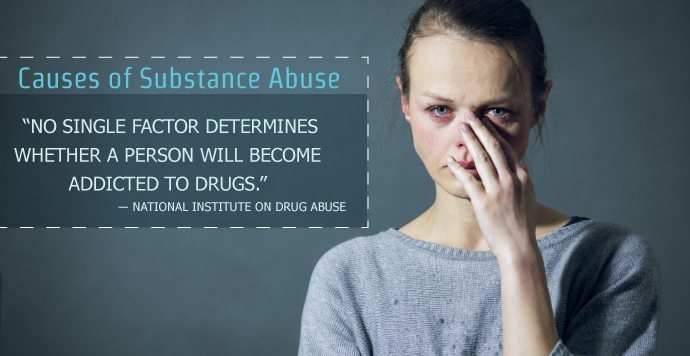
Drug abuse is referred to the excessive use of psychoactive substances such as alcohol, stimulant, pain reliever etc in the amount that is detrimental to the physical, social as well as emotional well being of an individual. Case of drug abuse is increasing at an alarming rate among teenagers and adults under the age of 30 that affect people all across the globe and from all walks of life. In the United States, the annual death rate due to drug abuse is much more than the road traffic accidents and gunshots combined. Nearly 8% of the States population are trapped in this vicious cycle due to the majority of reasons, considering it as an easiest escape. Overuse of drugs not only affects the brain cells but also do heavy damage to the heart, nerves, limbs etc that often leads to seizure and paralysis, shutting the entire body followed by death eventually.
Cause of Drug abuse.
There are several reasons behind drug abuse among which the common causes are listed below.
Many people develop drug problems due to mental conditions such as depression, stress disorder, anxiety and other mental illness.
Low self-esteem, peer pressure of society, and a chaotic lifestyle are also common reasons.
At times, people try certain substances out of excitement that turns into a habit in no time because of its highly addictive nature.
Sometimes, prescribed medication usually barbiturates turned into drug addiction and cause serious health problems.
Apart from the aforesaid reason, there can be multiple reasons that lead to such substance abuse.
Types of Drugs:
Depressants: It is the most commonly used drug worldwide that works by suppressing the central nervous system and gives momentarily happiness while under the influence. Usage of such dopes develops various symptoms such as sleep, relaxation, drowsiness, anaesthesia, coma and even death.
Stimulant: Stimulants are class of drug that creates a sense of euphoria by making body alert and extra awake. It speeds up the brain’s receptive capacity that often leads to a panic attack, anxiety, seizures, aggression and paranoia when used in excess amounts.
Hallucinogenic: These are a diverse group of drugs that creates a hallucination and sensations leads to seeing things that seems real due to brain malfunction. People often use such pills to deal with stress or just to feel differently. Commonly used hallucinogenic drugs are LSD, Peyote, DMT etc.
There are millions of different variety of drugs available in the developing and developed world apart from these wide range of drugs mentioned above, that entraps countless youngsters every other day. Uprooting such menace isn’t as easy as we assume because of the withdrawal syndrome that is linked with it. That is why it is absolutely necessary to build up rehabilitation centres and promote drug education at the socio-economic strata.
Drug abuse is referred to the excessive use of psychoactive substances such as alcohol, stimulant, pain reliever etc in the amount that is detrimental to the physical, social as well as emotional well being of an individual. Case of drug abuse is increasing at an alarming rate among teenagers and adults under the age of 30 that affect people all across the globe and from all walks of life. In the United States, the annual death rate due to drug abuse is much more than the road traffic accidents and gunshots combined. Nearly 8% of the States population are trapped in this vicious cycle due to the majority of reasons, considering it as an easiest escape. Overuse of drugs not only affects the brain cells but also do heavy damage to the heart, nerves, limbs etc that often leads to seizure and paralysis, shutting the entire body followed by death eventually.
Cause of Drug abuse.
There are several reasons behind drug abuse among which the common causes are listed below.
Many people develop drug problems due to mental conditions such as depression, stress disorder, anxiety and other mental illness.
Low self-esteem, peer pressure of society, and a chaotic lifestyle are also common reasons.
At times, people try certain substances out of excitement that turns into a habit in no time because of its highly addictive nature.
Sometimes, prescribed medication usually barbiturates turned into drug addiction and cause serious health problems.
Apart from the aforesaid reason, there can be multiple reasons that lead to such substance abuse.
Types of Drugs:
Depressants: It is the most commonly used drug worldwide that works by suppressing the central nervous system and gives momentarily happiness while under the influence. Usage of such dopes develops various symptoms such as sleep, relaxation, drowsiness, anaesthesia, coma and even death.
Stimulant: Stimulants are class of drug that creates a sense of euphoria by making body alert and extra awake. It speeds up the brain’s receptive capacity that often leads to a panic attack, anxiety, seizures, aggression and paranoia when used in excess amounts.
Hallucinogenic: These are a diverse group of drugs that creates a hallucination and sensations leads to seeing things that seems real due to brain malfunction. People often use such pills to deal with stress or just to feel differently. Commonly used hallucinogenic drugs are LSD, Peyote, DMT etc.
There are millions of different variety of drugs available in the developing and developed world apart from these wide range of drugs mentioned above, that entraps countless youngsters every other day. Uprooting such menace isn’t as easy as we assume because of the withdrawal syndrome that is linked with it. That is why it is absolutely necessary to build up rehabilitation centres and promote drug education at the socio-economic strata.
The Paris Agreement is an international treaty on climate change which is legally binding. It was adopted on 12th December 2015 by 196 parties at the Conference of the Parties (COP) 21 and it came into force on 4th November 2016. The goal of this agreement is to limit global warming to almost 2 degrees Celsius but ideally 1.5 degrees Celsius, as compared to the pre-industrial levels. Every country creates an NDC (Nationally Determined Contributions) wherein the countries mention the actions they will take to reduce their Greenhouse Gas emissions. The Paris Agreement also recognizes the financial differences of the countries and says that the developed countries should take the lead when it comes to providing financial assistance and help the vulnerable countries. The progress of the agreement is being tracked by the creation of the Enhanced Transparency Framework (ETF), under which, starting from 2024, the countries will report on the actions taken and the progress, transparently.
COP 26
The 26th Conference of the Parties was originally scheduled from 9th to 19th November 2020 but due to COVID-19, it was postponed to 1st to 12th November 2021, in Glasgow, UK. Several unresolved issues from the Paris Agreement are to be resolved during this Conference, such as governing of carbon markets and the accountancy of climate finance. The developing nations pointed fingers at the rich nations to fulfil their promise of finance. They also highlighted the lack of urgency from the recent G7 and G20 summits.
COP 26 has to finalize the rulebook that implements the 2015 Agreement. The nations have to give the climate-vulnerable nations the $100 billion annually as promised in 2009. They have called for almost 50% of funding to be allocated towards future climate adaptation, plus a separate allocation for the loss and damage that has already been inflicted on the poor nations.
Other Climate Change Agreements
Montreal Protocol, 1987 – This agreement is not aimed towards dealing with climate change however it is an important environmental agreement. This agreement required the countries which have ratified it, to stop producing products that damage the ozone layer, such as, chlorofluorocarbons (CFCs).
UN Framework Convention on Climate Change (UNFCCC), 1992 – This is the first-ever global treaty that directly addresses climate change. This treaty established the annual forum named the Conference of the Parties (COP). Agreements such as the Kyoto Protocol and the Paris Agreement came into existence through these forums.
Kyoto Protocol, 2005 – It was adopted in 1997 and came into force in 2005, it is known as the first legally binding climate treaty. The goal of this treaty is to reduce emissions by an average of 5% below the 1990 levels although the treaty did not force developing countries.
Effects of Global Warming
Shrinking of Glaciers
Ice on rivers and lakes break earlier than usual
Plants and animal ranges have shifted
Trees flower sooner
Loss of sea ice
Accelerated rise of sea level
Intense heatwaves
More droughts
Changes in precipitation patterns
The frequency of cyclones will increase and will be more intense
The Arctic is likely to become Ice-Free
Conclusion
Heat Waves have been recorded in the United States of America and Canada this 2021. This is only just more proof of Global Warming and its effects. This will keep increasing if the countries don’t take the agreements like the Paris agreement seriously. More importantly, the rich countries need to finally start acting responsibly and fulfil their promises to save the planet.
The Paris Agreement is an international treaty on climate change which is legally binding. It was adopted on 12th December 2015 by 196 parties at the Conference of the Parties (COP) 21 and it came into force on 4th November 2016. The goal of this agreement is to limit global warming to almost 2 degrees Celsius but ideally 1.5 degrees Celsius, as compared to the pre-industrial levels. Every country creates an NDC (Nationally Determined Contributions) wherein the countries mention the actions they will take to reduce their Greenhouse Gas emissions. The Paris Agreement also recognizes the financial differences of the countries and says that the developed countries should take the lead when it comes to providing financial assistance and help the vulnerable countries. The progress of the agreement is being tracked by the creation of the Enhanced Transparency Framework (ETF), under which, starting from 2024, the countries will report on the actions taken and the progress, transparently.
COP 26
The 26th Conference of the Parties was originally scheduled from 9th to 19th November 2020 but due to COVID-19, it was postponed to 1st to 12th November 2021, in Glasgow, UK. Several unresolved issues from the Paris Agreement are to be resolved during this Conference, such as governing of carbon markets and the accountancy of climate finance. The developing nations pointed fingers at the rich nations to fulfil their promise of finance. They also highlighted the lack of urgency from the recent G7 and G20 summits.
COP 26 has to finalize the rulebook that implements the 2015 Agreement. The nations have to give the climate-vulnerable nations the $100 billion annually as promised in 2009. They have called for almost 50% of funding to be allocated towards future climate adaptation, plus a separate allocation for the loss and damage that has already been inflicted on the poor nations.
Other Climate Change Agreements
Montreal Protocol, 1987 – This agreement is not aimed towards dealing with climate change however it is an important environmental agreement. This agreement required the countries which have ratified it, to stop producing products that damage the ozone layer, such as, chlorofluorocarbons (CFCs).
UN Framework Convention on Climate Change (UNFCCC), 1992 – This is the first-ever global treaty that directly addresses climate change. This treaty established the annual forum named the Conference of the Parties (COP). Agreements such as the Kyoto Protocol and the Paris Agreement came into existence through these forums.
Kyoto Protocol, 2005 – It was adopted in 1997 and came into force in 2005, it is known as the first legally binding climate treaty. The goal of this treaty is to reduce emissions by an average of 5% below the 1990 levels although the treaty did not force developing countries.
Effects of Global Warming
Shrinking of Glaciers
Ice on rivers and lakes break earlier than usual
Plants and animal ranges have shifted
Trees flower sooner
Loss of sea ice
Accelerated rise of sea level
Intense heatwaves
More droughts
Changes in precipitation patterns
The frequency of cyclones will increase and will be more intense
The Arctic is likely to become Ice-Free
Conclusion
Heat Waves have been recorded in the United States of America and Canada this 2021. This is only just more proof of Global Warming and its effects. This will keep increasing if the countries don’t take the agreements like the Paris agreement seriously. More importantly, the rich countries need to finally start acting responsibly and fulfil their promises to save the planet.

















 Eduindex News
You must be logged in to post a comment.