Agatha Christie’s Hercule Poirot

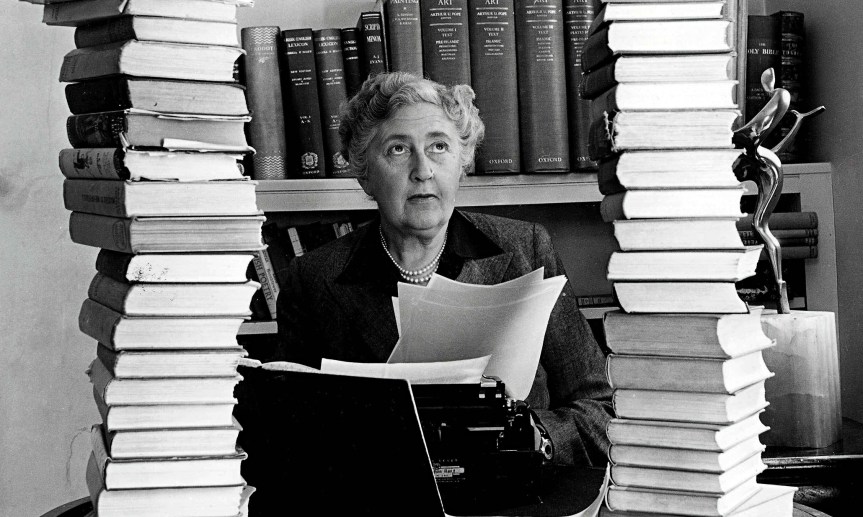
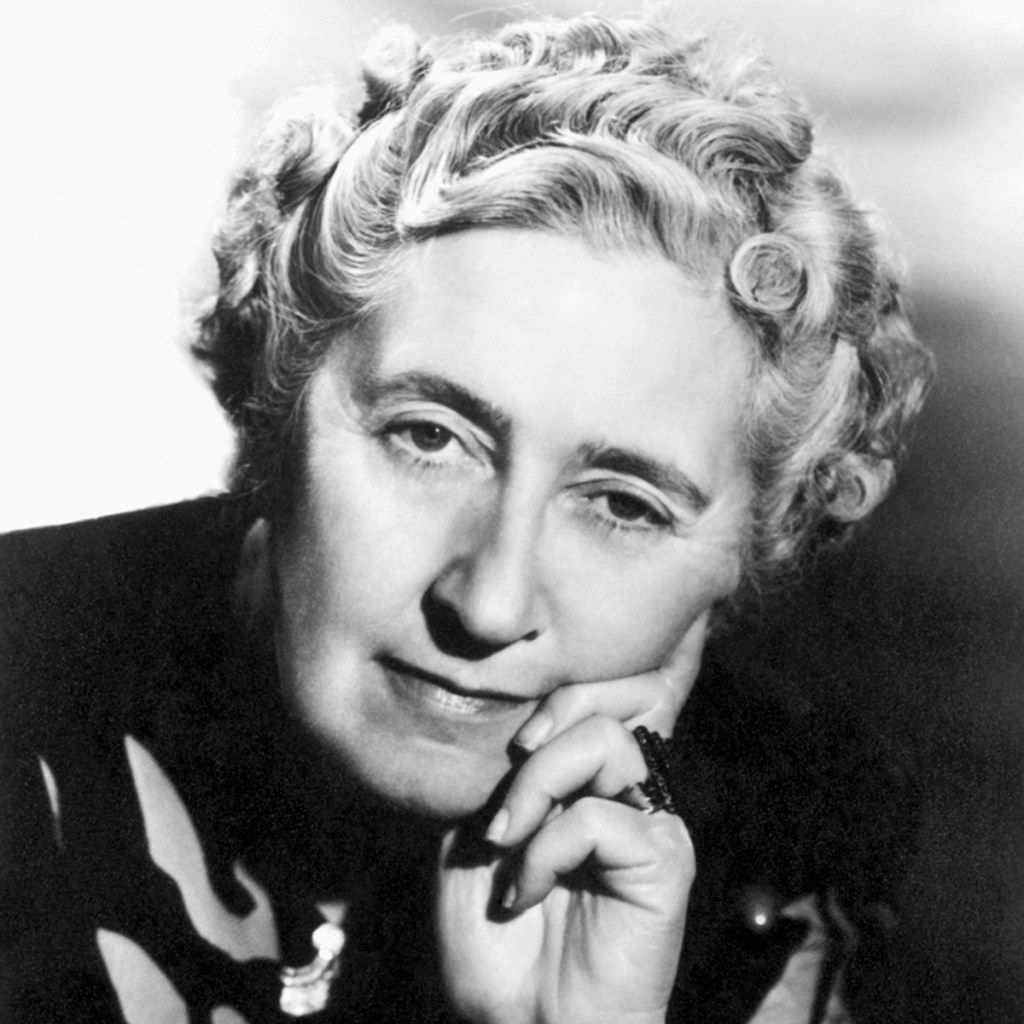
Agatha Christie is an English writer who is famous for her murder mysteries. Dubbed as the ‘Queen of crime’, she is the most widely published author of all time and in any language, outsold only by the Bible and Shakespeare. She is the author of 80 crime novels and short story collections, 19 plays and six novels written under the name of Mary Westmacott. Her play ‘Mousetrap’ is considered to be the longest running play. She has sold over a billion copies in English and another billion in 100 foreign countries. Her first novel ‘The Mysterious Affairs at Styles’, was written towards the end of First World War. In it she created Hercule Poirot, the little Belgian detective who was destined to become the most popular detective in crime fiction since Sherlock Holmes. Agatha Christie was made a Dame in 1971. She died in 1976, since then, a number of books have been published posthumously.

Here are the top 3 Hercule Poirot Books and their blurbs:

3. Death on the Nile

“It often seems to me that’s all detective work is, wiping out your false starts and beginning again.”

“Yes, it is very true, that. And it is just what some people will not do. They conceive a certain theory, and everything has to fit into that theory. If one little fact will not fit it, they throw it aside. But it is always the facts that will not fit in that are significant.”

Agatha Christie’s most daring travel mystery. The tranquillity of a cruise along the Nile is shattered by the discovery that Linnet Ridgeway has been shot through the head. She was young, stylish and beautiful, a girl who had everything – until she lost her life. Hercule Poirot recalls an earlier outburst by a fellow passenger: ‘I’d like to put my dear little pistol against her head and just press the trigger.’ Yet in this exotic setting’ nothing is ever quite what it seems…

2. Murder on the Orient Express

“The impossible could not have happened, therefore the impossible must be possible in spite of appearances.”

Murder on the Orient Express is undoubtedly one of Agatha Christie’s greatest mystery novels. Just after midnight, a snowdrift stops the Orient Express in its tracks. The luxurious train is surprisingly full for the time of the year, but by the morning it is one passenger fewer. An American tycoon lies dead in his compartment, stabbed a dozen times, his door locked from the inside. Isolated and with a killer in their midst, detective Hercule Poirot must identify the murderer – in case he or she decides to strike again.

1. The Murder of Roger Ackroyd

“The truth, however ugly in itself, is always curious and beautiful to seekers after it.”

Known for its startling reveal, this is the book that changed Agatha Christie’s career. Roger Ackroyd was a man who knew too much. He knew the woman he loved had poisoned her first husband. He knew someone was blackmailing her – and now he knew she had taken her own life with a drug overdose. Soon the evening post would let him know who the mystery blackmailer was. But Ackroyd was dead before he’d finished reading it – stabbed through the neck where he sat in the study.

Reference Link:
No new fatalities were found in Delhi for the first time

The national capital had reached a milestone on new fatalities were recorded for the first time since March 2 this year. State government records show that single day fatalities peaked on May 3 as the fourth wave of coronavirus in the city.

The positivity rate in the national capital now stands at 0.06 percent after 59,410 tests were conducted. This marks a slight decrease from the 0.07 percent recorded on Sunday, after 51cases were reported.

As Covid-19 cases in the national capital witness a sharp decline since the past few weeks, Delhi on Sunday reported no new virus related deaths in the last 24 hours, according to the daily health bulletin, keeping the death toll since the pandemic outbreak at 25,027. Recoveries reached 14,09,910 with 80 more patients recovering in the 24 hour period.

Active cases in Delhi are at 592

Earlier this week, Chief Minister Arvind Kejriwal had said that governments should take every step to prevent the spread of COVID-19.

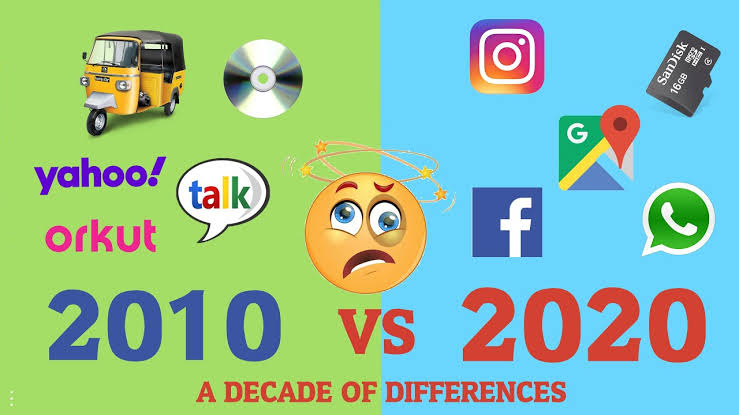
2010 v/s 2020

We no longer smile at people

It has been ages since I last smiled at an unknown stranger when our eyes met. Social media, news, movies, has made us so uptight and alert that our natural reflex has shifted from smiling to suspecting them.

We no longer enjoy food as we did

Snapchat and Instagram have made people forget the value of here and now. Instead of being happily in the present moment, we are often more focused on portraying a happy life which may be far from the reality. The satisfaction of the first sip of the morning tea or the first bite of the domino’s pizza doesn’t feel the same as it did a decade ago. The first thought that we have when we see a delicious food now is to click a perfect picture to show other’s how wonderful our life is.

We no longer see Bollywood as we did before

A decade back movie stars were famous for their work and that was enough in itself. Acting was seen as a profession and a job. However, the current Bollywood seems more like a political party than a show business. It is not the work but the lives of the celebrities that we are most interested in. Political leaders are supposed to have opinions and that is what is to be taken seriously by the people. However, now it is the opinions of our favourite celebrities that we are more into.

We no longer have real meaningful bond

The friendship and relationship trends have changed since the last decade. There were more meaningful bonds between link minded people who were true to one another (even behind their back). However, now the long evening chai meets have turned to Starbucks coffee meets. Where though we are physically together, but mentally and emotionally far into two different worlds in our mobile phones.

Are Serial Killers Genetically Fated to Kill?

Can we tend to use biology to observe the fate of a criminal? Are criminals not at fault for their actions? Does genetic science lead individuals to commit violent acts? What sequences are answerable for this or is it simply one gene?CDH13 or the “warrior gene” contains explicit variations within the X chromosome sequence that produces monoamine oxidase A (MAOA) enzyme. Cdh13 is concerned with the signaling between cells, but has additionally been
connected with hyper attention-deficit / upset disorder[ADHD], autism, schizophrenic psychosis, and emotional disorder.

This review covers projects and experiments conducted on its role related to violent behavior.
Recently a bunch of researchers from the Karolinska Institute in Sweden delineated the foremost recent look of MAOA-L published in the journal of Molecular Psychiatry. The study was led by Professor Jari Tiihonen who analyzed
the genes of 895 Finnish criminals which shows the criminals condemned of many violent crimes have the MAOA-L catalyst or the mutant version of it whereas the calm controls failed to.
Violent crime could be a major issue that affects the standard of life even in stable and plush societies. In industrial countries, the bulk of all violent crime is committed by a comparatively tiny cluster of delinquent recidivistic
offenders, and quite five hundredth of severe delinquent behavior is due to genetic factors.Cdh13 is additionally known as a possible risk sequence for syndrome spectrum disorder, violent behavior, substance abuse, depression.
Twenty years ago, it was ascertained that a rare mutation resulting in a whole deficiency of MAO-A (MAOA) was related to impulsive and aggressive behavior in a very Dutch kindred. Thus far, solely 2 studies have rumored
associate degree association between a selected sequence and criminal violent
offending. In the study, 12 % of the boys had a mix of the low-activity MAOA
promoter genotype and childhood ill-treatment, which accounted for 44% of the
violent convictions in their cohort. Although this finding has not been
replicated, and therefore the majority of violent convictions during this
cohort weren’t severe, like killing or tried killing, this MAOA variant has
become widely known as a ‘warrior gene’. Recently, it was rumored that this
finding has begun to influence the attitudes on court sentences within the
North American country. A meta-analysis that enclosed 11,000 people showed a
big interaction between the low-activity MAOA genotype and childhood
adversities on a subsequent delinquent outcome. However, the biggest study on
this issue, with quite 4000 people, couldn’t make sure the hypothesis that this
MAOA genotype moderates the link between childhood ill-treatment and delinquent
behavior, however, found statistically non-significant proof for the main
result of MAOA genotype on having a disposition toward violence. Thus, the
problem of a ‘warrior gene’ has remained moot.
To my information, this can be the primary study to research the genetic
background of severe aggressive behavior. The low-activity MAOA genotype also affects the metabolism of serotonin and serotonin signaling within the
corticolimbic circuitry, leading to increased impulsive aggression.
The high proportion of intoxicated offenders in our cohort is well in line with
a comprehensive review on the pharmacological medicine of bloody offenders in
developed countries, that complete that the bulk of offenders are intoxicated
by a mind-altering drug at the time of the killing, with alcohol being the
foremost usually rumored substance. The results indicate that concerning 9% of
severe violent crime in Finland is due to the low-activity MAOA genotype, which
is extremely near to the results of Caspi et al., who calculated that
concerning 11% of any violent crime within the New Zealand cohort was due to
this low-activity genotype and childhood ill-treatment. However, it’s essential
to emphasize that the sensitivity and specificity of the genotype findings are
too low for any screening functions, either for the primary or secondary bar of
violent offending. It is equally vital to appreciate that, in line with the
fundamental principles of rhetorical medical specialty, solely the particular
mental capability (phenotype) of the wrongdoer matters once social control or
obligation is taken into account, and therefore the purported risk factors as
such (such as genotype) don’t have any legal role within the ensuing judgment.
Regarding the secondary bar of violent crime generally, it’s obvious that the
utilization of alcohol, drug abuse, and alternative substances that induce a
transient monoamine neurotransmitter burst, and subsequent aggressive behavior,
ought to be reduced when unleashing from jail. This might be meted out by
implementing obligatory supervised treatment with a medicinal drug or long
narcotic antagonist as a part of a probation police investigation.
According to my knowledge, no previous studies have controlled the result of
co-existing abuse and delinquent psychological disorder once learning the
genetic background of severe violent behavior. Results from the
population-based sample showed a redoubled risk for alcoholism particularly due
to those that had severe issues in childhood. However, the results from this
study indicate that CDH13 and low-activity MAOA are quite specific to violent
crime because the ORs of the SNPs for offenders having committed solely
non-violent crimes (predominantly delinquent people with substance abuse),
indicating solely a small association with abuse and a criminal tendency as
such. The results indicate each low amine metabolism and somatic cell membrane
dysfunction as plausible factors within the etiology of utmost criminal violent
behavior, and a conservative estimate implies that 5–10% of all severe violent
crime in European nations is due to specific MAOA and CDH13 genotypes.
The role of active genetic proof in excusing and mitigating criminal behavior
is unclear. Analysis has recommended that the genotype of the catalyst enzyme
(MAOA-L) could increase the chance for aggressive and delinquent behavior. By
examining criminal proceedings during which MAOA-L genotype proof was
introduced, the rhetorical uses were explored. Westlaw and LexisNexis legal
databases were electronically probed for cases from 1995 to 2016 to spot court
documents from cases involving the MAOA-L genotype. Proof of the MAOA-L
genotype was enclosed in records from eleven criminal cases (9 U.S. and a pair
of Italian). Within the guilt part, genotype proof was dominated admissible in
one among 2 cases and should have contributed to a conviction on a lesser charge. Within the sentencing part, genotype proof was admissible in four of 5
cases, one among that concluded with a lesser sentence. Even once charges or
sentences are reduced it’s tough to determine the impact of proof of the MAOA-L
genotype. Genotype proof could lack a persuasive impact as a result of the
impact of the allelomorph on a specific suspect is tough to ascertain.
We tend to find that the warrior gene is specifically expressed in Golgi cells
within the cerebral cortex and is essential for repressive operate of Golgi
cells with deletion of Cdh13 in non‐executive centers of the brain, like the
neural structure, could contribute to psychological feature and social activity
deficits coupled to neurologic disorders.
So as an answer we can use genetic editing to tweak the genes playing a role in
the gene regulation and modulate the enzyme to stay the disorders in restraint.

Poverty In India

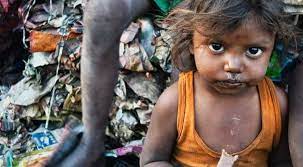
Poverty is defined as a condition in which a person is deprived of fundamental needs of existence. Furthermore, the individual does not have an insufficient amount of food, housing, or clothing. In India, the majority of the poor cannot afford to pay for a single meal each day. They also sleep on the side of the road and dress in filthy old clothing. Furthermore, they do not receive appropriate healthy and nutritious food, as well as medicine or any other required item.

Causes of Poverty:-

Poverty in India is growing due to a rise in the urban population. People from rural areas are flocking to cities in search of better opportunities. The majority of these individuals find a low-wage employment or an activity that just pays for their meals. Most significantly, lakhs of urban residents live below the poverty line, with many more on the verge of destitution.

Furthermore, a large number of people live in slums or low-lying regions. These individuals are generally uneducated, and despite their best efforts, their situation stays unchanged and there is no satisfying outcome.

Furthermore, there are several factors that may be identified as important causes of poverty in India. Corruption, increasing population, poor agriculture, a huge disparity between wealthy and poor, ancient customs, illiteracy, unemployment, and a few more factors are among these causes. A significant number of people work in agriculture, yet the compensation is relatively low in relation to the labour done by employees.

Furthermore, as the population rises, so does the need for food, housing, and money, and in the absence of these resources, poverty spreads rapidly. Furthermore, being extremely poor or extra affluent widens the divide between rich and poor.

Furthermore, the affluent are getting richer while the poor are increasing poorer, creating an economic divide that will be difficult to close.

Effects of Poverty:-

It has a wide range of effects on people’s lives. It also has a variety of impacts, such as illiteracy, bad nutrition and food, inadequate housing, child labour, unemployment, poor hygiene and lifestyle, and feminization of poverty, among others. Furthermore, impoverished people cannot afford a good and balanced diet, attractive clothing, appropriate education, a stable and clean housing, and so on since all of these amenities cost money, and if they can’t afford to eat two meals a day, how can they afford to pay for these amenities?

The Solutions for Ending Poverty:-

It is critical that we act swiftly and appropriately to address the issue of poverty. One approach to addressing these issues is to equip farmers with enough infrastructure. So that they can make agriculture lucrative rather than migrating to cities in search of work.

Illiterate individuals should also be provided the necessary instruction in order to live a better life. Family planning should be practised in order to control the growing population. Furthermore, steps should be done to eliminate corruption so that we can address the wealth disparity.

List of Indian states and union territories by poverty rate:-

India’s GDP per capita income is around $2241 (or 168,075). This is a list of Indian states and union territories rated in terms of poverty as of 2021. Number and Population – The rank is determined by the percentage of persons living below the poverty line and is based on MRP consumption.

State/U.T.Percentage of population living below the national poverty line
Goa5.09
Kerala7.05
Himachal Pradesh8.06
Sikkim8.19
Punjab8.26
Andhra Pradesh9.2
Haryana11.16
Uttarakhand 11.26
Tamil Nadu11.28
Meghalaya11.87
Tripura14.05
Rajasthan14.71
Gujarat16.63
Maharashtra17.35
Nagaland18.88
West Bengal19.98
Mizoram20.4
Karnataka20.91
Uttar Pradesh29.43
Madhya Pradesh31.65
Assam31.98
Odisha32.59
Bihar33.74
Arunachal Pradesh34.67
Manipur36.89
Jharkhand36.96
Chhattisgarh39.93
TelanganaN/A
Andaman And Nicobar Islands1
Lakshadweep2.77
Puducherry9.69
Daman and Diu9.86
Delhi9.91
Jammu and Kashmir and Ladakh10.35
Chandigarh21.81
Dadra and Nagar haveli39.31

Conclusion

To summarize, poverty is a national problem, not a personal one. It should also be addressed as soon as possible by the deployment of appropriate solutions. Furthermore, poverty eradication has become critical for the long-term and inclusive progress of individuals, society, country, and economy.

RESPIRATORY SYSTEM

Anatomy Of The Respiratory System

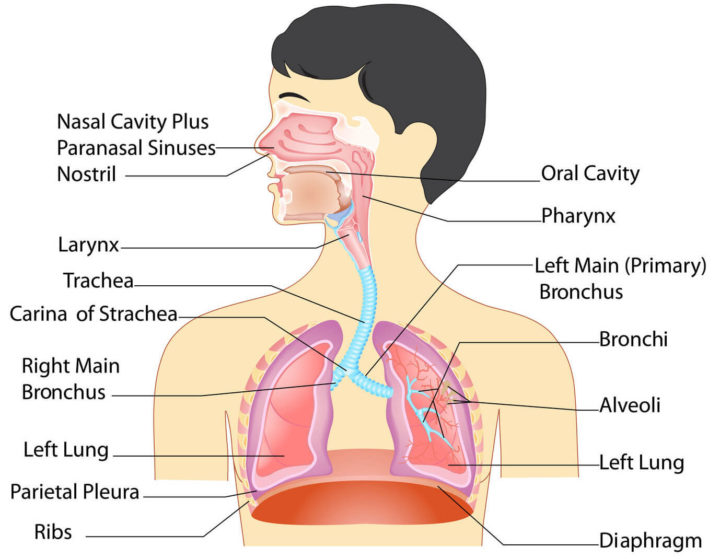
Respiration is the process of obtaining and using oxygen, while eliminating carbon dioxide. It is the process by which human beings take in oxygen from their environment and give out carbon dioxide that is produced as a result of some chemical changes within the cells. The requirement of oxygen is indispensable for the human body. If the intake of oxygen is completely suspended for more than four minutes, the person usually dies. So, our body needs a continuous supply of oxygen . Some chemical changes take place in tissue cells. The main product of these chemical changes is CO2 . A continuous elimination of CO2 is essential. In fact, respiration is a twofold process. One is called internal respiration and the other is external respiration . The inhalation of oxygen is followed by some chemical changes in which , waste products are formed . Then exhalation of waste products takes place. The process of inhalation of O2 and exhalation of CO2+ H2O is called respiratory process . There are various organs of respiratory system , which play a vital role in respiration . These are mentioned below.

  • Nose
  • Pharynx
  • Larynx
  • Trachea
  • Bronchi
  • Diaphragm
  • Lungs

Why is vaccination important?

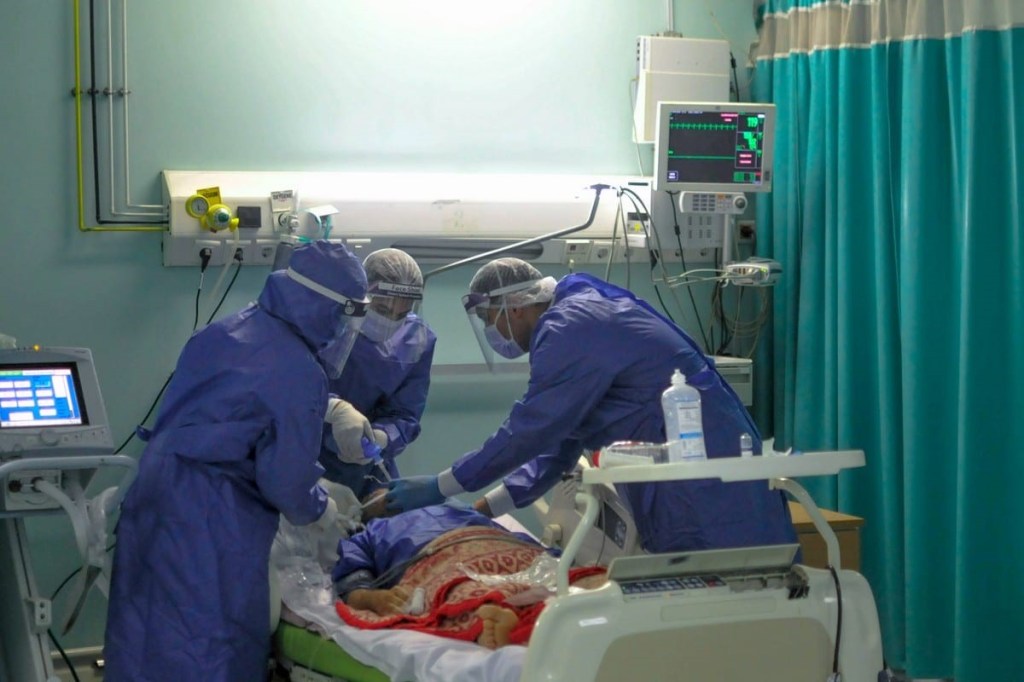
COVID-19’s catastrophic second wave left India crippled. Shortage of oxygen, hospitals on the brink, unbridled Covid deaths, rampant Covid cases, people in agony pretty much sums up the second wave.

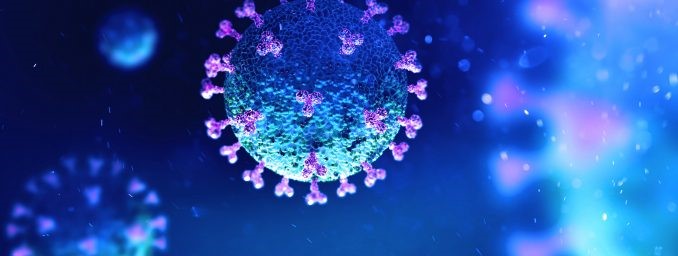
The virus evolves as it spreads. India is coping with the UK version, South African variant, Double mutant, Kappa variant, and Delta variant- to name a few.

When will COVID-19 come to an end?

Some of the viruses responsible for previous pandemics, such as the H1N1 swine flu virus, continue to spread today, so does H3N2.

And, the bitter truth is, this may also be the case with COVID-19. COVID-19 is far more difficult to eradicate since it may spread from animals to humans and from humans to humans.

“The virus sticks around, but once people develop some immunity to it — either through natural infection or vaccination — they won’t come down with severe symptoms. The virus would become a foe first encountered in early childhood, when it typically causes mild infection or none at all,” quoted Jennie Lavine, an infectious-disease researcher at Emory University in Atlanta, Georgia.

Eradication, on the other hand, isn’t the sole option. We’ve previously controlled and confined Ebola, hepatitis B, measles, and SARS, all of which were similar to the current COVID-19.

“The end of the pandemic is not the end of this virus — it’s the end of an unsustainable impact on health systems,” ANDREW J POLLARD, FRCPCH PhD FMedSci, is Professor of Pediatric Infection and Immunity at the University of Oxford said. “If we can convert it into something more innocuous, then we’ll have the end of the pandemic in sight.”

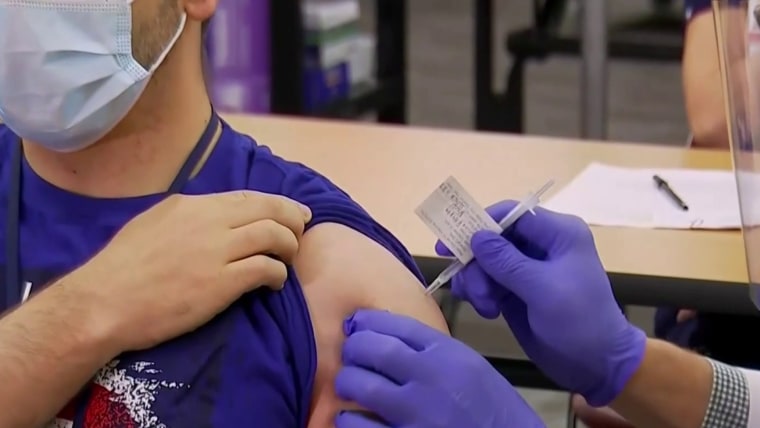
COVID-19 can also be contained and controlled with vaccination. Covishield has a 90% efficacy rate, while Covaxin has an 81 percent efficacy rate. Russia’s Sputnik V has a 91.6 percent efficacy rate. It’s time to get vaccinated for your own and your family’s protection, as vaccination is the only way out of this pandemic.

Post-vaccination symptoms & why they are good?

After taking the vaccination, one may experience some side effects like pain at the injection site, joint pain, redness, headache, chills, swelling at the injection site, fever, nausea, or fatigue.

But it’s perfectly normal and, in fact, beneficial. Side effects are the immune system’s response to the vaccine & a sign that the vaccine is working.

The good news on our part is that a brisk response equals an effective response,” Dr. Mark Loafman, chair of family and community medicine for Cook County Health in Illinois, told NBC 5. “It tells us that the vaccine is working. Our body’s forming a robust immune response and we feel that that’s a positive thing. So, we tend to see the vaccines that have a higher efficacy rate also have more of the so-called side effects or the symptoms because they work so well.”

Vaccines are designed to give you immunity without the dangers of getting the disease. Common and mild or moderate side effects are a good thing: they show us that the vaccine is working. Experiencing no side effects doesn’t mean the vaccine is ineffective. It means everybody responds differently. 

EDUCATION AND ITS CRITICAL IMPORTANCE:

Education is something that a person obtains from his surroundings or from a school. It is a weapon in one’s arsenal. Education is defined as the acquisition of knowledge. Education is a never-ending process in which we learn new things at every turn, and it will continue until a person’s last breath. In this process, there are no age restrictions; anyone can learn at any age they want.

Education can play a significant role in shaping a child’s personality. As a result, educational institutions play a critical role in this. An educational institution should anticipate children’s needs. The teachers and instructors should be very kind and loving to the students, or else the education and institution will be boring and tiresome to them. Education should not only be about learning, but also about having fun so that the children find it interesting. Education has the potential to impact global development in the long run. A well-educated person is always working to improve humanity. Education produced civilized, well-organized people. People who are educated have great ideas and strive for betterment in life. It assists in breaking out of one’s comfort zone, which is where the magic happens.

Physical education is another aspect that plays a significant role in one’s life. When a child receives a better physical education, he will grow up to be a healthy person with a fit body. As a result of their education, people mature. Refinement enters the lives of educated people. Above all, education teaches people the value of discipline. People with a higher level of education understand the value of time much better. In the eyes of educated people, time is equal to money.

Education is more than what we learn within the four walls of a classroom; it is a broader concept. Nobody in the world knows everything because the world is a mystery and we cannot find a solution to everything. We obviously don’t know everything, so we should always be curious and excited when we come across a new discovery. So, if we are ignorant about something, it is almost certain that when we discover it, it will provide us with an incalculable amount of pleasure.

A General Awareness on the pandemic!!!

                             RECENT UPDATES ON THE CURRENT SITUATION OF COVID PANDEMIC

What do you call the disease caused by the novel coronavirus? Covid-19

The second wave of Covid is making people suffer from its worst effects as the newly affected on a daily basis have reduced to less than 40,000 from 4 lakh of affected within ten days as per the latest reports of WHO organization released recently. The deaths are nearly more than 4 lakh of population and the government of various states are managing to control the spread of this virus. The doses of vaccines are prepared in a full stream as 34 lakhs of vaccines are distributed to several states and countries from the Serum Institute since it was approached by WHO company to prepare these doses. The third wave of Covid have already started in Australia that has affected nearly 20,000 people so far with even more advanced side effects of this virus. Accompanied by the death rate of these fungus as 5 out of 10 people prove fatality with negligence of side effects. As relaxations are made every country government works to control the spread and remove this deadly virus all over the globe.

Fully vaccinated people don't need Covid boosters, U.S. health agencies say
How to Make DIY COVID-19 Face Shields

MEANING OF LEARNING

Why Learning Experience Matters | Litmos Blog

Generally people think that learning through practice is to make someone better than what he/she was earlier . To think so is not complete appropriate . However, it cannot be denied that there is an improvement as a result of learning . But it can lead towards unwanted or undesired changes . A child who plays football, may also learn wrong technique . Indeed , learning has a detailed explanation . The process of learning begins from the birth and continues throughout life. That is why it is said that learning takes place from womb to tomb. Learning means to adjust or adapt oneself according to the situation . There is a change in the behaviour of an individual after learning and he changes himself according to situations . The various psychologists have defined learning in different ways. However, they reach approximately at the same point . There are following definitions of learning by some eminent psychologists.

  • According to Guilford, ”We may define the term very broadly in saying that learning is any change in behaviour resulting from behaviour.”
  • According to R.S. Woodworth and D.G. Marquis, Learning consists in doing something new provided, this something new to be retained by the individual and reappears in his later activities.’
  • According to G. Murphy , ‘‘From this point of view it would be legitimate to regard learning as modification both of behaviour and of the way of perceiving.”
  • According to Whitkar, ”Learning may be defined as the process by which behaviour originates or is altered through training or experience.”

On the basis of the above-mentioned definitions, the following conclusions can be drawn :

  • Learning is adaptation and adjustment .
  • Learning is a continuous process.
  • Learning is universal.
  • Learning is a change in behaviour.
  • Learning is improvement and development .
  • Learning is a new organisation of experiences.
  • Learning is purposive and goal directed.

360 Wander Writer

Welcome to Achievers World

“Disability need not be an obstacle to success”

Stephen Hawking

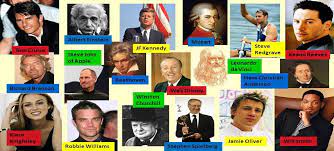
Not all people born on the Earth are perfectly normal. Though many of them are born without any disabilities some people are exceptions to it. Yet such people do not give upon their lives. There are many people who have succeeded to a great height , than a normal born person. Among various disabilities Dyslexia is one among them.

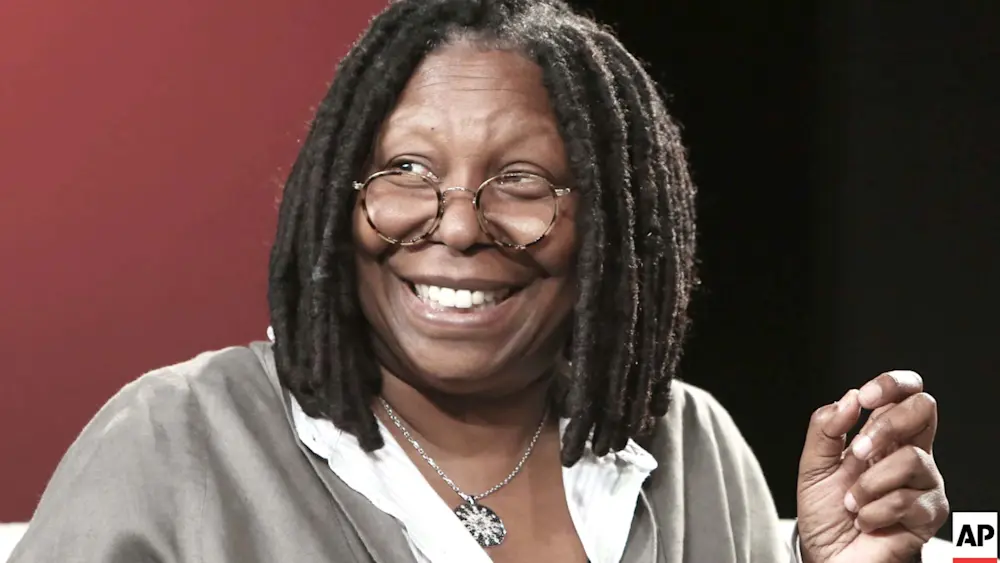
Whoopi Goldberg is an American actor, author, comedian, and television personality. Even before she came to about that she had this disability the kids in her school tagged her as a dumb one. As all mothers her mother also had hope on her and encouraged her. She made sure that her daughter should never hear to such comments .Her mom told her she could be anything she wanted to be. Goldberg believed her and grew up to become a comedian and talk-show host  and one of only about a dozen people to have won a Grammy, an Academy Award, an Emmy, and a Tony Award.

Keira Knightley was diagnosed with dyslexia when she was 6. But she never let that overtake her. She used her love of acting to help motivate her. The Pirates of the Caribbean star made good on her half of the bargain, using movie scripts to practice reading. She went on to become one of Hollywood’s highest-earning actresses.

Tom Cruise is one of the most famous action heroes of modern times suffered from severe dyslexia. This disability never stopped Tom Cruise from doing stunts which can make any normal person faint in a matter of seconds. He once said, “Nothing ends nicely, that’s why it ends. This persistence explains why he has reached such heights.

Walt Disney - Quotes, Frozen & Pictures - Biography

 Walt Disney ,from his childhood was a victim of dyslexia from his childhood and had difficulties in reading due to his learning disorder. Disney’s upbeat attitude can be clearly seen in his quote “It’s kind of fun to do the impossible”. And then he became an American entrepreneur, animator, writer, voice actor, and film producer. He is a pioneer of the American animation industry.

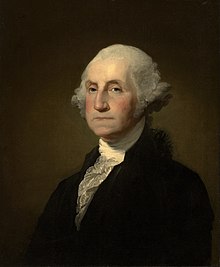
Head and shoulders portrait of George Washington

George Washington- if a person who suffered from dyslexia throughout his life can become the first president of the United States, then no PwD should ever be criticized or deprived of any opportunity as greatness lies within the soul. George Washington once said, “99% of failures come from people who make excuses.”

Albert Einstein -The Father of Theory of Relativity was one of the most famous people with disabilities. He faced difficulty in learning and was not unable to speak until he was 3 years old. He faced major issues in doing the basic maths in school. Expressing himself by writing was also a mammoth task for him. One of his famous quotes was “Insanity: doing the same thing over and over again and expecting different results.”

INDEPENDENCE

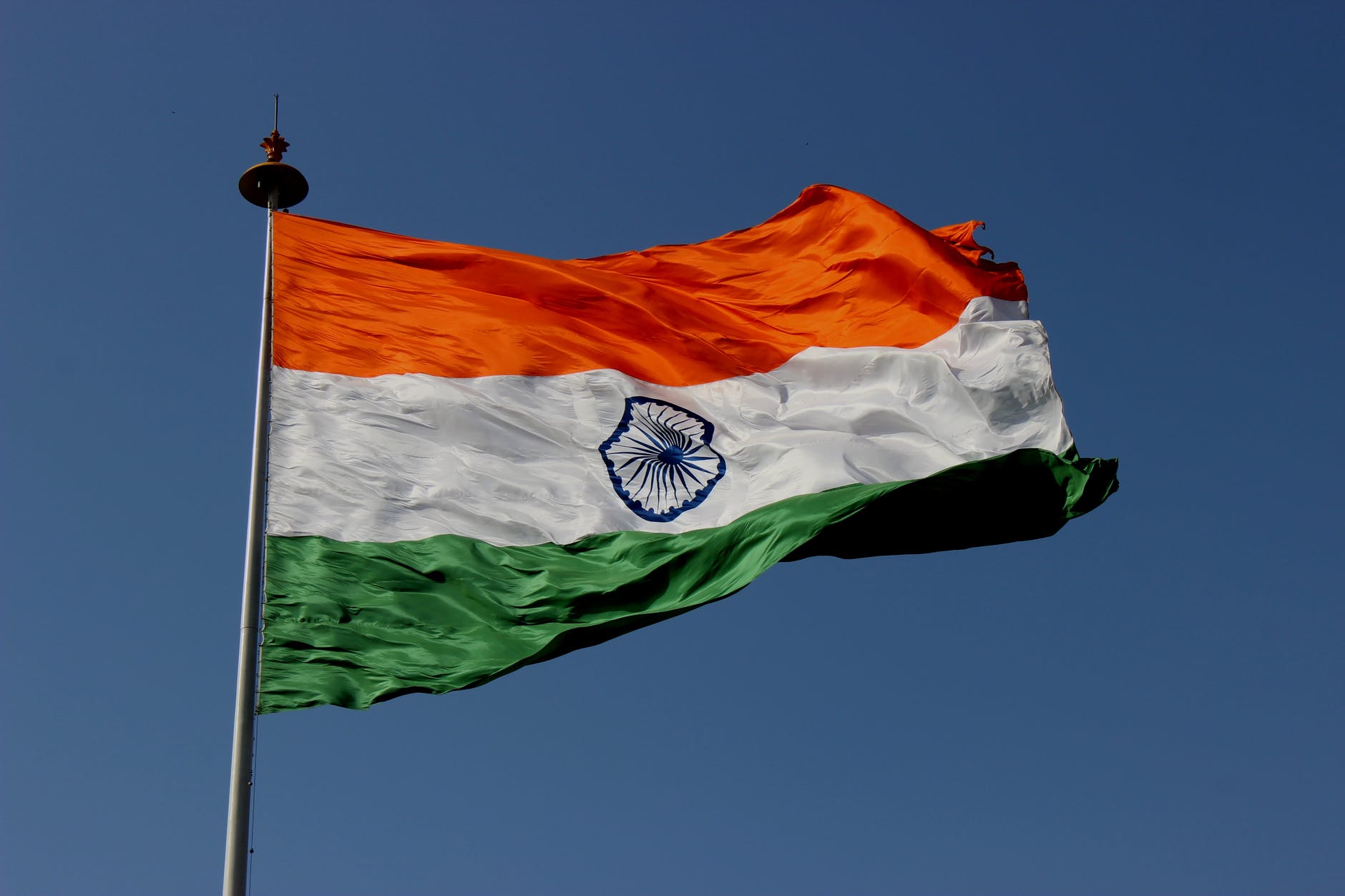
We remember the day with the sacrifices of our brave Indian freedom fighters. When India got independent, our first Prime Minister, Pandit Jawaharlal Nehru Unfurled, our tricolor national flag at Red Fort and Lahori Gate in Delhi. From that day and onward, this day celebrated as an independent day. The honor of the day’s solemn occasion, many programs dedicated at Red fort-like march past by our Indian soldiers, 21 gunshots are fired for the beginning of events and cultural activities by school students. Kite flying has also done as the tradition of Independence Day celebration, with kites of various sizes, shapes, and colors filling in the sky. Later on, from the year 1974, all the chief minister of respective State unfurled the National flag. We soonly update Paragraph on Independence day in hindi and Bengali.

Another contemporary relevance of the independence day as Anniversary of the partition of the subcontinent into countries, India and Pakistan. Our country is recognized as the largest democracy in the world. On this day, the Indian Independence Act 1947 was passed by the UK Parliament, which transferred legislative sovereignty to the Indian nation.

Photo by Alok Uniyal on Pexels.com

One of the most memorable days in Indian history is 15th August. It’s the day on which the Indian sub-continent got independence after a long struggle. India only has three national festivals that are celebrated by the whole nation as one. One being the Independence Day (15th August) and the other two being Republic Day (26th January) and Gandhi Jayanti (2nd October). After independence, India became the largest democracy in the world. We fought very hard to get our independence from the Britishers. In this essay on Independence Day, we are going to discuss the history and importance of Independence Day.

History of Our Independence DayFor almost two centuries the Britishers ruled over us. And the citizen of the country suffered a lot due to these oppressors. British officials treat us like slaves until we manage to fight back against them.We struggled for our independence but work tirelessly and selflessly under the guidance of our leaders Jawahar Lal Nehru, Subhash Chandra Bose, Mahatma Gandhi, Chandra Shekhar Azad, and Bhagat Singh. Some of these leaders choose the path of violence while some choose non-violence. But the ultimate aim of these was to drive out the Britishers from the country. And on 15th August 1947, the long-awaited dream come true.Why We Celebrate Independence Day?To relive the moment and to enjoy the spirit of freedom and independence we celebrate Independence Day. Another reason is to remember the sacrifices and lives we have lost in this struggle. Besides, we celebrated it to remind us that this freedom that we enjoy is earned the hard way.Apart from that, the celebration wakes up the patriot inside us. Along with celebration, the young generation is acquainted with the struggles of the people who lived at that time.

Activities on Independence Day

Although it’s a national holiday the people of the country celebrate it with great enthusiasm. Schools, offices, societies, and colleges celebrate this day by organizing various small and big events.

Every year at Red Fort the Prime Minister of India host the national flag. In the honor of the occasion, 21 gunshots are fired. This is the begging of the main event. This event is later on followed by an army parade.The school and colleges organize cultural events, fancy dress competitions, speech, debate, and quiz competition.Importance of Independence DayEvery Indian holds a different viewpoint about Indian Independence. For some, it’s a reminder of the long struggle while for youngsters it stands for the glory and honor of the country. Above all, we can see the feeling of patriotism across the country.The Indian’s celebrate Independence Day with a feeling of nationalism and patriotism across the country. On this day every citizen echoes with festive feeling and pride in the diversity and unity of the people. It’s not only a celebration of Independence but also of the unity in diversity of the country.

Pets Need Love

Do you feel like adopting a dog when you see one? But are also scared to take care of them?
Looking after a pet is like looking after a baby.
Pets need love, care, proper food, and also hygiene. It is very important to give them proper time but there are other things that one must take care while you have a pet or before adopting a pet.

Here are some things to keep in mind if you have a pet

Provide them healthy food
Healthy pet, happy pet.
You should always feed your pet good and high-quality food. The overall health of your pet is very important.

Vaccination on time
See that your pet is vaccinated from time to time. They prevent diseases such as rabies, distemper, Lyme disease, herpes virus, etc. Schedule your appointment, if you’ve not vaccinated your pet yet.

Veterinarian visits
If you want to be a responsible pet owners then start taking your pet to veterinarian. Your pet needs a checkup at least once a month. Regular visits will keep them healthy.

Take them for walk
Every pet needs fresh air and a good walk. Take them for a walk twice or thrice a day for atleast thirty minutes. Animals are social creatures, they tend to become more active when they go out.

Train your pet
Train your pet to follow simple commands. A well trained pet will lead a long and a healthy life. Pet training classes will be very helpful.

Provide a clean and a protective environment
Provide a clean and a protective environment for your pets. See to it there are no hazardous objects in the house and there is enough ventilation in the house.

Keep water available
Always keep fresh and clean water around them. Water in the container should be changed time to time.

Communicate with your pet
It is very important to develop a healthy relationship with your pet. Pets understand the language of love so always remember to communicate with them.

INDIA’S FAMOUS DESTINATIONS AND FLAVORS

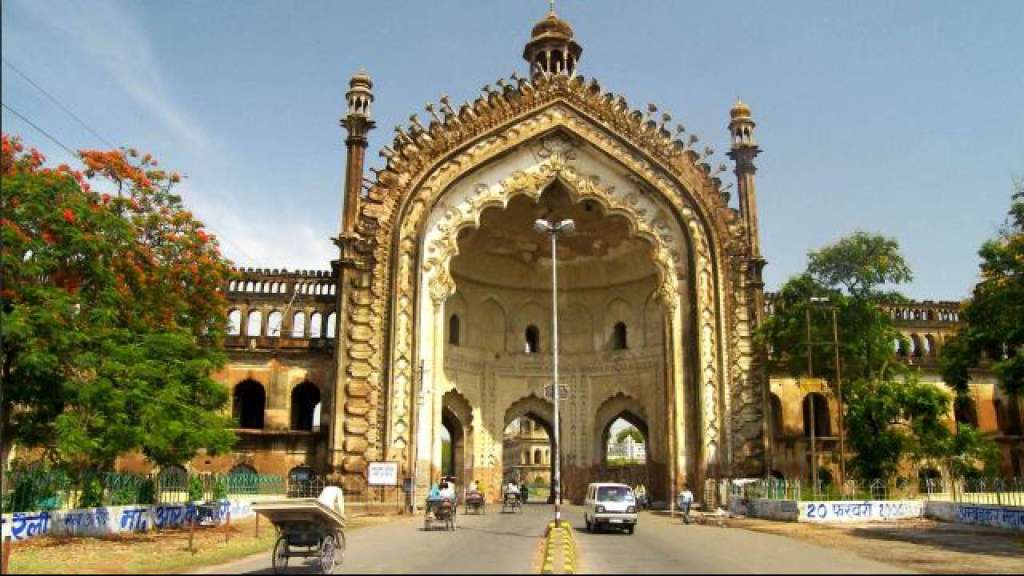
  • LUCKNOW

Gulnaar Kebabs: The Gulnaar Kebab is delight for those who enjoys eating food. The chicken perfectly blended with tomatoes and spices, bawarchis (chefs) consider garnishing the kababs with the petals of roses is of the most aesthetic way of plating.

Lakhnavi Biryani: `Bhuna’ rice is what really considered as Biryani, before the preparation, the rice is needed to be fried properly before cooking with the mutton. Hence, the name briyani differentiates it from the pulao.

Nargisi Kofta: The hard-boiled egg is considered as the main ingredient in Nargisi Kofta, enfolded in mince and deep fried, and half of the dish resembles as eye. The eggs which are selected are slimmer rather to round to get the perfect shape!

Shami Kebab: Made with mincemeat this kebab is consider as a non-vegetarian dish.   These Kebabs are shaped in round patties with lots of spicy surprise. The mouth melting and extremely soft kebab will leave you stunned with its texture.

  • HYDERABAD

Firni: Firni is severed as dessert in Hyderabad, made with boiled rice, or vermicelli cooked in milk and adding sugar in it to get the sweet flavour; it is flavoured with cardamom, raisins, saffron, cashews, pistachios, or almonds.

Hyderabadi Biryani: Biryani is must to Hyderabadi’s people in their culture. Pakki briyani and Katchi briyani are main types of briyani in Hyderabadi culture. The method for the preparation of katchi briyani is done with katchi Yakhni method i.e., with raw gravy, in which the meat is marinated in curd and cooked only by its dum. In Pakki Biryani, meat is cooked with all the spices mixed in it and then the rice is boiled with the gravy, with the aroma of mace, sealed is vessel with ittar and kewra in it.

Hyderabadi Haleem:  The Haleem dish is cooked in low flame on firewood in Bhatti for about 12 hours. It is a type of food that we make in liquid for a long time composed of meat, with lentils and wheat which makes in into a thick paste.

Sheer Korma:  Sheer Korma is a dish made during the festive season, it is a kind of pudding prepared by Muslims on Eid. Vermicelli are fried in clarified butter. Then milk (sheer) is added to vermicelli is allowed to cook further till the milk gets thick in texture, and sugar and dates are added on top with other dry fruits to make it attractive.

  • KOLKATA

Rasogolla: Rasogolla are dumplings of chena (an Indian cottage cheese) which has given round shape and make with semolina dough. The dumplings are added in the sugar syrup which gives it a sweet taste.

Mistidoi: A dessert typically a sweetened curd liked by all over India.  

Shingara: It is Bengali version of India favourite snack Samosa. It can be either baked or fried, stuffing made with potatoes, peas and cauliflower etc. non-vegetarian and swap this stuffing with mincemeat. Shingara with tea is mostly like snack in Bengal during evening.  

Phuchka:  As golgappa all over famous in North India the phuckha is little, larger in size when compared to golgappa. With crispy texture when compared to  rest-of-India variant. The filling is mostly done with  potato and matar.